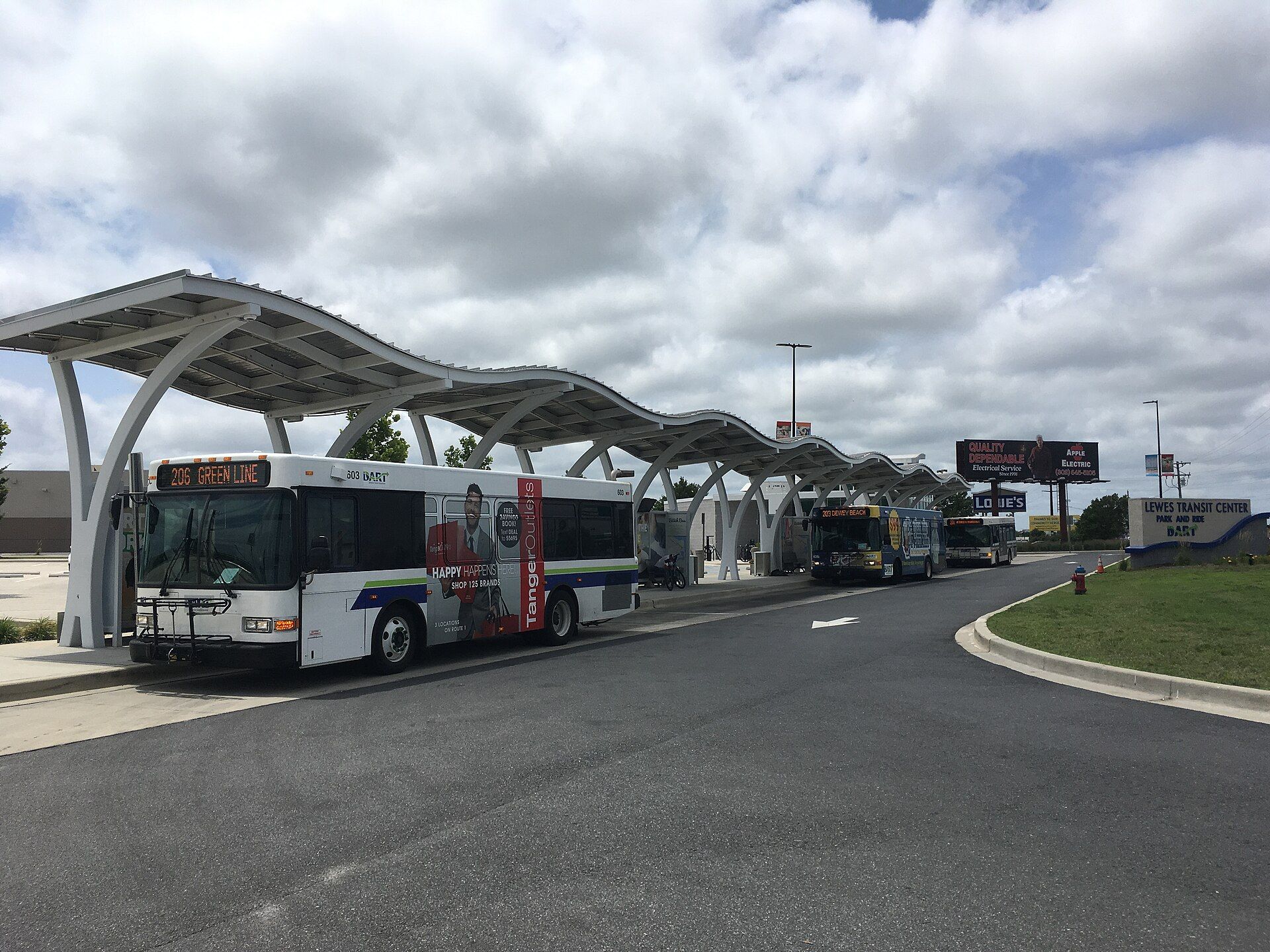
Lewes is an incorporated city on the Delaware Bay in eastern Sussex County, Delaware, United States. Landmarks include Zwaanendael Museum, United States lightship Overfalls and Col. David Hall House. Lewes is the birthplace of Daniel Rodney, politician.
Every piece is drawn from Lewes's own map data and historic archives, then printed and shipped from the USA when you order. No two towns look alike.
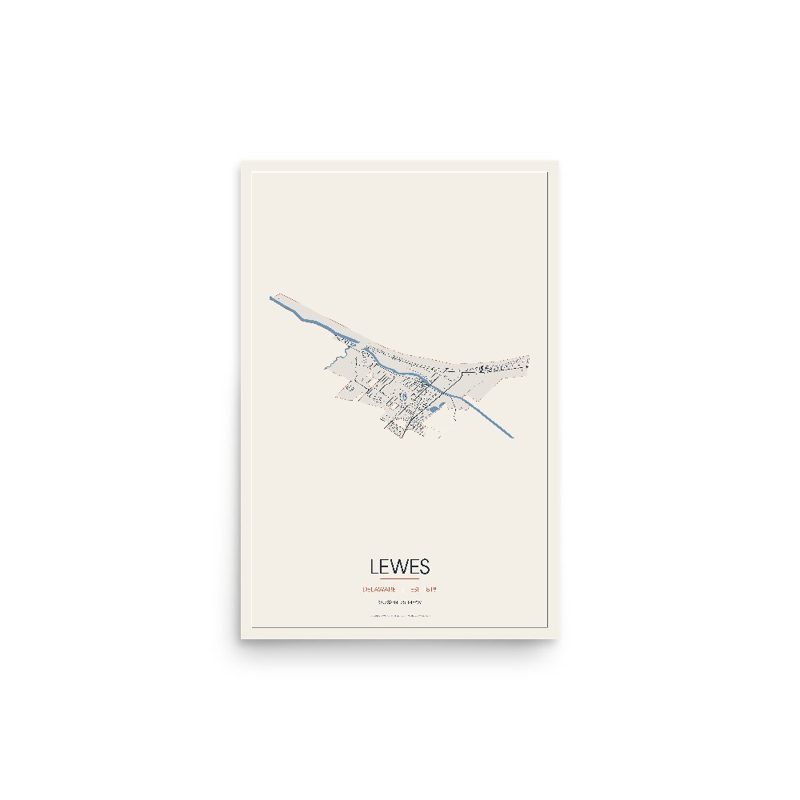
Every road in town, on archival matte paper
The same map, in navy and silver
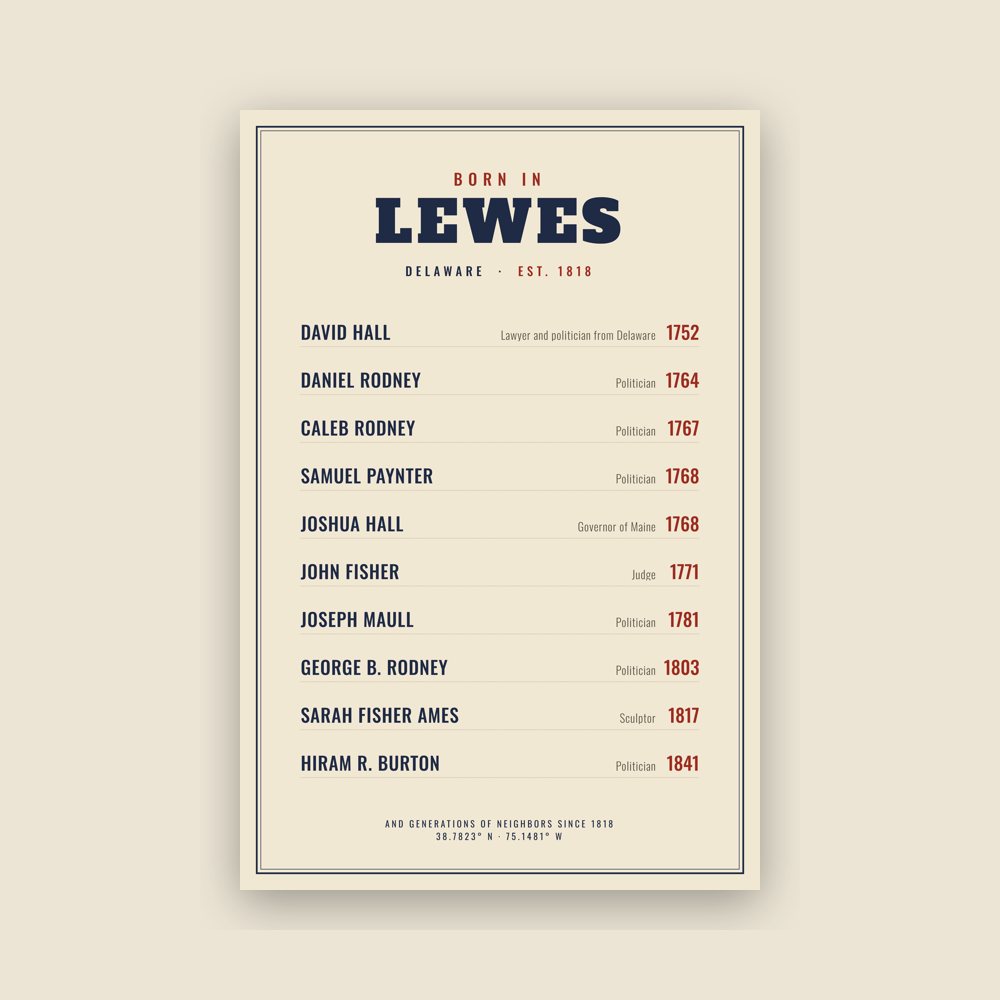
Famous natives, by birth year
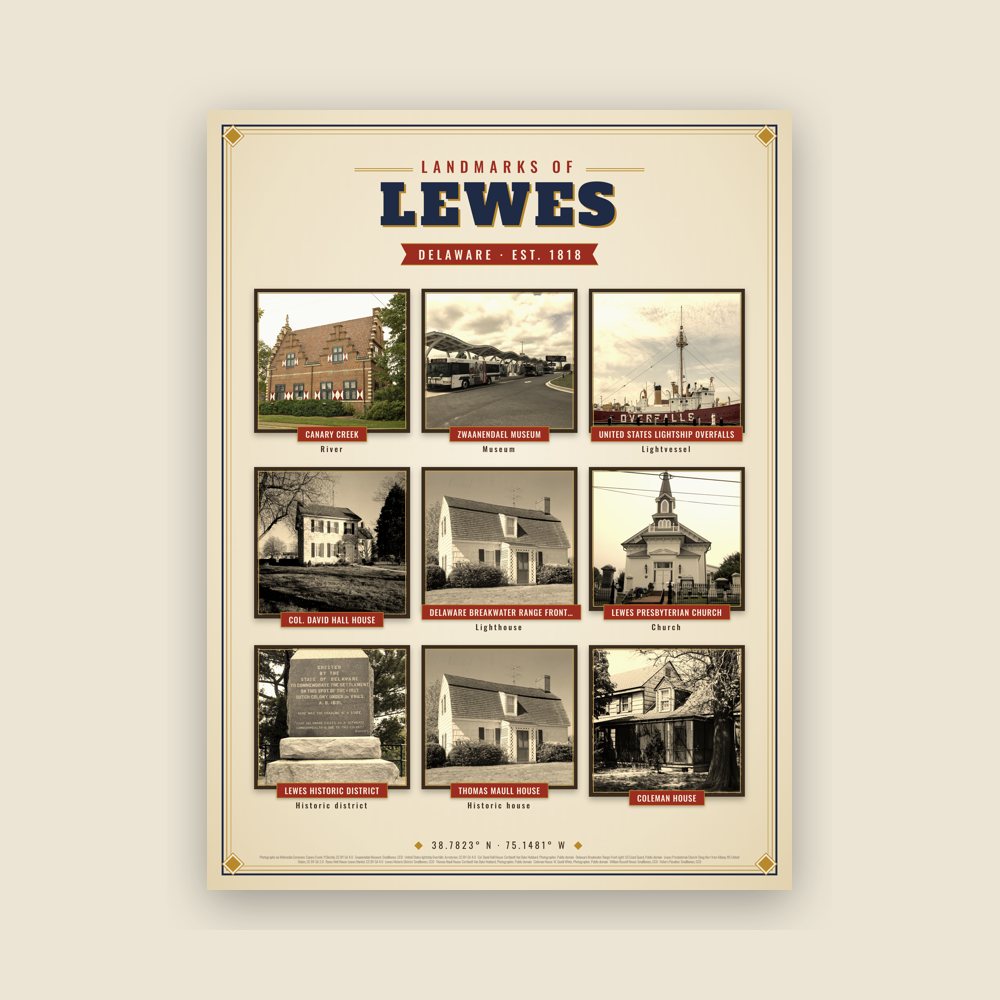
Nine local landmarks, archival matte
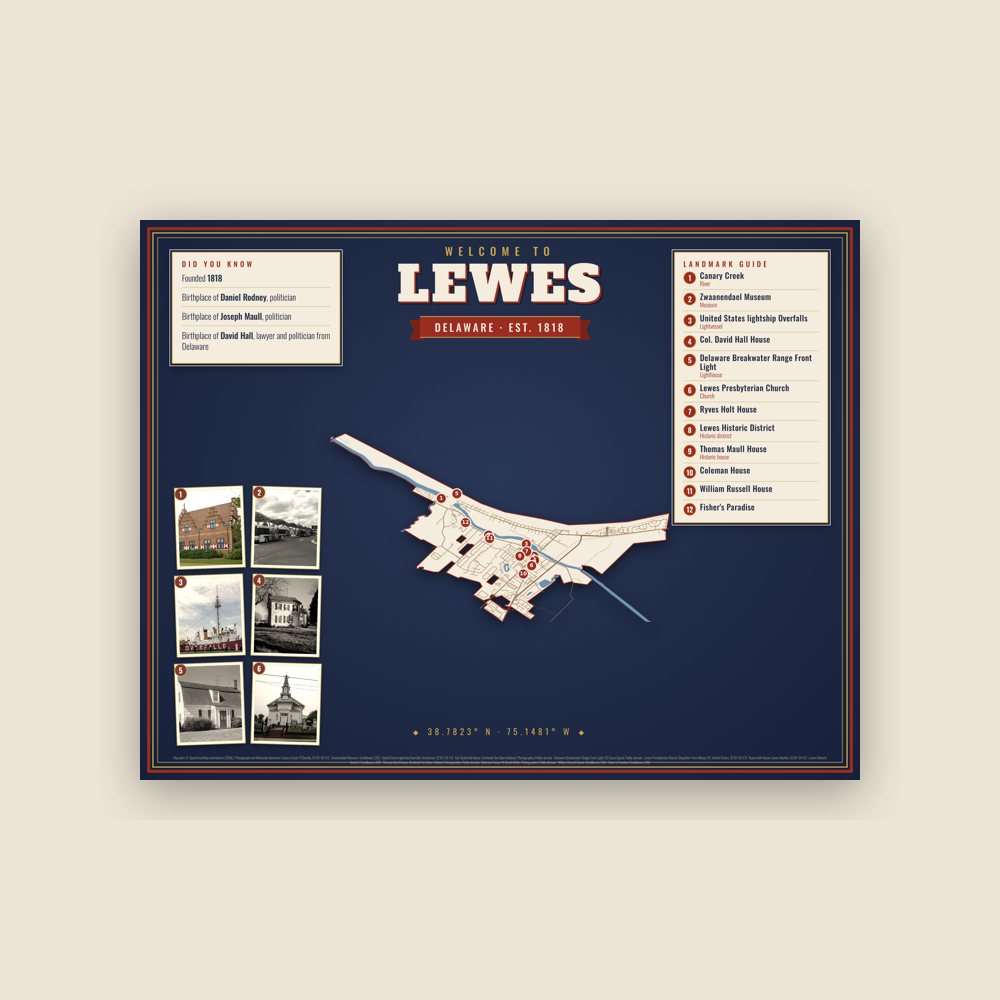
Map of local landmarks, washable fabric
Heavy-blend fleece, street map printed on the back
Soft Bella+Canvas jersey
Glossy ceramic, dishwasher safe
Ceramic keepsake, gold ribbon
Weatherproof, for the front walk
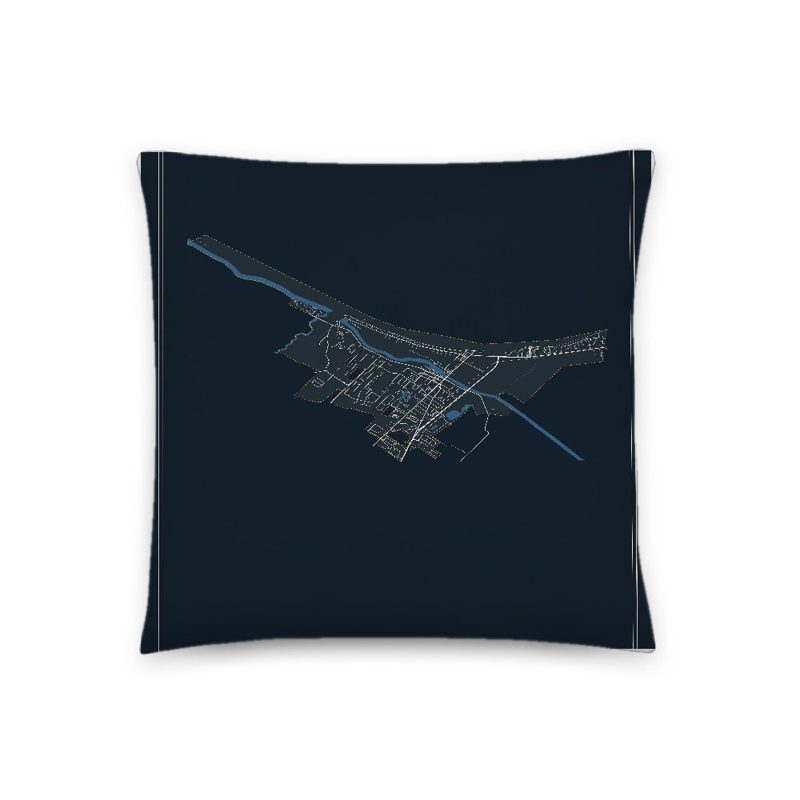
Soft-touch, zip cover
Sturdy all-over-print tote
Glossy top, cork back
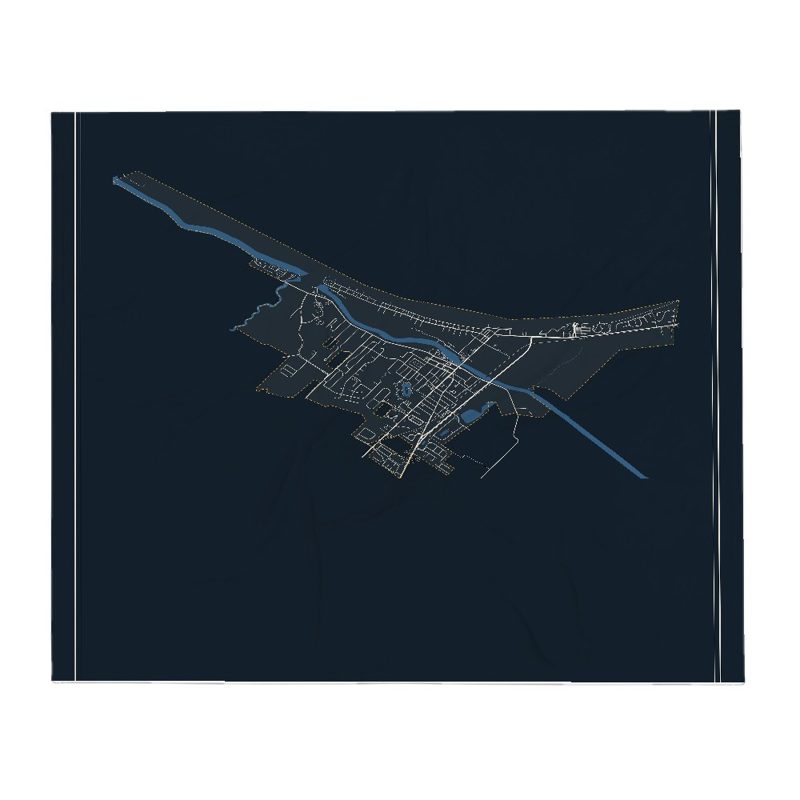
Soft fleece, 50″×60″
20 oz, double-wall stainless
Population 2010: 2,747 → 2020: 3,303
From Wikidata (CC0).
Lewes was the site of the first European settlement in Delaware, a whaling and trading post that Dutch settlers founded on June 3, 1631, and named Zwaanendael (Swan Valley). The colony had a short existence, as a local tribe of Lenape Indians killed all 32 settlers in 1632.
The area remained rather neglected by the Dutch until, under the threat of annexation from the Colony of Maryland, the city of Amsterdam made a grant of land at the Hoernkills (the area around Cape Henlopen, near the current town of Lewes) to a group of Mennonites for settlement in 1662. A total of 35 men were to be included in the settlement, led by a Pieter Cornelisz Plockhoy of Zierikzee and funded by a sizable loan from the city to get them established. 41 persons came with Plockhoy from the Netherlands to the Hoernkill on board the Dutch ship the Sint Jacob, one of whom was Otto Wolgast from the town of Wolgast, Pomerania. The settlement was established in 1663, and lasted until the very next year; in 1664, the English captured New Netherland from the Dutch, and they ordered the settlement razed with reports indicating that "not even a nail" was left there.
The Dutch colonists proved slow to regroup, but a new settlement gradually regrew around the Hoernkills. In late December 1673, when the area was briefly held again by the Dutch, the settlement was attacked and burned down again by a group of Maryland colonists. In 1680, under the authority of the Duke of York, who had been granted such authority by his brother, King Charles II, the village (and county) was reorganized and known for two years as New Deale, Deale County, Delaware. A log courthouse was authorized to be built at this time. An Anglican congregation was established by 1681 and a Presbyterian church was built in 1682.
In 1682, the Delaware colonies were given to William Penn by King Charles II as payment for a family debt. When Penn arrived in the New World later that year, he renamed the county as Sussex and the Hoernkills settlement as Lewes, in commemoration of the county and town in England. Lewes became and remained the county seat of Sussex County until 1791, when it was moved to a more west-central county location, the current town of Georgetown. The town was also known as "Lewistown" or "Lewestown".
On April 6 and 7, 1813, during the War of 1812, Royal Navy vessels led by HMS Poictiers under the command of Captain Sir John Beresford briefly and ineffectually bombarded the town. A cannonball from the bombardment is lodged in the foundation of Cannonball House, which now serves as the town's maritime museum.
Lewes was incorporated by an act of the state assembly on Feb. 2, 1818. The act provided for five persons to be chosen as commissioners to be known as "Trustees of the Town of Lewes."
In 1941, the United States built Fort Miles on Cape Henlopen, immediately east of Lewes, to defend Delaware Bay and the Delaware River and the oil refineries and factories on its shores, as well as the city of Philadelphia.
Fort Miles never saw any major action; except for range practice, it fired its guns only once between its establishment and the end of World War II. Fort Miles ceased operation altogether in 1991 and was deeded to the State of Delaware.
In addition to Fort Miles, the Cape Henlopen Archeological District, Coleman House, Cool Spring Presbyterian Church, De Vries Palisade, Delaware Breakwater and Lewes Harbor, Fisher Homestead, Fisher's Paradise, Col. David Hall House, Hopkins Covered Bridge Farm, Lewes Historic District, Lewes Presbyterian Church, Lightship WAL 539, Maull House, National Harbor of Refuge and Delaware Breakwater Harbor Historic District, Pagan Creek Dike, Roosevelt Inlet Shipwreck, William Russell House, St. George's Chapel, Lewes, Townsend Site, and Wolfe's Neck Site are listed on the National Register of Historic Places.
Six men who served as Delaware governor were born in or made their home in Lewes. Three of those men lived on Lewes' Second Street. Brothers Daniel and Caleb Rodney, sons of John Rodney, first cousin of Caesar Rodney, each served as governor of Delaware. Each a member of the Federalist Party, Daniel served from 1814 to 1817, while Caleb served as acting governor from 1822 to 1823. Ebe Walters Tunnell moved to Lewes in 1873 to enter the drug and hardware business in part of the old Caleb Rodney House on Second Street. Tunnell worked his way up the state government hierarchy before unsuccessfully running for governor in 1892. Four years later, the Democrat won the election, and served from 1897 to 1901.
As Lewes was the earliest settlement in the state, and Delaware was the first state to ratify the Constitution, the town refers to itself as "The First Town in the First State." Lewes is named after the town of Lewes in England, which is situated in a county named Sussex (from which Sussex County, Delaware, takes its name). Lewes, Sussex, England, also has the same seal.
Adapted (trimmed) from the Wikipedia article Lewes, Delaware, revision 1373513512 by its contributors, licensed CC BY-SA 4.0.
We share a part of every Lewes sale with local partners, and we'd love to print from your collection. Old photographs, maps and postcards make the best keepsakes.
Partner with us