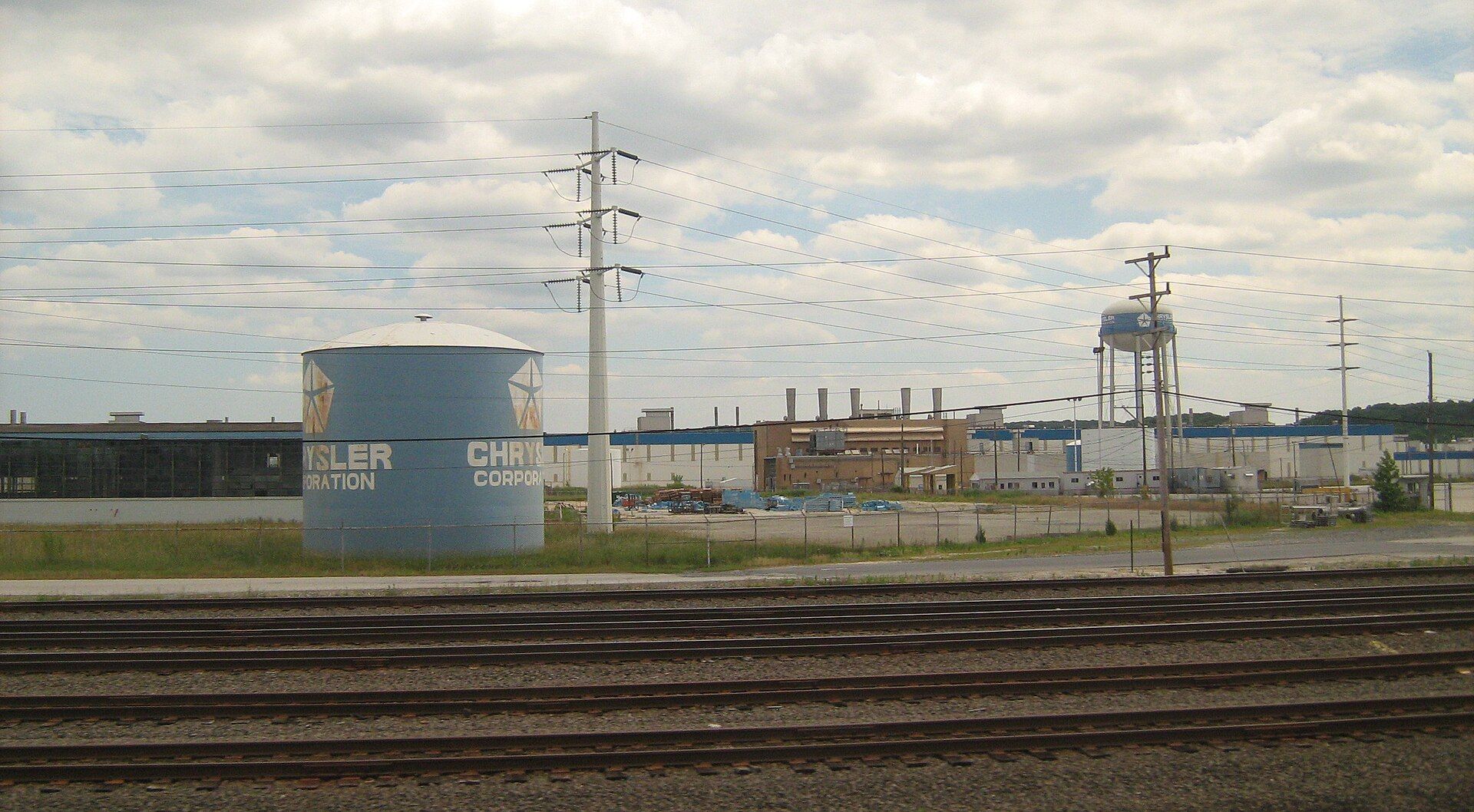
Schools have played a significant role in the history of Newark. Landmarks include Newark Assembly, Newark and Old First Presbyterian Church. Newark is the birthplace of Valarie Allman, discus thrower.
Every piece is drawn from Newark's own map data and historic archives, then printed and shipped from the USA when you order. No two towns look alike.
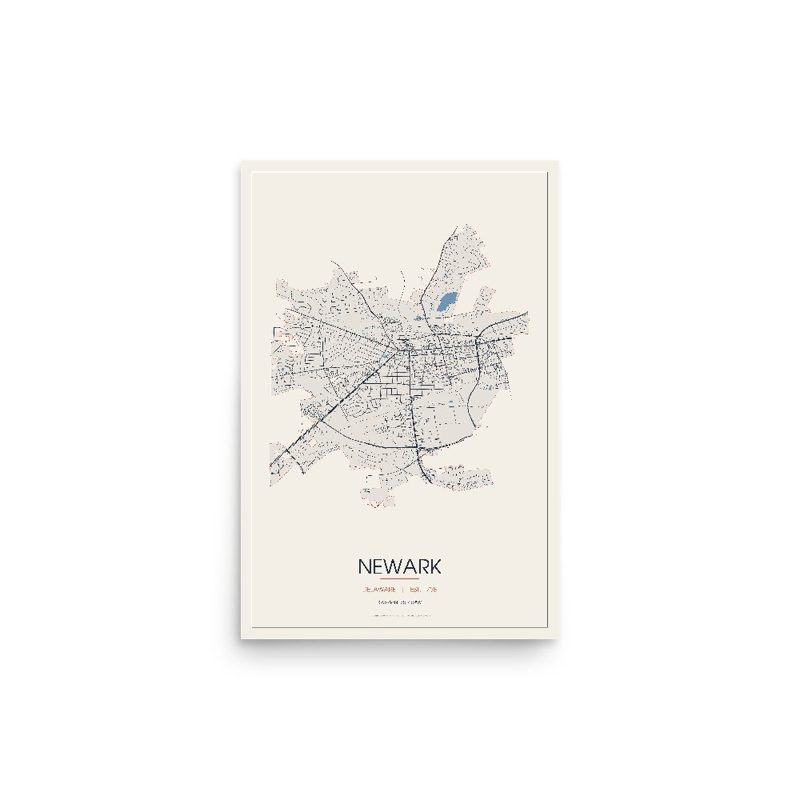
Every road in town, on archival matte paper
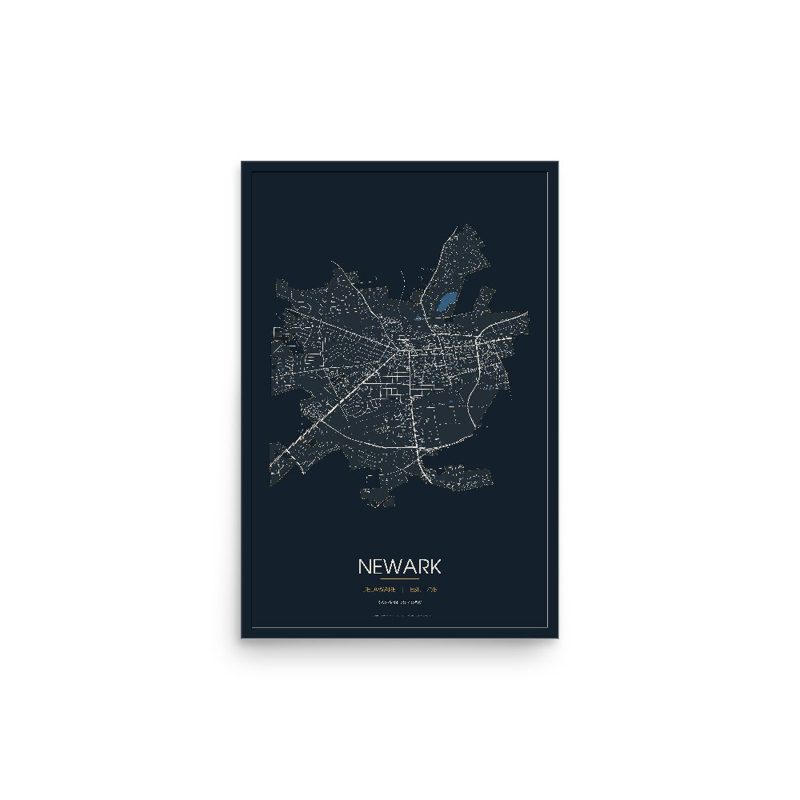
The same map, in navy and silver
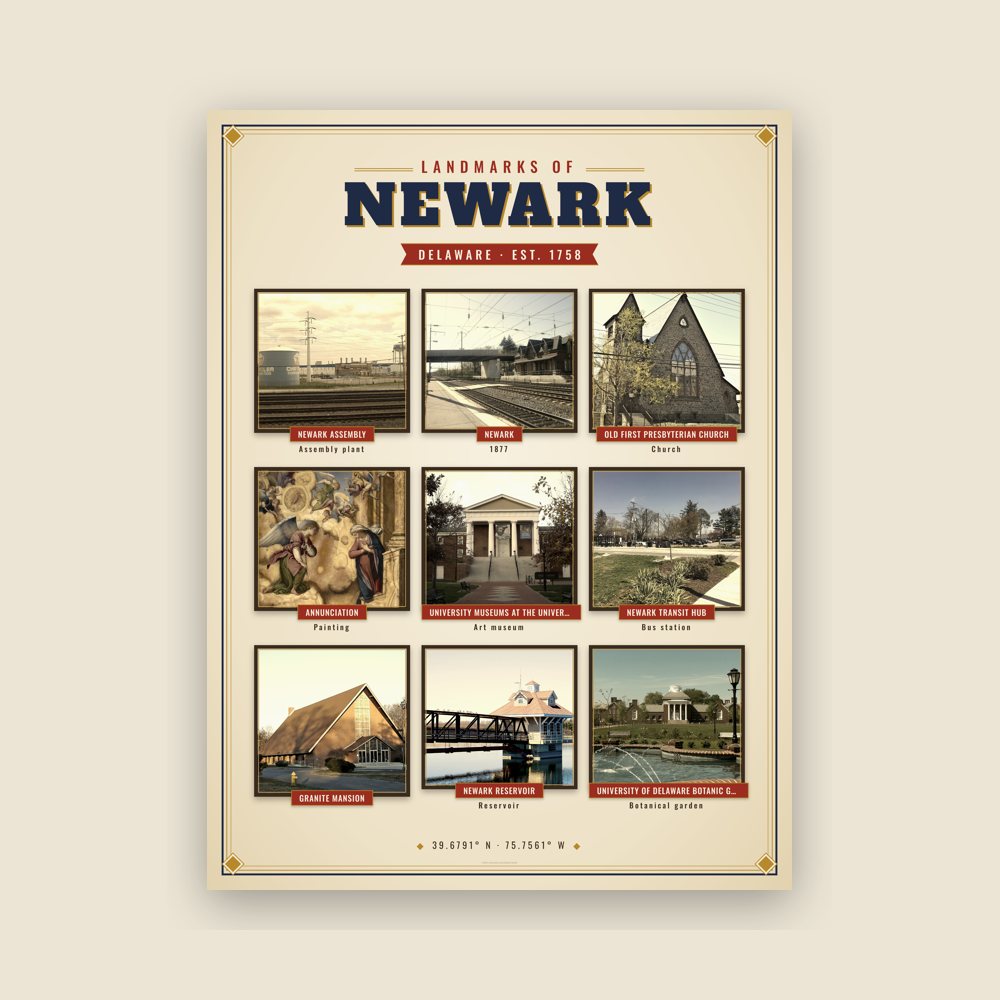
Nine local landmarks, archival matte
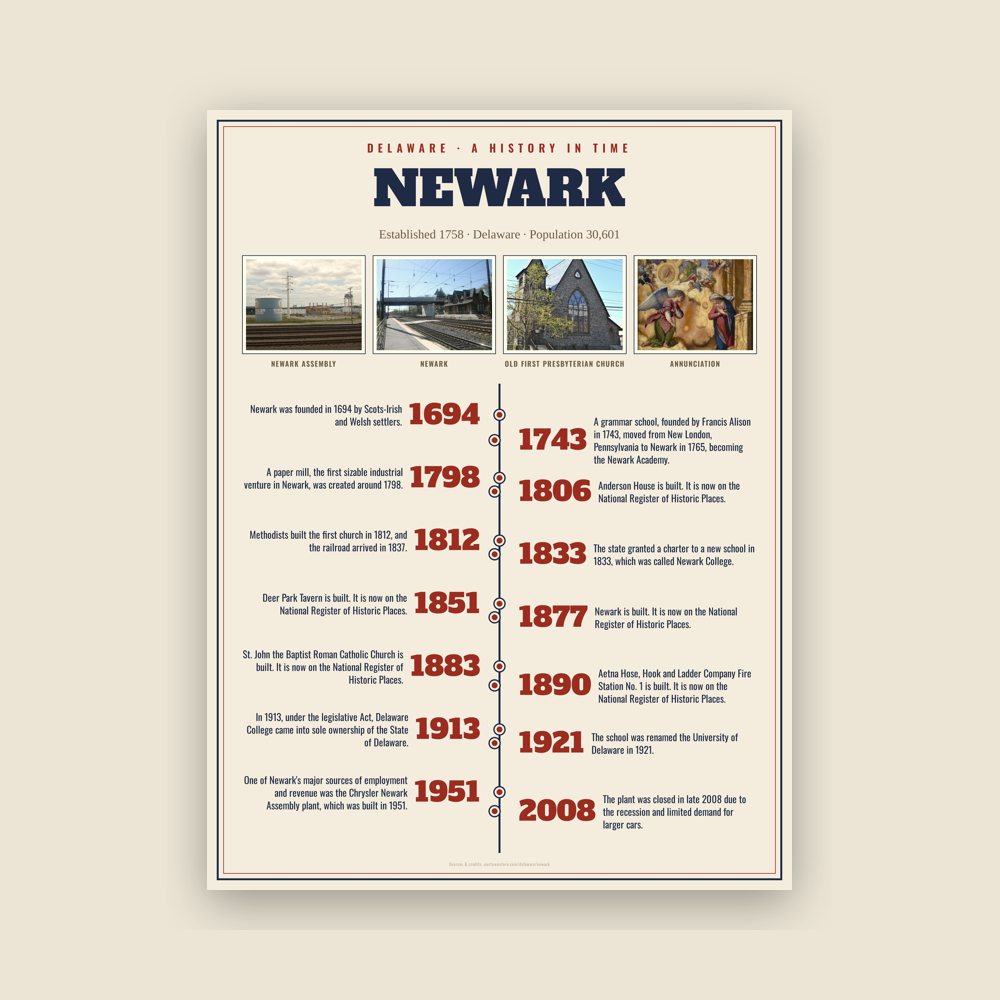
The town's story in dates, from its own records, for home or classroom
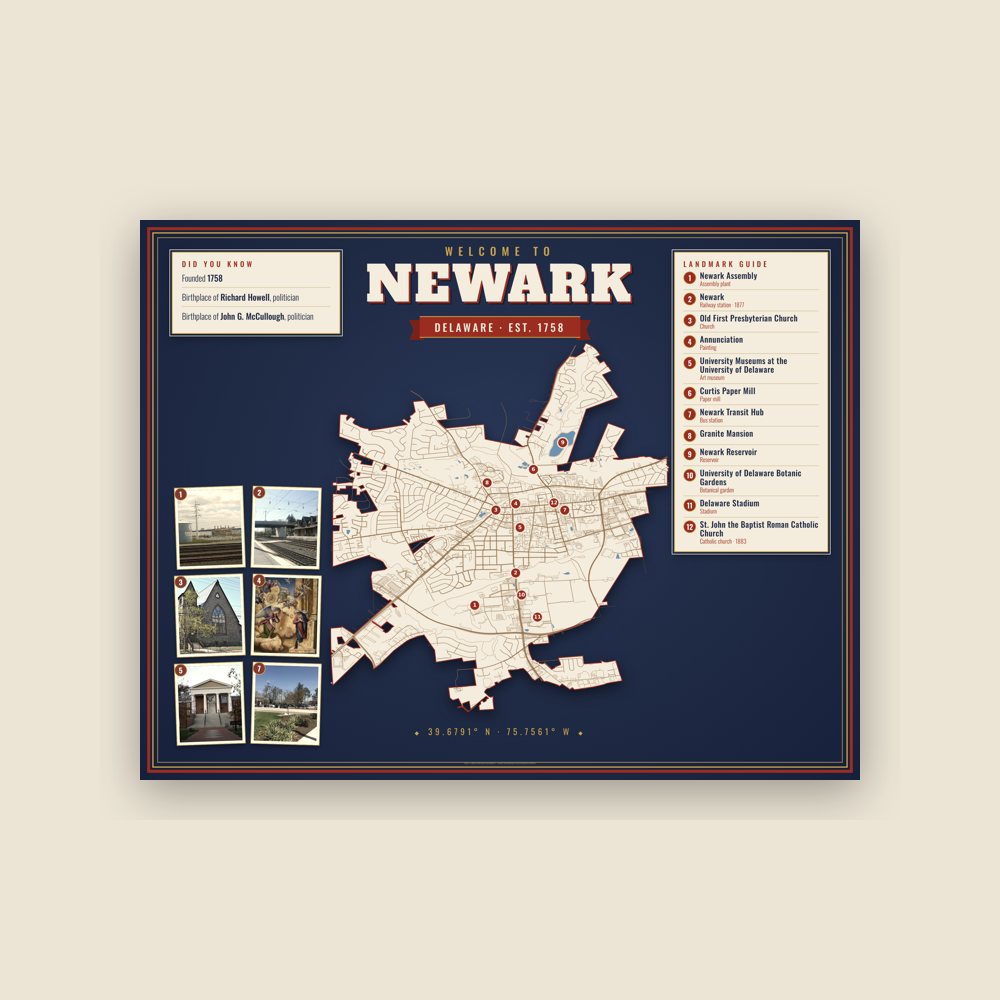
Map of local landmarks, washable fabric
Heavy-blend fleece, street map printed on the back
Soft Bella+Canvas jersey
Glossy ceramic, dishwasher safe
Ceramic keepsake, gold ribbon
Weatherproof, for the front walk
24″×16″, printed coir-look fibers, rubber back
12″×12″ printed wood, ready to hang
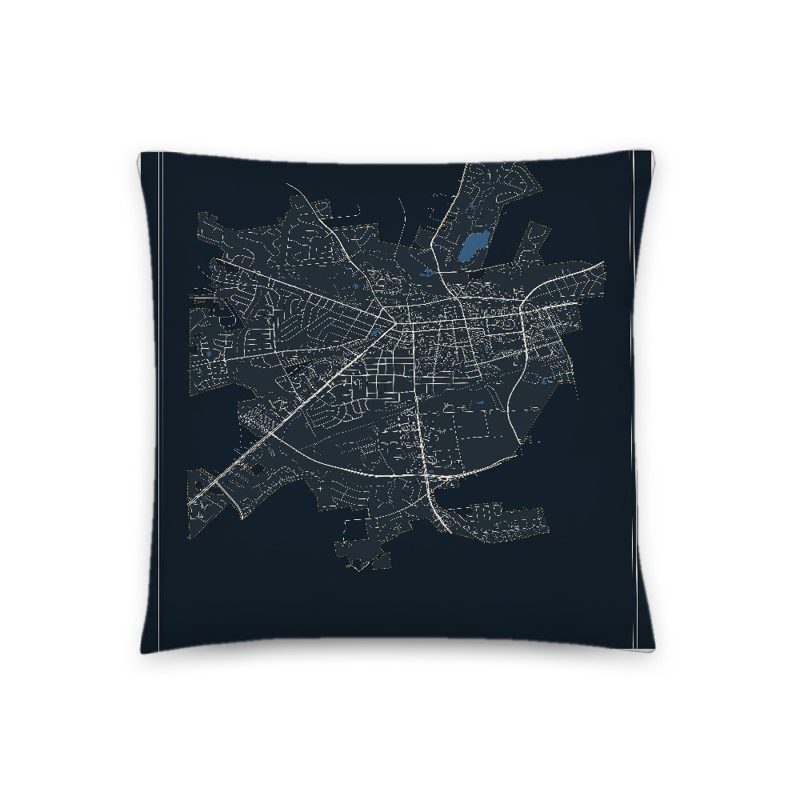
Soft-touch, zip cover
Sturdy all-over-print tote
Glossy top, cork back
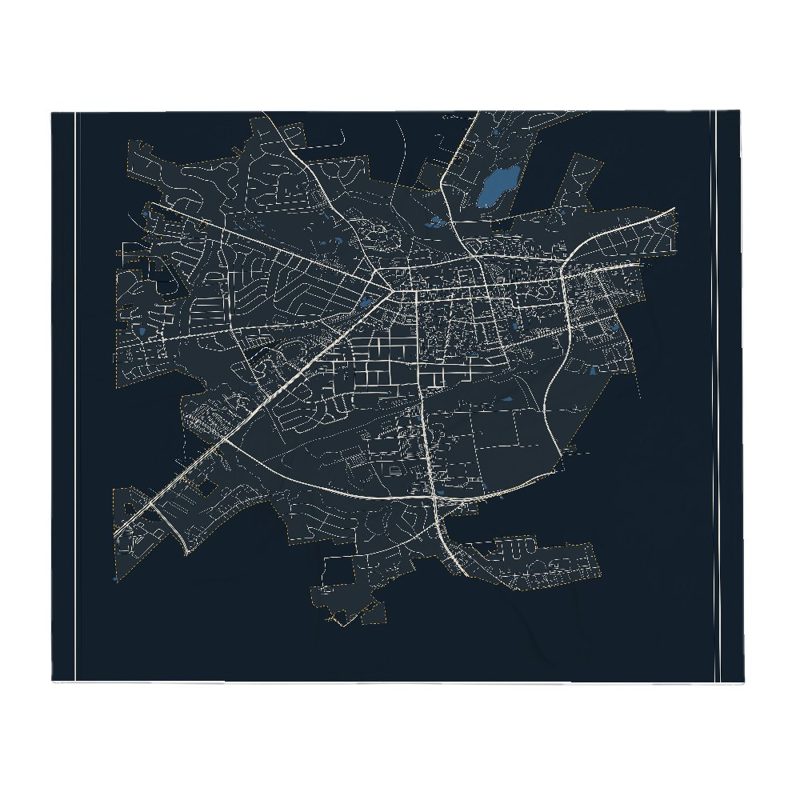
Soft fleece, 50″×60″
20 oz, double-wall stainless
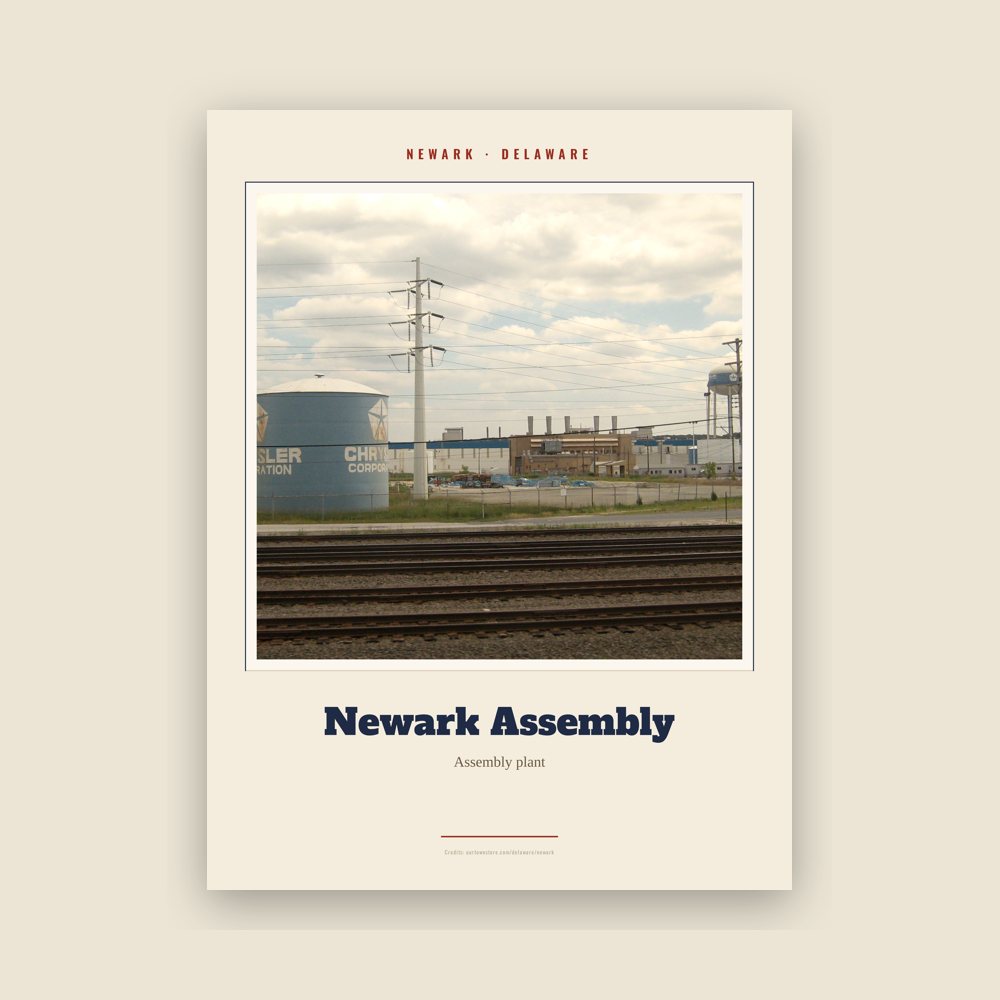
Archival matte print of a local landmark, credited to its photographer
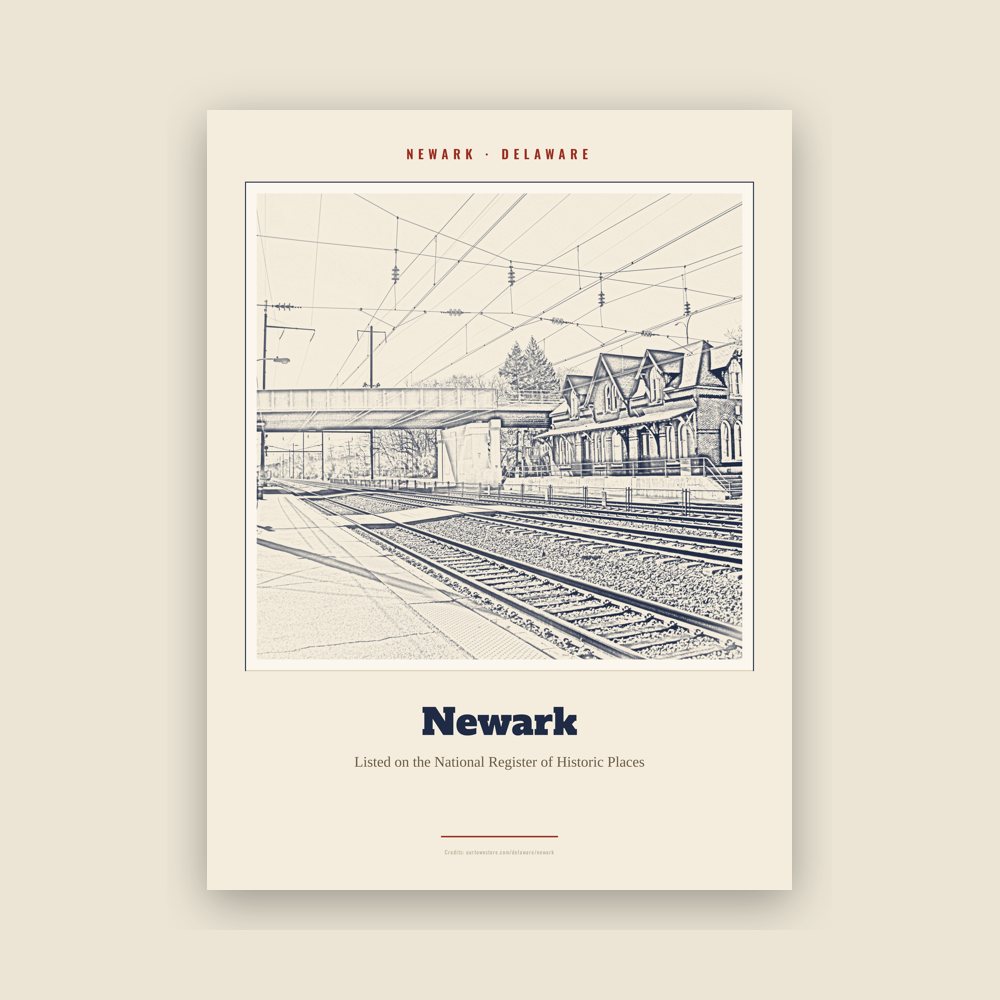
Archival matte print of a local landmark, credited to its photographer
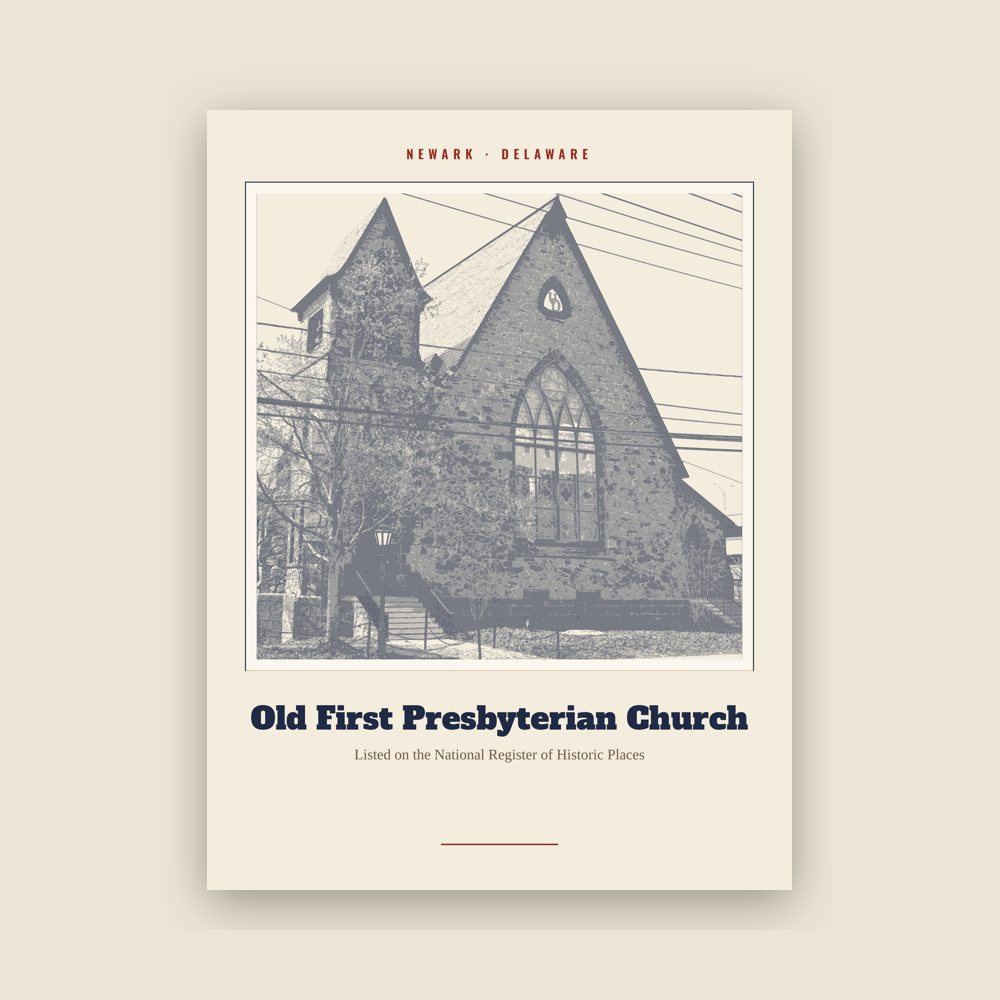
Archival matte print of a local landmark, credited to its photographer
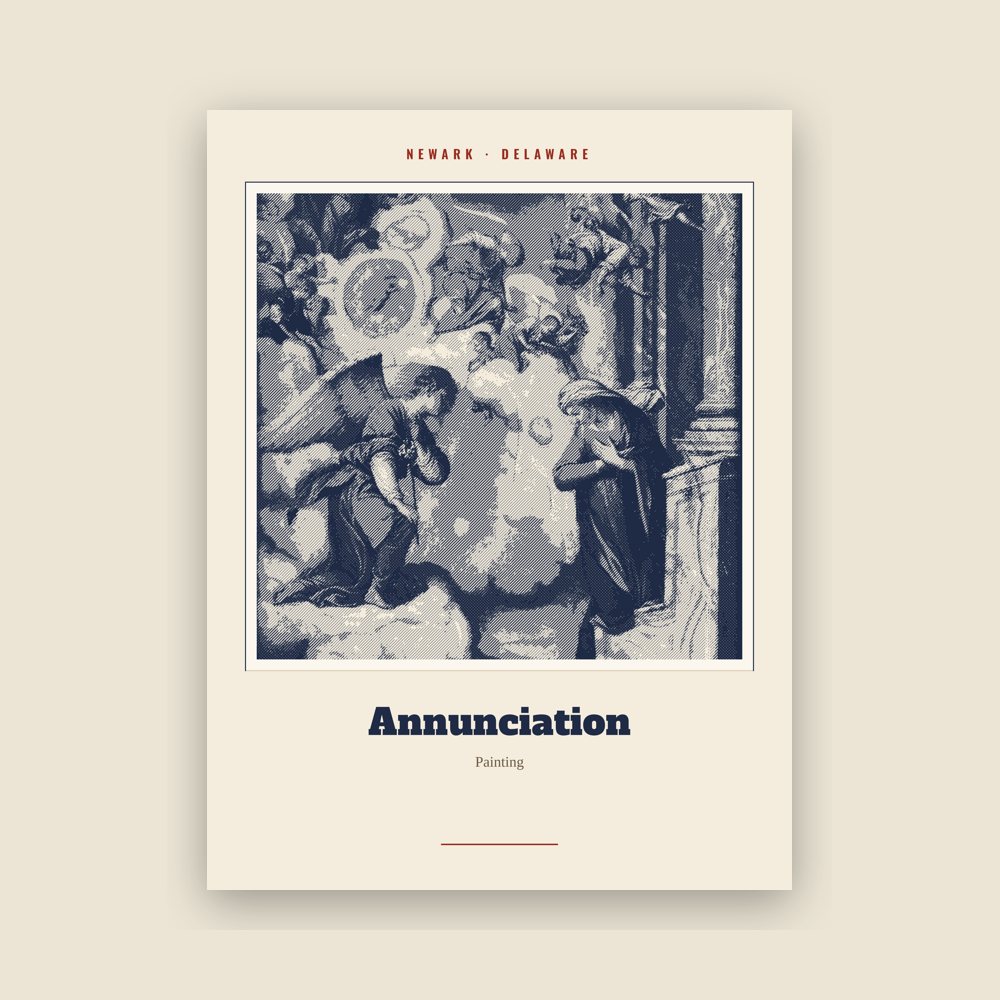
Archival matte print of a local landmark, credited to its photographer
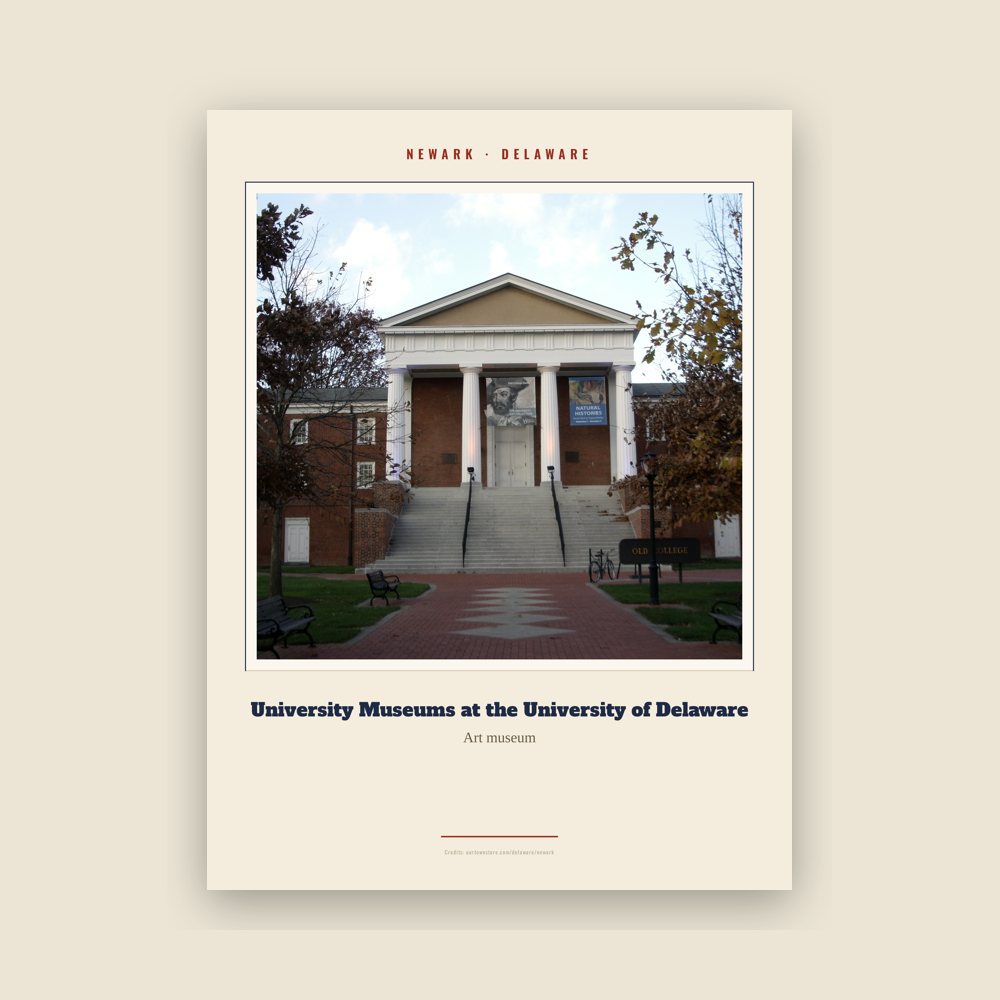
Archival matte print of a local landmark, credited to its photographer
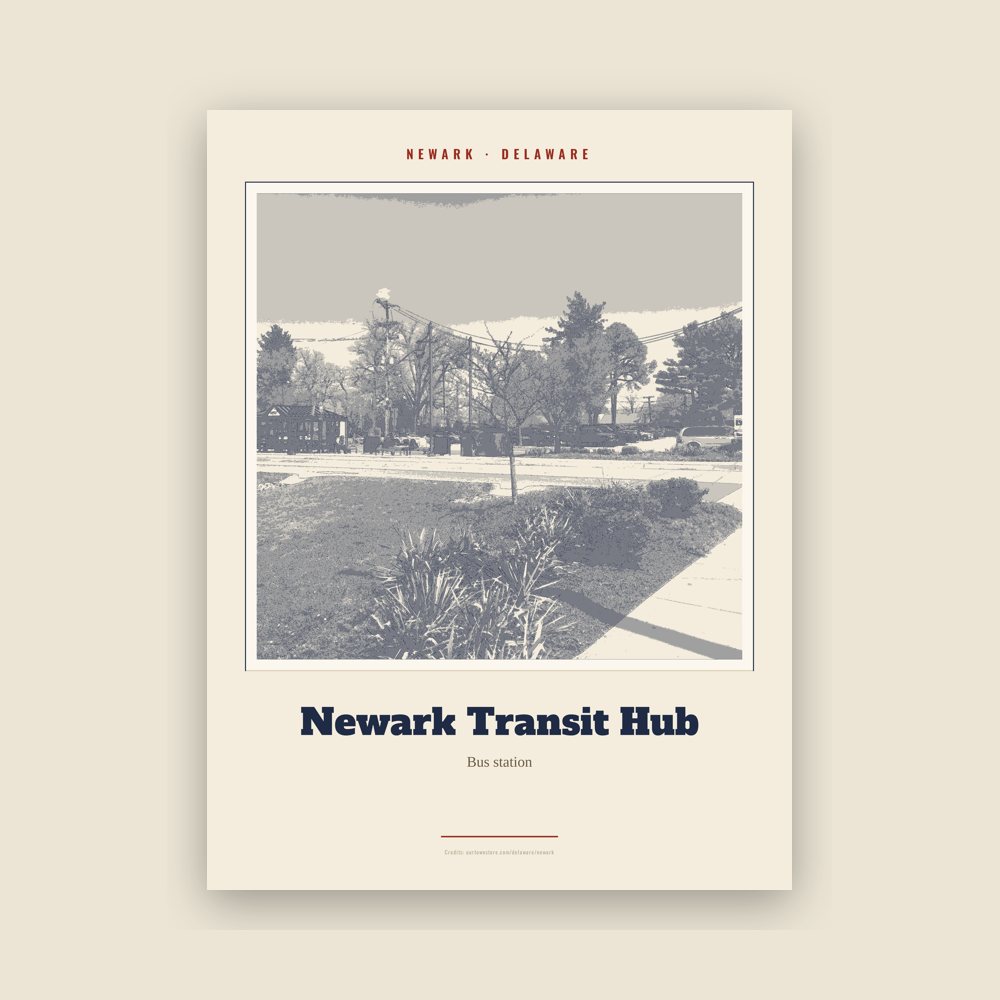
Archival matte print of a local landmark, credited to its photographer
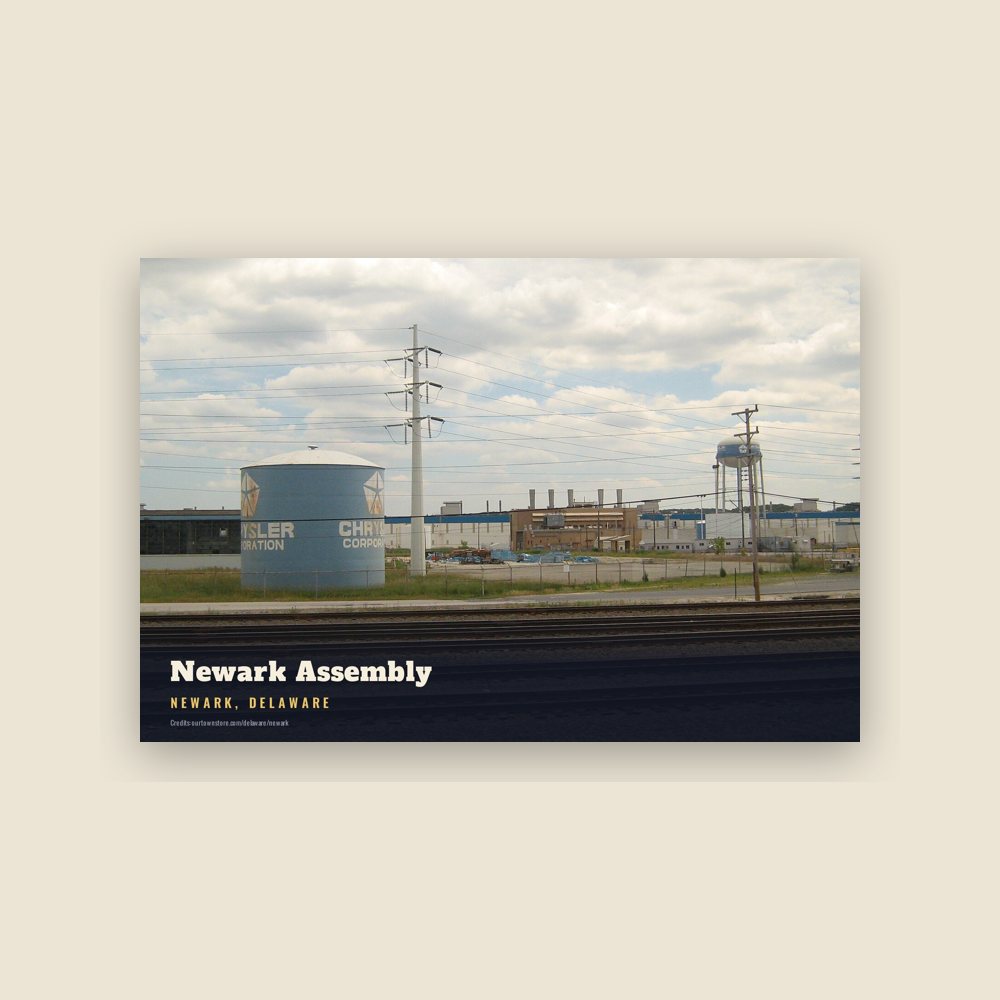
6″×4″ postcard, glossy front
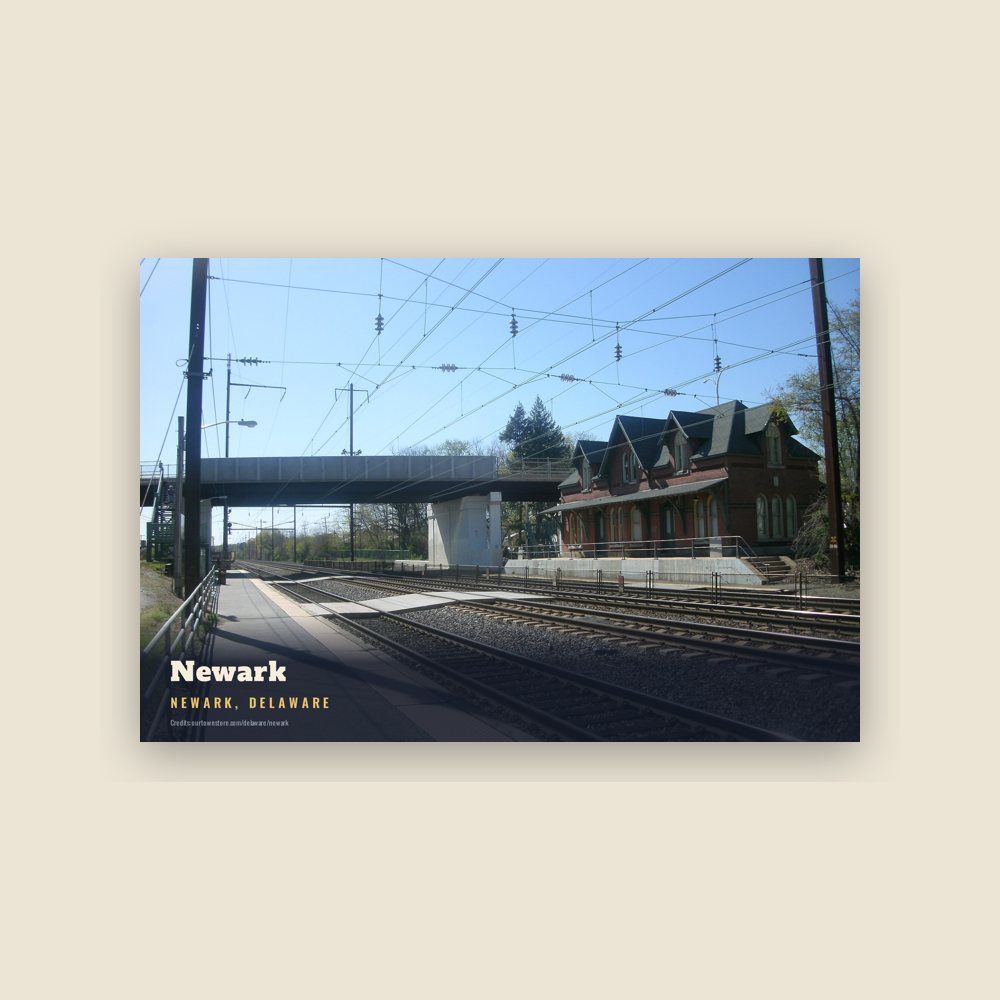
6″×4″ postcard, glossy front
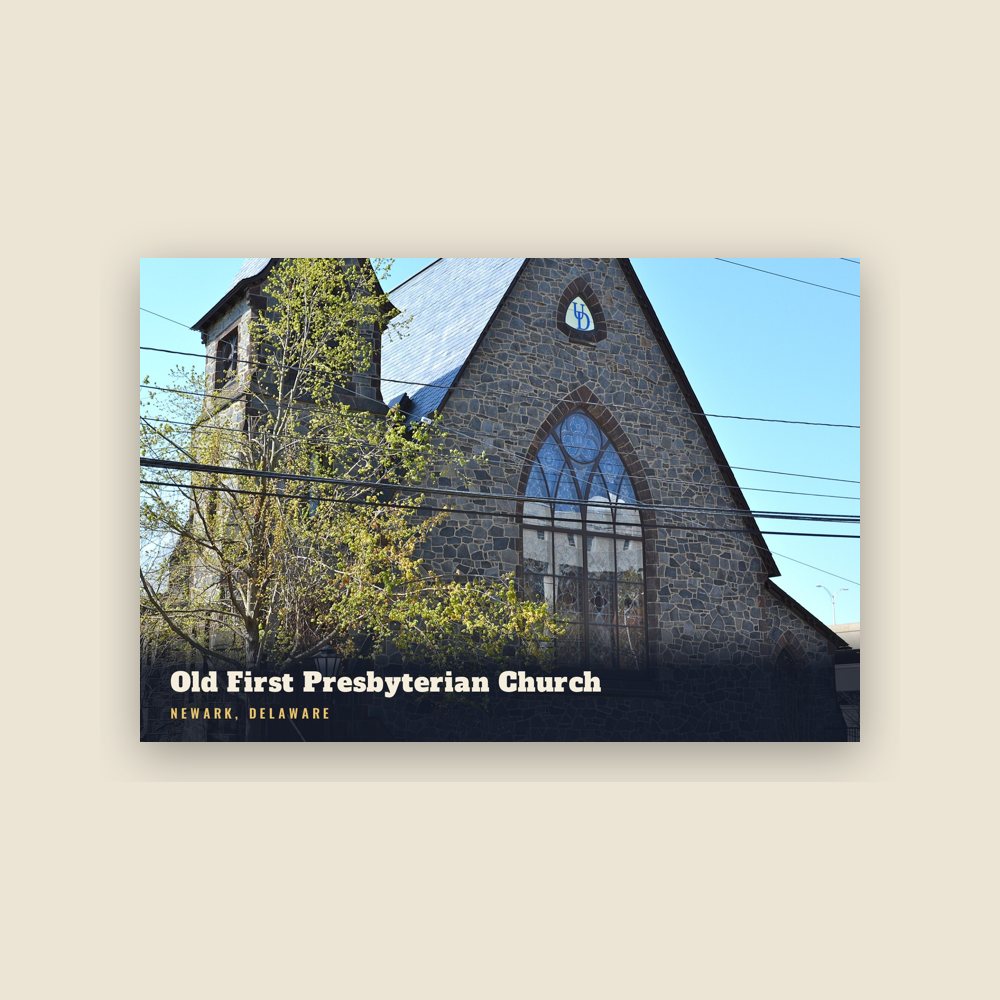
6″×4″ postcard, glossy front
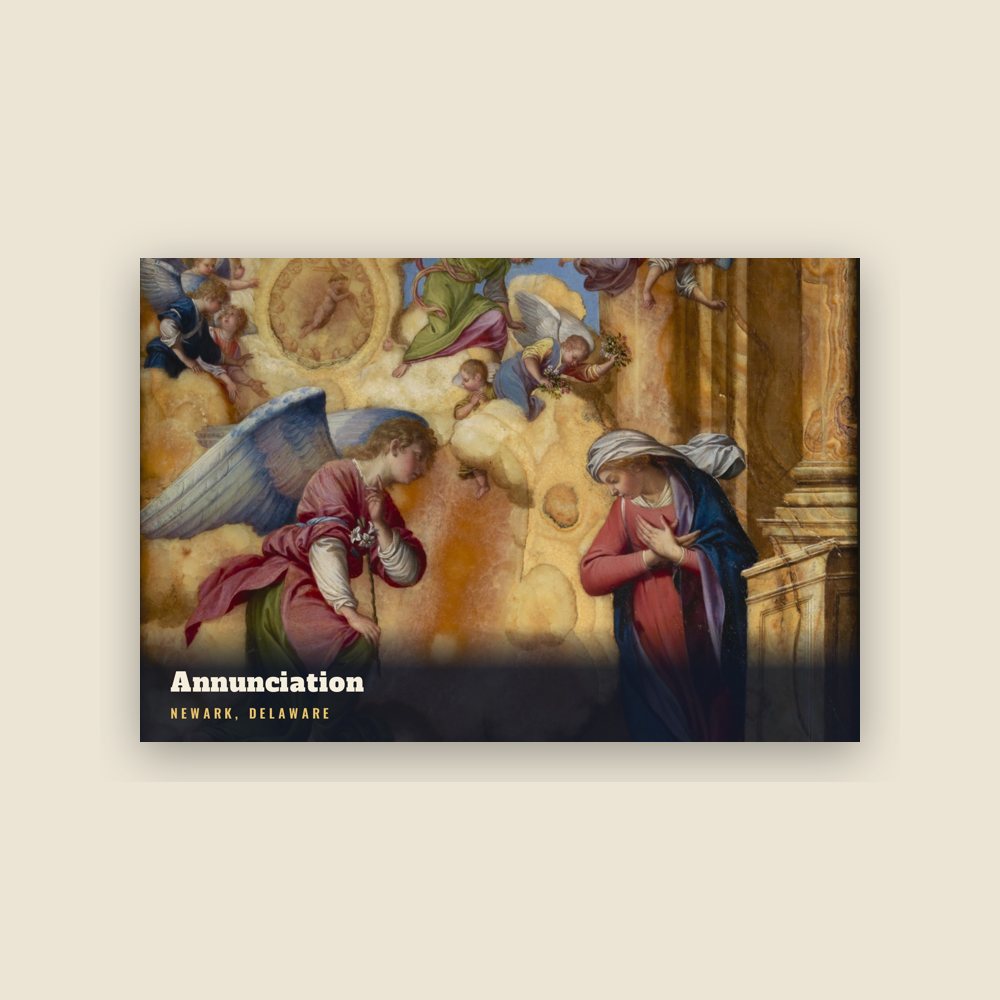
6″×4″ postcard, glossy front
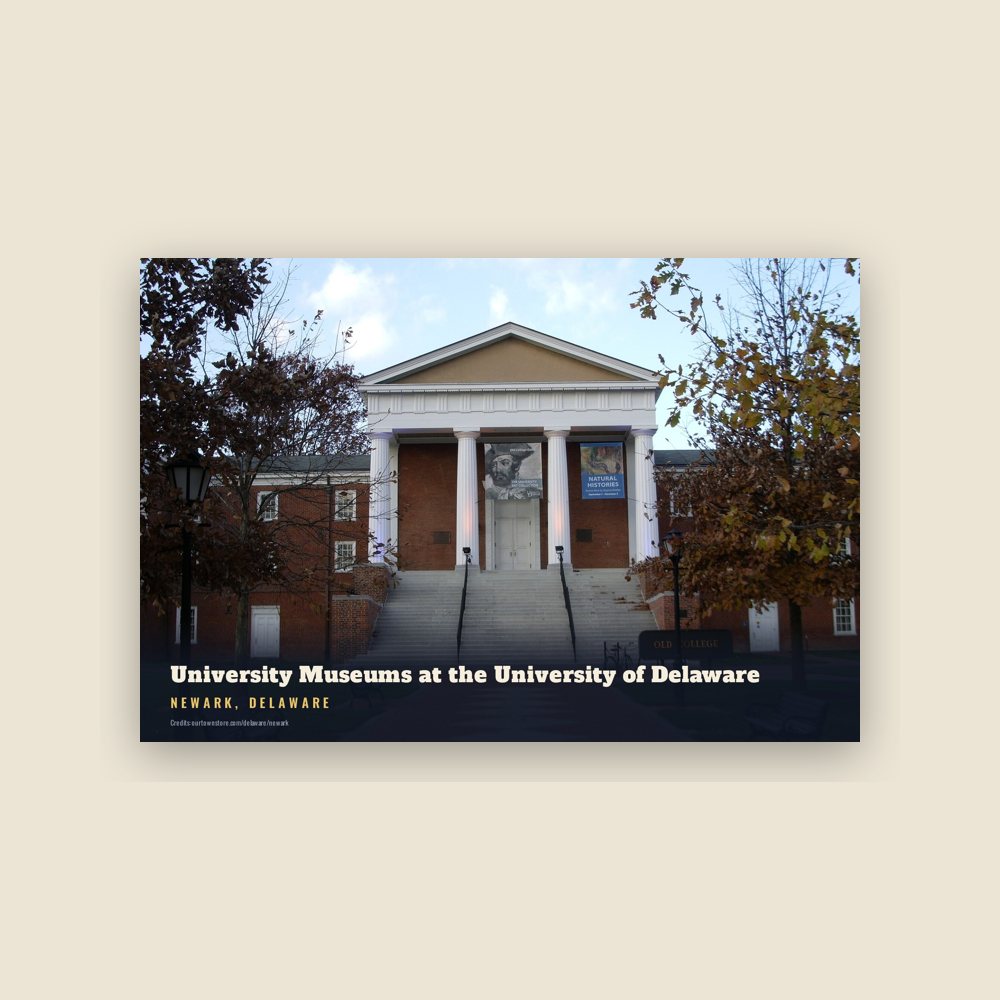
6″×4″ postcard, glossy front
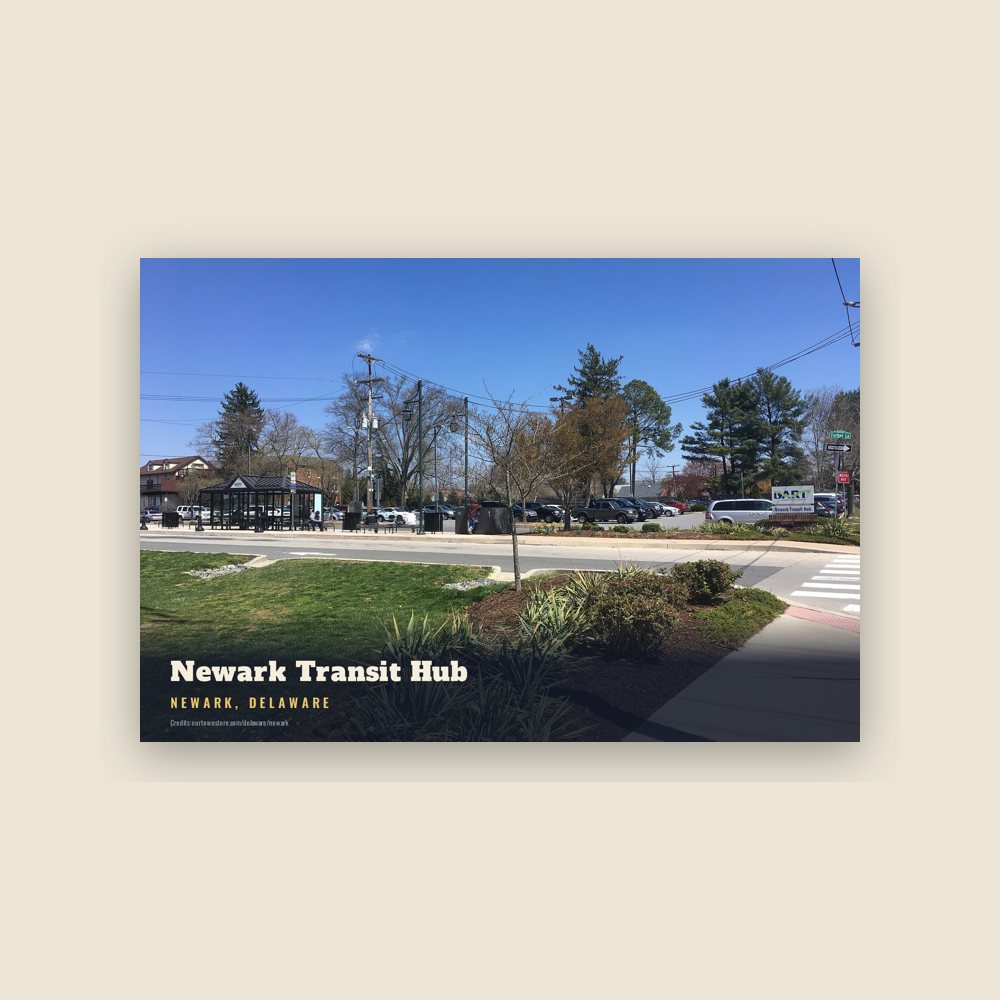
6″×4″ postcard, glossy front
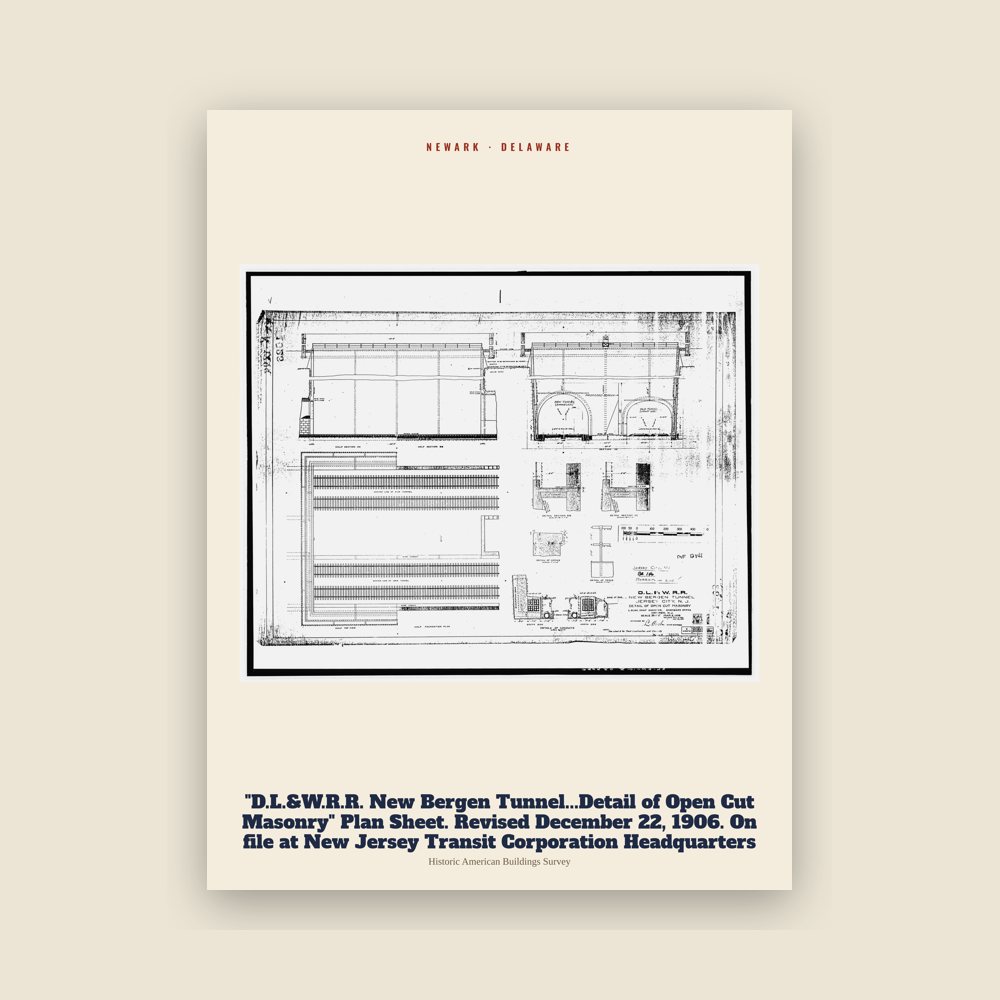
From the Library of Congress collections: a historic survey drawing or photograph of the town
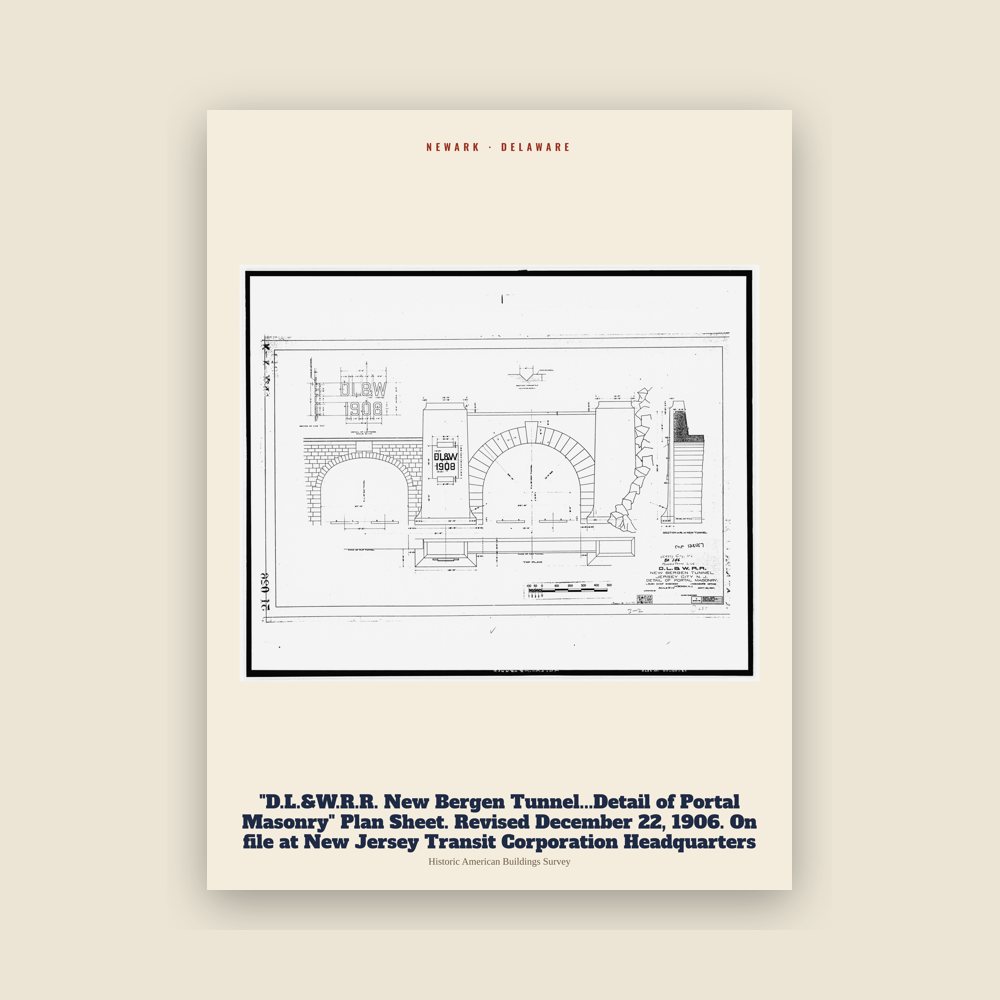
From the Library of Congress collections: a historic survey drawing or photograph of the town
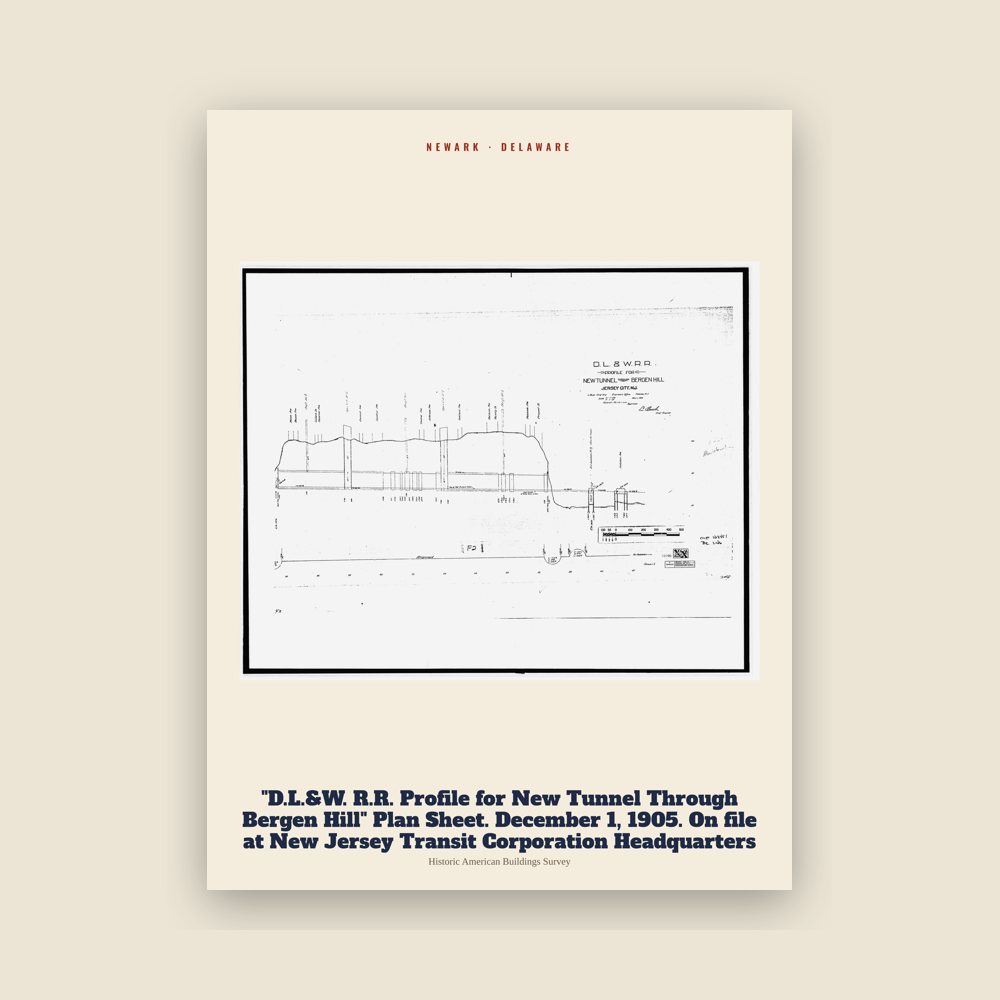
From the Library of Congress collections: a historic survey drawing or photograph of the town
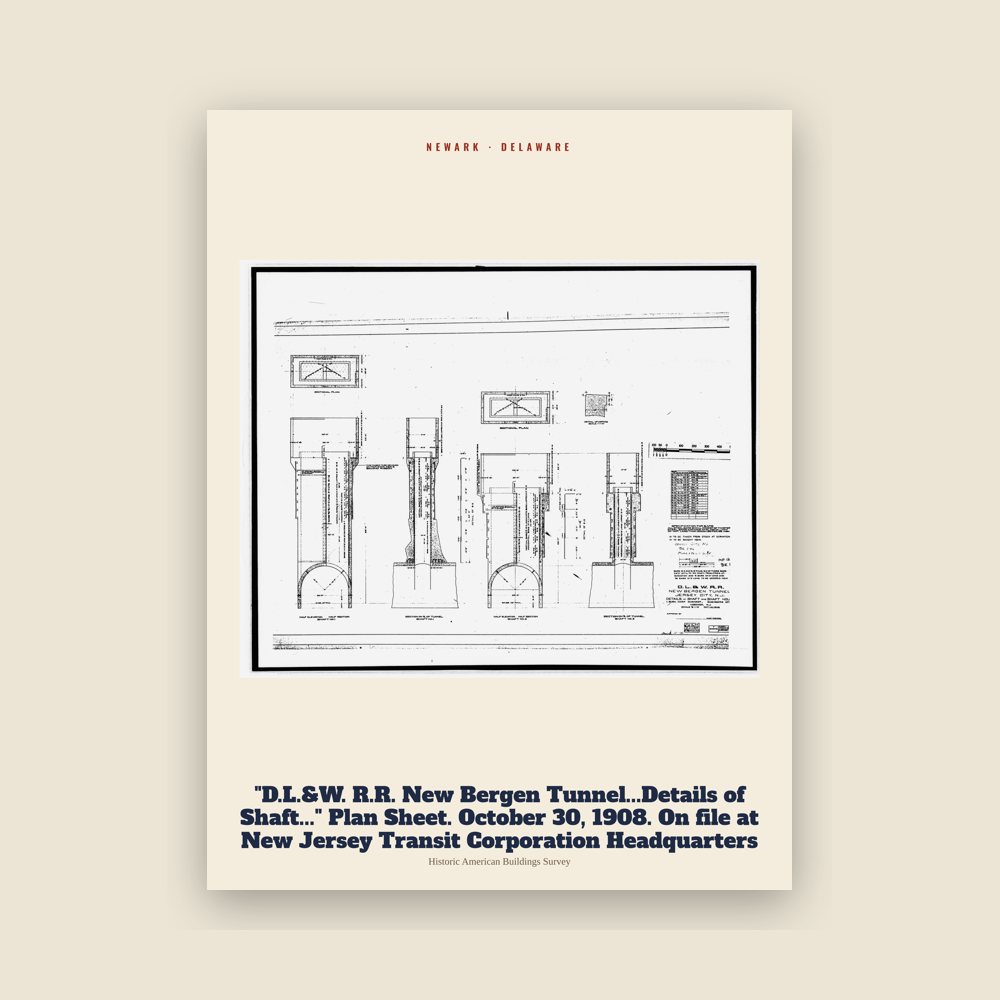
From the Library of Congress collections: a historic survey drawing or photograph of the town
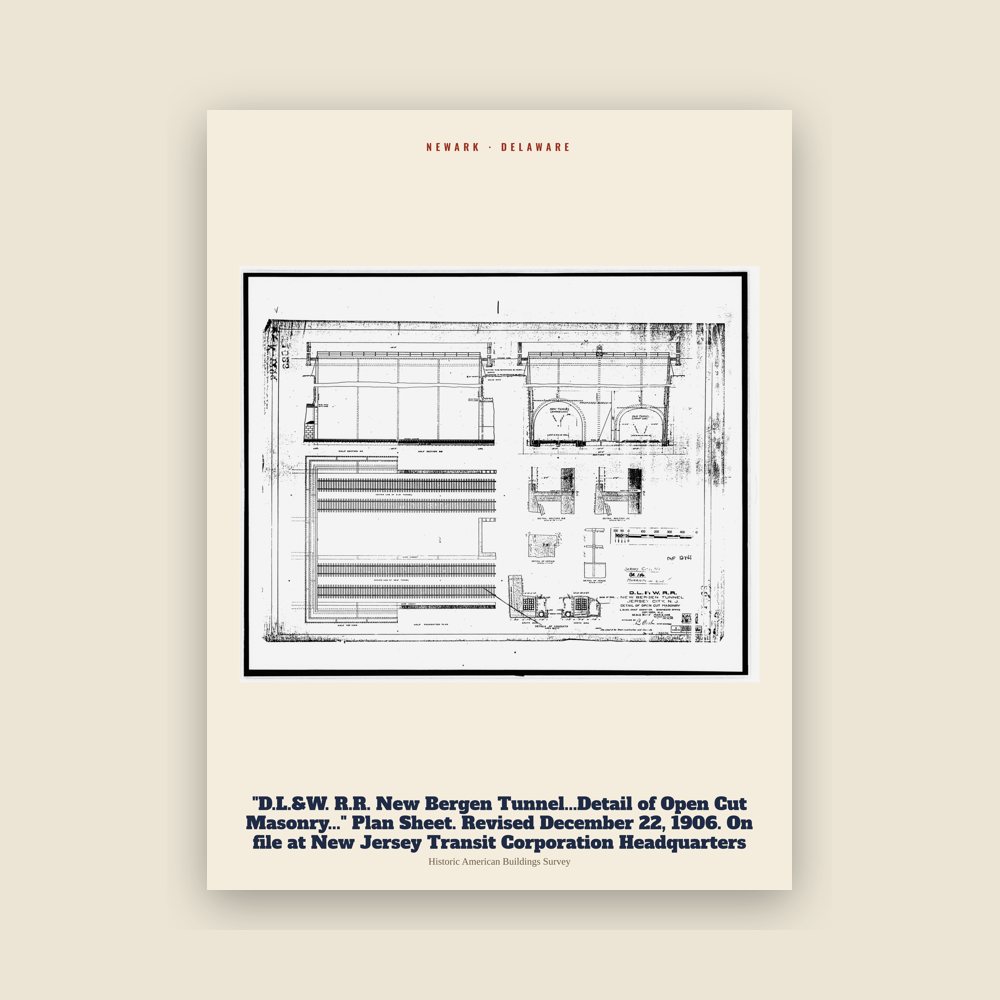
From the Library of Congress collections: a historic survey drawing or photograph of the town
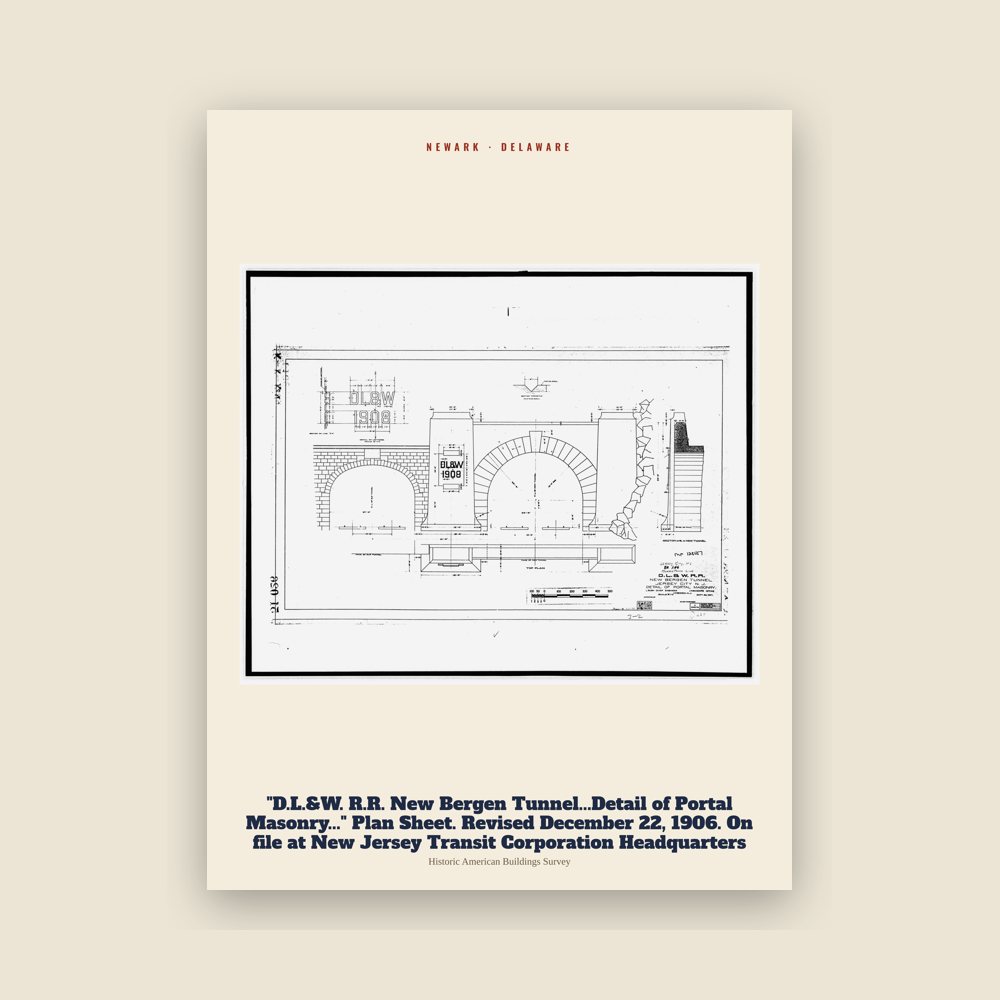
From the Library of Congress collections: a historic survey drawing or photograph of the town
Population 2010: 31,454 → 2020: 30,601
From Wikidata (CC0).
Newark was founded in 1694 by Scots-Irish and Welsh settlers. It was officially established in 1758 when it received a charter from George II of Great Britain.
Schools have played a significant role in the history of Newark. A grammar school, founded by Francis Alison in 1743, moved from New London, Pennsylvania to Newark in 1765, becoming the Newark Academy. Among the first graduates of the school were three signers of the Declaration of Independence: George Read, Thomas McKean, and James Smith. Two of these, Read and McKean, went on to have schools named after them in the state of Delaware: George Read Middle School and Thomas McKean High School.
During the American Revolutionary War, British and American forces clashed outside Newark at the Battle of Cooch's Bridge. Tradition holds that the Battle of Cooch's Bridge was the first instance of the Stars and Stripes being flown in battle.
The state granted a charter to a new school in 1833, which was called Newark College. Newark Academy and Newark College joined in the following year, becoming Delaware College. The school was forced to close in 1859, but was resuscitated eleven years later under the Morrill Act when it became a joint venture between the State of Delaware and the school's board of trustees. In 1913, under the legislative Act, Delaware College came into sole ownership of the State of Delaware. The school was renamed the University of Delaware in 1921.
Newark received a license from King George II to hold semi-annual fairs and weekly markets for agricultural exchange in 1758. A paper mill, the first sizable industrial venture in Newark, was created around 1798. This mill, eventually known as the Curtis Paper Mill, was the oldest paper mill in the United States until its closing in 1997. Methodists built the first church in 1812, and the railroad arrived in 1837.
One of Newark's major sources of employment and revenue was the Chrysler Newark Assembly plant, which was built in 1951. Jamaican reggae star Bob Marley worked as an assembly-line worker at the plant during his short stint in Delaware in the 1960s. Originally constructed to build tanks for the US Army, the plant was 3.4 million square feet in size. It employed 1,100 employees in 2008, which was down from 2,115 in 2005. This turn was due largely to the decline in sales of the Durango and Aspen vehicle models that were being produced. The plant stood for more than 50 years, providing jobs and revenue to the state of Delaware. The factory produced a wide variety of automobile models during its run. The plant was closed in late 2008 due to the recession and limited demand for larger cars.
Adapted (trimmed) from the Wikipedia article Newark, Delaware, revision 1379769432 by its contributors, licensed CC BY-SA 4.0.
We share a part of every Newark sale with local partners, and we'd love to print from your collection. Old photographs, maps and postcards make the best keepsakes.
Partner with us