Since 1741
A short history of Salisbury
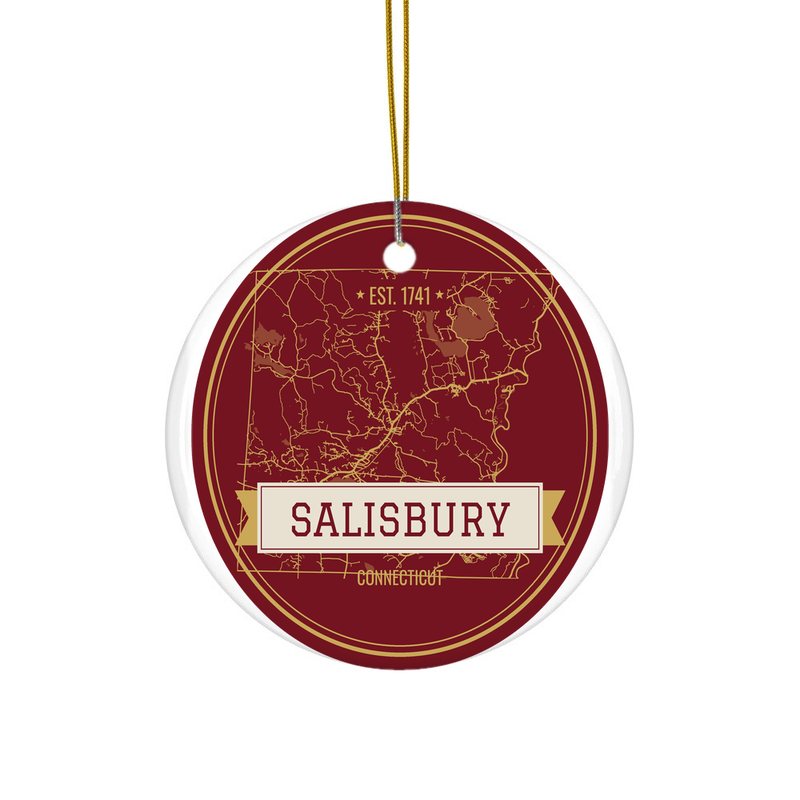
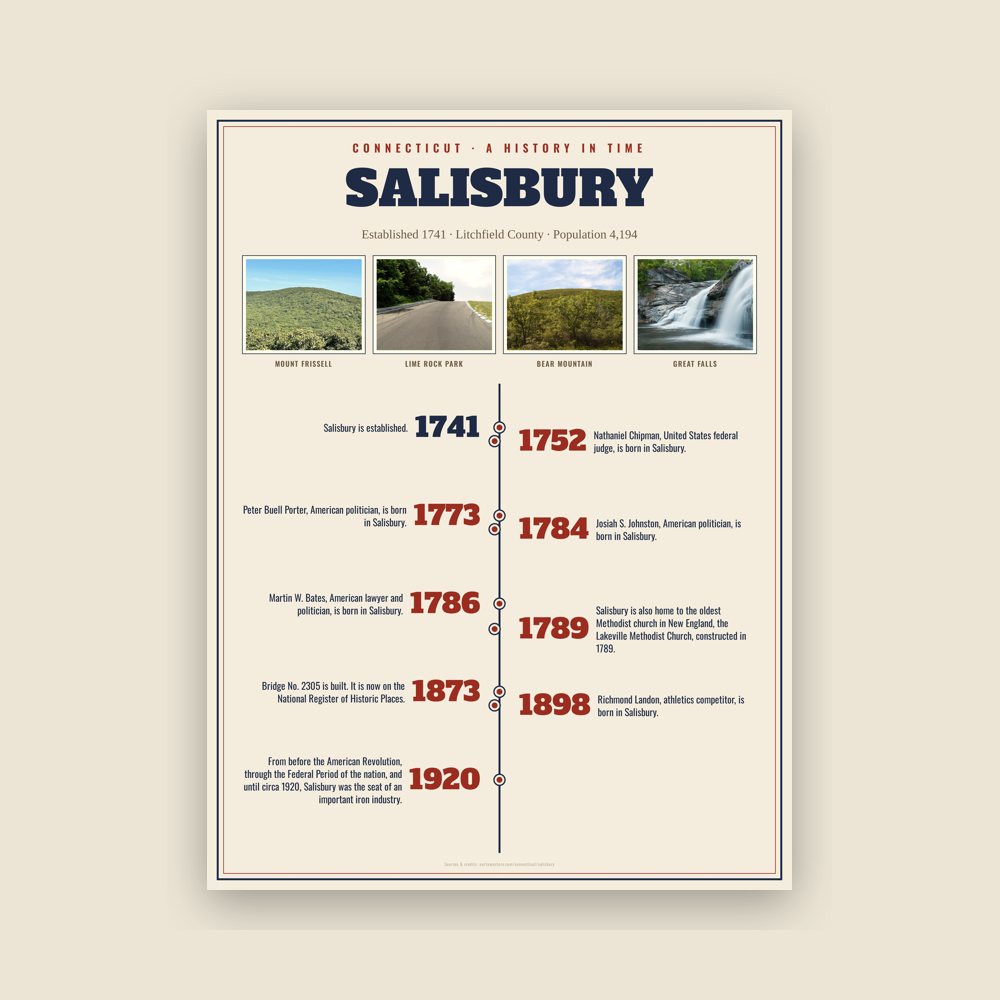
Salisbury was established and incorporated in 1741, and contains several historic homes, though some were replaced by larger modern structures in the late 20th century. Salisbury was named for Salisbury, a city in England. Historian Ed Kirby relates that traces of iron were discovered in what was to become Salisbury in 1728, with the discovery of the large deposit at Old Hill (later Ore Hill) in 1731 by John Pell and Ezekiel Ashley. From before the American Revolution, through the Federal Period of the nation, and until circa 1920, Salisbury was the seat of an important iron industry.
Additional iron mines were opened, mostly in the western end of the town, although historian Diana Muir dismisses them as "scarcely big enough to notice," with the further disadvantage of not being near a river large enough to ship iron to market at a reasonable cost. The solution, according to Muir, was to pour labor into the iron, working it into a quality of wrought iron so high that it could be used even for gun barrels. This fetched a high price and made Salisbury iron the celebrated choice of Connecticut's early nineteenth-century arms industry as well as the preeminent source of cast-iron railroad car wheels until they were superseded by steel wheels. Peter P. Everts, an agent of the mid-19th-century mines, however, stated the quality of Salisbury iron varied. The iron industry in Salisbury became inactive following World War I, a plan to revive it during World War II was never implemented, and the mines remain under water.
Scoville Library in Salisbury was the first in the United States open to the public free of charge. Salisbury is also home to the oldest Methodist church in New England, the Lakeville Methodist Church, constructed in 1789.
Adapted (trimmed) from the Wikipedia article Salisbury, Connecticut, revision 1376761758 by its contributors, licensed CC BY-SA 4.0.

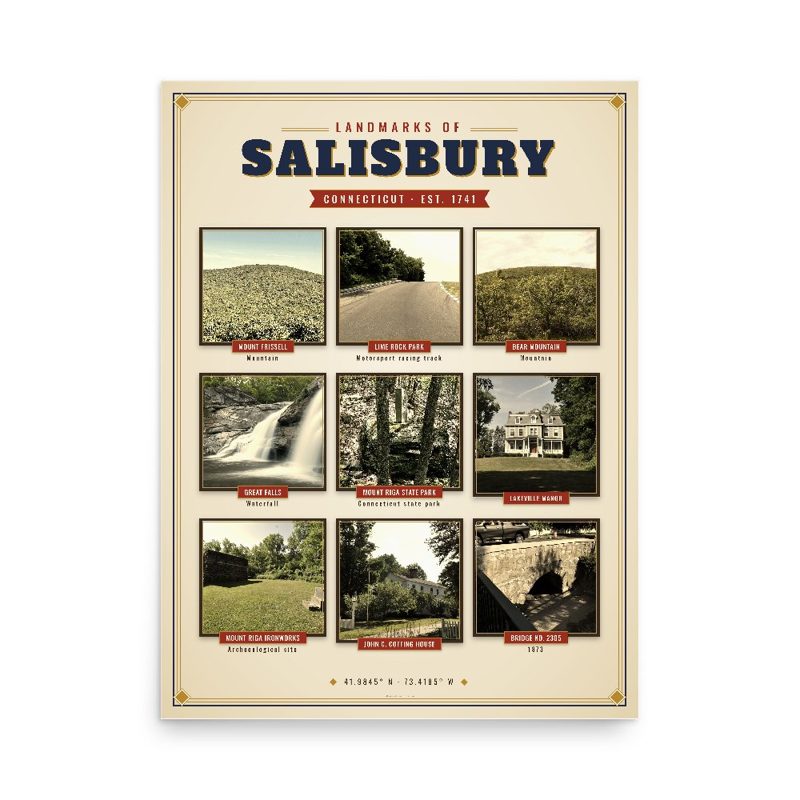

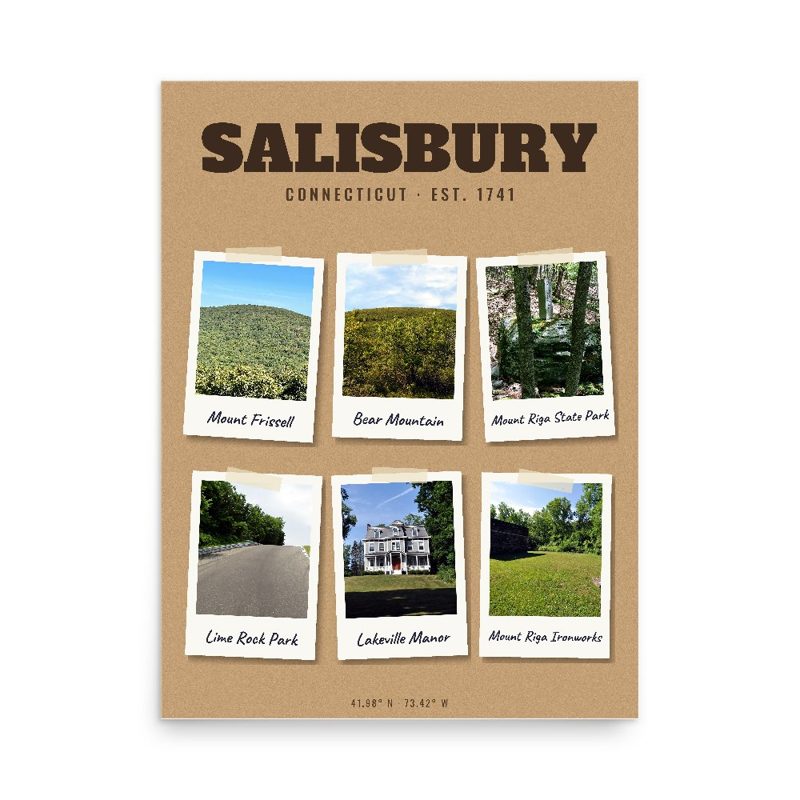
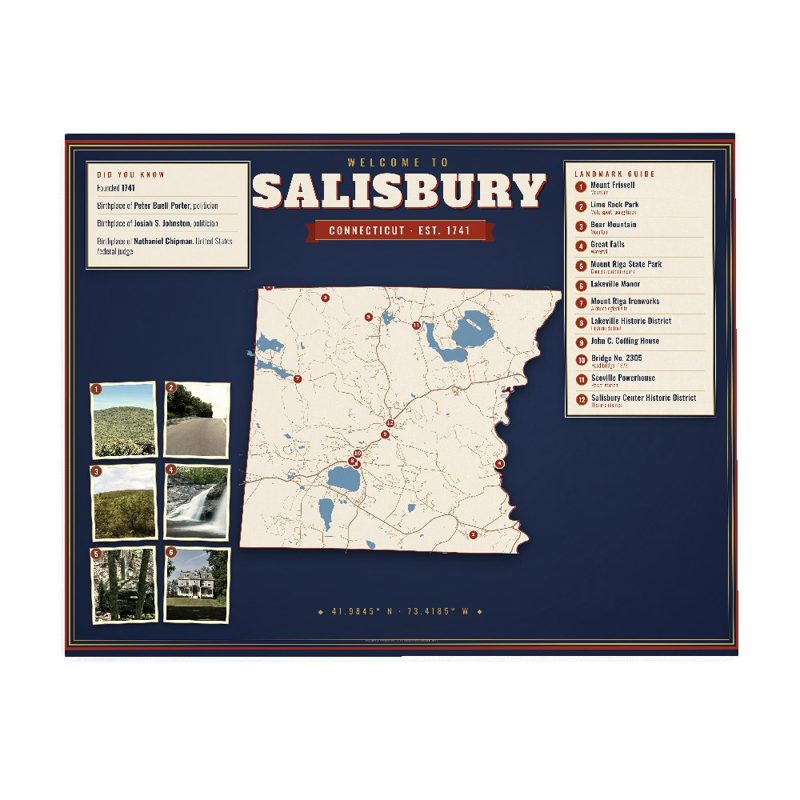











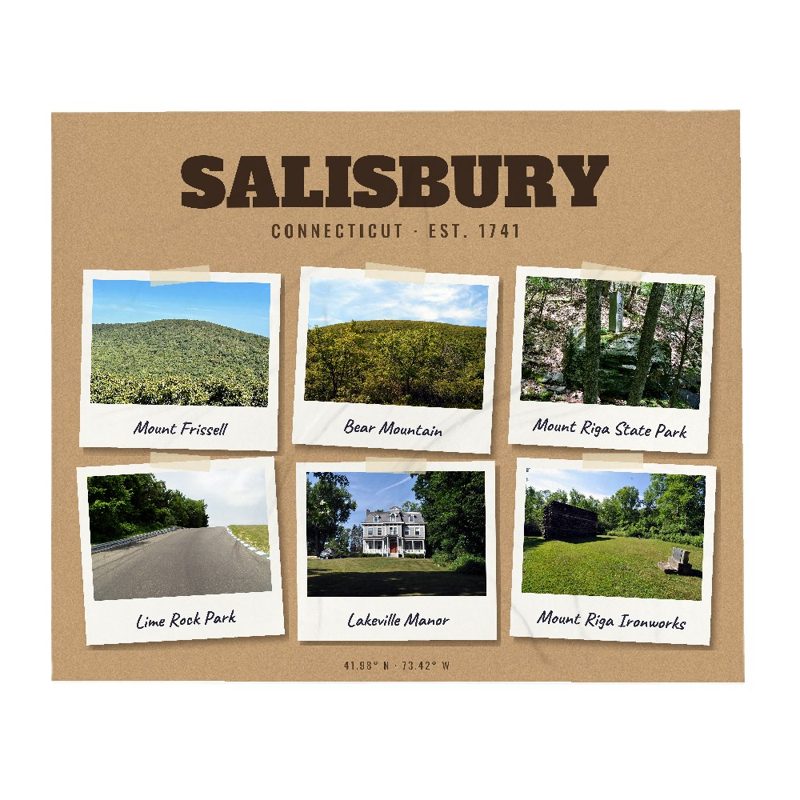



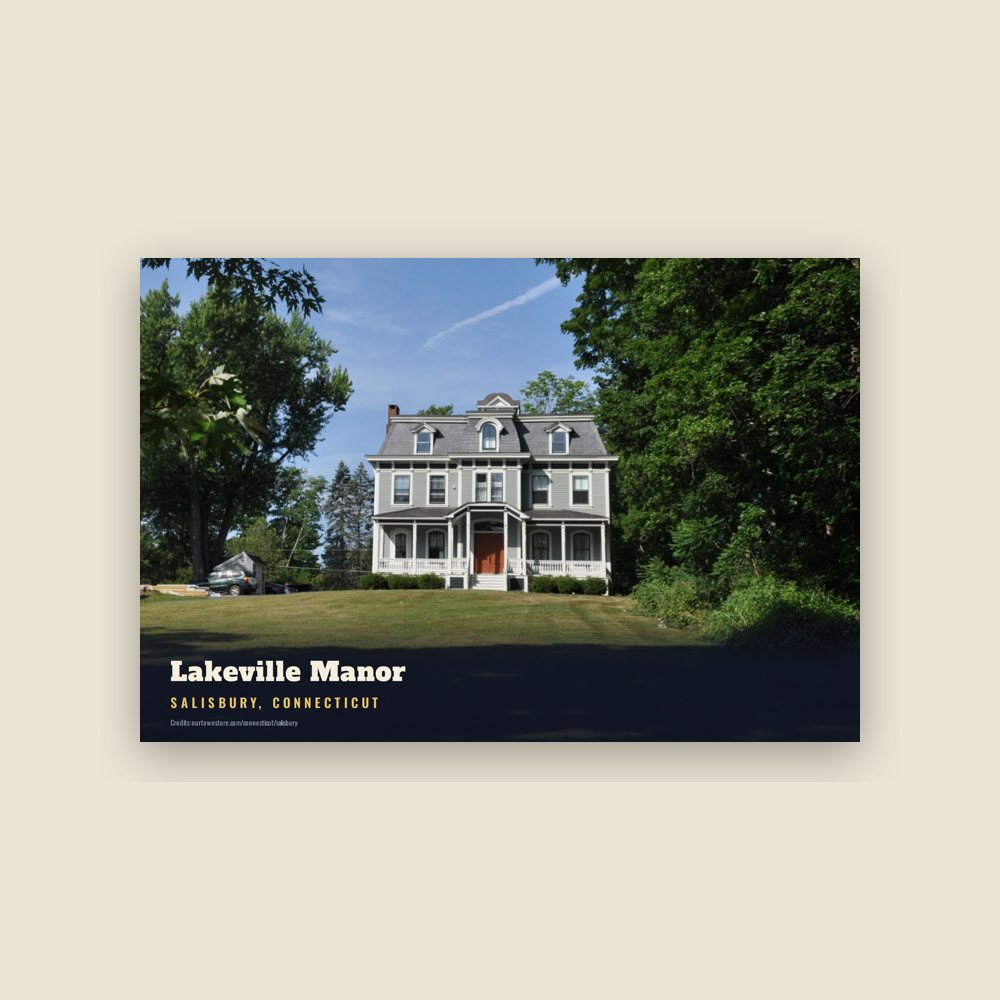
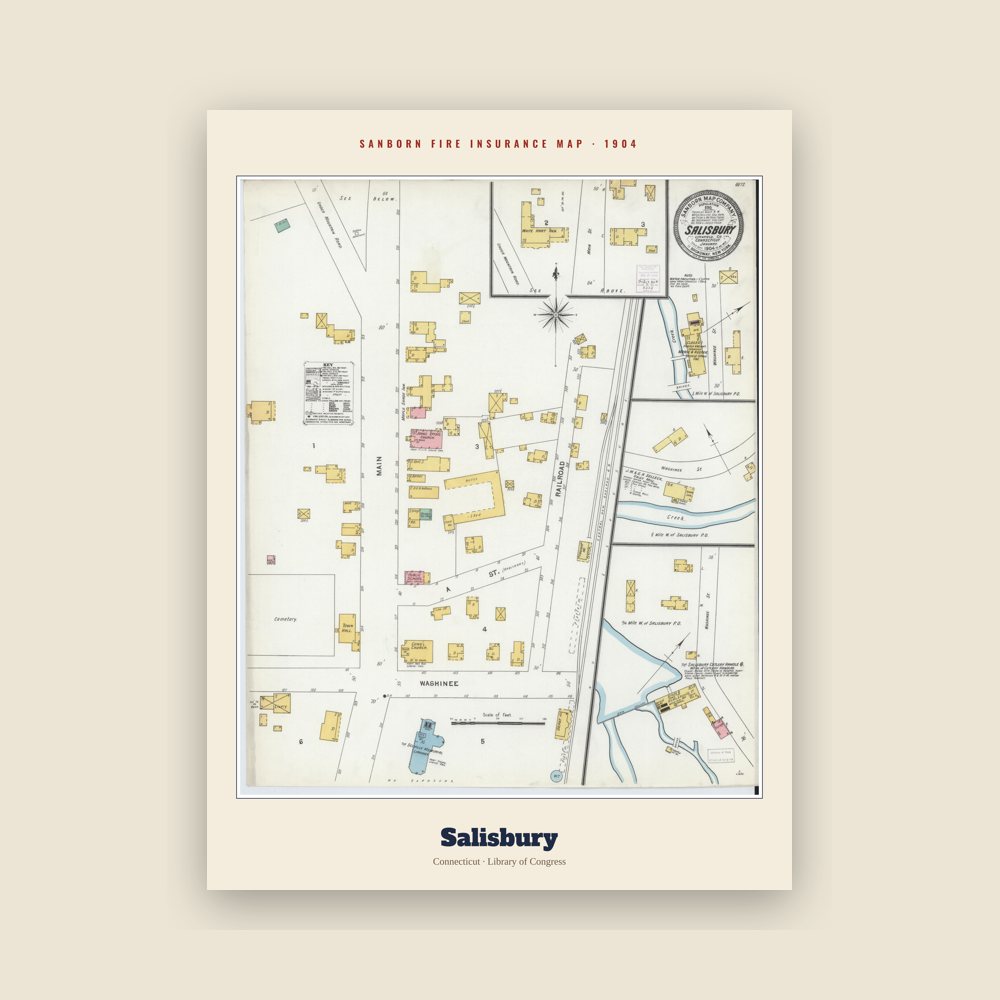
 Lakeville Manor
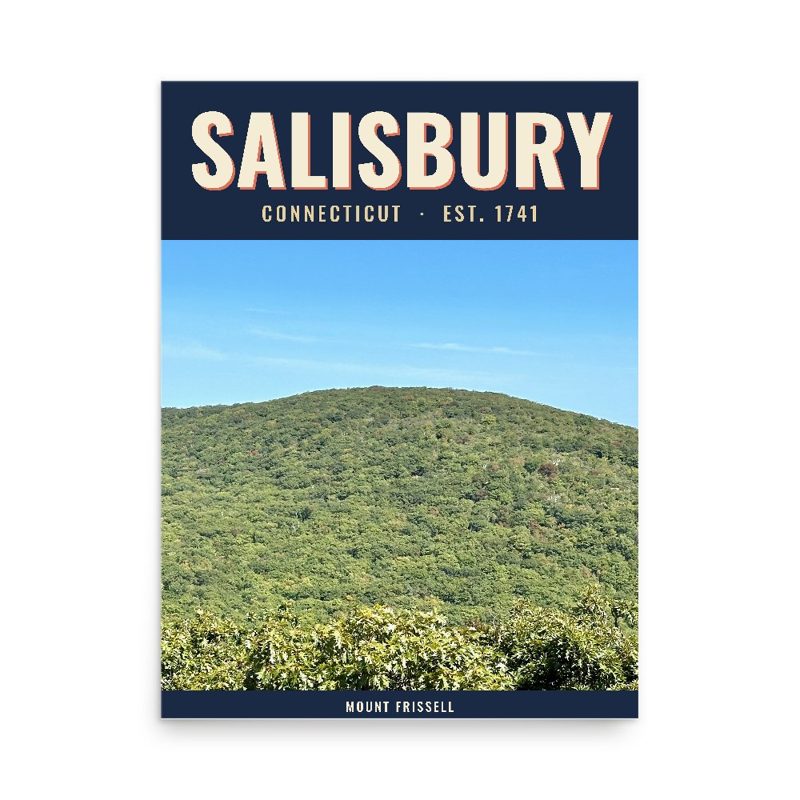
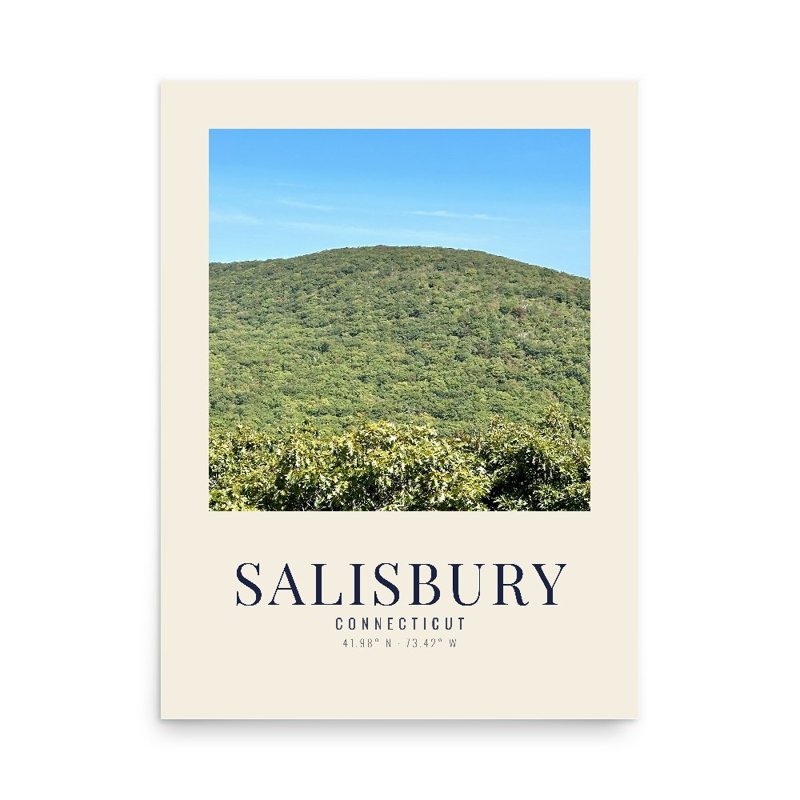
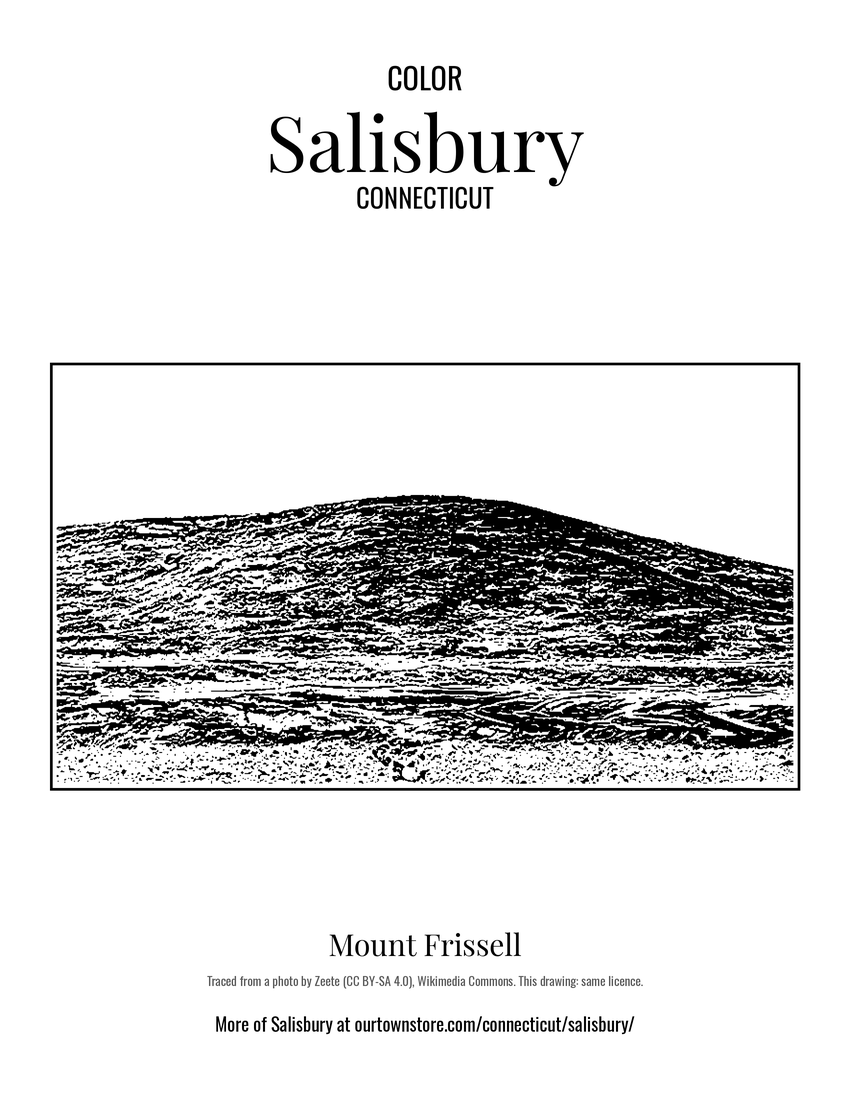 Mount Frissell
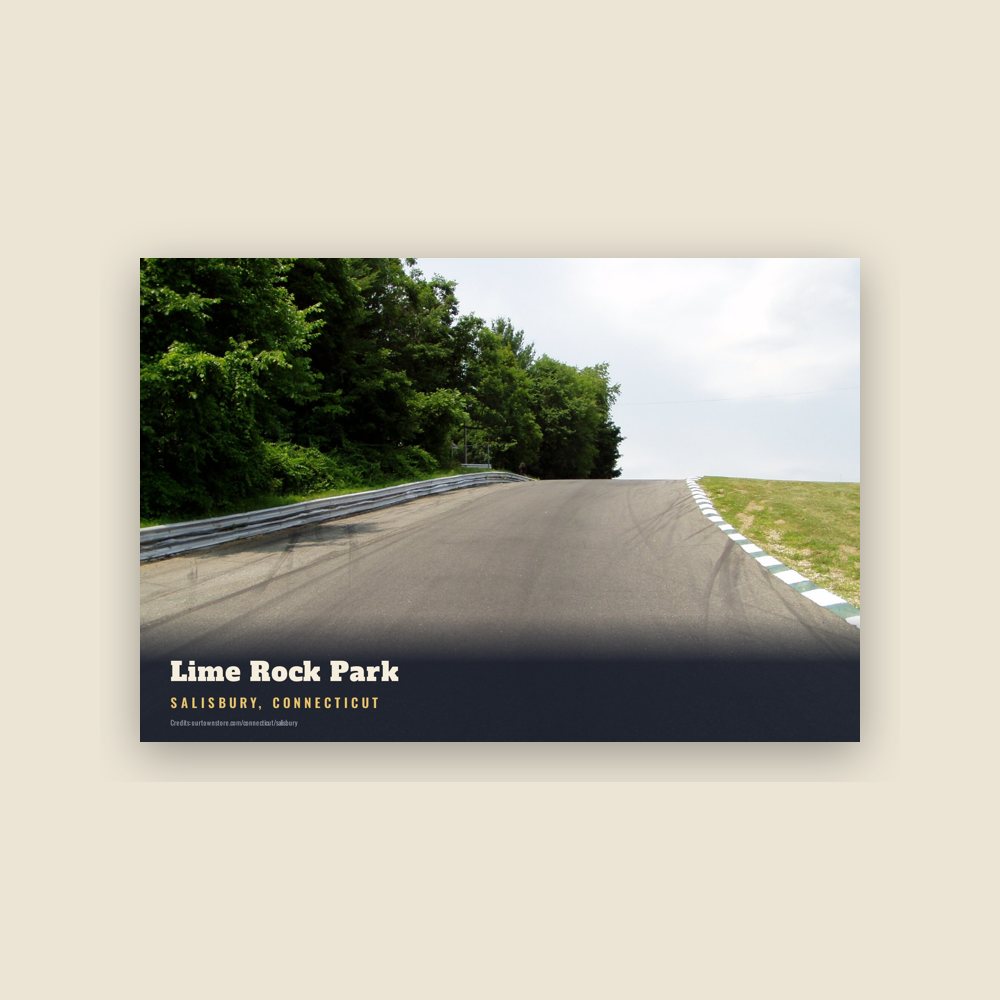
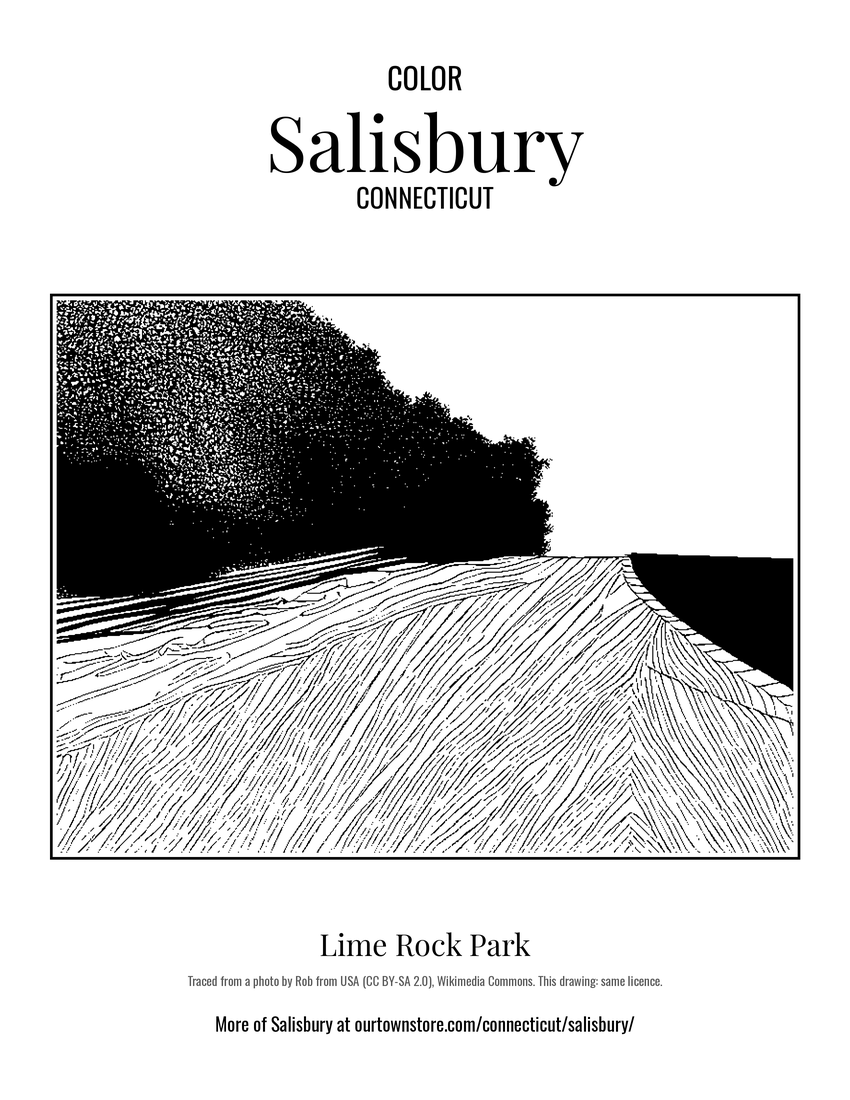 Lime Rock Park
 Bear Mountain