Since 1740
A short history of Cornwall
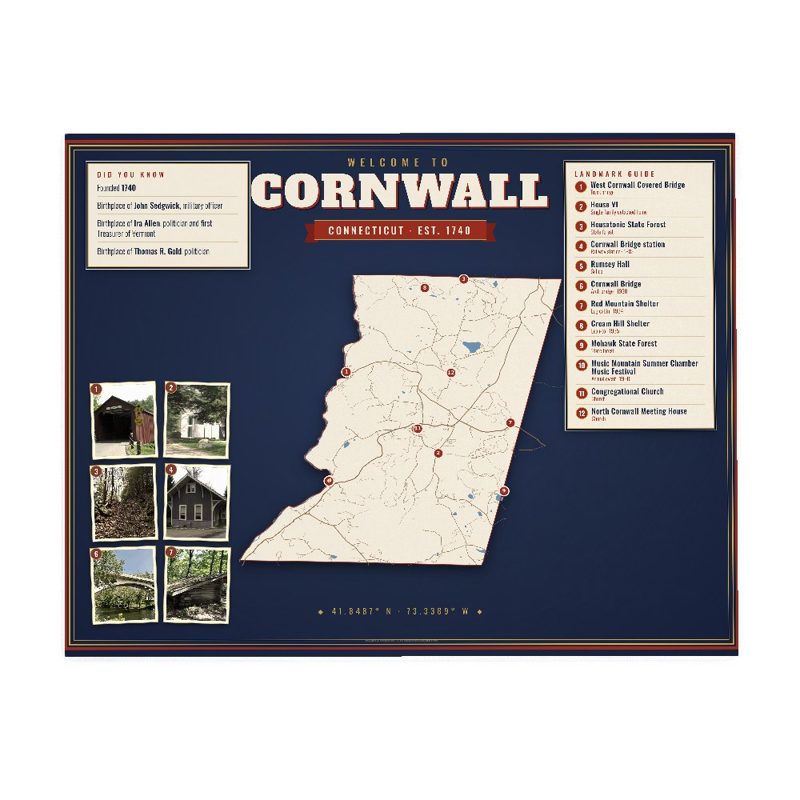
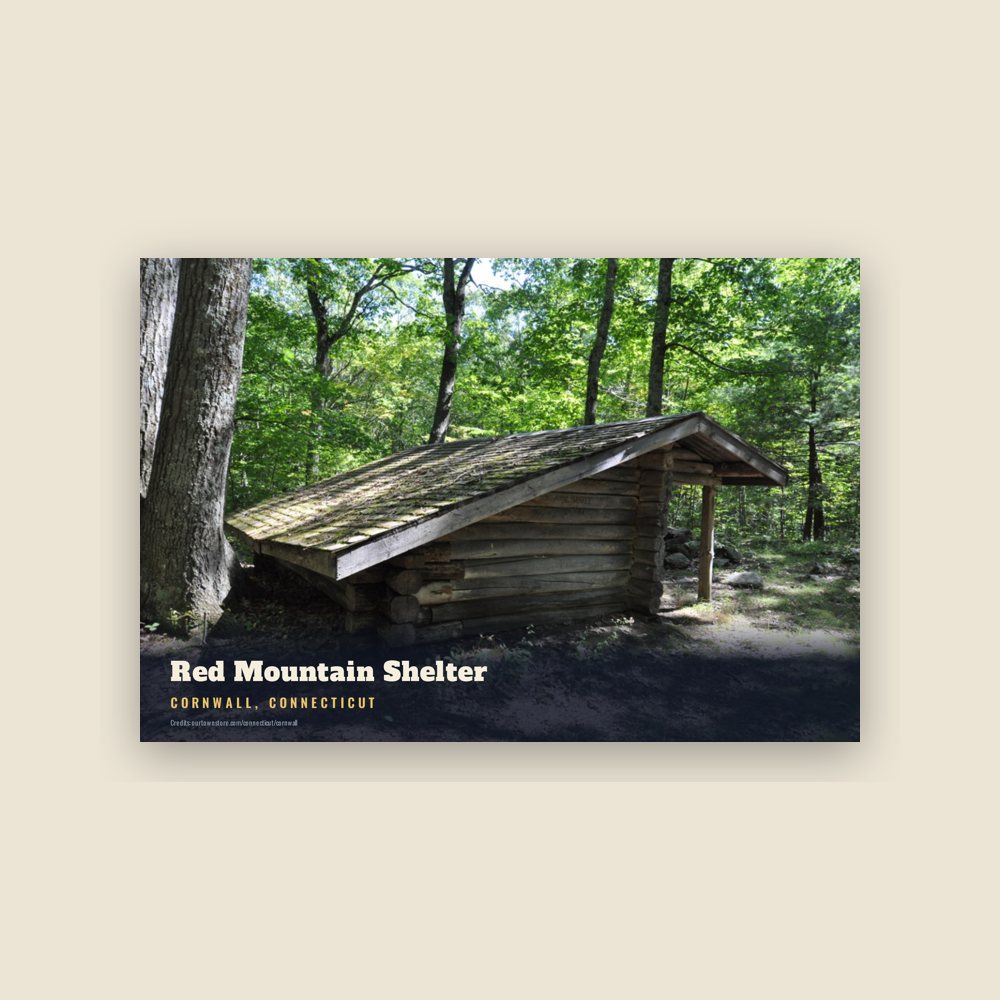
The town of Cornwall, Connecticut, is named after the county of Cornwall, England. The town was incorporated in 1740, nearly four decades before the United States declared its independence. The town encompasses three townships: Cornwall Bridge and West Cornwall, each bordered by the Housatonic River to the west, and Cornwall Village, located three miles east of the river. In addition to those three townships, there are also the hamlets of East Cornwall and Cornwall Hollow, both distinct communities within the town. One significant natural feature is the vast amount of forested land, including hundreds of acres of Mohawk State Forest, resulting in Cornwall often being called “the “Greenest Town in Connecticut”.
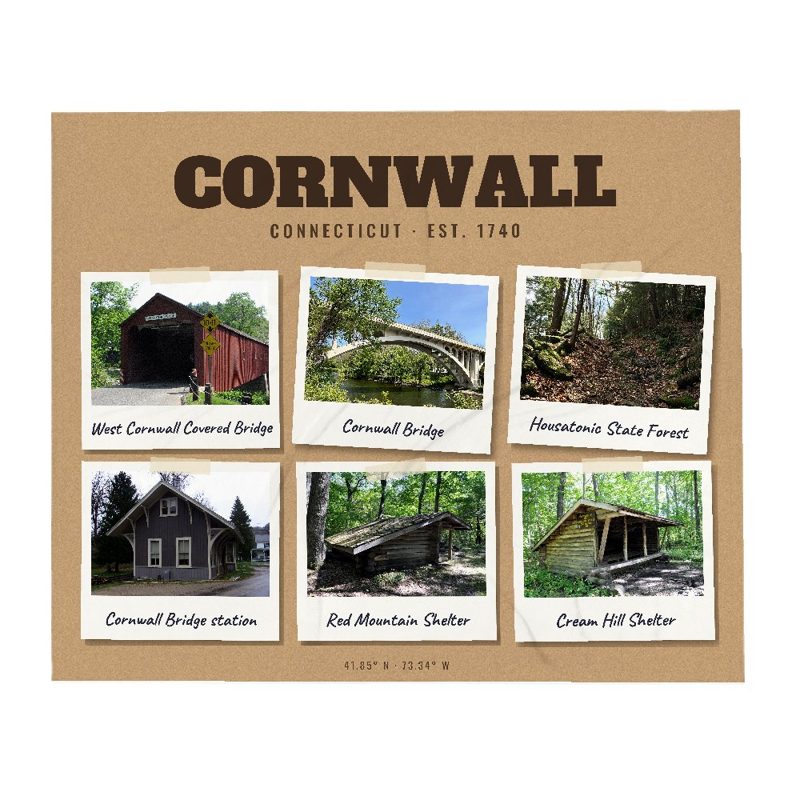
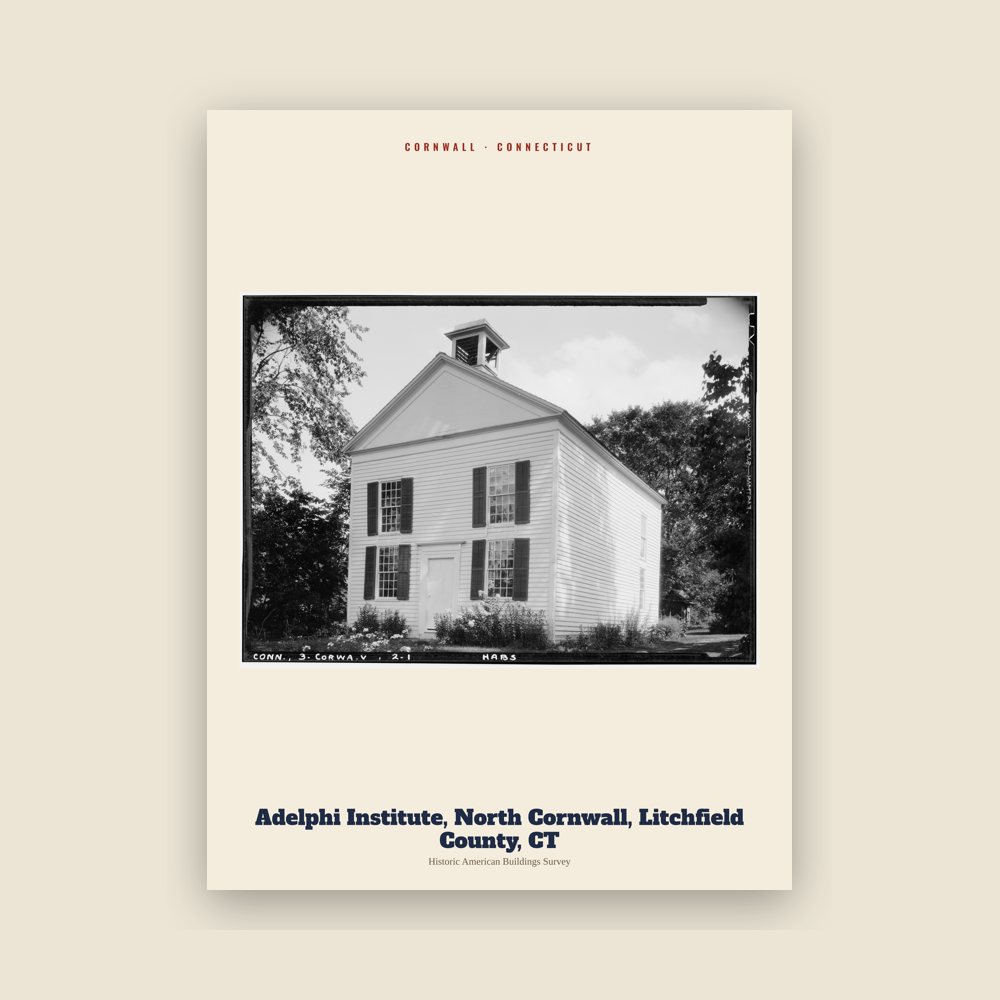
The proximity of its settlements to the Housatonic River offered an efficient means of transporting materials and goods, which helped stimulate Cornwall's early farming economy as well as assisting in the evolution of business and industry. During the 19th century and the arrival of the Industrial Revolution, the town maintained two furnaces, including a blast furnace, to support charcoal-making industries. Cornwall was home to the Foreign Mission School, dating to 1817, as well as the Cream Hill Agricultural School in 1845, whose property, still an active farmstead, was listed on the National Register of Historic Places in 1976. Cornwall has long been known as the “Home of the Covered Bridge,” which has spanned the Housatonic River since 1864. One of only three surviving covered bridges in Connecticut, the bridge is a popular tourist destination and among the most-photographed locations in the state.
Modern-day Cornwall continues to reflect its rural farming character while being home to arts, culture, artisans and entrepreneurs. Its convenience to major metropolitan areas makes it attractive for year-round and second-home residents.
Cornwall also makes a glancing appearance in Wallace Stevens's late poem "Reality is an Activity of the Most August Imagination."
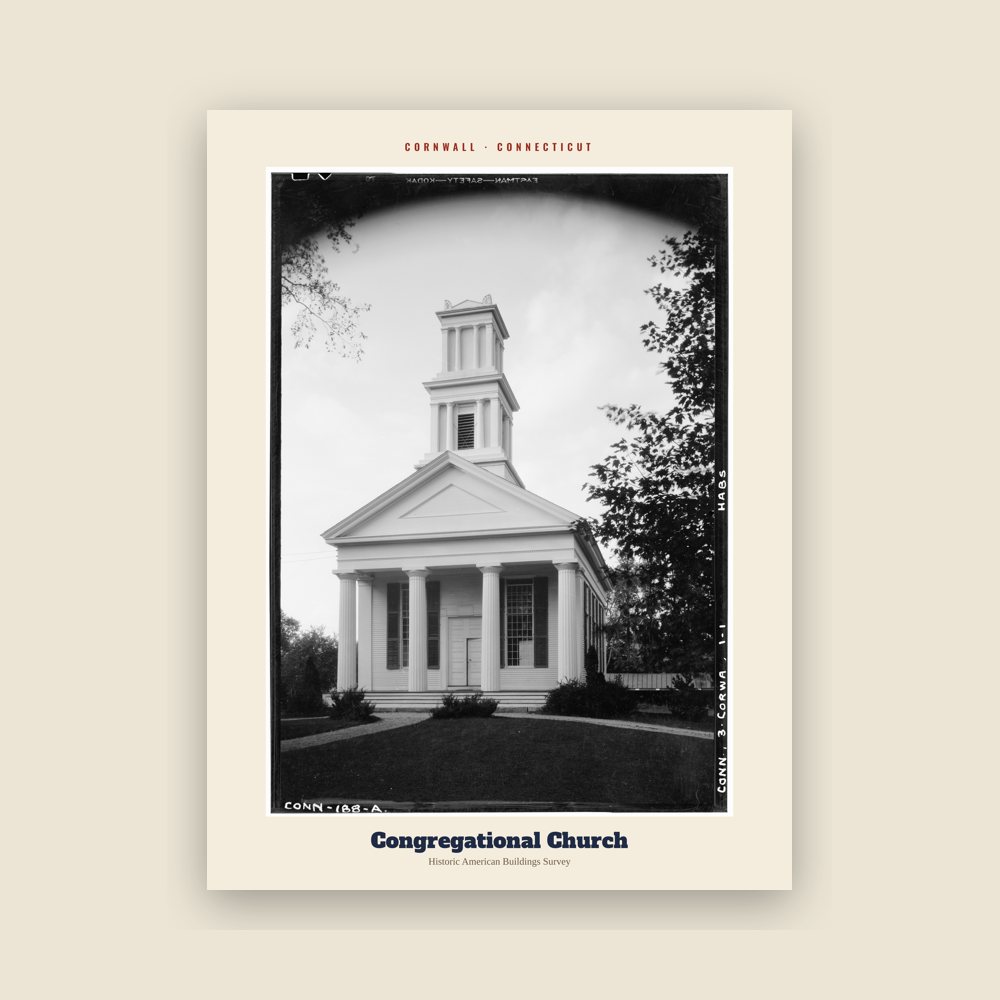
Cornwall played a role in the establishment of Christianity in the Hawaiian Islands after a native Hawaiian died of Typhus in the town in 1818. This tragedy was instrumental in the Congregational church's 1820 outreach to the ‘Sandwich Islands’ at Kona, Hawaii.
Adapted (trimmed) from the Wikipedia article Cornwall, Connecticut, revision 1375652717 by its contributors, licensed CC BY-SA 4.0.

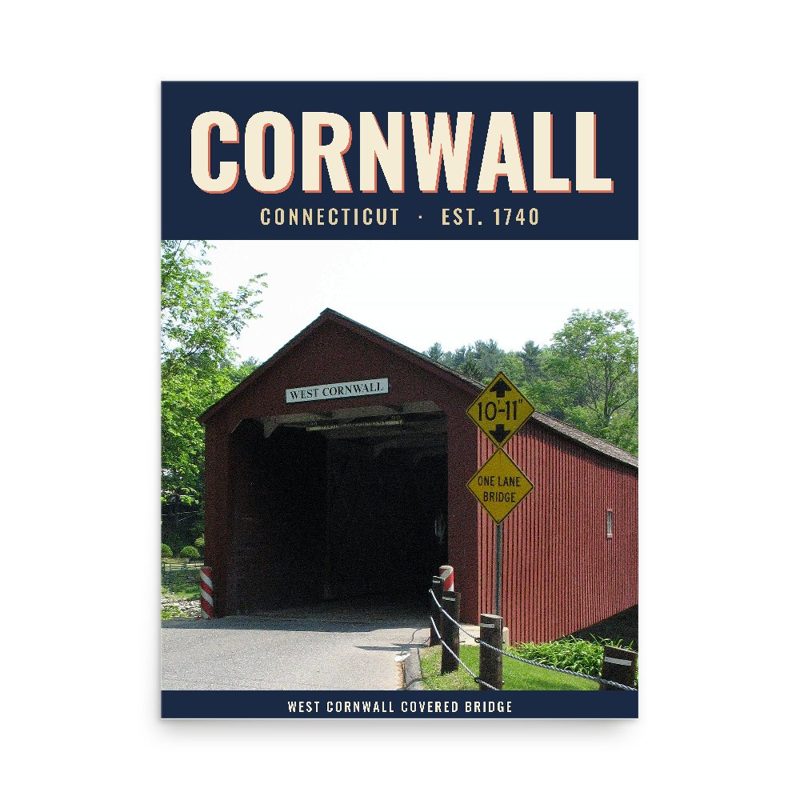
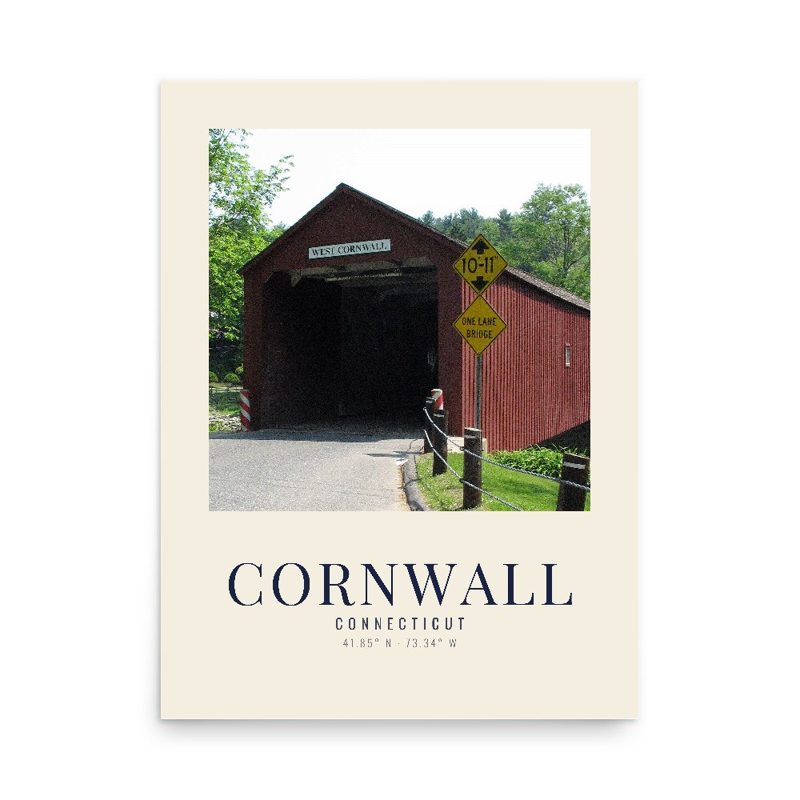
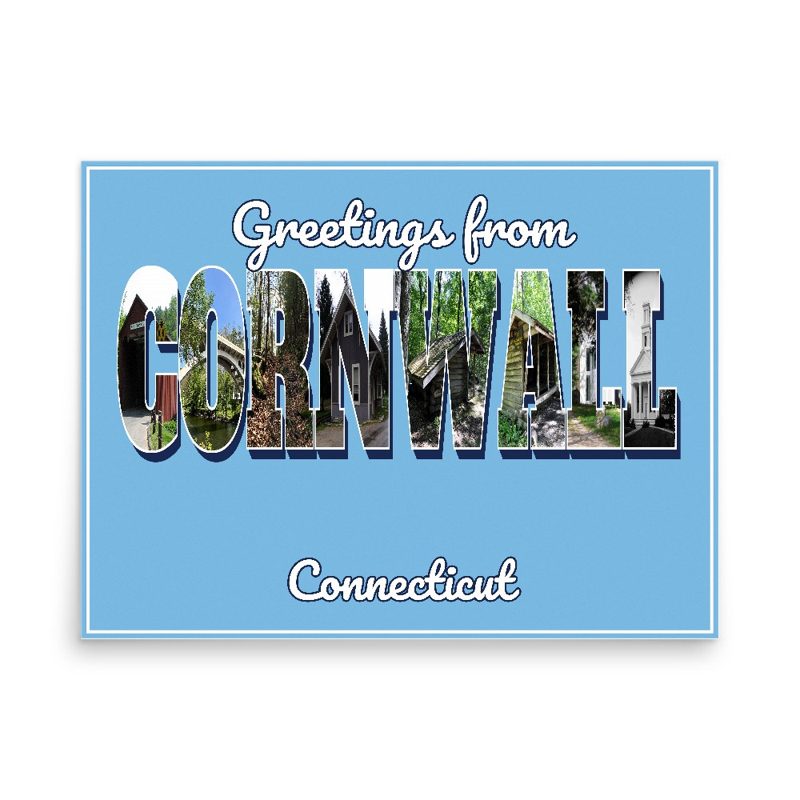
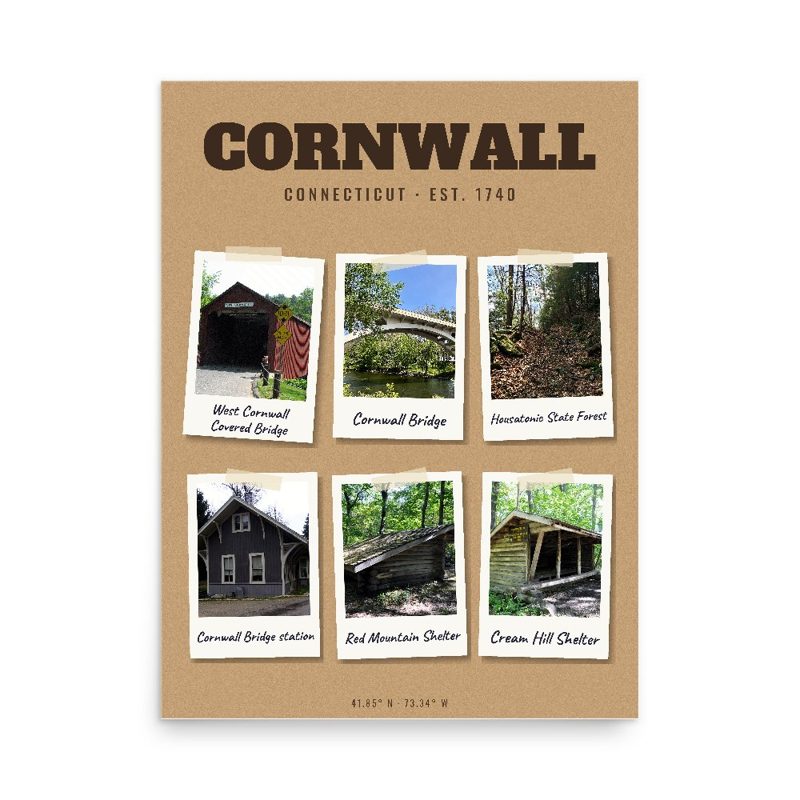
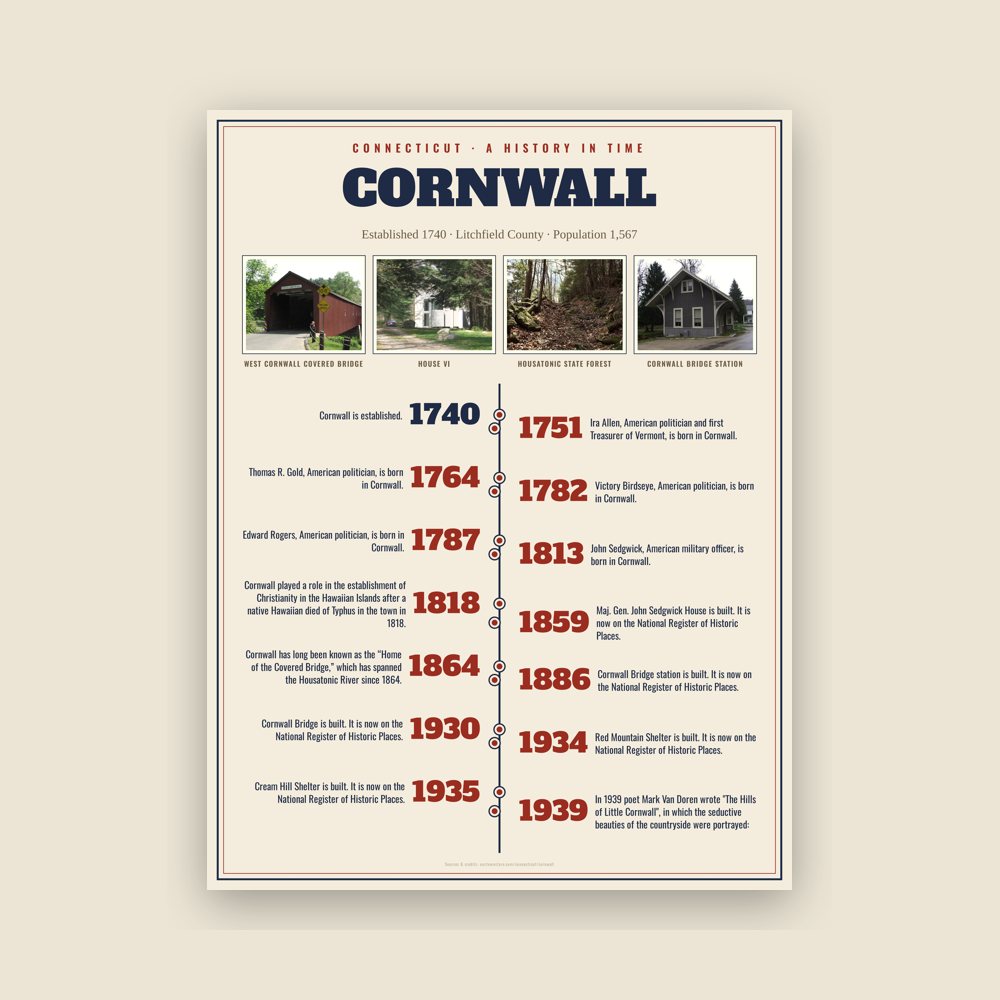















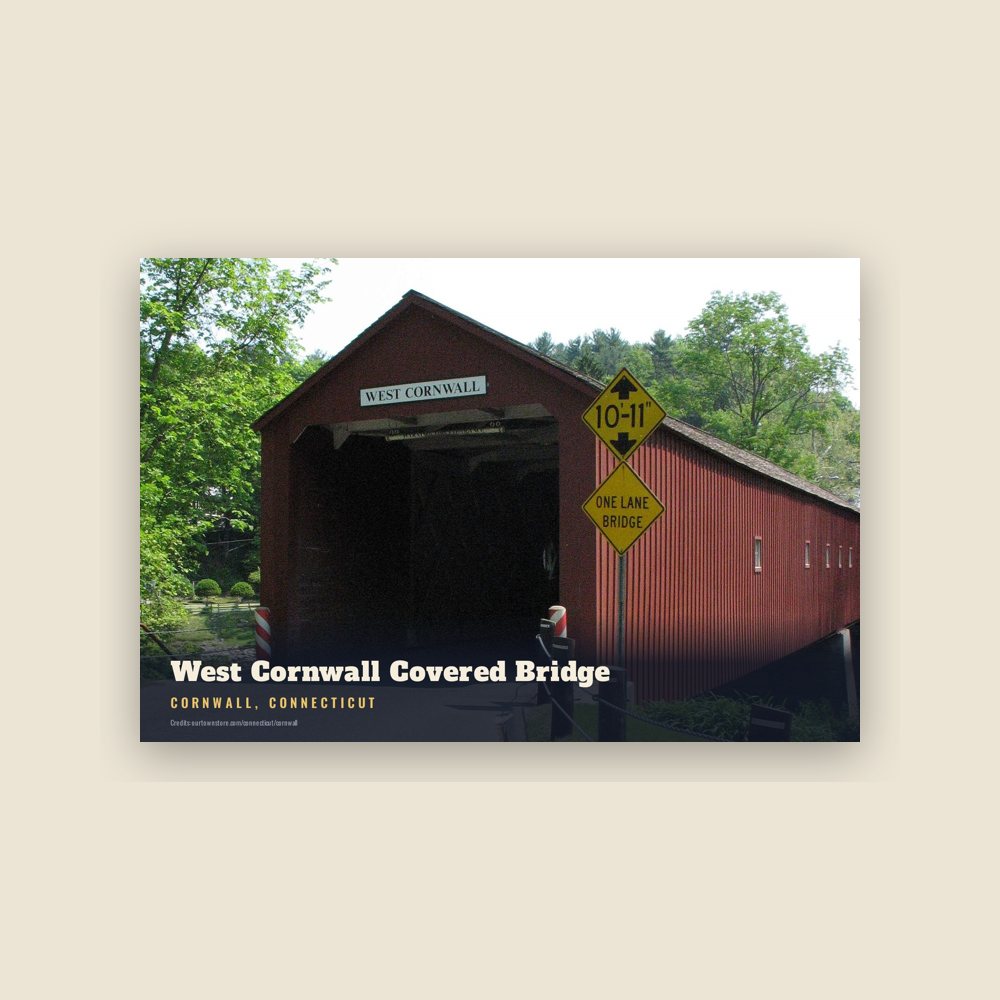
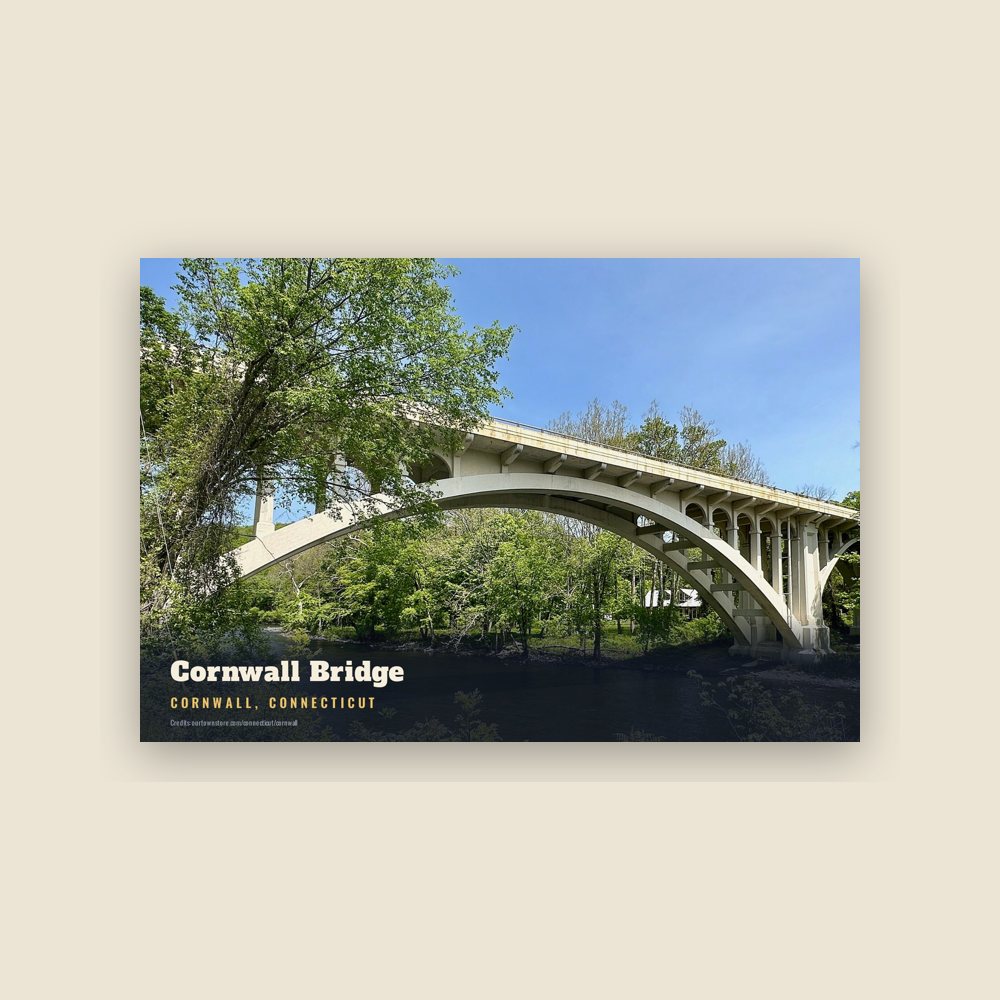
 West Cornwall Covered Bridge
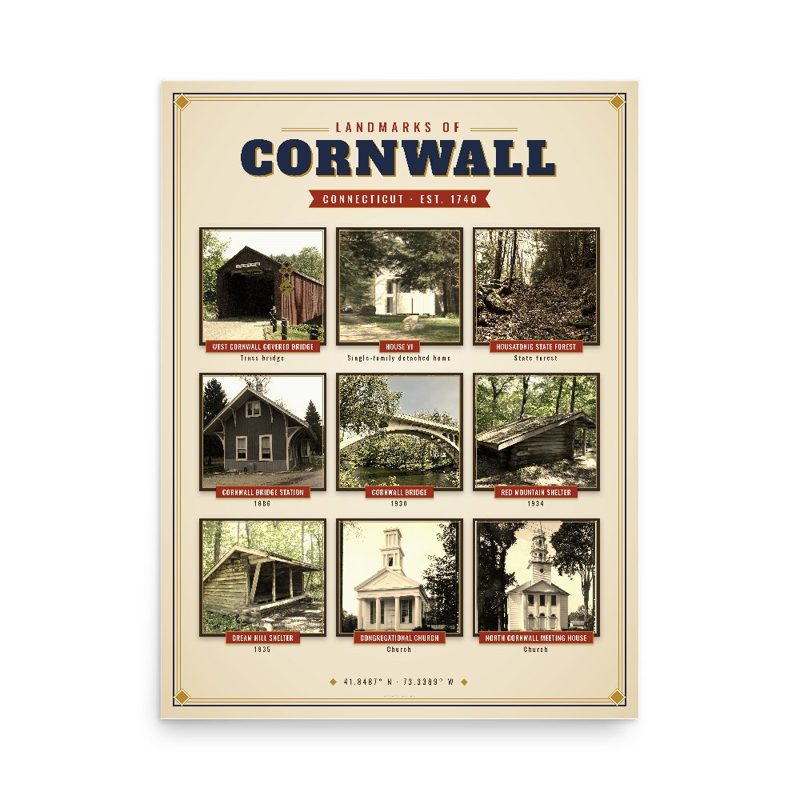
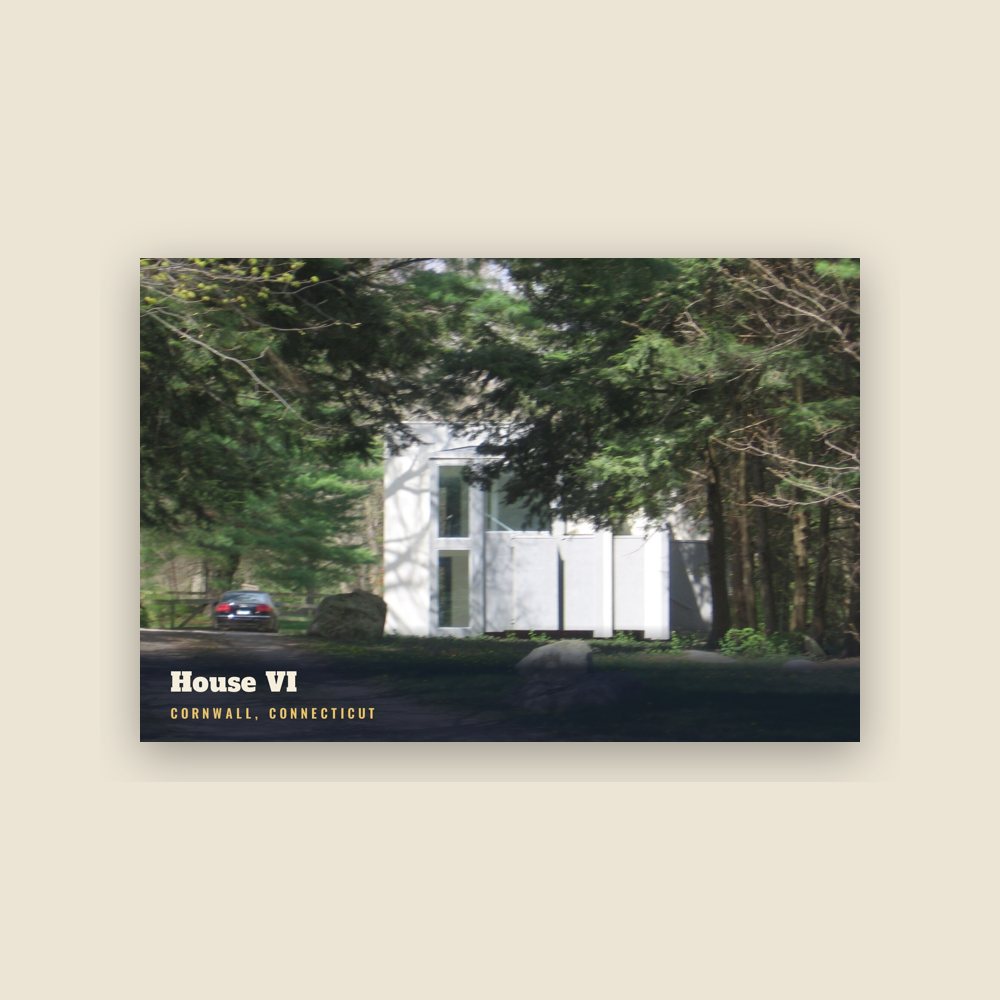
 House VI
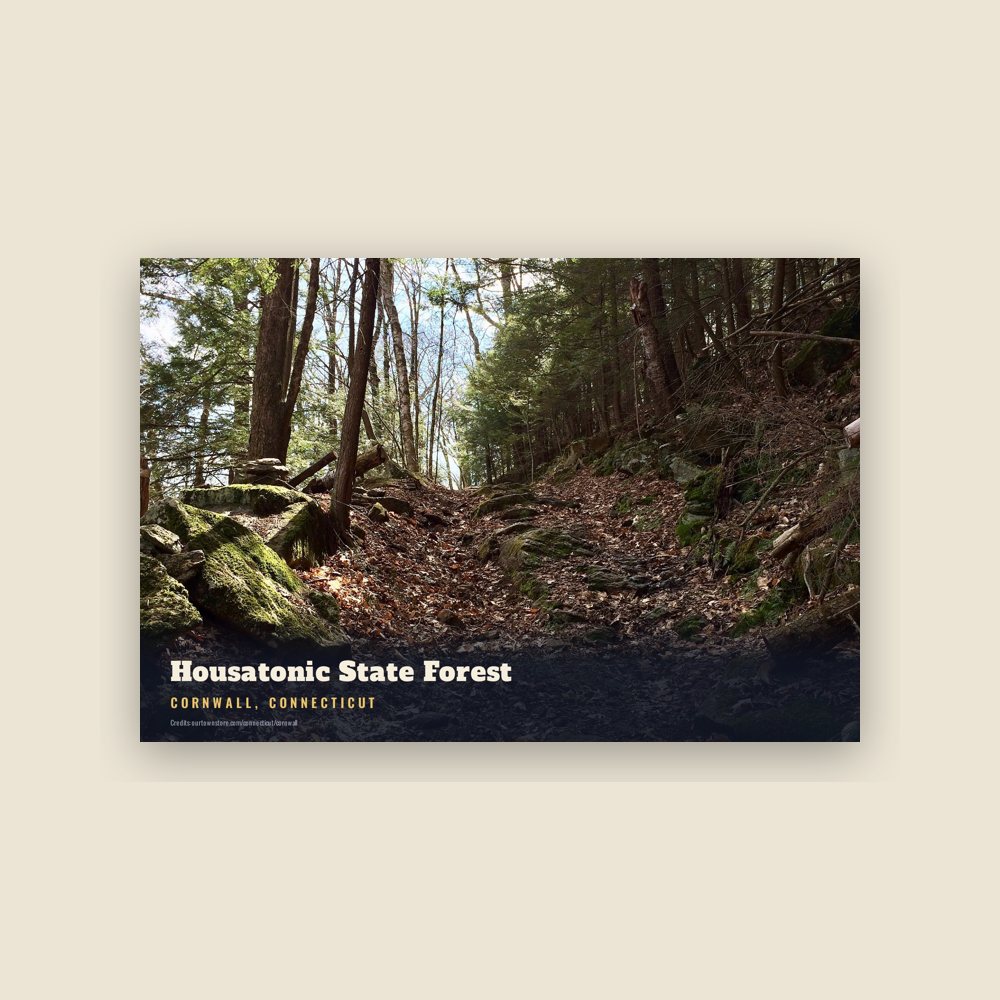
 Housatonic State Forest
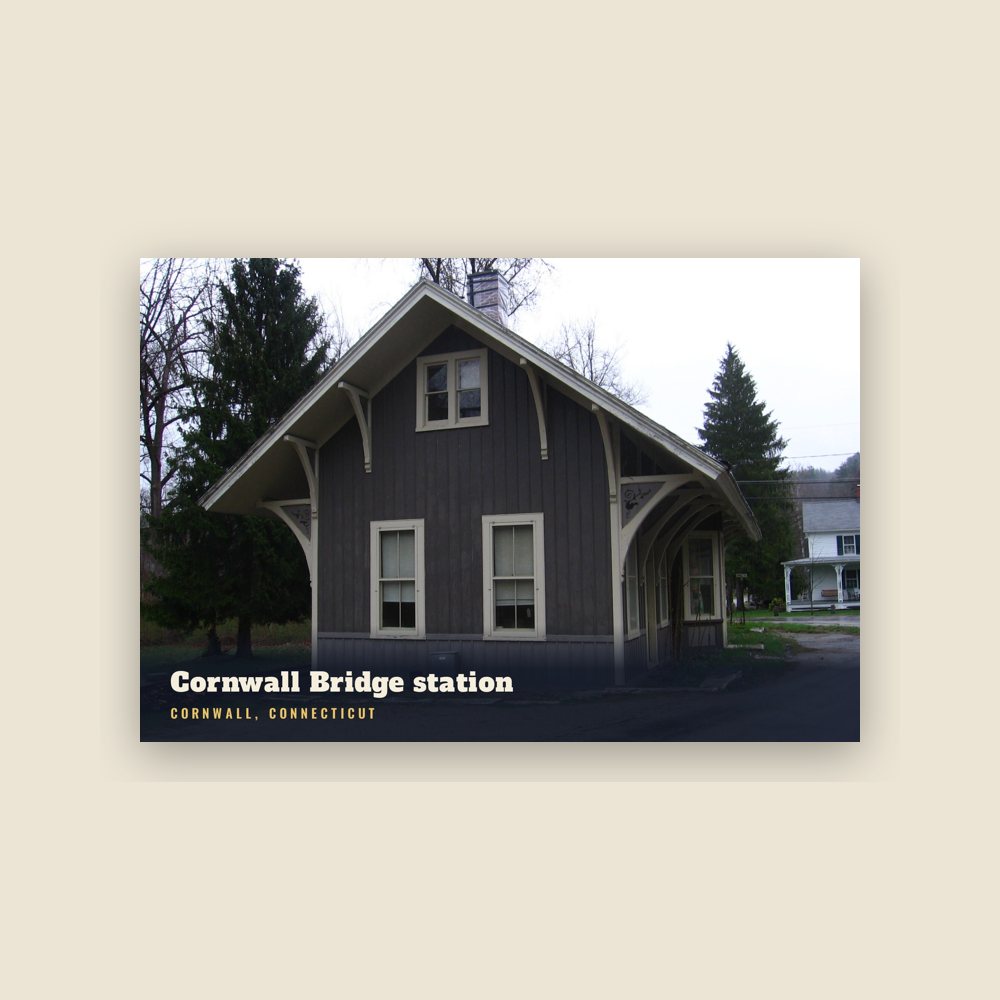
 Cornwall Bridge station