Since 1786
A short history of Ellington
The land that became Ellington was named by the natives as “Weexskashuck” which translates to “Great Marsh”. The earliest settlers called the area Great Marsh or Goshen. In 1671, the town of Windsor, purchased the land of East Windsor and Ellington from the Native Americans to recover land loss from the Connecticut-Massachusetts border dispute. Though no one attempted to settle the fertile lands for another 50 years. Samuel Pinney was the first settler in today's Ellington (Pinney Road bears his name in town). In 1733, Ellington was established as a Parish of the town of Windsor. East Windsor then split off from Windsor and held land in what is today's East Windsor, South Windsor and Ellington in May 1768. Ellington split off twenty years later and incorporated itself in May 1786. Mostly known as an agricultural community, the Crystal Lake section of town was for a while a popular summer resort location. Ellington still has a significant amount of property dedicated to agriculture including cattle and corn farming.
Ellington's sole representative to the voting on the adoption of the United States Constitution by Connecticut was Ebenezer Nash. Nash was an anti-federalist and voted against the ratification, which passed 128–40.
Ellington is home to one of America's oldest roadside memorials, remembering a boy killed in a road accident. A stone in the southwest corner of the town marks the site where Samuel Knight was killed "by a cartwheel rolling over his head in the 10th year of his age, Nov 8, 1812". The Christian hymn, "I love to steal awhile away" was written by Phoebe Hinsdale Brown in Ellington based on a personal experience in August 1818.
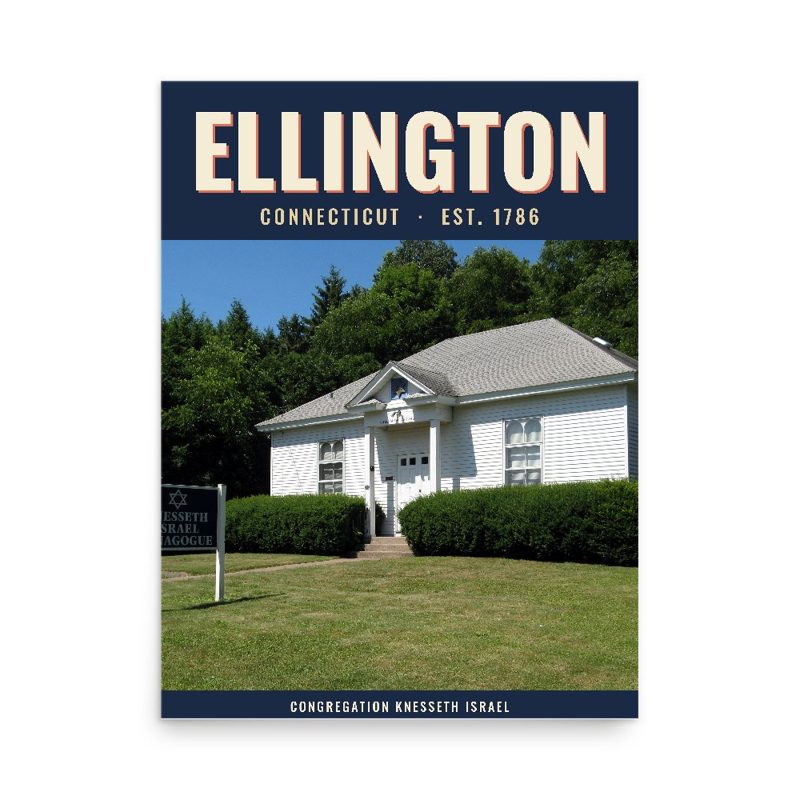
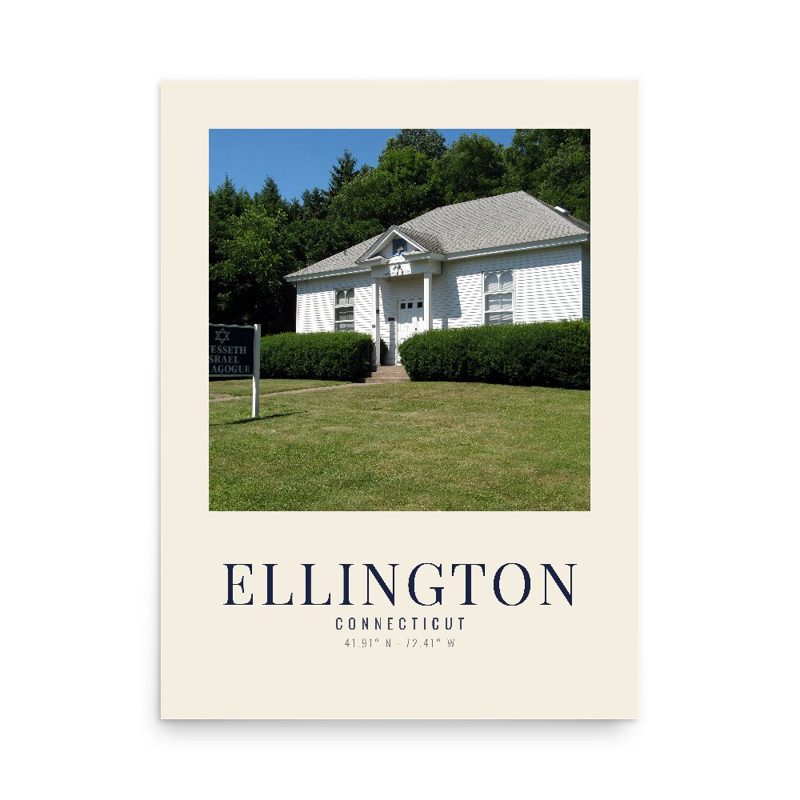
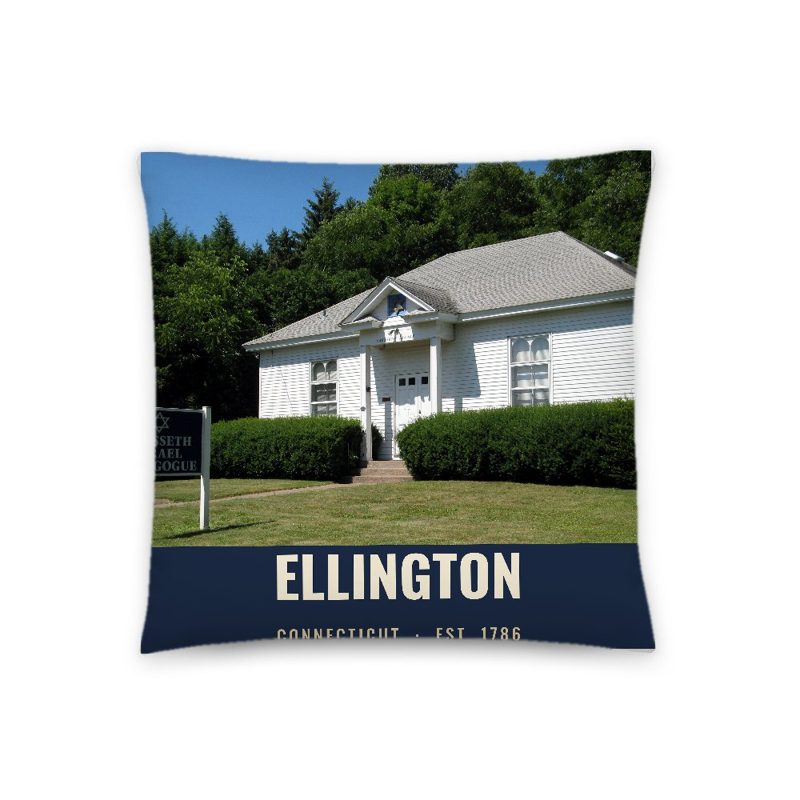
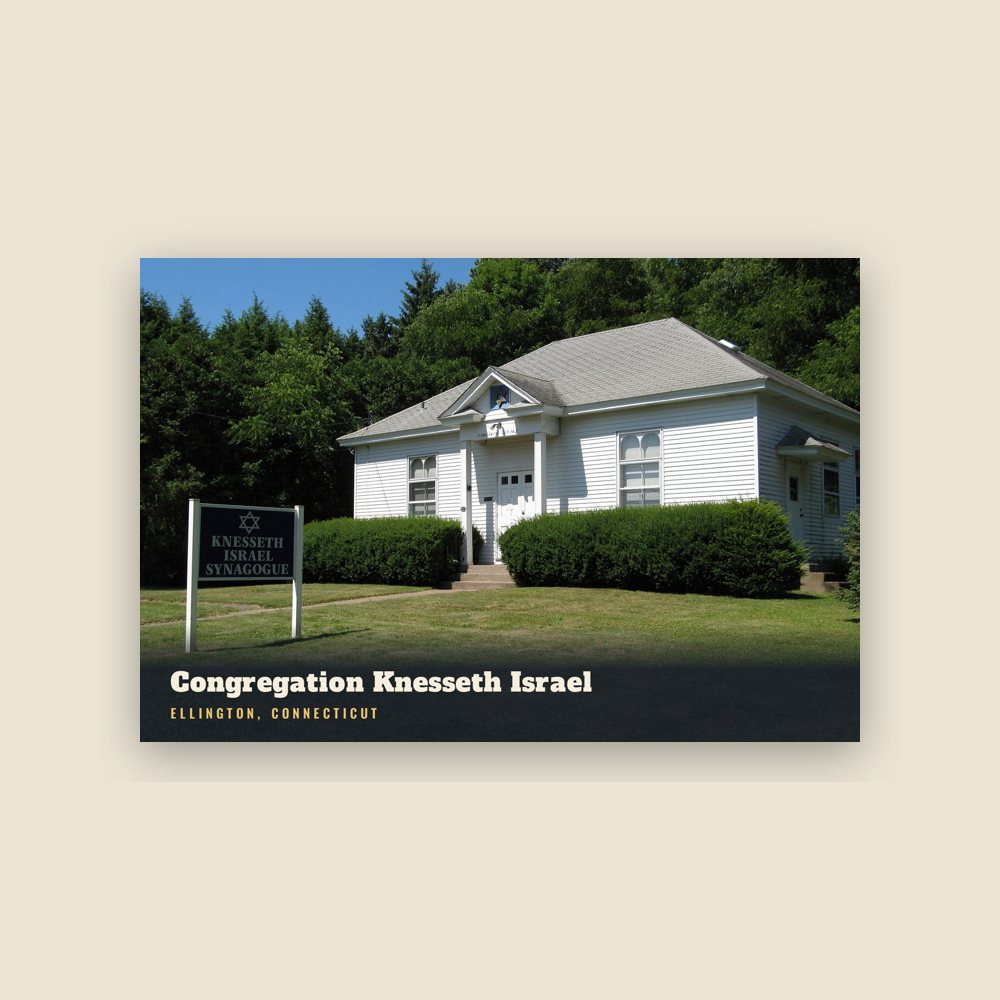
During the late 19th century and early 20th century, Ellington became the center of a community of Jewish immigrant farmers who were settled there by the philanthropist Baron Maurice de Hirsch's Jewish Colonization Association. They built a synagogue, Congregation Knesseth Israel, that is still standing and in use by an active Modern Orthodox congregation today and is on the National Register of Historic Places.
On January 1, 1967, Ellington made national news when its residents assisted the city fire department in rescuing a pilot whose plane was having engine trouble and was unable to locate a runway in a fog that cut visibility to 200 feet. Under the direction and quick thinking of Resident State Trooper, Lionel Labreche, Connecticut State Police, dozens of people assembled at the town's unlit airstrip, Hyde Field, and illuminated the runway with their headlights, allowing the pilot to land safely.
In 1991, Ellington was proposed as a potential site for a low-level nuclear waste dump. Strong dissent from area residents forced the state to abandon the plan.
As it enters the 21st century, Ellington has had the 6th fastest growth rate of all the towns in Connecticut, and has been experiencing changes in growing from a rural farming town into a suburban community. Exemplative of this change was the displacement of the locally owned Ellington Supermarket by competition from the regional Big Y supermarket chain when a new Big Y was built adjacent to the older supermarket. An independent film entitled The Supermarket, was made about the incident.
Adapted (trimmed) from the Wikipedia article Ellington, Connecticut, revision 1375859985 by its contributors, licensed CC BY-SA 4.0.
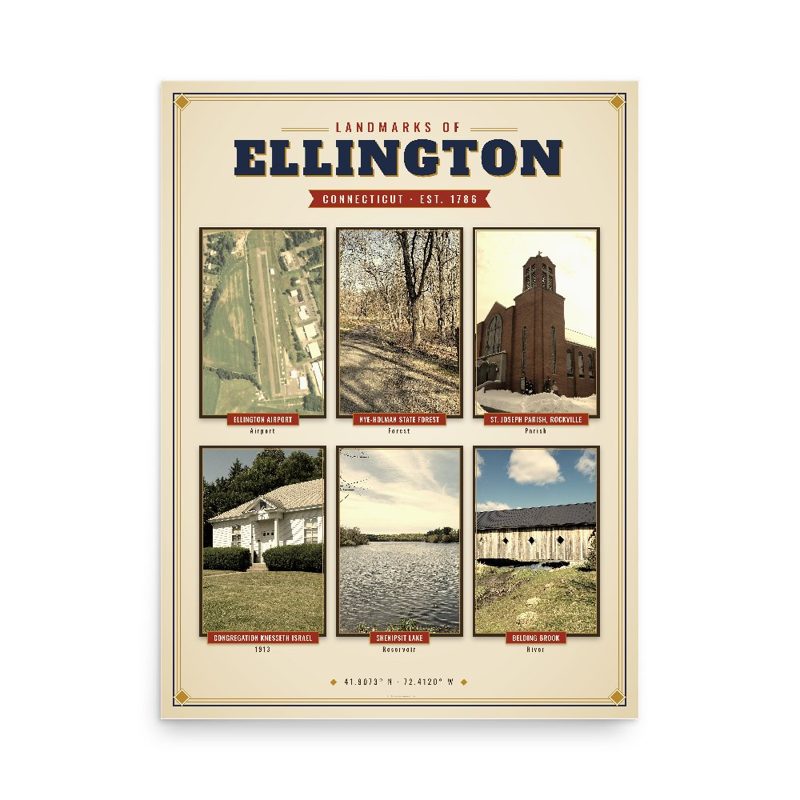
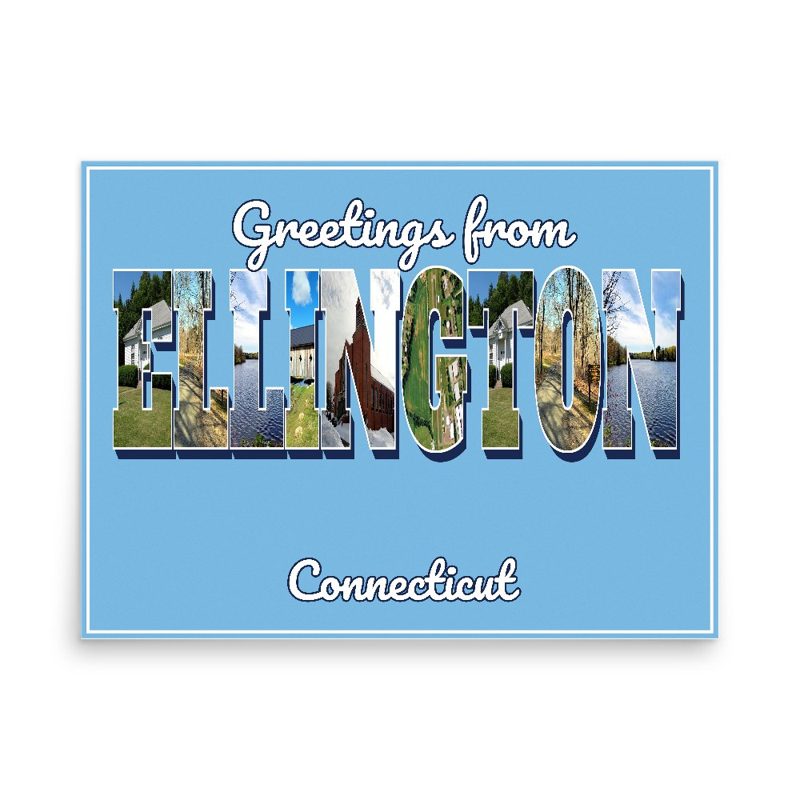
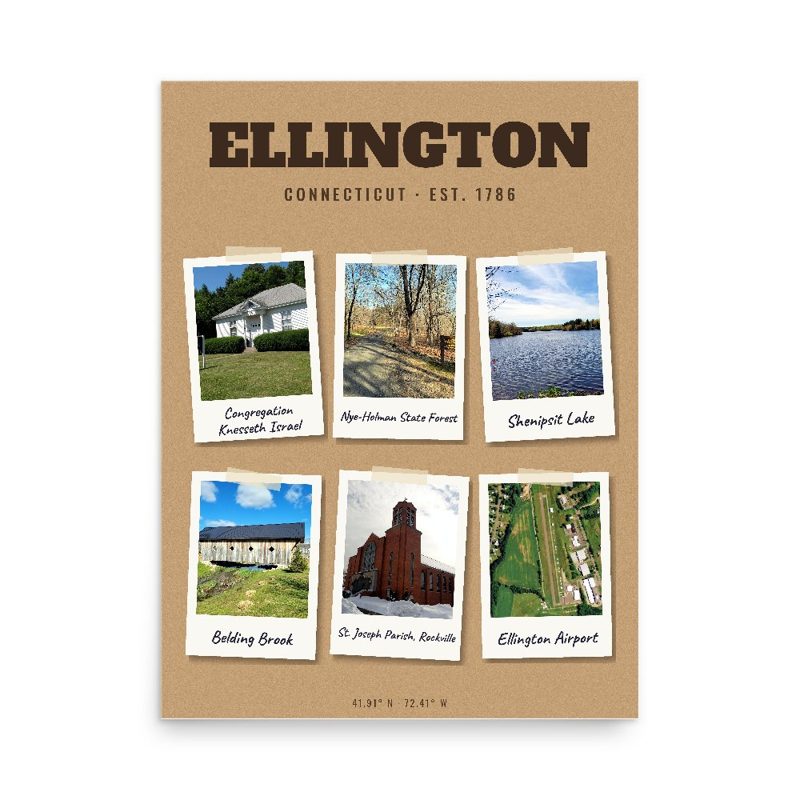
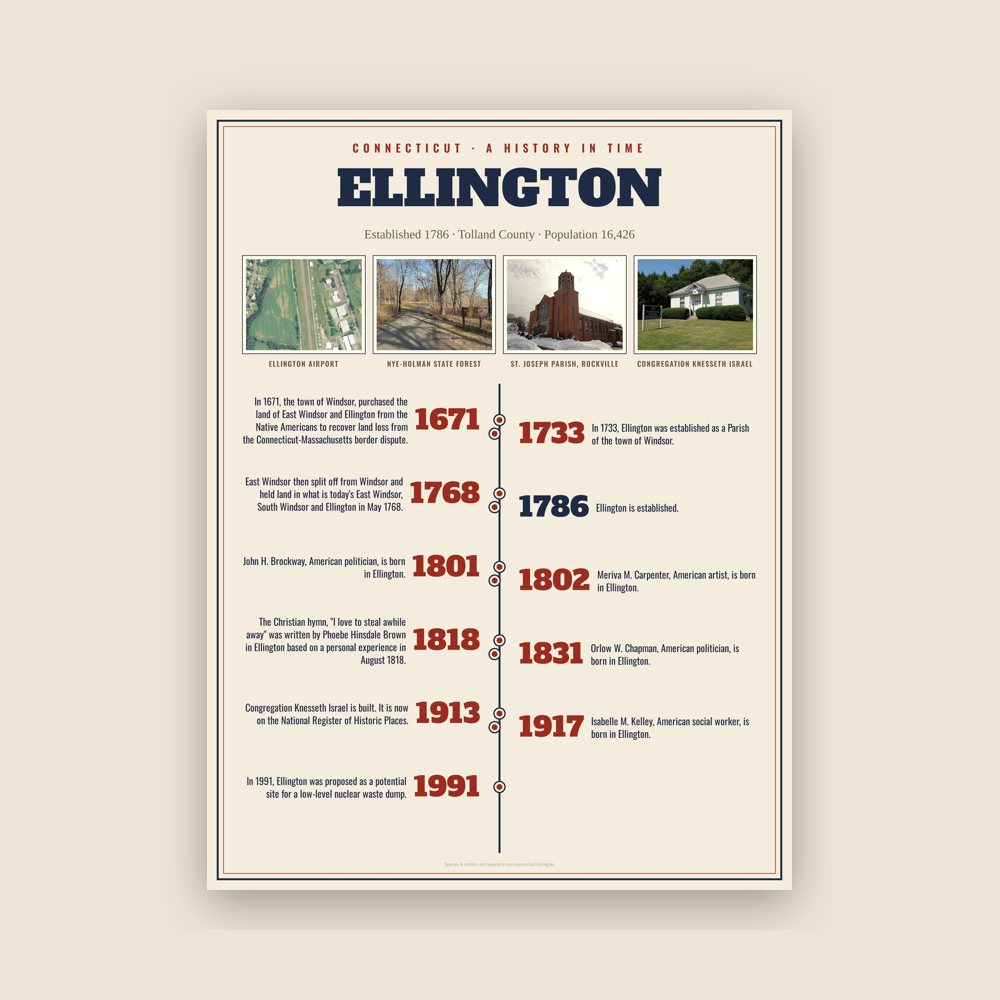
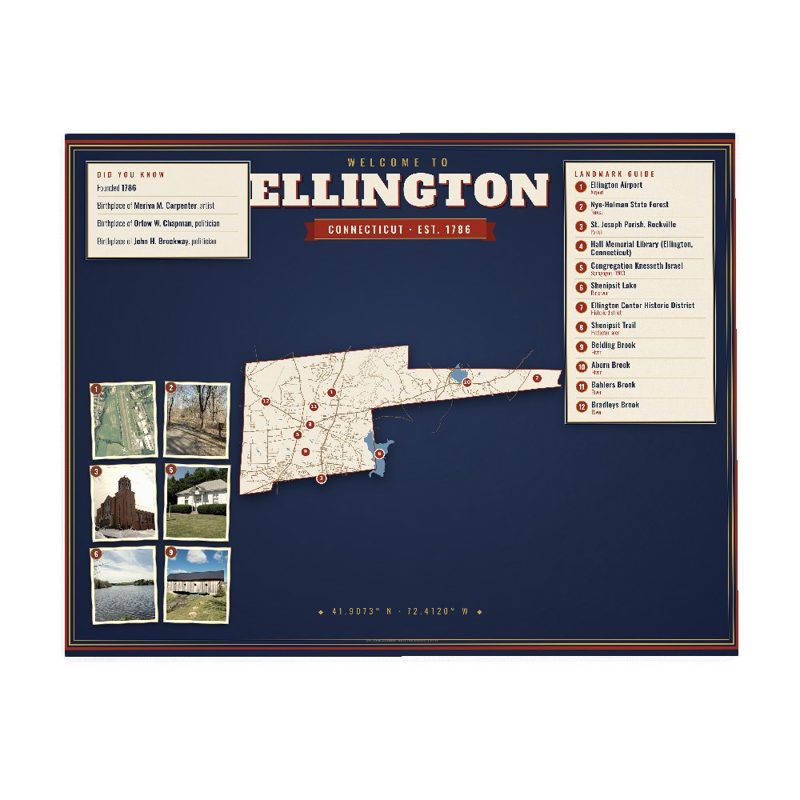



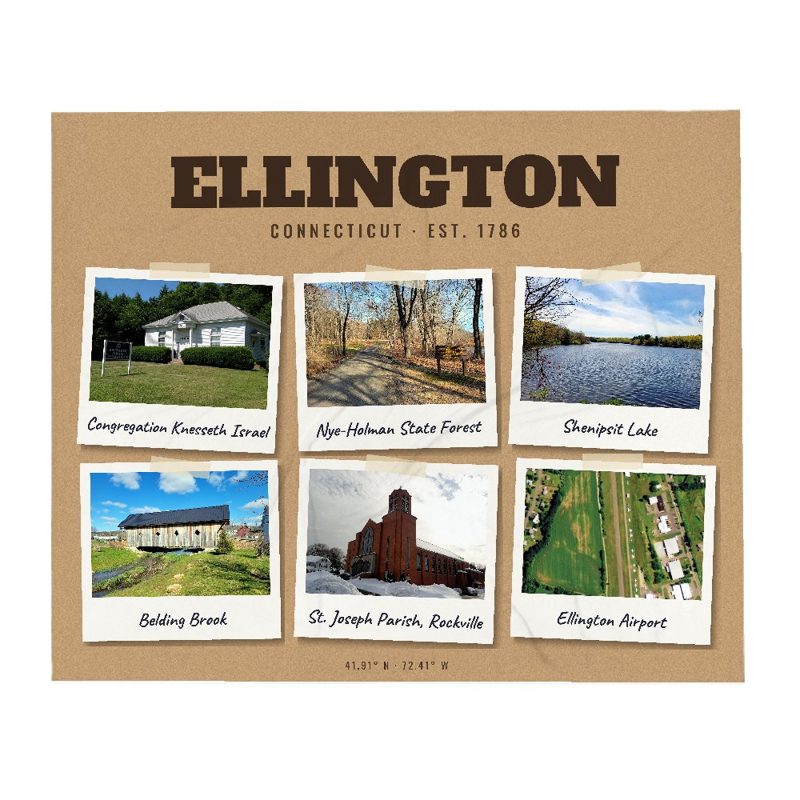

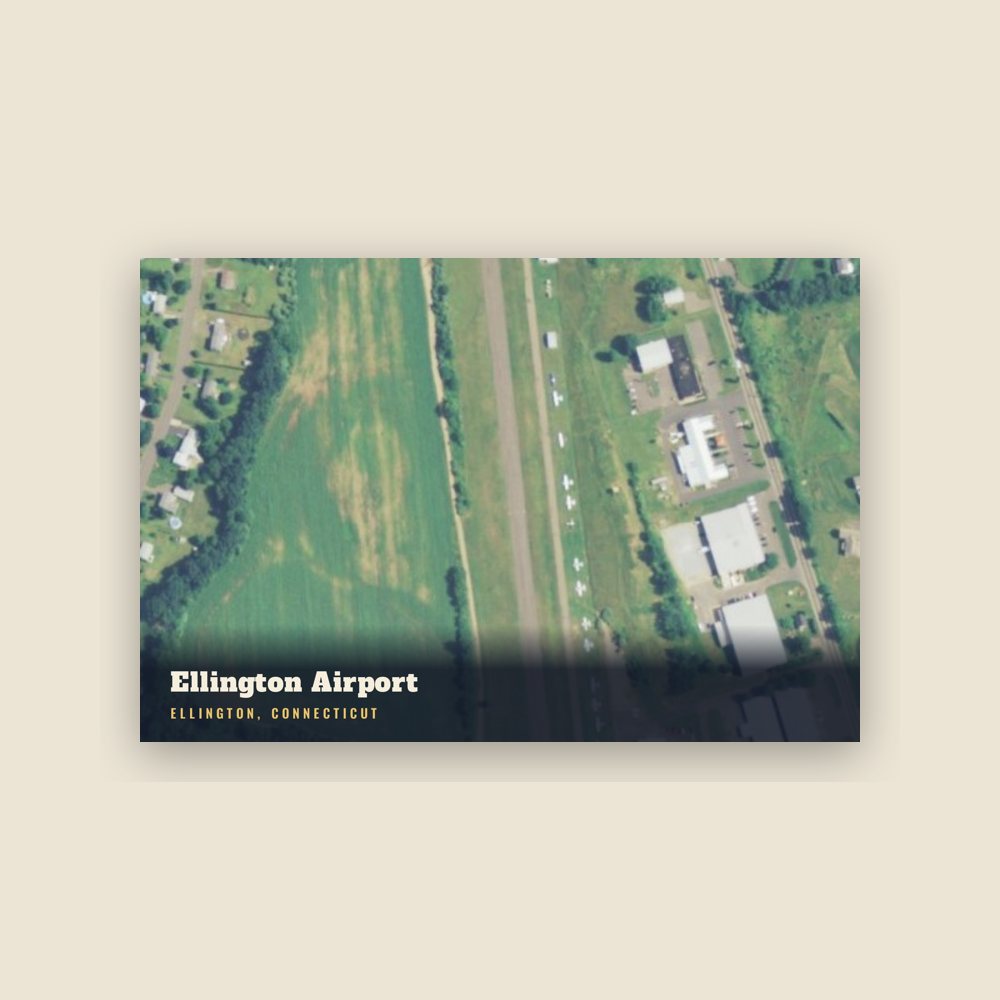
 Ellington Airport
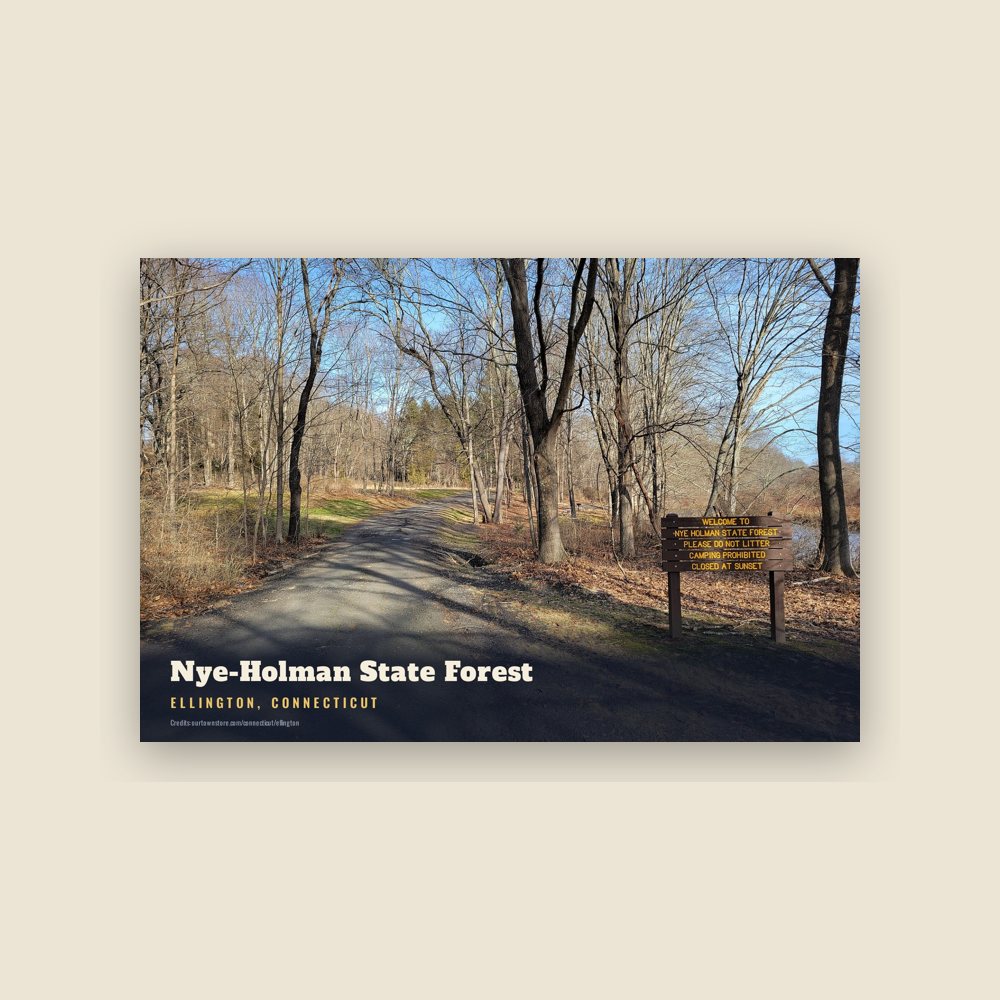
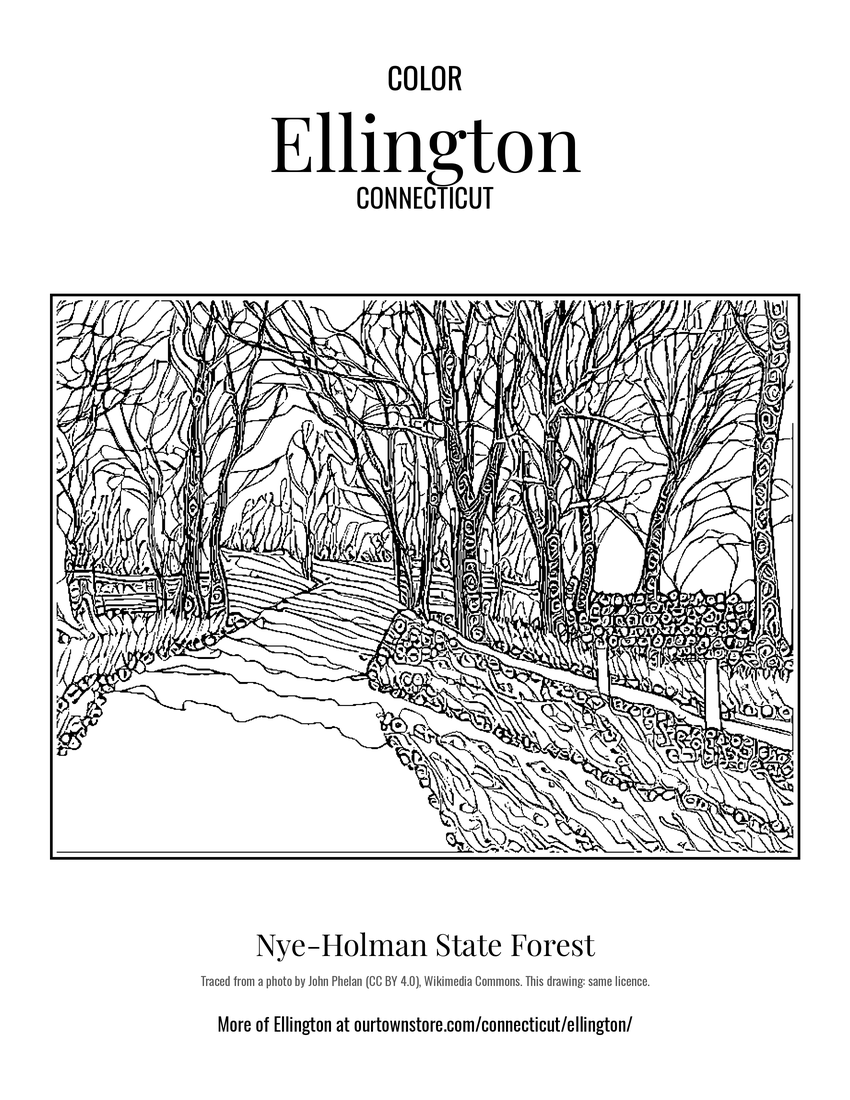 Nye-Holman State Forest
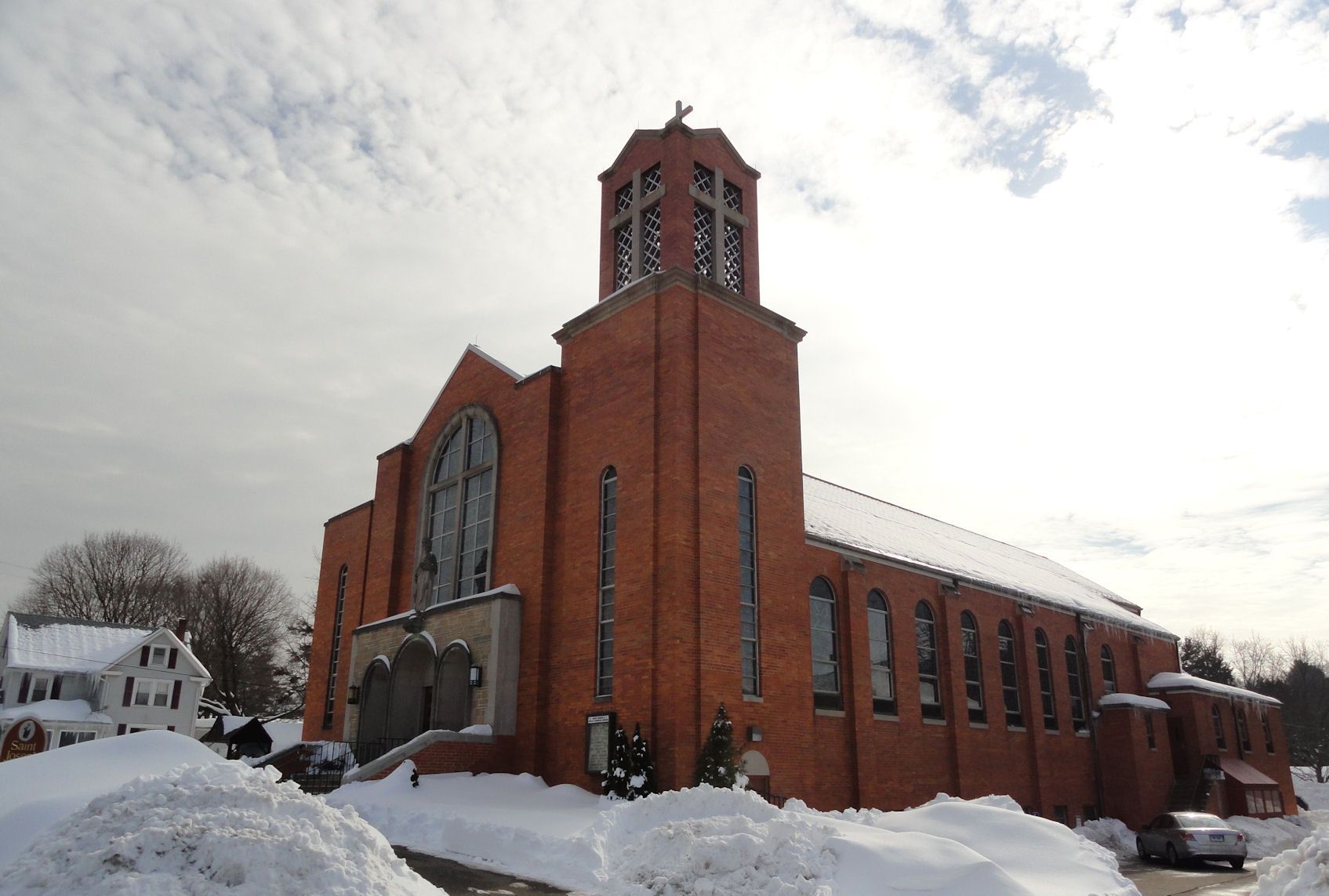
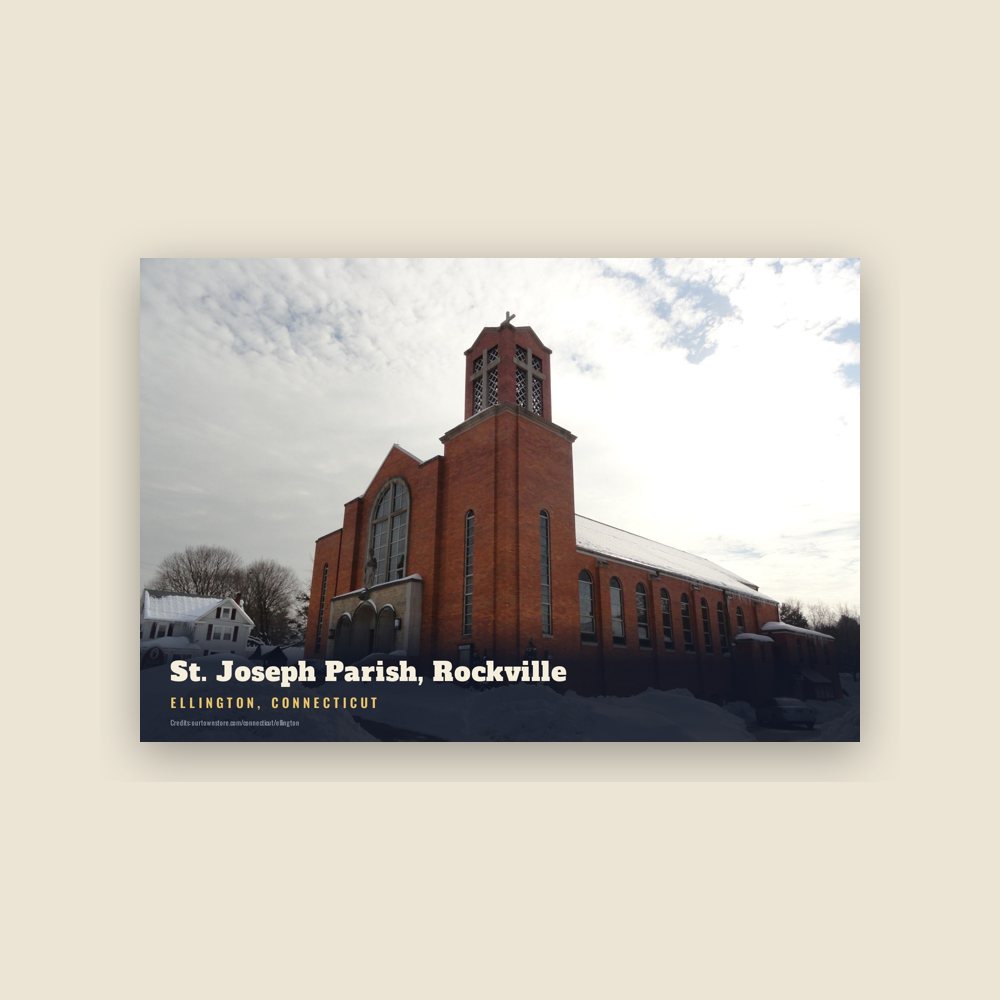
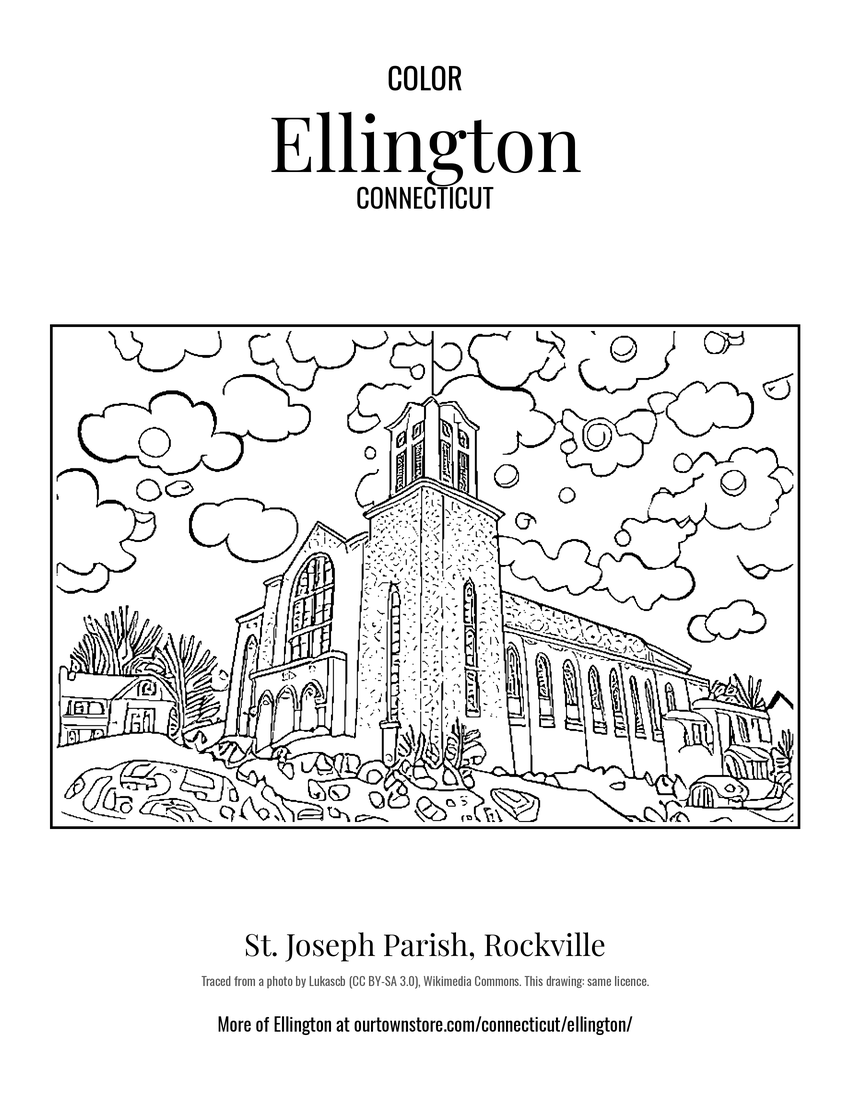 St. Joseph Parish, Rockville
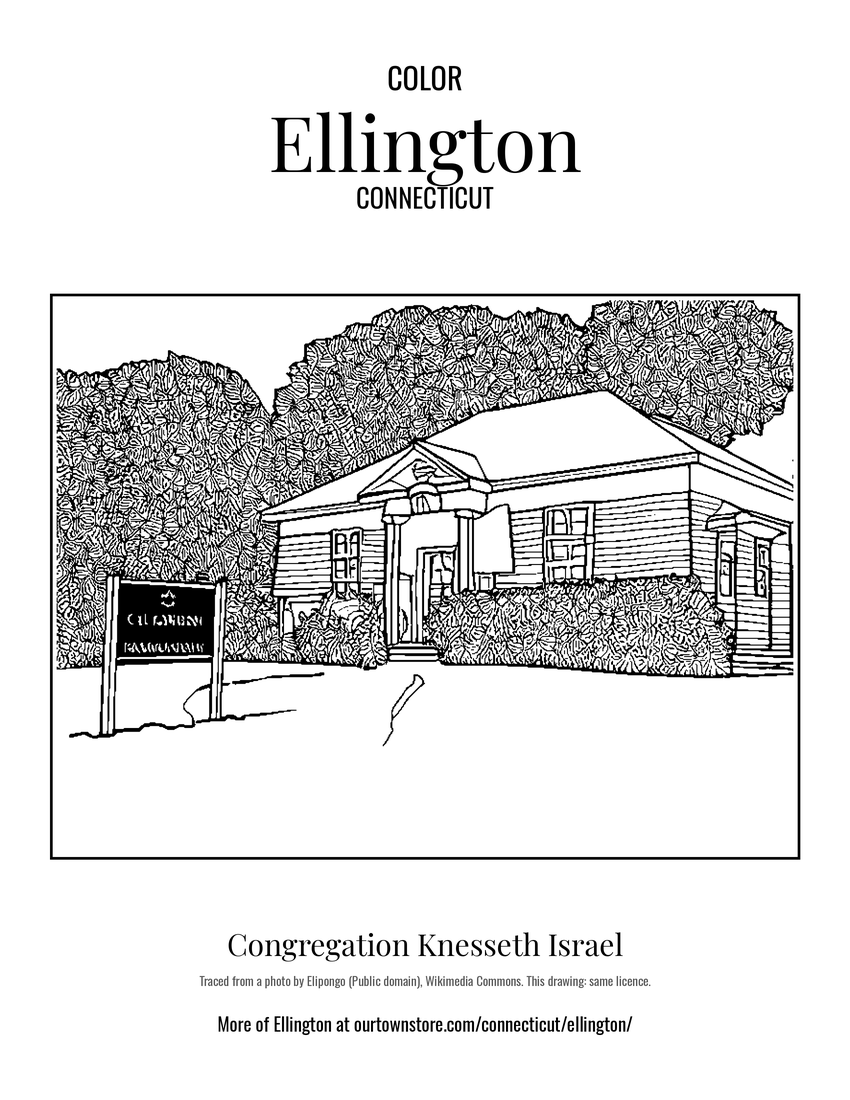 Congregation Knesseth Israel