A short history of East Windsor
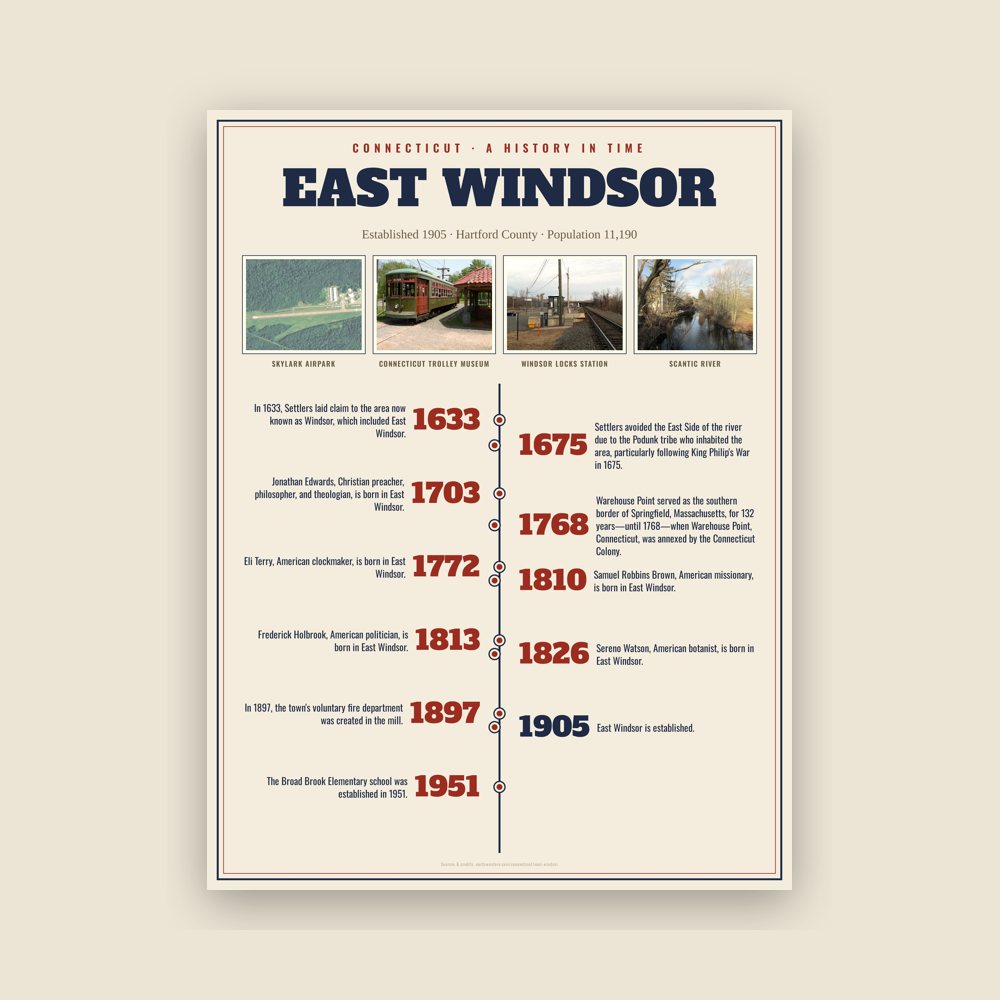
In 1633, Settlers laid claim to the area now known as Windsor, which included East Windsor. No English settlers lived on the east side of the river. The first English settler in what is today known as East Windsor, was William Pynchon, the founder of Springfield, Massachusetts. In 1636, he erected a warehouse for his settlement's transshipment of goods at what is now known as "Warehouse Point". Warehouse Point served as the southern border of Springfield, Massachusetts, for 132 years—until 1768—when Warehouse Point, Connecticut, was annexed by the Connecticut Colony. Pynchon selected the site of Warehouse Point because of its location near the Enfield Falls—the first major falls in the Connecticut River, the head of navigation where seagoing vessels were forced to terminate their voyages and transship to smaller shallops. By constructing a warehouse at Warehouse Point, Pynchon essentially forced all northern Connecticut River business to run through him and his settlement at Springfield.
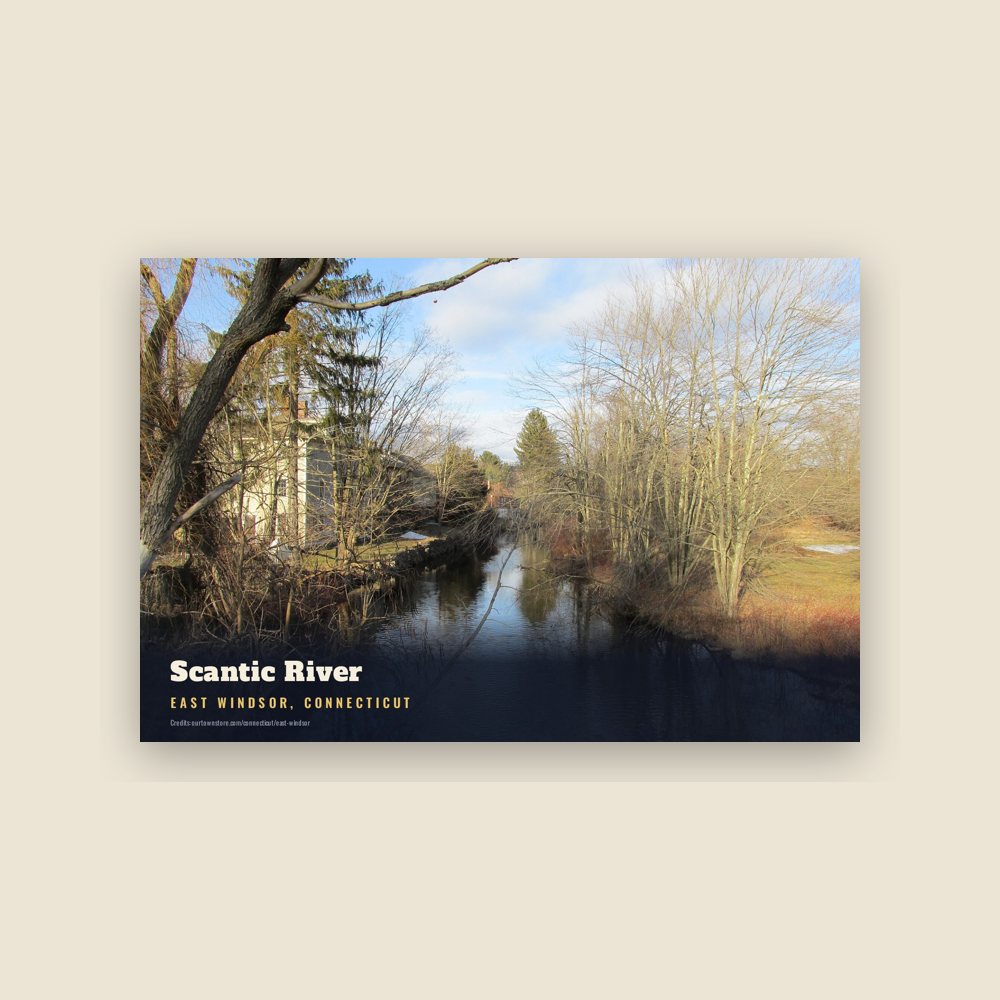
Meanwhile, most of today's East Windsor was part of the prominent Windsor settlement on the east side of the river. Settlers avoided the East Side of the river due to the Podunk tribe who inhabited the area, particularly following King Philip's War in 1675. Simon Wolcott was the first settler in today's East Windsor. East Windsor also included today's Ellington and South Windsor. Eventually on May 10, 1768, The East Windsor parish was partitioned from Windsor. The center of town became what is now East Windsor Hill in today's South Windsor. The North Part of town center was Scantic.
In 1818, resident Solomon Ellsworth Jr, was blasting a hole for a well alongside his house in town. While in the process, he found some odd bones. These bones would later be sent to Yale University and eventually be identified as Dinosaur fossils, specifically one of an Anchisaurus. Though not the first fossils to be found, their discovery led to the dinosaur discovery craze later in the century as these were the first bones to be known as a dinosaur, four years before William Buckland determined it. The bones are still at Yale and the Ellsworth Homestead still stands on Rye Street near the South Windsor line.
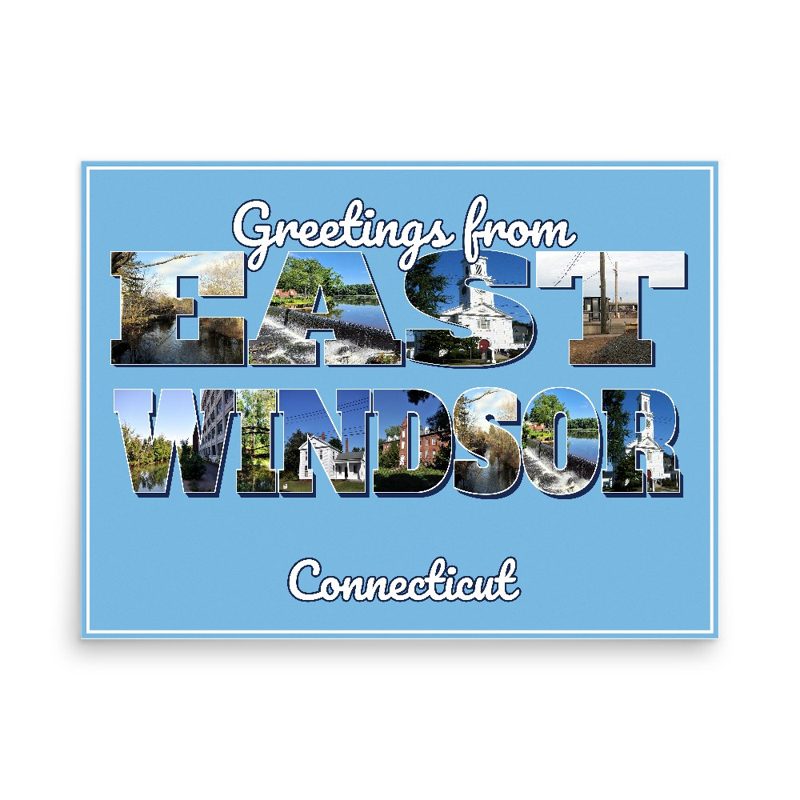
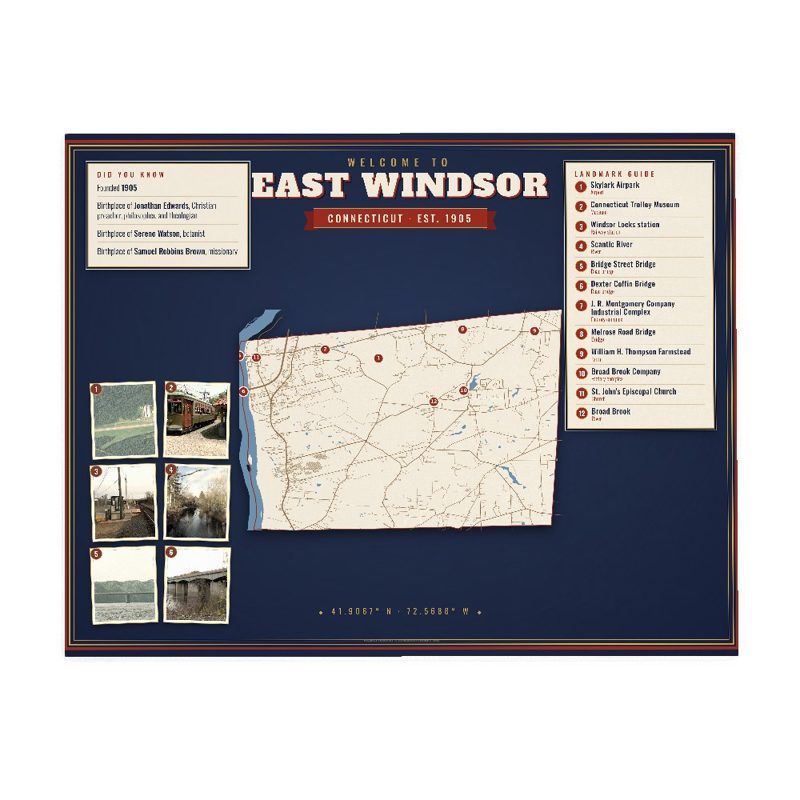
The town has five sections of town, Warehouse Point, Broad Brook, Scantic, Melrose, and Windsorville. The oldest section of town is Warehouse Point, which, as mentioned, was first used by William Pynchon in the 1630s, and later settled as part of Springfield in the 1680s. The Scantic section of town was the center of town until the mills were built. The Windsorville section of town was once its own community, featuring a church, post office, mini-mart, and a park. Mulnite Farms is a tobacco farm on Graham Road, established in 1905. In 1897, the town's voluntary fire department was created in the mill. The Broad Brook Elementary school was established in 1951. In 1961, the town hall burned down. The new town hall is on Rye Street, across from the elementary school. The new volunteer fire department building and senior center was built on the same site of the old town hall. On Memorial Day Weekend 1986, the Broad Brook Mill caught on fire during renovations, with the mill and the tire shop (on the site of the mill) burned down and the smoke being seen as far as Bradley International Airport and Hartford. A new mini strip mall was built on the site of the mill.
Adapted (trimmed) from the Wikipedia article East Windsor, Connecticut, revision 1373582812 by its contributors, licensed CC BY-SA 4.0.
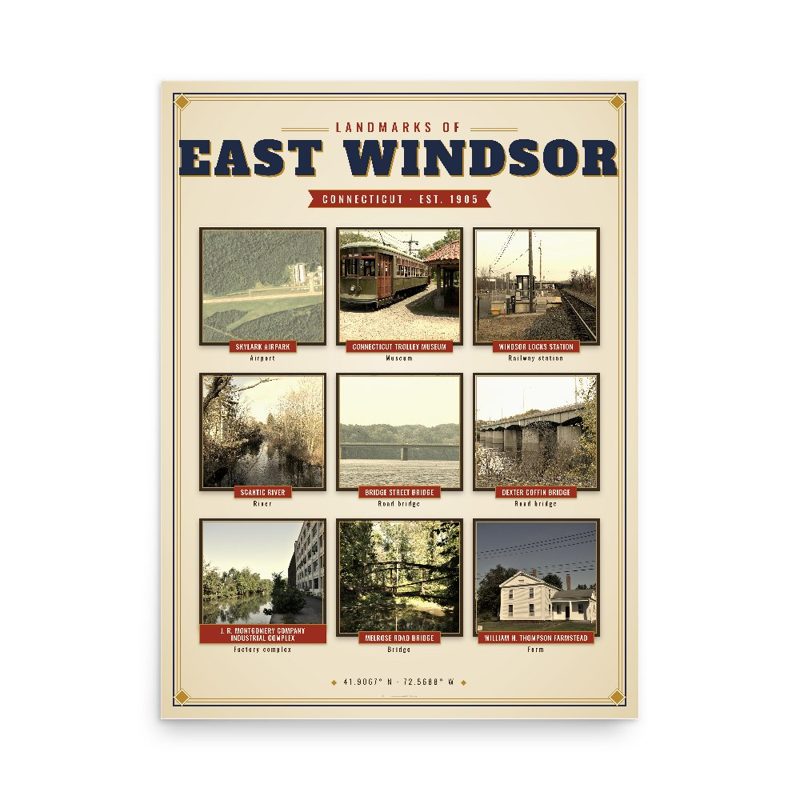

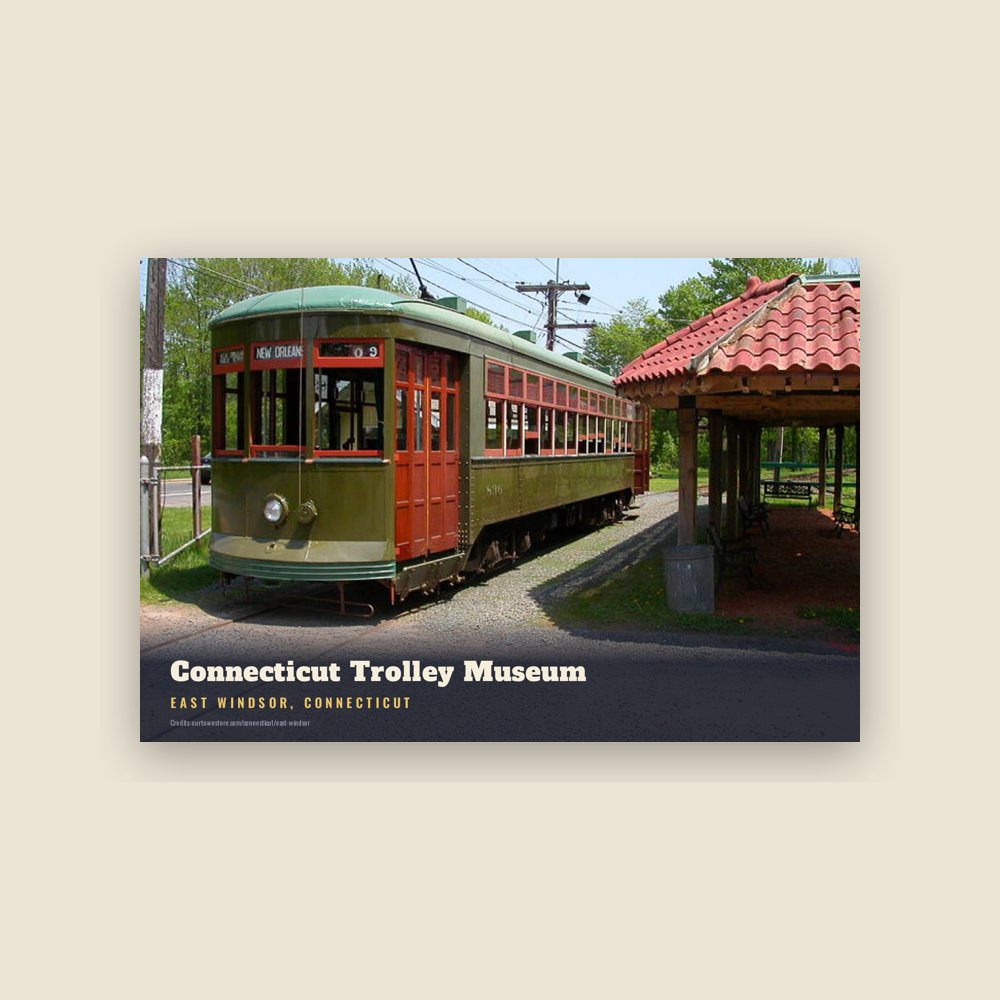
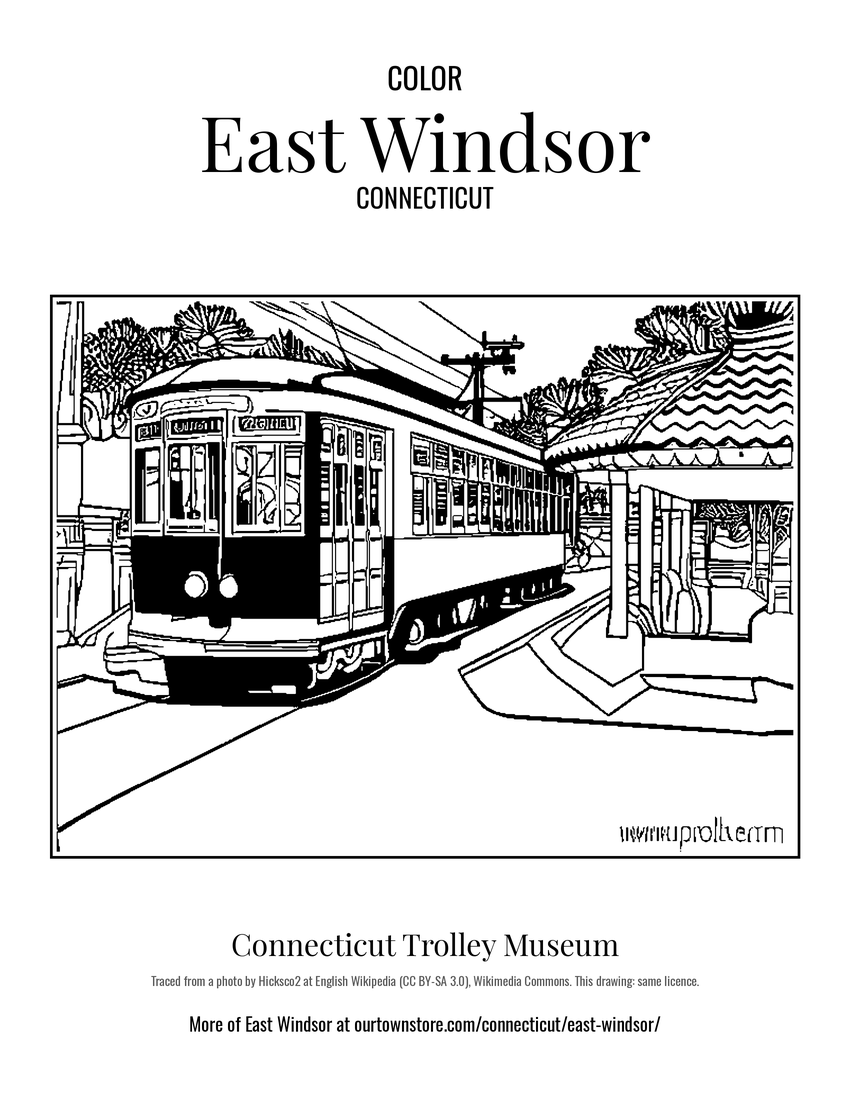 Connecticut Trolley Museum
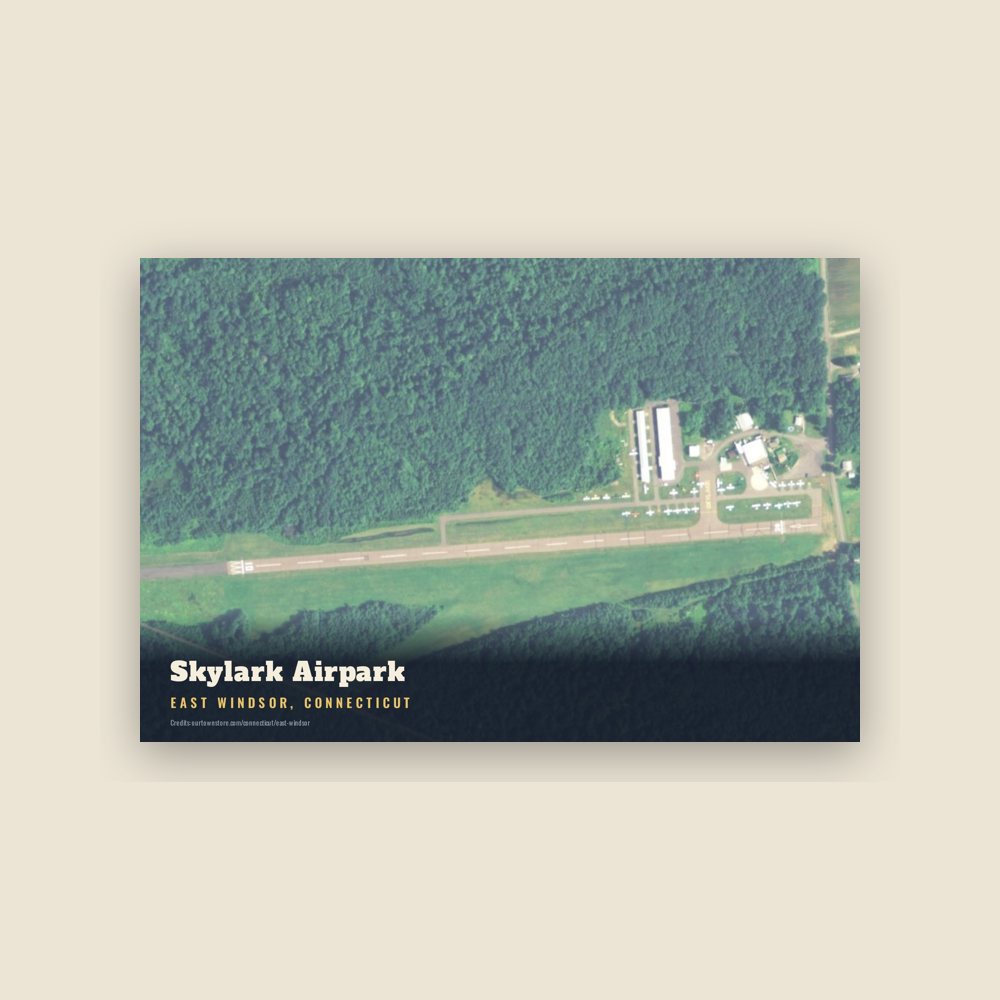
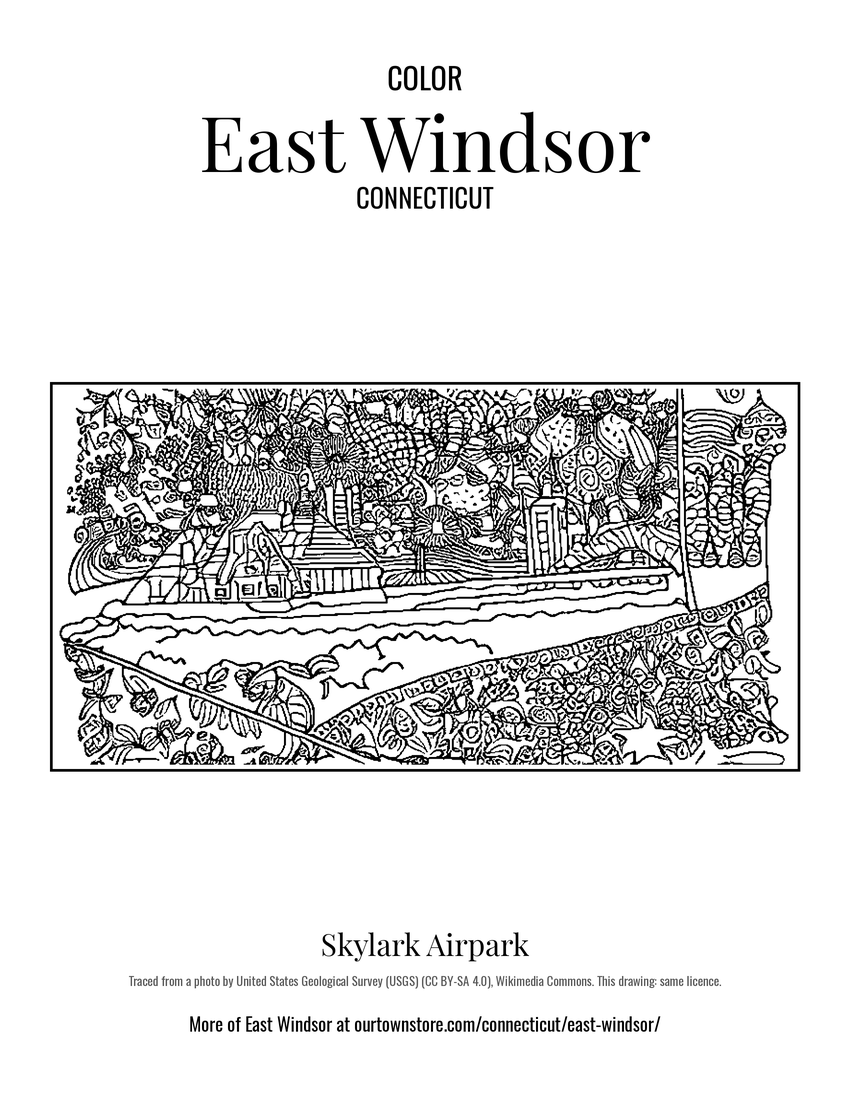 Skylark Airpark
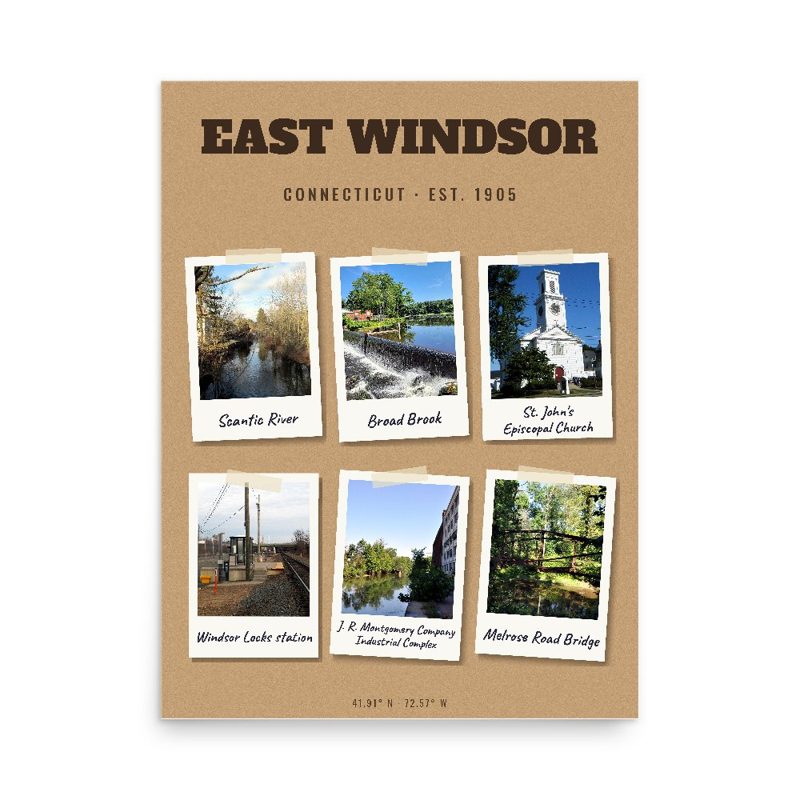
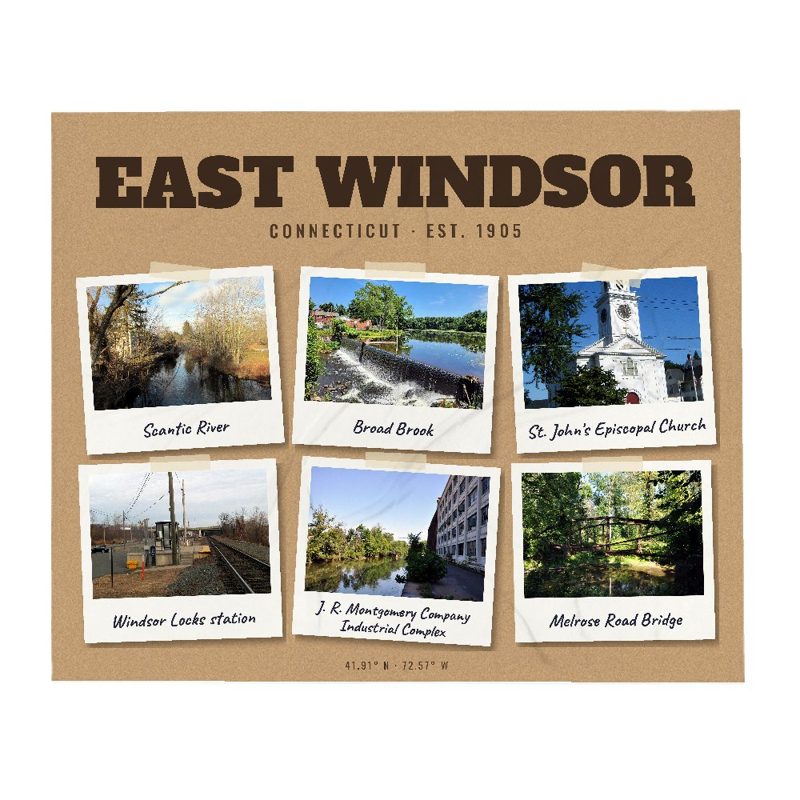
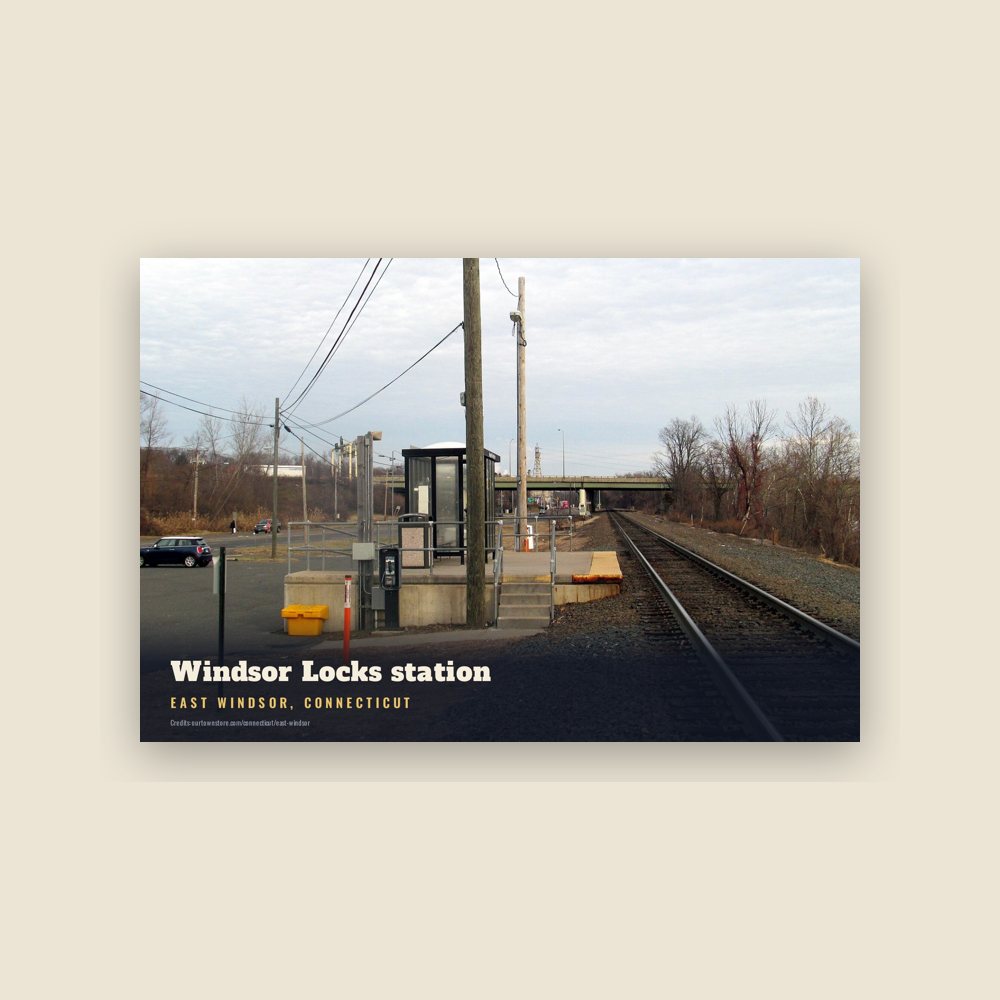
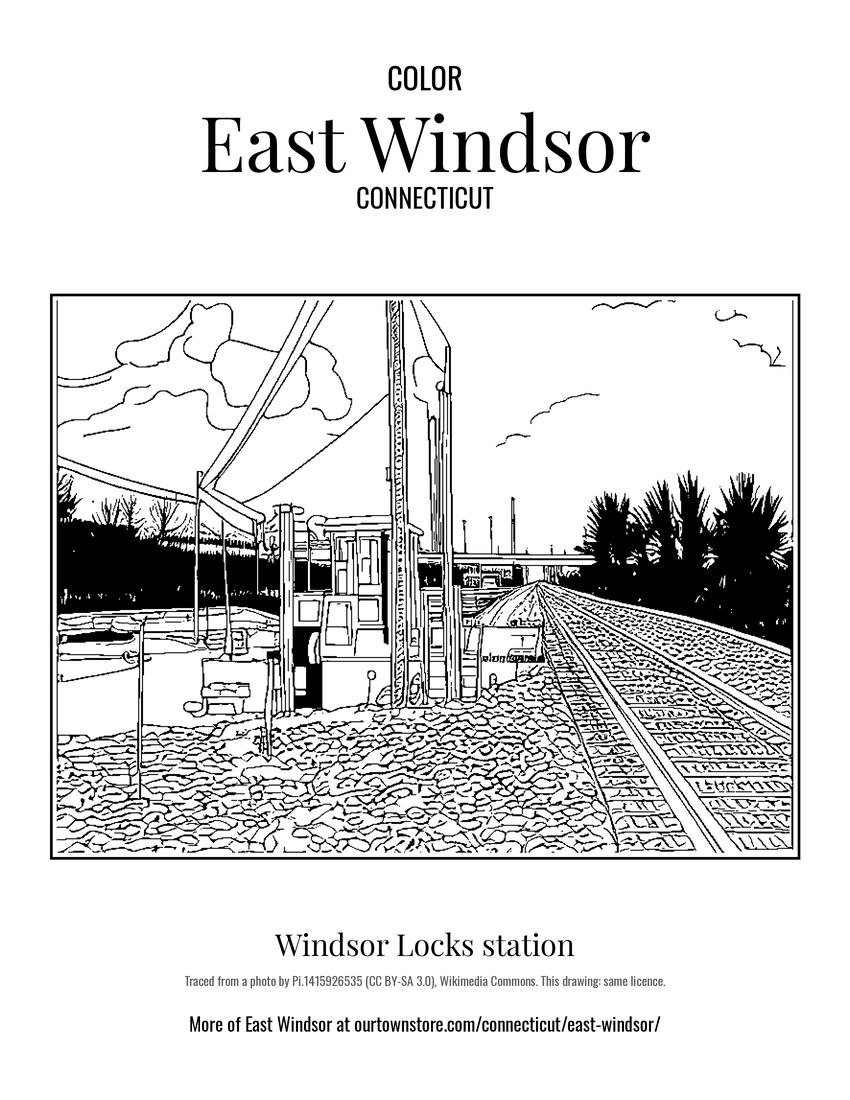 Windsor Locks station
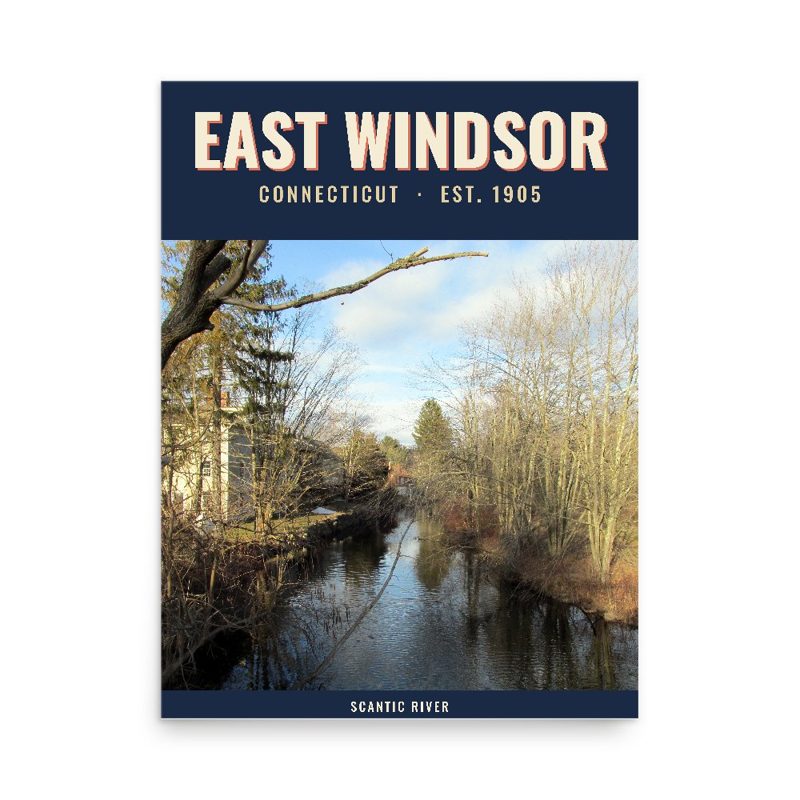
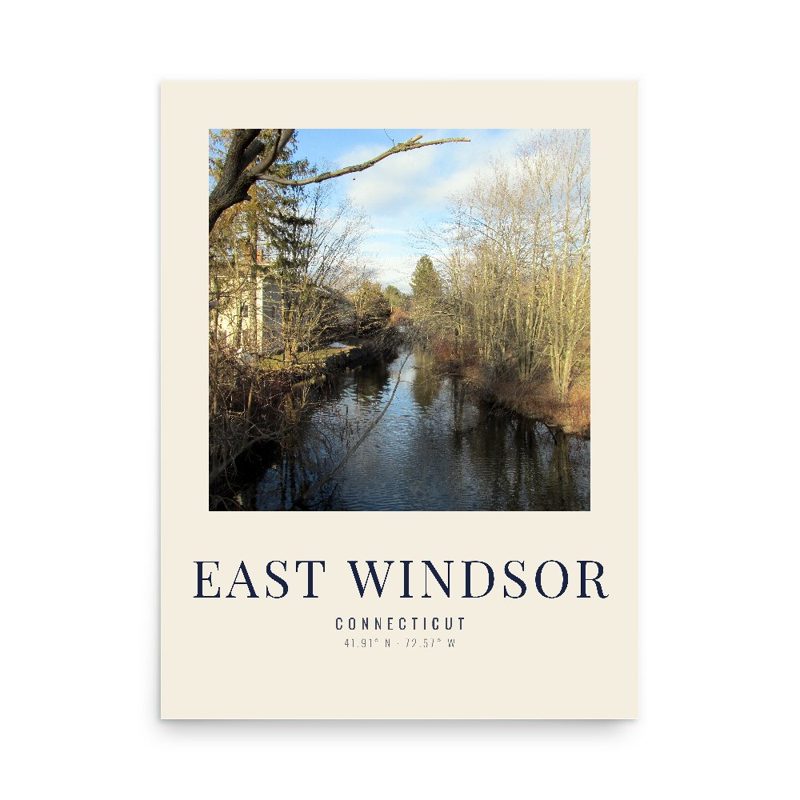
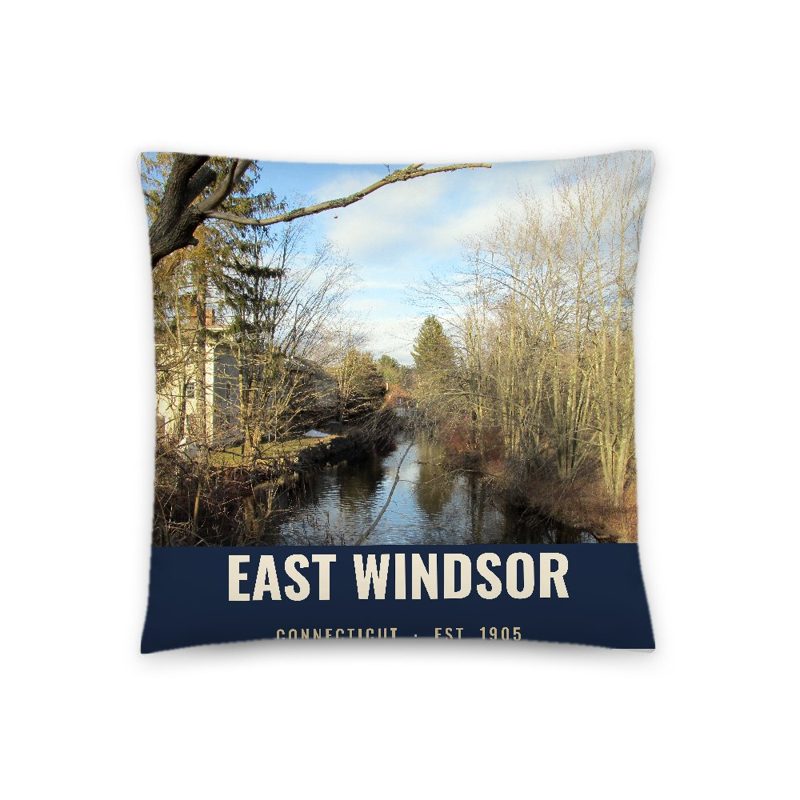
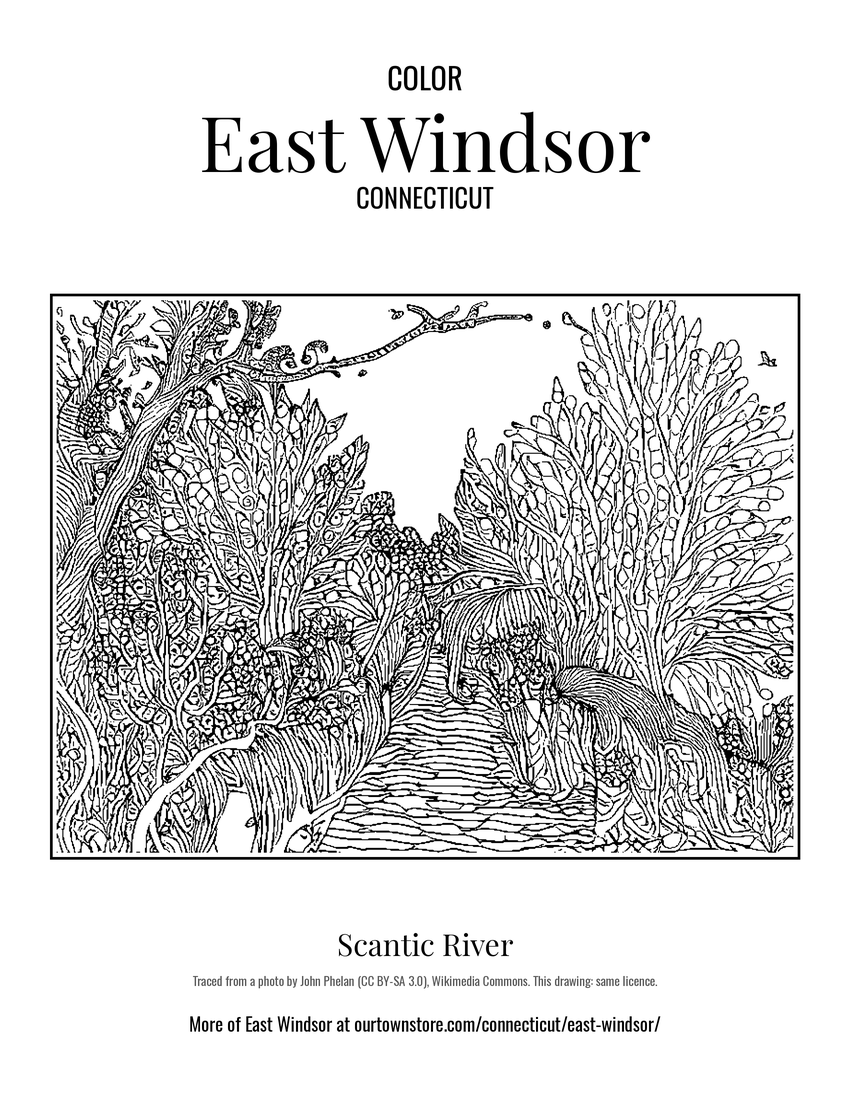 Scantic River