Hartford County, Connecticut
Street maps, historic prints and keepsakes for 27 Hartford County towns.
The oldest is Wethersfield, established 1637. The largest by population is Hartford (121,054).
| Town | Established | Population |
|---|---|---|
| Avon | 1830 | 18,932 |
| Berlin | – | 20,175 |
| Bloomfield | 1835 | 21,535 |
| Bristol | – | 60,833 |
| Canton | 1806 | 10,124 |
| East Granby | 1858 | 5,214 |
| East Hartford | – | 50,731 |
| East Windsor | – | 11,190 |
| Enfield | 1683 | 42,141 |
| Farmington | 1645 | 26,712 |
| Glastonbury | 1693 | 35,159 |
| Granby | 1786 | 10,903 |
| Hartford | 1784 | 121,054 |
| Hartland | 1761 | 1,901 |
| Manchester | – | 59,713 |
| Marlborough | 1803 | 6,133 |
| New Britain | 1850 | 74,135 |
| Newington | 1871 | 30,536 |
| Plainville | – | 17,525 |
| Rocky Hill | 1843 | 20,845 |
| Simsbury | – | 24,517 |
| South Windsor | 1845 | 26,918 |
| Southington | 1779 | 43,501 |
| West Hartford | 1854 | 64,083 |
| Wethersfield | 1637 | 27,298 |
| Windsor | 1637 | 29,492 |
| Windsor Locks | 1854 | 12,613 |
About these towns
Avon: At the end of the last Ice Age, c.12,400 years BP of the Younger Dryas, nomadic peoples built a campsite adjacent to the river that would become known as the Farmington River.
Berlin: The town took parts away from Wethersfield (Now Rocky Hill and Newington), Middletown (Now Cromwell), Wallingford (Now Meriden) and Farmington (Now Southington and New Britain).
Bloomfield: Originally land of the Poquonock Native Americans, the area was first settled in 1660 as part of Windsor, organized as the Parish of Wintonbury in 1736.
Bristol: Originally, Bristol was within the boundaries of Farmington, Connecticut, which was incorporated in the Connecticut Colony in 1645. This deed was confirmed by another deed in 1650.
Canton: The name of Canton was officially designated on its incorporation in 1806. While assisting with the town's organization, its name was given by Ephraim Mills, ancestor of Lewis S.
East Granby: The East Granby area was first settled by Europeans in 1664, which was one of the four Congregational parishes in Simsbury. The Turkey Hills Ecclesiastical Society in 1786 became a section of Granby, and in 1858 was incorporated as the Town of East Granby.
East Hartford: When the Connecticut Valley became known to Europeans around 1631, it was inhabited by what were known as the River Tribes—a number of small clans of Native Americans living along the Great River and its tributaries.
East Windsor: In 1633, Settlers laid claim to the area now known as Windsor, which included East Windsor. No English settlers lived on the east side of the river.
Enfield: Enfield was originally inhabited by the Podunk people, and contained their two villages of Scitico and Nameroke. Though land grants were first granted in 1674, no one attempted to settle what is known as Enfield until 1679 when the Pease Brothers of Robert and John II, settlers from Salem, Massachusetts came in to settle the fertile lands.
Farmington: Farmington was originally inhabited by the Tunxis Indian tribe. In 1640, a community of English immigrants was established by residents of Hartford, making Farmington the oldest inland settlement west of the Connecticut River and the twelfth oldest community in the state.
Glastonbury: In 1636, 30 families settled in Pyaug, a tract of land belonging to Wethersfield on the eastern bank of the Connecticut River, purchased from the Native American chief Sowheag for 12 yards (11 m) of trading cloth.
Granby: Granby was founded by people who lived in Simsbury and settled as early as 1723. Granby was part of Simsbury until 1786, when it became independent.
Hartford: Various Native American tribes lived in or around Hartford, all Algonquian peoples. These included the Podunks, mostly east of the Connecticut River; the Poquonocks north and west of Hartford; the Massacoes in the Simsbury area; the Tunxis tribe in West Hartford and Farmington; the Wangunks to the south; and the Saukiog in Hartford itself.
Hartland: Originally referenced as the "Western Lands," the unsettled area was the subject of a 37-year controversy over competing claims by the Connecticut Colony and the towns of Hartford and Windsor.
Manchester: The area known as Manchester began its recorded history as the camping grounds of a small band of peaceful Native Americans known as the Podunk tribe.
Marlborough: The earliest inhabitants of present-day Marlborough, prior to the arrival of the English settlers, were the Podunk people, an indigenous people who spoke an Algonquian language.
New Britain: Chartered in 1850 as a township and in 1871 as a city, New Britain had separated from the nearby towns of Farmington and Berlin, Connecticut.
Newington: Newington has a history of nearly 375 years. While not established officially as a separate town until 1871, settlers from nearby Wethersfield took up residence on the western frontier of their riverside town in 1636. "West Society," as some called it, was an area rich in timber that was used for pipe staves, barrel-sized containers used for colonial trade.
Plainville: Plainville first was inhabited by Europeans around 1650. By the 1660s, the land was incorporated as land for nearby Farmington. In the year 1869, it separated from Farmington due to the distance of the town center and the growth of Plainville downtown due to the installation of the New York, New Haven and Hartford Railroad and the Hartford, Providence, and…
Rocky Hill: The town is part of the Capitol Planning Region. It was originally land of the Wangunks. Europeans began to settle the area of Rocky Hill in 1650, as part of Wethersfield, the neighboring town to the north.
Simsbury: At the beginning of the 17th century, the area that would become known as Simsbury as of 1670 was inhabited by indigenous peoples.
South Windsor: In 1659, Thomas Burnham (1617–1688) purchased the tract of land now covered by the towns of South Windsor and East Hartford from Tantinomo, chief sachem of the Podunk Indians.
Southington: Although Southington was formally established as a town in 1779, its roots go back to a much earlier time. Samuel Woodruff, Southington's first white settler, moved from Farmington to the area then known as "Panthorne" that was settled in 1698.
West Hartford: According to archaeological evidence, the Wampanoag people used West Hartford as one of their winter camps. Fishing and hunting along the Connecticut River, the area of West Hartford offered the Wampanoag people a refuge from the cold winter wind and the river's severe spring flooding.
Wethersfield: Founded in 1634 by a Puritan settlement party of "10 Men", including John Oldham, Robert Seeley, Thomas Topping, and Nathaniel Foote, Wethersfield is arguably the oldest town in Connecticut, depending on the interpretation of when a remote settlement qualifies as a "town".
Windsor: The coastal areas and riverways were traditional areas of settlement by various American Indian cultures, who had been in the region for thousands of years.
Windsor Locks: Originally part of Windsor, Windsor Locks incorporated as a separate town in 1854. It is named after the thriving Enfield Locks going around Enfield Falls, which opened in 1829.
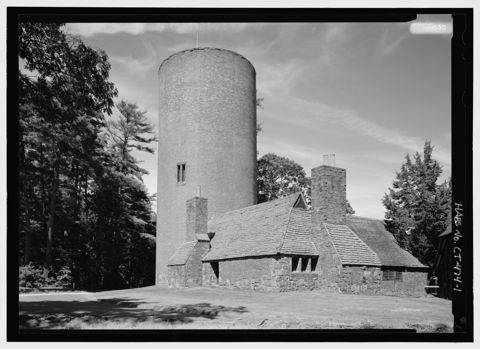 AvonConnecticut · Est. 1830
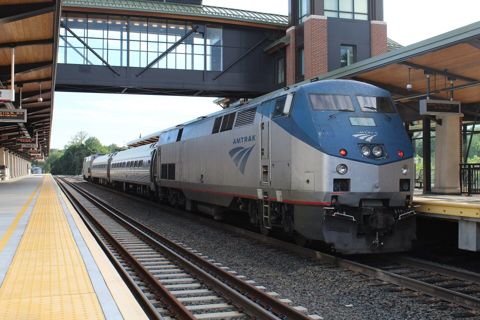 BerlinConnecticut
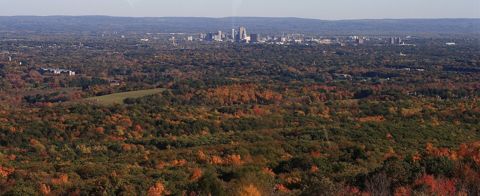 BloomfieldConnecticut · Est. 1835
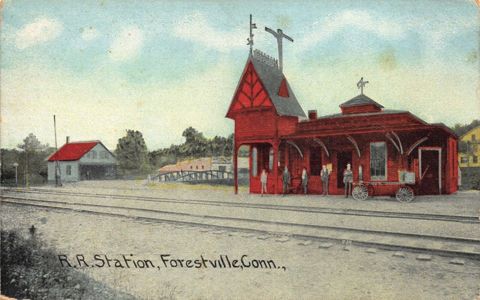 BristolConnecticut
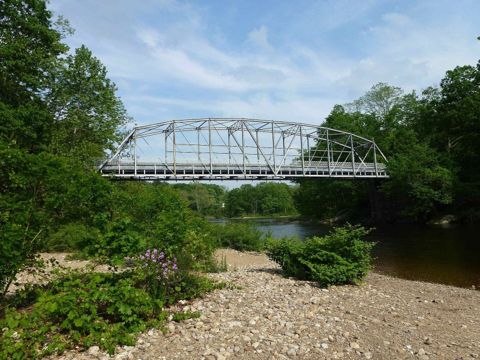 CantonConnecticut · Est. 1806
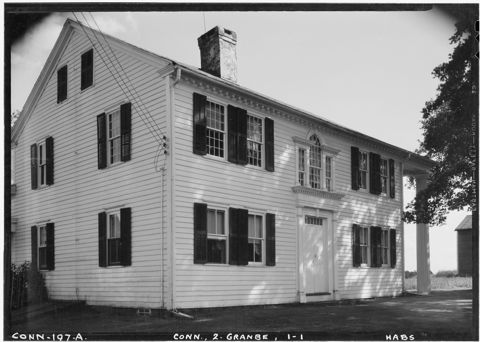 East GranbyConnecticut · Est. 1858
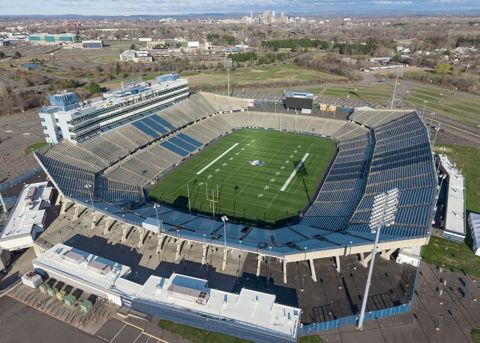 East HartfordConnecticut
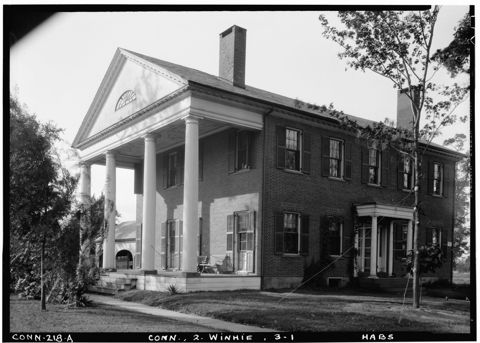 East WindsorConnecticut
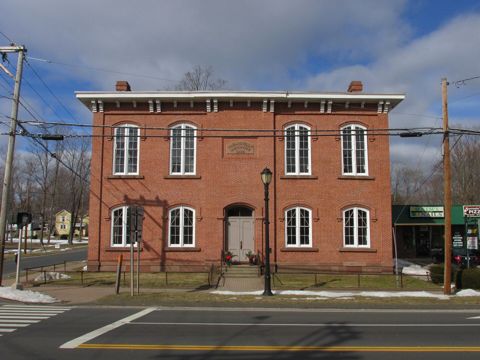 EnfieldConnecticut · Est. 1683
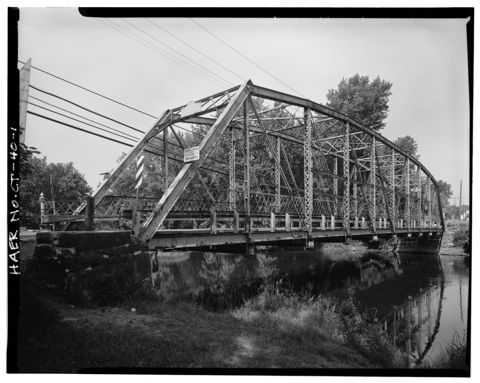 FarmingtonConnecticut · Est. 1645
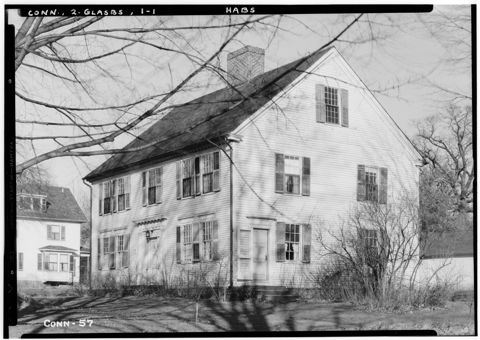 GlastonburyConnecticut · Est. 1693
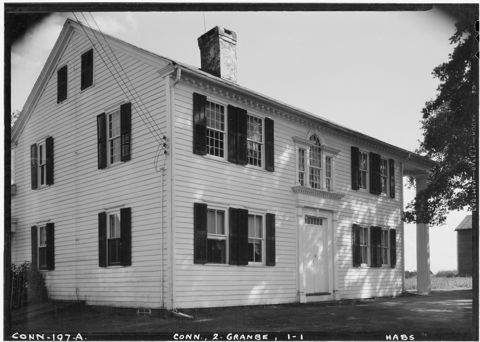 GranbyConnecticut · Est. 1786
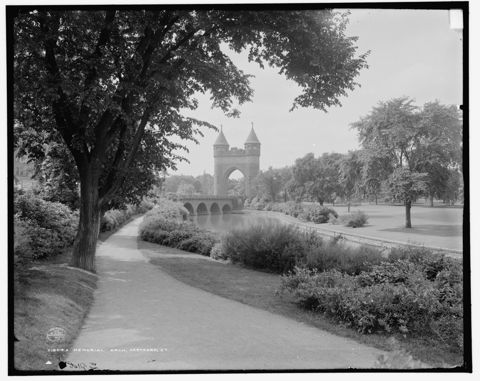 HartfordConnecticut · Est. 1784
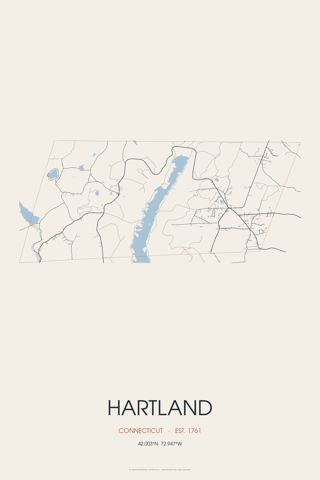 HartlandConnecticut · Est. 1761
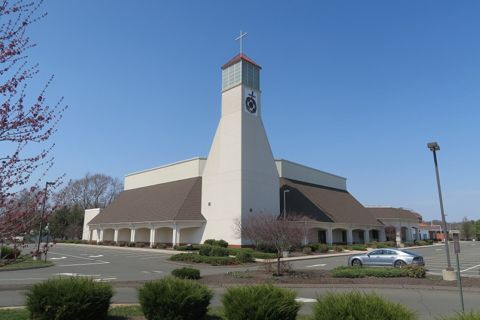 ManchesterConnecticut
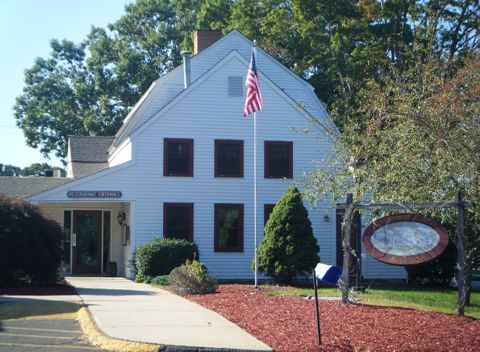 MarlboroughConnecticut · Est. 1803
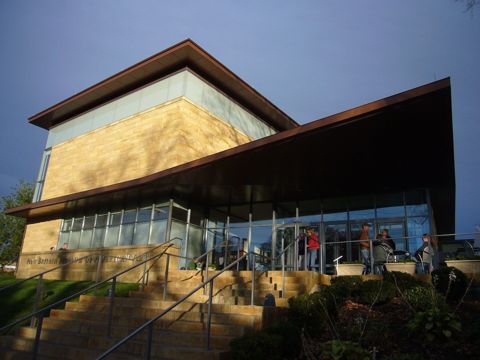 New BritainConnecticut · Est. 1850
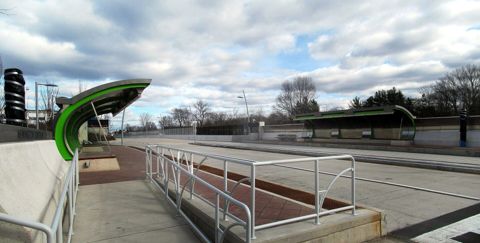 NewingtonConnecticut · Est. 1871
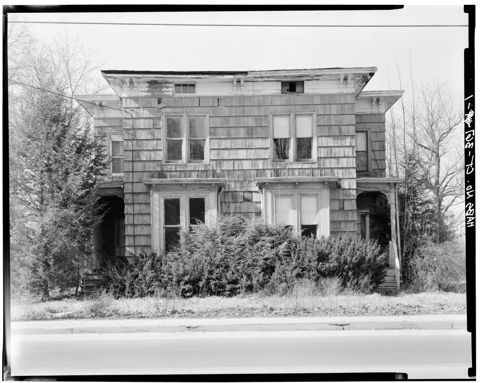 PlainvilleConnecticut
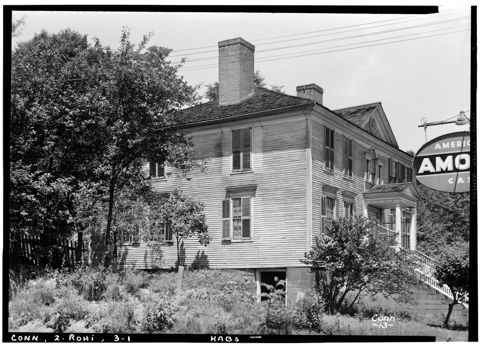 Rocky HillConnecticut · Est. 1843
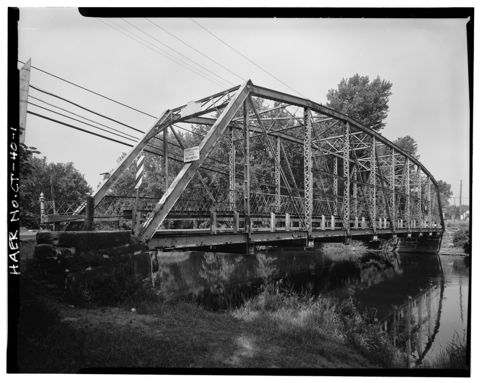 SimsburyConnecticut
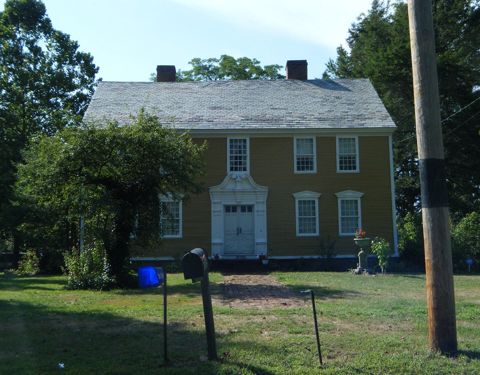 South WindsorConnecticut · Est. 1845
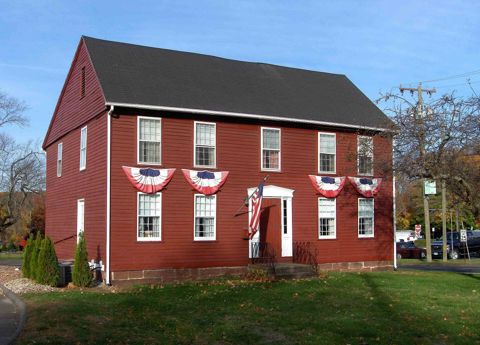 SouthingtonConnecticut · Est. 1779
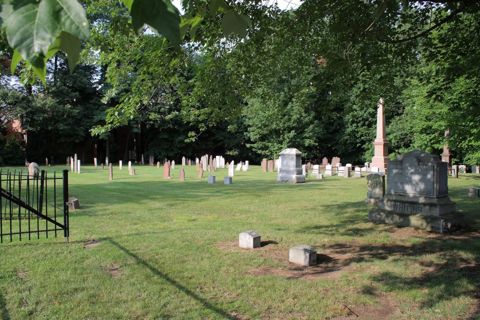 West HartfordConnecticut · Est. 1854
Founding years, populations and town notes come from each town's Wikipedia and Wikidata entries. All Connecticut towns.