A short history of Salinas
The land on which Salinas is situated is thought to have been settled by Native Americans known as the Esselen prior to 200 AD. Between 200 and 500 AD, they were displaced by the Rumsen group of Ohlone speaking people. The Rumsen-Ohlone remained as the inhabitants of the area for approximately another 1,200 years, and in the 1700s, were the group of native inhabitants contacted and recorded by the first Spanish explorers of the Salinas area.
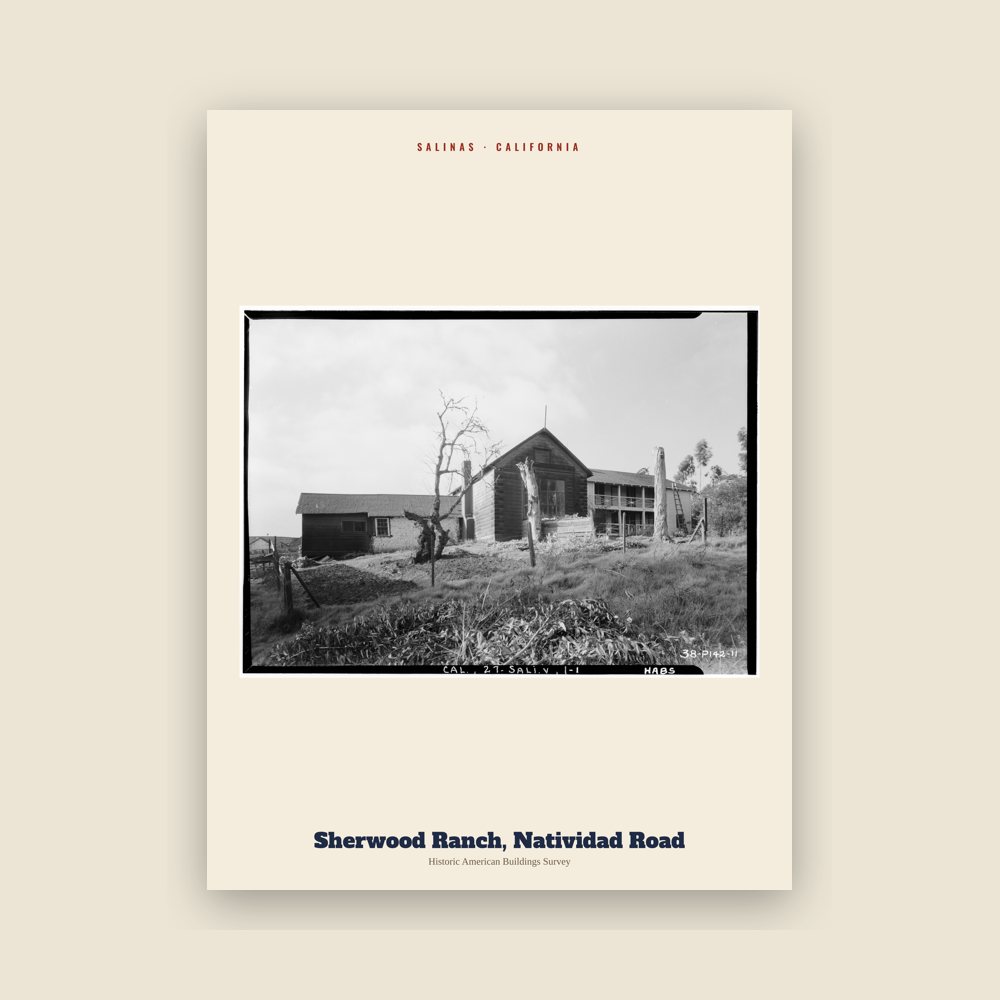
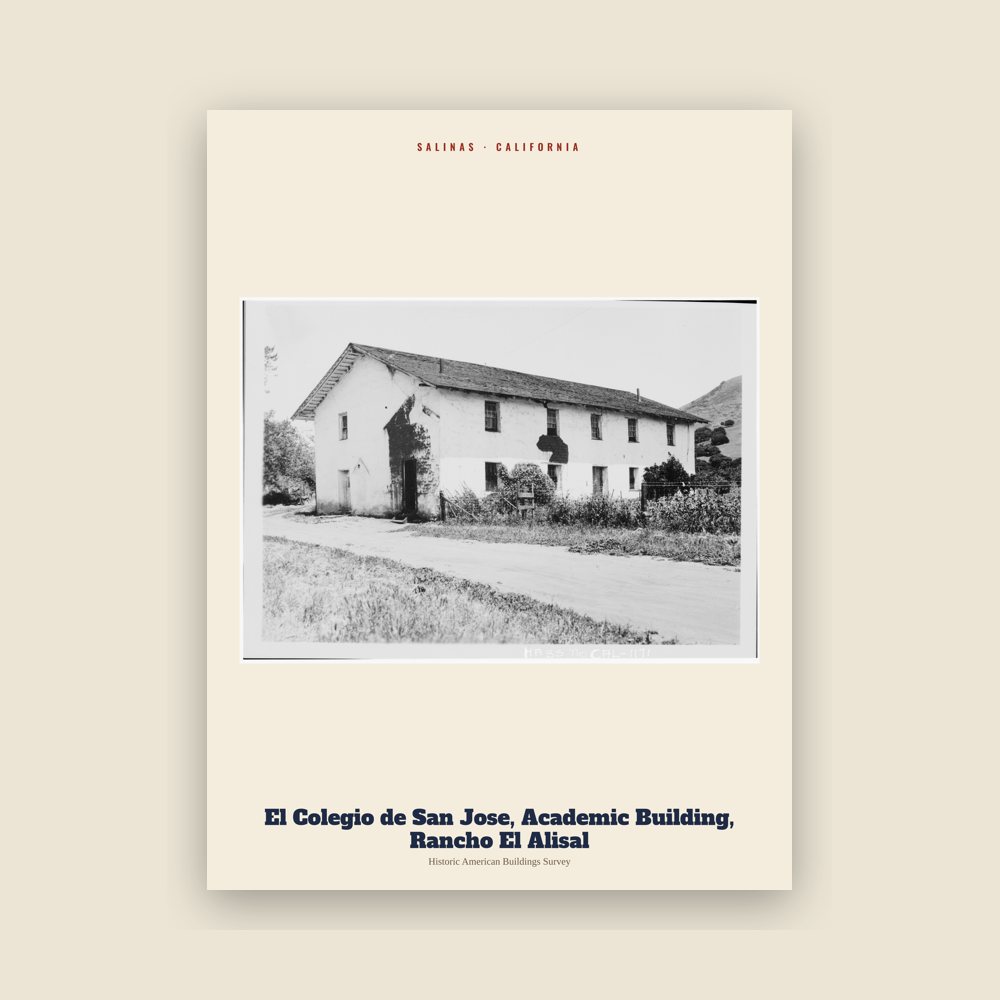
Upon the arrival of the Spanish, large Spanish land grants were initially issued for the Catholic Missions and also as bonuses to soldiers. Later on after Mexican independence, smaller land grants continued to be issued for ranchos where mostly cattle were grazed. One of the many land grants was the Rancho Las Salinas land grant, part of which included the area of modern-day Salinas. As a result of the many new cattle ranches, a thriving trade eventually developed in cattle hide shipments, shipping primarily out of the Port of Monterey.
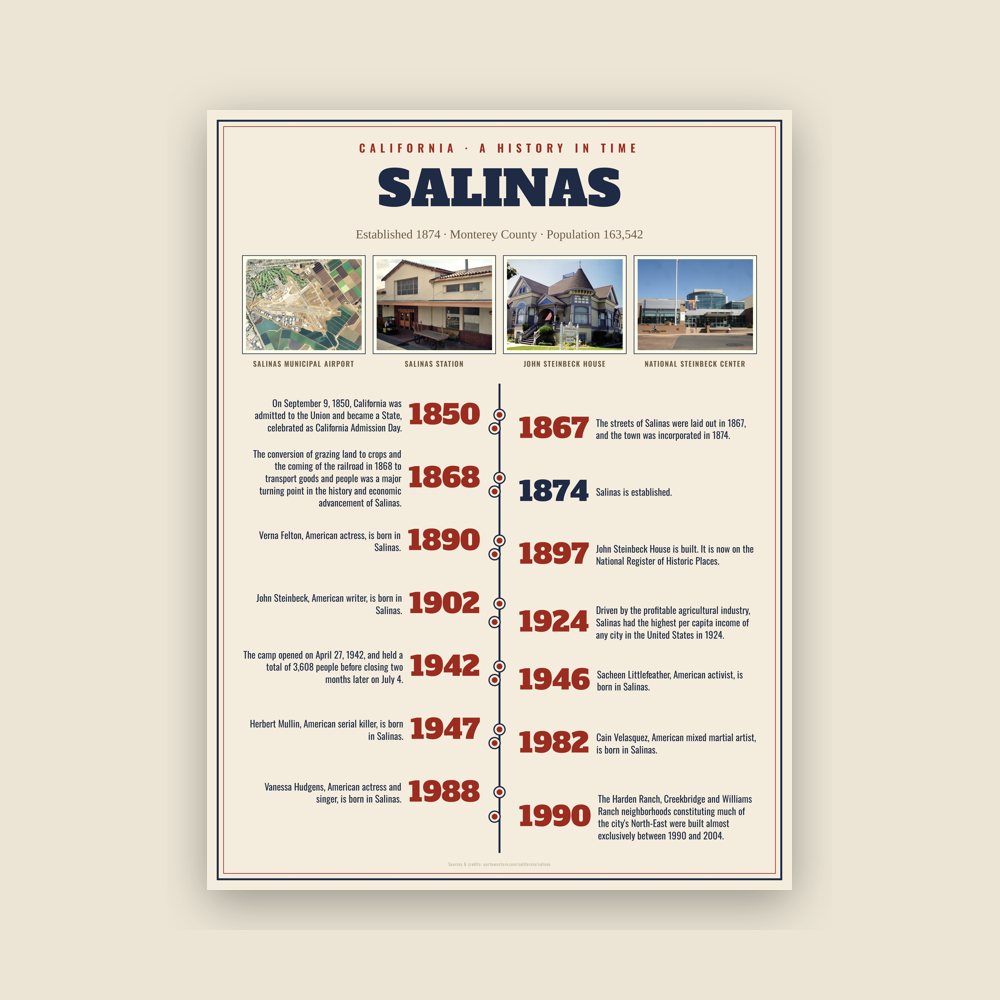
Before the transition to American administration, Monterey had been the capital of California. For a short while after the transition, California was ruled by martial law. On September 9, 1850, California was admitted to the Union and became a State, celebrated as California Admission Day.
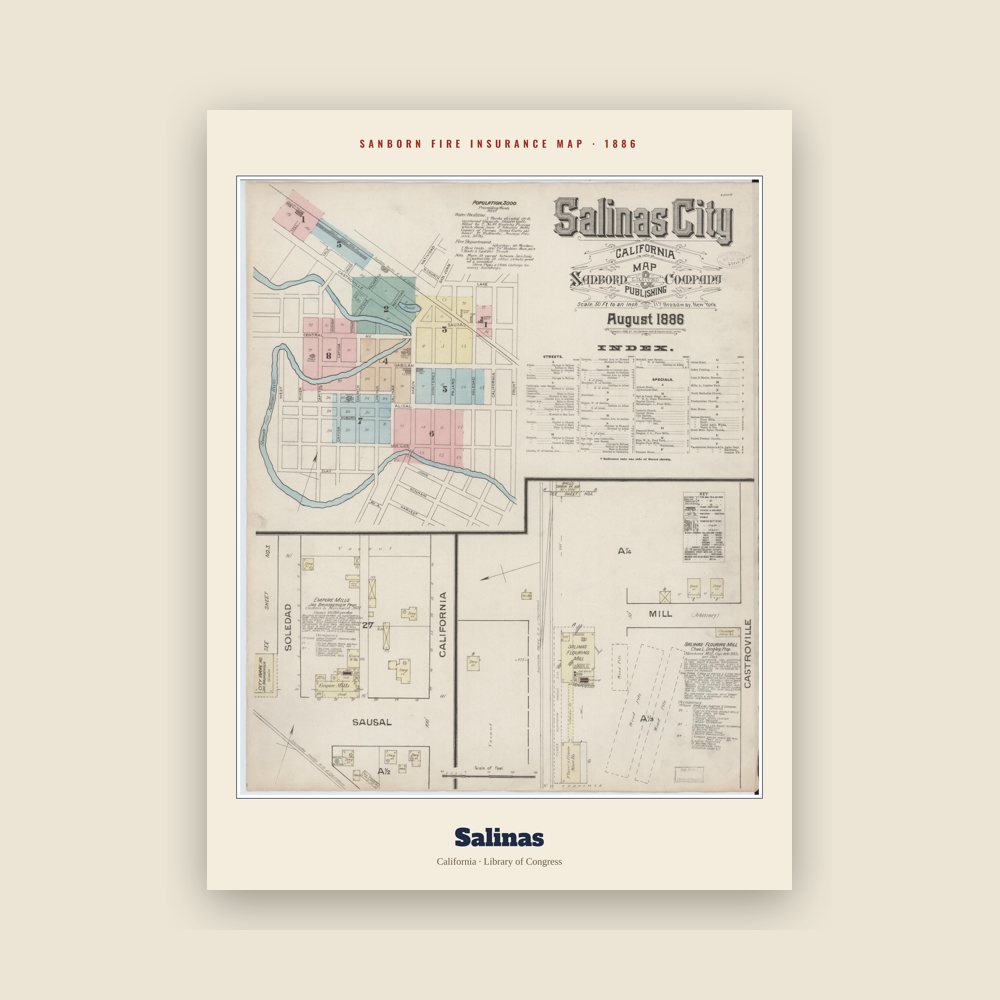
In the 1850s a junction of two main stage coach routes was located 18 miles (29 km) east of Monterey and along the big bend of what is locally called the Alisal Slough. In 1854, six years after becoming a part of the United States, a group of American settlers living in the vicinity of this route-junction opened a post office at the junction, naming their town "Salinas," apparently a reference to the original "Rancho Las Salinas" name for the area, which in turn was named in Spanish for the salt marshes of the area around the central Salinas slough, which was drained. Soon thereafter, in 1856, a traveler's inn called the Halfway House was opened at that junction in Salinas. (The nearby Salinas River, was apparently only later named by an American cartographer, after the nearest town of Salinas in 1858. That river had previously been known as "Rio de Monterey."). The streets of Salinas were laid out in 1867, and the town was incorporated in 1874.
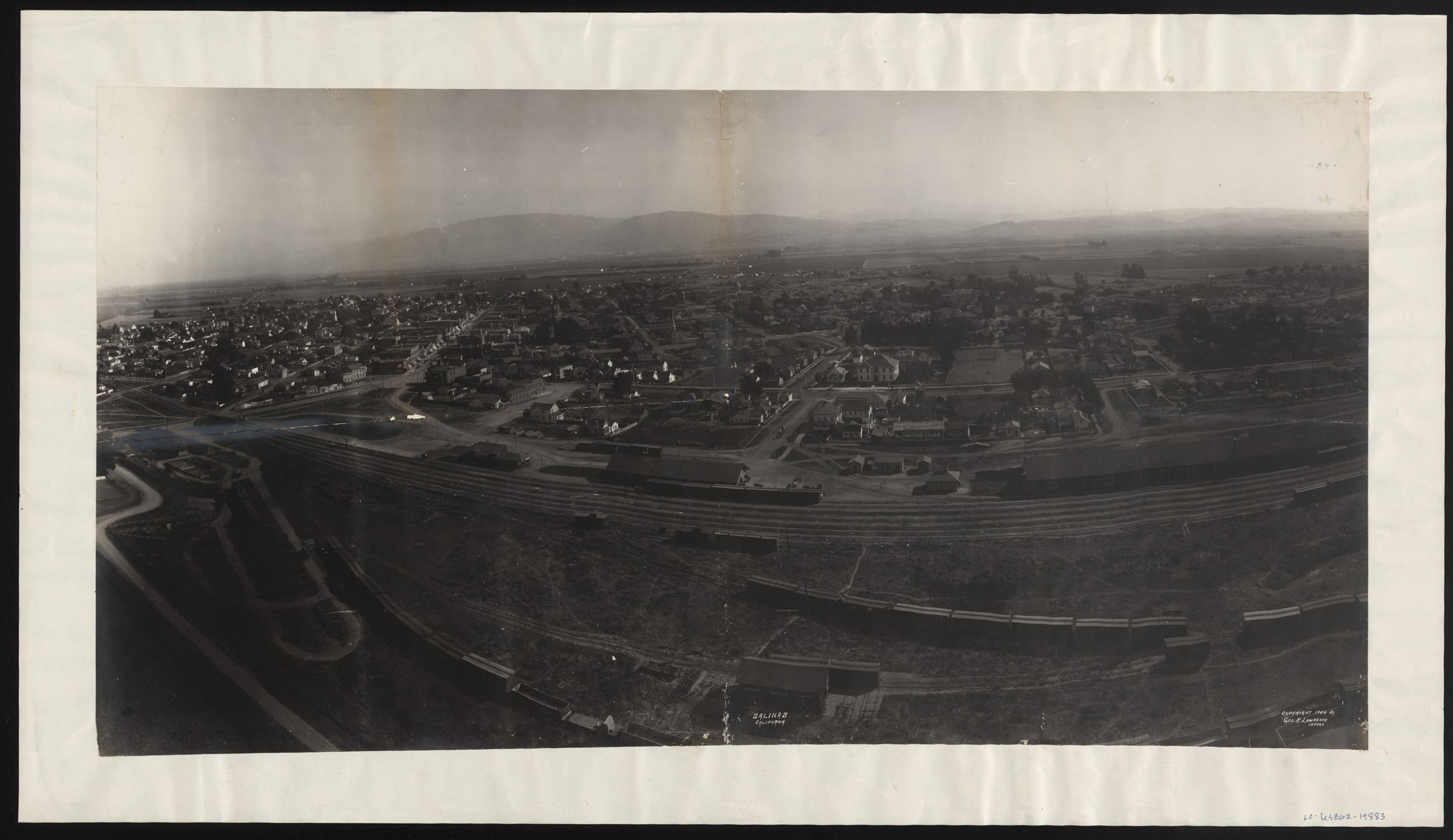
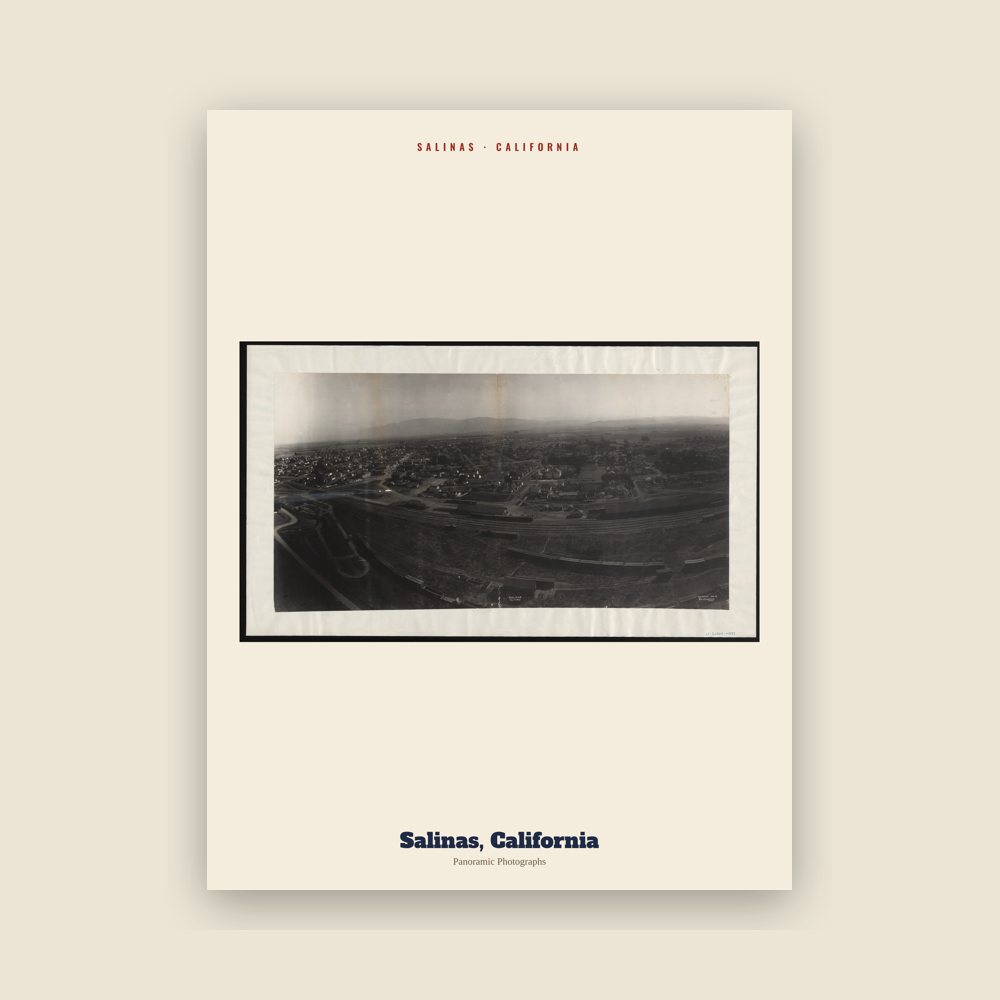
The conversion of grazing land to crops and the coming of the railroad in 1868 to transport goods and people was a major turning point in the history and economic advancement of Salinas. Dry farming of wheat, barley, and other grains as well as potatoes and mustard seed was common in the 1800s. Chinese labor drained thousands of acres of swampland to become productive farmland, and as much early farm labor was done by Chinese immigrants, Salinas boasted the second largest Chinatown in the state, slightly smaller than San Francisco. Irrigation changed farming in Salinas to mainly row crops of root vegetables, grapes and sugar beets. Many major vegetable producers placed their headquarters in Salinas. Driven by the profitable agricultural industry, Salinas had the highest per capita income of any city in the United States in 1924.
During World War II, the Salinas Rodeo Grounds was one of the locations used as a temporary detention camp for citizens and immigrant residents of Japanese ancestry, before they were relocated to more permanent and remote facilities. One of seventeen such sites overseen by the Wartime Civilian Control Administration, the Salinas Assembly Center was built after President Roosevelt issued Executive Order 9066, authorizing the removal and confinement of Japanese Americans living on the West Coast. The camp opened on April 27, 1942, and held a total of 3,608 people before closing two months later on July 4. Of the 300 Japanese-American families in Salinas before the war, only 25 returned following internment.
Following World War II major urban and suburban development converted much farmland to city. The city experienced two particularly strong growth spurts in the 1950s and 1960s, and again in the 1990s and early 2000s. Aerial photographic interpretation indicate such major conversion of cropland to urban uses over the time period 1956 to 1968, while the city annexed the adjacent communities of Alisal and Santa Rita during this time. The Harden Ranch, Creekbridge and Williams Ranch neighborhoods constituting much of the city's North-East were built almost exclusively between 1990 and 2004.
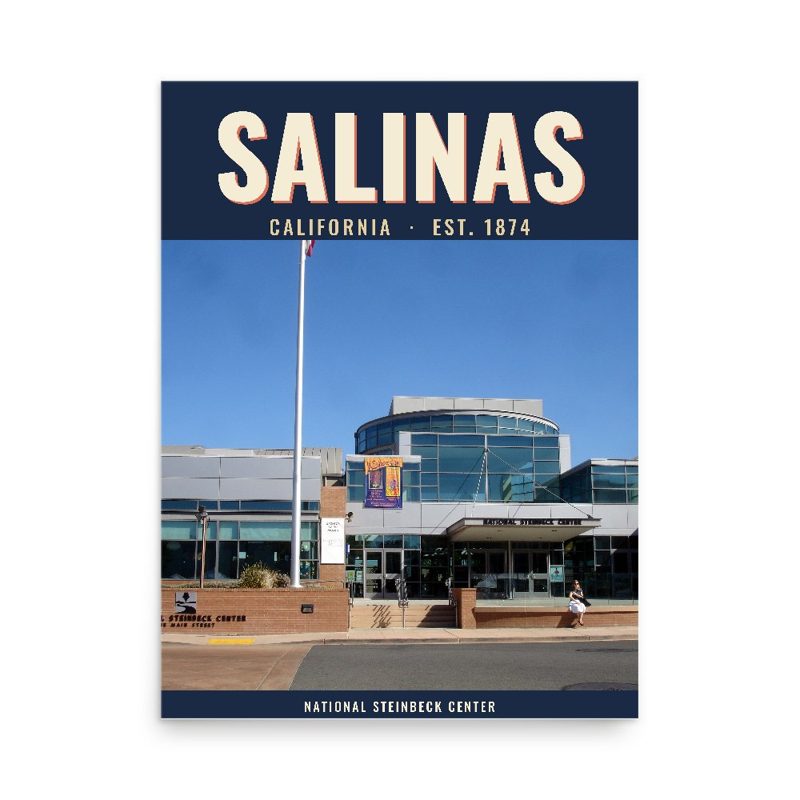
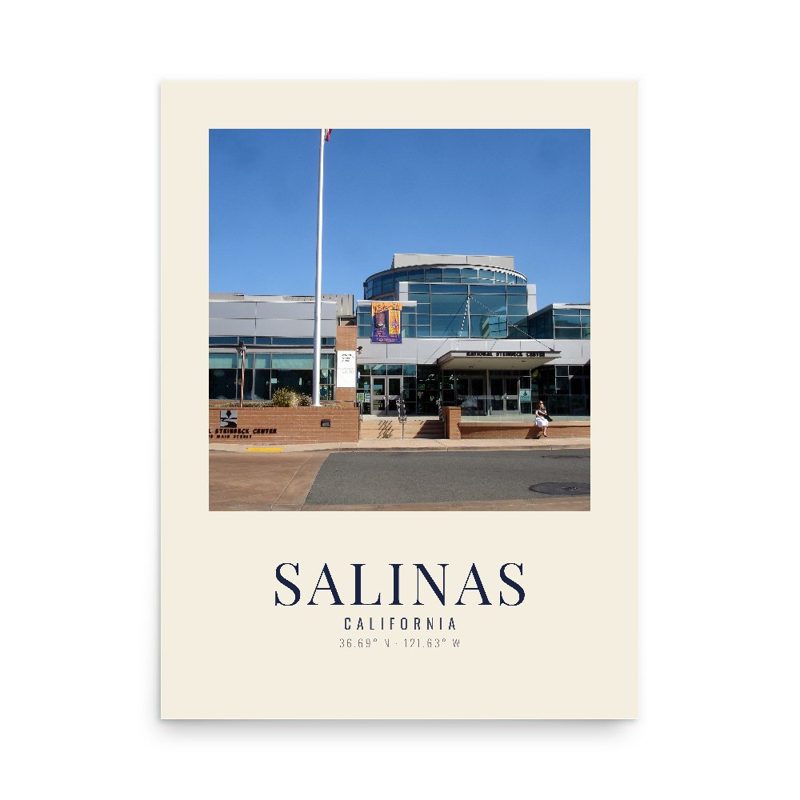
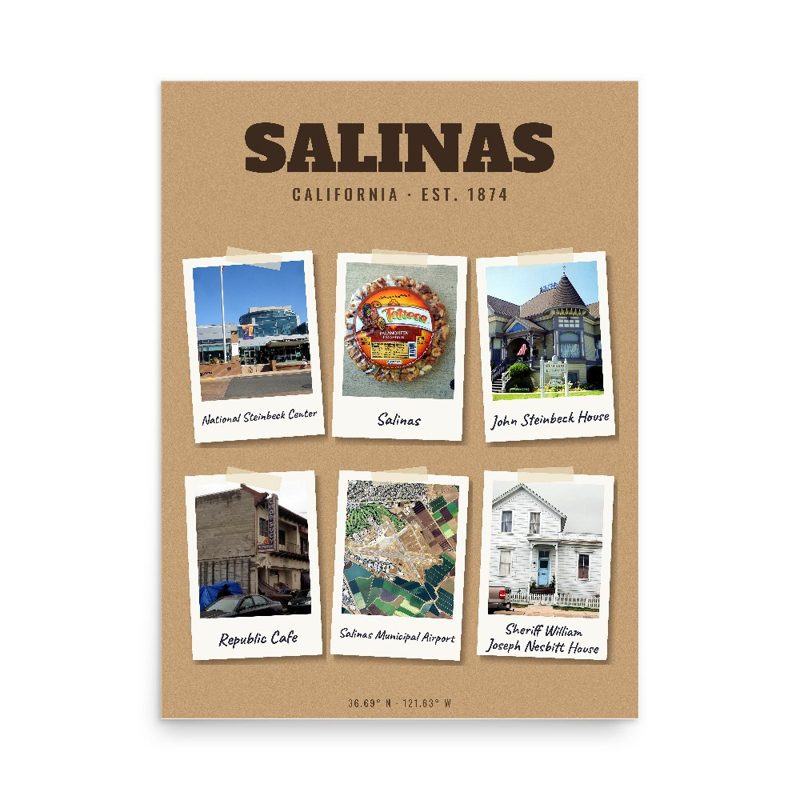
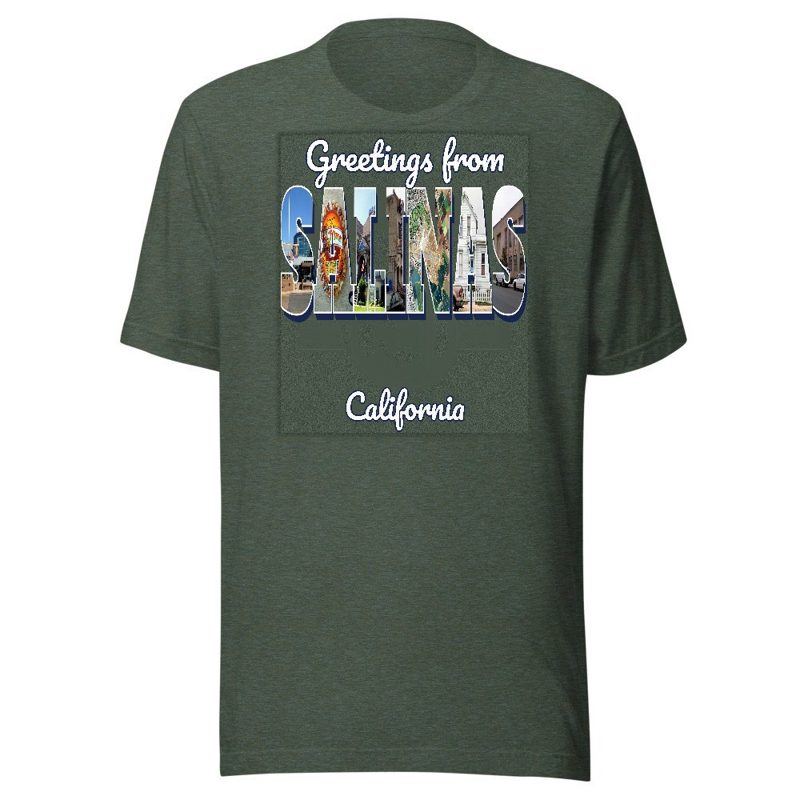
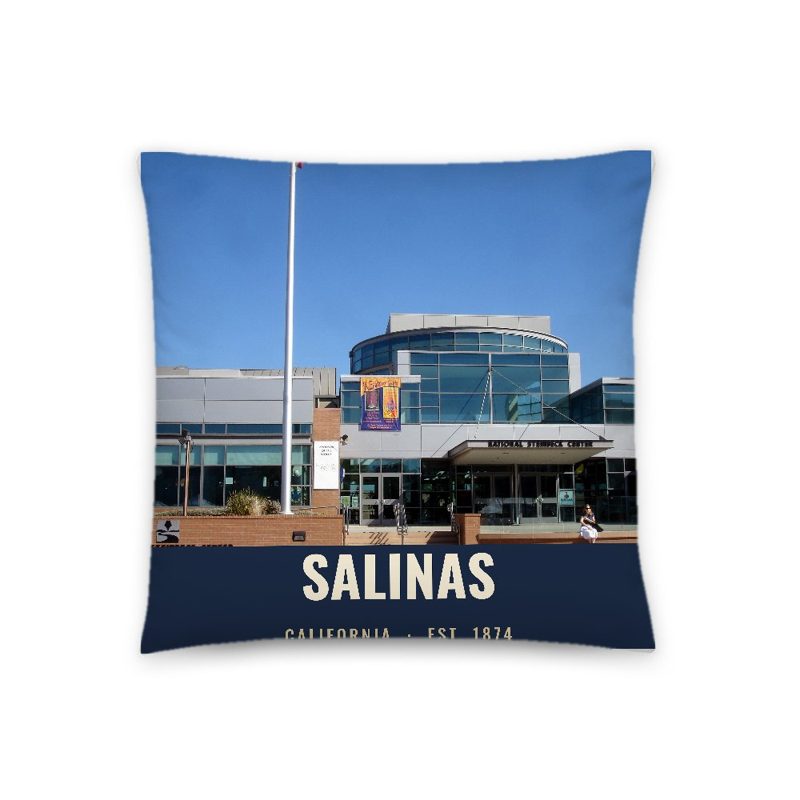
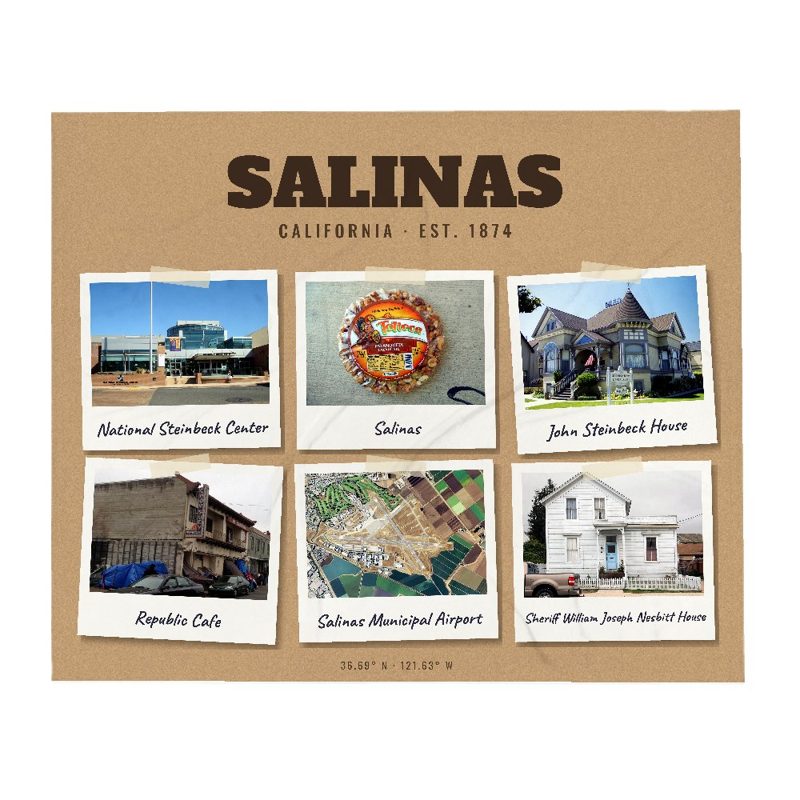
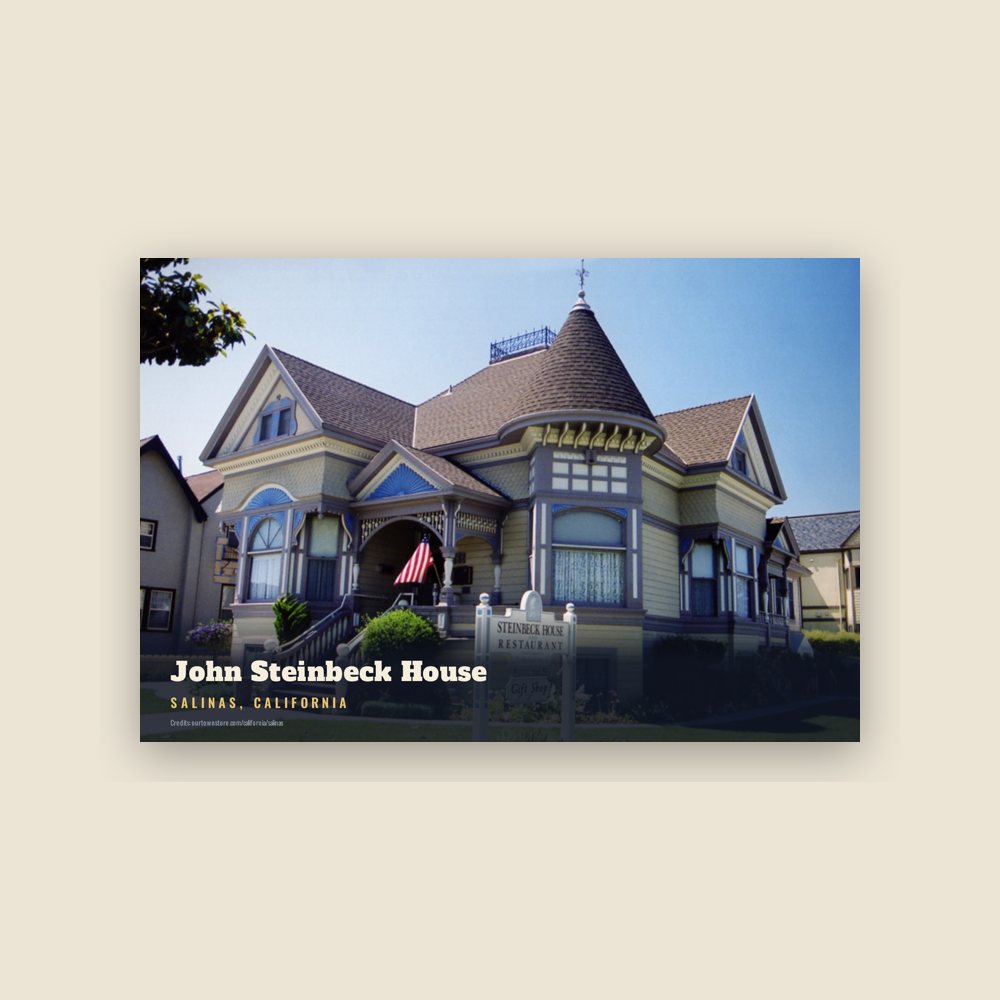
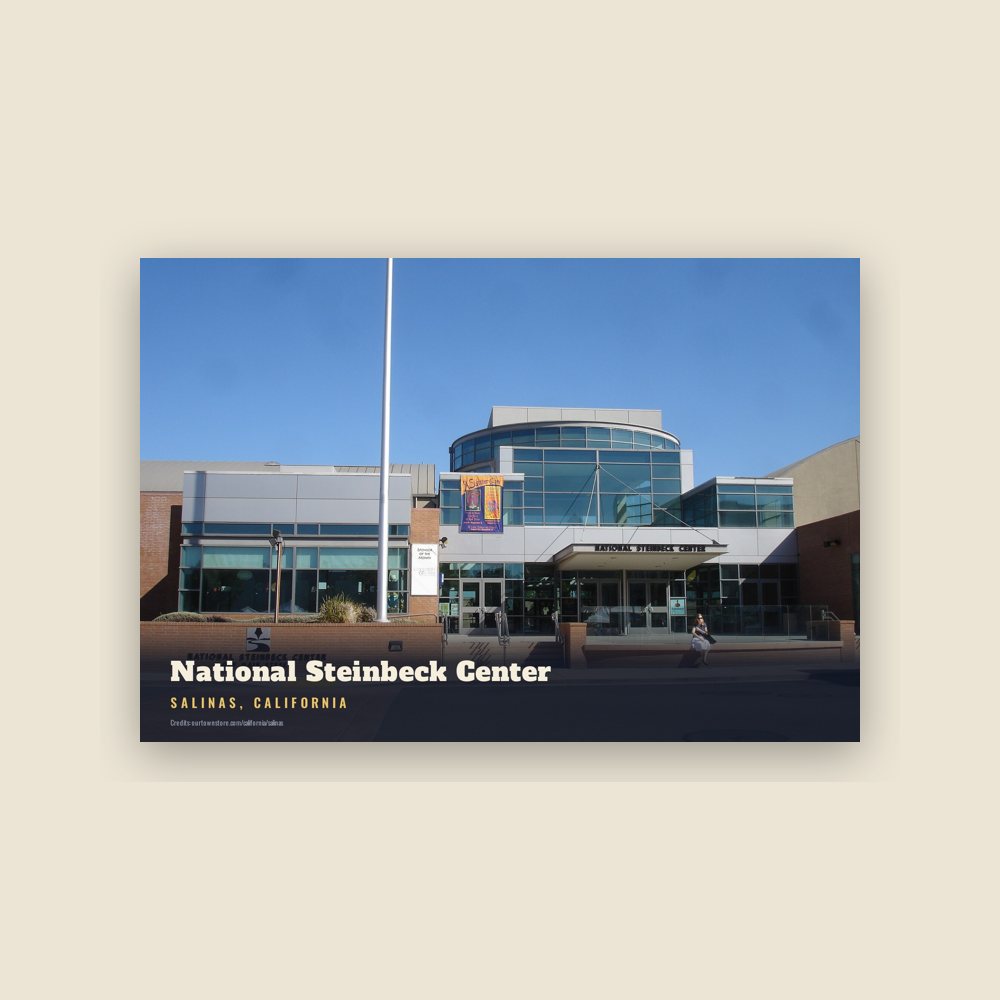
Salinas was also the birthplace of writer and Nobel Prize laureate John Steinbeck. The historic downtown, known as Oldtown Salinas, features much fine Victorian architecture, and is home to the National Steinbeck Center, the Steinbeck House and the John Steinbeck Library.
Adapted (trimmed) from the Wikipedia article Salinas, California, revision 1378908529 by its contributors, licensed CC BY-SA 4.0.
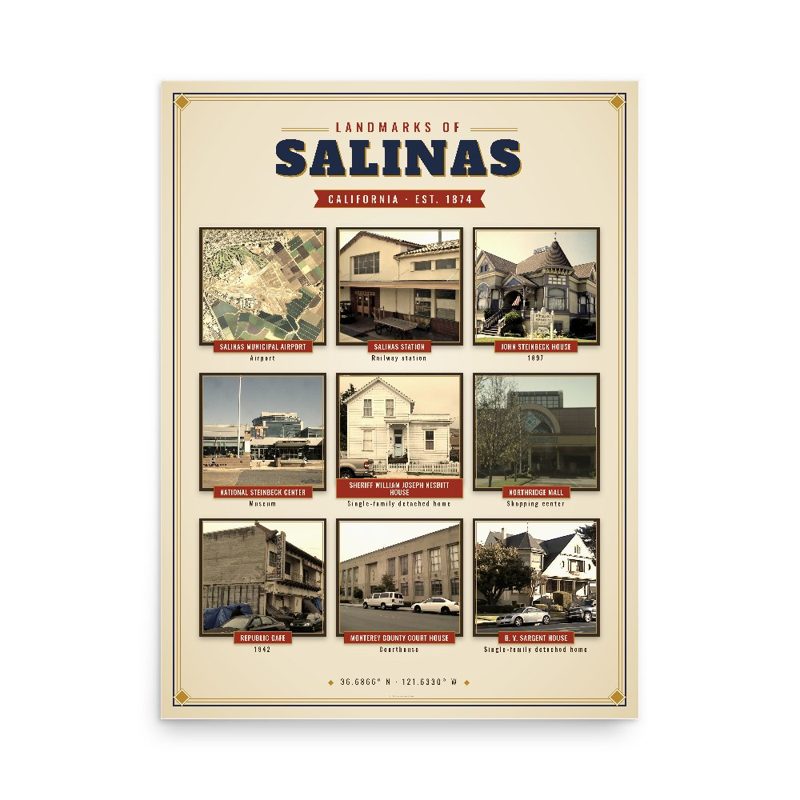
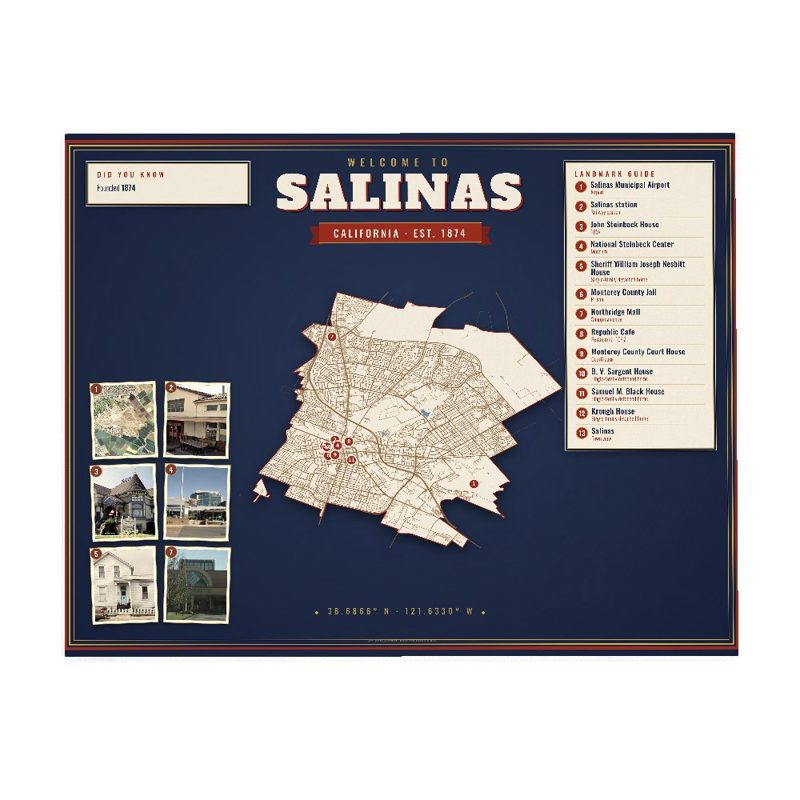

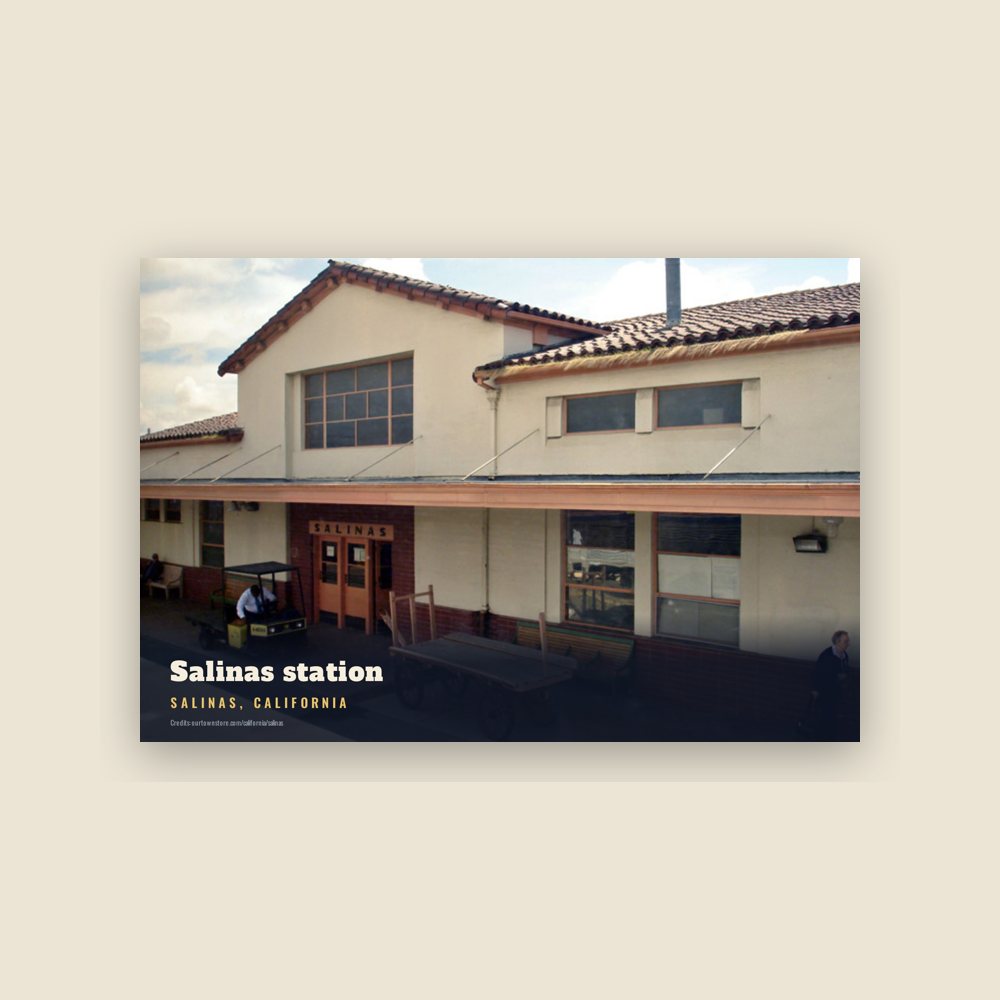
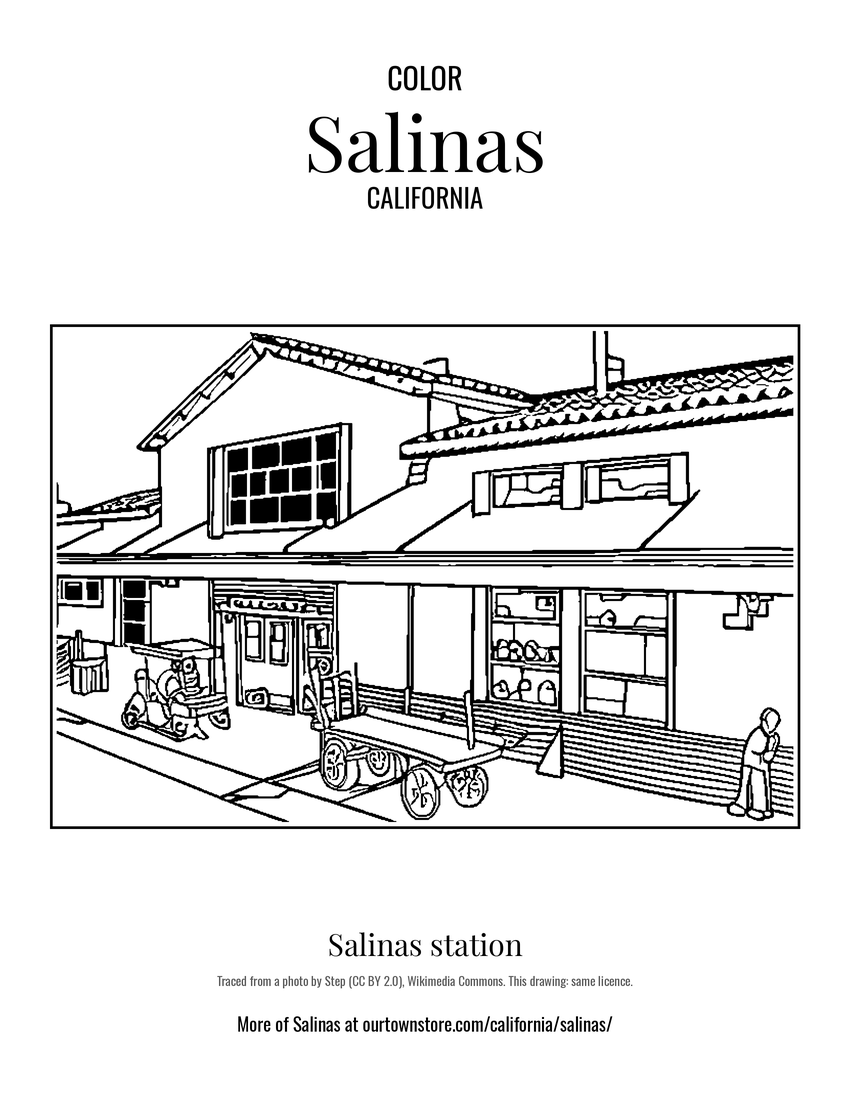 Salinas station
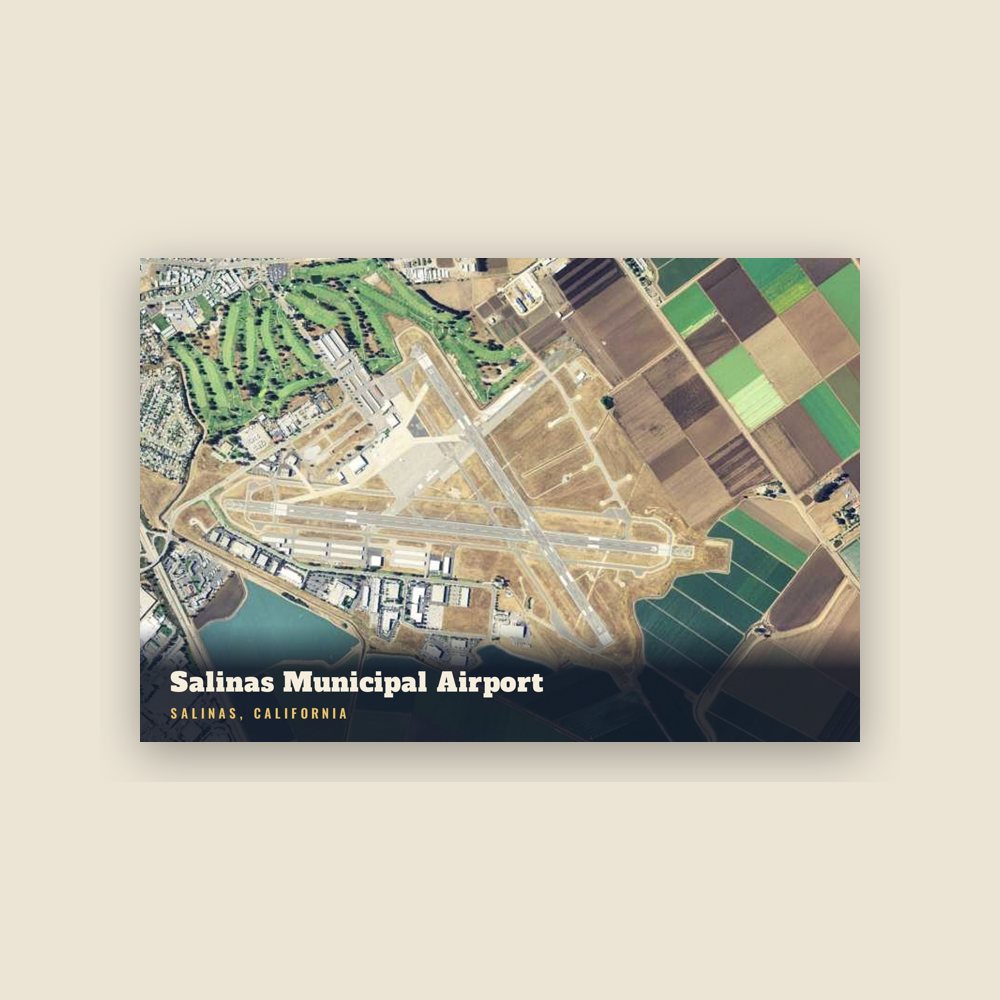
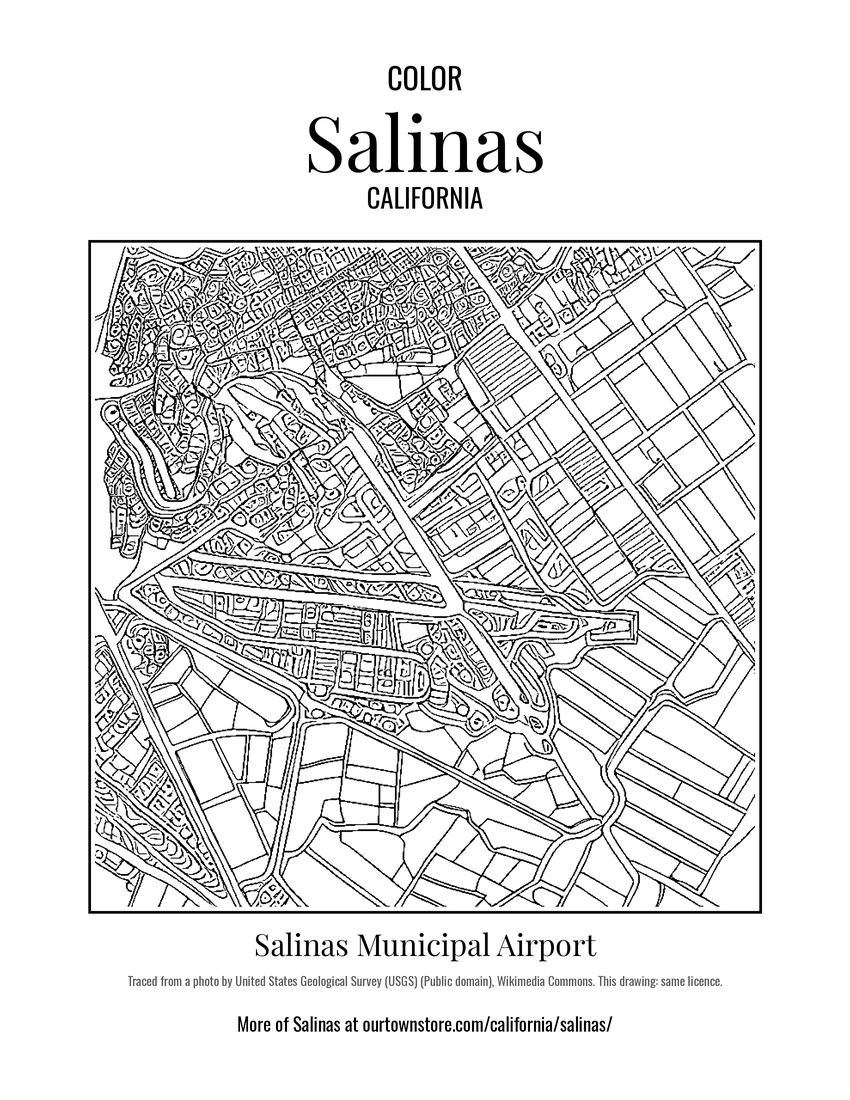 Salinas Municipal Airport
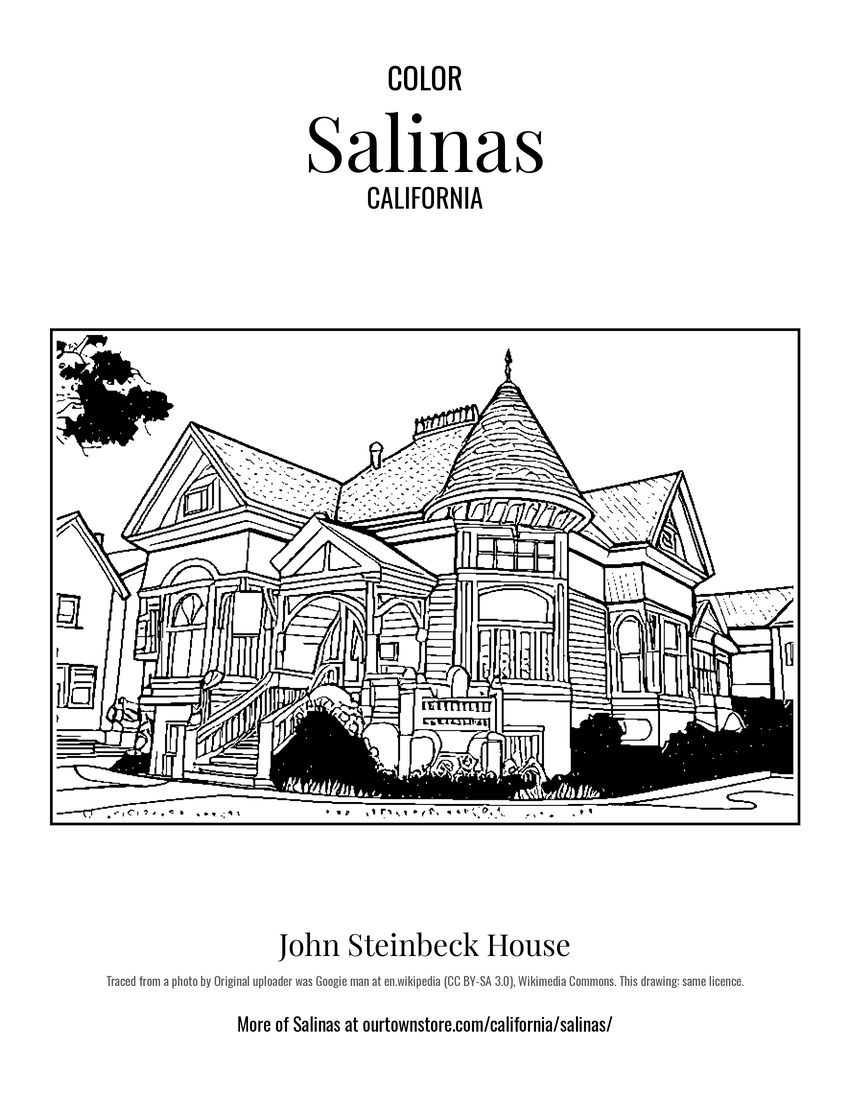 John Steinbeck House
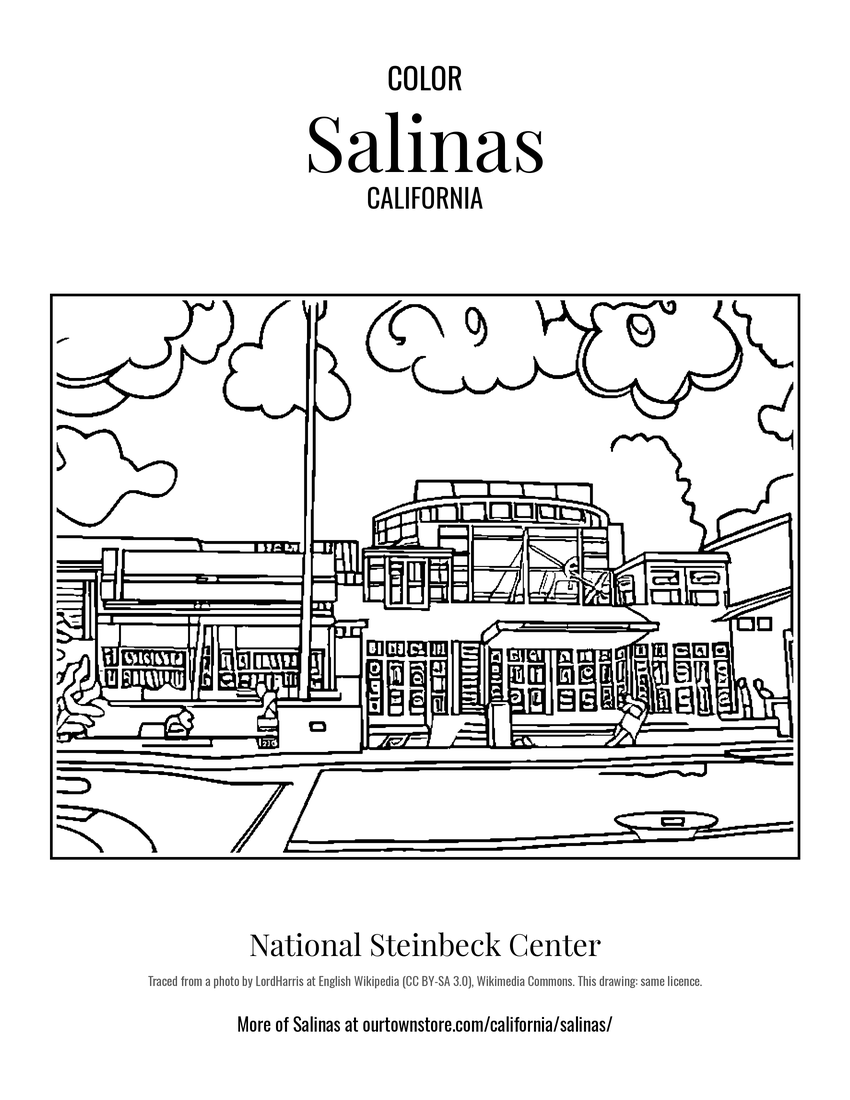 National Steinbeck Center