A short history of Port Hueneme
Thomas Bard learned of the submarine canyon at Point Hueneme and took advantage of the canyon depth to construct the Hueneme Wharf in 1871 here. The existing street grid of the town was formally laid out in 1888. Until the construction of the Montalvo Cutoff that brought the railroad to nearby Oxnard, the wharf was the principal means of transportation for that portion of Ventura County lying south of the Santa Clara River. Hueneme was the second-largest grain-shipping port on the Pacific Coast between 1871 and 1895.
A 650-foot-long (200 m) pier was built in 1956 as a construction trestle for a sewer outfall pipeline. The fishing pier is now 1,250 feet (380 m) after having been modified over the years.
On January 31, 2000, Alaska Airlines Flight 261 crashed into the Pacific Ocean between Port Hueneme and Anacapa Island after a mechanical failure, killing all 88 passengers and crew onboard. U.S. Navy Base Ventura County, adjacent to the port, was the staging ground for recovery of the wreckage. The victims' families later approved the construction of a memorial sundial designed by Santa Barbara artist James "Bud" Bottoms, which was placed on the beach close to the crash site. Victims' names are placed on bronze plates mounted on the dial's perimeter. The sundial casts a shadow on a memorial plaque at 16:22 each January 31.
Adapted (trimmed) from the Wikipedia article Port Hueneme, California, revision 1377098001 by its contributors, licensed CC BY-SA 4.0.

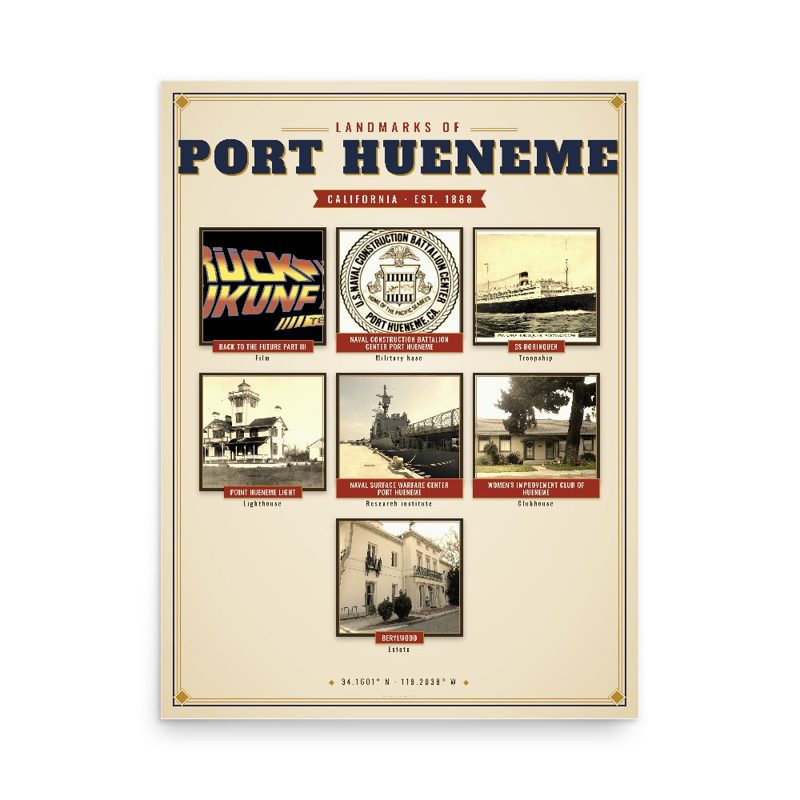


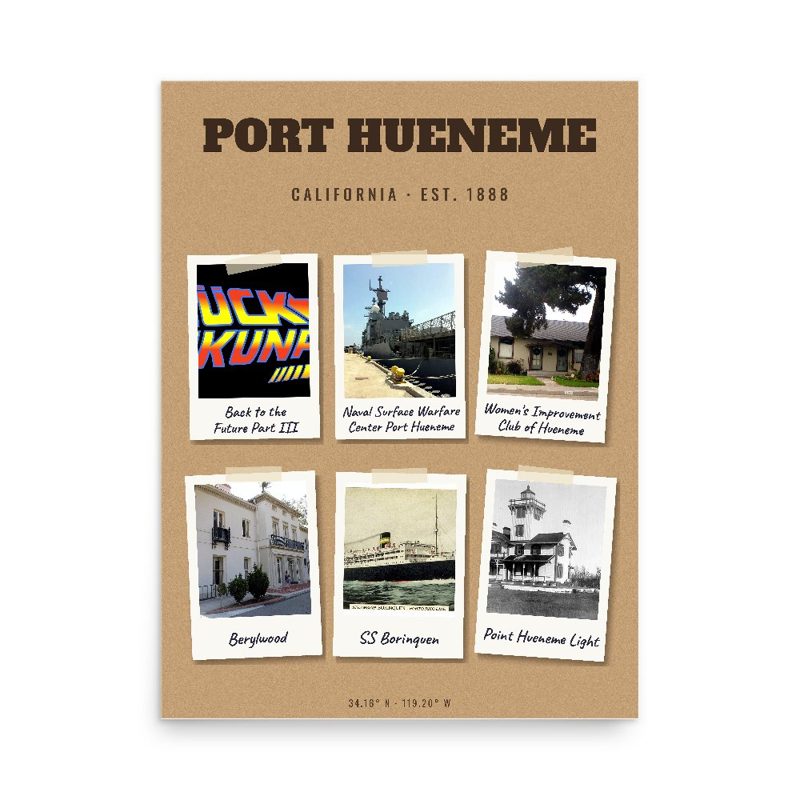
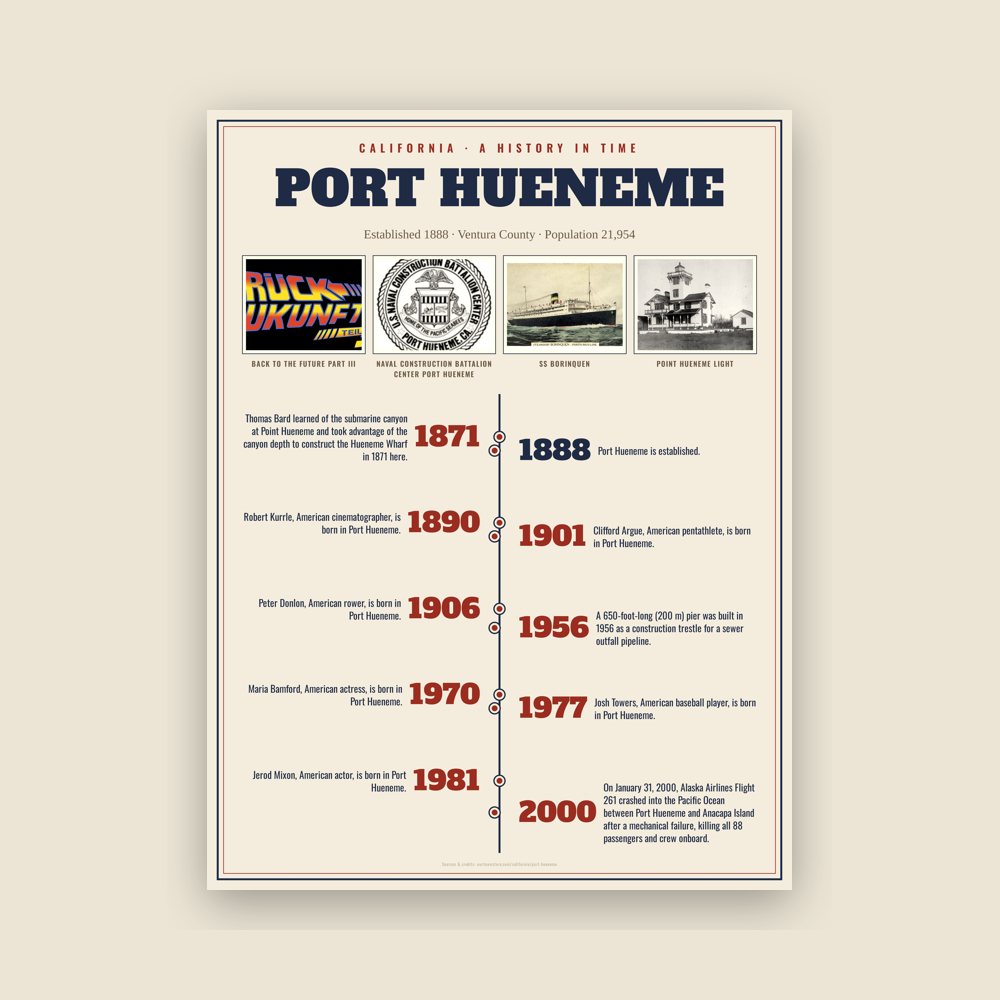
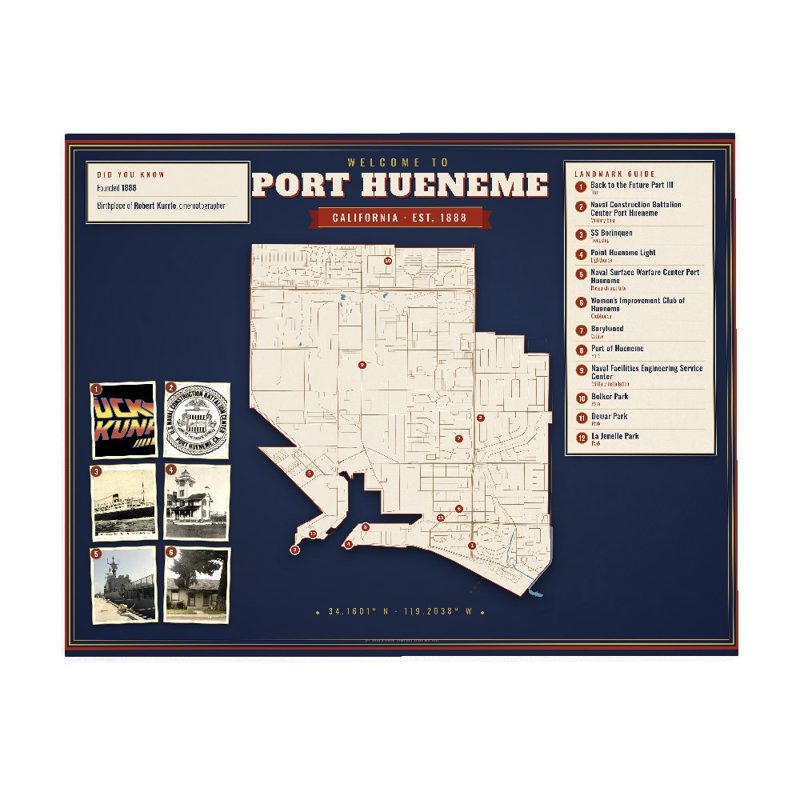











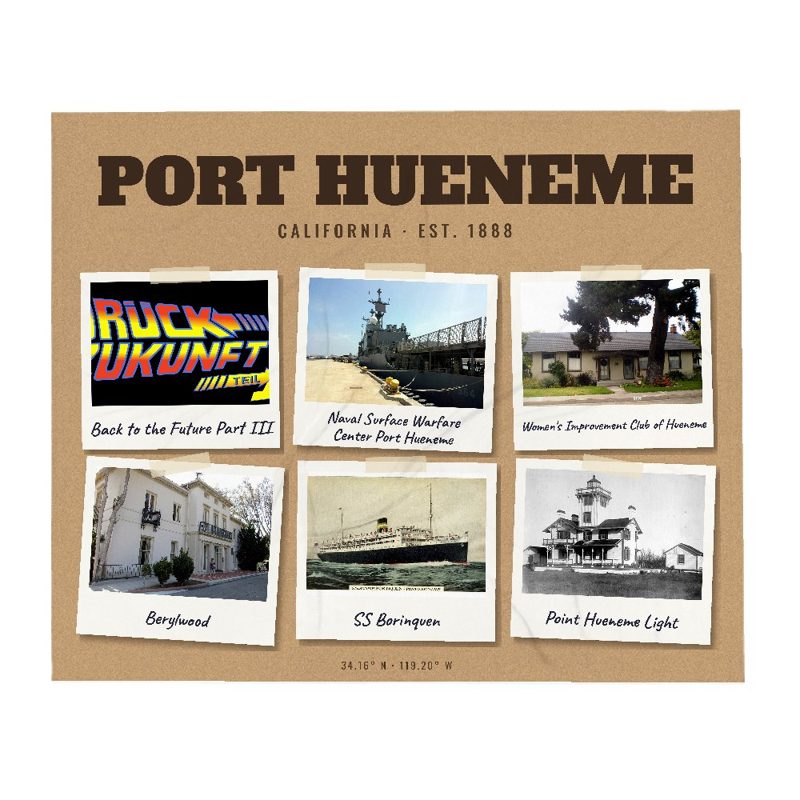





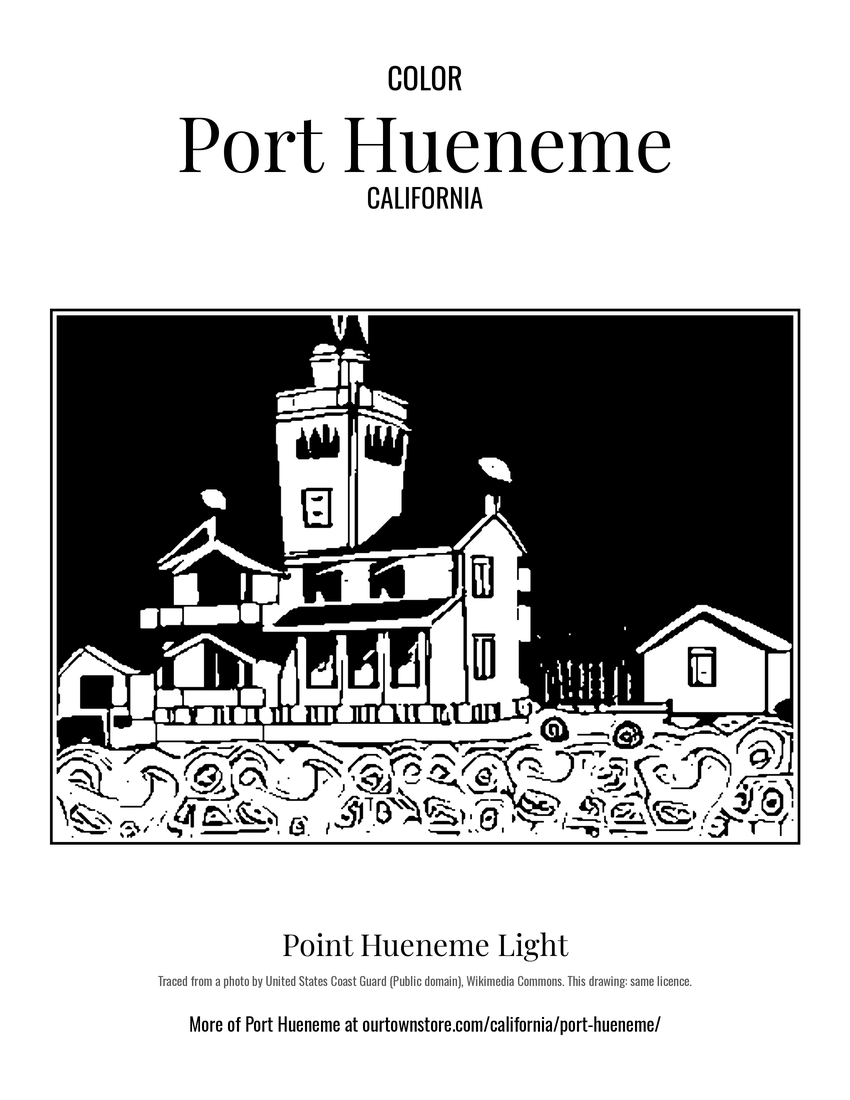 Point Hueneme Light
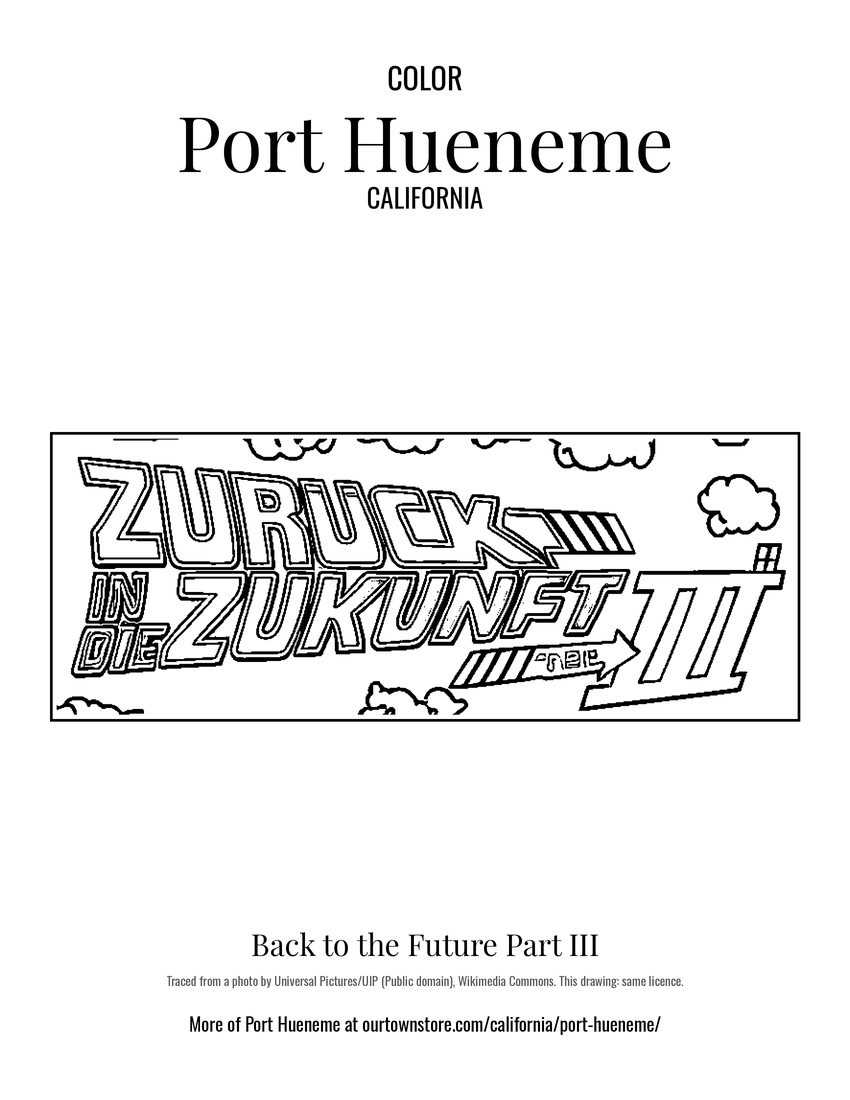 Back to the Future Part III
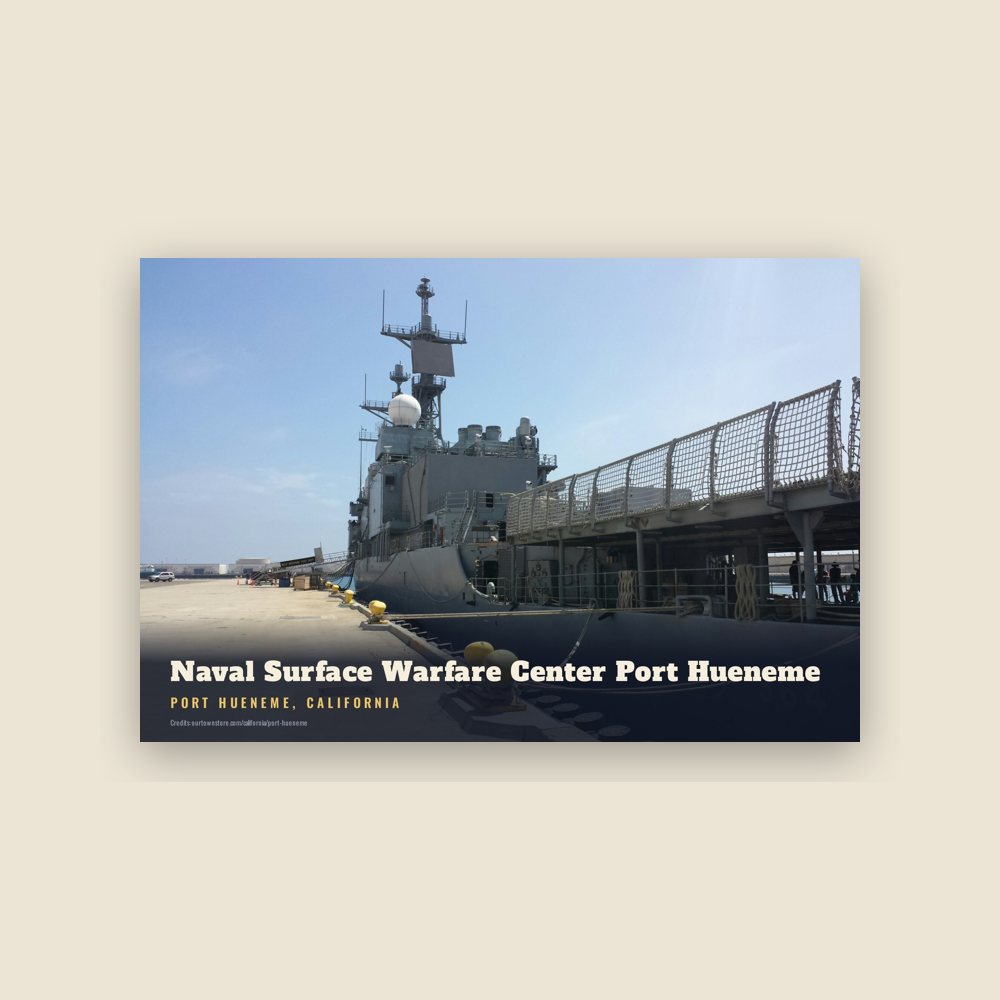
 Naval Construction Battalion Center Port Hueneme
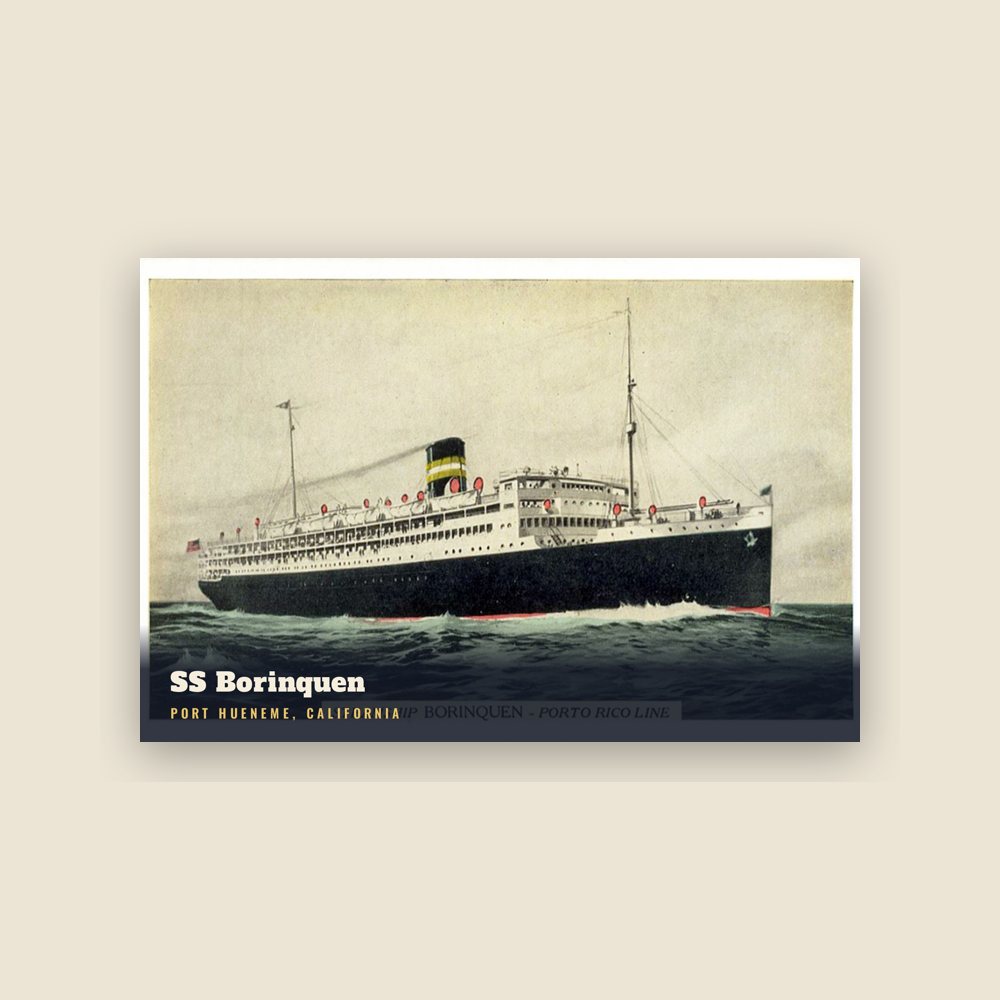
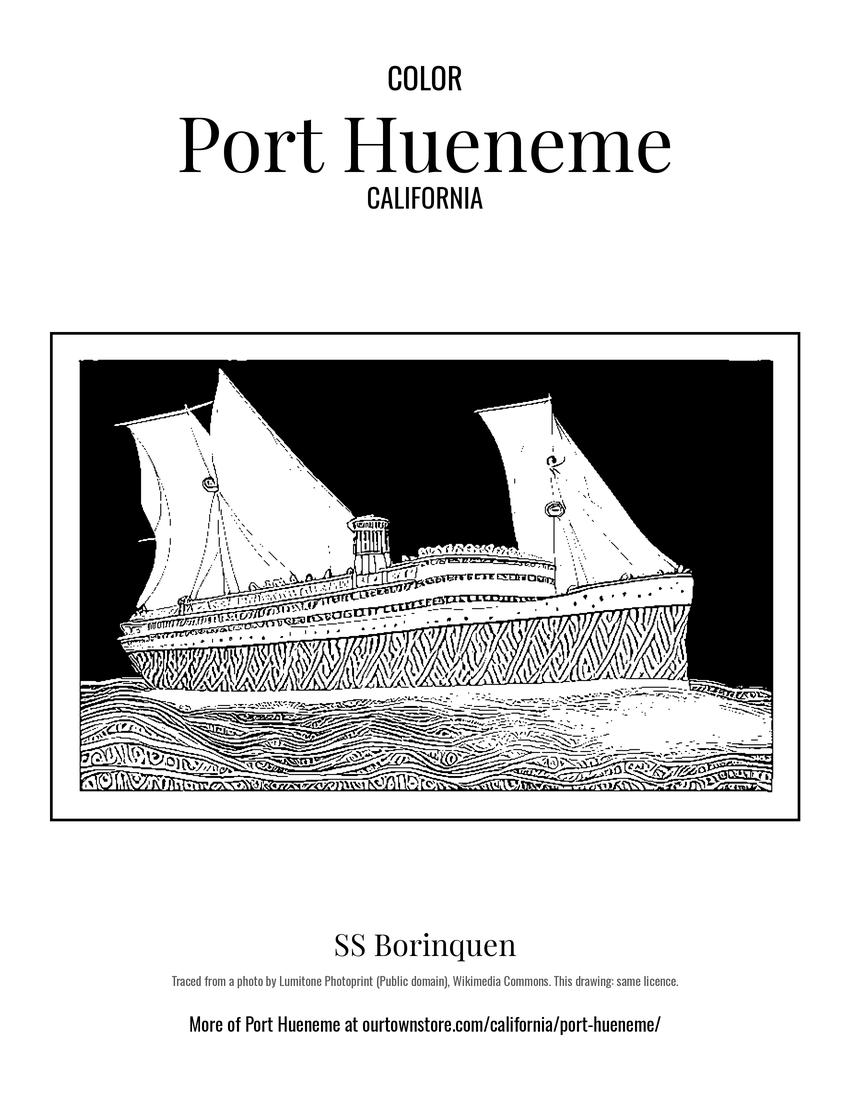 SS Borinquen