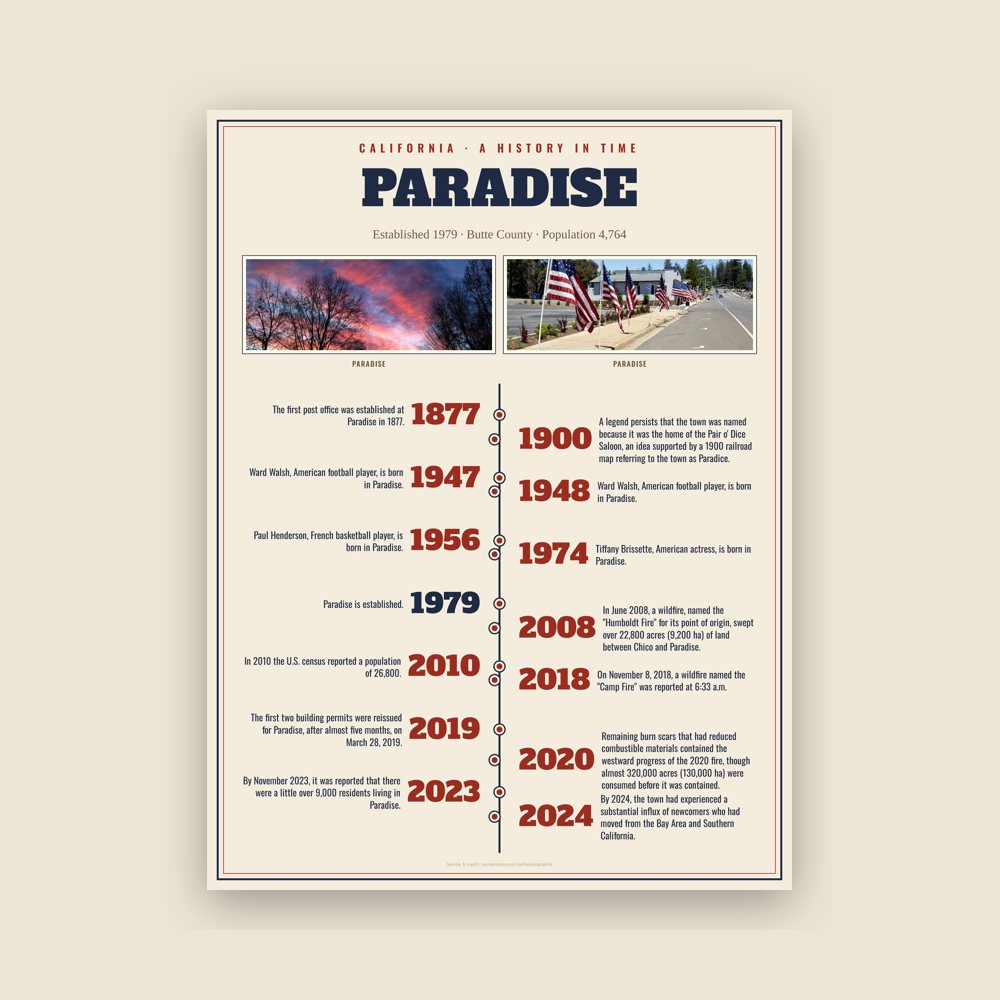
The first post office was established at Paradise in 1877. It closed for a time in 1911, but was re-established later that year, when the post office at Orloff was closed. Paradise incorporated in 1979. For many years, the Butte County Railroad operated trains along the ridge, serving mines and sawmills.
Read the full history
Naming
According to GNIS, the community has been known in the past by four different names or spellings: Leonards Mill, Poverty Ridge, Pair-O-Dice, and Paradice.
A legend persists that the town was named because it was the home of the Pair o' Dice Saloon, an idea supported by a 1900 railroad map referring to the town as Paradice. However, no documentation has been found to prove the establishment existed, nor an explanation of the spelling of the town's name on the map.
Gene Sylva, a former mayor of the nearby town of Oroville, has stated that the saloon story is false, and that the true etymology of the town's name can be traced to his great-great-grandfather, William Pierce Leonard, who named the town on a summer day in 1864, after a hot and dusty ride from the Sacramento Valley; arriving at his sawmill while the staff were on break, Leonard "took a deep breath of the cool, clean air, and exclaimed, 'boys, this is paradise.'" According to Snopes, Sylva's explanation may be "pleasingly inventive historical fiction", and it is more likely that the town was named for it being a pleasant place to live.
2008 fires
In June 2008, a wildfire, named the "Humboldt Fire" for its point of origin, swept over 22,800 acres (9,200 ha) of land between Chico and Paradise. As many as 9,300 people were forced to evacuate southwestern Paradise until the fire could be brought under control.
A month later, a fire burned on the northern side of Paradise in the canyon where the Feather River is located. Again, thousands were evacuated from their homes, but the fire failed to cross the river. It was part of a larger complex of fires called the Butte Lightning Complex or BTU Complex, which also included the Belden and Pit fires. (This was a different fire from the 2018 fire of the same name.)
Camp Fire recovery
The first two building permits were reissued for Paradise, after almost five months, on March 28, 2019. Local public policymakers aimed to promote rebuilding with higher standards for fire-resistant construction, upgraded infrastructure, and using the recommended 2009 redesigns for enhanced fire safety, which include expanded road capacity to increase evacuation capacity and to provide better access for emergency equipment. Two weeks of rain in early March 2019 slowed removal of debris; it was prohibited to dump waterlogged waste in landfills. Some 1,000 truckloads of material were expected to be removed daily from properties in Paradise, Concow, and Magalia. Cleanup was anticipated to take a year, involving 11,000 properties.
In 2010 the U.S. census reported a population of 26,800. After the Camp Fire, the population declined by more than 90%. In January 2019, the state of California reported 4,600 residents, and a door-to-door count in April 2019 found 2,034. In the ensuing years, however, more residents have slowly returned to the town. By November 2023, it was reported that there were a little over 9,000 residents living in Paradise. Over 2,500 new structures had also been built, with more construction ongoing.
By 2024, the town had experienced a substantial influx of newcomers who had moved from the Bay Area and Southern California. Building codes had changed, so displaced residents could not rebuild under codes that had formerly allowed homes smaller than 750 square feet (70 m2). Insurance costs had exploded, with annual premiums of $12,000 becoming commonplace.
One year after the fires, the town united behind the Paradise High School football team, which achieved an undefeated season. One team member commented, "You look at the stands, the whole town of Paradise is here, so it's really our only event right now, so it means everything." Paradise Mayor Jody Jones said, "The football team has come to represent all of us.” Los Angeles Times columnist Bill Plaschke was inspired to write a book about the team and the town, Paradise Found: A High School Football Team's Rise from the Ashes (2021).
Paradise Greenbelt Buffer Plan
After the 2018 Camp Fire caused near complete destruction of Paradise, the town and residents agreed on a Long-Term Community Recovery Plan with five main goals to make the town Safer, Welcoming, Stronger, Better, and Greener. Paradise Recreation and Parks District (PRPD) and the Nature Conservancy teamed up to develop the idea of a Greenbelt defensible buffer zone which would make the town a better fire-adapted community by preventing future wildfires from reaching the town center. The greenbelt would be made up of managed parks and vegetation to allow firefighters to do controlled burns and create a barrier of land without fuel around the town (a firebreak) so future wildfires have no path inwards. This borderland would serve as a source of recreation and greenspace for the community. During the wildfire season, the buffer would protect the town.
The Greenbelt hopes to accomplish a number of projects outlined in the plan, including improvements to parks and walking paths, a stronger fuel management plan, and better transportation access for residents and firefighters. The Nature Conservancy hired an independent nonprofit, the Conservation Biology Institute, to conduct a scientific report on the efficacy of such a barrier. According to their models, such greening of the eastern border of Paradise could reduce combustion risks in the town by as much as 64%.
The most pressing challenges moving forward included obtaining rights to the mostly private land the Conservation Biology Institute identified as the most ideal location for a greenbelt, and funding the purchase of these properties. With local fires worsening every year, PRDP is hoping residents will respond to their fire risk reduction models and sell their outskirt properties to the district. With the successful purchase of several properties so far, Dan Efseaff, district manager for PRDP, "hopes at least to create pockets or sections of that full vision." If this becomes a successful model, the Nature Conservancy hopes to scale up lessons learned from Paradise and inspire other fire-threatened communities to implement their own buffers.
2020 North Complex Fire
The North Complex Fire, also known as the "Bear Fire," to the east of Concow, and Pulga endangered Paradise and surrounding communities that had been affected by the 2018 Camp Fire, and evacuations were ordered. Remaining burn scars that had reduced combustible materials contained the westward progress of the 2020 fire, though almost 320,000 acres (130,000 ha) were consumed before it was contained.
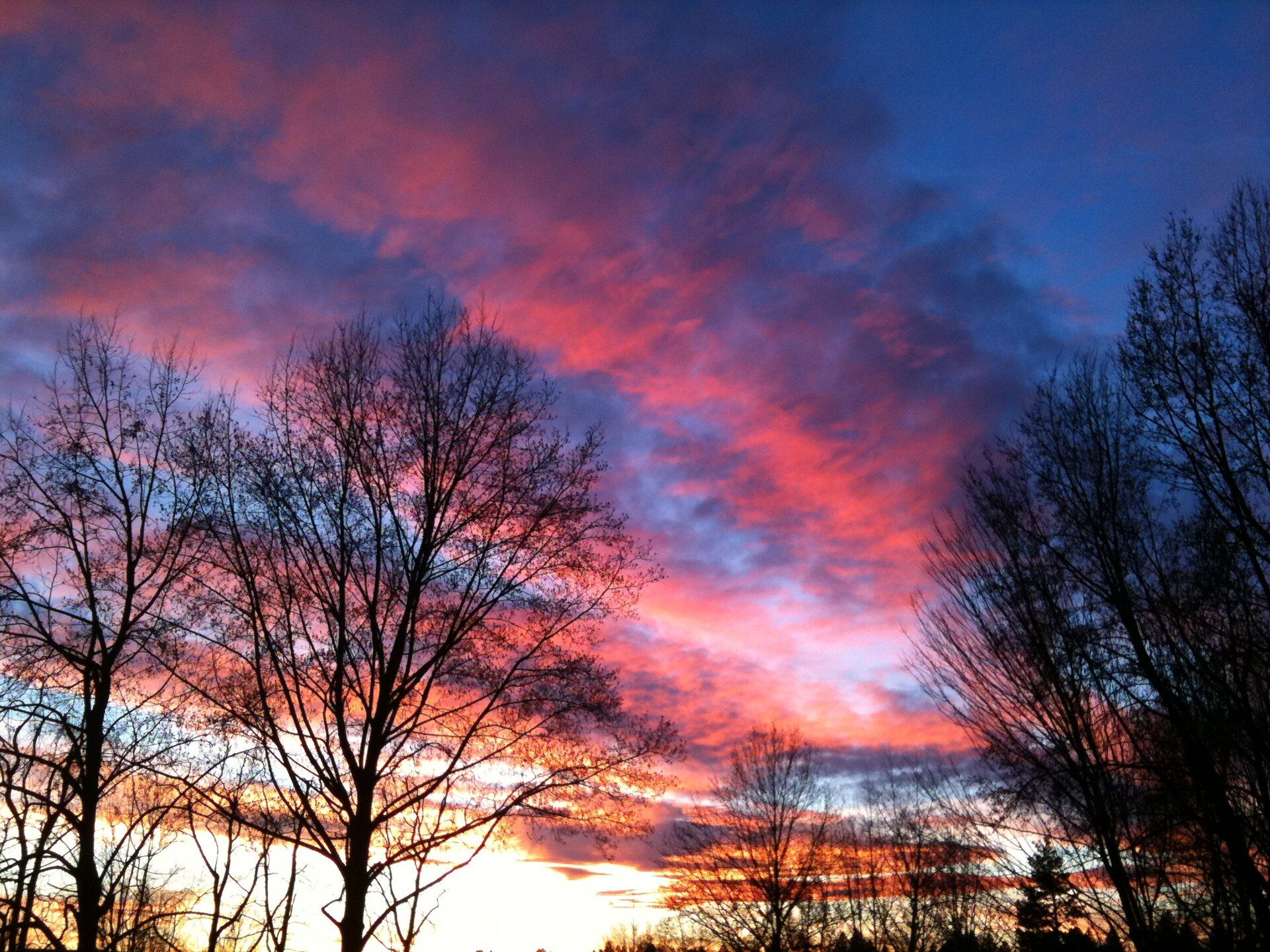

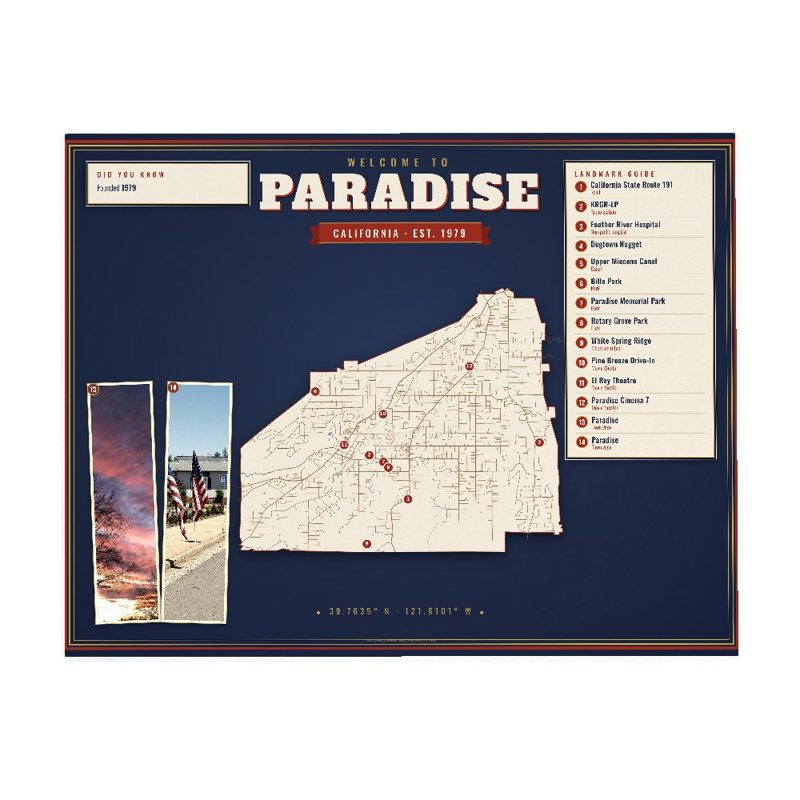











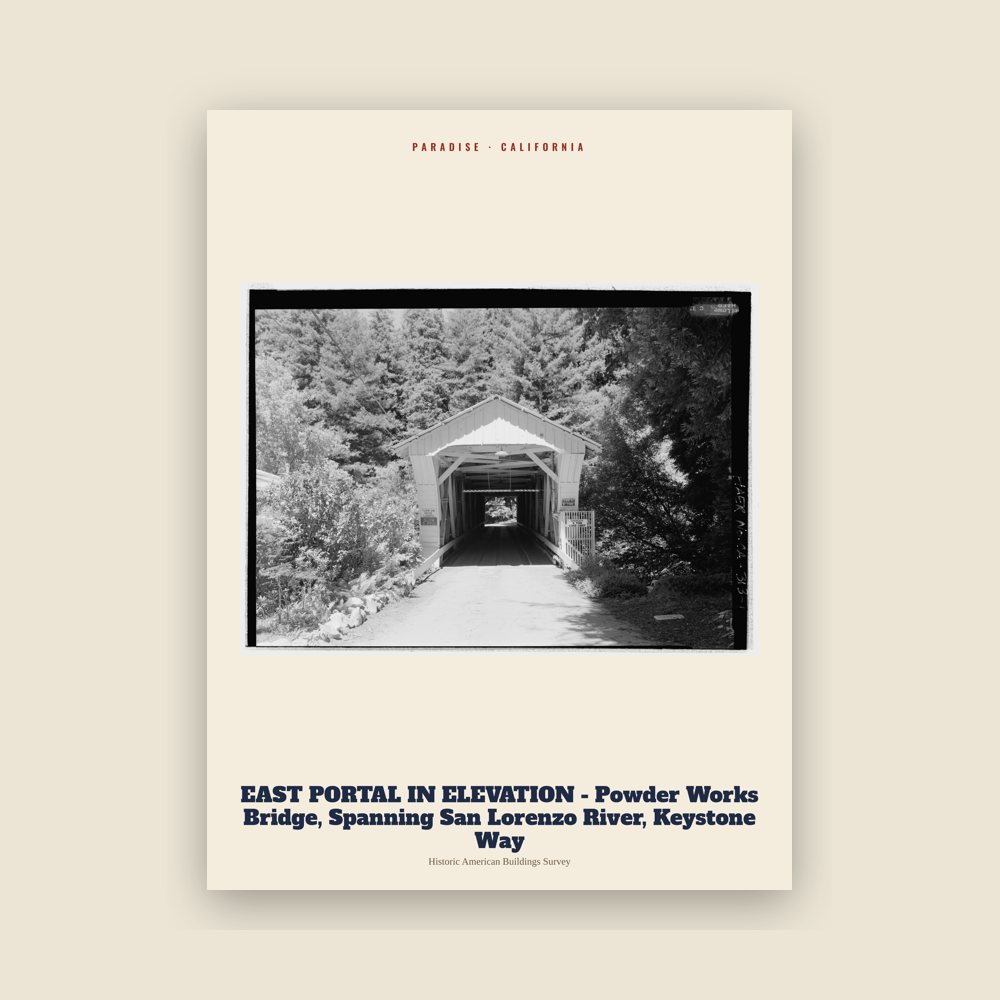
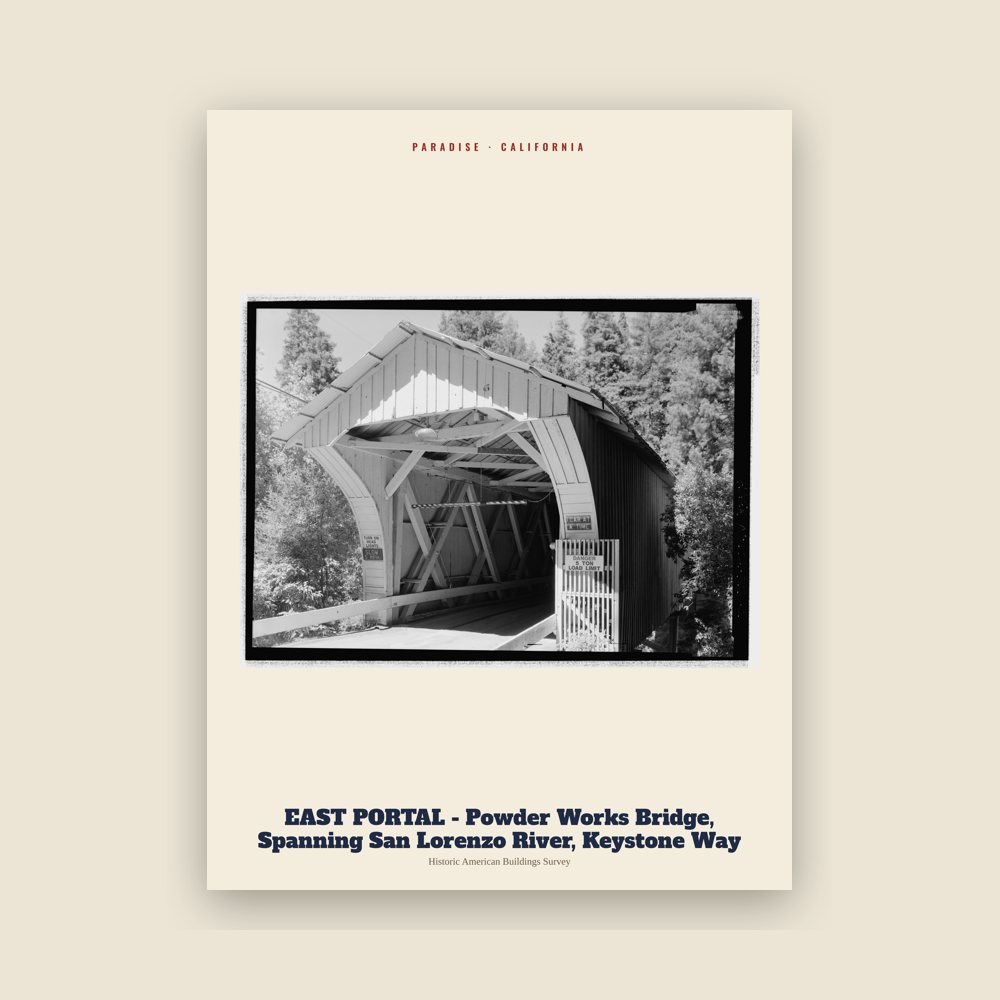
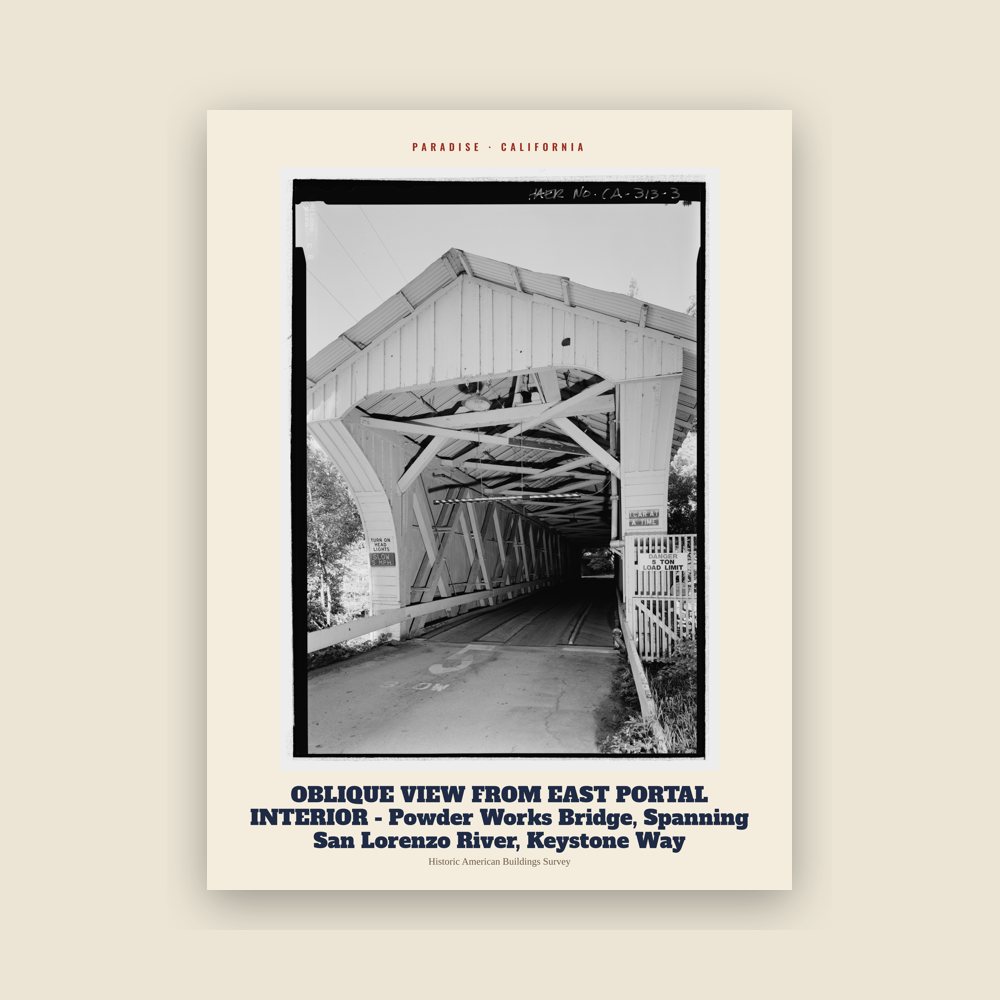
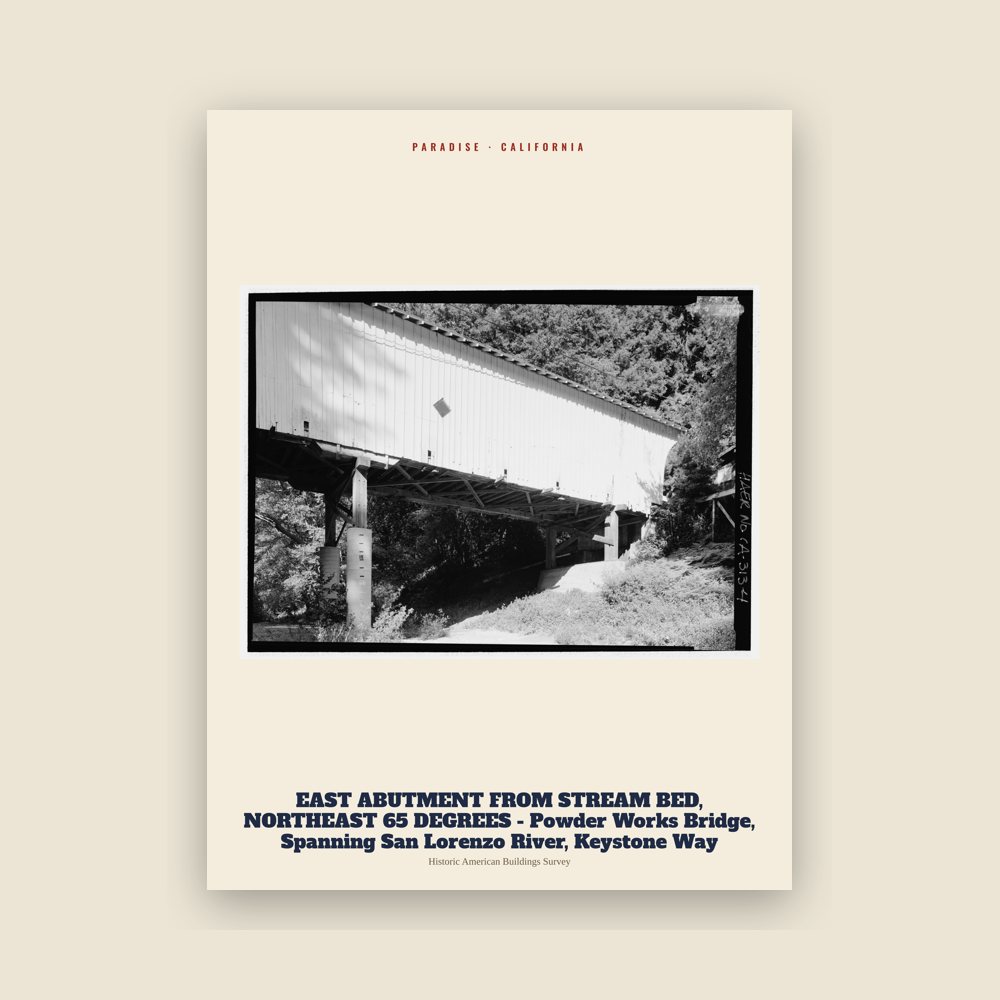
 A view of Paradise
 A view of Paradise