A short history of National City
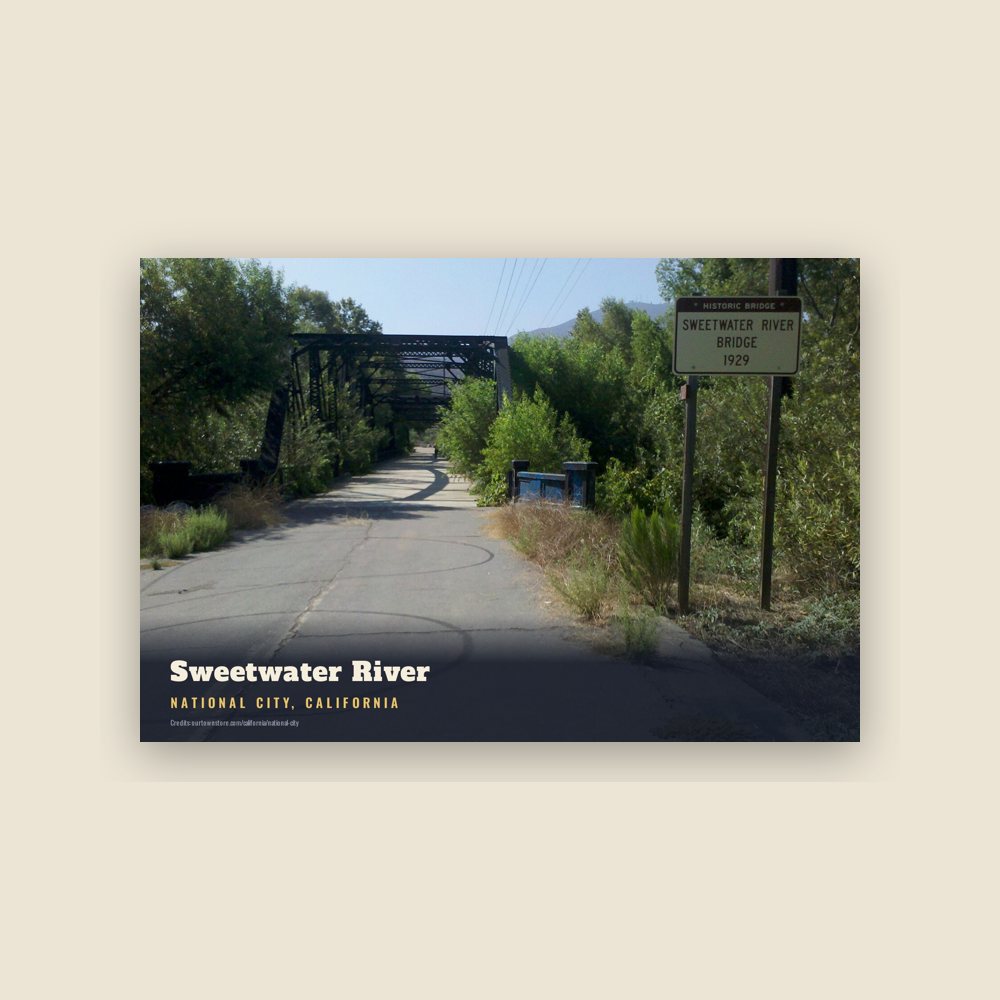
Human presence within the modern National City may have begun as early as 130,000 years ago, as allegedly evidenced at the Cerutti Mastodon site. Archaic period sites have been found along Sweetwater River which runs through the city limits of modern-day National City. Before the arrival of Spaniards, the area which modern day National City occupies was part of the territory of the Diegueño tribe, also known as Kamia, and later Kumeyaay. Later in the late eighteenth and early nineteenth century there was a Kumeyaay village, north of the modern National City boundaries, on Chollas Creek.
The Spanish named the 26,000 acres (11,000 ha) of land El Rancho del Rey (the Ranch of the King), used by Spanish soldiers to graze horses. After independence from Spain, in 1810, the Mexican government renamed it Rancho de la Nación (Ranch of the Nation). Governor Pío Pico granted Rancho de la Nación to his brother-in-law John (Don Juan) Forster in 1845. President Andrew Johnson, in issuing the land patent, listed the name as simply "The National Ranch", the English translation of the land grant name, "Rancho de la Nación".
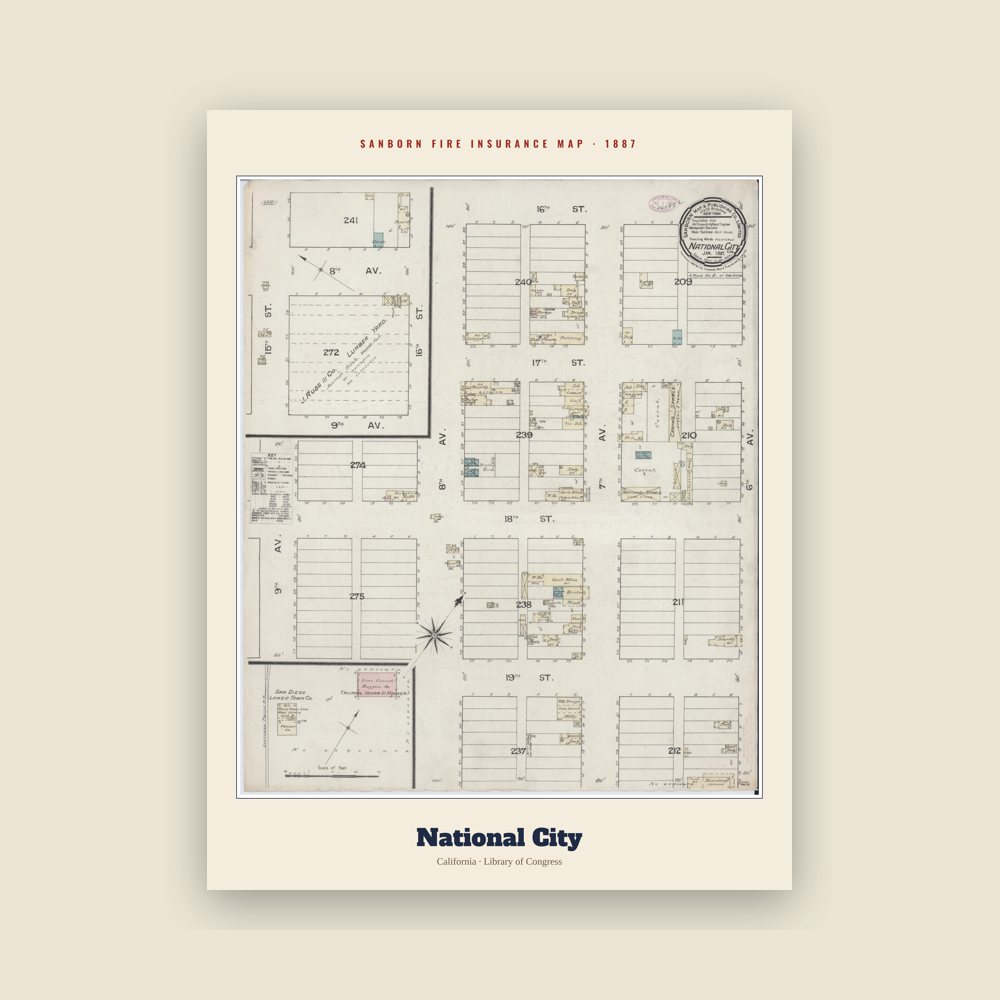
In 1868, Frank Kimball and his brothers Warren and Levi, contractors and builders from San Francisco, purchased the entire rancho and thus began the foundation of the city, retaining the National name.
Frank Kimball first brought novelty and change to the area by building his personal residence. His home included a bathtub as well as hot running water, making it the first modern house in the entire county. However, it was more than his personal innovative endeavors that allowed the region to flourish. By constructing the first roads and railroad in what is now National City, Frank and his brothers most notably were responsible for introducing modern transportation to the residents of the community. The brothers also implemented the area's first post office and a wharf for sea-bound imports and exports. These large ventures, coupled with smaller personal missions, both contributed to the overall goal of creating a community unparalleled to the times. A lasting mark of the Kimballs was the trees they imported and planted from Europe and Asia, accomplished via a partnership with the U.S. Department of Agriculture. These trees can be found dotted throughout the city to this very day. It was the passion and influence of the Kimballs as well as other early pioneers that made way for the city's incorporation on September 17, 1887.
In the mid-20th century, businesses on National Avenue catered to the entertainment of sailors stationed at Naval Base San Diego, and became known as the "Mile of Bars". In the late 20th century, the city, seeking to end the association of the street with drinking culture, urged the growth of automobile dealerships, transforming the area to be known as the "Mile of Cars". Part of the change of business types was the closure of a Pussycat Theater in 1999. The last of the bars that was on the "Mile of Bars" was the Trophy Lounge, which lasted until at least 2004.
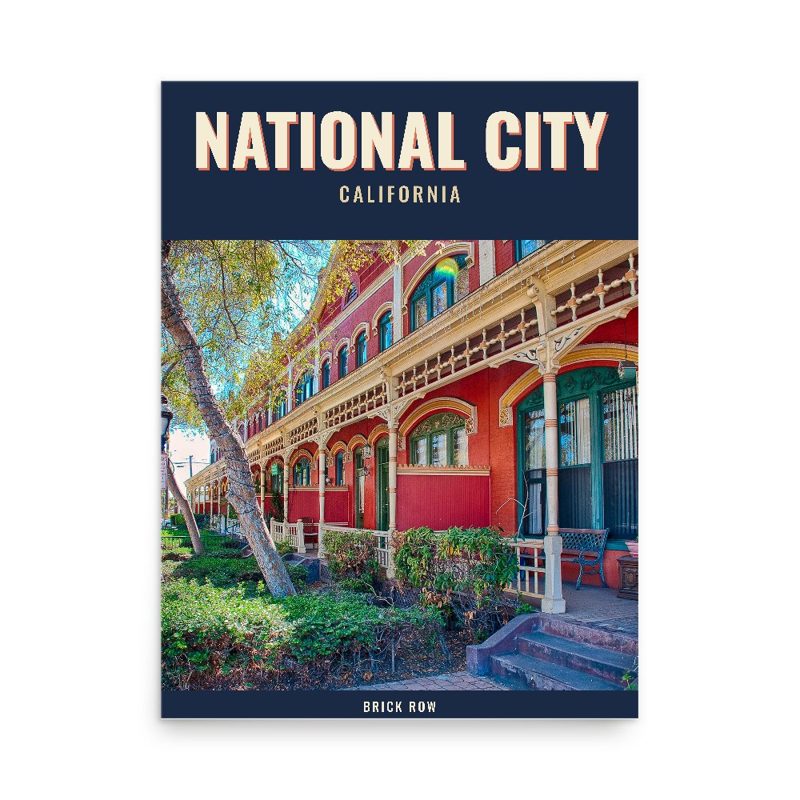
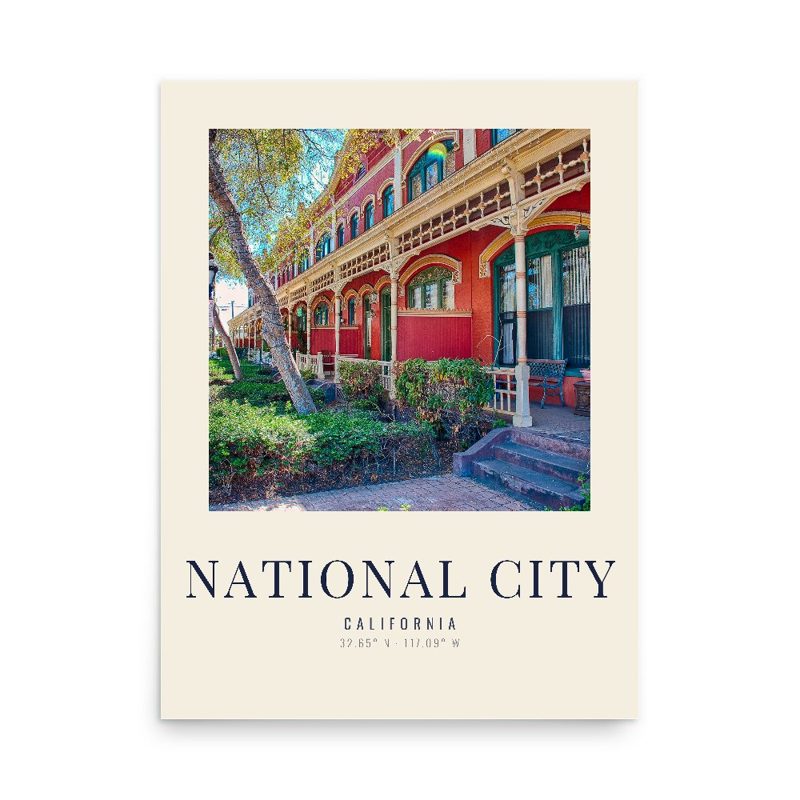
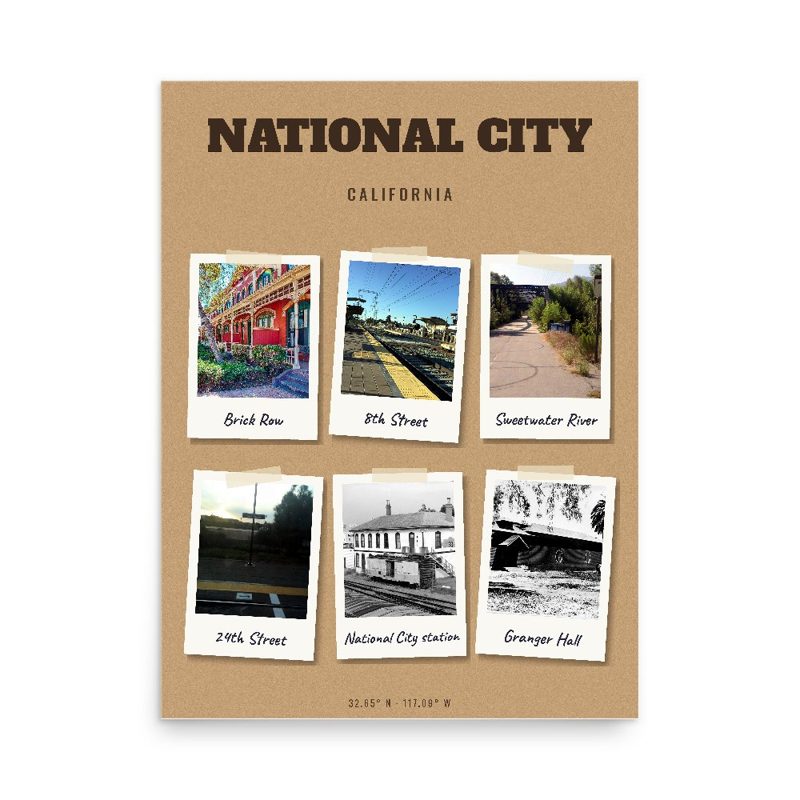
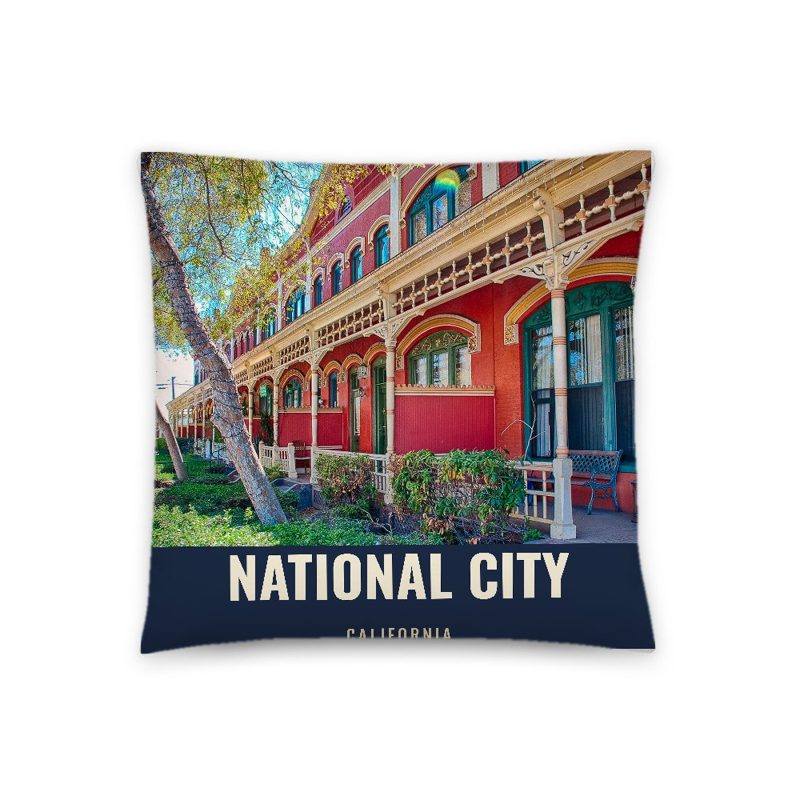
In the early 21st century, the city began to utilize eminent domain to create new developments; this met some criticism, to include on Reason TV in a video narrated by Drew Carey. One of the defining features of National City's past is the Victorian-style homes, many of which were built in the late 1800s. Brick Row is a prime example of how National City has preserved and brought old architecture into the modern world. Constructed by Frank Kimball in 1887, it was created to accommodate the railroad workers and lack of housing. In the 1970s Malcolm C. Greshler pitched the idea of creating Heritage Square in the heart of the city to showcase National City’s tourist attractions, it also acted as a way for people to visit National City's history, in the forms of museums, shops, and other ways these buildings could be repurposed. The National City general plan had listed around 66 historical sites that could be restored and preserved, Frank Kimball's interest in making National City in a western terminus for the Santa Fe Rail Way, was overlooked. So to commemorate Frank Kimball, they preserved his house and the Brick Row. Having a Heritage Square shows how National City has an important History that has to be shown to the public, along with the stories of the creators of these vintage buildings. In the end, Brick Row and Frank Kimball were major factors that impacted how National City has grown into the City it is today.
National City also became a focal point in immigration-related debates in the 21st century. On September 30, 2006, then-Mayor Nick Inzunza declared National City a sanctuary city, signaling limited cooperation with federal immigration enforcement. His proclamation, presented during dueling rallies at City Hall, followed a statement made on National Public Radio earlier that month and sparked considerable local controversy. After Ron Morrison was elected mayor in November 2006, he reversed this stance, stating publicly that the city would no longer identify as a sanctuary city. More than a decade later, on June 19, 2017, the City Council unanimously adopted a "Compassionate City" resolution in support of immigrants, marking a partial shift in tone and policy.
On January 22, 2024, National City experienced severe flooding due to an intense rainstorm that brought over 4 inches of rain in a few hours, overwhelming local stormwater systems. Low-lying neighborhoods, including the Happy Hollow Trailer Park, were particularly affected, with nearly half of its 90 mobile homes sustaining significant damage. Many residents, predominantly low-income and Spanish-speaking, lacked flood insurance, leading to prolonged displacement and financial hardship. In response to the disaster, President Joe Biden declared a Major Disaster for the region, enabling federal assistance for recovery efforts. Subsequently, some residents and business owners filed lawsuits against National City, alleging negligence in infrastructure maintenance contributed to the flooding.
Adapted (trimmed) from the Wikipedia article National City, California, revision 1381484833 by its contributors, licensed CC BY-SA 4.0.
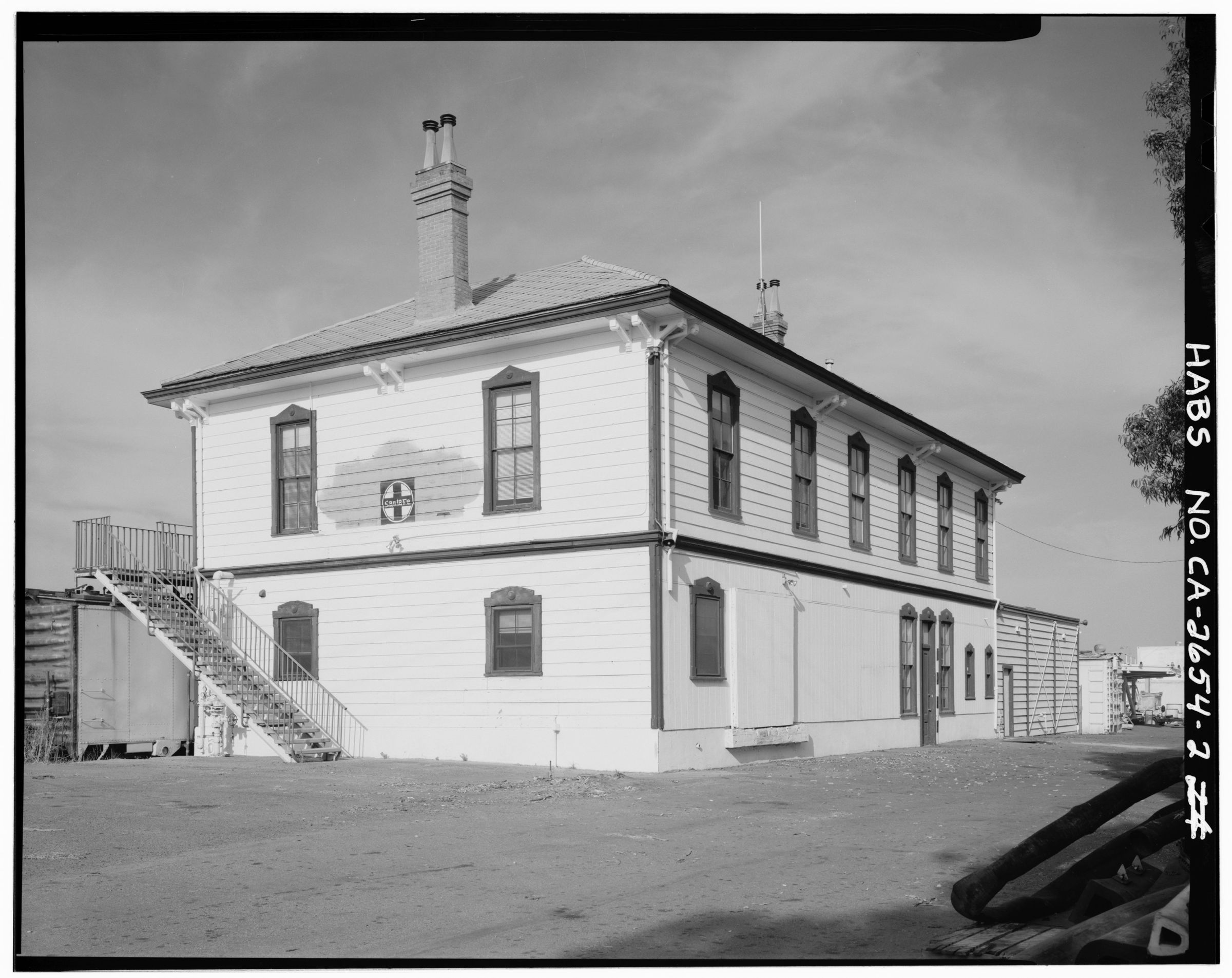

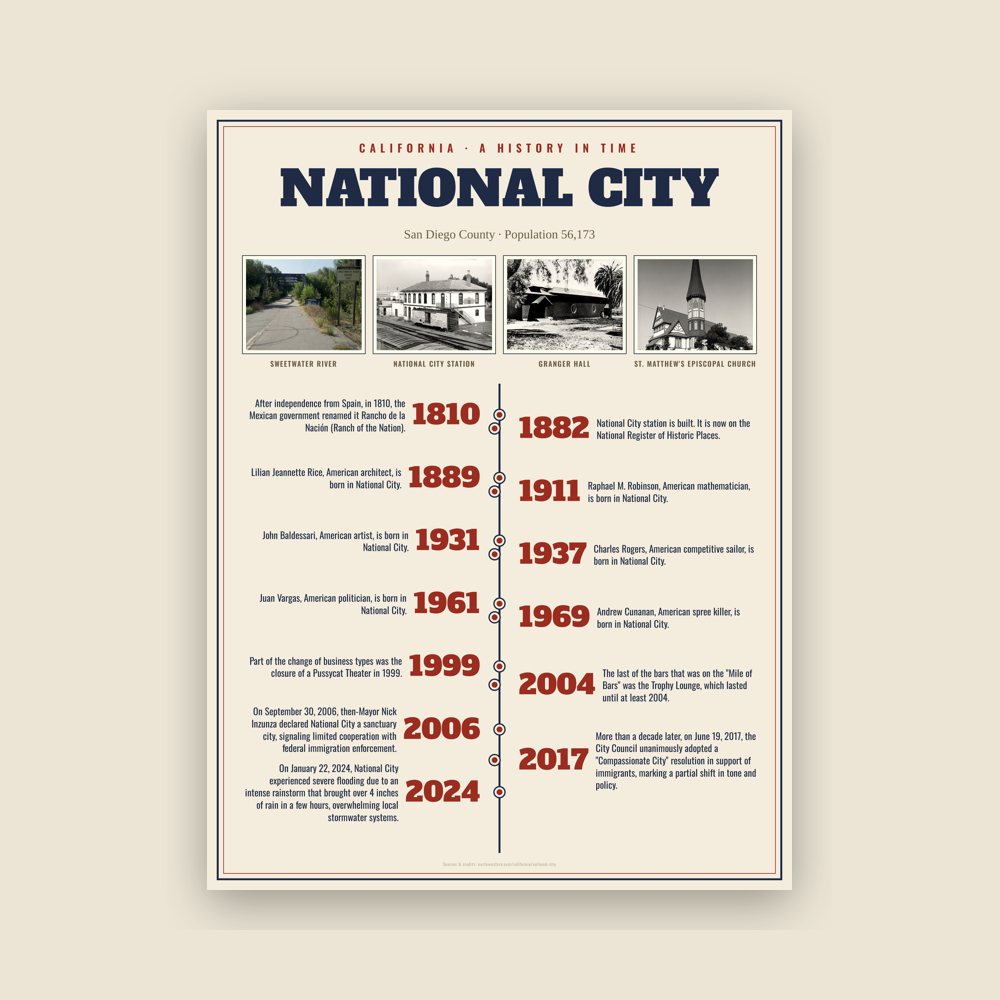
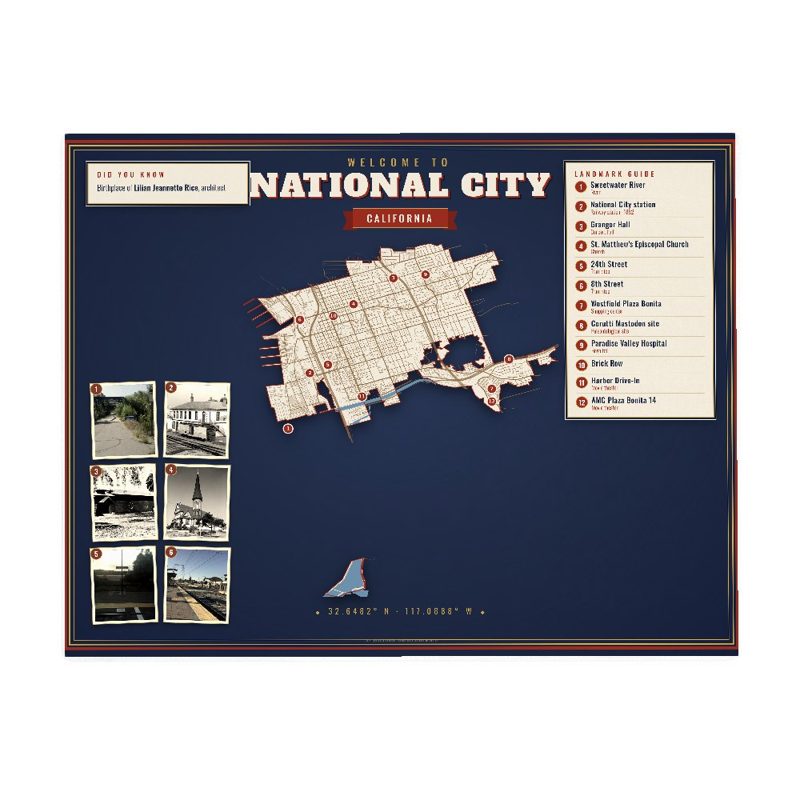








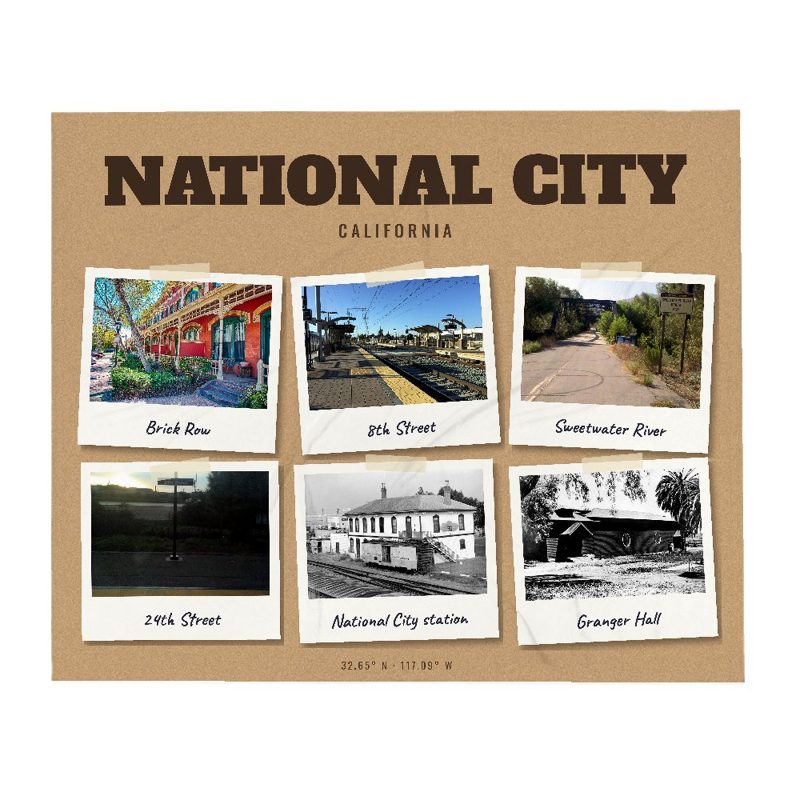
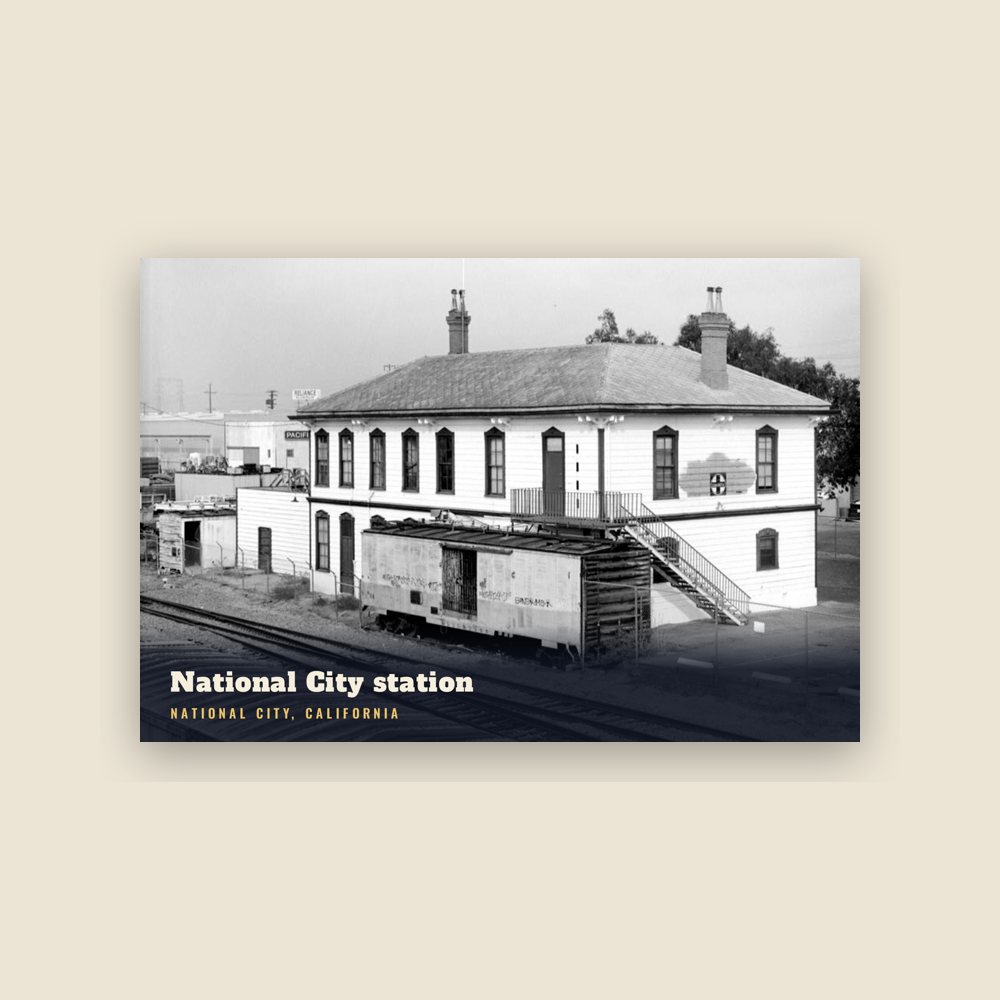
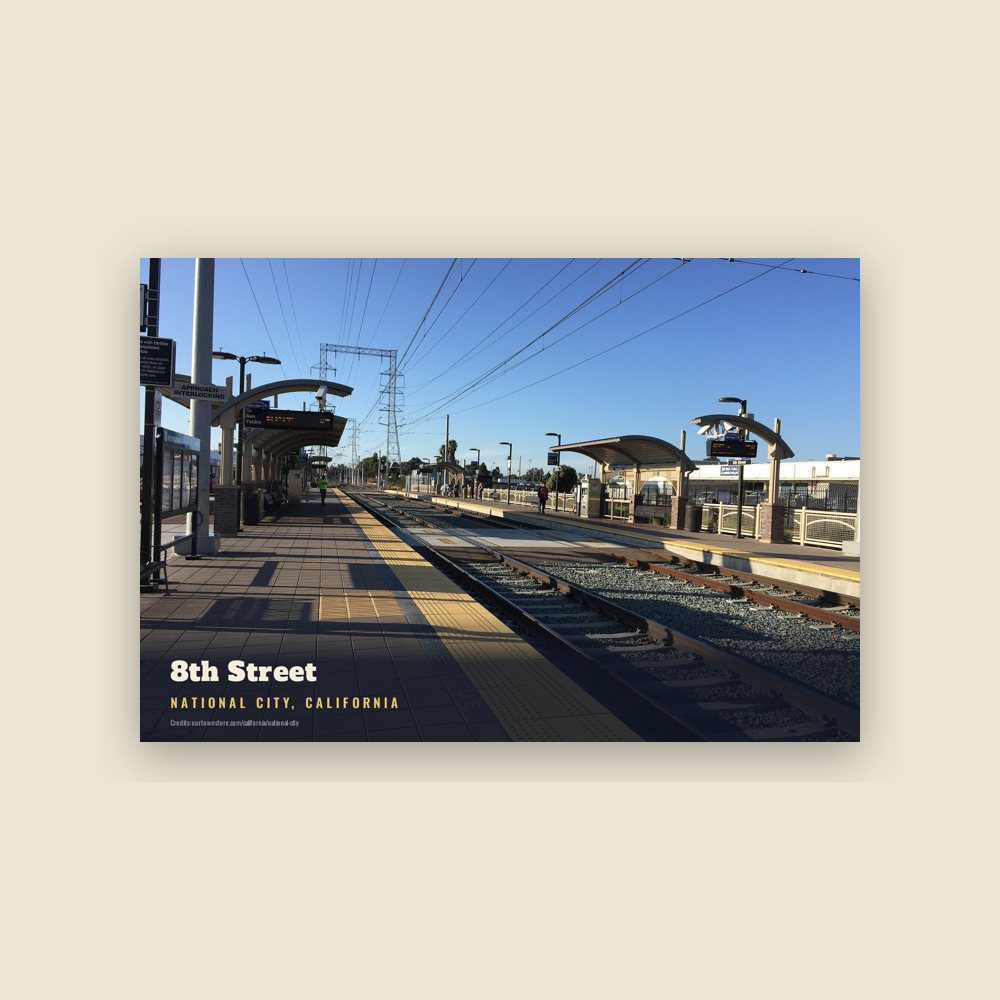
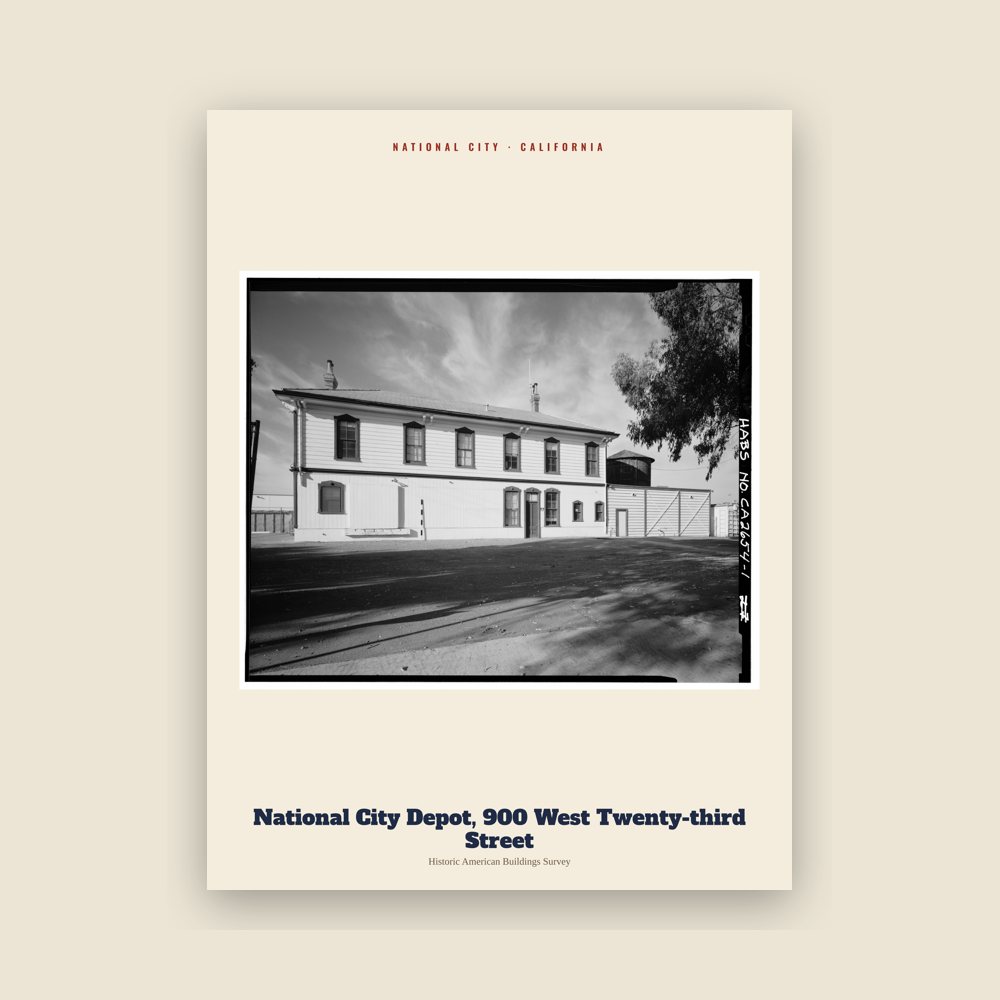
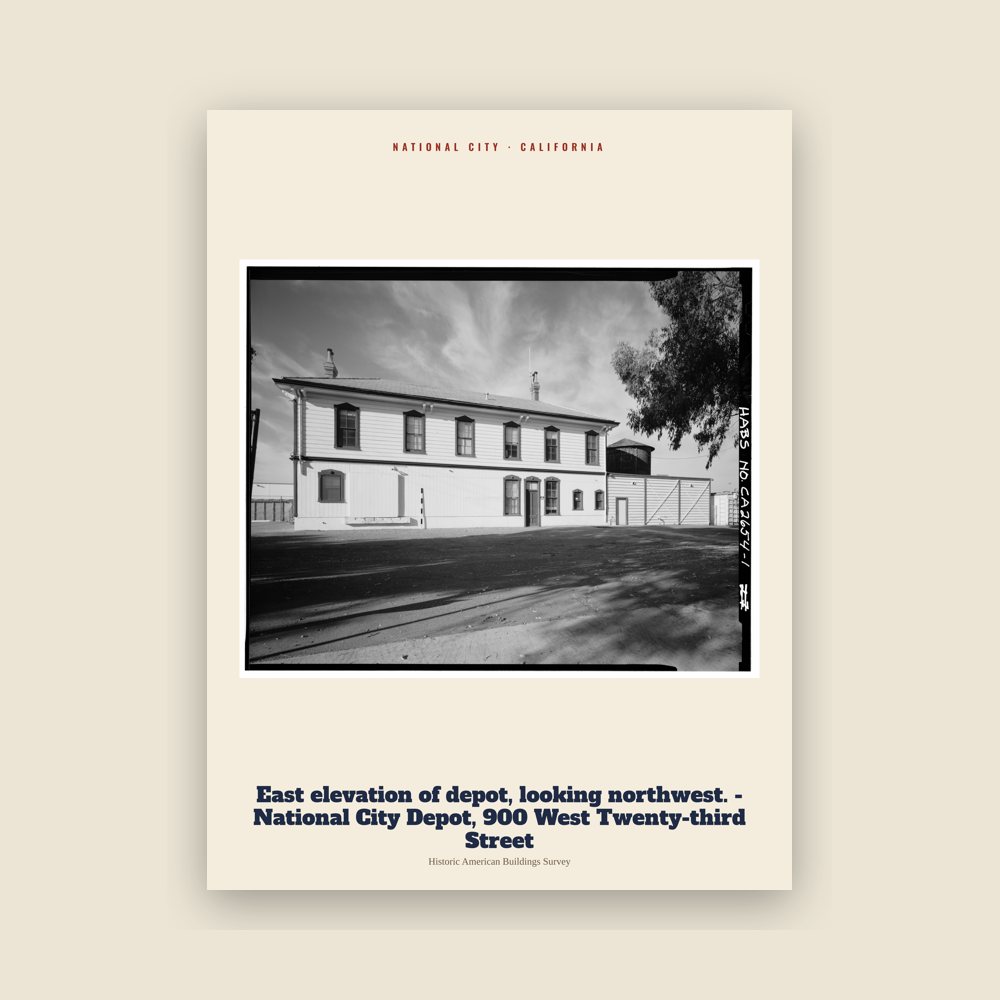
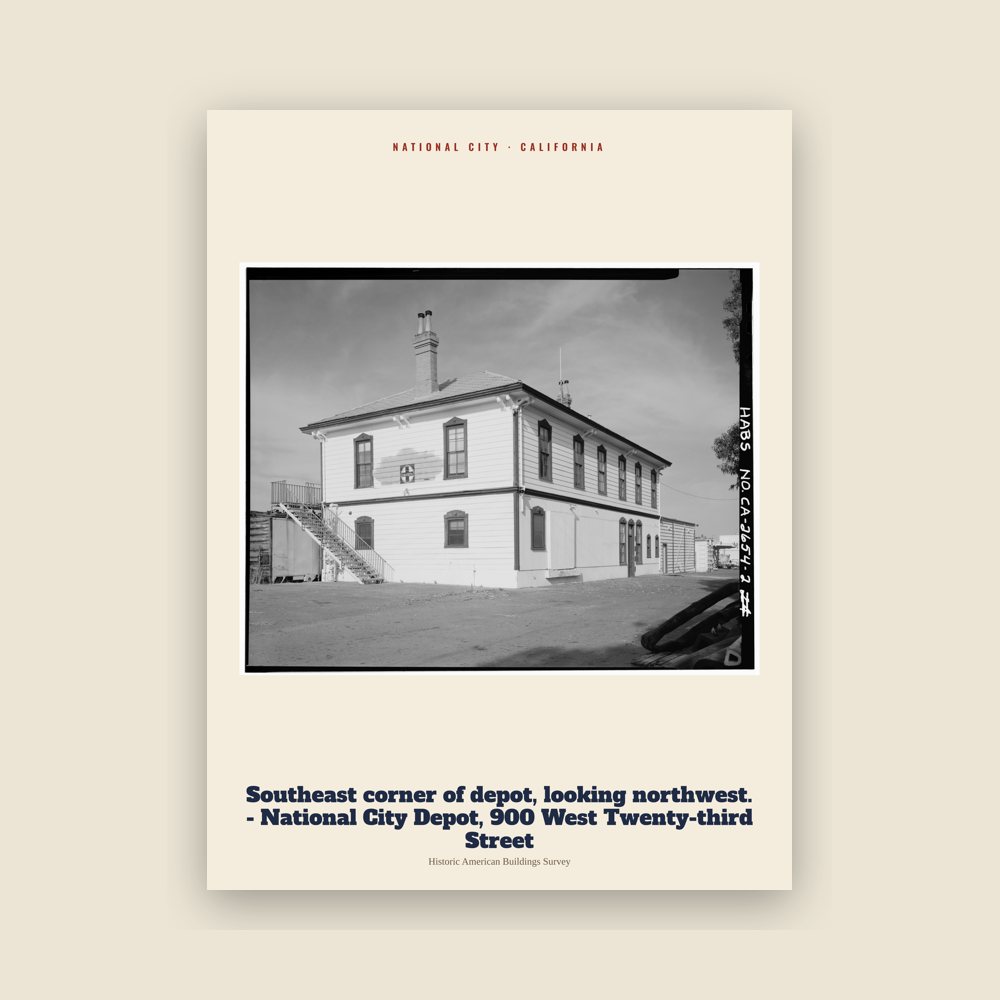
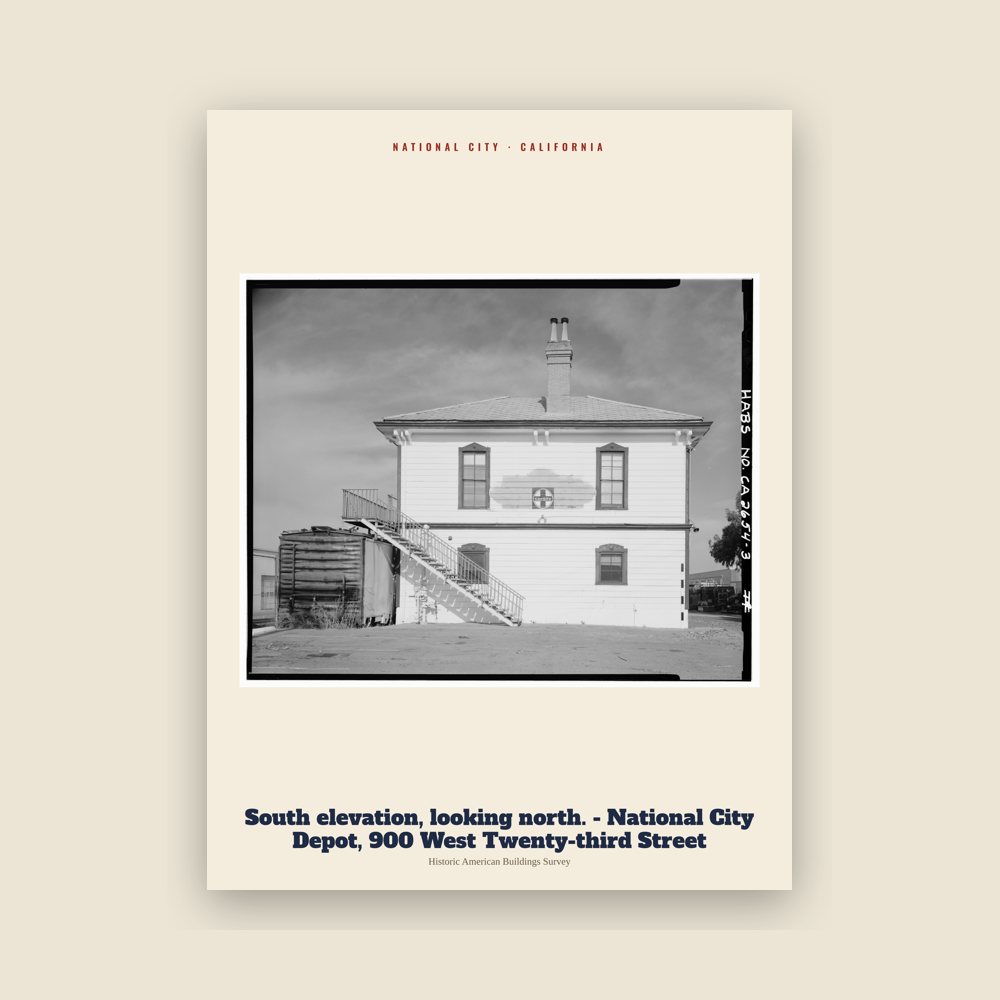
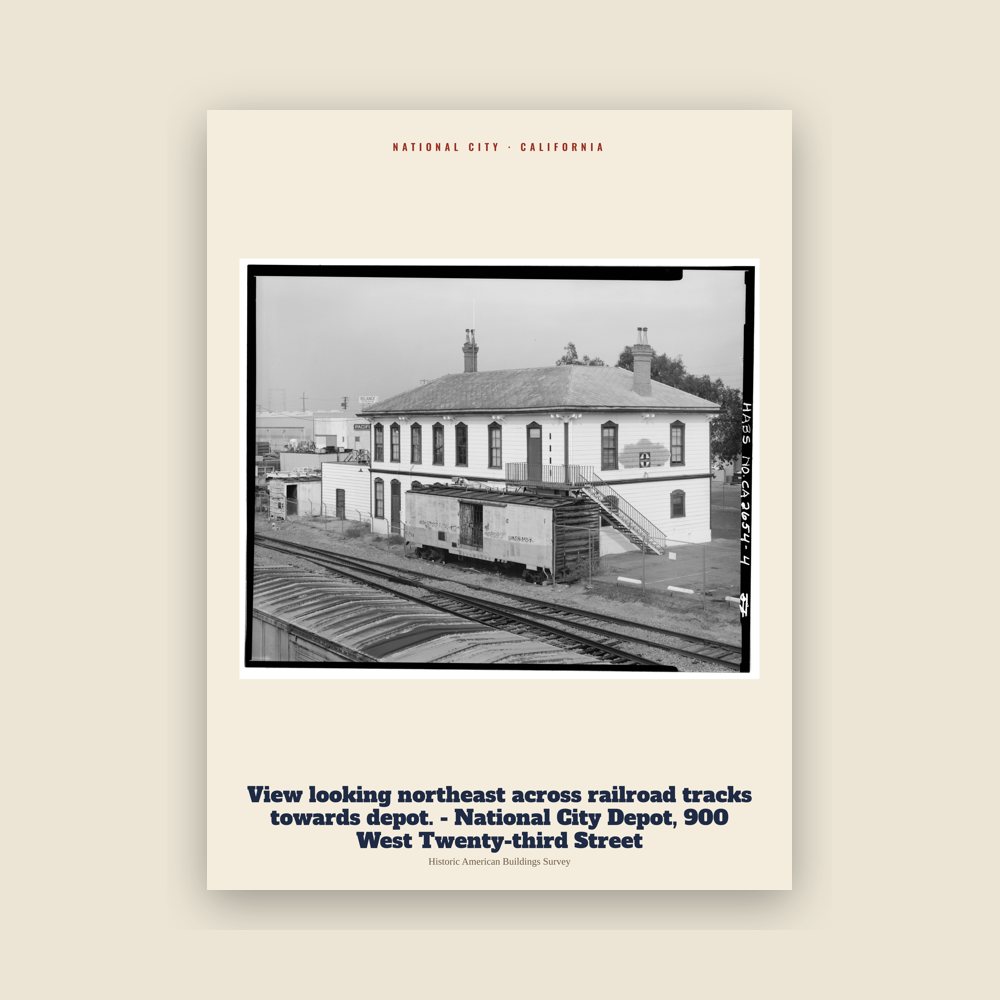
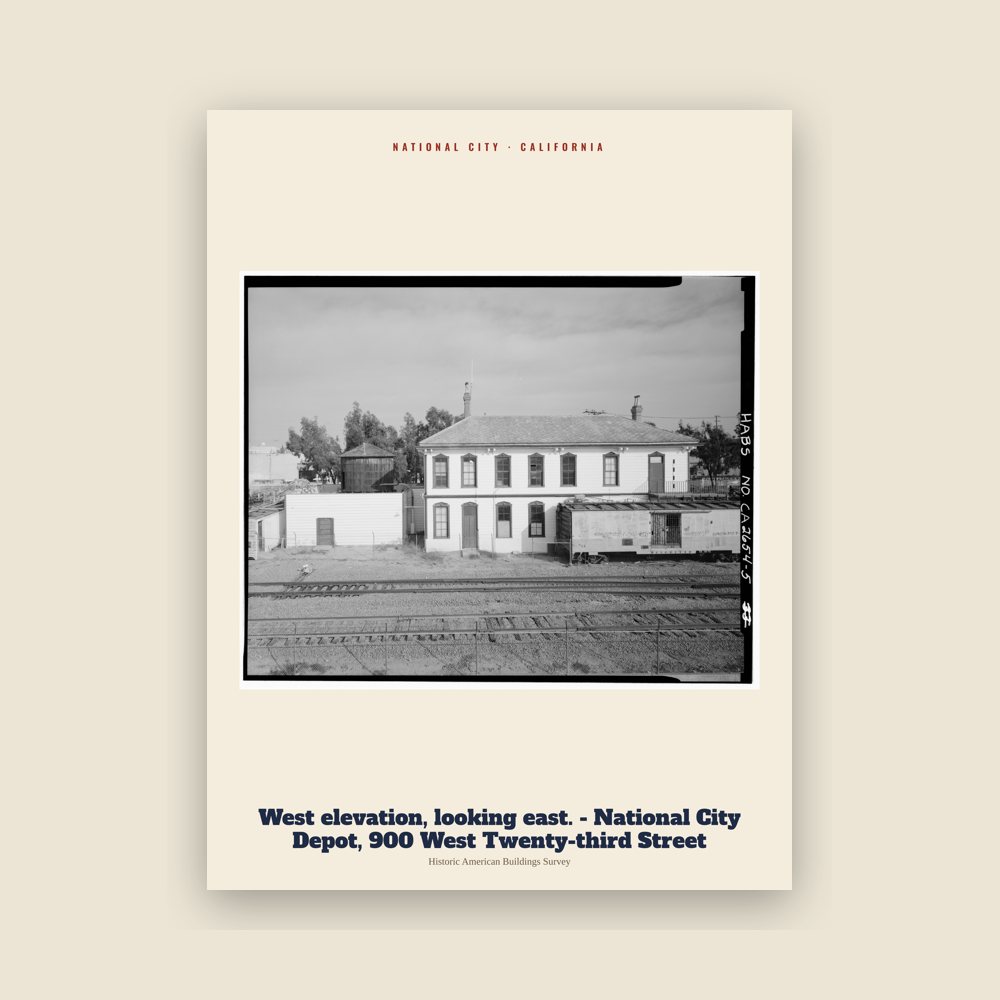
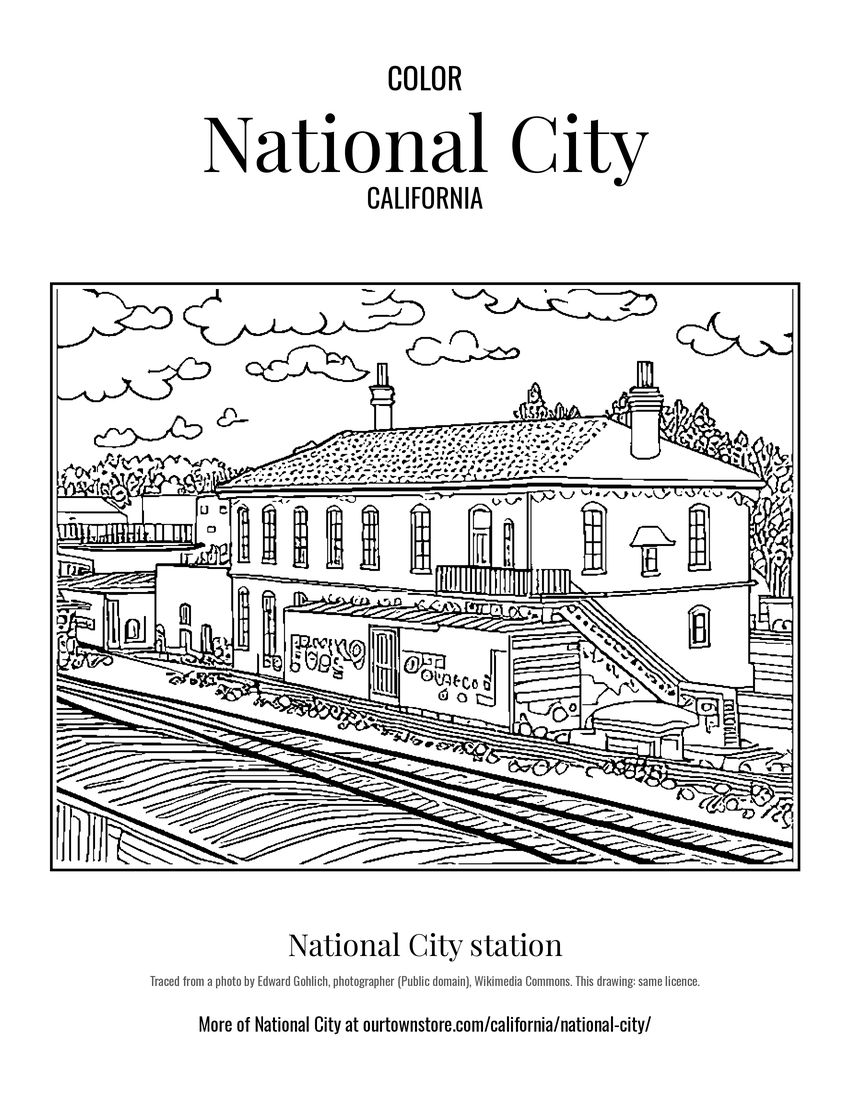 National City station
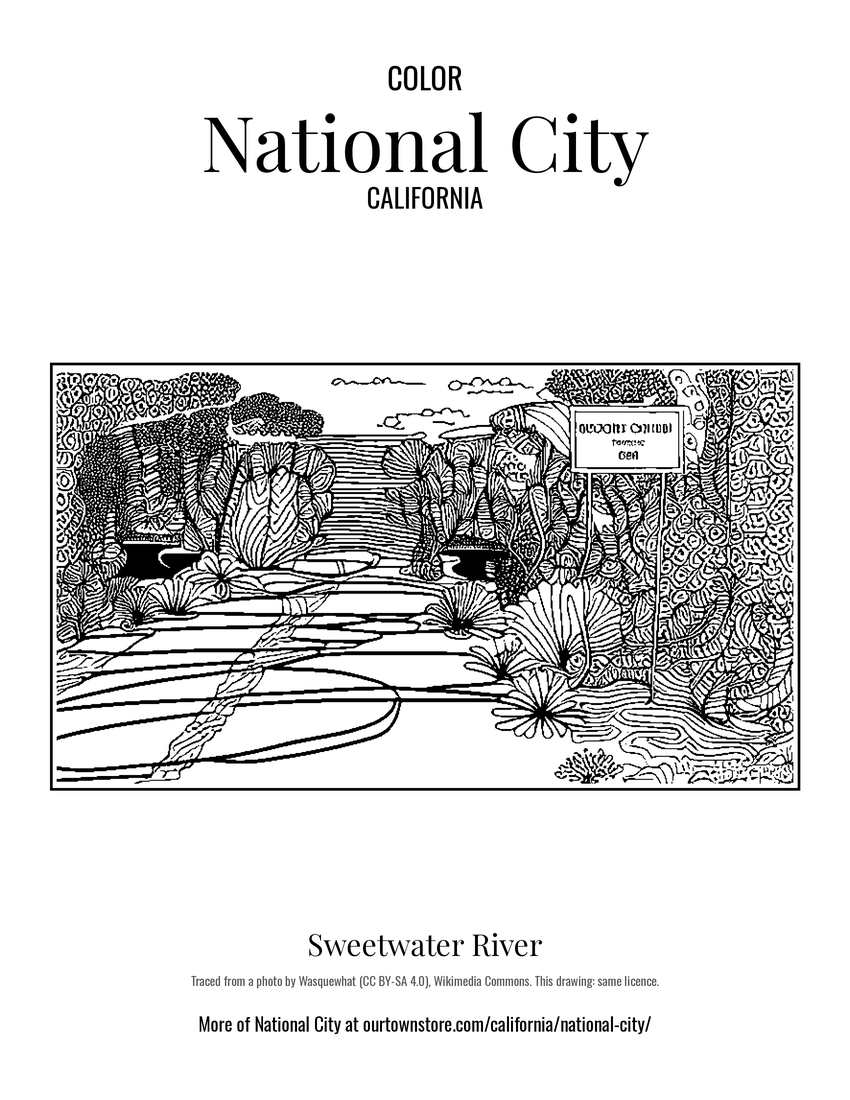 Sweetwater River
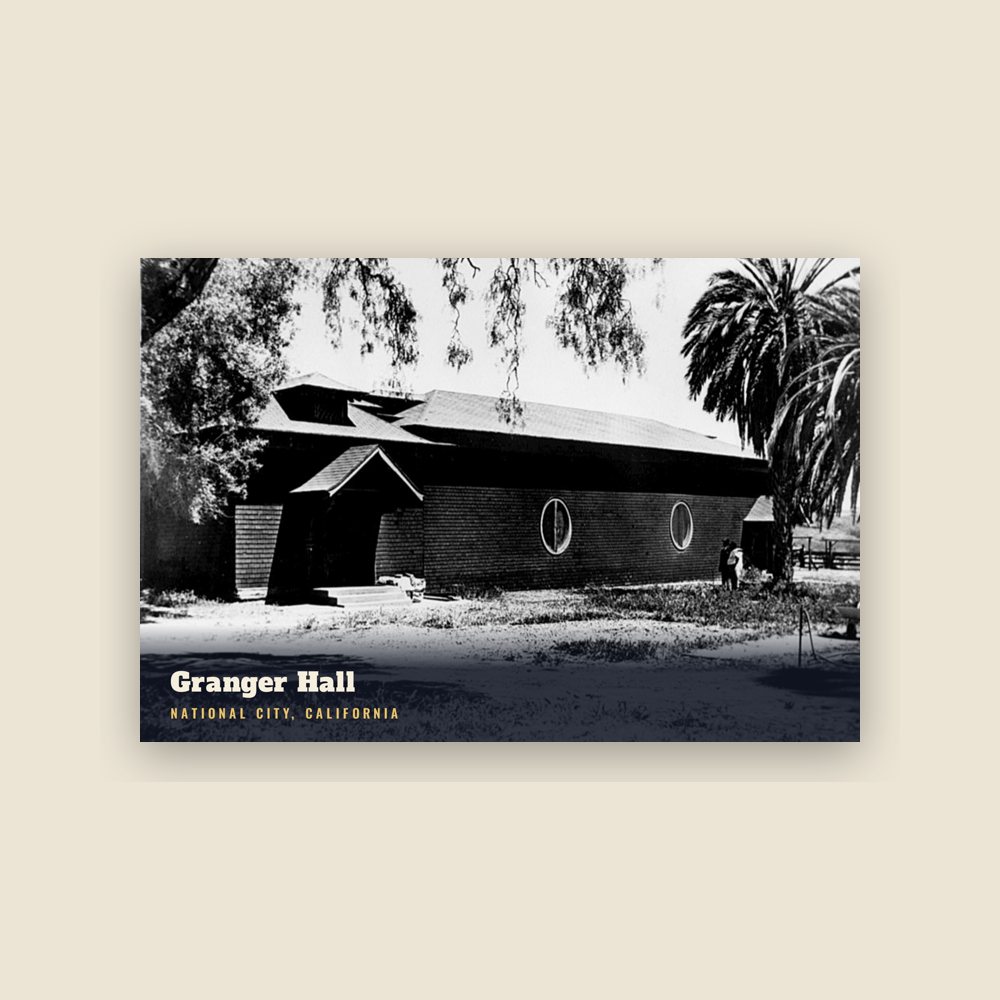
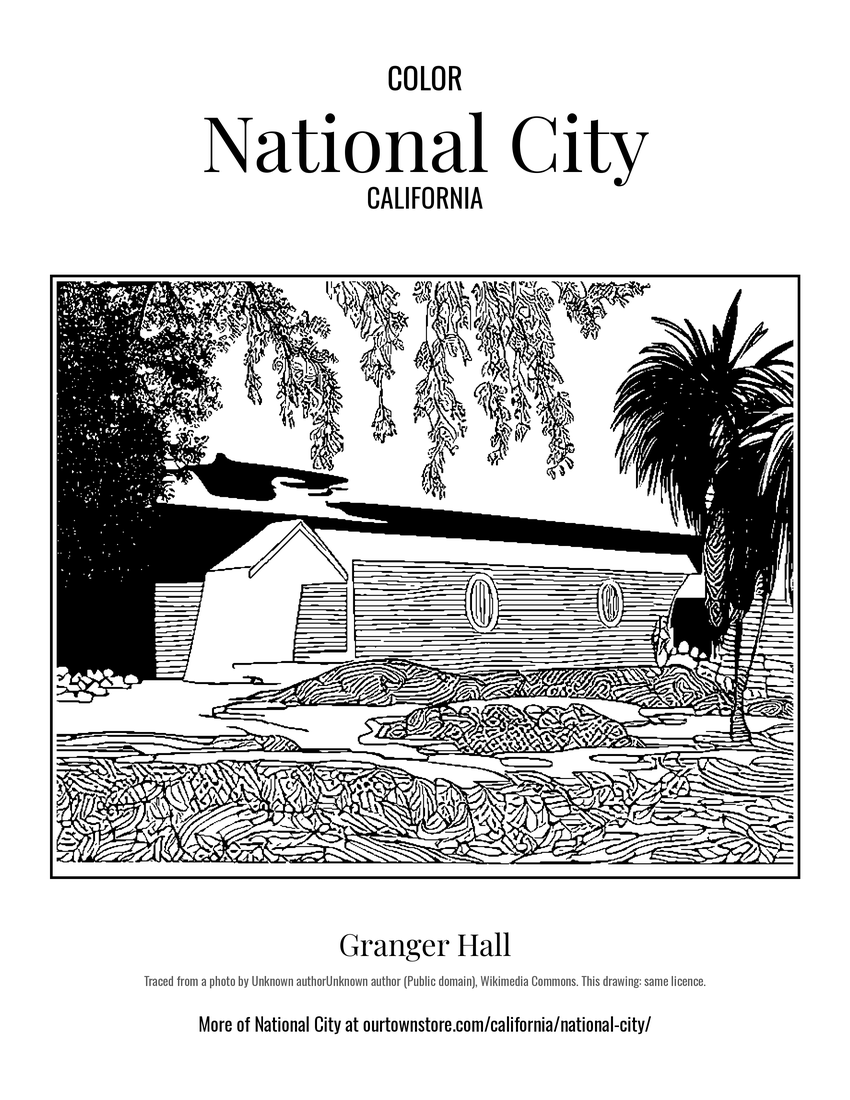 Granger Hall
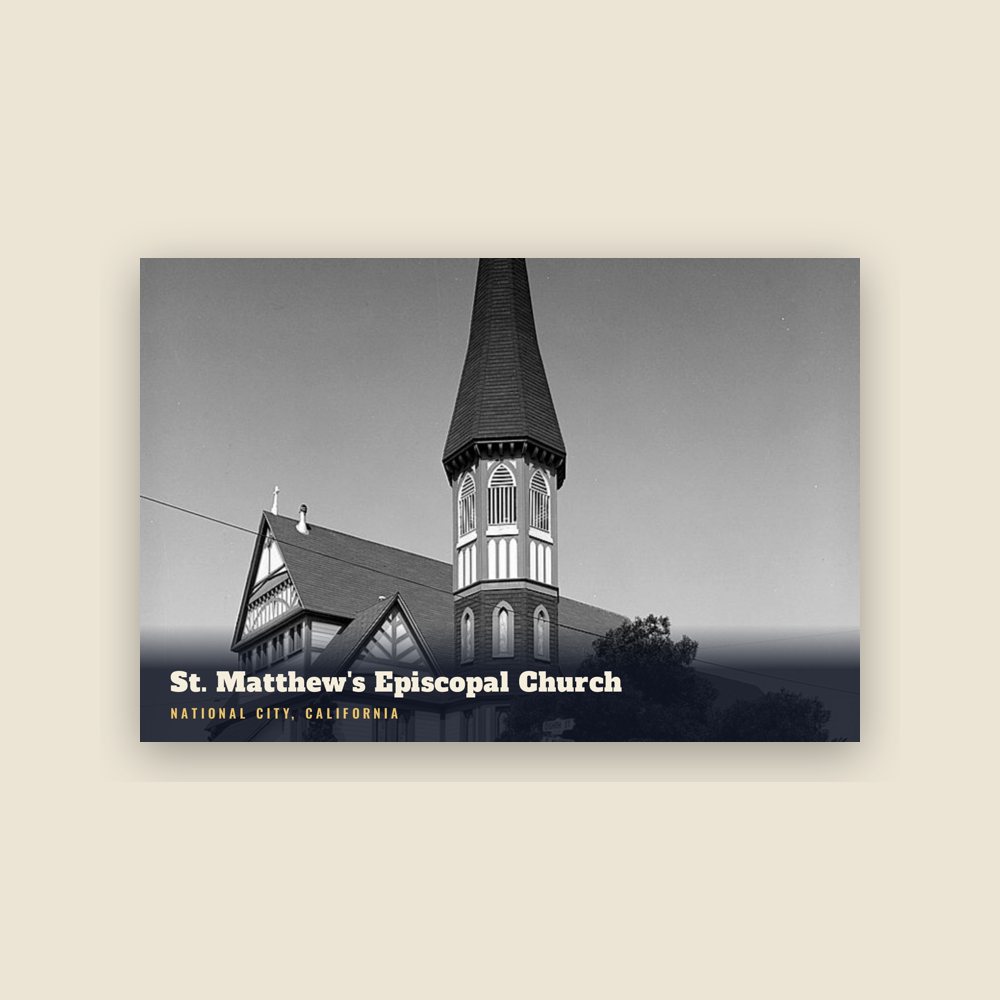
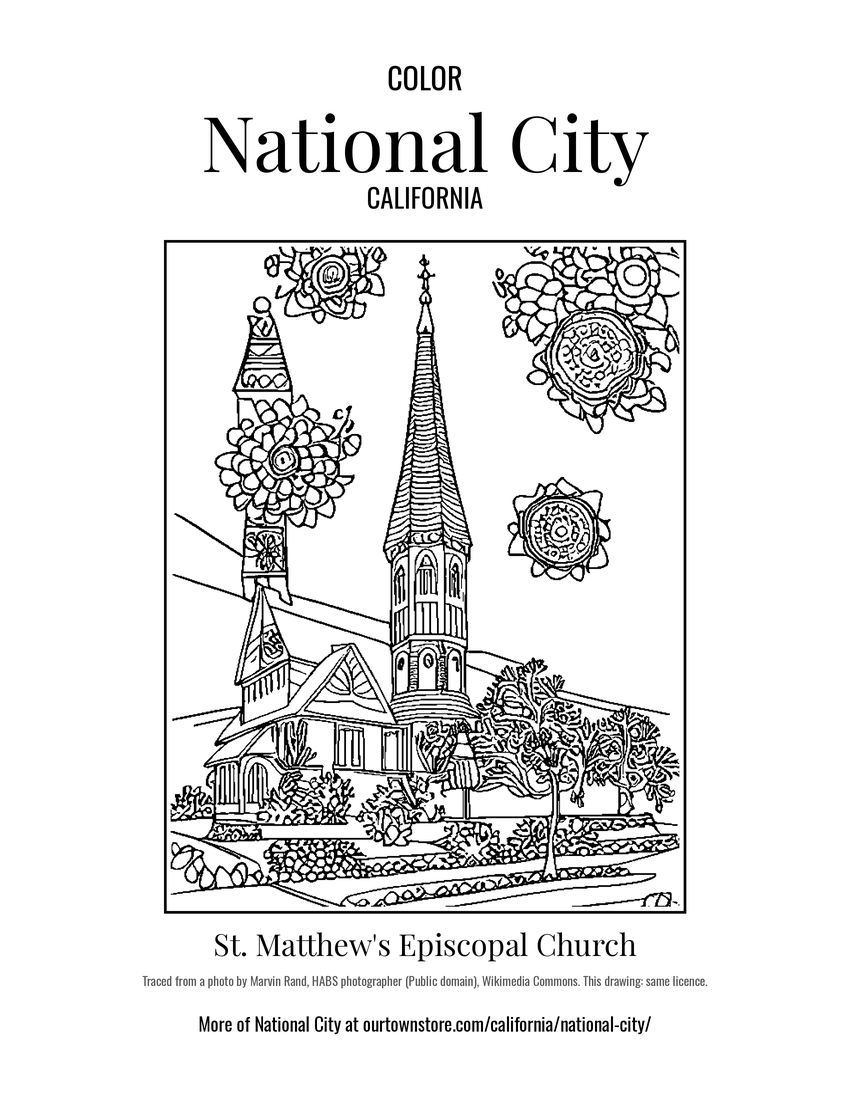 St. Matthew's Episcopal Church