A short history of Coronado
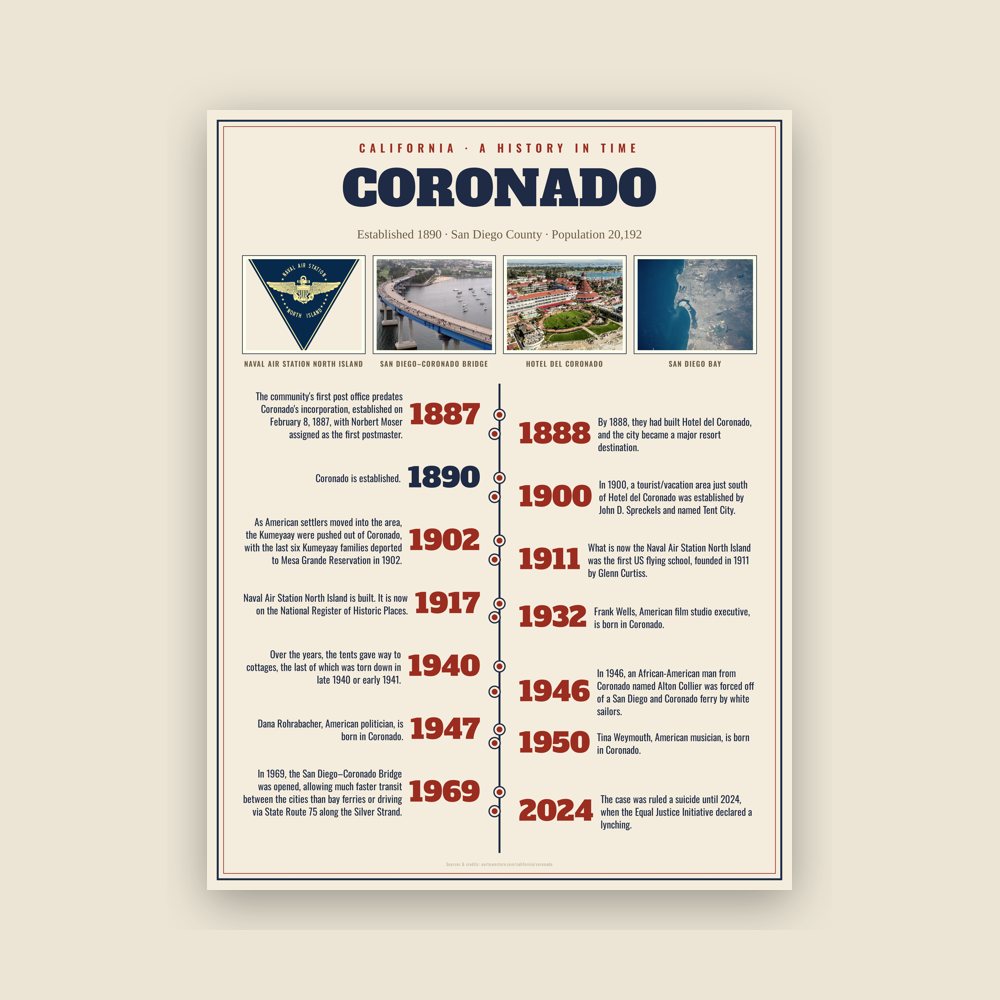
Prior to European settlement, Coronado was inhabited by the Kumeyaay, who sustained fishing villages on the peninsula in North Island and on the Coronado Cays. As American settlers moved into the area, the Kumeyaay were pushed out of Coronado, with the last six Kumeyaay families deported to Mesa Grande Reservation in 1902.
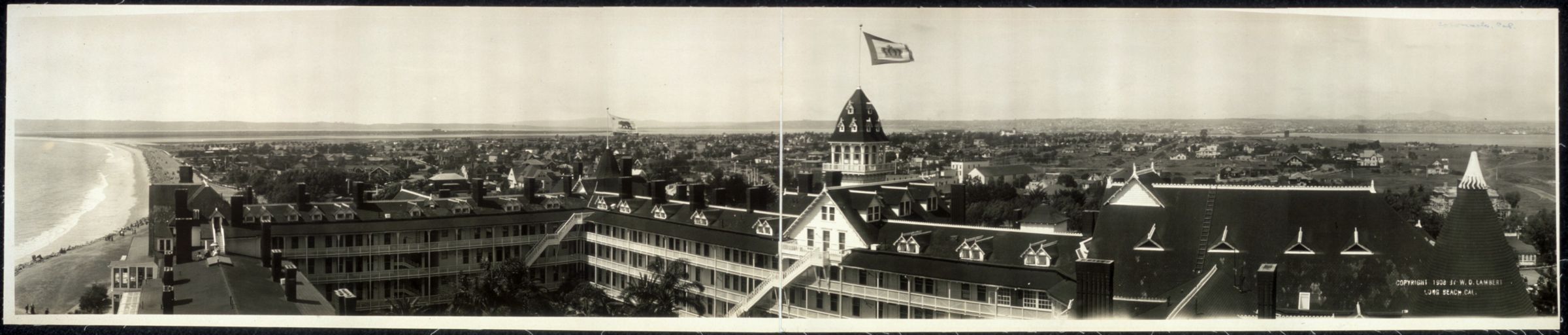
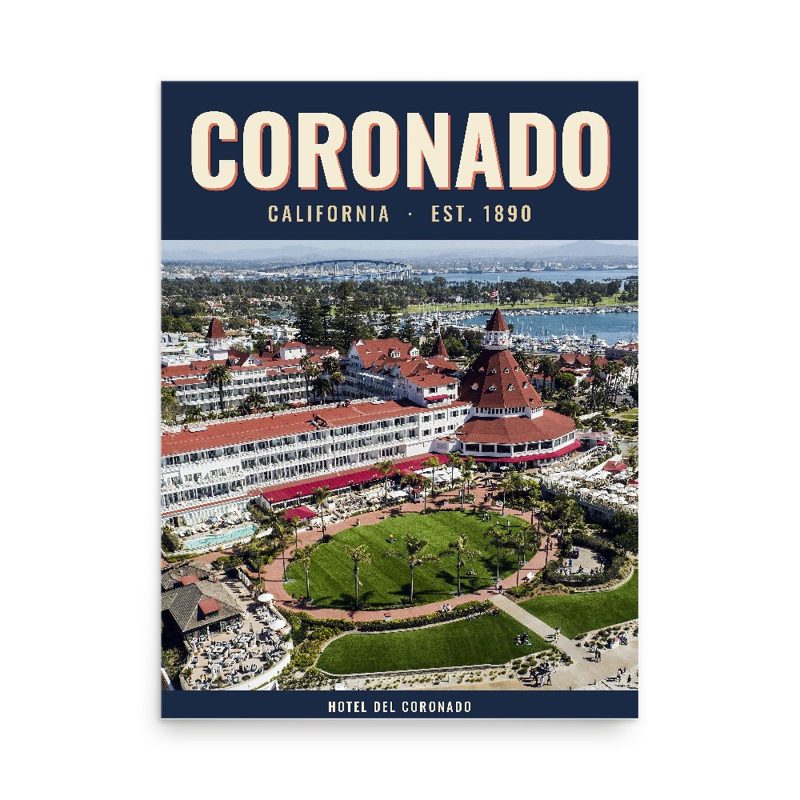
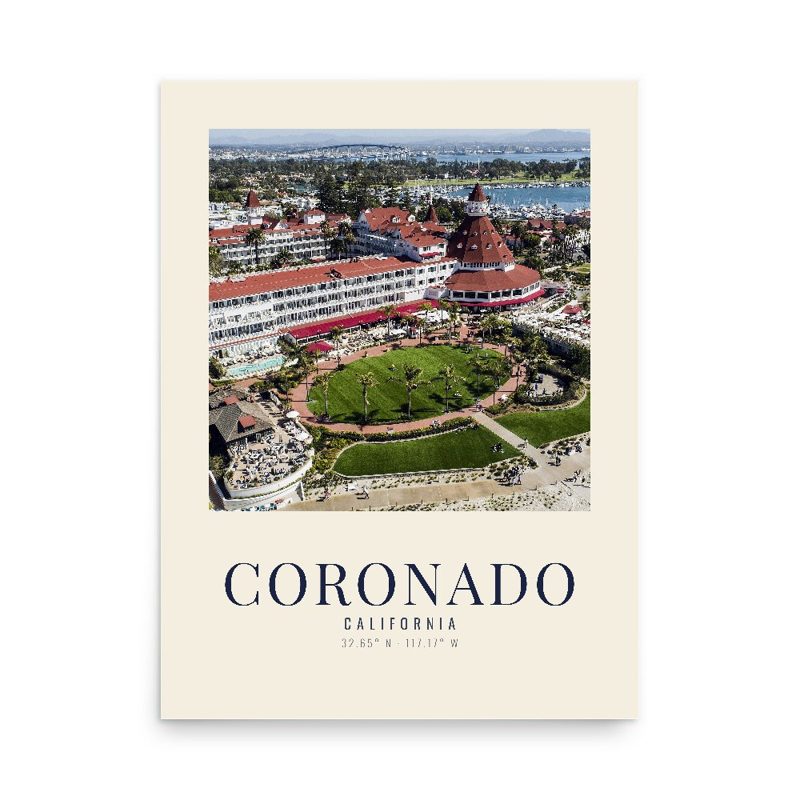
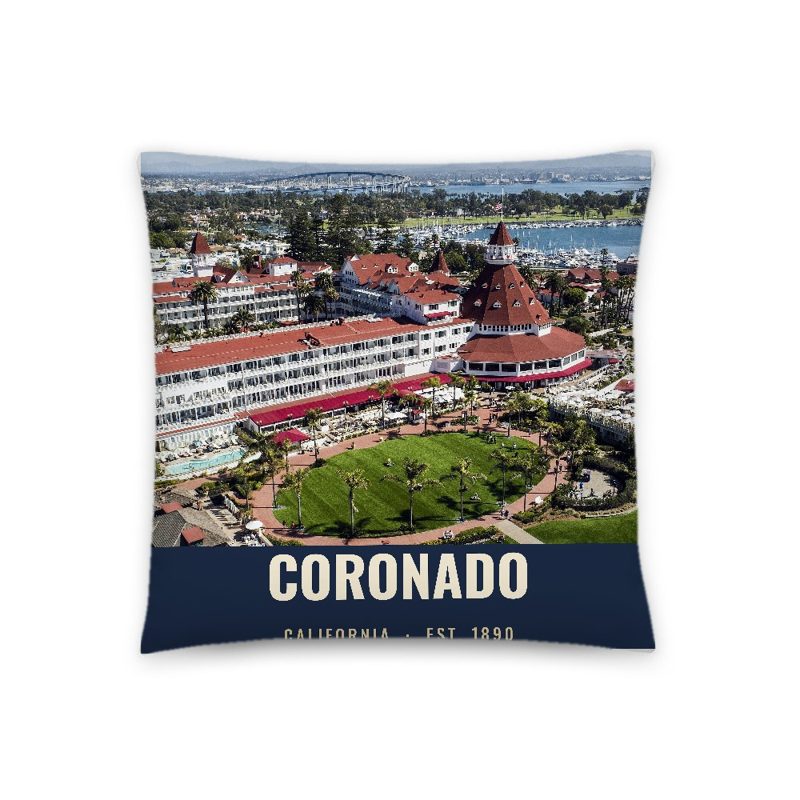
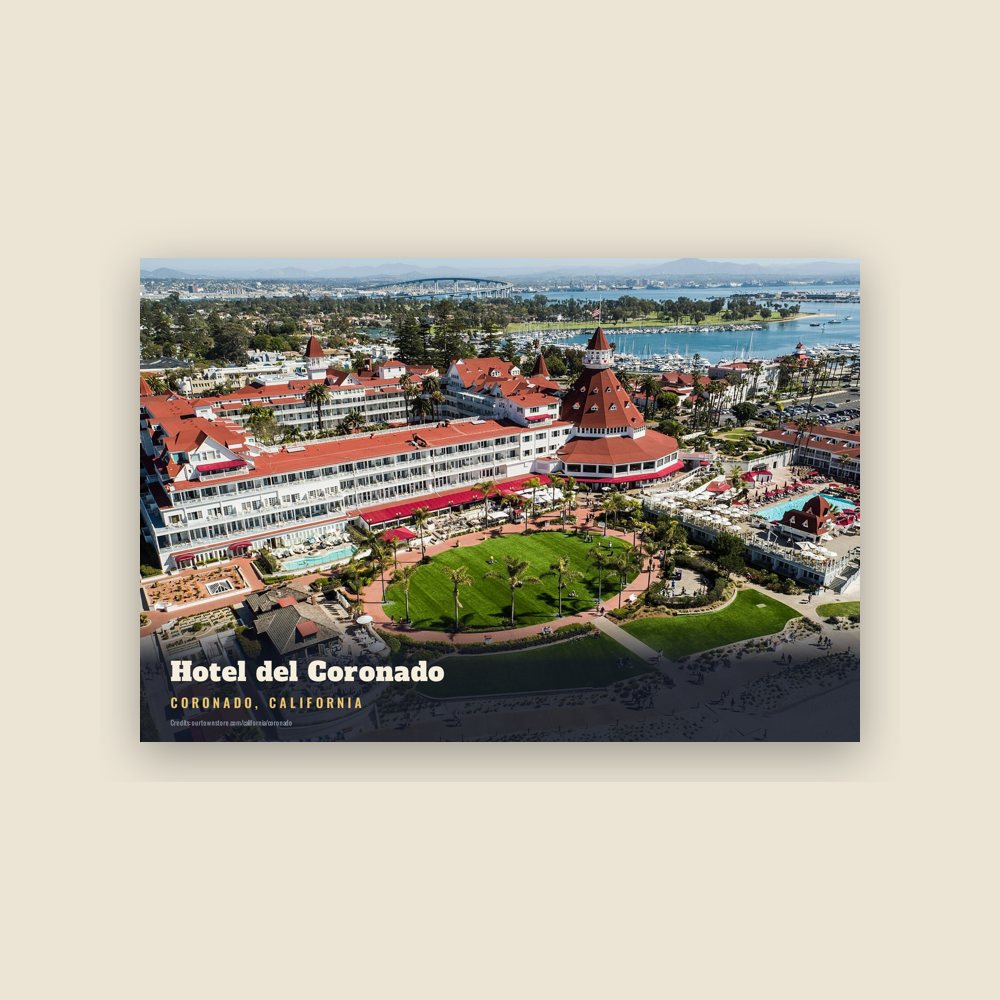
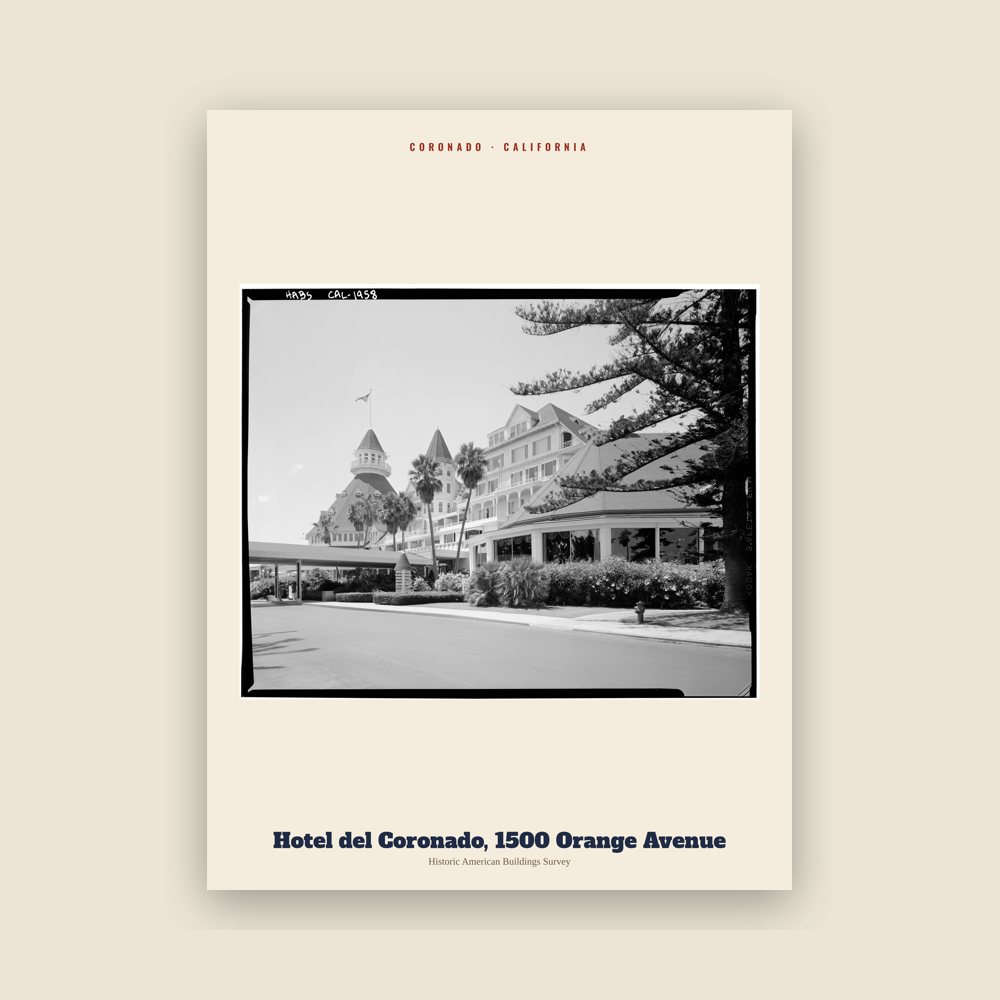
Coronado was incorporated as a town on December 11, 1890. The community's first post office predates Coronado's incorporation, established on February 8, 1887, with Norbert Moser assigned as the first postmaster. The land was purchased by Elisha Spurr Babcock, Hampton L. Story, and Jacob Gruendike. Their intention was to create a resort community, and in 1886, the Coronado Beach Company was organized. By 1888, they had built Hotel del Coronado, and the city became a major resort destination. They also built a schoolhouse and formed athletic, boating, and baseball clubs.
In 1900, a tourist/vacation area just south of Hotel del Coronado was established by John D. Spreckels and named Tent City. Spreckels also became the hotel's owner. Over the years, the tents gave way to cottages, the last of which was torn down in late 1940 or early 1941.
In the 1910s, Coronado had streetcars running on Orange Avenue. These streetcars became a fixture of the city until their retirement in 1939.
engines, which set records in distance and speed. He started with motorcycle engines, which led him to aviation. Coronado's weather and protected bay were attractive and he gained a three-year lease to train military pilots. During this time he created a new type of ship-launched seaplane and an amphibious aircraft.
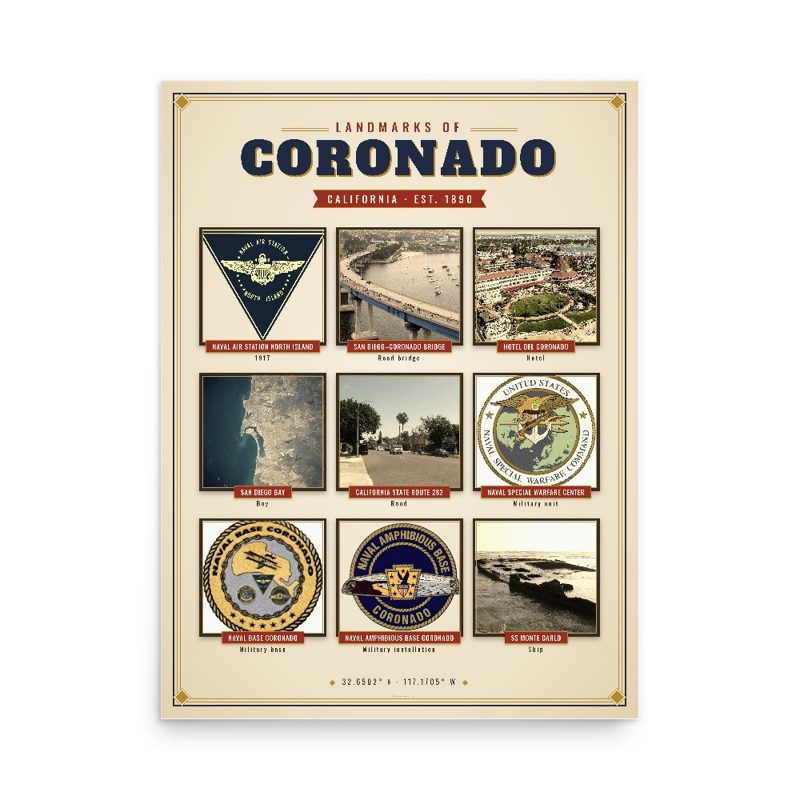
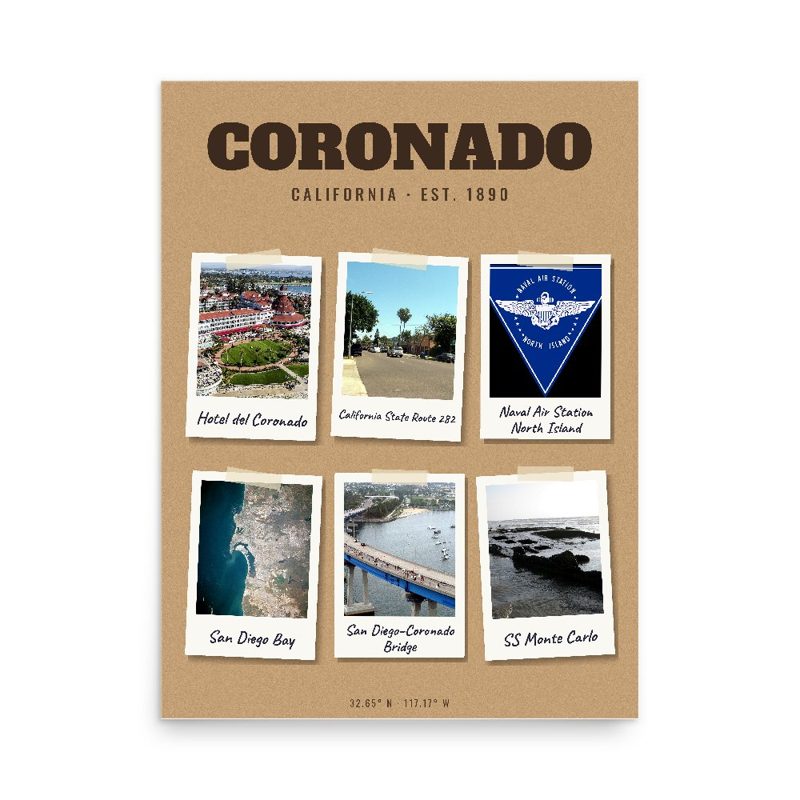
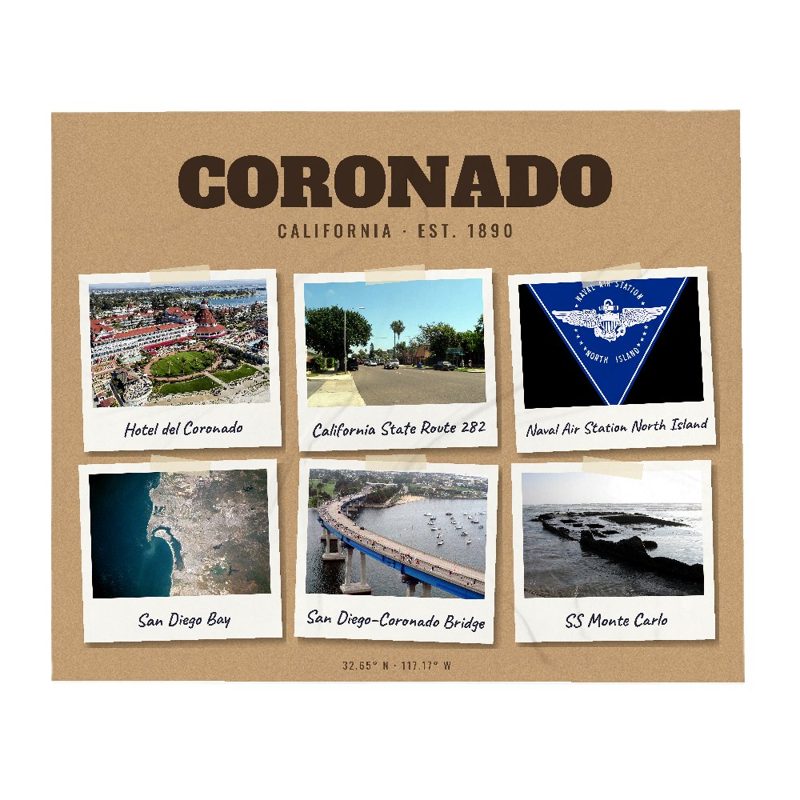
On New Year's Day 1937, during the Great Depression, the gambling ship SS Monte Carlo, known for "drinks, dice, and dolls", was shipwrecked on the beach about a quarter mile (400 m) south of Hotel del Coronado.
In 1946, an African-American man from Coronado named Alton Collier was forced off of a San Diego and Coronado ferry by white sailors. The case was ruled a suicide until 2024, when the Equal Justice Initiative declared a lynching.
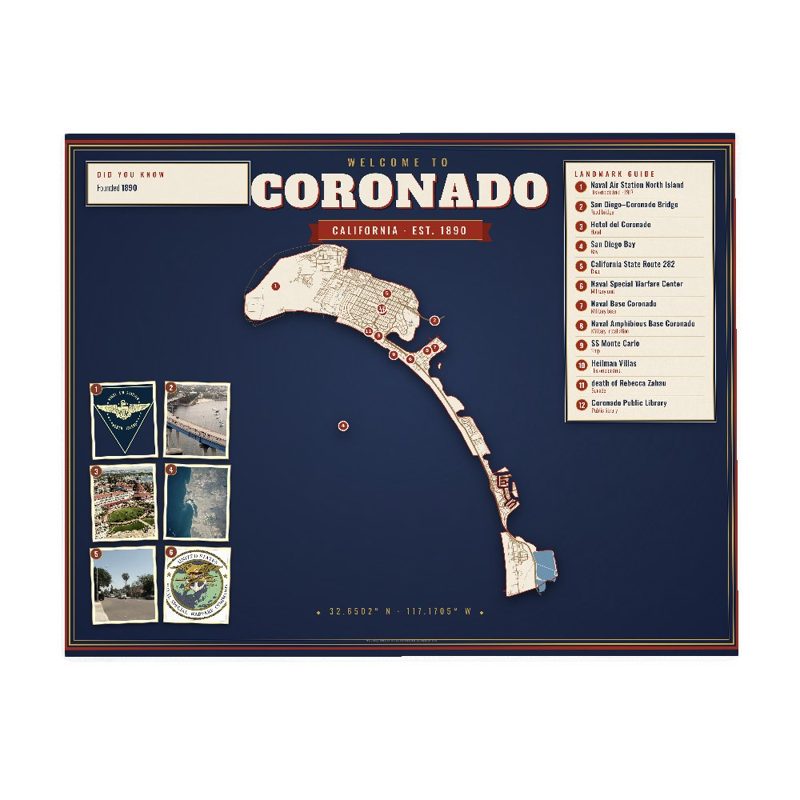
In 1969, the San Diego–Coronado Bridge was opened, allowing much faster transit between the cities than bay ferries or driving via State Route 75 along the Silver Strand. The bridge is made up of five lanes, one of which is controlled by a moveable barrier that allows for better traffic flow during rush hours. In the morning, the lane is moved to create three lanes going southbound towards Coronado, and in the evening it is moved again to create three lanes going northbound towards downtown San Diego.
In 2007, the Coronado Police Department and the city was sued in civil courts after a Coronado police officer in civilian clothes shot the professional football player Steve Foley multiple times.
Adapted (trimmed) from the Wikipedia article Coronado, California, revision 1381194023 by its contributors, licensed CC BY-SA 4.0.














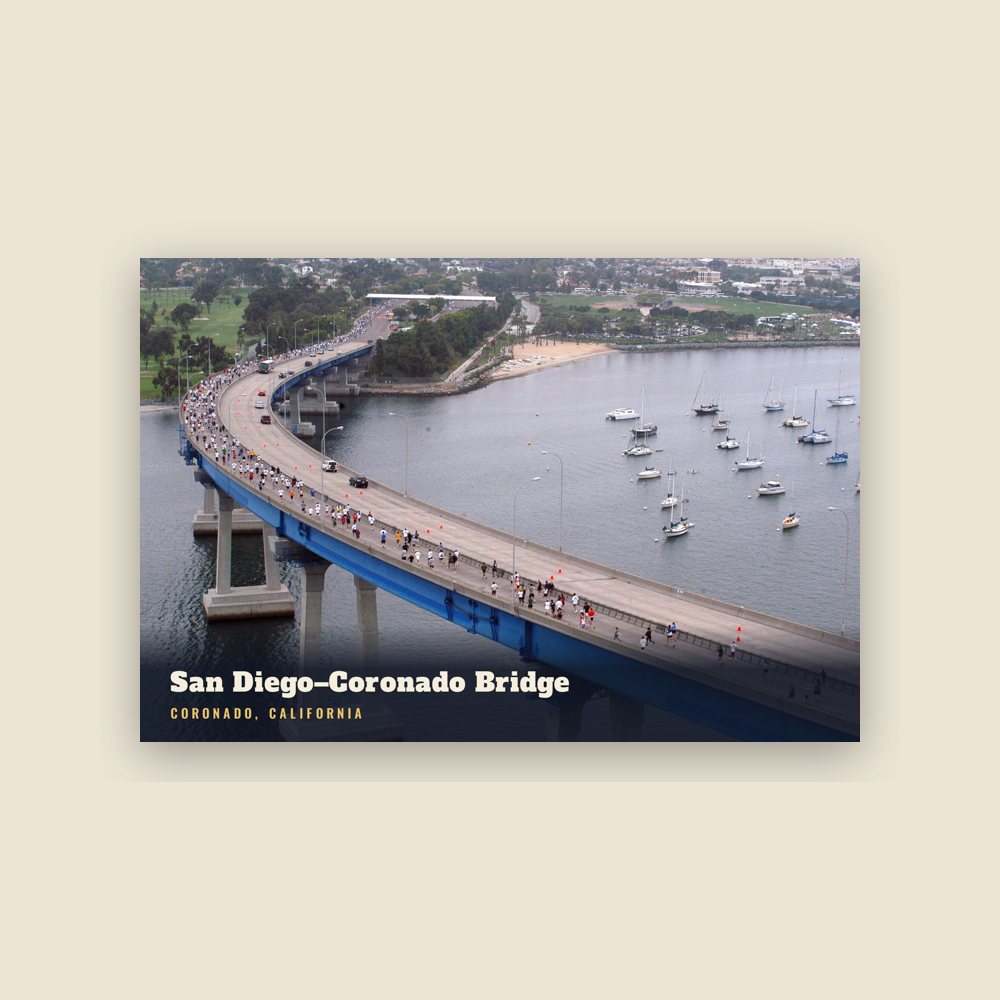


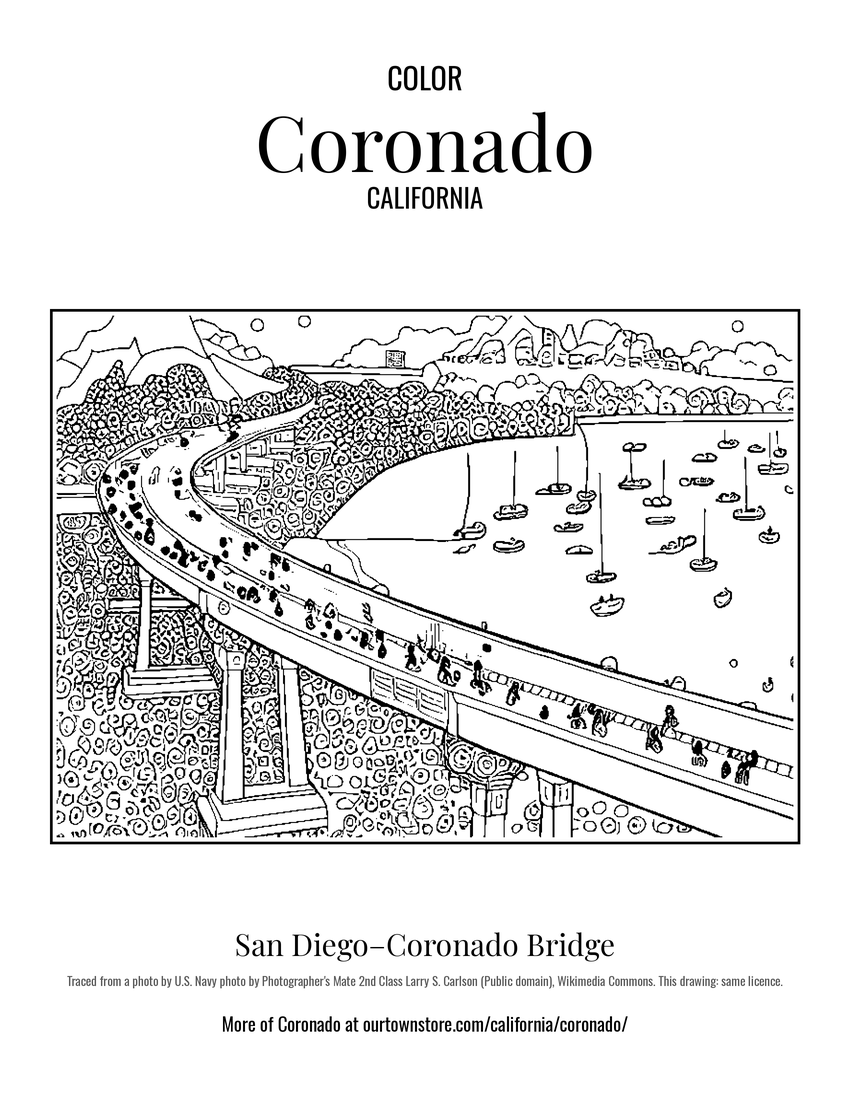 San Diego–Coronado Bridge
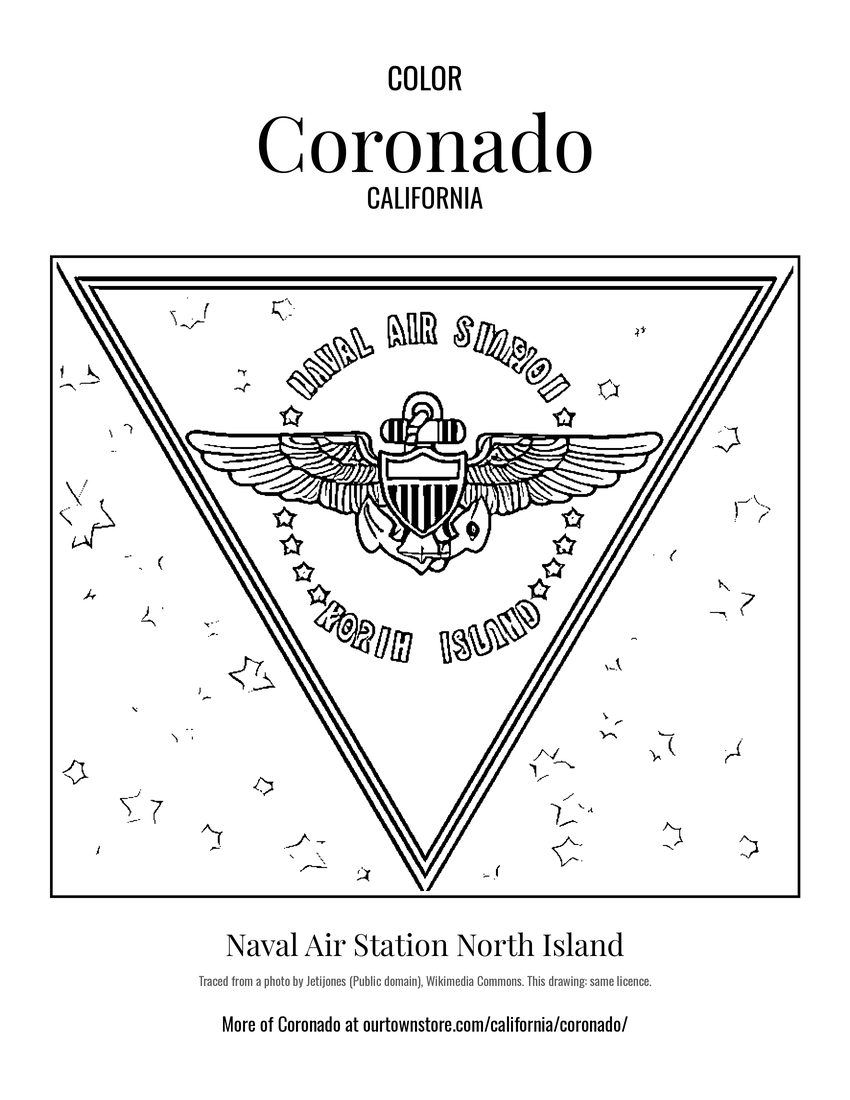 Naval Air Station North Island
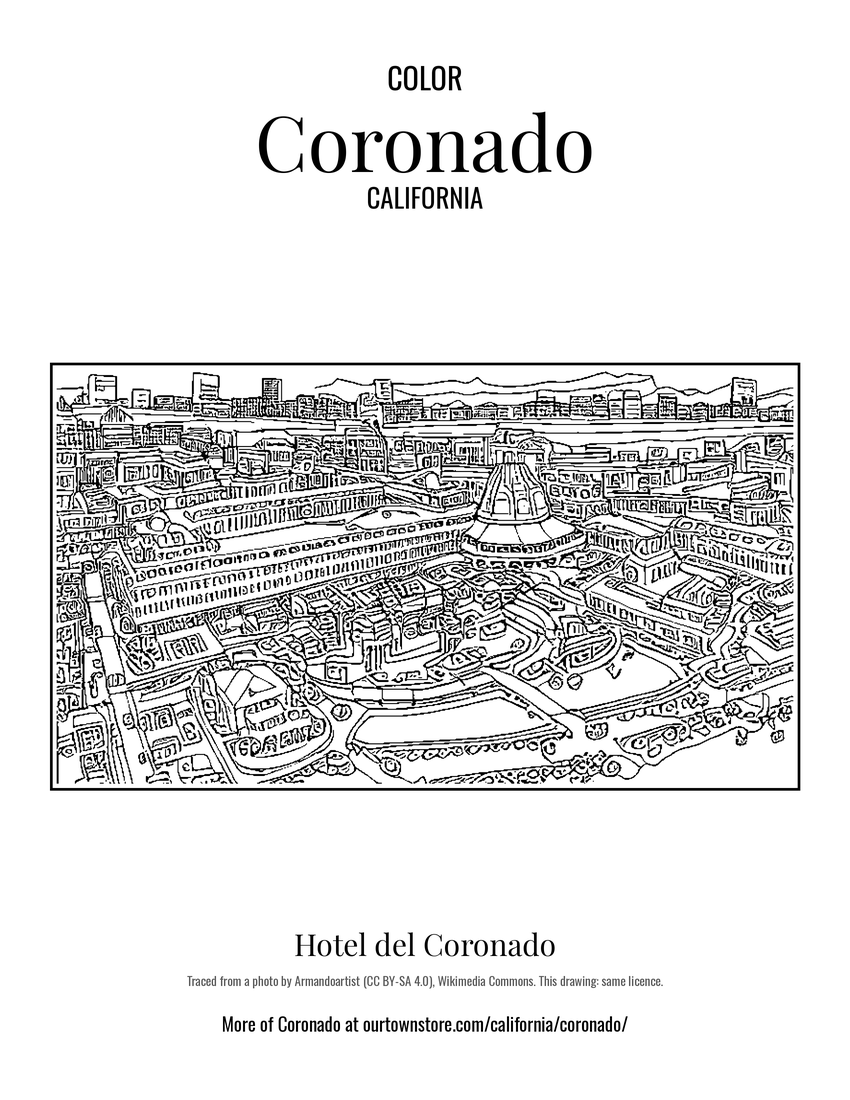 Hotel del Coronado
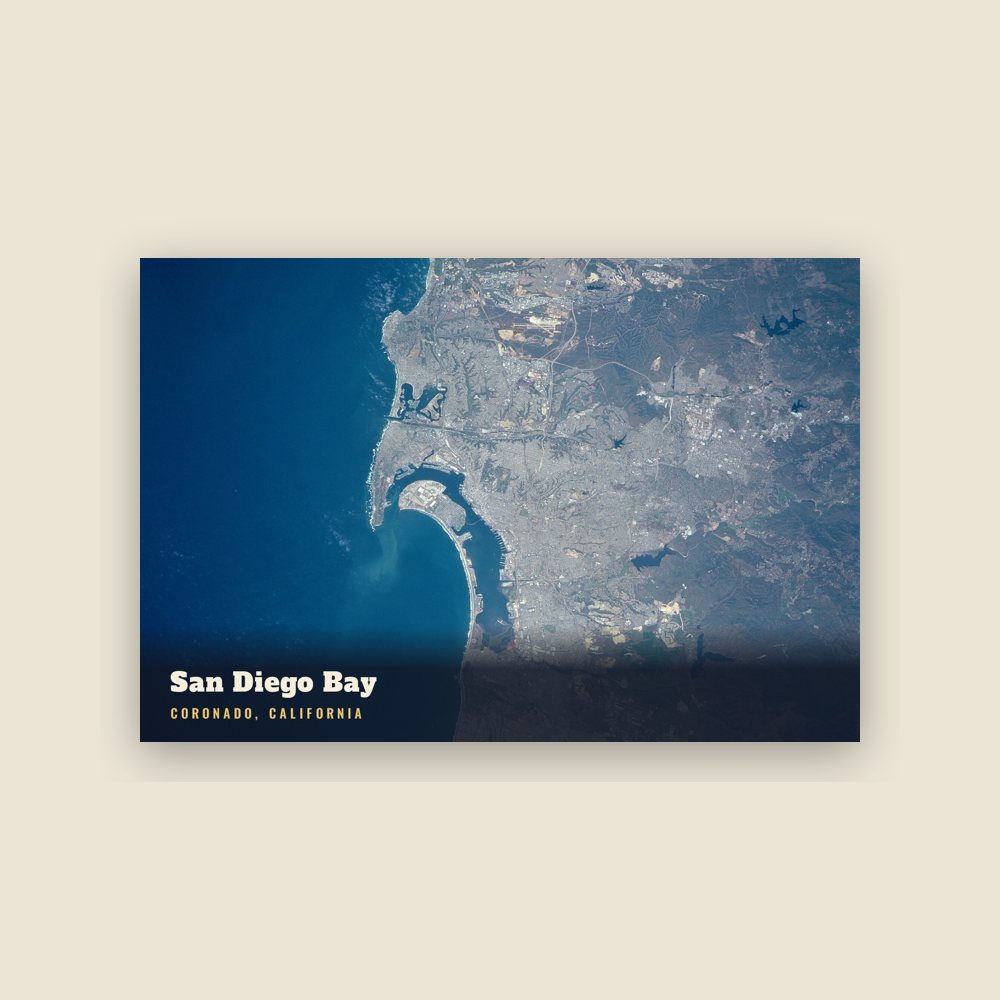
 San Diego Bay