A short history of Ione
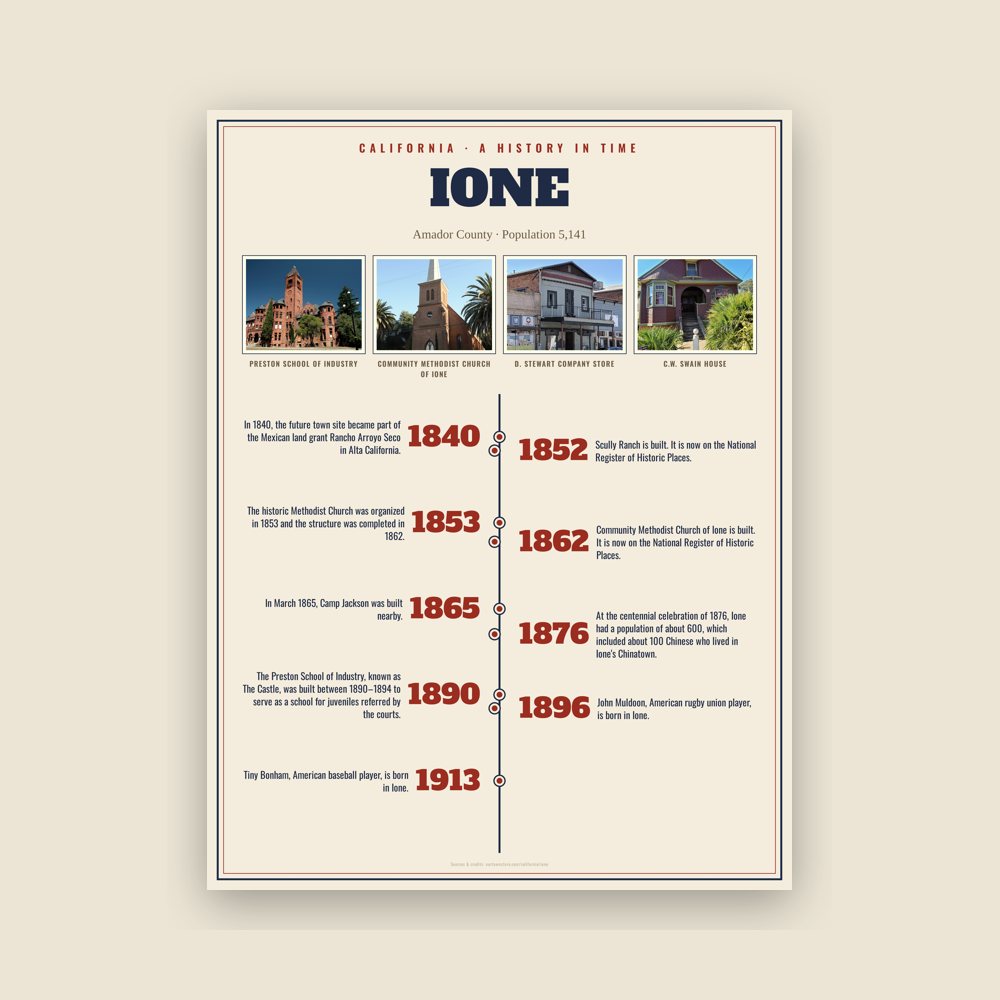
Ione is the historical home of the Sierra Miwok Indians. In 1840, the future town site became part of the Mexican land grant Rancho Arroyo Seco in Alta California.
The town is located in the fertile Ione Valley; it is believed to have been named by Thomas Brown around 1849 after one of the heroines in Edward Bulwer-Lytton's drama The Last Days of Pompeii, but conflicting legends and sources for the name exist. During the days of the California gold rush, the miners knew the town by the names of "Bedbug" and "Freezeout." Unlike other communities in Amador County that were founded on gold mining, Ione was a supply center, stage and rail stop, and agricultural hub.
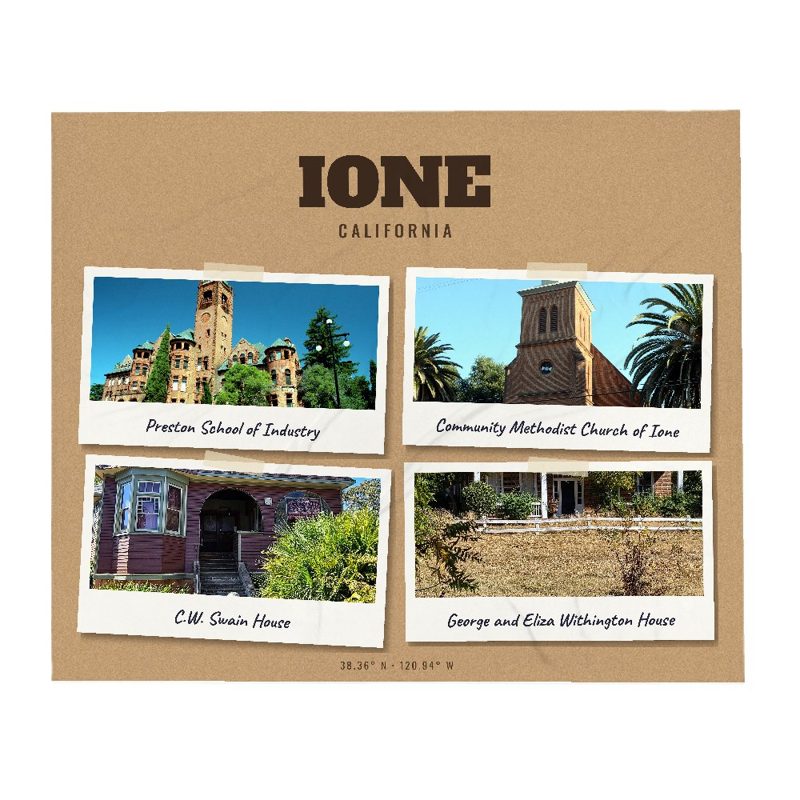
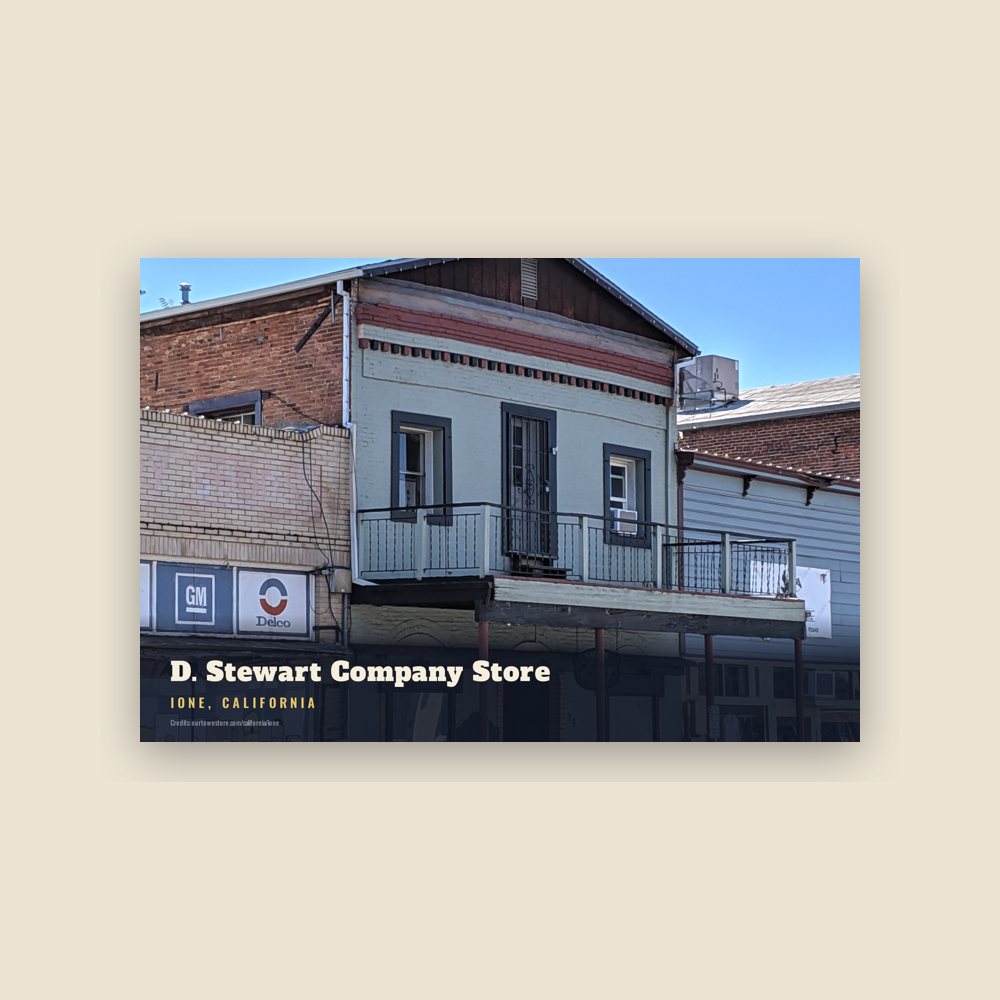
The first post office opened in 1852. The town of Ione continued to grow and prosper after its gold rush founding. The first school was built in 1853. The historic Methodist Church was organized in 1853 and the structure was completed in 1862. The first flour mill was built in 1855. The first brick building was built by Daniel Stewart, D. Stewart Company Store, in 1855 for his general merchandise store. It is still owned and operated by Stewart family descendants.
In March 1865, Camp Jackson was built nearby. It was garrisoned by Company D, 2nd California Volunteer Cavalry, who stayed for three months before moving to a new post.
At the centennial celebration of 1876, Ione had a population of about 600, which included about 100 Chinese who lived in Ione's Chinatown. The town included one public school, four churches, four general stores, one meat market, one laundry, one brewery, a restaurant, millinery shop, an art gallery, six saloons, a drug store and barber shop, and many other business establishments. The centennial also celebrated the completion of the Stockton and Ione Railroad, which had been incorporated in 1873 to build a 40-mile (64 km) long narrow gauge railroad from Stockton via Linden to Ione. It ceased operations in 1876.
The centennial celebration was the beginning of what is now known as the Ione Homecoming. This annual celebration has been held during the month of May almost every year since that first Centennial celebration in 1876. It is held annually on the second full weekend in May.
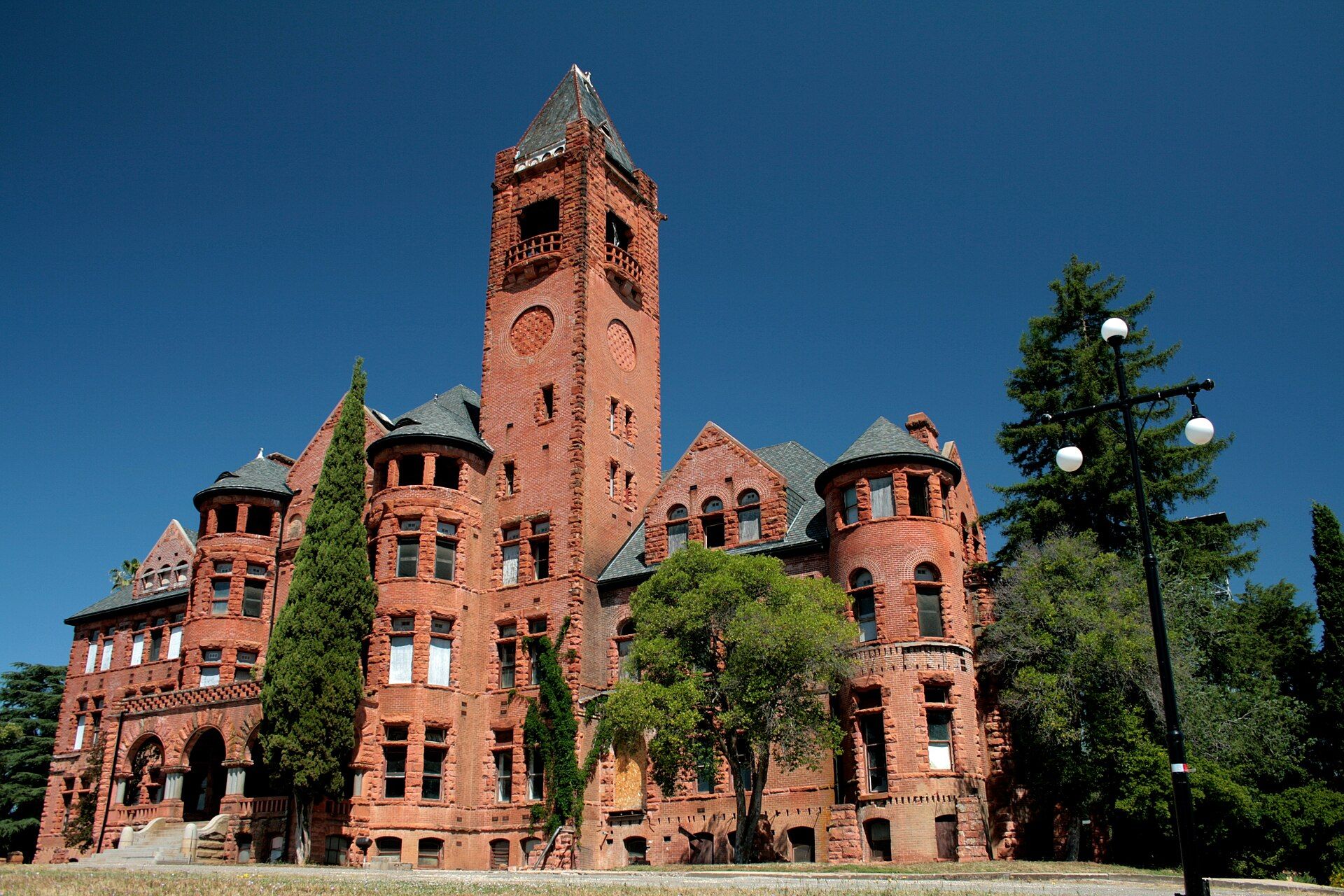
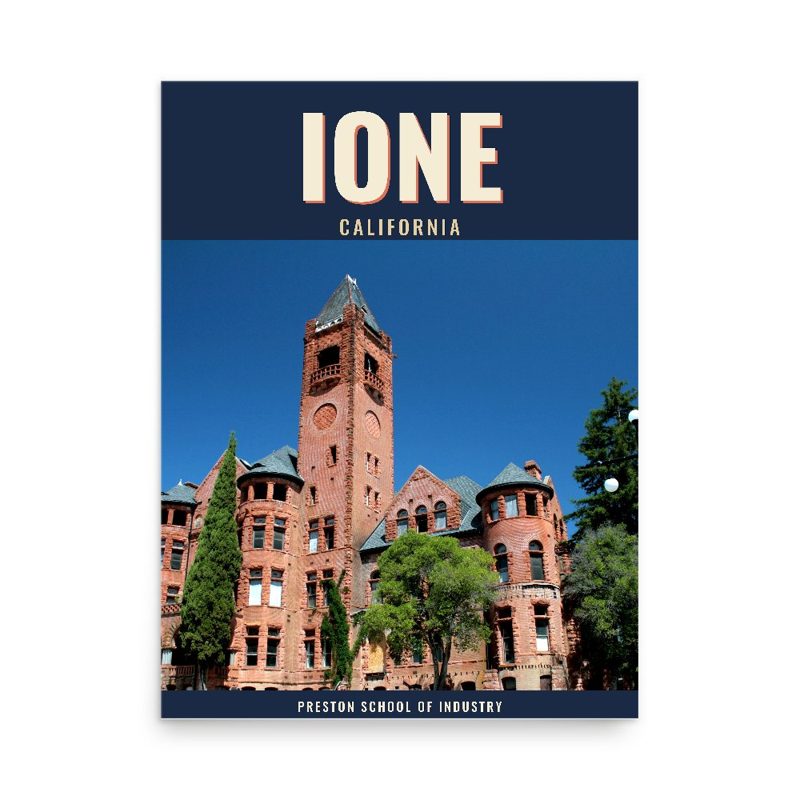
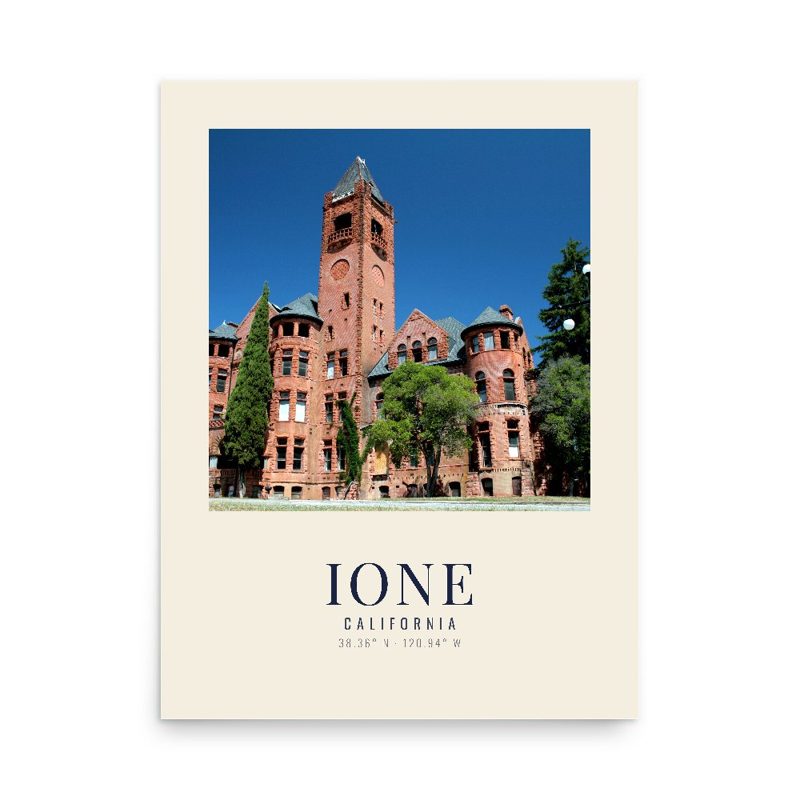
The Preston School of Industry, known as The Castle, was built between 1890–1894 to serve as a school for juveniles referred by the courts. The Castle is not in use, but the Preston Castle Foundation is working to help restore it.
Adapted (trimmed) from the Wikipedia article Ione, California, revision 1378140931 by its contributors, licensed CC BY-SA 4.0.

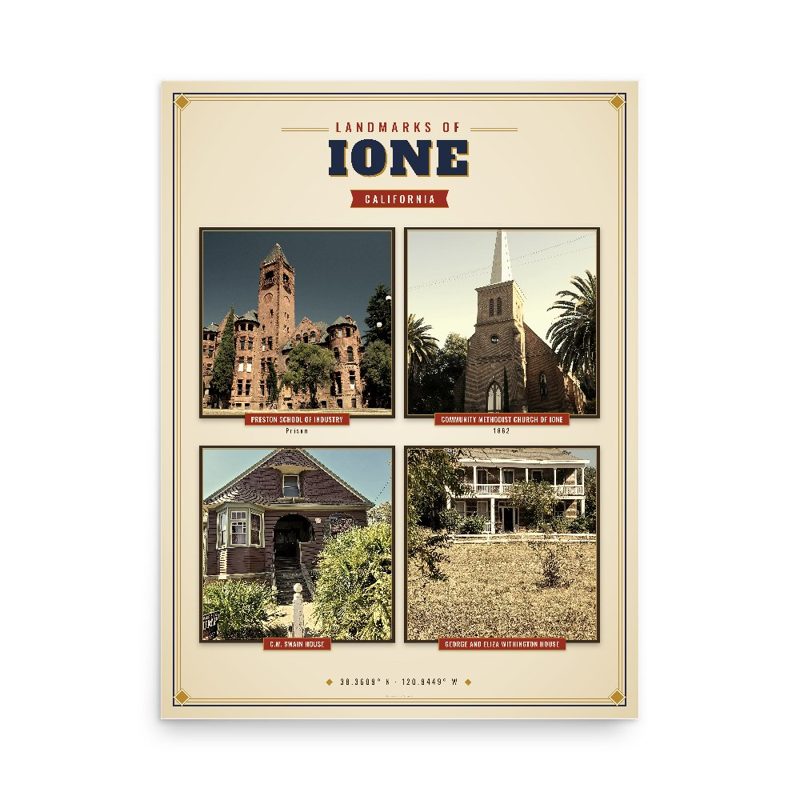
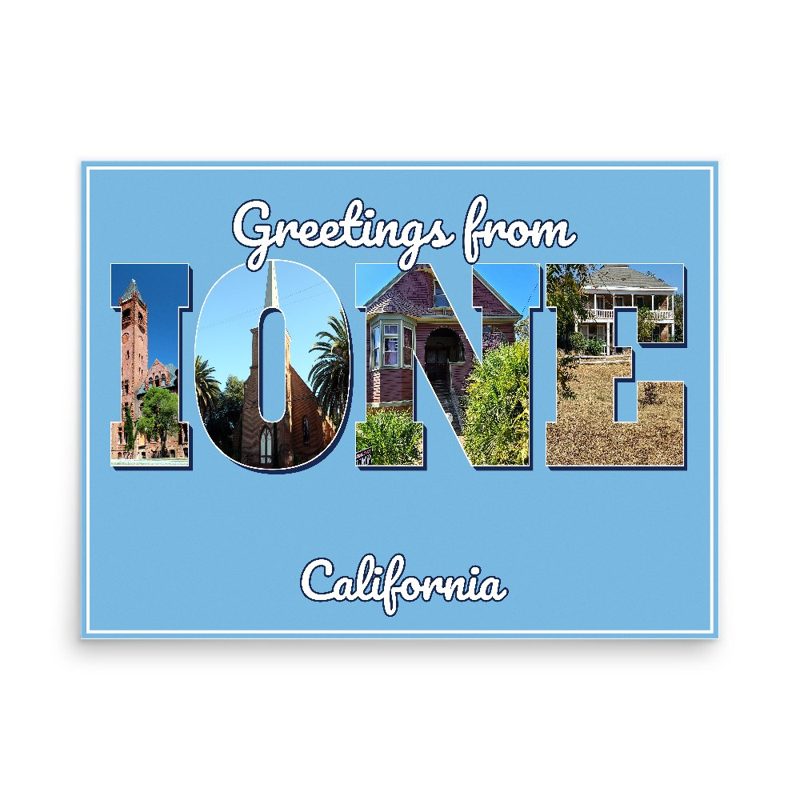
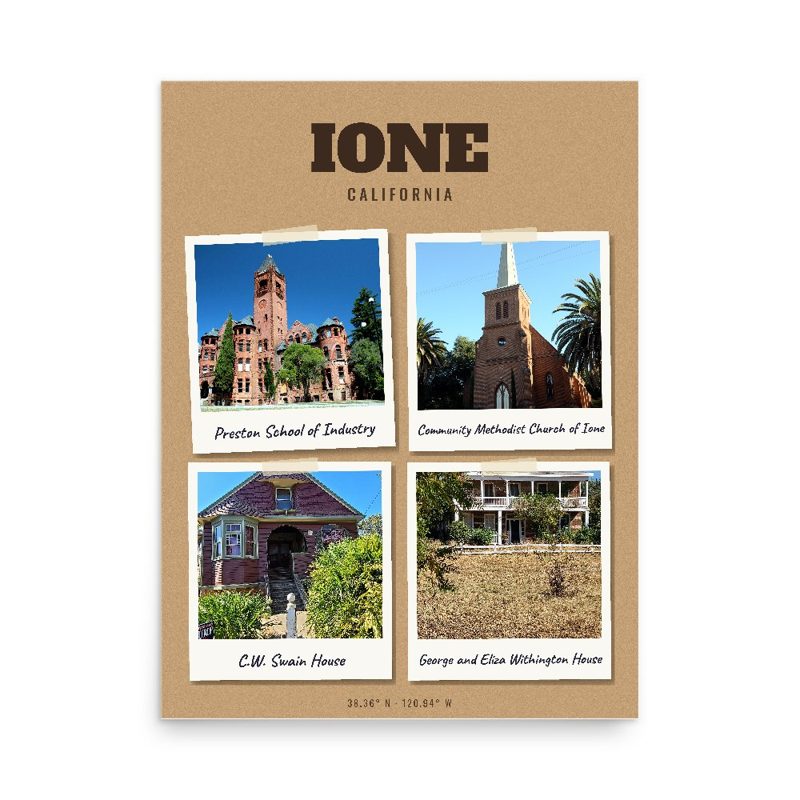
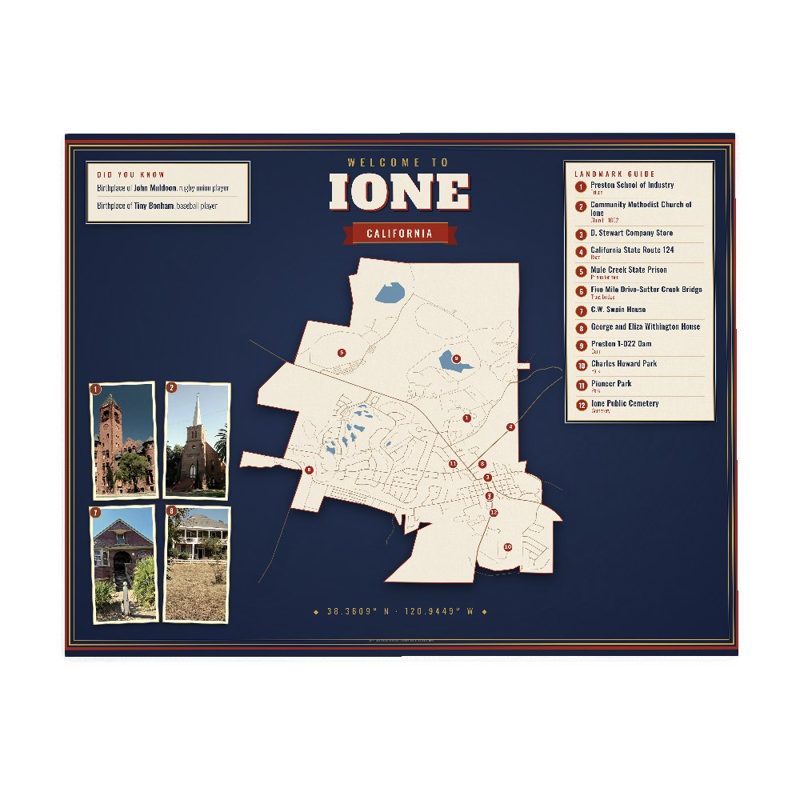
















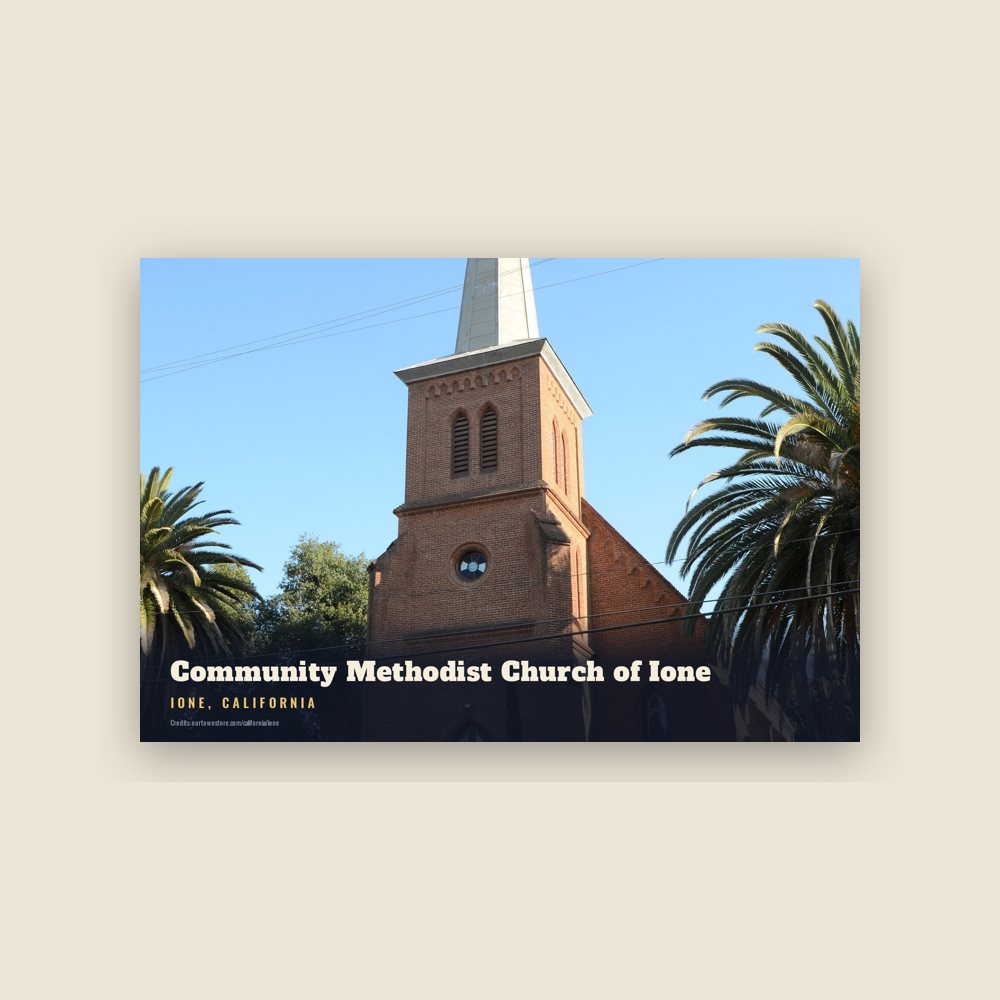
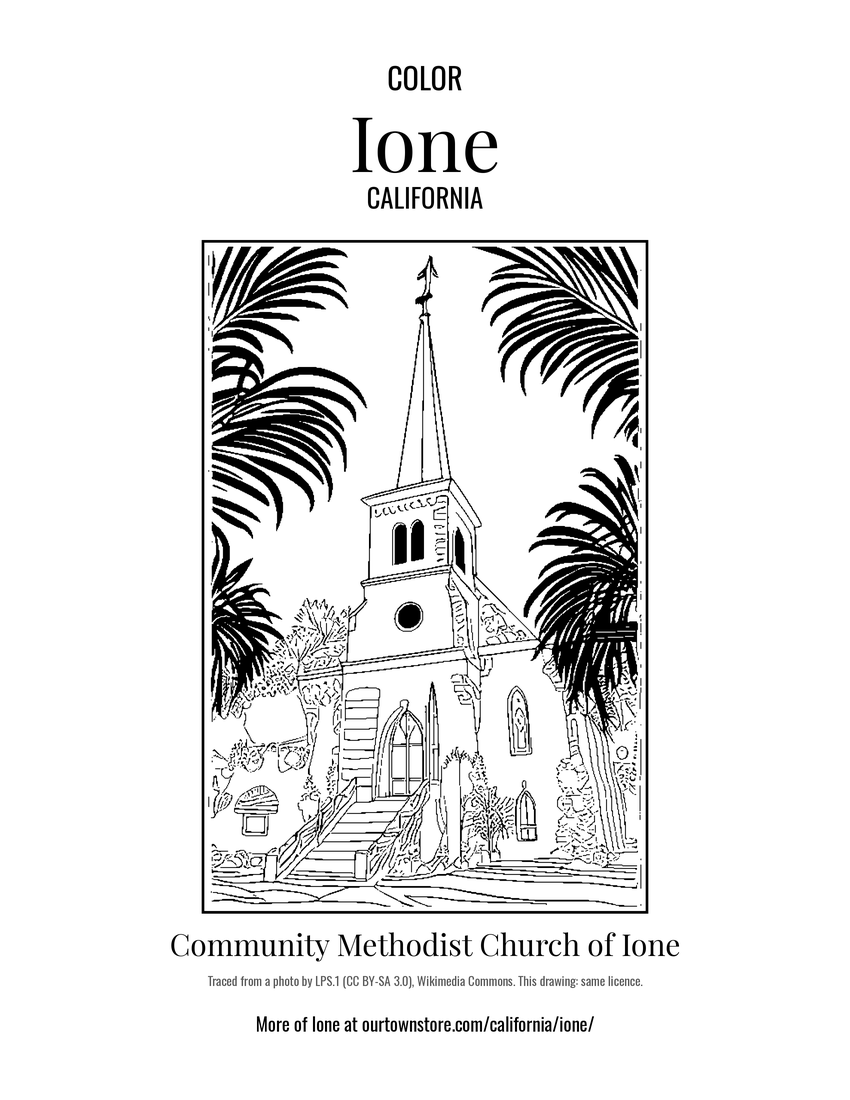 Community Methodist Church of Ione
 Preston School of Industry
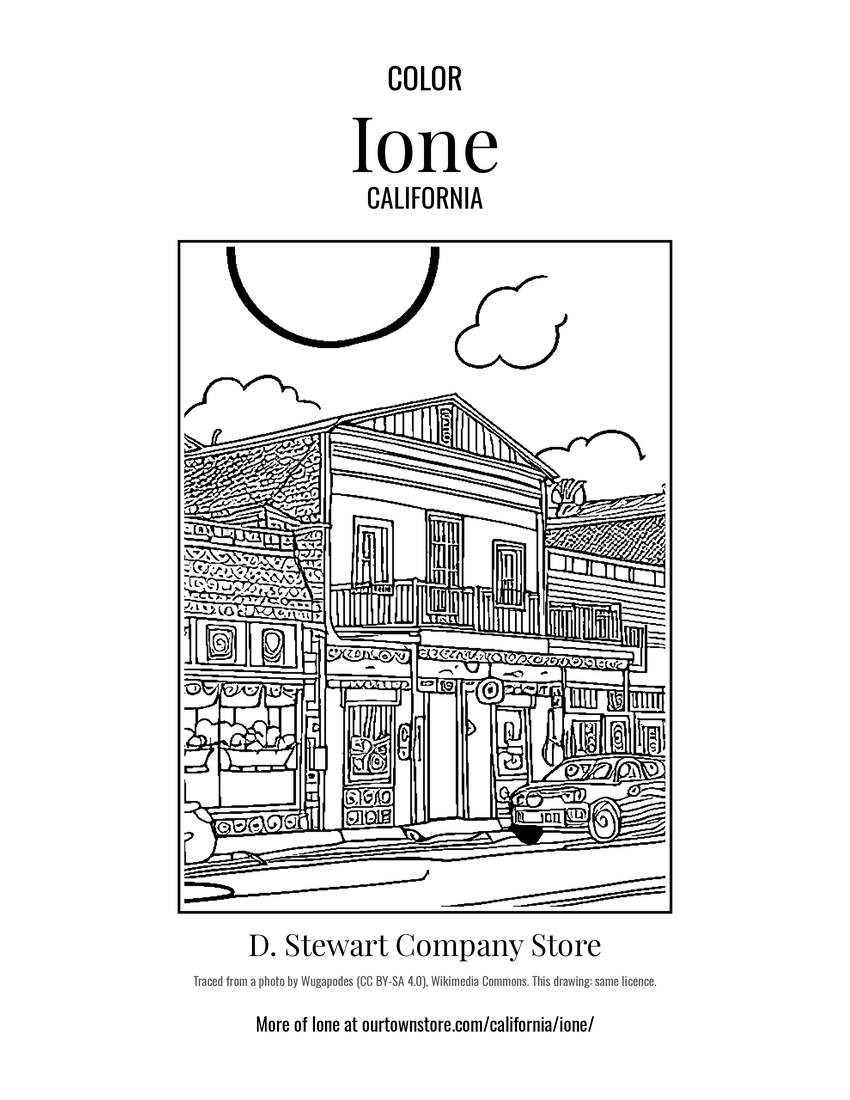 D. Stewart Company Store
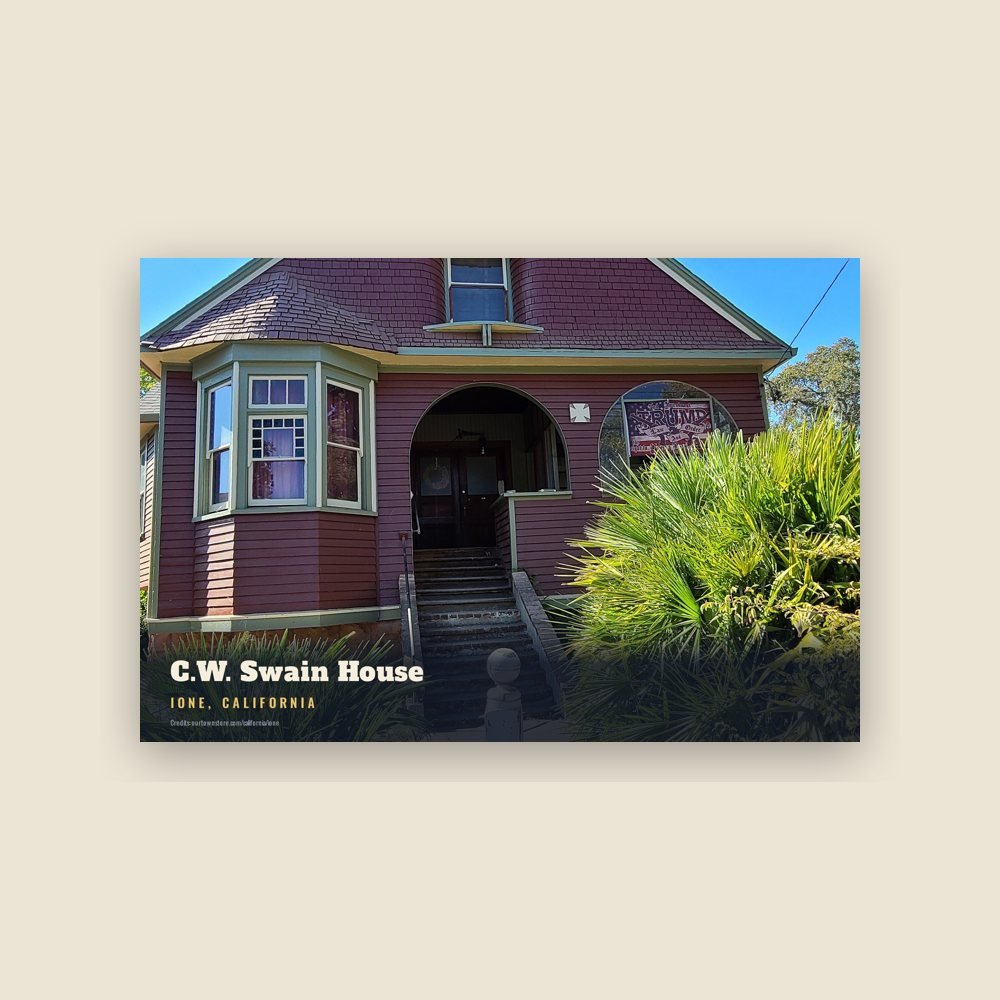
 C.W. Swain House