Human habitation of the greater East Bay, including Hayward, dates from at least 4000 BC. The most recent pre-European inhabitants of the Hayward area were the Native American Ohlone people.
Read the full history
19th century
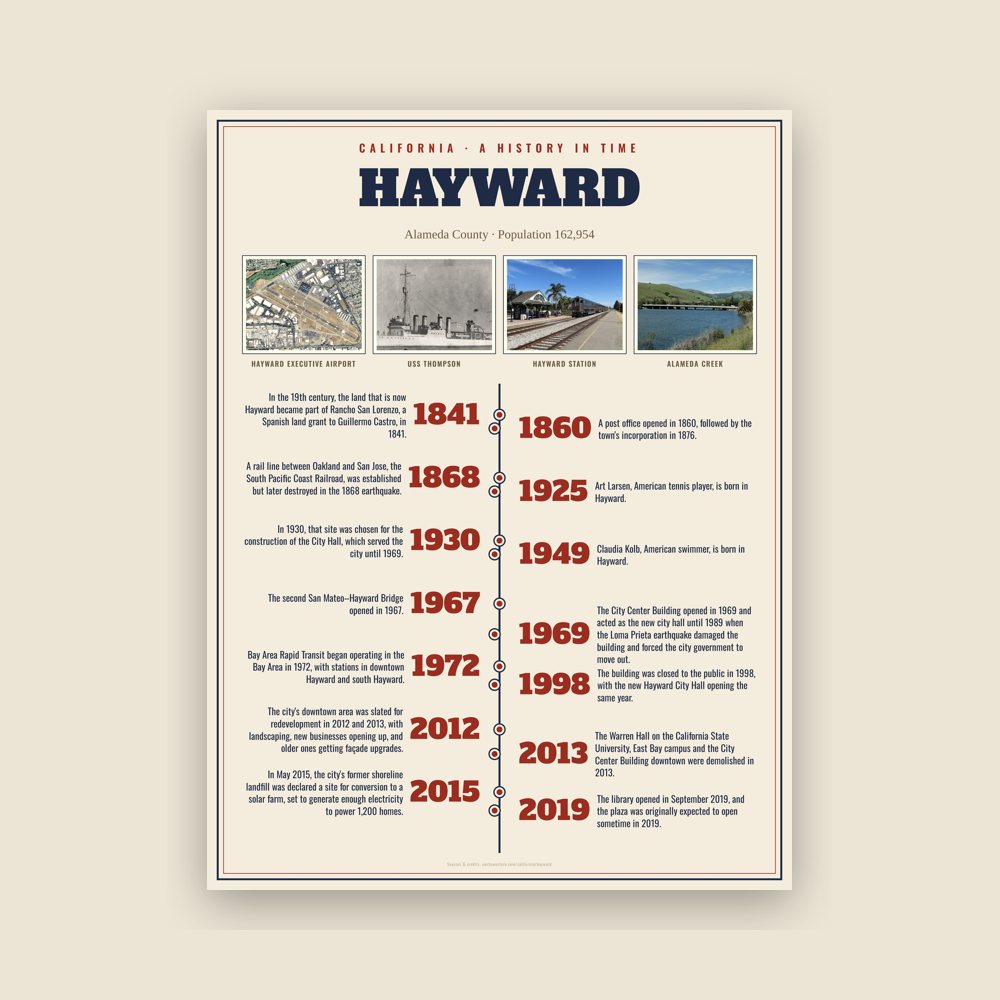
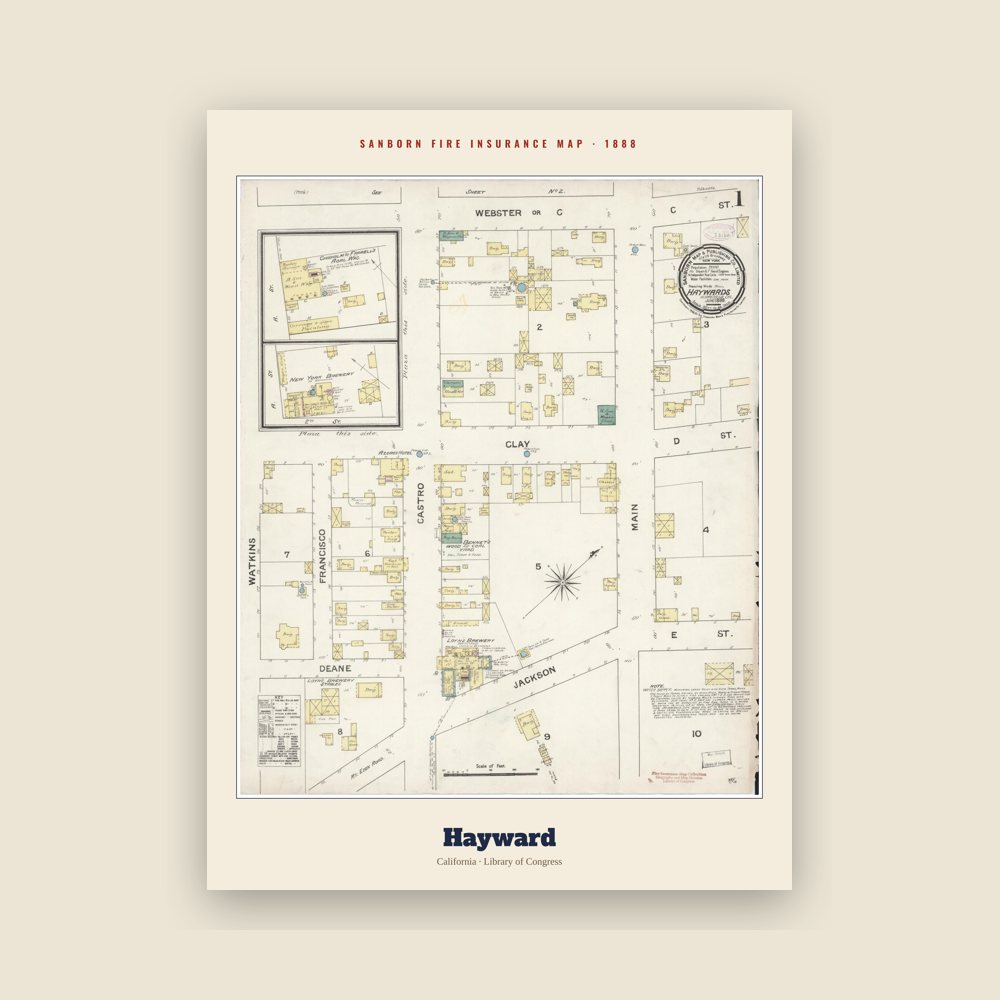
In the 19th century, the land that is now Hayward became part of Rancho San Lorenzo, a Spanish land grant to Guillermo Castro, in 1841. The site of his home was on the former El Camino Viejo, or Castro Street (now Mission Boulevard) between C and D Streets, but the structure was severely damaged in the 1868 Hayward earthquake, with the Hayward Fault running directly under its location. Most of the city's structures were destroyed in the earthquake, the last major earthquake on the fault. In 1930, that site was chosen for the construction of the City Hall, which served the city until 1969. A post office opened in 1860, followed by the town's incorporation in 1876.
Hayward grew steadily throughout the late 19th century, with an economy based on agriculture and tourism. Important crops were tomatoes, potatoes, peaches, cherries, and apricots. Hunt Brothers Cannery opened in 1895. Chicken and pigeon raising also played important roles in the economy. A rail line between Oakland and San Jose, the South Pacific Coast Railroad, was established but later destroyed in the 1868 earthquake. The Hayward shore of the Bay was developed into extensive salt evaporation ponds, and was one of the most productive areas in the world, with Leslie Salt being one of the largest companies.
20th century
During the 1930s, the Harry Rowell Rodeo Ranch, now within the bounds of Castro Valley, drew rodeo cowboys from across the continent, and Western movie actors such as Slim Pickens and others from Hollywood.
Prior to World War II, Hayward had a high concentration of Japanese Americans, who were subject to the Japanese-American internment during the war. The war brought an economic and population boom to the area, as factories opened to manufacture war material. Many of the workers stayed after the end of the war. Two suburban tract housing pioneers, Oliver Rousseau and David D. Bohannon, were prominent builders of postwar housing in the area.
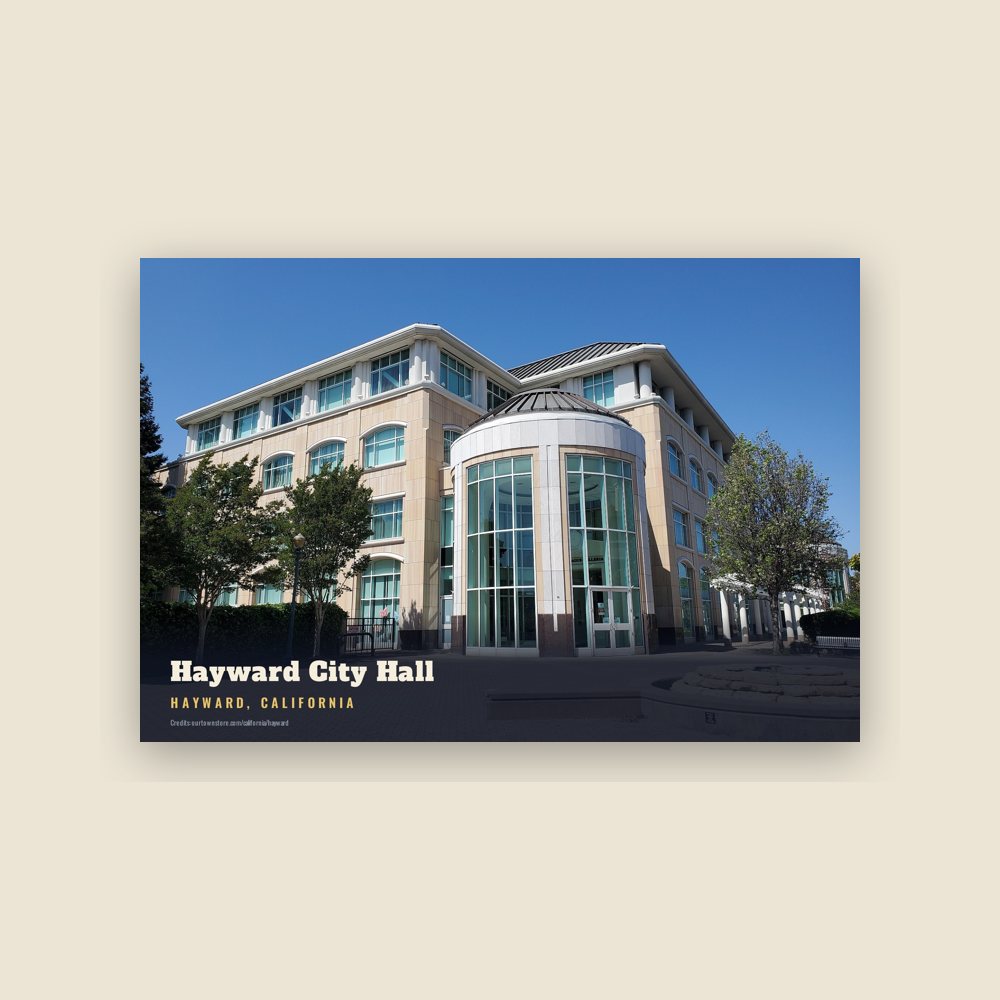
The second San Mateo–Hayward Bridge opened in 1967. The City Center Building opened in 1969 and acted as the new city hall until 1989 when the Loma Prieta earthquake damaged the building and forced the city government to move out. The building was closed to the public in 1998, with the new Hayward City Hall opening the same year. Bay Area Rapid Transit began operating in the Bay Area in 1972, with stations in downtown Hayward and south Hayward.
21st century
The city's downtown area was slated for redevelopment in 2012 and 2013, with landscaping, new businesses opening up, and older ones getting façade upgrades.
The Warren Hall on the California State University, East Bay campus and the City Center Building downtown were demolished in 2013.
In May 2015, the city's former shoreline landfill was declared a site for conversion to a solar farm, set to generate enough electricity to power 1,200 homes. It will be one of 186 sites in the Regional Renewable Energy Procurement Project.
In October 2015, construction began for the Hayward 21st Century Library and Heritage Plaza. The library opened in September 2019, and the plaza was originally expected to open sometime in 2019.
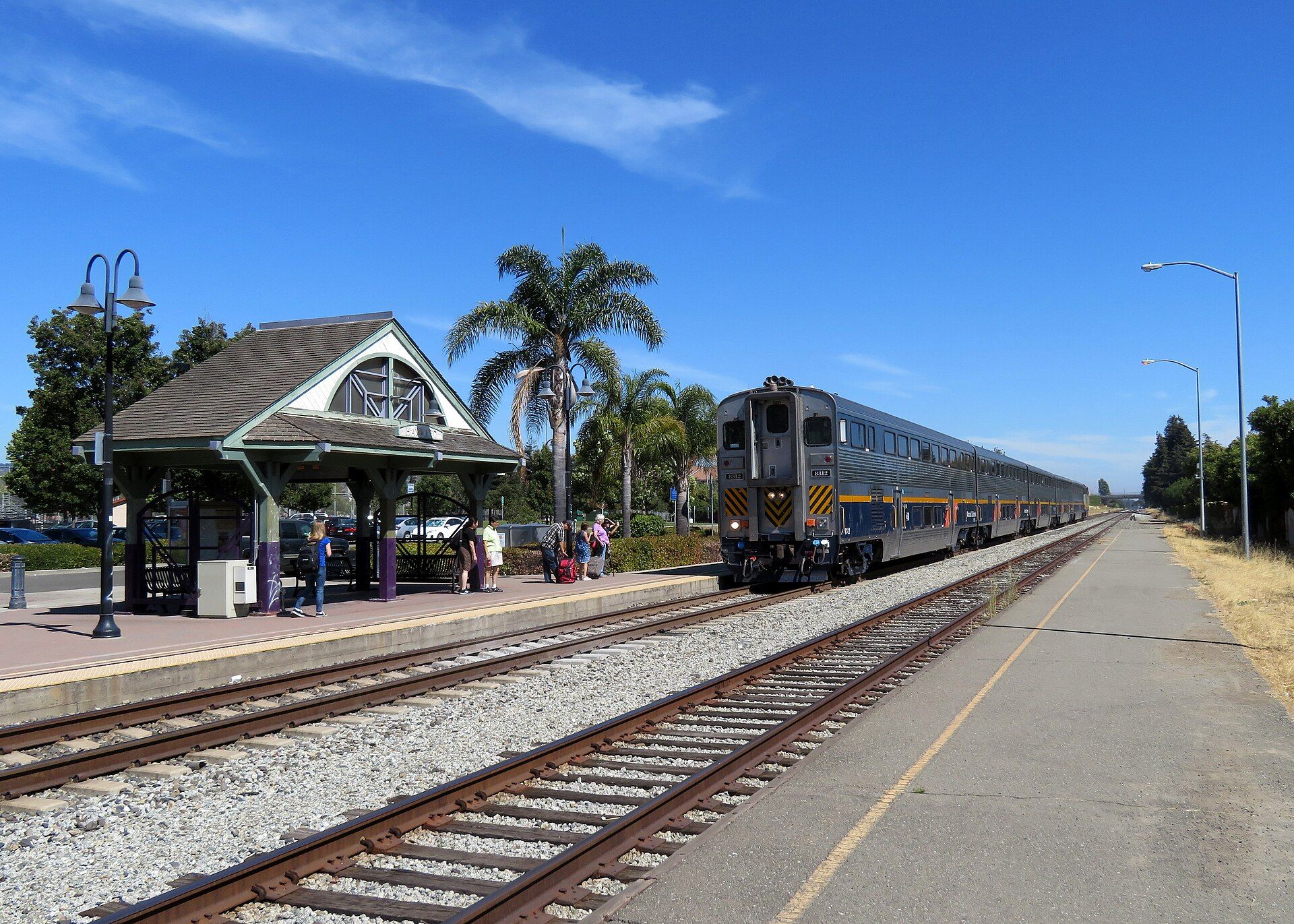
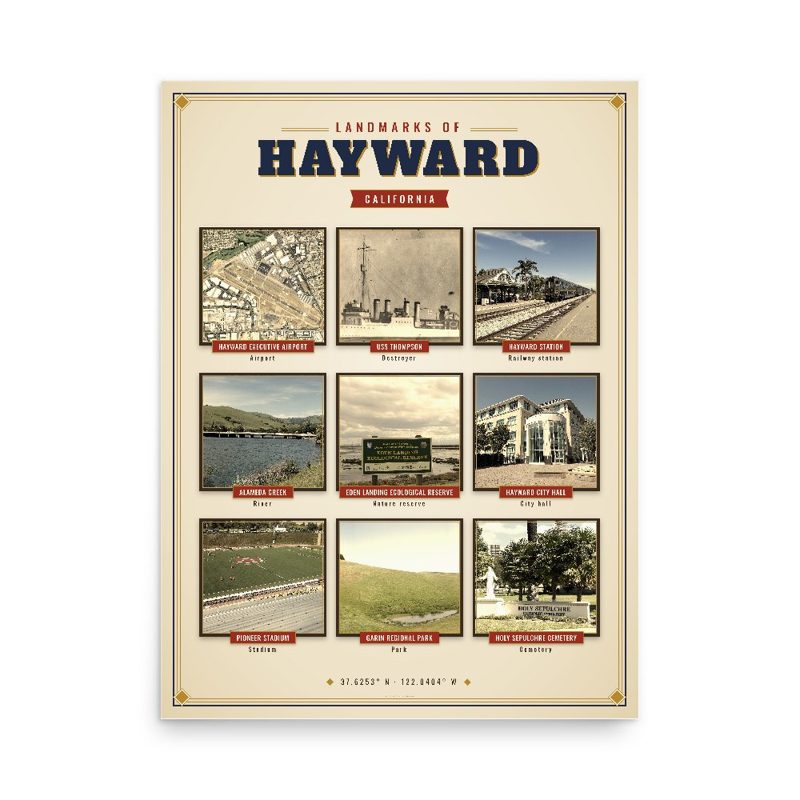
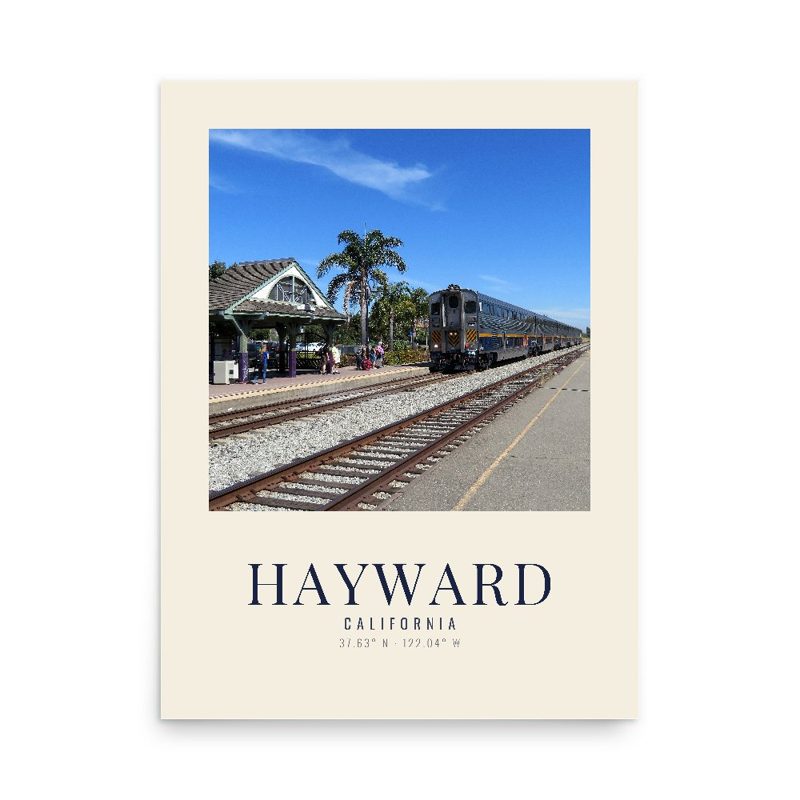
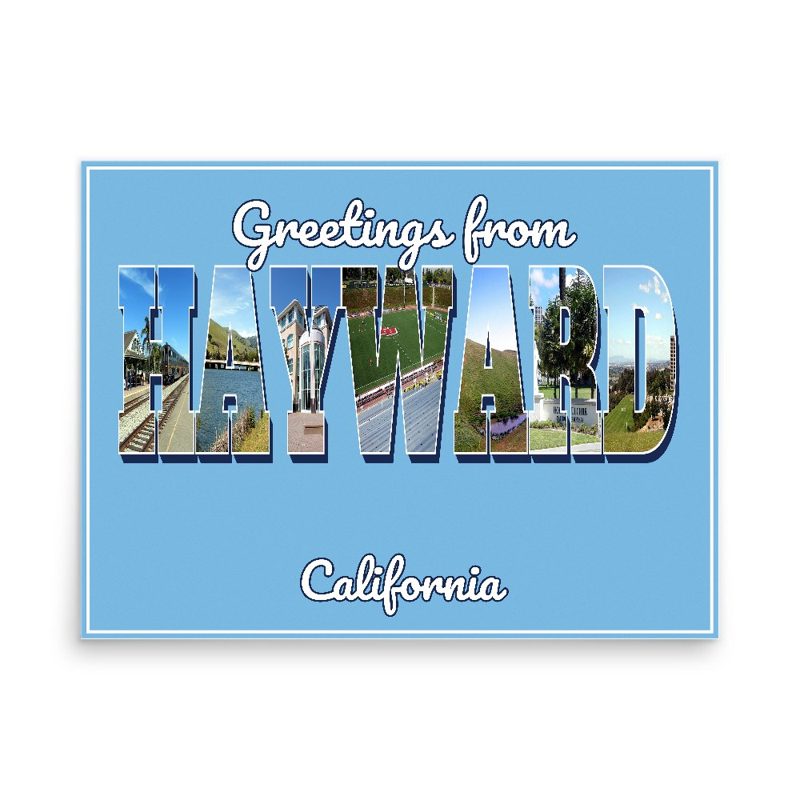
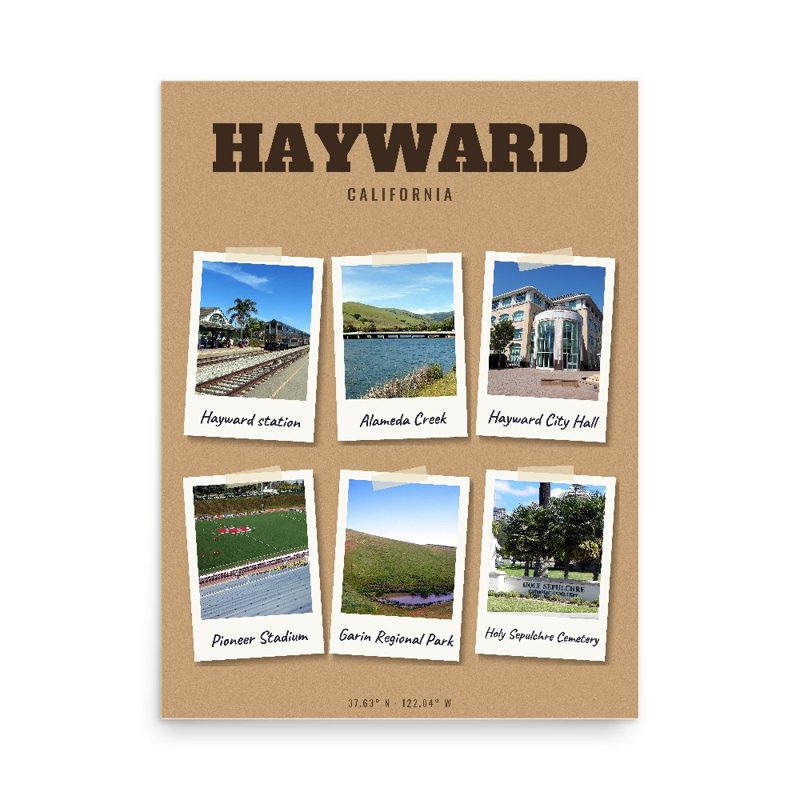
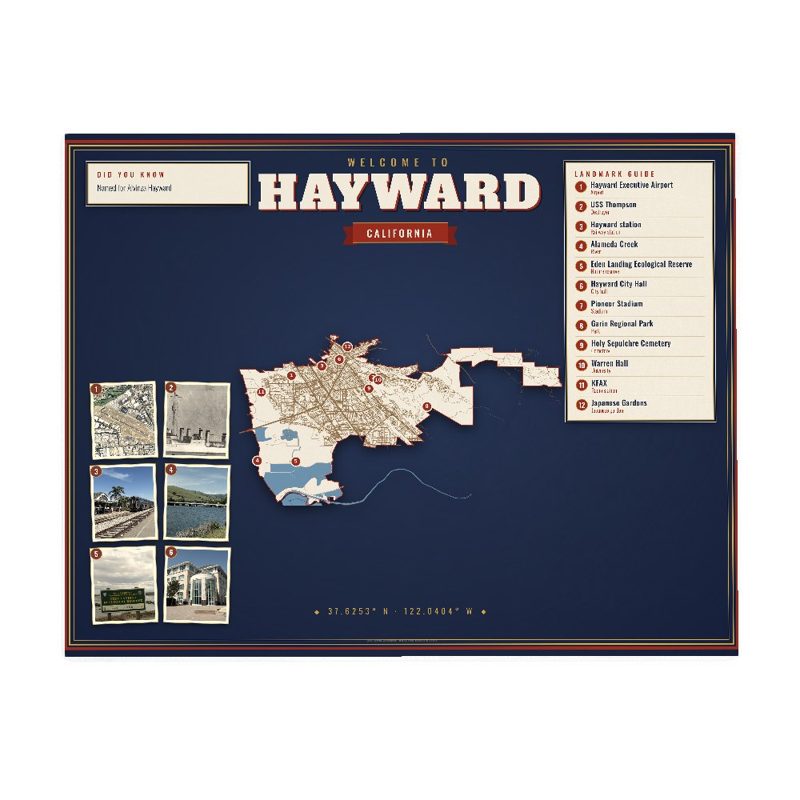

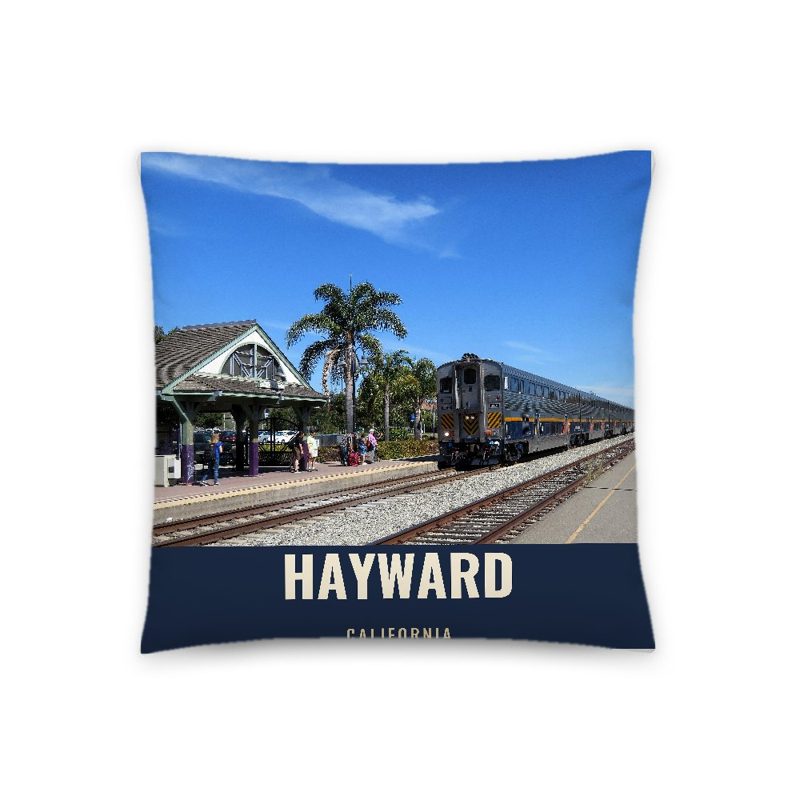

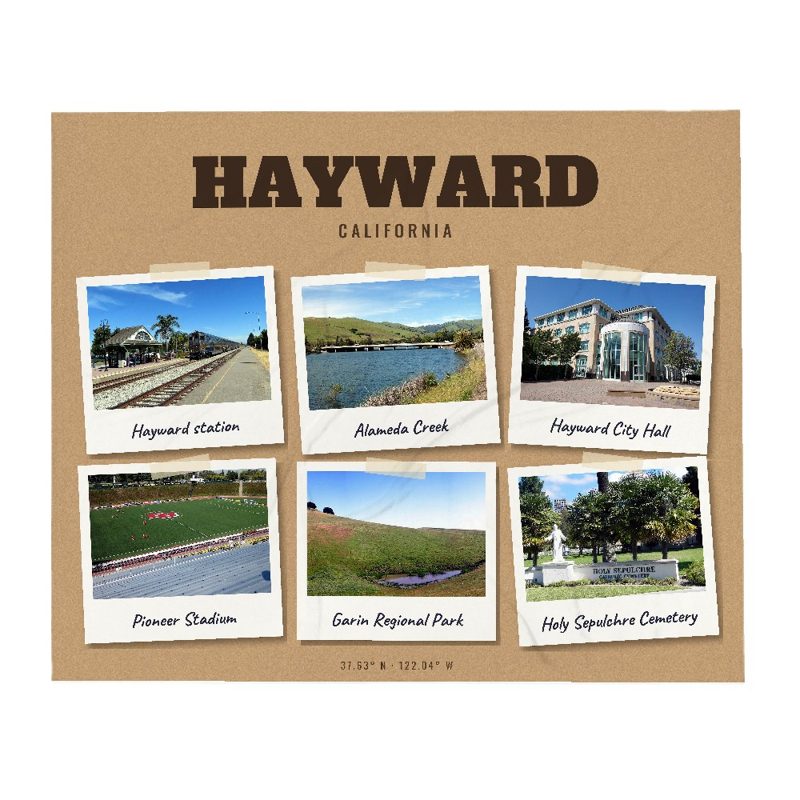
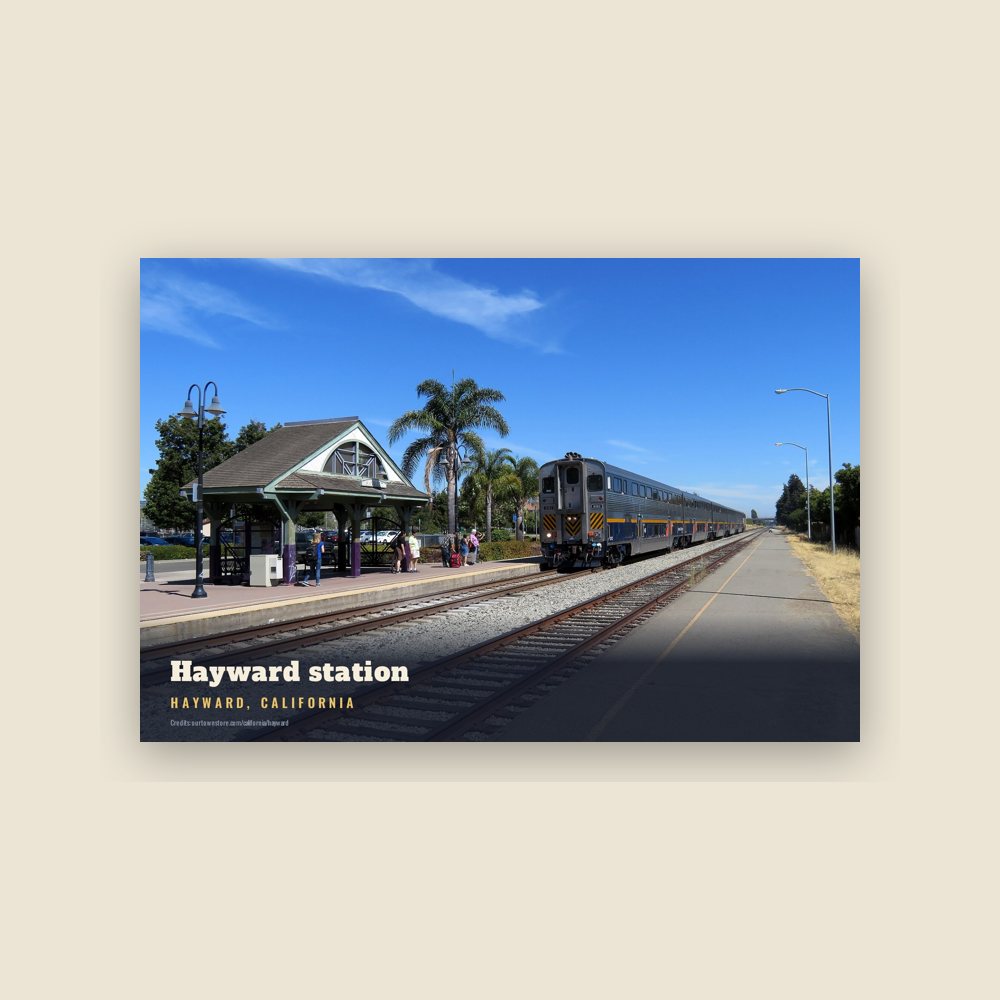
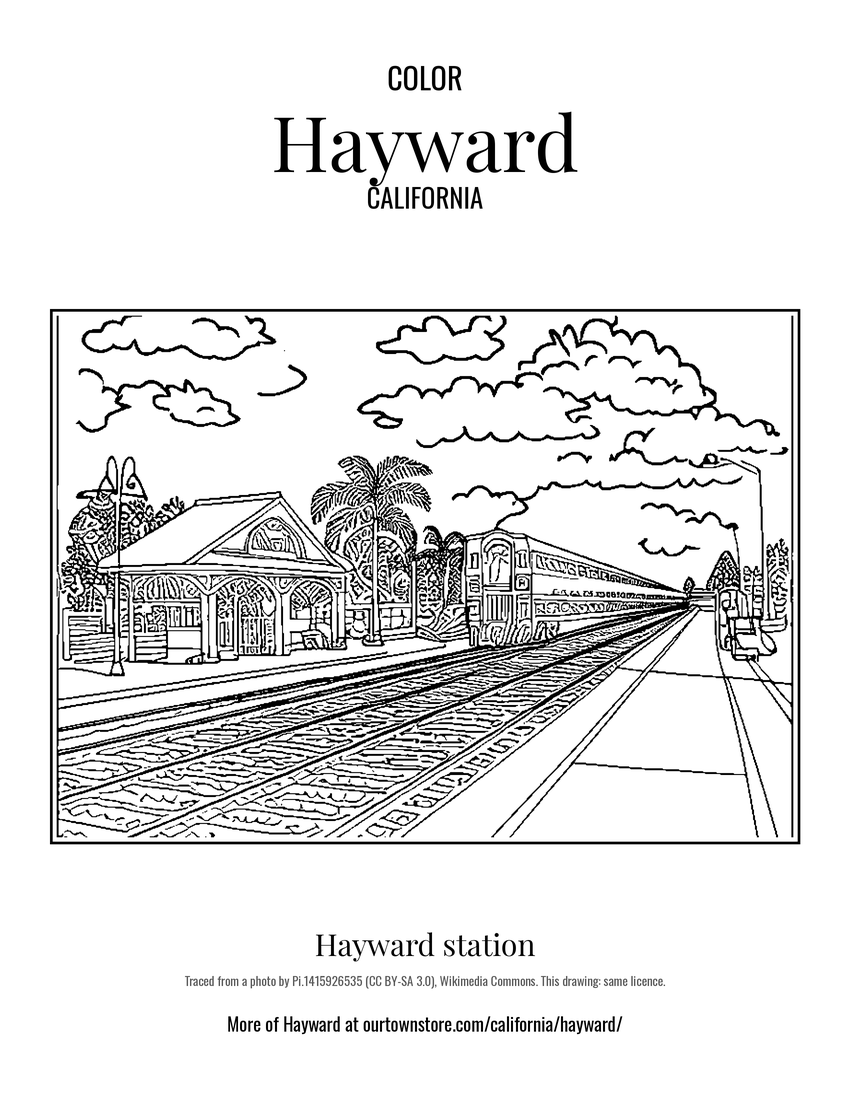 Hayward station
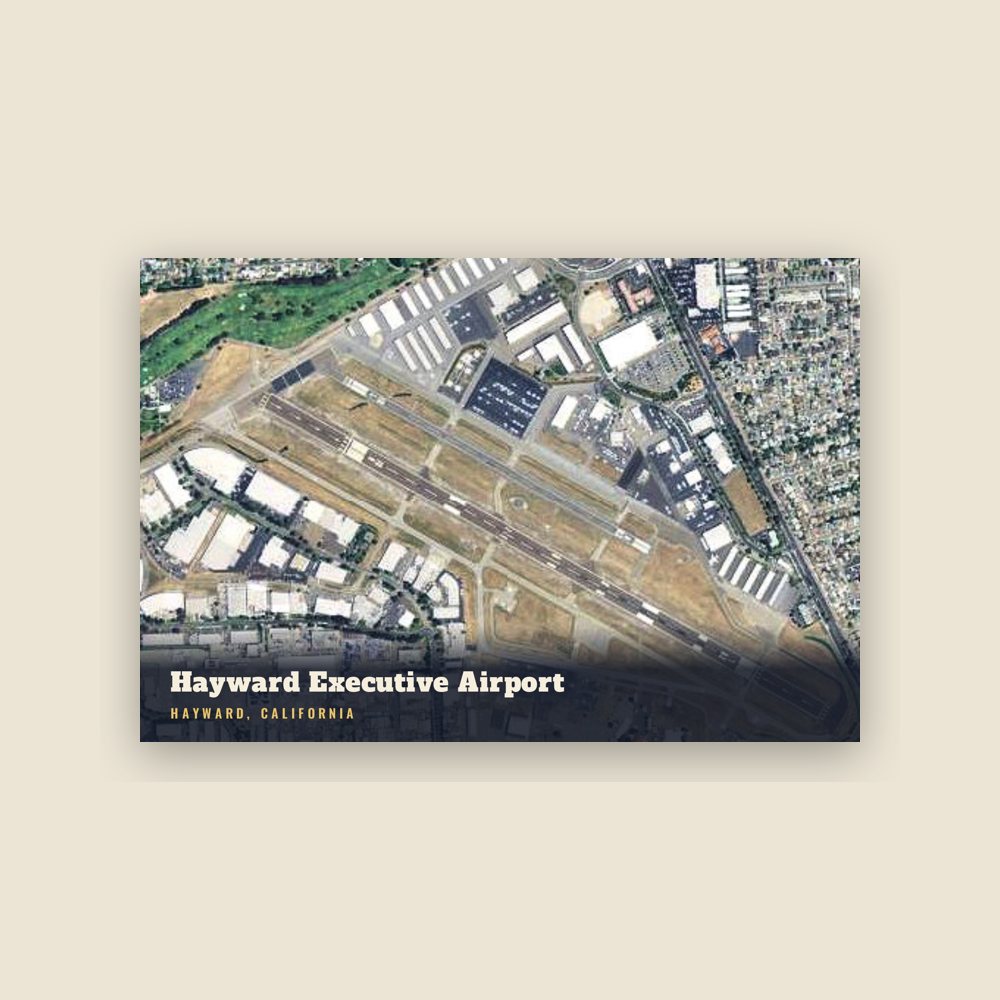
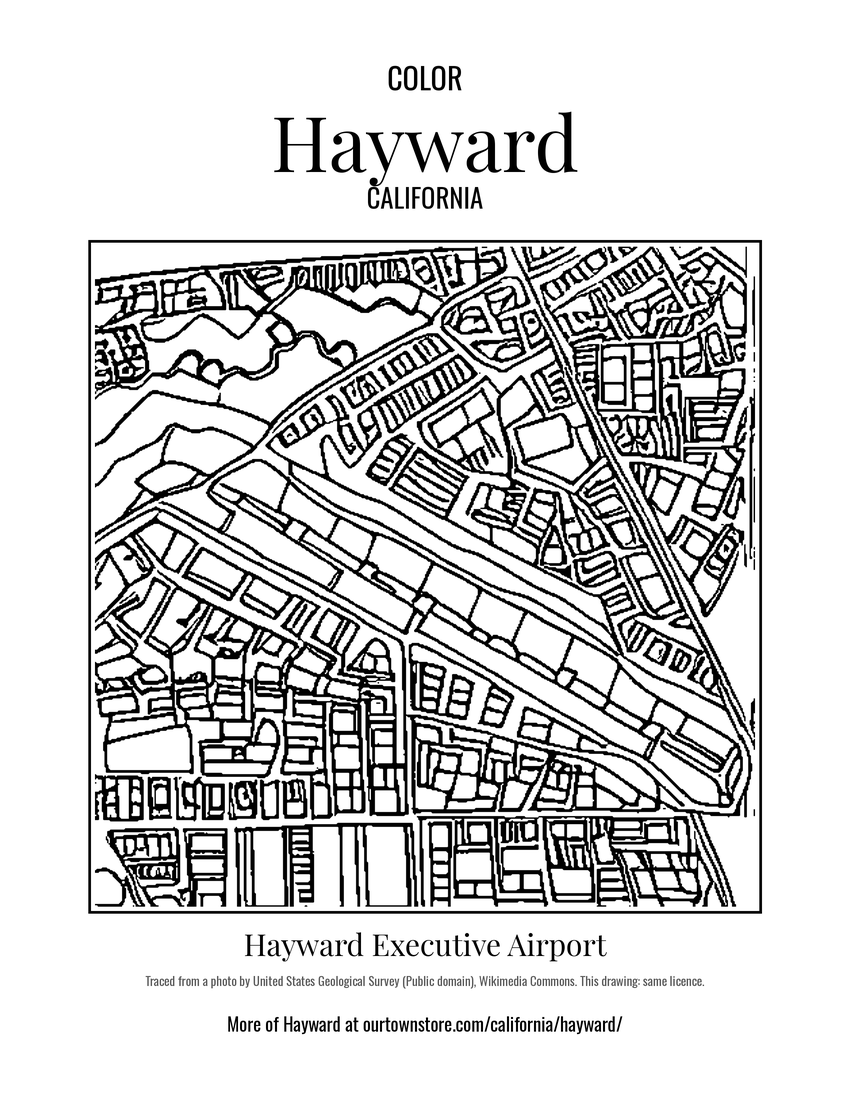 Hayward Executive Airport
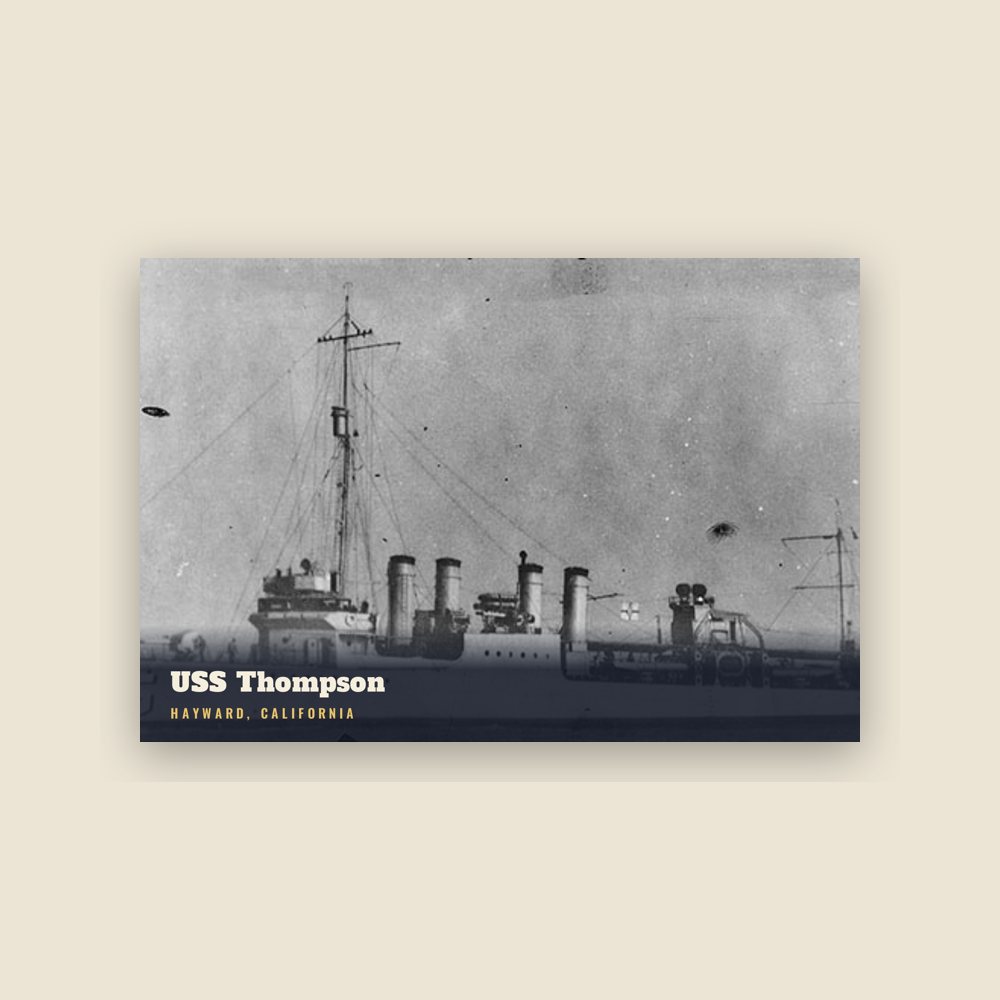
 USS Thompson
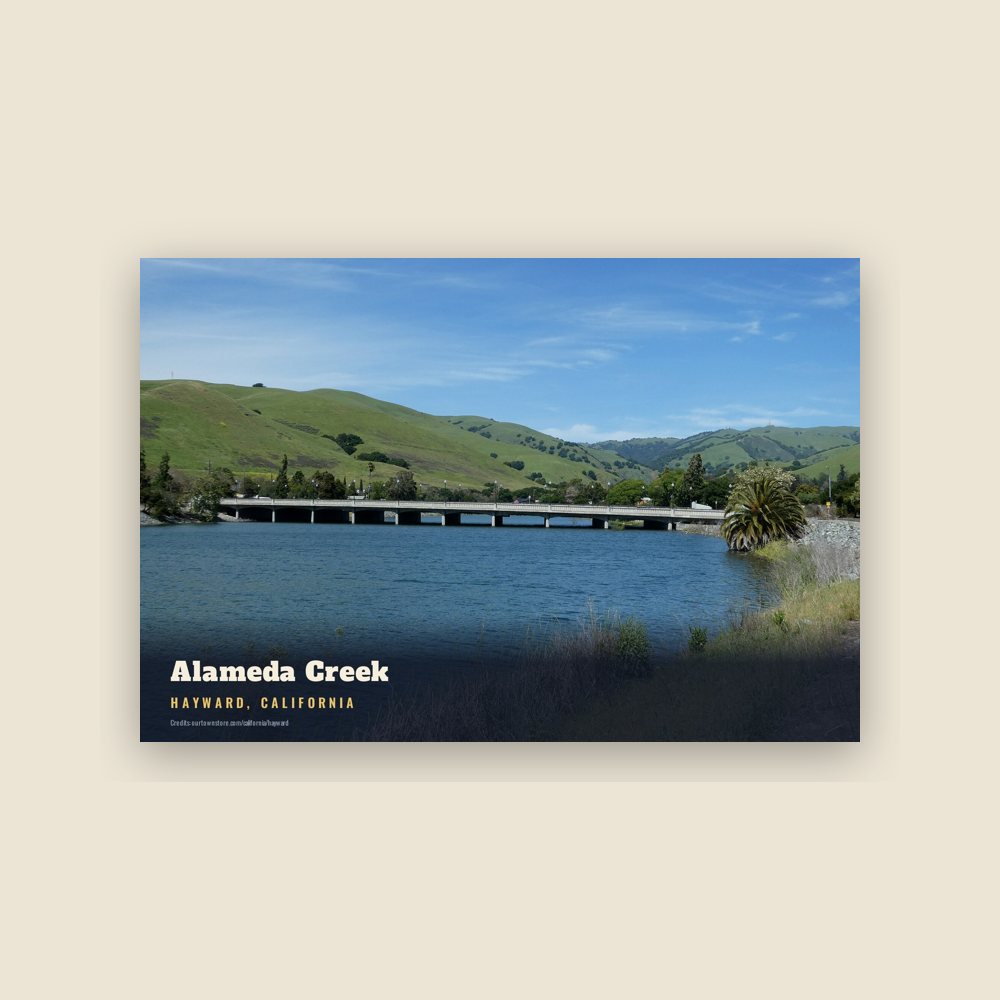
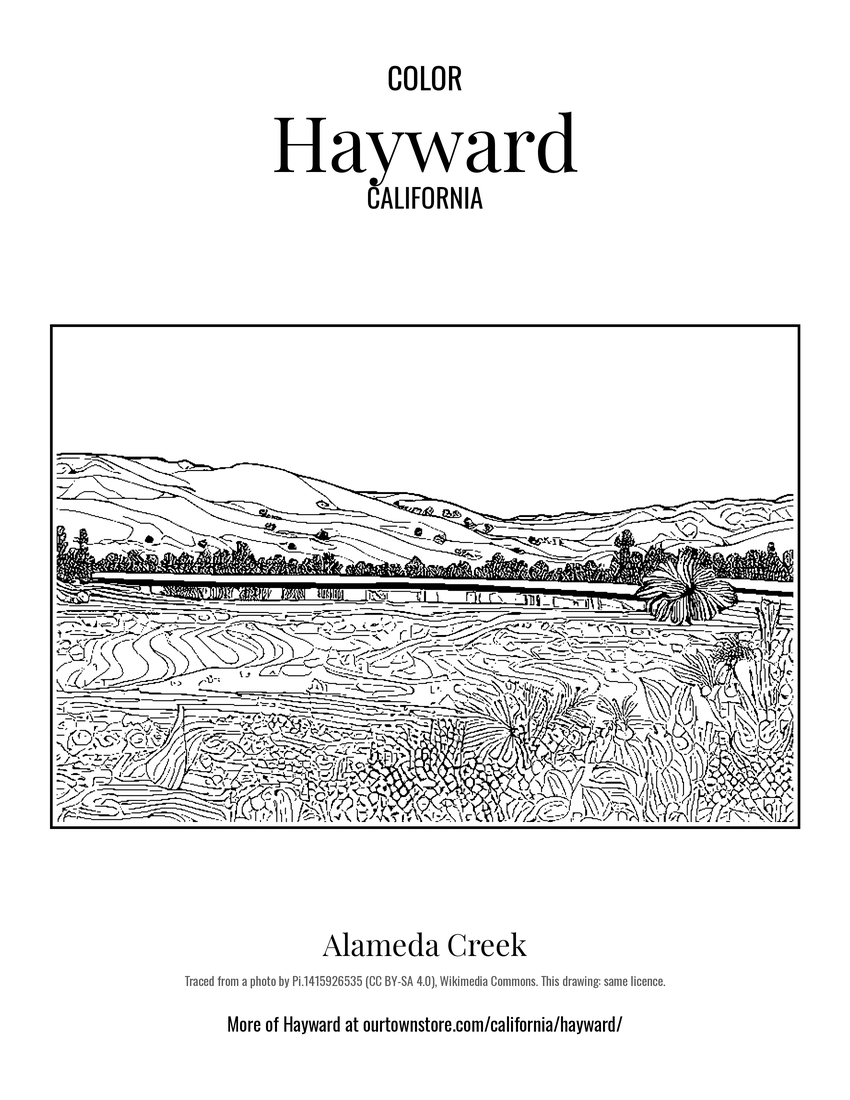 Alameda Creek