San Diego County, California
Street maps, historic prints and keepsakes for 19 San Diego County towns.
The largest by population is San Diego (1,386,932).
| Town | Population |
|---|---|
| Carlsbad | 114,746 |
| Chula Vista | 275,487 |
| Coronado | 20,192 |
| Del Mar | 3,954 |
| El Cajon | 106,215 |
| Encinitas | 62,007 |
| Escondido | 151,038 |
| Imperial Beach | 26,137 |
| La Mesa | 61,121 |
| Lemon Grove | 27,627 |
| National City | 56,173 |
| Oceanside | 174,068 |
| Poway | 48,841 |
| San Diego | 1,386,932 |
| San Jacinto | 53,898 |
| San Marcos | 94,833 |
| Santee | 60,037 |
| Solana Beach | 12,941 |
| Vista | 98,381 |
About these towns
Carlsbad: The first European land exploration of Alta California, the Spanish Portolá expedition of 1769, met native villagers while camped on Buena Vista Creek.
Chula Vista: Fossils of aquatic life, in the form of a belemnitida from the Jurassic, have been found within the modern borders of Chula Vista.
Coronado: Prior to European settlement, Coronado was inhabited by the Kumeyaay, who sustained fishing villages on the peninsula in North Island and on the Coronado Cays.
Del Mar: In 1880, the California Southern Railroad was formed to connect San Diego to the national rail network and Del Mar was along the planned route.
El Cajon: During Spanish rule (1769–1821), the government encouraged settlement of territory now known as California by the establishment of large land grants called ranchos, from which the English word ranch is derived.
Encinitas: Gaspar de Portolá, governor of Baja California, met the indigenous Kumeyaay people when he visited the area in 1769 on the Portolá expedition and he met residents from the nearby Kumeyaay village of Jeyal (or Heyal), near the San Elijo Lagoon.
Escondido: The Escondido area was first settled by the Luiseño, who established campsites and villages along the creek running through the area. They named the place Mixéelum Pompáwvo or "Mehel-om-pom-pavo." The Luiseno also had another village north of Mixéelum Pompáwvo called Panakare.
Imperial Beach: Imperial Beach sits on the traditional territory of the Kumeyaay people, who had established the village of Alyshuwii. Founded in June 1887, the city takes its name from Imperial County, California, a desert climate 100 miles (161 km) east.
La Mesa: Before European colonization, the area that is now La Mesa was home to the Kumeyaay. The Kumeyaay were a Yuman-speaking people who practiced horticulture and hunting and gathering.
Lemon Grove: The area that eventually became Lemon Grove was part of Mission San Diego de Alcalá, one of the Spanish missions in California.
National City: Human presence within the modern National City may have begun as early as 130,000 years ago, as allegedly evidenced at the Cerutti Mastodon site.
Oceanside: Originally inhabited by Native Americans, Oceanside was first settled by the Luiseño peoples, or the Payomkawichum. The city of Oceanside sits on the locality on the San Luis Rey River that the Luiseño called Tacayme, which contained the villages of Qée'ish (Keish) and 'ikáymay (Ikamal), in the San Luis Rey Mission area, Wiyóoya (Wiawio) at the mouth of the river,…
Poway: The Kumeyaay people lived in the area for centuries before the Spanish colonization of the region. Artifacts such as arrowheads, spear points, metates, grinding stones, and pottery found along the bed of Poway Creek all indicate an early Kumeyaay presence.
San Diego: It is the eighth-most populous city in the U.S. and second-most populous city in California with a population of over 1.4 million, while the San Diego area with over 3.3 million residents is the 18th-largest metropolitan area in the country.
San Jacinto: The Anza Trail, one of the first European overland routes to California, named after Juan Bautista de Anza,4 crossed the valley in the 1770s.
San Marcos: According to some historical legends, the San Luis Rey Mission flocks were robbed by a small band of Native Americans in the late 18th century.
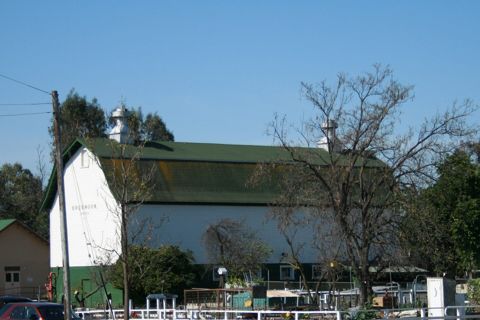
Santee: In 1877, George A. Cowles, a pioneer rancher and businessperson, purchased 4,000 acres (1,600 ha) to develop his vineyards. The area became known as Cowlestown and was linked to the Cuyamaca Railroad.
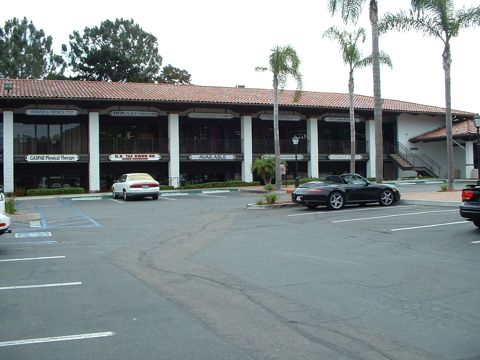
Solana Beach: The area was first settled by the San Dieguitos, early Holocene inhabitants of the area. The area was later inhabited by the Kumeyaay, who set up a village they called Kulaumai, on the southern banks of San Elijo Lagoon.
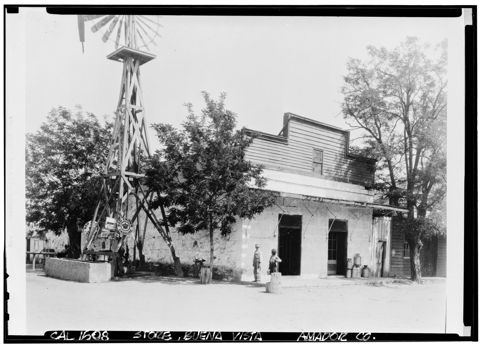
Vista: Spain controlled the land from the late 18th century to the early 19th century and established various missions. Spanish presence declined by the 1830s with the independence of Mexico from Spain.
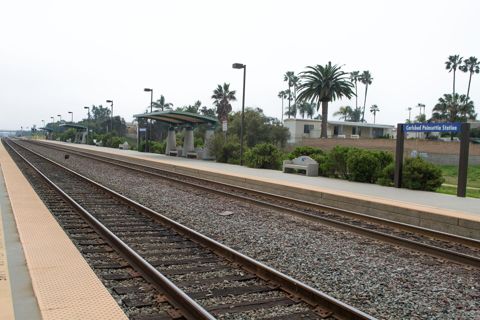 CarlsbadCalifornia
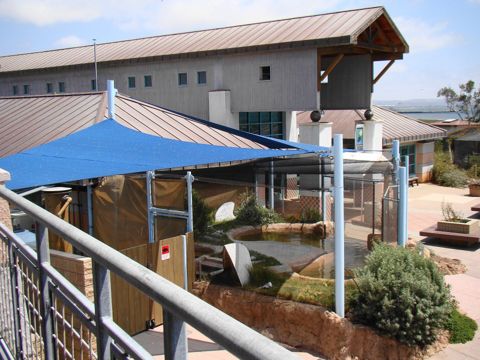 Chula VistaCalifornia
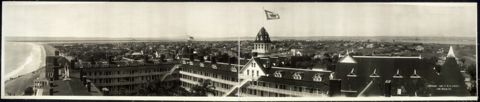 CoronadoCalifornia
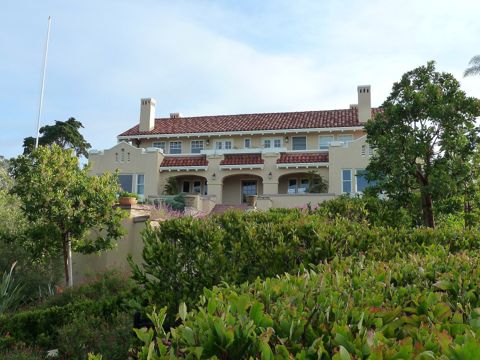 Del MarCalifornia
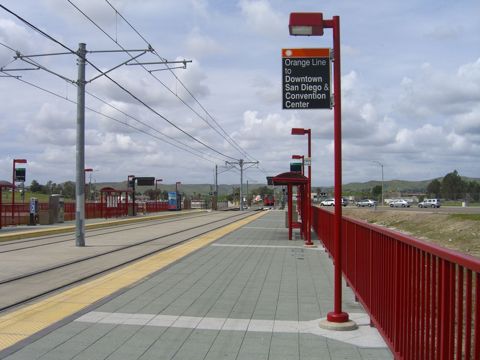 El CajonCalifornia
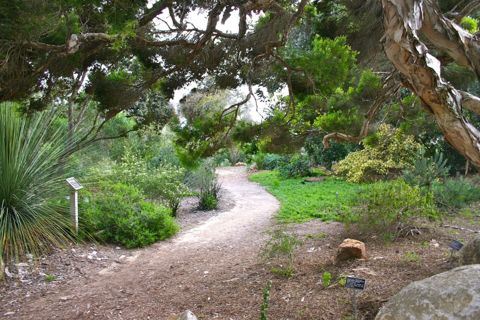 EncinitasCalifornia
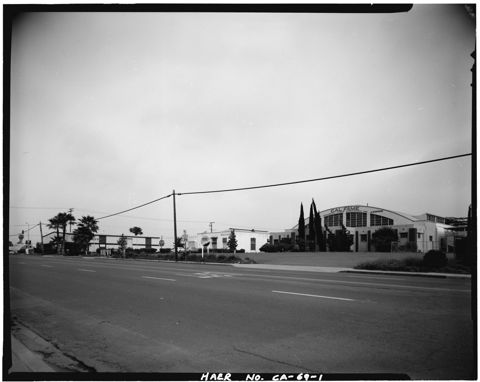 EscondidoCalifornia
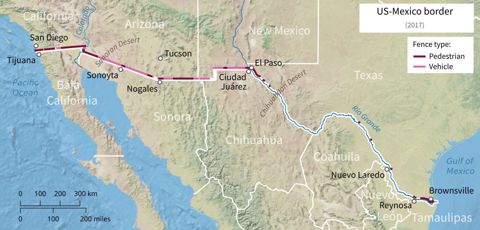 Imperial BeachCalifornia
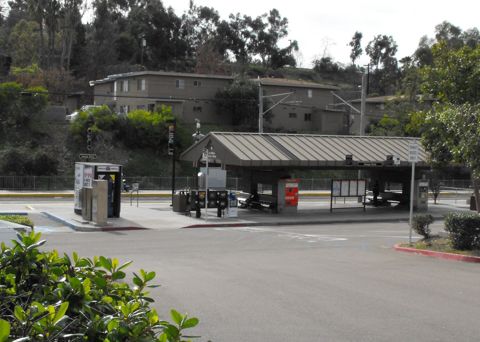 La MesaCalifornia
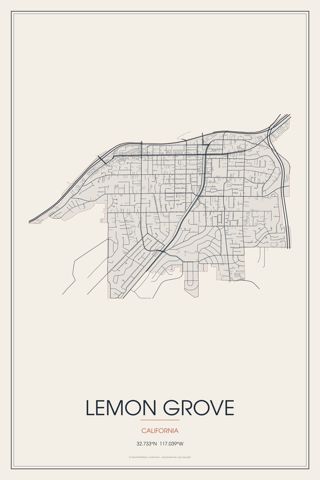 Lemon GroveCalifornia
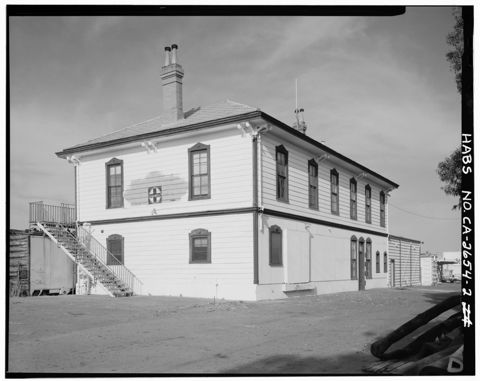 National CityCalifornia
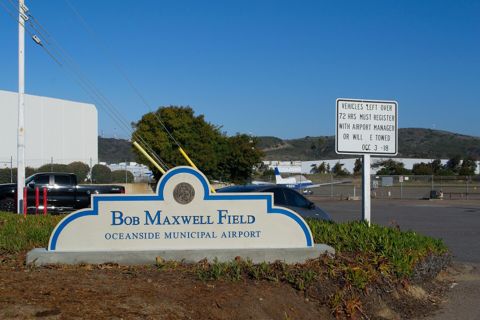 OceansideCalifornia
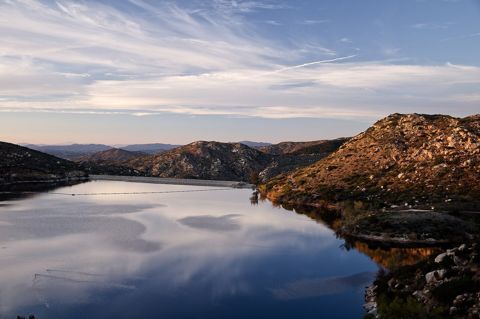 PowayCalifornia
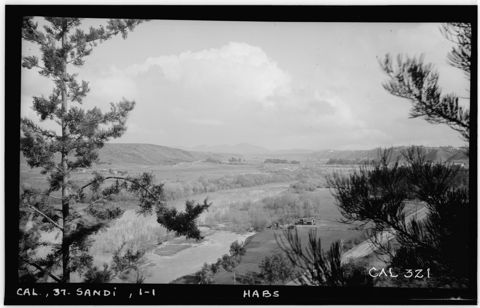 San DiegoCalifornia
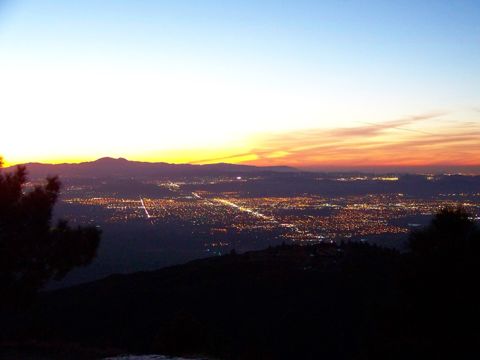 San JacintoCalifornia
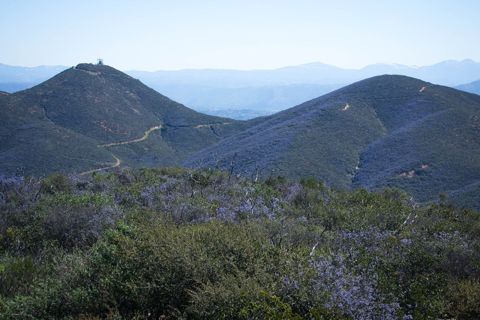 San MarcosCalifornia
 SanteeCalifornia
 Solana BeachCalifornia
 VistaCalifornia
Founding years, populations and town notes come from each town's Wikipedia and Wikidata entries. All California towns.