Archaeological evidence indicates that Paleoindian peoples lived in the region thousands of years ago. During the Archaic and Woodland periods, inhabitants produced stone tools, including projectile points, from locally available chert.
Read the full history
19th century
By the time of the Louisiana Purchase, the hills and valleys around Eureka Springs were part of the ancestral lands claimed by the historic Osage Nation, which used much of northern Arkansas as hunting territory. Bands of Delaware and Shawnee peoples also lived in the region before federal Indian removal policies that relocated tribes further west.
Although Osage hunting parties likely drank from the springs, there is no historical or archaeological evidence that the Osage or other Native American groups attributed specific medicinal properties to the water. Stories describing Indigenous leaders sharing the water with other tribes or with white settlers circulated among visitors beginning in the late nineteenth century but lack historical documentation.
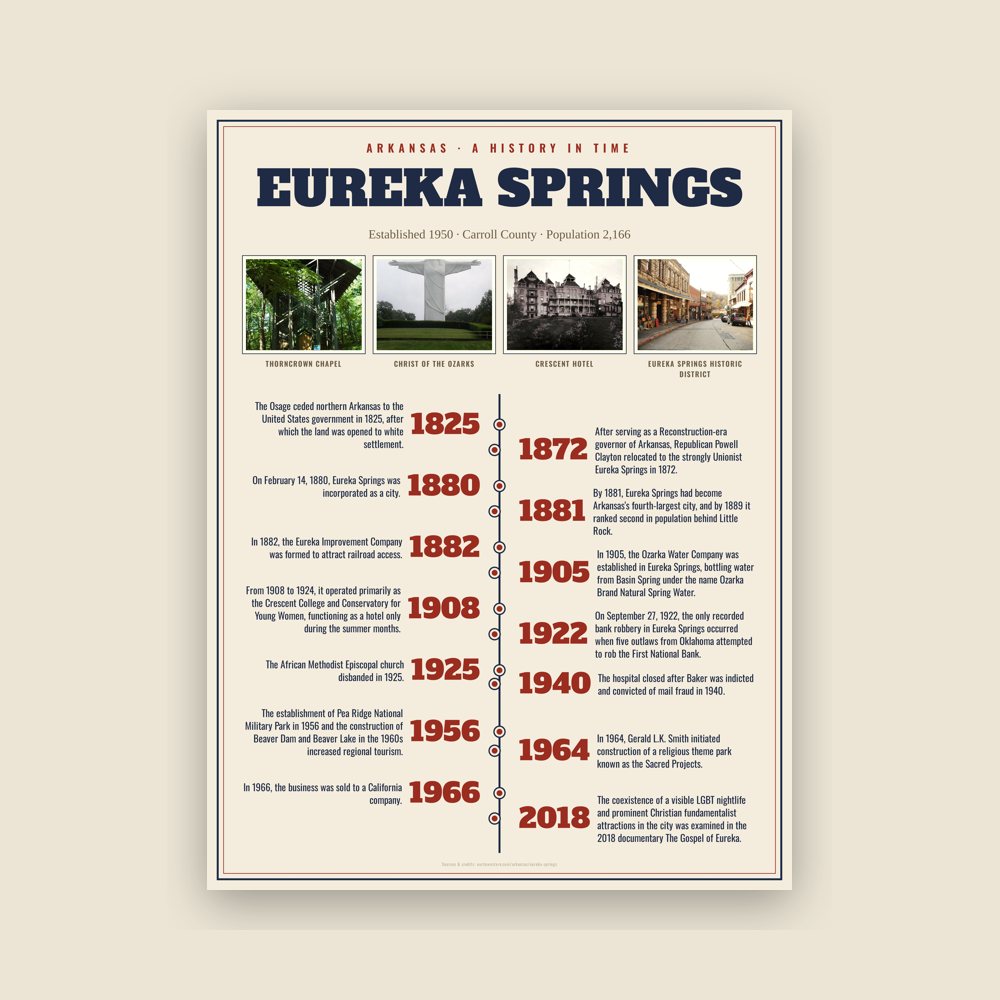
The Osage ceded northern Arkansas to the United States government in 1825, after which the land was opened to white settlement. Despite this, the Eureka Springs area remained sparsely populated until after the Civil War. European American settlers also came to believe that the springs possessed healing qualities, often describing the water in mystical or medicinal terms. Dr. Alvah Jackson is credited with locating one of the major springs in 1856 and claimed that the water from Basin Spring cured his eye ailments. During the Civil War, Jackson operated a hospital in a local cave and used the spring water to treat patients. After the war, he marketed the water commercially as "Dr. Jackson's Eye Water".
In 1879, Judge J.B. Saunders, an associate of Jackson, asserted that the spring waters cured him of a debilitating illness. Saunders promoted Eureka Springs widely, contributing to rapid population growth. Within slightly more than a year, the area expanded from a rural spa settlement into a rapidly developing town. On February 14, 1880, Eureka Springs was incorporated as a city. Thousands of visitors arrived following Saunders's promotional efforts, temporarily living in tents and makeshift structures. By 1881, Eureka Springs had become Arkansas's fourth-largest city, and by 1889 it ranked second in population behind Little Rock.
After serving as a Reconstruction-era governor of Arkansas, Republican Powell Clayton relocated to the strongly Unionist Eureka Springs in 1872. He actively promoted the city as a destination for affluent retirees and investors, helping establish its reputation for leisure, tourism, and upper-class living.
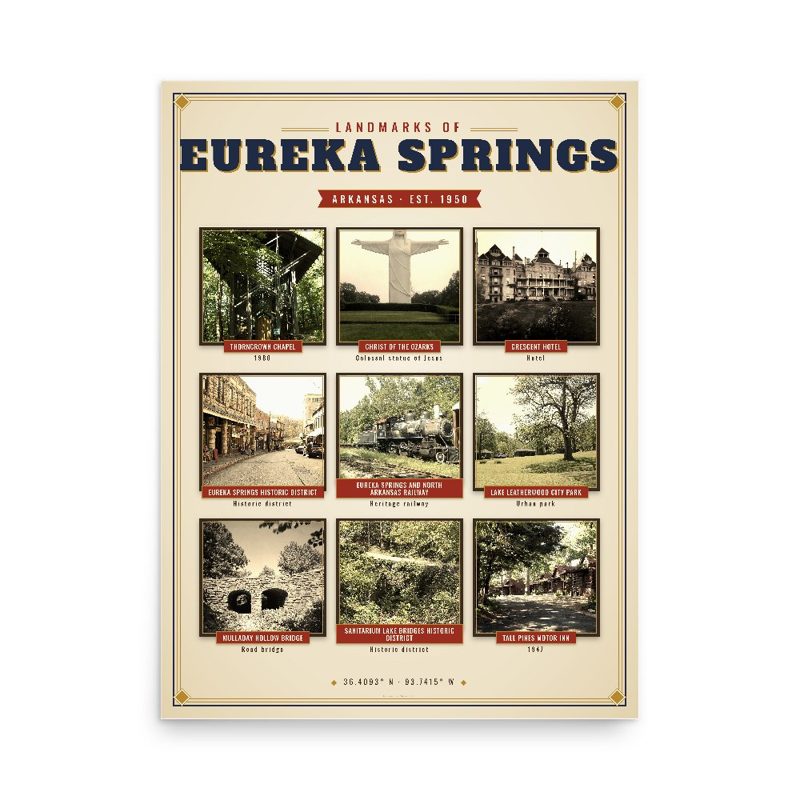
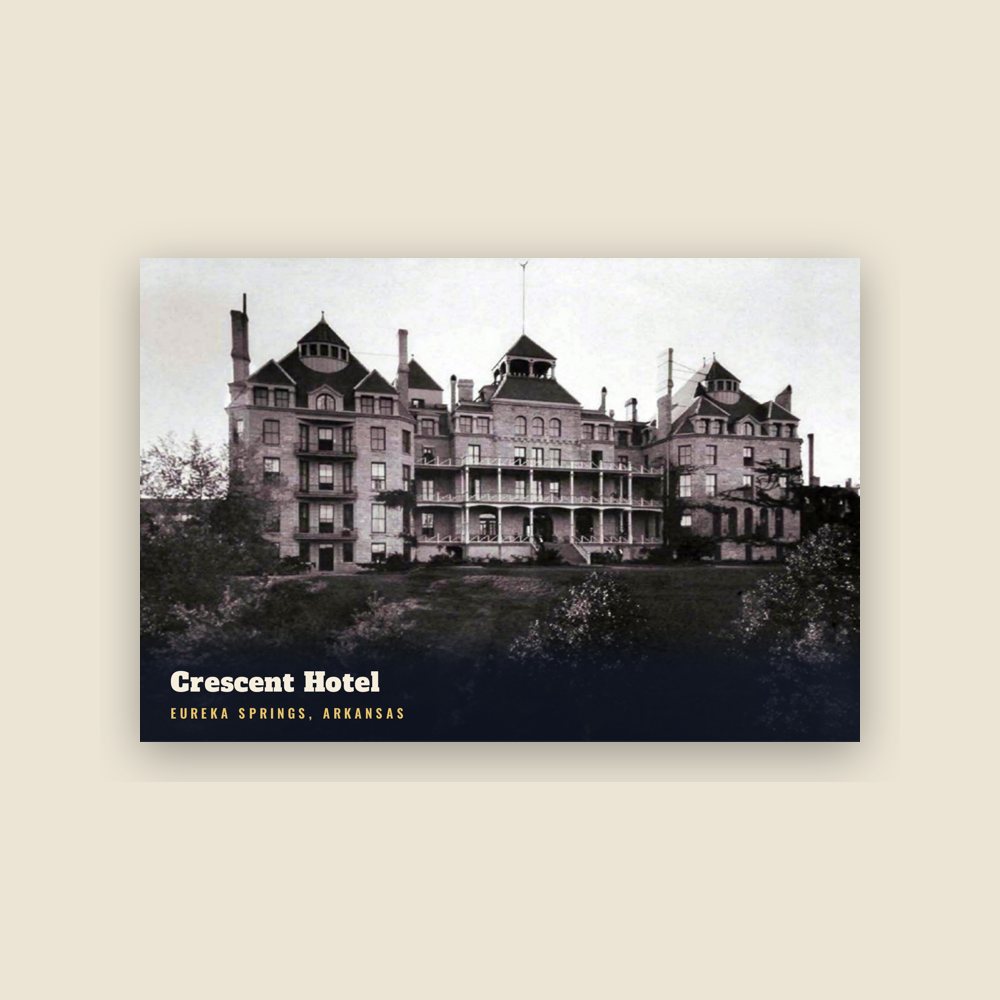
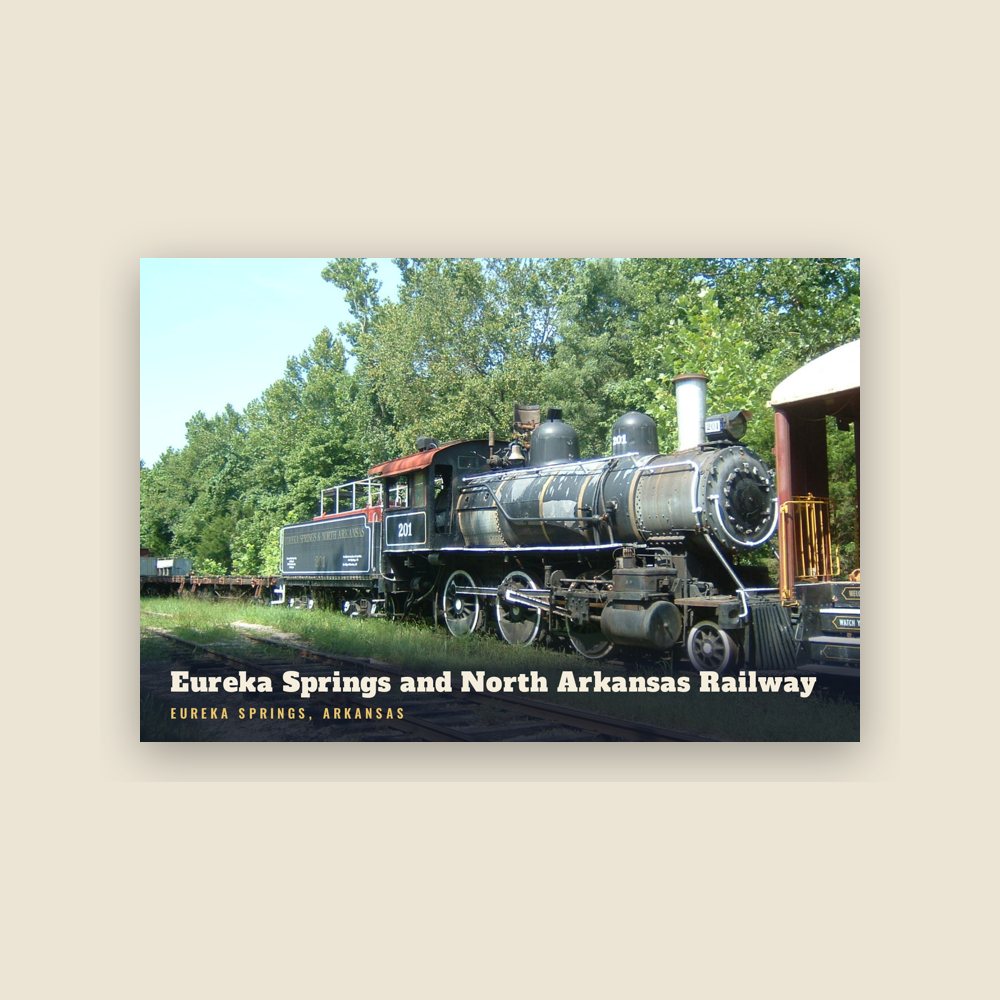
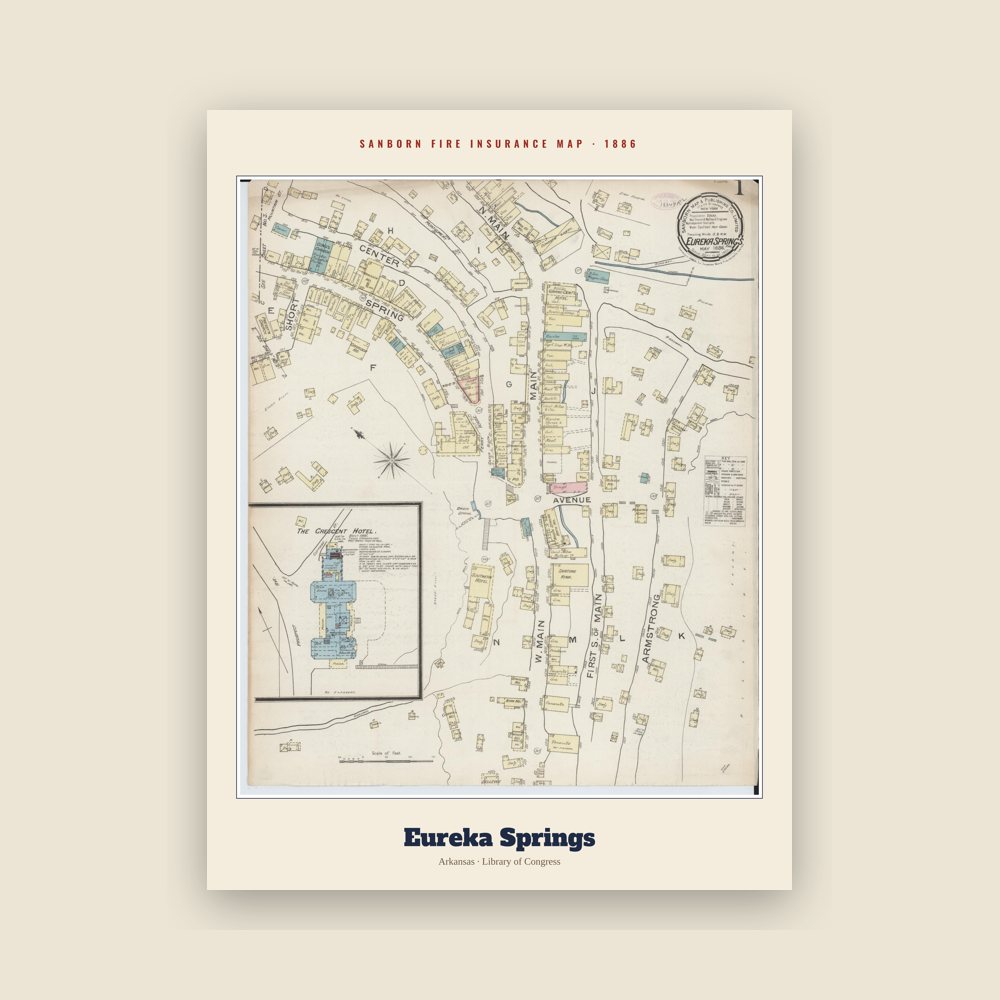
In 1882, the Eureka Improvement Company was formed to attract railroad access. Once rail connections were established, Eureka Springs became more accessible and developed into a regional vacation resort. Thousands of homes and businesses were constructed over the following years. Prominent buildings included the Crescent Hotel (1886), the Basin Park Hotel (1905), and the New Orleans Hotel and Spa (1892), which continues to operate in the 21st century as an all-suite hotel furnished with Victorian-era decor.
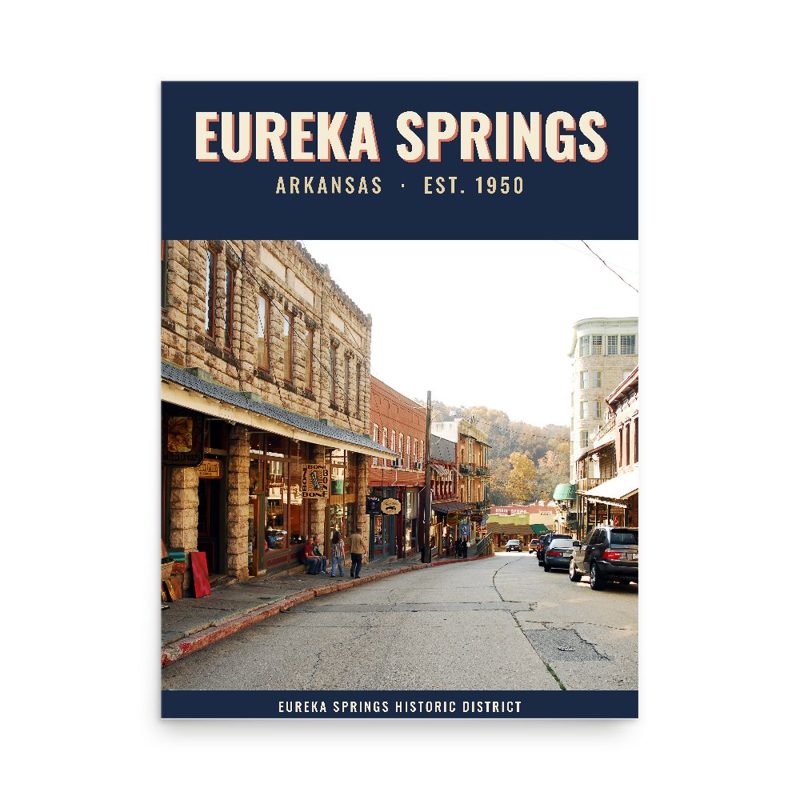
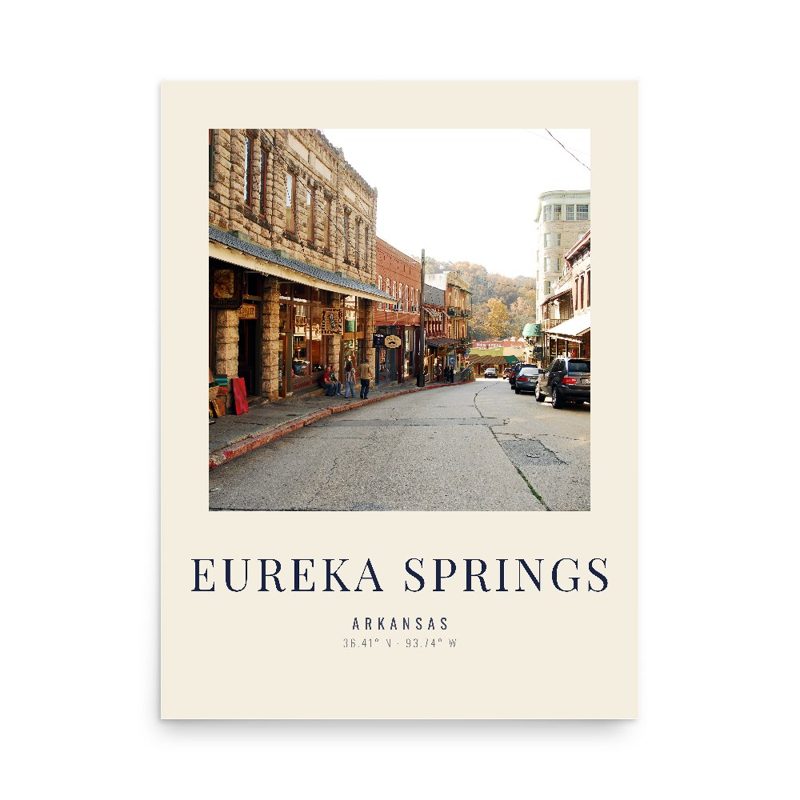
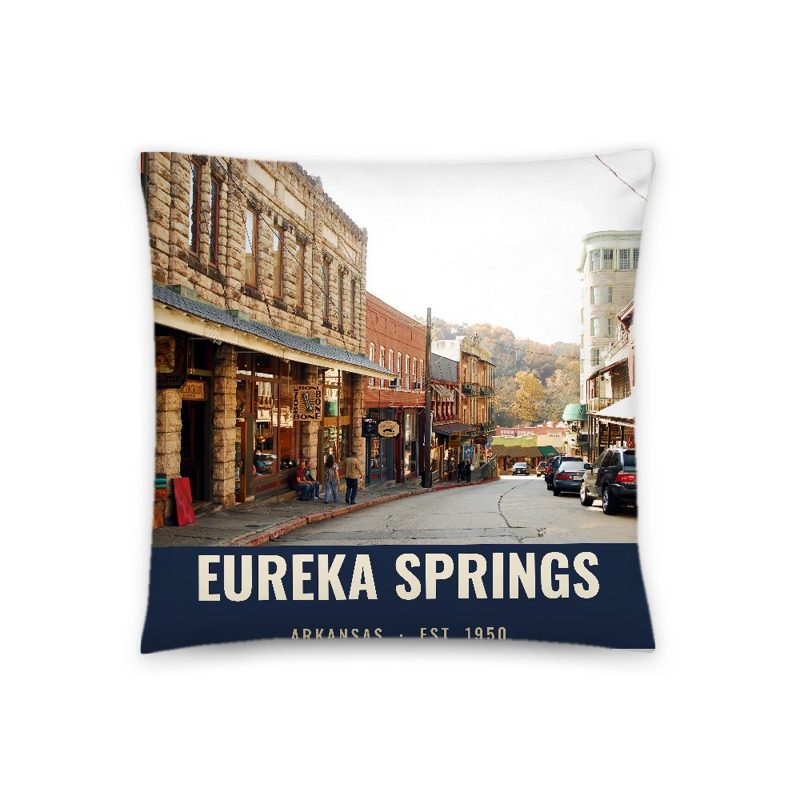
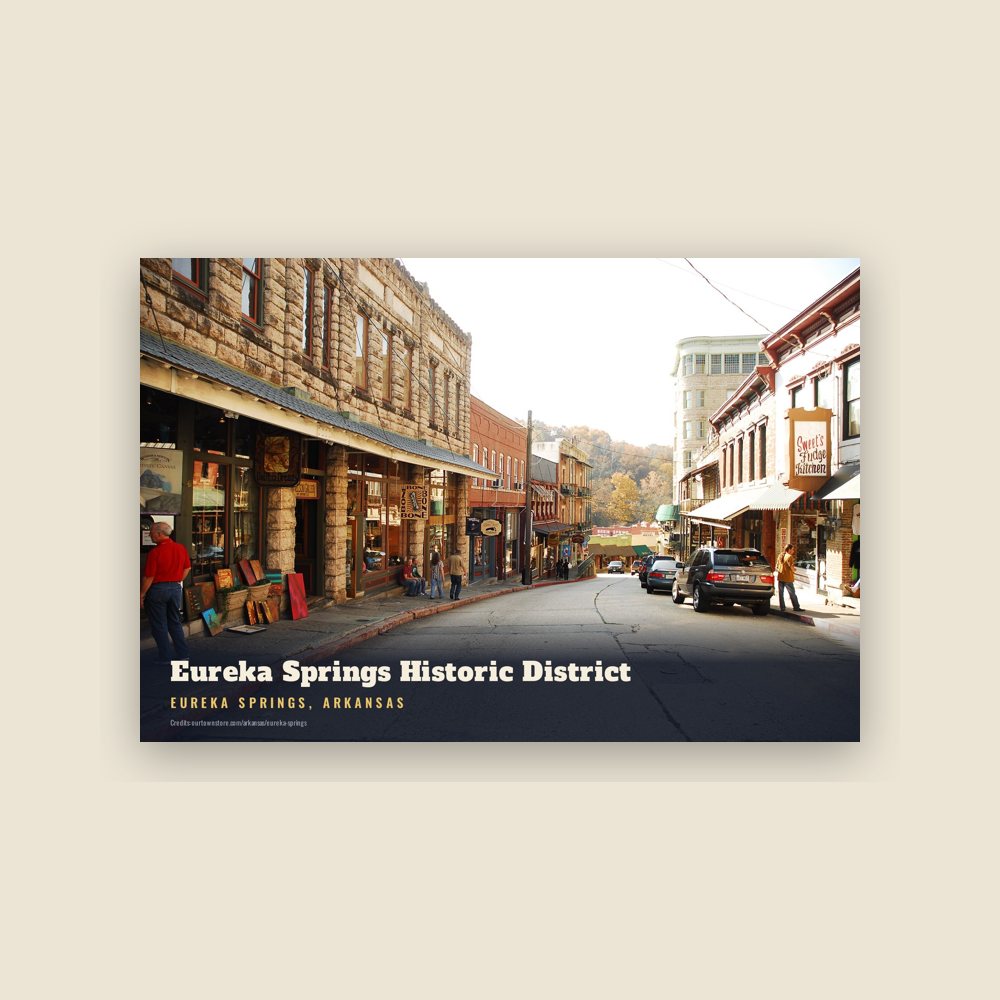
Many of the city's Victorian-era buildings remain well preserved, forming a cohesive historic streetscape. While some structures continue to serve their original purposes, others have been adapted for new uses.
Early African-American residents included freedmen who moved to Eureka Springs from surrounding farms where they had previously been enslaved. Some initially arrived seeking employment or medical treatment and later settled permanently. During the era of segregation, Black-owned hotels served African-American visitors, who were barred from whites-only accommodations. The Black community established a school and an African Methodist Episcopal Pilgrim's Chapel in the 1890s. Following the United States Supreme Court decision in Plessy v. Ferguson, segregation intensified, and African Americans were prohibited from accessing all springs except Harding Spring.
20th century
Early 20th century
Water from the springs began to be bottled and distributed beyond the city in the early twentieth century. In 1905, the Ozarka Water Company was established in Eureka Springs, bottling water from Basin Spring under the name Ozarka Brand Natural Spring Water. After the company initially failed, it was purchased by Richard Thompson, a teacher at the Crescent College and Conservatory for Young Women, who operated it into the mid-twentieth century. In 1966, the business was sold to a California company. After 1971, the Ozarka name was owned by a succession of corporations, none of which bottled water in Eureka Springs or elsewhere in the Arkansas Ozarks.
In the same period, tourism began to decline as public belief in the curative powers of the springs diminished. The Basin Park Hotel was constructed in 1905 on the site of the former Perry House. Built into the side of a mountain, its eight floors each open at ground level and the building remains noted for its distinctive architecture. The railroads later relocated their shops to Harrison in Boone County, resulting in job losses, and anticipated economic growth from oil exploration in northern Arkansas did not materialize.
The Crescent Hotel experienced varied uses during this period. From 1908 to 1924, it operated primarily as the Crescent College and Conservatory for Young Women, functioning as a hotel only during the summer months. In the 1930s, it served as a junior college and later as a cancer hospital operated by Norman Baker, who lacked medical training. The hospital closed after Baker was indicted and convicted of mail fraud in 1940. During this era, radio evangelist Gerald L.K. Smith relocated his operations to Eureka Springs, attracted in part by the city's all-white population.
Toward the end of her life, temperance activist Carrie Nation moved to Eureka Springs, where she founded Hatchet Hall on Steele Street. The building later operated as a museum before closing.
1920s to 1930s
On September 27, 1922, the only recorded bank robbery in Eureka Springs occurred when five outlaws from Oklahoma attempted to rob the First National Bank. Three of the men were killed and two were wounded. The event is reenacted annually.
Economic decline, racial segregation and discrimination, Klan activity, and the collapse of tourism during World War I contributed to the gradual decline of the African-American community in Eureka Springs during the 1920s and 1930s. The African Methodist Episcopal church disbanded in 1925. Members of the Banks family, descendants of the African-American Fancher family long associated with the city, continued to reside in Eureka Springs until their deaths in 1966, 1969, and 1975, respectively.
World War II through the mid-20th century
After the Great Depression, a number of artists relocated to Eureka Springs. In 1939, Works Progress Administration artist Louis Freund and his wife, Elsie Freund, established a home in the city and founded a summer art school. Some students remained and opened galleries. Over time, Eureka Springs developed a sustained arts community, including the Eureka Springs Gallery Association, which consists of nine core galleries, and institutions such as the Eureka Springs School of the Arts, the Writers’ Colony at Dairy Hollow, and the Main Stage Creative Community Center.
Opera in the Ozarks at Inspiration Point was founded in 1950 and has continued to present an annual summer opera festival in Eureka Springs.
The African-American community that had developed during the city's earlier tourism boom continued to decline. Local accounts indicate that the two African-American children known to live in Eureka Springs during the 1940s were denied admission to the city's schools. The last known resident of the historic Black community died in 1975.
Late 20th century
Several developments contributed to the city's revival in the second half of the twentieth century. The establishment of Pea Ridge National Military Park in 1956 and the construction of Beaver Dam and Beaver Lake in the 1960s increased regional tourism. By the city's centennial celebration in 1979, downtown Eureka Springs had been revitalized, with reopened businesses, operating hotels, and new commercial development along Highways 62 and 23.
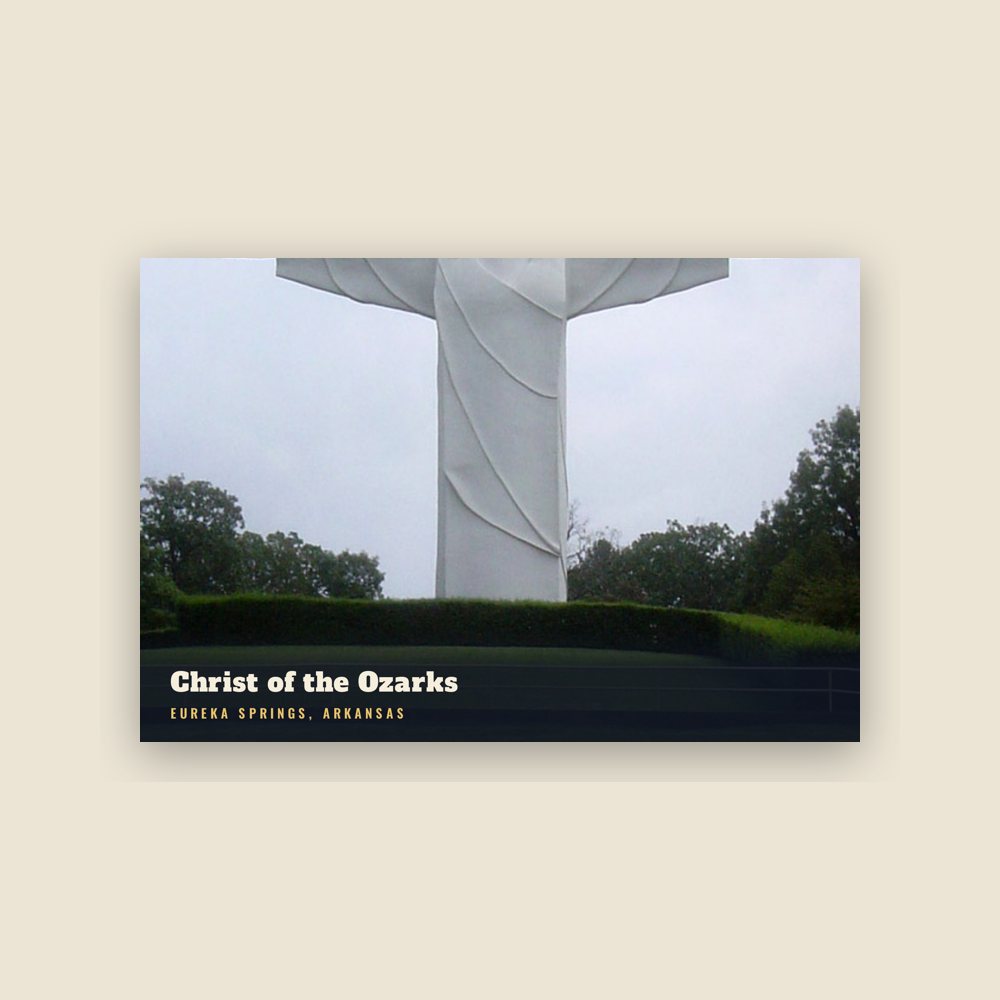
In 1964, Gerald L.K. Smith initiated construction of a religious theme park known as the Sacred Projects. Although the full vision, including a life-size recreation of Jerusalem, was never completed, two major components became permanent landmarks. On June 25, 1966, Smith dedicated the seven-story Christ of the Ozarks statue, a white concrete figure designed by sculptor Emmet Sullivan and erected on Magnetic Mountain. In 1968, Smith founded The Great Passion Play, an outdoor drama performed from May through October by a cast of approximately 170 actors and numerous live animals. The script was later revised from its original form, which had included a monologue placing blame for Jesus's death on Jewish people. The production has been viewed by an estimated 7.7 million people, making it the largest-attended outdoor drama in the United States, according to the Institute of Outdoor Theatre of the University of East Carolina. Additional Christian-themed attractions were developed nearby, including a Holy Land tour with a full-scale recreation of the Tabernacle in the Wilderness, a section of the Berlin Wall, and a Bible museum housing more than 6,000 Bibles.
Eureka Springs also became a destination for the back-to-the-land movement during the late 1960s and 1970s, attracting hippies, counterculture activists, and lesbian separatists. While initially facing resistance from some residents, increased business activity and tourism led to greater mutual acceptance. The city developed a reputation as a center for LGBT tourism. During the AIDS crisis, community members formed Ozark AIDS Resources and Service to provide mutual aid and care. Eureka Springs experienced particularly severe losses of residents, leaders, and businesses during this period.
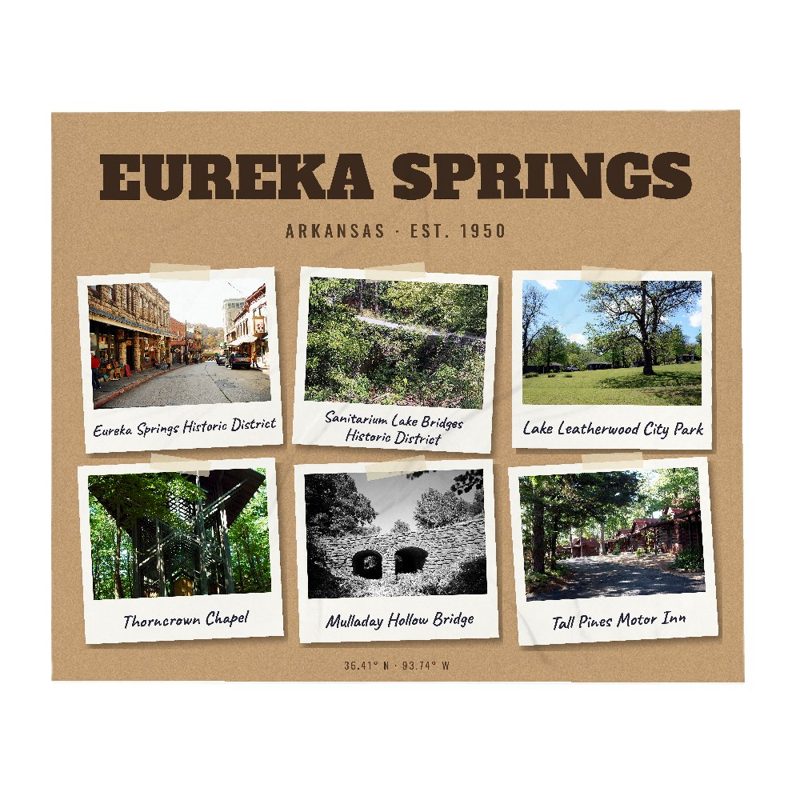
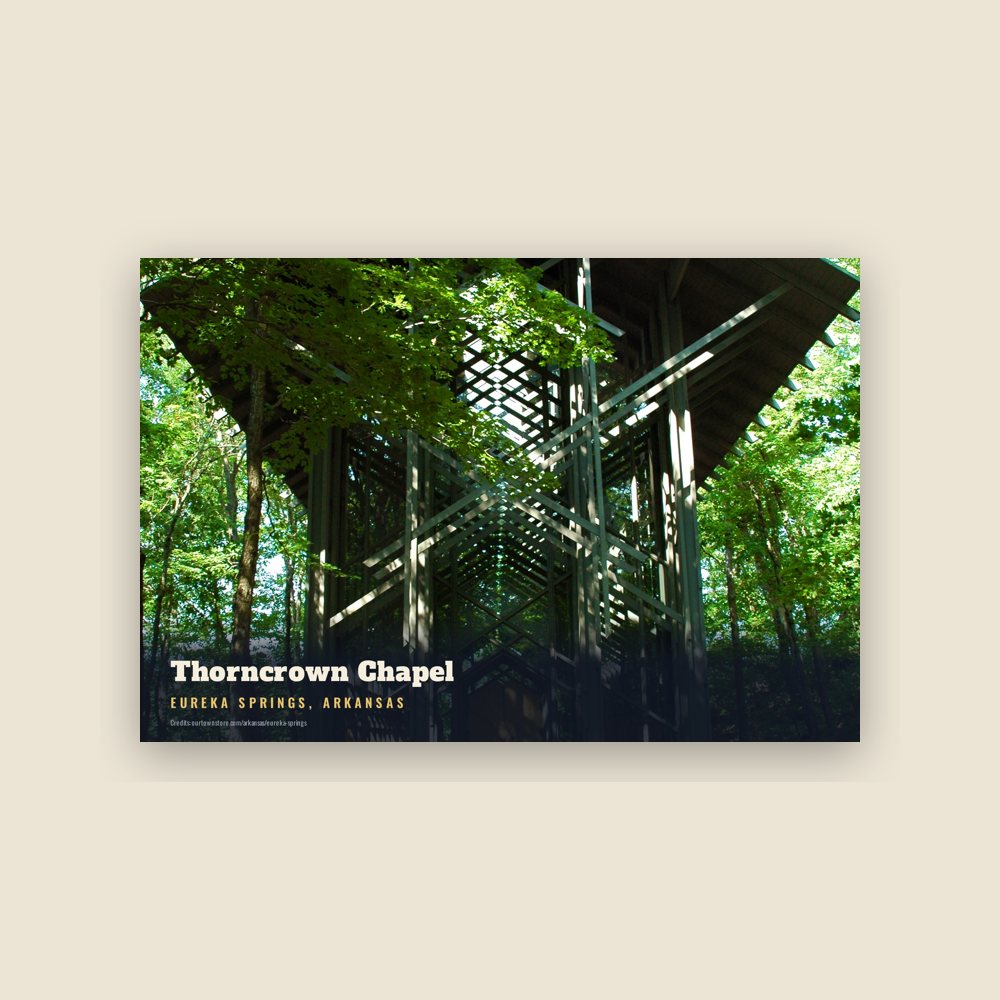
Architect E. Fay Jones designed Thorncrown Chapel in 1980. The chapel was listed on the National Register of Historic Places in 2000 and received the Twenty-five Year Award from the American Institute of Architects in 2006, recognizing its long-term influence on architectural practice.
21st century
In 2007, the Eureka Springs City Council voted to establish a registry of domestic partnerships. In 2010, Eureka Springs became the only city in Arkansas to offer city employee health insurance coverage to domestic partners.
On May 10, 2014, Eureka Springs became the first city in Arkansas to issue marriage licenses to same-sex couples. On May 12, 2015, voters approved a Non-Discrimination Ordinance (Ordinance 2223) by a margin of 579 to 261. The ordinance prohibited discrimination on the basis of sexual orientation and gender identity and applied to both residents and tourists, making Eureka Springs the first city in the state to enact such protections.
On July 22, 2015, a state law intended to invalidate local civil rights ordinances went into effect. Known as the Intrastate Commerce Improvement Act, the legislation was sponsored by state senator Bart Hester and prohibited municipalities from enacting civil rights protections beyond those provided under state law. In response, the mayor of Eureka Springs stated that the city was prepared to defend its ordinance in court, and local officials maintained that the ordinance remained in effect despite the state law.
Eureka Springs continues to attract a significant gay and lesbian population. The Metropolitan Community Church of the Living Springs conducts commitment ceremonies for same-sex couples. Municipal tourism materials promote the city as a place of tolerance and mutual respect. At the same time, organizations such as the American Family Association have protested the city's acceptance of LGBT residents and visitors.
The coexistence of a visible LGBT nightlife and prominent Christian fundamentalist attractions in the city was examined in the 2018 documentary The Gospel of Eureka.
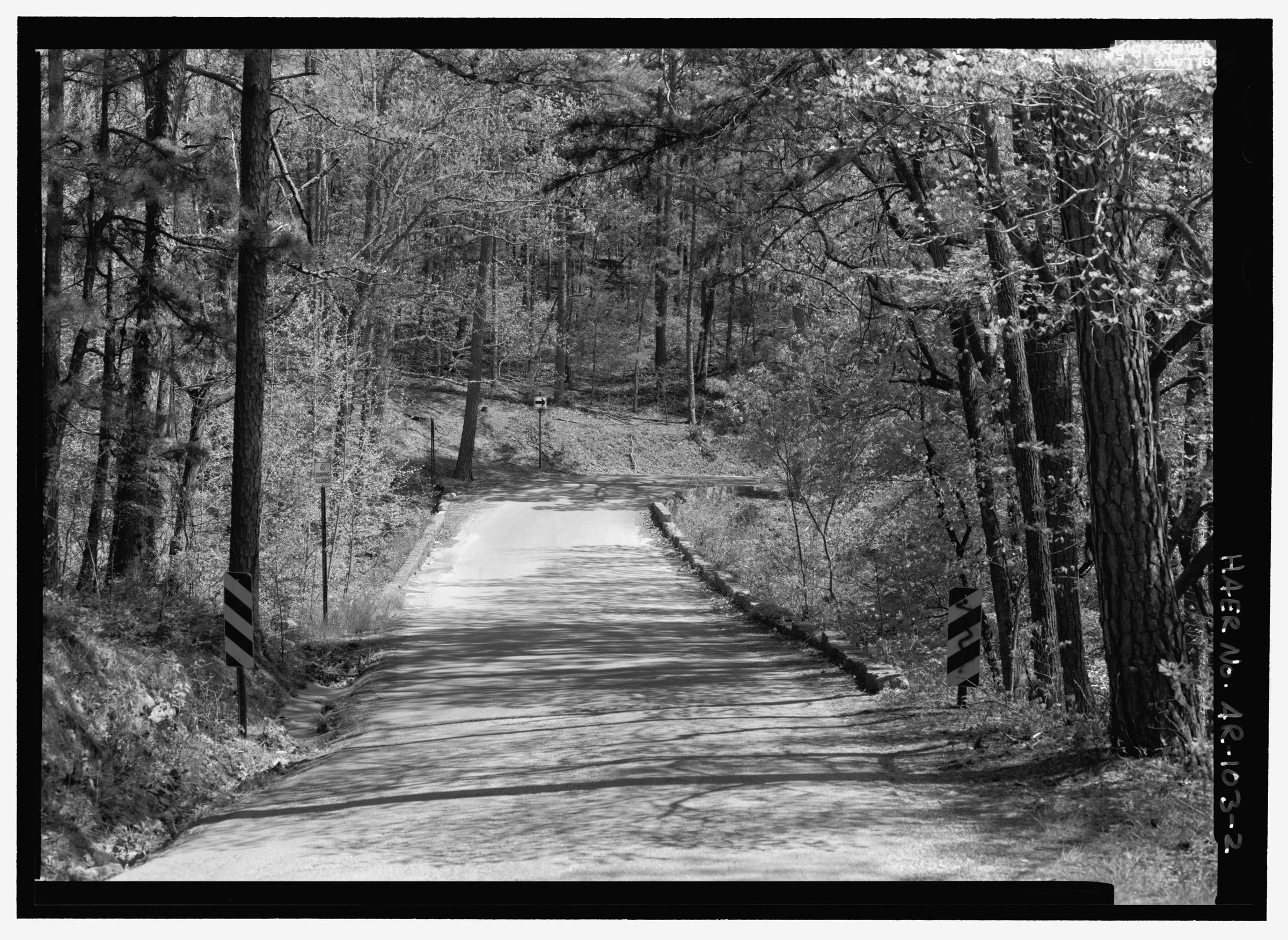

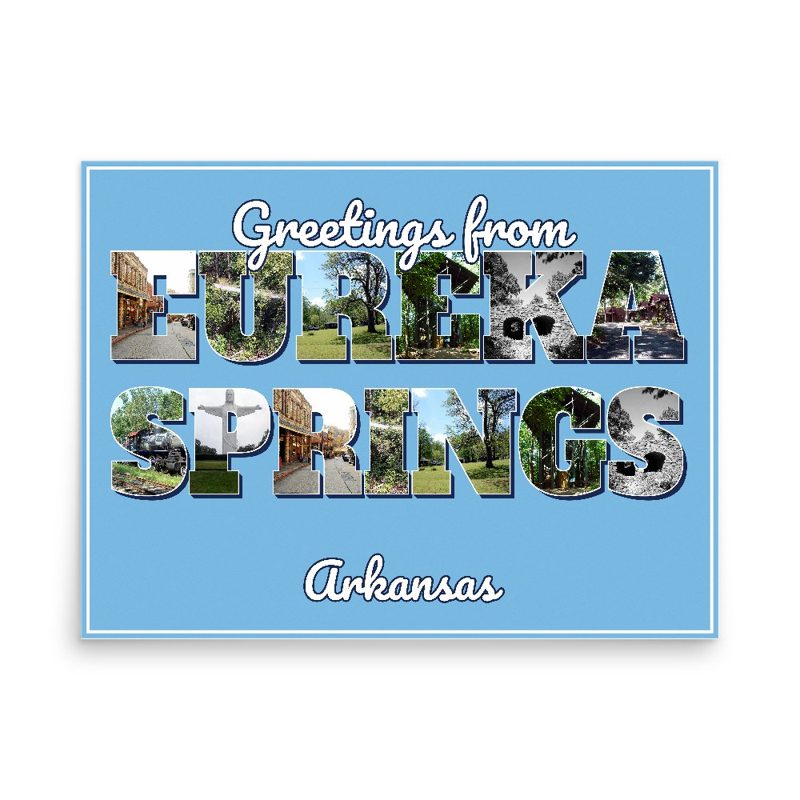
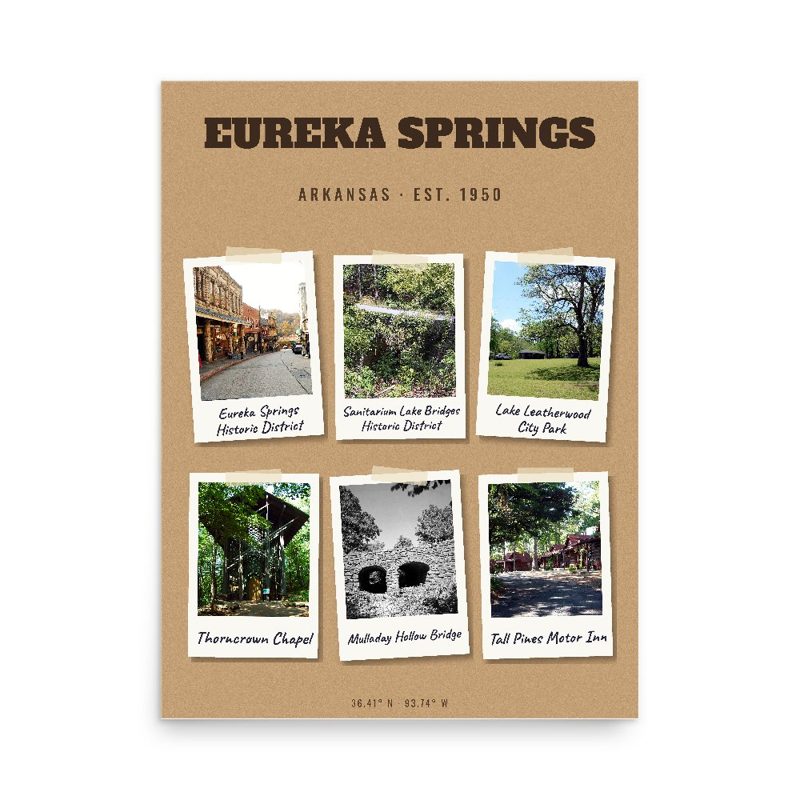
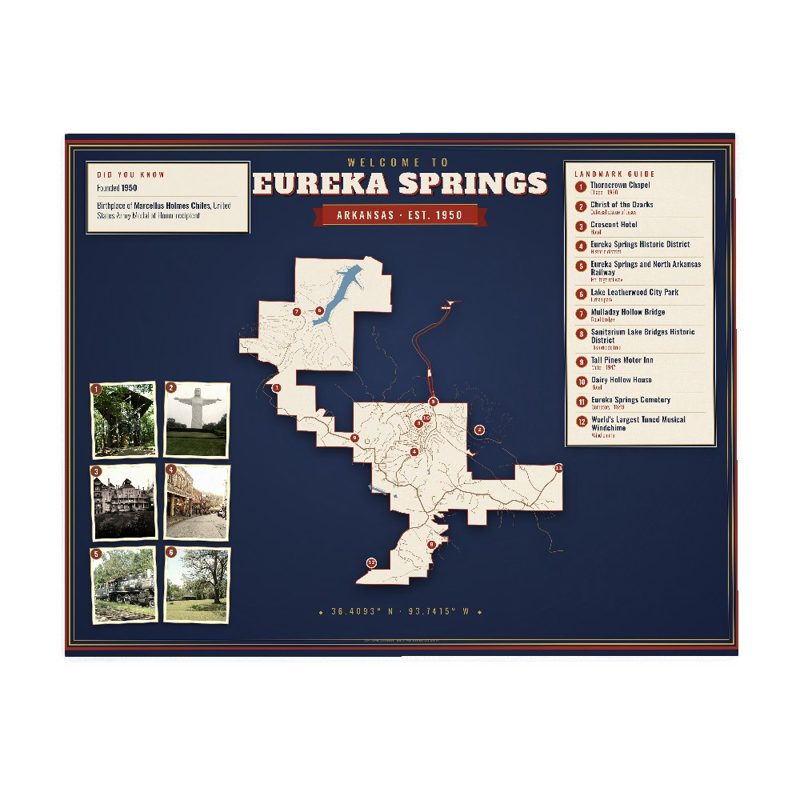









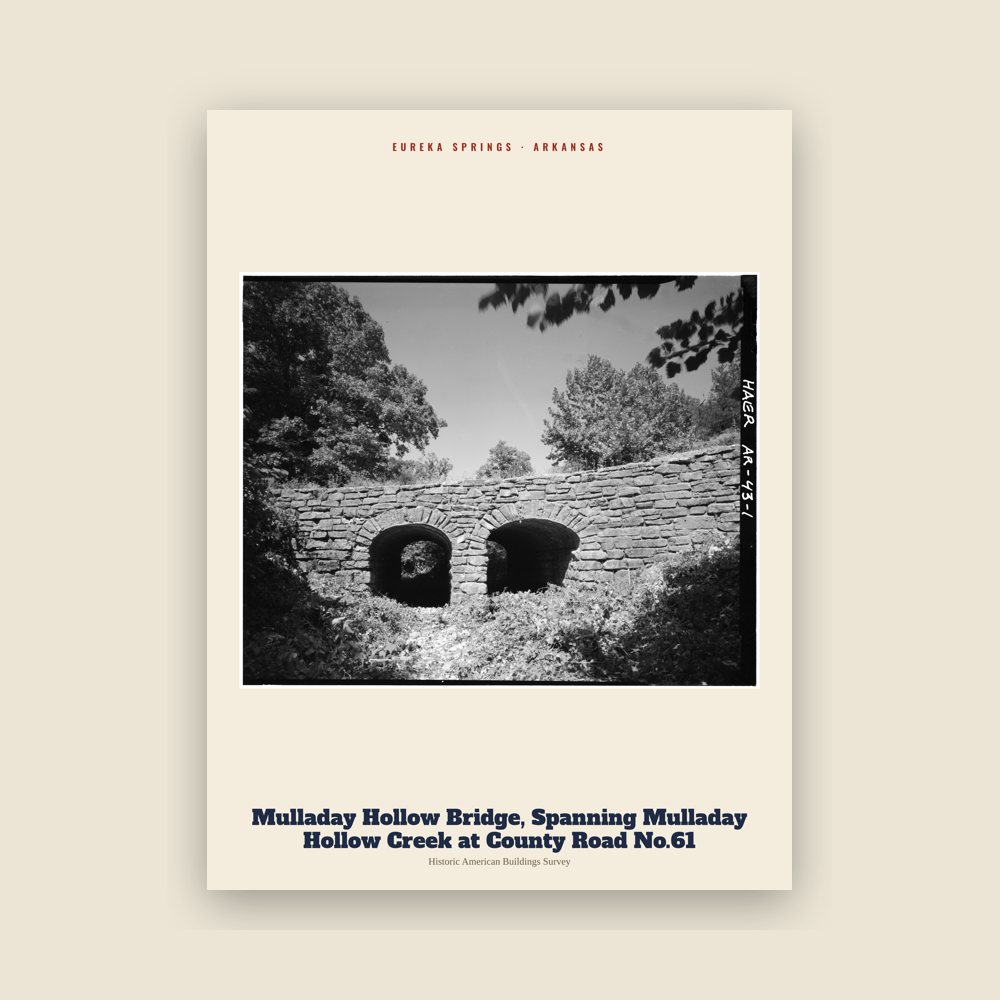
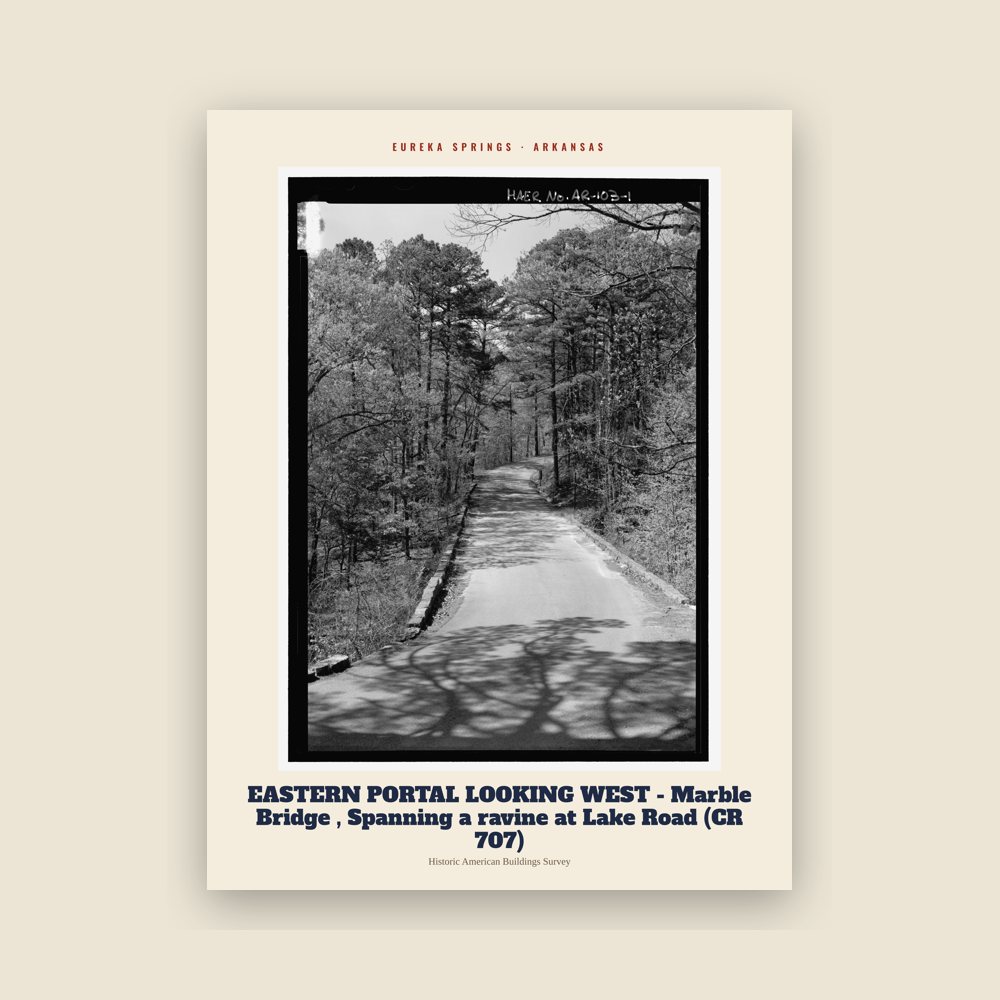
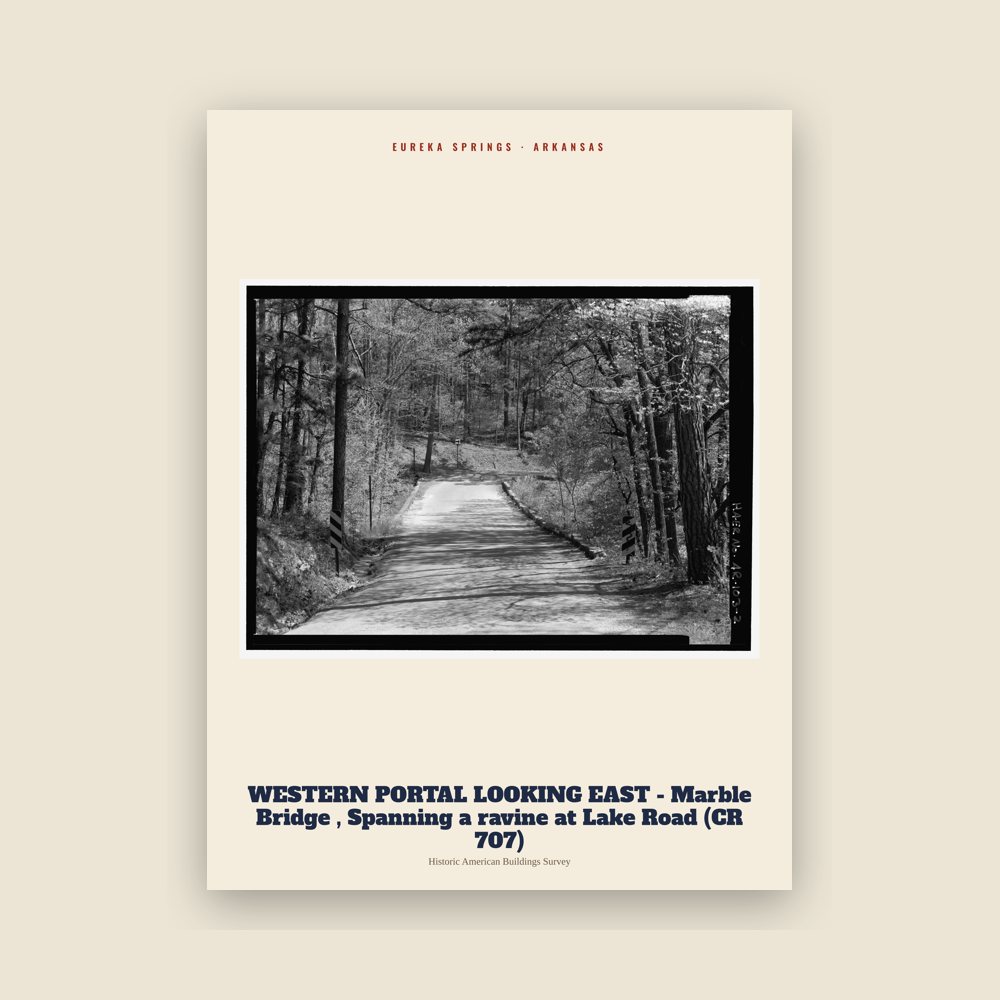
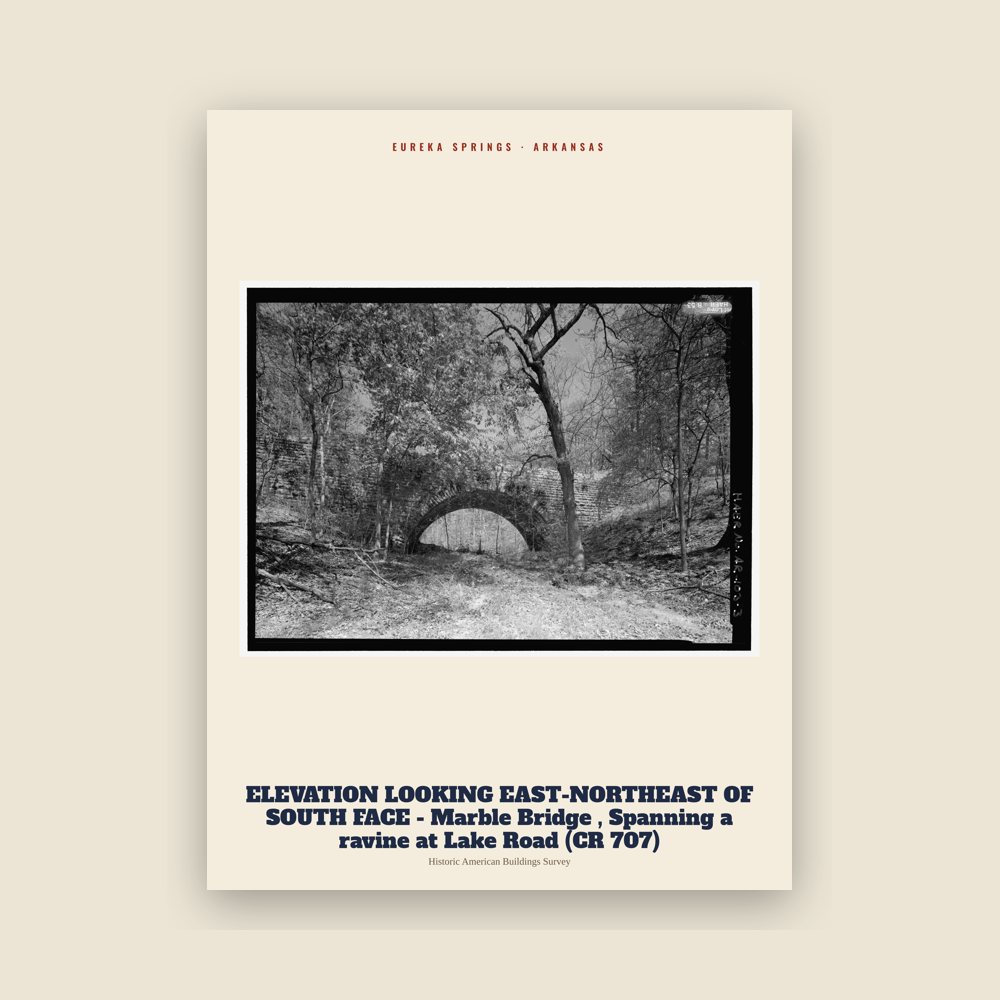
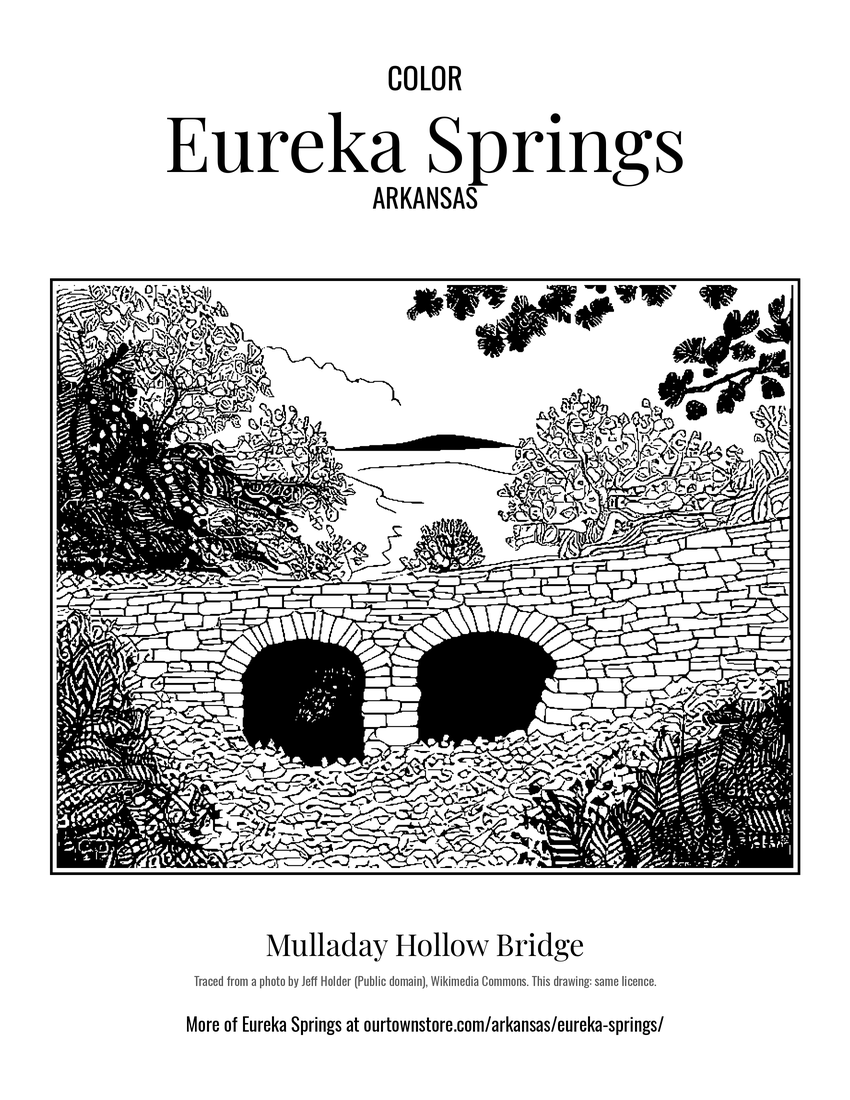 Mulladay Hollow Bridge
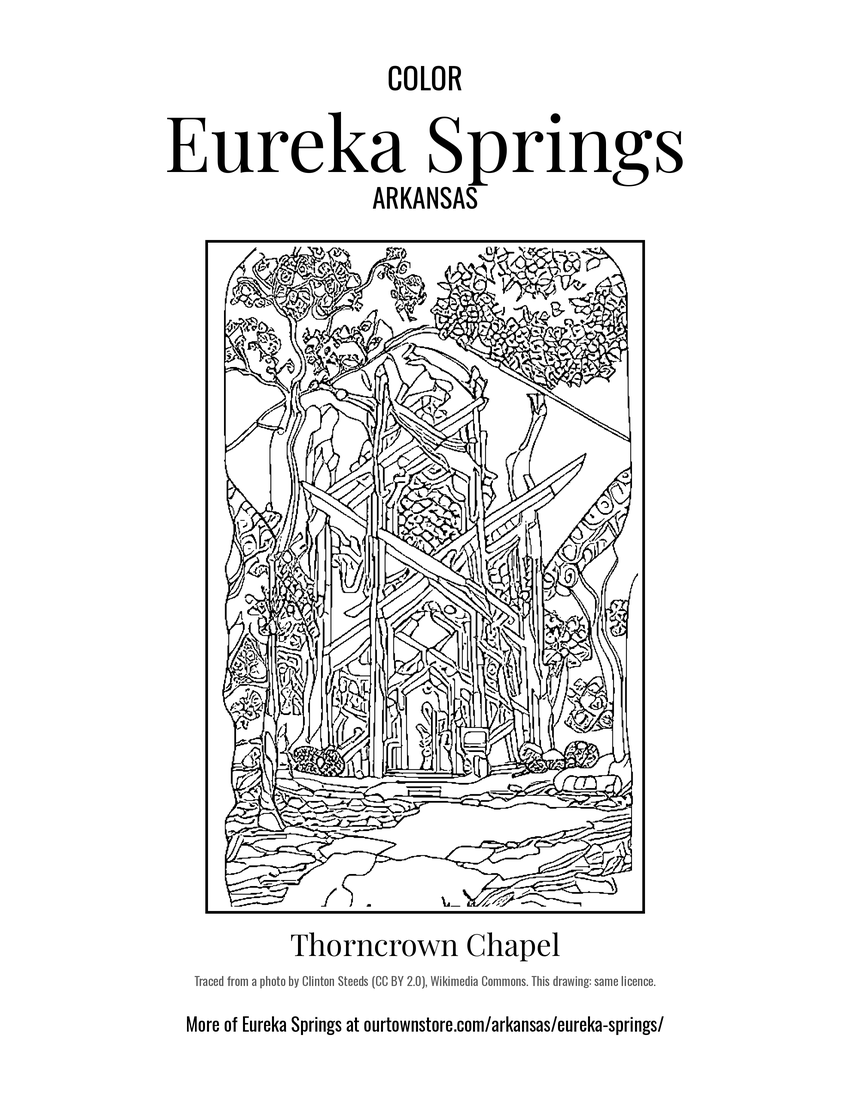 Thorncrown Chapel
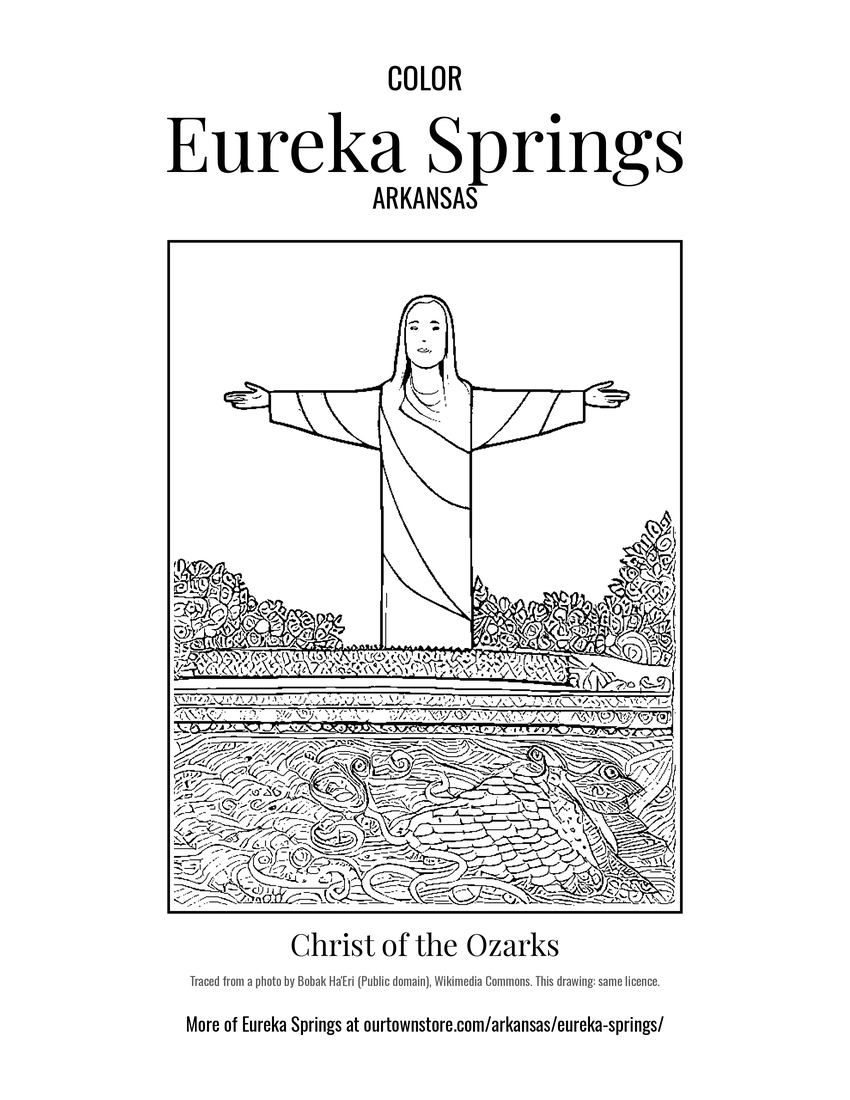 Christ of the Ozarks
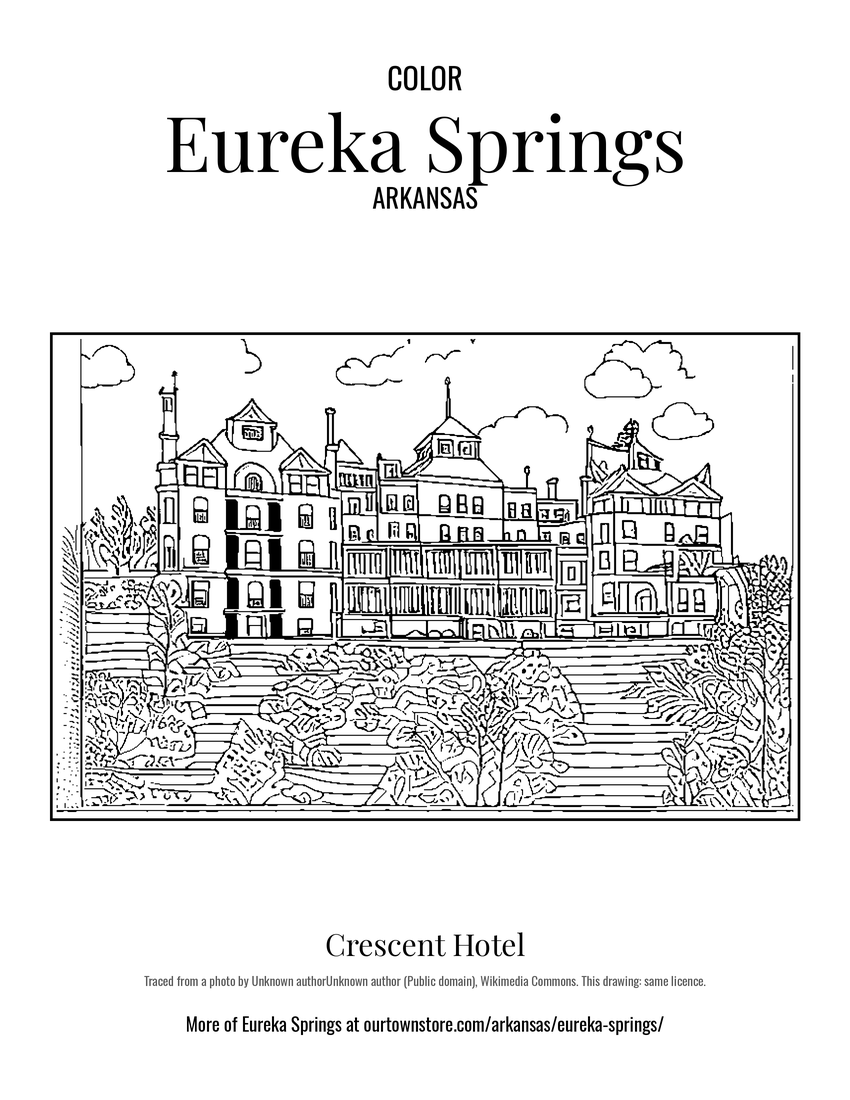 Crescent Hotel