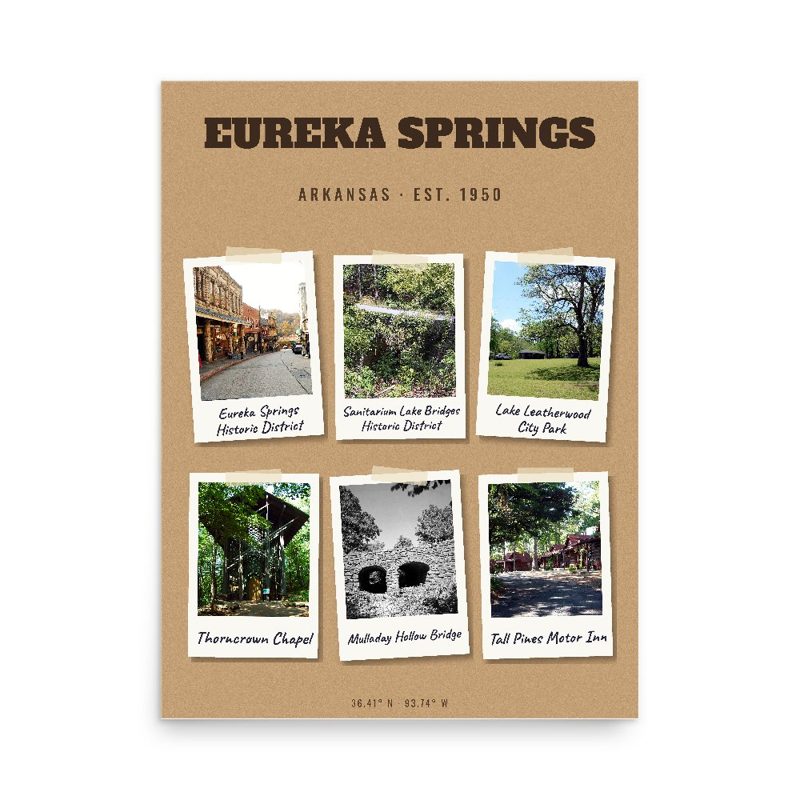
Full script: the history of Eureka Springs, Arkansas
Eureka Springs sits in the Ozark hills of northern Arkansas, on land the Osage Nation once used as hunting territory. Stories that native peoples prized the springs as medicine circulated later, but historians have found no record of it.
In 1856, Dr. Alvah Jackson claimed the water of Basin Spring cured his eye ailments. During the Civil War he ran a hospital in a local cave, and afterward he sold the water as Dr. Jackson's Eye Water.
In 1879, Judge J.B. Saunders said the springs had cured him of a debilitating illness, and he promoted them far and wide. Thousands came, living in tents and shacks.
Eureka Springs was incorporated on Valentine's Day, 1880. Within a year it was Arkansas's fourth-largest city, and by 1889 it was second only to Little Rock.
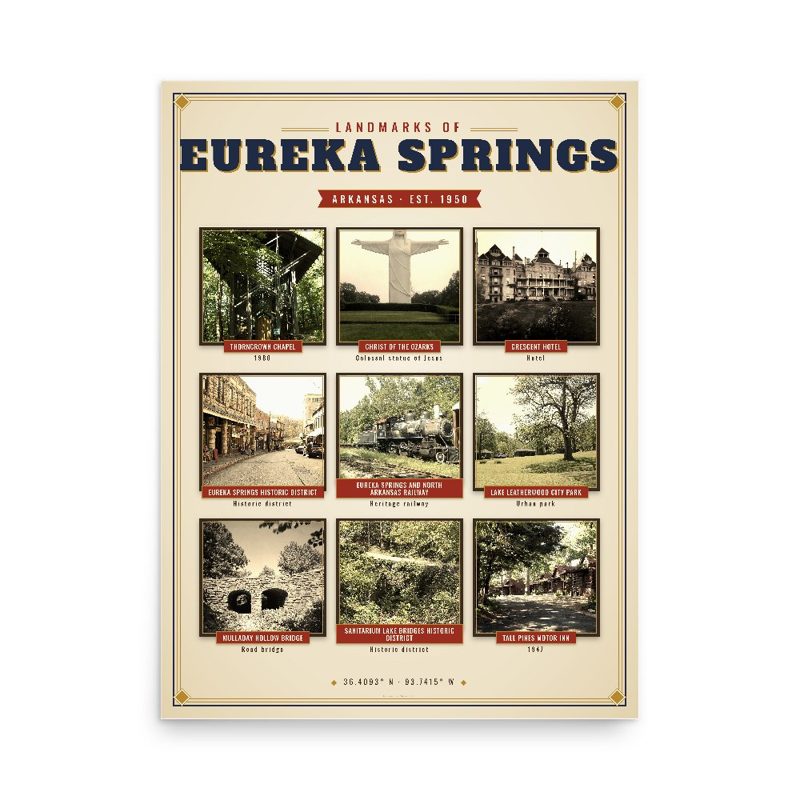
The railroad arrived, and the grand hotels followed: the Crescent in 1886, the New Orleans in 1892, and the Basin Park in 1905, built into a mountainside so all eight floors open at ground level.
But belief in healing water faded, and so did the crowds. In the 1930s the Crescent Hotel became a cancer hospital run by Norman Baker, a man with no medical training, until he was convicted of mail fraud in 1940.
Then the artists came. In 1939 Louis and Elsie Freund opened a summer art school, students stayed to open galleries, and in 1950 Opera in the Ozarks began its summer festival.
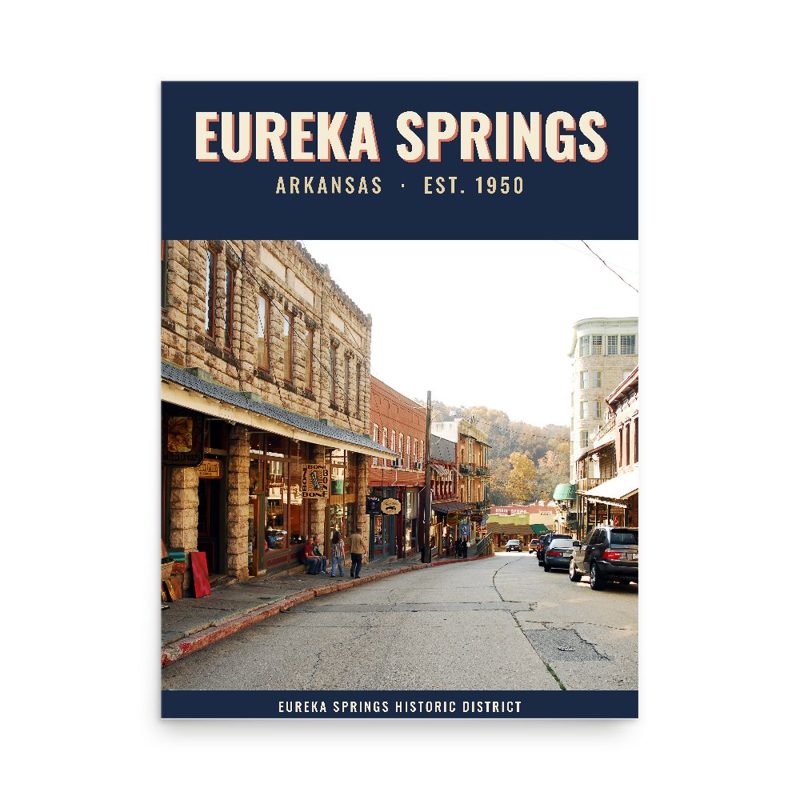
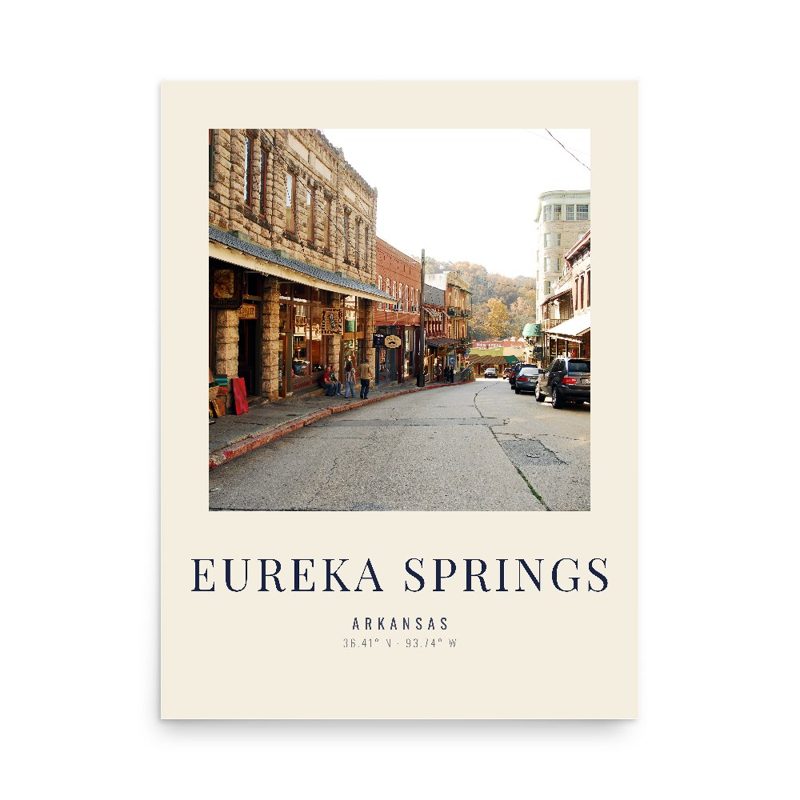
Today the Victorian streets still stand much as they were built. The water may not cure anything, but it built a town that refused to disappear.