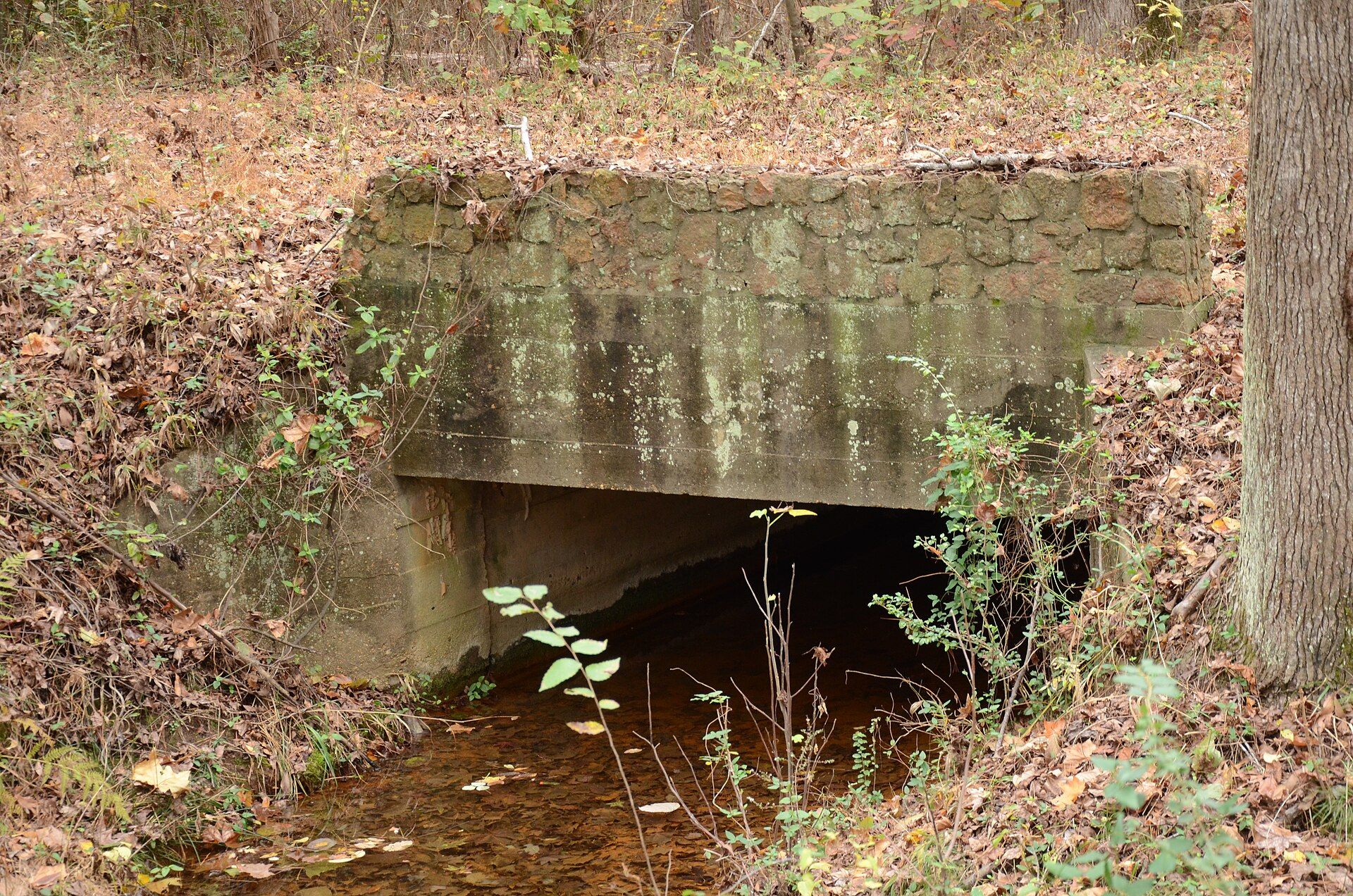
Bauxite is a city in Saline County, Arkansas, United States. Landmarks include Old Benton-Sardis Road Bridge.
- CountySaline County
- Historic places2 on the National Register
Bauxite Town, Arkansas gifts and souvenirs: 20 designs made from Bauxite Town's own map, landmarks and history, from $10 to $95. Printed to order and shipped free in the USA.
| Popular | Price |
|---|---|
| Bauxite Town Hometown Ornament | $23 |
| Bauxite Town Vintage Travel Poster | from $40 |
| Bauxite Town Varsity Crewneck | from $57 |
| Bauxite Town Est. Tee | from $33 |
| Bauxite Town Town Line Mug | from $26 |
| Bauxite Town Market Tote | $37 |
Ceramic keepsake, gold ribbon
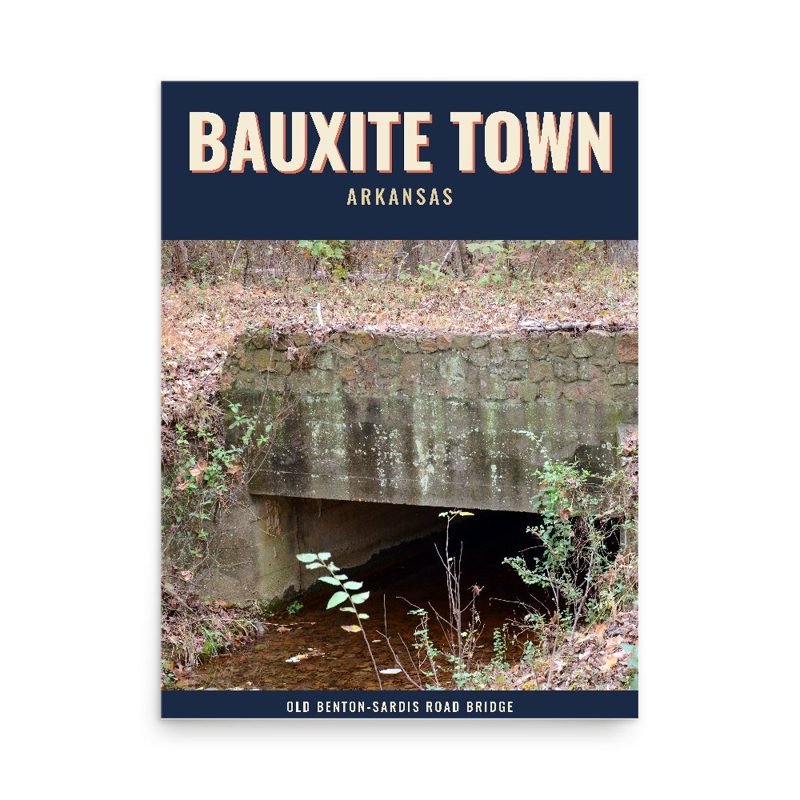
Its landmark photo in a classic travel-poster layout
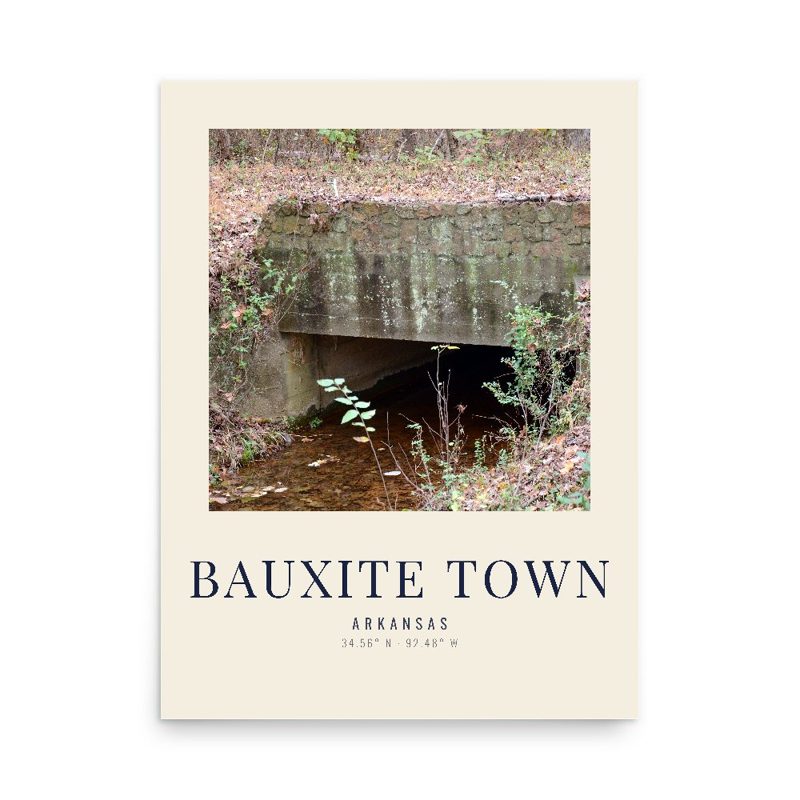
A local landmark photo as a gallery print
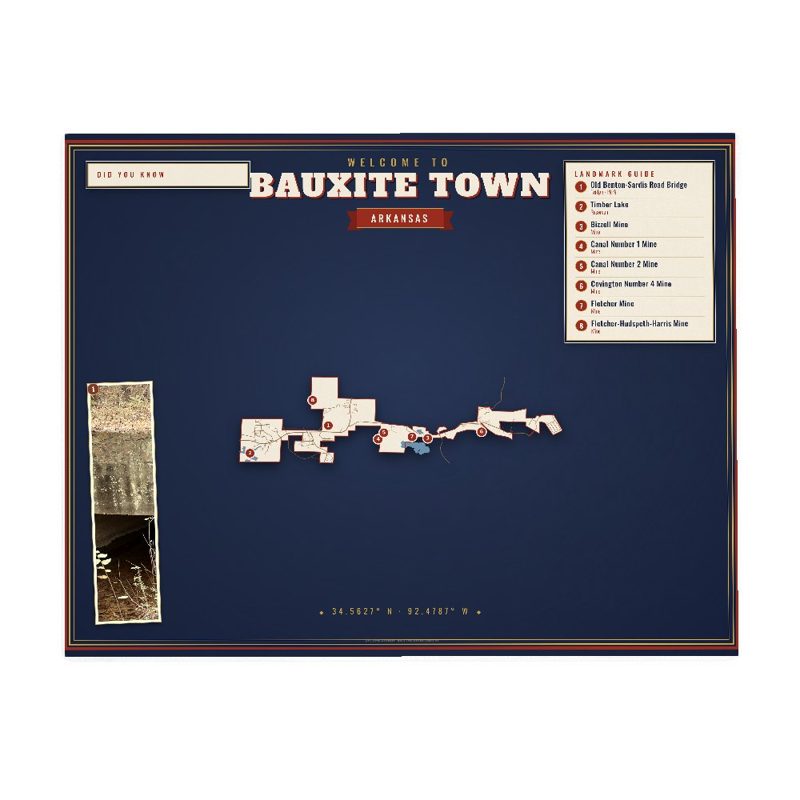
Map of local landmarks, washable fabric

Heavy-blend fleece, street map printed on the back
Soft Bella+Canvas jersey
Kids' Bella+Canvas jersey, youth sizes
Bella+Canvas toddler jersey
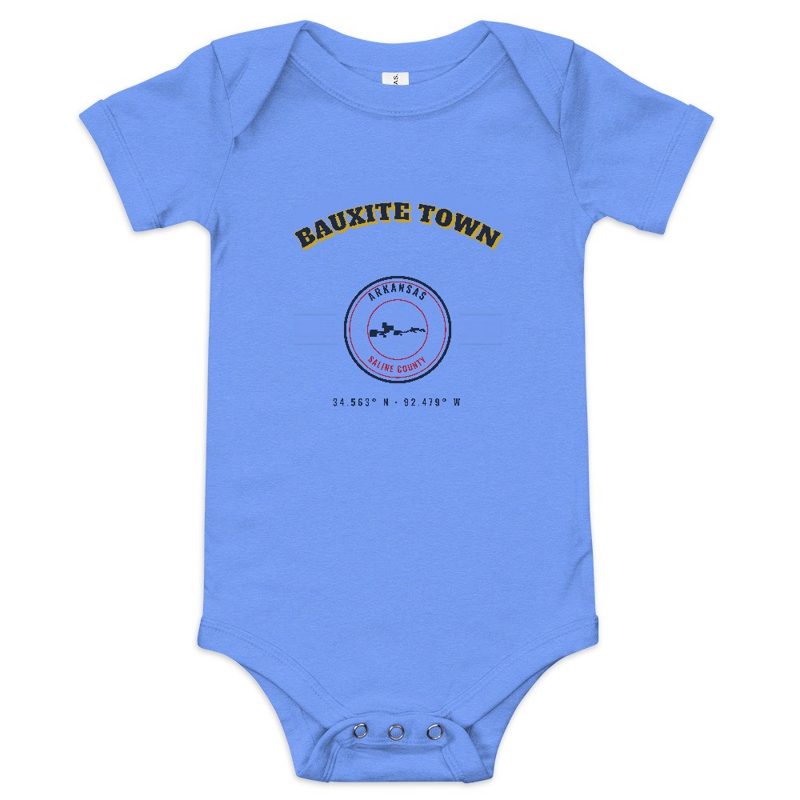
Bella+Canvas baby bodysuit
Glossy ceramic, dishwasher safe
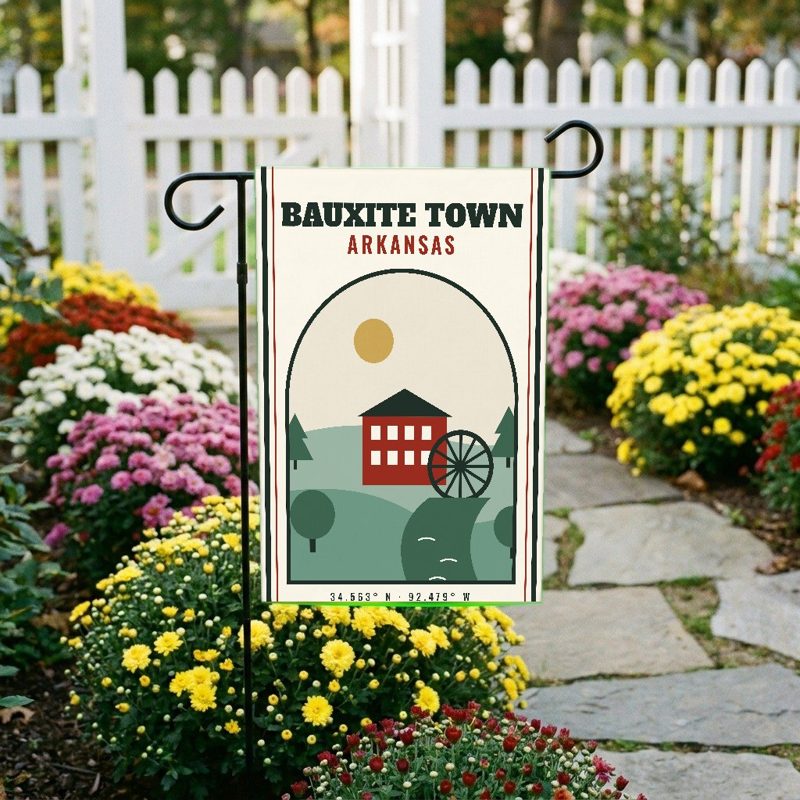
Weatherproof, for the front walk
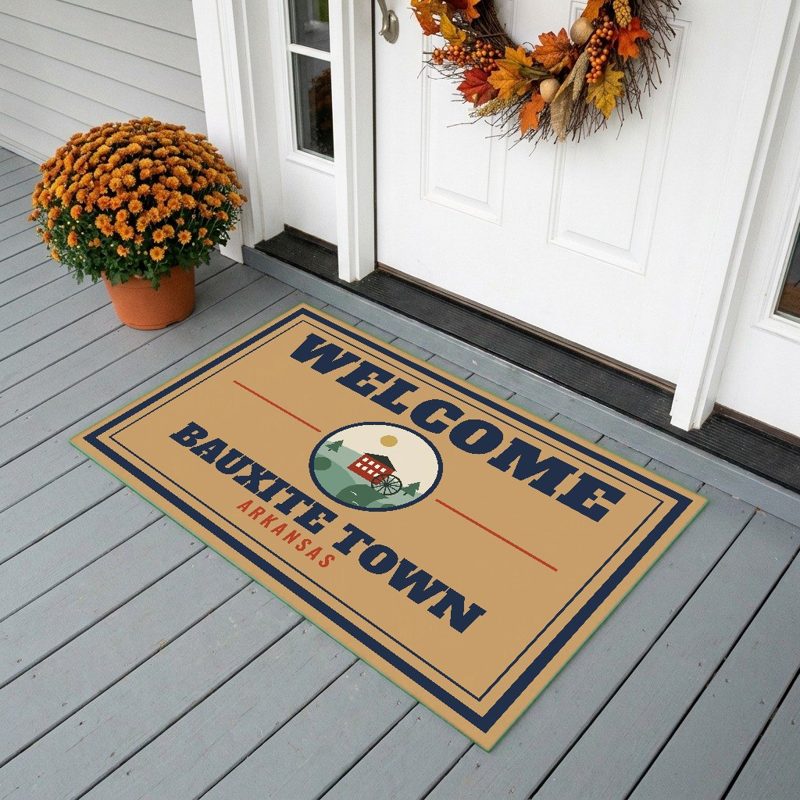
24″×16″, printed coir-look fibers, rubber back
12″×12″ printed wood, ready to hang
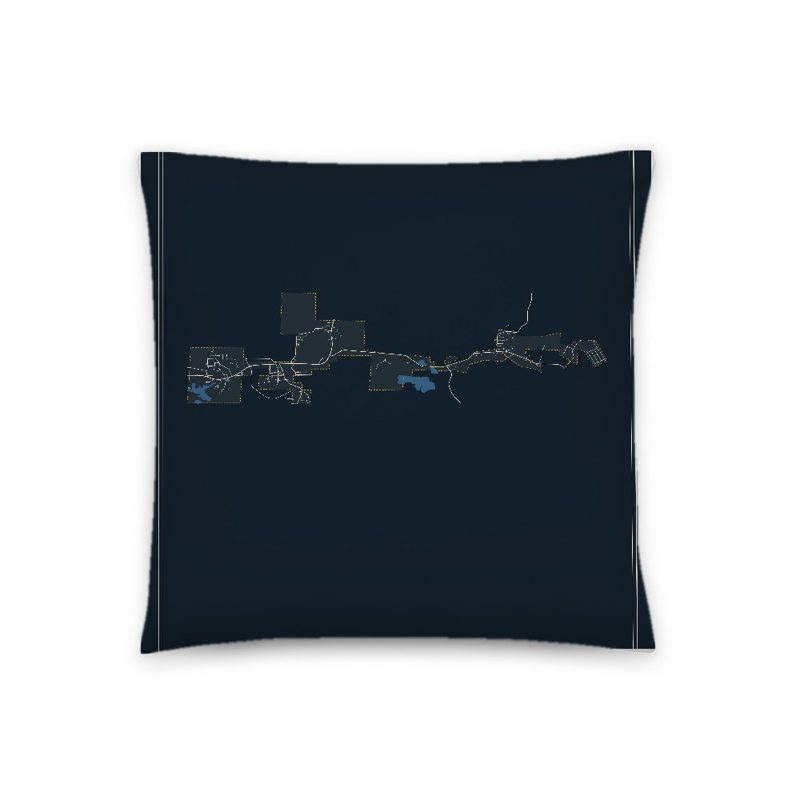
Soft-touch, zip cover
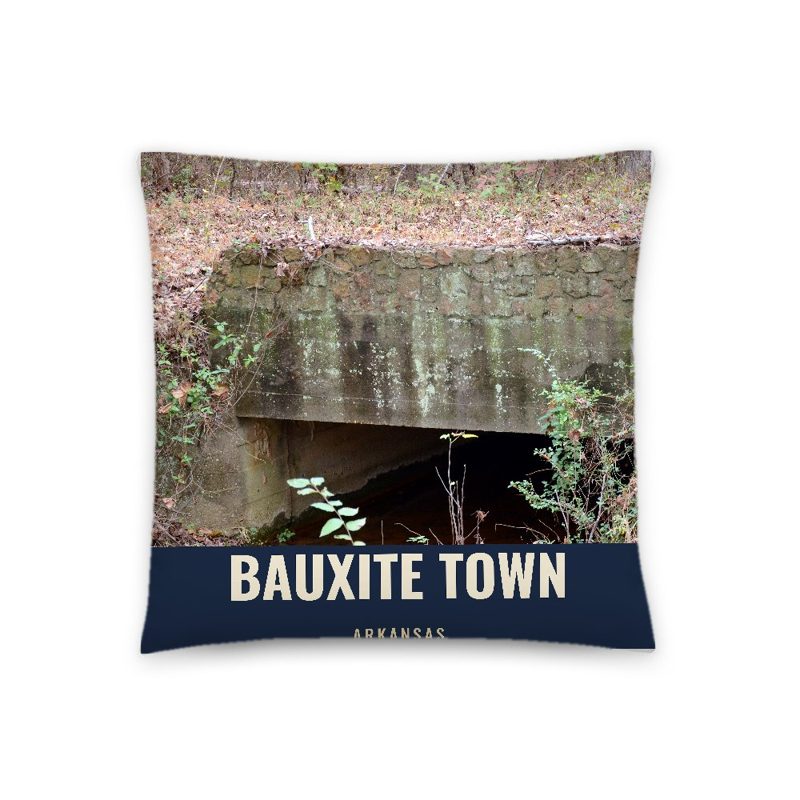
A local landmark photo with the town name, 18″×18″
Sturdy all-over-print tote
Glossy top, cork back
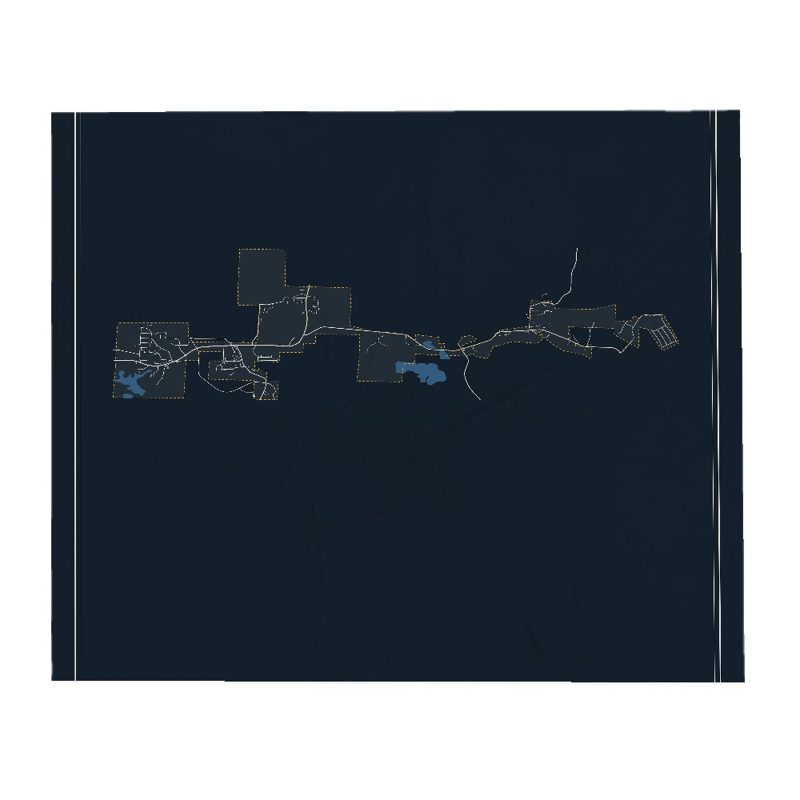
Soft fleece, 50″×60″
20 oz, double-wall stainless
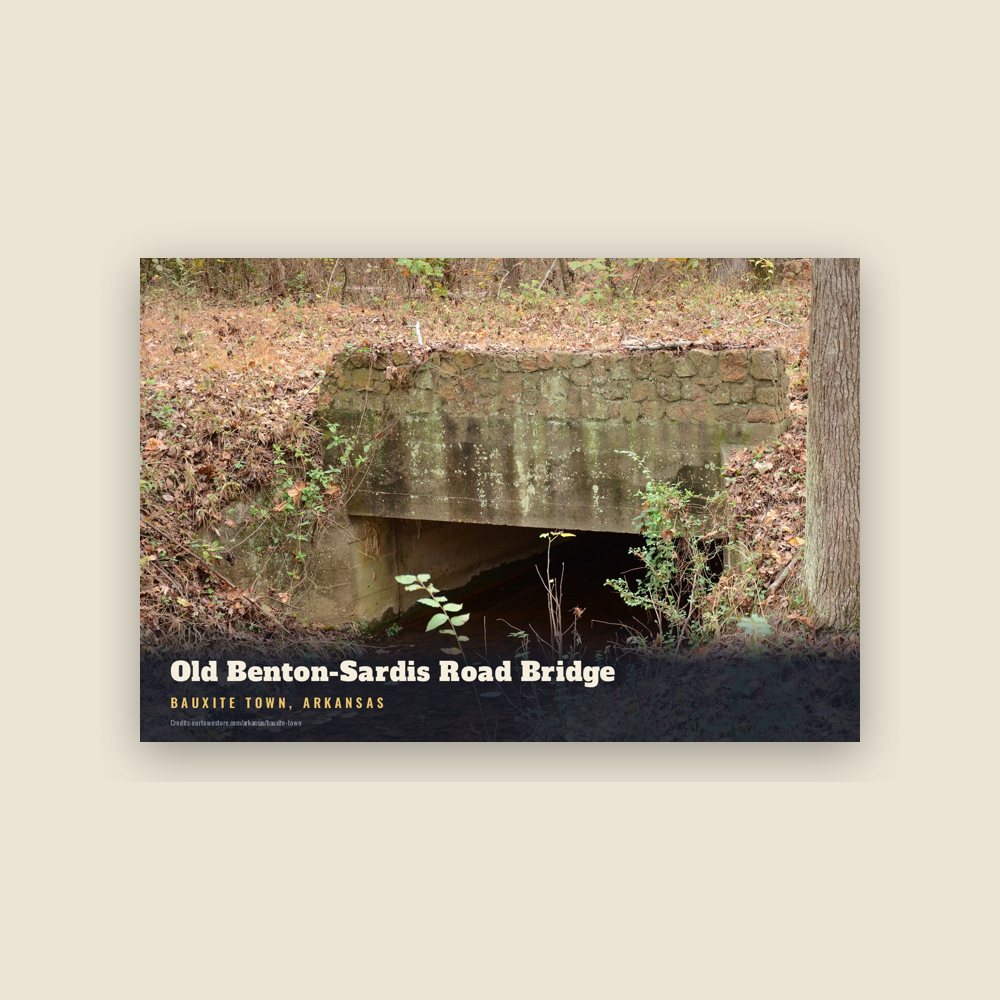
6″×4″ postcard, glossy front
Bauxite is a city in Saline County, Arkansas, United States. Landmarks include Old Benton-Sardis Road Bridge.
From Wikidata (CC0).
The ore for which the city is named was discovered in the area in the early 1890s and mined by the General Bauxite Company until 1905, when the Pittsburgh Reduction Company, an aluminum refining company, purchased vast tracts of land in Saline County after learning of the high-quality ore that was being shipped from the area. The company bought out the local producers of the ore, including the General Bauxite Company. Pittsburgh Reduction would go on to incorporate as the Aluminum Company of America, or ALCOA.
Production of the ore rose rapidly, growing from 200,000 short tons (180,000 t) in 1914 during World War I, to 560,000 short tons (510,000 t) by war's end in 1918. With decreased demand and an expanded source base in South America, Arkansas production levels fluctuated with demand, dropping as low as 60,000 short tons (54,000 t) per annum in the mid-1930s.
World War I provided the greatest surge in growth for Bauxite, with multiple camps developing in and around the present-day city, often segregated by race or ethnicity, with such camp names as Italy Camp, Mexico Camp, Africa Camp, etc. Throughout the Great Depression, ALCOA provided a standard of living for its employees that was generally un-matched during that period of economic turbulence.
When World War II broke out, Bauxite was again called into martial action, with production rapidly increasing with the need for refined aluminum to produce airplanes and other material. Donald M. Nelson, the Chairman of the WPA, requested that ALCOA president, Arthur V. Davis implement a three-shift, 24-hour production schedule. Davis brought in miners from across the country to keep the mines running continuously. This rapid rise in output led to a 1943 annual production of 6,000,000 short tons (5,400,000 t) of ore.
Production began to slow as the war drew to a close, but the city's population and infrastructure had swelled to include multiple new communities and a larger school district. ALCOA and Reynolds Metal Company continued to refine bauxite in the area, with Reynolds finally ceasing operations in 1981.
Adapted (trimmed) from the Wikipedia article Bauxite Town, Arkansas, revision 1374987929 by its contributors, licensed CC BY-SA 4.0.
We share a part of every Bauxite Town sale with local partners, and we'd love to print from your collection. Old photographs, maps and postcards make the best keepsakes.
Partner with usA favorite landmark, your street, a school or team, an anniversary gift, a different product. Tell us and we'll get back to you by email.
1 free coloring page of Bauxite Town, each traced from a photo of a local landmark. Print them at home, at school or for story hour.
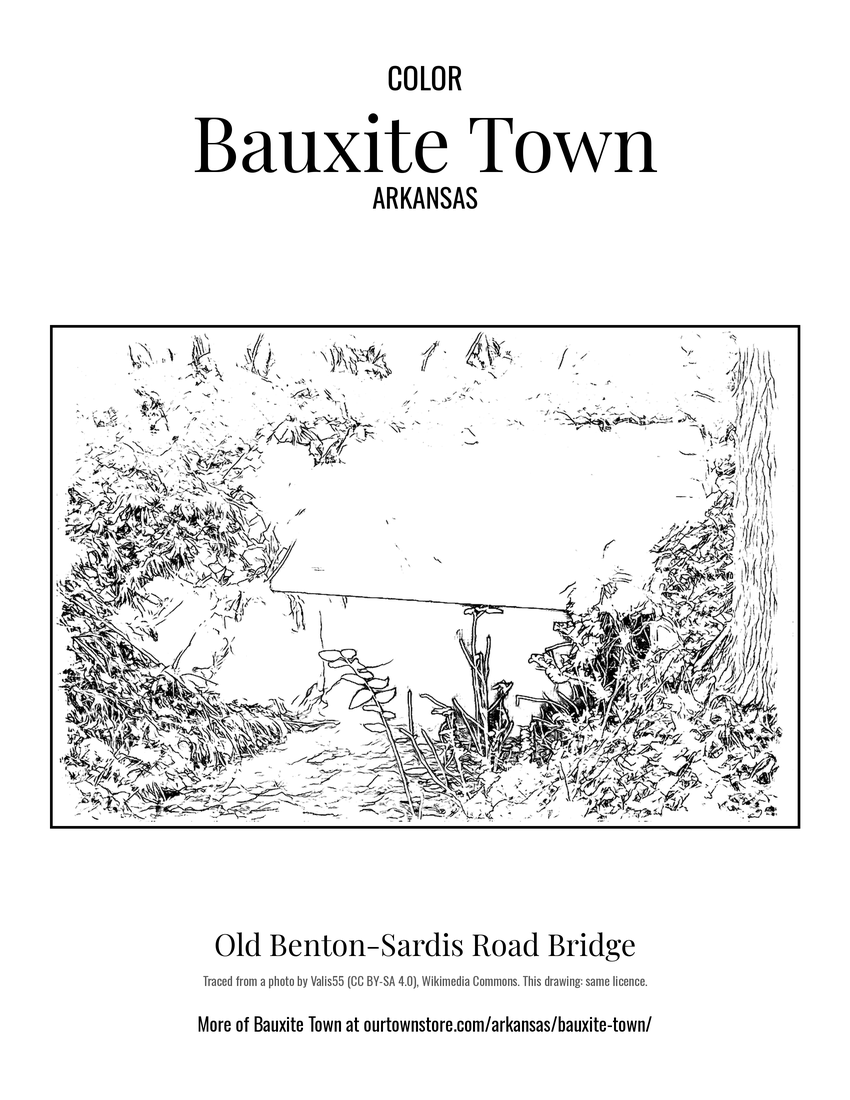 Old Benton-Sardis Road Bridge