Cart 0
Teller, Teller, Alaska

TELLER

Alaska
Shop the collection

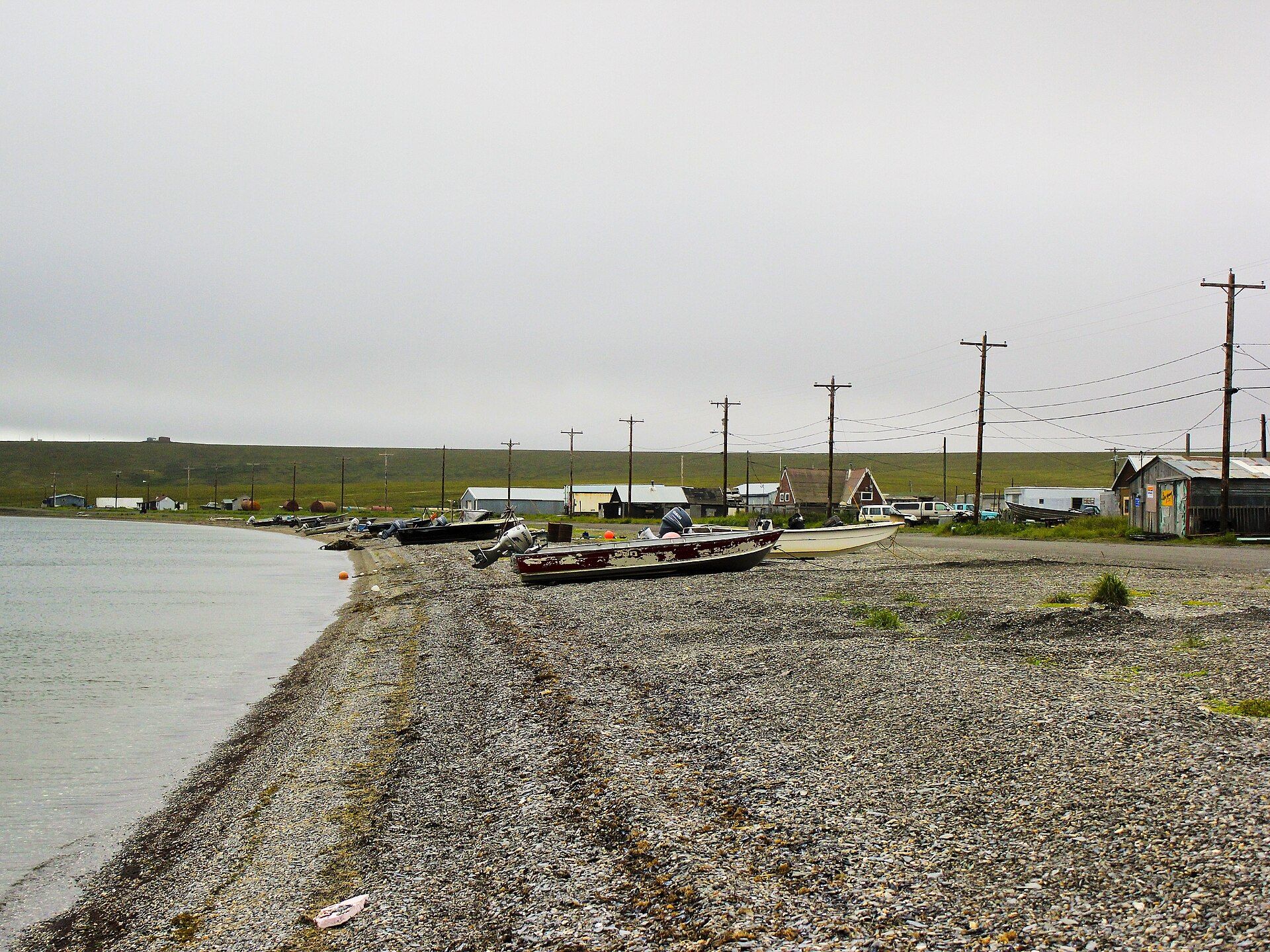
The Inupiat had a fishing camp called Nuuk 32 km (20 mi) south of Teller in the early 19th century. Landmarks include Teller Reindeer Station and Norge Storage Site.

The Teller Collection

Made for Teller. Printed to order.

Teller, Alaska gifts and souvenirs: 28 designs made from Teller's own map, landmarks and history, from $10 to $99. Printed to order and shipped free in the USA.

PopularPrice
Teller Hometown Ornament$23
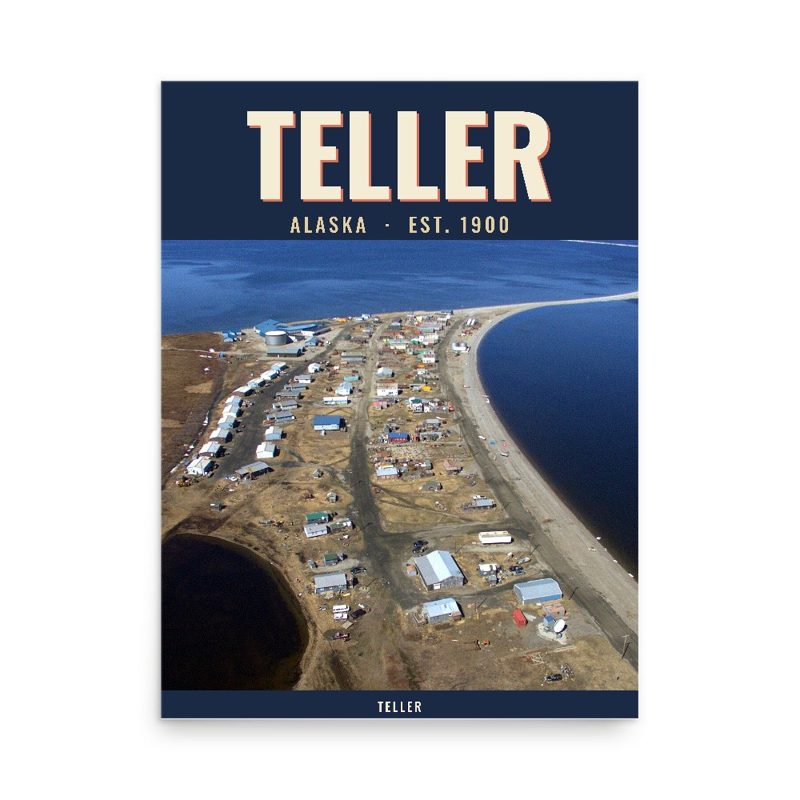
Teller Vintage Travel Posterfrom $40
Teller Varsity Crewneckfrom $57
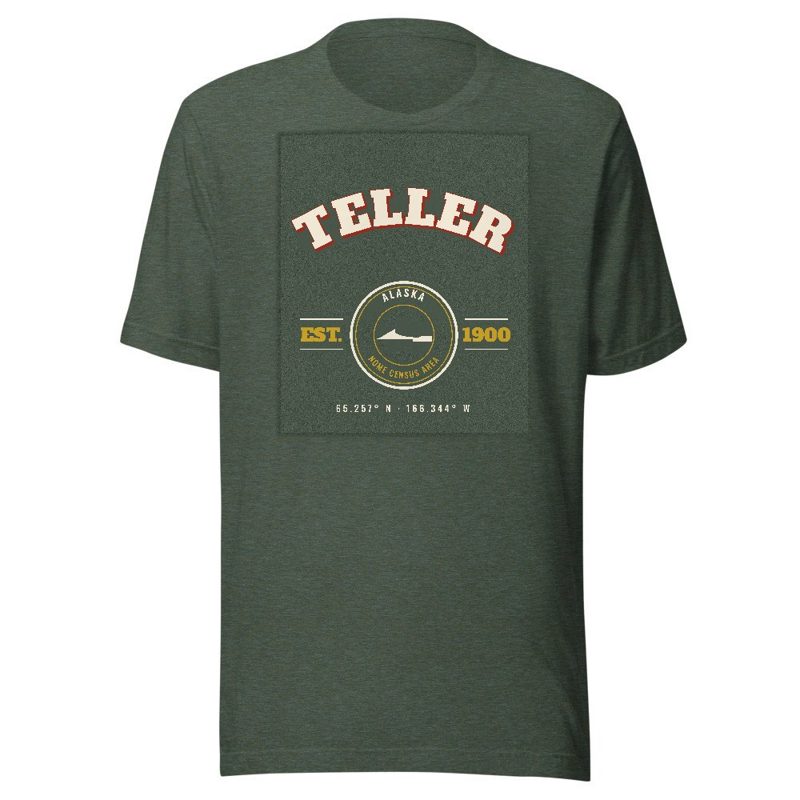
Teller Est. Teefrom $33
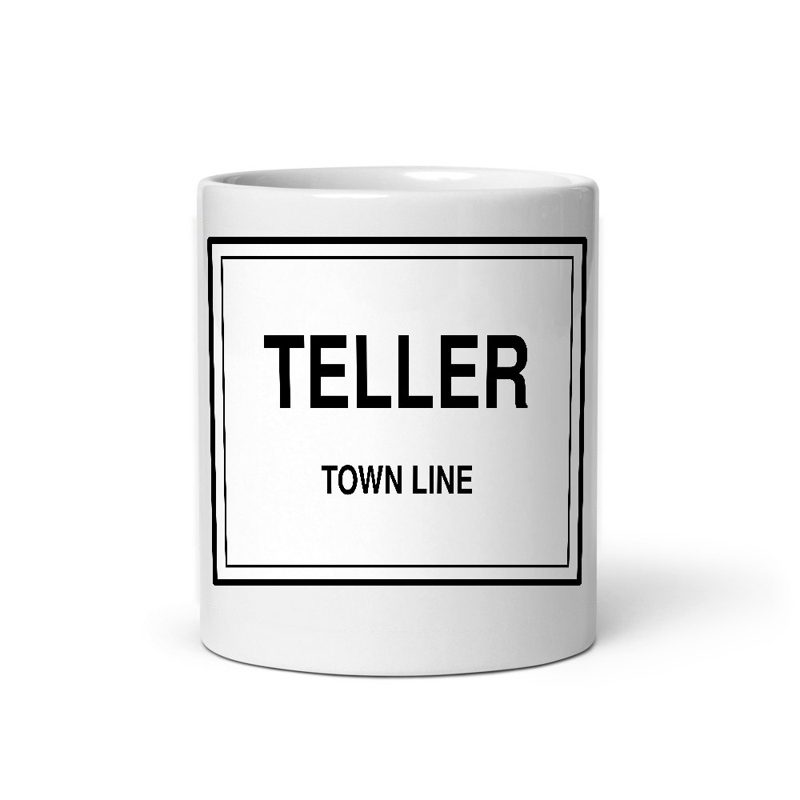
Teller Town Line Mugfrom $26
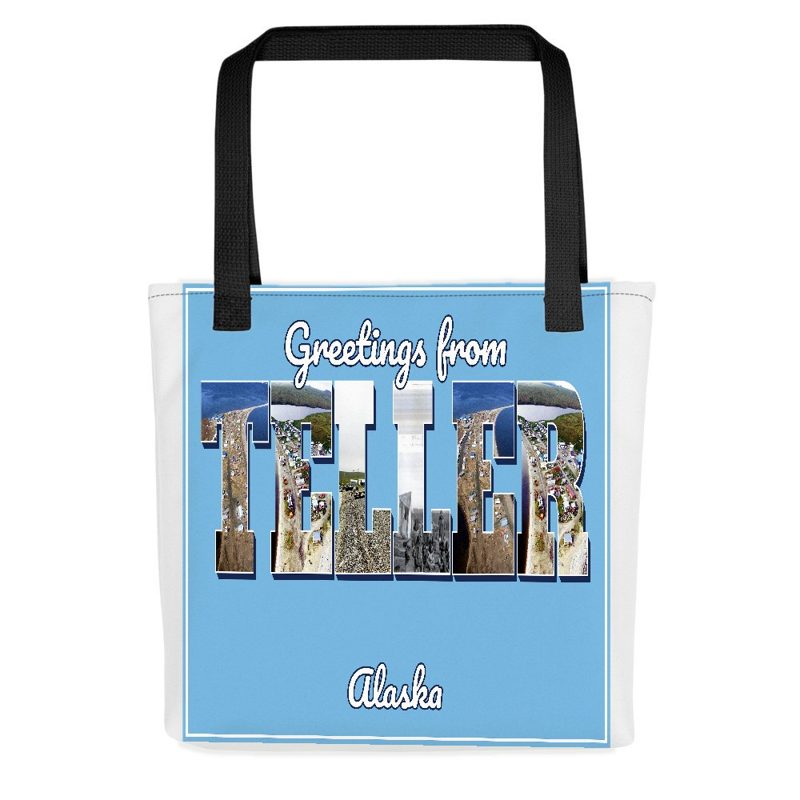
Teller Market Tote$37
Teller Hometown Ornament

Teller Hometown Ornament

Ceramic keepsake, gold ribbon, in 3 styles

$23
Teller Vintage Travel Poster

Teller Vintage Travel Poster

Its landmark photo in a classic travel-poster layout

from $40
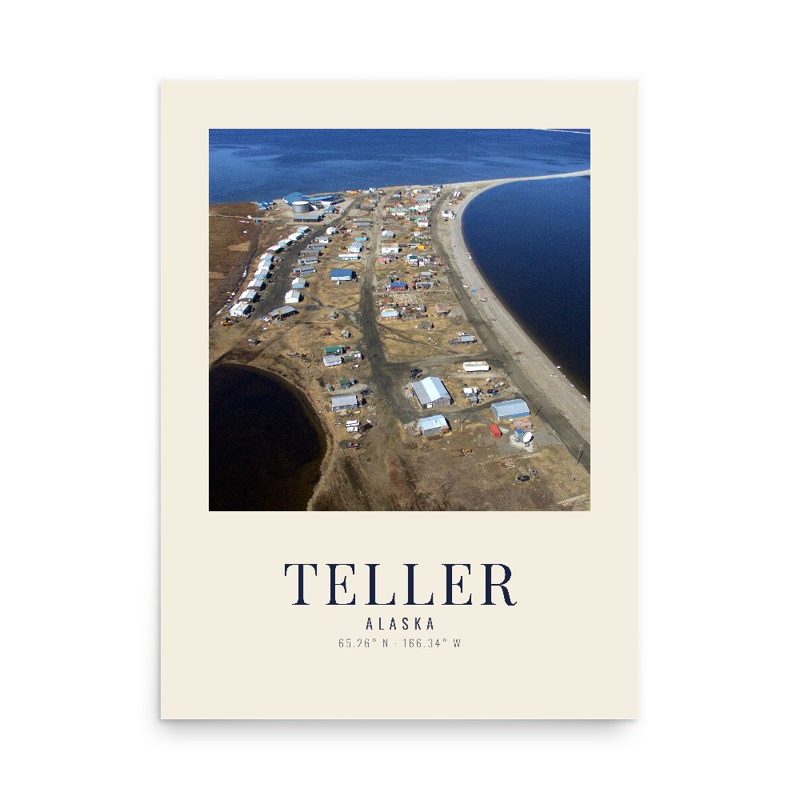
Teller Photo Art Print

Teller Photo Art Print

A local landmark photo as a gallery print

from $40
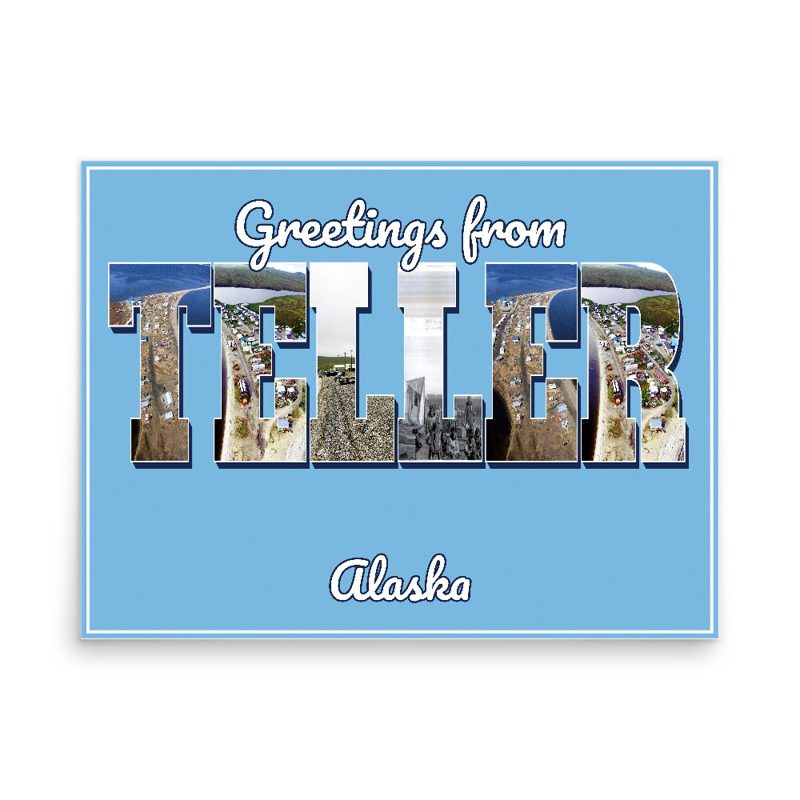
Teller “Greetings From” Poster

Teller “Greetings From” Poster

Classic large-letter postcard art, filled with local photos

from $40
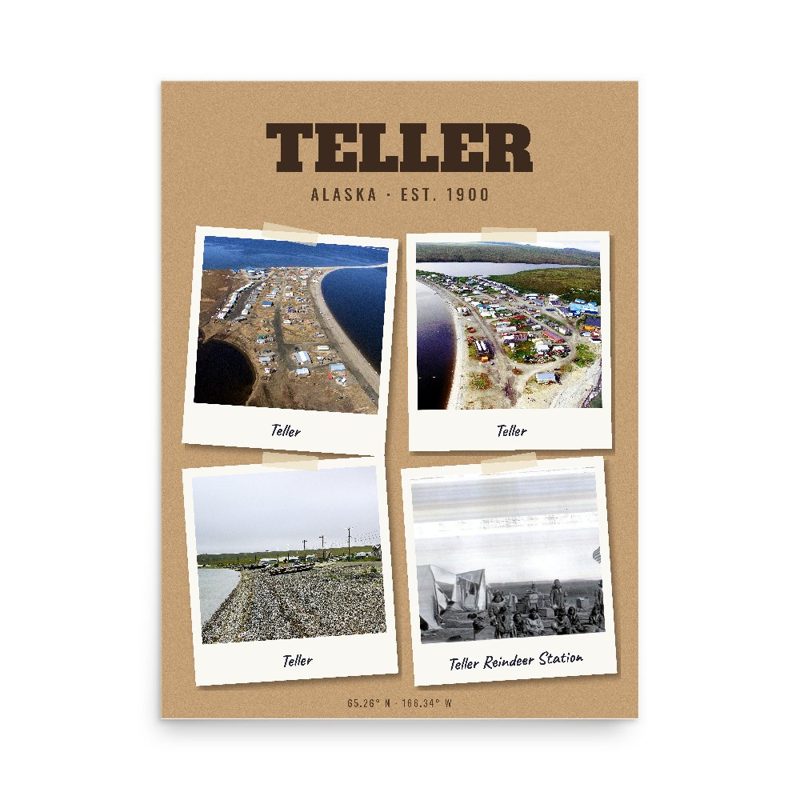
Teller Snapshot Collage Poster

Teller Snapshot Collage Poster

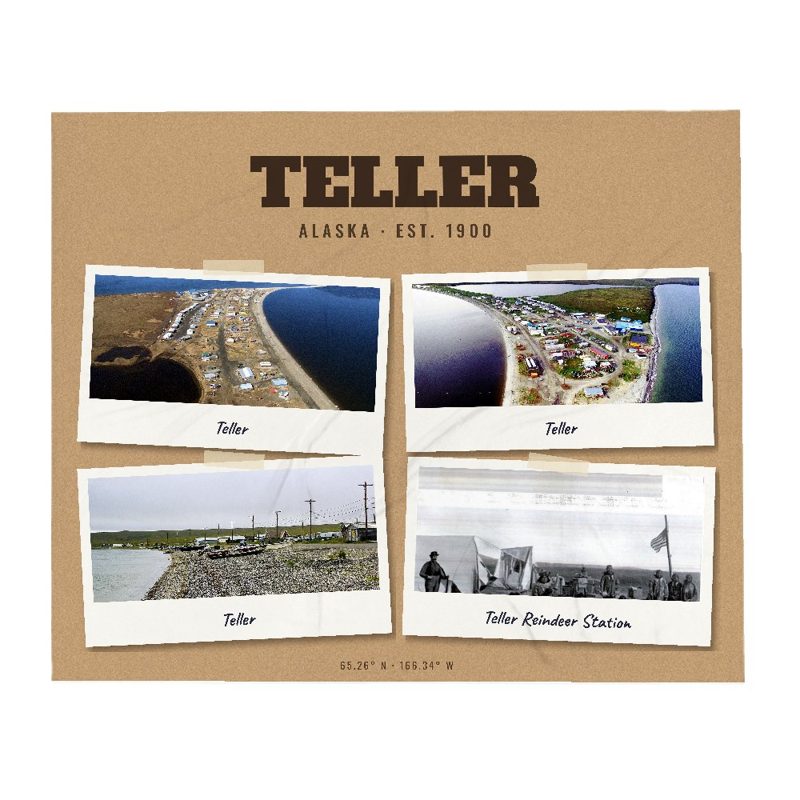
Six local landmarks as instant photos on kraft paper

from $40
Teller Map Placemat

Teller Map Placemat

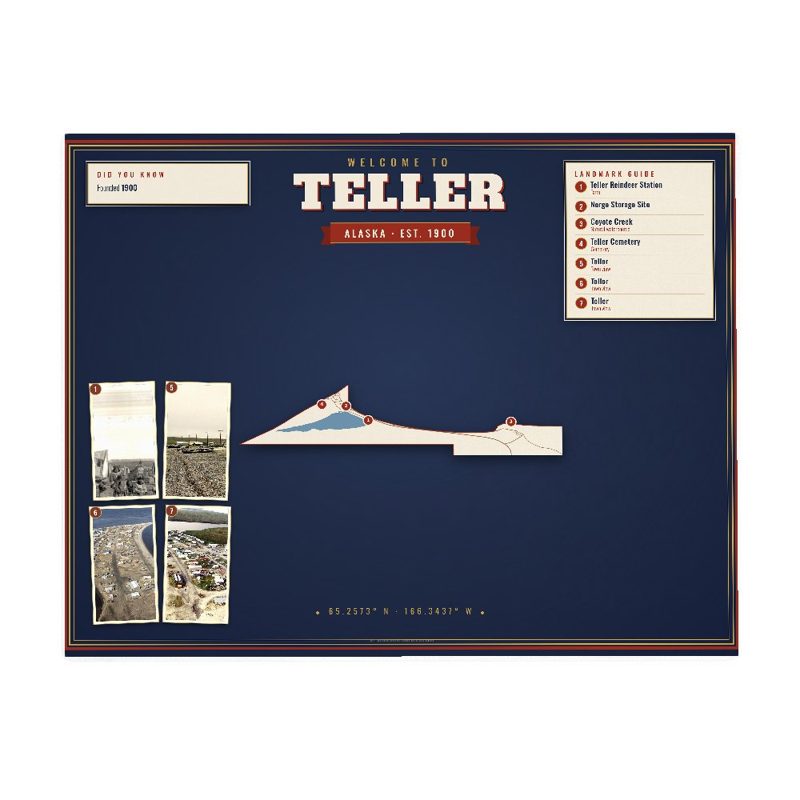
Map of local landmarks, washable fabric

$31
Teller Varsity Crewneck

Teller Varsity Crewneck

Heavy-blend fleece, street map printed on the back

from $57
Teller Hometown Knit Sweater

Teller Hometown Knit Sweater

Red heavy-blend crewneck, knit-stitch town print

from $57
Teller Est. Tee

Teller Est. Tee

Soft Bella+Canvas jersey

from $33
Teller Est. Youth Tee

Teller Est. Youth Tee

Kids' Bella+Canvas jersey, youth sizes

$30
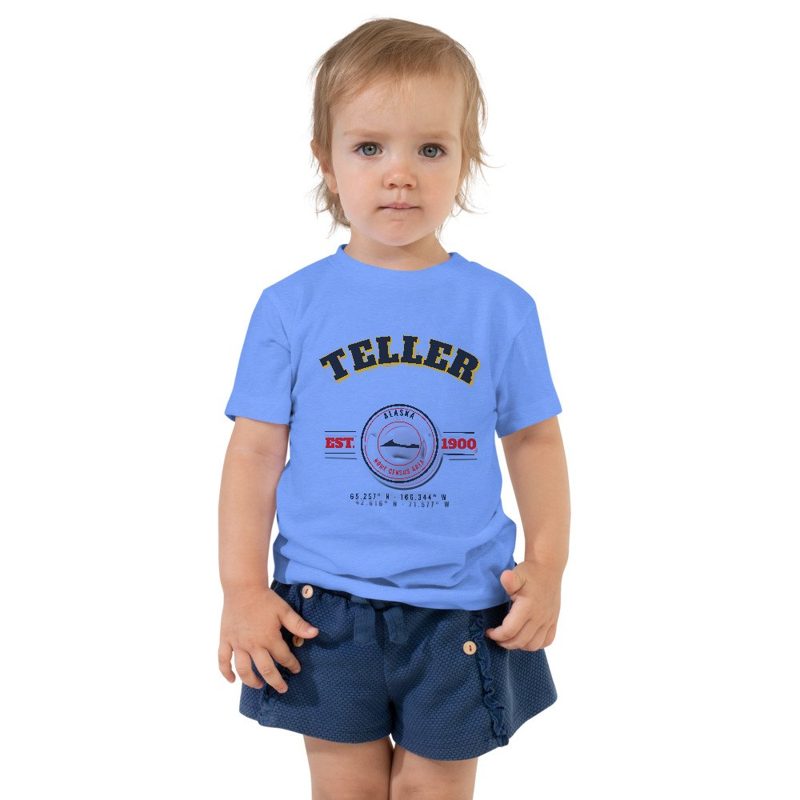
Teller Est. Toddler Tee

Teller Est. Toddler Tee

Bella+Canvas toddler jersey

$29
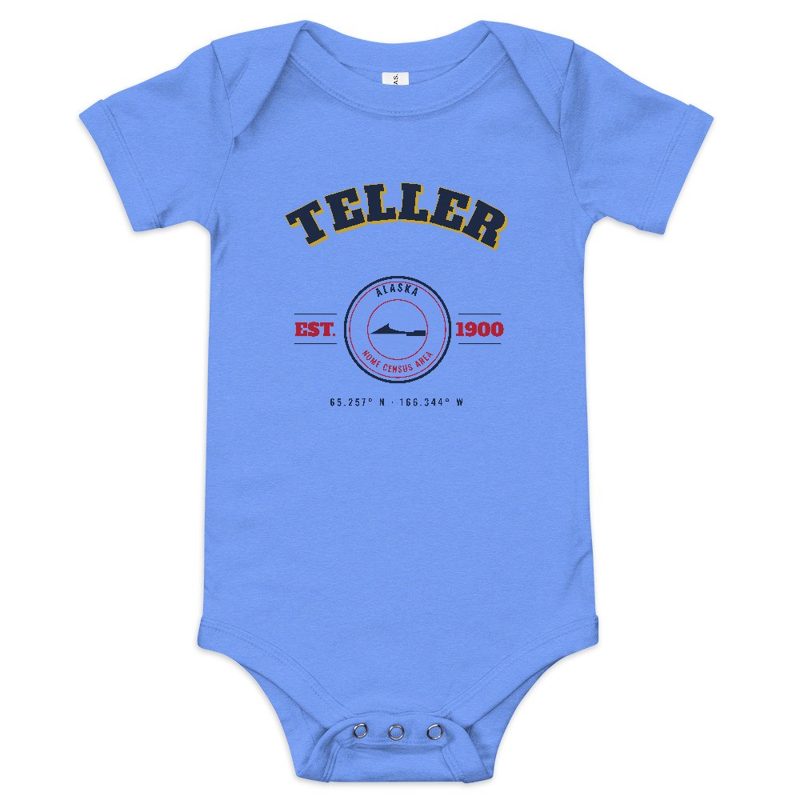
Teller Est. Baby One Piece

Teller Est. Baby One Piece

Bella+Canvas baby bodysuit

$30
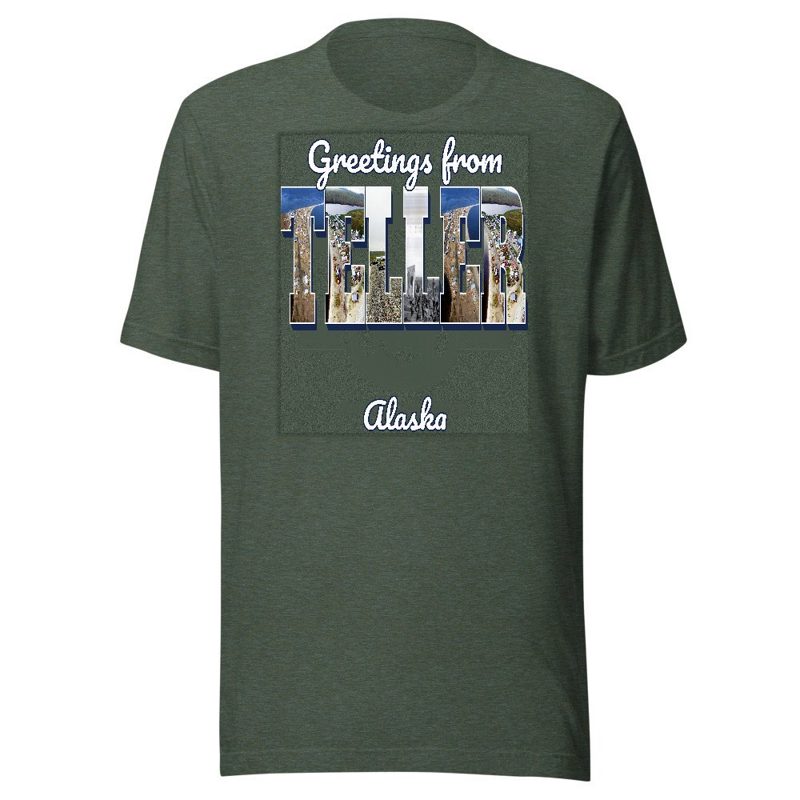
Teller “Greetings From” Tee

Teller “Greetings From” Tee

Large-letter postcard art filled with local photos

from $35
Teller Town Line Mug

Teller Town Line Mug

Glossy ceramic, dishwasher safe

from $26
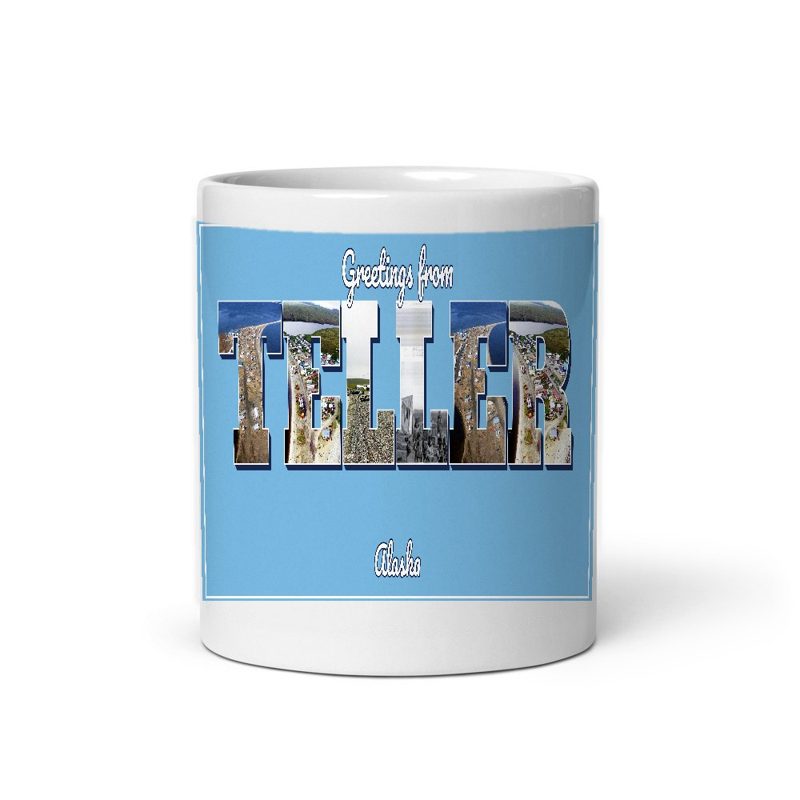
Teller “Greetings From” Mug

Teller “Greetings From” Mug

Large-letter postcard art filled with local photos, 11 oz ceramic

from $29
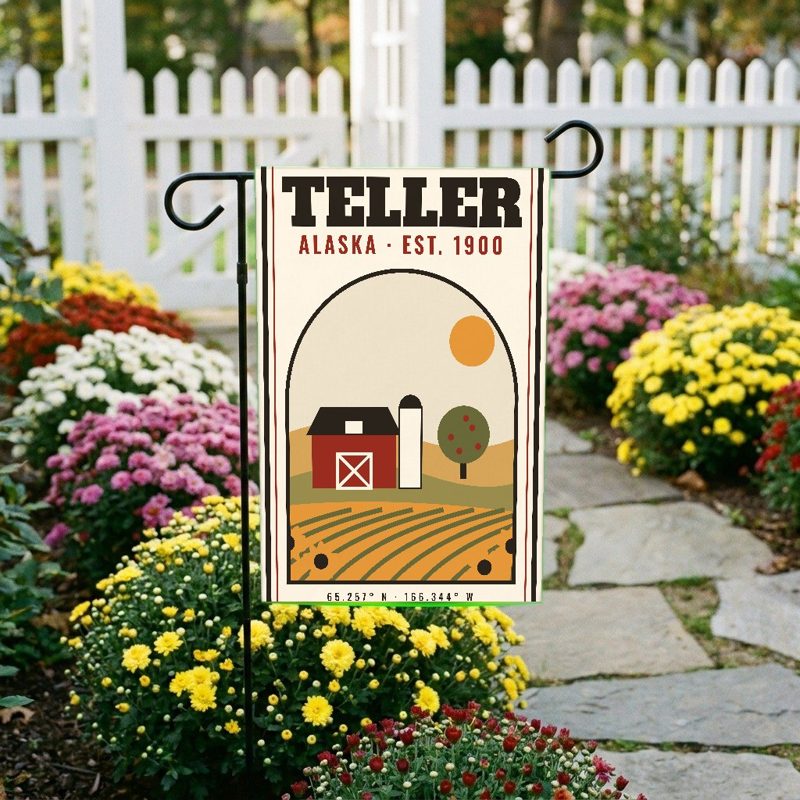
Teller Garden Flag

Teller Garden Flag

Weatherproof, for the front walk

$31
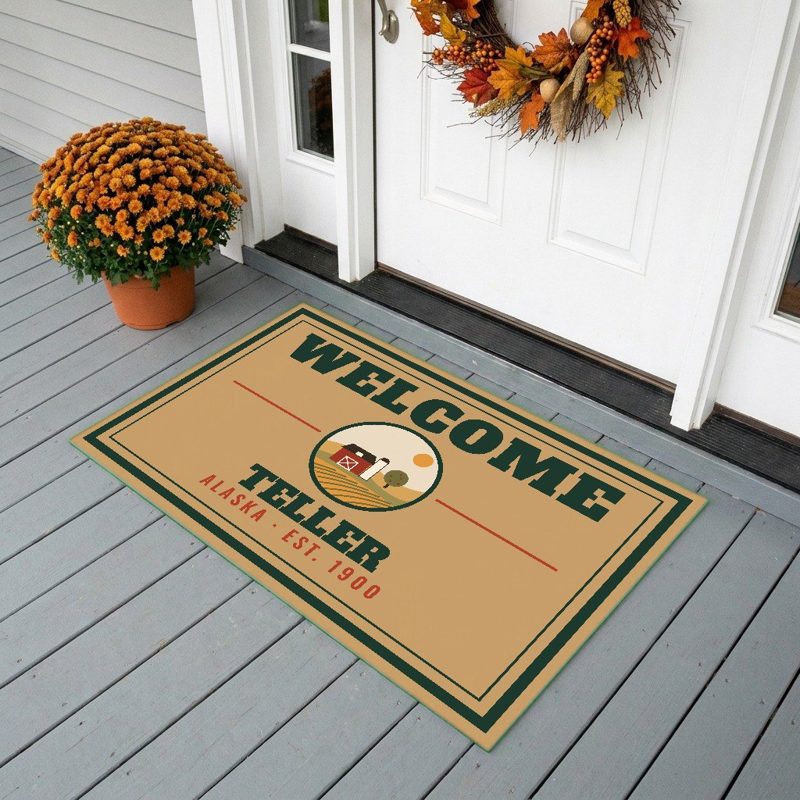
Teller Welcome Doormat

Teller Welcome Doormat

24″×16″, printed coir-look fibers, rubber back

$66
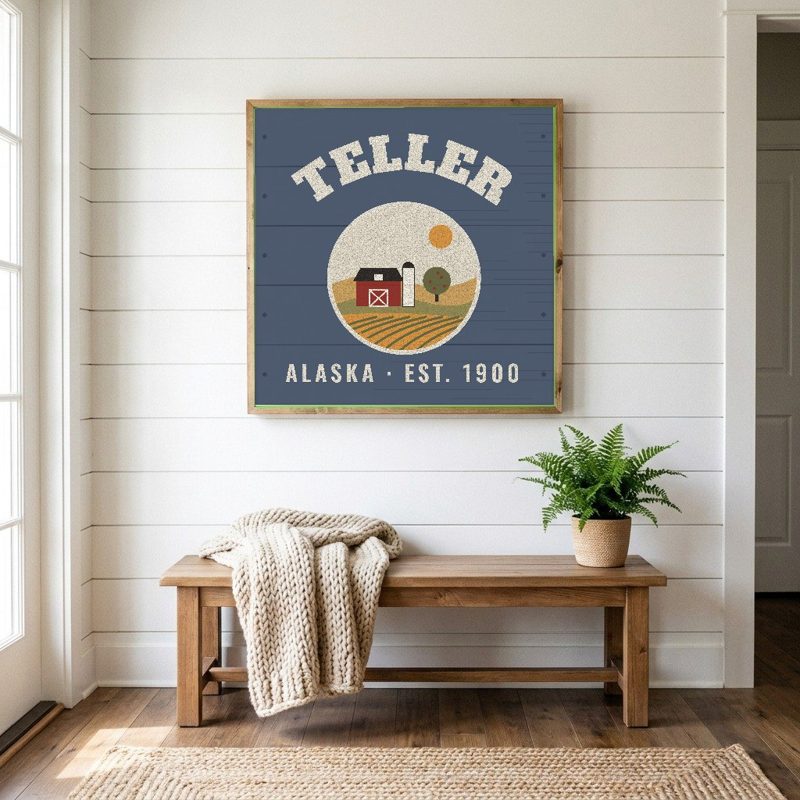
Teller Hometown Wood Sign

Teller Hometown Wood Sign

12″×12″ printed wood, ready to hang

$48
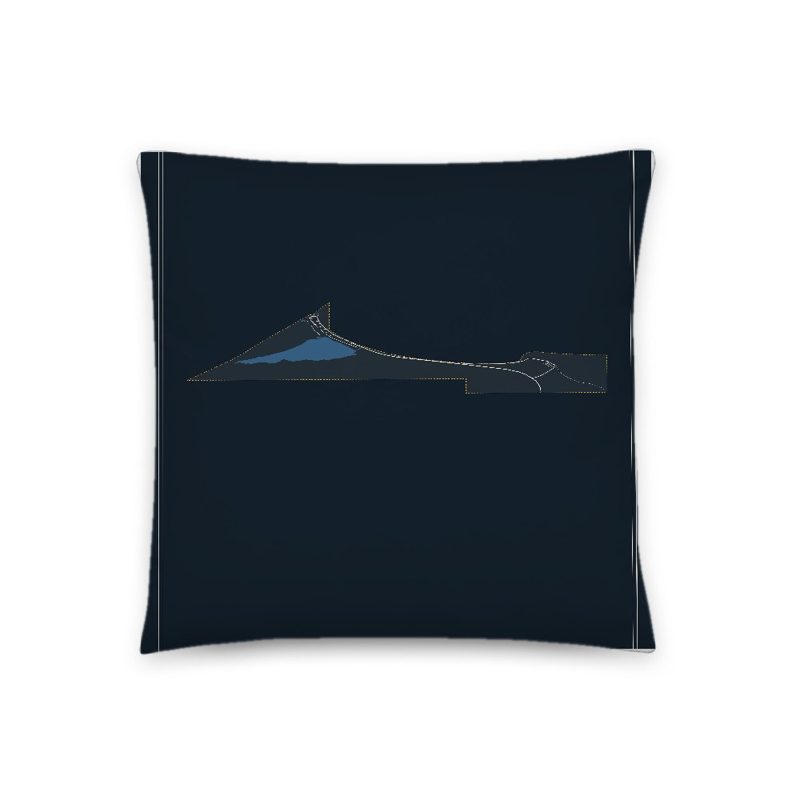
Teller Map Throw Pillow

Teller Map Throw Pillow

Soft-touch, zip cover

$47
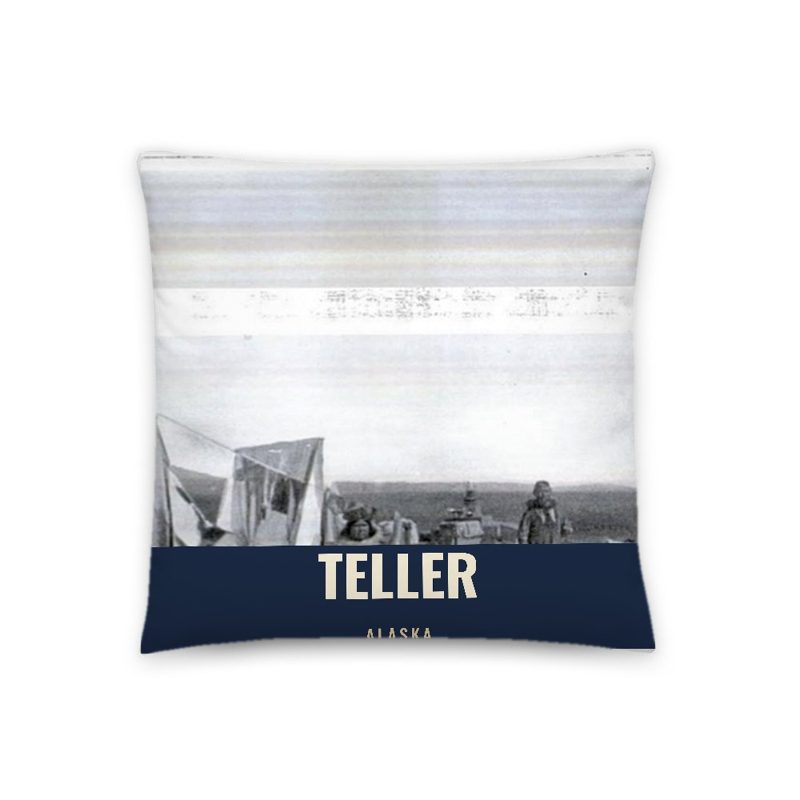
Teller Landmark Photo Pillow

Teller Landmark Photo Pillow

A local landmark photo with the town name, 18″×18″

$49
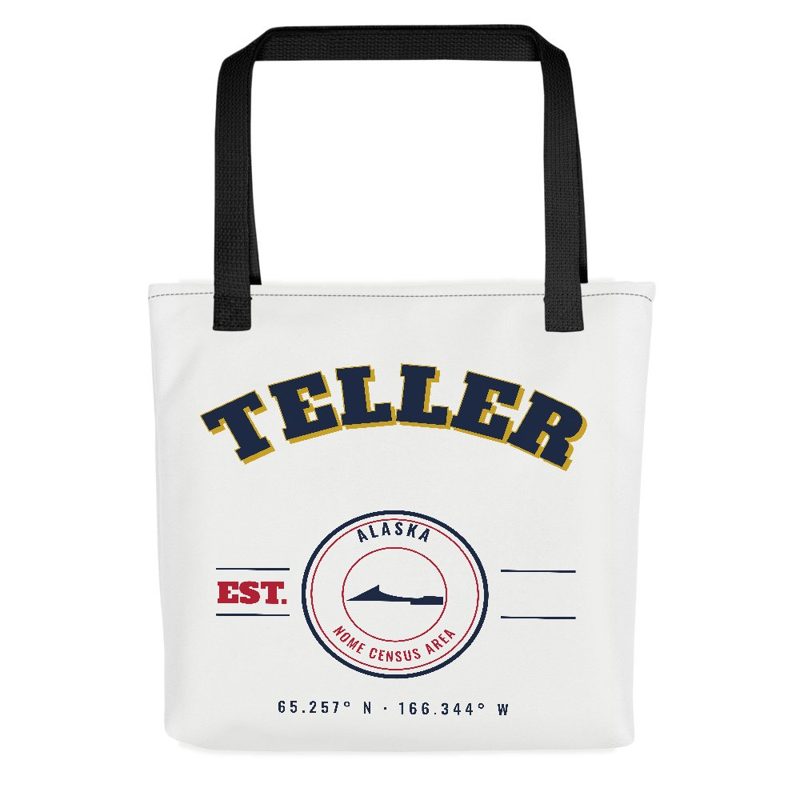
Teller Market Tote

Teller Market Tote

Sturdy all-over-print tote

$37
Teller “Greetings From” Tote

Teller “Greetings From” Tote

Large-letter postcard art on a sturdy tote

$37
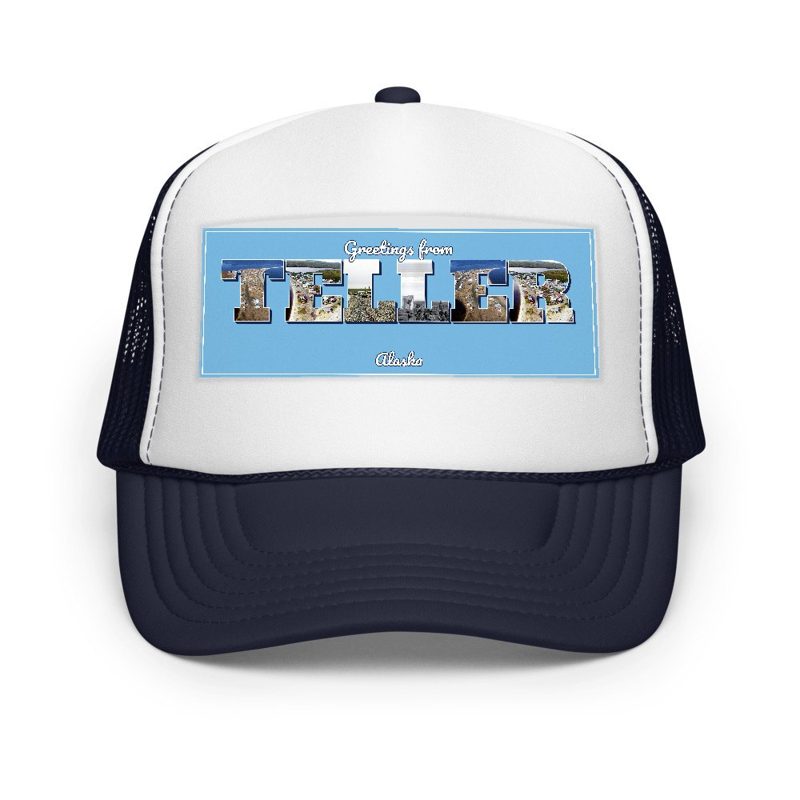
Teller “Greetings From” Trucker Cap

Teller “Greetings From” Trucker Cap

Foam-front trucker, printed (not embroidered) with local photos

$33
Teller Cork Coaster

Teller Cork Coaster

Glossy top, cork back

$16
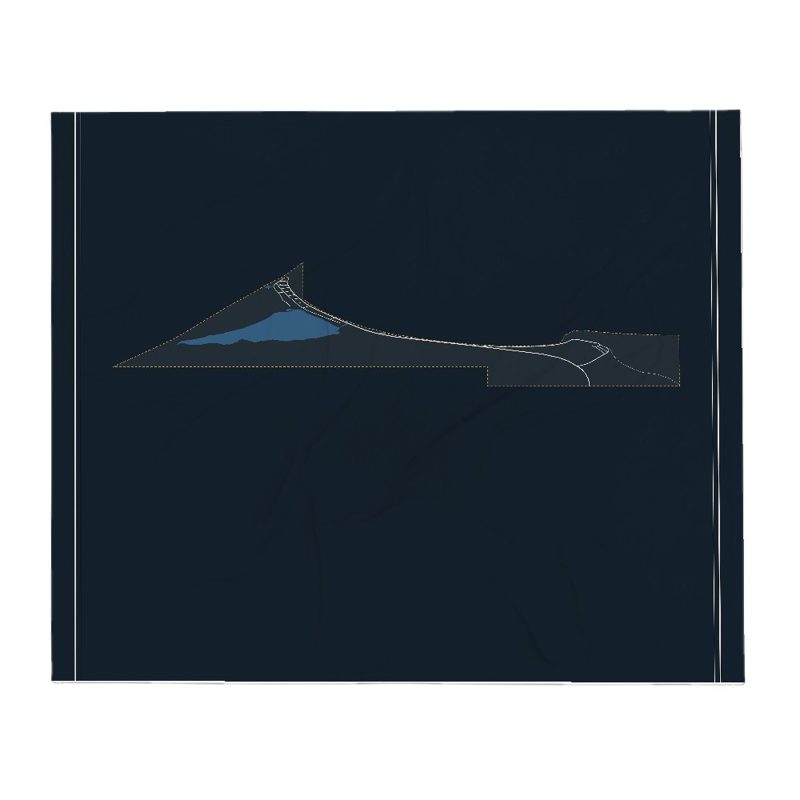
Teller Street Map Throw Blanket

Teller Street Map Throw Blanket

Soft fleece, 50″×60″

from $72
Teller Snapshot Collage Blanket

Teller Snapshot Collage Blanket

Six local landmarks as instant photos, soft fleece 50″×60″

from $76
Teller Est. Tumbler

Teller Est. Tumbler

20 oz, double-wall stainless

$51
Teller Teller Reindeer Station Postcard

Teller Teller Reindeer Station Postcard

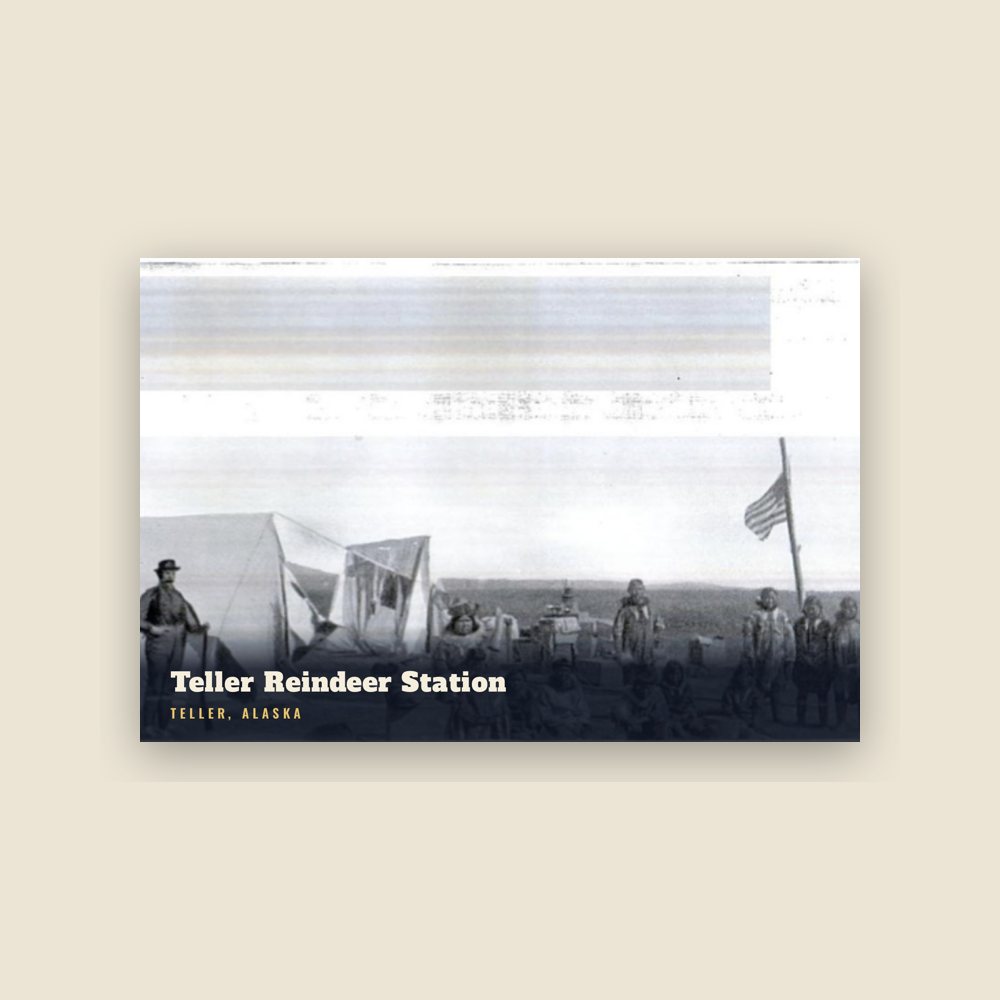
6″×4″ postcard, glossy front

$10
On the National Register

Historic places

Population 2010: 229 → 2020: 249

From Wikidata (CC0).

A short history of Teller

The Inupiat had a fishing camp called Nuuk 32 km (20 mi) south of Teller in the early 19th century. The 1825-28 Beechey expedition found three camps with a total of some 400 inhabitants and a winter camp site with burial grounds in a roughly 10-mile (16 km) radius around the later site of Teller on September 1, 1827.

An expedition from the Western Union telegraph spent the winter at the present site of Teller in 1866 and 1867; they called it Libbyville or Libby Station. When the United States Government introduced reindeer herding in Alaska, the Teller Reindeer Station operated from 1892 to 1900 at a nearby site. A group of experienced Sami reindeer herders and families were brought in to train the Inupiat. The station was named for United States Senator and Secretary of the Interior Henry Moore Teller in 1892 by Sheldon Jackson.

Teller was established in 1900 after the Bluestone Placer Mine discovery 25 km (16 mi) to the south. It took its name from the reindeer herding station. During the boom years in the early 20th century, Teller had a population of about 5,000 and was a major regional trading center. Natives from Diomede, Wales, Mary's Igloo, and King Island came to trade there.

The Norwegian Evangelical Lutheran Church built Teller Mission across the harbor from Teller in 1900. The mission was renamed Brevig Mission in 1903, after the Reverend T.L. Brevig, who also served briefly as Teller's first postmaster, a post to which he was appointed April 2, 1900.

The dirigible Norge detoured to Teller on its first flight over the North Pole from Norway to Nome in 1926. Many present residents of Teller came from Mary's Igloo. Mary's Igloo is now a summer fishing camp and has no permanent residents.

Adapted (trimmed) from the Wikipedia article Teller, Alaska, revision 1374944799 by its contributors, licensed CC BY-SA 4.0.
For local organizations

Are you with a Teller historical society?

We share a part of every Teller sale with local partners, and we'd love to print from your collection. Old photographs, maps and postcards make the best keepsakes.

Partner with us
Custom orders

Want something Teller we don't make yet?

A favorite landmark, your street, a school or team, an anniversary gift, a different product. Tell us and we'll get back to you by email.

Free printables

Color Teller

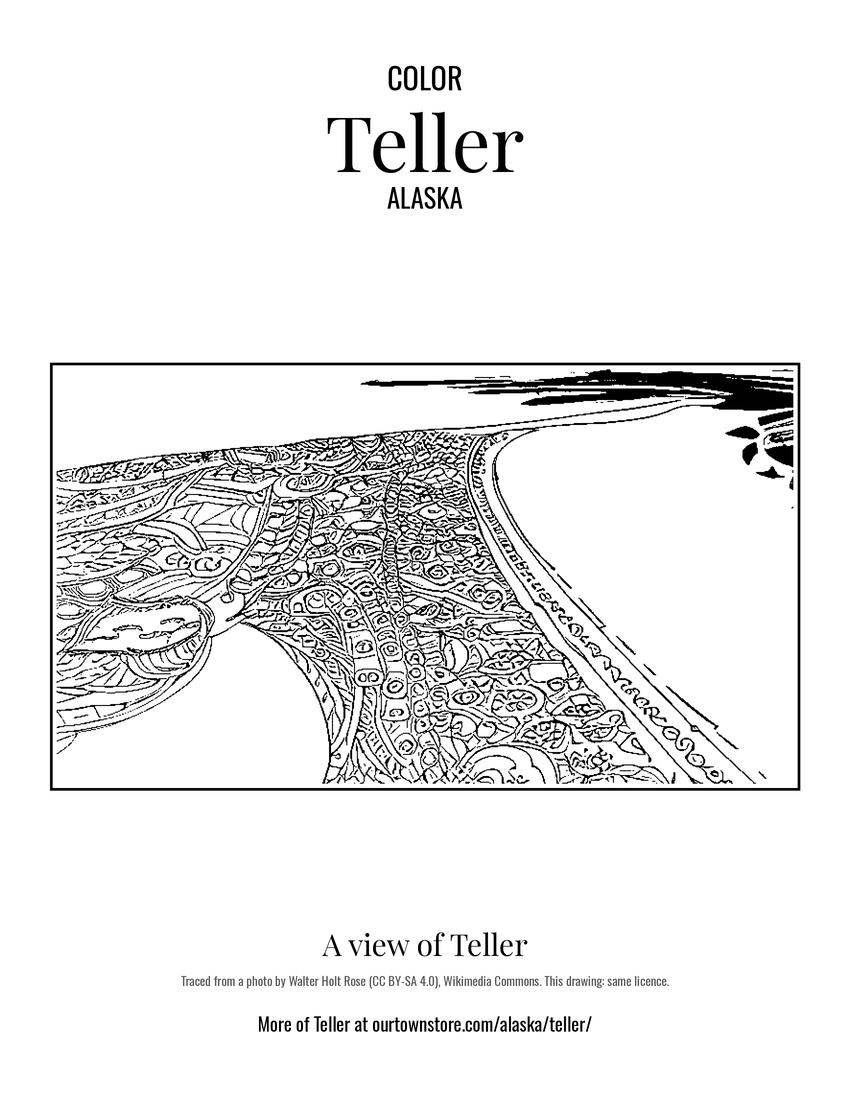
4 free coloring pages of Teller, each traced from a photo of a local landmark. Print them at home, at school or for story hour.

Nearby

Neighboring towns

Sources

Teller's population was 249 in the 2020 U.S. Census, up from 229 in 2010.