A short history of Homewood
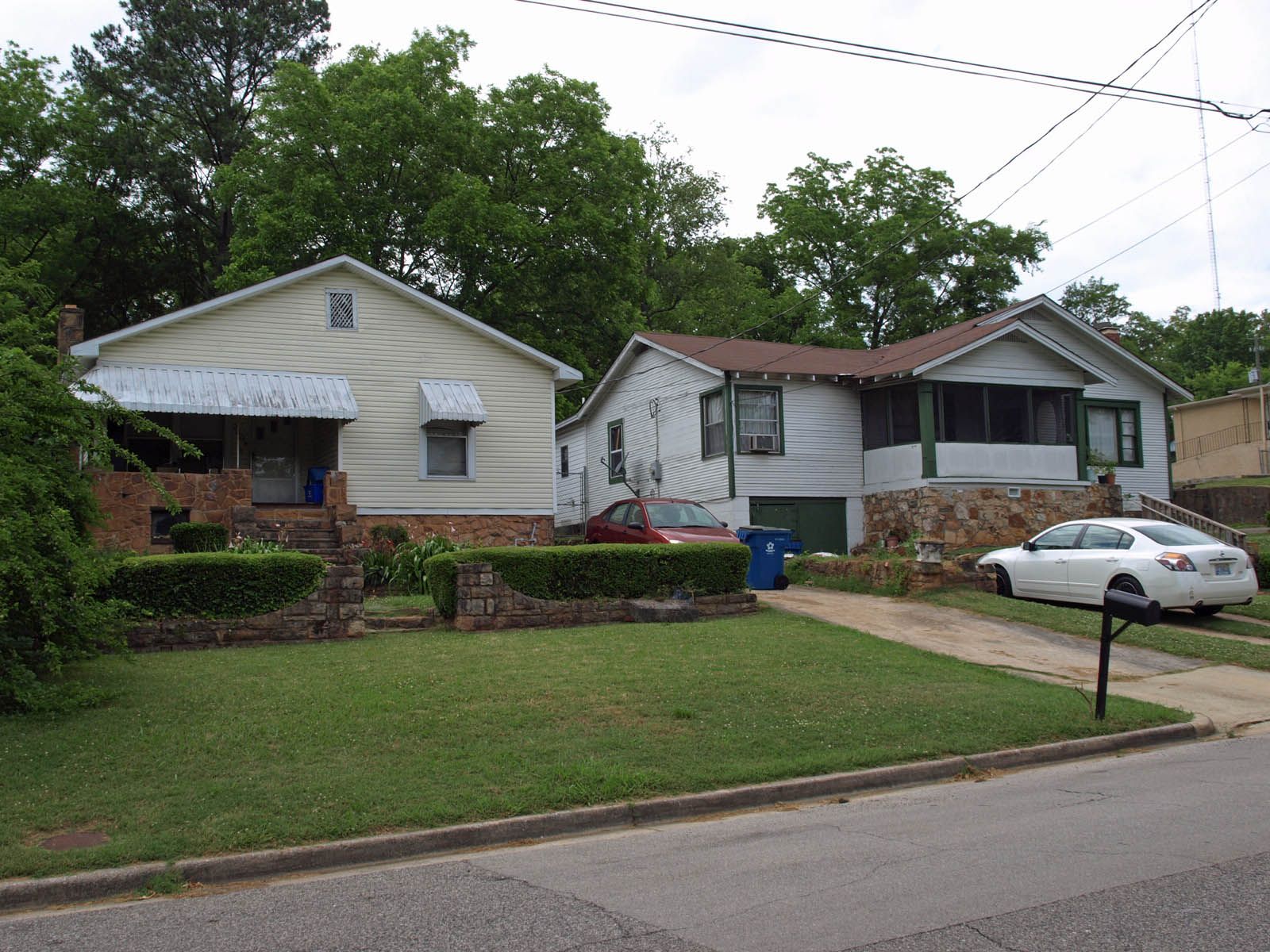
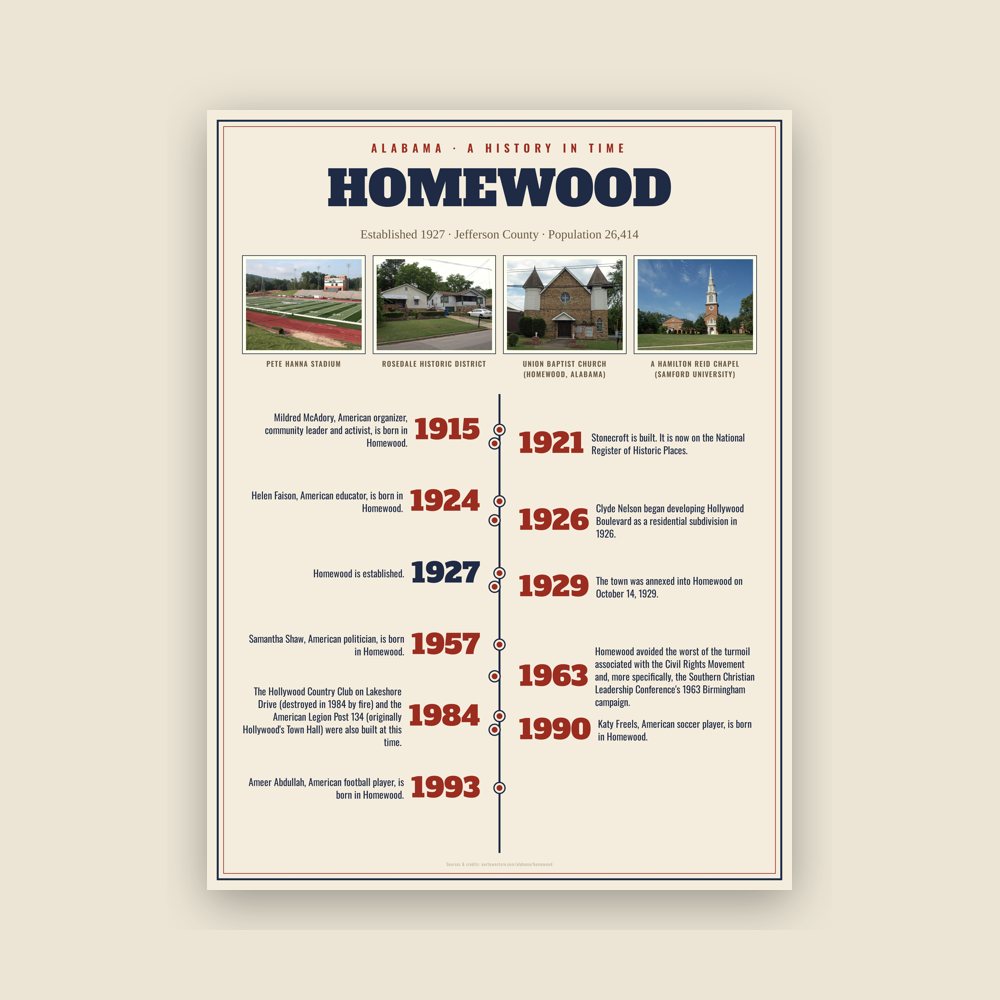
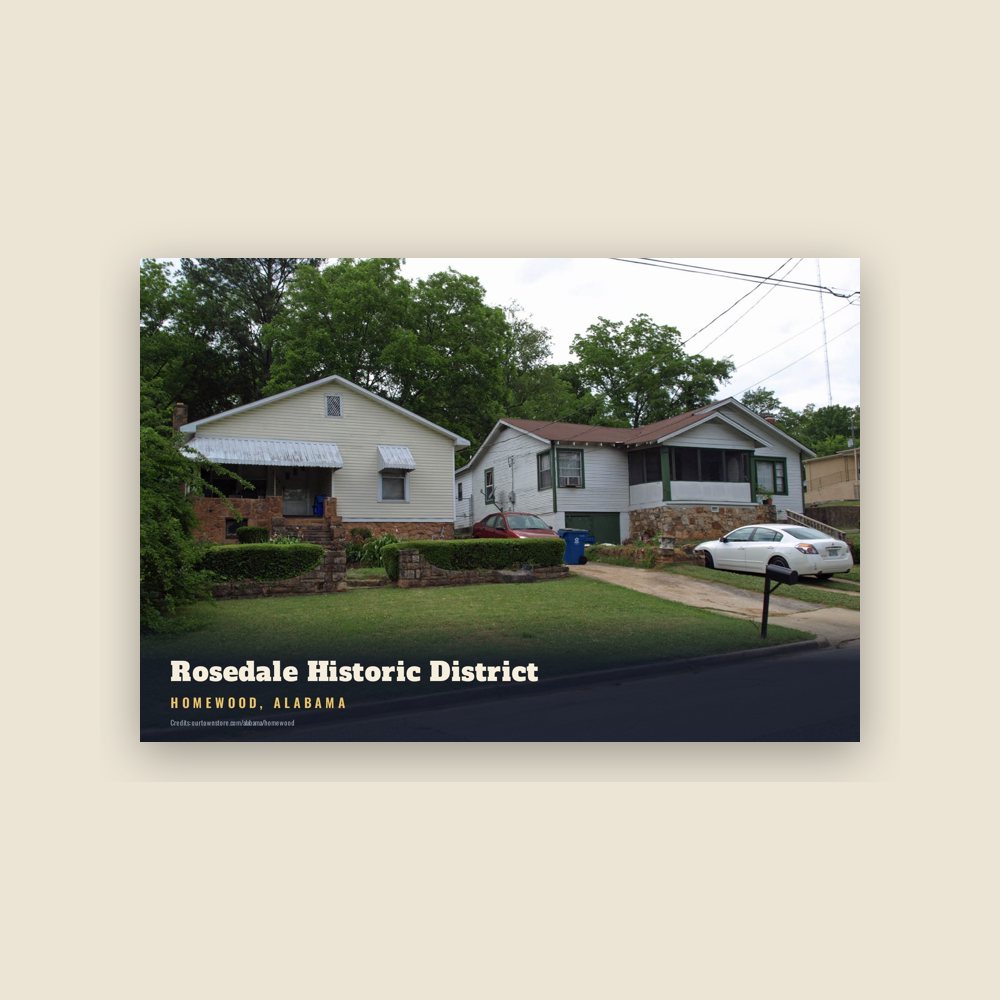
Homewood avoided the worst of the turmoil associated with the Civil Rights Movement and, more specifically, the Southern Christian Leadership Conference's 1963 Birmingham campaign. However, in September 1963, a racially motivated bombing in the Rosedale District.
Read the full history
Hollywood
Clyde Nelson began developing Hollywood Boulevard as a residential subdivision in 1926. He employed a sales force of 75, armed with the memorable slogan "Out of the Smoke Zone, Into the Ozone", to entice Birmingham residents over Red Mountain. Architect George P. Turner designed many of the new homes in the Spanish Colonial Revival architecture, which had become fashionably linked with the glamour of Hollywood, California in the early days of the motion picture industry there. Turner also nodded to the English Tudor style which was already widespread in Birmingham and over the mountain.
The Hollywood Country Club on Lakeshore Drive (destroyed in 1984 by fire) and the American Legion Post 134 (originally Hollywood's Town Hall) were also built at this time.
In order to support his new development, Nelson invented the area's first autobus line and extended the first natural gas pipeline into Shades Valley.
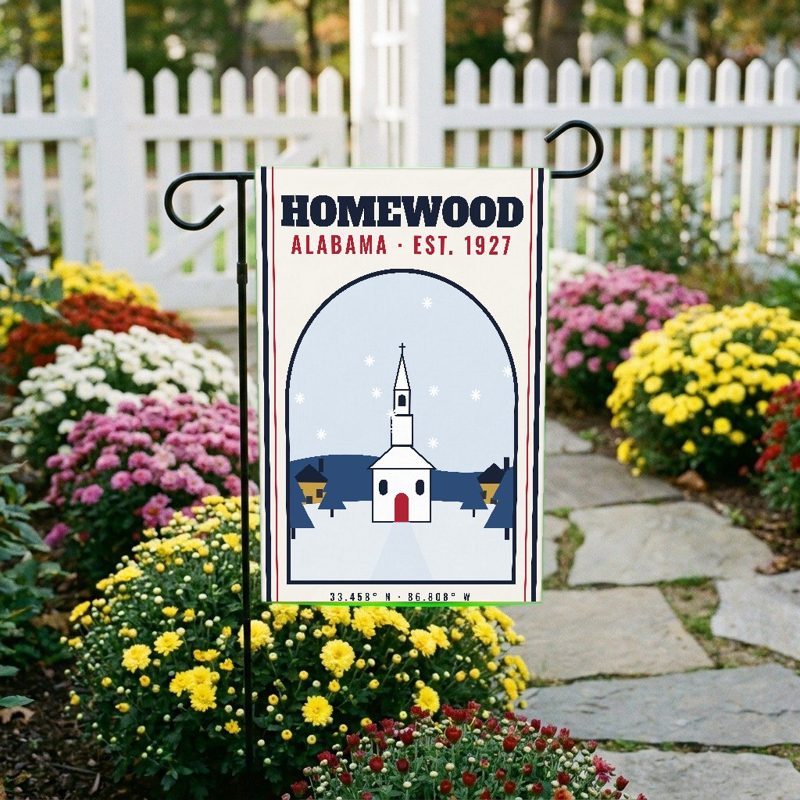
Hollywood incorporated as a town on January 14, 1927, with Clarence Lloyd as its first and only mayor. The town was annexed into Homewood on October 14, 1929. The Great Depression virtually ended development of the subdivision.
In 2002, the Hollywood Historic District was registered with the National Register of Historic Places, and is home to The American Institute of Architects (AIA)-nominated houses like 11 Bonita Drive. The listing includes 412 contributing buildings and one contributing site, over a 815 acres (330 ha) area.
Adapted (trimmed) from the Wikipedia article Homewood, Alabama, revision 1380315756 by its contributors, licensed CC BY-SA 4.0.
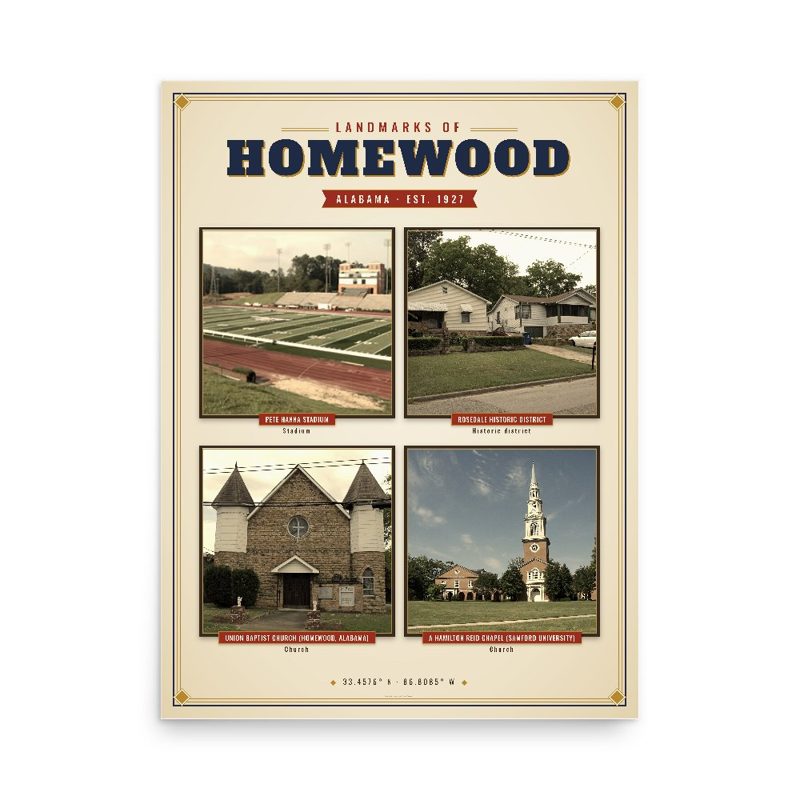

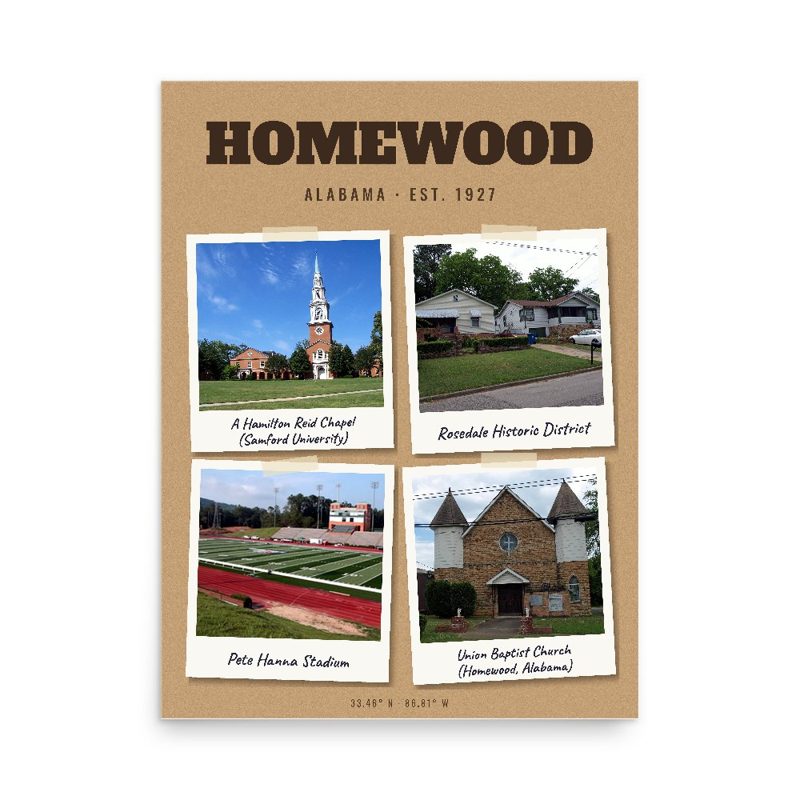
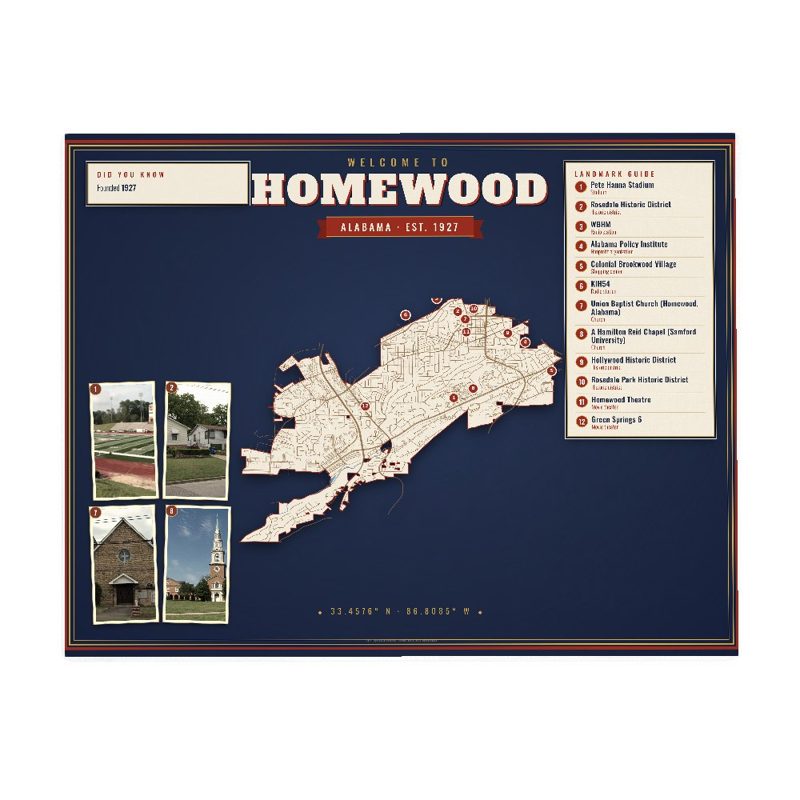




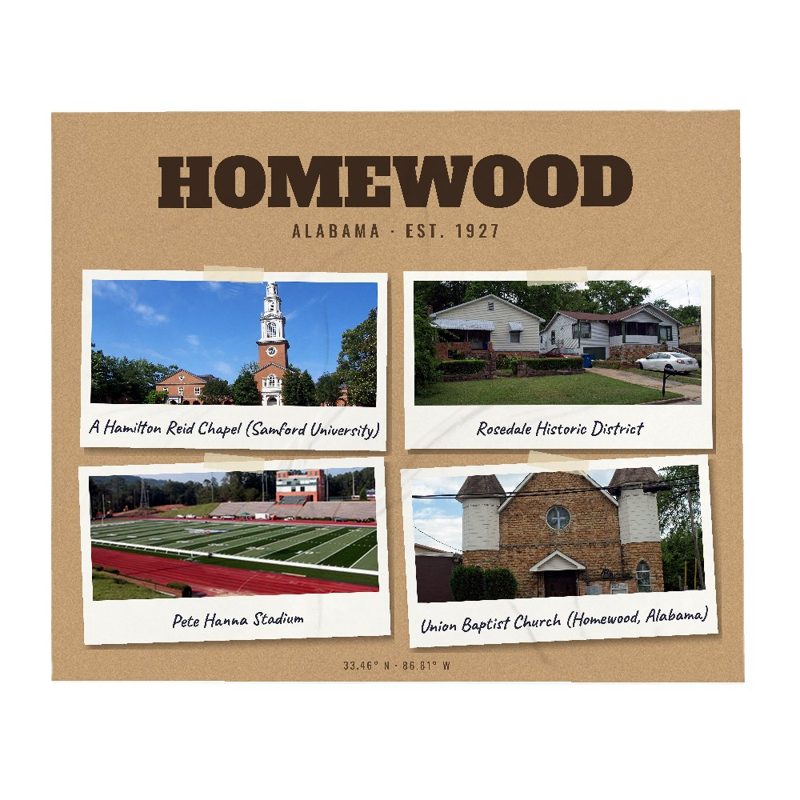
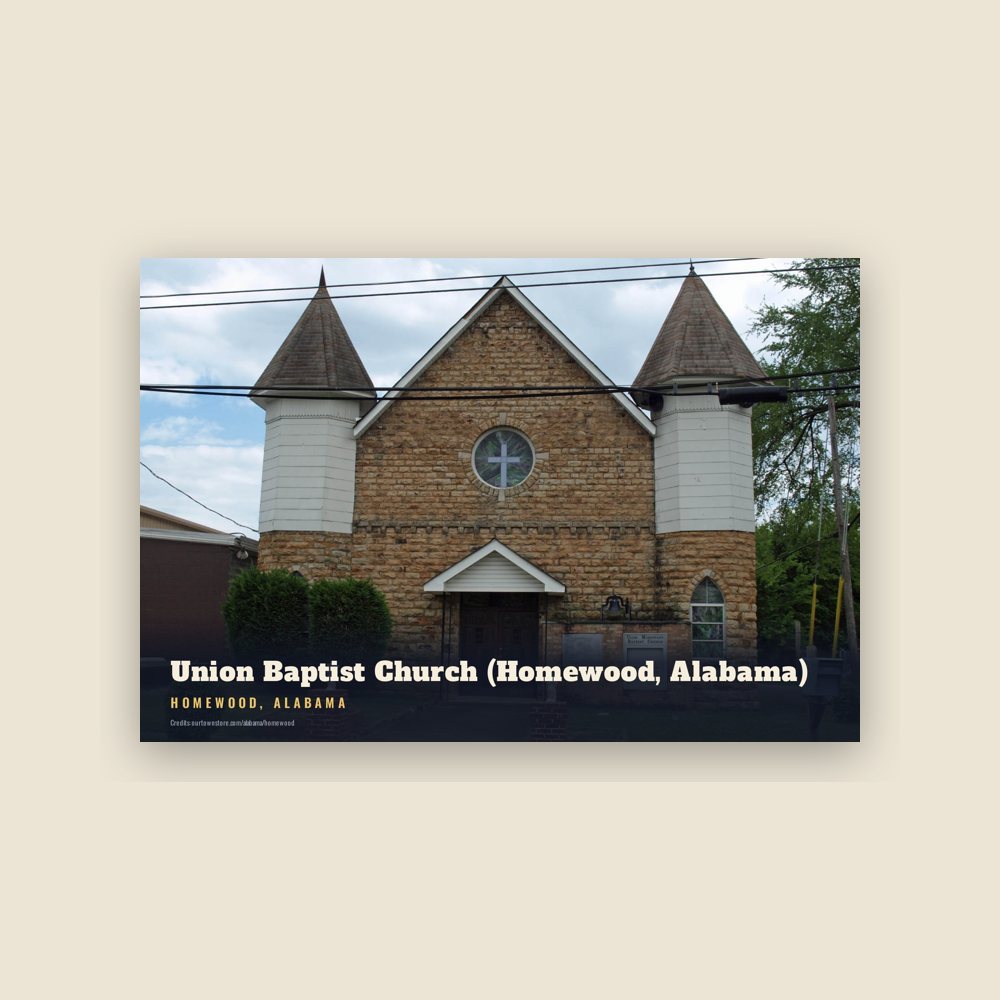
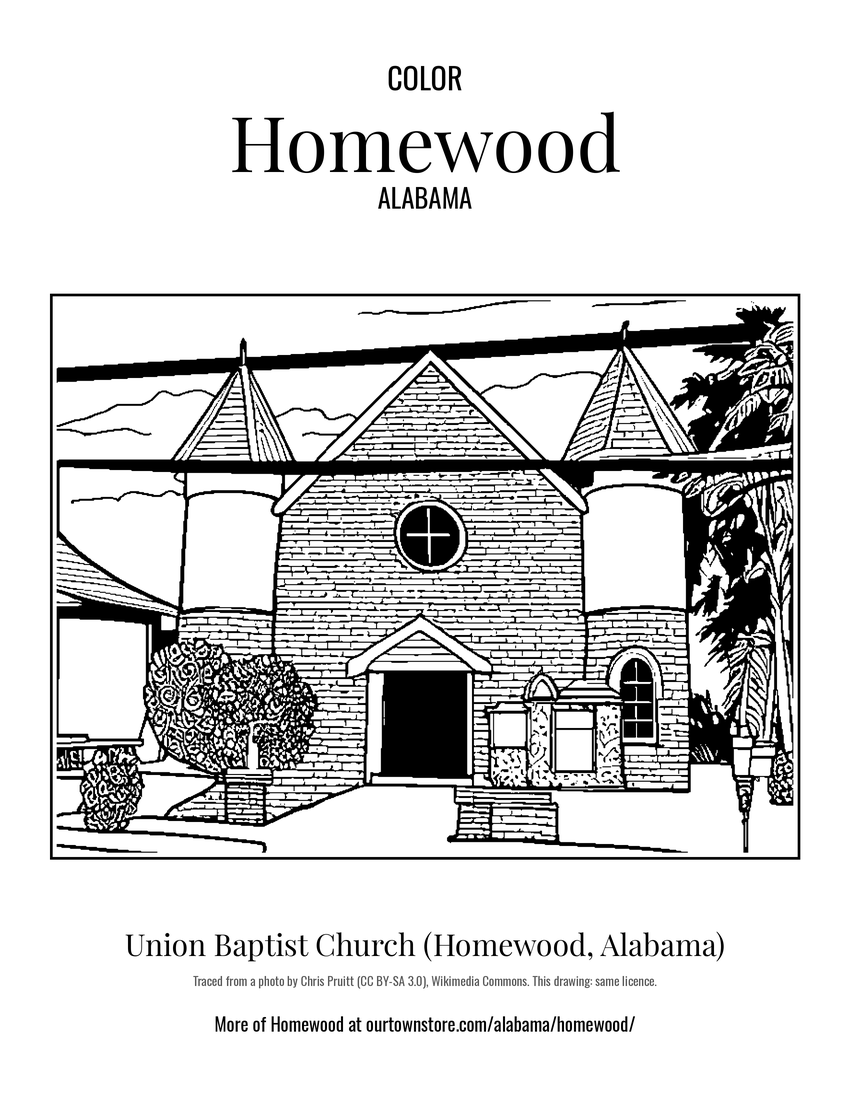 Union Baptist Church (Homewood, Alabama)
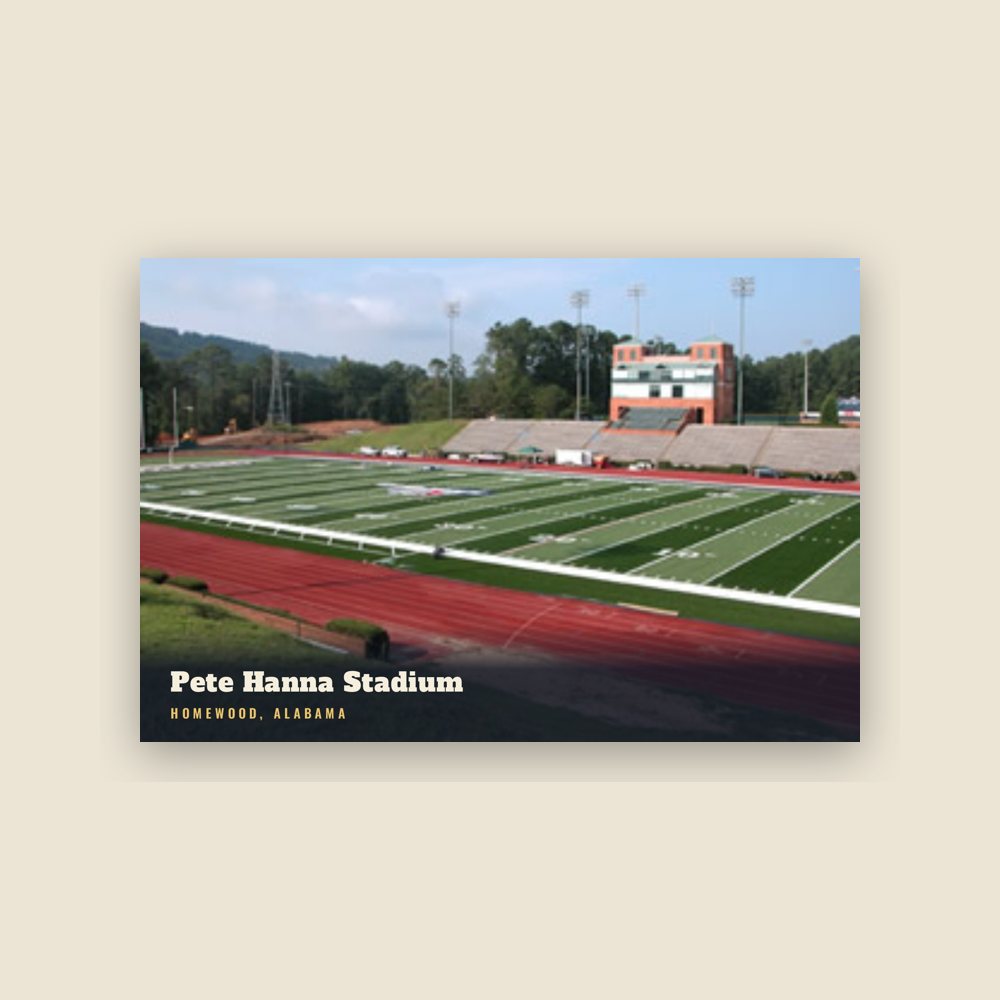
 Pete Hanna Stadium
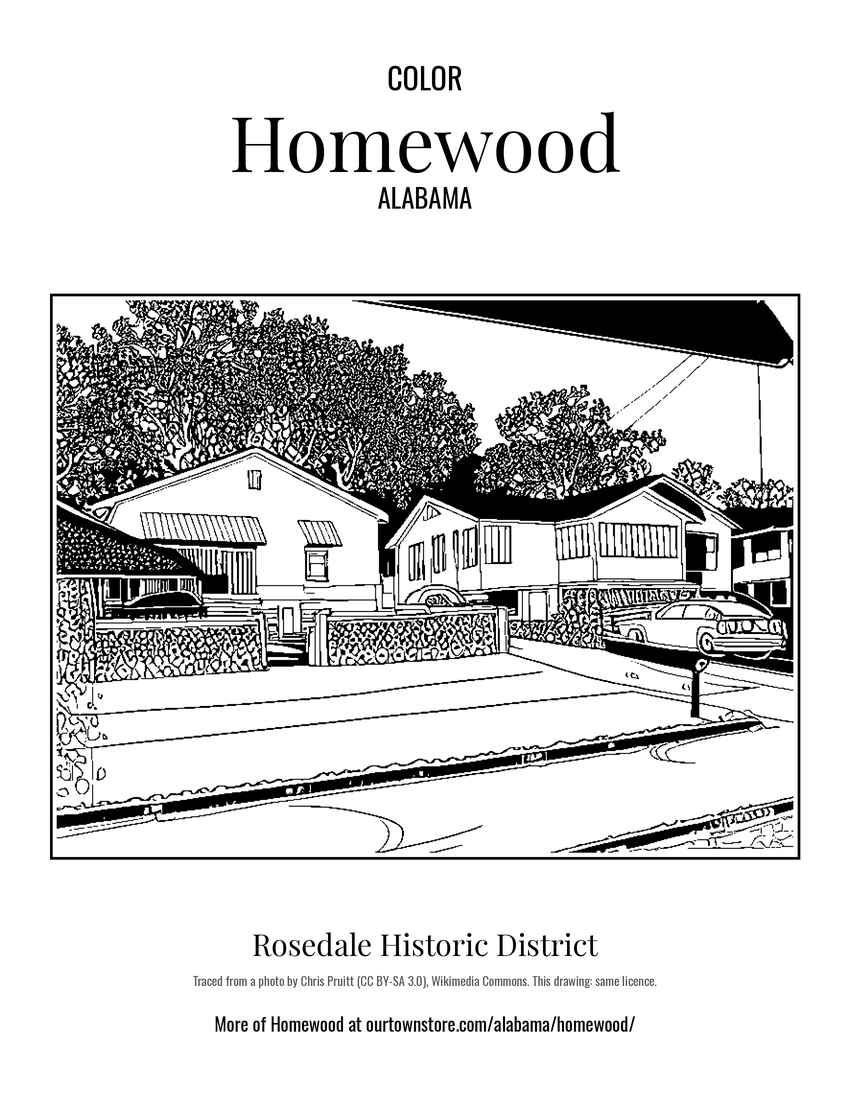 Rosedale Historic District
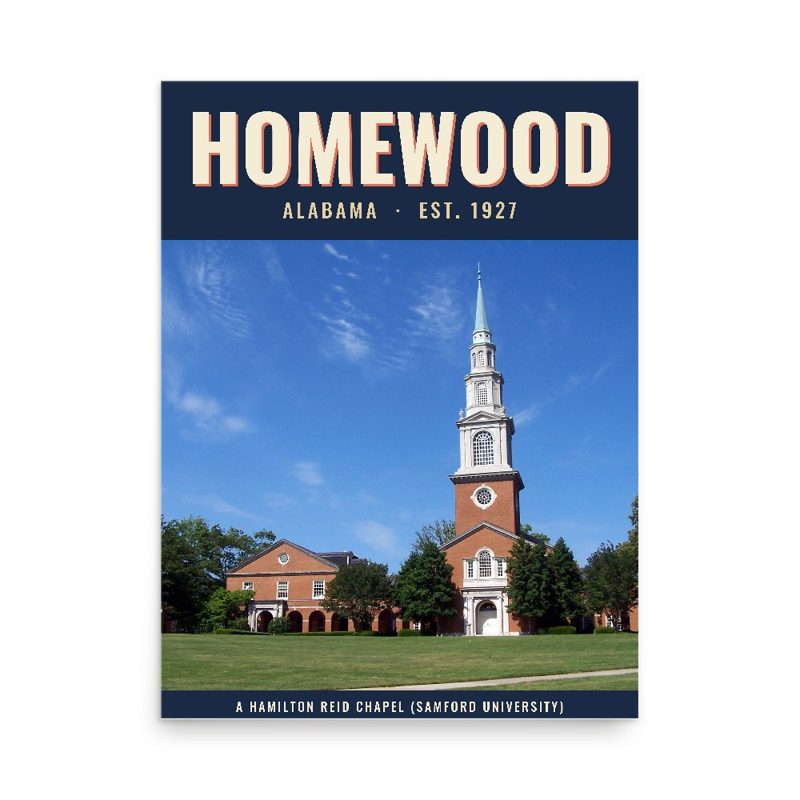
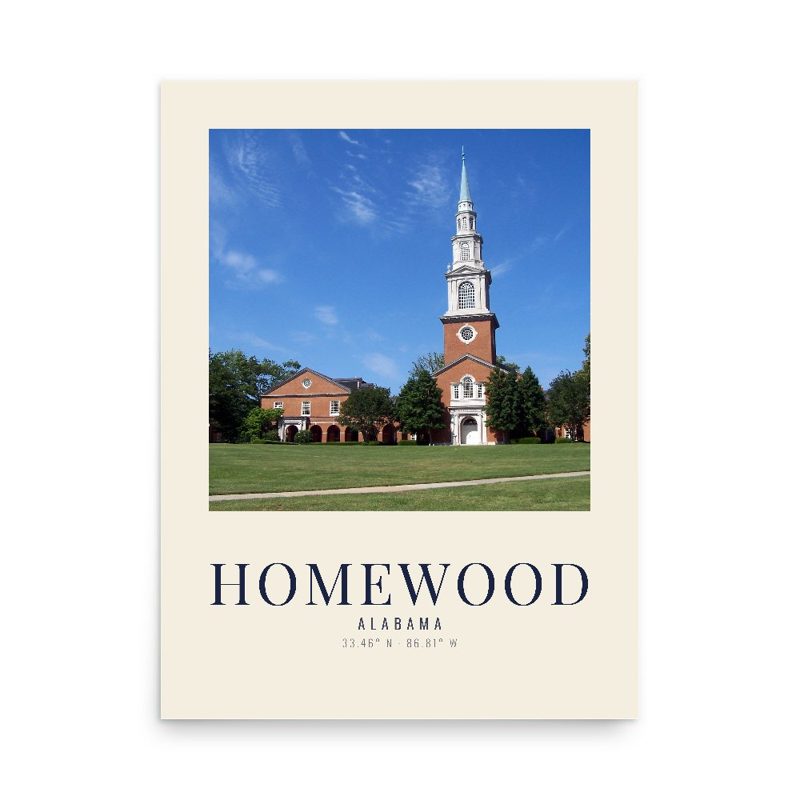
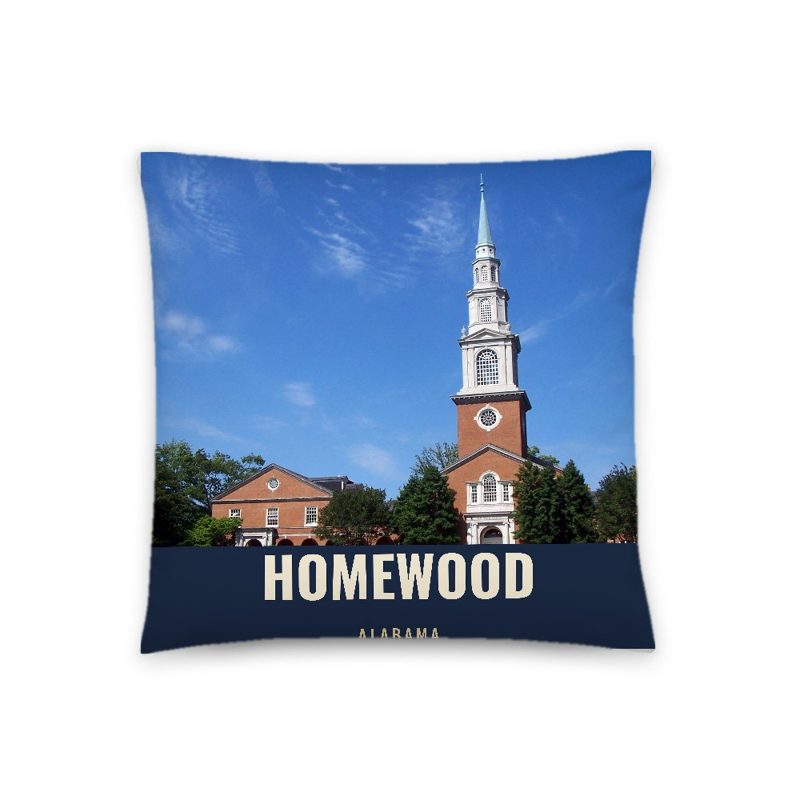
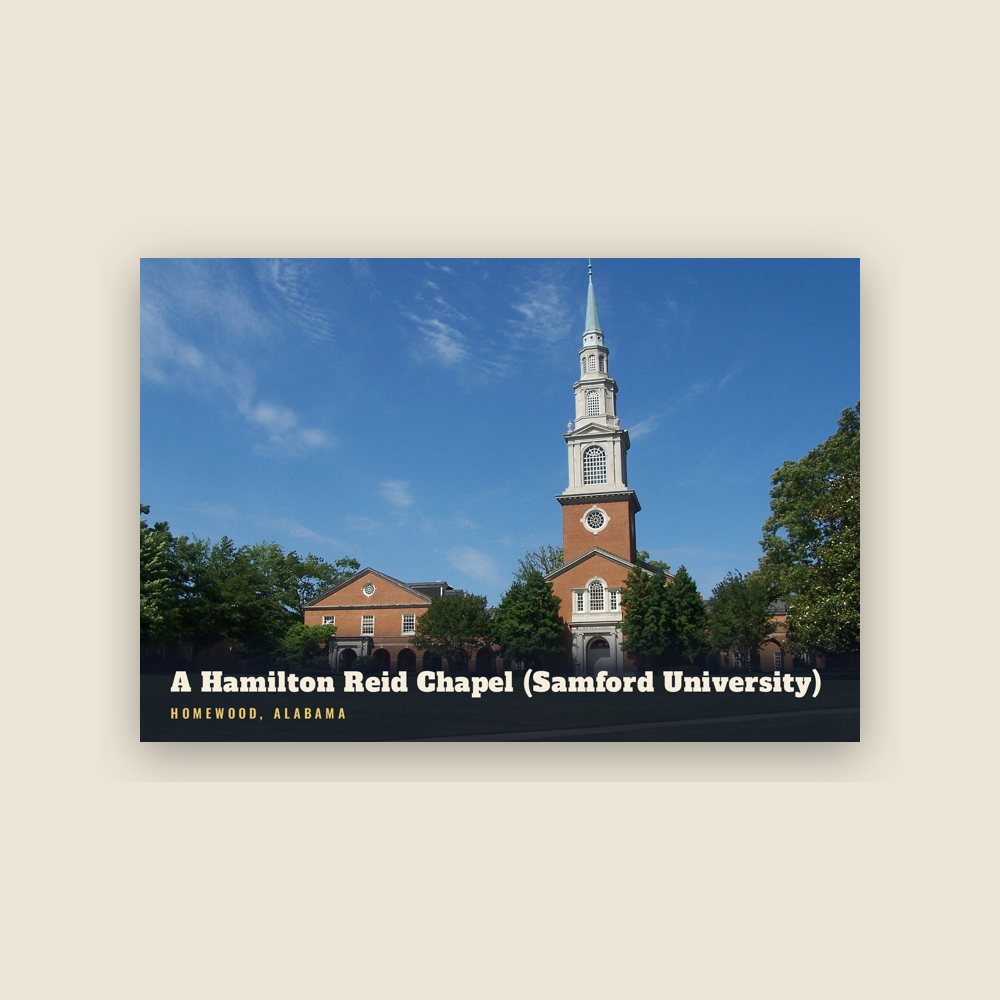
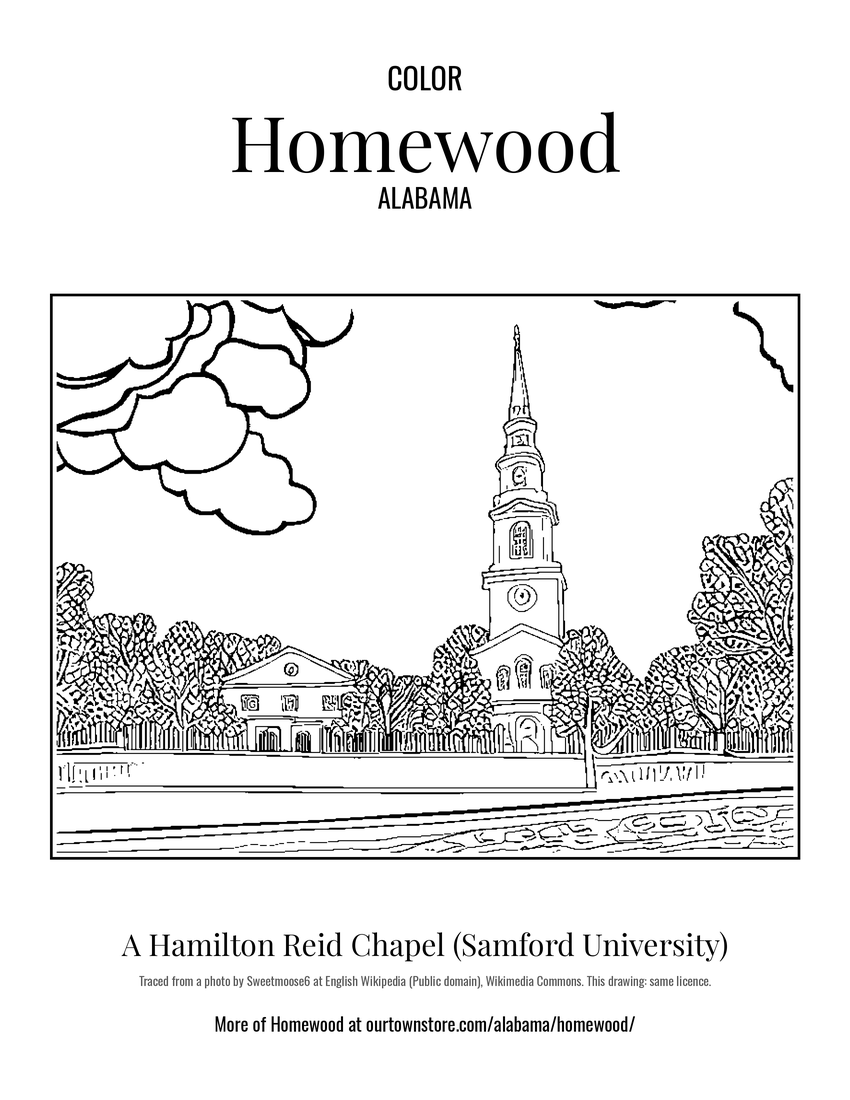 A Hamilton Reid Chapel (Samford University)