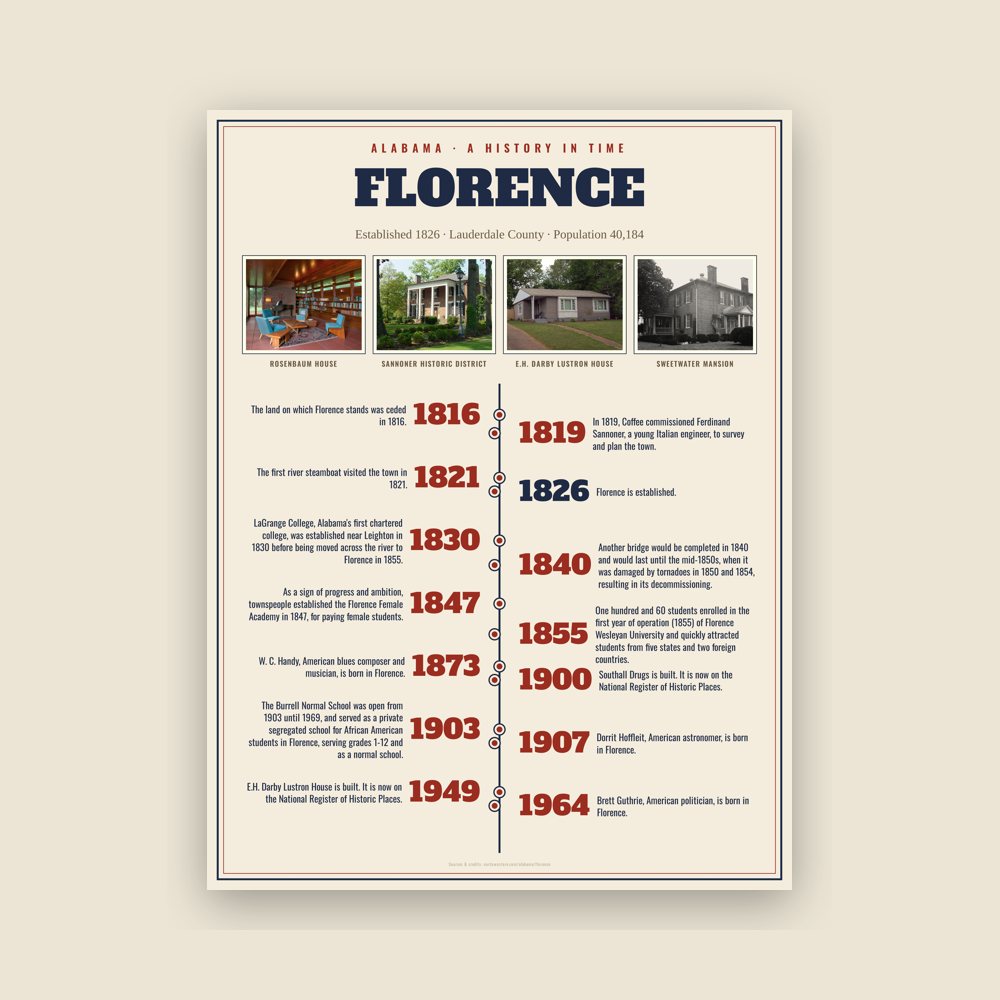
Evidence for human habitation in the Florence area goes back to at least 500 BCE, when the Florence Indian Mound, the largest of its type in the Tennessee Valley, was constructed as an earthwork during the Woodland period. Successive cultures arose after this. In the historic period, the area of present-day Florence was occupied by the Chickasaw Nation. They first encountered white traders and settlers beginning in the late 1700s, and were forced to cede their land to the Federal government through a series of treaties in early 1800s, as part of the Indian Removal policy to extinguish tribal land claims east of the Mississippi River. The land on which Florence stands was ceded in 1816. The Chickasaw were removed to west of the river in Indian Territory (now Oklahoma).
General John Coffee, John McKinley, a future U.S. Supreme Court Justice, businessman James Jackson, and four other trustees established the Cypress Land Company to found a town on a hill overlooking the Tennessee River. The company bought the land, believing that Florence's location along Jackson's Military Road and at the end of the treacherous Muscle Shoals rapids on the Tennessee River would enable it to develop as a major commercial center. In 1819, Coffee commissioned Ferdinand Sannoner, a young Italian engineer, to survey and plan the town. Situating the town on the plateau overlooking the Tennessee River provided protection from flooding as well as diseases common in the swampier lowlands by the riverbank. The investors were so pleased with Sannoner's work that he was allowed to choose the name of the new settlement; he named it after Florence, the capital of the Tuscany region of Italy.
Read the full history
Antebellum Florence (1826–1860)
The first river steamboat visited the town in 1821. Speculators and settlers, including General Andrew Jackson and President James Monroe, bought up plots of land as they were sold by the Cypress Land Co. Florence quickly became an important commercial hub on the Tennessee River, but it did not reach the level its founders had hoped. However, Florence did grow quickly enough to be incorporated by the State Legislature in 1826. By 1831, the increased cotton cultivation in the area to the east of Florence necessitated the expansion and improvement of transport facilities in the area, including the digging of a canal around the Muscle Shoals. Congress appropriated land for that purpose and construction began in 1831, with the Muscle Shoals Canal opening in 1837, however, the locks could not support steamships and the state had difficulty maintaining the construction, so it was abandoned shortly thereafter.
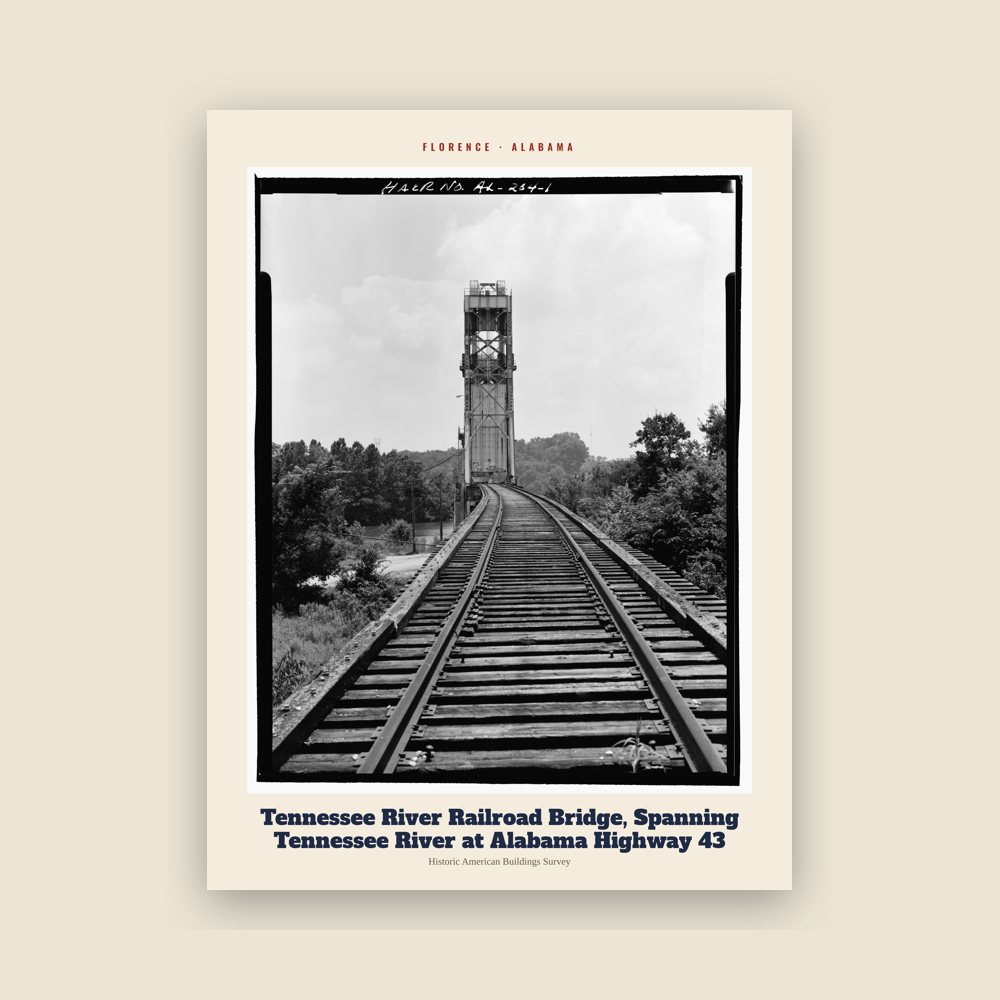
Equally important was the construction of a railroad bridge across the Tennessee River, with the first bridge being completed in the 1830s; but it would be washed away by a flood soon after completion. Another bridge would be completed in 1840 and would last until the mid-1850s, when it was damaged by tornadoes in 1850 and 1854, resulting in its decommissioning. The rock piers of the 1840 bridge survived the damage and form the foundation of the present structure. As a part of Florence's development as a commercial hub, a variety of manufacturing enterprises sprung up around the city, including an iron foundry, lumber, cotton, and wool mills, as well as a complex of cotton, flour, and corn mills along Cypress Creek known as the Globe Factory.
Plantations, too, sprang up around Florence, driven by cheap fertile land and high cotton prices. Two of these plantation homes are of note: Sweetwater Mansion and the Forks of Cypress. Sweetwater Mansion is notable for being the residence of Robert M. Patton, the first governor of Alabama after the Civil War and for the various paranormal sightings that have occurred there. The Forks of Cypress, on the other hand, was the plantation home of James Jackson, one of the original Cypress Land Co. trustees, and was acclaimed for its architectural style and the quality of its racing horses.
With the plantation economy, so too came slavery. While slavery in northwest Alabama did not reach the magnitude that it did in the Black Belt, a significant percentage of the population (about 14% in 1818) was enslaved and by 1860, there were twenty three plantations in Lauderdale County that had over fifty slaves. Not all slaves worked on the plantation, however, many worked in construction or in other contexts. Dred Scott was brought to Florence in the 1820s and served as a hosteler in the local inn, before his participation in the landmark Supreme Court case.
As a sign of progress and ambition, townspeople established the Florence Female Academy in 1847, for paying female students. By the 1850s, the school was converted into the Florence Synodical Female College, affiliated with the Presbyterian Church. It closed in 1893. A historical marker commemorates the site. LaGrange College, Alabama's first chartered college, was established near Leighton in 1830 before being moved across the river to Florence in 1855. The move to Florence was controversial, however, and the Florence site was denied the use of the LaGrange name and was thus chartered as Florence Wesleyan University in 1856, with its main building at Wesleyan Hall. One hundred and 60 students enrolled in the first year of operation (1855) of Florence Wesleyan University and quickly attracted students from five states and two foreign countries. The university also chartered a grammar school, which still serves today as Kilby Laboratory School, the only university-operated elementary school in Alabama. After becoming publicly owned during the Postbellum period, the university went through a variety of name changes, including: Florence Normal School, Florence State Teachers College, and Florence State University, before changing its name to the University of North Alabama in 1972.
Civil War through the turn of the century (1861–1900)
20th century
The Burrell Normal School was open from 1903 until 1969, and served as a private segregated school for African American students in Florence, serving grades 1-12 and as a normal school.
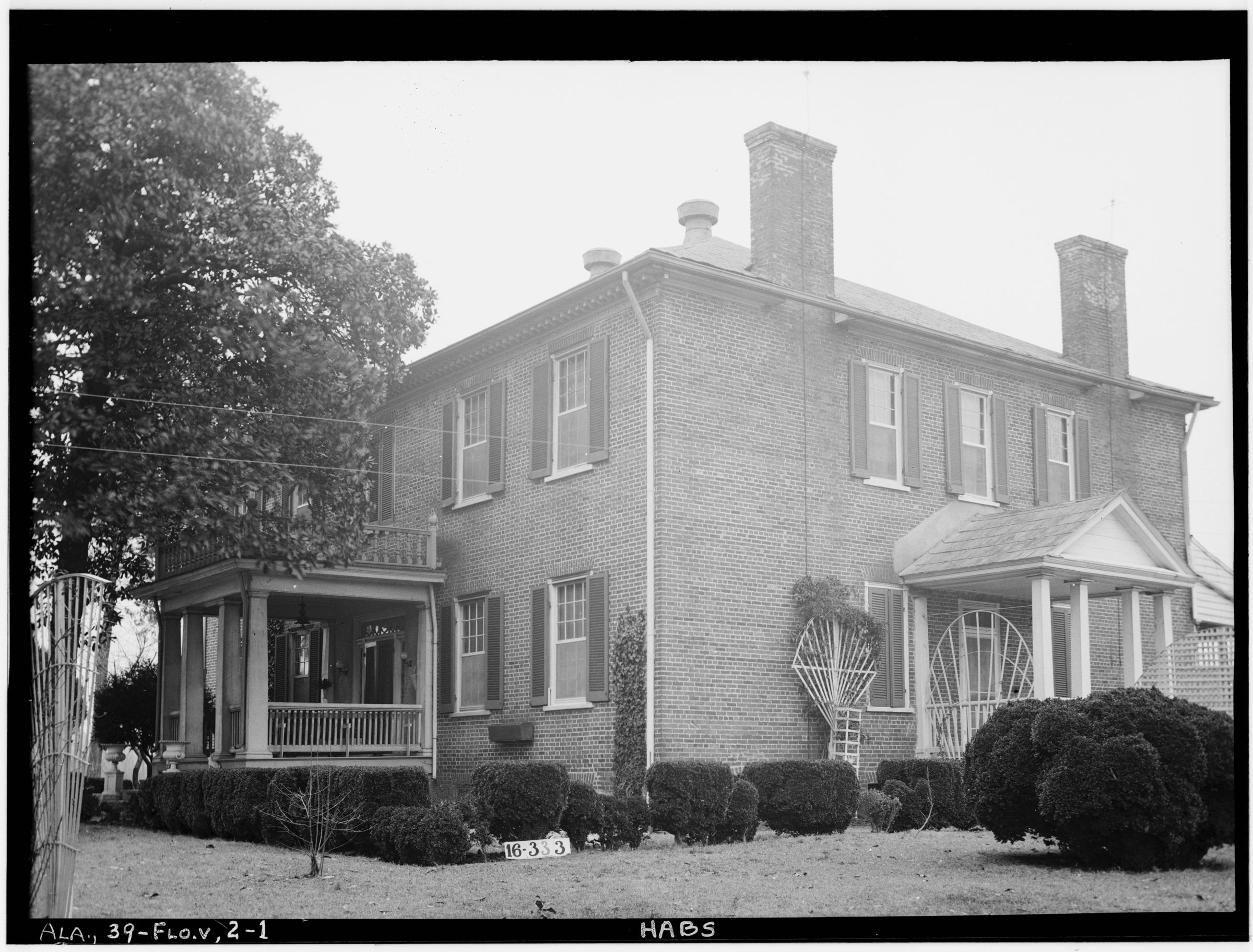
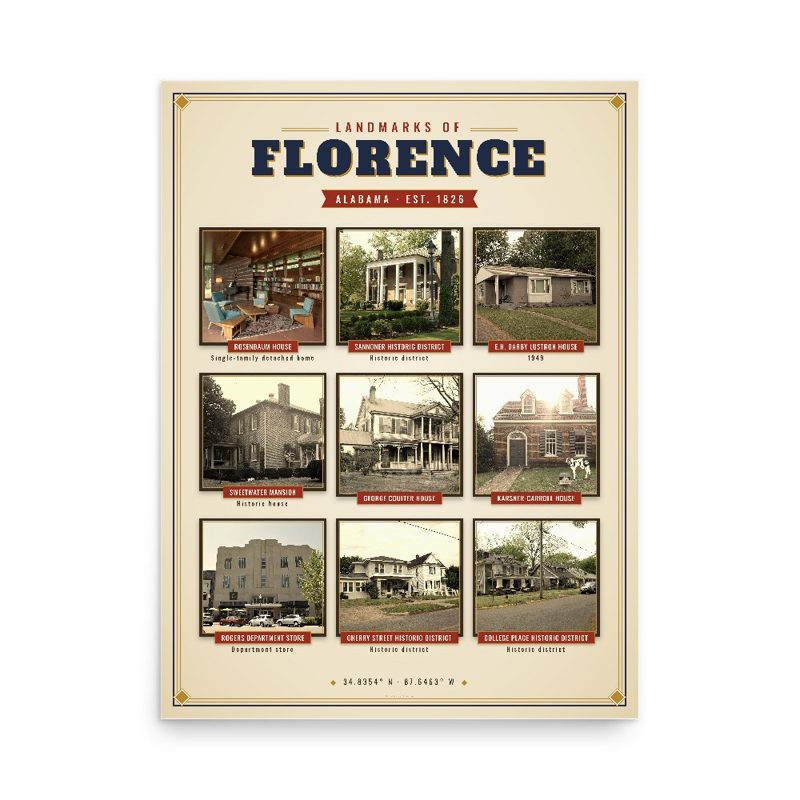
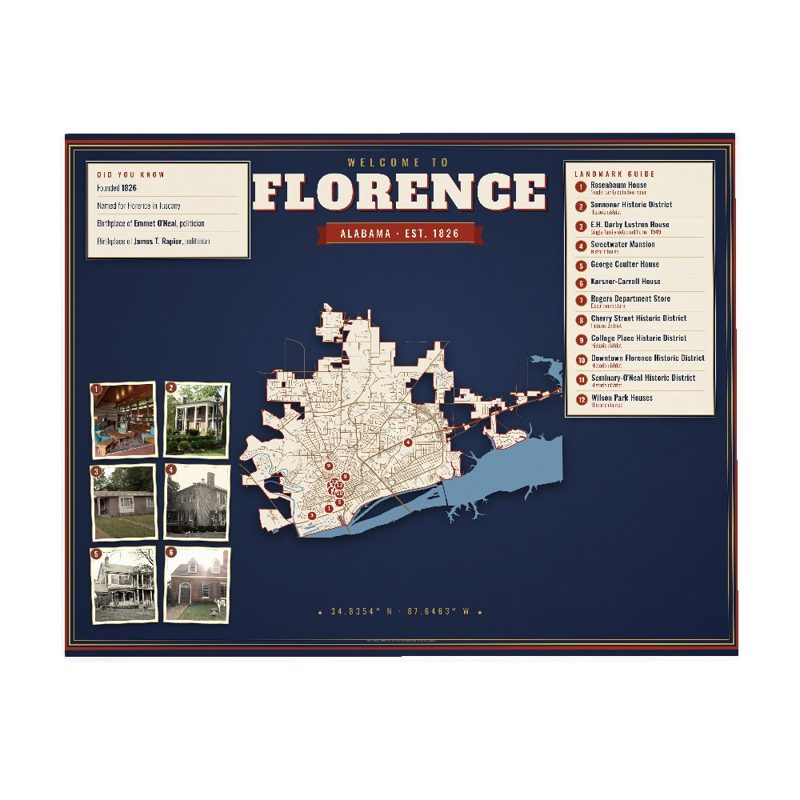













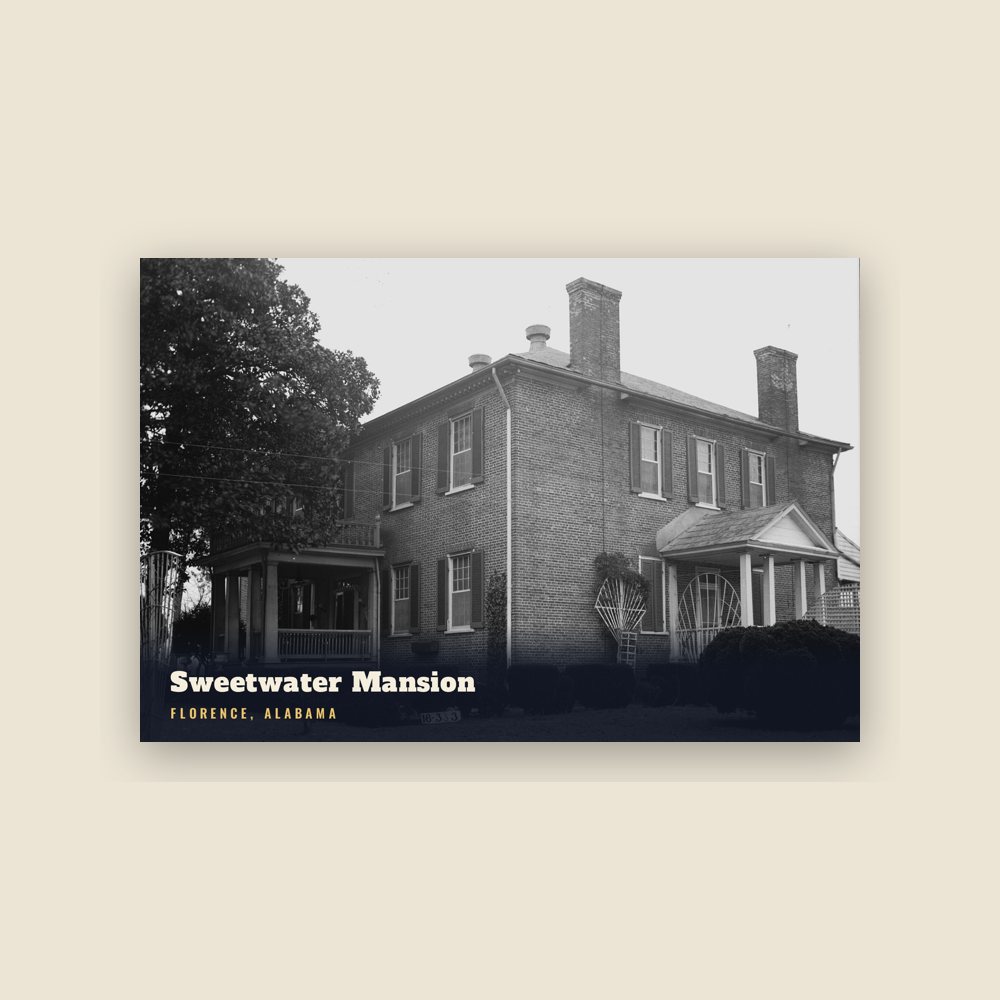
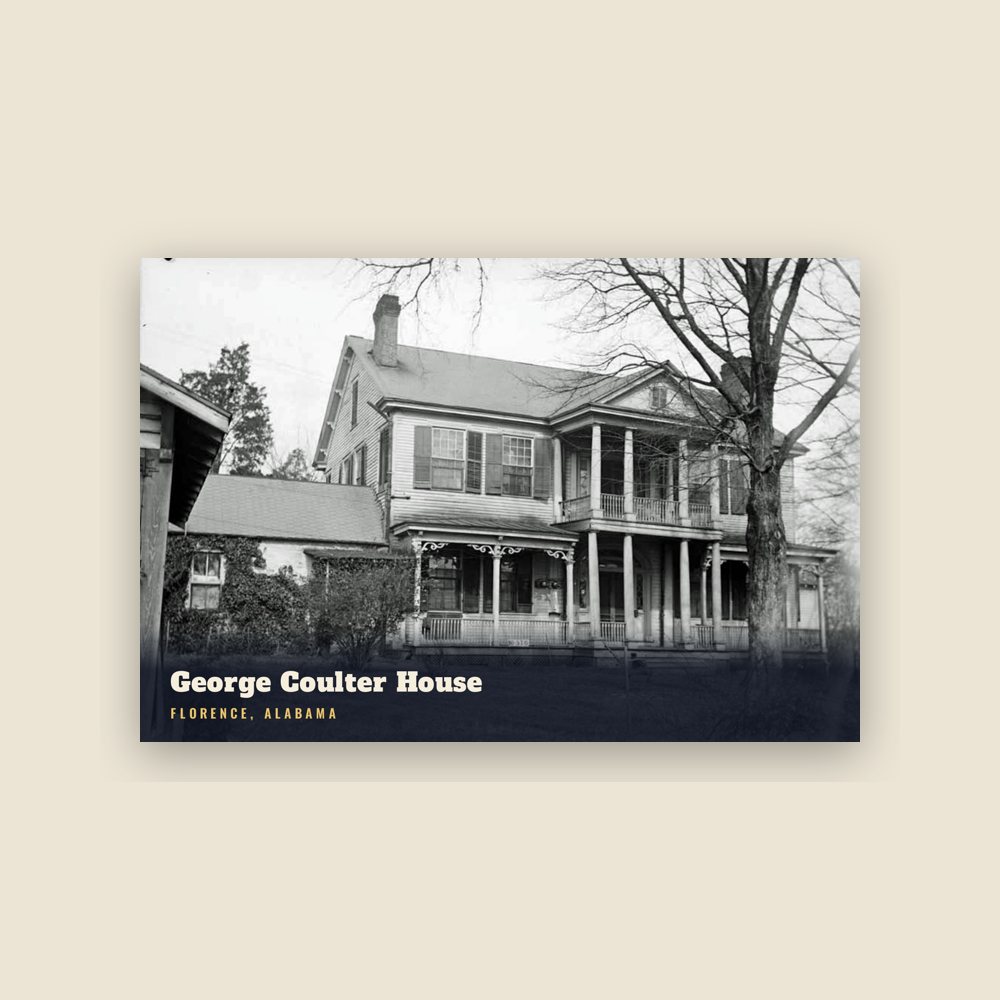
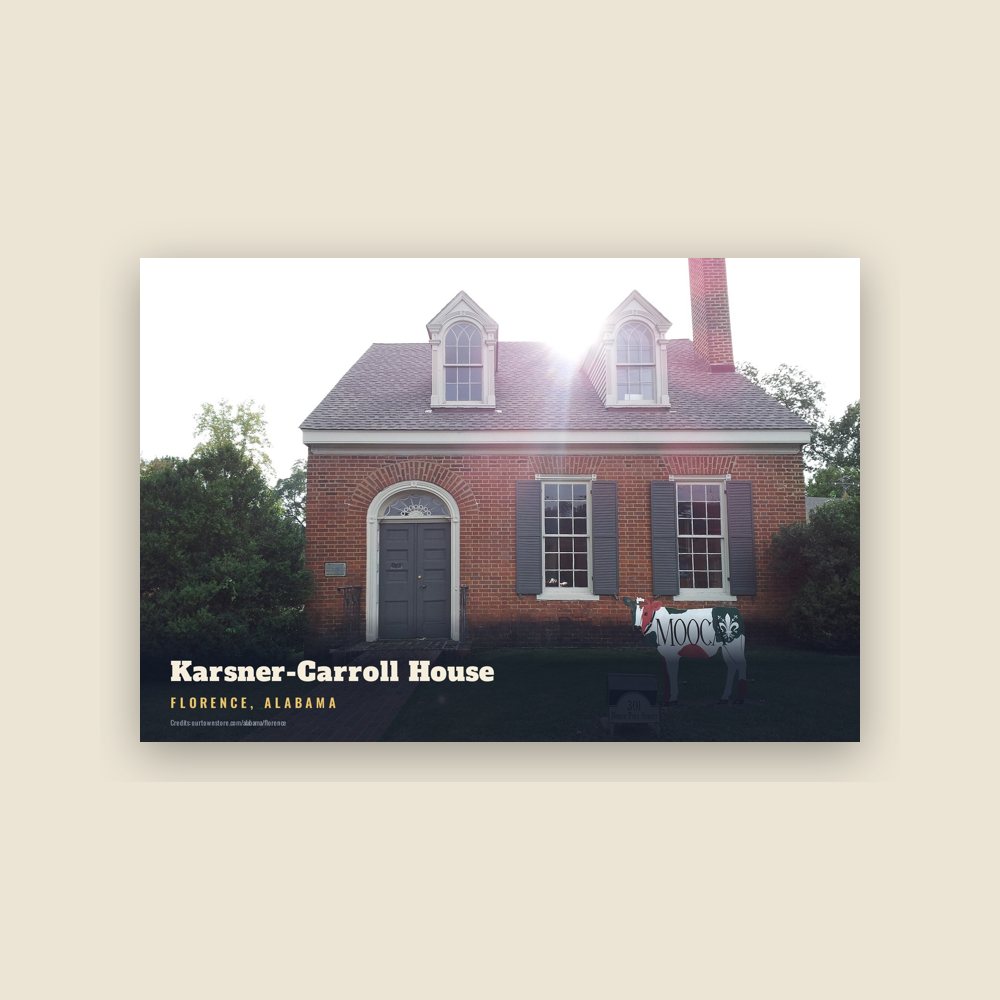
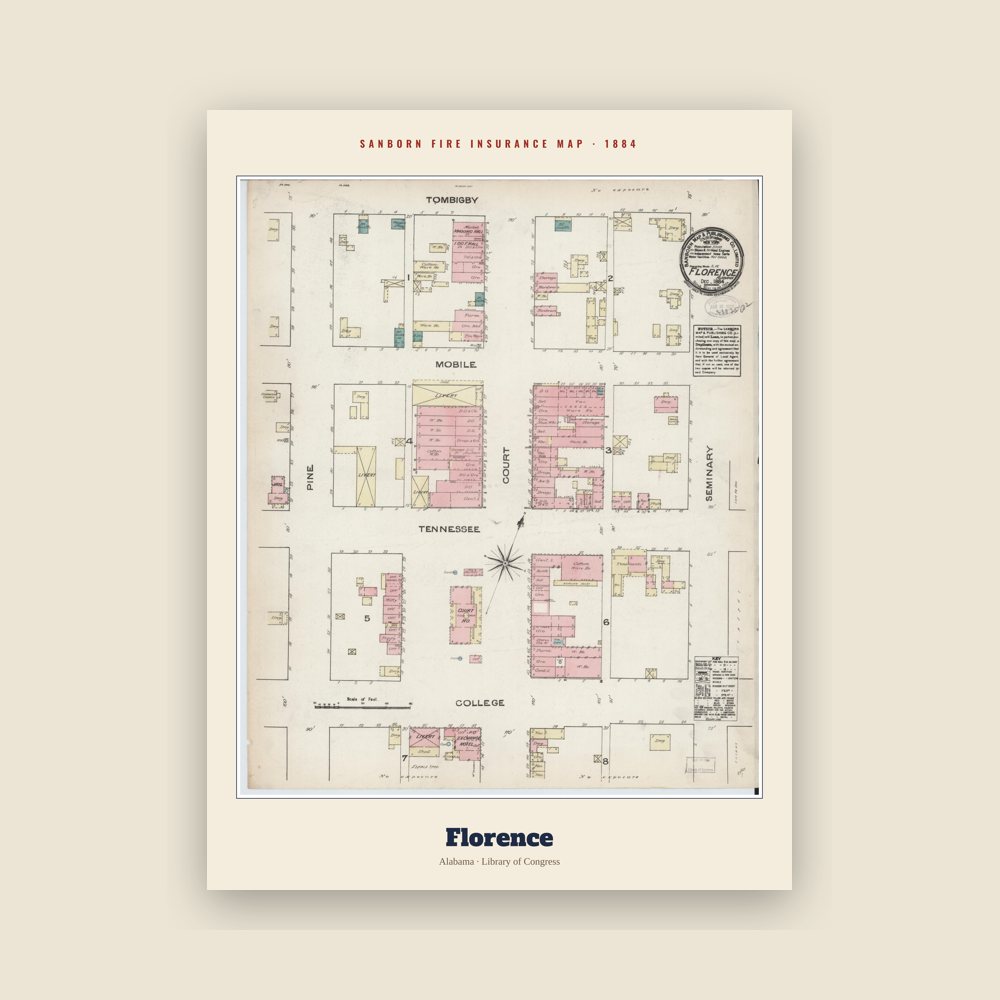
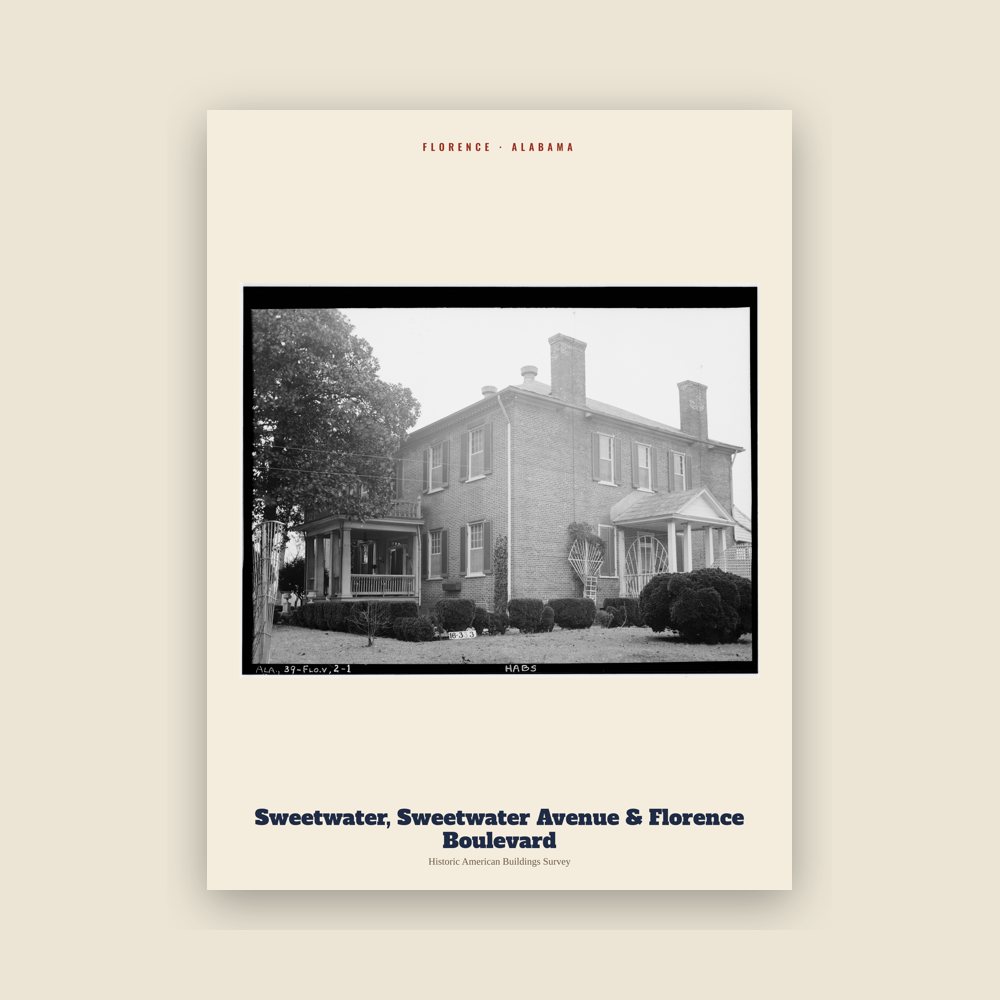
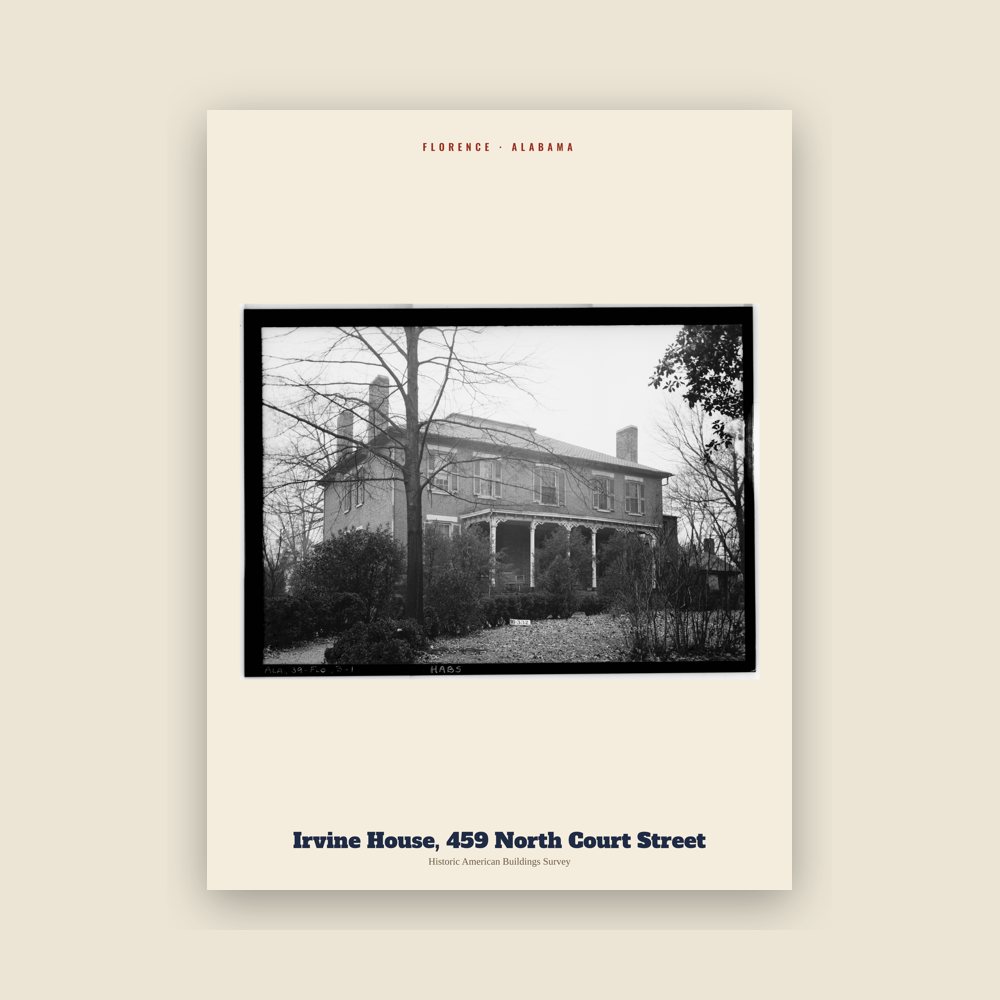
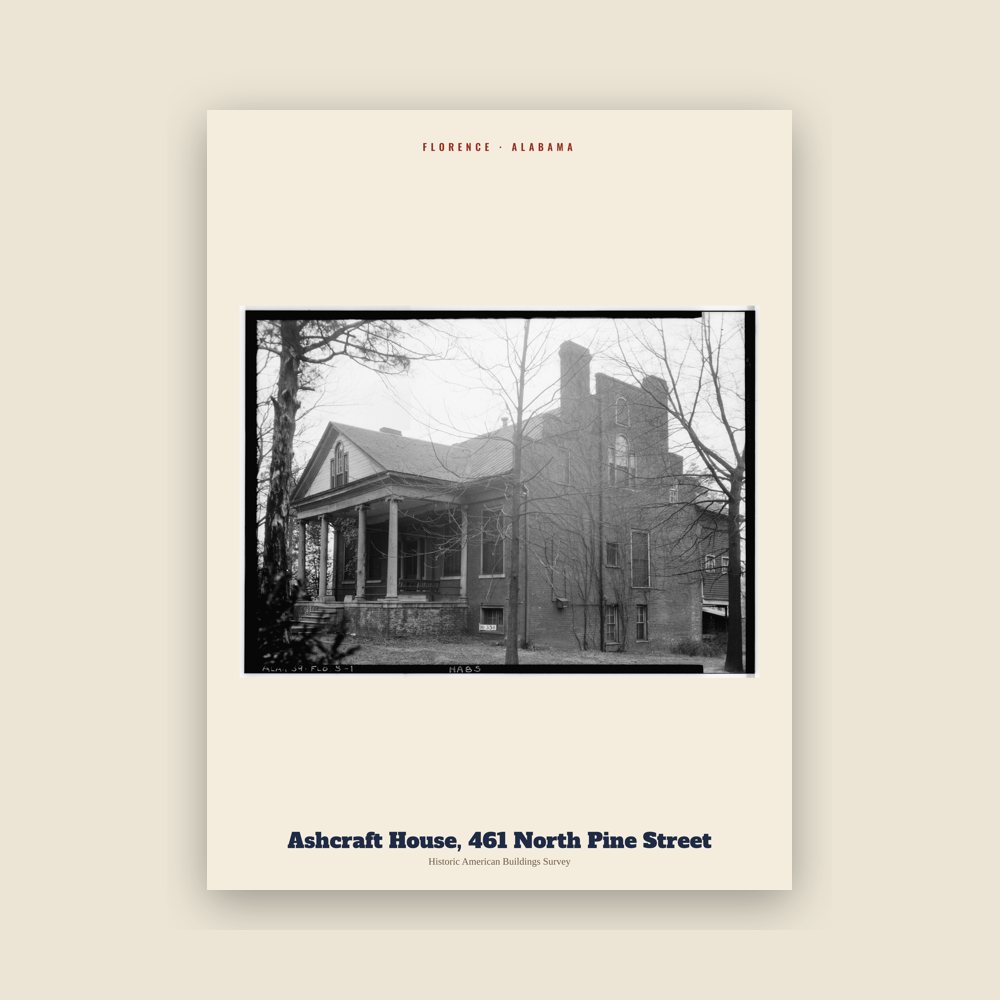
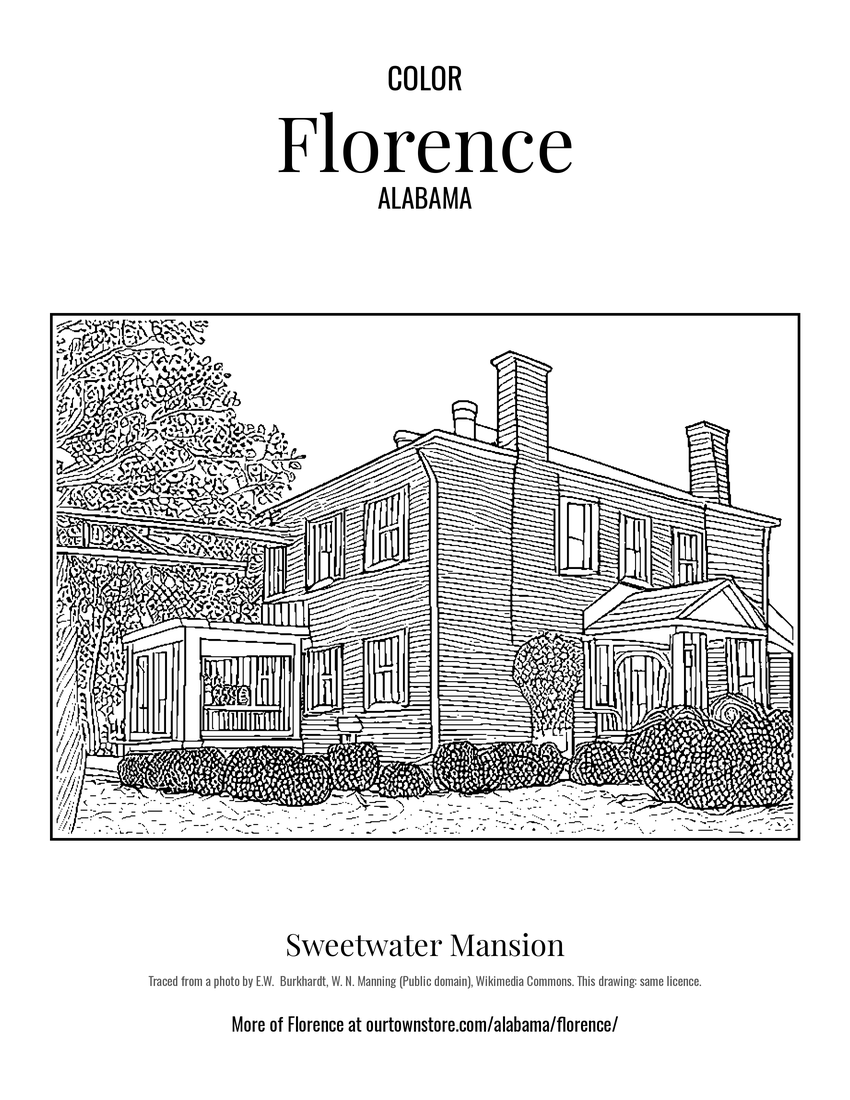 Sweetwater Mansion
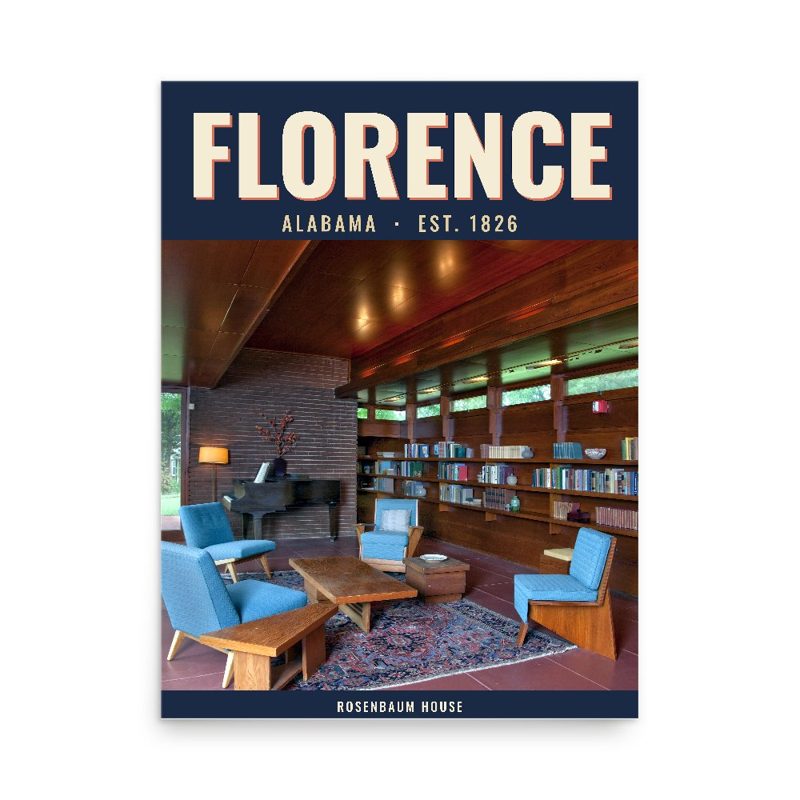
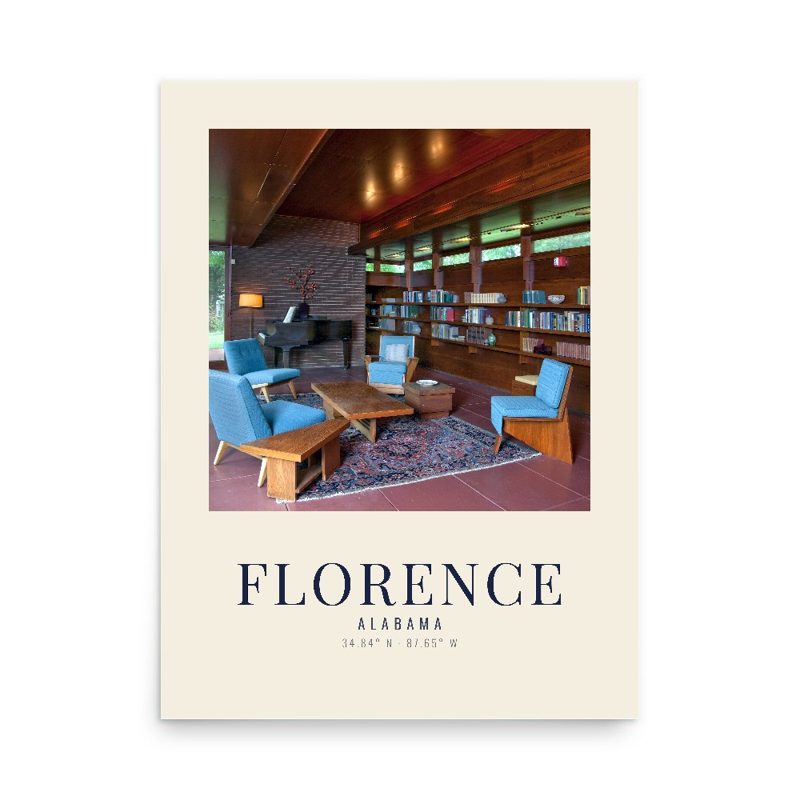
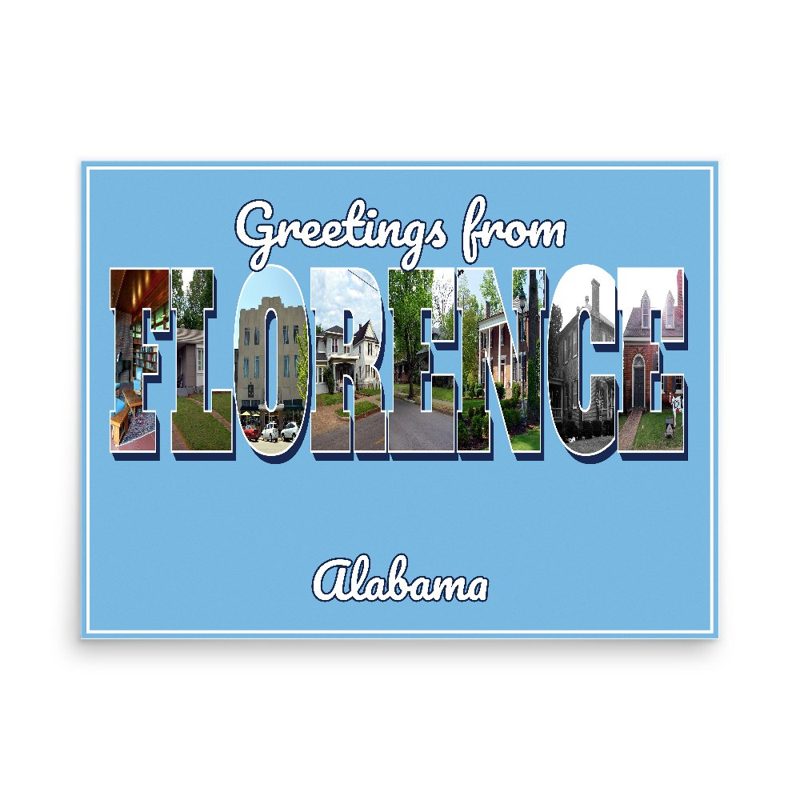
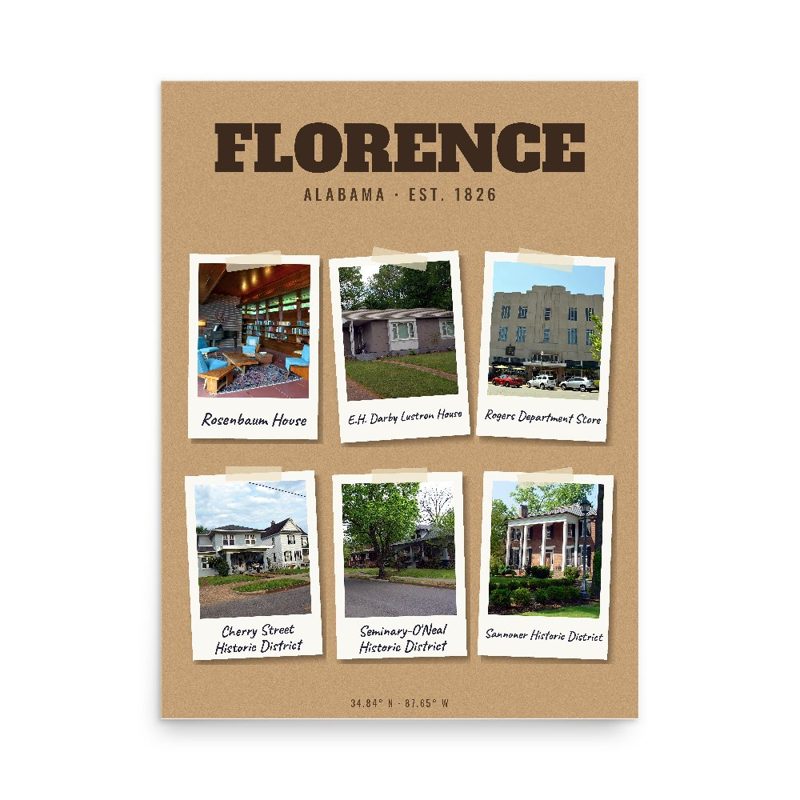
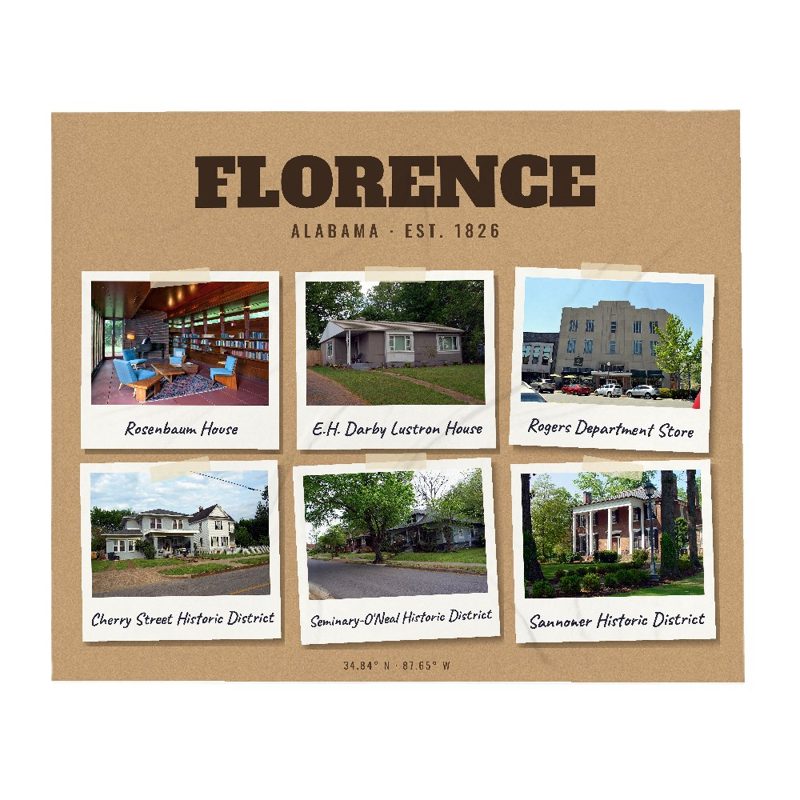
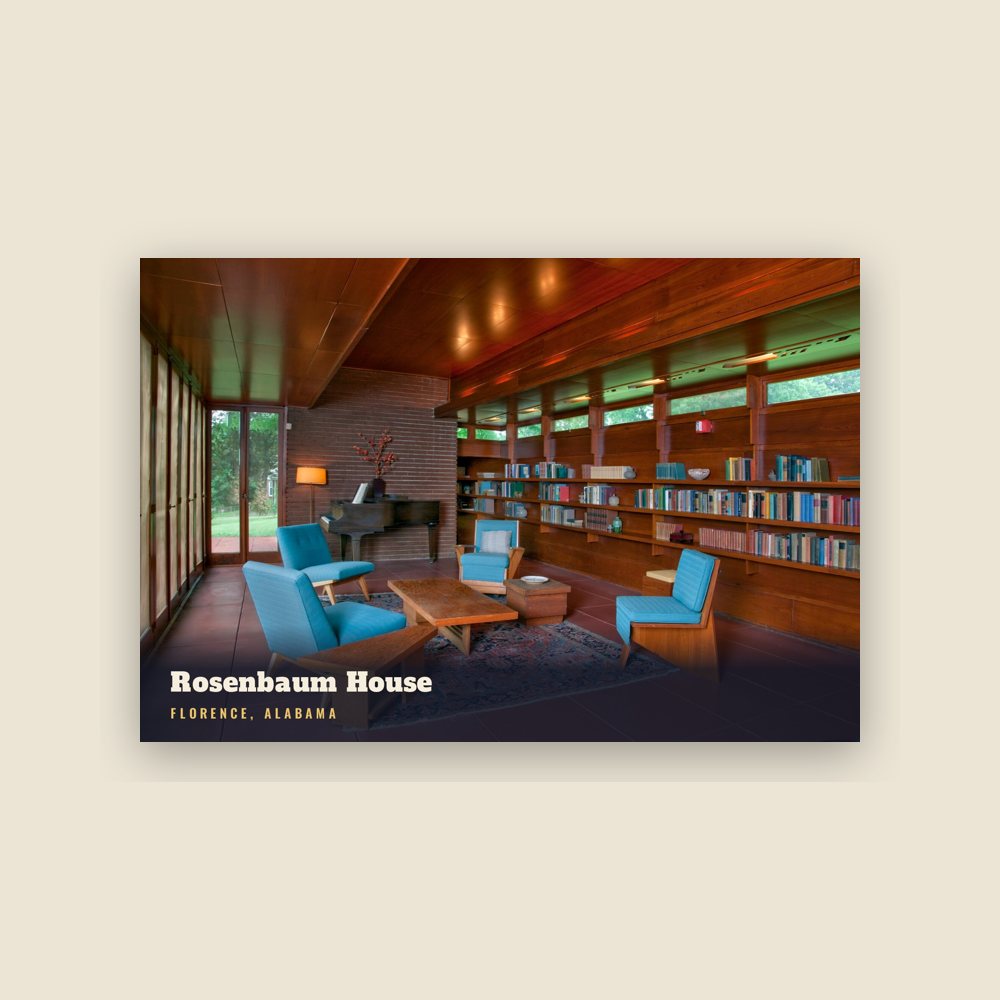
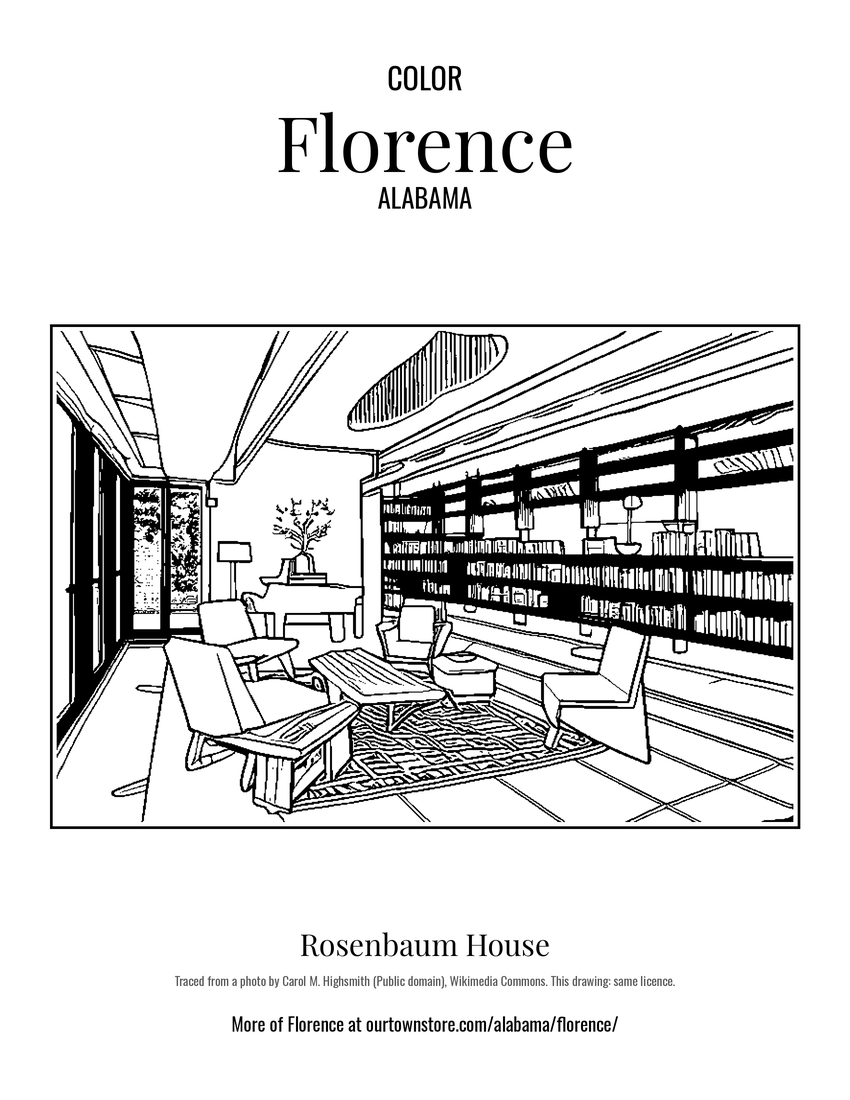 Rosenbaum House
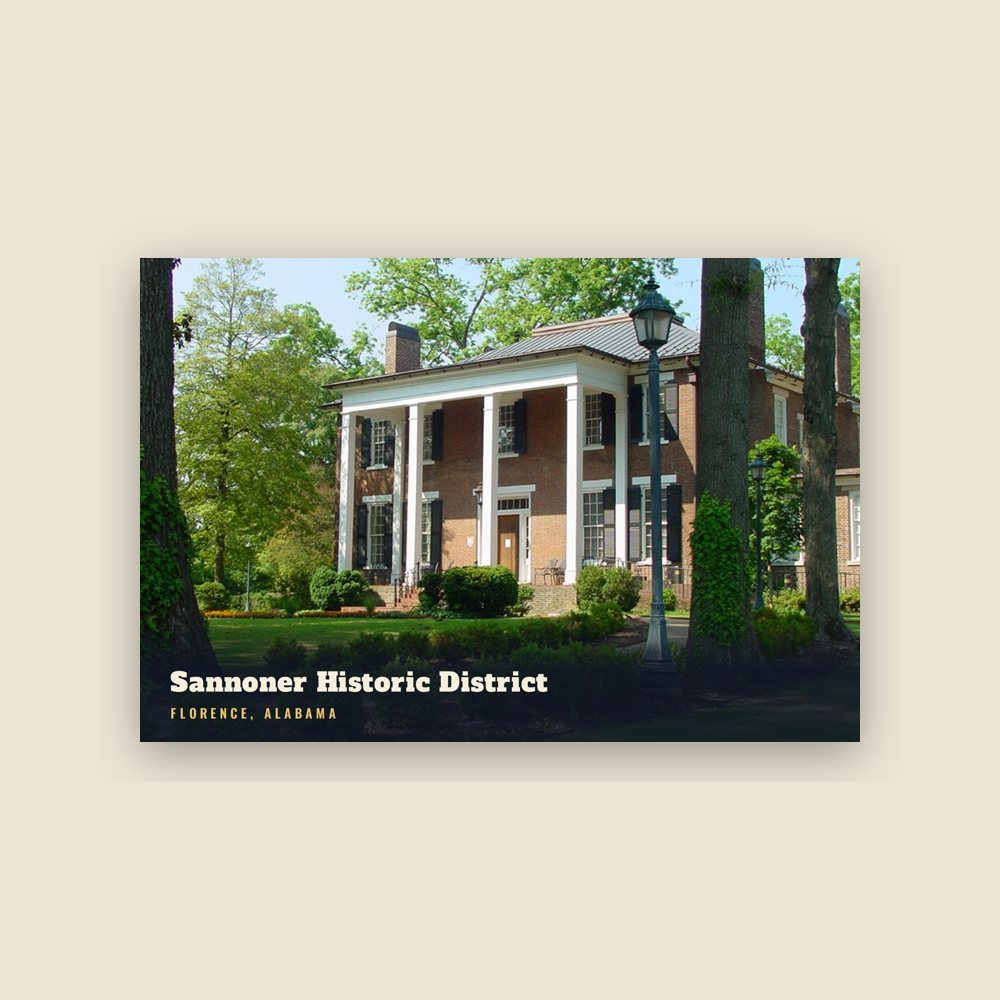
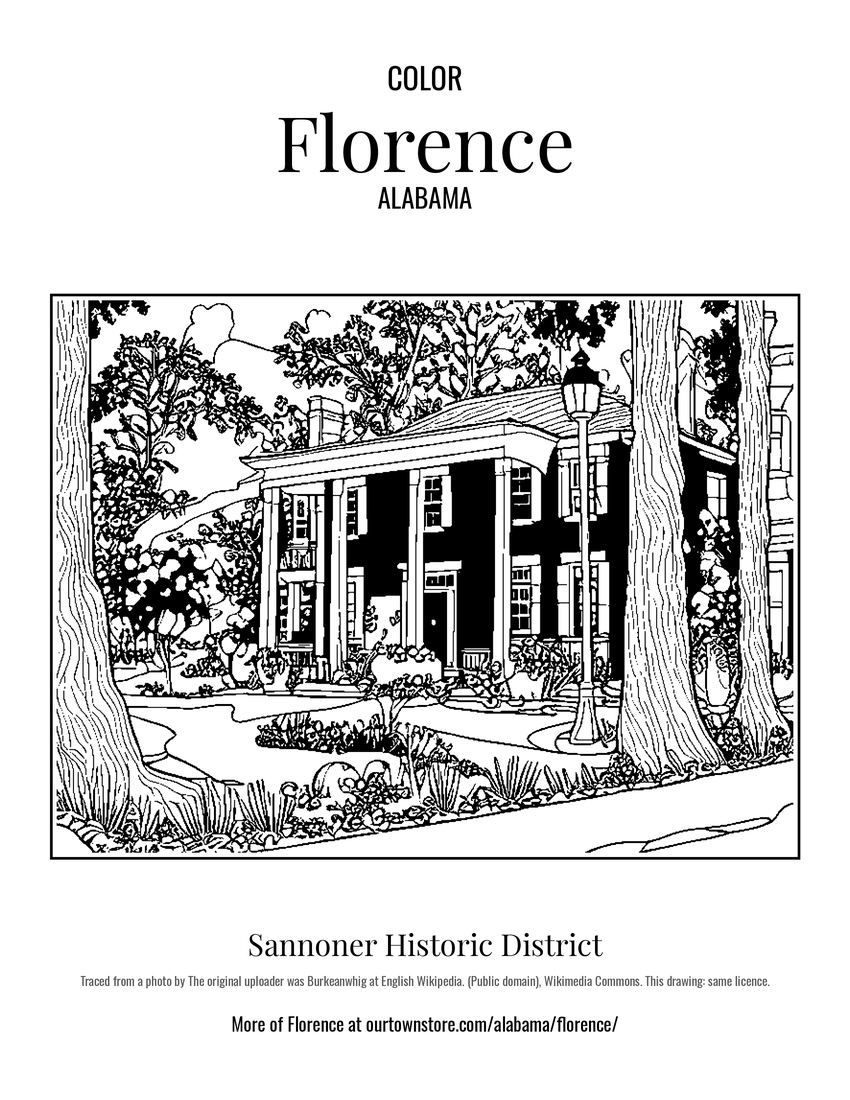 Sannoner Historic District
 E.H. Darby Lustron House