A short history of New Berlin
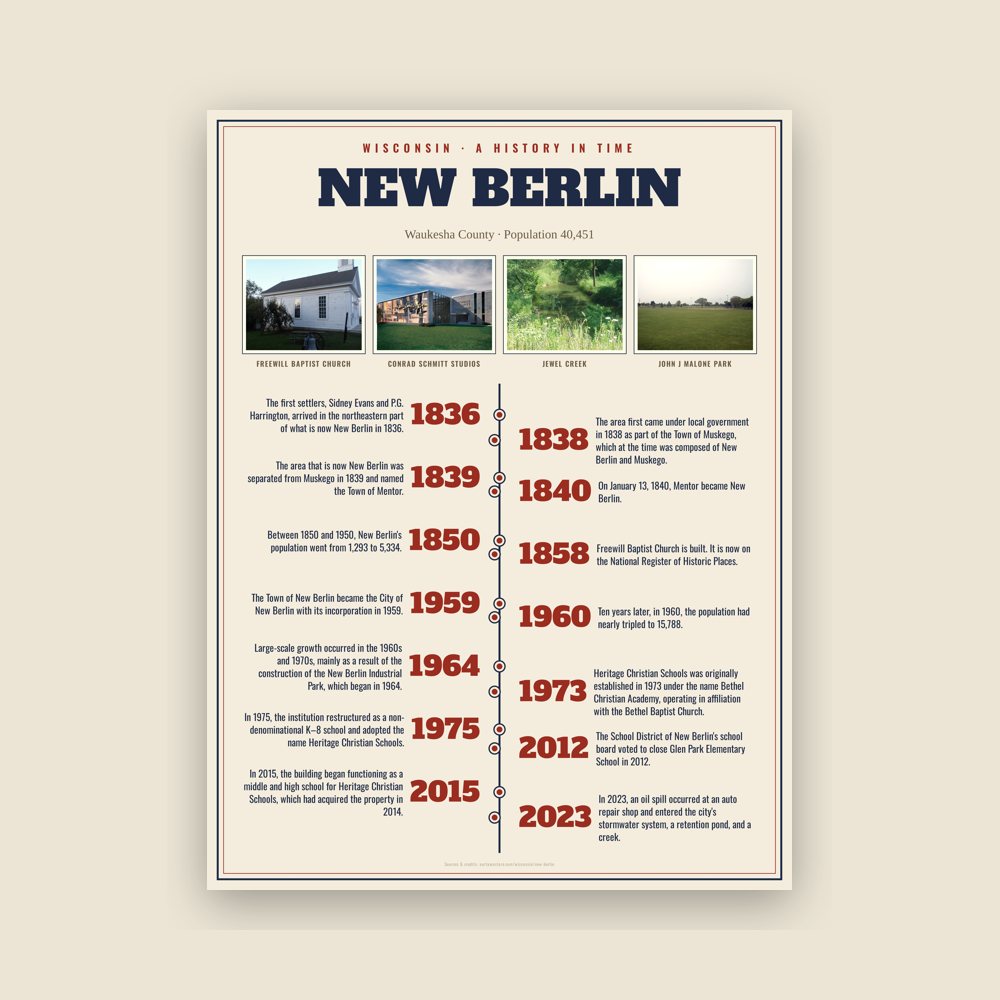
The first settlers, Sidney Evans and P.G. Harrington, arrived in the northeastern part of what is now New Berlin in 1836. The area first came under local government in 1838 as part of the Town of Muskego, which at the time was composed of New Berlin and Muskego. The area that is now New Berlin was separated from Muskego in 1839 and named the Town of Mentor.
On January 13, 1840, Mentor became New Berlin. It was named by Evans after his hometown, New Berlin, New York. The town remained a rural and agricultural area until the 1940s, when the westward migration to the suburbs from Milwaukee began. Between 1850 and 1950, New Berlin's population went from 1,293 to 5,334. Ten years later, in 1960, the population had nearly tripled to 15,788. The Town of New Berlin became the City of New Berlin with its incorporation in 1959.
Large-scale growth occurred in the 1960s and 1970s, mainly as a result of the construction of the New Berlin Industrial Park, which began in 1964. The park comprises three separate business parks encompassing 1,126 acres (4.6 km2), including Moorland Road Industrial Park, New Berlin Industrial Park and MSI/Lincoln Avenue Industrial Park.
The School District of New Berlin's school board voted to close Glen Park Elementary School in 2012. This resulted in around 300 students being transferred to either Elmwood, Ronald Reagan, or Orchard Lane elementary schools before the Fall term in 2012. In 2015, the building began functioning as a middle and high school for Heritage Christian Schools, which had acquired the property in 2014. Heritage Christian Schools was originally established in 1973 under the name Bethel Christian Academy, operating in affiliation with the Bethel Baptist Church. In 1975, the institution restructured as a non-denominational K–8 school and adopted the name Heritage Christian Schools. Over time, the school expanded its educational offerings to include high school programs.
Interstate 43 was expanded at the Moorland Road exit to accommodate a growing number of commuters. The new interchange has a two-lane roundabout that has been the center of a great deal of controversy because of the high number of accidents and traffic backups on 43. In 2023, an oil spill occurred at an auto repair shop and entered the city's stormwater system, a retention pond, and a creek. The city spent tens of thousands of dollars on cleanup efforts.
Adapted (trimmed) from the Wikipedia article New Berlin, Wisconsin, revision 1377786932 by its contributors, licensed CC BY-SA 4.0.
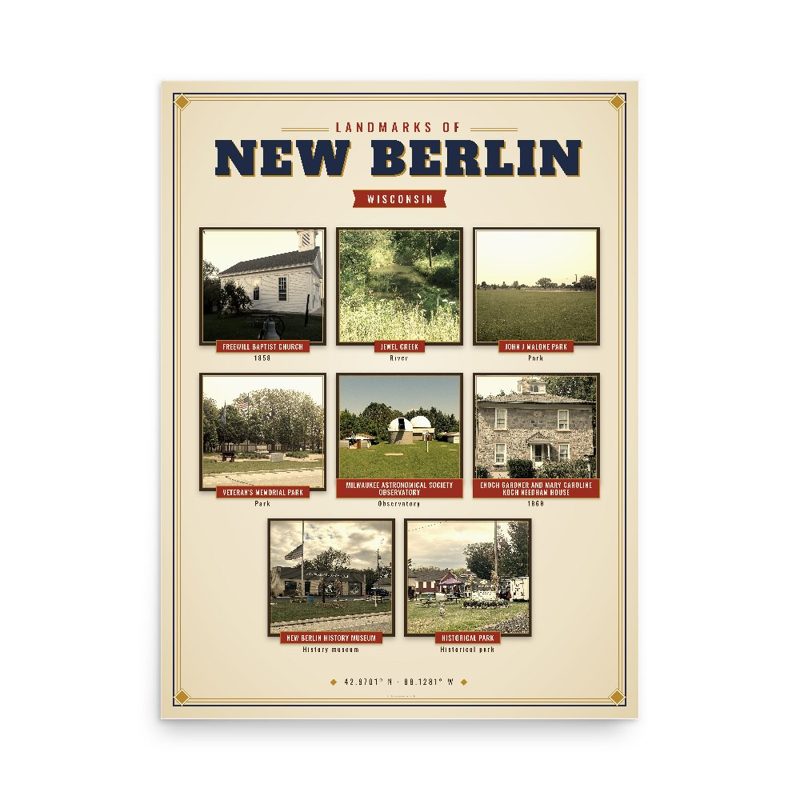
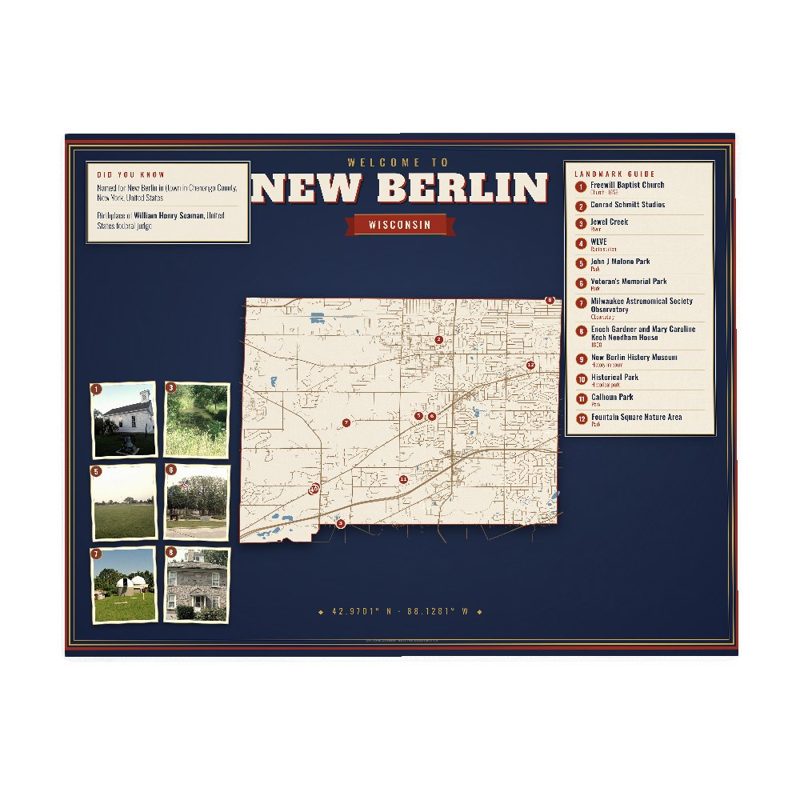



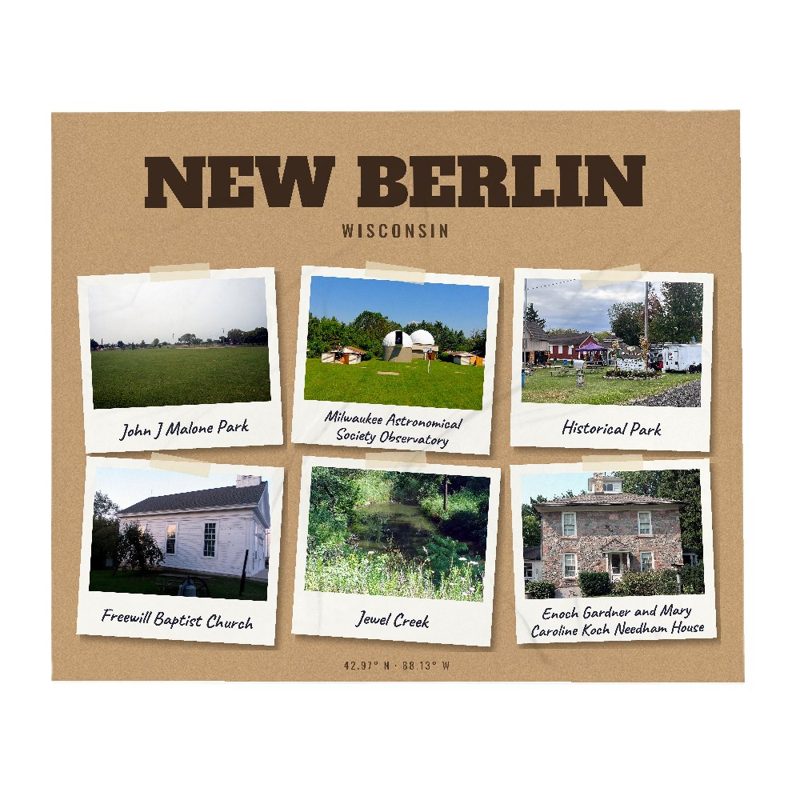
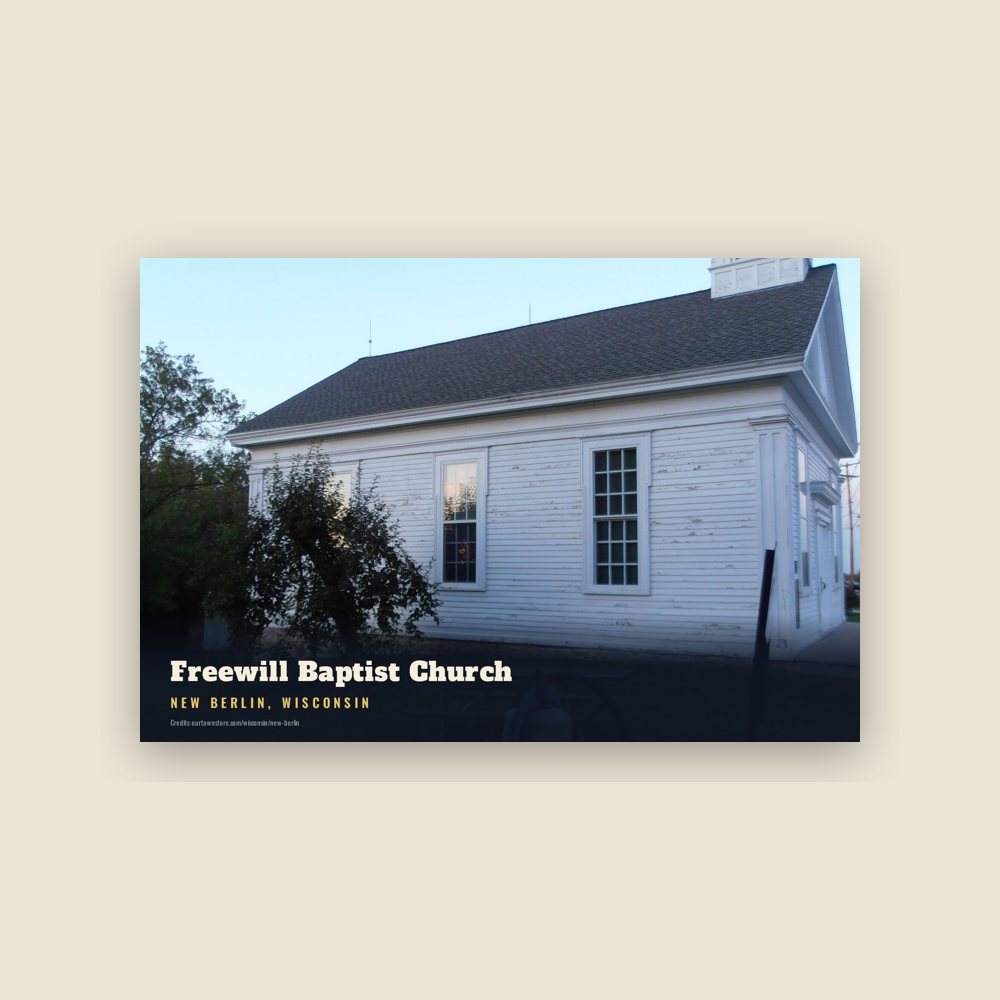

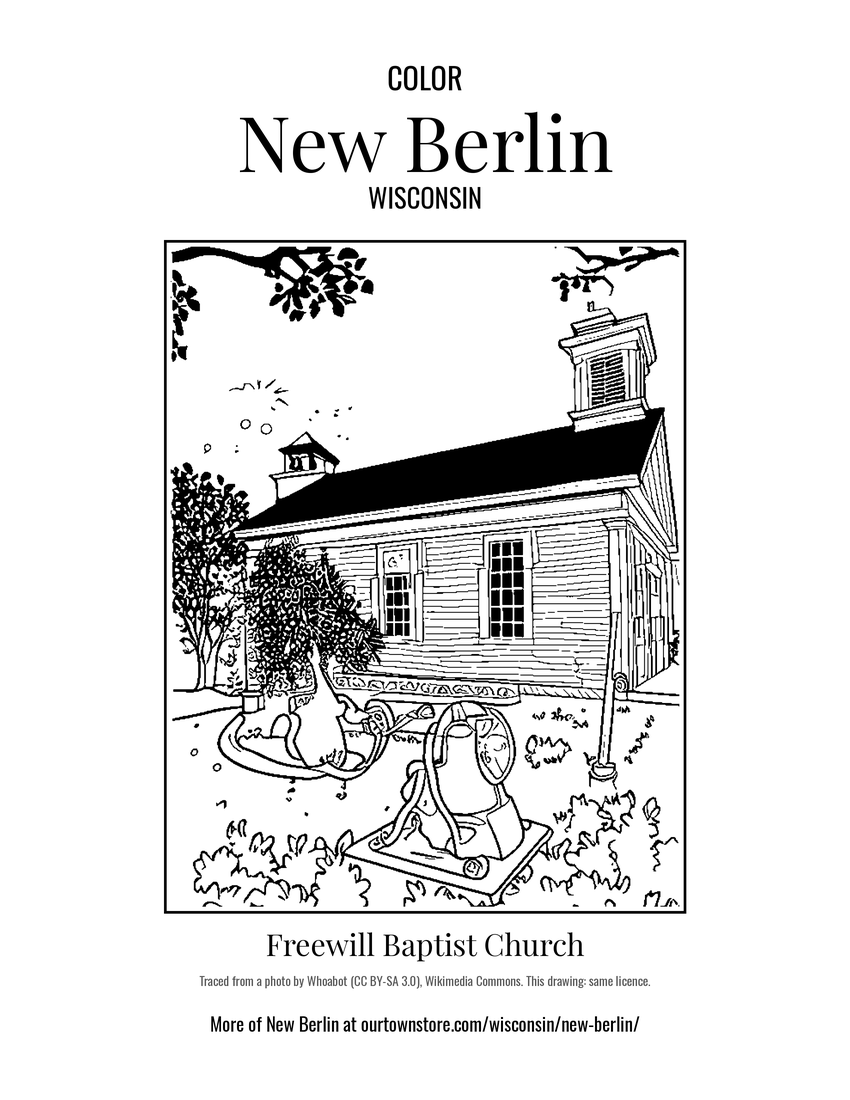 Freewill Baptist Church
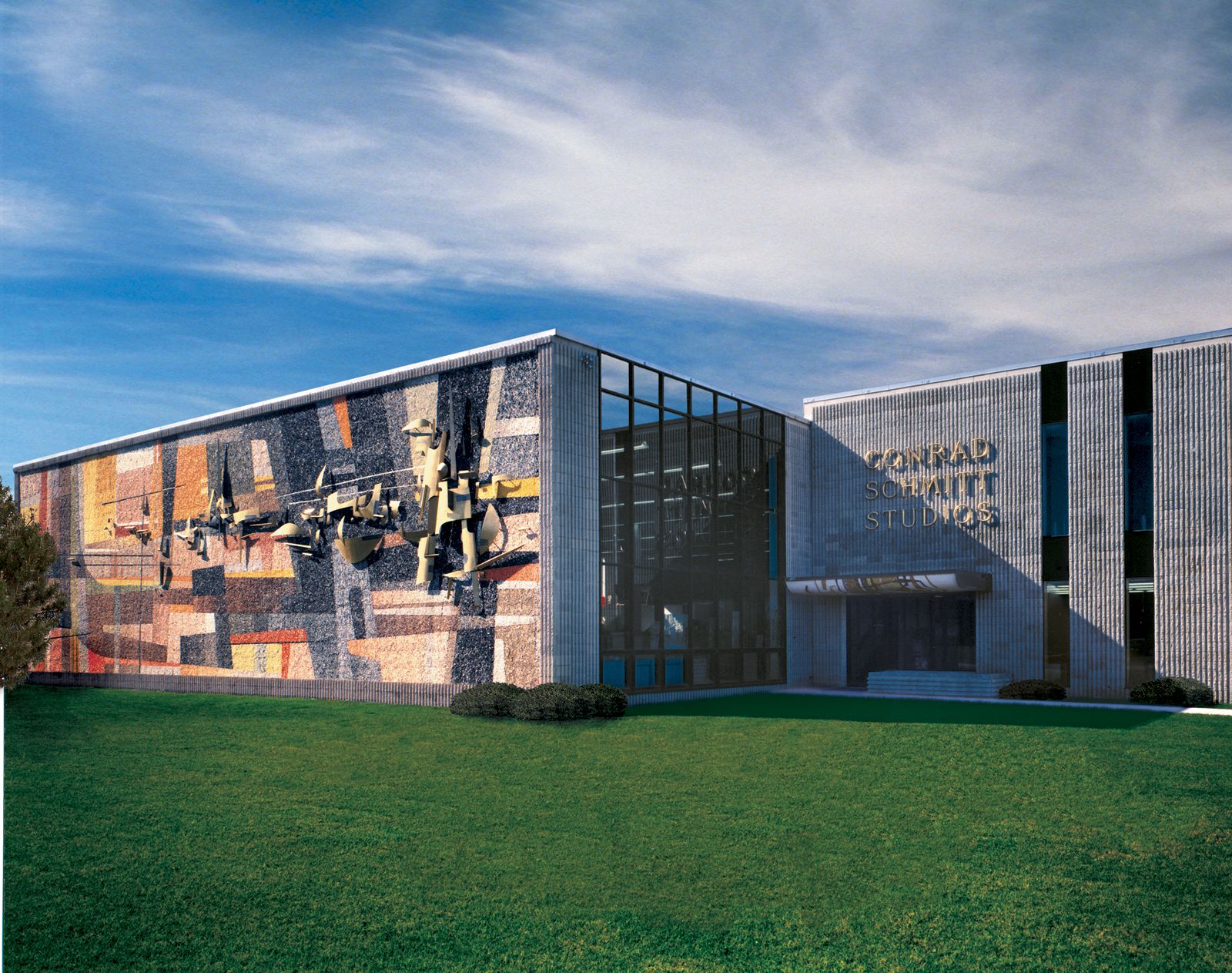
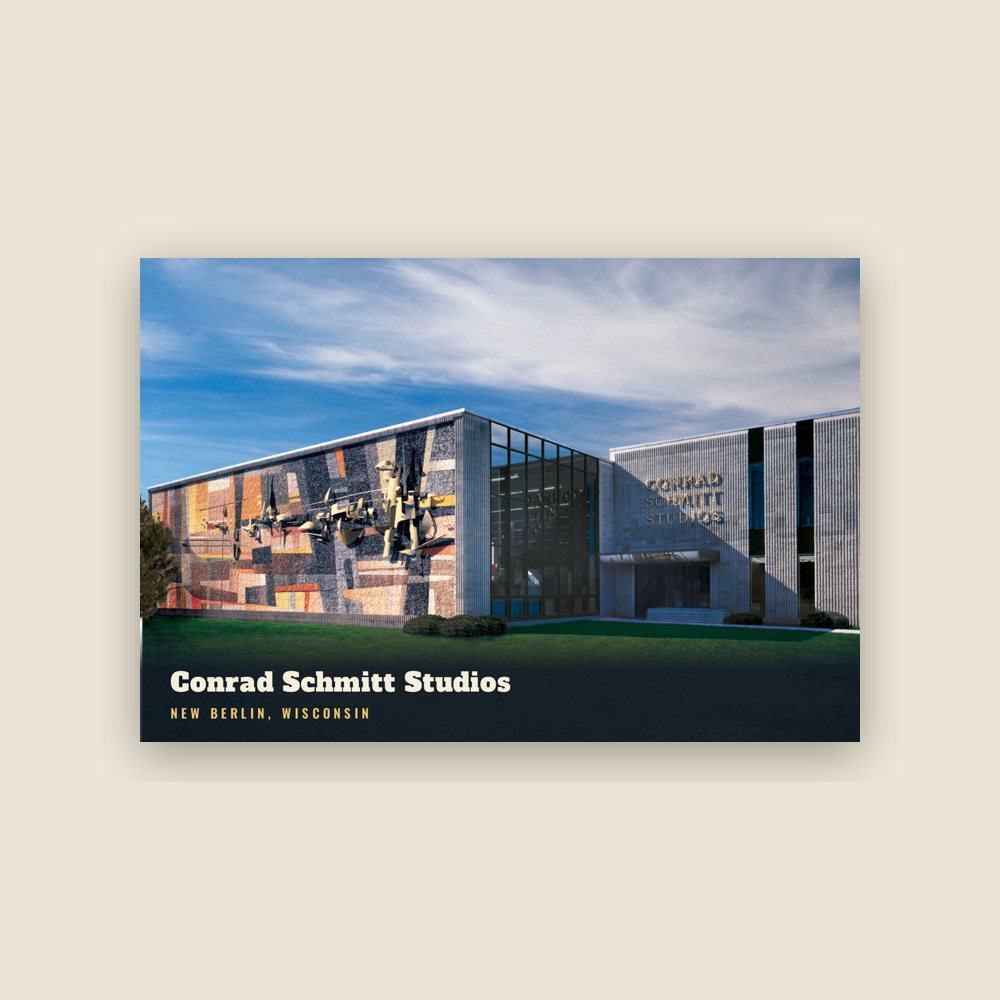
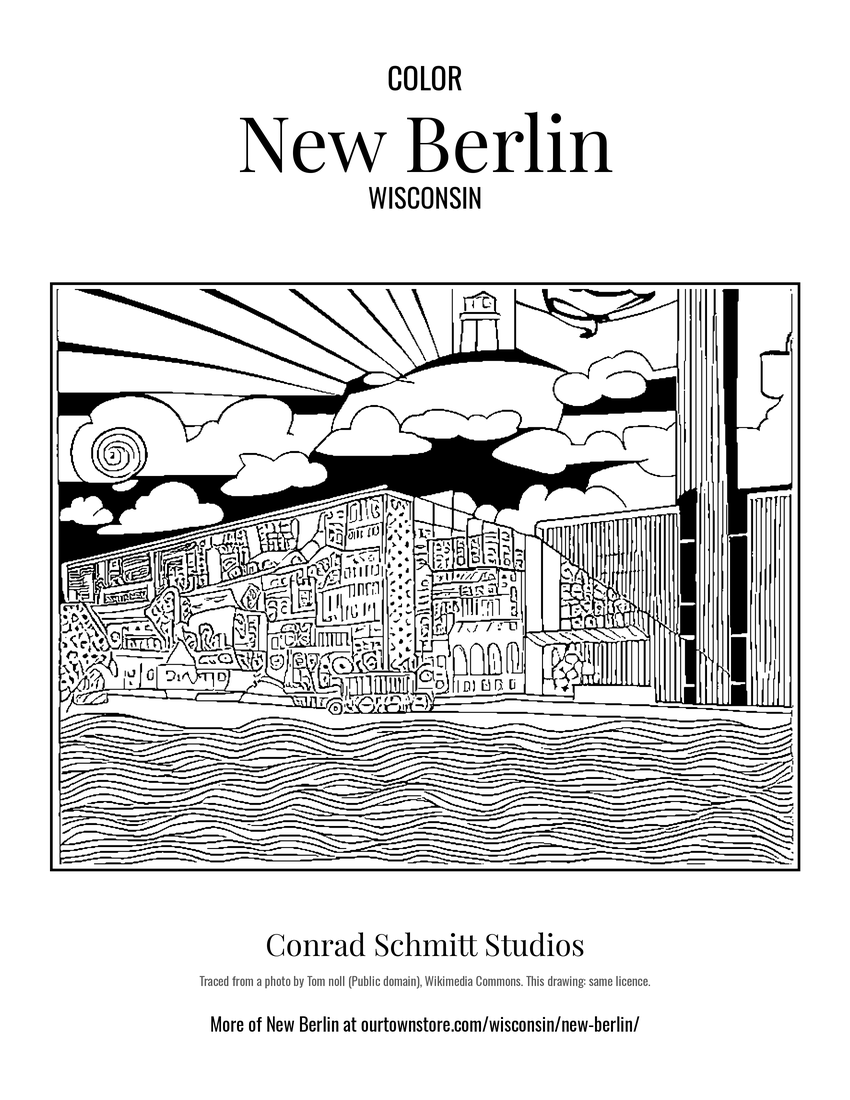 Conrad Schmitt Studios
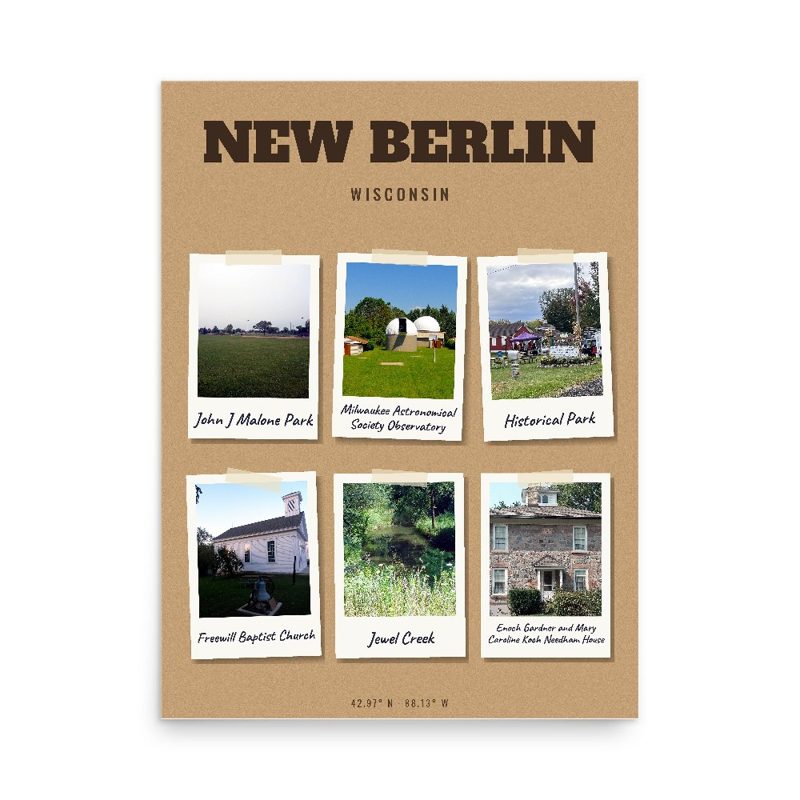
 Jewel Creek
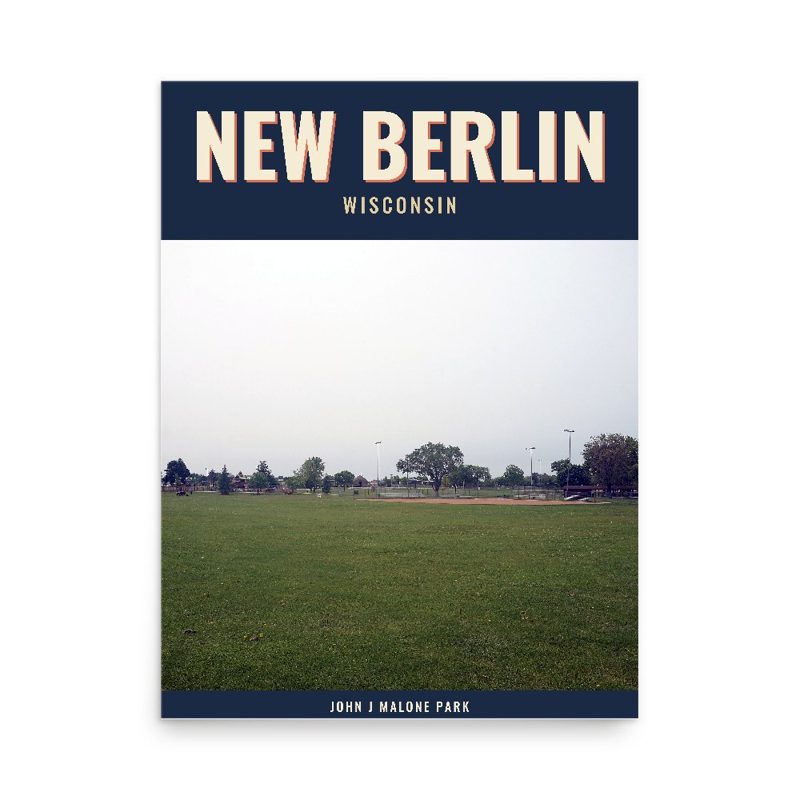
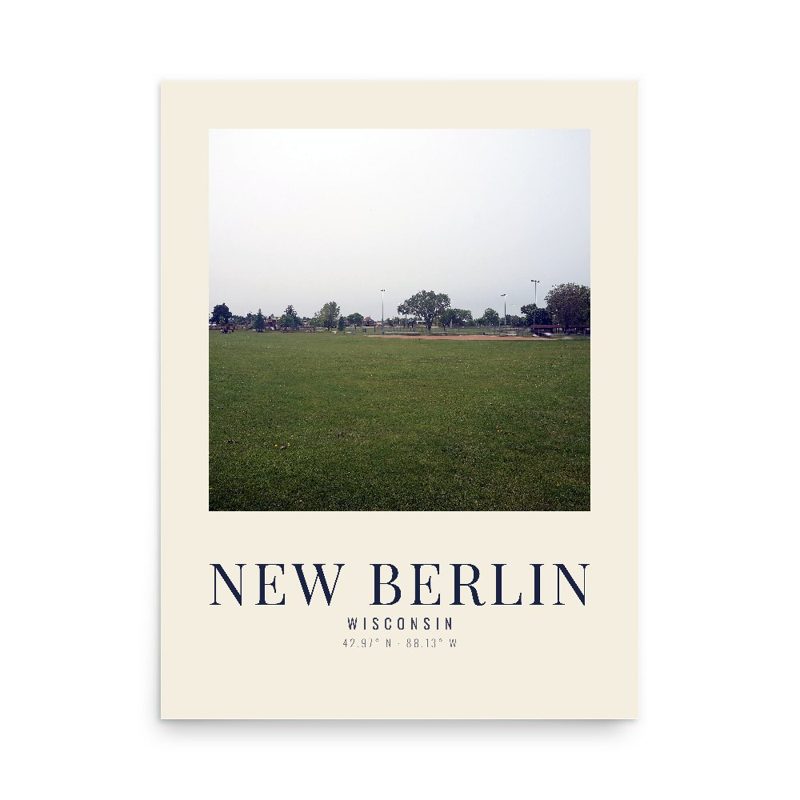
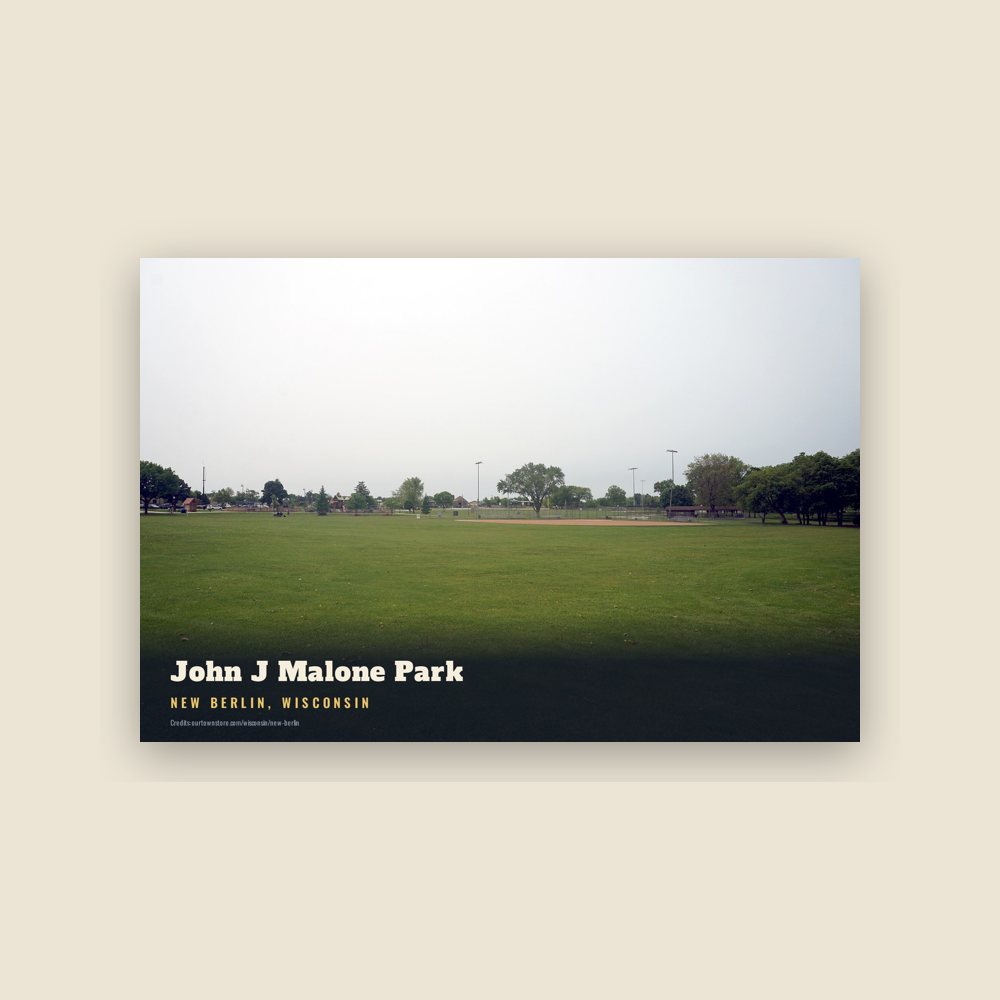
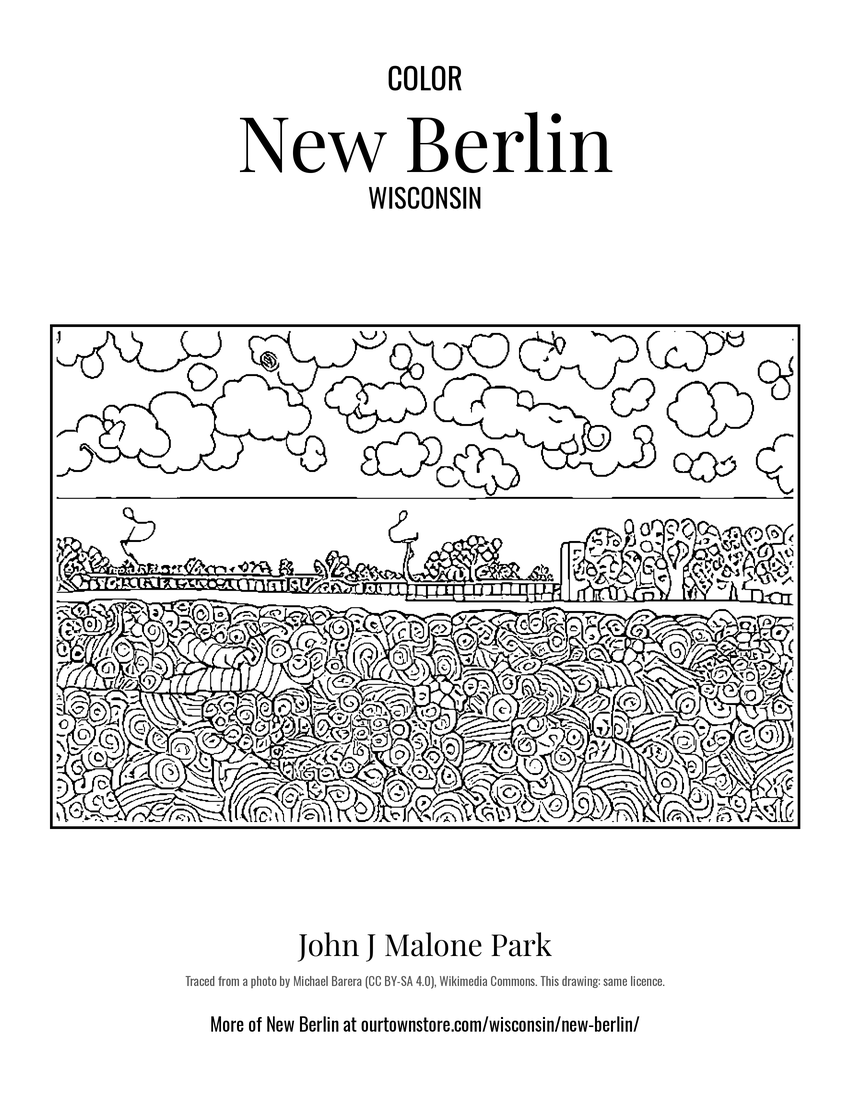 John J Malone Park