A short history of DeForest
Before European settlement, the area now known as DeForest was home to Native American peoples, notably the Ho-Chunk Nation. The Wisconsin River valley and its tributaries provided vital resources and travel routes for these early inhabitants.
DeForest traces its origins to 1854 when Isaac DeForest, a Belgian-American settler, arrived in the area and acquired extensive land holdings primarily for wheat farming. Recognizing the potential for community development, he platted the land in 1856, laying the foundation for the village that would bear his name. Despite initial success, the post-Civil war decline in wheat prices led DeForest to sell his land in 1868 and relocate to Kansas; however, the village retained his name and continued to grow.
The arrival of the Chicago and North Western Railway in the late 19th century significantly impacted DeForest's growth. The railway provided essential connections for transporting agricultural products, particularly grains and dairy, to broader markets. DeForest was officially incorporated as a village in 1897. The early 20th century saw steady growth, with agriculture, small-scale manufacturing, and local trade forming the backbone of the economy.
Following World War II, DeForest experienced suburban expansion due to its proximity to Madison and improved transportation infrastructure. The development of highways, including the nearby Interstate 90/94 corridor, facilitated commuter access and contributed to residential growth. Today, DeForest blends its rural heritage with a growing suburban identity. The village has invested in revitalizing its downtown, expanding parks and trails, and supporting educational initiatives through the DeForest Area School District. While maintaining a strong sense of community, DeForest continues to evolve as part of the Greater Madison metropolitan area.
Adapted (trimmed) from the Wikipedia article DeForest, Wisconsin, revision 1376647002 by its contributors, licensed CC BY-SA 4.0.
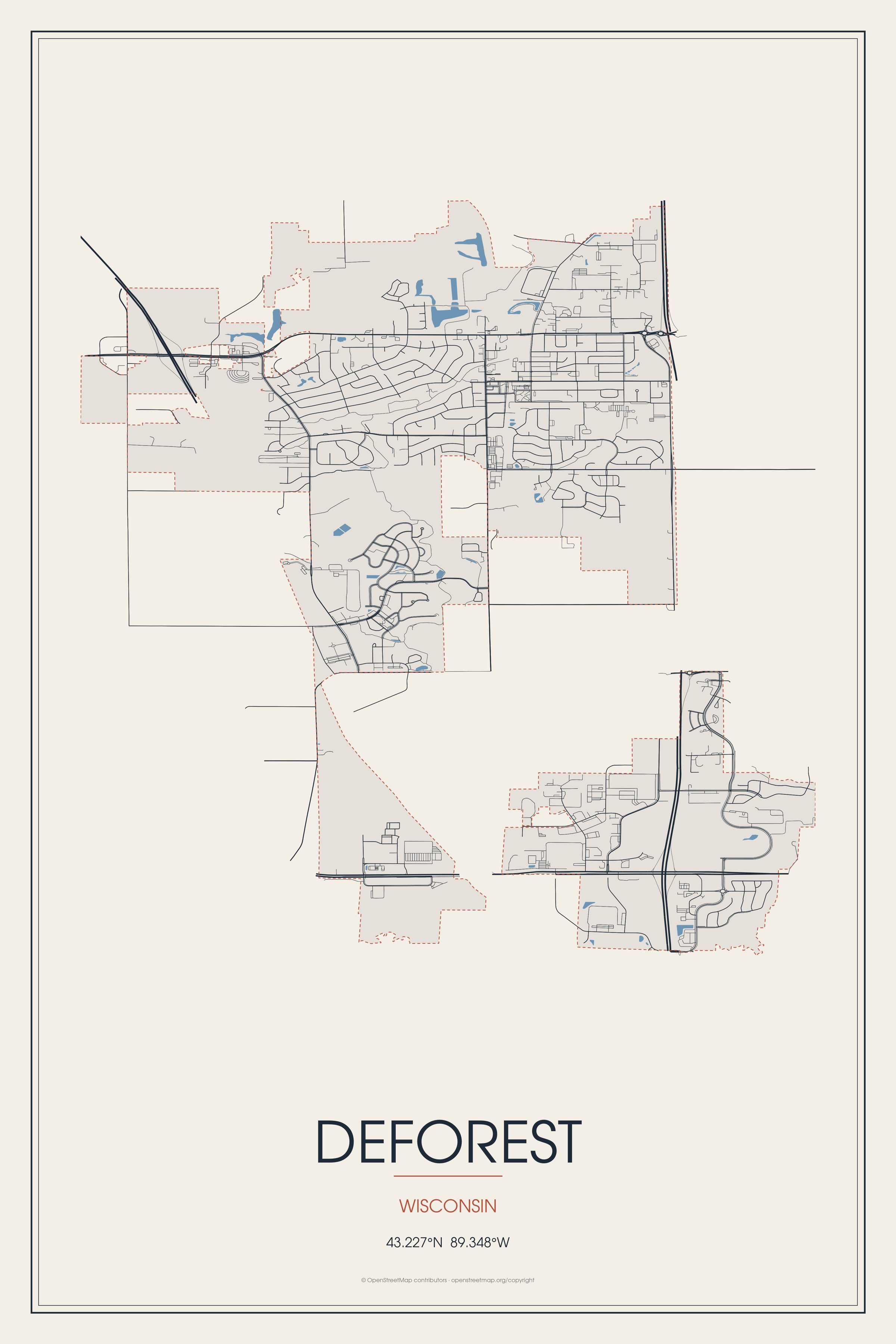
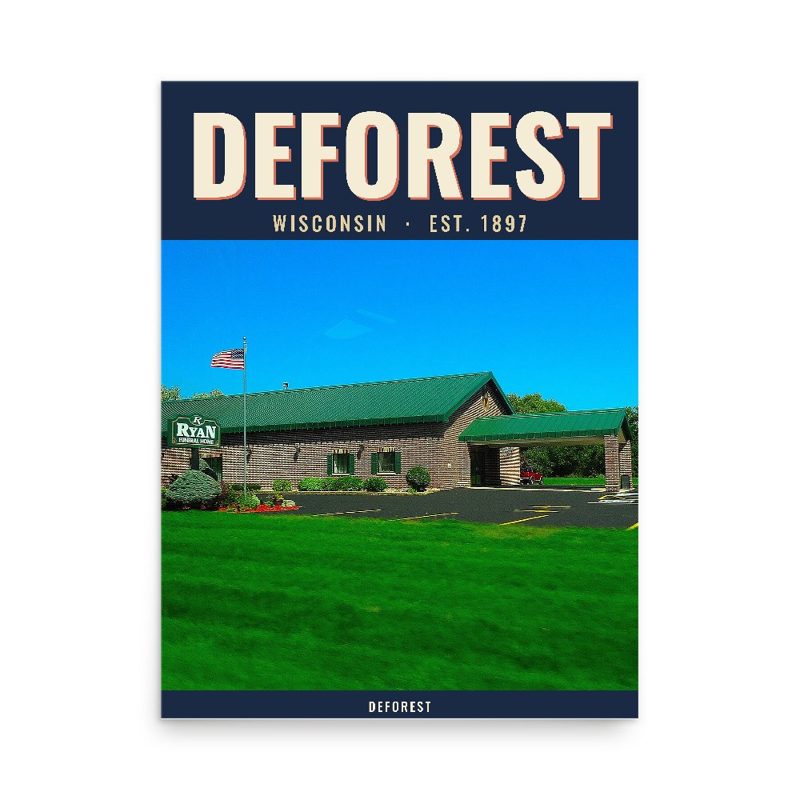
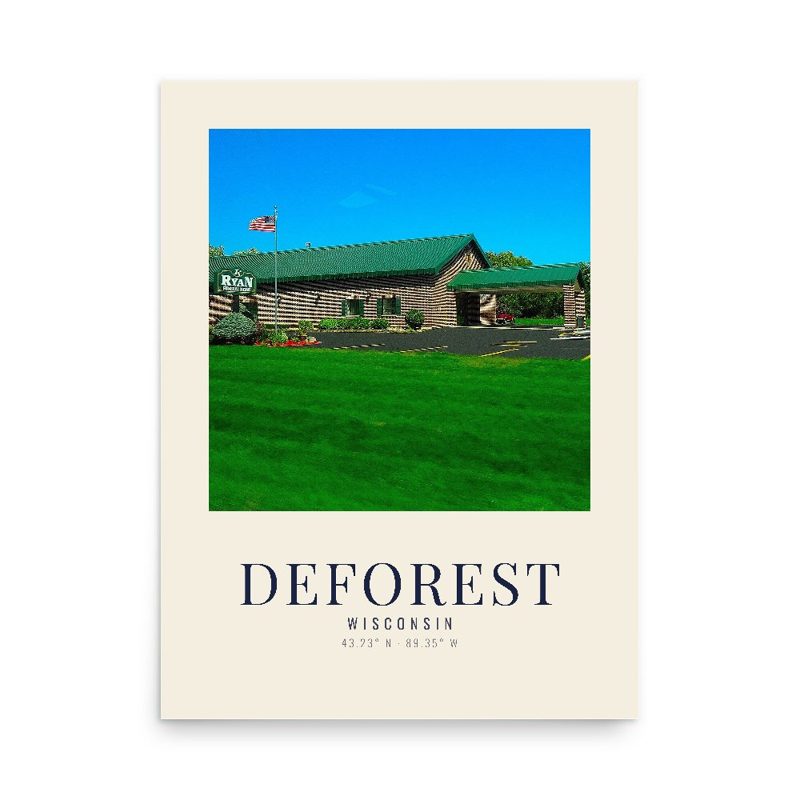
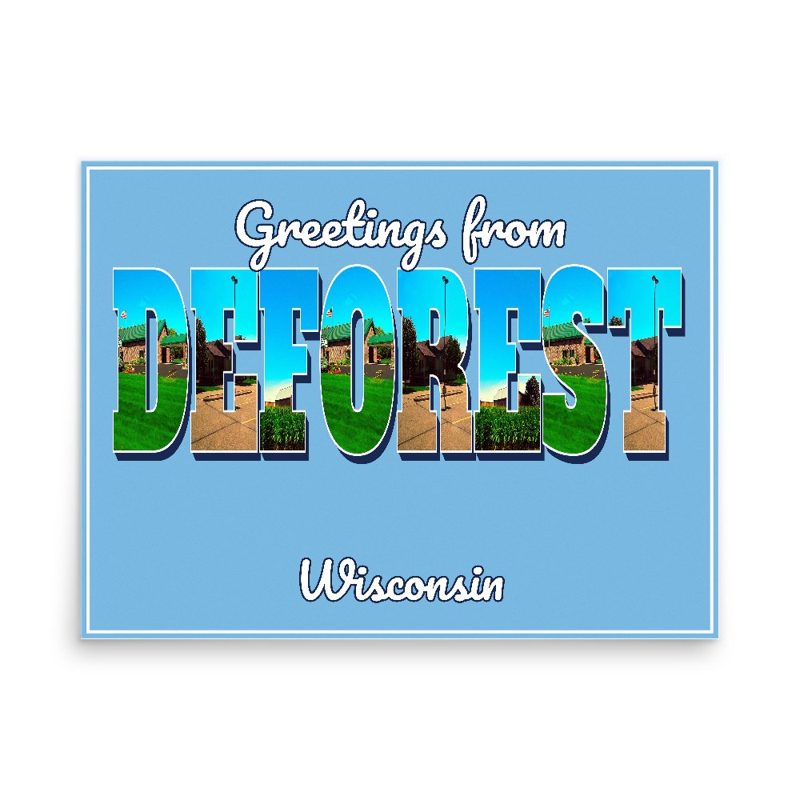
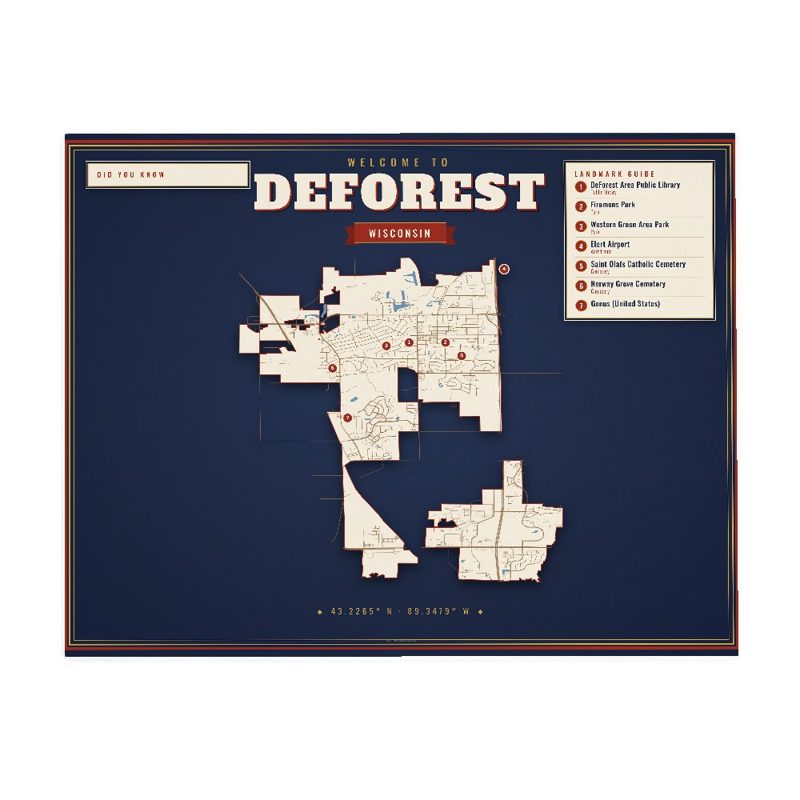



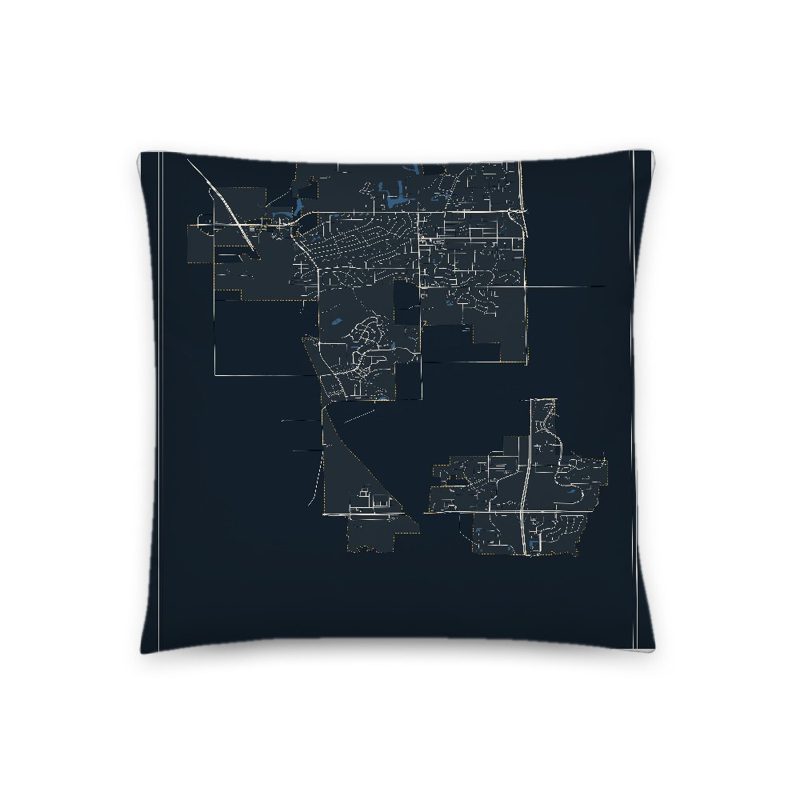
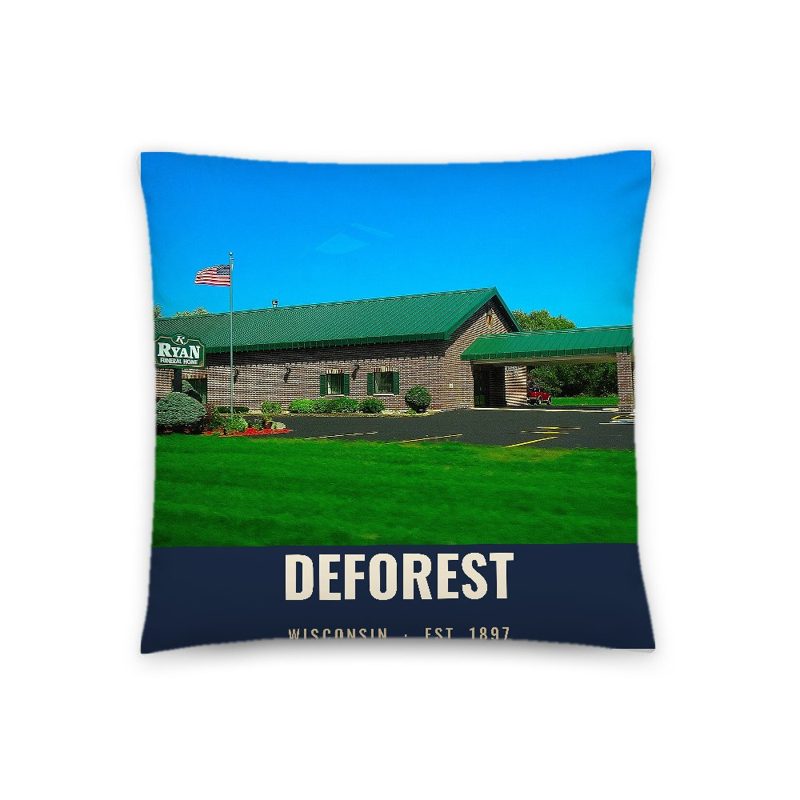

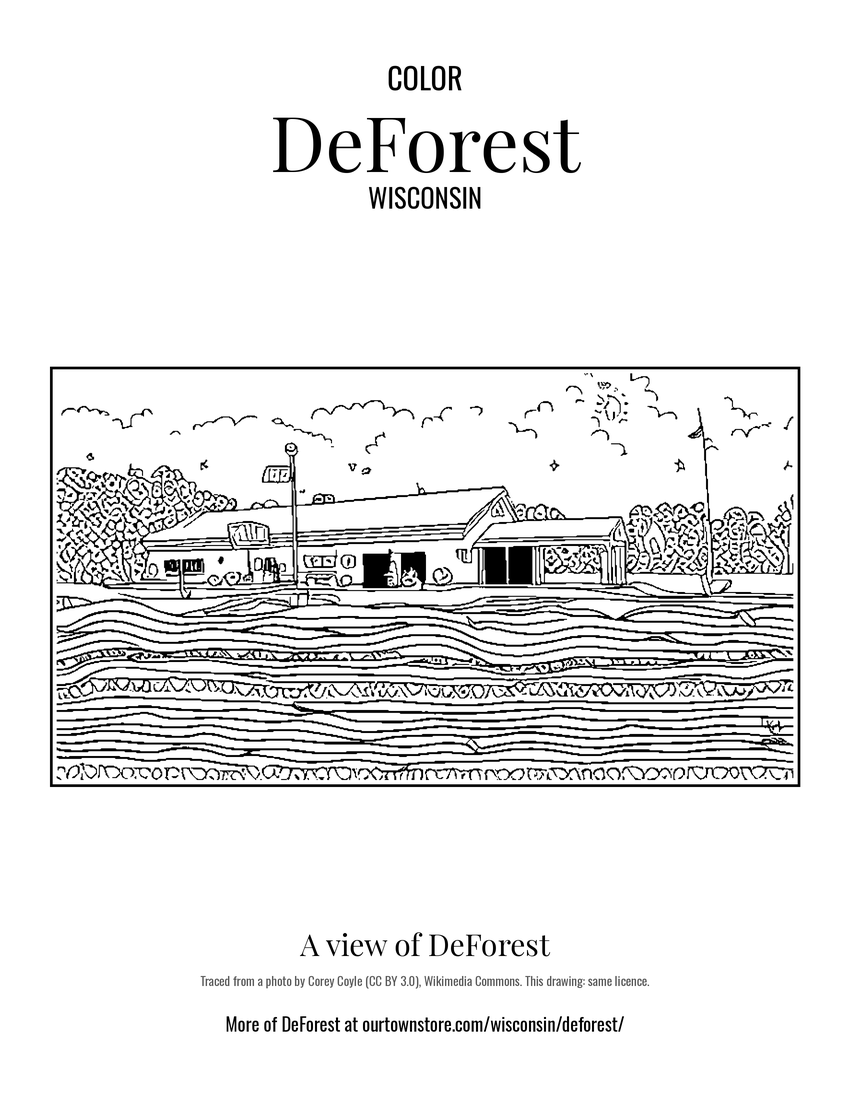 A view of DeForest
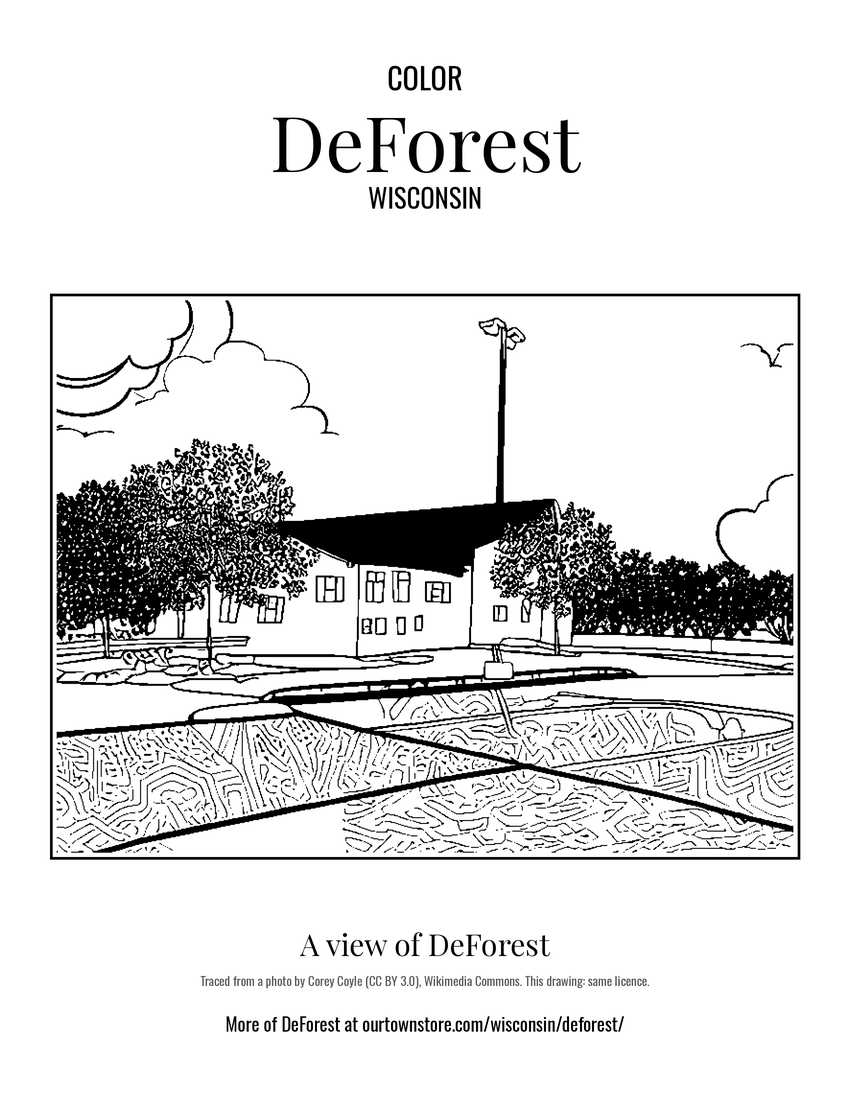 A view of DeForest
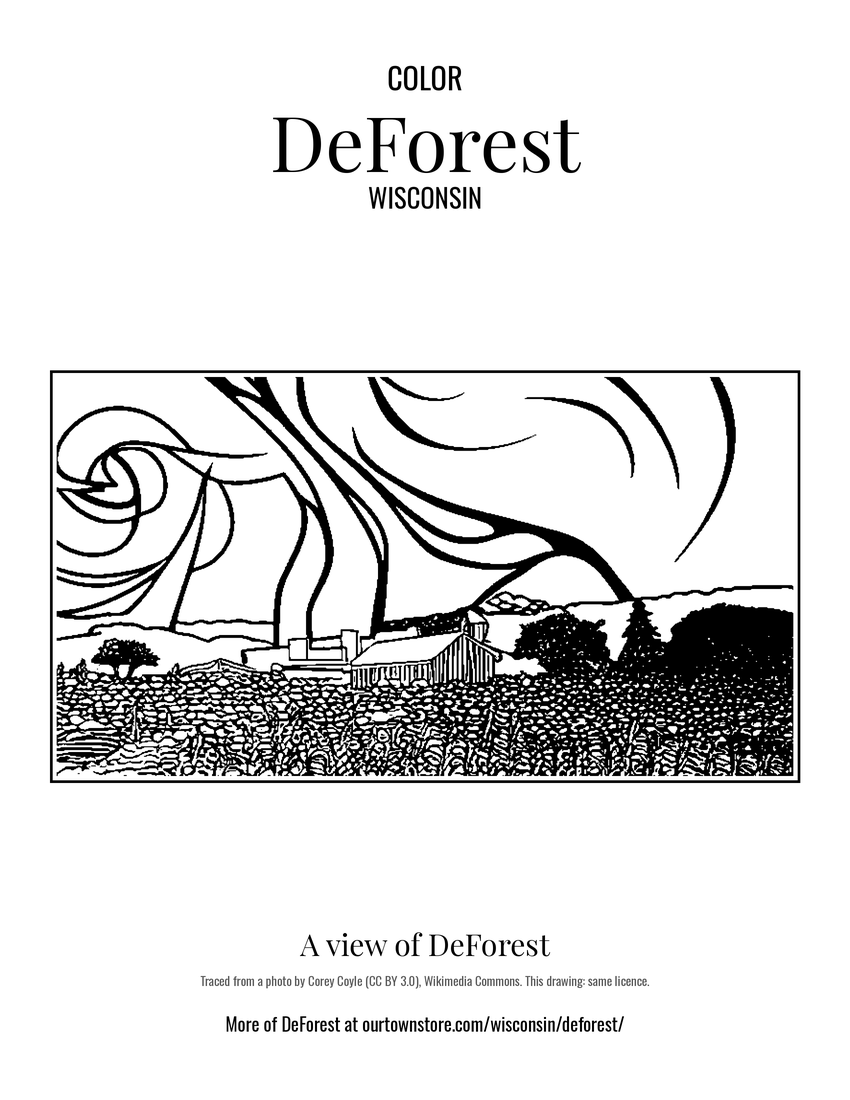 A view of DeForest