Waukesha County, Wisconsin
Street maps, historic prints and keepsakes for 23 Waukesha County towns.
The oldest is Oconomowoc Lake, established 1959. The largest by population is Milwaukee (577,222).
| Town | Established | Population |
|---|---|---|
| Big Bend | – | 1,483 |
| Brookfield | – | 41,464 |
| Chenequa | – | 526 |
| Delafield | – | 7,185 |
| Dousman | – | 2,419 |
| Eagle | – | 2,071 |
| Elm Grove | – | 6,513 |
| Hartland | – | 9,501 |
| Lannon | – | 1,355 |
| Menomonee Falls | – | 38,527 |
| Merton | – | 8,277 |
| Milwaukee | – | 577,222 |
| Muskego | – | 25,032 |
| Nashotah | – | 1,321 |
| New Berlin | – | 40,451 |
| North Prairie | – | 2,202 |
| Oconomowoc | – | 18,203 |
| Oconomowoc Lake | 1959 | 566 |
| Pewaukee | – | 15,914 |
| Sussex | – | 11,487 |
| Vernon | – | 7,474 |
| Wales | – | 2,862 |
| Waukesha | – | 71,991 |
About these towns
Big Bend: Big Bend is the name of some places in the U.S. state of Wisconsin:Big Bend, Rusk County, Wisconsin, a town Big Bend, Waukesha County, Wisconsin, a village
Brookfield: Brookfield is west of Milwaukee in Waukesha County in an area originally inhabited by Potawatomi Indians. The first white settler, William Howe, arrived in 1820 with a Presidential Land Grant giving him title to the area.
Chenequa: The village was formed from the Town of Merton in 1928 by wealthy Milwaukeeans who owned summer homes in the area and were concerned about the level of police protection provided.
Delafield: Delafield was established in 1837, named after Dr. Charles Delafield of Milwaukee. It was the hometown of the Cushing brothers, who served the Union cause during the American Civil War—Alonzo (killed during Pickett's Charge at Gettysburg), William (led the raid on CSS Albemarle), and Howard (an Indian fighter killed fighting the Apache in Arizona after the war).
Dousman: A post office called Dousman has been in operation since 1856. Founded in 1881, the village was named for Talbot C. Dousman, a local farmer and businessman who helped bring the Chicago and North Western railroad to the area.
Eagle: The town's name comes from an 1836 incident when pioneer Thomas Sugden and two companions, exploring the area, spotted what was described as "a monster bald-headed eagle... hovering and curving over a large mound" in the midst of the prairie.
Elm Grove: Elm Grove was named as America's best suburb by Business Insider in October 2014.
Hartland: The following places in Hartland are listed on the National Register of Historic Places listings in Waukesha County, Wisconsin: Ralph C. Bailie House, Bank of Hartland, Beaumont Hop House, Burr Oak Tavern, Dansk Evangelical Lutheran Kirke, East Capitol Drive Historic District, First Congregational Church, Hartland Railroad Depot, Harold Hornburg House, Jackson House, Sign of the Willows, Trapp Filling Station, Sarah…
Lannon: The village is named for William Lannon, who settled here with his bride in 1834. The area was granted the postal designation of "Lannon" in 1890.
Menomonee Falls: The Menomonee Falls area continued to grow throughout the 1870s. By 1890, the population of the area was 2,480. In 1892, a section of the town of Menomonee was incorporated as the village of Menomonee Falls.
Merton: The town surrounds the villages of Chenequa and Merton. The unincorporated communities of Camp Whitcomb, Monches, and North Lake are in the town and the unincorporated community of Stone Bank is partially in the town.
Milwaukee: Milwaukee is the most populous city in the U.S. state of Wisconsin. The Milwaukee metropolitan area has over 1.57 million residents and ranks as the 40th-largest metropolitan area in the nation.
Muskego: The history of Muskego started originally as the home of the Potawatomi, who named it "Mus-kee-Guaac", which means "sunfish". The first European came in 1827 and a few years later (1833), the Potawatomi tribe ceded their lands in Wisconsin to the United States government.
Nashotah: The village took its name from the nearby Nashotah Lakes.
New Berlin: The first settlers, Sidney Evans and P.G. Harrington, arrived in the northeastern part of what is now New Berlin in 1836. The area first came under local government in 1838 as part of the Town of Muskego, which at the time was composed of New Berlin and Muskego.
North Prairie: Thomas Sugden and two fellow prospectors from Mukwonago named the village in 1826 (they had gotten this far, "and, as they did not go any farther north, they concluded to call this North Prairie").
Oconomowoc: Before 1700, this region was inhabited by Potawatomi peoples descended from Woodland Indians known as "mound builders". There are reports that the Sauk Indian chief Black Hawk had a campsite on Oconomowoc Lake.
Oconomowoc Lake: Development of the Oconomowoc lakeshore began in 1858 with the newly arrived Gifford family, who built a large summer home near the present-day site of the Oconomowoc Lake Club.
Pewaukee: The name Pewaukee is constructed upon aki or (w)aukee, which means "land" or "location" in several Algonquian languages. The significance and outright etymology of the initial syllable of the name is uncertain.
Sussex: The village was incorporated as Sussex on September 12, 1924 with a population of 387. The election was held August 19, 1924 with a tally of 113 “yes” and 78 “no” votes plus one blank.
Vernon: Originally Vernon was part of Muskego. March 8, 1839 the State Legislature incorporated the Town of Vernon. On June 4, 2020, the former Town of Vernon incorporated as a village to keep compliant with State Statutes.
Waukesha: The Waukesha area was first settled by European-Americans in 1834, with Morris D. Cutler as its first settler. The founders of Waukesha were settlers from New England, part of a wave of New England farmers who headed west into what was then the wilds of the Northwest Territory during the early 1800s.
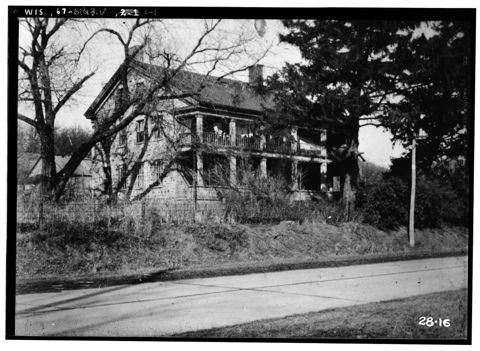 Big BendWisconsin
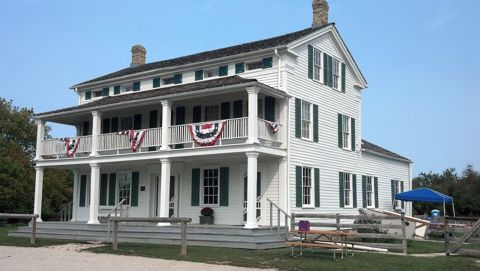 BrookfieldWisconsin
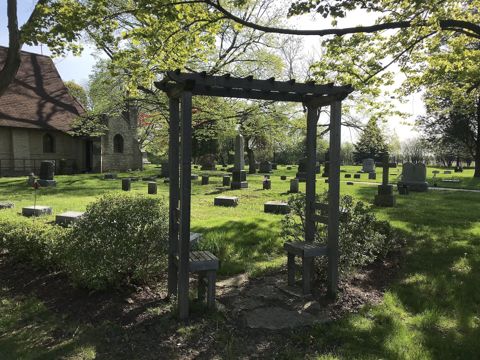 ChenequaWisconsin
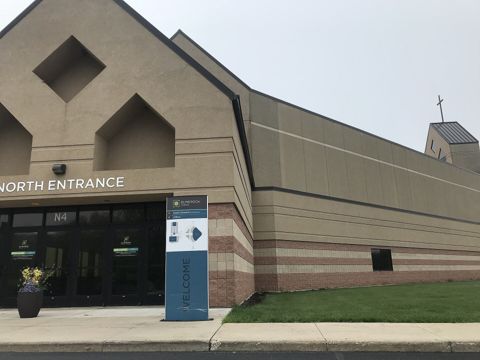 DelafieldWisconsin
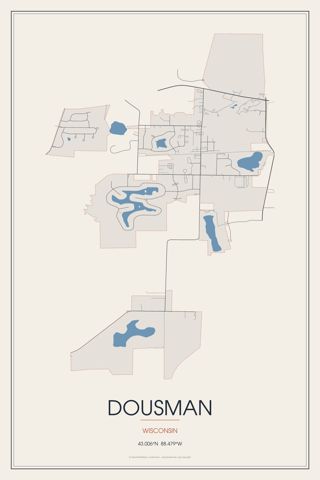 DousmanWisconsin
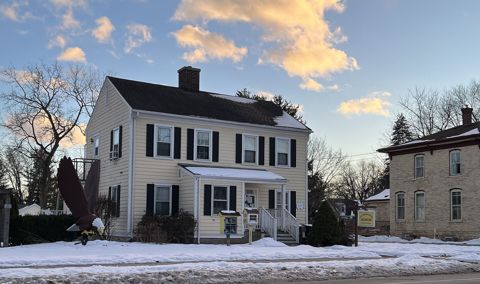 EagleWisconsin
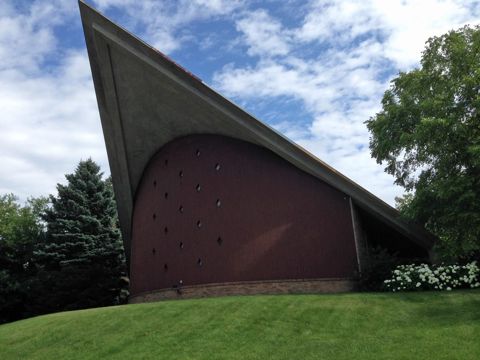 Elm GroveWisconsin
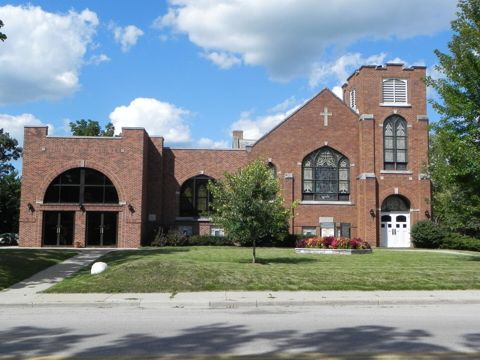 HartlandWisconsin
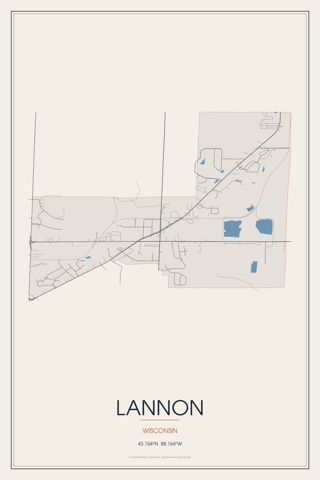 LannonWisconsin
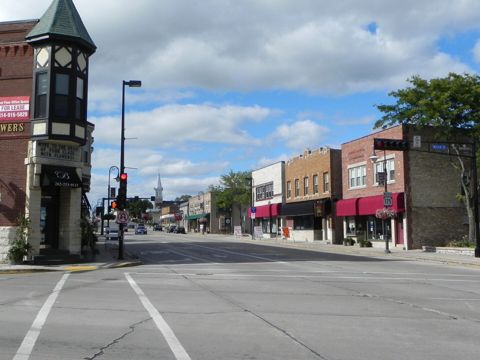 Menomonee FallsWisconsin
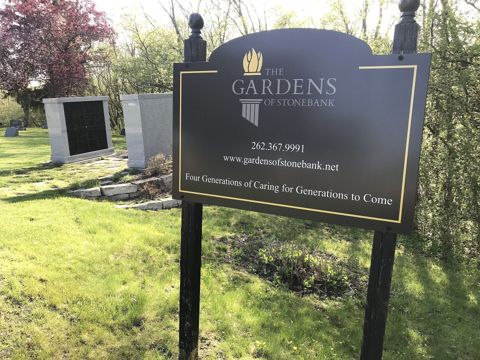 MertonWisconsin
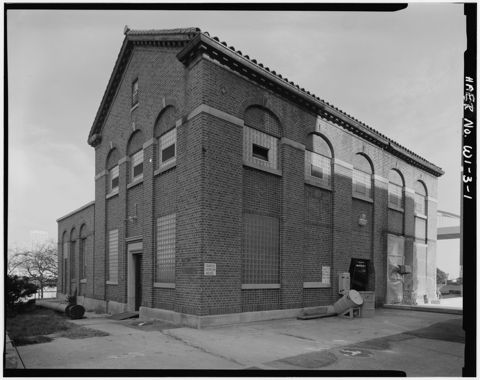 MilwaukeeWisconsin
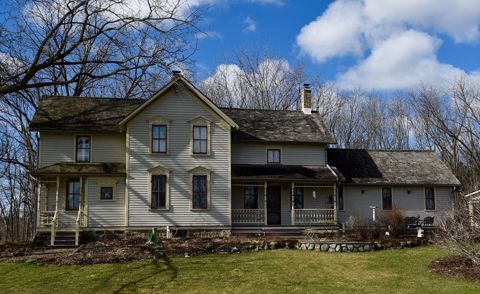 MuskegoWisconsin
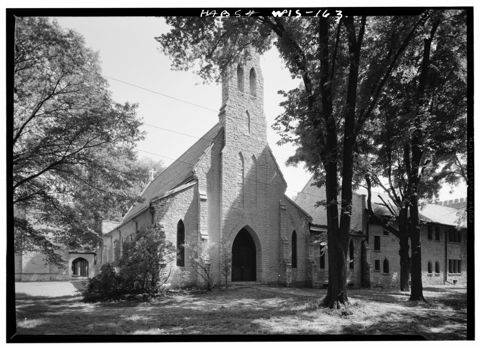 NashotahWisconsin
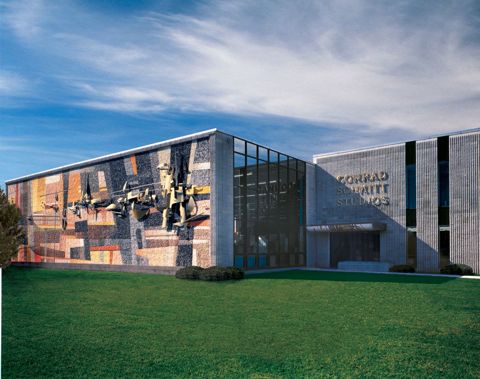 New BerlinWisconsin
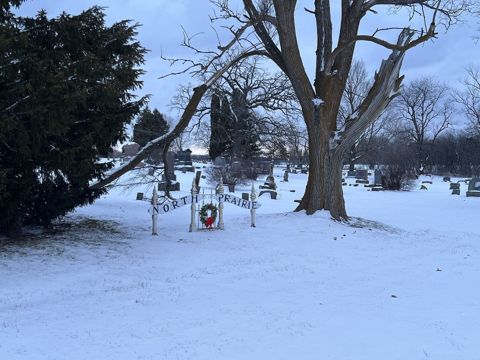 North PrairieWisconsin
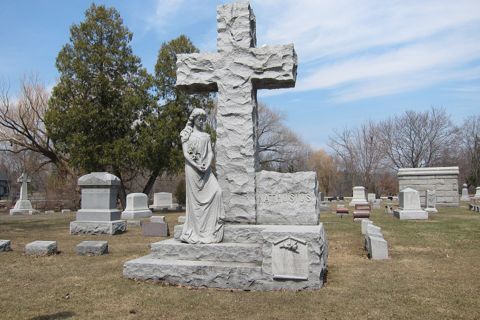 OconomowocWisconsin
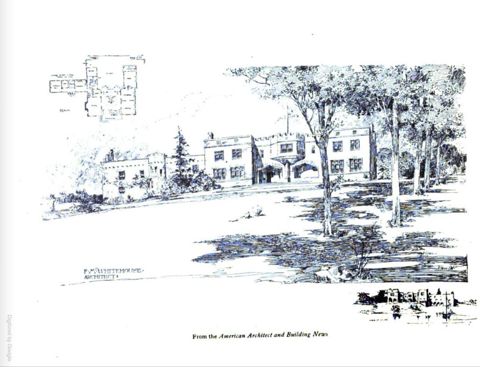 Oconomowoc LakeWisconsin · Est. 1959
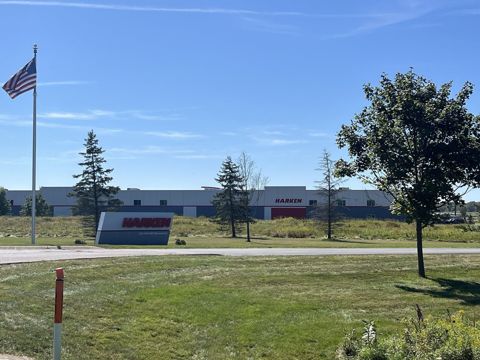 PewaukeeWisconsin
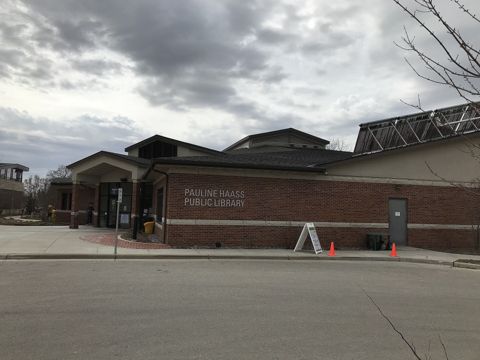 SussexWisconsin
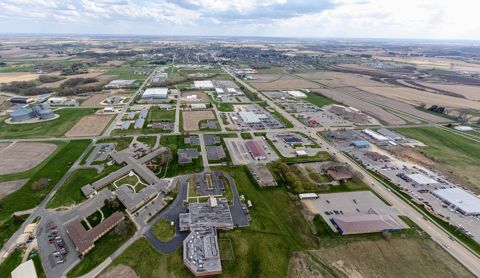 VernonWisconsin
 WalesWisconsin
 WaukeshaWisconsin
Founding years, populations and town notes come from each town's Wikipedia and Wikidata entries. All Wisconsin towns.