A short history of Cedarburg
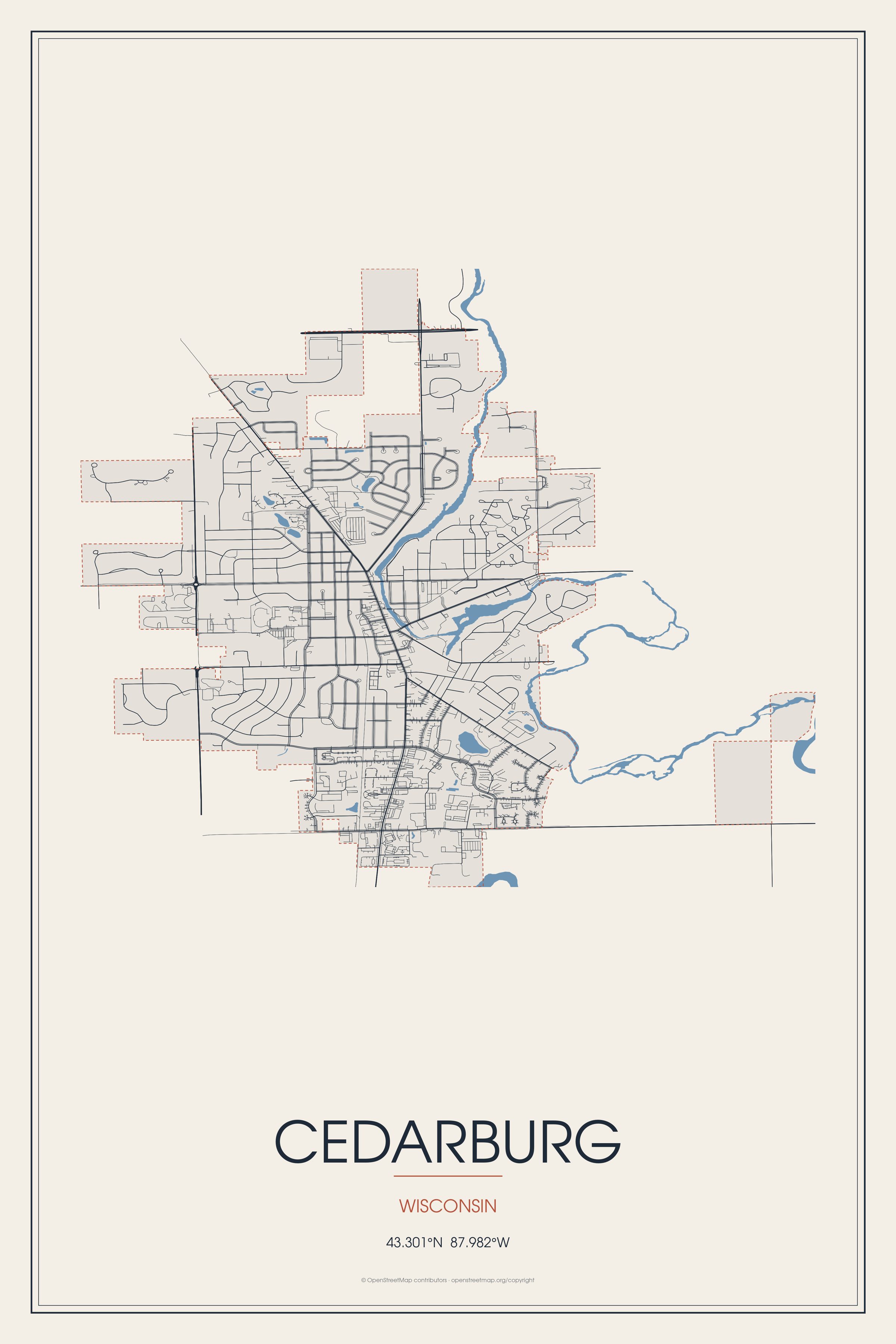
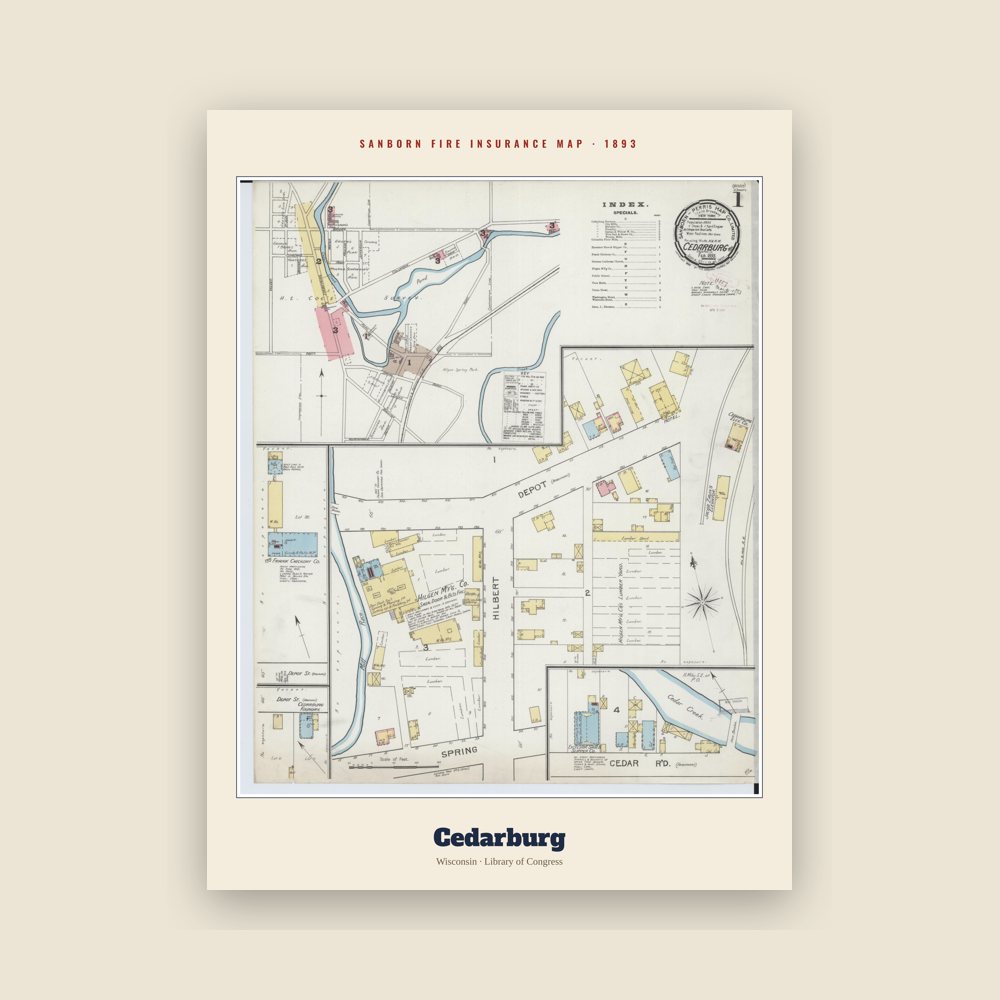
The earliest evidence of humans in the Cedarburg area is the Hilgen Spring Mound Site, located in the eastern part of the city of Cedarburg, near Cedar Creek. The site consists of three conical burial mounds constructed by early Woodland period Mound Builders. In 1968, archaeologists from the Milwaukee Public Museum found human burials and artifacts, including stone altars, arrowheads, and pottery shards, during an excavation of one of the mounds. Radiocarbon samples from the excavation date the mounds' construction to approximately 480 BCE, making it one of the oldest mound groups in the state.
In the early 19th century, the land was inhabited by Native Americans, including the Potawatomi and Sauk tribes. The Potawatomi surrendered the land to the United States Federal Government in 1833 through the 1833 Treaty of Chicago, which (after being ratified in 1835) required them to leave Wisconsin by 1838. While many Native people moved west of the Mississippi River to Kansas, some chose to remain, and were referred to as "strolling Potawatomi" in contemporary documents because many of them were migrants who subsisted by squatting on their ancestral lands which were now owned by white settlers. Eventually the Native people who evaded forced removal gathered in northern Wisconsin, where they formed the Forest County Potawatomi Community.
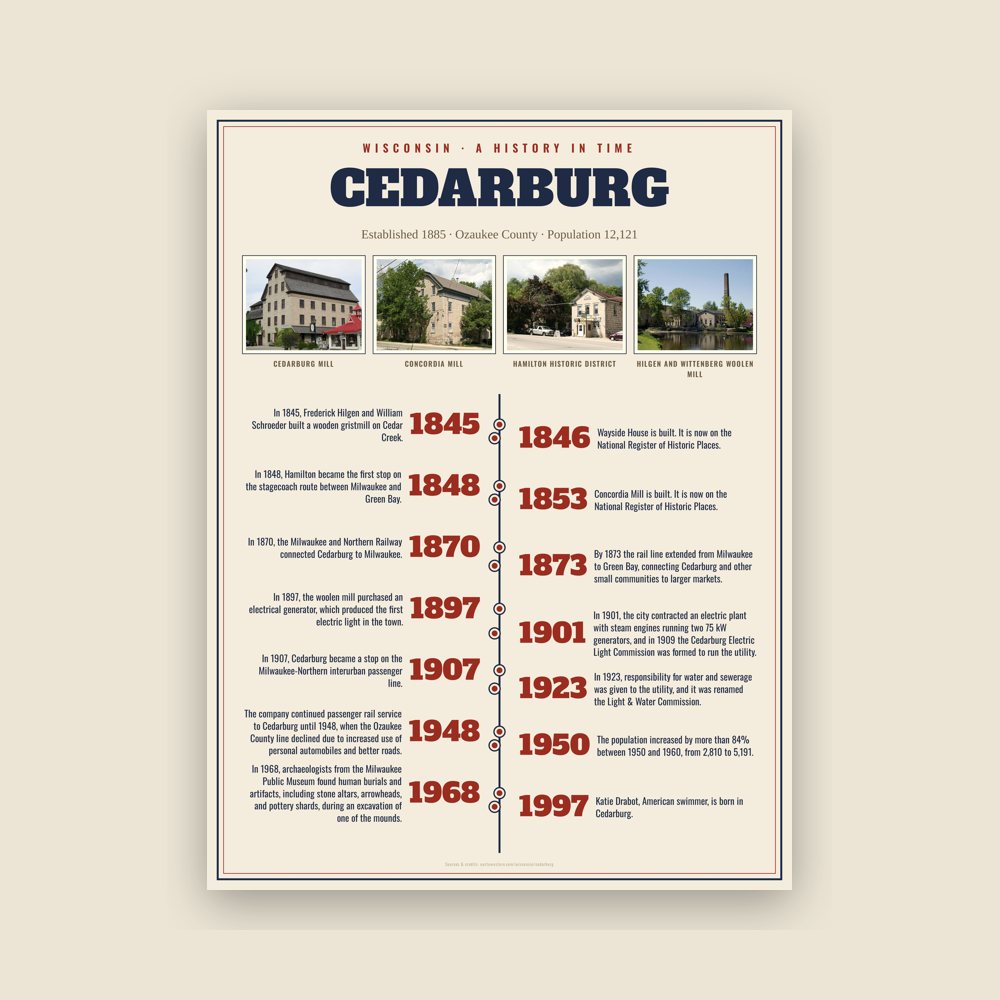
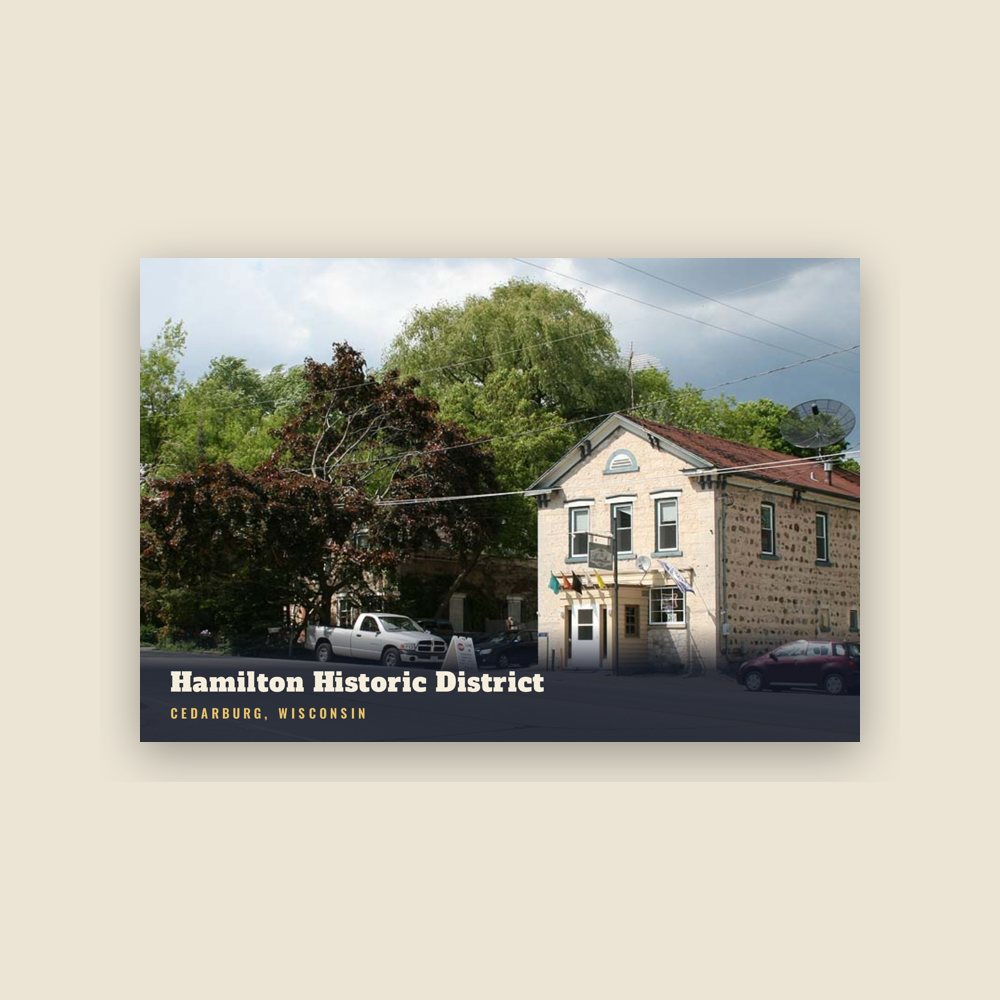
The first white settlement in the Cedarburg area was a community called "New Dublin," which later became Hamilton in the town of Cedarburg. The first resident was Joseph Gardenier, who built a log shanty on Cedar Creek as his headquarters for surveying for the construction of the Green Bay Road. In 1848, Hamilton became the first stop on the stagecoach route between Milwaukee and Green Bay.
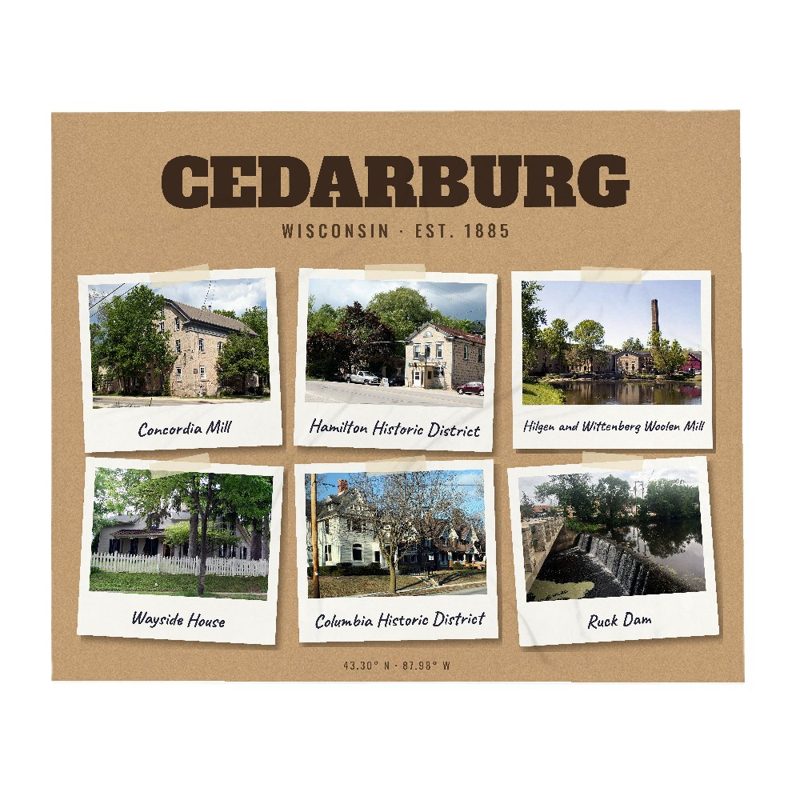
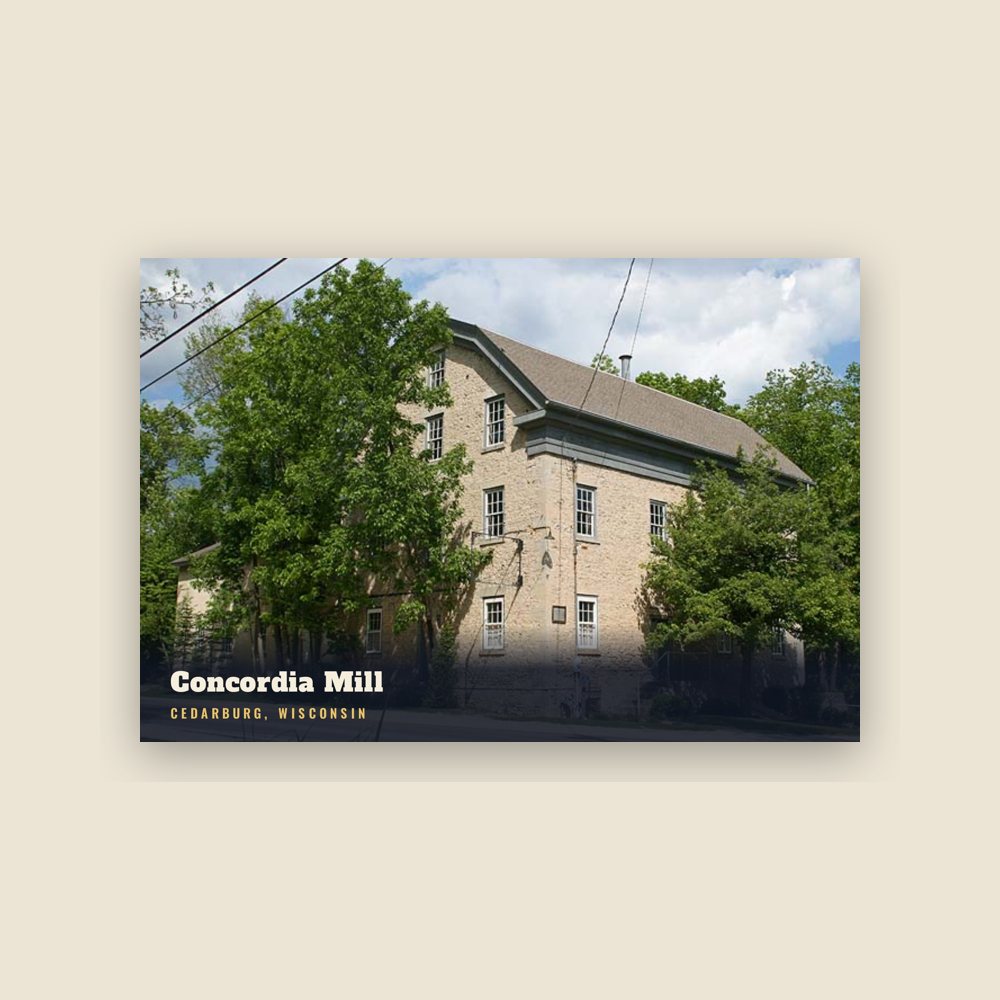
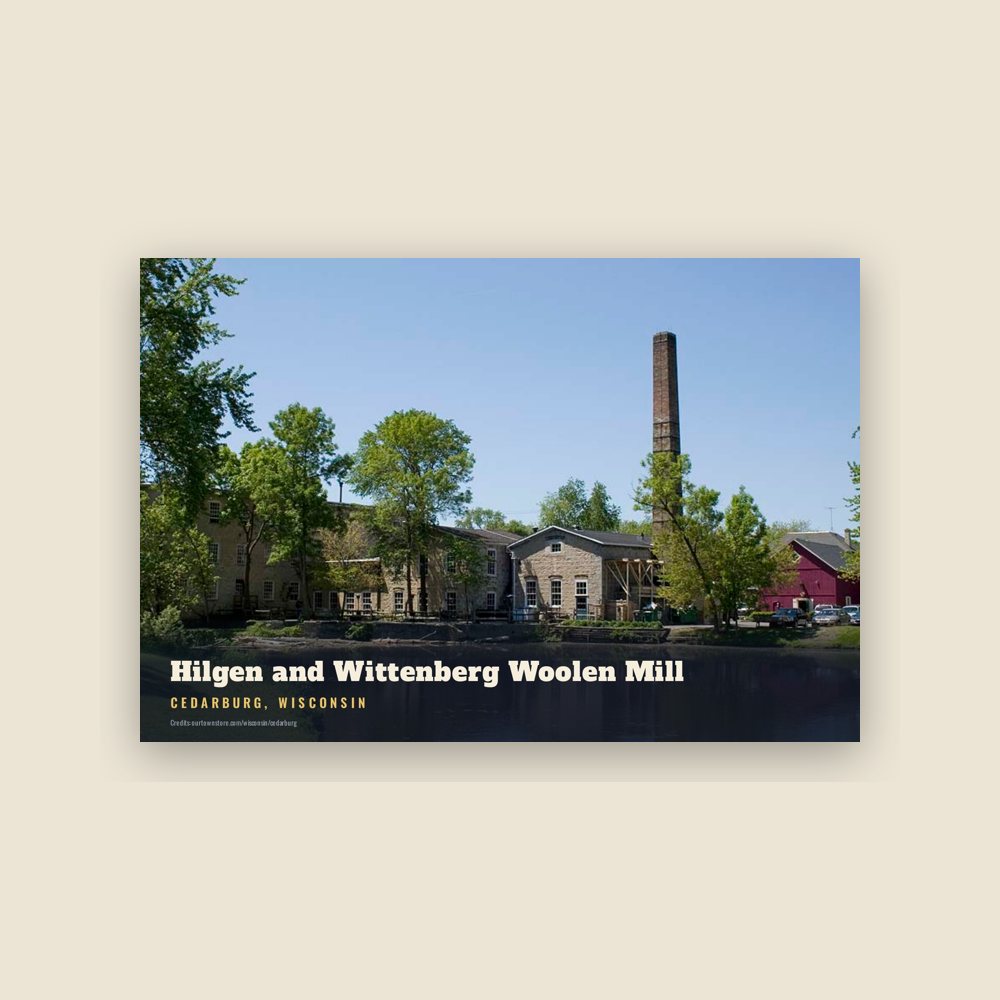
Most of Cedarburg's early settlers were German immigrants. Ludwig Wilhelm Groth is usually credited with being the first settler of Cedarburg. He purchased land from the government on October 22, 1842, and began platting the banks of Cedar Creek. In 1845, Frederick Hilgen and William Schroeder built a wooden gristmill on Cedar Creek. After eleven years of operation, they replaced the original structure with the five-story, stone Cedarburg Mill, which became the focal point of the new community. Five dams and mills were eventually built along the creek in what are now the city and town of Cedarburg, including the 1864 Hilgen and Wittenberg Woolen Mill, which was the largest woolen mill west of Philadelphia.
In 1870, the Milwaukee and Northern Railway connected Cedarburg to Milwaukee. By 1873 the rail line extended from Milwaukee to Green Bay, connecting Cedarburg and other small communities to larger markets. Cedarburg continued to grow and prosper due to its rail connections, while the surrounding communities of Hamilton, Decker Corner and Horns Corners remained more characteristically rural. Cedarburg incorporated in 1885. At the time, the population was approximately 1,000 people.
In 1897, the woolen mill purchased an electrical generator, which produced the first electric light in the town. In 1901, the city contracted an electric plant with steam engines running two 75 kW generators, and in 1909 the Cedarburg Electric Light Commission was formed to run the utility. In 1923, responsibility for water and sewerage was given to the utility, and it was renamed the Light & Water Commission. The utility is still in business today, and is one of 82 municipally owned electric utilities in Wisconsin.
In 1907, Cedarburg became a stop on the Milwaukee-Northern interurban passenger line. The company operated an office and shop in Cedarburg into the 1920s, when it was purchased by The Milwaukee Electric Railway and Light Company. The company continued passenger rail service to Cedarburg until 1948, when the Ozaukee County line declined due to increased use of personal automobiles and better roads.
Cedarburg grew rapidly during the post-war suburbanization and economic prosperity. The population increased by more than 84% between 1950 and 1960, from 2,810 to 5,191. This period of population growth witnessed the growth of new industries and housing developments.
Adapted (trimmed) from the Wikipedia article Cedarburg, Wisconsin, revision 1378527325 by its contributors, licensed CC BY-SA 4.0.

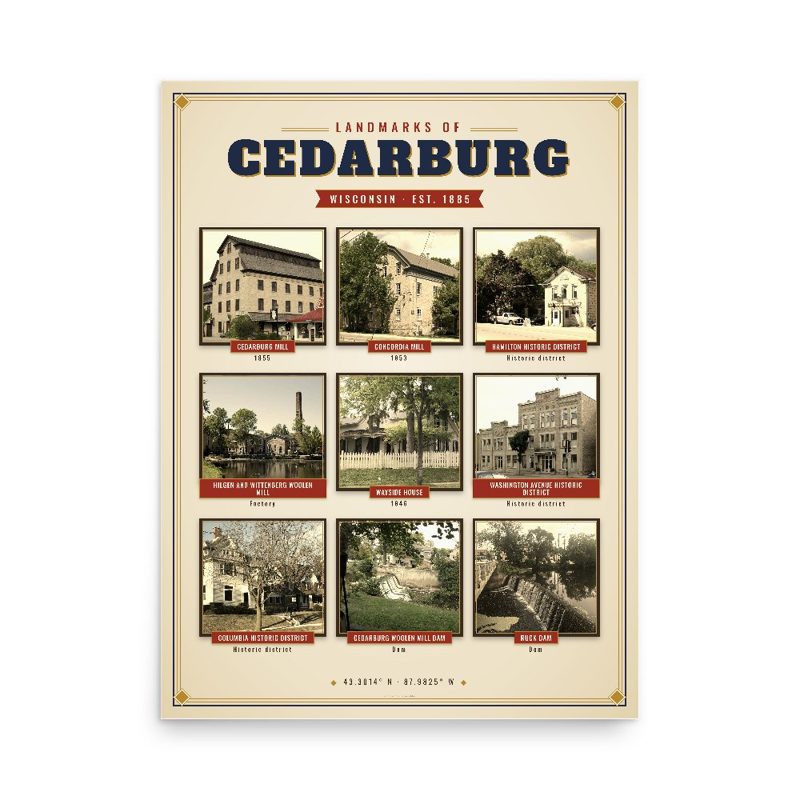
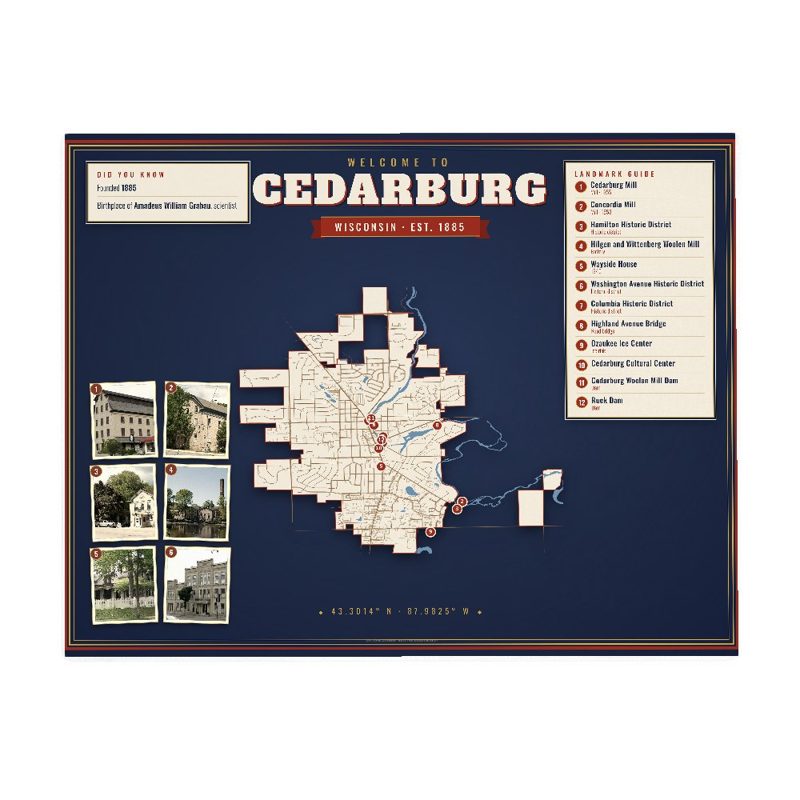














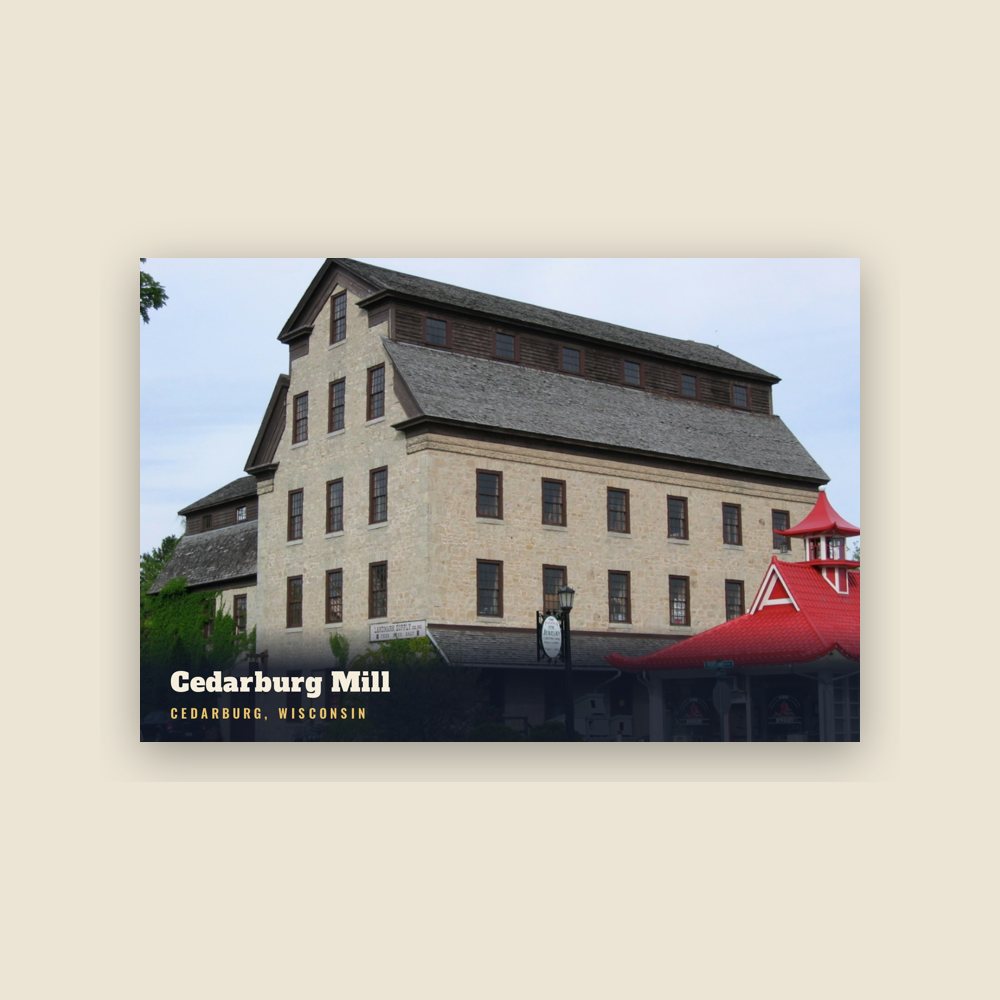

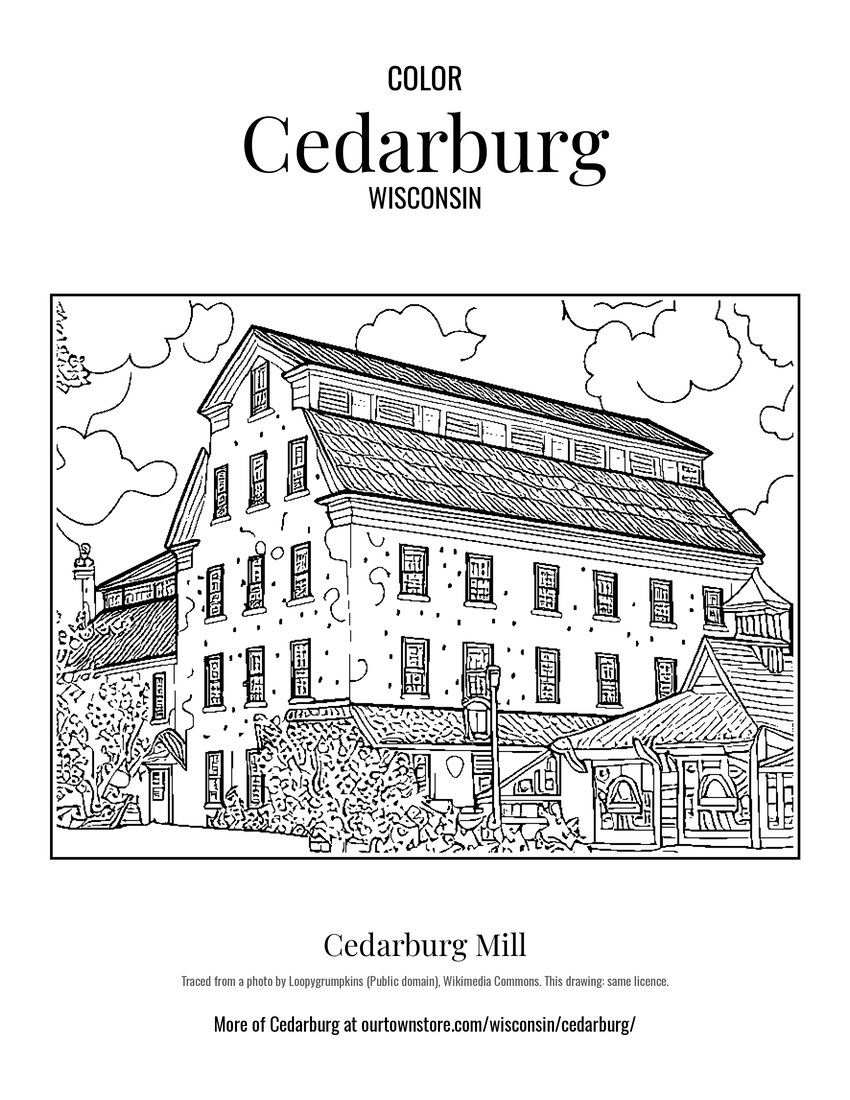 Cedarburg Mill
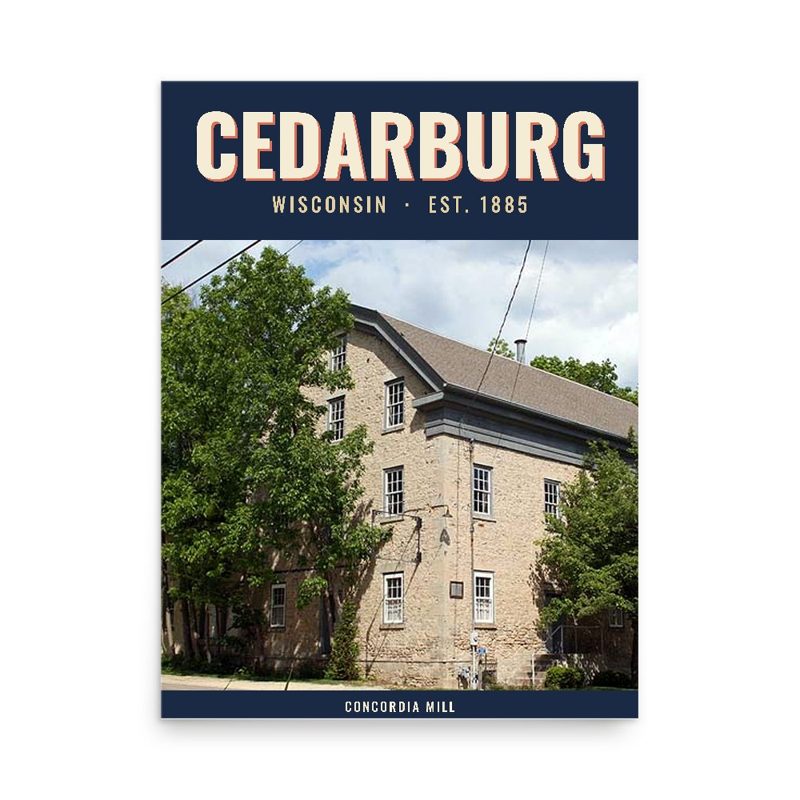
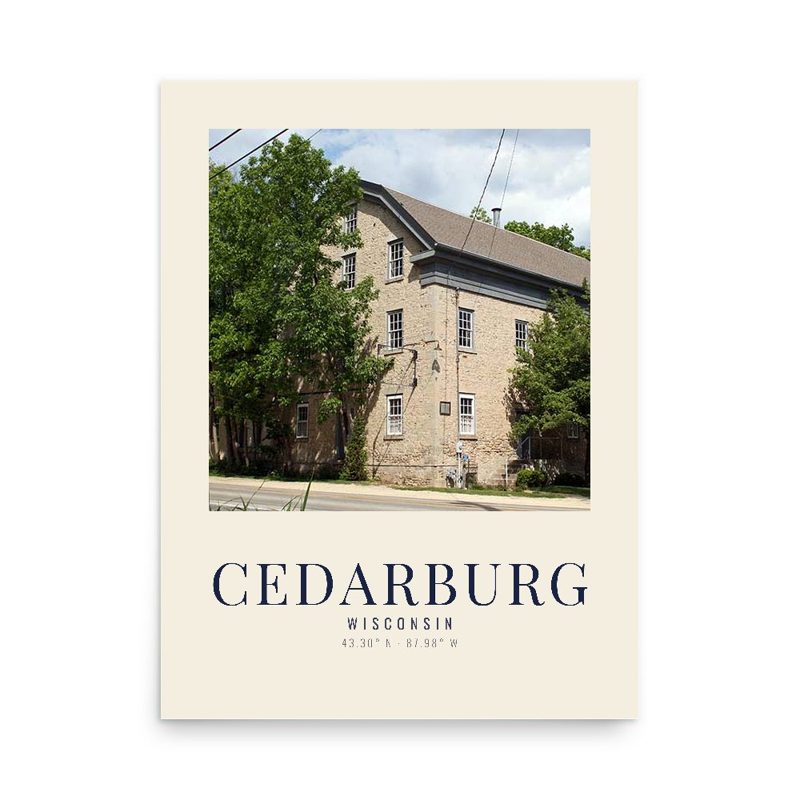
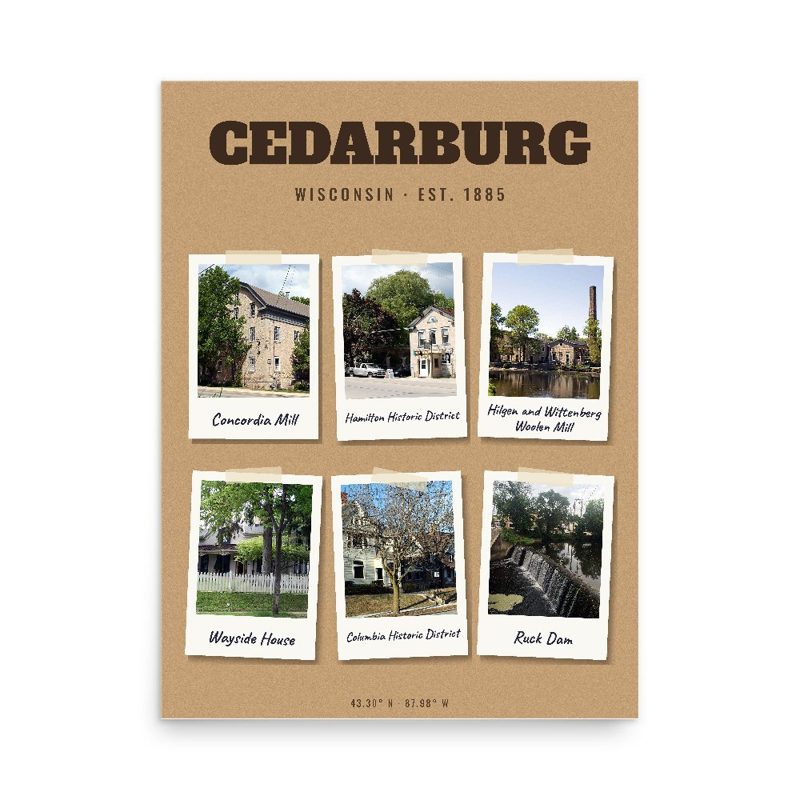
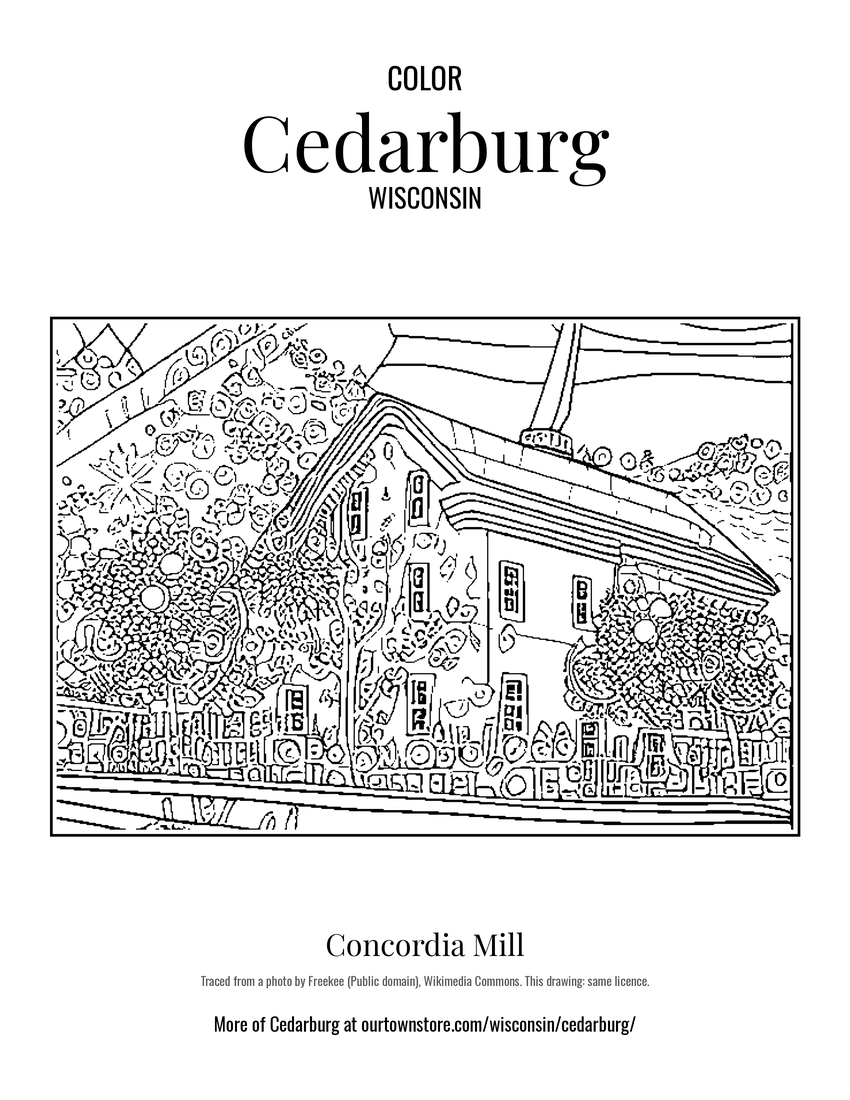 Concordia Mill
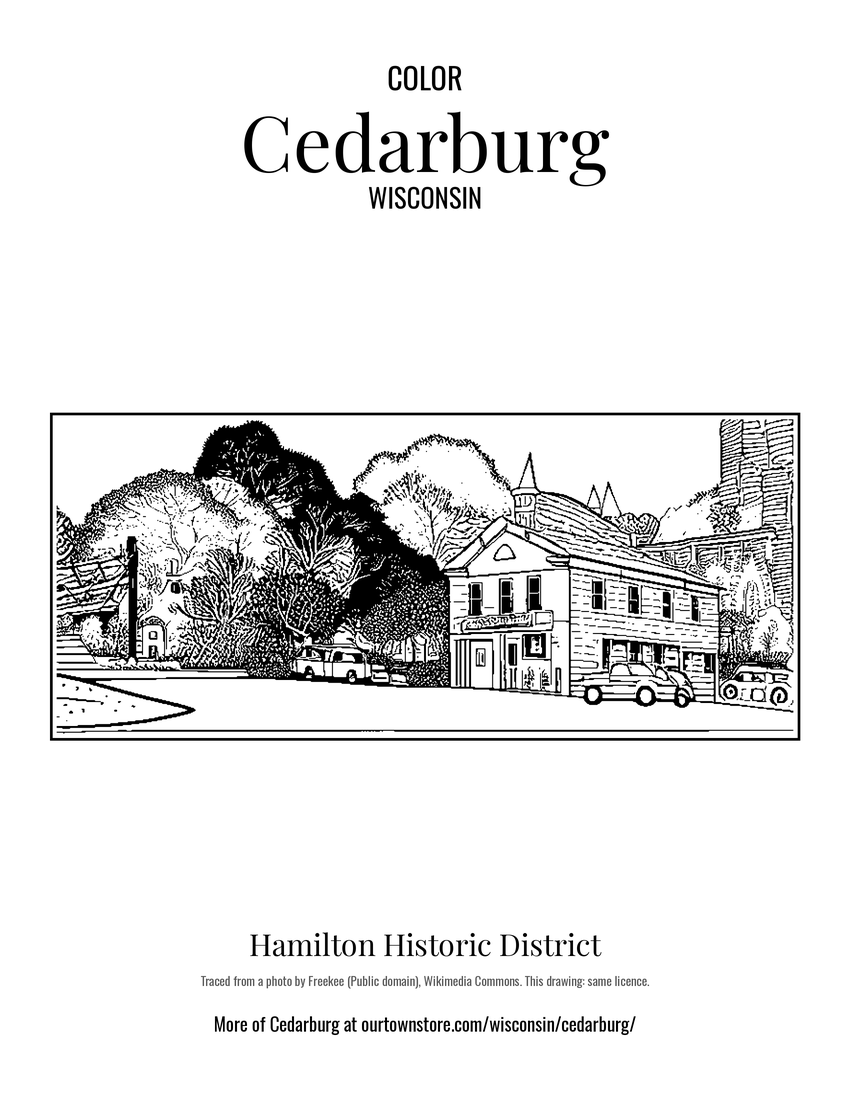 Hamilton Historic District
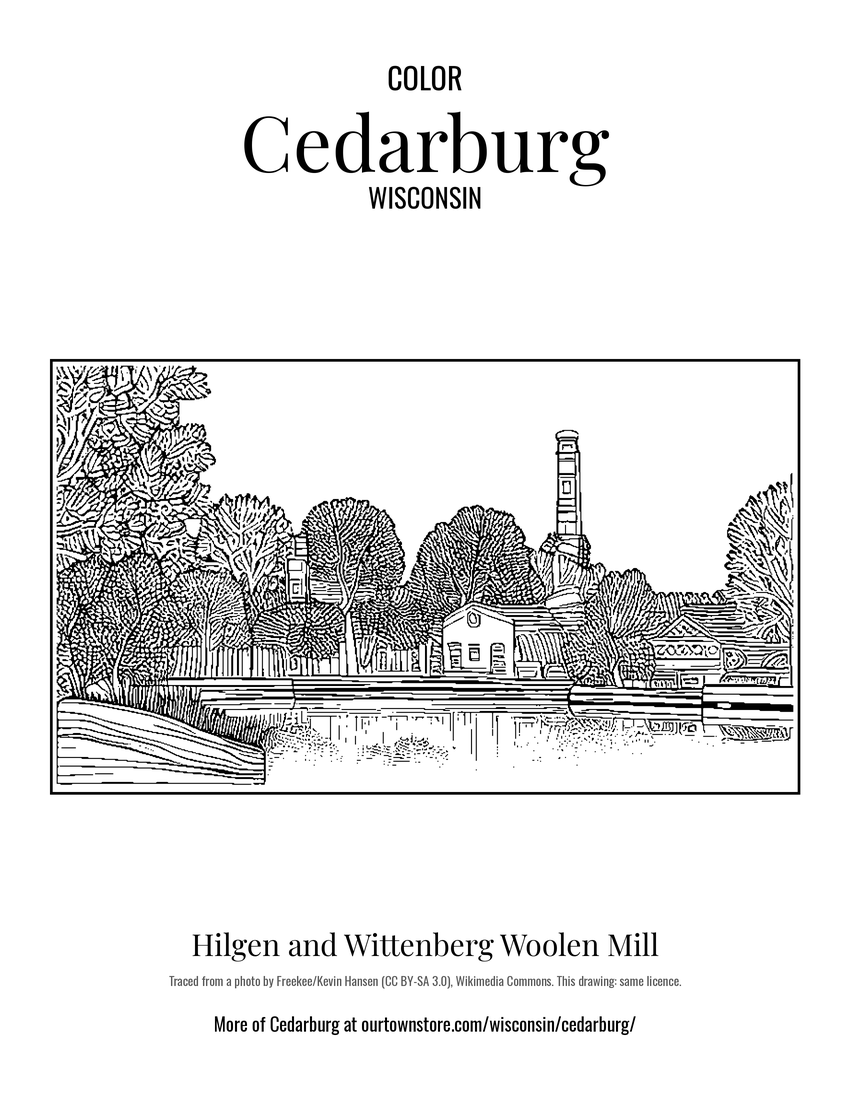 Hilgen and Wittenberg Woolen Mill