A short history of Beloit
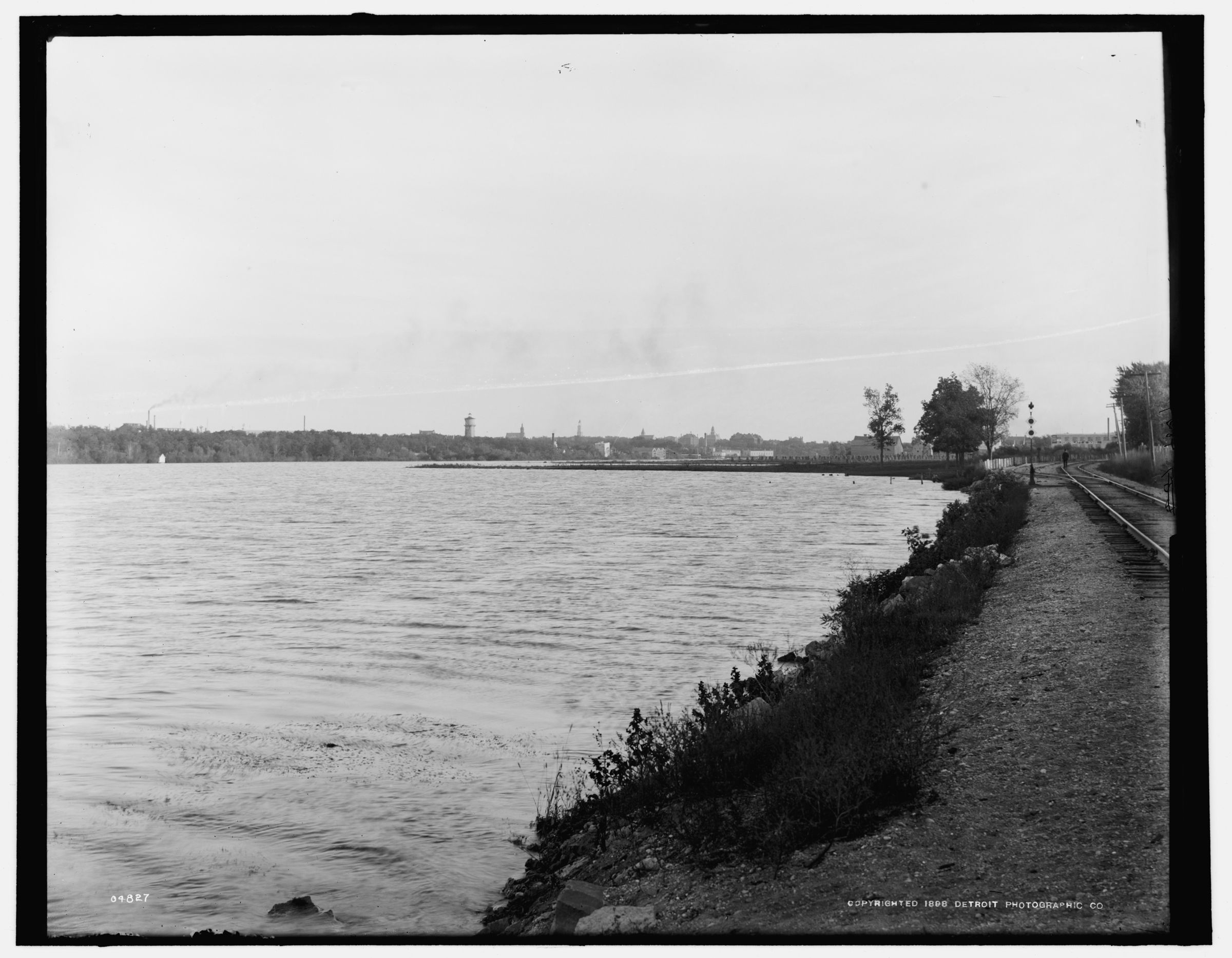
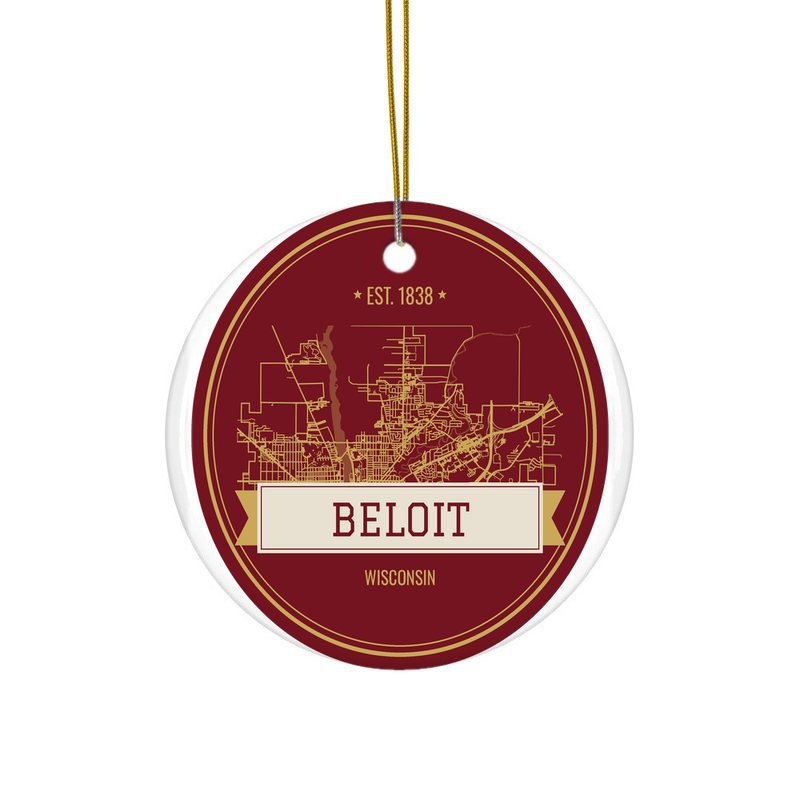
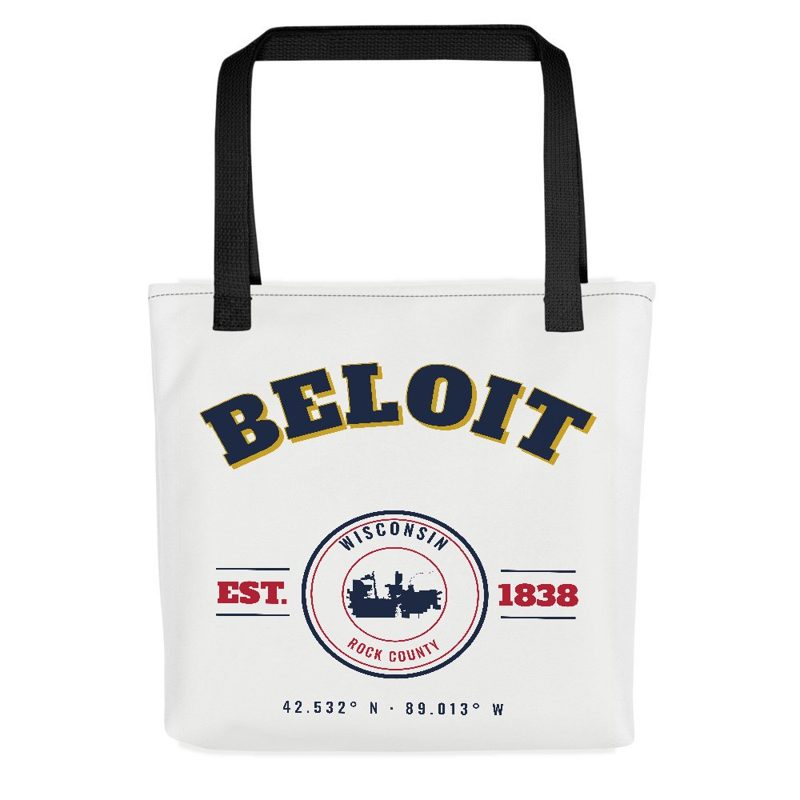
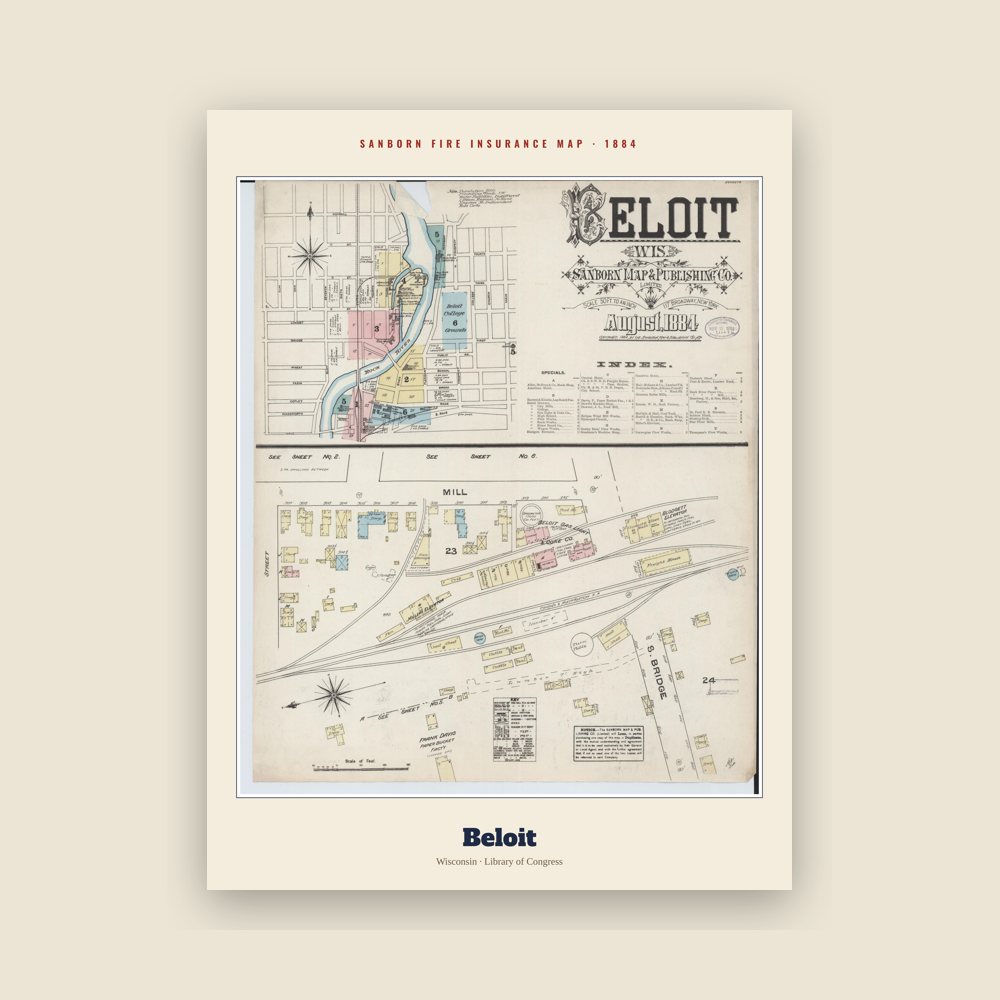
Twelve men in Colebrook, New Hampshire created the "New England Emigrating Company" in October 1836, and sent Horace White to find a suitable region of Wisconsin in which to settle. The level fields and the water power of Turtle Creek and "unlimited gravel" in the area around what is now Beloit fixed the site of the village and farms. White purchased the land. At the same time as the Colebrook settlers, six families from Bedford, New Hampshire, arrived and settled in the region. They said the Rock River Valley had a "New England look" that made them feel at home. The village was platted in 1838 and was planned with wide streets, building on the New England model.
Beloit was originally named New Albany (after Albany, Vermont) in 1837 by its founder, Caleb Blodgett. The name was changed to Beloit in 1838. The name was coined to be reminiscent of Detroit.
Beloit lays claim to such inventions as the speedometer, John Francis Appleby's twine binder, and Korn Kurls, which resemble Cheetos, and the original puffed cheese snack.
Read the full history
Railroad heritage
Beloit was served by the Milwaukee Road, and the Chicago & North Western Railroad (C&NW). In its 1980 bankruptcy, the Milwaukee Road disposed of the Southwestern Line. The Union Pacific, which took over the C&NW, operates in Beloit today over a remnant of the former Milwaukee Road, providing a rail connection to Fairbanks-Morse Engine manufacturing facility. The CPKC operates other trackage in Beloit. The city also had an electric interurban railroad.
Adapted (trimmed) from the Wikipedia article Beloit, Wisconsin, revision 1375113156 by its contributors, licensed CC BY-SA 4.0.
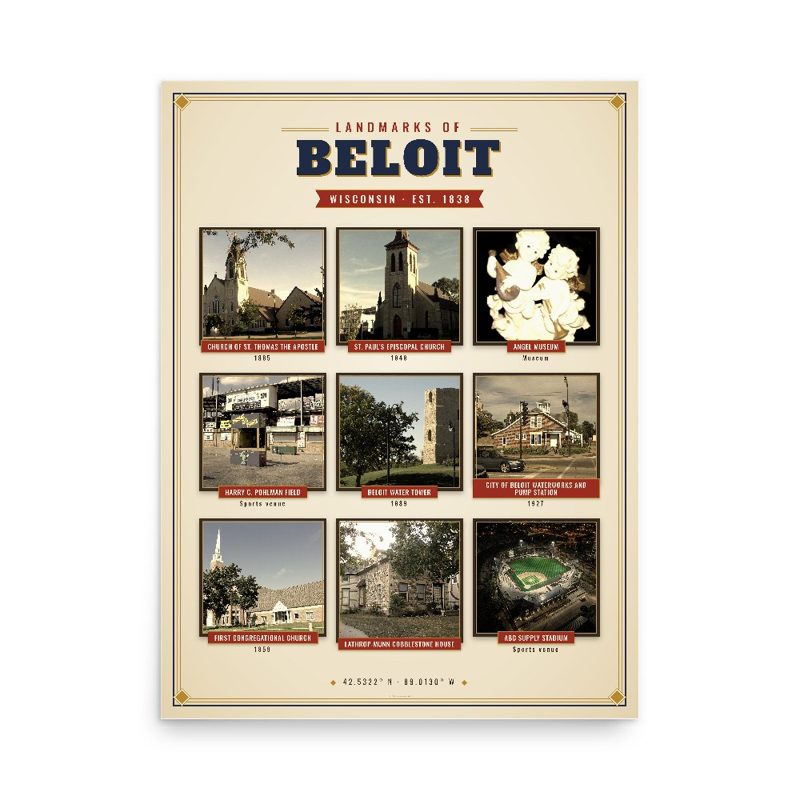
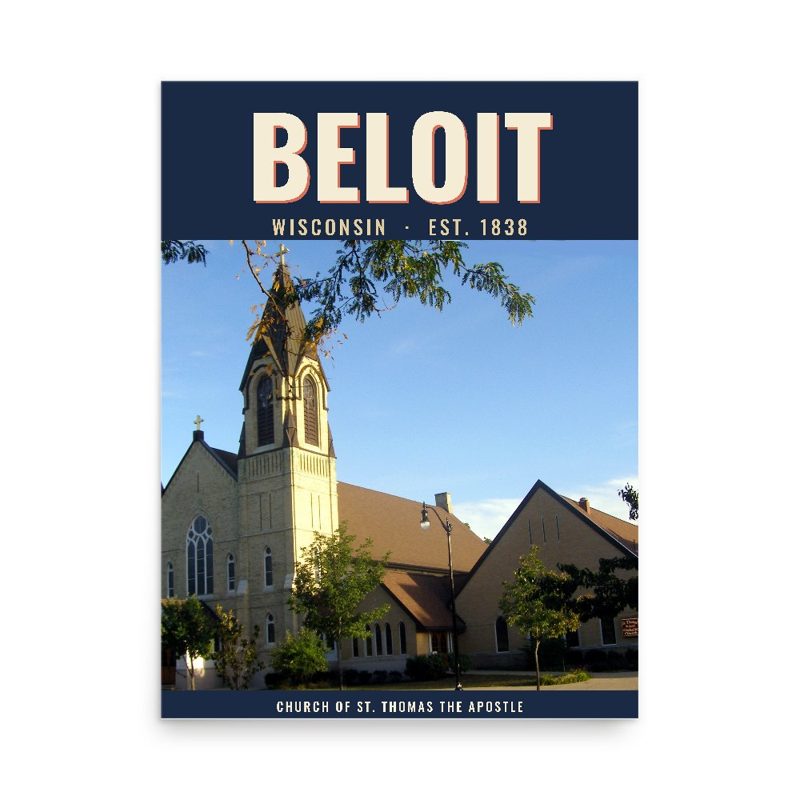
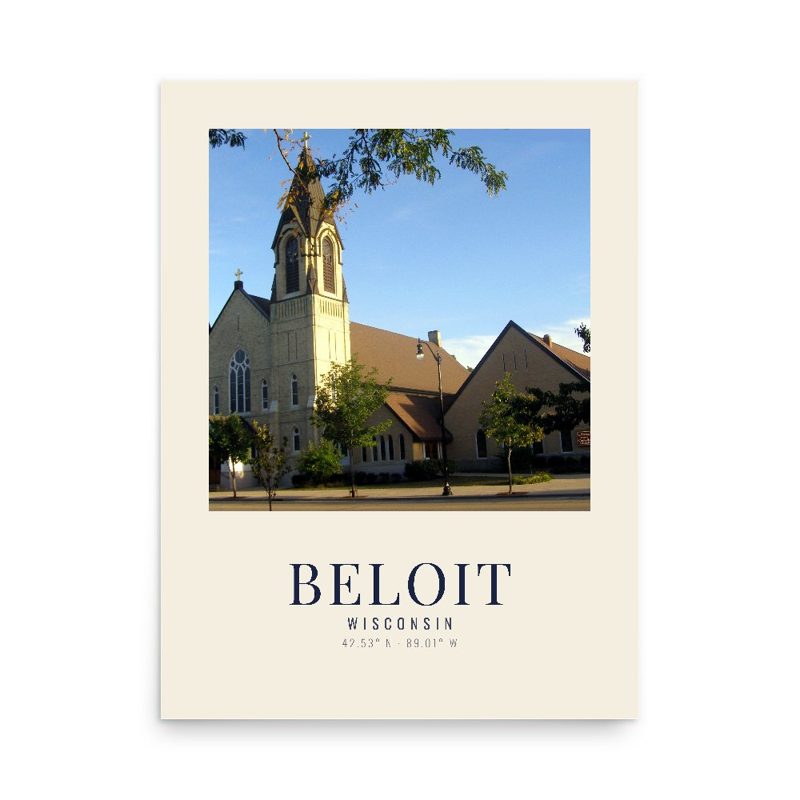
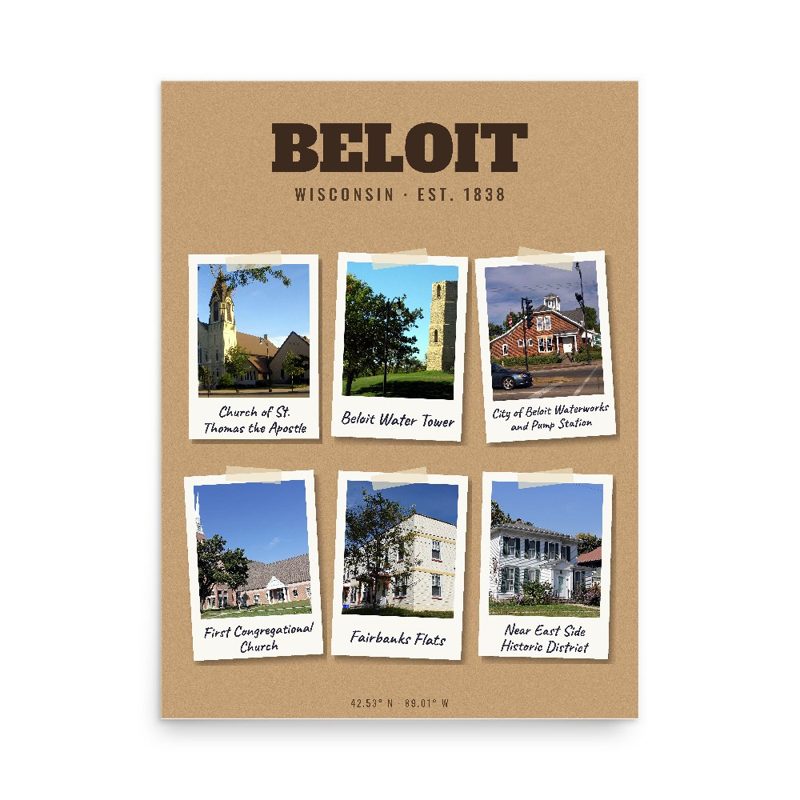
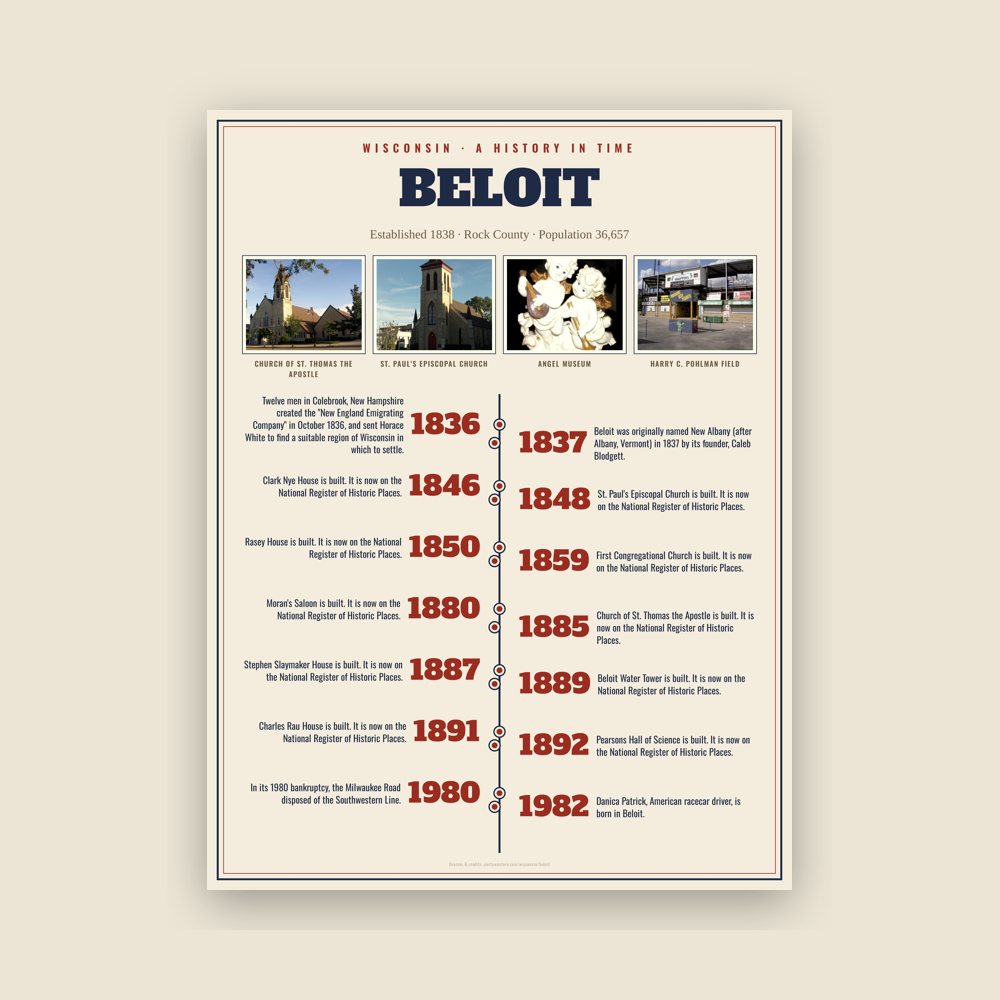
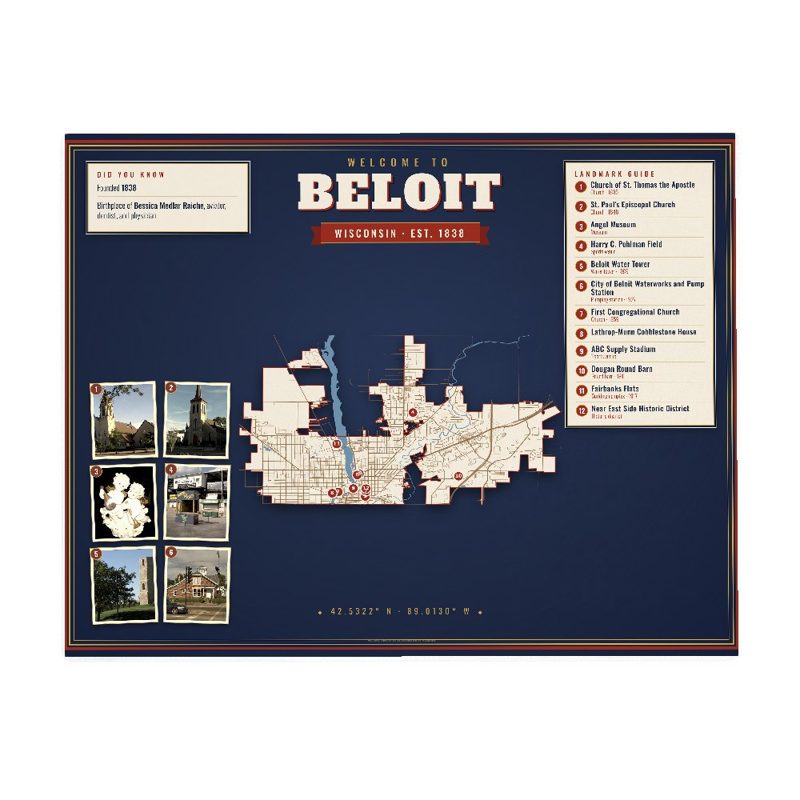




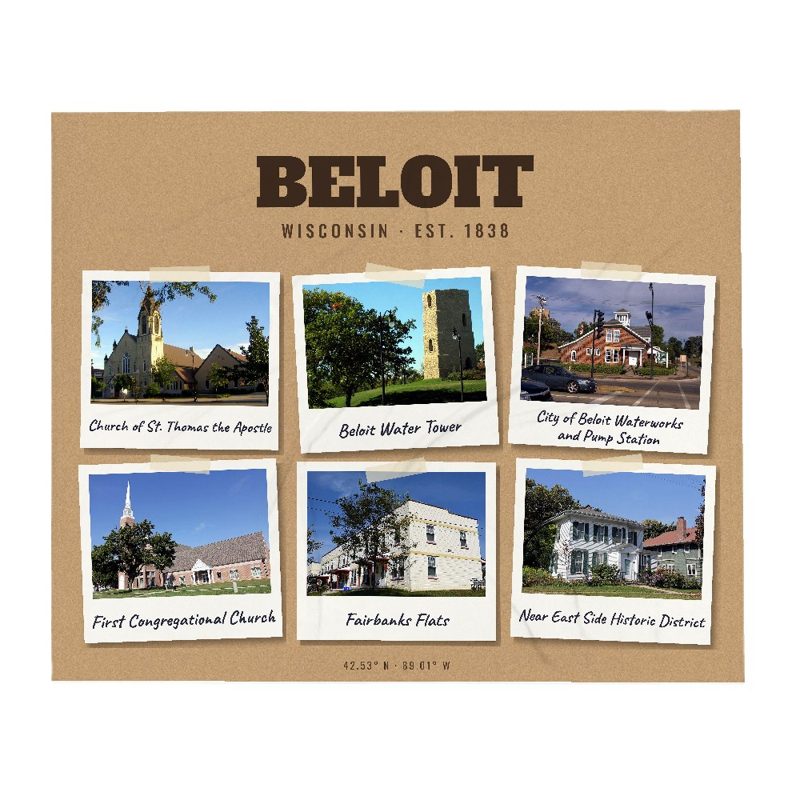
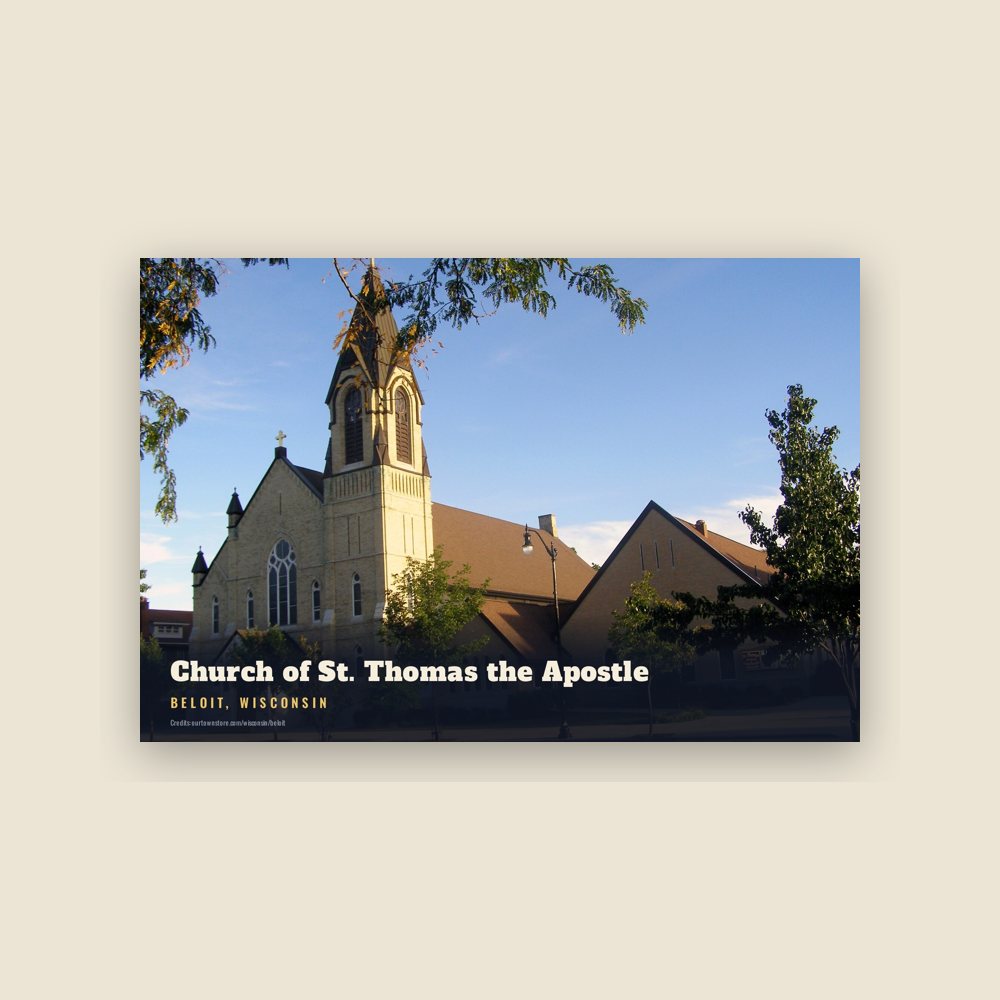

 Church of St. Thomas the Apostle
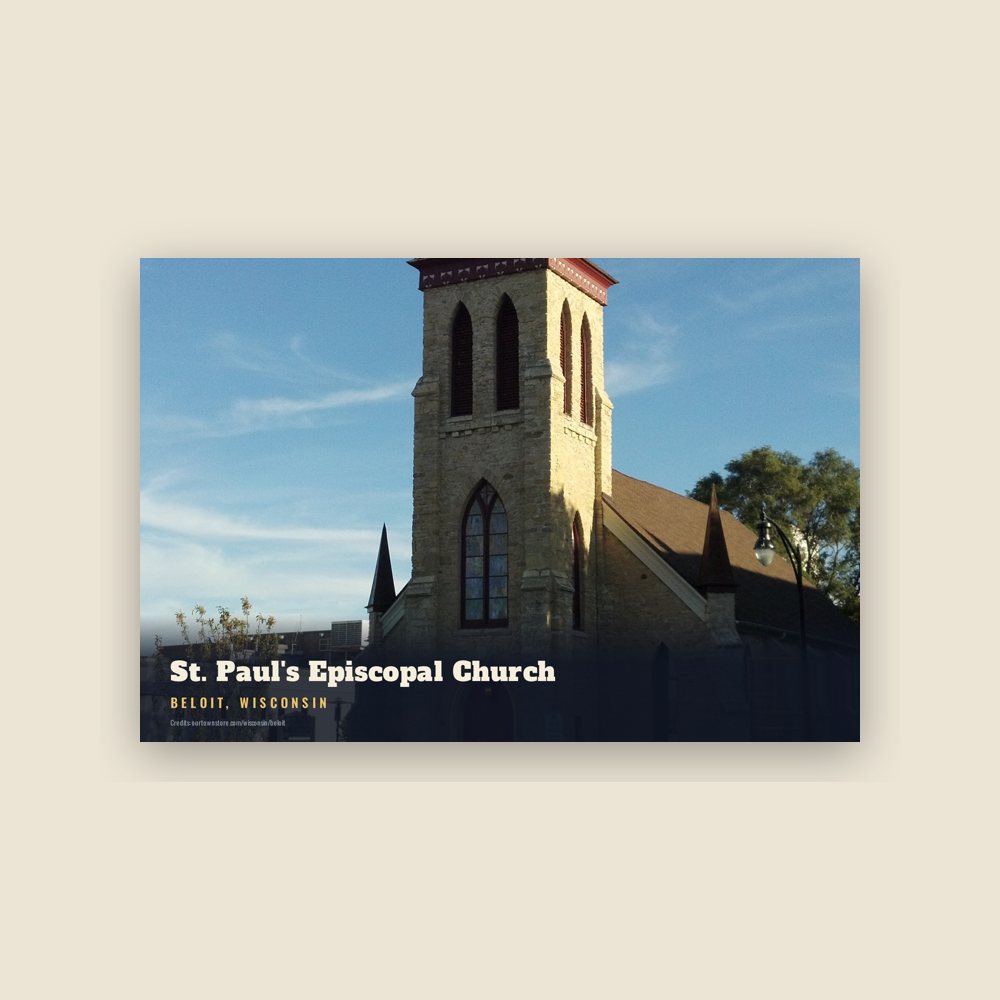
 St. Paul's Episcopal Church
 Angel Museum
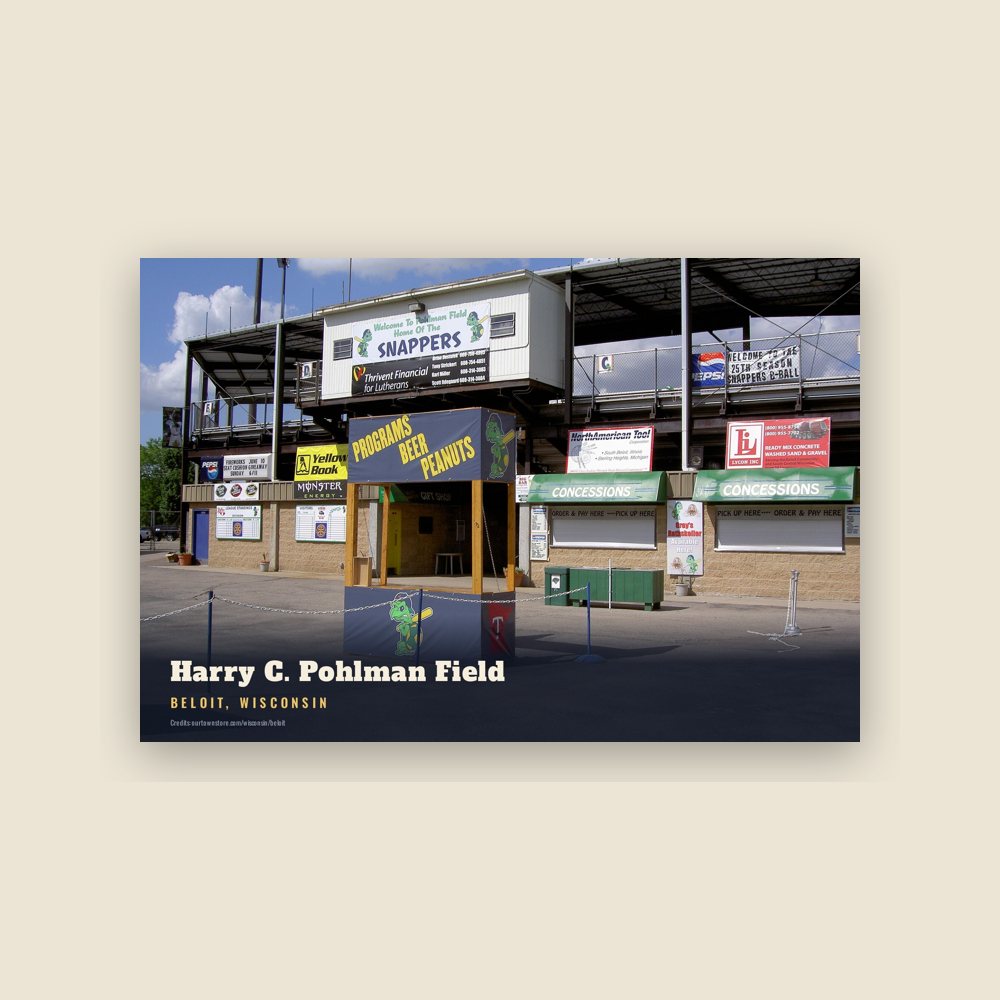
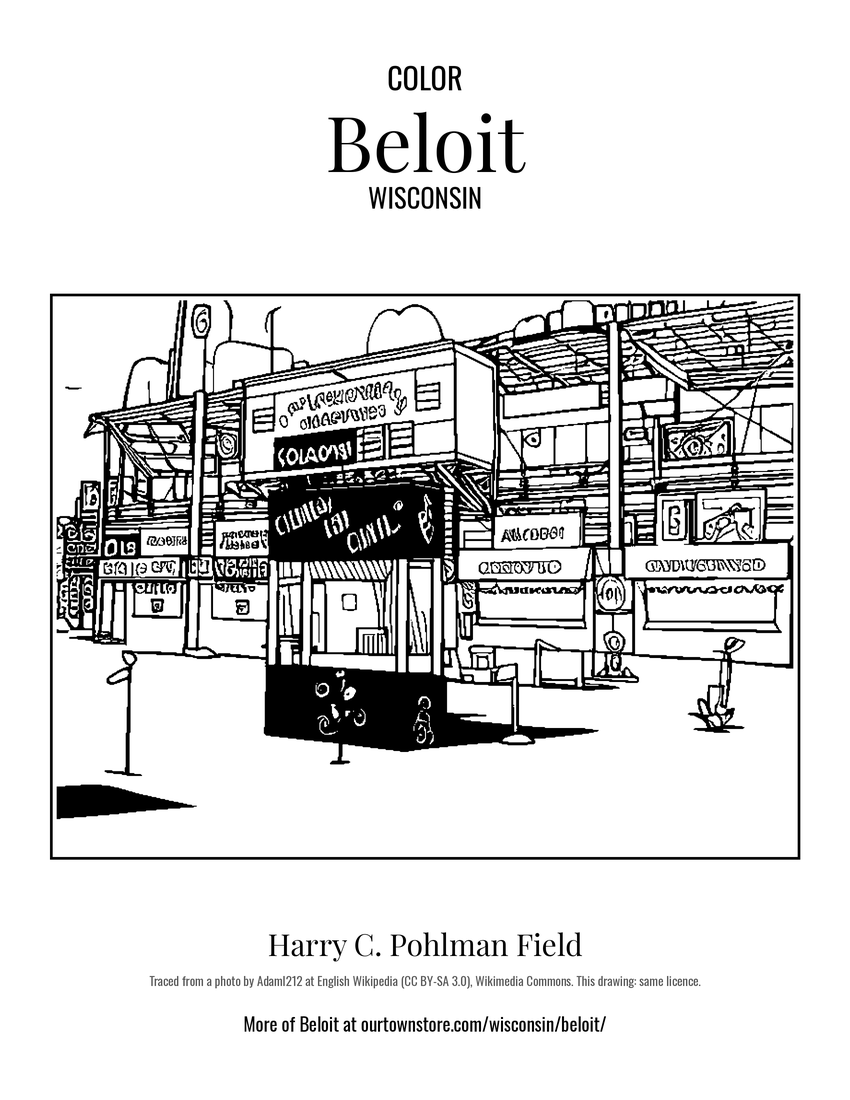 Harry C. Pohlman Field