A short history of Ashland
Pre-settlement
Eight Native American tribes lived on Chequamegon Bay. Later settlers included European explorers, missionaries and fur traders, and more recently, Yankees from the eastern United States who platted and developed the lands, railroaders, shippers, loggers, entrepreneurs, and other settlers. Four flags have flown over the area around Ashland from colonial to contemporary times: Spanish, French, English and American.
The area was part of the United States' Northwest Territory. This region was divided into four successive territories for administration before becoming part of the state of Wisconsin: Indiana Territory, Michigan Territory, Illinois Territory, and Wisconsin Territory.
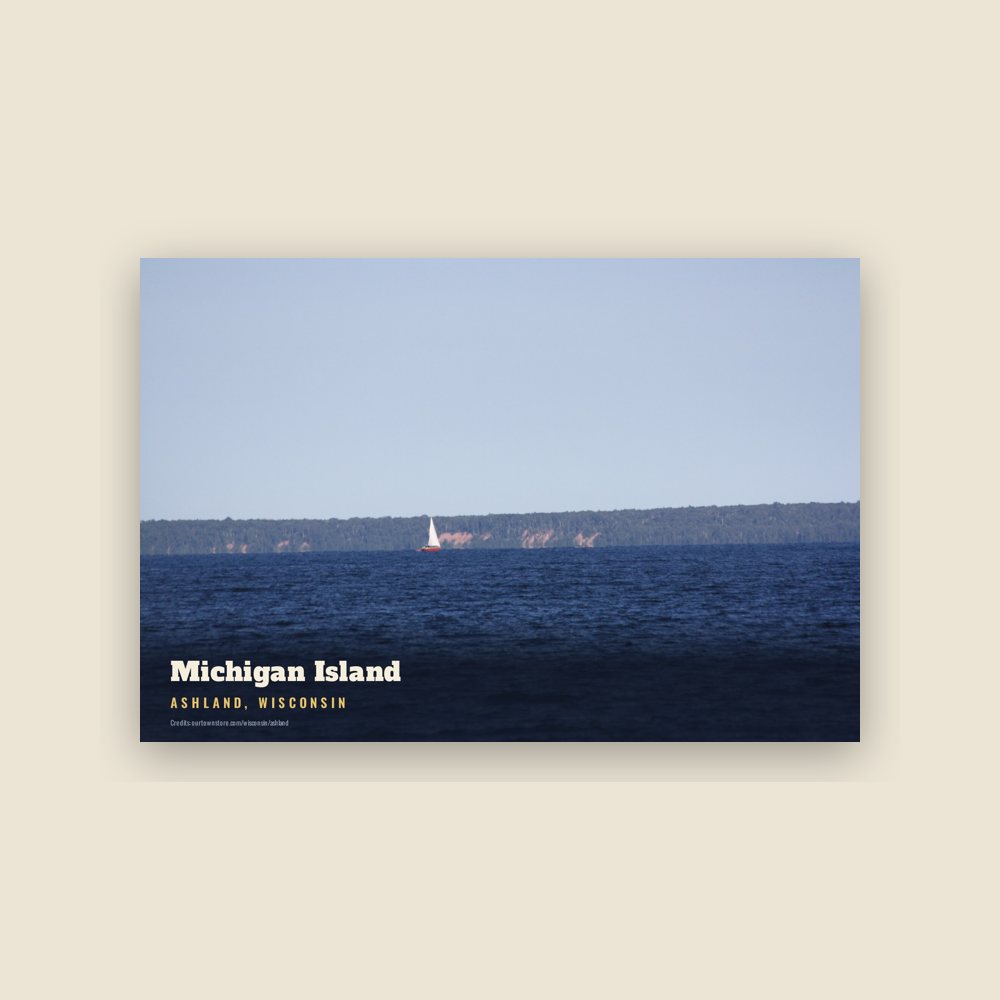
About the time Christopher Columbus arrived in the New World in the late 15th century, the Ojibwe people came to the land they called Sha-ga-waun-il-ong. This term has been translated numerous ways: 'lowlands, the needle, the region of shallow water', and where 'there are large extended breakers'. Each is descriptive and suitably accurate. The Ojibwe stayed on Chequamegon Point for nearly a century before leaving. They settled first on Madeline Island and then moved to the Sault Ste. Marie region.
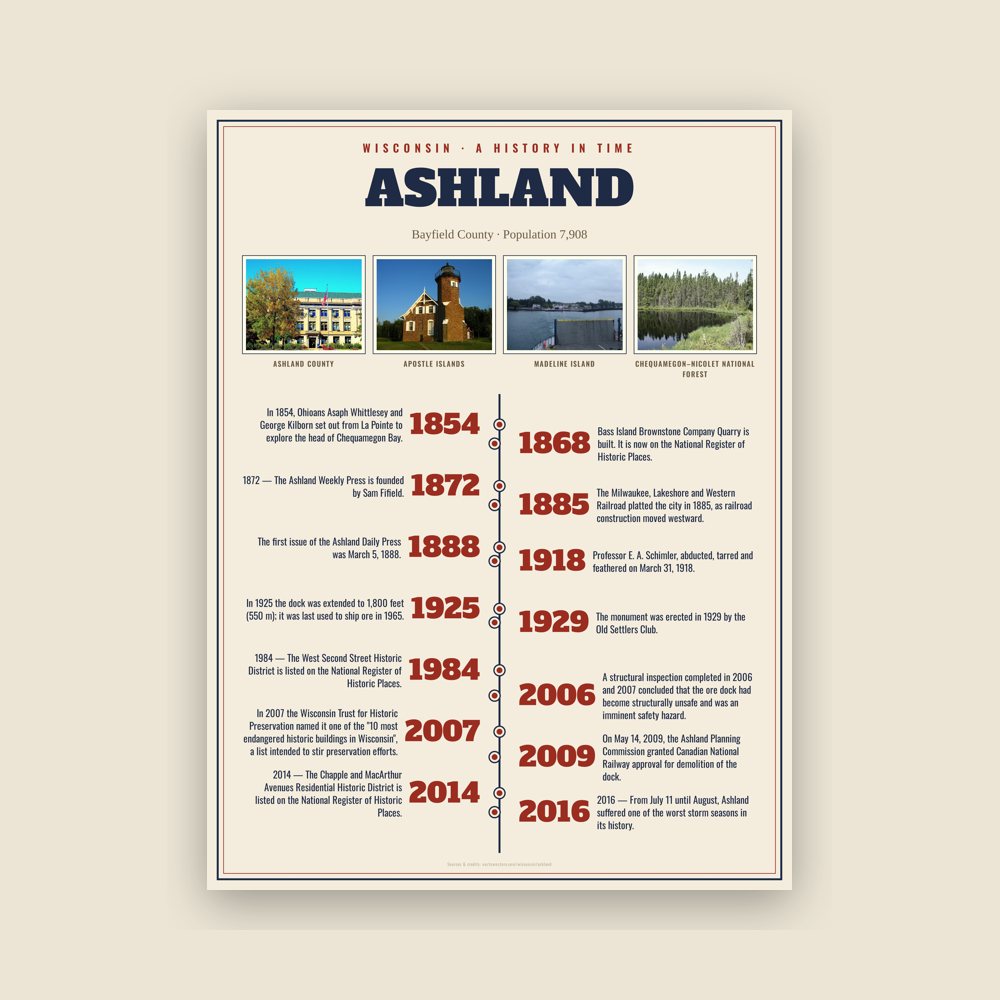
French fur traders Pierre d'Esprit, le Sieur Radisson and Medard Chouart, le Sieur des Groseilliers were the first Europeans of record to visit Chequamegon Bay. They arrived in 1659 and built what has been called the first European dwelling place in what is now Wisconsin. A historical marker noting this is located at Maslowski Beach on US 2 on the west end of Ashland. The monument was erected in 1929 by the Old Settlers Club.
The Ojibwe heartily welcomed the Frenchmen. Five years later, Father Claude-Jean Allouez arrived. A Jesuit missionary, he brought the first word of Christianity to Wisconsin's shores. Allouez built a chapel not far from the stockade erected by Radisson and Groseillier; he worked and lived at the Bay until 1669.
Read the full history
Settlement
In 1854, Ohioans Asaph Whittlesey and George Kilborn set out from La Pointe to explore the head of Chequamegon Bay. Whittlesey built a 10 ft (3.0 m) × 14 ft (4.3 m) cabin in Ashland. His wife, Lucy, and daughter, Eugenia, joined him in August and prepared to winter in their new home. Signs of settlement soon began to take place. The first community dance was held at their house. The Reverend L. H. Wheeler preached the first sermon on the first Independence Day that was observed there. This village was the location of the first post office and polling place for county offices. Sunday school was also conducted on the premises.
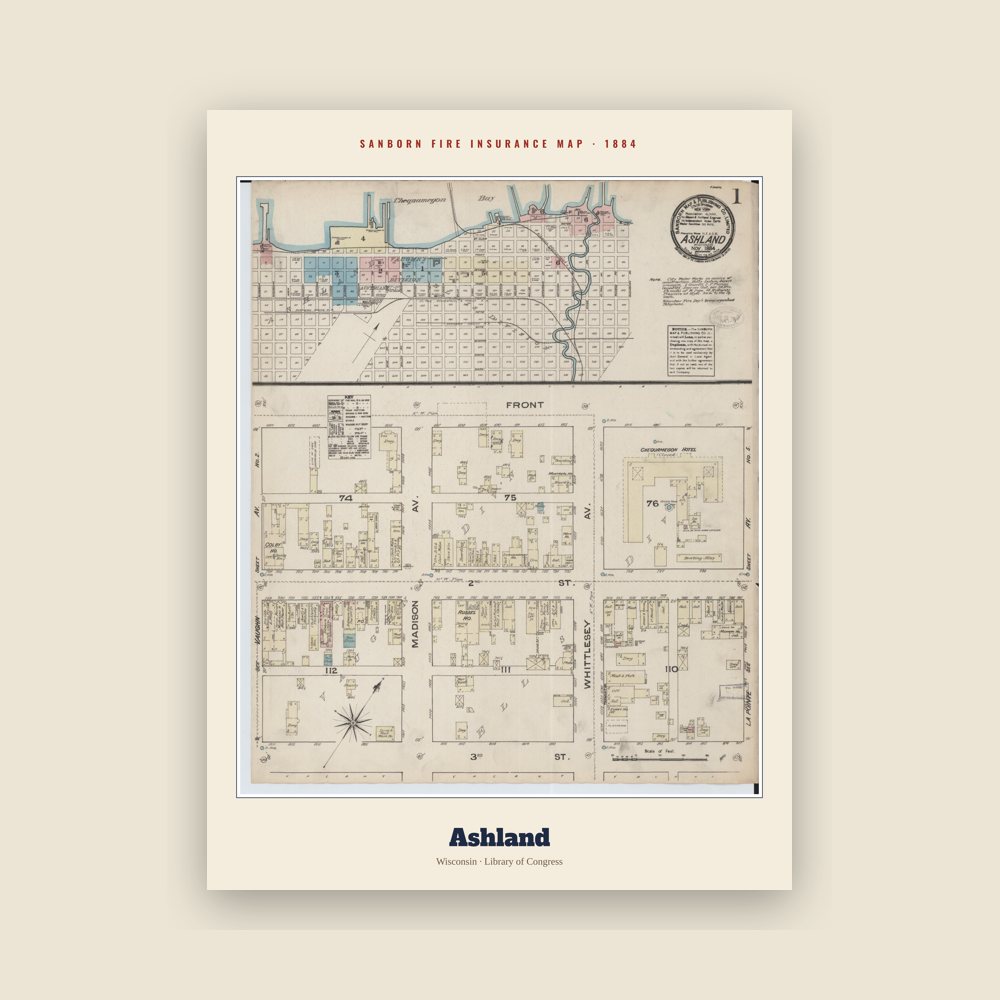
The Milwaukee, Lakeshore and Western Railroad platted the city in 1885, as railroad construction moved westward. Local landowner Martin Beaser named the settlement Ashland after Kentucky statesman Henry Clay’s residence. Previous names for the area included Bay City, Saint Mark (for Saint Mark's Basilica), and Whittlesey, the latter in honor of initial postmaster Adolph Whittlesey.
In the nineteenth century, immigrants to the area included many individuals and families from Germany and northern Europe, as shown by the numerous Lutheran churches in town. Some were initially attracted to agriculture or jobs in the mining industry.
Dates of note
1872 — The Ashland Weekly Press is founded by Sam Fifield. It became a daily paper more than a decade later. The first issue of the Ashland Daily Press was March 5, 1888.
1984 — The West Second Street Historic District is listed on the National Register of Historic Places. Second Street was later renamed Main Street.
2009 — Ore dock slated for demolition. Attempts by community members to preserve the historic structure were not successful.
2014 — The Chapple and MacArthur Avenues Residential Historic District is listed on the National Register of Historic Places.
2016 — From July 11 until August, Ashland suffered one of the worst storm seasons in its history. Highways going to Ironwood and Marengo were severely damaged, as were portions of infrastructure at Saxon Harbor. Residents reported flooding of many basements by lake and rain waters. Three deaths were reported.
Ore dock
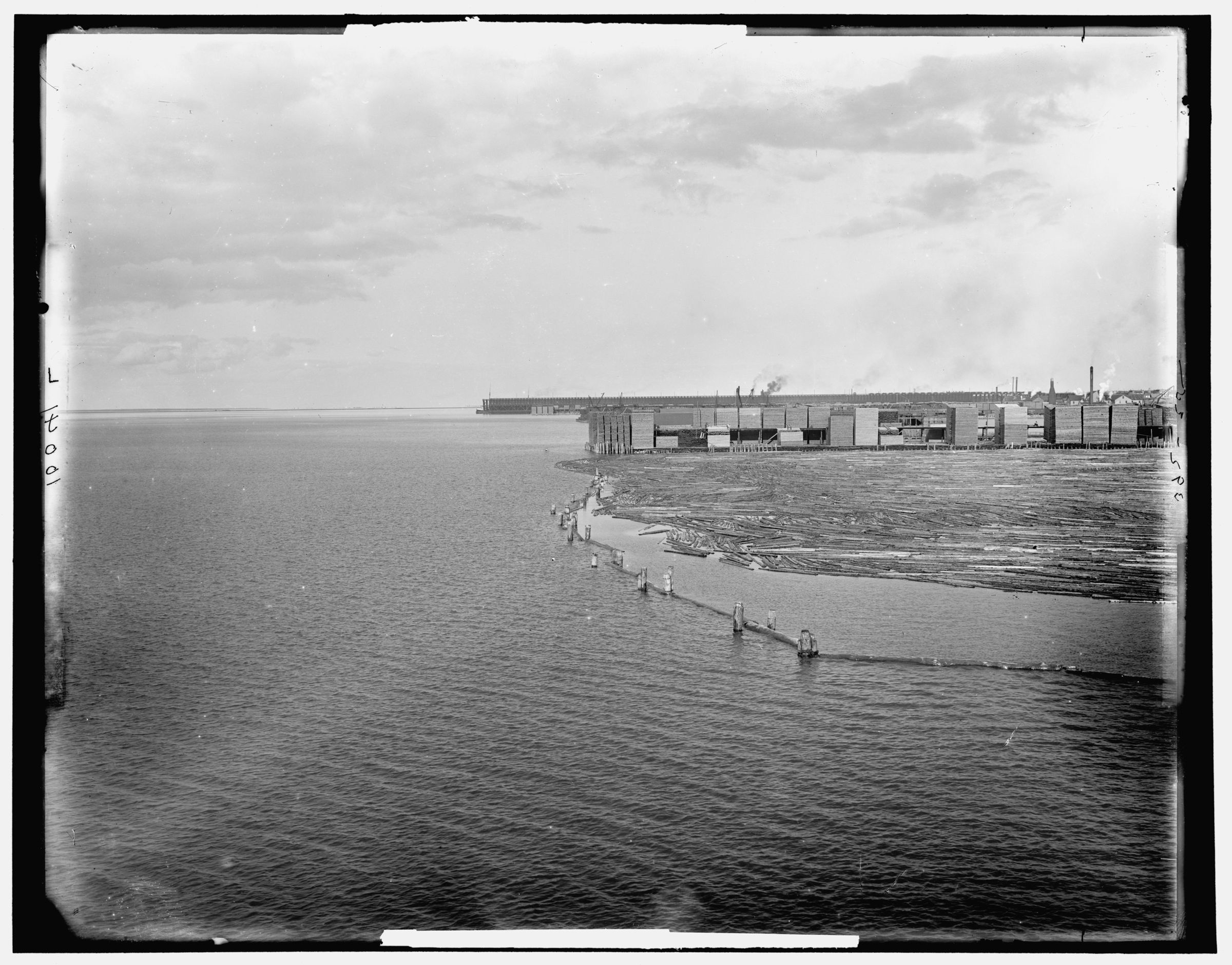
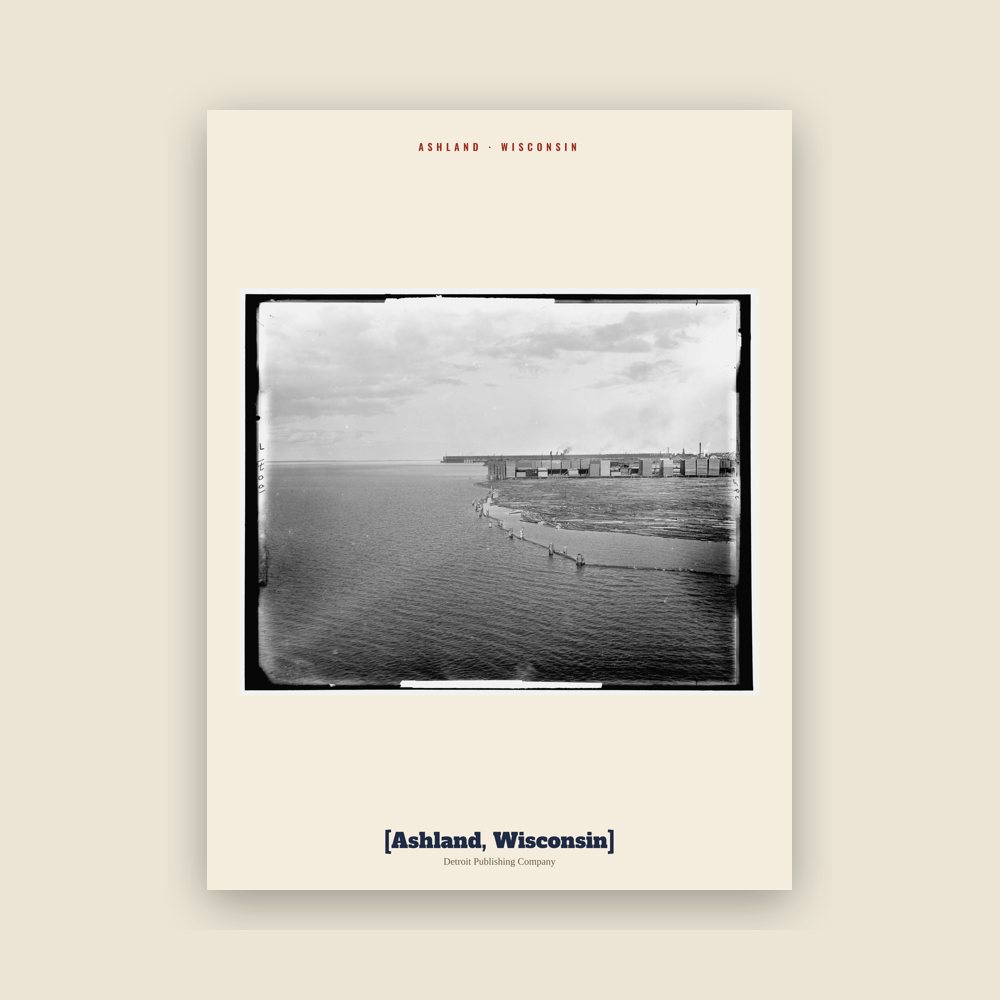
The harbor of Ashland was dominated by the massive Wisconsin Central Railway (later Soo Line) ore dock, built in 1916 to load iron ore mined in the area into freighters bound for industrial ports in the Midwest, such as Ashtabula, Ohio, where steel was produced. The last of what had once been many such docks, the concrete structure was 80 feet (24 m) high and 75 feet (23 m) wide. In 1925 the dock was extended to 1,800 feet (550 m); it was last used to ship ore in 1965.
In 2007 the Wisconsin Trust for Historic Preservation named it one of the "10 most endangered historic buildings in Wisconsin", a list intended to stir preservation efforts. The main concrete structure and trestle had slowly deteriorated since the early 1970s because of lack of maintenance and the effects of the environment. A structural inspection completed in 2006 and 2007 concluded that the ore dock had become structurally unsafe and was an imminent safety hazard. On May 14, 2009, the Ashland Planning Commission granted Canadian National Railway approval for demolition of the dock. All material on the ore dock was removed, down to the concrete base. This was completed in 2013.
The base of the ore dock remains. The city took ownership of it from Canadian National Railway in May 2014. It is working with a consultant group to design a redevelopment plan for the base of the dock.
Adapted (trimmed) from the Wikipedia article Ashland, Wisconsin, revision 1373643766 by its contributors, licensed CC BY-SA 4.0.


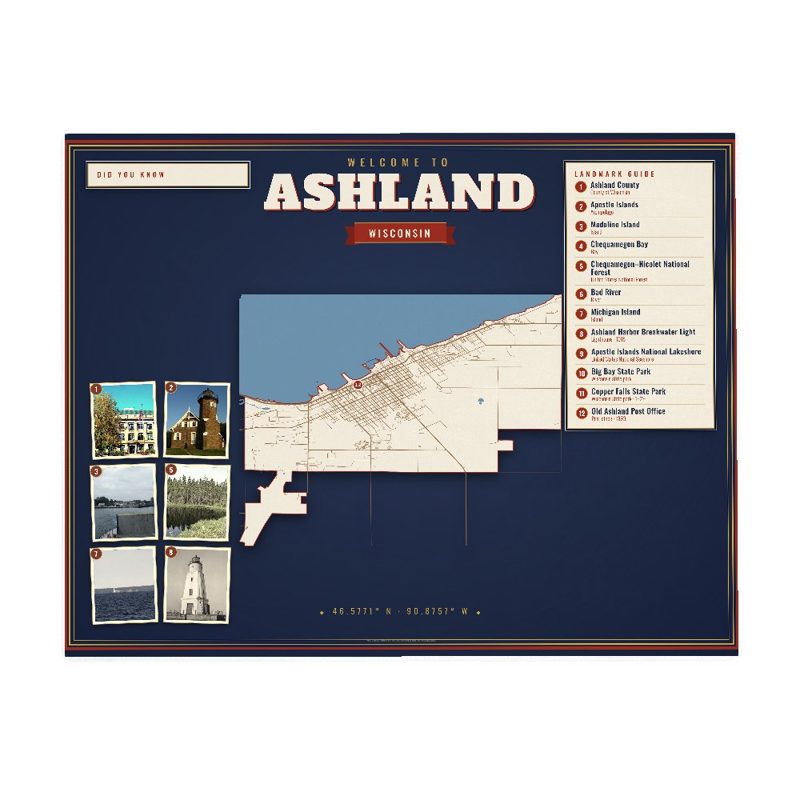












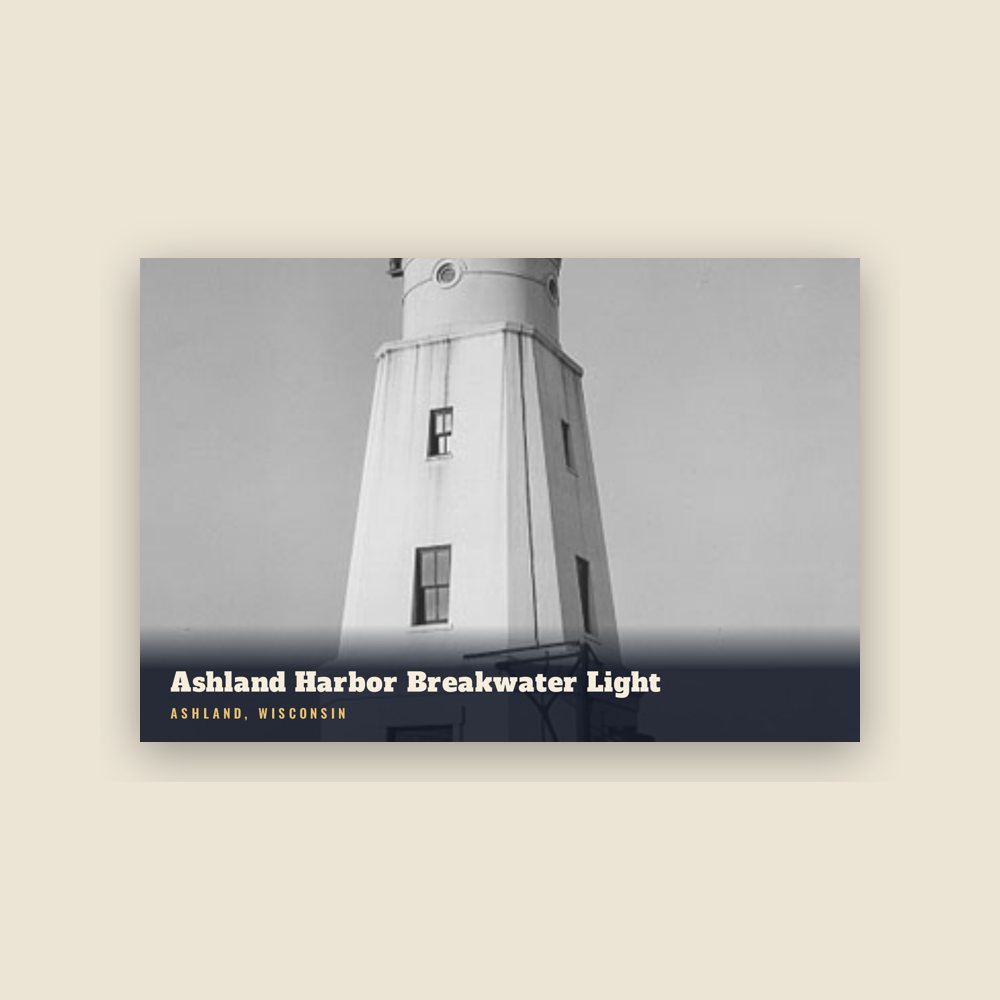
 Ashland Harbor Breakwater Light
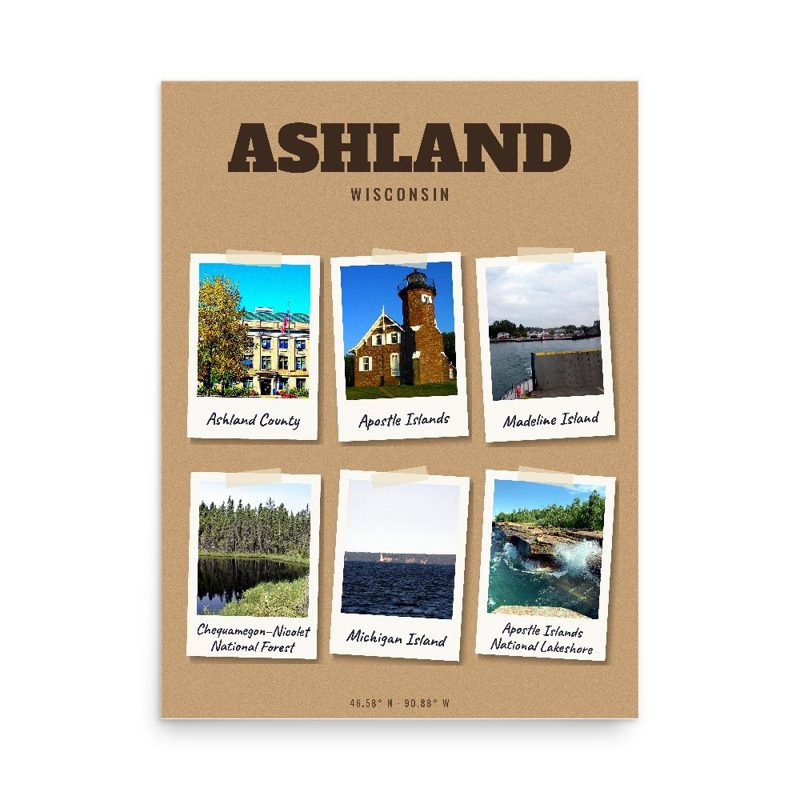
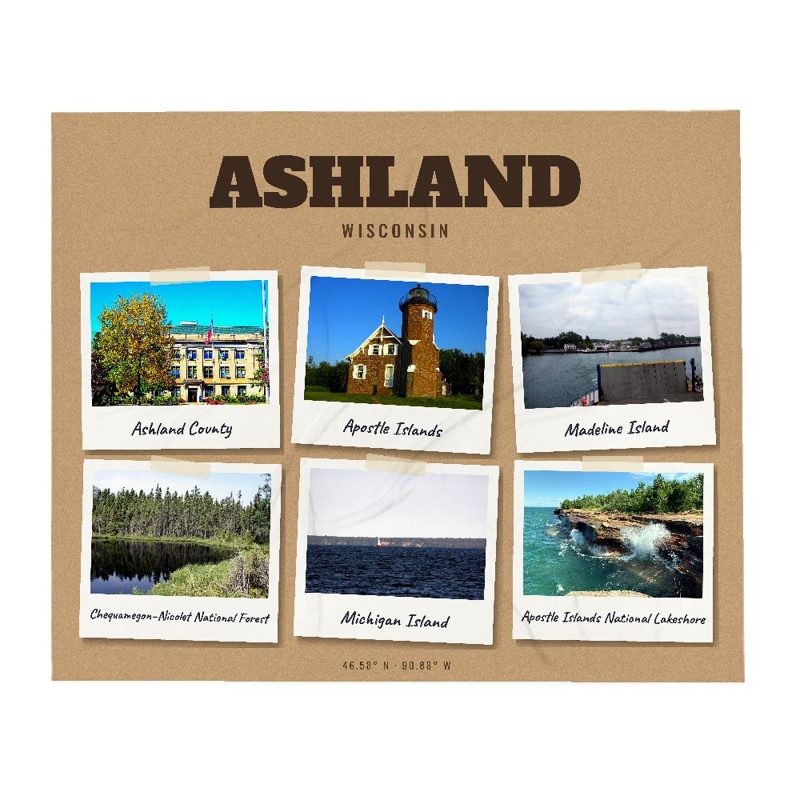
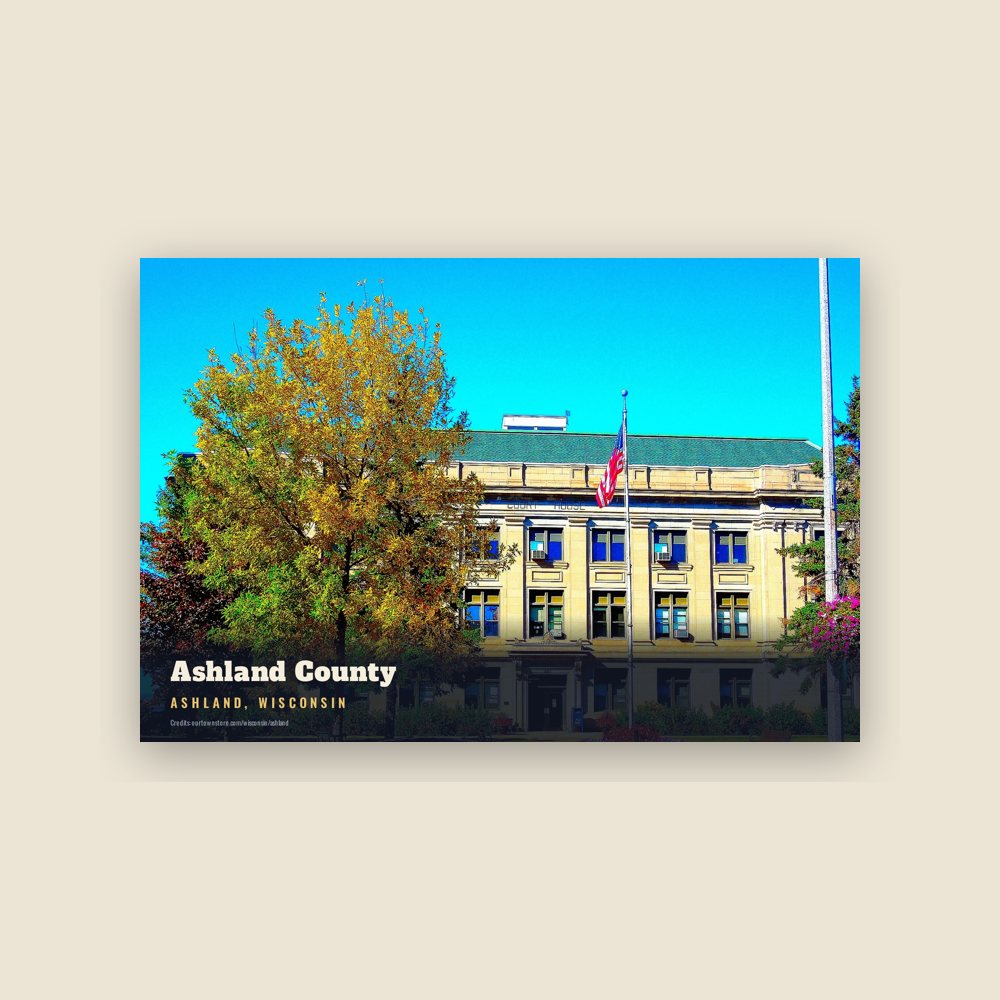
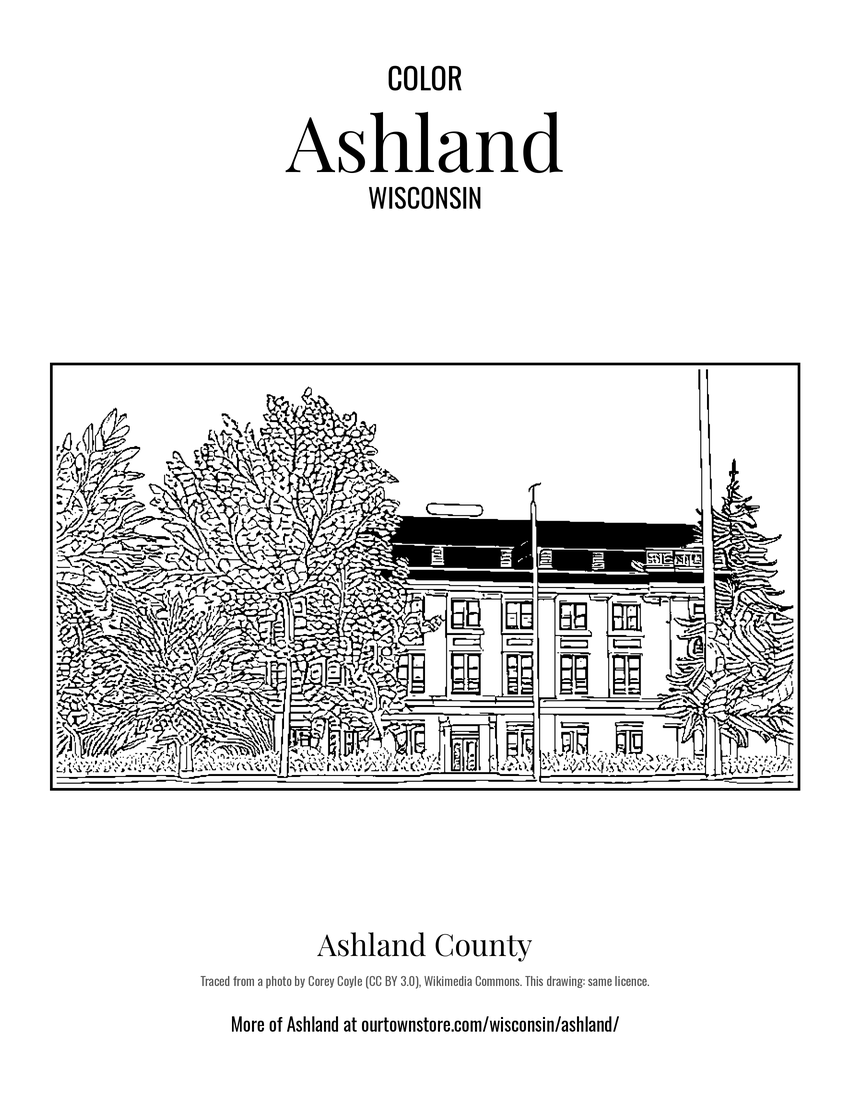 Ashland County
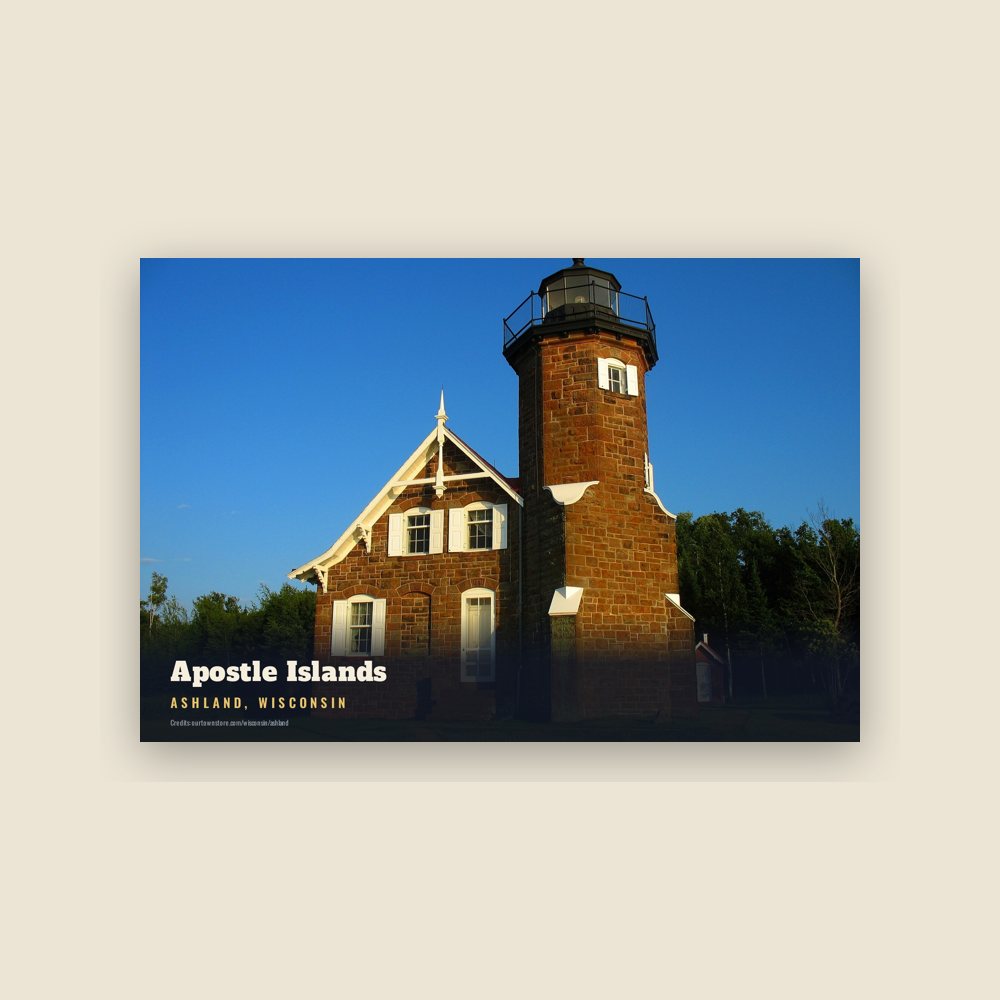
 Apostle Islands
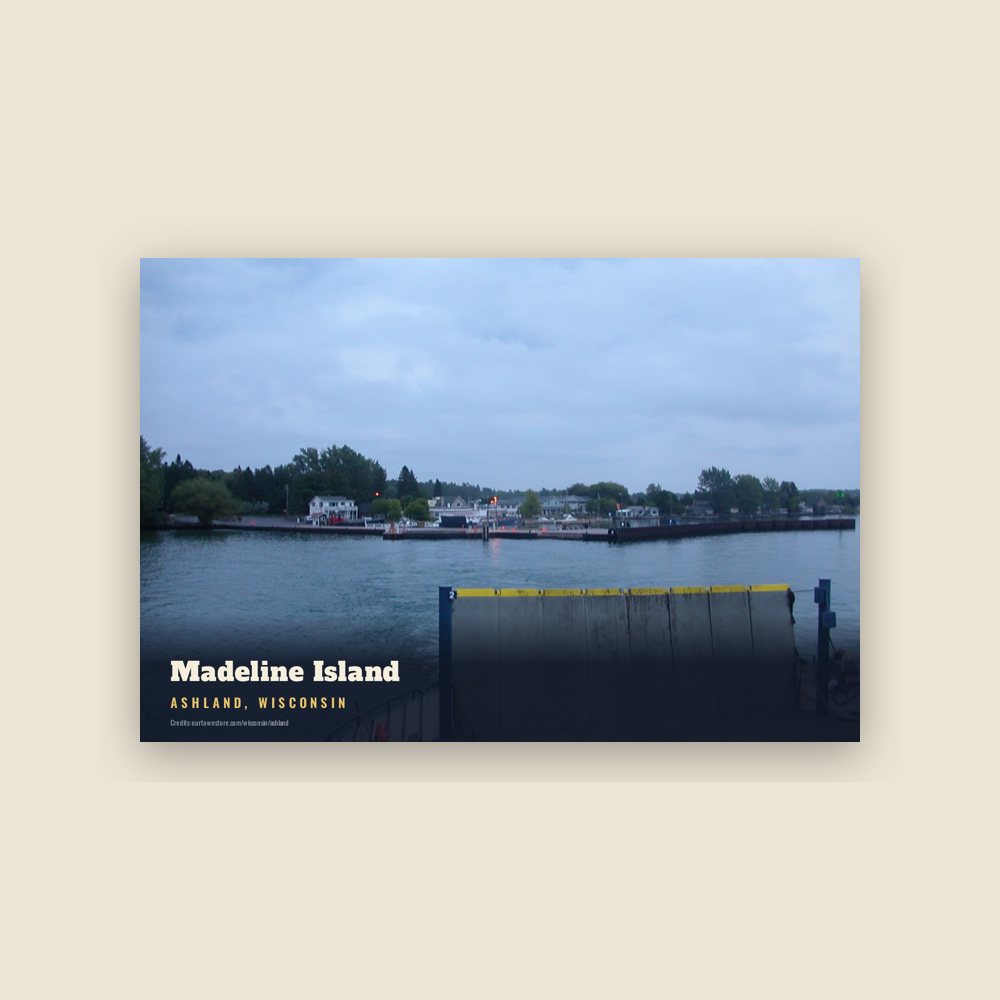
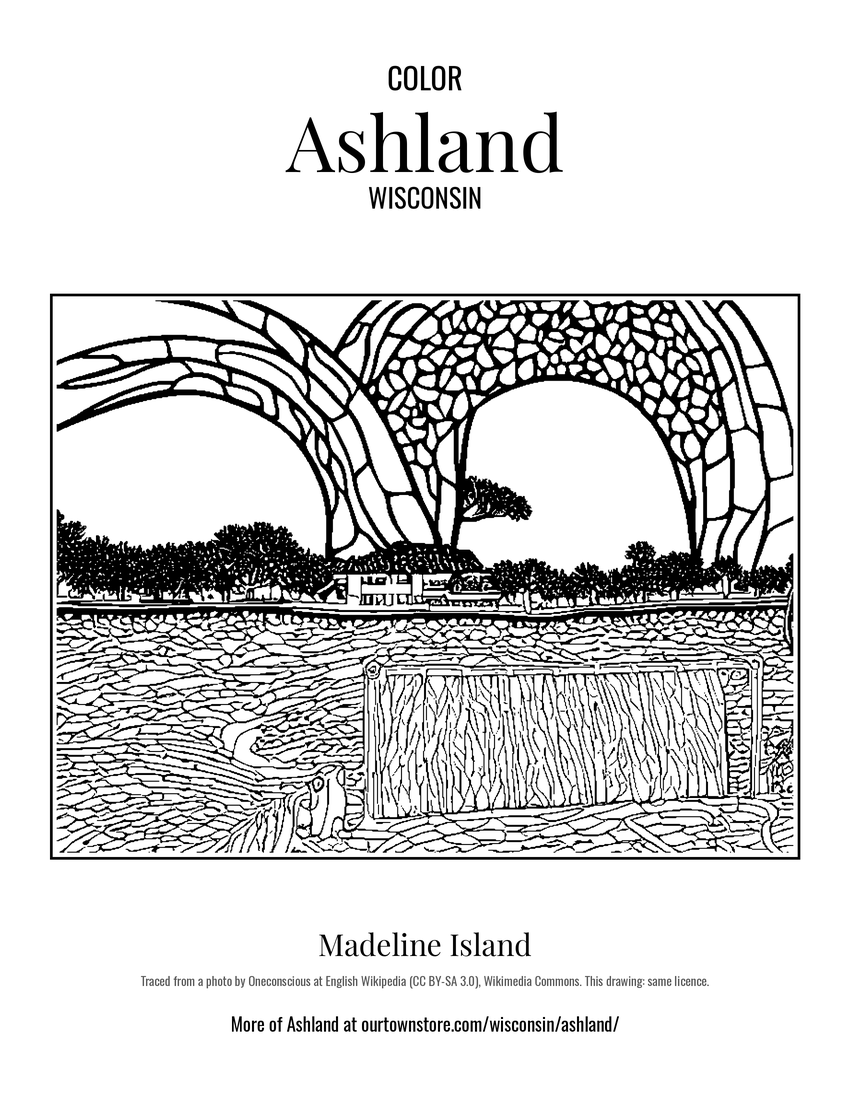 Madeline Island