A short history of Parkersburg
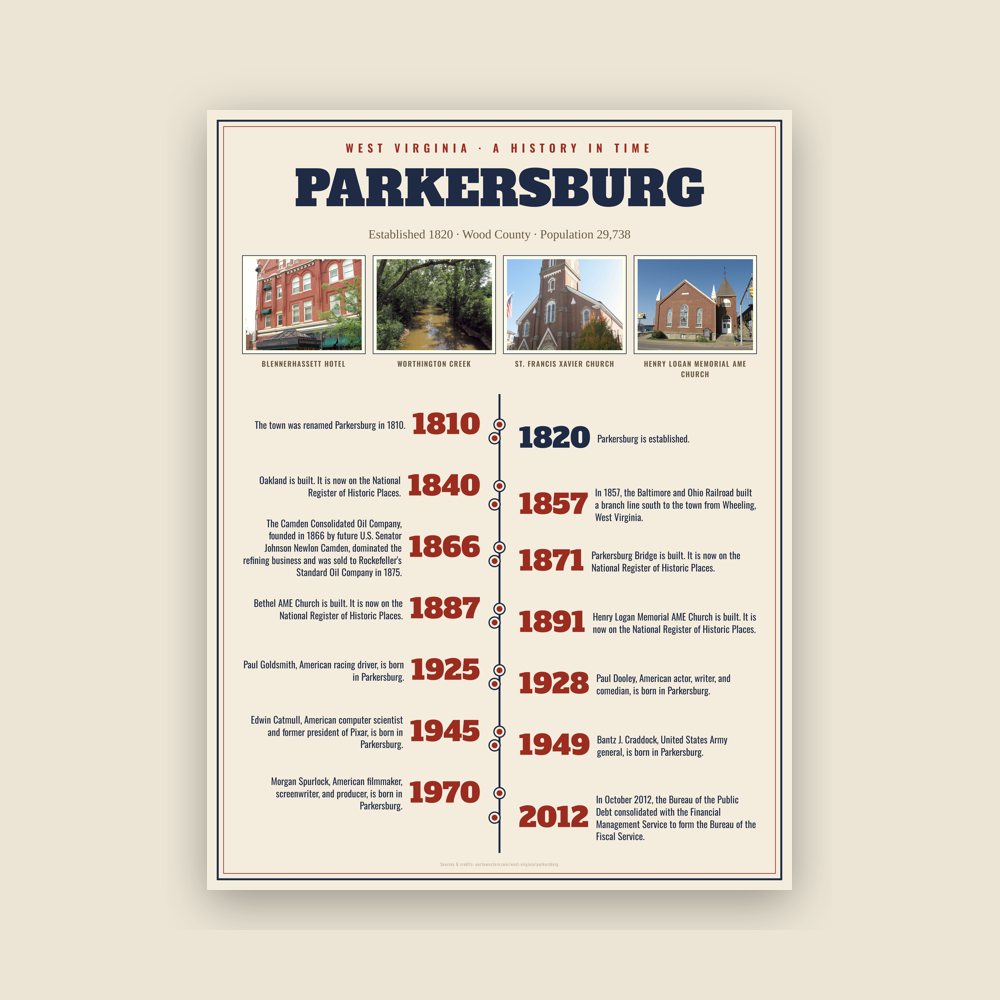
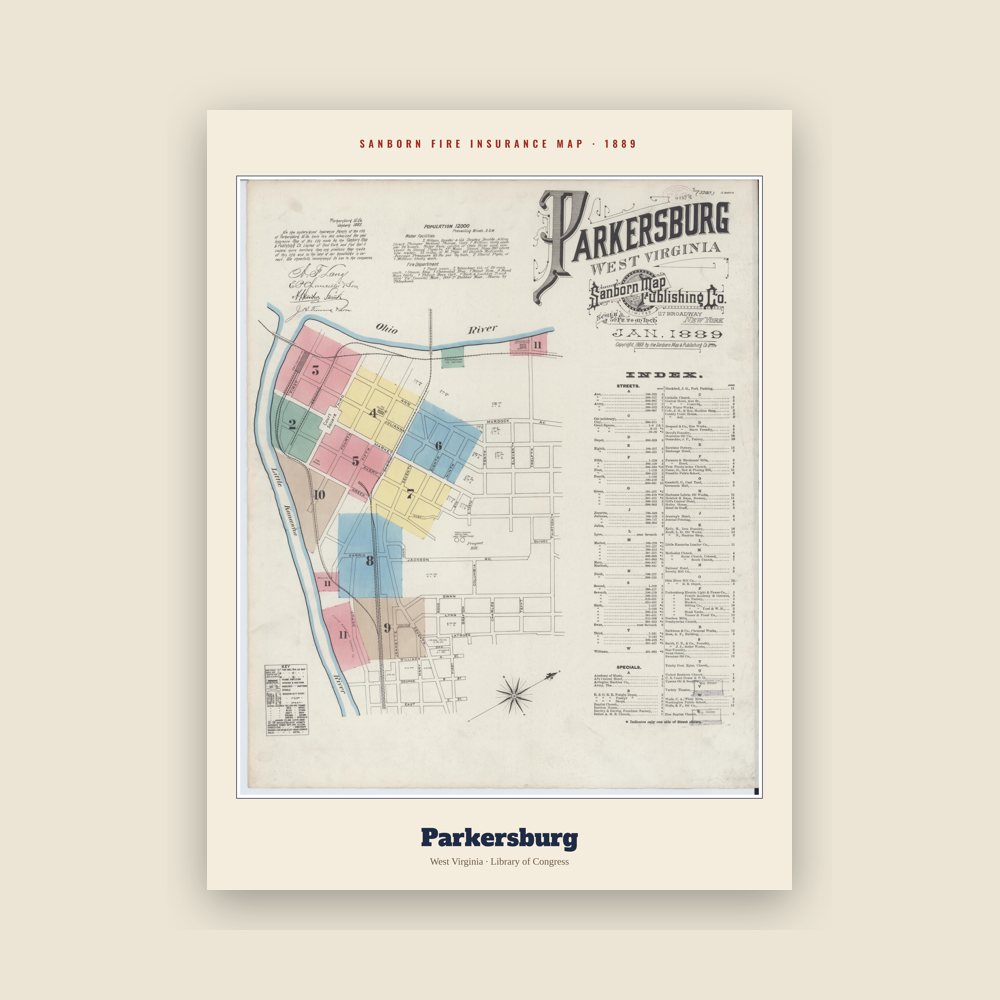
Settlers at first named the city Newport when they settled it in the late 18th century following the American Revolutionary War. A town section was laid out on land granted to Alexander Parker for his Revolutionary War service. Virginia made grants of land to veterans for their war service. The title conflicts between Parker and the city planners of Newport were settled in 1809 in favor of his heirs. The town was renamed Parkersburg in 1810. It was chartered by the Virginia General Assembly in 1820. It was rechartered as a city in 1860.
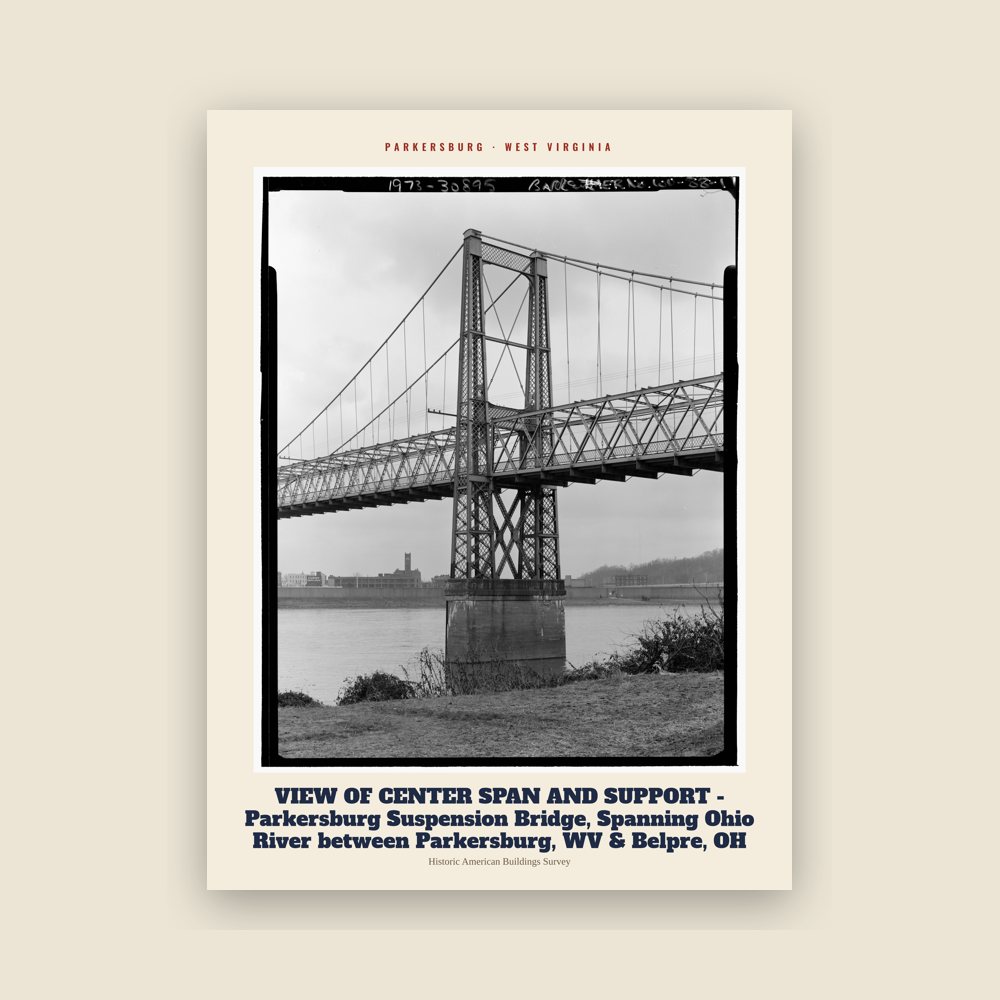
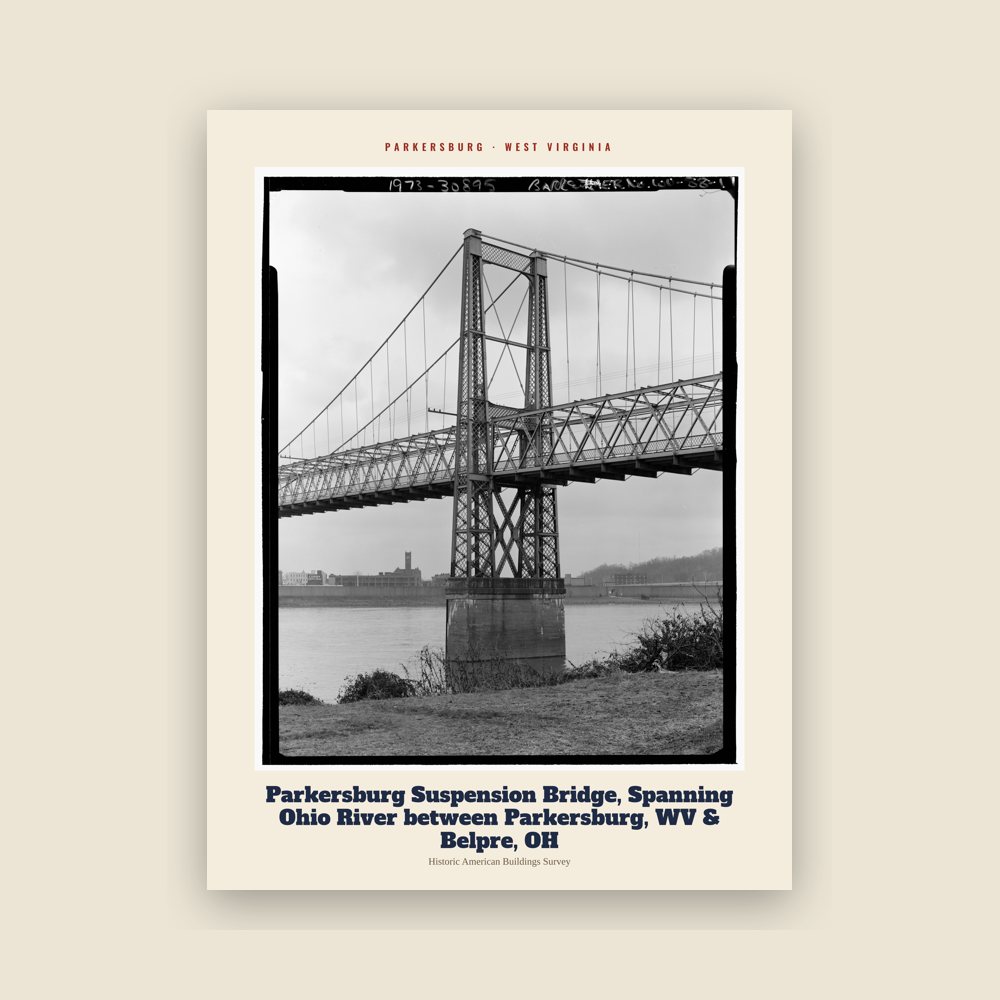
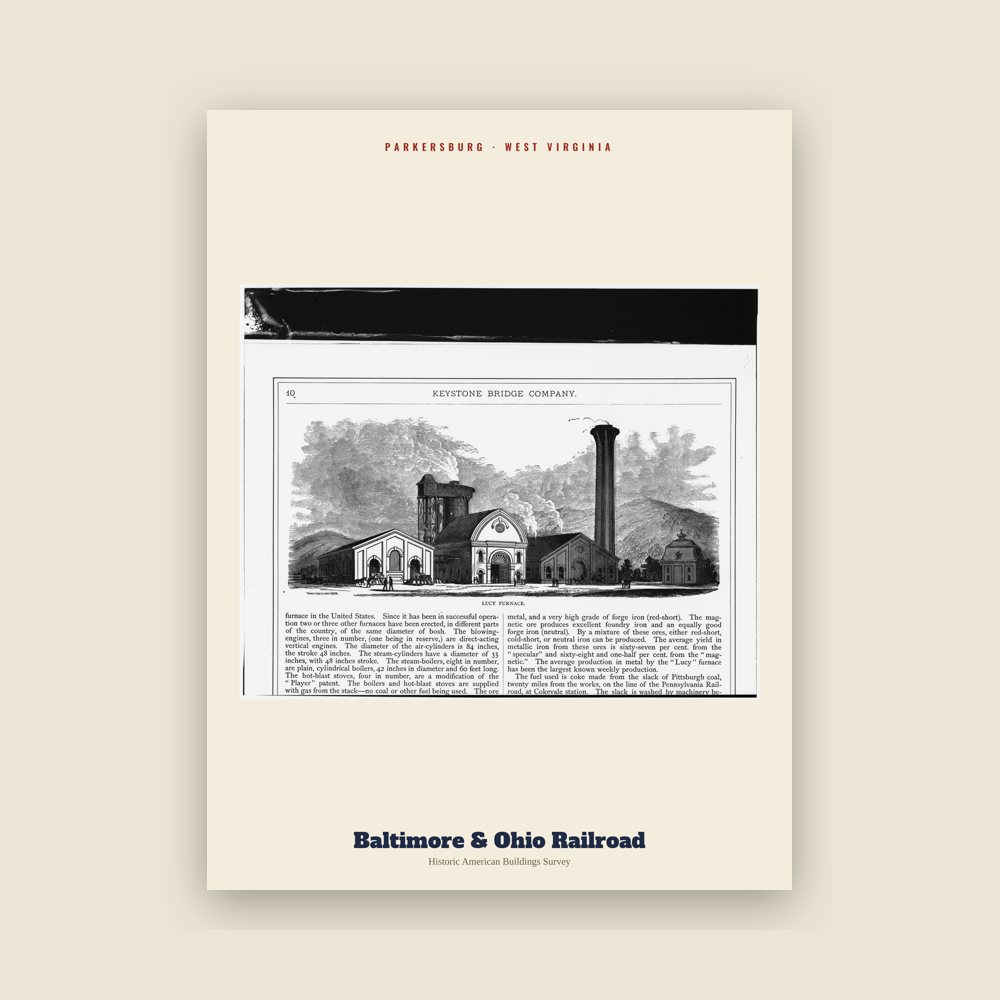
The town was the western terminus of both the Staunton-Parkersburg Turnpike and the Northwestern Turnpike. In 1857, the Baltimore and Ohio Railroad built a branch line south to the town from Wheeling, West Virginia. Travelers wanting to connect with the Ohio Marietta and Cincinnati Railroad, one of the east–west lines along the Ohio River, had to take a steamboat 14 miles north to Marietta, Ohio. Jacob Linville designed the railroad bridge planned by the B&O. It was constructed in 1868–1870 between Parkersburg and Belpre, Ohio, as part of the B&O's main line from Baltimore to St. Louis, Missouri. This drew traffic and trade from Marietta. Today the structure is known as the Parkersburg Bridge.
Parkersburg served as a transportation and medical center for Union forces during the American Civil War. It developed further as a transportation hub in the gas and oil boom following that war.
In the late 19th century, Parkersburg emerged as a major oil refining center serving nearby oilfields at Volcano and Burning Springs. The Camden Consolidated Oil Company, founded in 1866 by future U.S. Senator Johnson Newlon Camden, dominated the refining business and was sold to Rockefeller's Standard Oil Company in 1875. Camden became a Standard director and vice president and, along with John W. Davis, dominated West Virginia politics until the early 20th century.
In the post-World War II period, Parkersburg became one of the leading industrial centers of the Ohio Valley, producing chemicals, glass, O. Ames tools, textiles (especially American Viscose Company rayon), plastics and polymers, iron, and steel.
The Bureau of the Public Debt, an agency of the U.S. Treasury Department, was moved to Parkersburg in 1954 as a location midway between Chicago and Washington, D.C. that would be safe in the event of a national emergency. In October 2012, the Bureau of the Public Debt consolidated with the Financial Management Service to form the Bureau of the Fiscal Service.
Adapted (trimmed) from the Wikipedia article Parkersburg, West Virginia, revision 1378785727 by its contributors, licensed CC BY-SA 4.0.

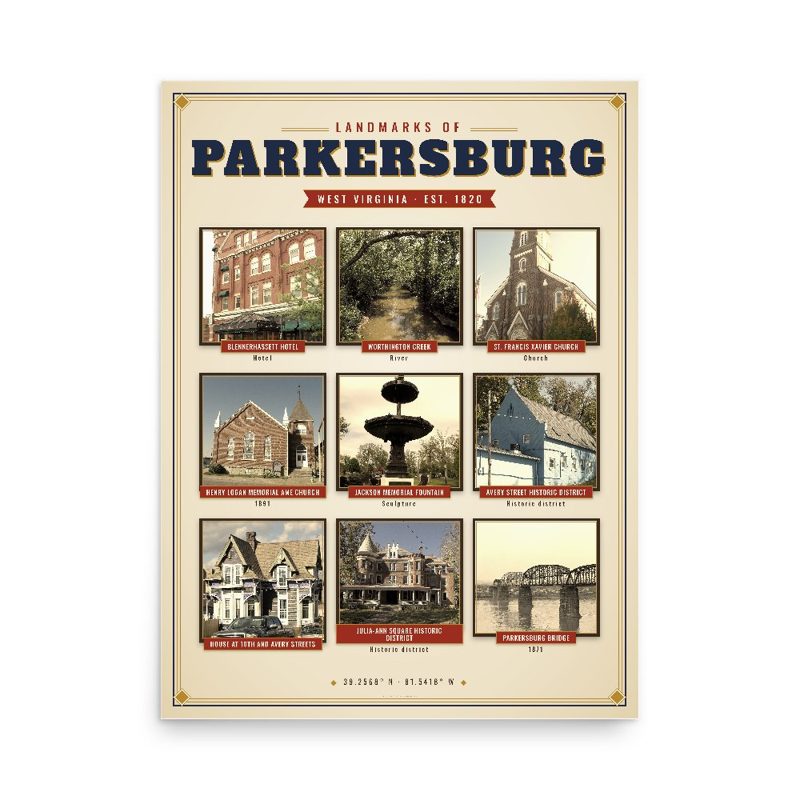
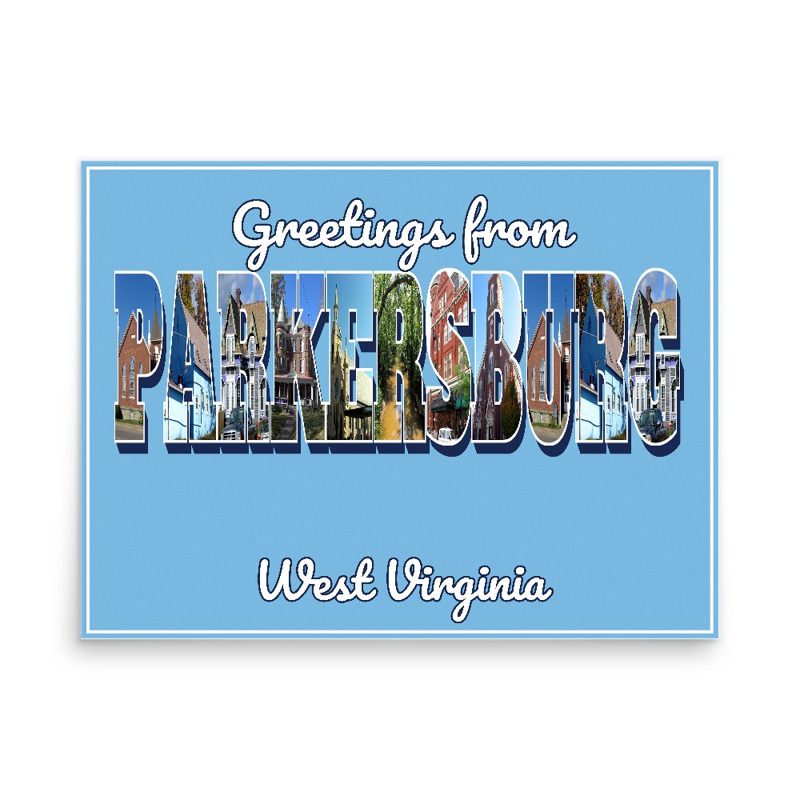
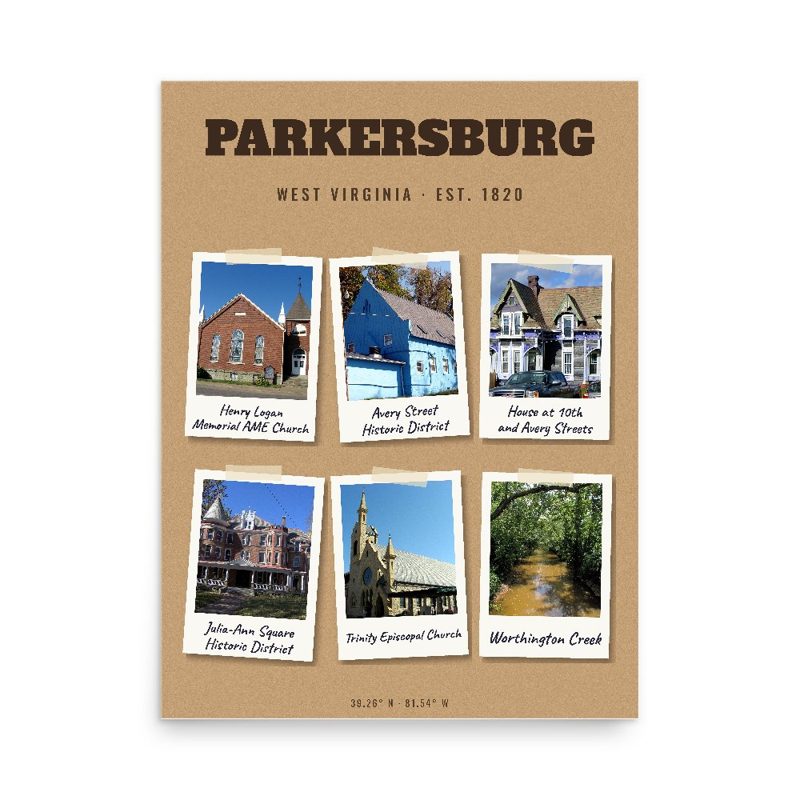
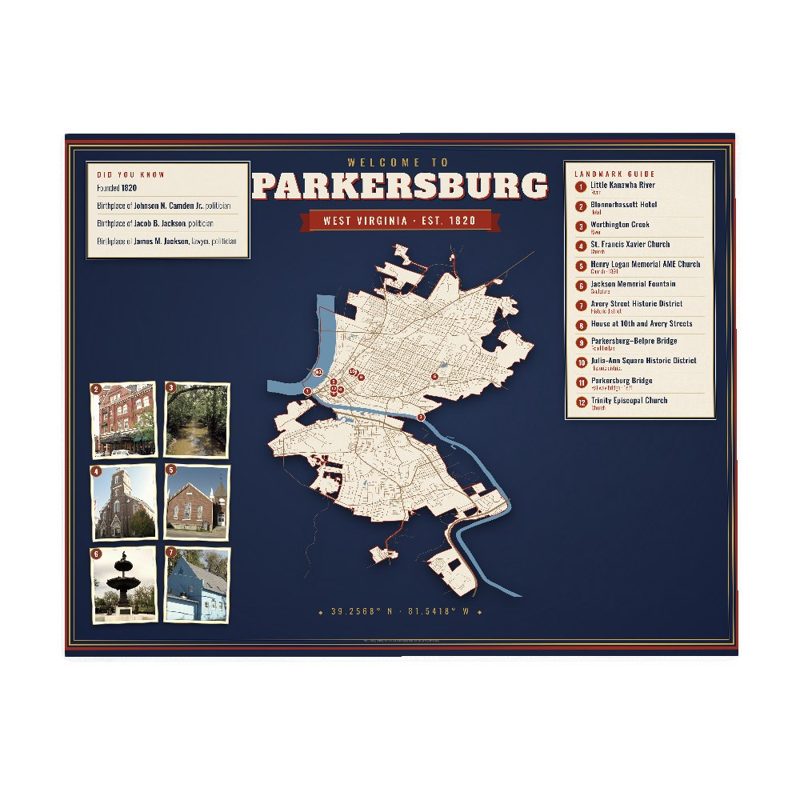








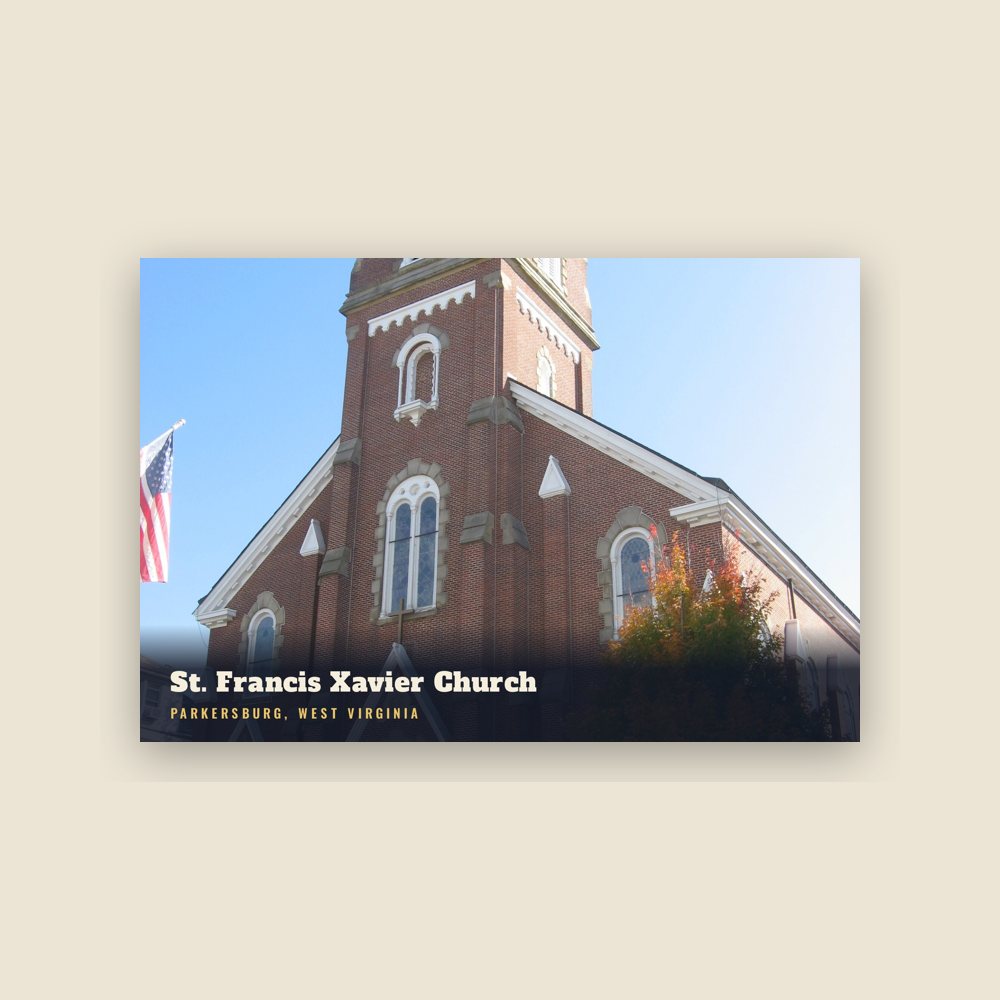
 St. Francis Xavier Church
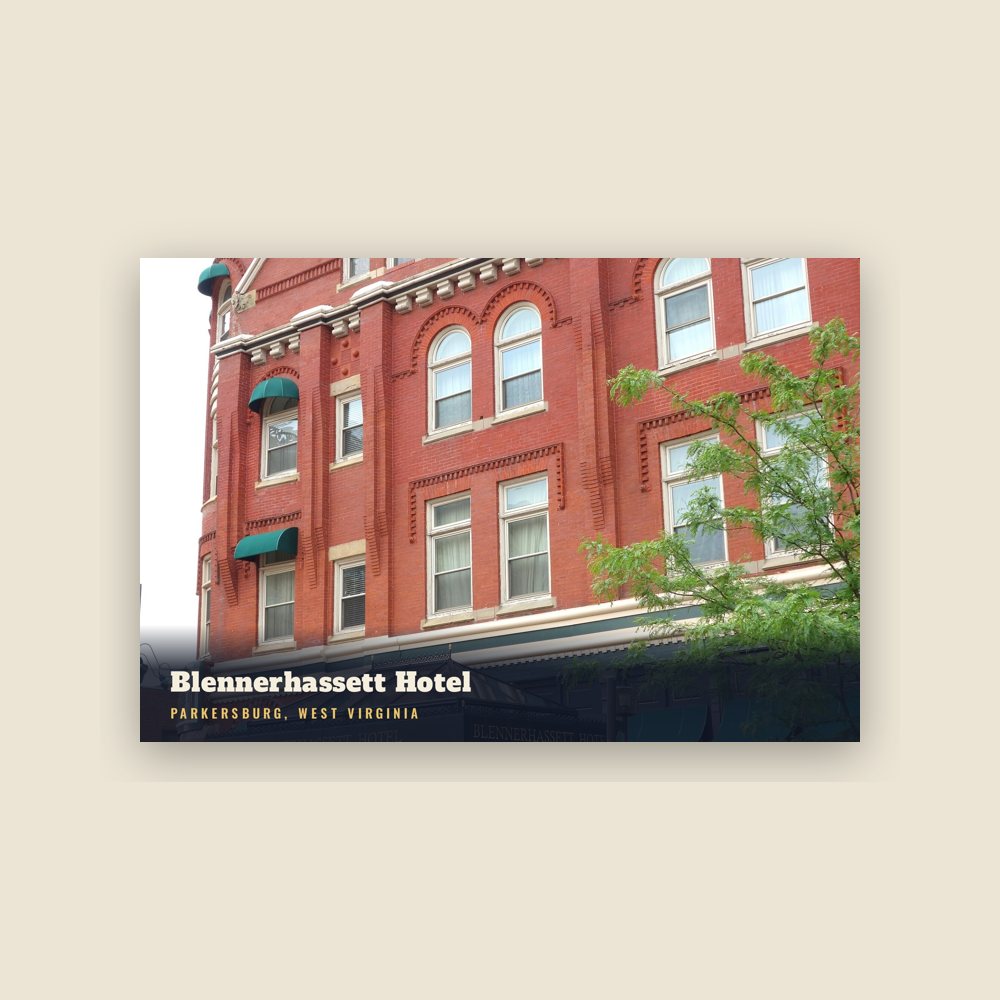
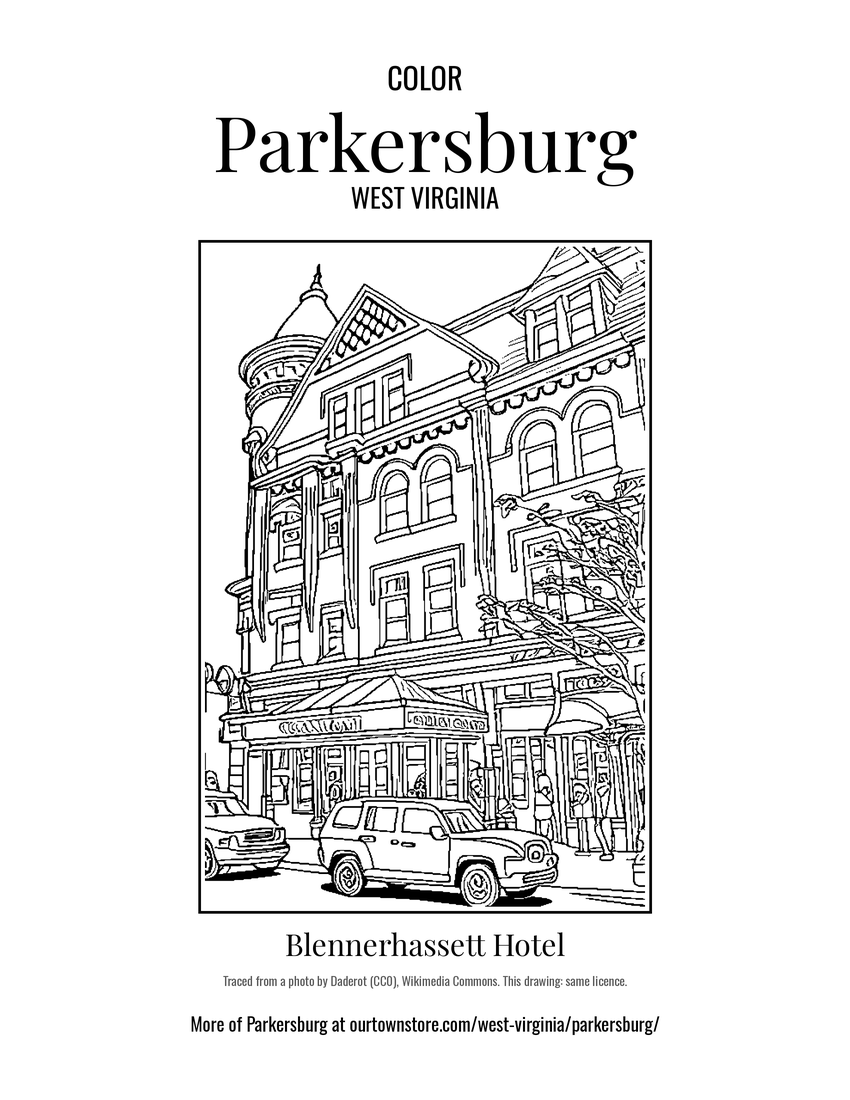 Blennerhassett Hotel
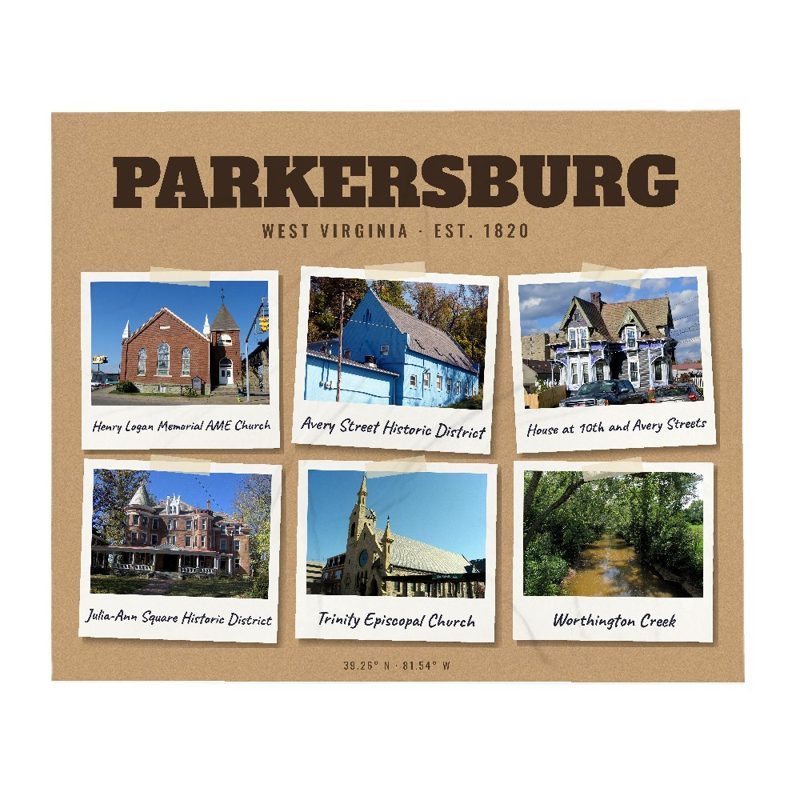
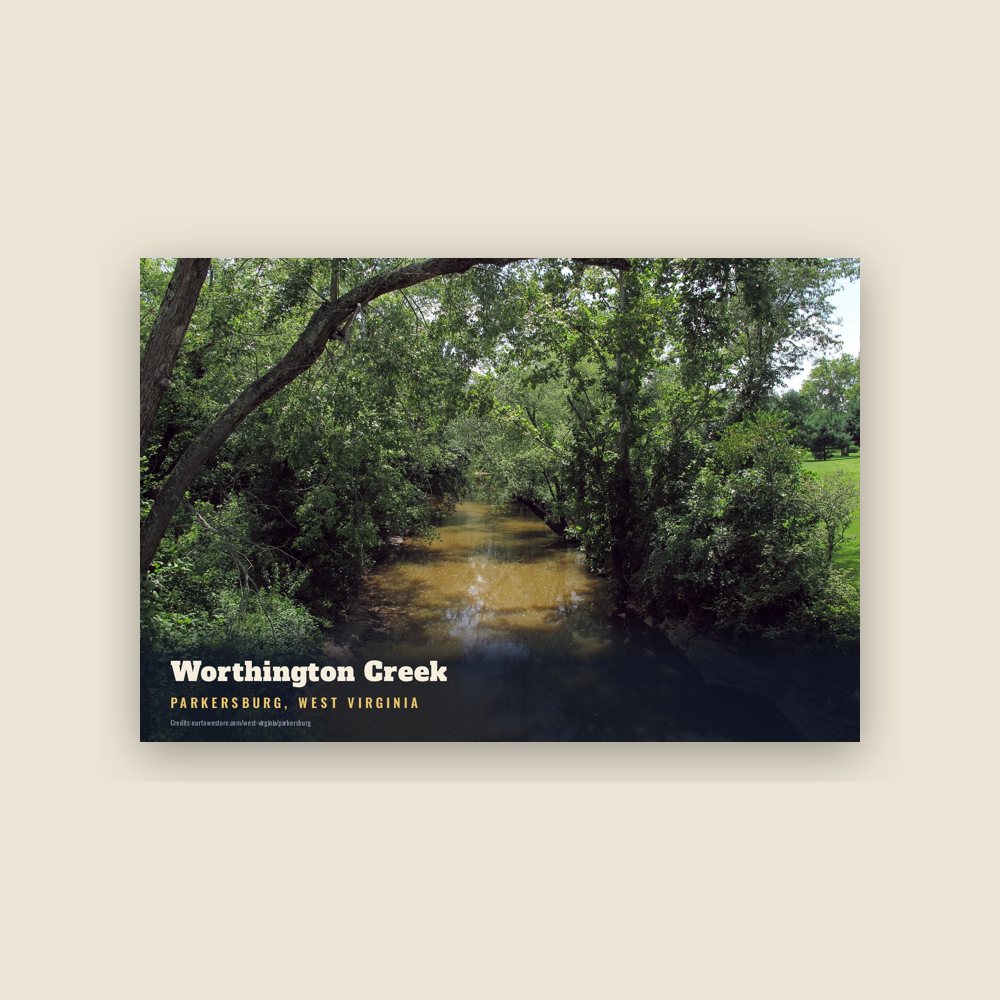
 Worthington Creek
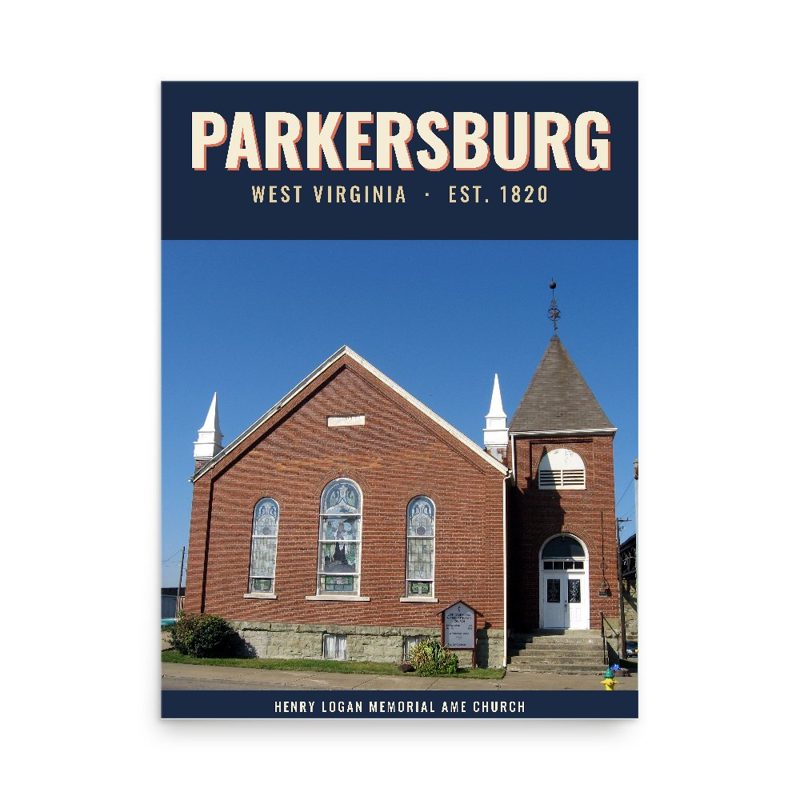
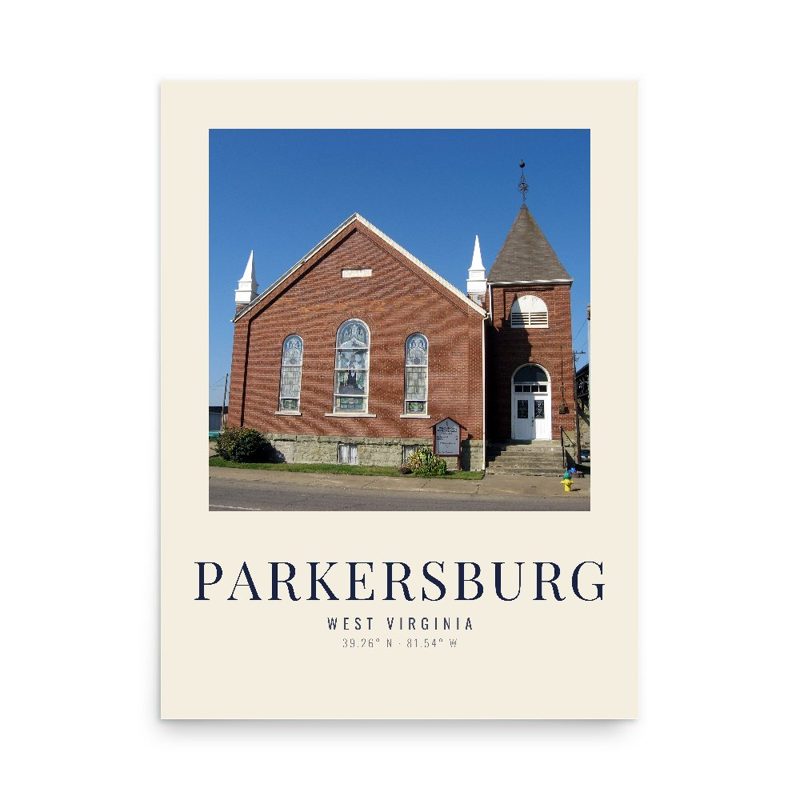
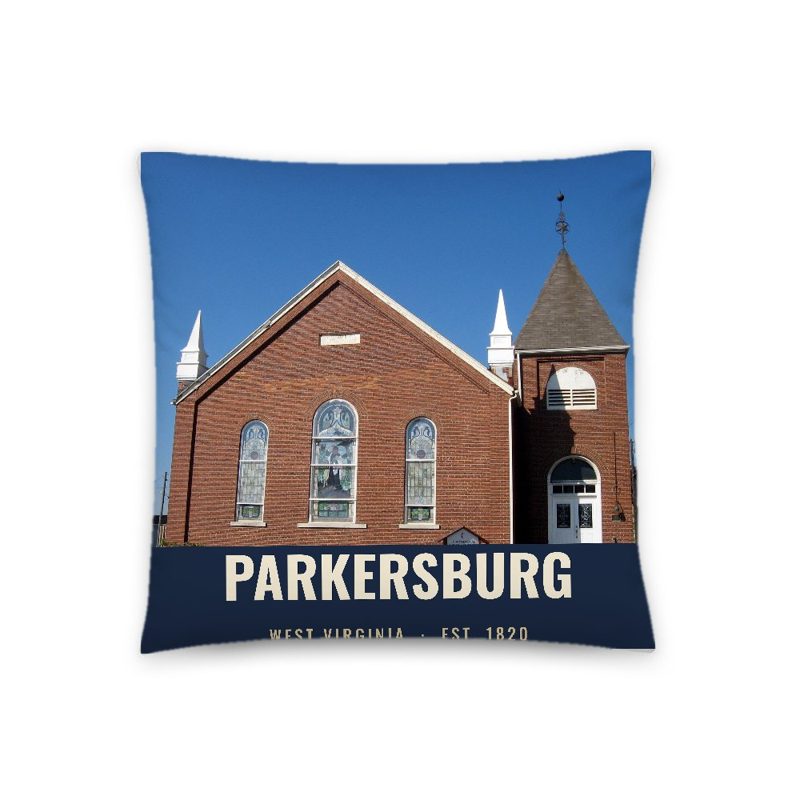
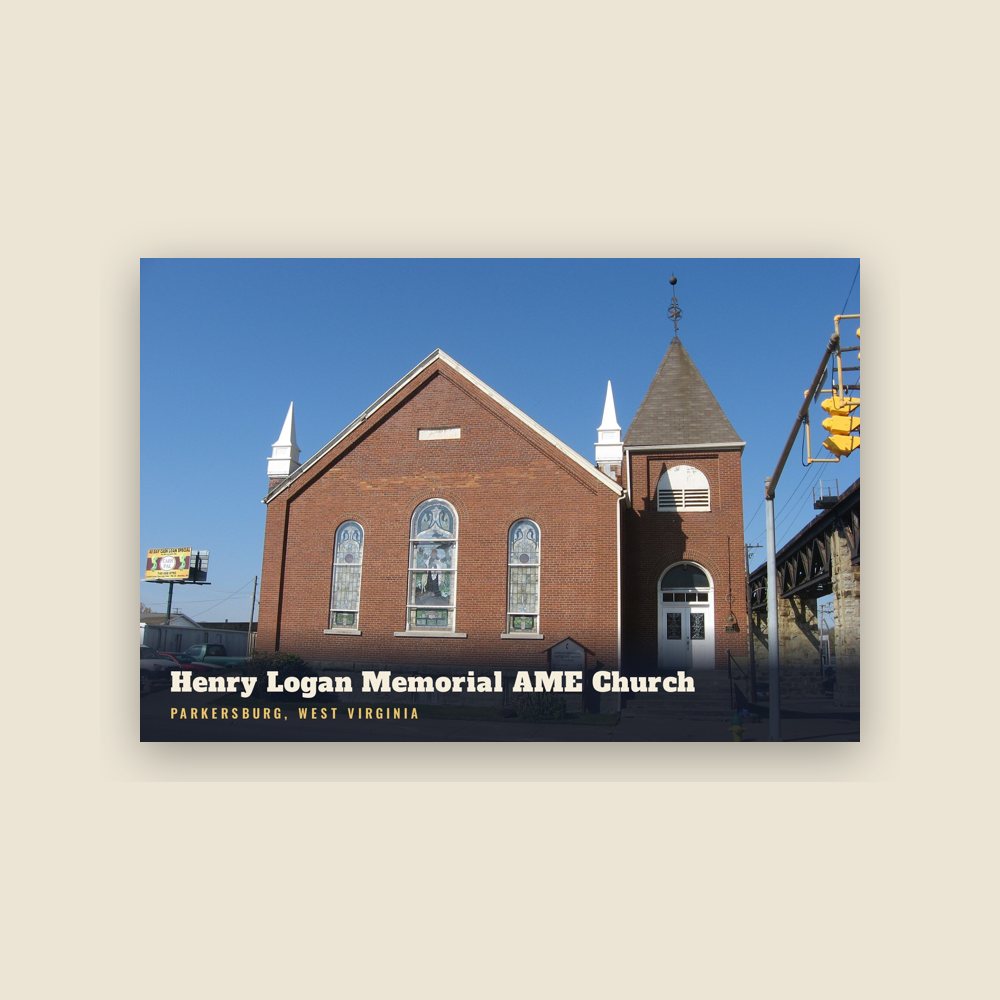
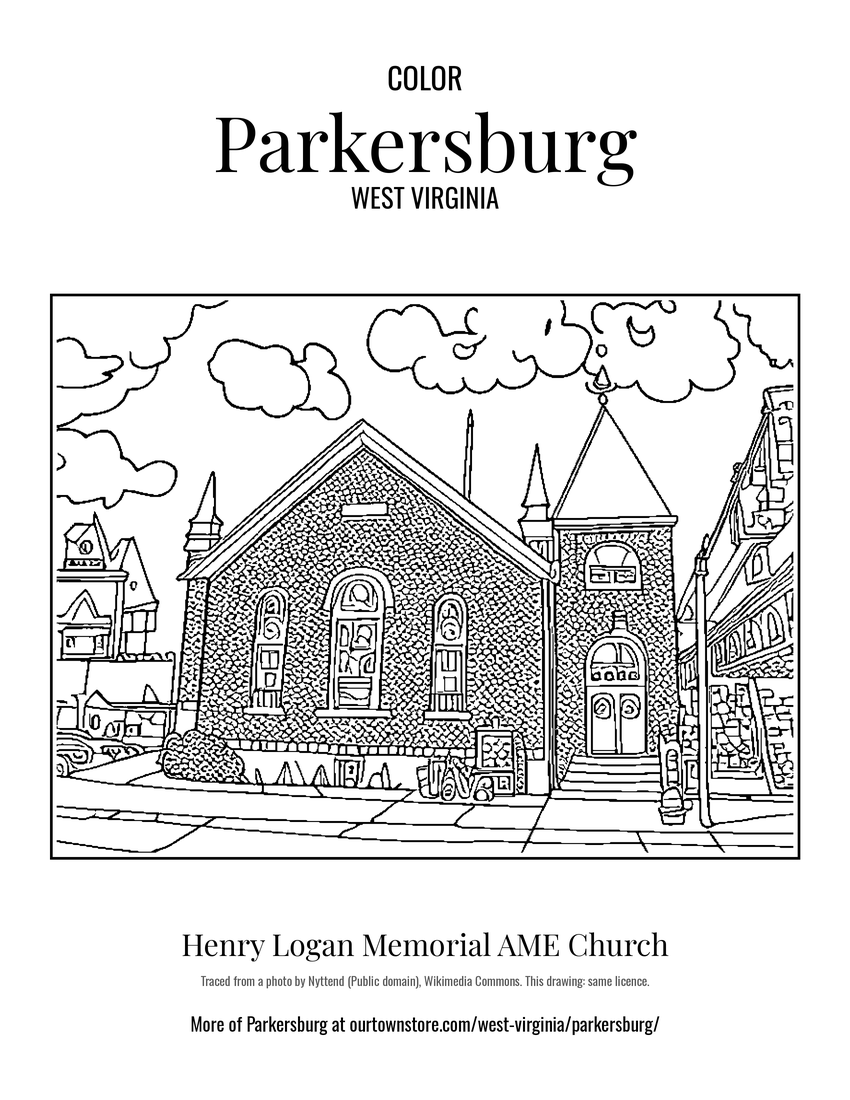 Henry Logan Memorial AME Church