Kanawha County, West Virginia
Street maps, historic prints and keepsakes for 14 Kanawha County towns.
The oldest is St. Albans, established 1868. The largest by population is Charleston (48,864).
| Town | Established | Population |
|---|---|---|
| Belle | 1958 | 1,169 |
| Cedar Grove | 1902 | 718 |
| Charleston | – | 48,864 |
| Chesapeake | 1948 | 1,335 |
| Clendenin | – | 854 |
| Dunbar | – | 7,480 |
| East Bank | 1889 | 822 |
| Glasgow | 1920 | 703 |
| Handley | – | 223 |
| Marmet | 1921 | 1,504 |
| Montgomery | – | 1,275 |
| Pratt | 1905 | 483 |
| South Charleston | 1919 | 13,647 |
| St. Albans | 1868 | 10,861 |
About these towns
Belle: On December 8, 2020, at approximately 10 pm, an explosion occurred at the Optima Chemical Plant in the town, promoting a shelter-in-place to be issued for the town and surrounding areas.
Cedar Grove: Cedar Grove was incorporated in 1902. Its name is derived from the time the town was established, when a large juniper forest, misidentified as cedars by early settlers, was growing at that location.
Charleston: After the American Revolutionary War, pioneers began making their way across the Appalachian Mountains into western Virginia. Virginian militia officer William Morris built the first permanent settlement in the Kanawha Valley, named Fort Morris, in 1773.
Chesapeake: The town is situated on the Kanawha River.
Clendenin: In the 1800s, Clendenin was a small settlement at the confluence of Big Sandy Creek and the Elk River that eventually became a small village named Chilton.
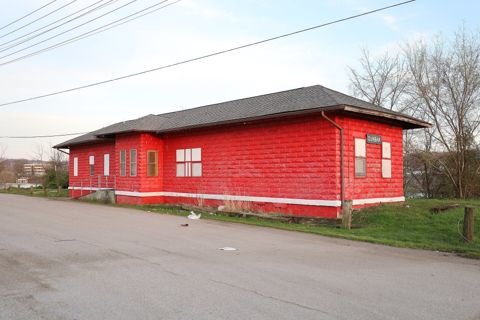
Dunbar: Dunbar was incorporated on April 19, 1921, by an Act of the West Virginia Legislature. Dunbar is on land that was originally occupied by Native Americans with 11 mounds identified in the residential areas.
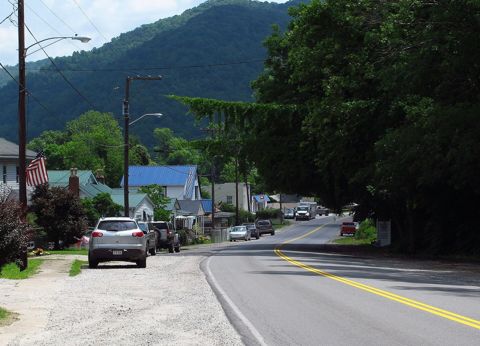
East Bank: East Bank was the site of Cabin Creek District High School, erected in 1912. The first commencement ceremony graduated a class of three.
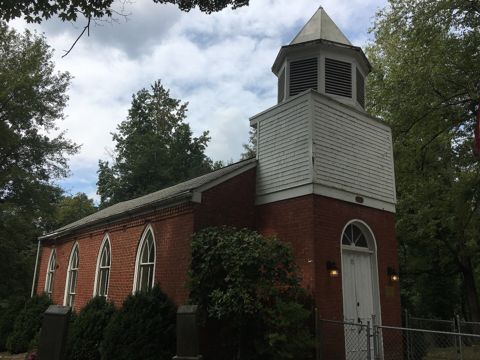
Glasgow: Glasgow was incorporated on June 20, 1920. Folk etymology derives its name from a combination of the word "glass" with the word "company" for a glass factory that was built there many years ago, but the presence of many Scottish immigrants to this part of Appalachia, particularly from the Strathclyde region, indicates that the town was most likely named after…
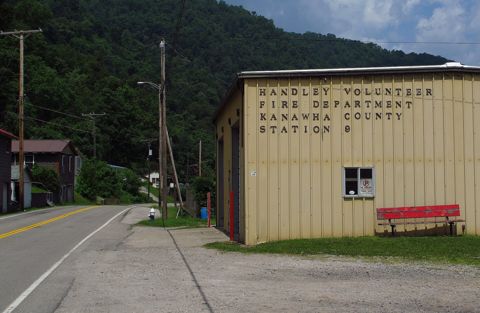
Handley: Handley was first established in 1877 and known as Upper Creek until July 29, 1881, when its name was changed to Handley for pioneer settlers who farmed the area.
Marmet: Marmet was originally named Elizaville after the wife of Leonard Morris, who first settled here in 1773 and founded the town in 1780.
Montgomery: From 1876 to 1890, the town was called Coal Valley Post Office. The name then changed to Montgomery's Landing, then to Coal Valley.
Pratt: Until its incorporation in 1905, the town was known as Clifton. It was renamed Pratt after the owner of the Charles Pratt Coal Company, Charles Pratt.
South Charleston: Leonidas Henrie Oakes Sr. (1843–1894) was a member of the West Virginia State Legislature. His son, Leonidas Henrie Oakes Jr. (1873–1949) was the mayor of South Charleston for many years.
St. Albans: St. Albans was laid out in 1816. Originally, it was known as Philippi, after Philip Thompson, an early settler, the name afterwards being changed to Coalsmouth due to the city's proximity to the mouth of the Coal River.
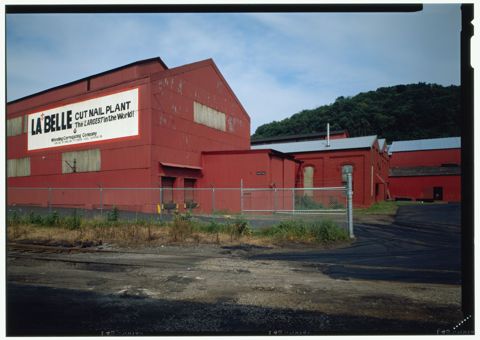 BelleWest Virginia · Est. 1958
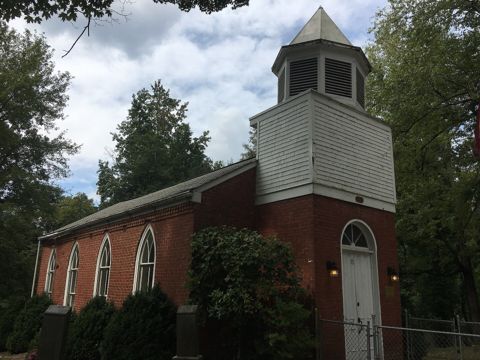 Cedar GroveWest Virginia · Est. 1902
 CharlestonWest Virginia
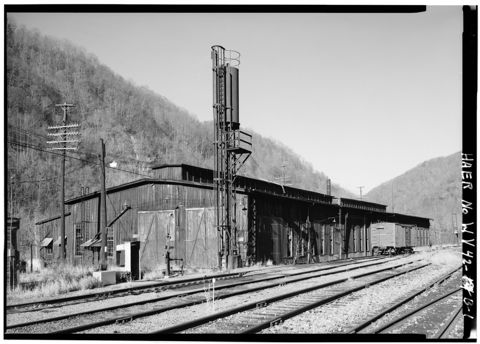 ChesapeakeWest Virginia · Est. 1948
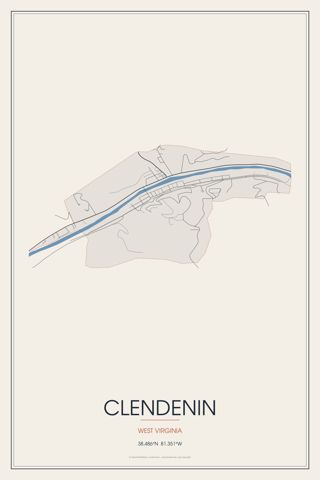 ClendeninWest Virginia
 DunbarWest Virginia
 East BankWest Virginia · Est. 1889
 GlasgowWest Virginia · Est. 1920
 HandleyWest Virginia
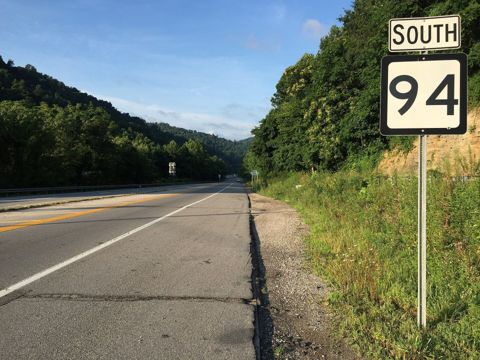 MarmetWest Virginia · Est. 1921
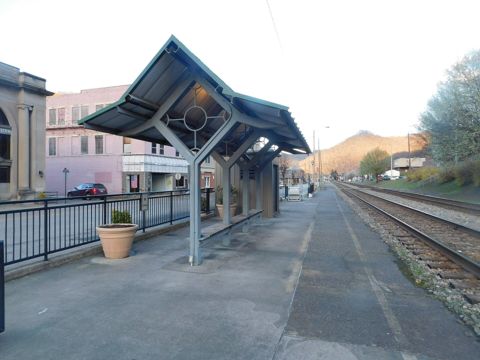 MontgomeryWest Virginia
 PrattWest Virginia · Est. 1905
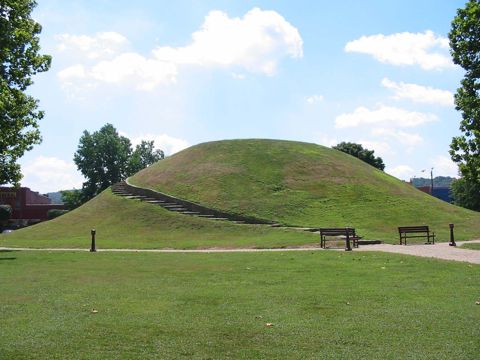 South CharlestonWest Virginia · Est. 1919
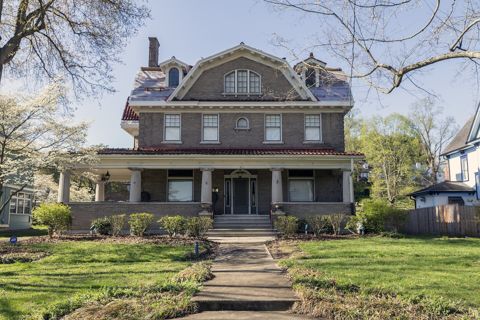 St. AlbansWest Virginia · Est. 1868
Founding years, populations and town notes come from each town's Wikipedia and Wikidata entries. All West Virginia towns.