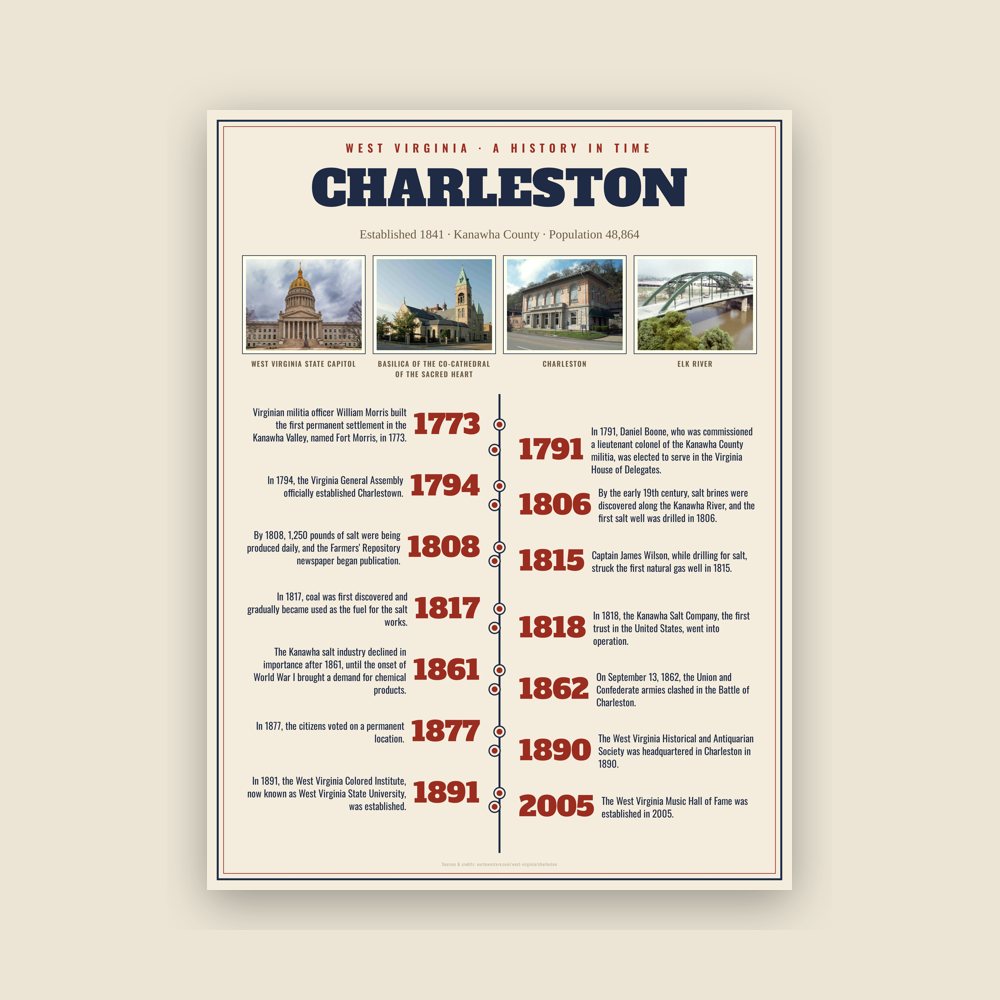
After the American Revolutionary War, pioneers began making their way across the Appalachian Mountains into western Virginia. Virginian militia officer William Morris built the first permanent settlement in the Kanawha Valley, named Fort Morris, in 1773. It was about 20 mi (32 km) upstream of modern Charleston, at the confluence of Kellys Creek, and was used extensively during the American Revolution.
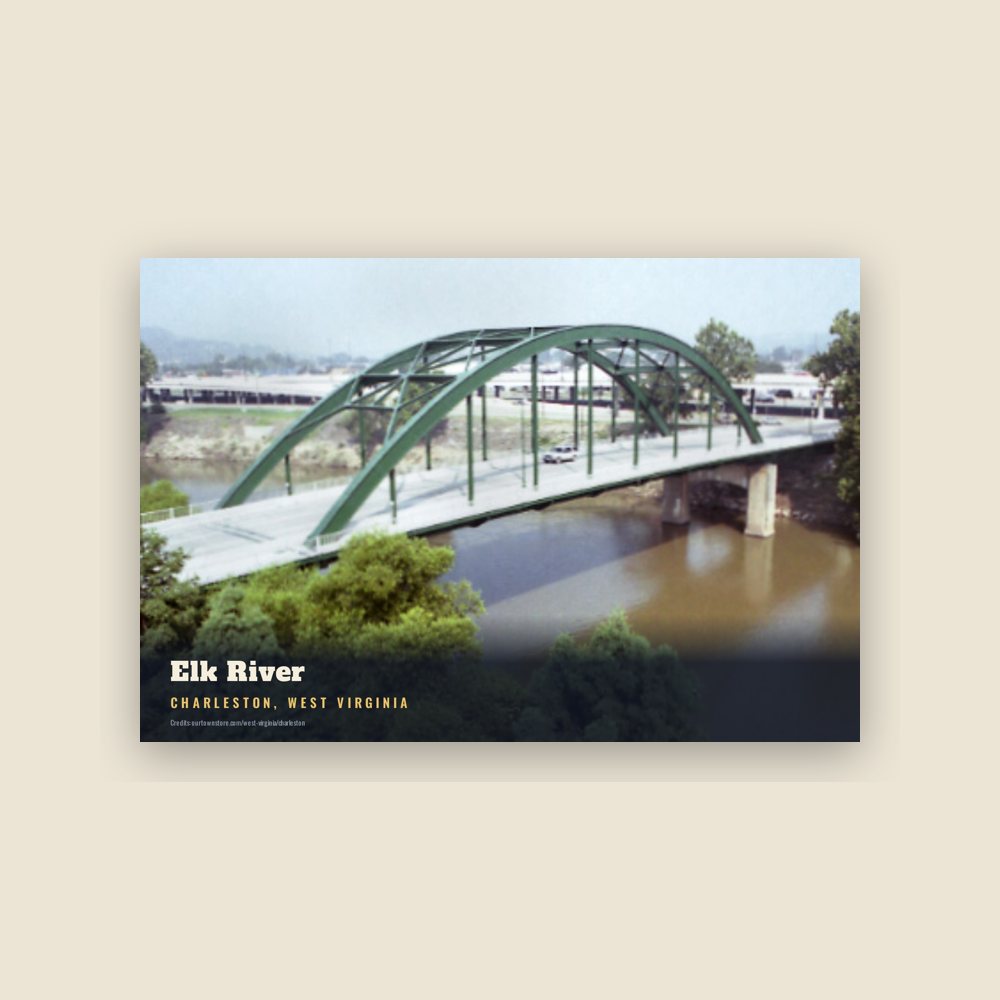
Thomas Bullitt was deeded 1,250 acres (5 km2) of land near the mouth of the Elk River in 1773. It was inherited by his brother, Cuthbert Bullitt, upon his death in 1778, and sold to Colonel George Clendenin in 1786. Clendenin and his company of Virginia Rangers built the first permanent settlement, Fort Lee, in 1787. This structure occupied the area that is now the intersection of Brooks Street and Kanawha Boulevard. Historical conjecture indicates that Charleston is named after Clendenin's father, Charles. In 1794, the Virginia General Assembly officially established Charlestown. On the 40 acres (160,000 m2) that made up the town in 1794, 35 people inhabited seven houses.
In 1791, Daniel Boone, who was commissioned a lieutenant colonel of the Kanawha County militia, was elected to serve in the Virginia House of Delegates. Boone supposedly walked all the way to Richmond, the state capital. He served alongside Major William Morris Jr, representing Kanawha.
Read the full history
19th century growth
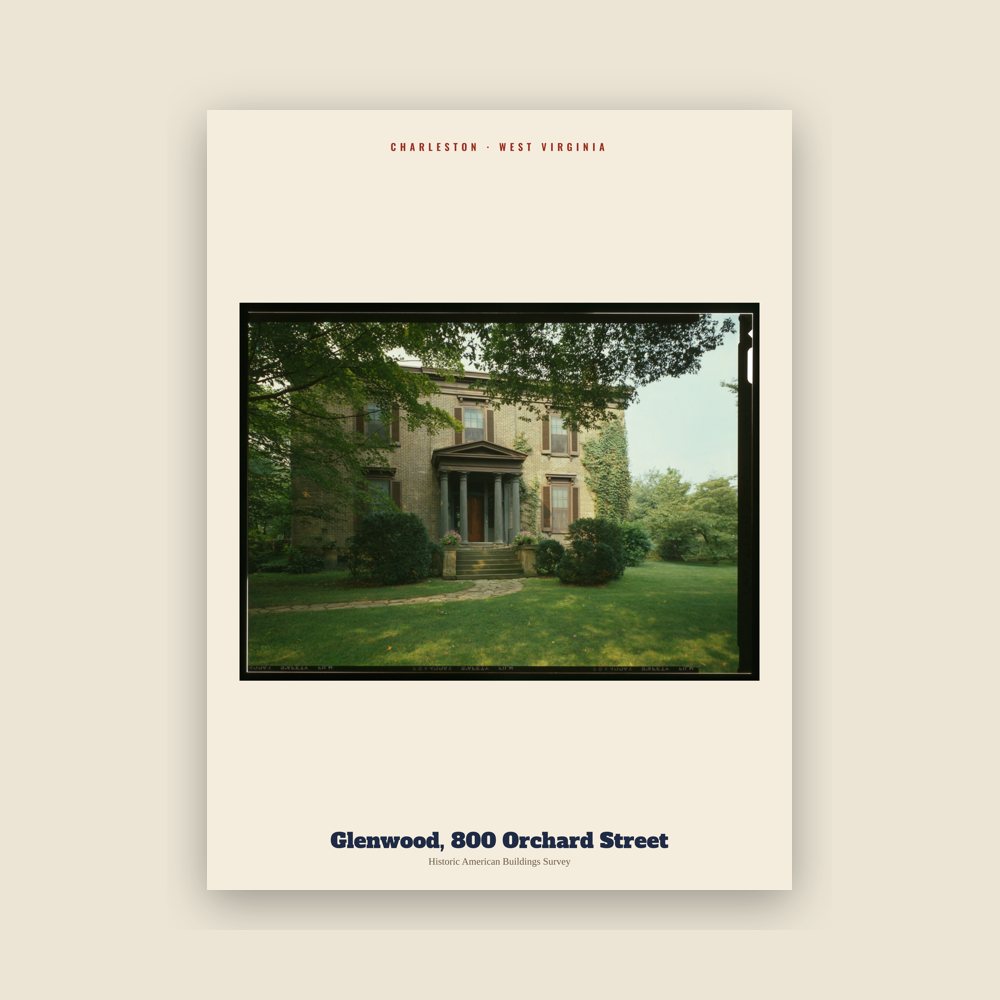
By the early 19th century, salt brines were discovered along the Kanawha River, and the first salt well was drilled in 1806. This created great economic growth in the area. By 1808, 1,250 pounds of salt were being produced daily, and the Farmers' Repository newspaper began publication. An area adjacent to Charleston, Kanawha Salines (now Malden), became the world's top salt producer. Brine was heated over open flames, causing the water to evaporate and leaving a residue of salt crystals. Much of the work was done by enslaved peoples. Historian Cyrus Forman estimated that at the height of production as many as 3,000 slaves worked at more than 60 salt furnaces, which operated 24 hours a day, seven days a week. The Holly Grove Mansion was established during this period. In 1818, the Kanawha Salt Company, the first trust in the United States, went into operation. In the same year, "Charlestown" was shortened to "Charleston" to avoid confusion with another Charles Town in eastern West Virginia, named after George Washington's brother, Charles Washington. A lyceum was established around 1841.
Captain James Wilson, while drilling for salt, struck the first natural gas well in 1815. It was drilled at the site that is now the junction of Brooks Street and Kanawha Boulevard (near the present-day state capitol complex). In 1817, coal was first discovered and gradually became used as the fuel for the salt works. The Kanawha salt industry declined in importance after 1861, until the onset of World War I brought a demand for chemical products. The chemicals needed were chlorine and sodium hydroxide, which could be made from salt brine.
The town continued to grow until the Civil War began in 1861. After the Virginia Secession Convention of 1861 and a referendum, Virginia seceded from the Union. But Charleston, like much of western Virginia, was divided in loyalty between the Union and the Confederacy. On September 13, 1862, the Union and Confederate armies clashed in the Battle of Charleston. The Confederates won, but could not hold the area for long. Union soldiers returned in force six weeks later and retook the city. Charleston remained under Union control for the remainder of the war.
In addition to the dispute over slavery, the North wanted to separate West Virginia from the rest of the state for economic reasons. The heavy industries in the North, particularly the steel business of the upper Ohio River region, depended on coal from western Virginia mines. Federal units from Ohio marched into western Virginia early in the war solely to capture the mines and control transportation in the area. The Wheeling Convention of 1861 declared the Ordinance of Succession, and the Confederate state government in Richmond, illegal and void, and formed the Unionist Restored Government of Virginia. The Restored Government and the United States Congress approved the formation of the state of West Virginia, which was admitted on June 20, 1863, as the 35th state, and the Restored Government of Virginia moved to Alexandria.
Choosing the state capital proved difficult. For several years, the capital moved between Wheeling and Charleston. In 1877, the citizens voted on a permanent location. Charleston received 41,243 votes, Clarksburg 29,442, and Martinsburg 8,046; Wheeling was not considered. Eight years later the state capitol opened in Charleston.
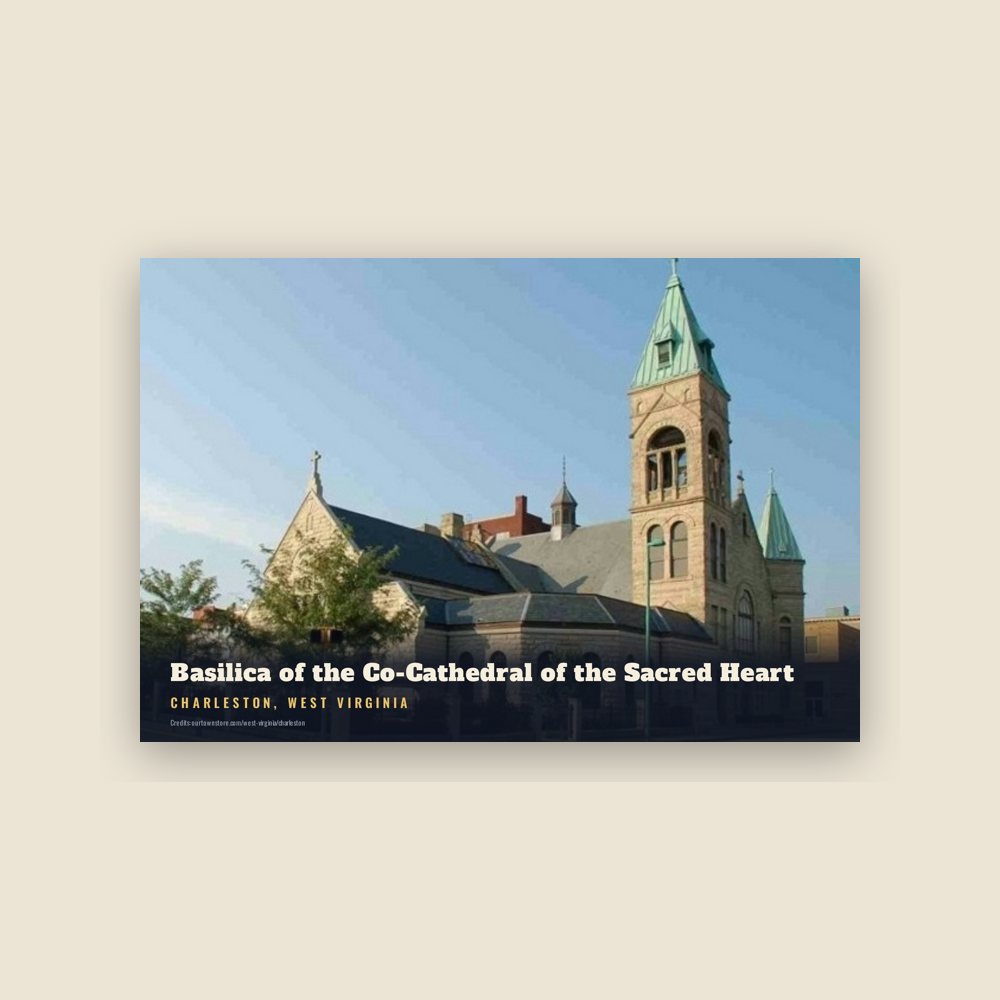
The West Virginia Historical and Antiquarian Society was headquartered in Charleston in 1890. In 1891, the West Virginia Colored Institute, now known as West Virginia State University, was established. The next year, Capitol City Commercial College was founded. Charleston's Basilica of the Co-Cathedral of the Sacred Heart was completed in 1897.
20th century
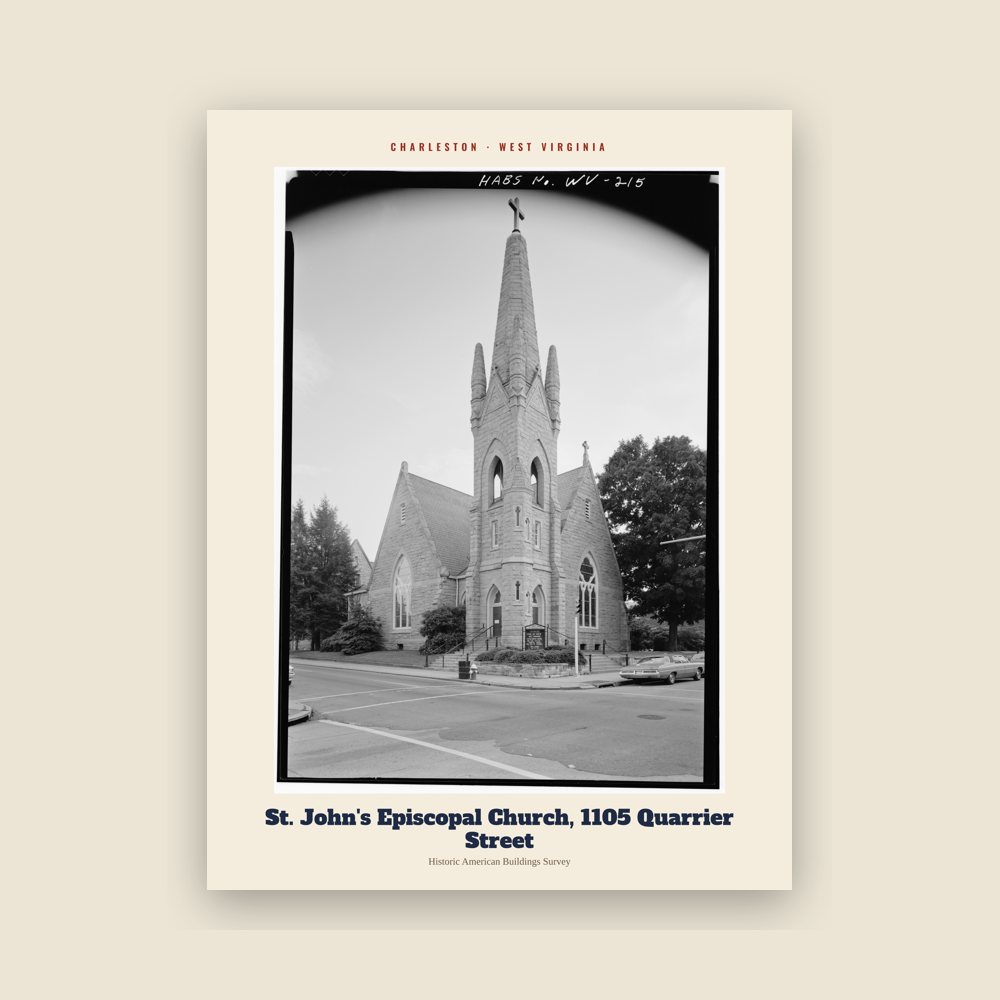
Charleston became the center of state government. Natural resources, such as coal and natural gas, along with railroad expansion, also contributed to growth. New industries such as chemical, glass, timber and steel migrated to the state, attracted by the area's natural resources. The city established a chamber of commerce in 1900. There was a large amount of new construction in Charleston during this period. A number of those buildings, including churches and office buildings, still stand in the heart of downtown along and bordering Capitol Street. The State Bureau of Archives and History was established in 1905, and the Charleston Public Library was established in 1909.
The city's first chemical manufacturer began operation in 1913. Three years later, the Libbey-Owens-Ford glass manufactory was built, as well as Charleston High School. Another large manufacturer, Owens Bottle Company, opened in 1917. Charleston City Hall was built in 1921. In the same year, a fire at the capitol building resulted in a new, hastily built structure being opened, but it too burned down in 1927. A Capitol Building Commission, created by the legislature in 1921, authorized construction of the present capitol. Architect Cass Gilbert designed the buff-colored Indiana limestone structure in the Italian Renaissance style, with a final cost of just under $10 million. After the three stages of construction were completed, Governor William G. Conley dedicated the West Virginia State Capitol on June 20, 1932. Charleston Municipal Airport was established in 1909. In 1934, the city library expanded to become the Kanawha County Public Library system. In 1935, Morris Harvey College relocated to Charleston from Barboursville, West Virginia.
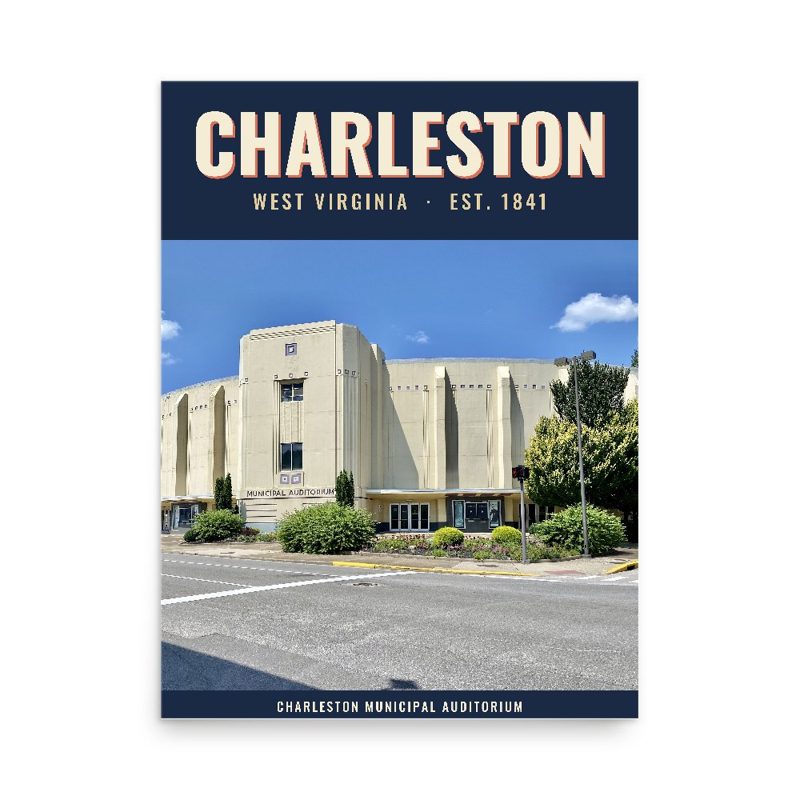
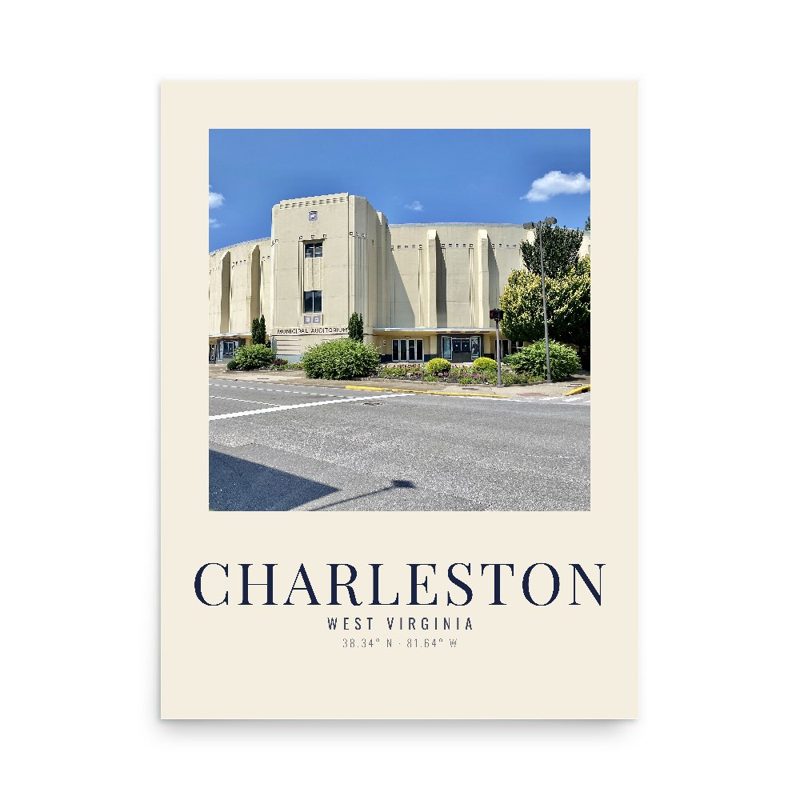
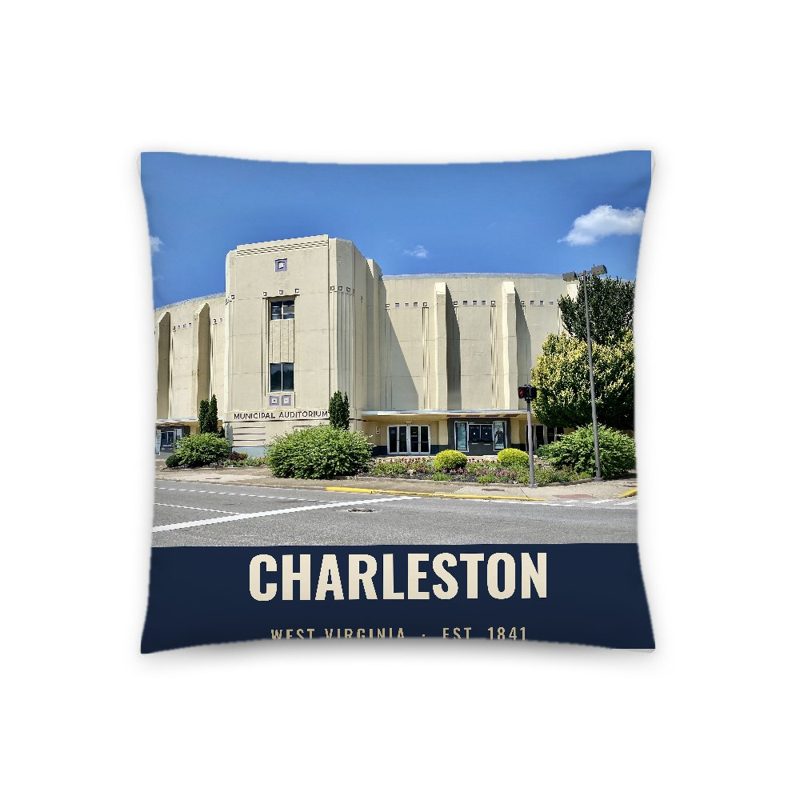
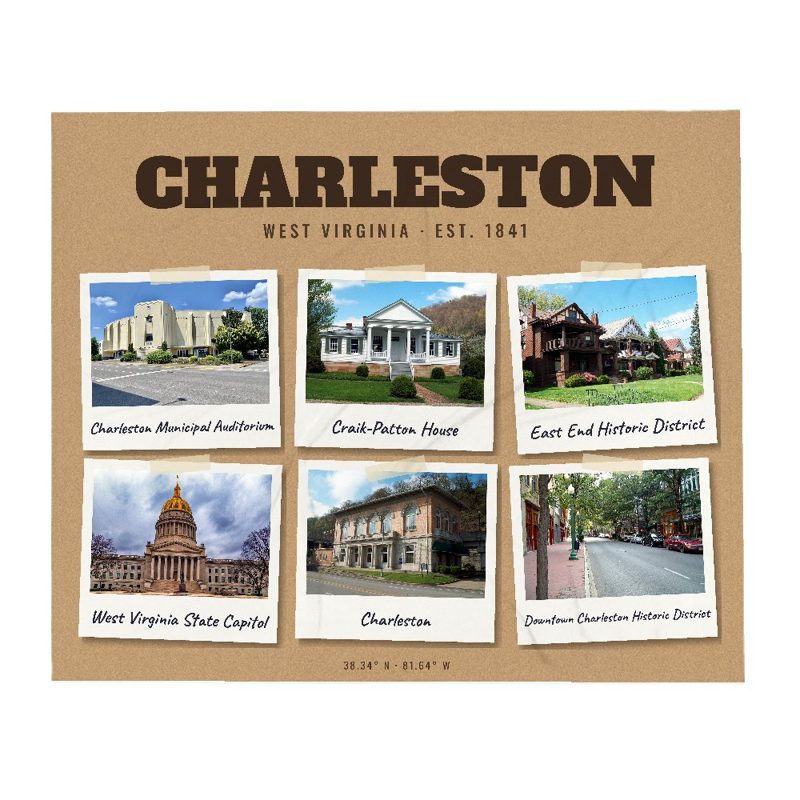
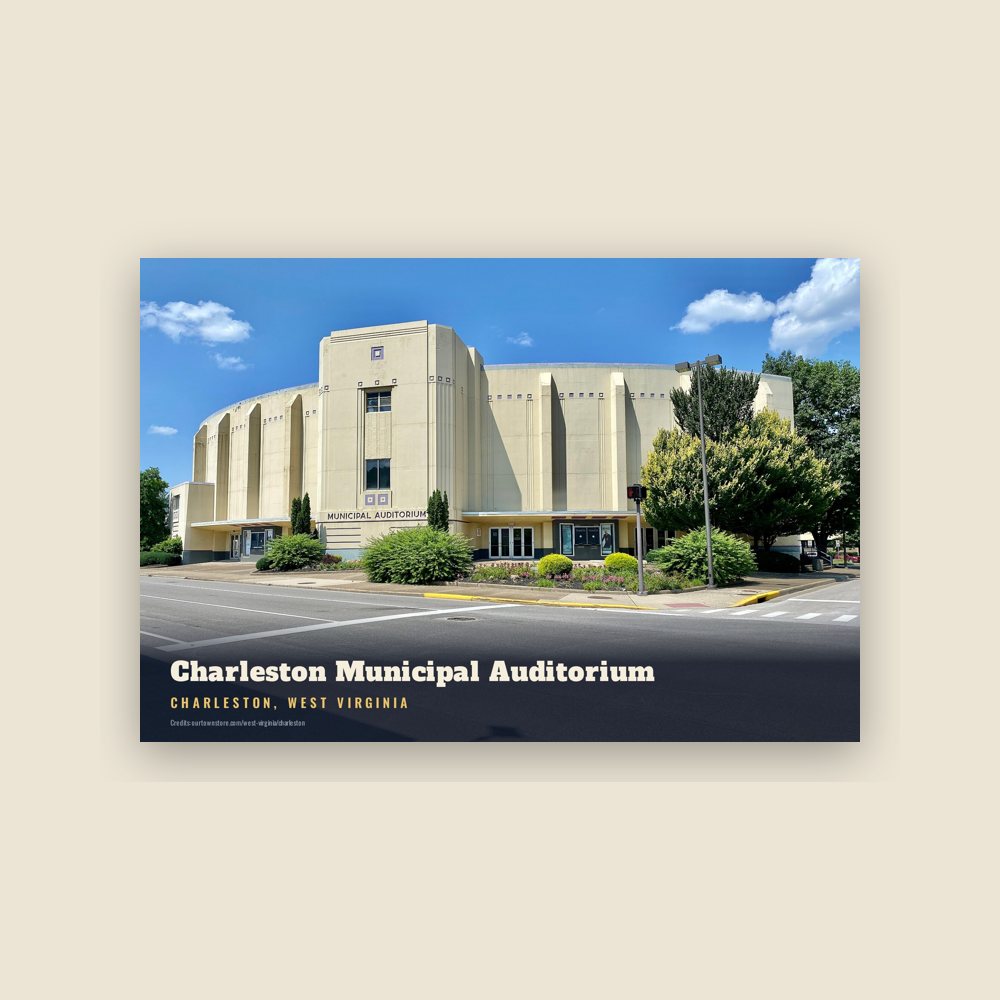
Charleston Municipal Auditorium was completed in 1939. During World War II, the first and largest styrene-butadiene plant in the U.S. opened in nearby Institute, providing a replacement for rubber to the war effort. After the war ended, Charleston was on the brink of some significant construction. One of the first during this period was Kanawha Airport (now Yeager Airport, named after General Chuck Yeager). Built in 1947, the construction encompassed clearing 360 acres (1.5 km2) on three mountaintops and moving more than nine million cubic yards of earth. Kanawha Boulevard, a riverfront four-lane road, was also built in the early 1940s. The Charleston Civic Center opened in 1959. Charleston began to be integrated into the Interstate Highway System in the 1960s when three major interstate systems—I-64, I-77 and I-79 were designated, all converging in Charleston. In 1961, the Kanawha River flooded much of the lower-lying parts of Charleston. In 1973, Morris Harvey College was renamed to be the University of Charleston.
In 1983, the Charleston Town Center opened its doors downtown. It was the largest urban-based mall east of the Mississippi River, featuring three stories of shops and eateries. Downtown revitalization began in earnest in the late 1980s. Funds were set aside for streetscaping as Capitol and Quarrier streets saw new building facades, trees along the streets, and brick walkways installed. For a time, the opening of the Charleston Town Center Mall had a somewhat negative impact on the main streets of downtown Charleston, as many businesses closed and relocated into the mall. Also in 1983, West Virginia Public Radio launched a live-performance radio program statewide called Mountain Stage. What began as a live, monthly statewide broadcast went on to national distribution in 1986 through National Public Radio and around the world on the Voice of America satellite service.
The Robert C. Byrd Federal Building, Haddad Riverfront Park, and Capitol Market are just a few of the new developments that have helped growth in the downtown area during the 1990s. Charleston launched its city website in 1998.
21st century
2003 marked the opening of the Clay Center for the Arts & Sciences. The center includes the Maier Foundation Performance Hall, the Walker Theatre, the Avampato Discovery Museum and the Juliet Art Museum. Also on site is the ElectricSky Theater, a 175-seat combination planetarium and dome-screen cinema. Movies shown at the theatre include educational large format (70 mm) presentations and are often seen in similar Omnimax theatres. Planetarium shows are staged as a combination of pre-recorded and live presentations. The West Virginia Music Hall of Fame was established in 2005.
Many festivals and events were also incorporated into the calendar, including Multifest, Vandalia Festival, a July 4 celebration with fireworks at Haddad Riverfront Park, and the already popular Sternwheel Regatta, which was founded in 1970, provided a festive atmosphere for residents to enjoy. In 2005 FestivALL Charleston was established and has grown into a ten-day festival offering a variety of performances, events and exhibits in music, dance, theatre, visual arts and other entertainments.
Charleston has one central agency for its economic development efforts, the Charleston Area Alliance. The Alliance works with local public officials and the private sector to build the economy of the region and revitalize its downtown. Charleston also has an economic and community development organization focused on the East End and West Side urban neighborhood business districts, Charleston Main Streets.
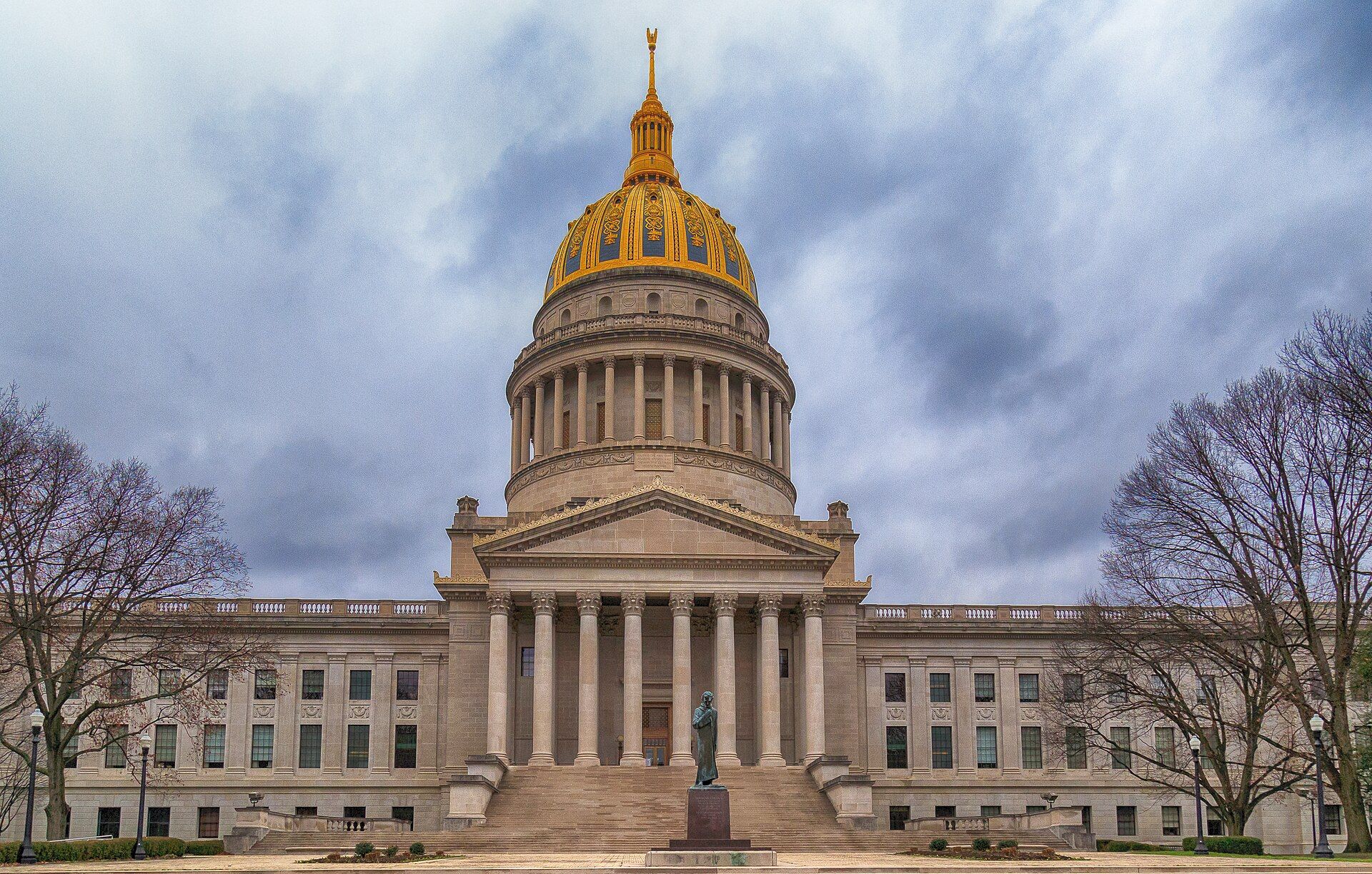
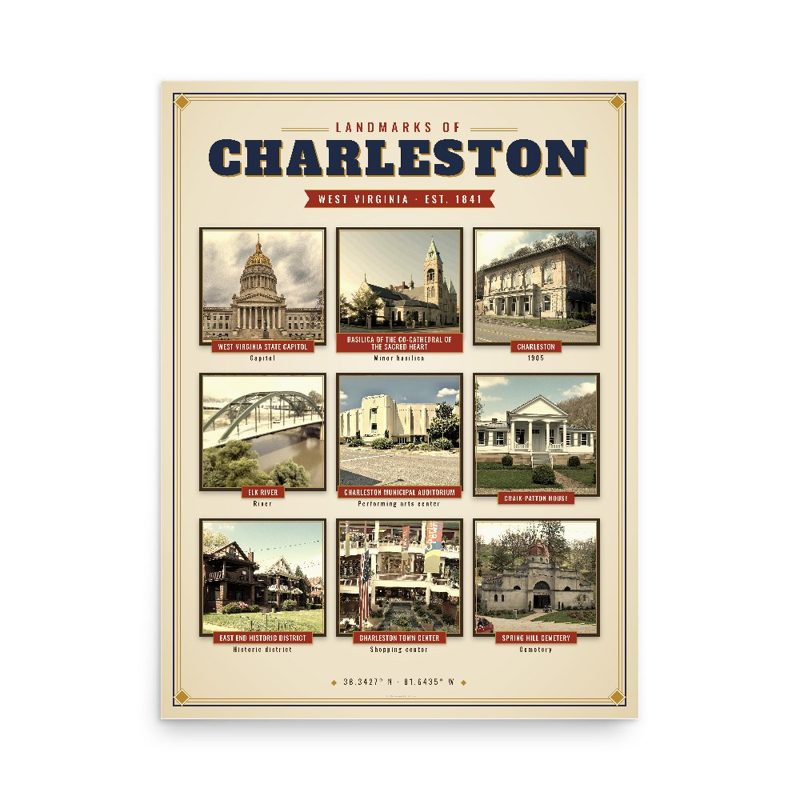
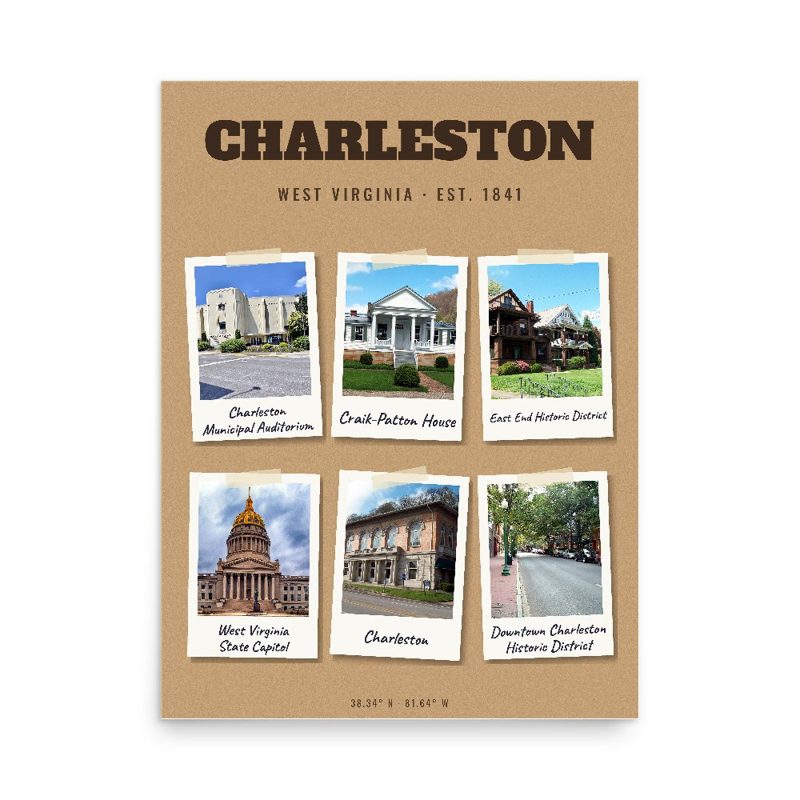
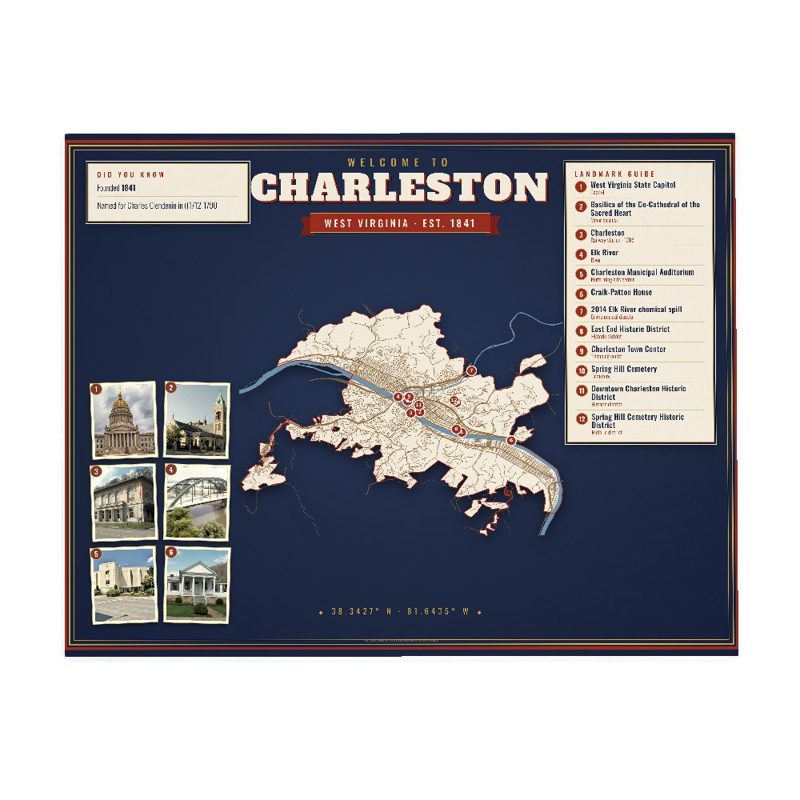



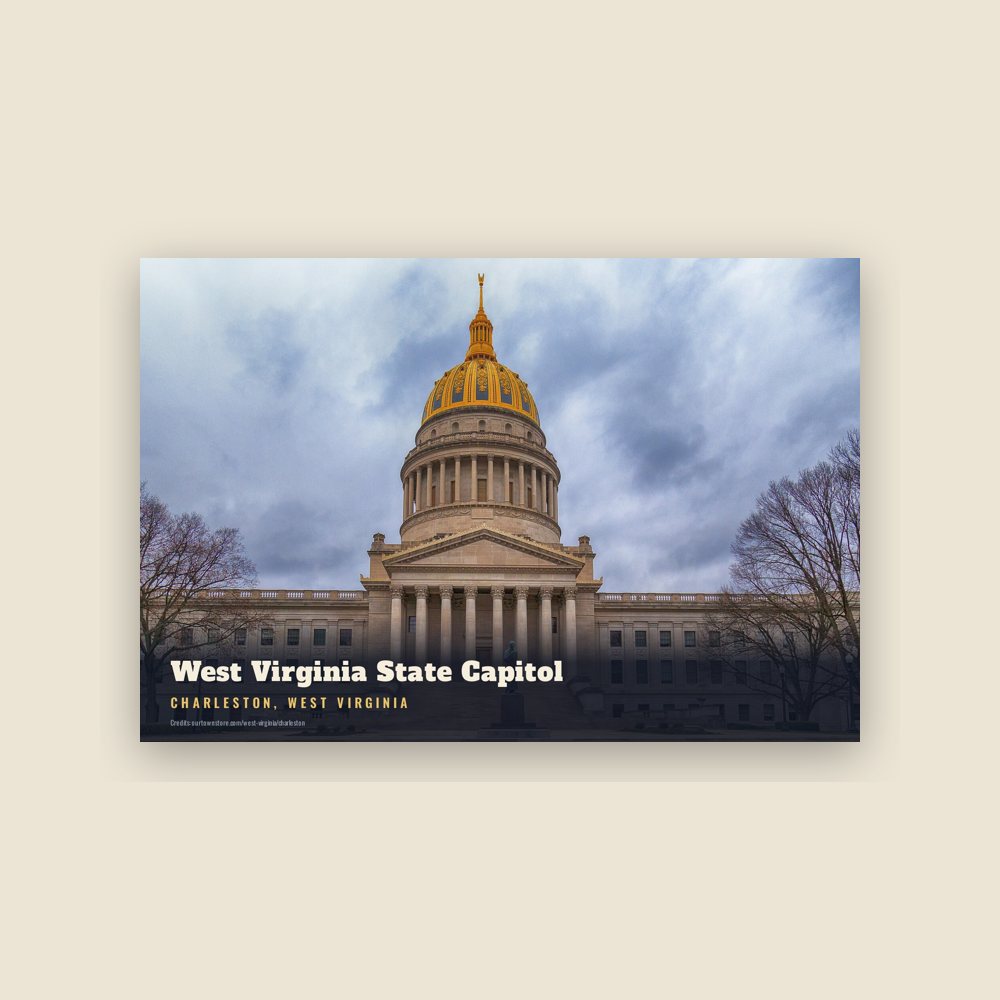
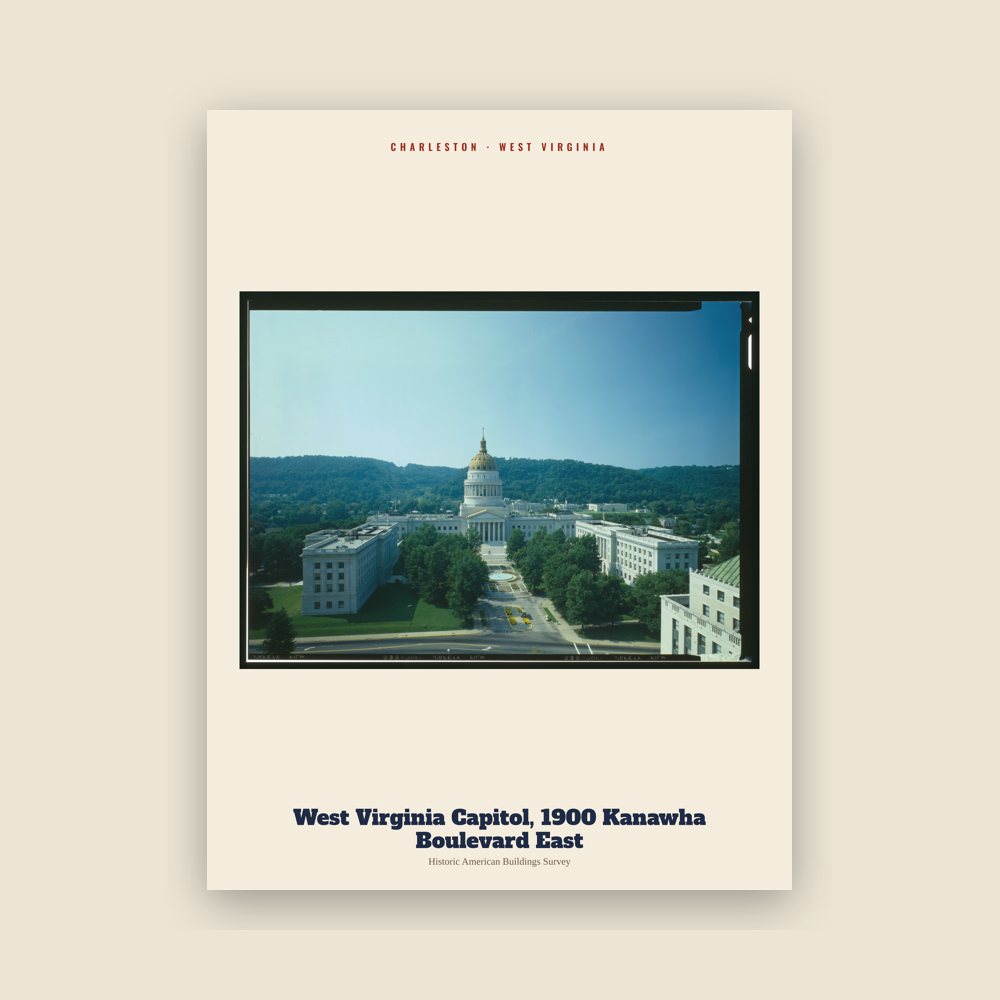
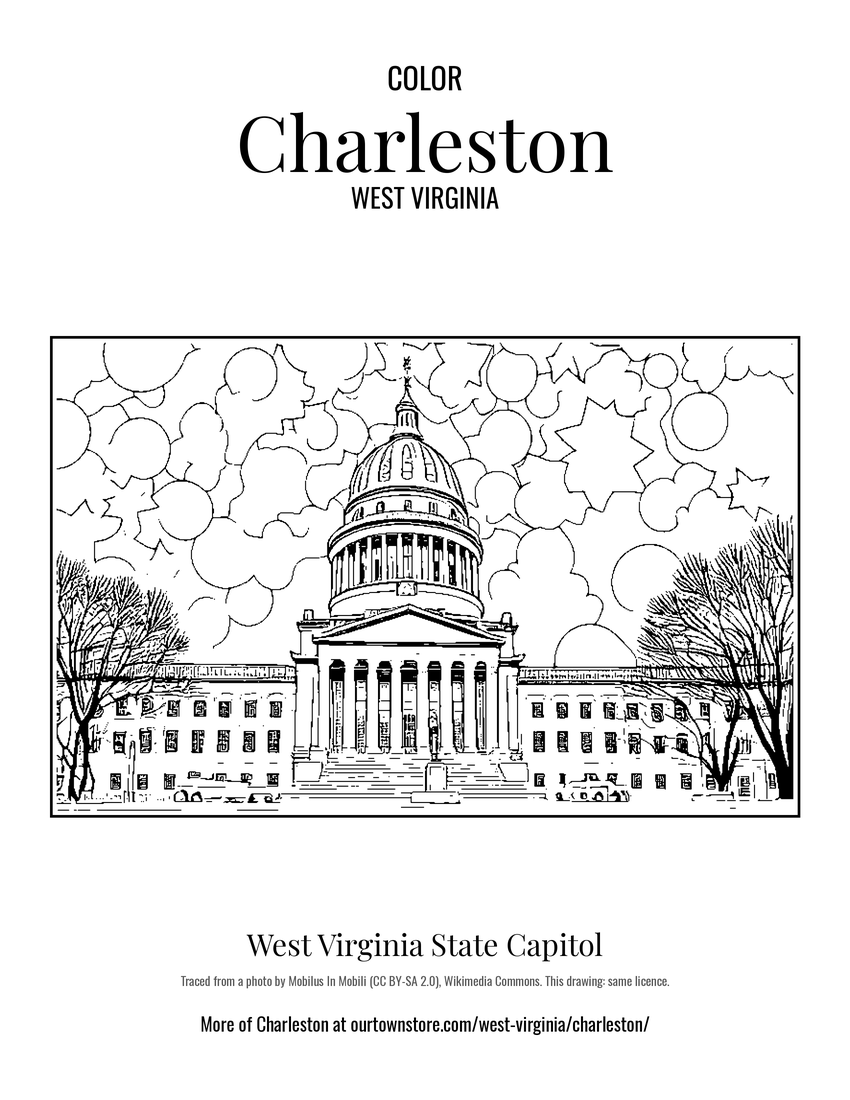 West Virginia State Capitol
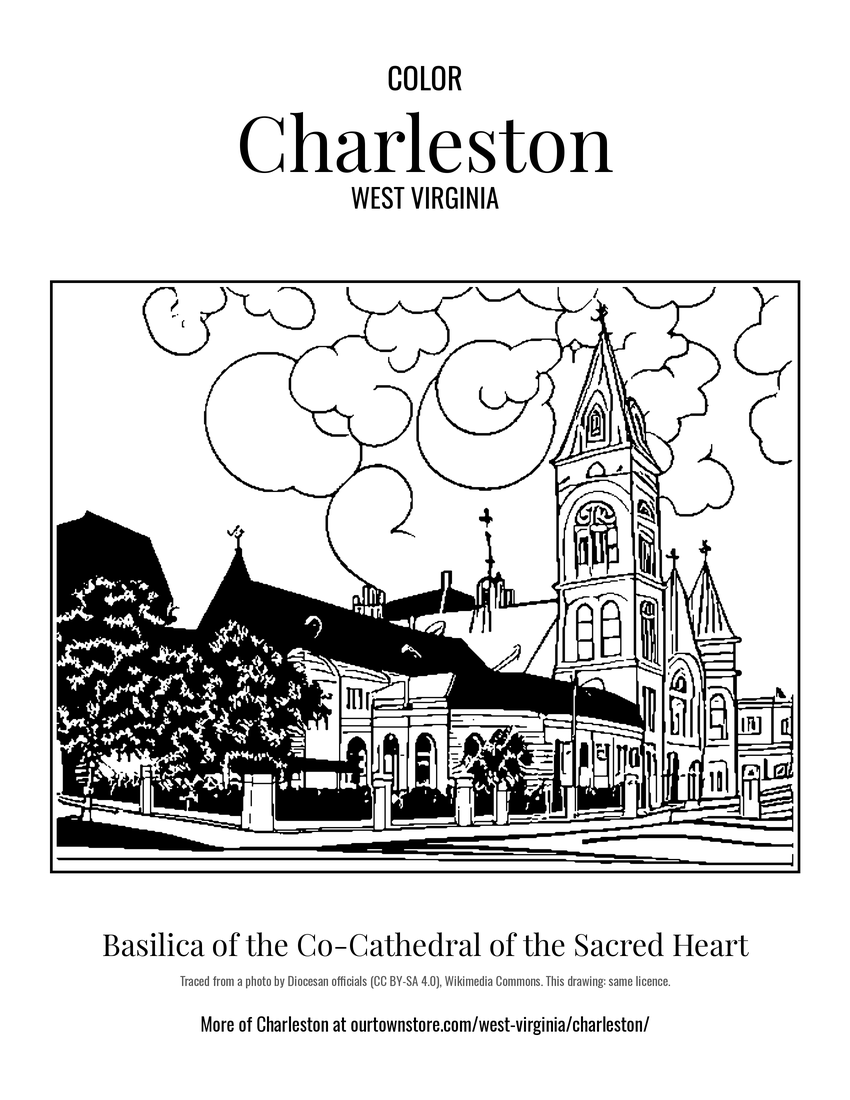 Basilica of the Co-Cathedral of the Sacred Heart
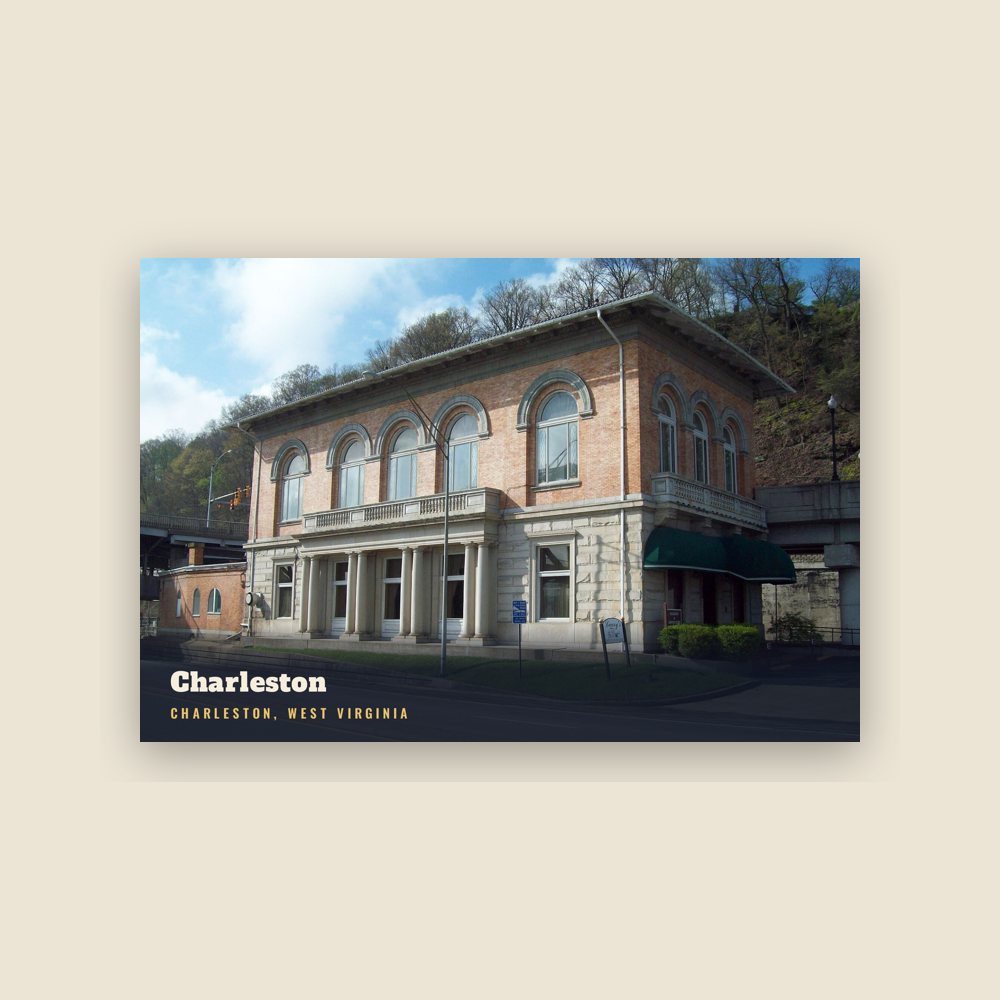
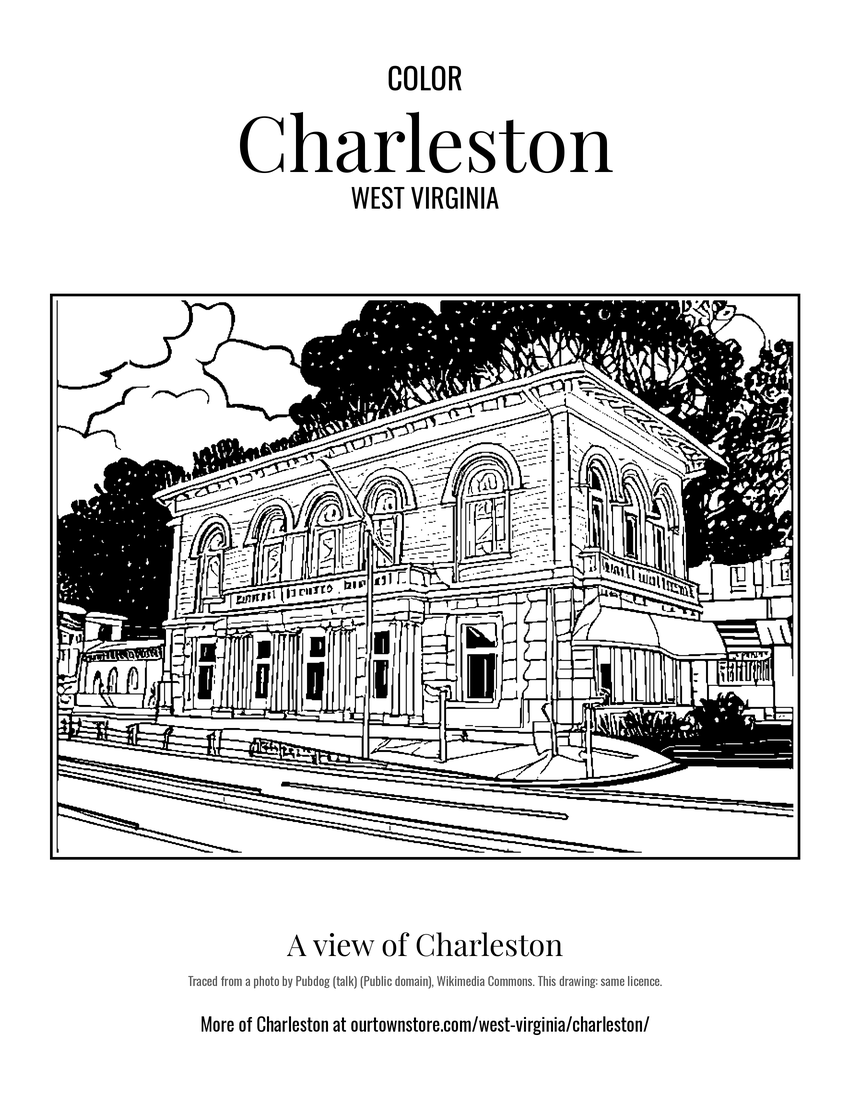 A view of Charleston
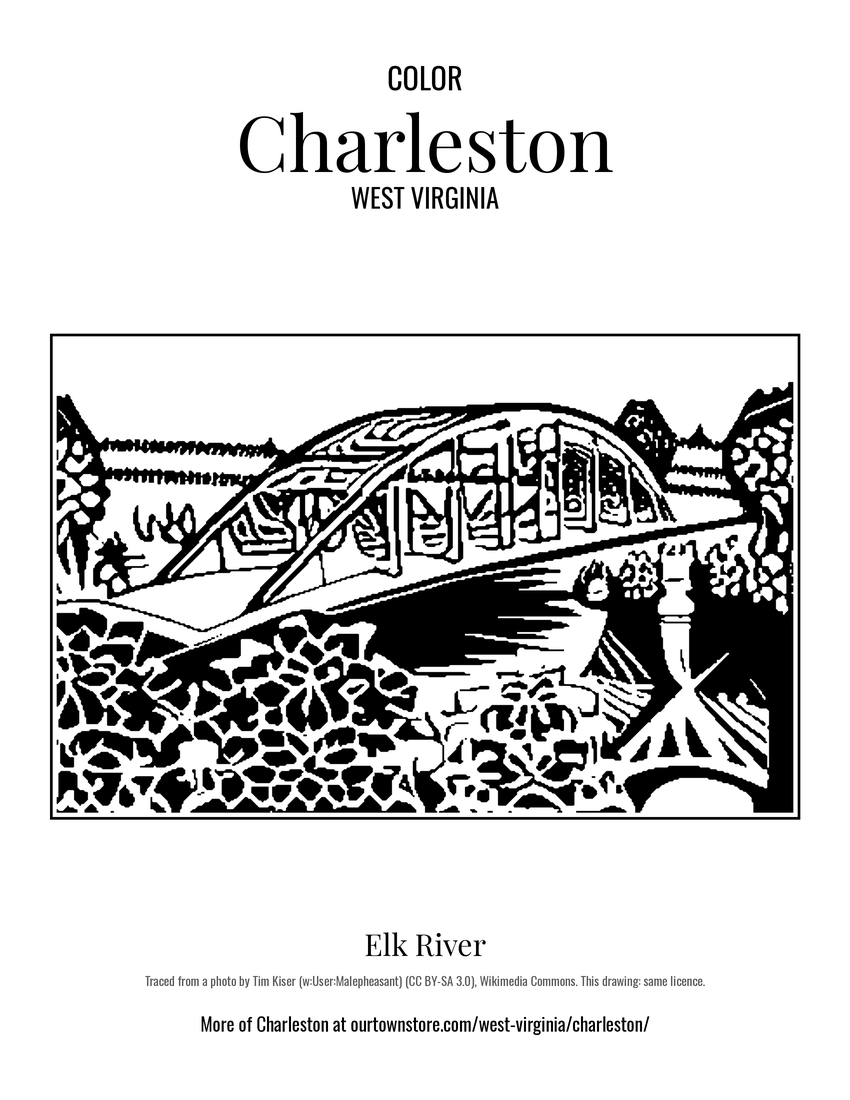 Elk River