A short history of Waitsburg
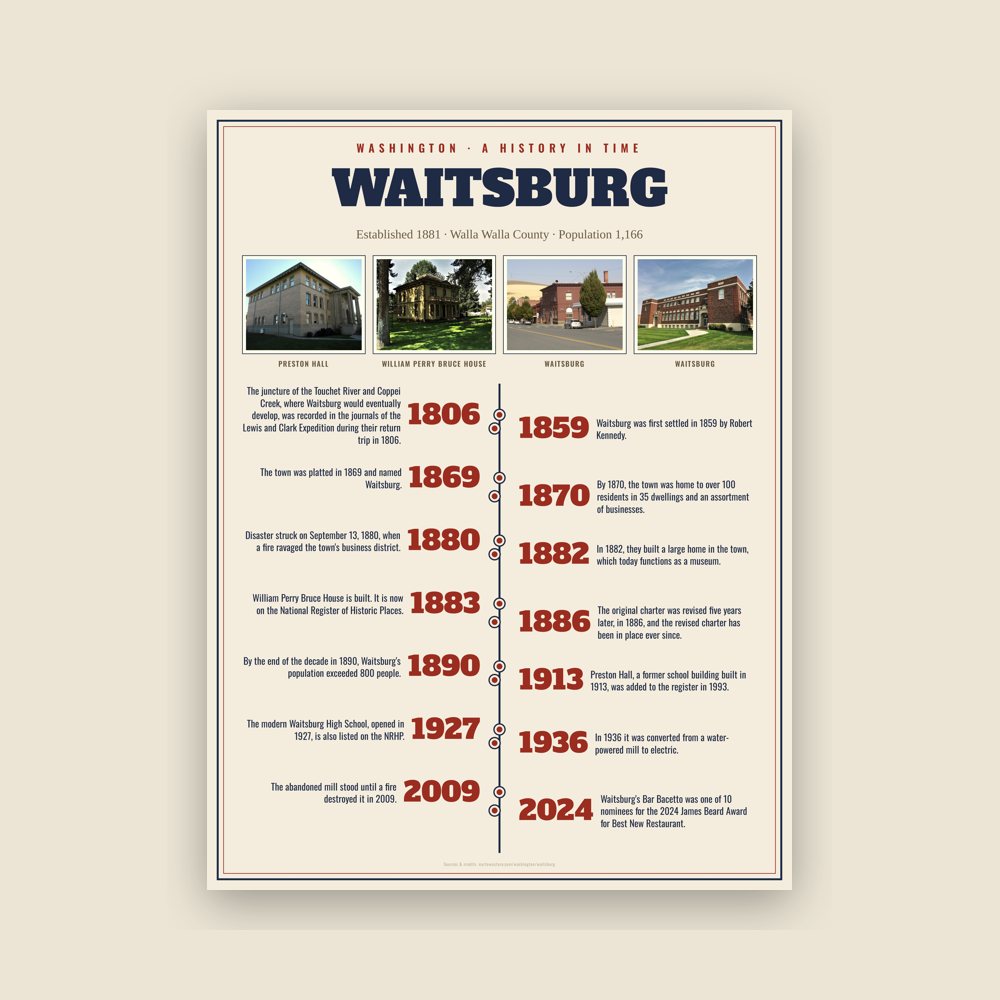
Prior to settlement by European American pioneers, the area that is now Waitsburg was home to the Palouse people. The juncture of the Touchet River and Coppei Creek, where Waitsburg would eventually develop, was recorded in the journals of the Lewis and Clark Expedition during their return trip in 1806.
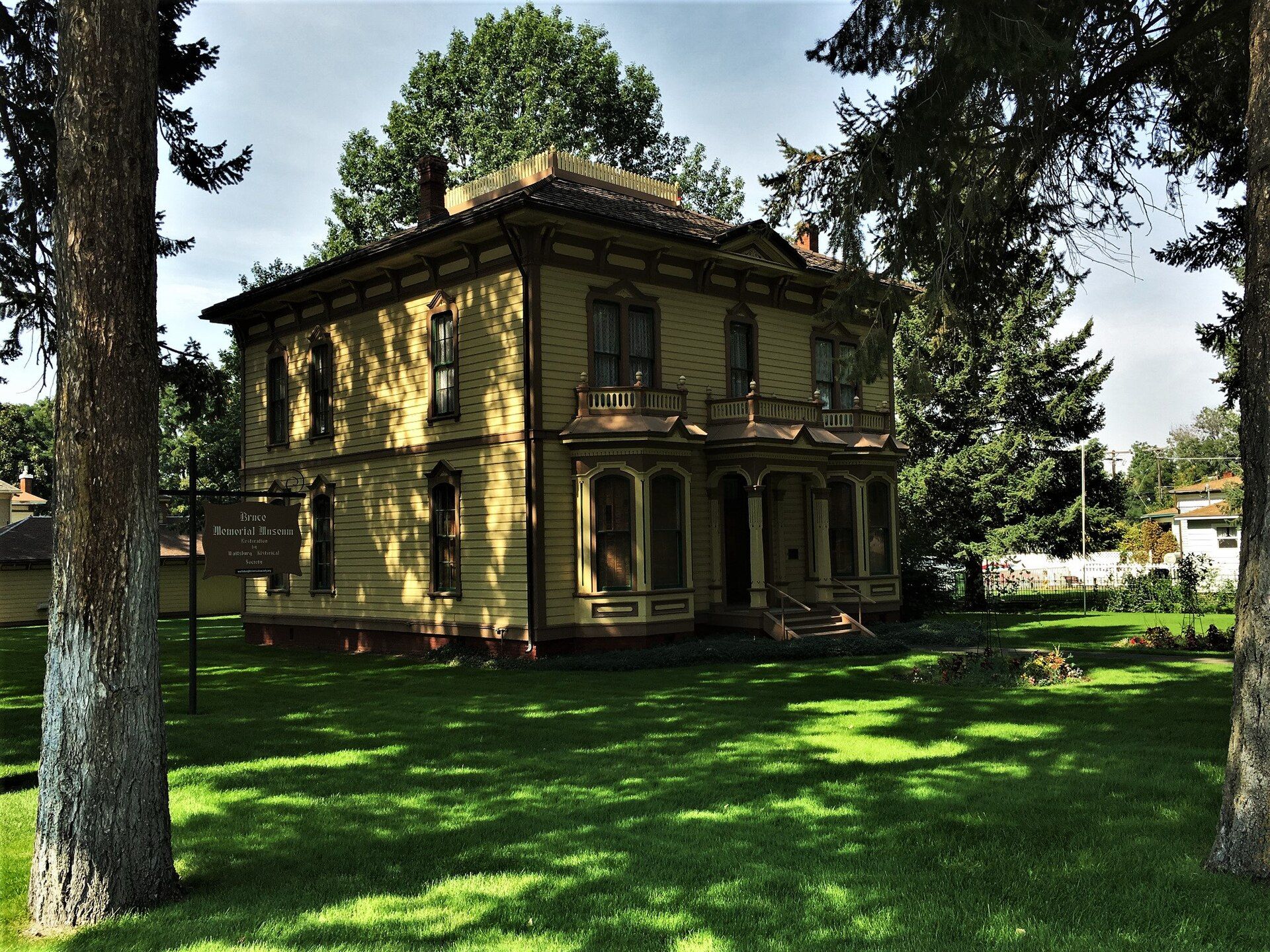
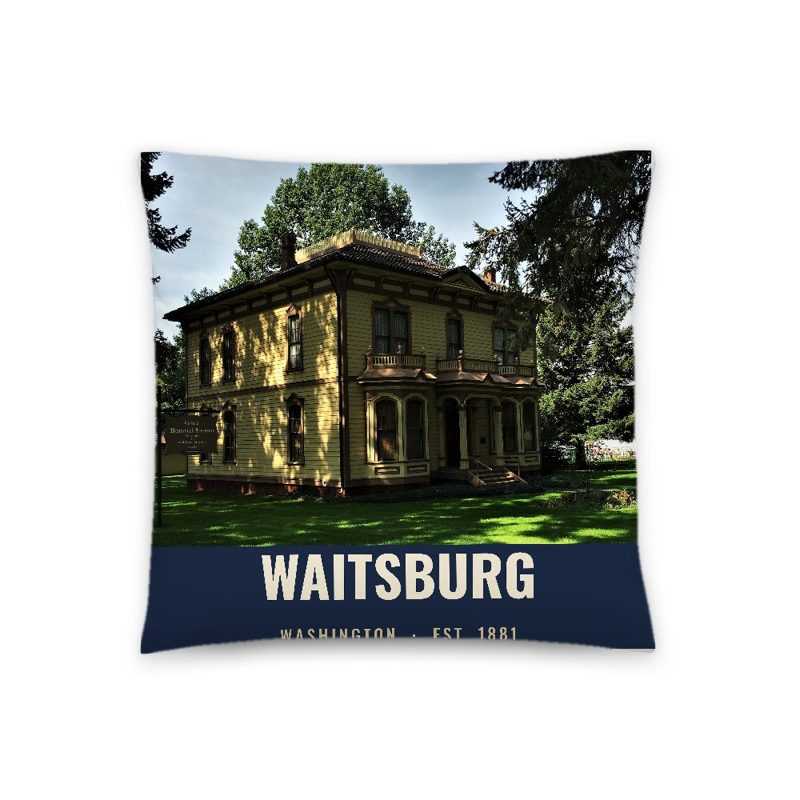
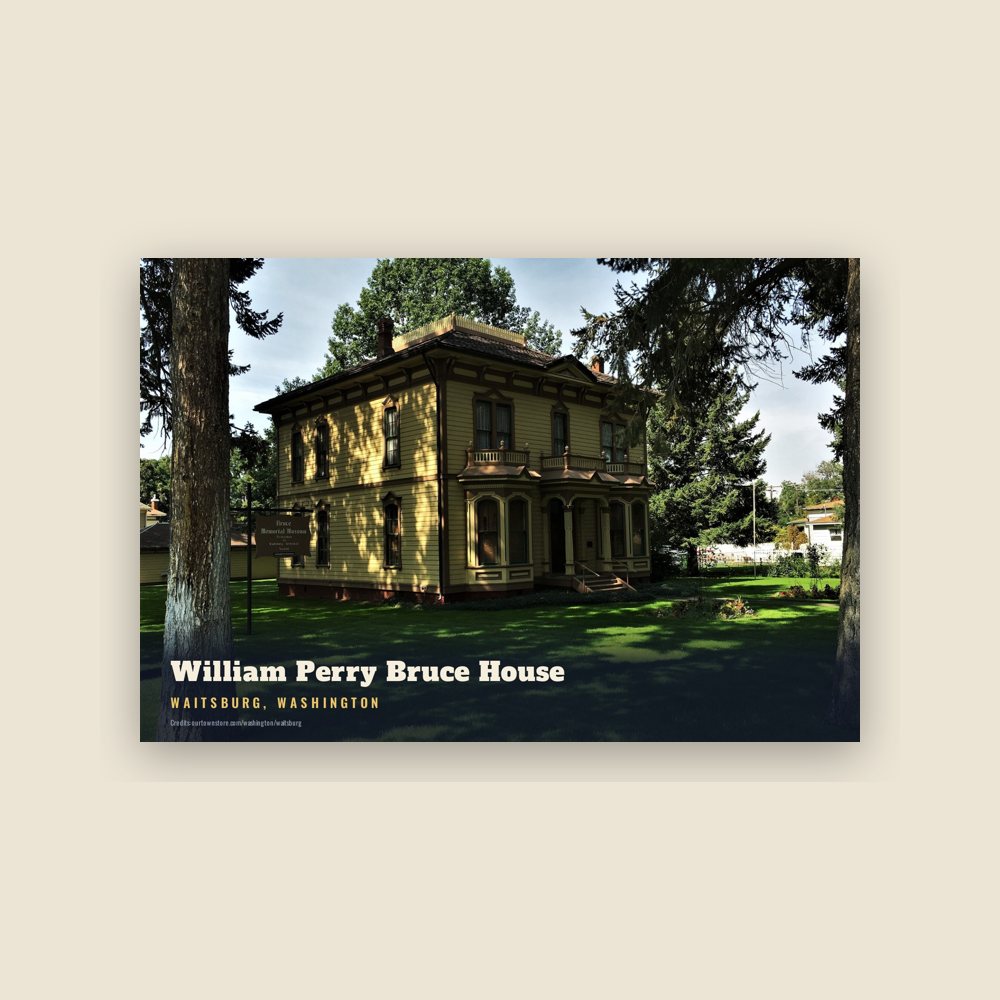
Waitsburg was first settled in 1859 by Robert Kennedy. Another early settler, Albert Gallatin Lloyd, helped settle persistent confrontations with the Palouse people by negotiating a treaty allowing the native population to camp on the land that he claimed. The arrangement established by that treaty, though not backed up by law, continued informally into the 1940s. William Perry Bruce and his wife, Caroline, moved to Waitsburg in 1861, some two decades before Waitsburg was officially incorporated on November 25, 1881. In 1882, they built a large home in the town, which today functions as a museum.
Early settlers raised cattle and horses and grew grain along the banks of the Touchet River and the creeks which feed into it. During the 1860s, dryland farming of the adjacent hills led to expansion of wheat production around Waitsburg. That development, along with the discovery of gold in the valley of the Clearwater River to the east, brought an influx of population to the area. Due to the mining boom in the Clearwater region, a stagecoach line was established connecting Walla Walla in the west with Lewiston, Idaho, at the juncture of the Clearwater and Snake Rivers, to the east, passed through what would become Waitsburg, bringing travelers heading to and from the mines. This connection between the nascent Waitsburg community and the mining district led to a meeting between Dennis Willard, a landowner in the Waitsburg area, and Sylvester M. Wait, in Lewiston in 1864. Willard convinced Wait of the potential to ship wheat flour down the Touchet valley and allowed him to establish a mill on his land that same year. The city of Waitsburg would later be named for Sylvester M. Wait.
With the establishment of the mill, a community began to coalesce around Wait's mill which included a school, saloon, store, hotel and post office. The town was platted in 1869 and named Waitsburg. By 1870, the town was home to over 100 residents in 35 dwellings and an assortment of businesses. N. J. A. Smith, an early settler and schoolmaster, called Waitsburg the only place of note between Walla Walla and Lewiston. Waitsburg's notability continued to expand throughout the 1870s, during which it would be connected by telegraph line to Portland, Oregon and with the establishment of a newspaper, the Waitsburg Times.
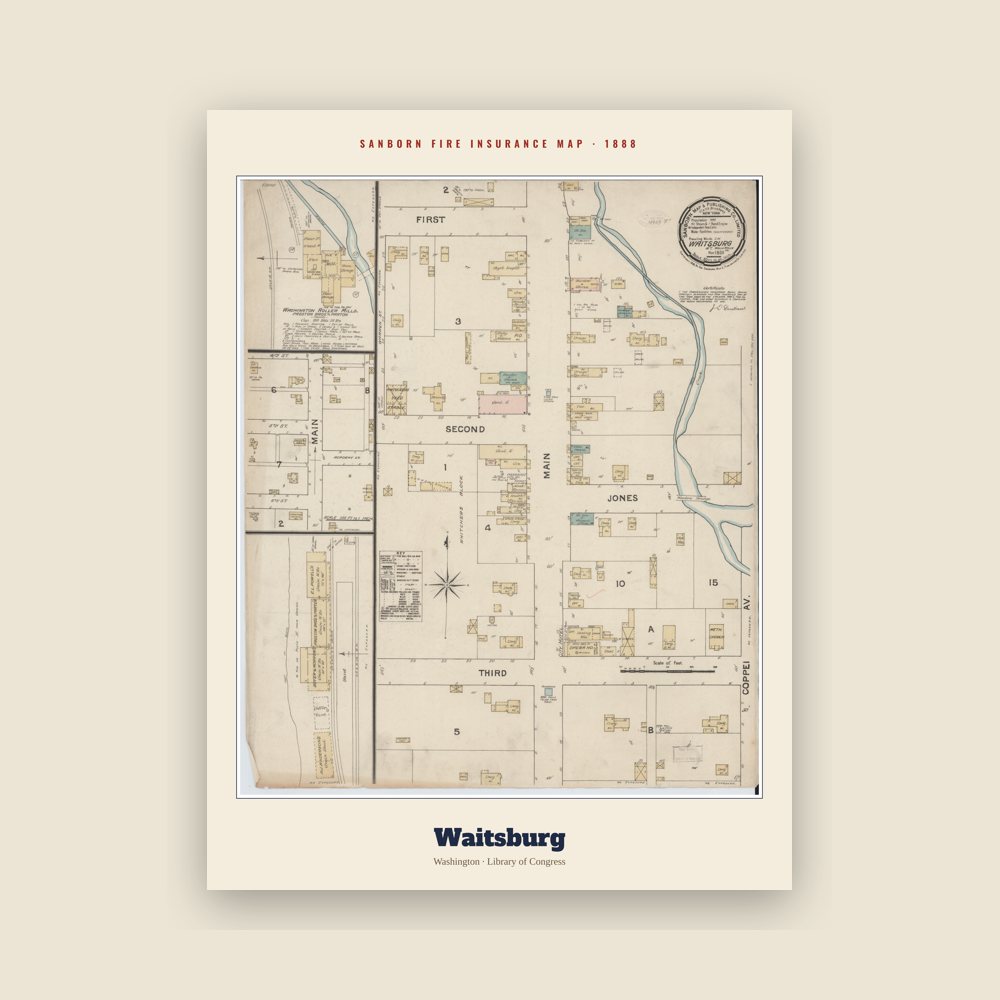
Disaster struck on September 13, 1880, when a fire ravaged the town's business district. The area was quickly rebuilt, this time with brick, and a year later, in 1881, the Oregon Railroad and Navigation Company completed a line through Waitsburg connecting it by rail with Walla Walla and the outside world. On November 25, 1881, the city was officially incorporated as the City of Waitsburg. The original charter was revised five years later, in 1886, and the revised charter has been in place ever since. It was under the revised charter that official city services like police, fire and utilities came to the community. Waitsburg's commercial importance as a mill town continued to grow throughout this decade and Wait's Mill, no longer owned by Wait and eventually known as Washington Mills, was expanded and improved, notably with the introduction of steel machinery. By the end of the decade in 1890, Waitsburg's population exceeded 800 people.
The mill continued to be the economic heart of Waitsburg through the late 1800s and into the mid-20th century. In 1936 it was converted from a water-powered mill to electric. It would operate as an electric mill for over two decades until it was closed down in 1957. The abandoned mill stood until a fire destroyed it in 2009. Despite the closure of the mill, Waitsburg remained relatively stable economically and in terms of population throughout the second half of the 20th century as a commercial center supporting the surrounding agricultural region.
Since the turn of the 21st century, Waitsburg's economic fortunes have been bolstered by the growth of the wine industry. The community is located in the Walla Walla AVA and has become a destination for wine tourists. During the first two decades of the 21st century, numerous businesses were established catering to these tourists including specialty restaurants, bars and hotels. Waitsburg's Bar Bacetto was one of 10 nominees for the 2024 James Beard Award for Best New Restaurant.
Read the full history
Historic places
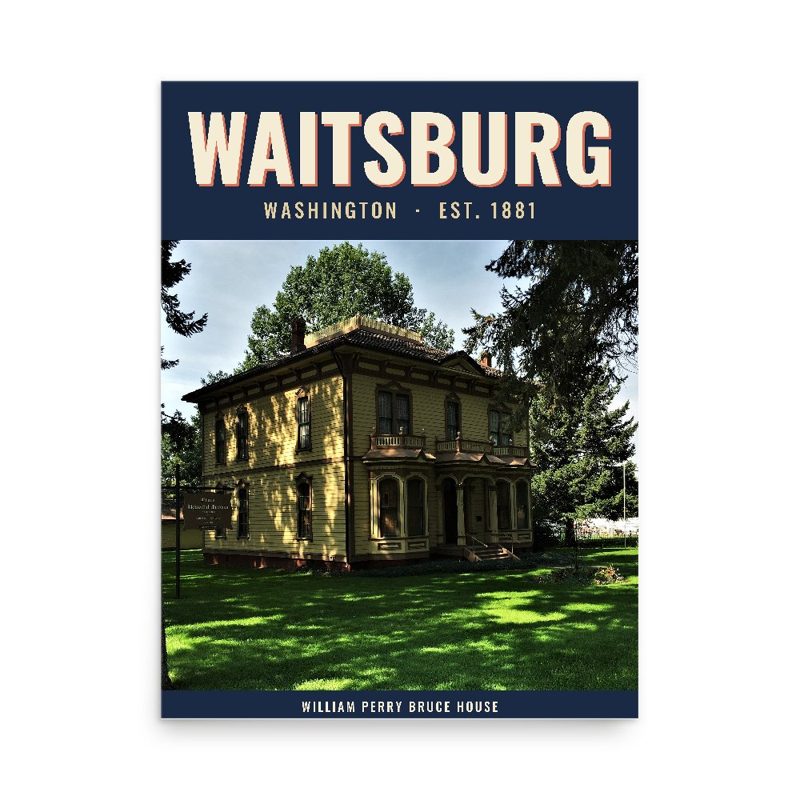
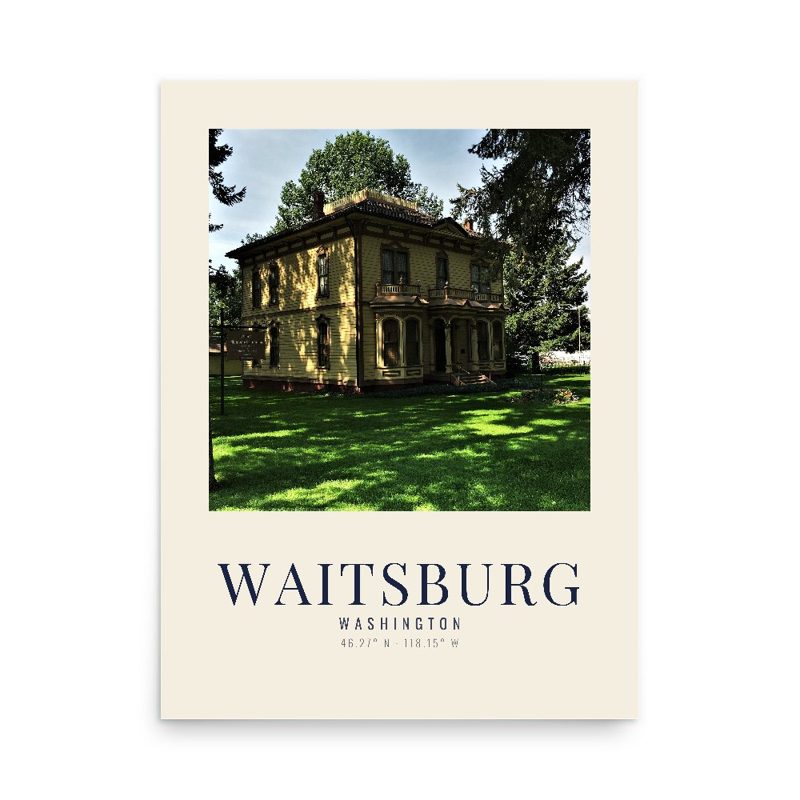
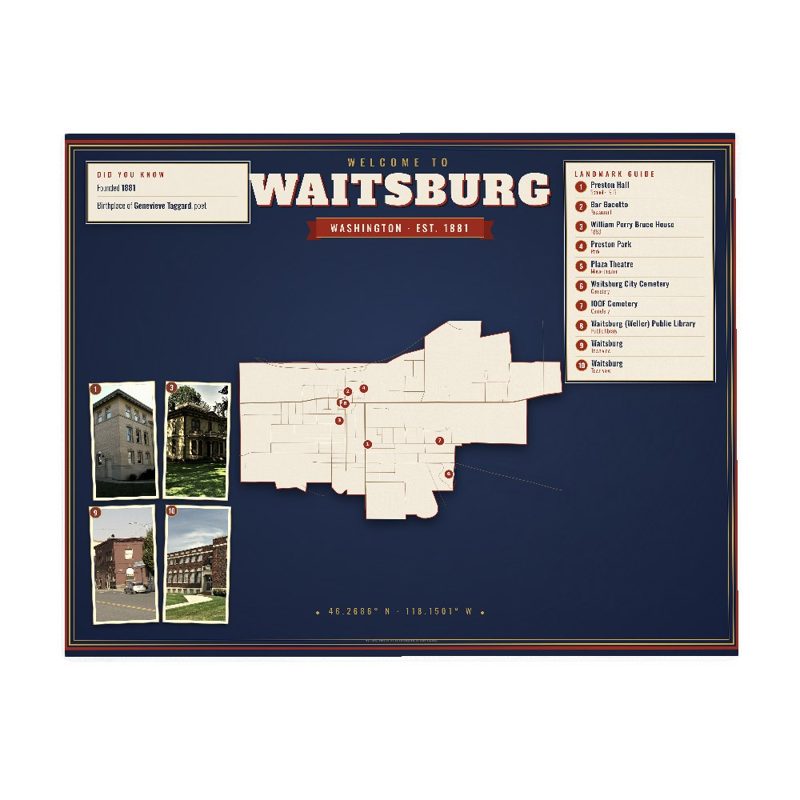
Waitsburg has three properties and one designated historic district that are on the National Register of Historic Places (NRHP). The oldest is the William Perry Bruce House, a Victorian Italianate home built in 1883 by town founder William Perry Bruce; it was later converted into a public library and now houses the Bruce Memorial Museum, run by the local historical society. Preston Hall, a former school building built in 1913, was added to the register in 1993. The modern Waitsburg High School, opened in 1927, is also listed on the NRHP. The Waitsburg Historic District, which encompasses most of downtown Waitsburg, includes 23 properties that were built between 1880 and 1930.
Adapted (trimmed) from the Wikipedia article Waitsburg, Washington, revision 1374956995 by its contributors, licensed CC BY-SA 4.0.
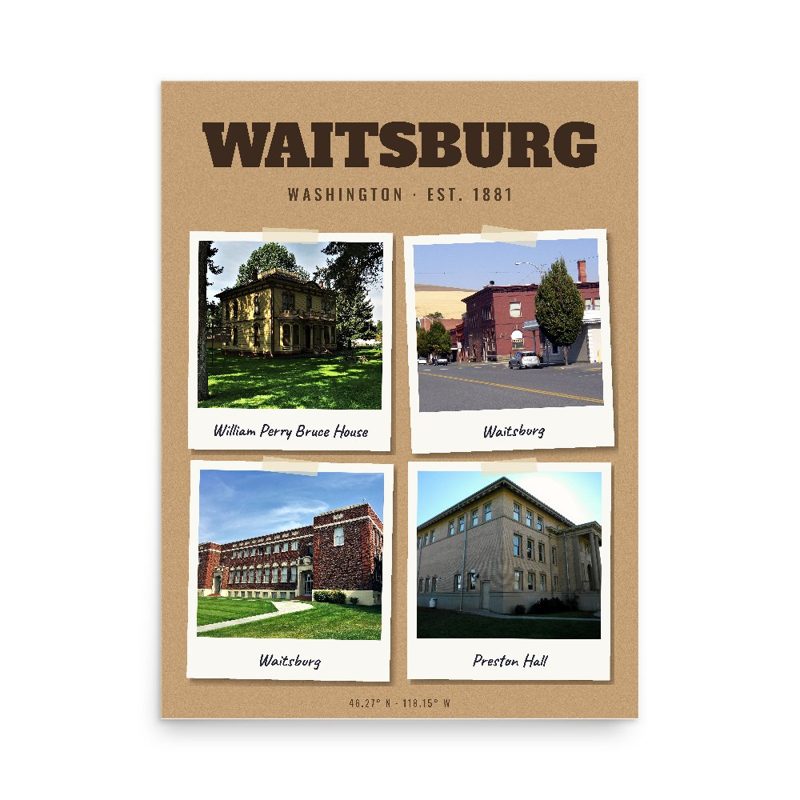



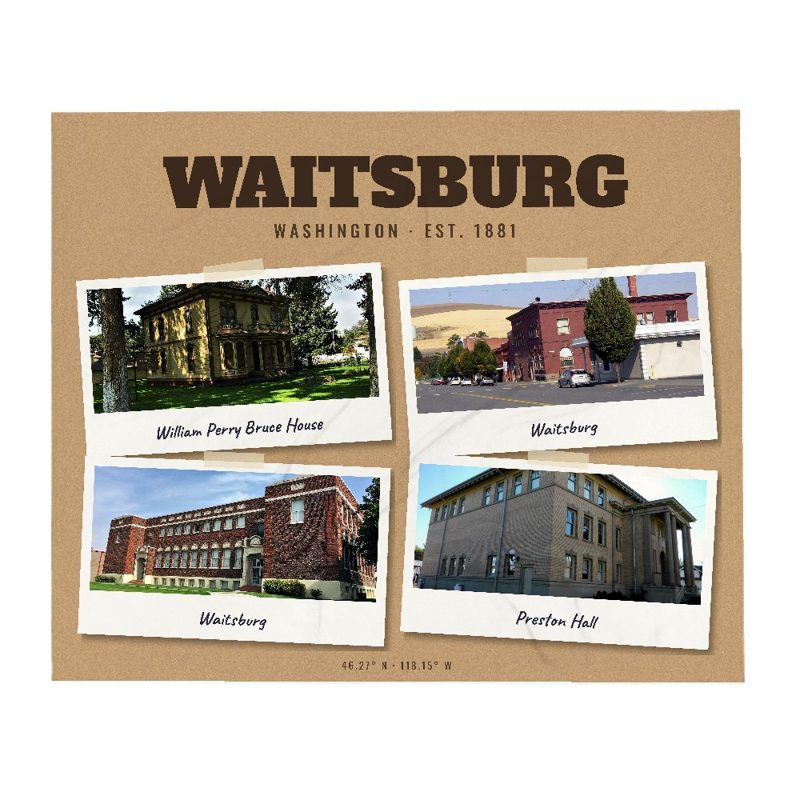
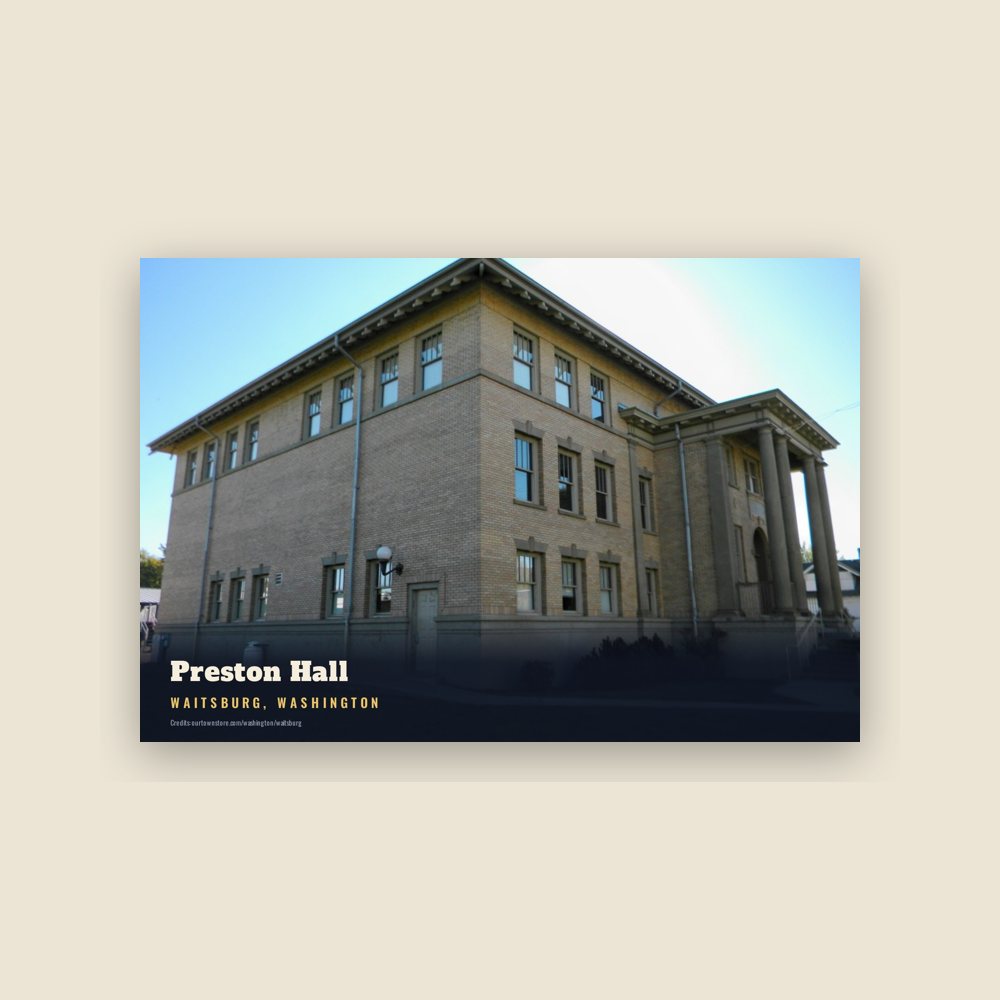
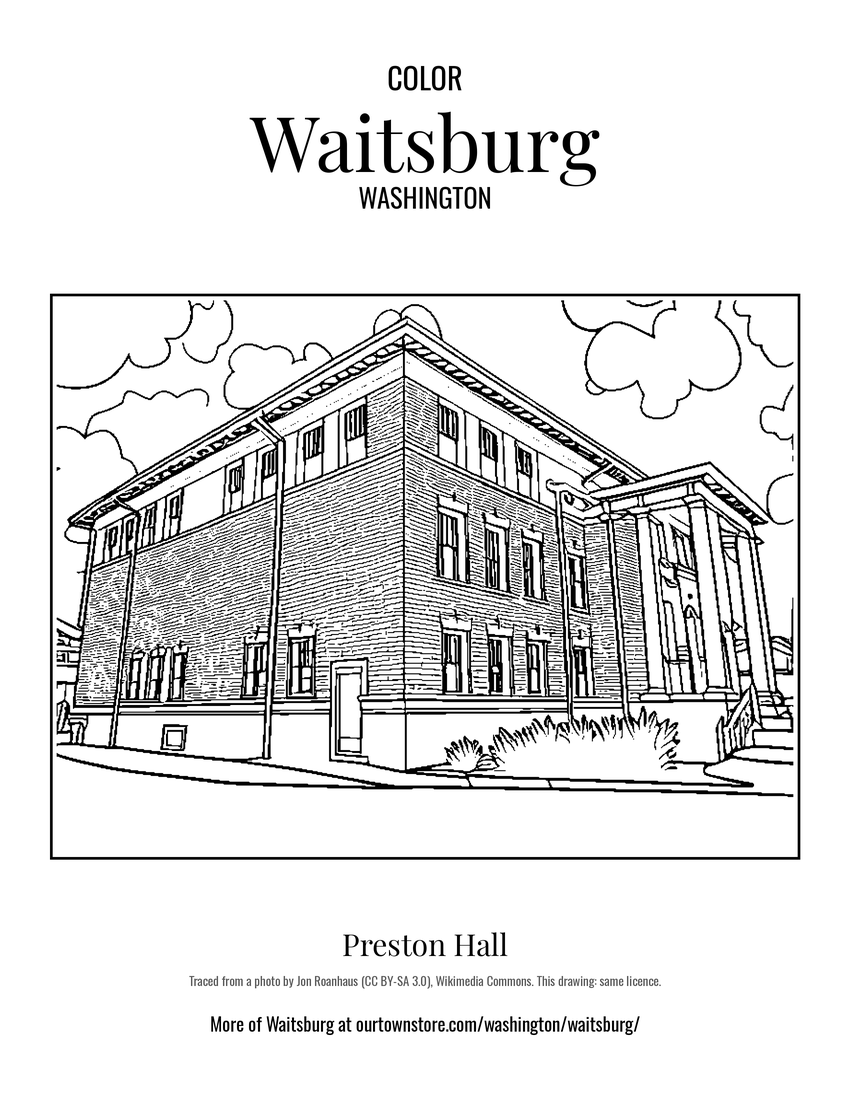 Preston Hall
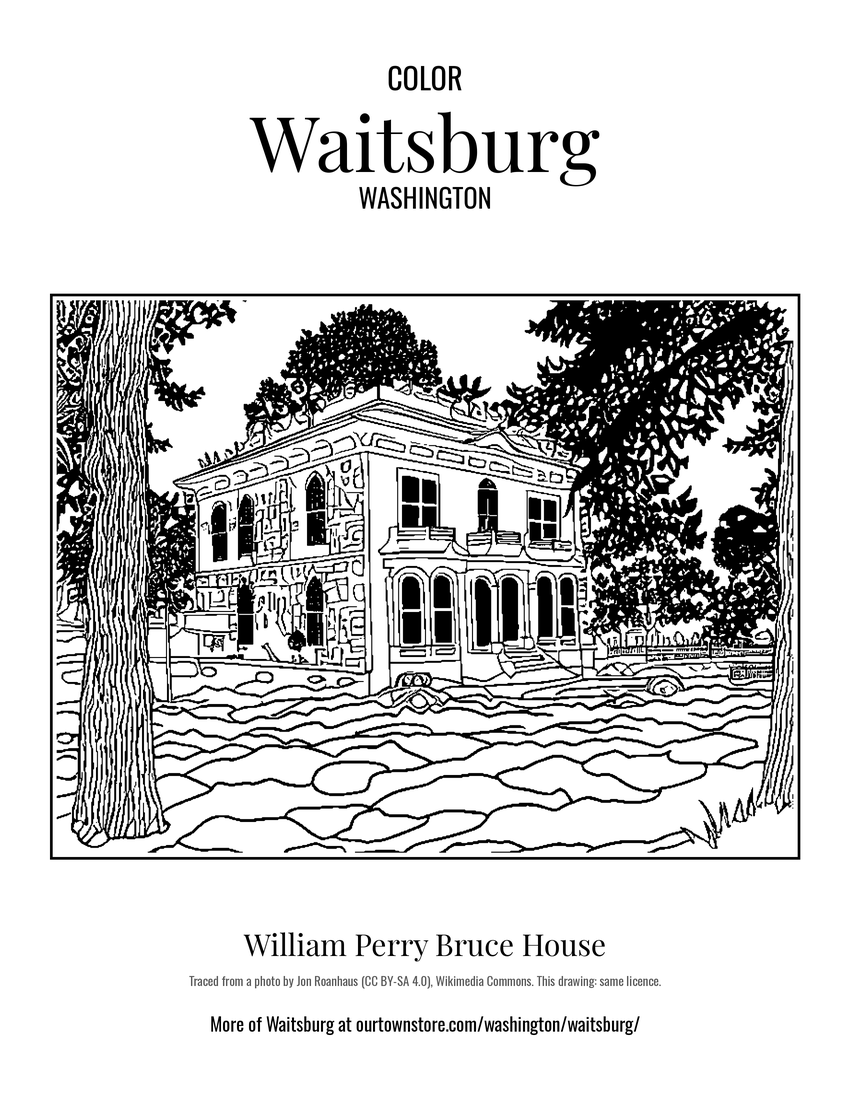 William Perry Bruce House
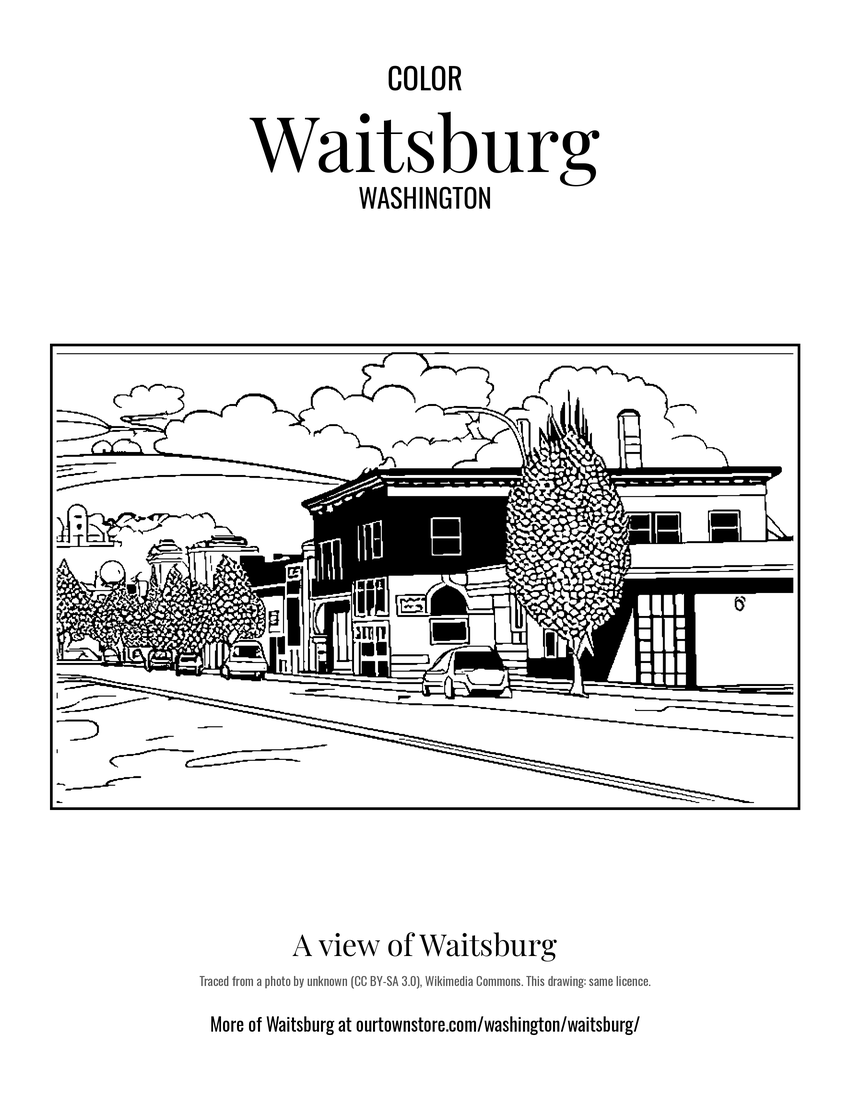 A view of Waitsburg
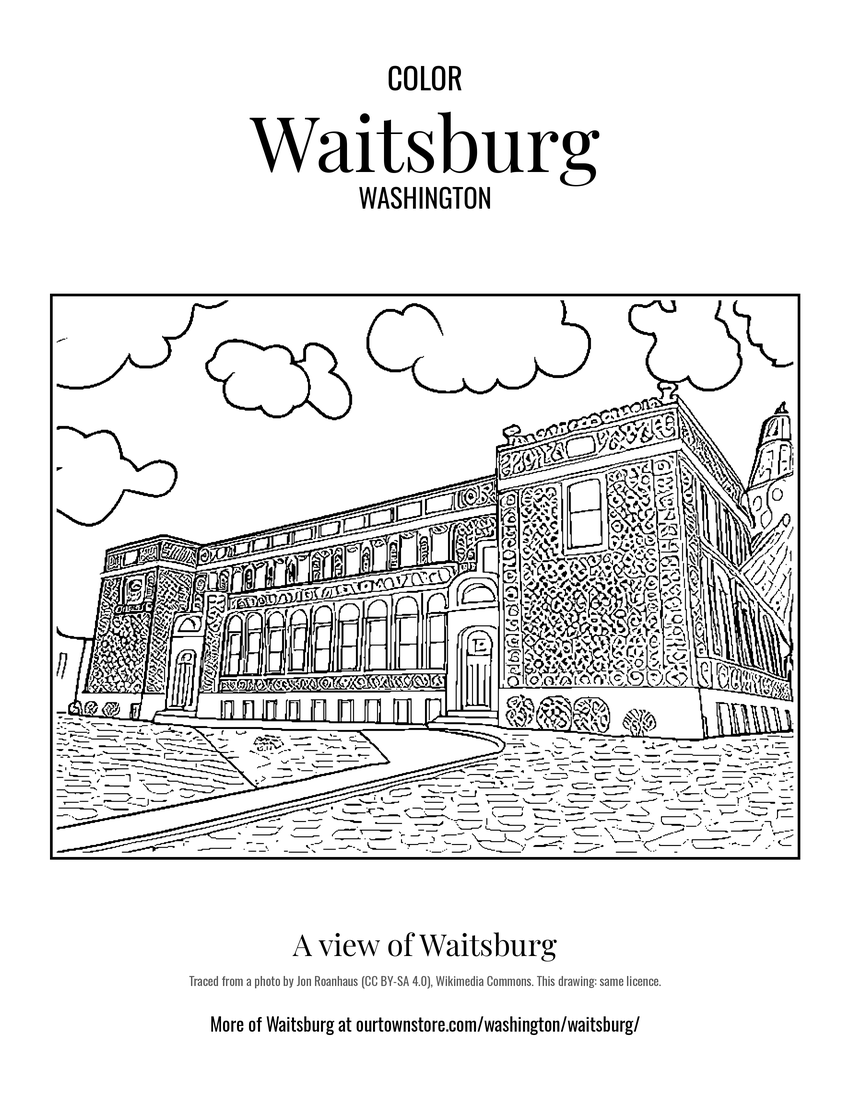 A view of Waitsburg