The lands and Cowlitz River in and near present-day Toledo were once used by the Cowlitz people and other indigenous tribes as a means for sustenance, including fishing the waters, and as a transportation vector.
Read the full history
Settlement
Simon Plomondon (or Plamondon), an employee of the Hudson Bay Company, settled in the area in 1820, taking up a donation land claim, marrying a Cowlitz Chief Schanewah's daughter, Thas-e-muth (Veronica). Plomondon became the first white man to settle in what would later be known as Southwest Washington. The couple's first child was born in what would become Toledo in 1821.
The Pugets Sound Agricultural Company opened and maintained the Cowlitz Farm in 1838-1839. The Saint Francis Xavier Mission, the first Catholic mission in the Washington Territory, was established in 1838. In the mid-1850s during the Puget Sound War, volunteers constructed a blockhouse at Cowlitz Landing amid fears of potential Native American attacks; no combat at the fort took place.
Edward D. Warbass began a port in the area after purchasing a claim in July 1850. The following year he established a post office known as Warbassport and served as a Lewis County treasurer and auditor for several years. Another settlement known as Cowlitz Landing was formed adjacent to the new port by Joshua Tibeau; the landing was found necessary after passengers of the river began disembarking during their journeys around the area. The landing was approximately 1.25 miles (2.01 km) southwest of present-day Toledo. Tibeau did not officially file a homestead claim and was forced to sell his properties in 1854 to a judge, Christopher Pagett, who submitted a proper claim on the land. His claim was recognized in early 1866 and he sold it in April for $250, equivalent to $5,497 in 2025.
Afterwards, Warbassport and Cowlitz Landing merged, remaining known under the landing moniker. The first steamships began navigating the Cowlitz River near the landing and port in 1861. Another community was begun across from Cowlitz Landing in the 1860s. Known as East Toledo or Eadonia, residents of both towns crossed the river by canoe; a ferry was established in 1883.
Pagett reacquired the claim in 1871, selling it again in 1873 for $800, equivalent to $21,500 in 2025, to settler Augustus Rochon. The town was platted for the first time by Rochon, laying out three blocks in 1879. The first Toledo post office was established on November 30, 1880.
The Cowlitz River changed course, eventually removing any remaining signs of the early community, and a new landing was established at the Tokul Creek junction. In 1879, Captain Oren Kellogg, of J. Kellogg and Company Steamship Lines, decided the area was conducive for a town and began to purchase lands with that intent. His first acquisition was in 1881, buying a 1-acre (0.40 ha) parcel from Rochon; Kellogg built a dock and warehouse. The company bought the town in its entirety in 1886 for a total cost of $2,350, equivalent to $84,208 in 2025. In 1892, a wagon bridge was constructed across the river, connecting East Toledo and the town; businesses from Eadonia migrated to Toledo.
Toledo was officially incorporated on October 1, 1892; the first mayor was Robert Stopper, a Lewis County commissioner and shoemaker. The community voted 39 in favor of incorporation and 12 were opposed. The following year, the new city council established a jail and created positions for a clerk and marshal. By the end of the century, the city had grown to include two general stores, multiple factories and plants, several hotels and saloons, and various shops, including those for blacksmithing and millinery.
20th century
Growth of the city continued into the 20th century with the introduction of several modern conveniences of the time, including kerosene street lamps and fire hydrants. A fire department was established in 1904 and the first bank, Toledo State Bank, was formed. Telephone service, in 1906, and electricity, in 1911, followed and the town population was recorded to include 650 people in 1910.
Flooding in the community was a standard concern, including back-to-back inundations in 1908 and 1909. A steel bridge over the Cowlitz River was constructed and opened in 1920 after a flood washed out a previous concrete crossing the prior year.
Interstate 5 (I-5) bypassed Toledo when it was built in the 1950s. The highway crossed the Cowlitz approximately 2 miles (3.2 km) north of the city.
21st century
With growing concerns for Toledo's economic and residential future, a volunteer project known as "Vision:Toledo", was begun in 2011. Renovations to the downtown core were implemented, which included new murals and public art, and the group helped to institute broadband installations, among other efforts, to improve the economic conditions of the city.
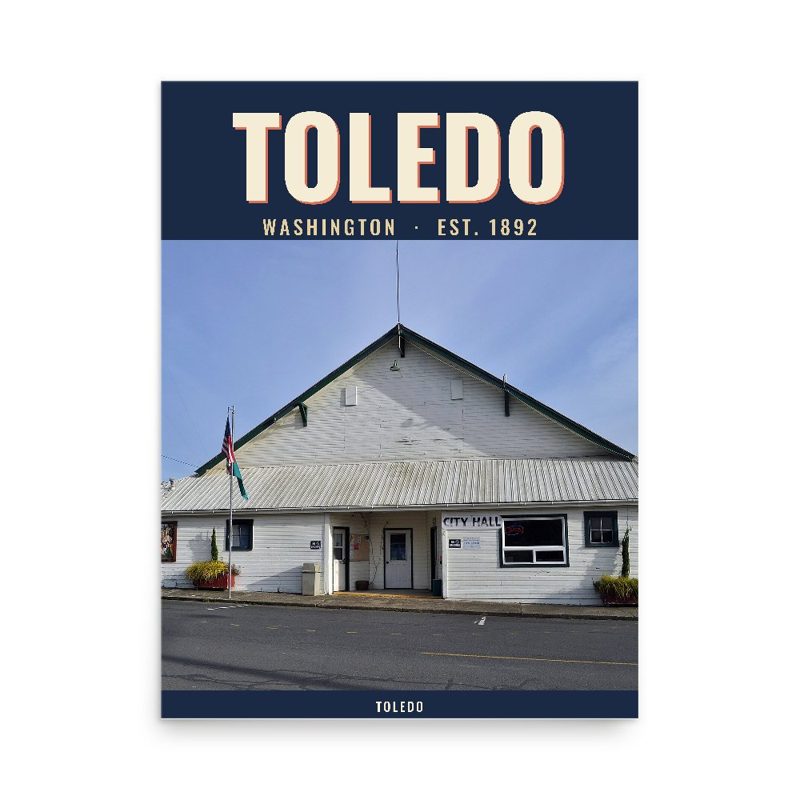
In Toledo's preparation to celebrate the United States Semiquincentennial in 2026, the first known photograph of Celeste Rochon had been discovered, obtained from her descendants. Due to a lack of a photo, the city had been unable to properly recognize Rochon's historical status. The picture was added to a banner and is to be displayed at Toledo City Hall as part of the 250th anniversary celebration.
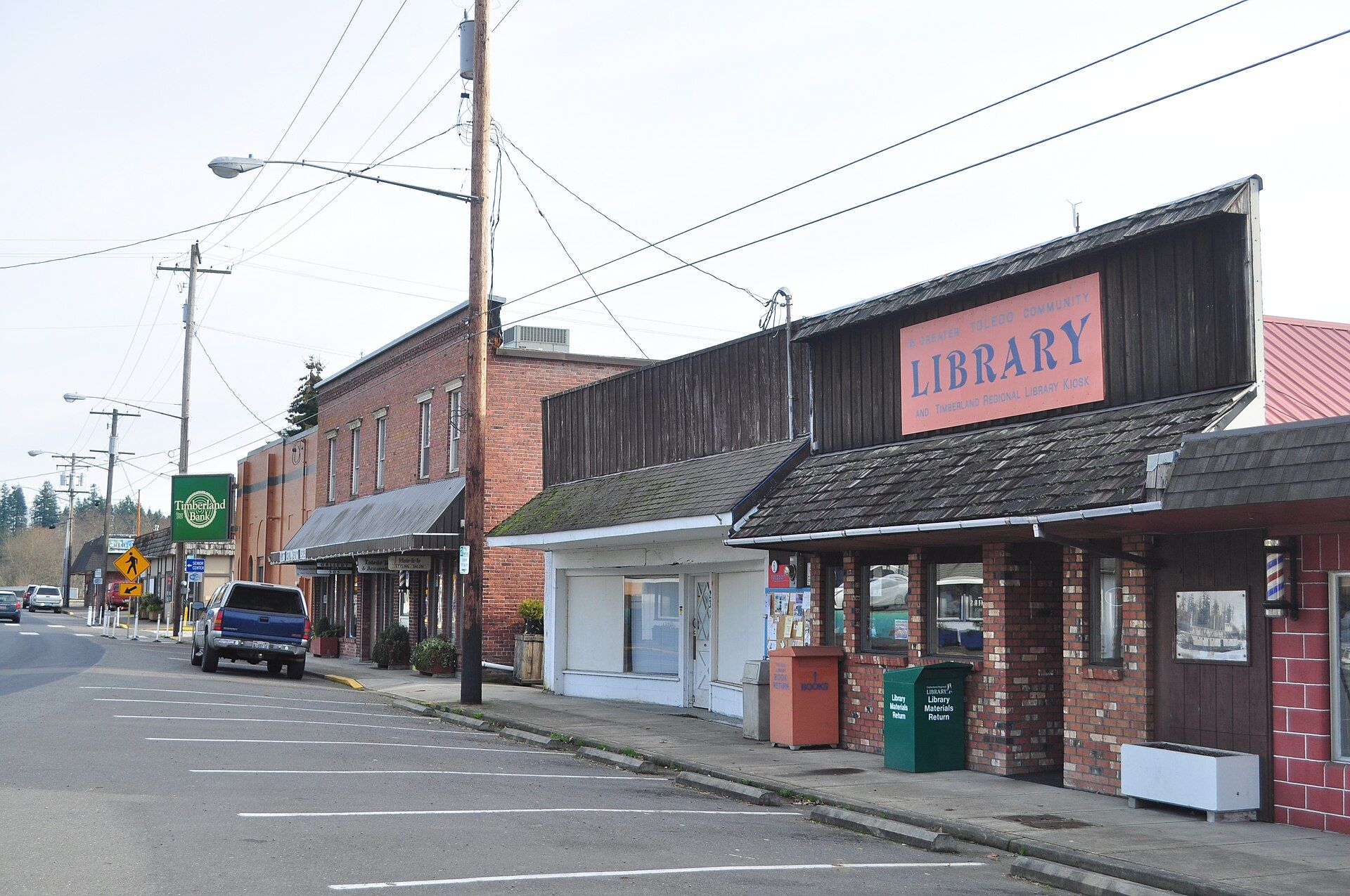
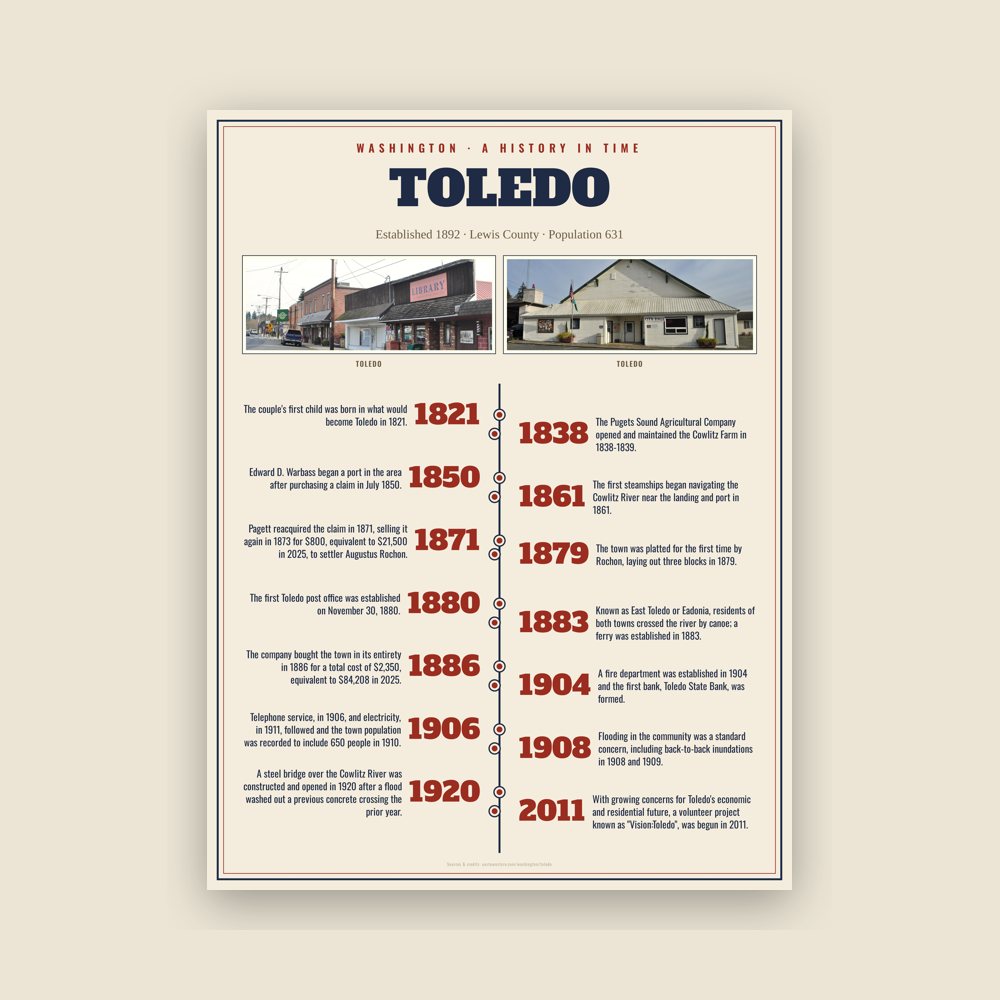
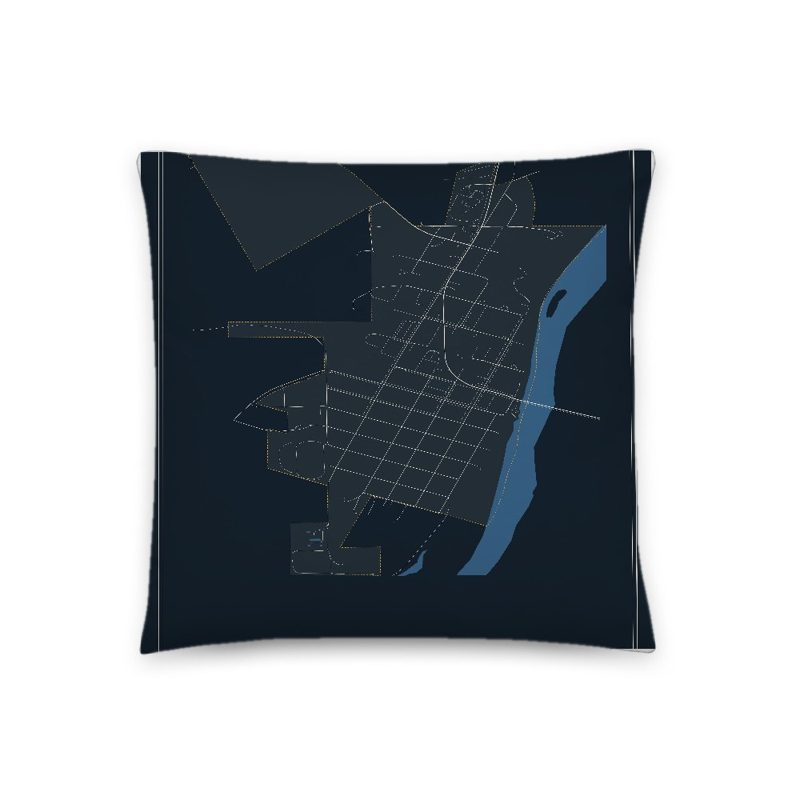
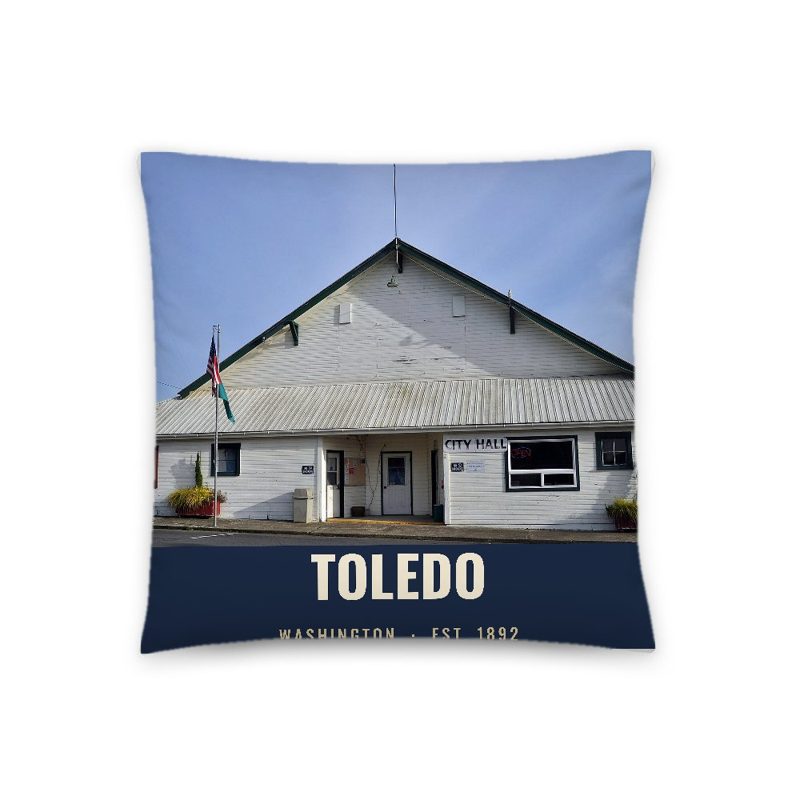
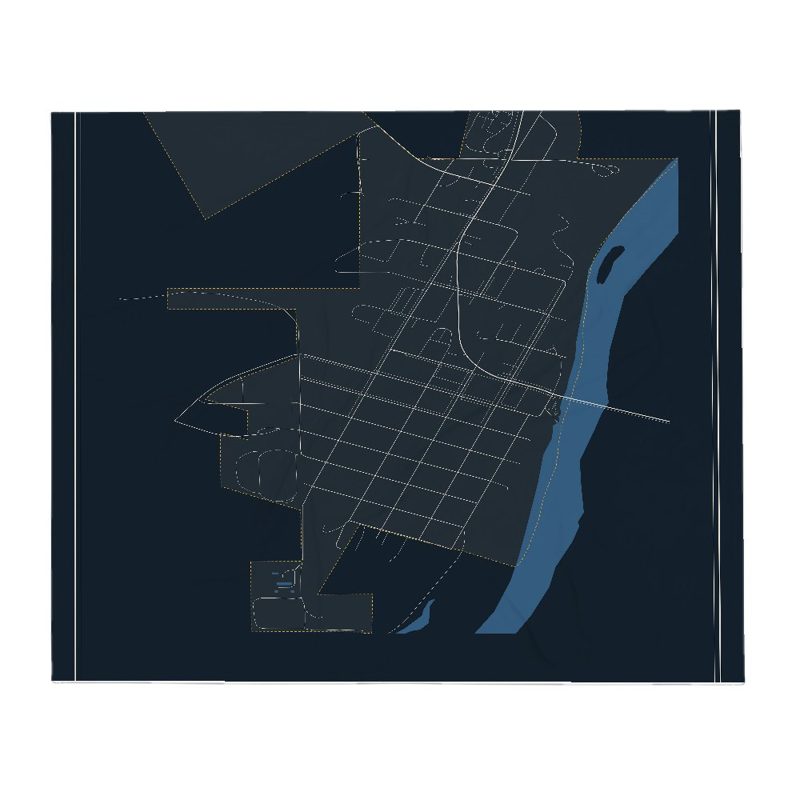
 A view of Toledo
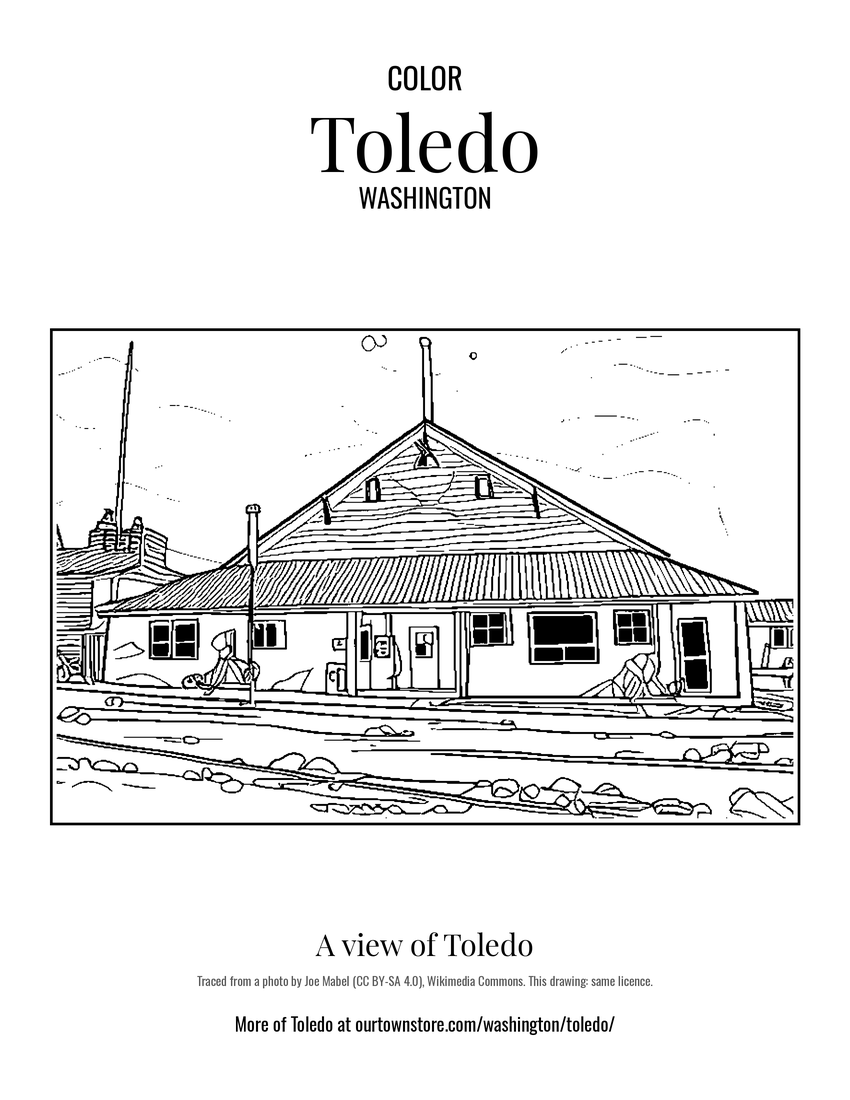 A view of Toledo