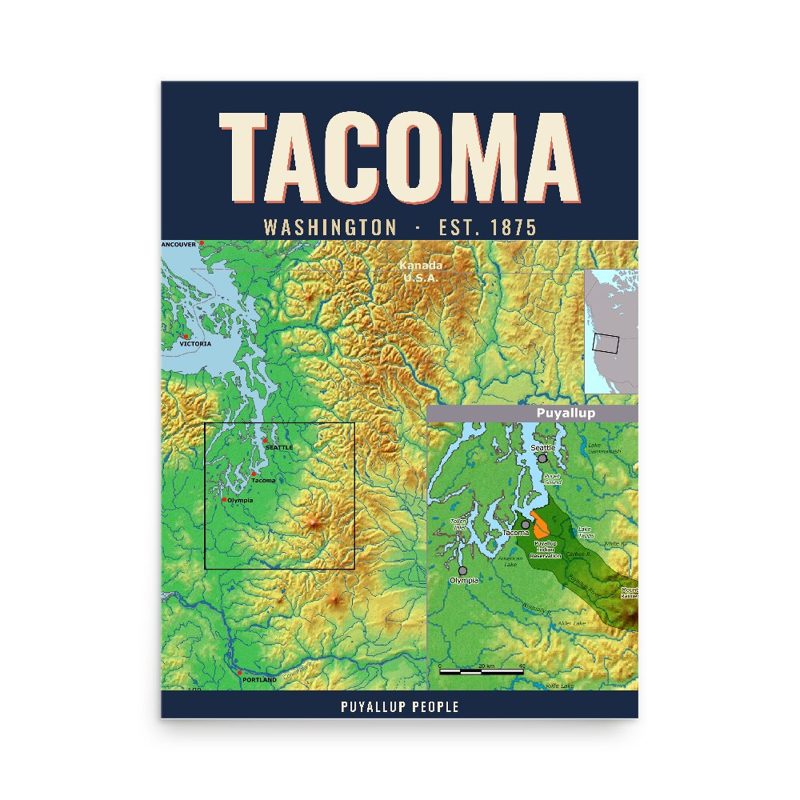
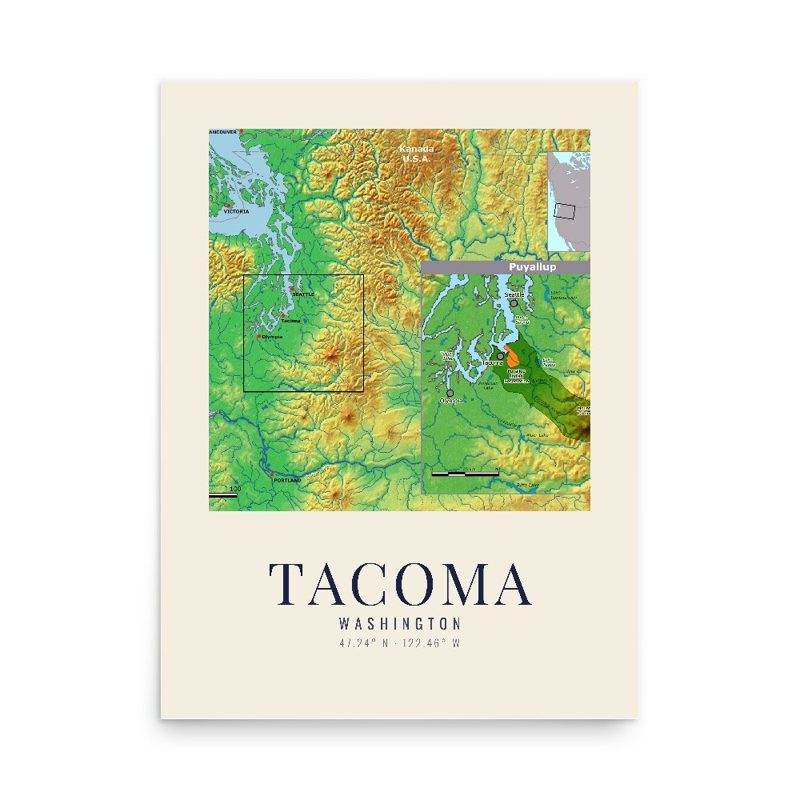
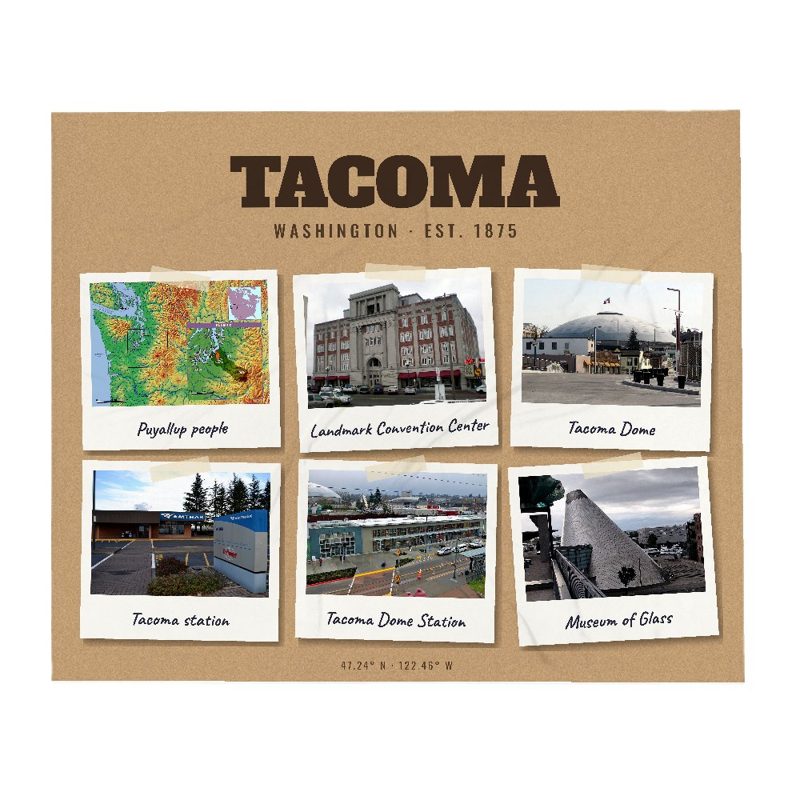
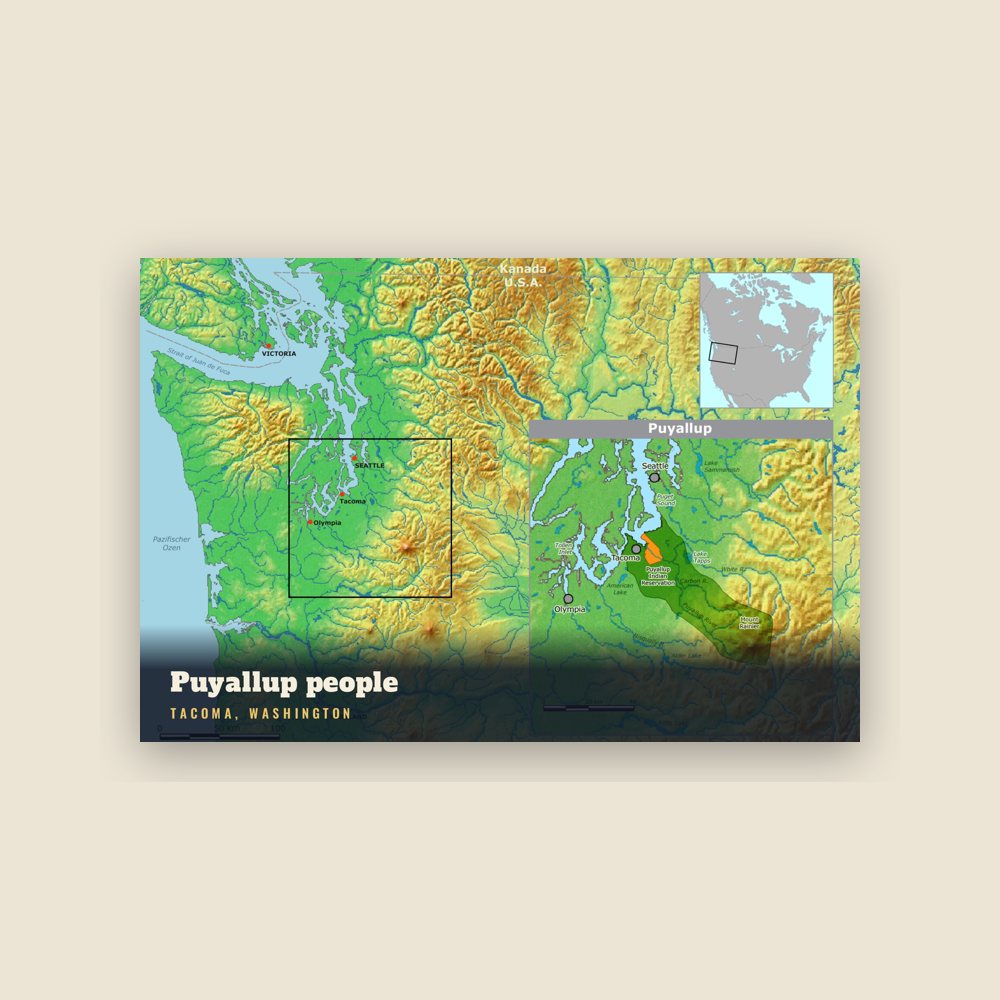
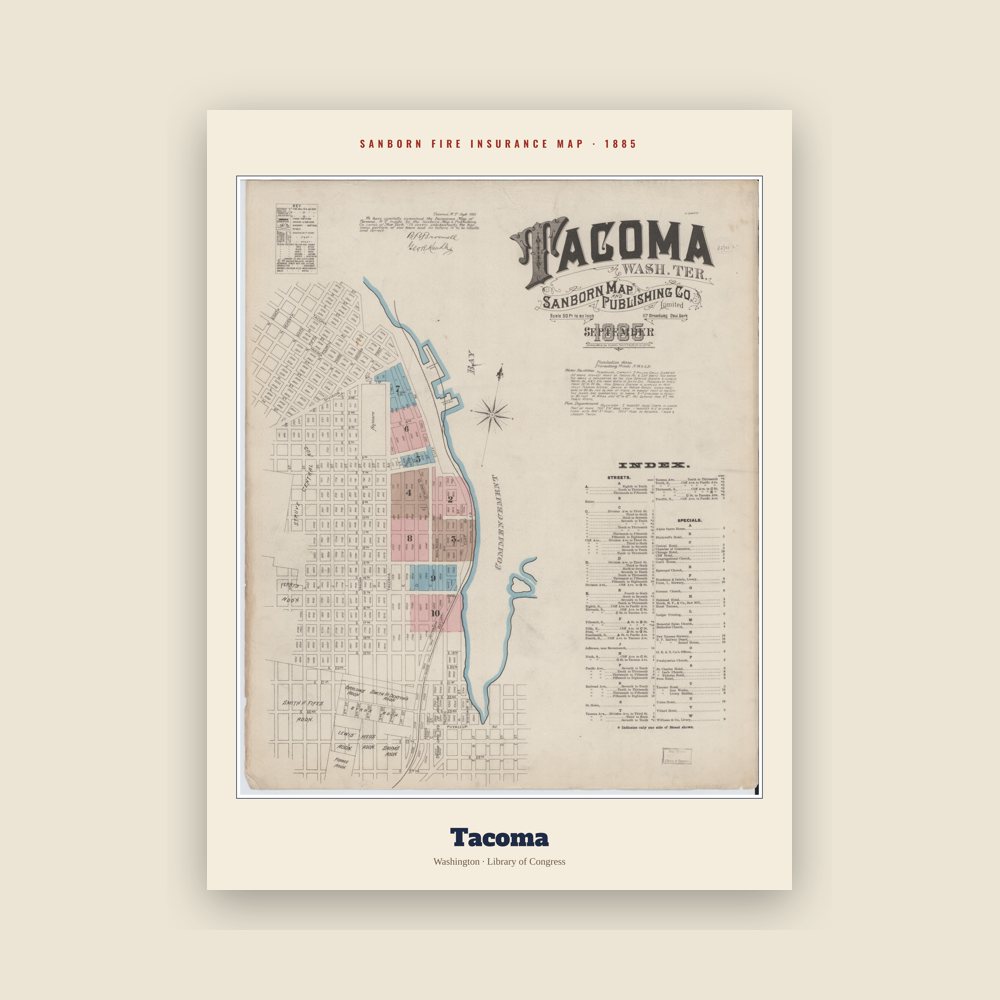
The area was inhabited for thousands of years by Native Americans, most recently the Puyallup people, who lived in settlements on the delta. In 1852, Swedish immigrant Nicolas Delin built a water-powered sawmill on a creek near the head of Commencement Bay, but the small settlement that grew around it was abandoned during the Indian War of 1855–56. In 1864, pioneer and postmaster Job Carr, a Civil War veteran and land speculator, built a cabin (which also served as Tacoma's first post office; a replica was built in 2000 near the original site in "Old Town"). Carr hoped to profit from the selection of Commencement Bay as the terminus of the Transcontinental Railroad, and sold most of his claim to developer Morton M. McCarver (1807–1875), who named his project Tacoma City, derived from the indigenous name for the mountain.
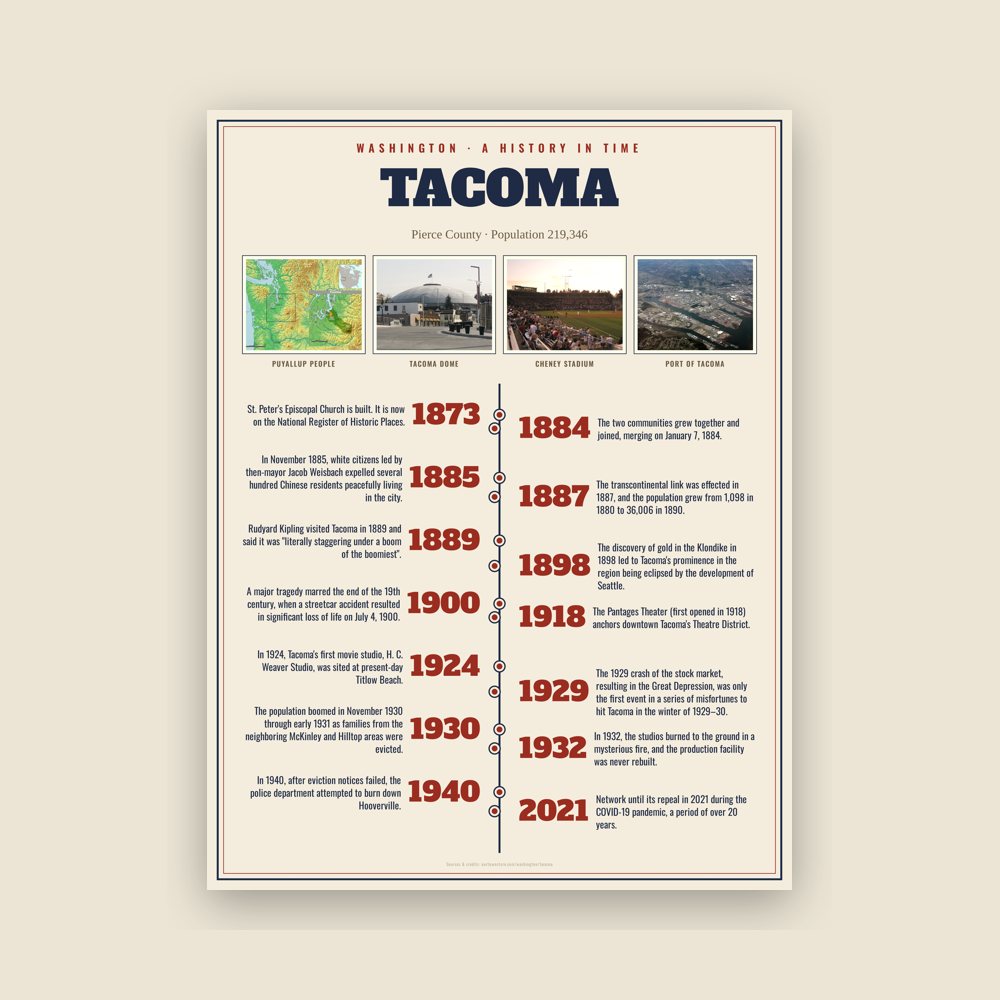
Tacoma was incorporated on November 12, 1875, following its selection in 1873 as the western terminus of the Northern Pacific Railroad due to lobbying by McCarver, future mayor John Wilson Sprague, and others. However, the railroad built its depot in New Tacoma, two miles (3 km) south of the Carr–McCarver development. The two communities grew together and joined, merging on January 7, 1884. The transcontinental link was effected in 1887, and the population grew from 1,098 in 1880 to 36,006 in 1890. Rudyard Kipling visited Tacoma in 1889 and said it was "literally staggering under a boom of the boomiest".
In November 1885, white citizens led by then-mayor Jacob Weisbach expelled several hundred Chinese residents peacefully living in the city. As described by the account prepared by the Chinese Reconciliation Project Foundation, on the morning of November 3, "several hundred men, led by the mayor and other city officials, evicted the Chinese from their homes, corralled them at 7th Street and Pacific Avenue, marched them to the railway station at Lakeview and forced them aboard the morning train to Portland, Oregon. The next day two Chinese settlements were burned to the ground."
George Francis Train was a resident for a few years in the late 19th century. In 1890, he staged a global circumnavigation starting and ending in Tacoma to promote the city. A plaque in downtown Tacoma marks the start and finish line. The discovery of gold in the Klondike in 1898 led to Tacoma's prominence in the region being eclipsed by the development of Seattle. A major tragedy marred the end of the 19th century, when a streetcar accident resulted in significant loss of life on July 4, 1900.
Read the full history
Early 20th century
From May to August 1907, the city was the site of a smelter workers' strike organized by Local 545 of the Industrial Workers of the World (IWW), with the goal of a fifty-cent per day pay raise. The strike was strongly opposed by the local business community, and the smelter owners threatened to blacklist organizers and union officials. The IWW opposed this move by trying to persuade inbound workers to avoid Tacoma during the strike. By August, the strike had ended without meeting its demands.
Tacoma was briefly (1915–1922) a major destination for big-time automobile racing, with one of the nation's top-rated racing venues just outside the city limits, at the site of today's Clover Park Technical College.
In 1924, Tacoma's first movie studio, H. C. Weaver Studio, was sited at present-day Titlow Beach. At the time, it was the third-largest freestanding film production space in America, with the two larger facilities being located in Hollywood. The production studio was also the first of its kind in the Pacific Northwest The first film produced in Tacoma was Hearts and Fists, which starred John Bowers and premiered at Tacoma's Rialto Theater. The studio's importance has undergone a revival with the discovery of one of its most famous lost films, Eyes of the Totem. In 1932, the studios burned to the ground in a mysterious fire, and the production facility was never rebuilt. Several films were destroyed in the fire as old nitrate-based film did not survive.
Great Depression
The 1929 crash of the stock market, resulting in the Great Depression, was only the first event in a series of misfortunes to hit Tacoma in the winter of 1929–30. In one of the coldest winters on record, Tacoma experienced mass power outages and eventually the shutdown of major power supply dams, leaving the city without sufficient power and heat. During the 30-day power shortage in the winter of 1929 and 1930, the engines of the aircraft carrier USS Lexington provided Tacoma with electricity.
A power grid failure paired with a newly rewritten city constitution – put into place to keep political power away from a single entity such as the railroad – created a standstill in the ability to further the local economy. Local businesses were affected as the sudden stop of loans limited progression of expansion and renewal funds for maintenance, leading to foreclosures. Families across the city experienced the fallout of economic depression as breadwinners sought to provide for their families. Shanty-town politics began to develop as the destitute needed some form of leadership to keep the peace.
Hooverville
At the intersection of Dock Street EXD and East D Street in the train yard, a shanty town became the solution to the growing scar of the depression. Tacoma's Hooverville grew in 1924 as the homeless community settled on the waterfront. The population boomed in November 1930 through early 1931 as families from the neighboring McKinley and Hilltop areas were evicted.
Collecting scraps of metal and wood from local lumber stores and recycling centers, families began building shanties (shacks) for shelter. By 1934, alcoholism and suicide were a common event in the Hooverville that eventually led to its nickname of "Hollywood on the Tide Flats", because of the Hollywood-style crimes and events taking place in the camp.
In 1935, Tacoma received national attention when George Weyerhaeuser, the nine-year-old son of prominent lumber industry executive J.P. Weyerhaeuser, was kidnapped while walking home from school. FBI agents from Portland handled the case, in which a ransom of $200,000 secured the release of the victim. Four persons were apprehended and convicted; the last to be released was paroled from McNeil Island in 1963. George Weyerhaeuser went on to become chairman of the board of the Weyerhaeuser Company.
In 1940, after eviction notices failed, the police department attempted to burn down Hooverville. In 1956, the last occupant of "Hollywood" was evicted and the police used fire to level the grounds and make room for industrial growth.
Postwar era
In 1951, an investigation by a state legislative committee revealed widespread corruption in Tacoma's government, which had been organized commission-style since 1910. Voters approved a mayor and city-manager system in 1952.
Tacoma was featured prominently in the garage rock sound of the mid-1960s with bands including The Wailers and The Sonics. The surf rock band The Ventures were also from Tacoma.
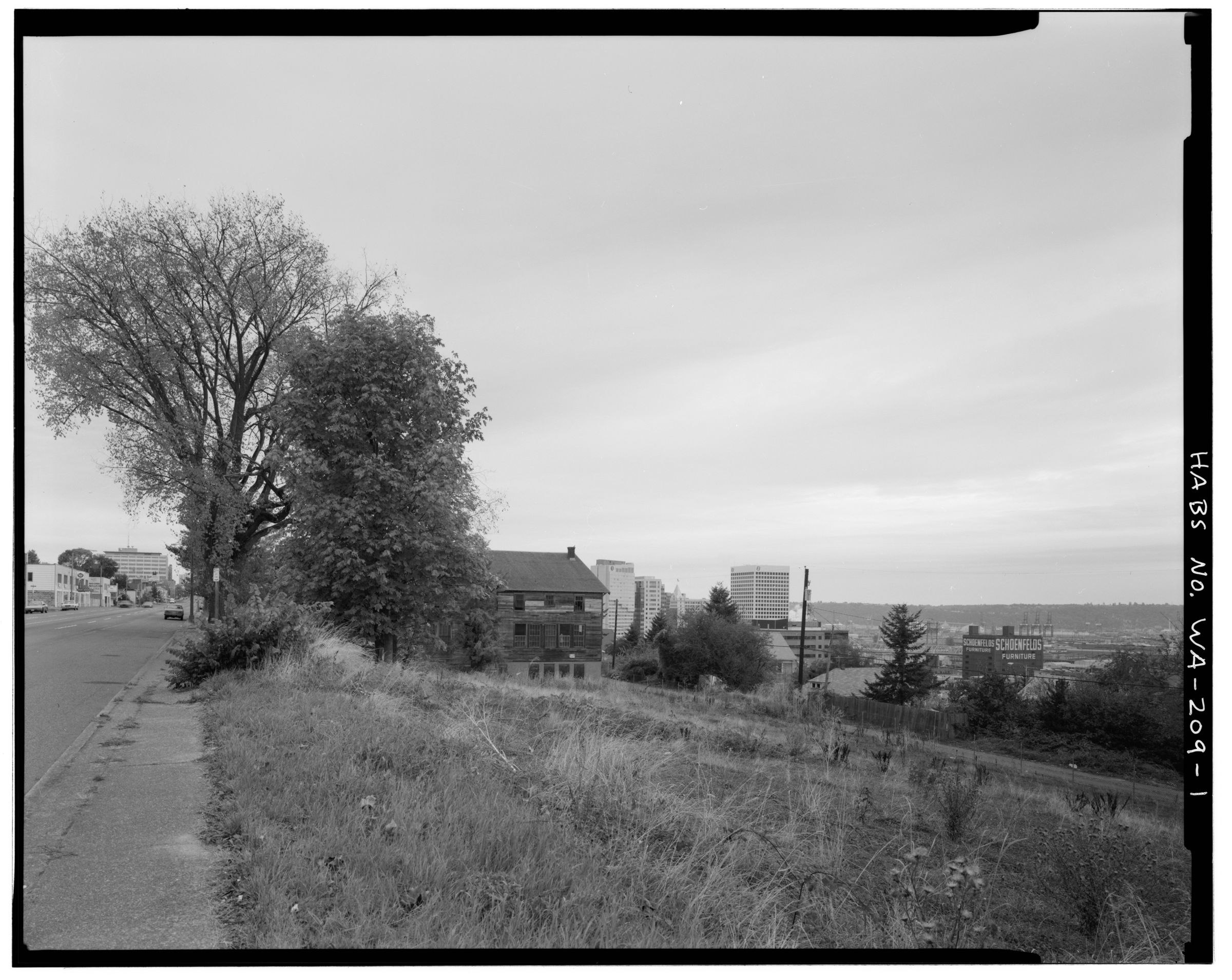
Downtown Tacoma experienced a long decline through the mid-20th century. Harold Moss, later the city's mayor, characterized late-1970s Tacoma as looking "bombed out" like "downtown Beirut" (a reference to the Lebanese Civil War that occurred at that time); "Streets were abandoned, storefronts were abandoned and City Hall was the headstone and Union Station the footstone" on the grave of downtown.
The first local referendums in the U.S. on computerized voting occurred in Tacoma in 1982 and 1987. On both occasions, voters rejected the computer voting systems that local officials sought to purchase. The campaigns, organized by Eleanora Ballasiotes, a conservative Republican, focused on the vulnerabilities of computers to fraud.
In 1998, Tacoma installed Click! Network, a high-speed fiber optic network throughout the community. The municipally owned power company, Tacoma Power, wired the city. In response, the State of Washington passed RCW 54.16.330 in 2000, effectively preventing further research and development of Click! Network until its repeal in 2021 during the COVID-19 pandemic, a period of over 20 years.
Downtown revival
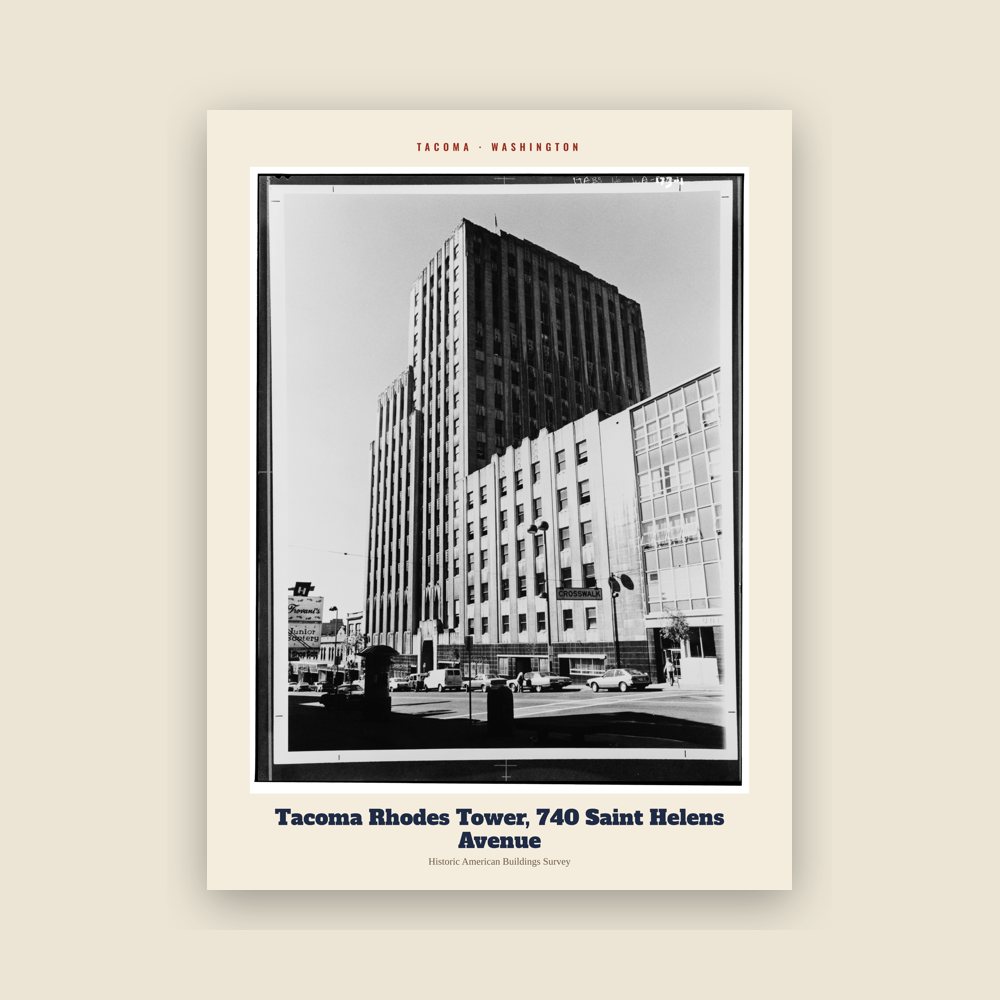
Beginning in the early 1990s, city residents and planners took steps to revitalize Tacoma, particularly its downtown. Among the projects were the federal courthouse in the former Union Station (1991); Save Our Station community group; Merritt+Pardini Architect (1991); Reed & Stem Architects (1911); the adaptation of a group of century-old brick warehouses into a branch campus of the University of Washington; the numerous privately financed renovation projects near the campus; the Washington State History Museum (1996), echoing the architecture of Union Station; the Museum of Glass (2002); the Tacoma Art Museum (2003); and the region's first light-rail line (2003). The glass and steel Greater Tacoma Convention Center opened in November 2004. America's Car Museum was completed in late 2011 near the Tacoma Dome.
The Pantages Theater (first opened in 1918) anchors downtown Tacoma's Theatre District. Tacoma Arts Live manages the Pantages, the Rialto Theater, and the Theatre on the Square. Tacoma Little Theatre (opened in 1918) is northwest of downtown in the Stadium District. Other attractions include the Grand Cinema, McMenamins Elks Temple, and the Landmark Temple Theatre.
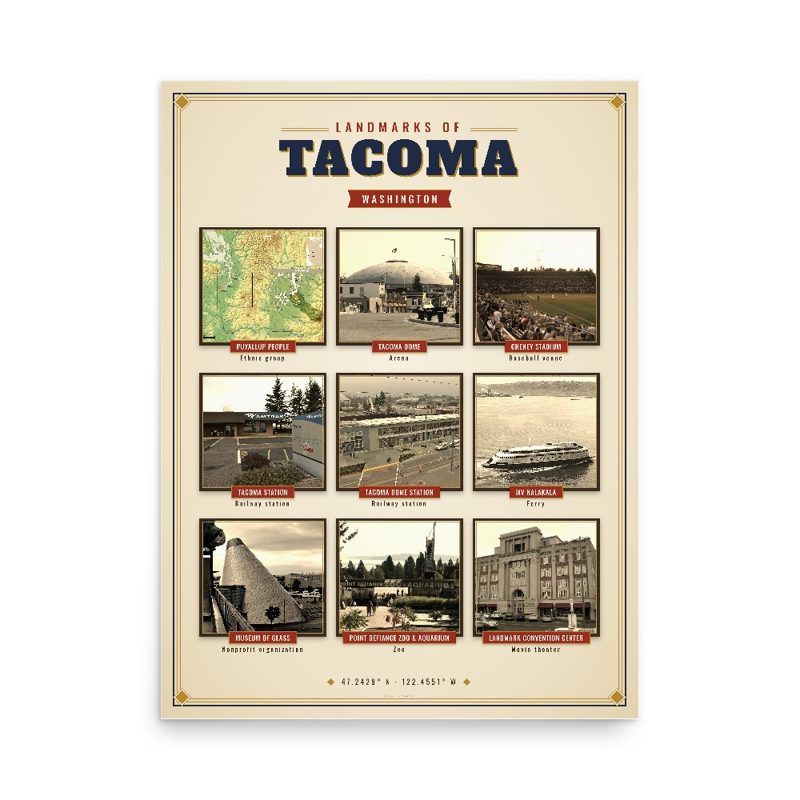
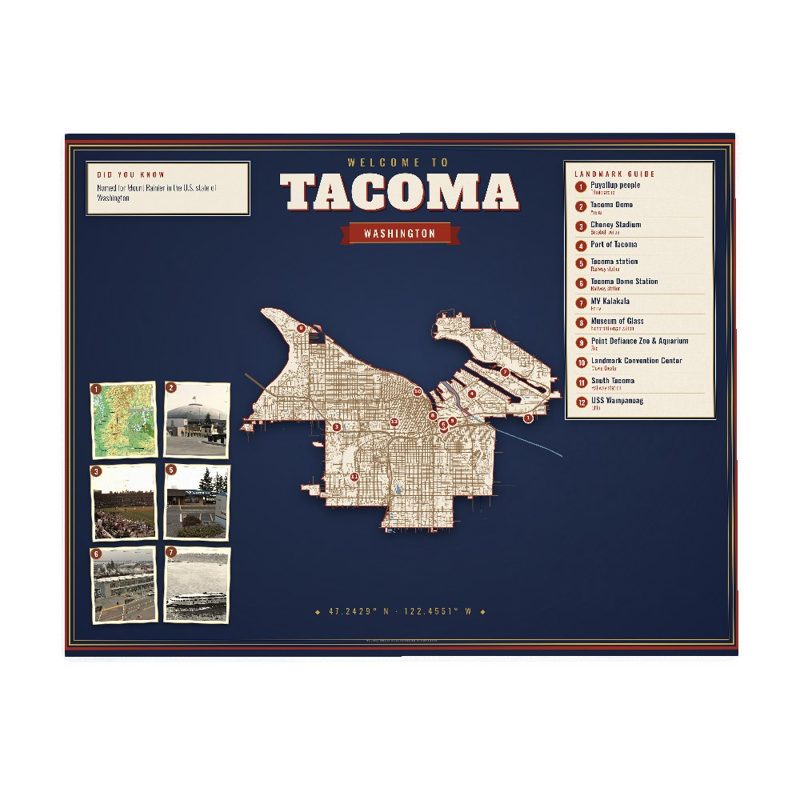
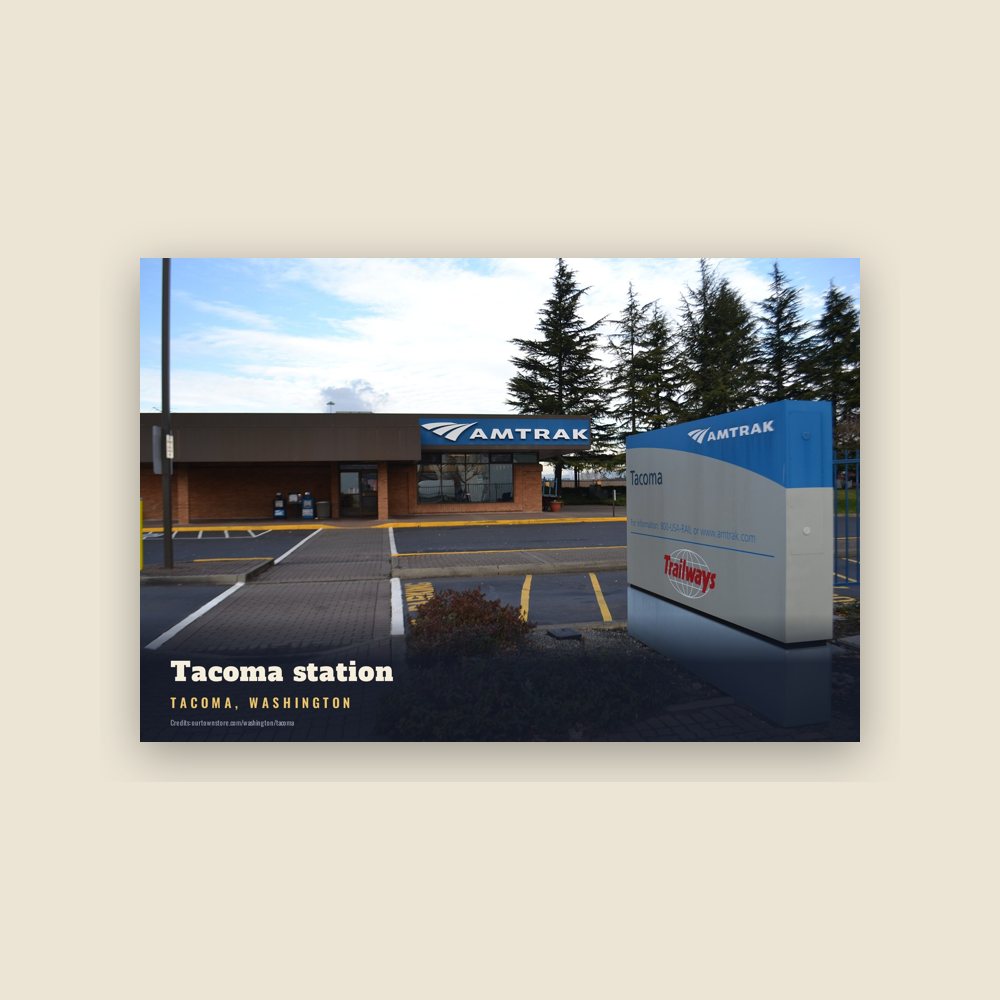
 Tacoma station
 Puyallup people
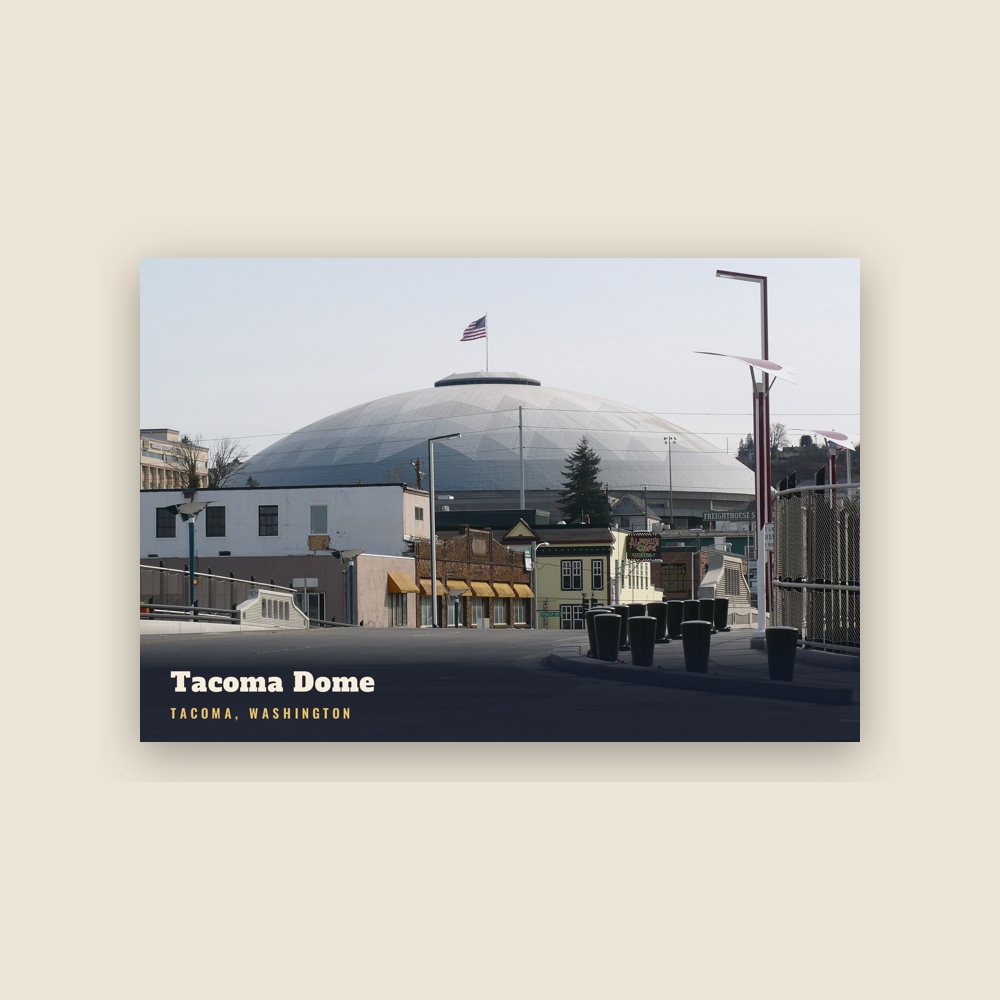
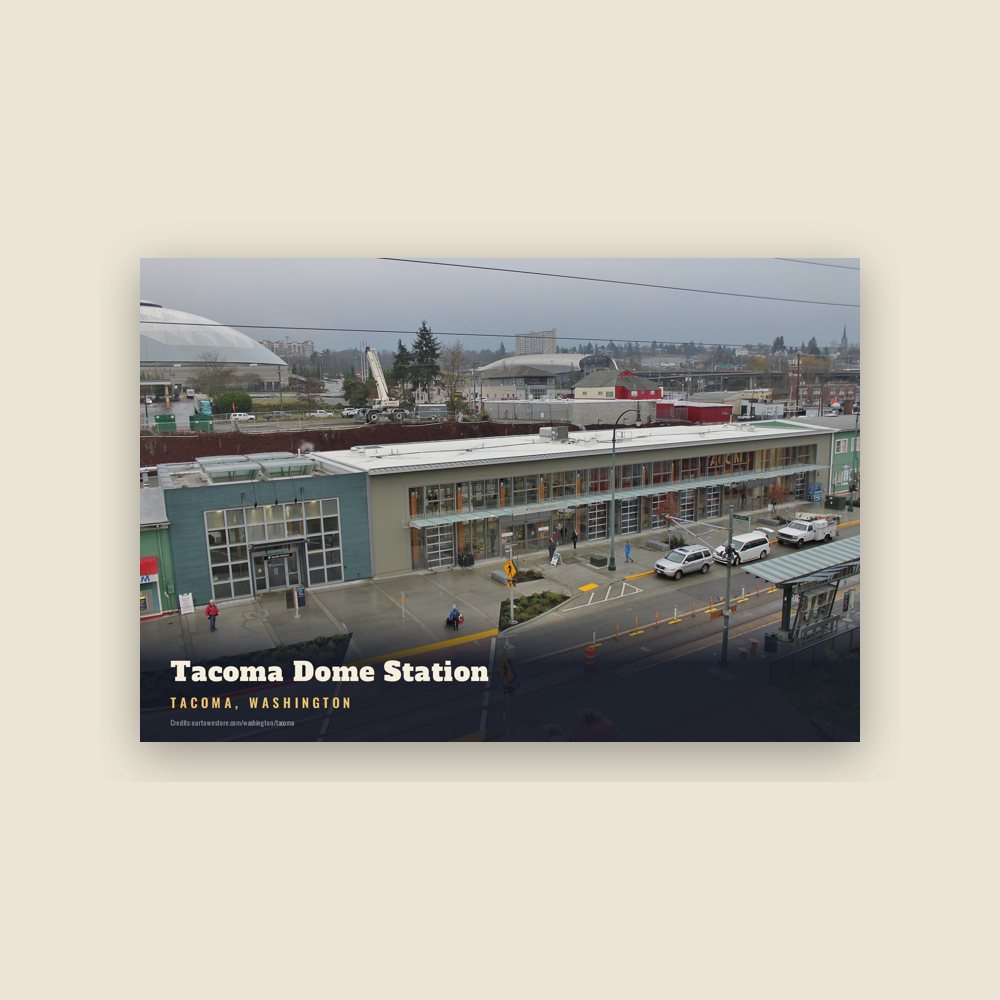
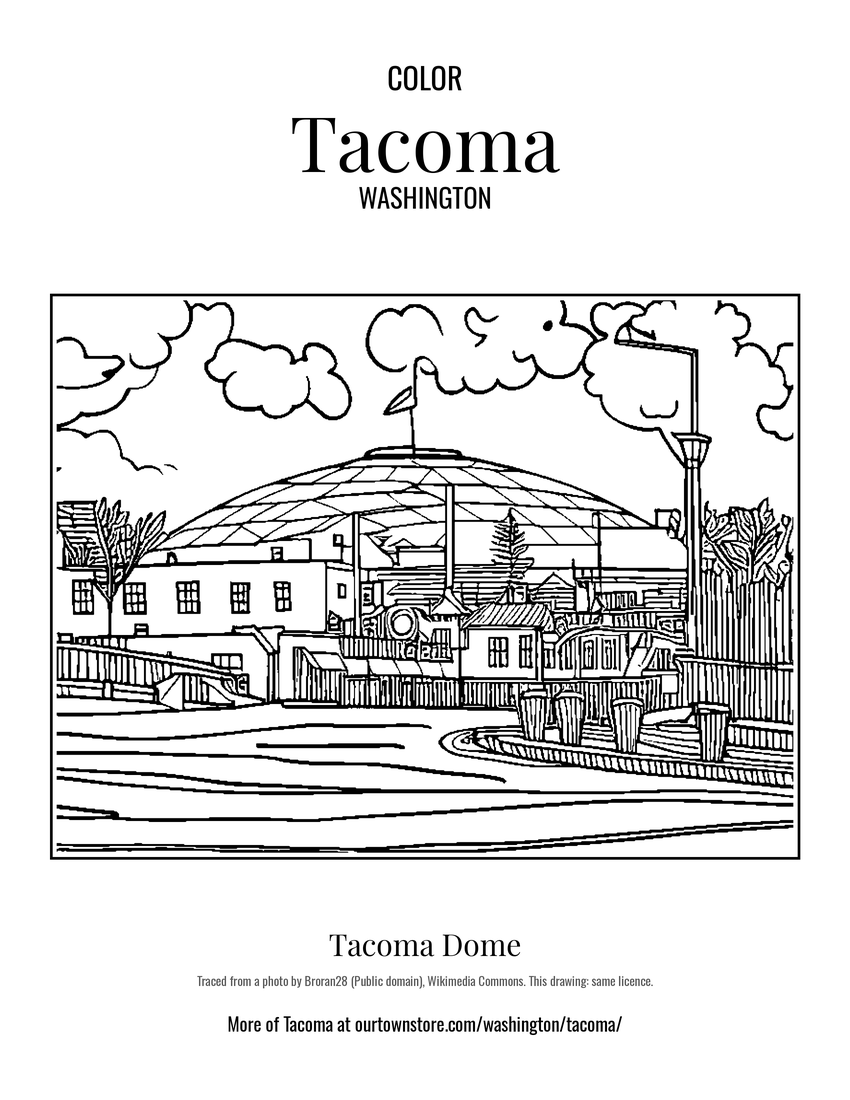 Tacoma Dome
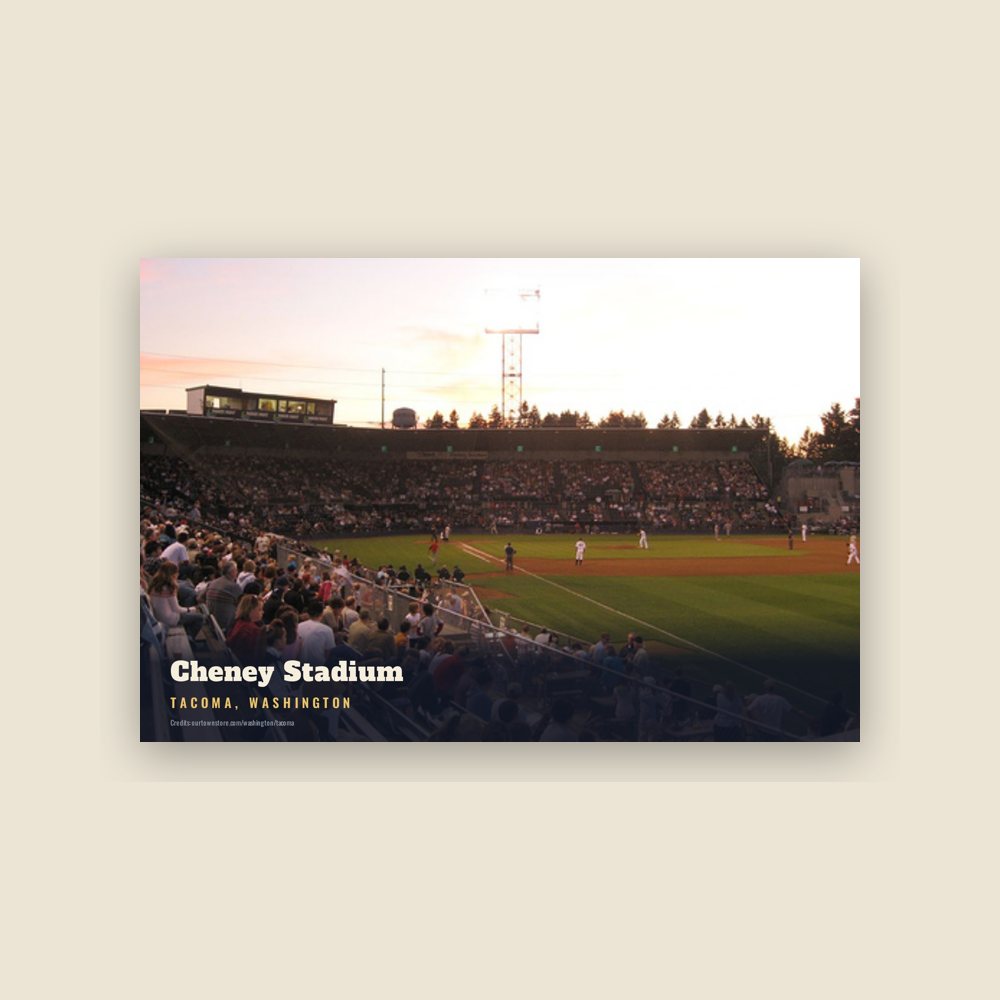
 Cheney Stadium