The first humans to live in the Spokane area were hunter-gatherers that lived off plentiful fish and game; early human remains have been dated to 8,000 to 13,000 years ago. The Spokane tribe, after which the city is named (the name meaning "children of the sun" or "sun people" in Salishan),[a] are believed to be either their direct descendants, or descendants of people from the Great Plains. When asked by early white explorers, the Spokanes said their ancestors came from "up North." Early in the 19th century, the Northwest Fur Company sent two white fur trappers west of the Rocky Mountains to search for fur. These were the first white men met by the Spokanes, who believed they were sacred, and set the trappers up in the Colville River valley for the winter.
Read the full history
Trading post
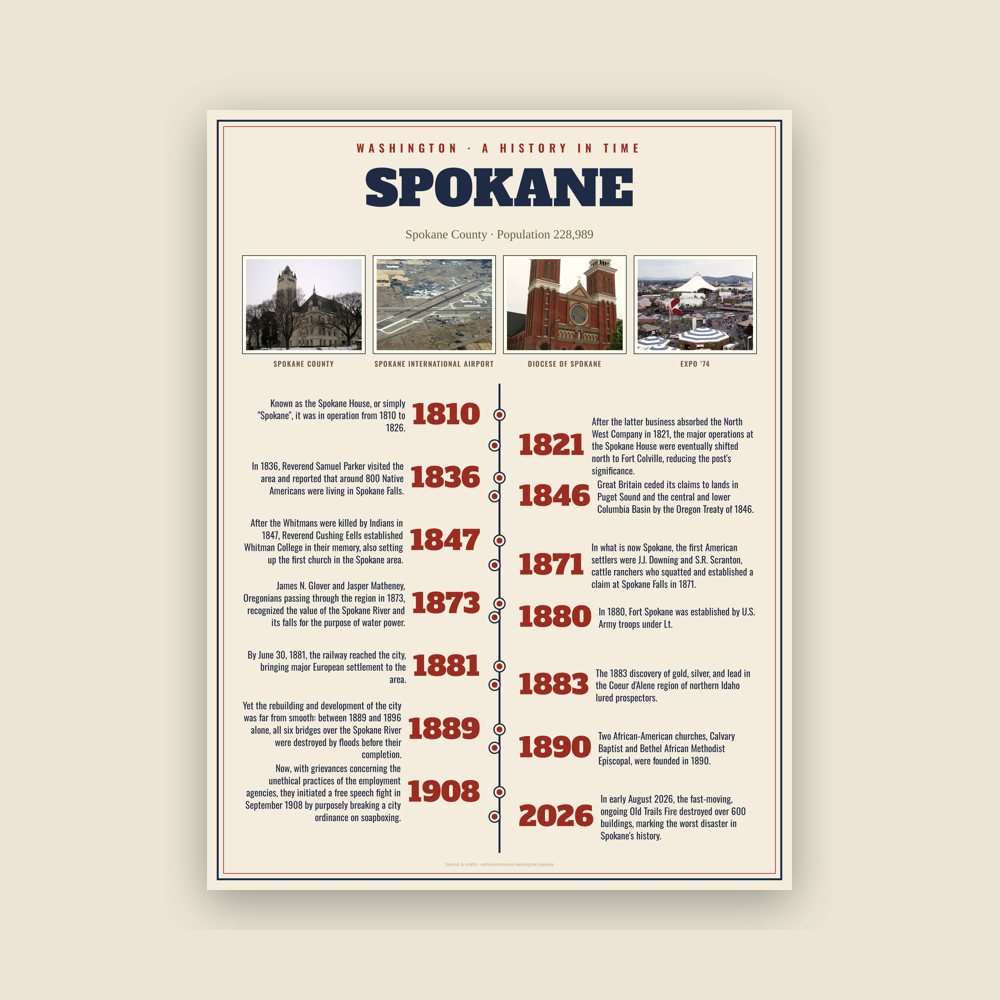
The explorer-geographer David Thompson, working as head of the North West Company's Columbia Department, became the first European to explore the Inland Empire (now called the Inland Northwest). Crossing what is now the Canada–US border from British Columbia, Thompson wanted to expand the North West Company further south in search of furs. After establishing the Kullyspell House and Saleesh House trading posts in what are now Idaho and Montana, Thompson then attempted to expand further west. He sent out two trappers, Jacques Raphael Finlay and Finan McDonald, to construct a fur trading post on the Spokane River, which flows west from Lake Coeur d'Alene to the Columbia River, and trade with the local Indians. This post was established in 1810, at the confluence of the Little Spokane and Spokane rivers, becoming the first enduring European settlement of significance in what later became Washington state. Known as the Spokane House, or simply "Spokane", it was in operation from 1810 to 1826. Operations were run by the British North West Company and later the Hudson's Bay Company, and the post was the headquarters of the fur trade between the Rocky and Cascade mountains for 16 years. After the latter business absorbed the North West Company in 1821, the major operations at the Spokane House were eventually shifted north to Fort Colville, reducing the post's significance.
In 1836, Reverend Samuel Parker visited the area and reported that around 800 Native Americans were living in Spokane Falls. A medical mission was established by Marcus and Narcissa Whitman to cater for Cayuse Indians and hikers of the Oregon Trail at Walla Walla in the south.
After the Whitmans were killed by Indians in 1847, Reverend Cushing Eells established Whitman College in their memory, also setting up the first church in the Spokane area.
In 1853, two years after the establishment of the Washington Territory, the first governor, Isaac Stevens, made an initial effort to make a treaty with Chief Garry and the Spokanes at Antoine Plantes' Ferry, not far from Millwood. After the last campaign of the Yakima Indian War, the Coeur d'Alene War of 1858 was brought to a close by the actions of Col. George Wright, who won decisive victories against a confederation of tribes in engagements at the battles of Four Lakes and Spokane Plains. The cessation of hostilities opened the inter-mountain valley of the Pacific Northwest to colonial expansion and safe habitation by settlers.
American settlement
Joint American–British occupation of Oregon Country, in effect since the Treaty of 1818, eventually led to the Oregon boundary dispute after a large influx of American settlers along the Oregon Trail. Great Britain ceded its claims to lands in Puget Sound and the central and lower Columbia Basin by the Oregon Treaty of 1846. The Hudson's Bay Company wound up its operations in the area over the next few years.
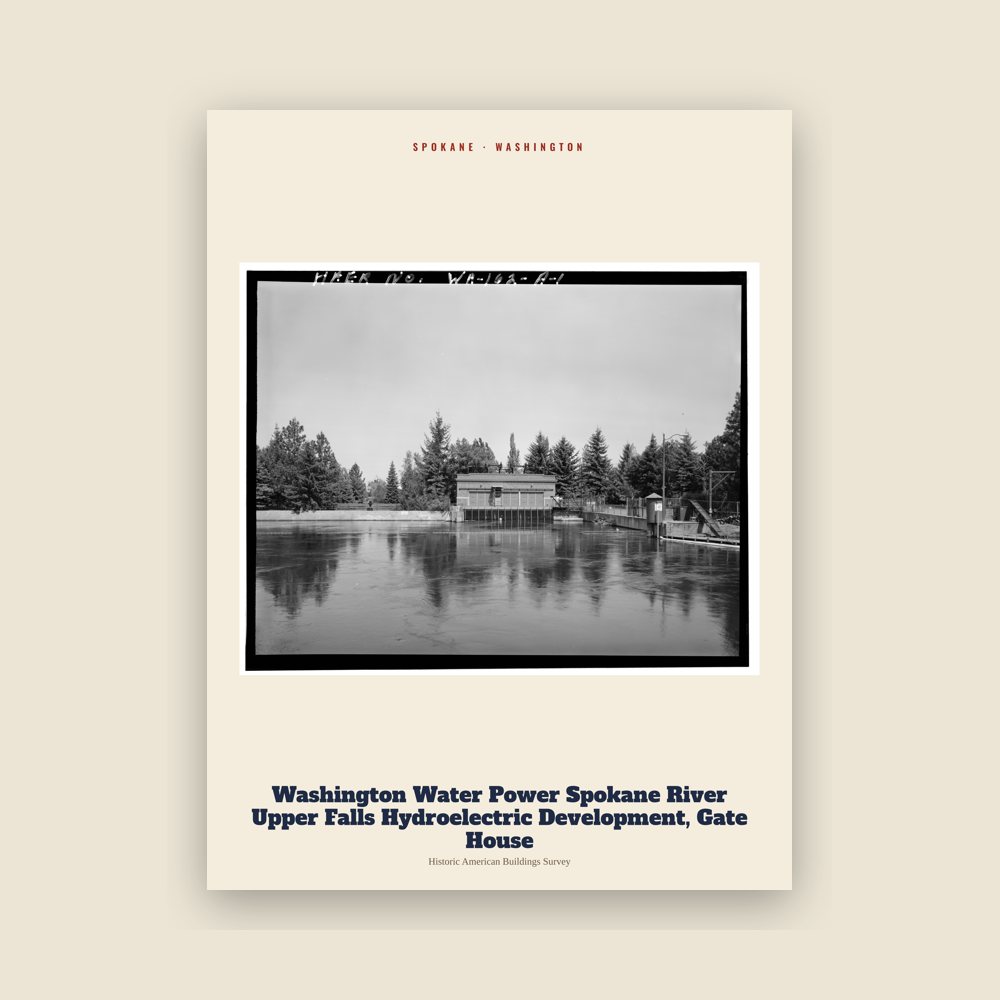
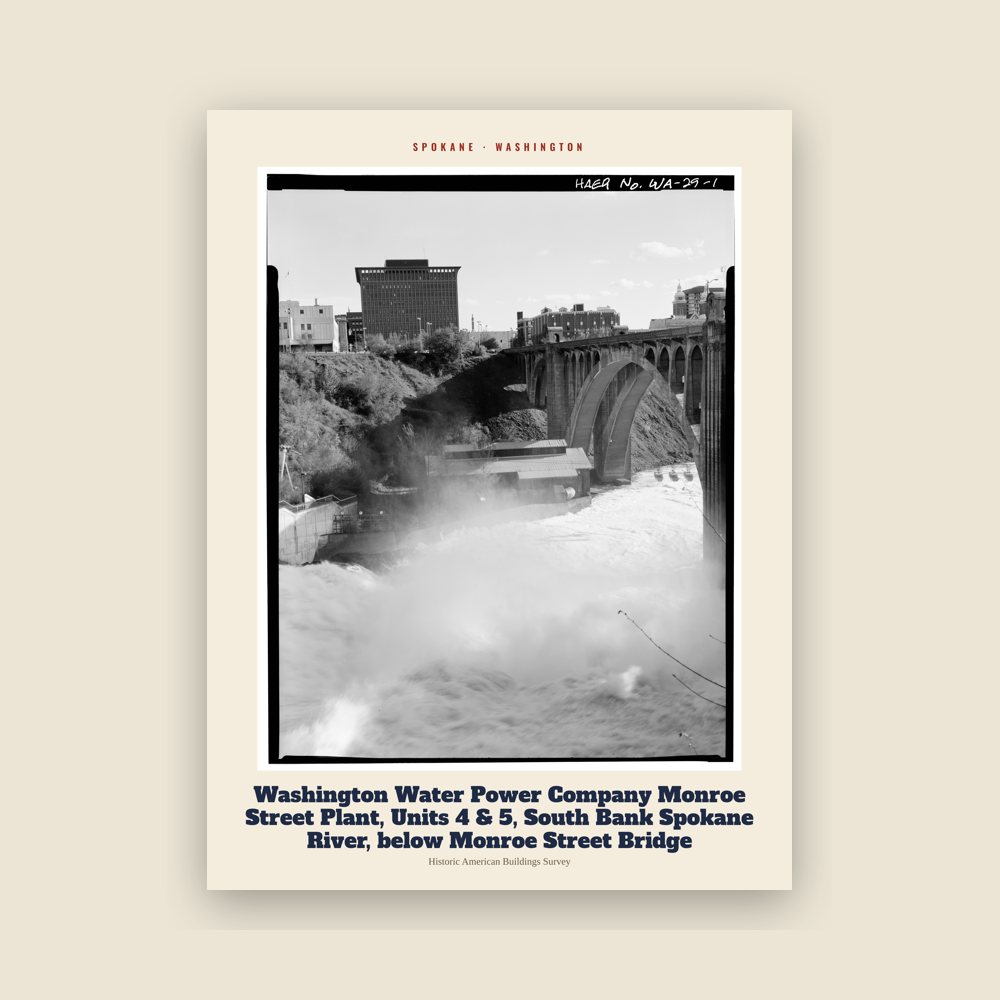
In what is now Spokane, the first American settlers were J.J. Downing and S.R. Scranton, cattle ranchers who squatted and established a claim at Spokane Falls in 1871. Together they built a small sawmill on a claim near the south bank of the falls. James N. Glover and Jasper Matheney, Oregonians passing through the region in 1873, recognized the value of the Spokane River and its falls for the purpose of water power. They realized the investment potential and bought the claims of 160 acres (65 ha) and the sawmill from Downing and Scranton for a total of $4,000. Glover and Matheney knew that the Northern Pacific Railroad Company had received a government charter to build a main line across this northern route. Amid many delays in construction and uncertainty over the completion of the railroad and its exact course, Matheney sold his interest in the claim to Glover.[b] Glover confidently held on to his claim and became a successful Spokane business owner and the city's second mayor. He later came to be known as the "Father of Spokane".
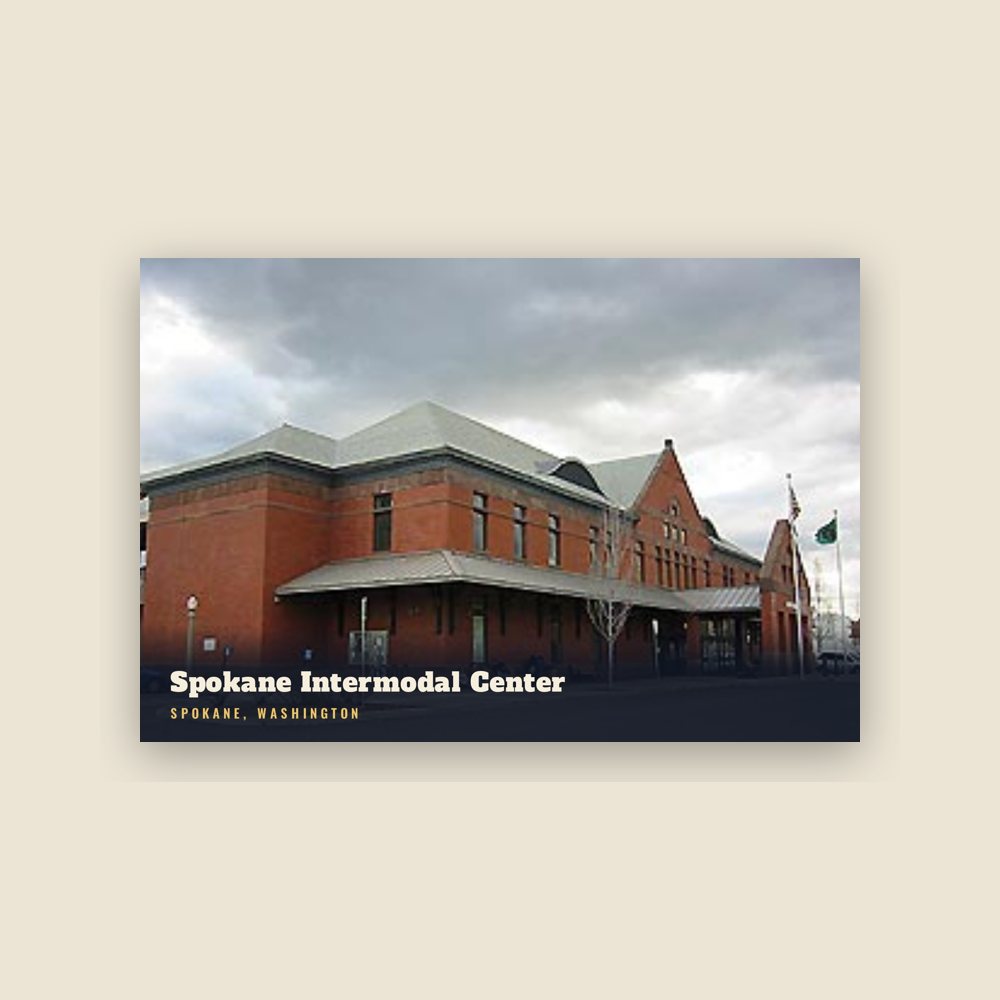
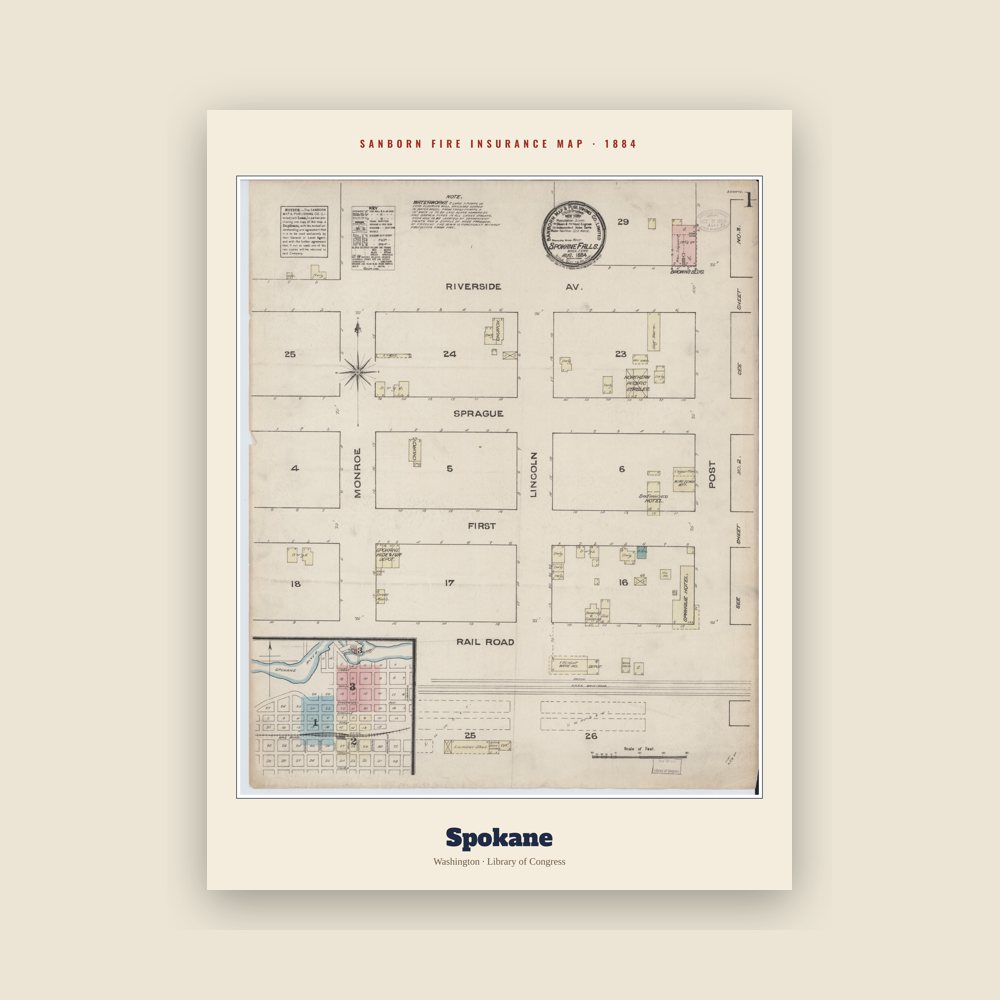
In 1880, Fort Spokane was established by U.S. Army troops under Lt. Col. Henry C. Merriam 56 miles (90 km) northwest of Spokane, at the junction of the Columbia and Spokane Rivers, to protect the construction of the Northern Pacific Railway and secure a place for U.S. settlement. By June 30, 1881, the railway reached the city, bringing major European settlement to the area. The city was officially incorporated with a population of about 1,000 residents on November 29, 1881.[c] When Spokane was officially incorporated in 1881, Robert W. Forrest was elected as the first mayor of the city, with a Council of seven, S.G. Havermale, A.M. Cannon, Dr. L.H. Whitehouse, L.W. Rima, F.R. Moore, George A. Davis, and W.C. Gray, all serving without pay. The marketing campaigns of transportation companies with affordable fertile land to sell along their trade routes lured many settlers into the region they dubbed "Spokane Country".
Spokane's growth continued unabated until August 4, 1889, when a fire, now known as The Great Fire (not to be confused with the Great Fire of 1910, which happened nearby), began just after 6:00 p.m., and destroyed the city's downtown commercial district. Due to technical problems with a pump station, there was no water pressure in the city when the fire started. In a desperate bid to starve the fire, firefighters began razing buildings with dynamite. Eventually, the winds and the fire died down; 32 blocks of Spokane's downtown core had been destroyed and one person was killed.
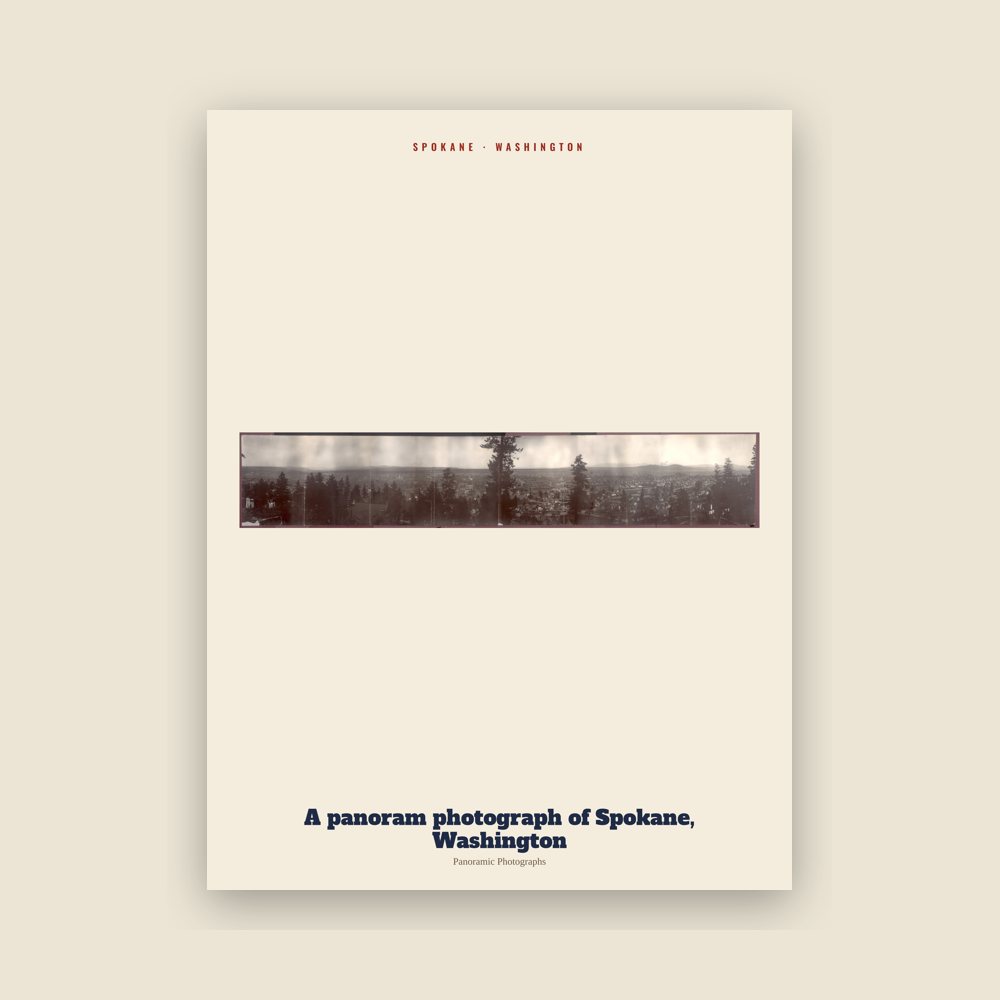
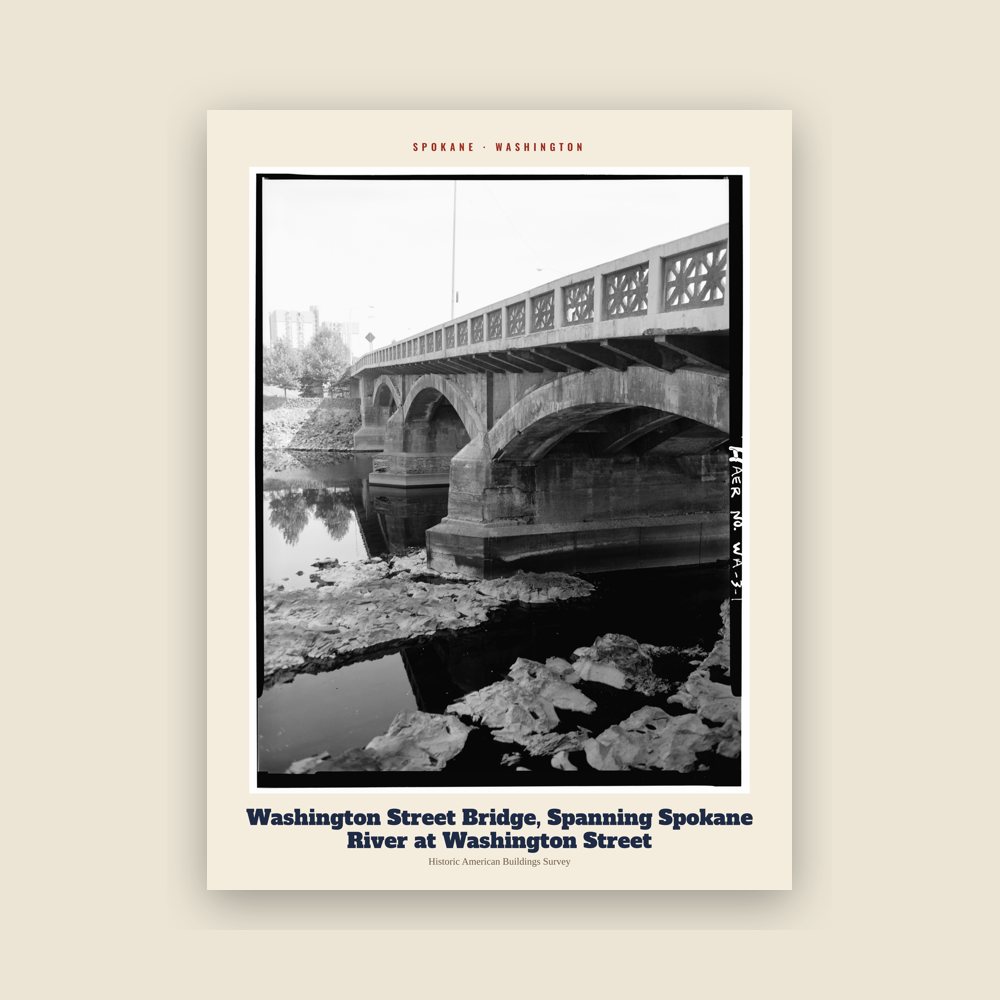
Despite this catastrophe, and in part because of it, Spokane experienced a building boom.[e] The downtown was rebuilt, and the city was reincorporated under the present name of "Spokane" in 1891. According to historian David H. Stratton, "From the late 1890s to about 1912, a great flurry of construction created a modern urban profile of office buildings, banks, department stores, hotels and other commercial institutions" which stretched from the Spokane River to the site of the Northern Pacific railroad tracks below the South Hill. Yet the rebuilding and development of the city was far from smooth: between 1889 and 1896 alone, all six bridges over the Spokane River were destroyed by floods before their completion.
In the 1890s, African-Americans from Roslyn migrated to the city; they were looking for work after the closure of the area's mines. Two African-American churches, Calvary Baptist and Bethel African Methodist Episcopal, were founded in 1890. Just three years after the fire, in 1892, James J. Hill's Great Northern Railway arrived in the chosen site for Hill's rail yards, the newly created township of Hillyard (annexed by Spokane in 1924). Spokane became an important rail shipping and transportation hub for the Inland Empire, connecting mines in the Silver Valley with agricultural areas around the Palouse region. The city's population ballooned to 19,922 in 1890, and to 36,848 in 1900 with the arrival of additional railroads.
By 1910 the population had hit 104,000, and Spokane eclipsed Walla Walla as the commercial center of the Inland Empire. In time the city came to be known as the "capital" of the Inland Empire and the heart of a vast tributary region. After the arrival of the Northern Pacific, Union Pacific, Great Northern, and Chicago, Milwaukee, St. Paul and Pacific railroads, Spokane became one of the most important rail centers in the western U.S.
Early 20th century
Expansion abruptly stopped in the 1910s and was followed by a period of population decline, due in large part to Spokane's slowing economy. Control of regional mines and resources became increasingly dominated by national corporations rather than local people and organizations, diverting capital outside of Spokane and decreasing growth and investment opportunities in the city. During this time of stagnation, unrest was prevalent among the area's unemployed, who became victimized by "job sharks", who charged a fee for signing up workers in the logging camps. Job sharks and employment agencies were known to cheat itinerant workers, sometimes paying bribes to periodically fire entire work crews, thus generating repetitive fees for themselves. Crime spiked in the 1890s and 1900s, with eruptions of violent activity involving unions such as the Industrial Workers of the World (IWW), or "Wobblies" as they were often known, whose free speech fights had begun to garner national attention. Now, with grievances concerning the unethical practices of the employment agencies, they initiated a free speech fight in September 1908 by purposely breaking a city ordinance on soapboxing. With IWW encouragement, union members from many western states came to Spokane to take part in what had become a publicity stunt. Many Wobblies were incarcerated, including feminist labor leader Elizabeth Gurley Flynn, who published her account in the local Industrial Worker.
The Inland Northwest region has also long been associated with farming, especially wheat production. Initially, the Palouse was thought to be unsuitable for wheat production due to the hilly terrain, believing wheat could not be cultivated on the tops of the hills, but the region showed great promise for wheat production when it began in the late 1850s in part due to the hilltops. The Palouse was and still is a breadbasket and was able to develop and grow with the completion of several railroad networks as well as a highway system that began to center around the city of Spokane, aiding farmers from around the region in distributing their products to market. Inland Empire farmers exported wheat, livestock and other agricultural products to ports such as New York, Liverpool and Tokyo.
Local morale was affected for years by the collapse of the Division Street Bridge early in the morning on December 15, 1915, which killed five people and injured over 20, but a new bridge was built (eventually replaced in 1994). The 1920 census showed a net increase of just 35 individuals, which actually indicates that thousands left the city when considering the natural growth rate of a population. Growth in the 1920s and 1930s remained slow but less drastically so, forcing city boosters to market the city as a quiet, comfortable place suitable for raising a family rather than a dynamic community full of opportunity. The Inland Empire was heavily dependent on natural resources and extractive goods produced from mines, forests, and farms, which experienced a fall in demand. The situation improved slightly with the start of World War II as aluminum production commenced in Spokane due to the area's cheap electricity (produced from regional dams) and the increased demand for airplanes.
Second half of the 20th century
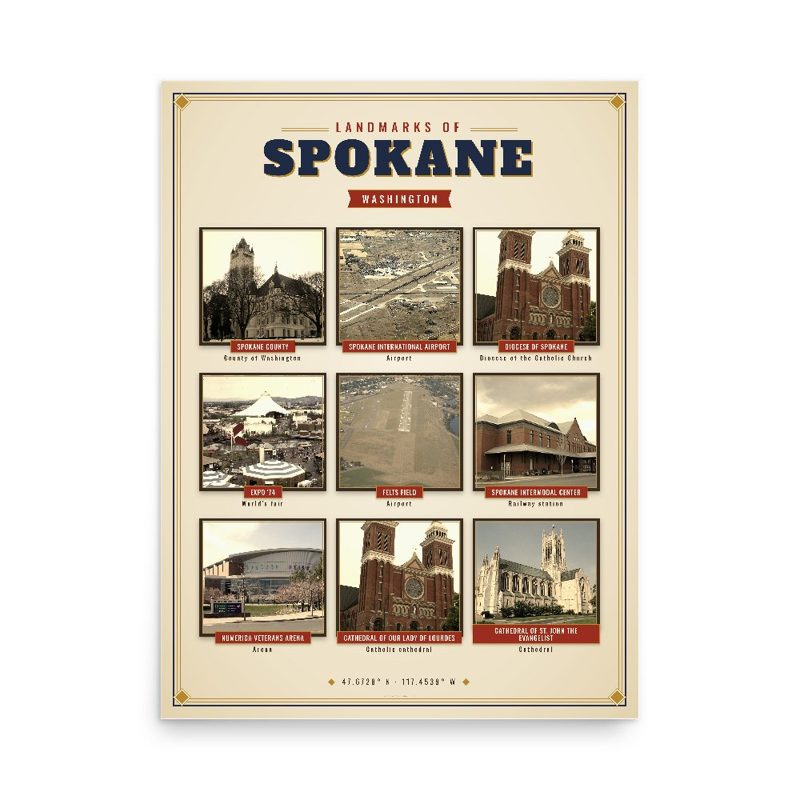
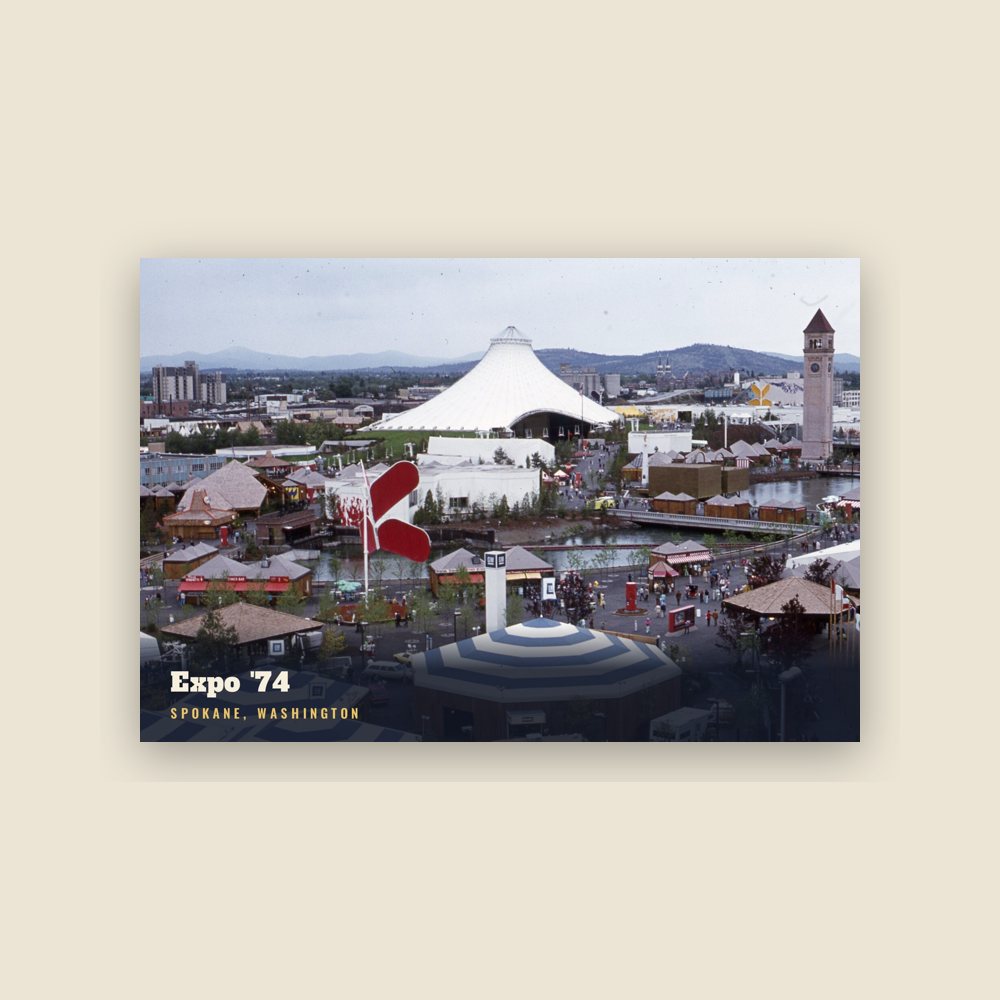
After decades of stagnation and slow growth, Spokane businessmen formed Spokane Unlimited in the early 1960s, an organization that sought to revitalize downtown Spokane. A recreation park showcasing the Spokane Falls was the preferred option, and after successful negotiation to relocate the railroad facilities on Havermale Island, they executed on a proposal to host the first environmentally themed World's Fair in Expo '74 on May 4, becoming the smallest city at the time to host a World's Fair. This event transformed Spokane's downtown, removing a century of railroad infrastructure and re-inventing the urban core. After Expo '74, the fairgrounds became the 100-acre (40 ha) Riverfront Park.
The growth witnessed in the late 1970s and early 1980s was interrupted by another U.S. recession in 1981, in which silver, timber, and farm prices dropped. The period of decline for the city lasted into the 1990s and was also marked by a loss of many steady family-wage jobs in the manufacturing sector. At this time, market forces began to impact the local Kaiser Aluminum plant and layoffs, pension cuts, a 1998–1999 labor strike, and eventually bankruptcy in 2002 followed. Although this was a tough period, Spokane's economy had started to benefit from some measure of economic diversification; growing companies such as Key Tronic and other research, marketing, and assembly plants for technology companies helped lessen Spokane's dependence on natural resources.
21st century
As of 2014, Spokane is still trying to make the transition to a more service-oriented economy in the face of a less prominent manufacturing sector. Developing the city's strength in the medical and health sciences fields has seen some success, resulting in the expansion of the University District with two medical school branches. The city faces challenges such as a scarcity of high-paying jobs, pockets of poverty, and areas of high crime.
The opening of the River Park Square in 1999 served as a catalyst and sparked a downtown rebirth that included the building of the Spokane Arena and expansion of the Spokane Convention Center. Other major projects include the building of the Big Easy concert house (now the Knitting Factory) and renovation of the historic Montvale Hotel, the Kirtland Cutter-designed Davenport Hotel (after being vacant for over 20 years), the Fox Theater (now home to the Spokane Symphony) as well as the completion of the WSU Pharmaceutical and Biomedical Sciences Building in 2013 and the Davenport Grand Hotel in 2015, Ridpath Hotel in 2018 and the ongoing renovation of Riverfront Park (as of May 2019). The Kendall Yards development on the west side of downtown Spokane is one of the largest construction projects in the city's history. Directly across the Spokane River from downtown, it will blend residential and retail space with plazas and walking trails.
2026 wildfires
In early August 2026, the fast-moving, ongoing Old Trails Fire destroyed over 600 buildings, marking the worst disaster in Spokane's history.


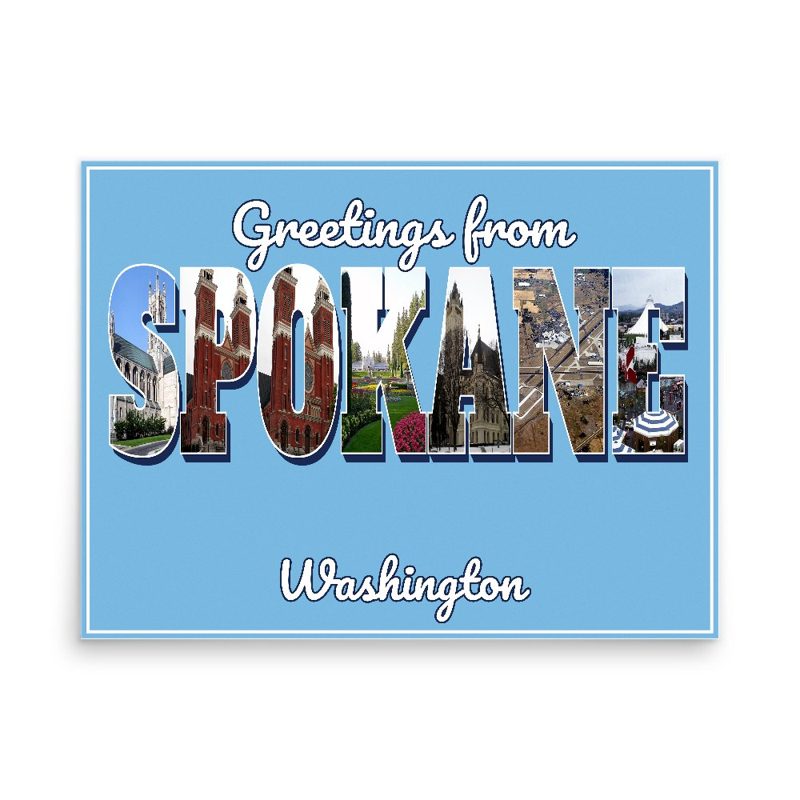
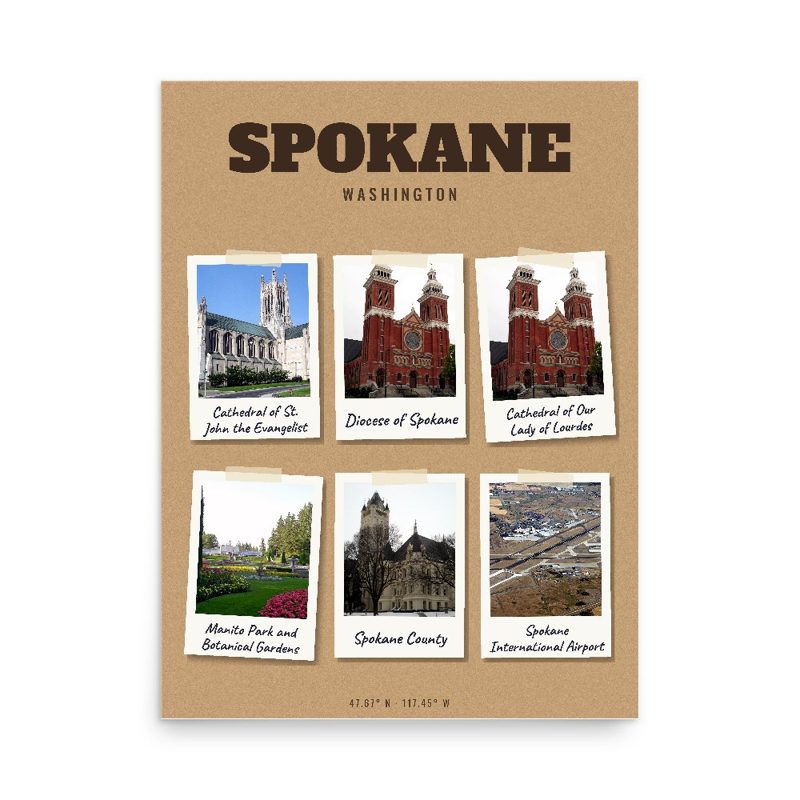
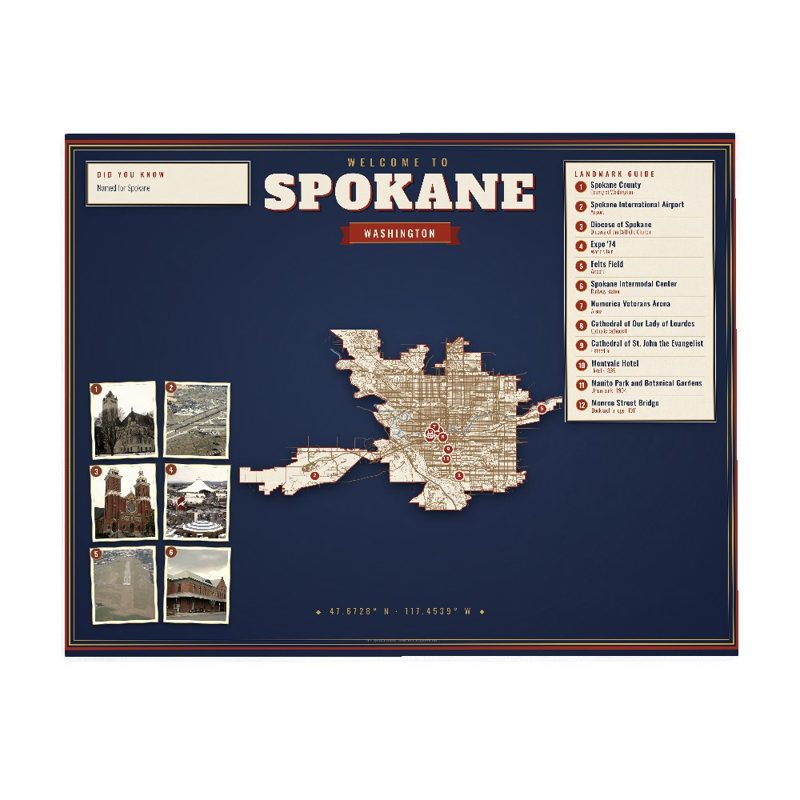

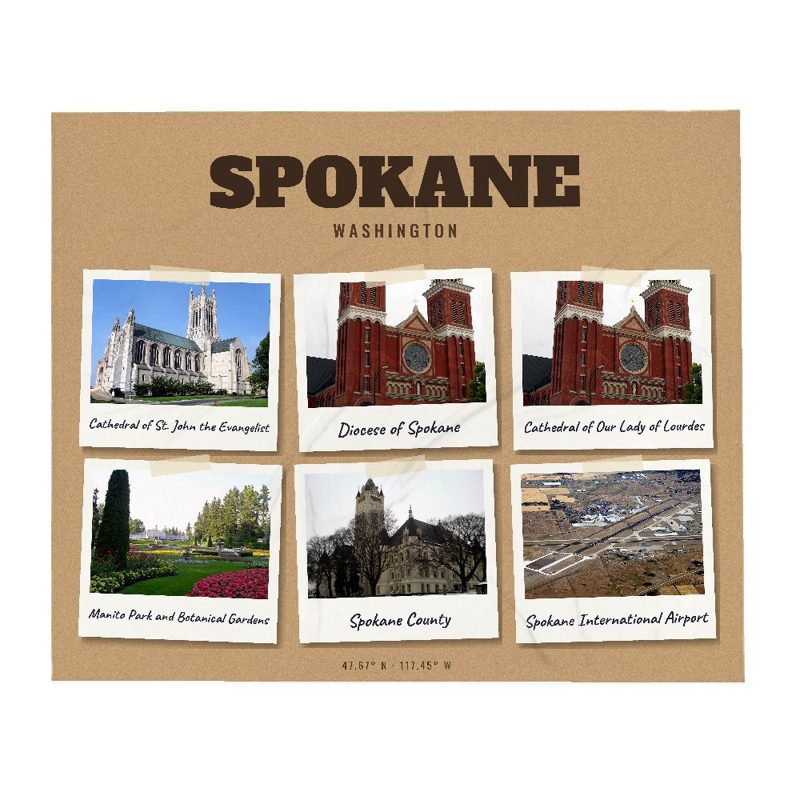
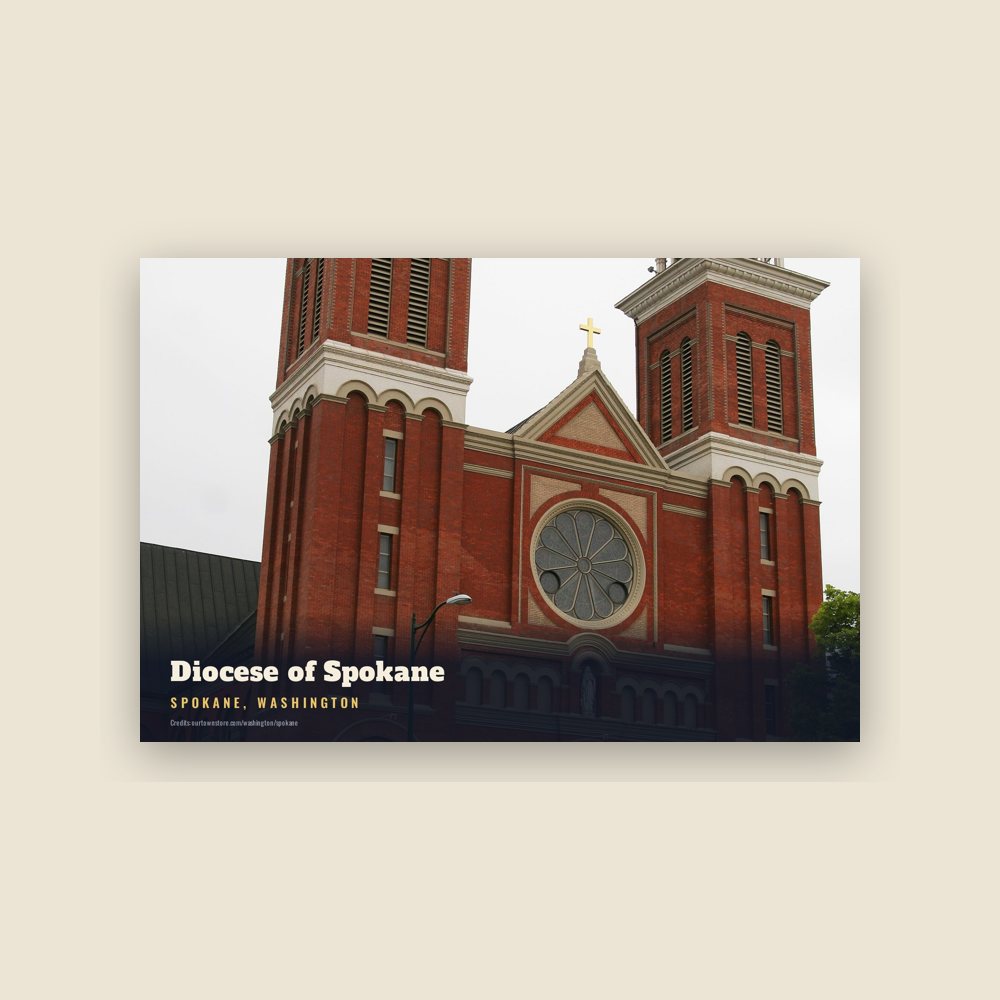
 Diocese of Spokane
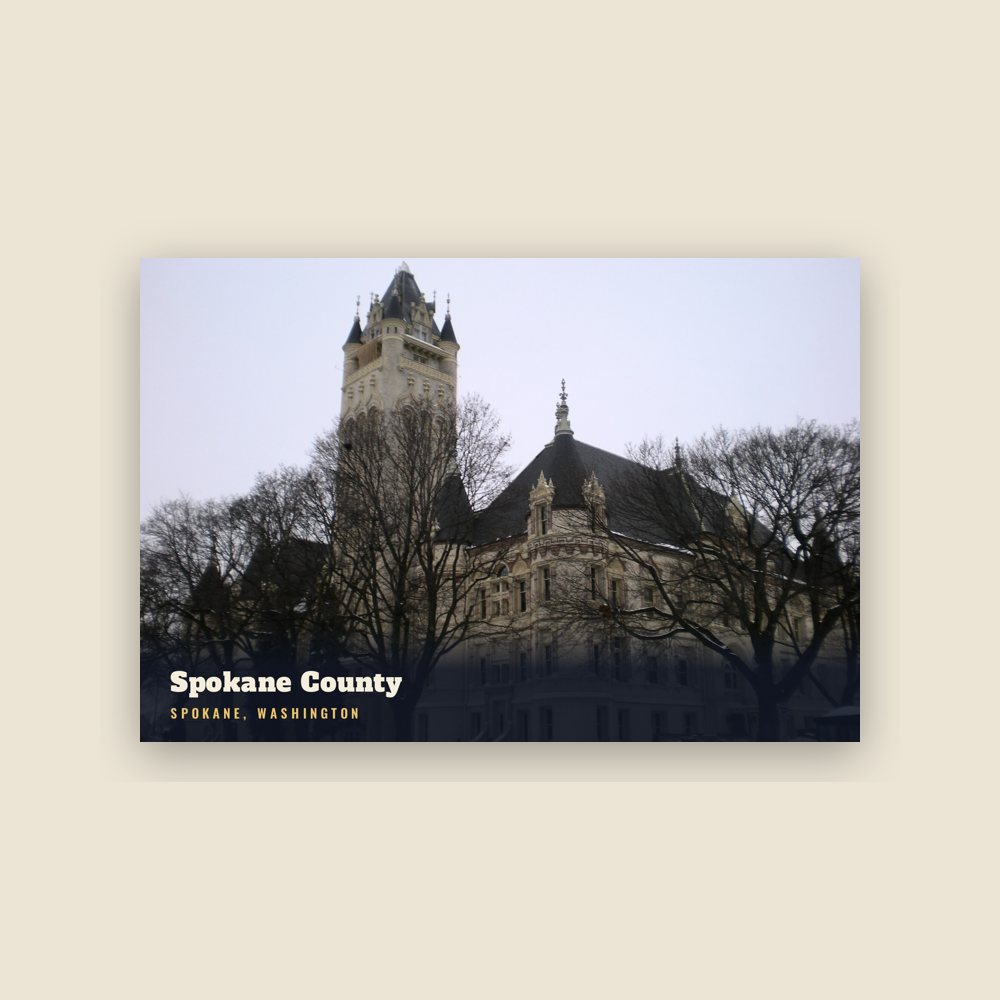
 Spokane County
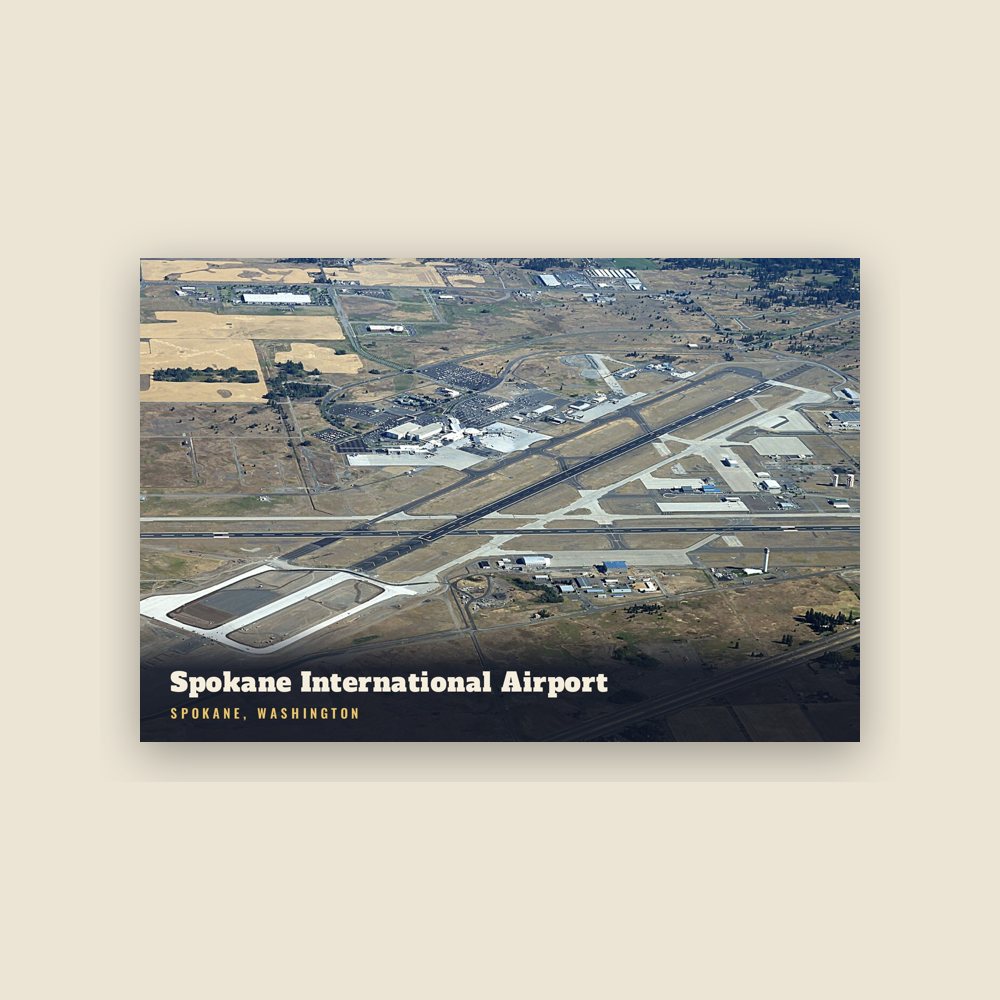
 Spokane International Airport
 Expo '74