A short history of Selah
Selah was incorporated as a city on March 17, 1919. The Tree Top apple processor co-operative (established in 1960) has its headquarters and two processing plants in Selah. In 2004, the Yakama Tribe bought the old Hi-Country juicing plant, which it operated until 2010. Currently, the facility is owned and operated by Sun-Rype, the U.S. arm of Western Canada's largest juice and fruit snack distributor. It continues to produce store brand apple juice and other beverages. In addition a number of fruit companies have warehouses there, due to the proximity of fruit orchards in the nearby Wenas Valley and access to regional railroad and roadway systems for shipment to markets. Selah and the Wenas Valley increasingly serve as a "bedroom community" of the larger city of Yakima to the south. Because of the nearby orchards and juice processing plants, Selah is often referred to as "The Apple Juice Capital of the World"
Each Memorial Day weekend, the Washington State chapter of the National Audubon Society holds a campout some 22 miles north of Selah at the Hazel Wolf Bird Sanctuary in the upper Wenas Valley near Wenas, Washington. The upper valley also holds Wenas Lake, an irrigation reservoir. Wenas Creek flows from the reservoir through the agricultural lower Wenas Valley. This is where the Wenas Creek Mammoth was found. The creek is a tributary of the Yakima River.
In July 2020, the city was the subject of a New York Times story examining small town reaction to non-violent protests about racial inequality which noted anecdotal evidence of uneven enforcement of laws and rules to people of color.
Adapted (trimmed) from the Wikipedia article Selah, Washington, revision 1374931431 by its contributors, licensed CC BY-SA 4.0.
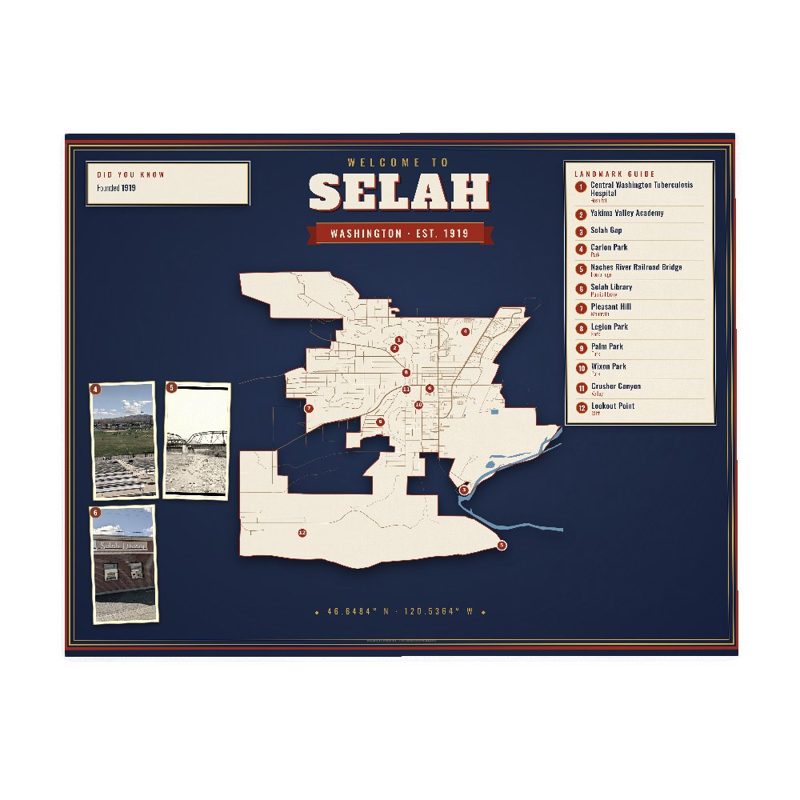
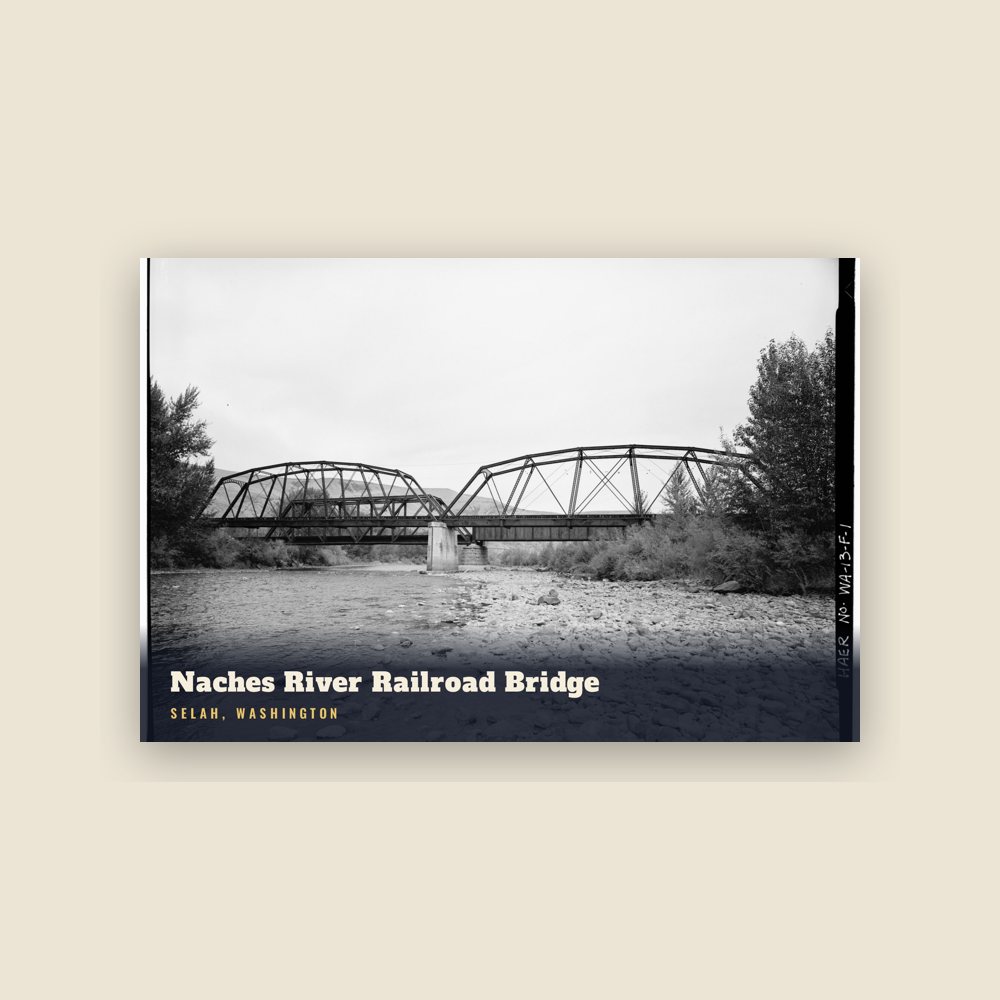
 Naches River Railroad Bridge
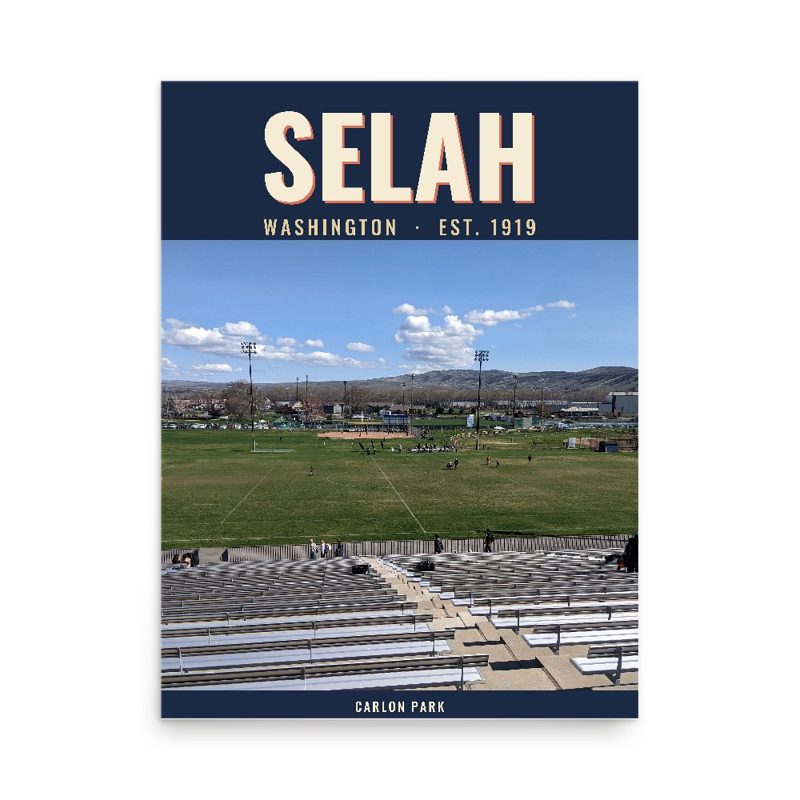
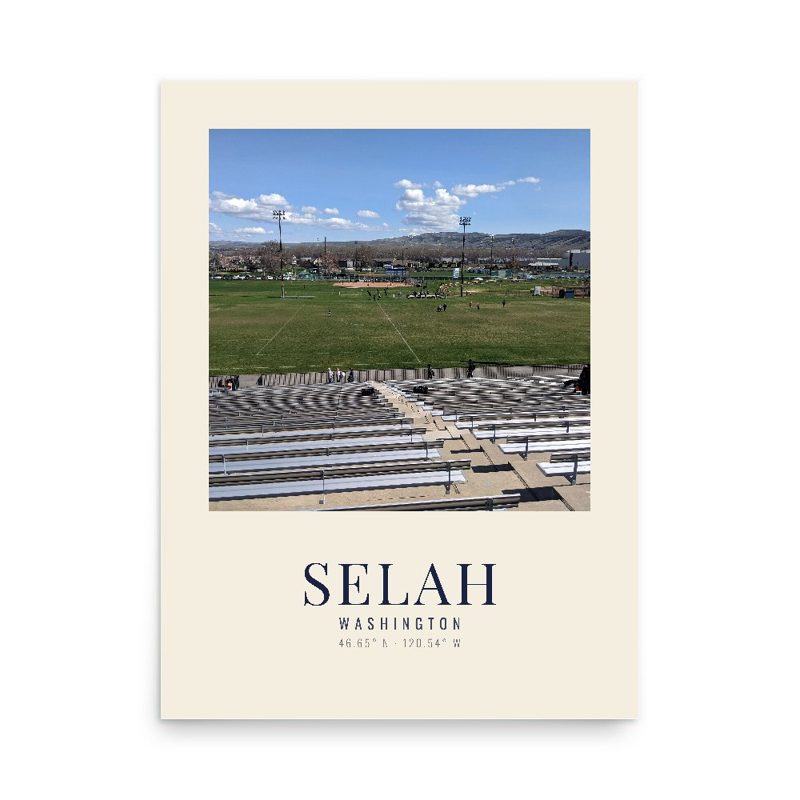
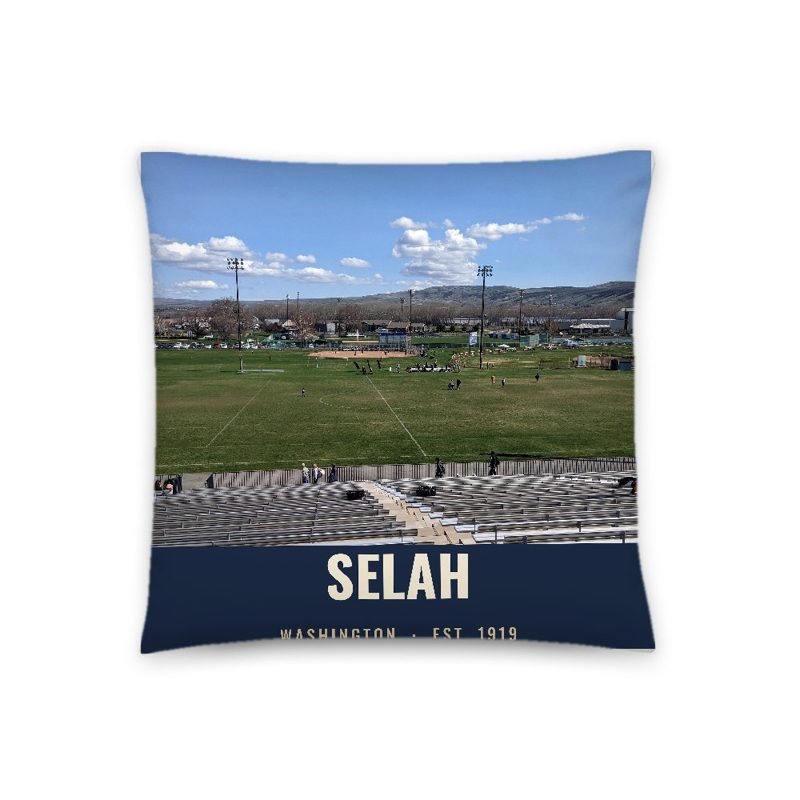
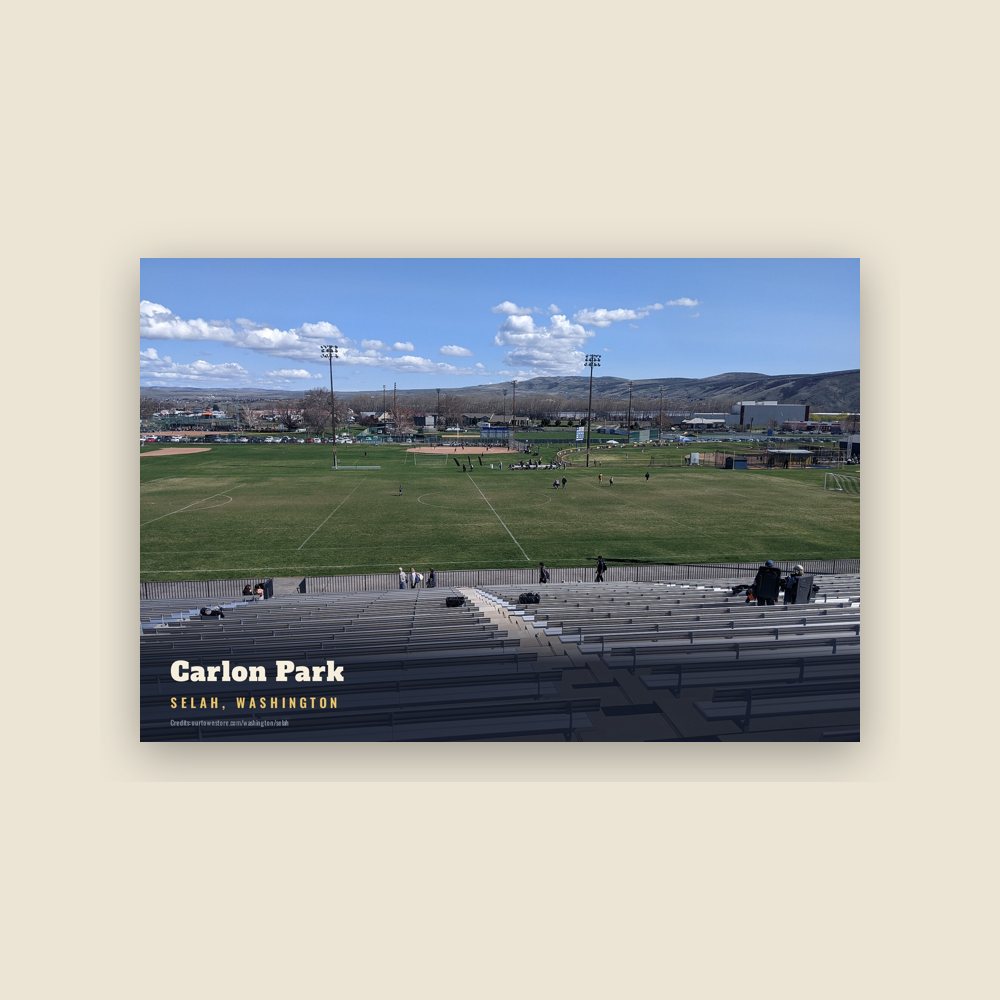
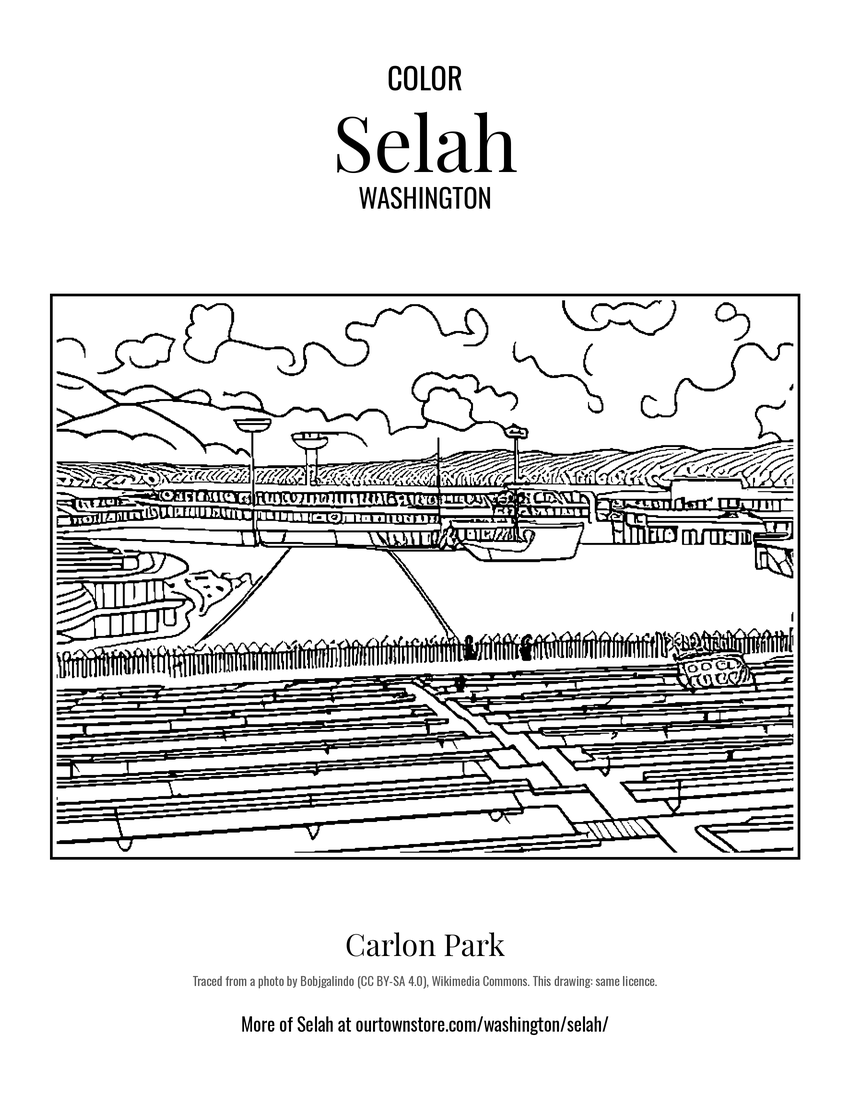 Carlon Park
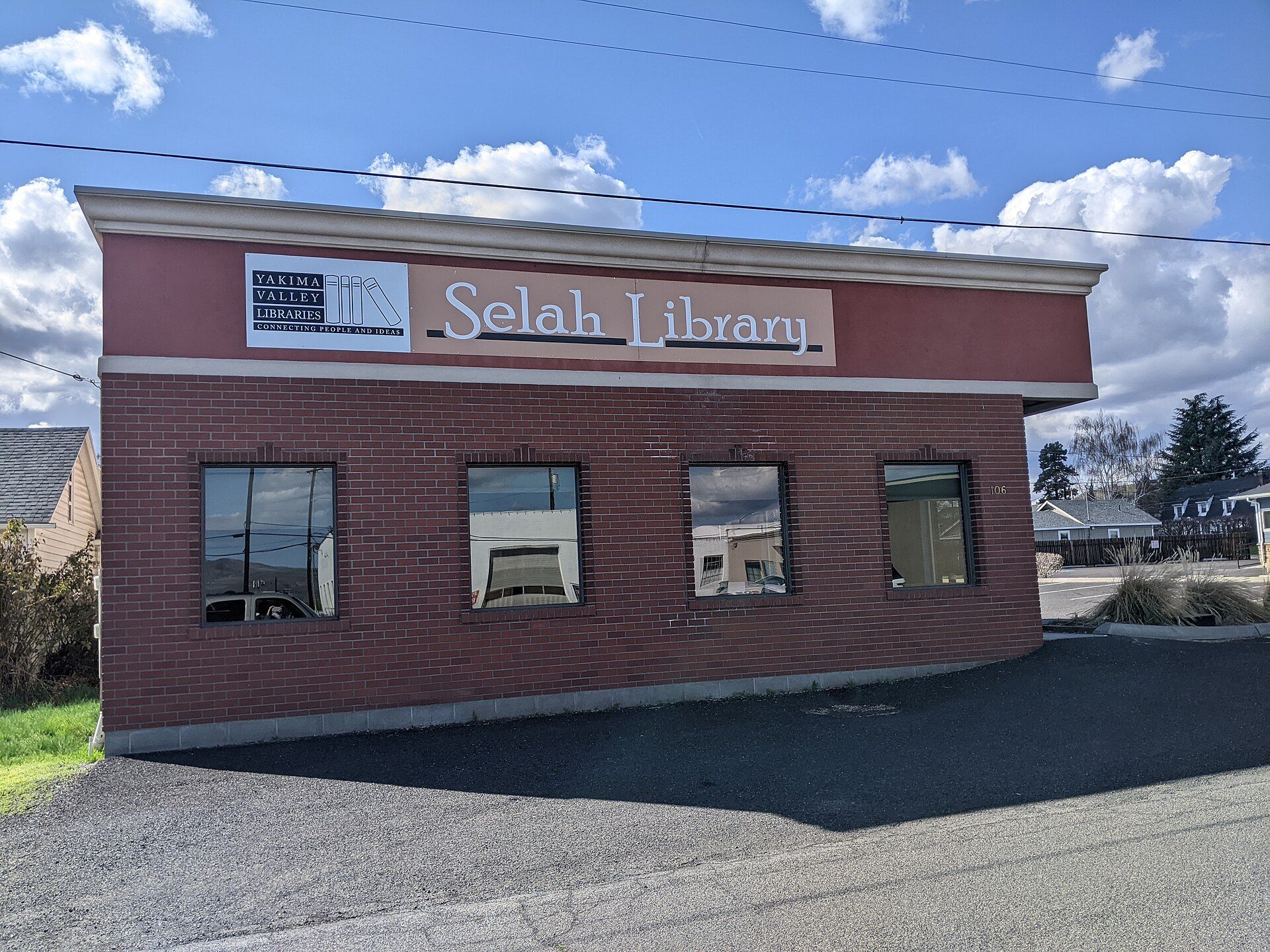
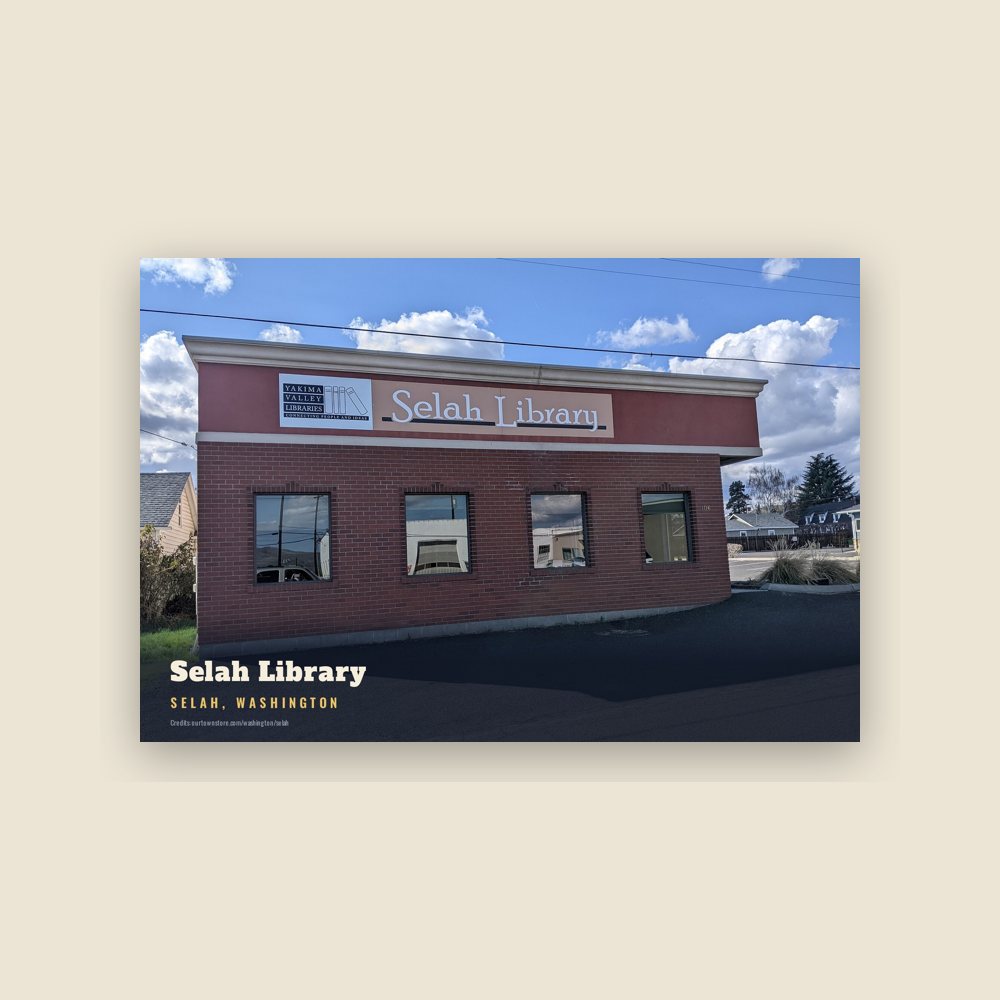
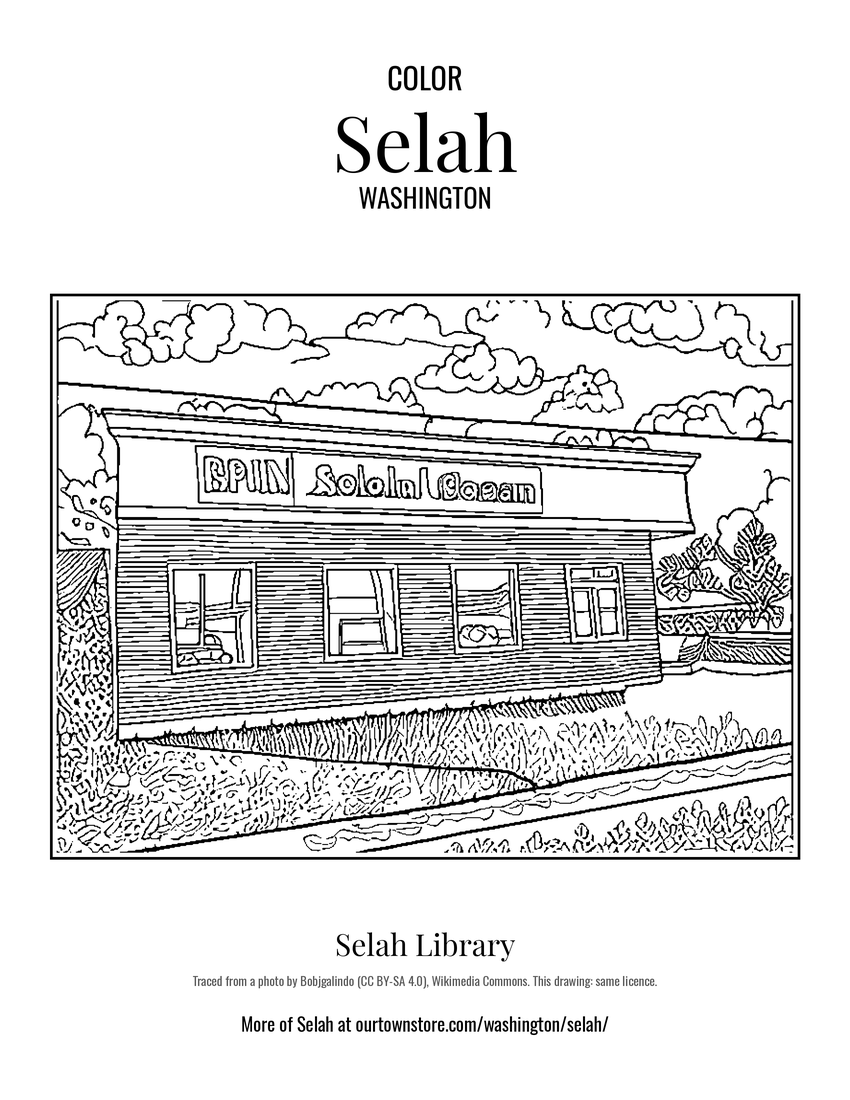 Selah Library