The settlement that became Newport developed around river transportation and trade in the Pend Oreille River valley. Newport is the birthplace of Ralph Purchase, rower.
- Population2,114 (2020 U.S. Census)
- Historic places1 on the National Register
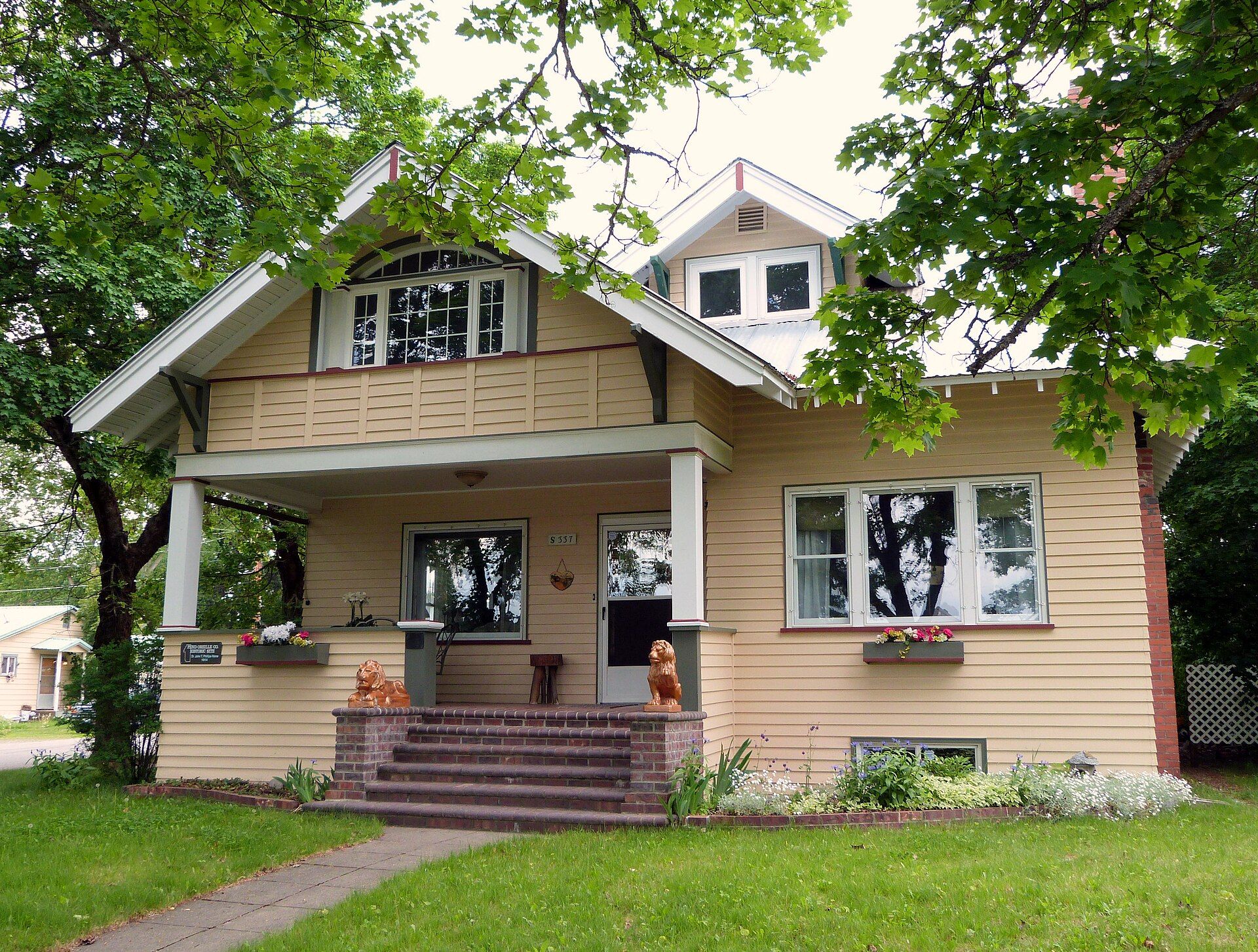
Newport, Washington gifts and souvenirs: 28 designs made from Newport's own map, landmarks and history, from $10 to $99. Printed to order and shipped free in the USA.
| Popular | Price |
|---|---|
| Newport Hometown Ornament | $23 |
| Newport Vintage Travel Poster | from $40 |
| Newport Varsity Crewneck | from $57 |
| Newport Est. Tee | from $33 |
| Newport Town Line Mug | from $26 |
| Newport Market Tote | $37 |
Ceramic keepsake, gold ribbon
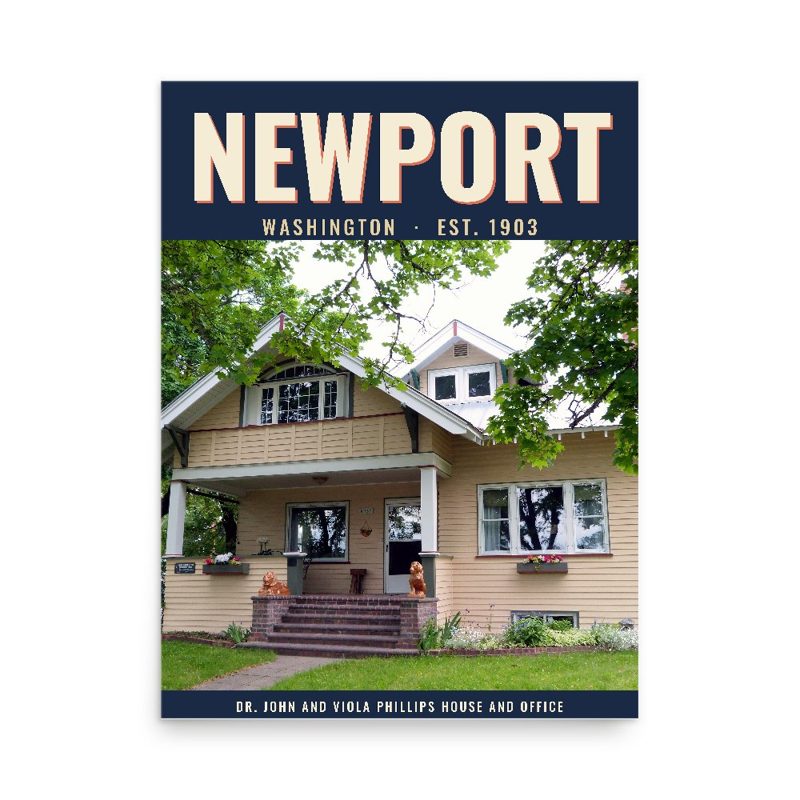
Its landmark photo in a classic travel-poster layout
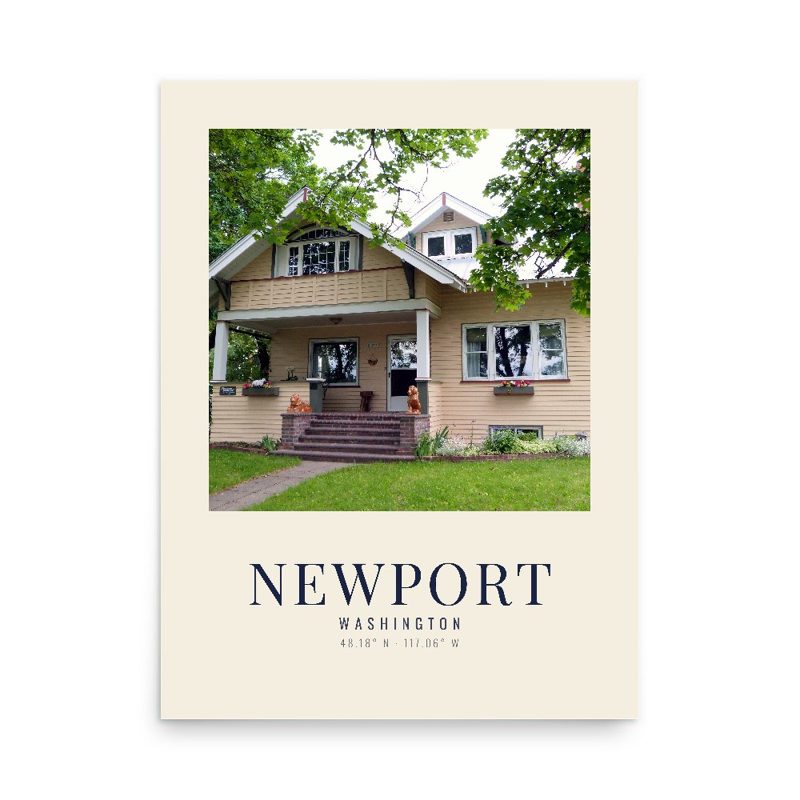
A local landmark photo as a gallery print
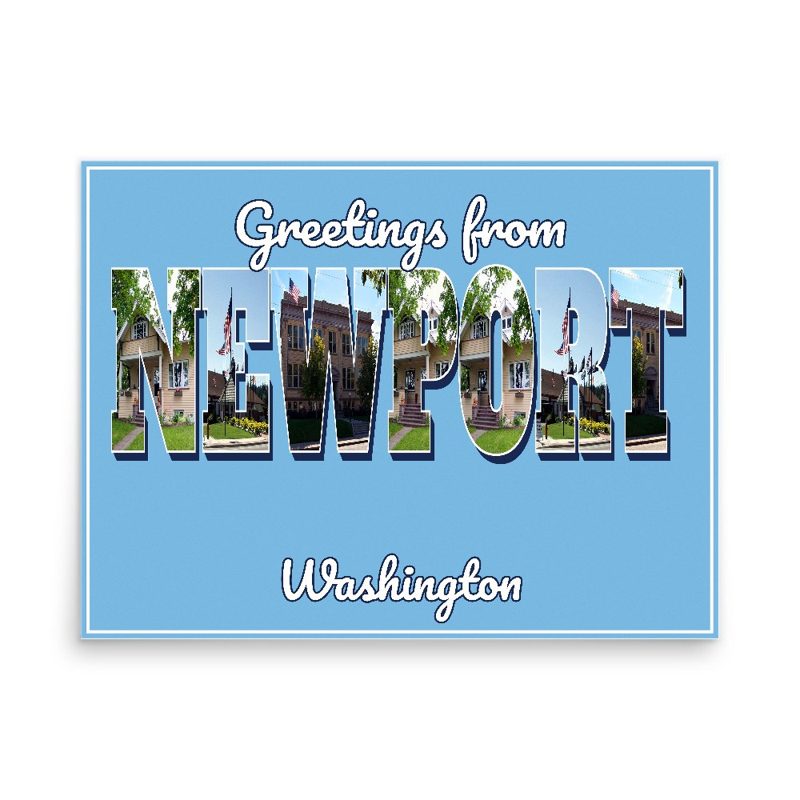
Classic large-letter postcard art, filled with local photos
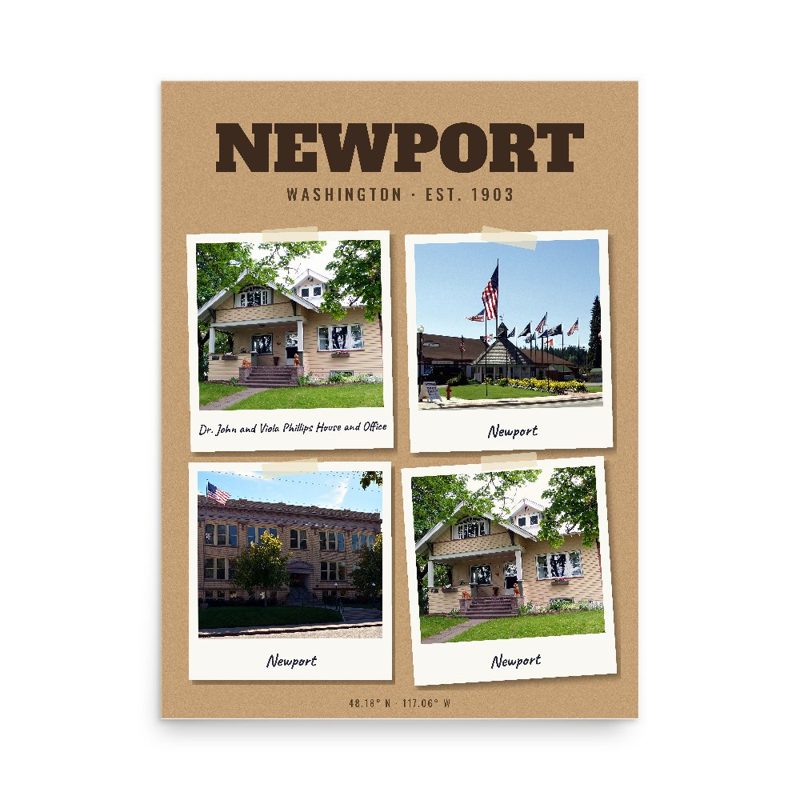
Six local landmarks as instant photos on kraft paper
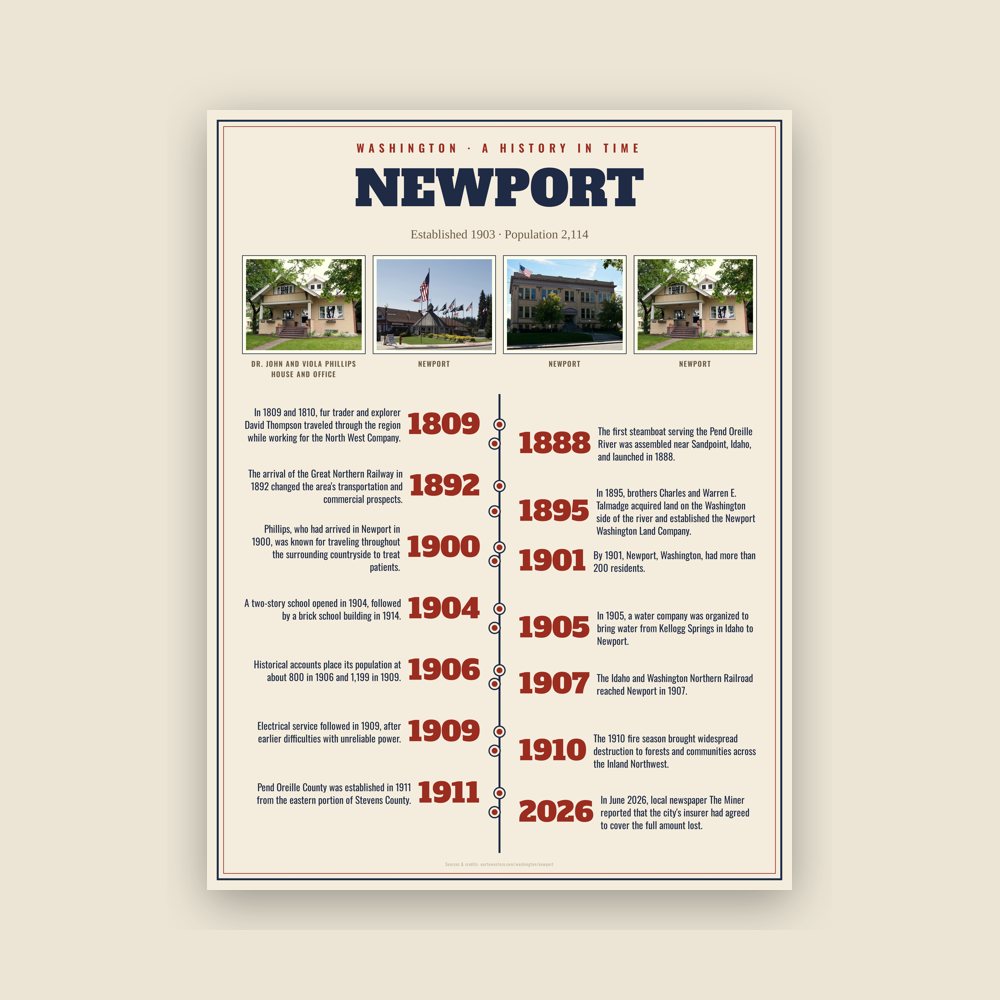
The town's story in dates, from its own records, for home or classroom
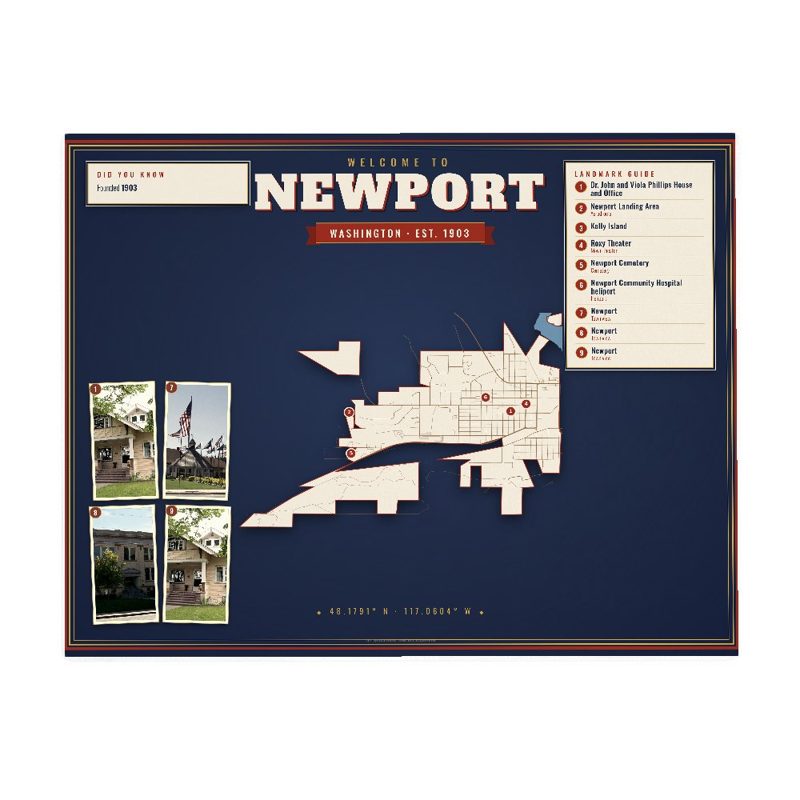
Map of local landmarks, washable fabric
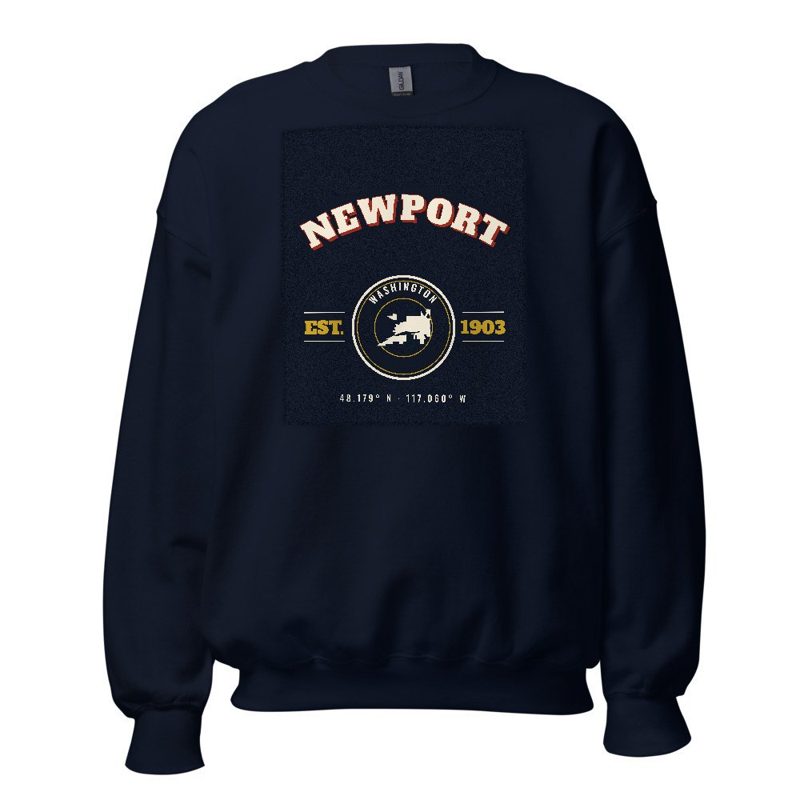
Heavy-blend fleece, street map printed on the back
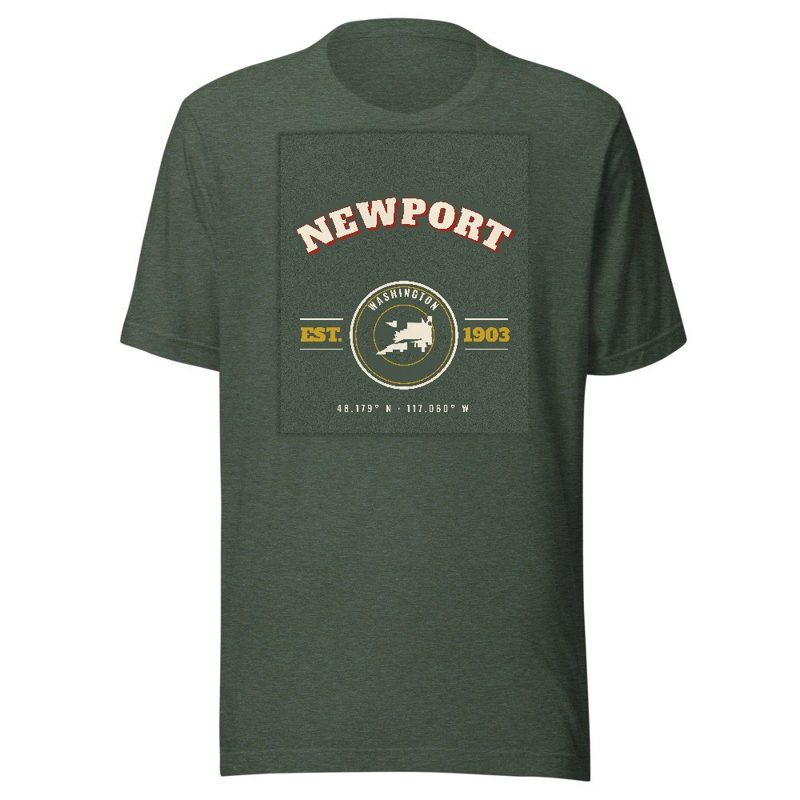
Soft Bella+Canvas jersey
Kids' Bella+Canvas jersey, youth sizes
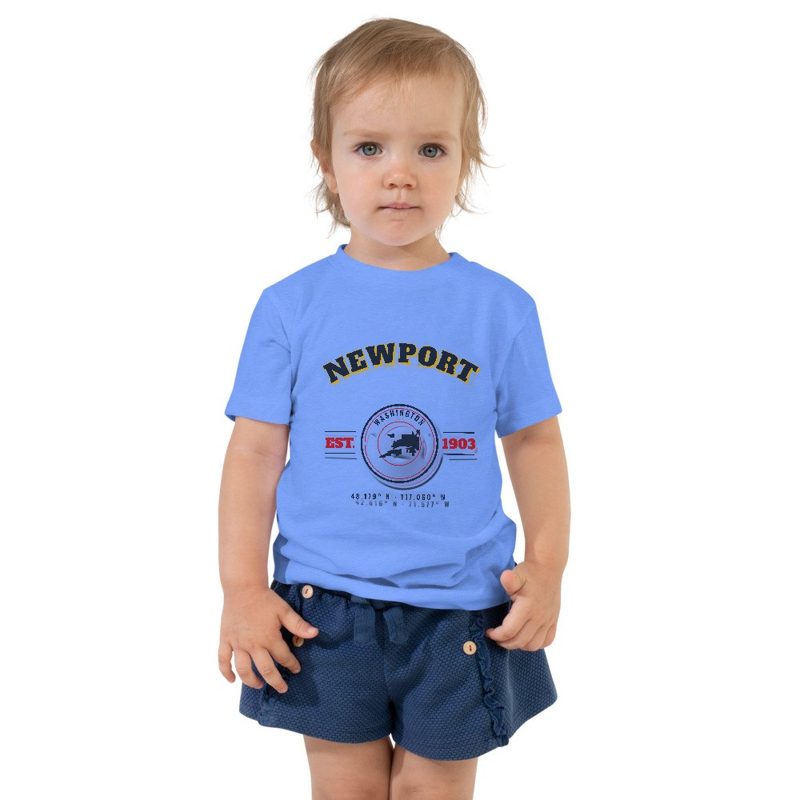
Bella+Canvas toddler jersey
Bella+Canvas baby bodysuit
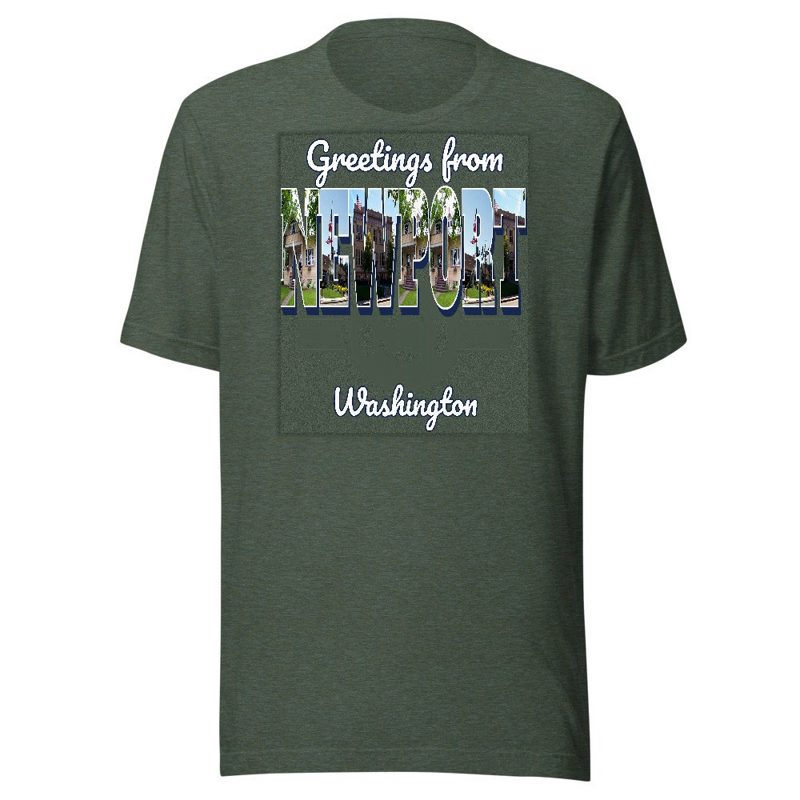
Large-letter postcard art filled with local photos
Glossy ceramic, dishwasher safe

Large-letter postcard art filled with local photos, 11 oz ceramic
Weatherproof, for the front walk
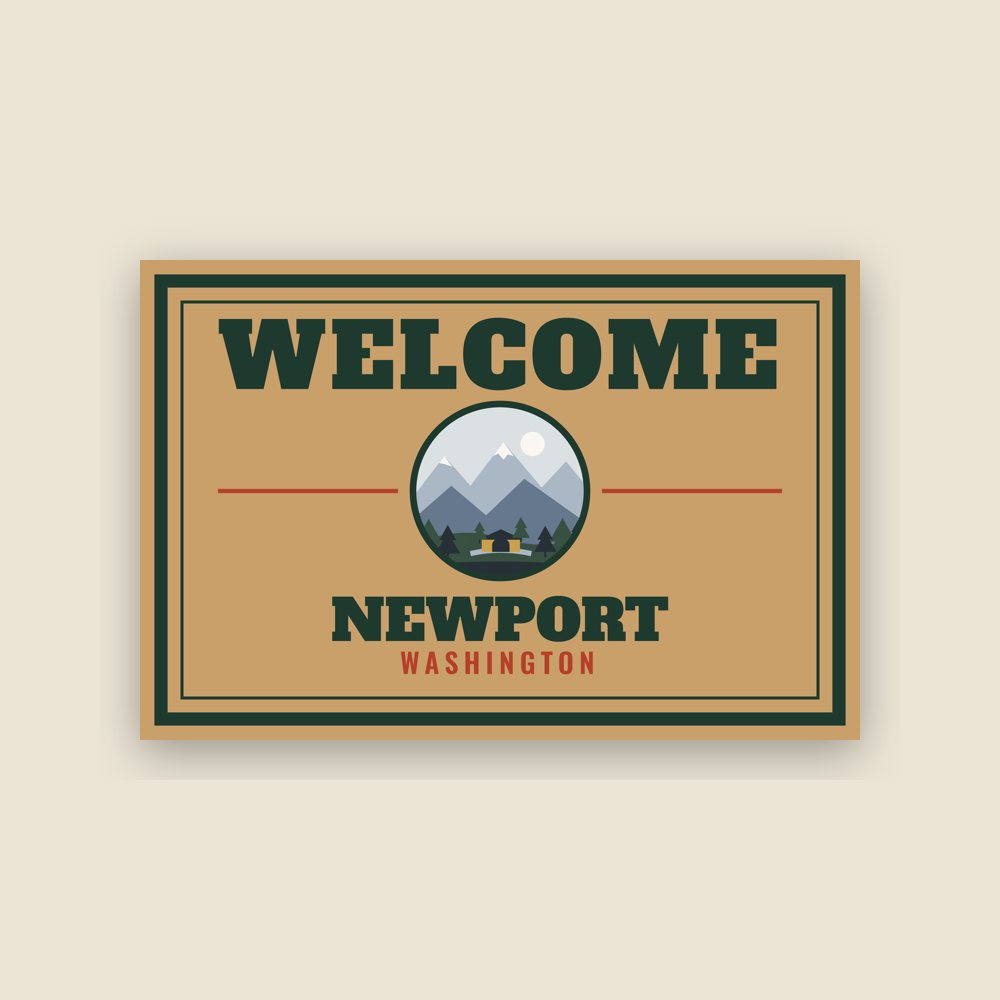
24″×16″, printed coir-look fibers, rubber back
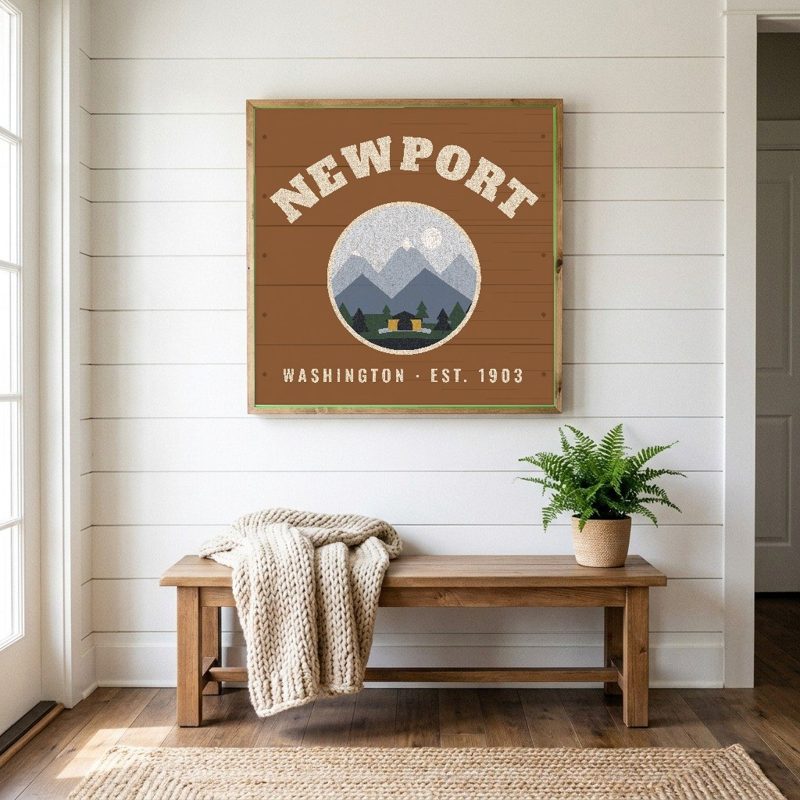
12″×12″ printed wood, ready to hang
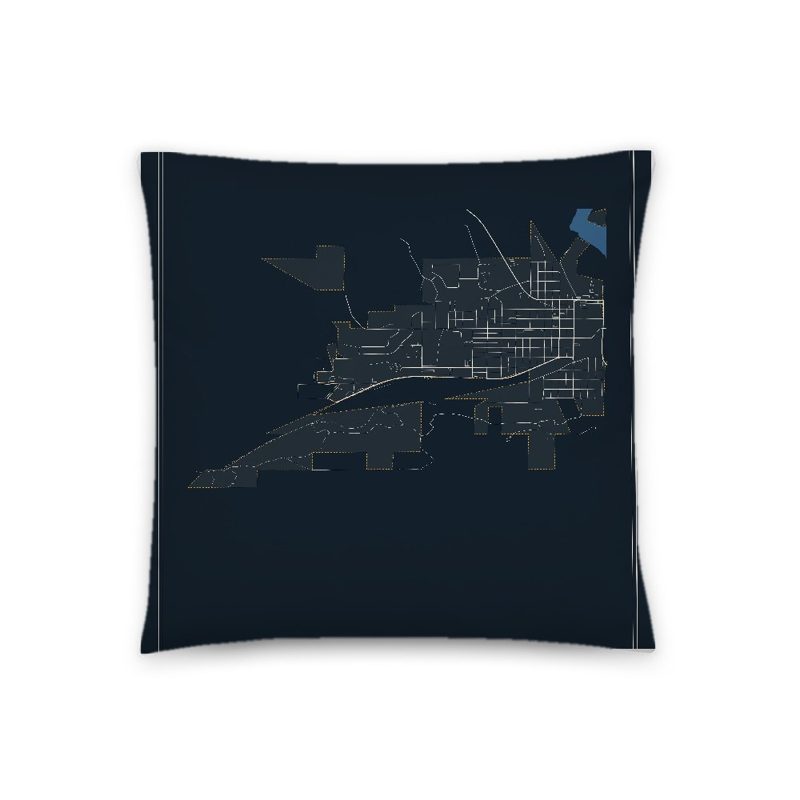
Soft-touch, zip cover
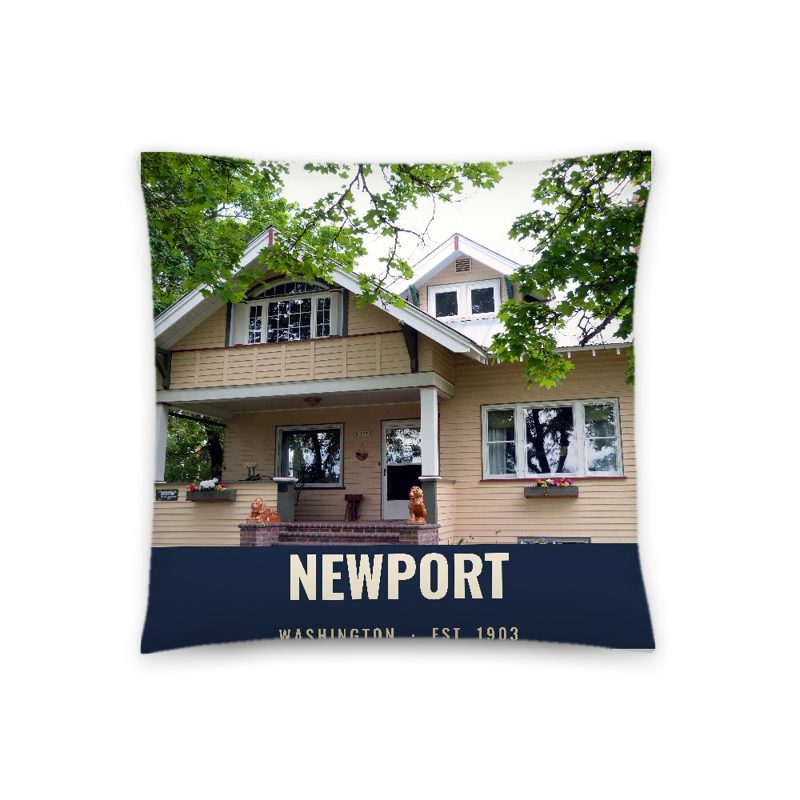
A local landmark photo with the town name, 18″×18″
Sturdy all-over-print tote
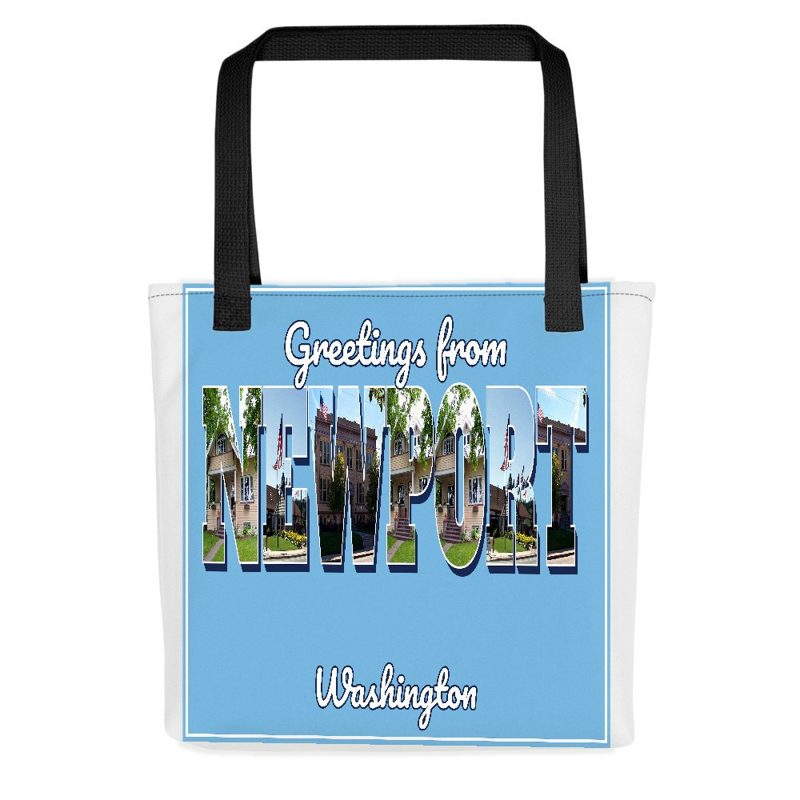
Large-letter postcard art on a sturdy tote
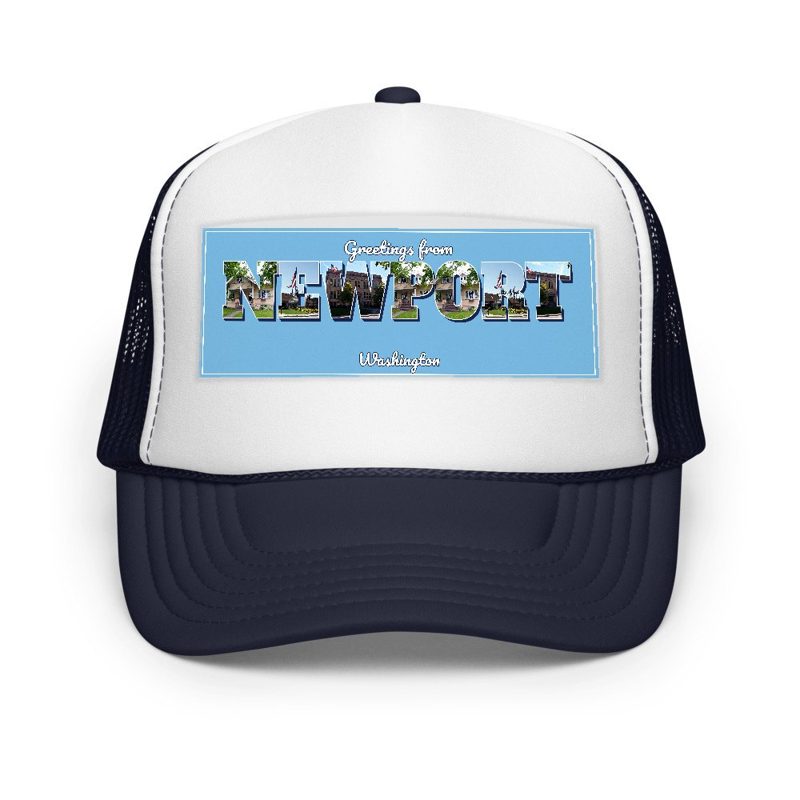
Foam-front trucker, printed (not embroidered) with local photos
Glossy top, cork back
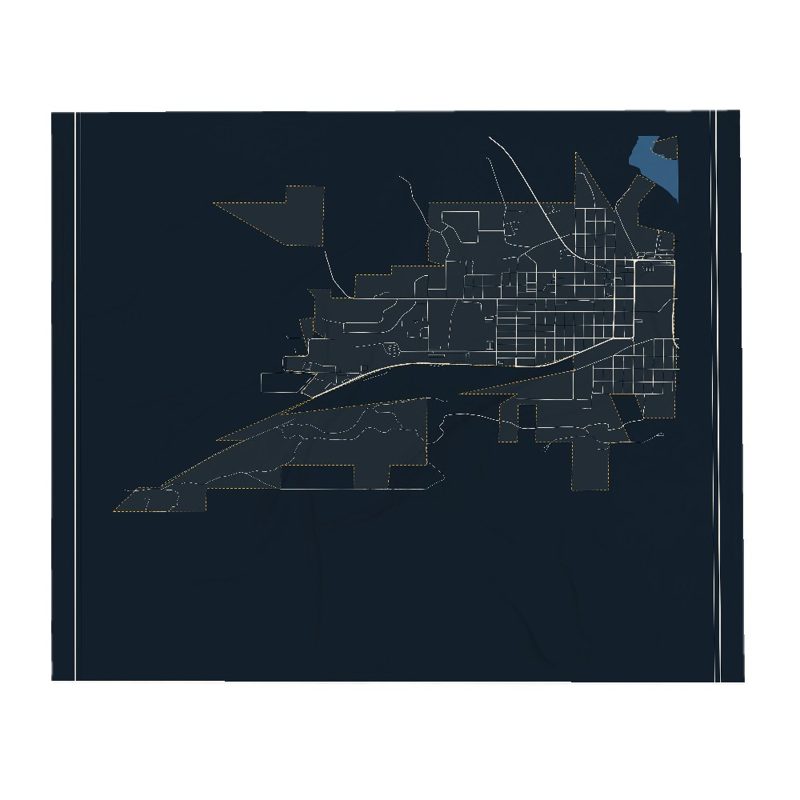
Soft fleece, 50″×60″
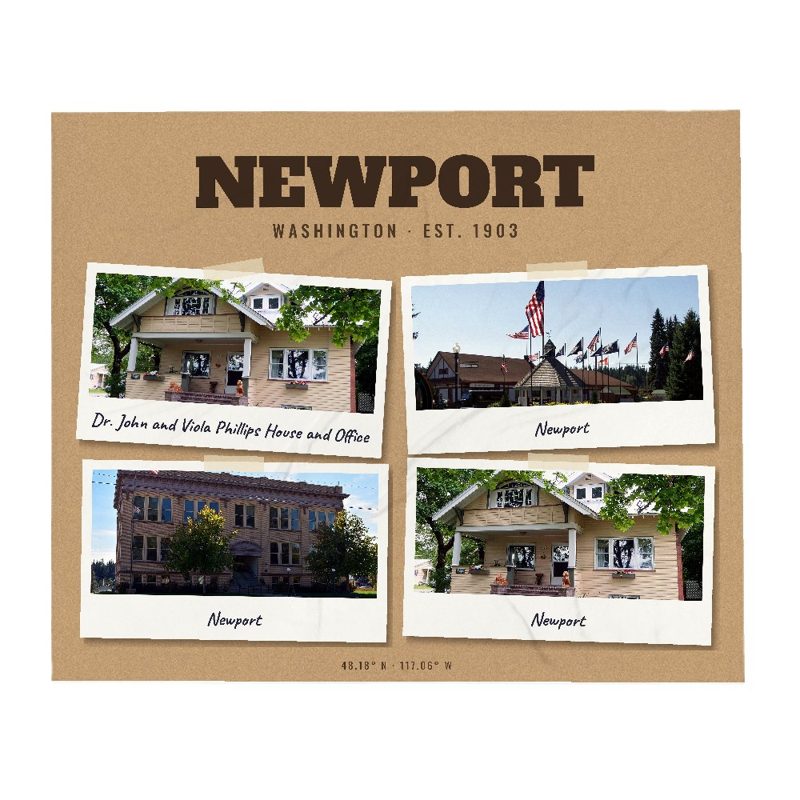
Six local landmarks as instant photos, soft fleece 50″×60″
20 oz, double-wall stainless
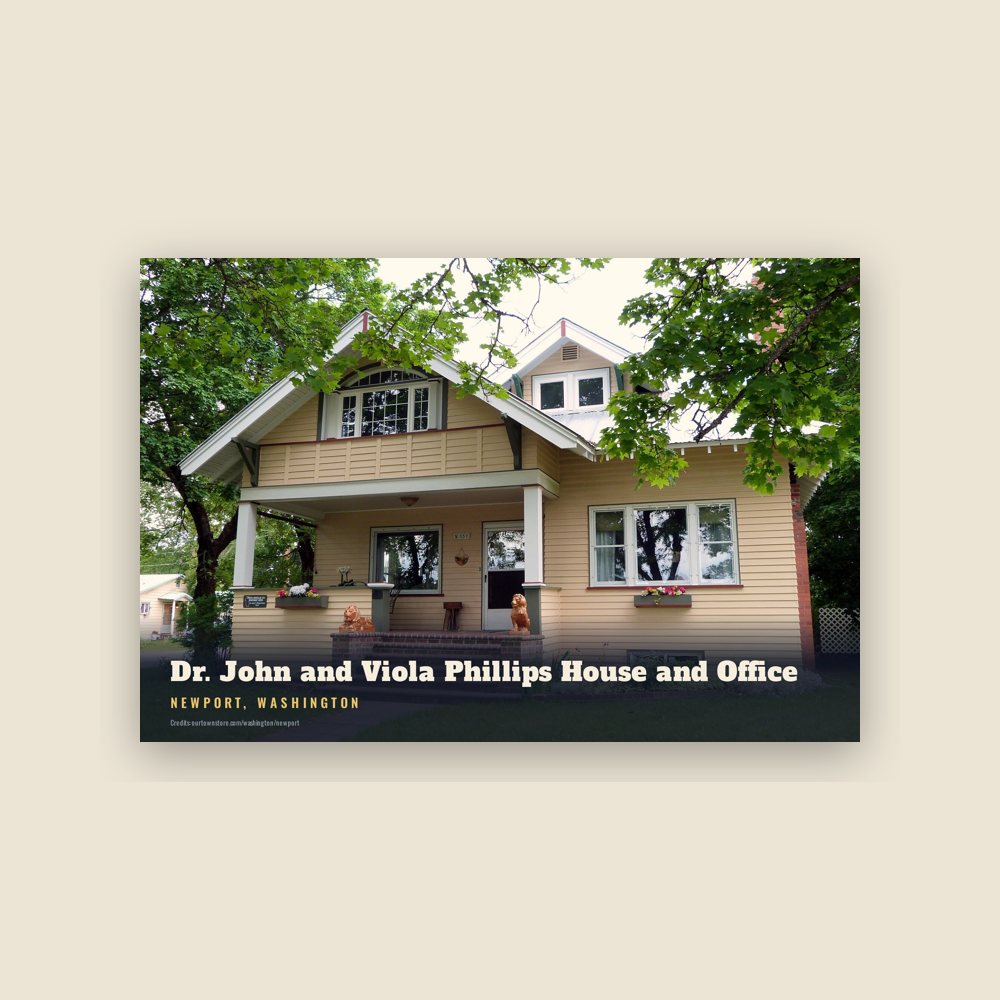
6″×4″ postcard, glossy front
The settlement that became Newport developed around river transportation and trade in the Pend Oreille River valley. Newport is the birthplace of Ralph Purchase, rower.
Population 2010: 2,126 → 2020: 2,114
From Wikidata (CC0).
The area around present-day Newport, Washington, has been inhabited for thousands of years and is part of the traditional homeland of the Kalispel people. The Pend Oreille River provided transportation and access to fish and other resources, while the surrounding forests supported Indigenous communities long before European-American settlement.
In 1809 and 1810, fur trader and explorer David Thompson traveled through the region while working for the North West Company. His expeditions helped establish routes for the fur trade across the Inland Northwest. During the 1850s, surveys commissioned by Washington Territory Governor Isaac Stevens documented the region's terrain, timber resources, and potential transportation routes. These surveys increased outside knowledge of the area as interest in settlement and commercial development grew.
The settlement that became Newport developed around river transportation and trade in the Pend Oreille River valley. The original settlement of Newport was located on the Idaho side of the river, in what is now Oldtown, Idaho. By the late 1880s, the settlement had begun serving travelers and settlers moving into the region. Businesses included a general store, a restaurant, a hotel, and a saloon, while a post office provided mail service to the surrounding area.
Steamboats became an important means of transportation along the river. The first steamboat serving the Pend Oreille River was assembled near Sandpoint, Idaho, and launched in 1888. By the late 1890s, competing steamboat companies carried passengers and freight between Newport and settlements farther north, including Metaline and Metaline Falls. Rapids at Box Canyon made navigation difficult, and travelers and cargo sometimes had to be transferred around the rapids.
The arrival of the Great Northern Railway in 1892 changed the area's transportation and commercial prospects. The railroad connected the region to a larger rail network, allowing goods to move more easily to outside markets. Timber and other products could be transported by rail, while steamboats continued to serve communities along the river. The original Idaho settlement and the newer Washington settlement gradually developed separate identities. The Washington community became the principal town known as Newport, while the original settlement became known as Oldtown.
In 1895, brothers Charles and Warren E. Talmadge acquired land on the Washington side of the river and established the Newport Washington Land Company. They laid out a townsite that attracted residents and businesses seeking access to the railroad and the surrounding region's developing economy. The availability of transportation helped Newport grow as a commercial center for the Pend Oreille River valley.
The location of the area's post office became an issue as more people settled on the Washington side. The post office had originally served the Idaho settlement, but the population increasingly shifted toward the newer community. By 1901, Newport, Washington, had more than 200 residents. The post office was subsequently moved to the Washington settlement by order of the United States Postmaster General at the time, Charles Emory Smith, further establishing the distinction between Newport and Oldtown.
Newport was incorporated as a fourth-class town on April 13, 1903. Tom J. Kelly became its first mayor, and the first Town Council meeting took place on April 20 in the office of the Newport Miner newspaper. Incorporation gave the growing settlement a municipal government responsible for local administration and services.
The town's early businesses included general stores, hotels, restaurants, blacksmith shops, hardware stores, and livery stables. These establishments served railroad passengers, workers, farmers, and settlers arriving in the region. Commercial buildings constructed during this period included the Newport Trading Company building in 1903 and the T. J. Kelly Building in 1906. As the population grew, the town added schools, utilities, and public buildings. A city hall was completed in 1914.
Timber became one of the main industries in and around Newport during the early 20th century. The surrounding forests supplied logs for sawmills and lumber companies, and the resulting products were shipped to markets elsewhere in the region. Logging also provided employment for workers who purchased supplies, rented rooms, and used other services in Newport.
Several lumber companies operated in the area, including Standard Lumber, Ashenfelter, and Fidelity Lumber. The Diamond Match Company also became a major employer. Its operations were part of a broader timber economy that produced lumber, shingles, cedar posts, poles, railroad ties, and cordwood. Some timber was used locally, while other products were shipped by rail or river. Cordwood was particularly important during the period when steamboats and locomotives relied on wood for fuel.
The Idaho and Washington Northern Railroad reached Newport in 1907. The line later extended north toward Metaline Falls, where it served mining and industrial operations. It carried lumber from Pend Oreille County, cement products from Metaline Falls, and ores from regional mines. These connections allowed businesses in the valley to reach markets beyond northeastern Washington.
The Milwaukee Railroad took control of the route between Newport and Metaline Falls in 1914. Railroad ownership continued until 1979, when the Port of Pend Oreille took over the line. The port continued operating the railroad for freight transportation, preserving a connection to the region's industrial past while providing a transportation option for businesses.
Agriculture also contributed to Newport's economy. Farms throughout the valley produced dairy products and other agricultural goods, and the city's stores and commercial services supplied surrounding rural communities. Timber, farming, transportation, and retail trade together supported Newport's growth as a regional business center.
Pend Oreille County was established in 1911 from the eastern portion of Stevens County. Newport was initially designated the temporary county seat, and the new county government began operating that year. The creation of the county brought a need for permanent government offices and a central location for public business.
Newport competed with Cusick, Usk, and Ione for the permanent county seat. In a 1912 vote, Newport won the designation. Its existing commercial district, population, and railroad connections helped make it a practical location for county government. The decision brought court proceedings, administrative offices, and other government activities to the city.
The Pend Oreille County Courthouse was completed in 1915. It became one of Newport's principal public buildings and remains an important part of the city's history. The courthouse was restored and refurbished in 1992, preserving the building for continued use and recognizing its historical significance.
Newport grew rapidly during its early years. Historical accounts place its population at about 800 in 1906 and 1,199 in 1909. The town's businesses included stores, restaurants, hardware shops, lumber operations, and other services that catered to residents throughout the county. Its position as the county seat helped maintain a steady flow of people visiting for legal proceedings, government business, shopping, and other services.
By the early 20th century, Newport had become one of the principal commercial and administrative centers of northeastern Washington. Its railroad connections and location near the Idaho border linked it with communities across the region, while county government gave the city a role that extended beyond its own population.
During the early 20th century, automobile travel gradually became more important in the Newport area. Roads provided connections between settlements that had previously depended heavily on riverboats and railroads, but travel could be difficult on rough roads through the mountainous terrain. Better roads and a bridge across the Pend Oreille River became important priorities for residents and businesses on both sides of the Washington-Idaho border.
Newport newspaper editor Fred L. Wolf supported improved roads and campaigned for a bridge across the river. A proposed bridge was vetoed by Governor Ernest Lister in 1913, but the project remained a local concern. A bridge near Newport eventually opened to traffic on June 15, 1927. It improved automobile and truck travel between northeastern Washington and northern Idaho, making it easier for residents and businesses to cross the river. The original crossing was replaced in 1989.
Public utilities also expanded as the town grew. In 1905, a water company was organized to bring water from Kellogg Springs in Idaho to Newport. Electrical service followed in 1909, after earlier difficulties with unreliable power. The development of dependable electricity supported homes, street lighting, businesses, and industrial facilities. In 1936, the Pend Oreille County Public Utility District became Newport's electricity supplier.
Schools expanded alongside the town's population. A school district had been established in 1892, and early classes were held in small wooden buildings. A two-story school opened in 1904, followed by a brick school building in 1914. A larger high school opened in 1936, and a new elementary school followed in 1953. Newport's present high school building opened on September 8, 1981. The successive school buildings reflected the community's changing needs and the importance of education to Newport and surrounding rural areas.
Newport has preserved several landmarks associated with its early commercial and industrial development. One of the best known is the Corliss steam engine and flywheel known as the Big Wheel. The engine was associated with the former Diamond Match Company sawmill at Albeni Falls and represents the machinery used in the region's timber industry. In 1965, Washington Governor Daniel J. Evans formally dedicated the engine to the city, making it a prominent local landmark.
Several historic commercial buildings also survive from Newport's early years. The Newport Trading Company building, constructed in 1903, and the T. J. Kelly Building, constructed in 1906, are examples of buildings associated with the town's early commercial district. The former Great Northern Railway depot, built in 1910, later became associated with the Stimson Lumber Company. These buildings reflect the growth of a town that served railroad passengers, timber workers, farmers, and other residents of the surrounding region.
Newport also had entertainment venues during its early development. Charles A. Fiedler built a larger concrete opera house in 1911, known as Fid's Opera, after an earlier opera house had served as a school and entertainment venue. The new building seated about 400 people and hosted theatrical productions and other events. It struggled financially and entered foreclosure in 1919, reflecting the challenges of maintaining a large entertainment venue in a small rural community.
In 1987, Newport began a tourism campaign promoting itself as the "City of Flags." The campaign involved displaying hundreds of flags around the city. It was discontinued during the 1990s because of theft and maintenance problems, but the name became part of Newport's tourism history.
The Pend Oreille County Historical Society also developed facilities to preserve the region's history. A visitor center opened in 1995 on land leased from the society. The museum complex includes historic log cabins, farming and logging equipment, a replica logging-camp bunkhouse, a railroad caboose, and other artifacts connected with settlement and industry in the region. The Big Wheel is among the site's principal attractions.
The Stuart B. Bradley Memorial Building, completed in 1994, provides space for research and community activities. Local historical organizations have continued to collect records and artifacts documenting Newport and Pend Oreille County. Their work has helped preserve material about the area's early industries, transportation, public institutions, and residents.
Newport also made improvements to its downtown during the late 20th century. A revitalization project launched in 1998 added decorative sidewalks, streetlights, trees, and benches. A collegiate center associated with the Community Colleges of Spokane opened that year as well, expanding educational opportunities in the area. These projects accompanied efforts to maintain downtown as a center for local businesses and community activities.
In the 21st century, Newport has continued to serve as the governmental and commercial center of Pend Oreille County. Its economy includes public services, healthcare, education, retail, and manufacturing, alongside industries connected with the surrounding forests and rural economy. Its location near the Idaho border also links it with nearby communities across the state line.
Healthcare has remained an important local service. Newport Community Hospital was replaced by a new hospital in 1997, and River Mountain Village, an assisted-living center, became part of the hospital complex in 2005. These facilities serve Newport and residents of the surrounding rural area.
Manufacturing has also continued to provide local employment. In July 2015, an explosion occurred at the Zodiac Aerospace facility in Newport, injuring five people. Authorities established a safety perimeter around the plant following the incident. The explosion brought attention to the risks associated with industrial facilities operating near residential areas.
The Vullo Bat Company, a baseball-bat manufacturer in the Newport area, received certification from Major League Baseball in 2024. One of its bat models was used by the Seattle Mariners during the 2025 season. The company's work attracted attention to a local manufacturing business operating in a small community rather than a major metropolitan center.
In 2026, the city experienced a major financial incident after scammers impersonated organizations associated with its insurance and financial administration, diverting hundreds of thousands of dollars in public funds. The incident prompted efforts to recover the money and strengthen procedures for verifying payments and financial requests. In June 2026, local newspaper The Miner reported that the city's insurer had agreed to cover the full amount lost.
Adapted (trimmed) from the Wikipedia article Newport, Washington, revision 1382468900 by its contributors, licensed CC BY-SA 4.0.
We share a part of every Newport sale with local partners, and we'd love to print from your collection. Old photographs, maps and postcards make the best keepsakes.
Partner with usA favorite landmark, your street, a school or team, an anniversary gift, a different product. Tell us and we'll get back to you by email.
Newport's population was 2,114 in the 2020 U.S. Census, down from 2,126 in 2010.