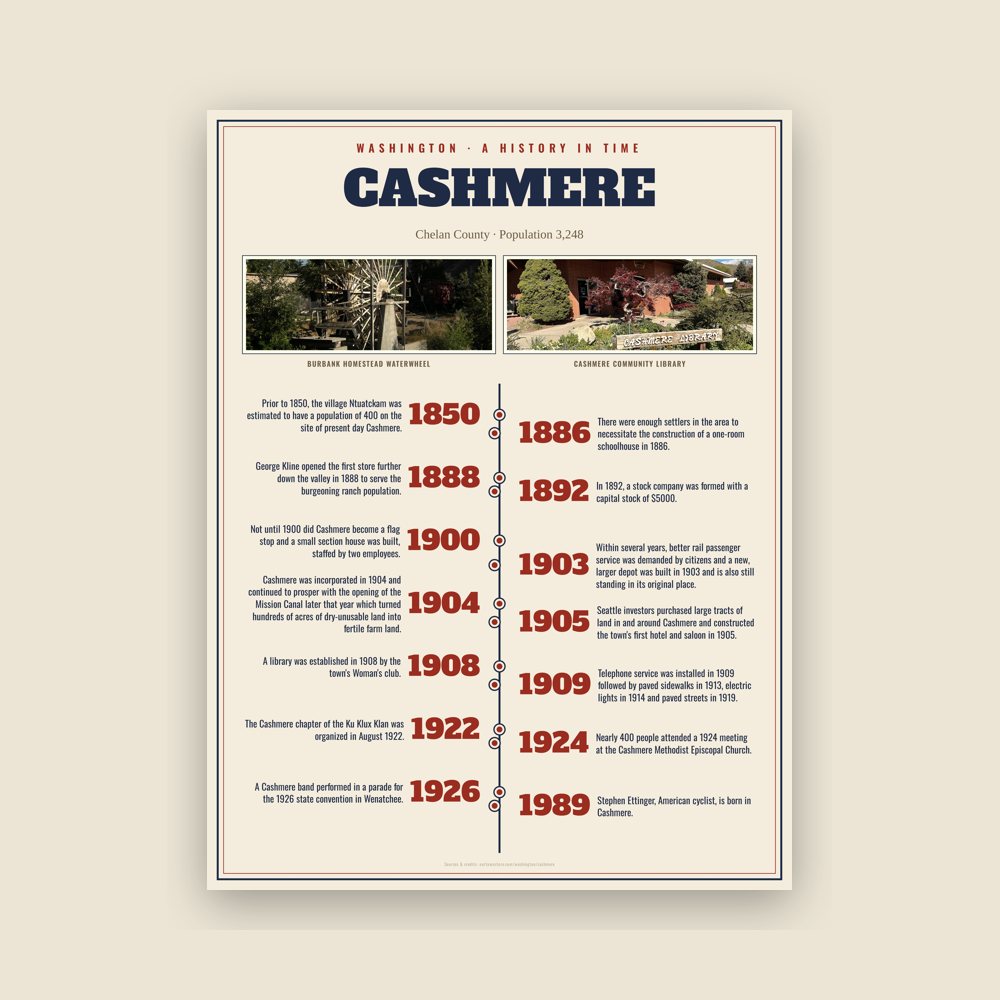
Prior to 1850, the village Ntuatckam was estimated to have a population of 400 on the site of present day Cashmere. The indigenous people are the Sinpesquensi, a band of the Wenatchi people, who were sustained by abundant game and anadromous fish. The Wenatchee River, which runs through Cashmere, was historically home to coho, chinook, and sockeye salmon, as well as steelhead. These wild stocks have been severely impacted by the dams on the Columbia River, although several runs still exist. The Wenatchi people were displaced to the Colville Indian Reservation by the federal government, but still claim some fishing rights in the area.
Read the full history
First Europeans and settlement
The first European to enter the Mission Valley was Catholic missionary Father Respari, of the Oblate Fathers, in the 1850s. He lived among the Wenatchi people for twenty years teaching them his religion. He was succeeded in the 1870s by Jesuit missionary Father Urban Grassi who built the St. Francis Xavier Mission in 1873. After the missionaries' departure, the valley was next settled in the 1880s by ranchers and squatters. There were enough settlers in the area to necessitate the construction of a one-room schoolhouse in 1886. This sparse settlement was later known as Old Mission, after the Catholic missions of past. George Kline opened the first store further down the valley in 1888 to serve the burgeoning ranch population. A post office was soon established and Kline was appointed postmaster. The town was named "Mission" after the early missionaries.
Railroad and irrigation
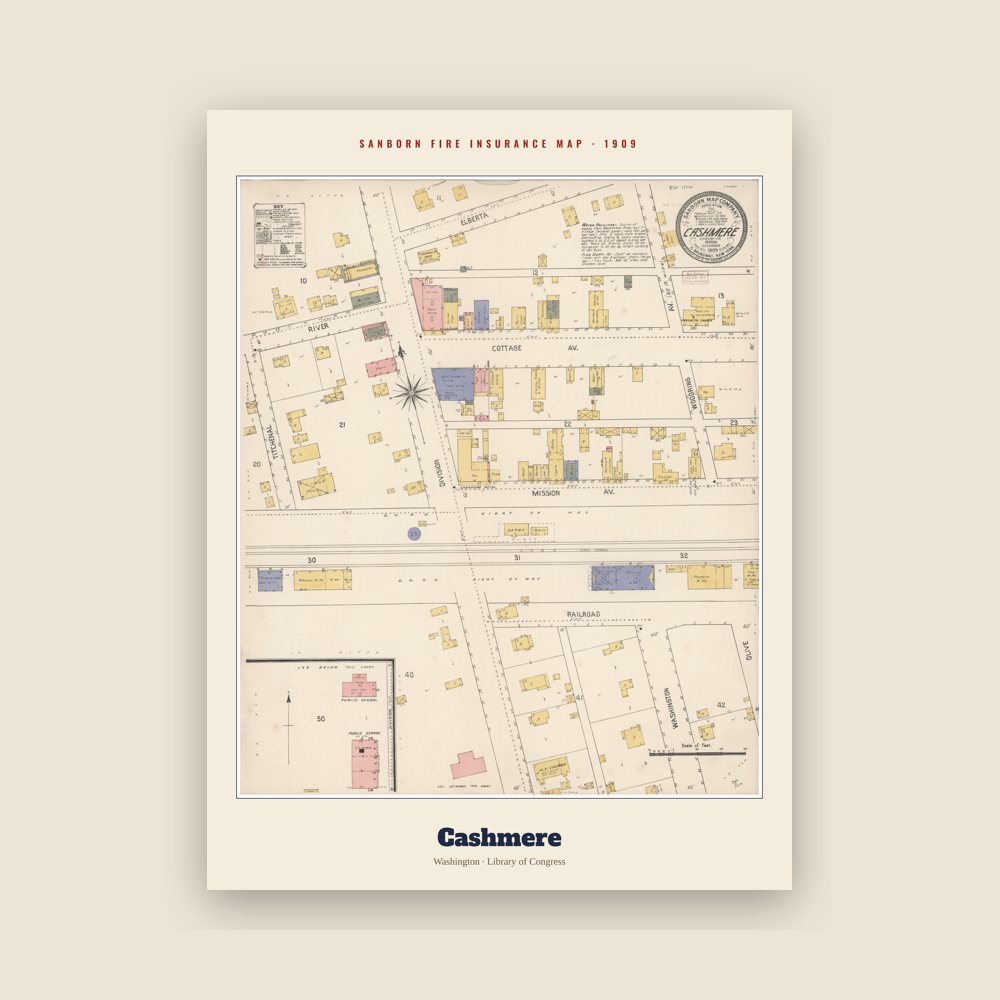
In 1892, it was revealed that the Great Northern Railroad would be building its main line through the valley and Mission was platted between the right-of-way and the Wenatchee River in hopes of receiving a station stop on the new line. It did not receive a station at that time and no boom occurred when the railroad came. Not until 1900 did Cashmere become a flag stop and a small section house was built, staffed by two employees. This small building was preserved and today exists on the property of the Cashmere Museum and Pioneer Village.
The prosperity the railroads brought revived local interest to irrigate the arid valley. In 1892, a stock company was formed with a capital stock of $5000. Local men took out mile contracts to help dig the ditch. At a great personal expense to many involved, the Peshastin Ditch was completed within twelve years. Following its activation, the town as well as the entire area, blossomed. Through the 1900s, Mission grew in earnest. The town was becoming a shipping point for the growing fruit and agricultural industry in the valley. Within several years, better rail passenger service was demanded by citizens and a new, larger depot was built in 1903 and is also still standing in its original place.
Renaming of Mission through 1920
By 1903 the town's population had reached over 200. Citing confusion of this town with another in northern Okanogan County (that no longer exists), that same year, Mission and the entire valley were renamed after the Vale of Kashmir in Northern India, as local judge James H. Chase claimed it resembled the foothills of that region. The spelling was changed to a more Americanized "Cashmere". Cashmere was incorporated in 1904 and continued to prosper with the opening of the Mission Canal later that year which turned hundreds of acres of dry-unusable land into fertile farm land. Seattle investors purchased large tracts of land in and around Cashmere and constructed the town's first hotel and saloon in 1905. A library was established in 1908 by the town's Woman's club. By 1909, Cashmere housed three banks. Telephone service was installed in 1909 followed by paved sidewalks in 1913, electric lights in 1914 and paved streets in 1919.
1920s–1930s
The Cashmere chapter of the Ku Klux Klan was organized in August 1922. Nearly 400 people attended a 1924 meeting at the Cashmere Methodist Episcopal Church. A Cashmere band performed in a parade for the 1926 state convention in Wenatchee.
In August 1931, a pow wow took place over the course of three days to call attention to the unfulfilled treaty agreements to the Wenatchi people, including the Wenatchupam Fishery, and boost the Cashmere economy. The encampment was composed of tipis on the land of Mary Felix, one of the few Wenatchi people living in town, in Yaksum canyon. It was estimated that nearly 700 Native Americans attended, including 250 Wenatchi who traveled from Colville and Yakama reservations. Notable guests included leaders from other tribes and Governor Roland H. Hartley. Proceeds went to restore the cemetery on the other side of Highway 2.
Industries and agriculture
The Cashmere area has a rich history of tree fruit production, starting with the first pioneers. With the construction of the Peshastin irrigation ditch in the 1890s, ranches and sagebrush gave way to lush orchards climbing up the walls of the valley. In addition to apples, the soils and climate are ideal for the production of pears, with Bartlett and D'Anjou varieties well represented. Beginning in the 1910s, a number of orchards were opened in Cashmere to take advantage of the area's balmy climate. While many orchards have given way to development, the history of fruit production is still evident in the many orchards and historical fruit warehouses in the area. Overdevelopment is a real threat to the agricultural heritage of the area; the agreeable climate and outstanding scenery attract many people to the area.
The history of the area is also tied to timber production. Cashmere was the home of a large sawmill. The first settlers found abundant ponderosa pine (Pinus ponderosa) and Douglas-fir trees. These timbers were of the highest quality because of the arid climate, which causes the trees to grow very slowly, keeping a tight grain.
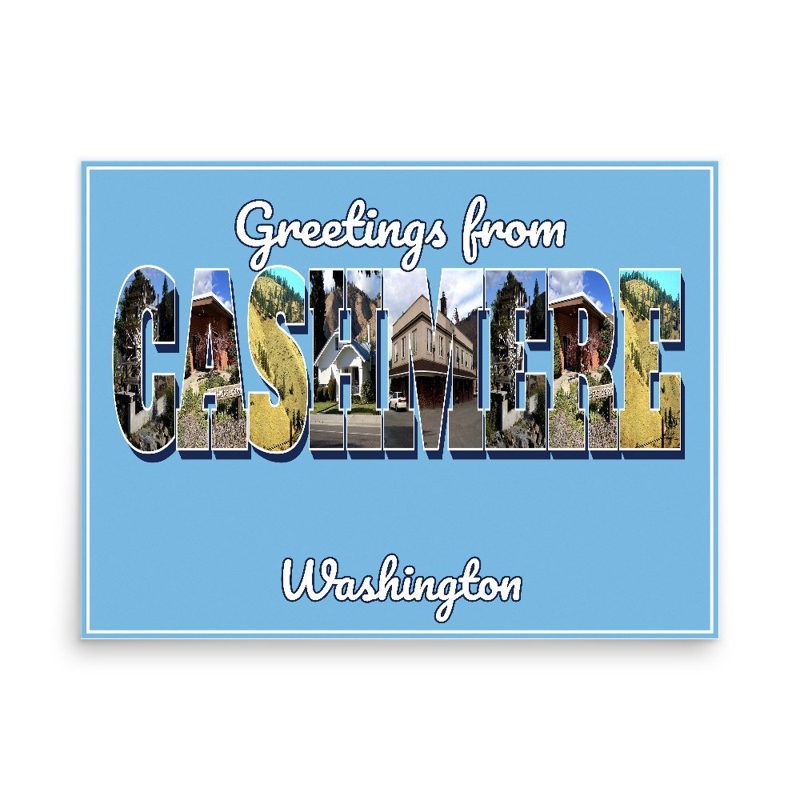
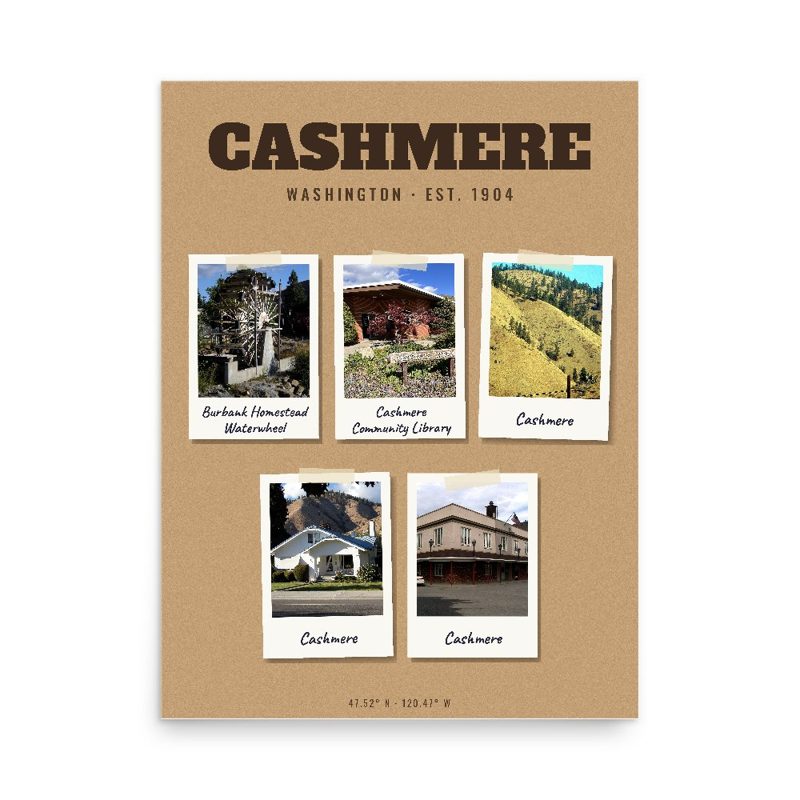
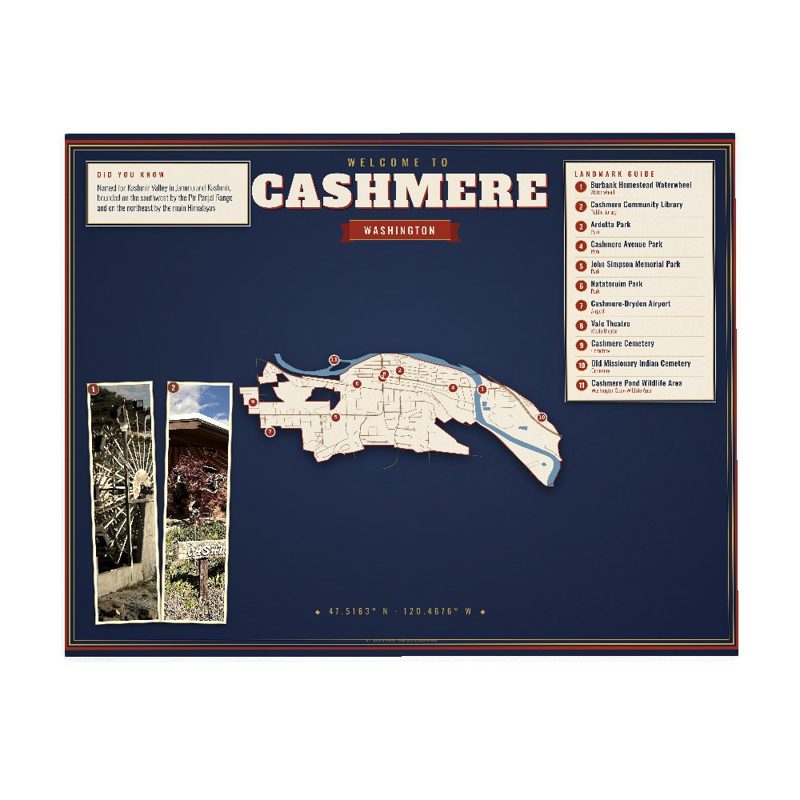






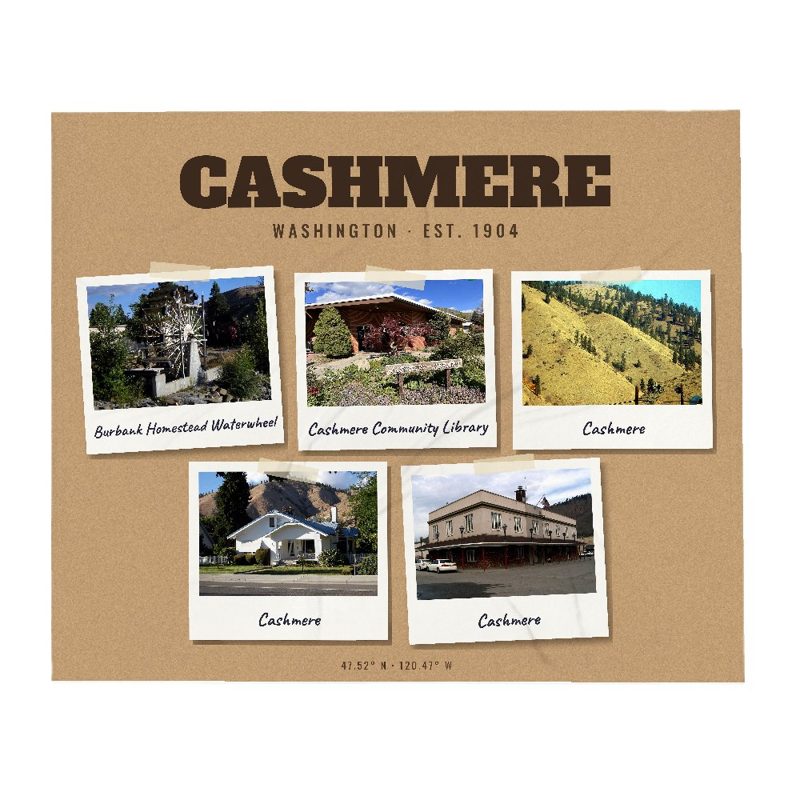
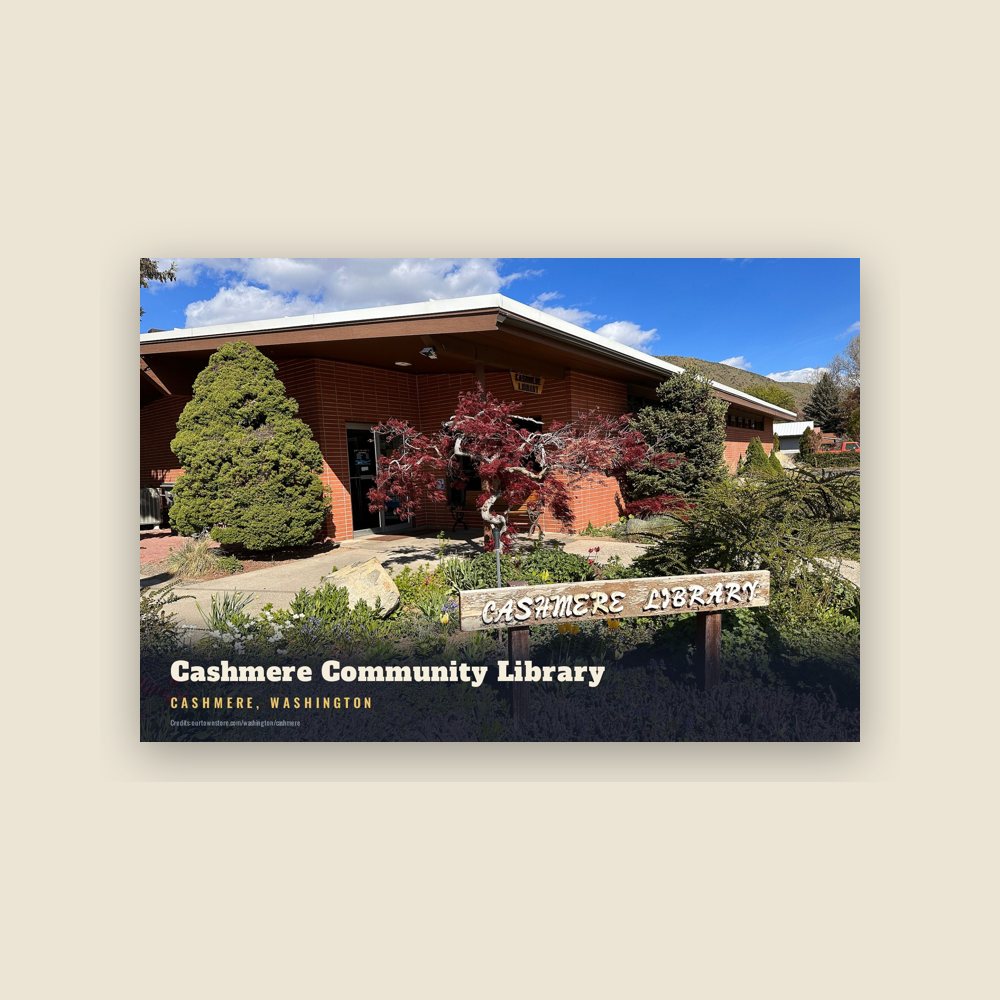
 Cashmere Community Library
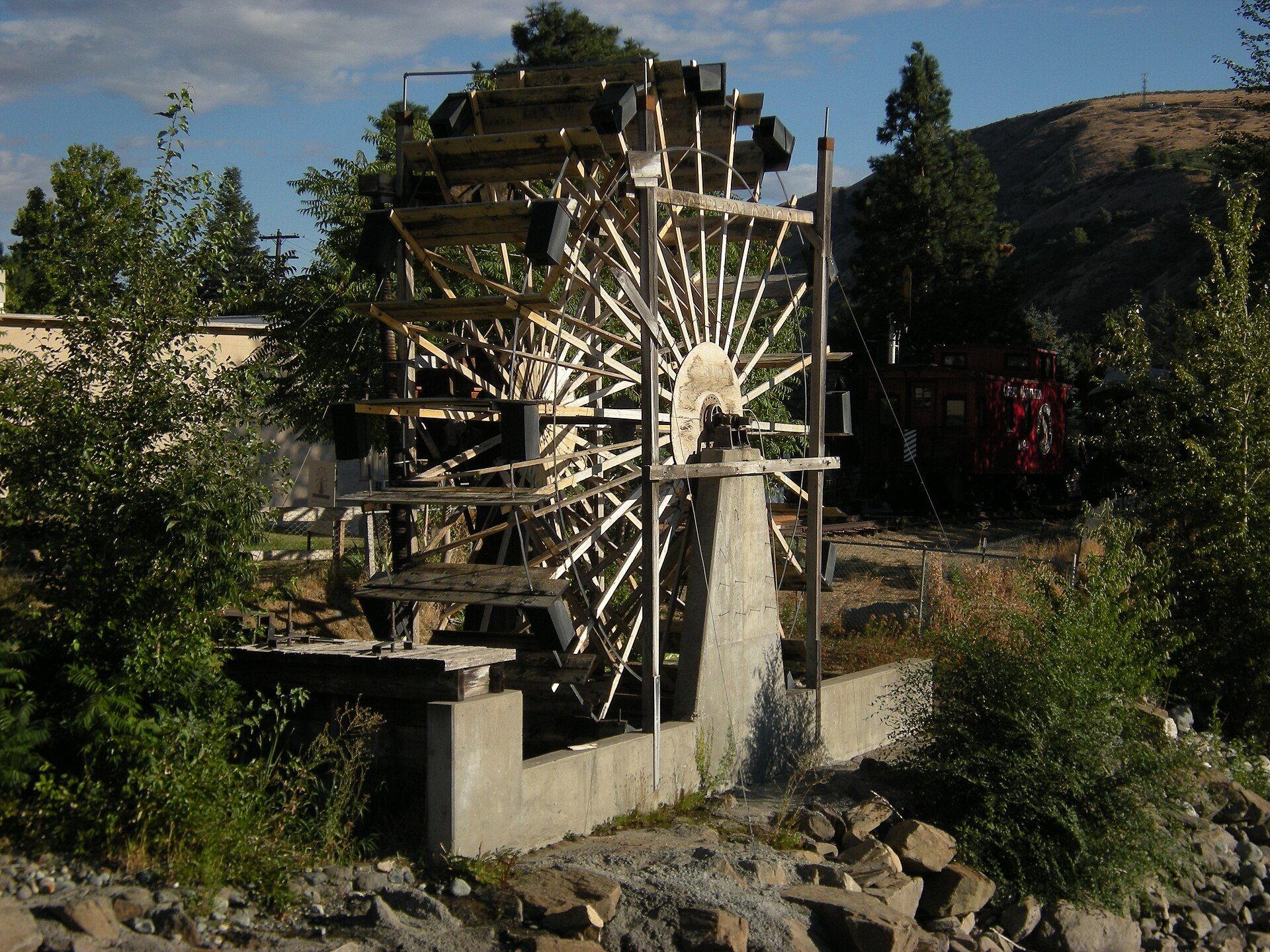
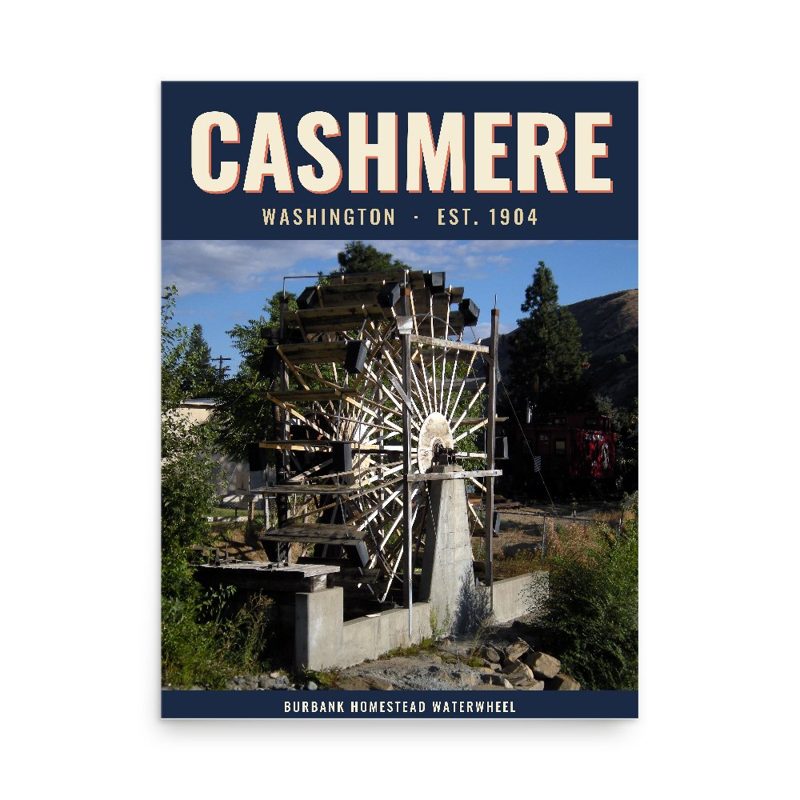
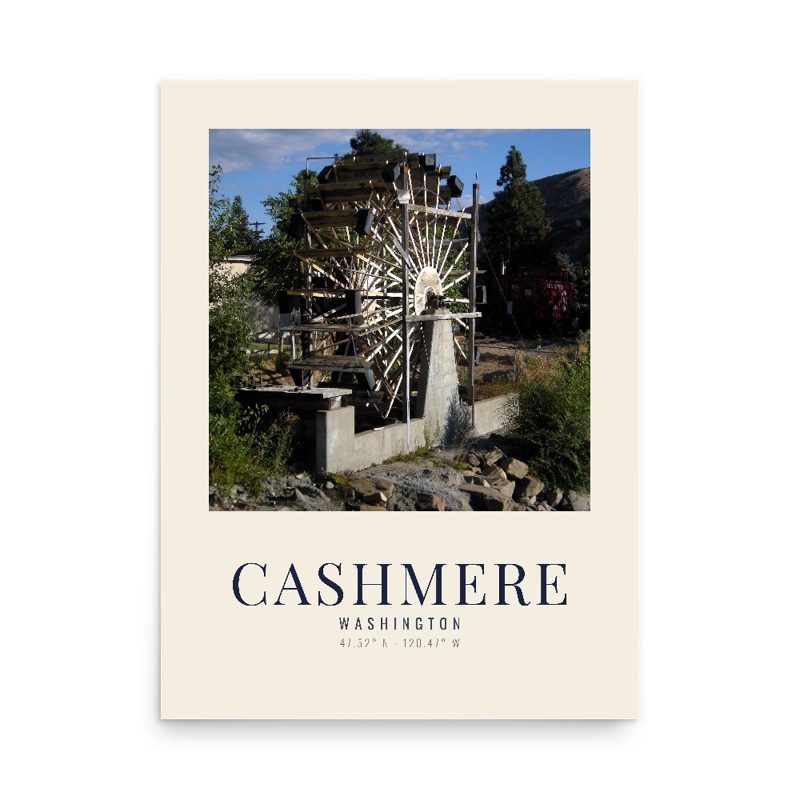
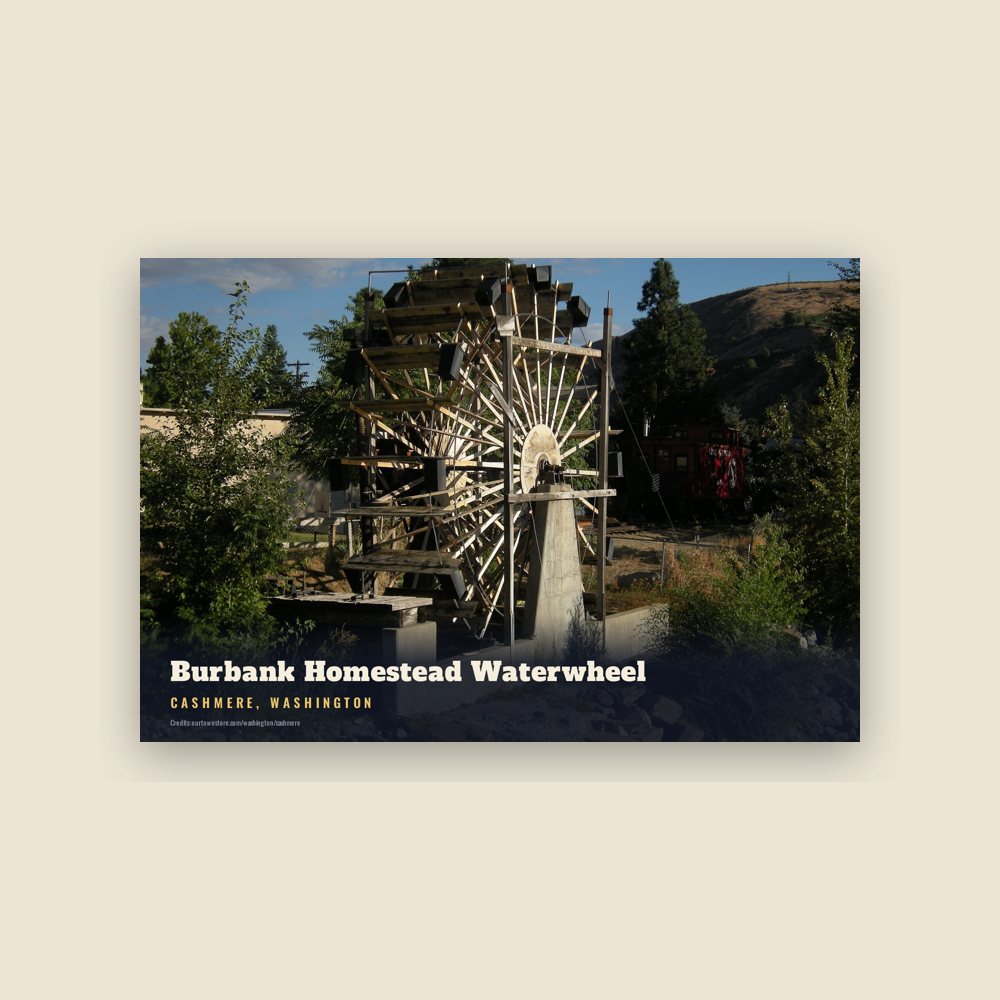
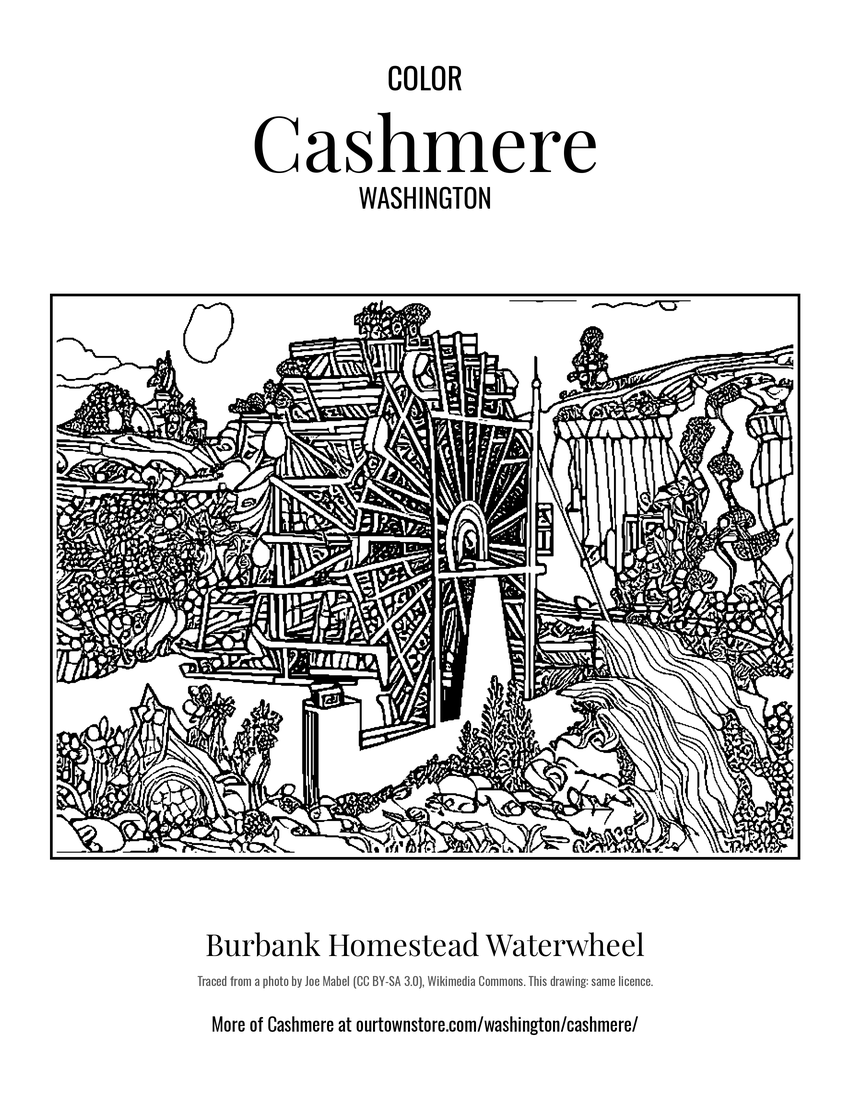 Burbank Homestead Waterwheel
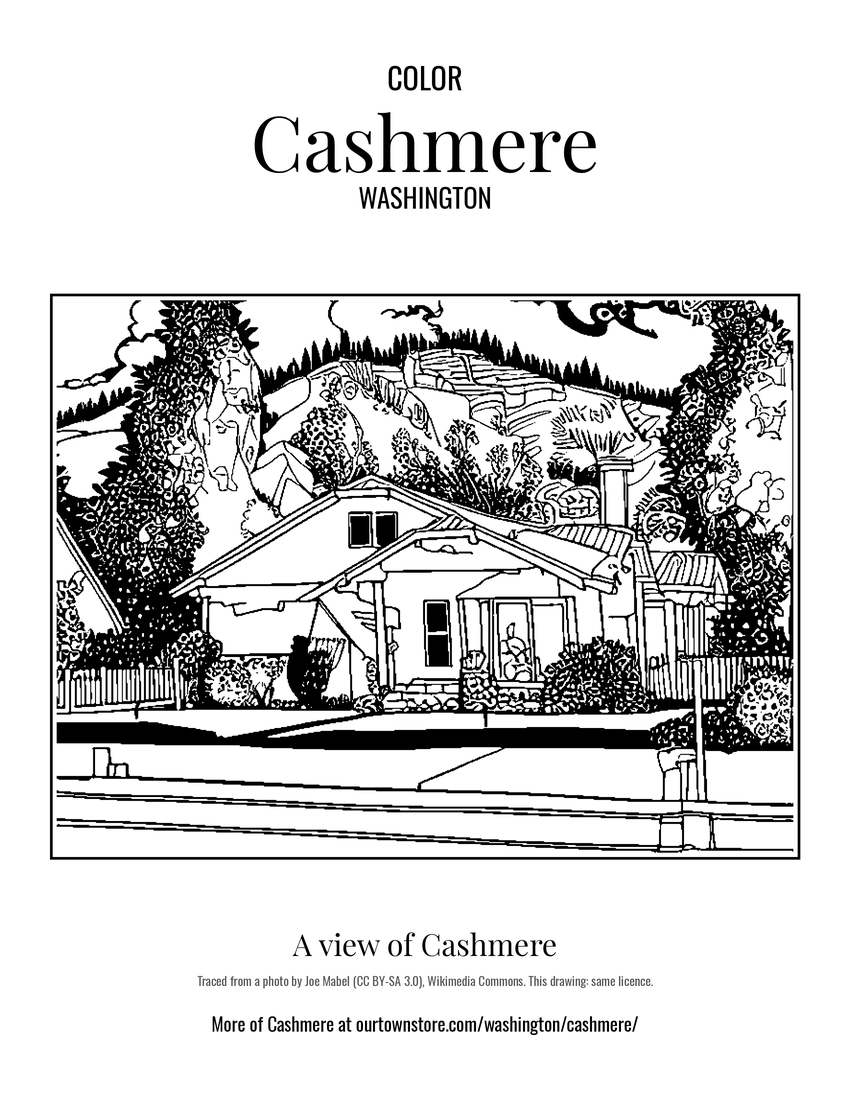 A view of Cashmere
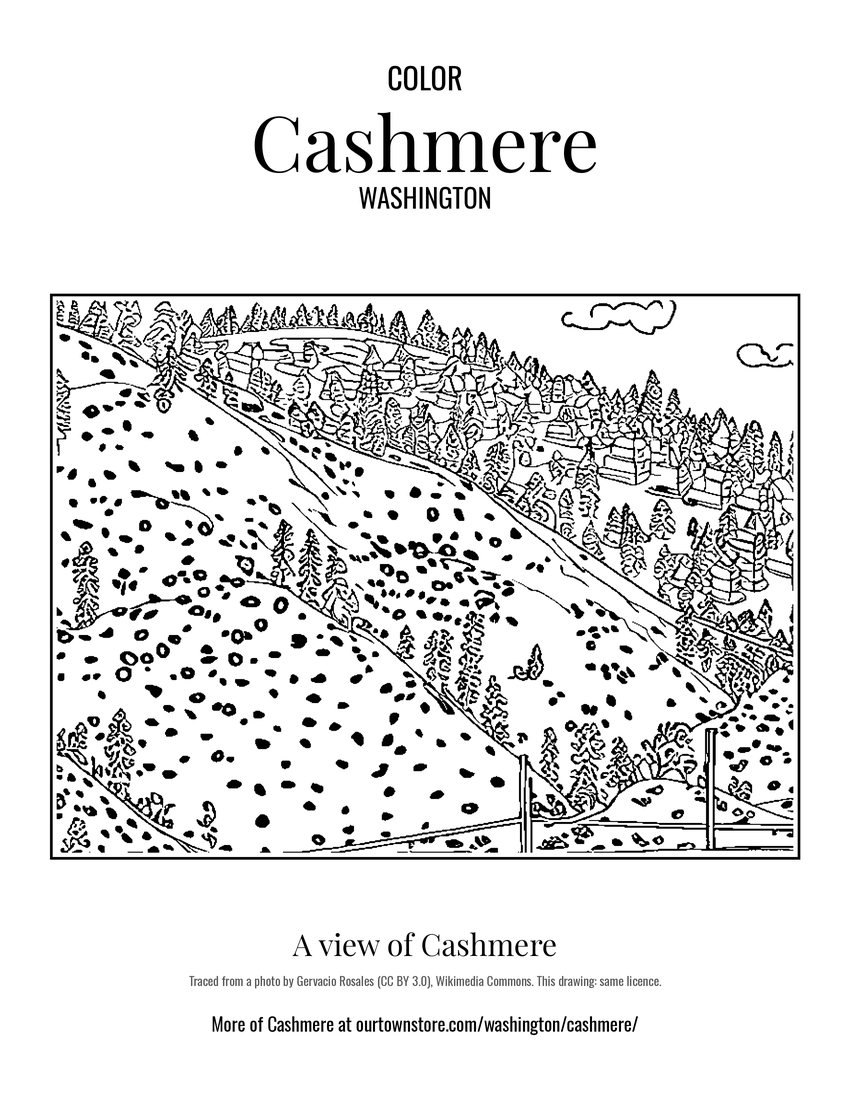 A view of Cashmere