Cart 0
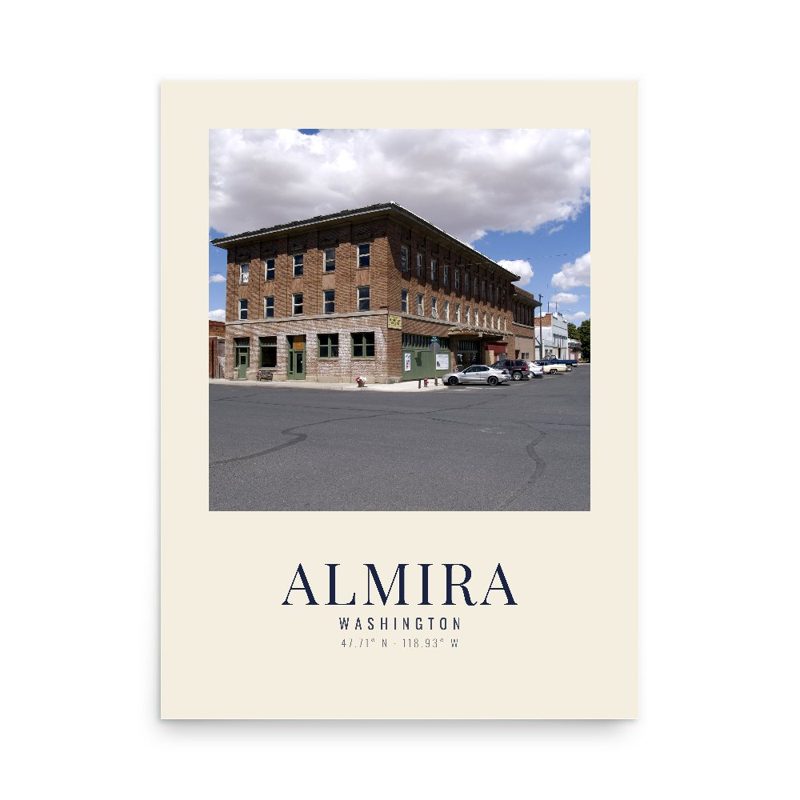
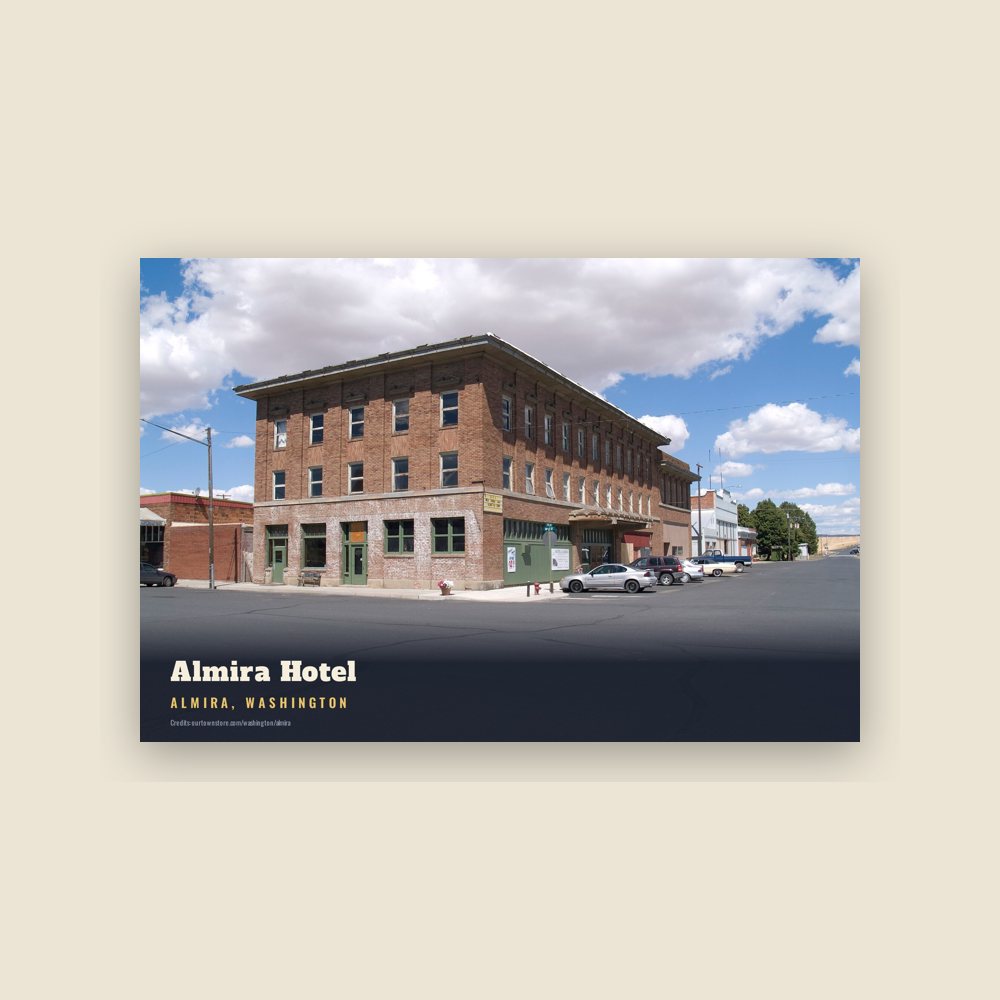
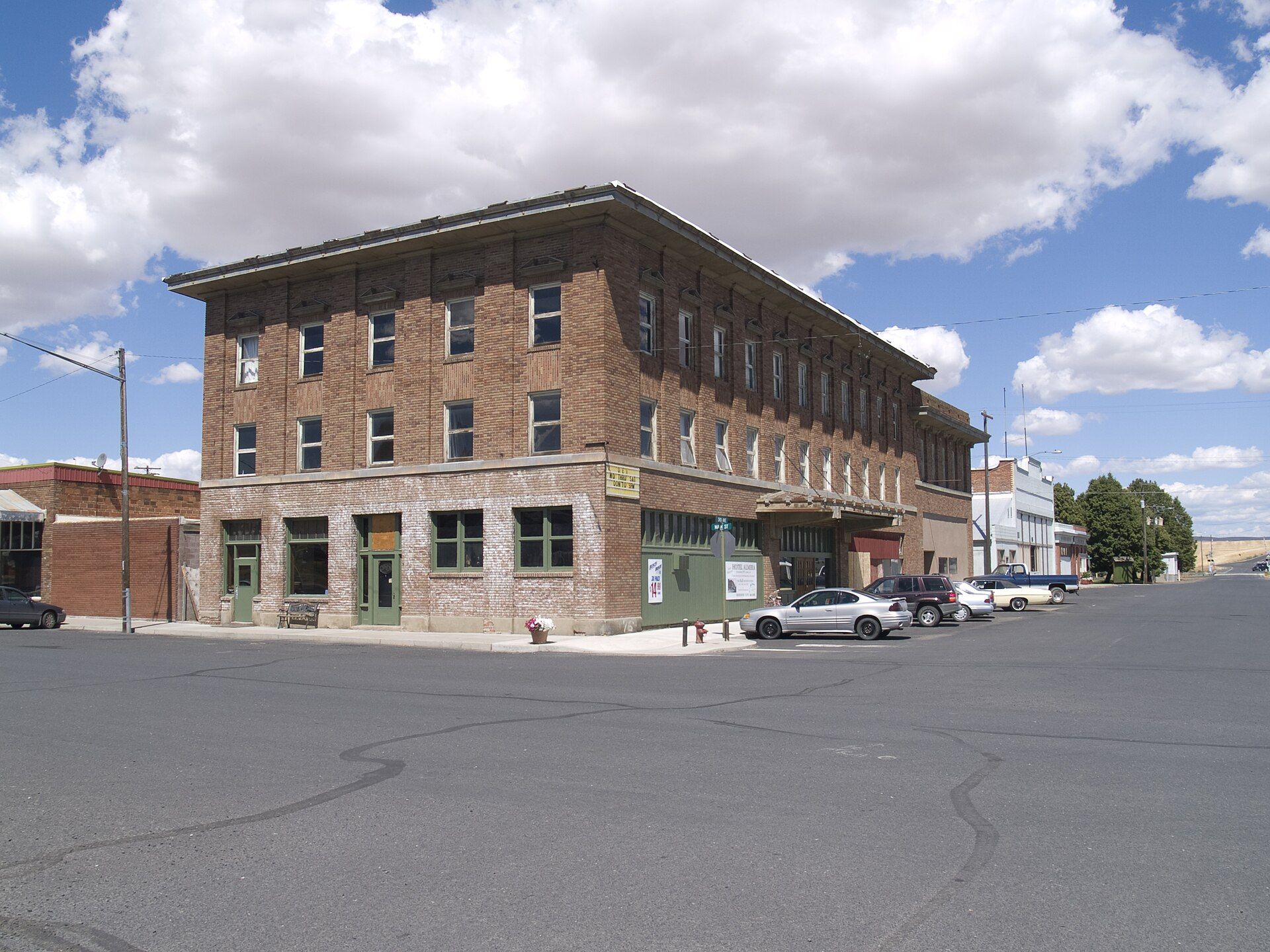
Almira Hotel, Almira, Washington

ALMIRA

Washington
Shop the collection

The area that would become Almira was first settled in the 1880s by Charles C. Davis who purchased land and erected a small store to serve the few settlers living in the area. Landmarks include Almira Hotel.

The Almira Collection

Made for Almira. Printed to order.

Almira, Washington gifts and souvenirs: 22 designs made from Almira's own map, landmarks and history, from $10 to $95. Printed to order and shipped free in the USA.

PopularPrice
Almira Hometown Ornament$23
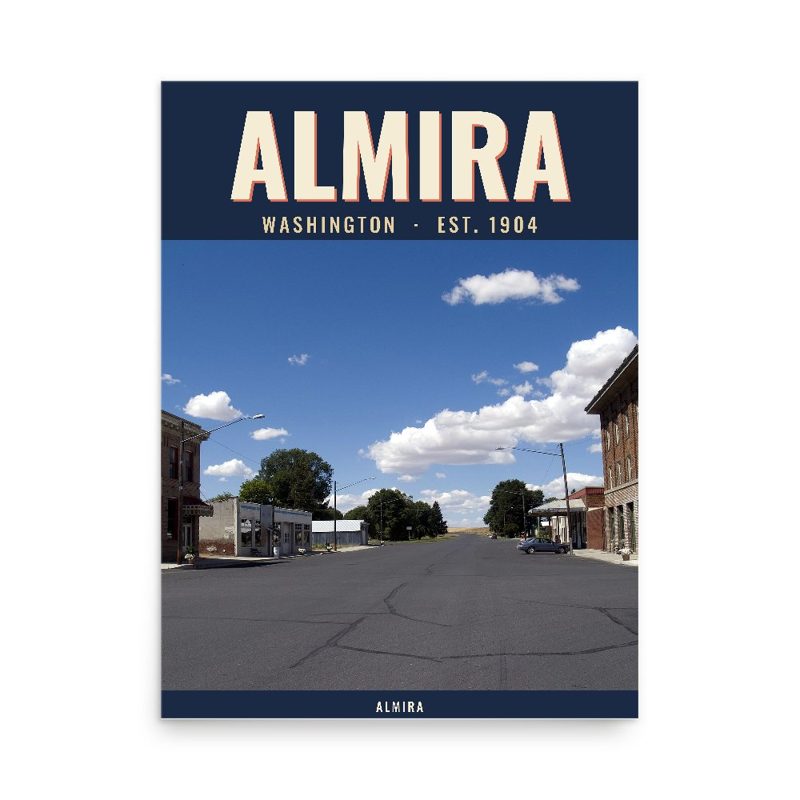
Almira Vintage Travel Posterfrom $40
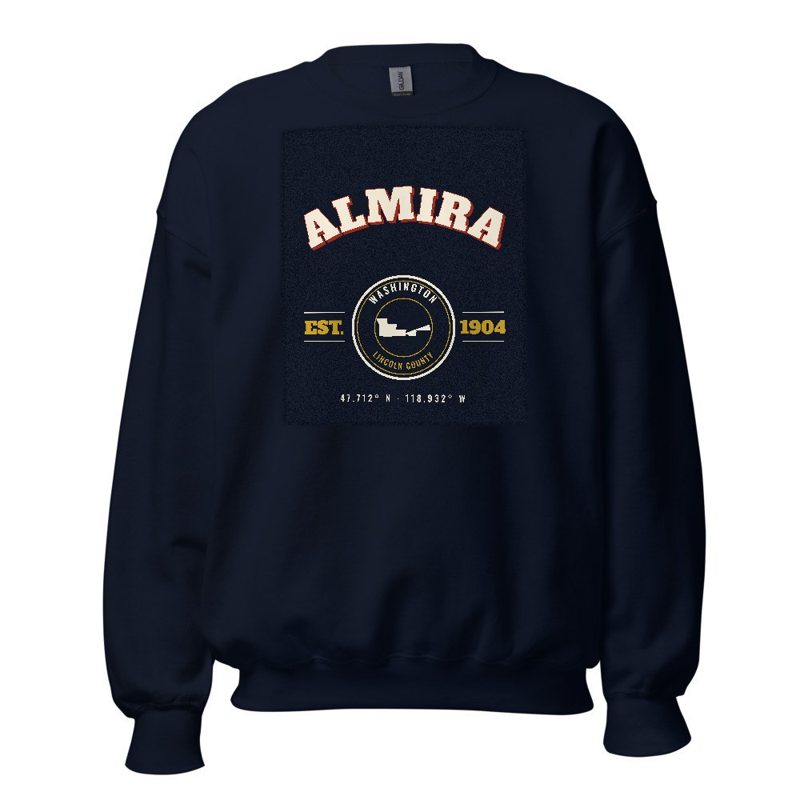
Almira Varsity Crewneckfrom $57
Almira Est. Teefrom $33
Almira Town Line Mugfrom $26
Almira Market Tote$37
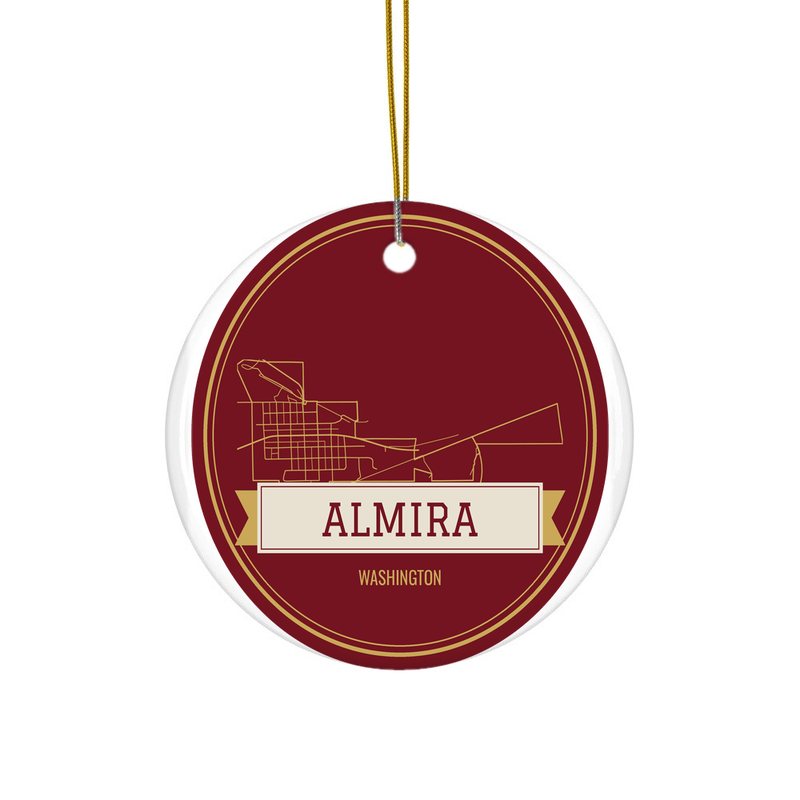
Almira Hometown Ornament

Almira Hometown Ornament

Ceramic keepsake, gold ribbon, in 4 styles

$23
Almira Vintage Travel Poster

Almira Vintage Travel Poster

Its landmark photo in a classic travel-poster layout

from $40
Almira Photo Art Print

Almira Photo Art Print

A local landmark photo as a gallery print

from $40
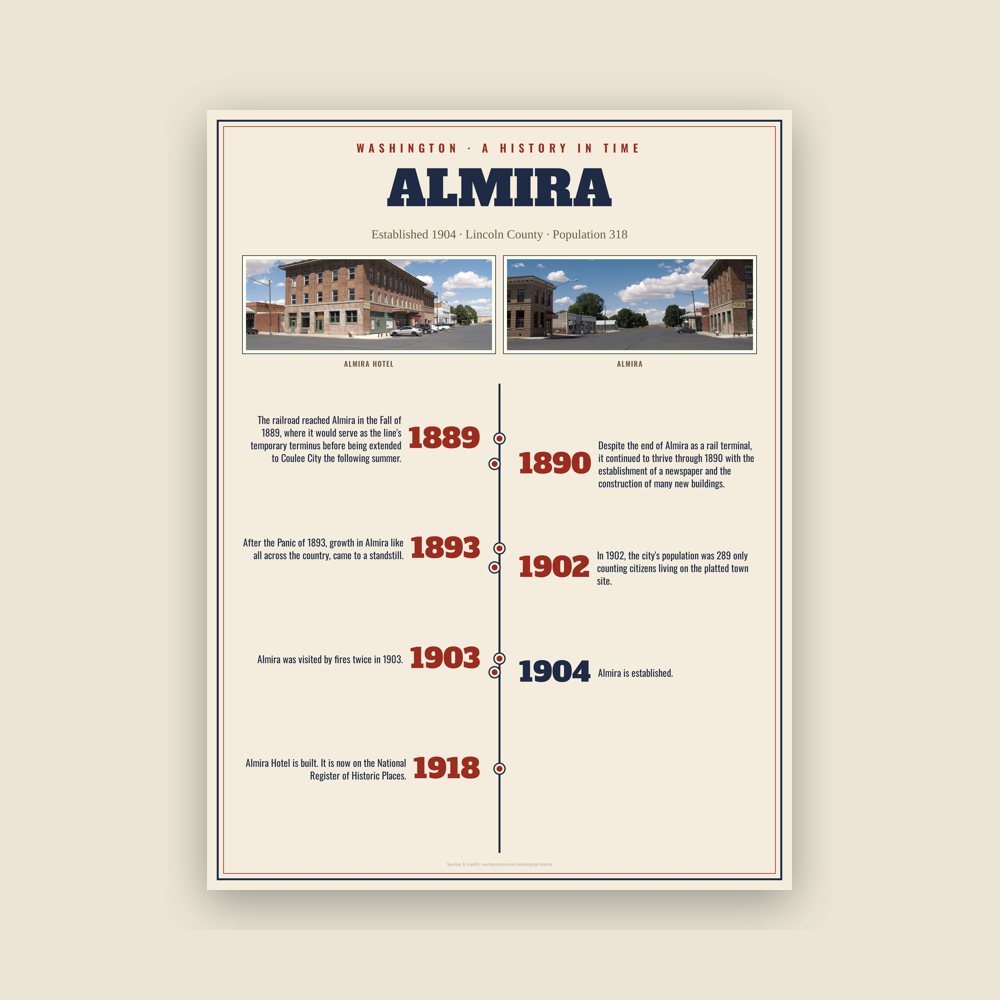
Almira History Timeline Poster

Almira History Timeline Poster

The town's story in dates, from its own records, for home or classroom

from $44
Almira Varsity Crewneck

Almira Varsity Crewneck

Heavy-blend fleece, street map printed on the back

from $57
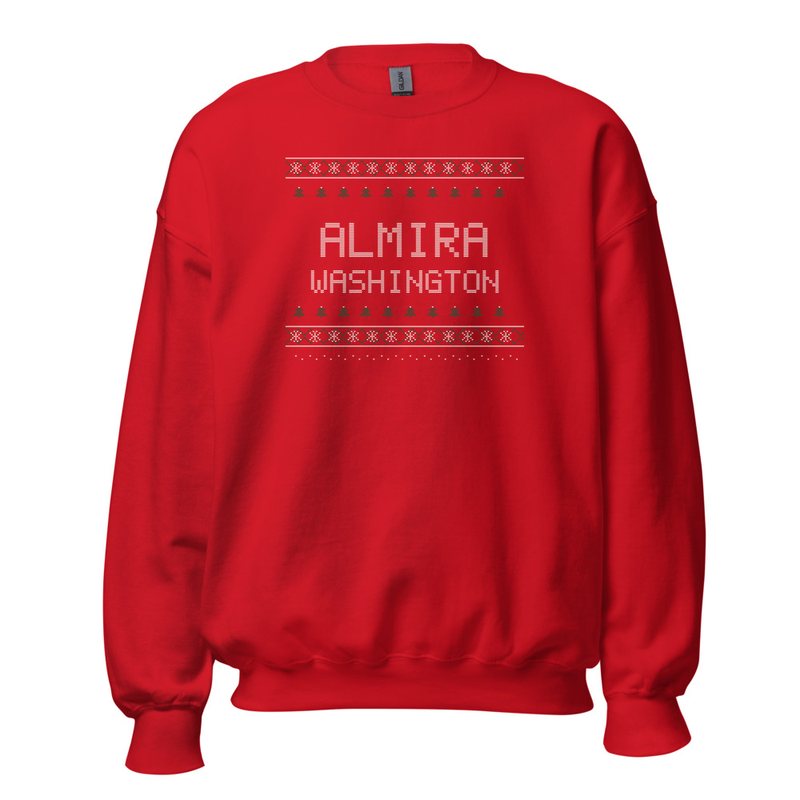
Almira Hometown Knit Sweater

Almira Hometown Knit Sweater

Red heavy-blend crewneck, knit-stitch town print

from $57
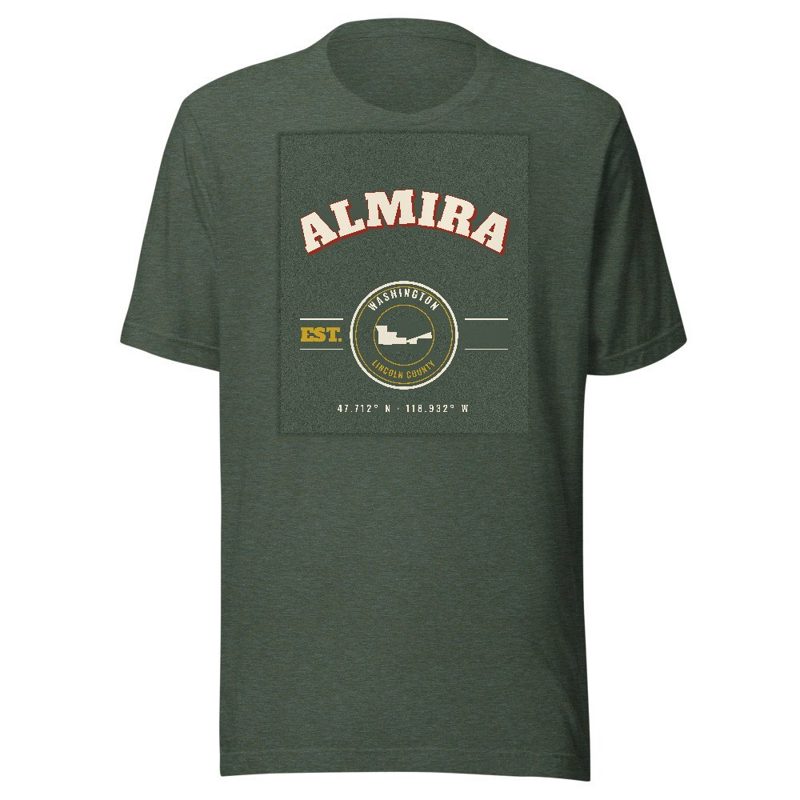
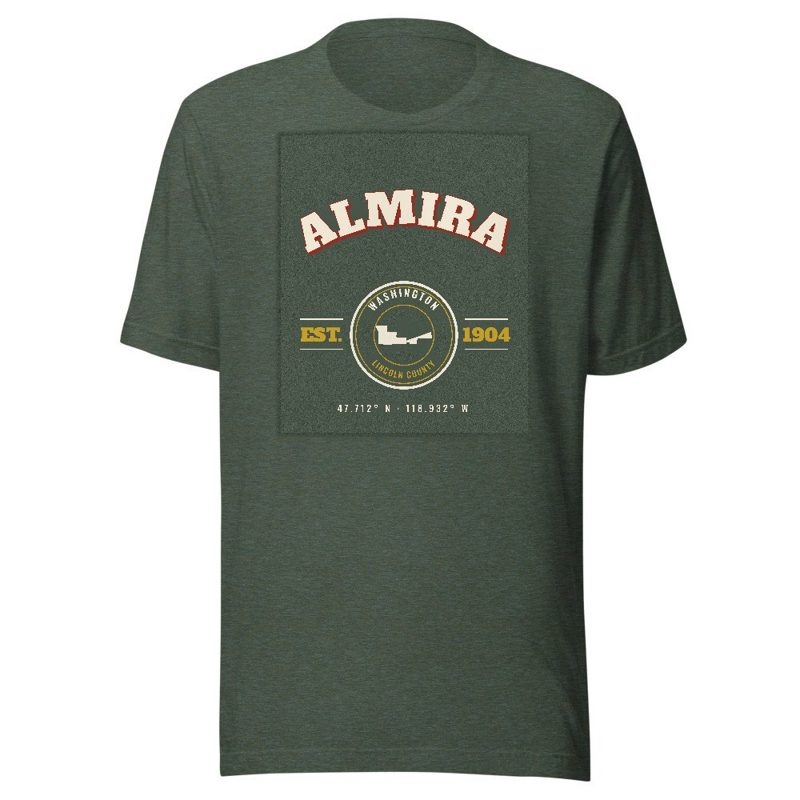
Almira Est. Tee

Almira Est. Tee

Soft Bella+Canvas jersey

from $33
Almira Est. Youth Tee

Almira Est. Youth Tee

Kids' Bella+Canvas jersey, youth sizes

$30
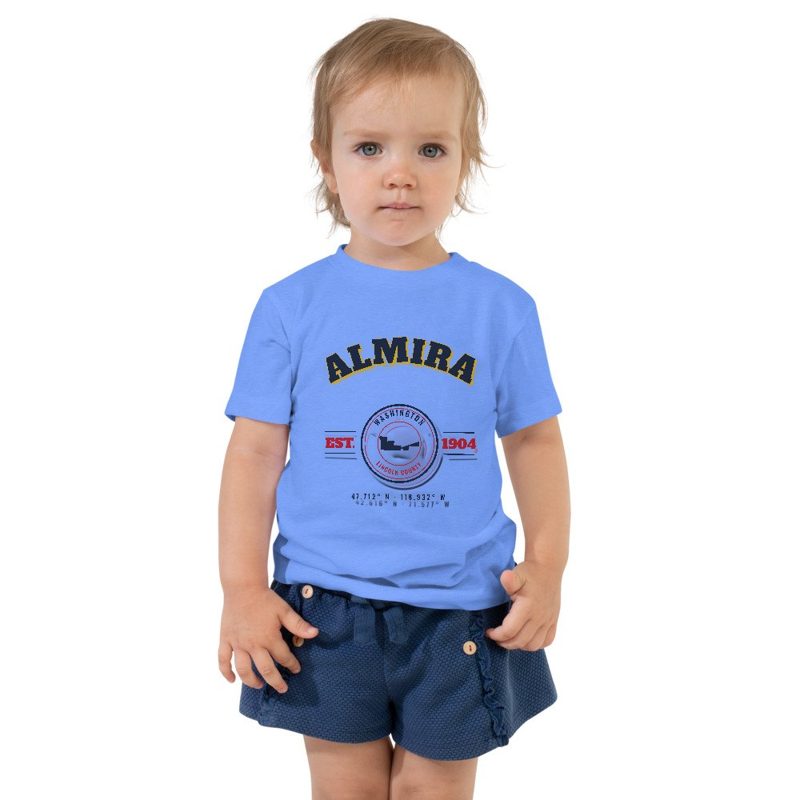
Almira Est. Toddler Tee

Almira Est. Toddler Tee

Bella+Canvas toddler jersey

$29
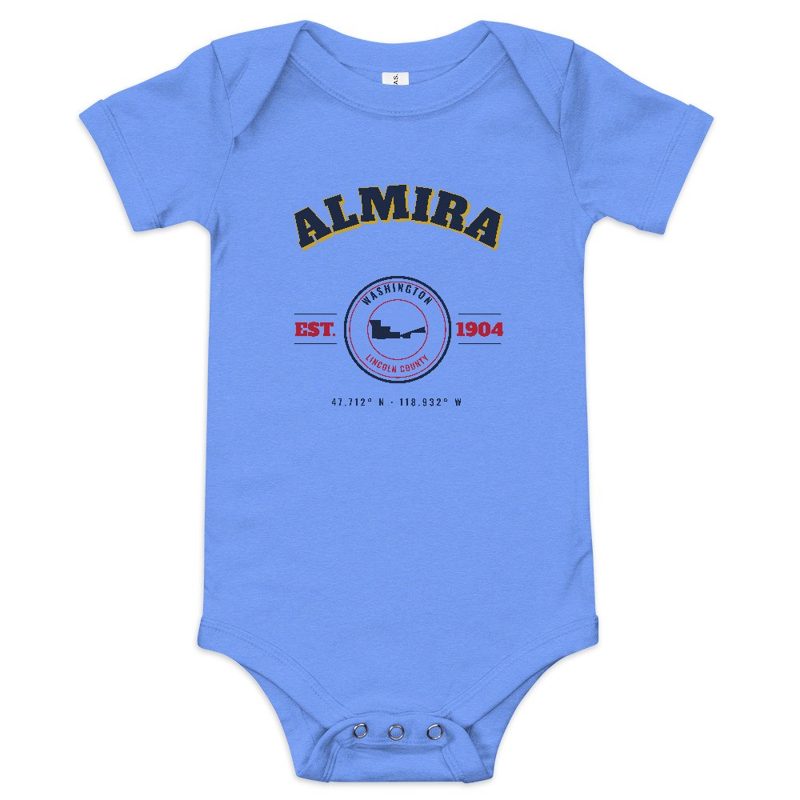
Almira Est. Baby One Piece

Almira Est. Baby One Piece

Bella+Canvas baby bodysuit

$30
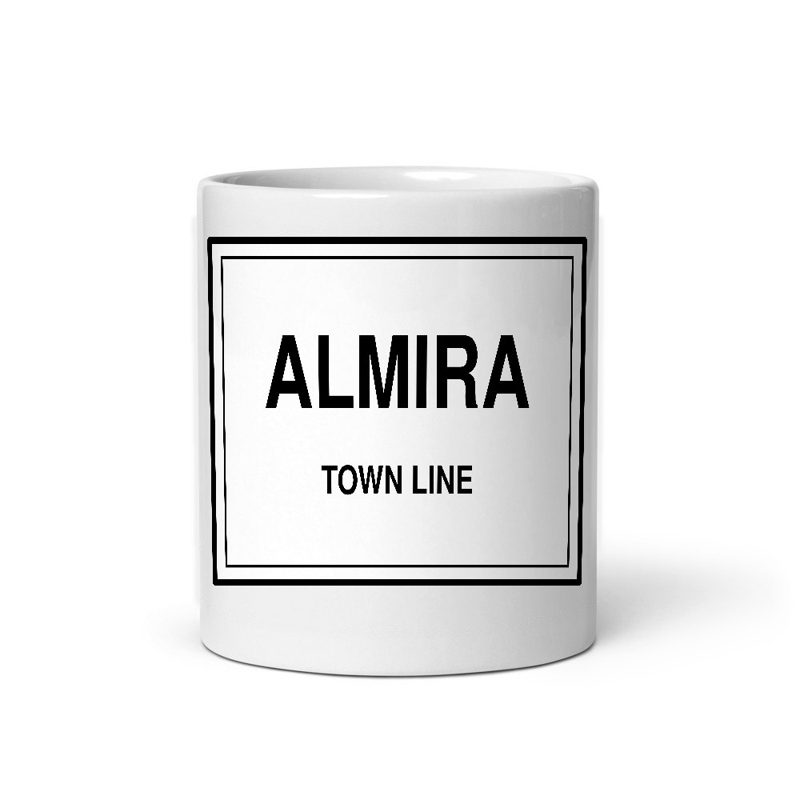
Almira Town Line Mug

Almira Town Line Mug

Glossy ceramic, dishwasher safe

from $26
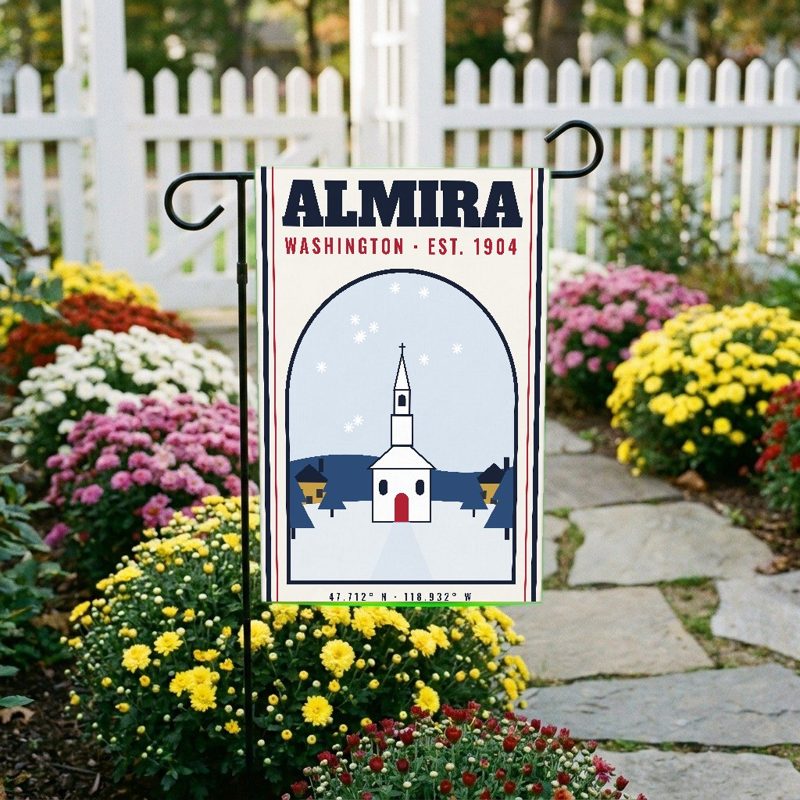
Almira Garden Flag

Almira Garden Flag

Weatherproof, for the front walk

$31
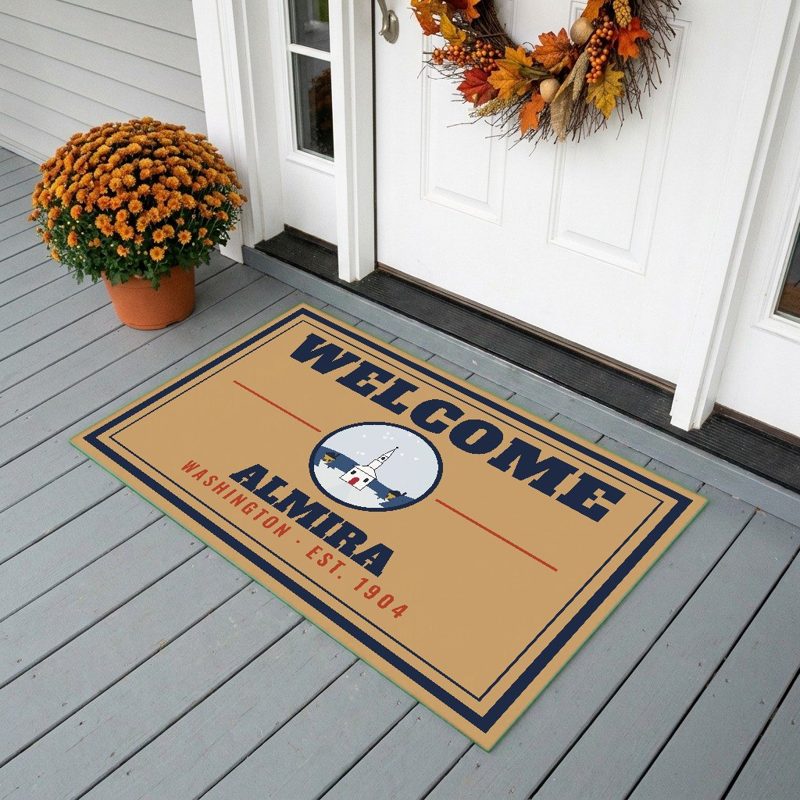
Almira Welcome Doormat

Almira Welcome Doormat

24″×16″, printed coir-look fibers, rubber back

$66
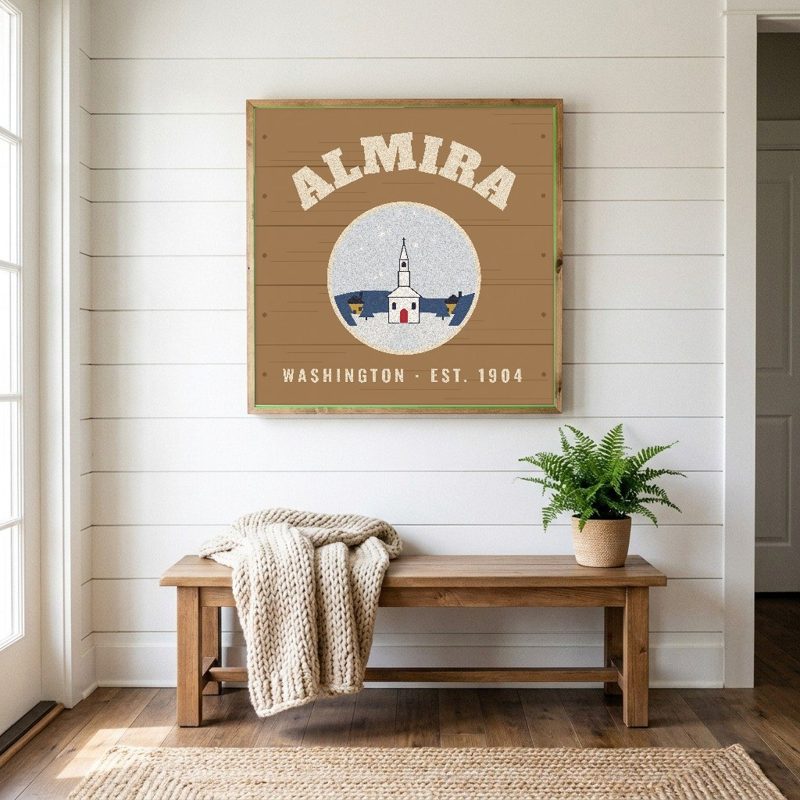
Almira Hometown Wood Sign

Almira Hometown Wood Sign

12″×12″ printed wood, ready to hang

$48
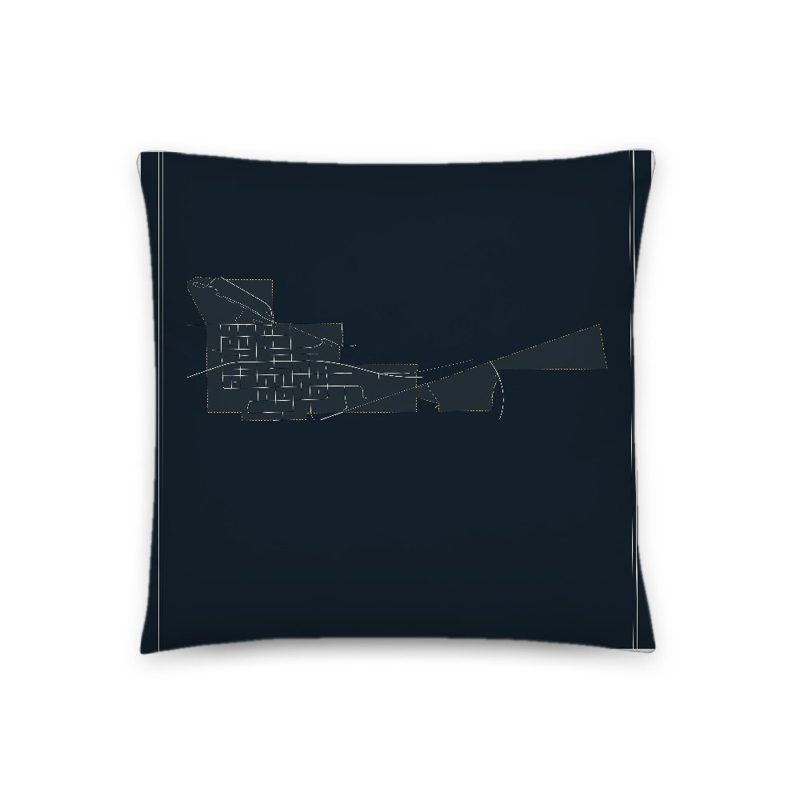
Almira Map Throw Pillow

Almira Map Throw Pillow

Soft-touch, zip cover

$47
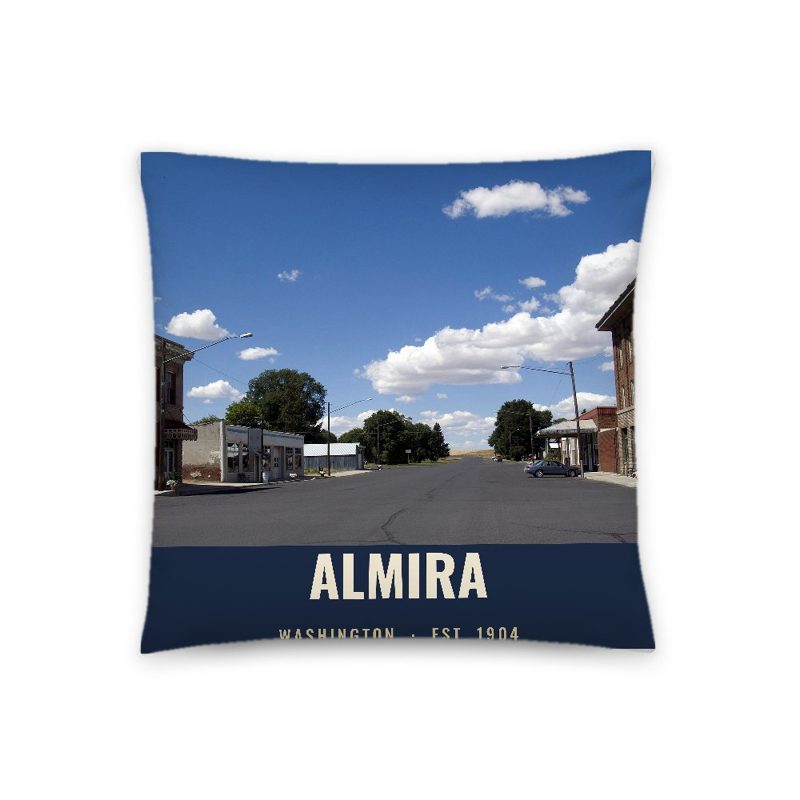
Almira Landmark Photo Pillow

Almira Landmark Photo Pillow

A local landmark photo with the town name, 18″×18″

$49
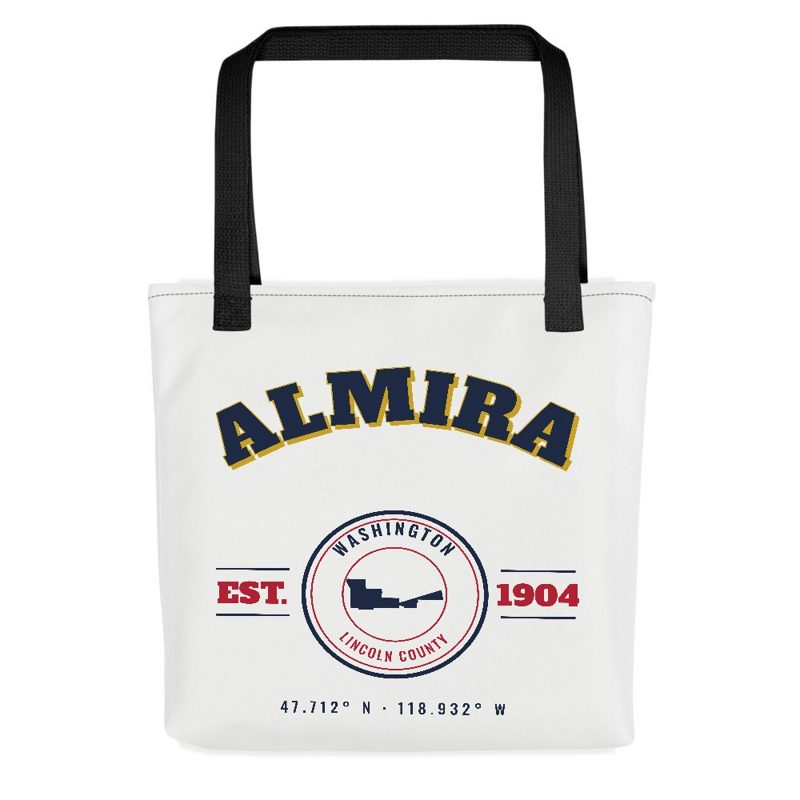
Almira Market Tote

Almira Market Tote

Sturdy all-over-print tote

$37
Almira Cork Coaster

Almira Cork Coaster

Glossy top, cork back

$16
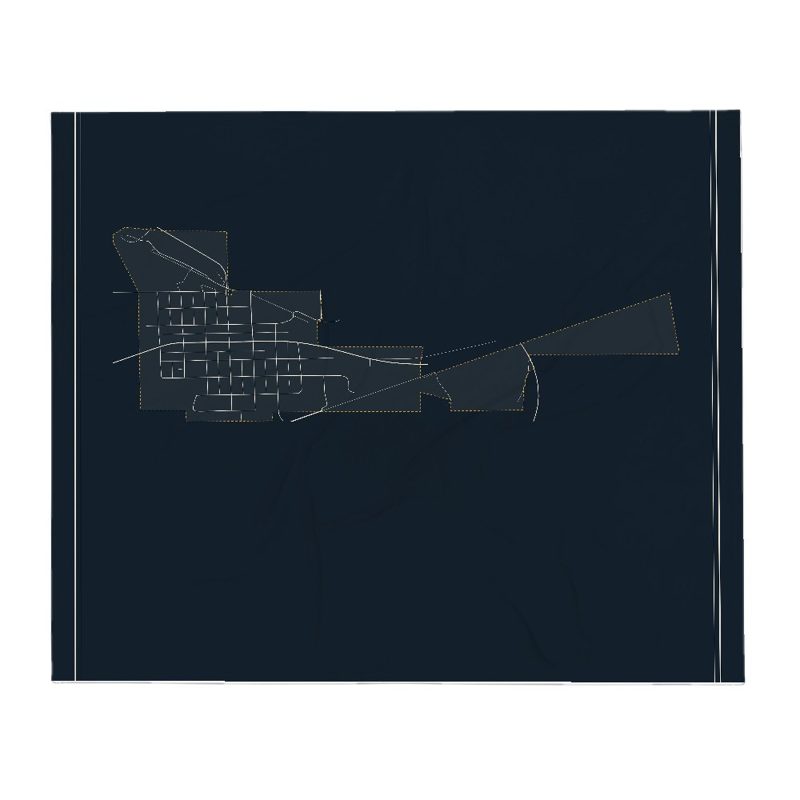
Almira Street Map Throw Blanket

Almira Street Map Throw Blanket

Soft fleece, 50″×60″

from $72
Almira Est. Tumbler

Almira Est. Tumbler

20 oz, double-wall stainless

$51
Almira Almira Hotel Postcard

Almira Almira Hotel Postcard

6″×4″ postcard, glossy front

$10
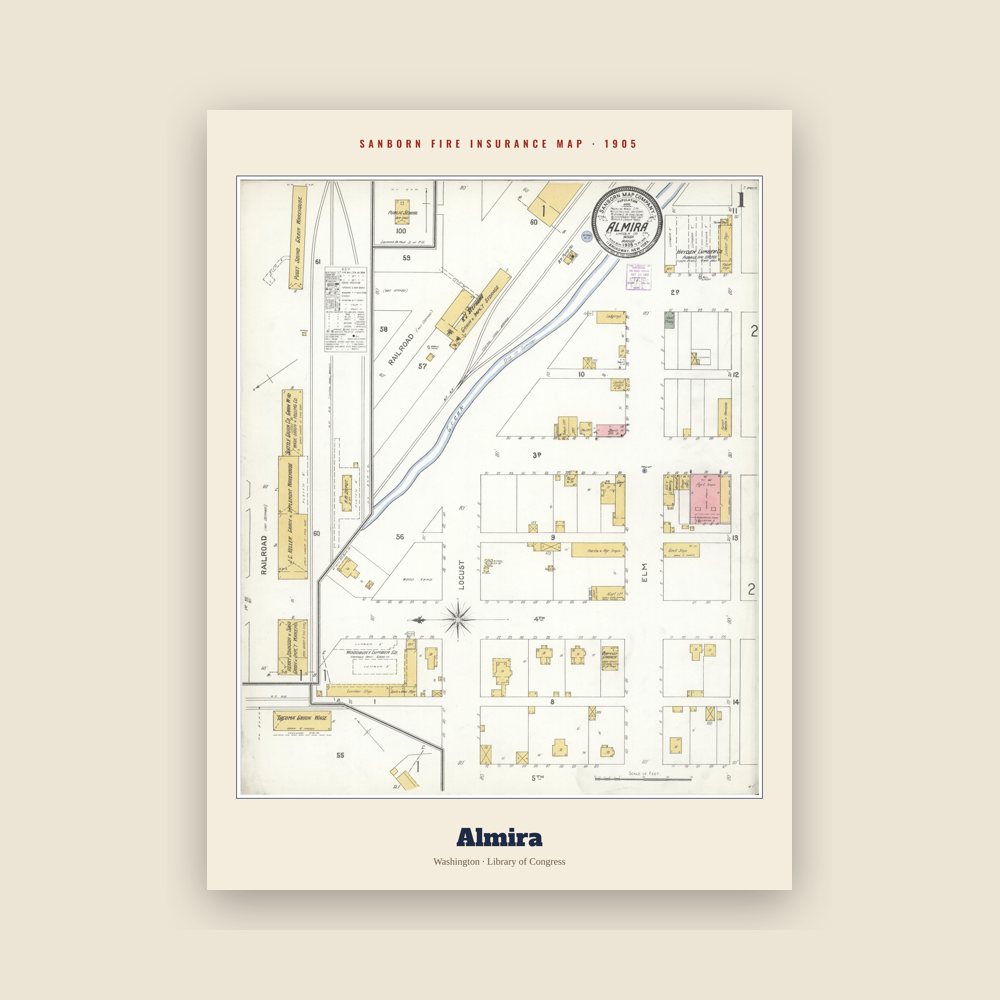
Almira Sanborn Map Print

Almira Sanborn Map Print

The town's earliest Sanborn fire-insurance map, drawn building by building and hand-coloured, from the Library of Congress

from $44
On the National Register

Historic places

Population 2010: 284 → 2020: 318

From Wikidata (CC0).

A short history of Almira

The area that would become Almira was first settled in the 1880s by Charles C. Davis who purchased land and erected a small store to serve the few settlers living in the area. With the imminent construction of the Central Washington Railroad (later acquired by the Northern Pacific) through the area in 1889, Davis was approached by land developers Odgers and Reed who were looking to start a town on the site. Upon seeing Davis' wife's given name on the deed, the developers suggested christening the town under her name. Davis' farm and post office had previously been called "Davisine".

That place may make a town in the future. There is considerable vacant land for it to grow on. If you desire to learn of the 'glorious future' in store for the town. just confer with 'Tom' Hodges. the resident town-site agent. He never tires of reciting it.

With the railroad assured, Almira was platted and lots begin to sell quickly. Contractors and businessmen began to build temporary buildings for their stores. The railroad reached Almira in the Fall of 1889, where it would serve as the line's temporary terminus before being extended to Coulee City the following summer. Until the road was completed to the Grand Coulee Almira remained the terminus. All trains ran to this point, connections by stage being made to points westward. These factors made the town furiously active but a harsh winter prevented any building boom from taking place, leaving Almira as a collection of temporary shacks until the weather improved.

Despite the end of Almira as a rail terminal, it continued to thrive through 1890 with the establishment of a newspaper and the construction of many new buildings. The town's population was 156. In November 1890, Almira citizens voted for prohibition and the city temporarily became the only dry town in the Big Bend Country. After the Panic of 1893, growth in Almira like all across the country, came to a standstill. Most of the undeveloped lots in town were either in foreclosure or completely worthless. This changed in 1900 when the economy began to improve following several years of prosperous wheat harvests.

The next several years saw Almira grow from a temporary village to a more substantial city. In 1902, the city's population was 289 only counting citizens living on the platted town site.

the past twenty months activity in building has scarcely diminished at any one time. There has been no sudden impetus, no 'mushroom growth, in a single night, a day, or even six months, but there has been a steady increase. With the exception of a short period last winter, from one to six buildings have been in progress of construction during all seasons of the year.

Almira was visited by fires twice in 1903. The first on March 21 destroyed several buildings including the office of the Almira News. The second fire in October started in the Almira Hotel and was much more destructive, destroying a whole block's worth of buildings. These blocks were rebuilt with more permanent brick buildings which still stand today.

Steps were taken towards incorporation in April 1903 but were initially unsuccessful because of disagreements in the town's incorporation boundaries. The second try was successful and Almira was officially incorporated on February 1, 1904.

Adapted (trimmed) from the Wikipedia article Almira, Washington, revision 1375102989 by its contributors, licensed CC BY-SA 4.0.
For local organizations

Are you with a Almira historical society?

We share a part of every Almira sale with local partners, and we'd love to print from your collection. Old photographs, maps and postcards make the best keepsakes.

Partner with us
Custom orders

Want something Almira we don't make yet?

A favorite landmark, your street, a school or team, an anniversary gift, a different product. Tell us and we'll get back to you by email.

Free printables

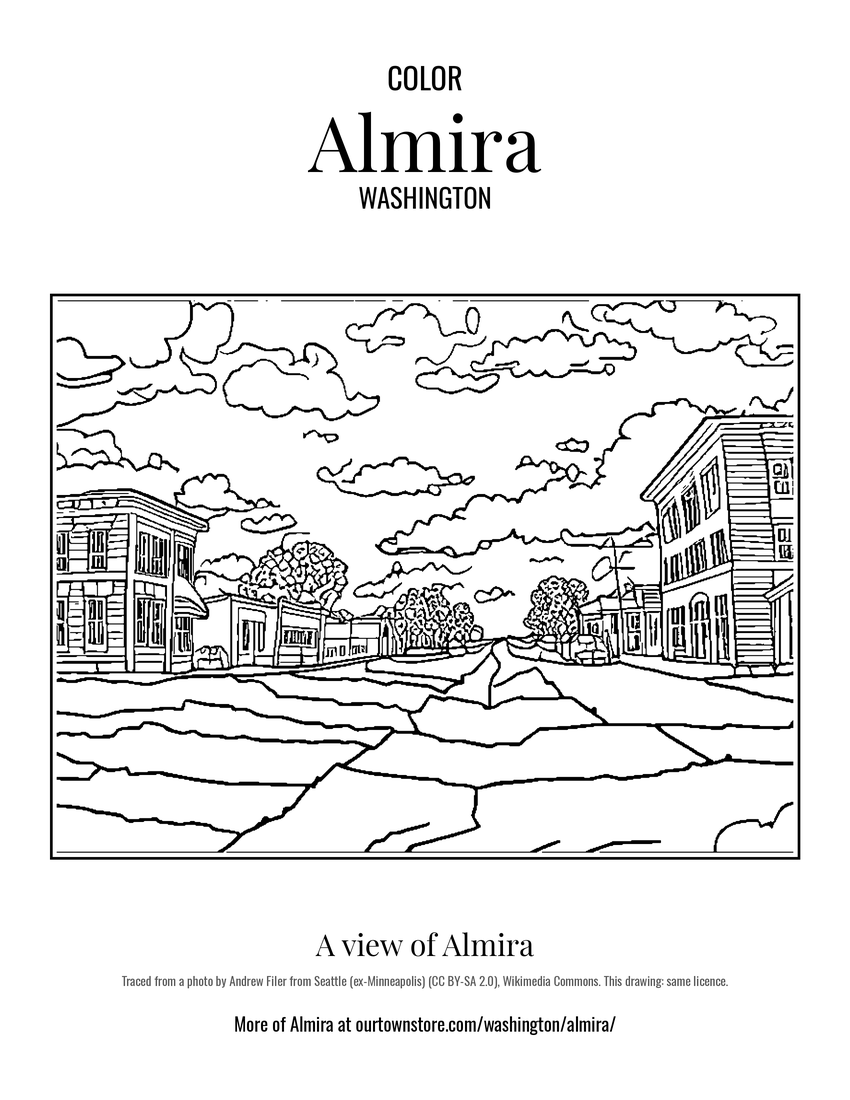
Color Almira

2 free coloring pages of Almira, each traced from a photo of a local landmark. Print them at home, at school or for story hour.

Nearby

Neighboring towns

Sources

Almira's population was 318 in the 2020 U.S. Census, up from 284 in 2010.