Since 1890
A short history of Vienna
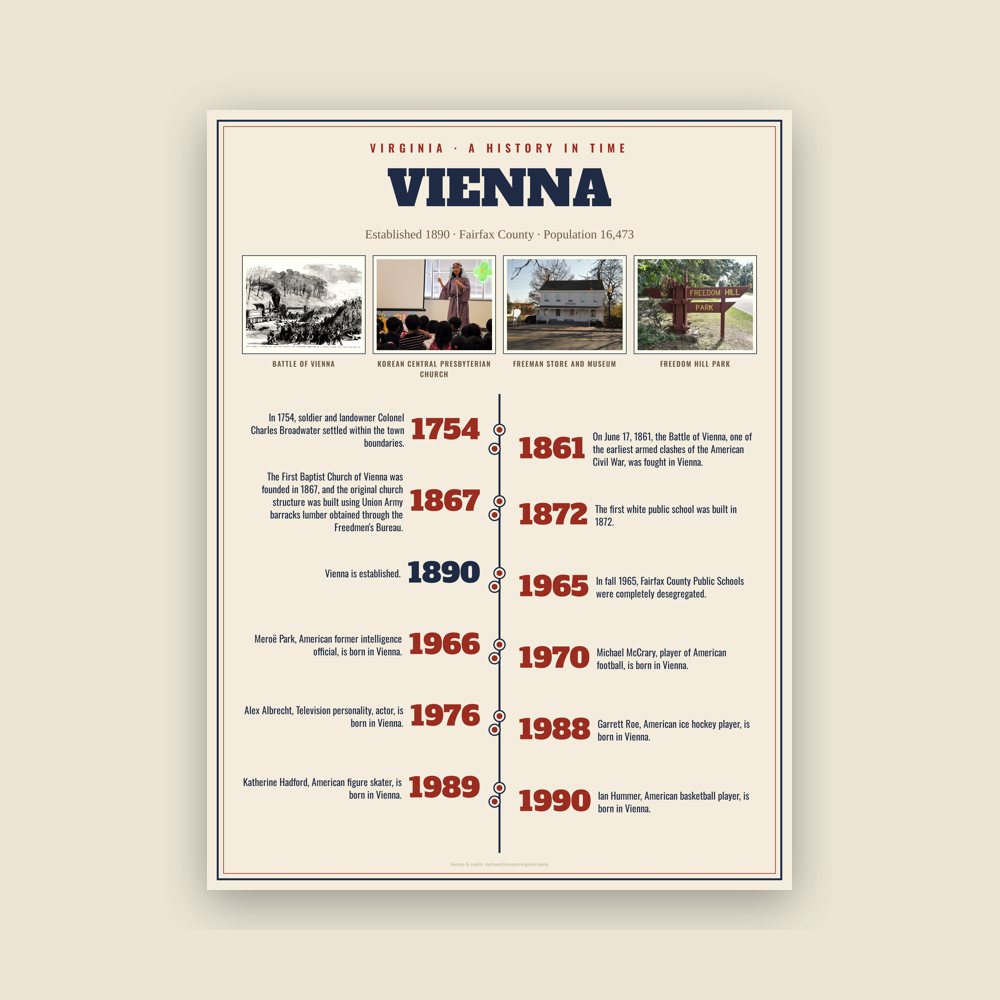
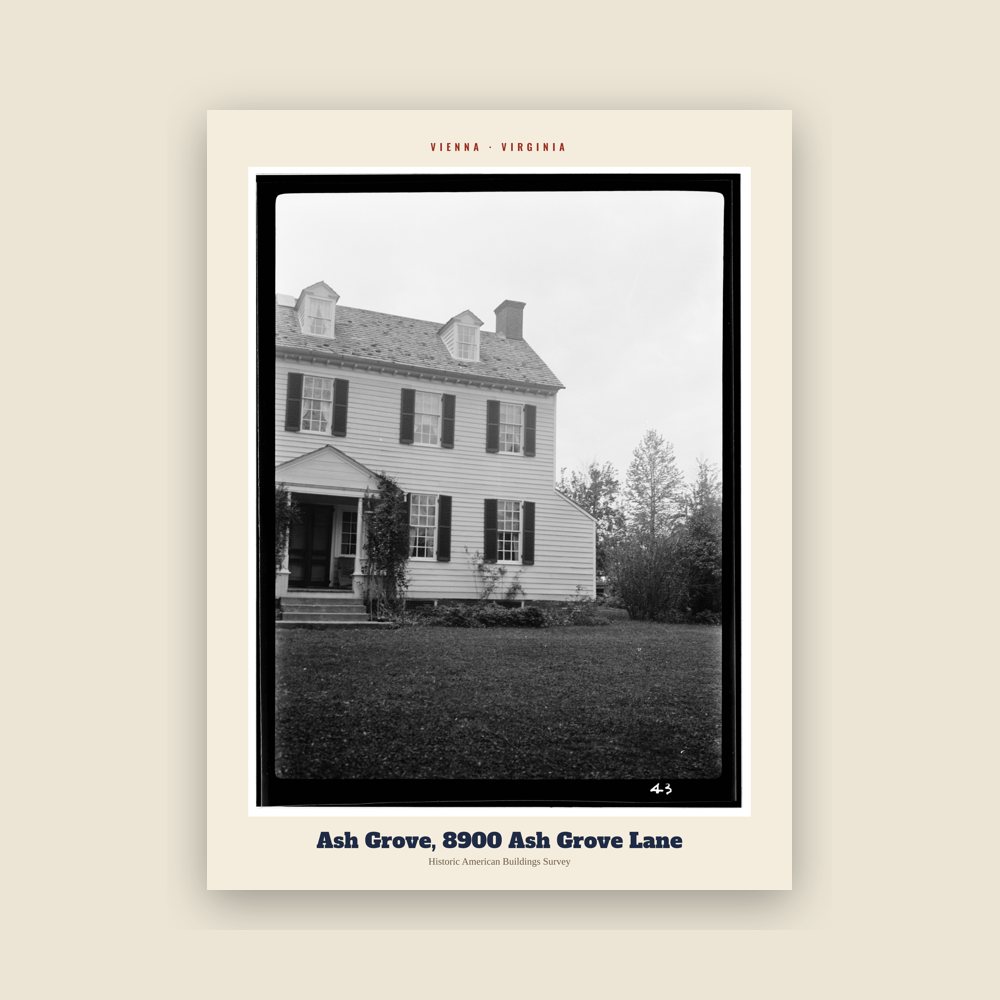
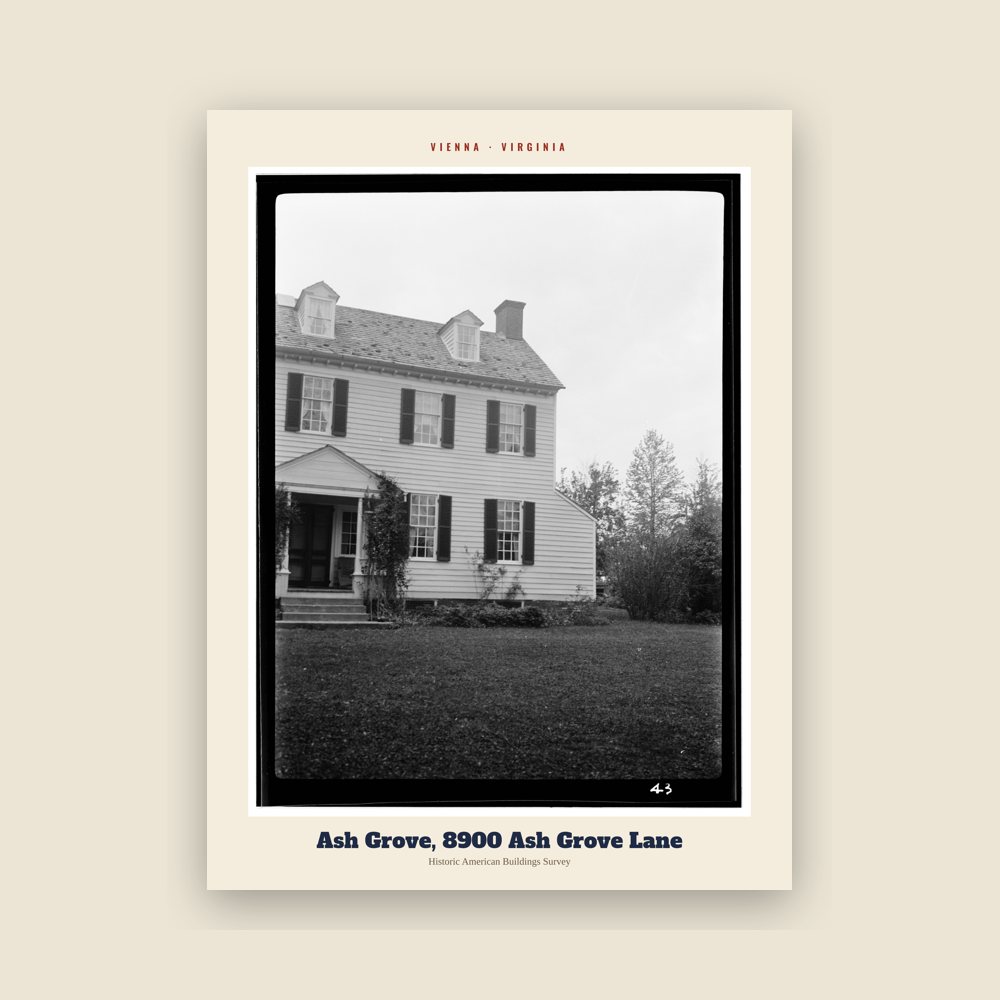
European settlement in the region dates to the mid-18th century. In 1754, soldier and landowner Colonel Charles Broadwater settled within the town boundaries. Broadwater's son-in-law, John Hunter, built the first recorded house there in 1767, naming it Ayr Hill to recall his birthplace, Ayr, Scotland. That name was then applied to the community. The town's name was changed in the 1850s, when a doctor, William Hendrick, settled there and the town renamed itself after his hometown, Phelps, New York, which at the time was known as Vienna.
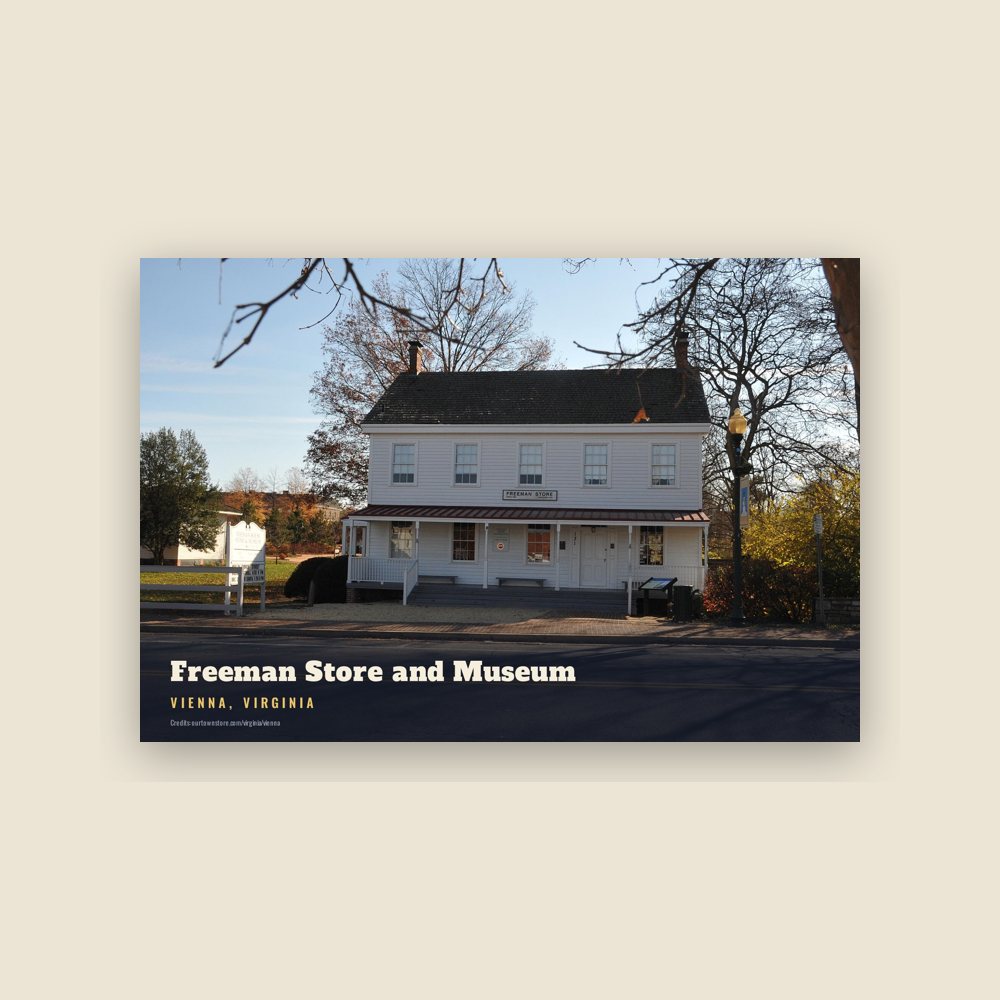
On June 17, 1861, the Battle of Vienna, one of the earliest armed clashes of the American Civil War, was fought in Vienna. A Union army unit under Brigadier General Robert C. Schenck approached Vienna from the east by train but was ambushed and forced to retreat by a Confederate force led by Colonel Maxcy Gregg. Several historical markers in Vienna detail its Civil War history. In addition, in the town center lies the well preserved Freeman House; which, in 1861, was the polling place for the secession vote and was used during the war by both sides as a hospital. The house has been turned into a museum and gift shop.
The First Baptist Church of Vienna was founded in 1867, and the original church structure was built using Union Army barracks lumber obtained through the Freedmen's Bureau. This church building was also the town's first black public school. The first white public school was built in 1872.
A permanent black elementary school was built, and was later named for its long-time principal, Louise Archer. In fall 1965, Fairfax County Public Schools were completely desegregated.
Adapted (trimmed) from the Wikipedia article Vienna, Virginia, revision 1378461267 by its contributors, licensed CC BY-SA 4.0.
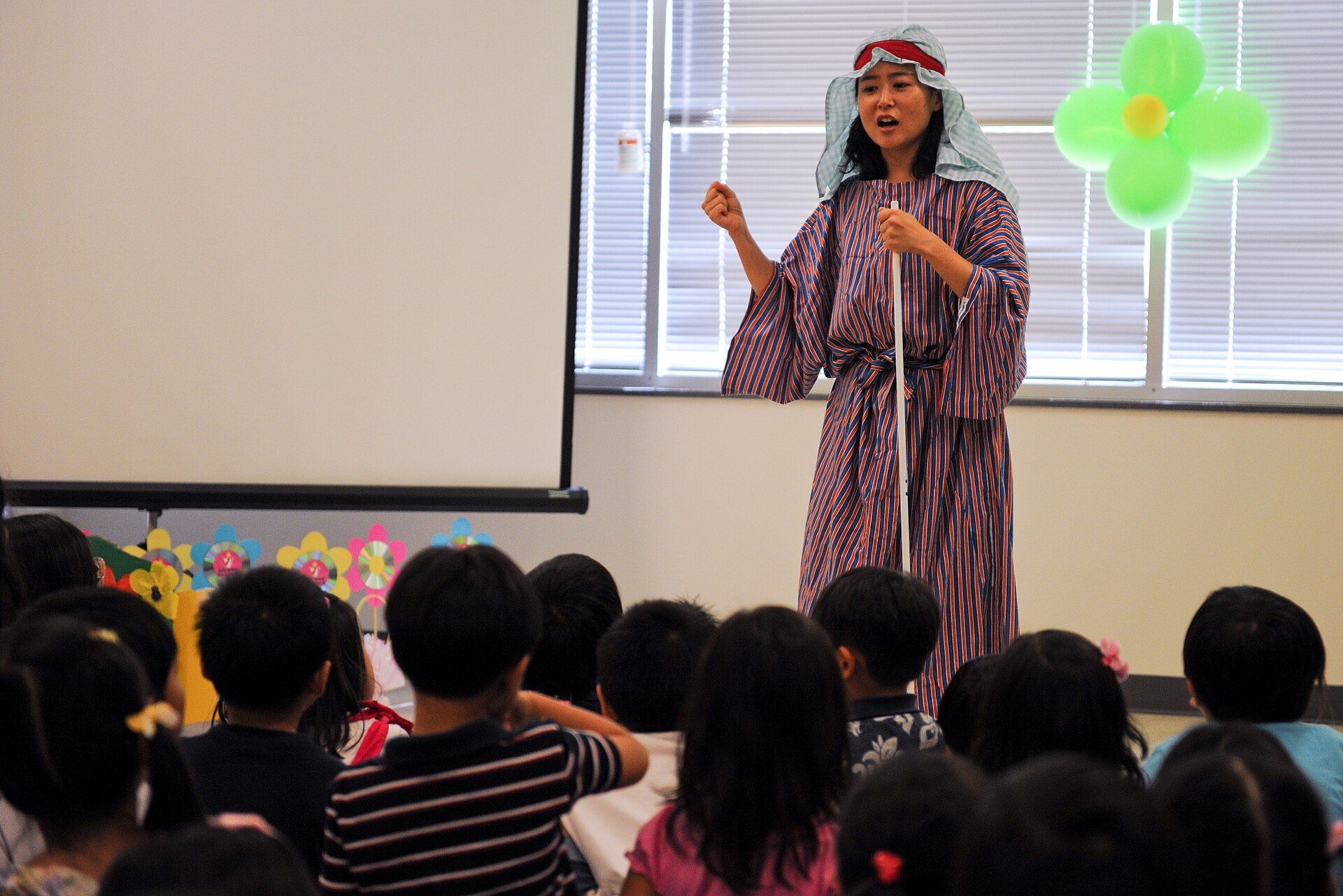

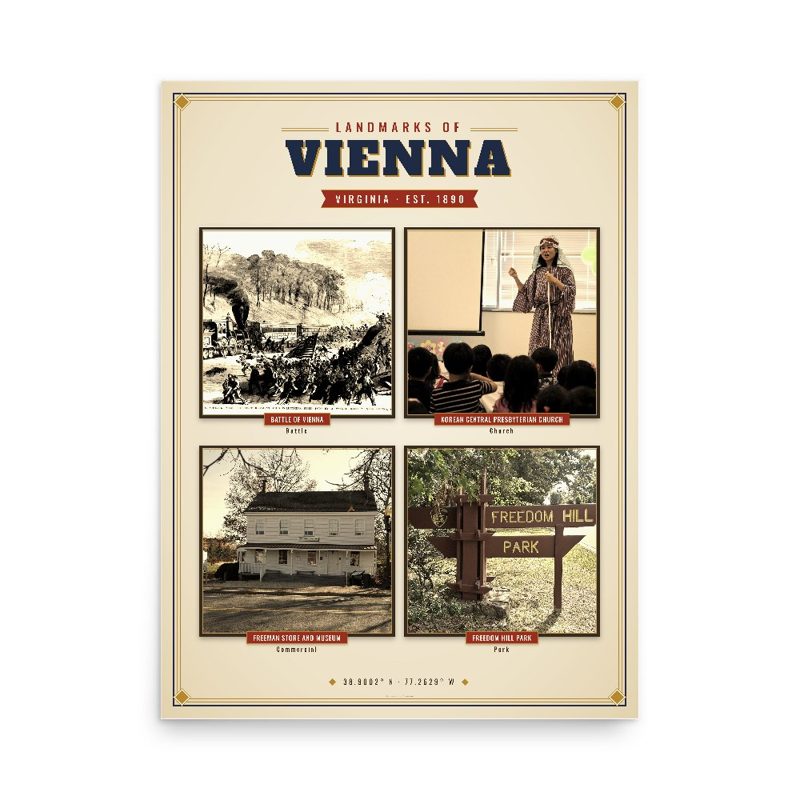


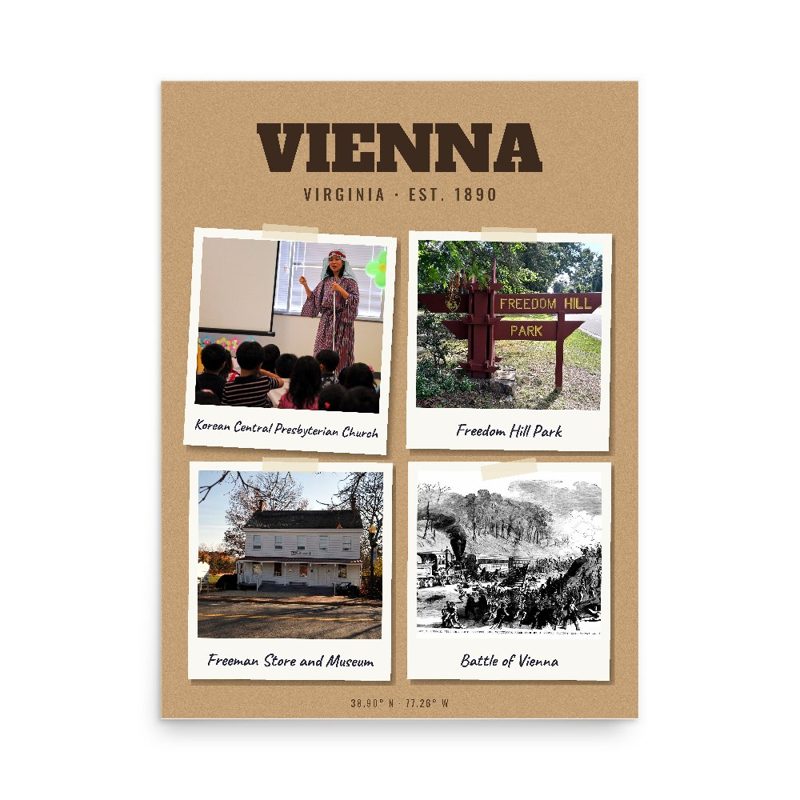
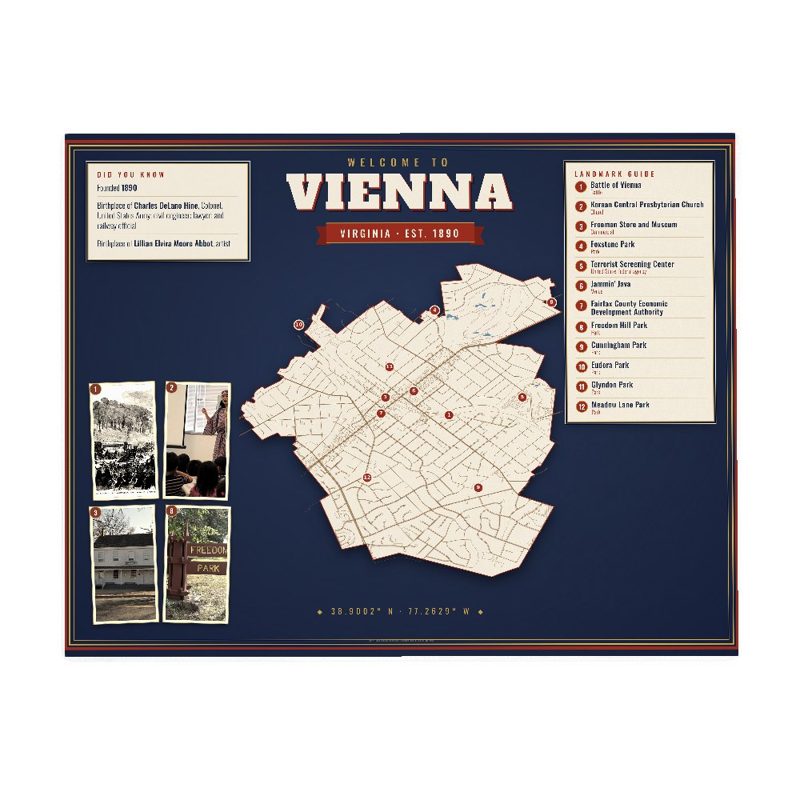

















 Korean Central Presbyterian Church
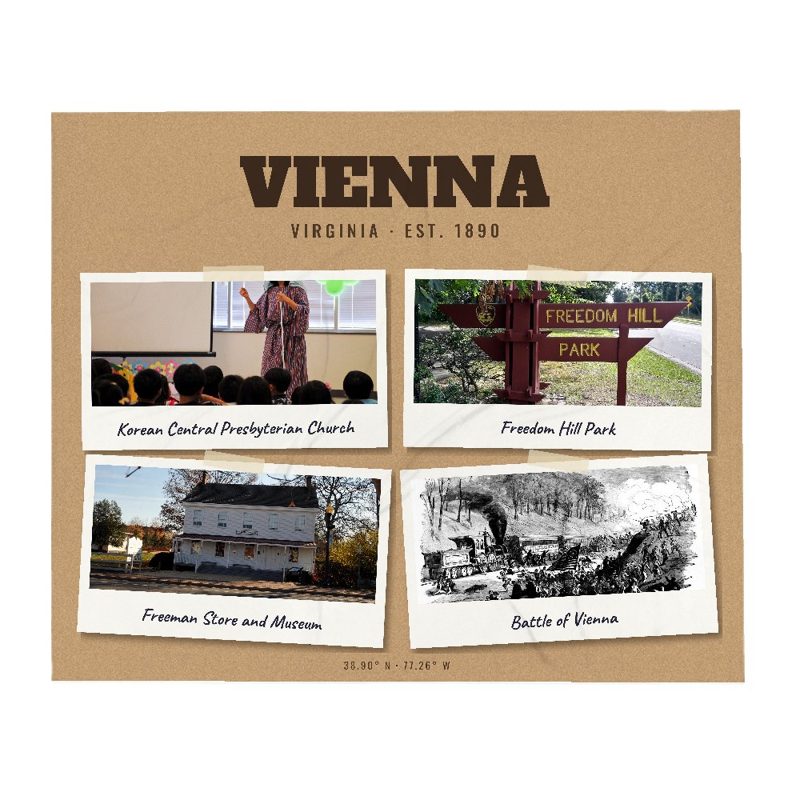
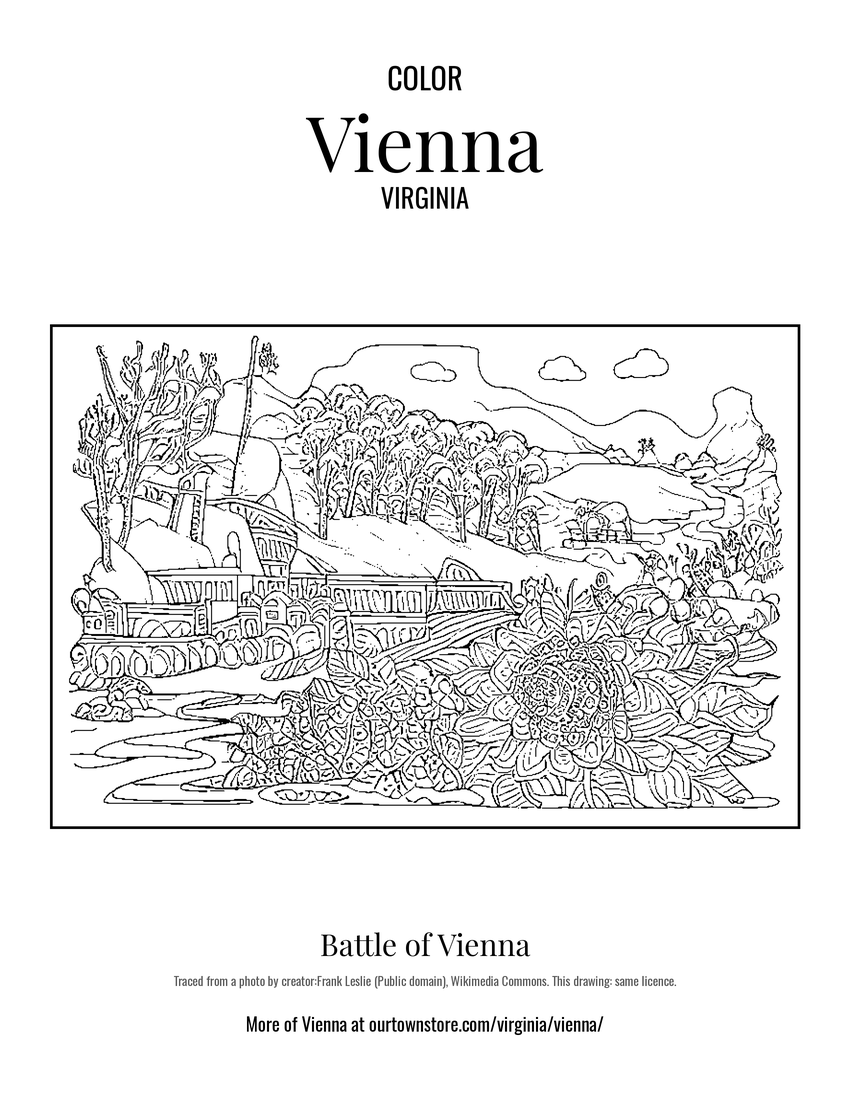 Battle of Vienna
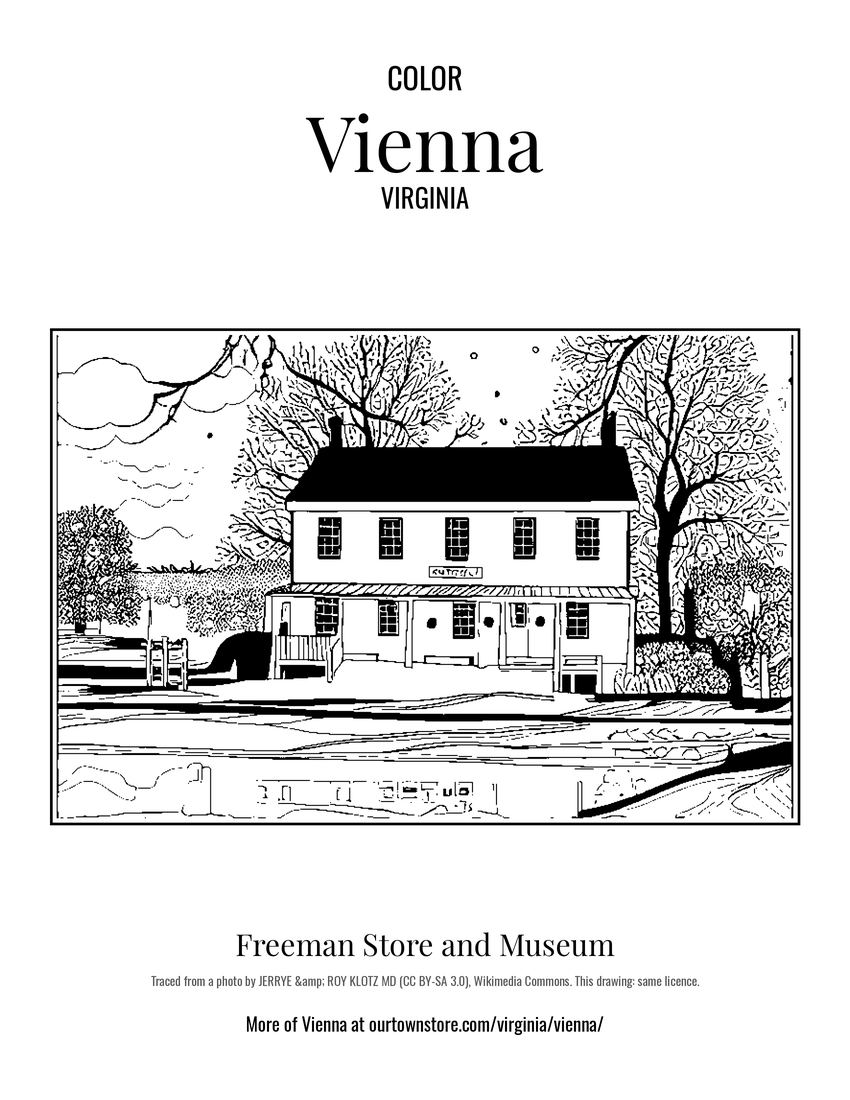 Freeman Store and Museum
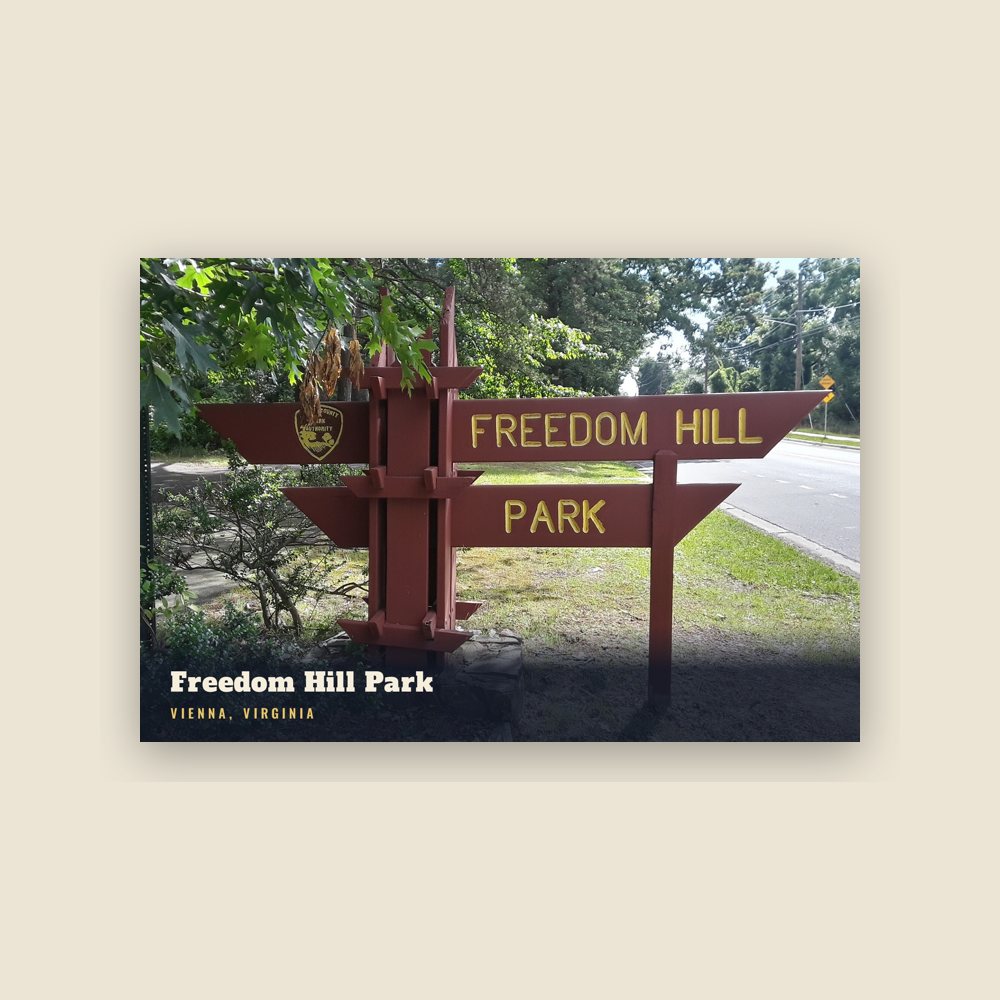
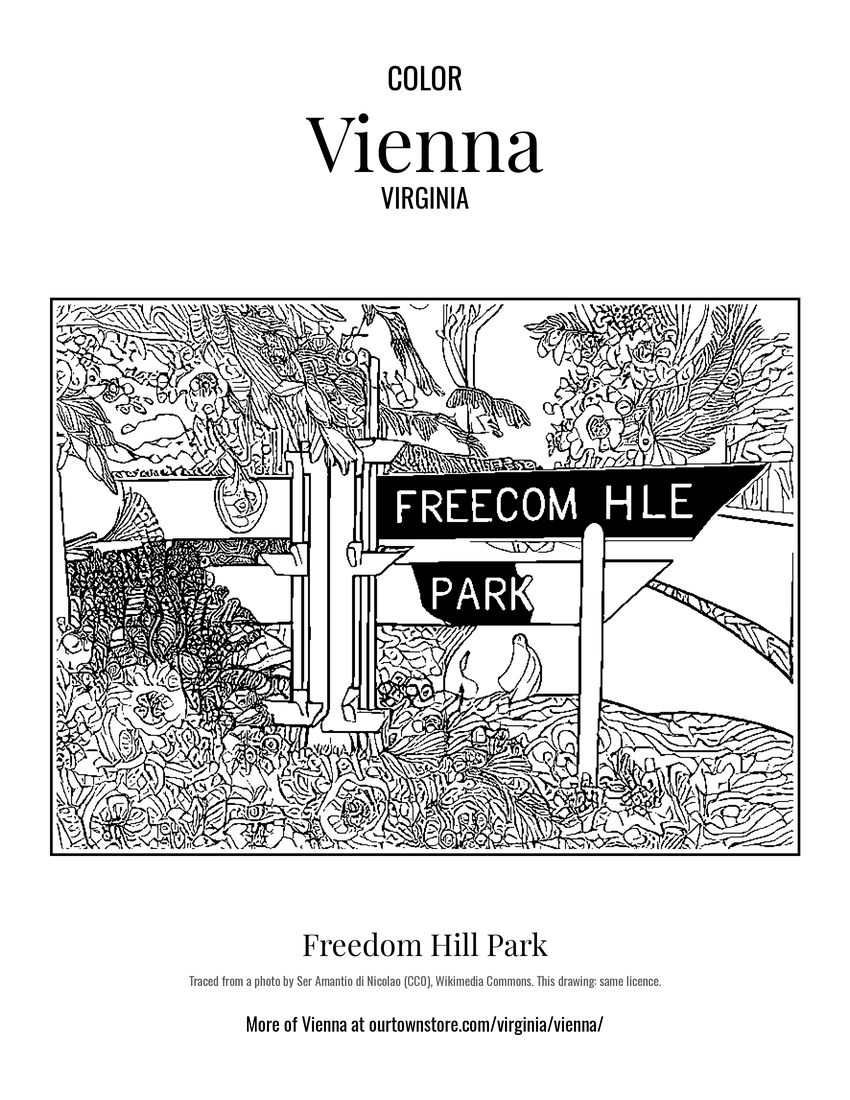 Freedom Hill Park