A short history of Onancock
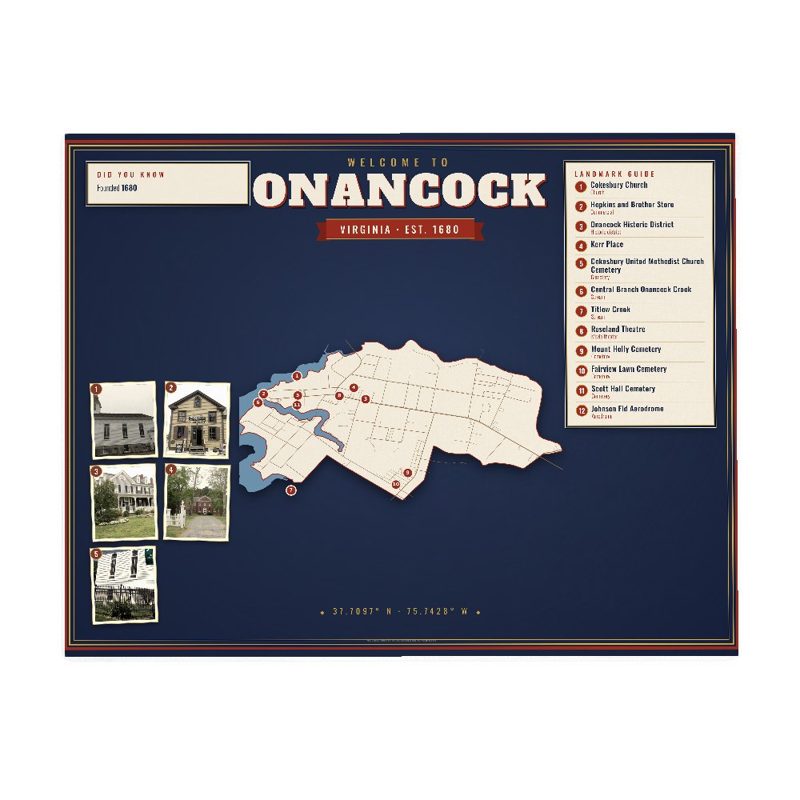
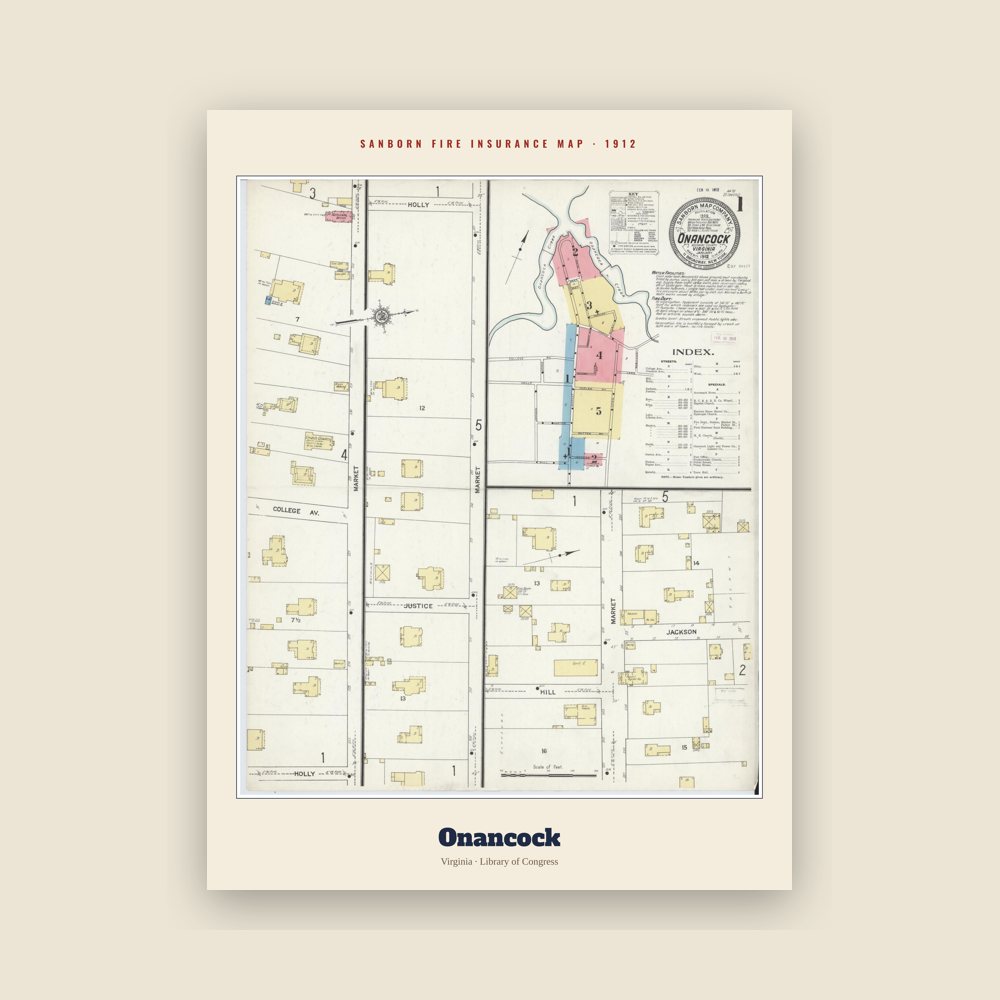
According to a nearby Virginia state highway marker, Onancock was founded in 1680. A courthouse was established some years after, and militia barracks established during the Revolution.
Some thirteen months after Cornwallis' October 1781 surrender at Yorktown, Commodore Zedechiah Whaley sought aid from Onancock during a naval campaign against British barges of war that had been harassing the shores and farms of Chesapeake Bay. On November 28, 1782, he sailed up Onancock Creek and appealed to Lt. Colonel John Cropper, who rounded up 25 local men in support. They boarded Whaley's flagship, Protector, and continued his siege upon the British flotilla.
In what became the Battle of Kedges Strait three out of four of Whaley's barges turned back under heavy British fire, leaving the Protector alone to press on with the fight. Vastly outnumbered, ultimately 25 of its 65 men were killed or wounded, 29 captured, and only 11 escaped during a climactic action on November 30. Whaley surrendered—in the last naval action of the Revolution—on the very day the Treaty of Paris seeking to finally end the hostilities between the two nations was drafted. It would be another year and a half yet until the completed treaty was signed, ratified, and exchanged, ultimately becoming effective on May 12, 1784.
In the mid-19th century, Onancock was a point along the stagecoach route between Wilmington, Delaware and Eastville, Virginia.
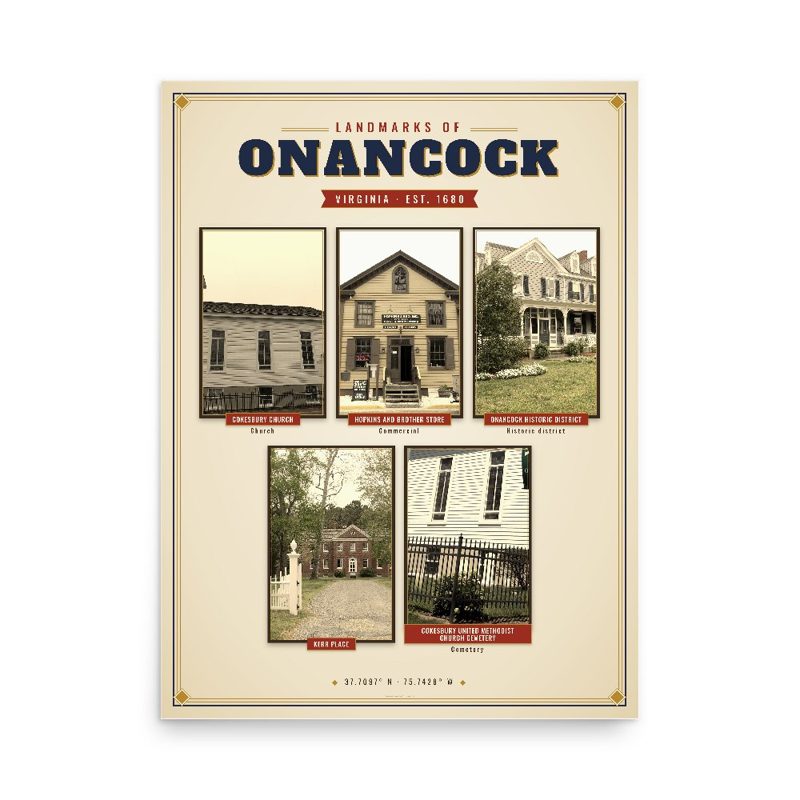
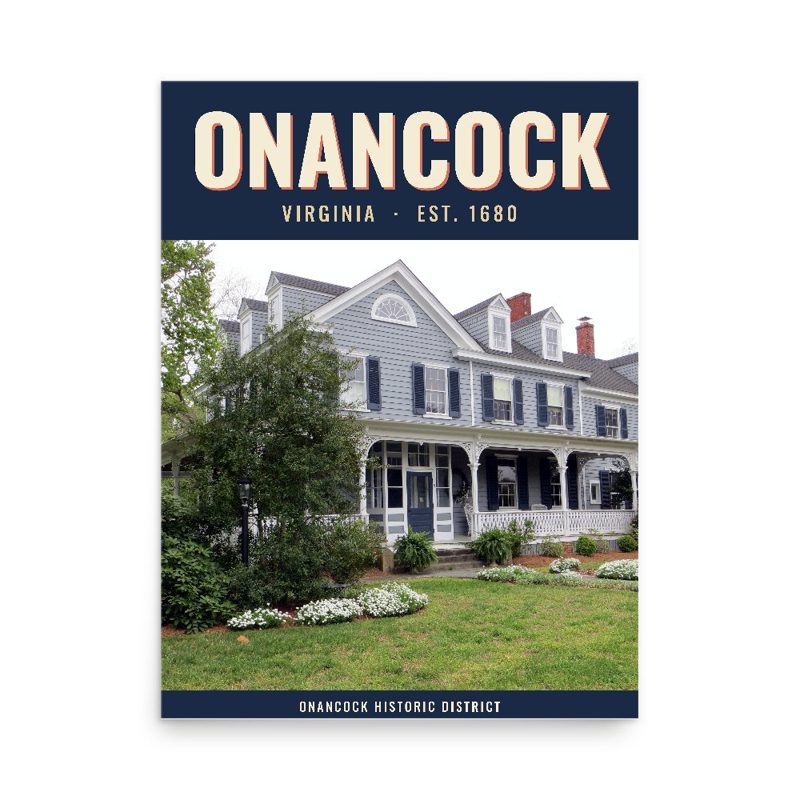
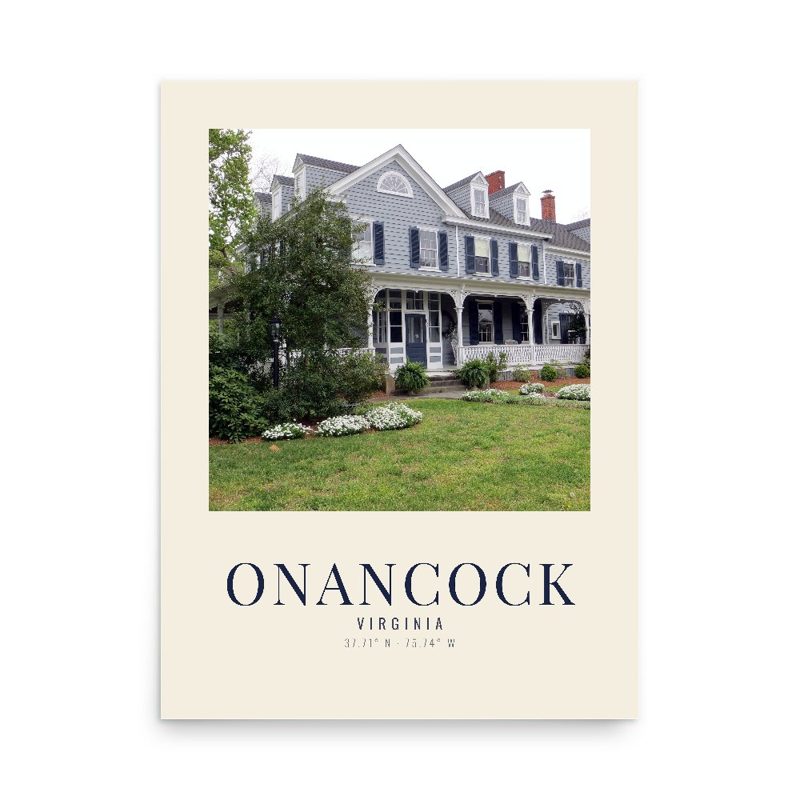
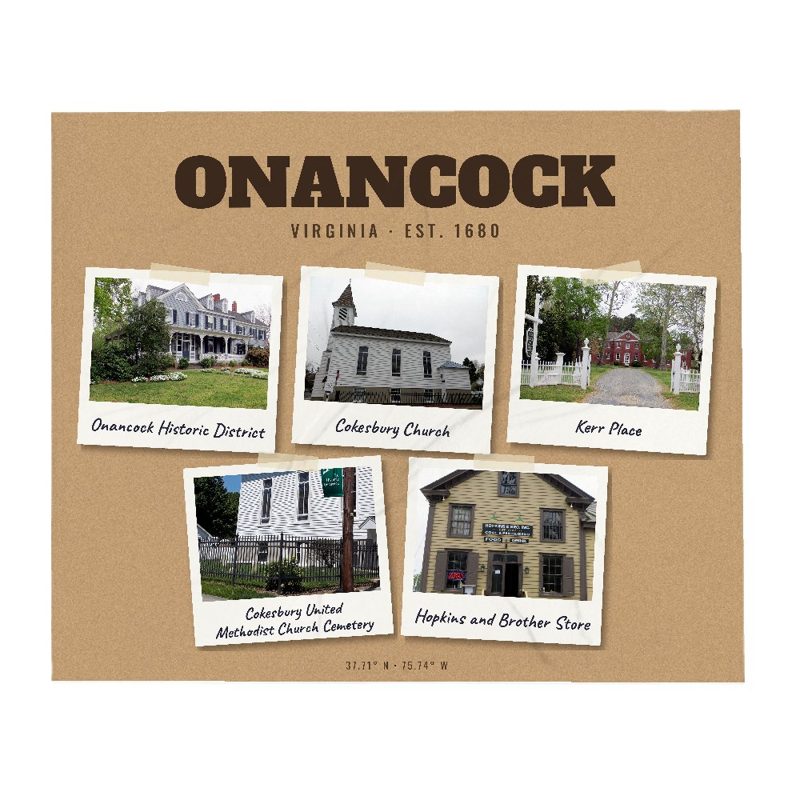
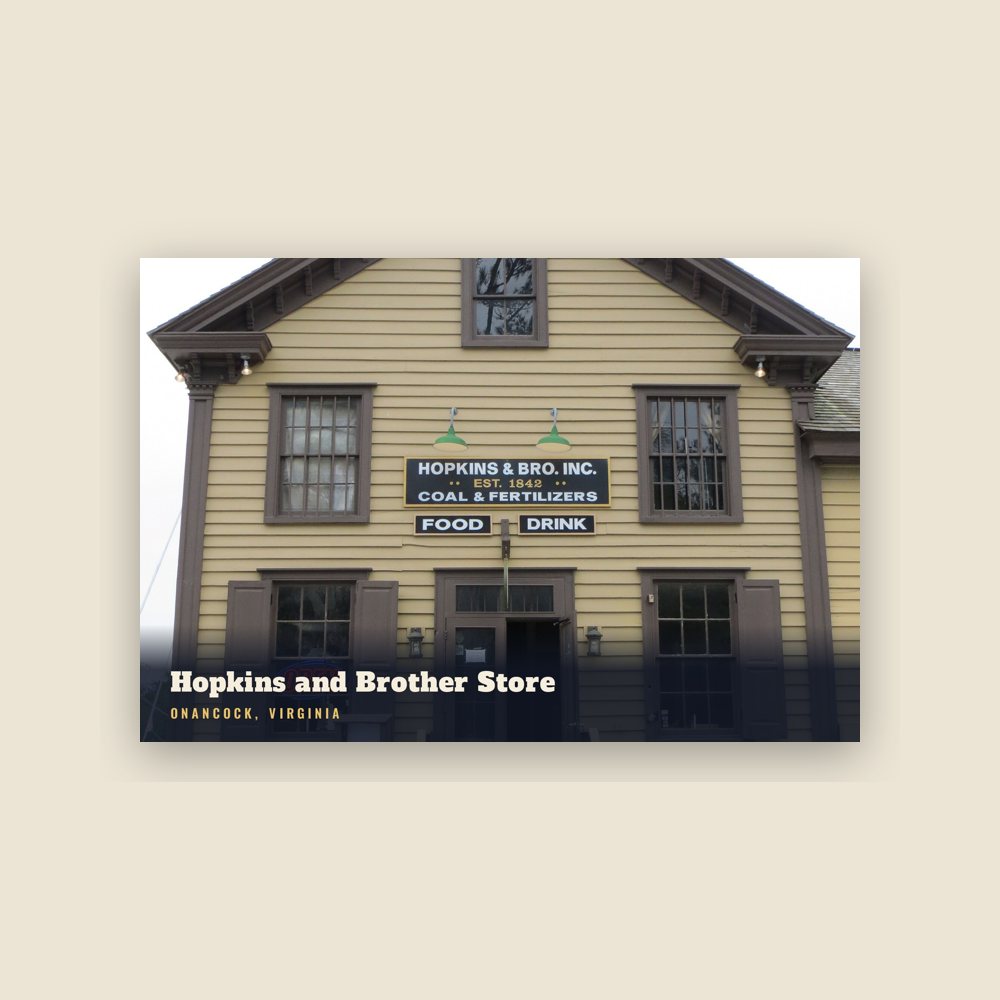
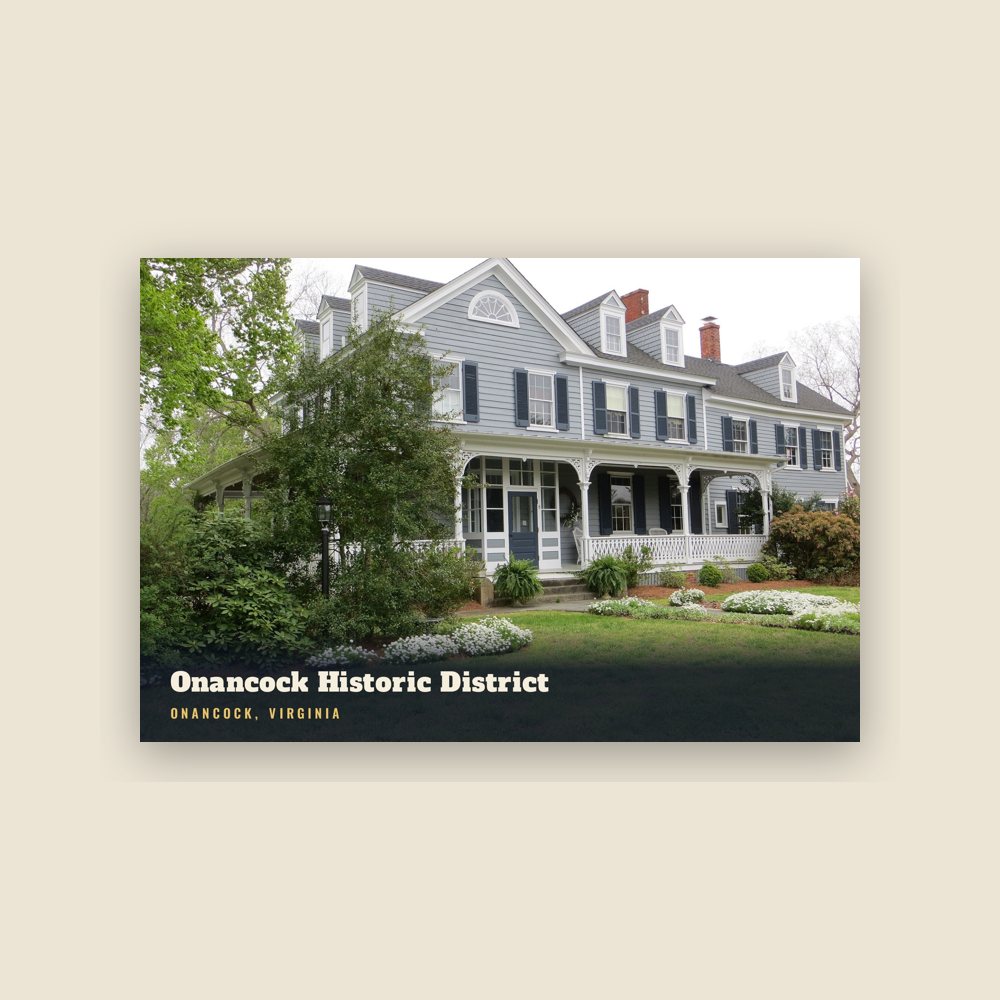
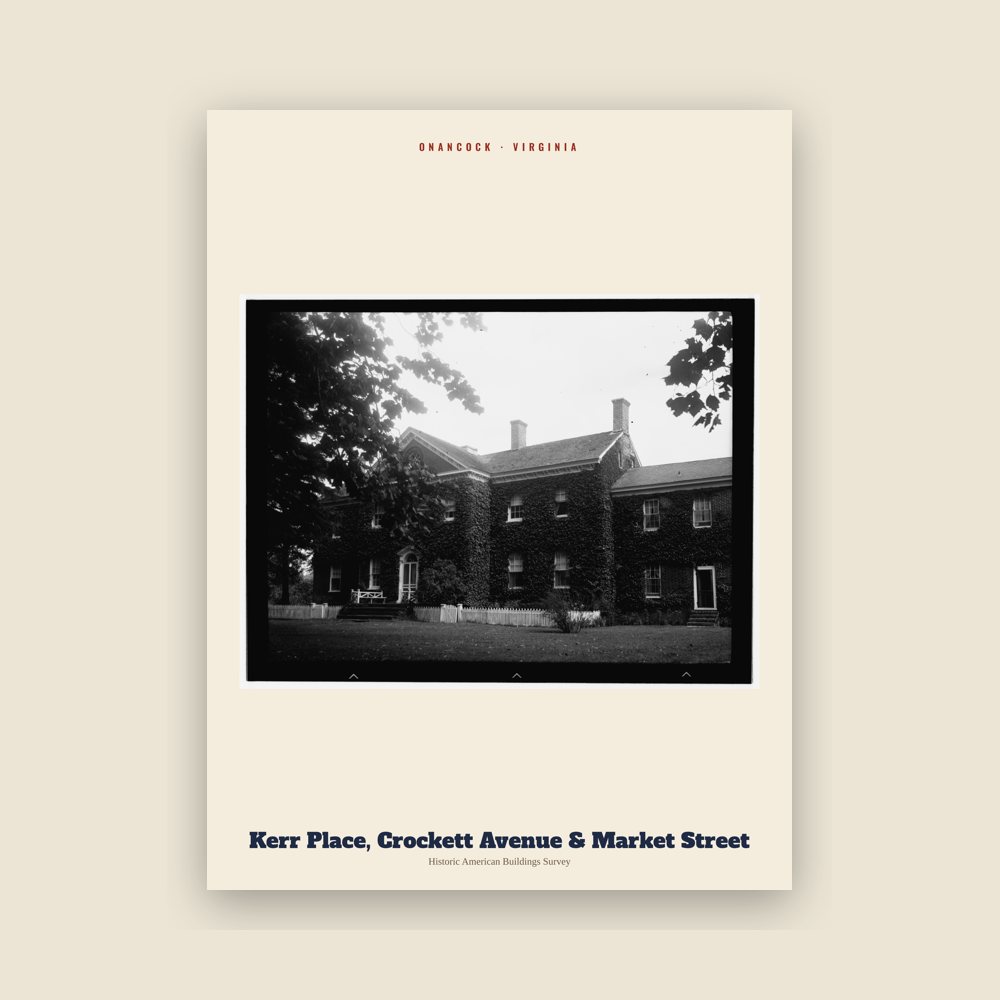
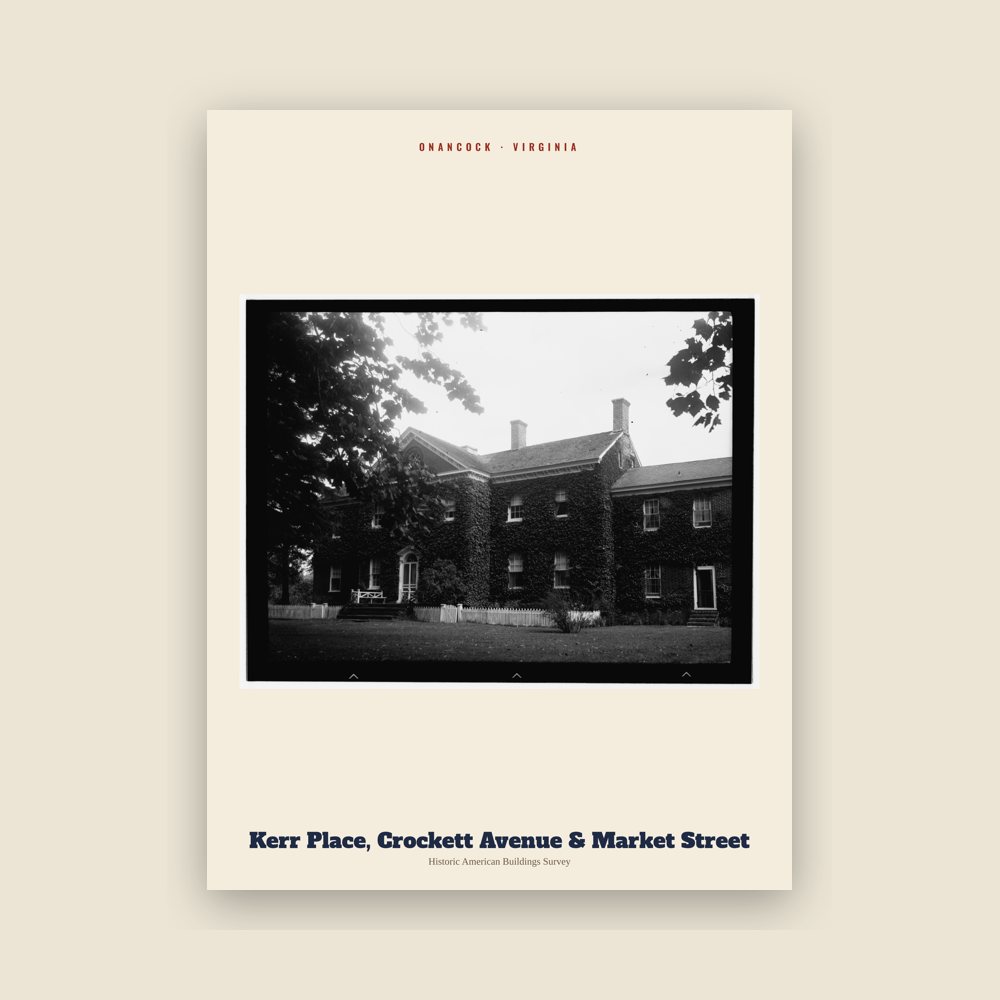
The Onancock Historic District, Cokesbury Church, Hopkins and Brother Store, and Ker Place are listed on the National Register of Historic Places.
Adapted (trimmed) from the Wikipedia article Onancock, Virginia, revision 1378603193 by its contributors, licensed CC BY-SA 4.0.
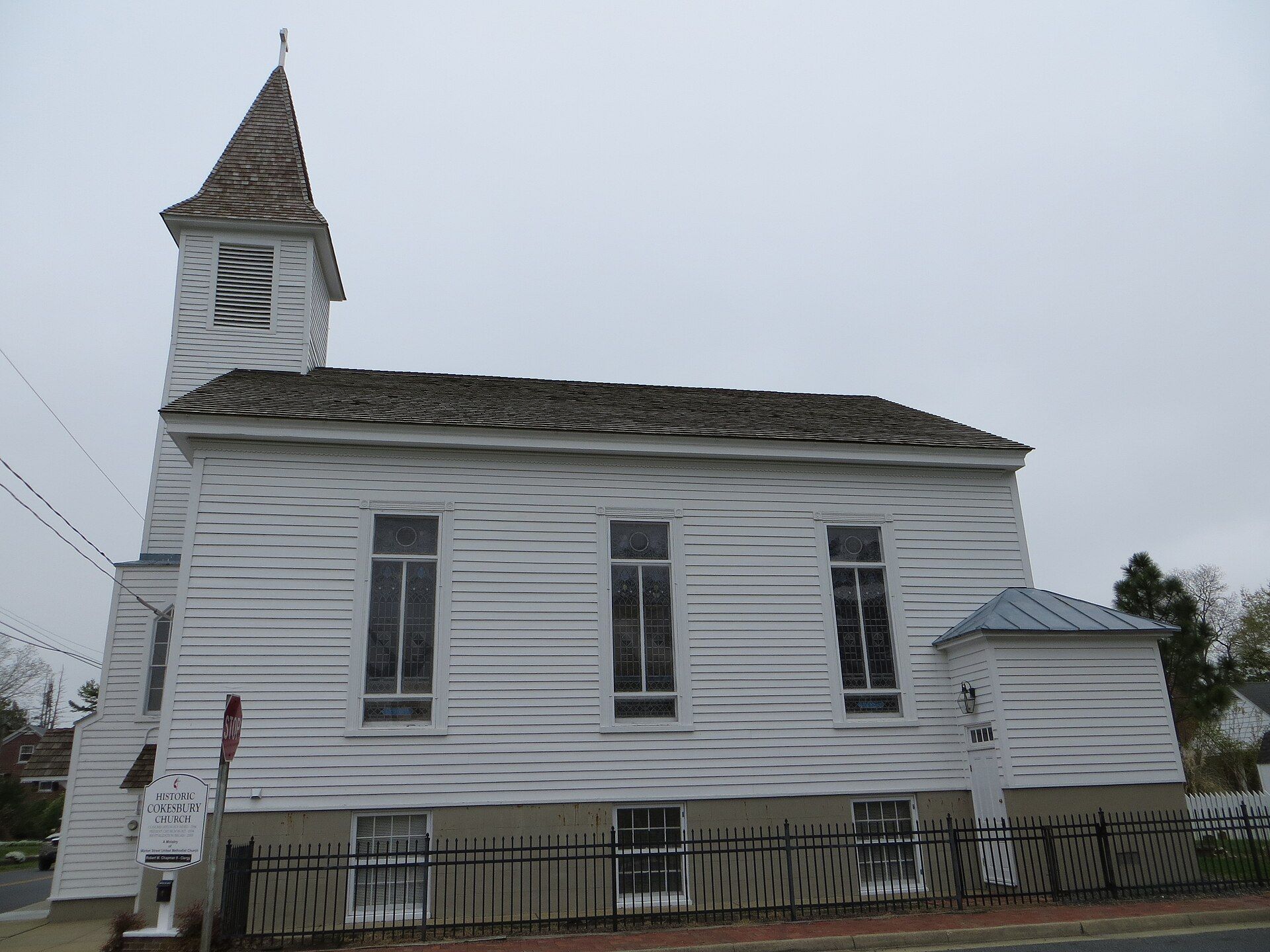
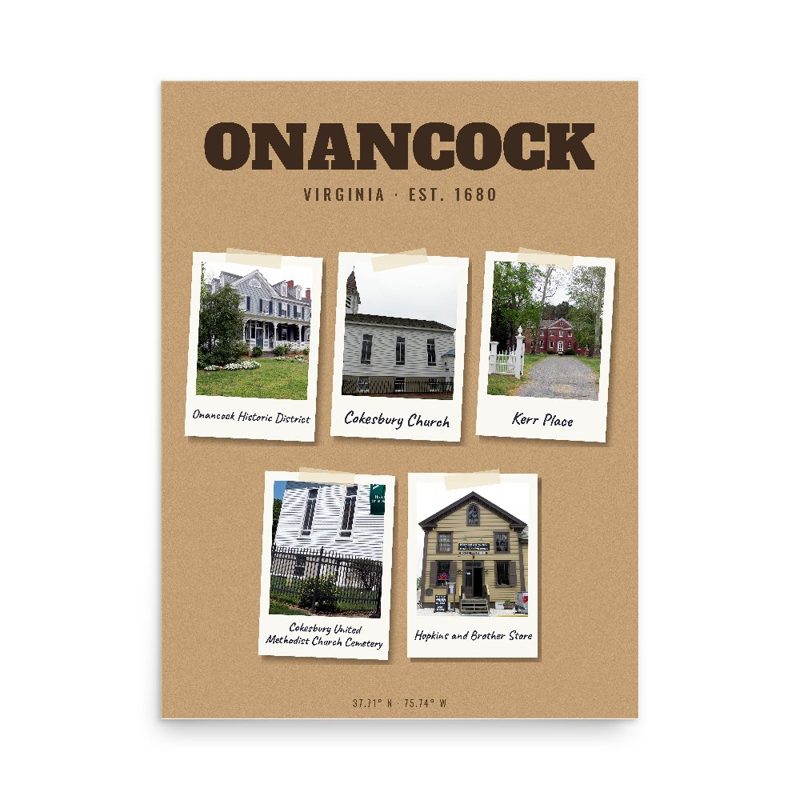
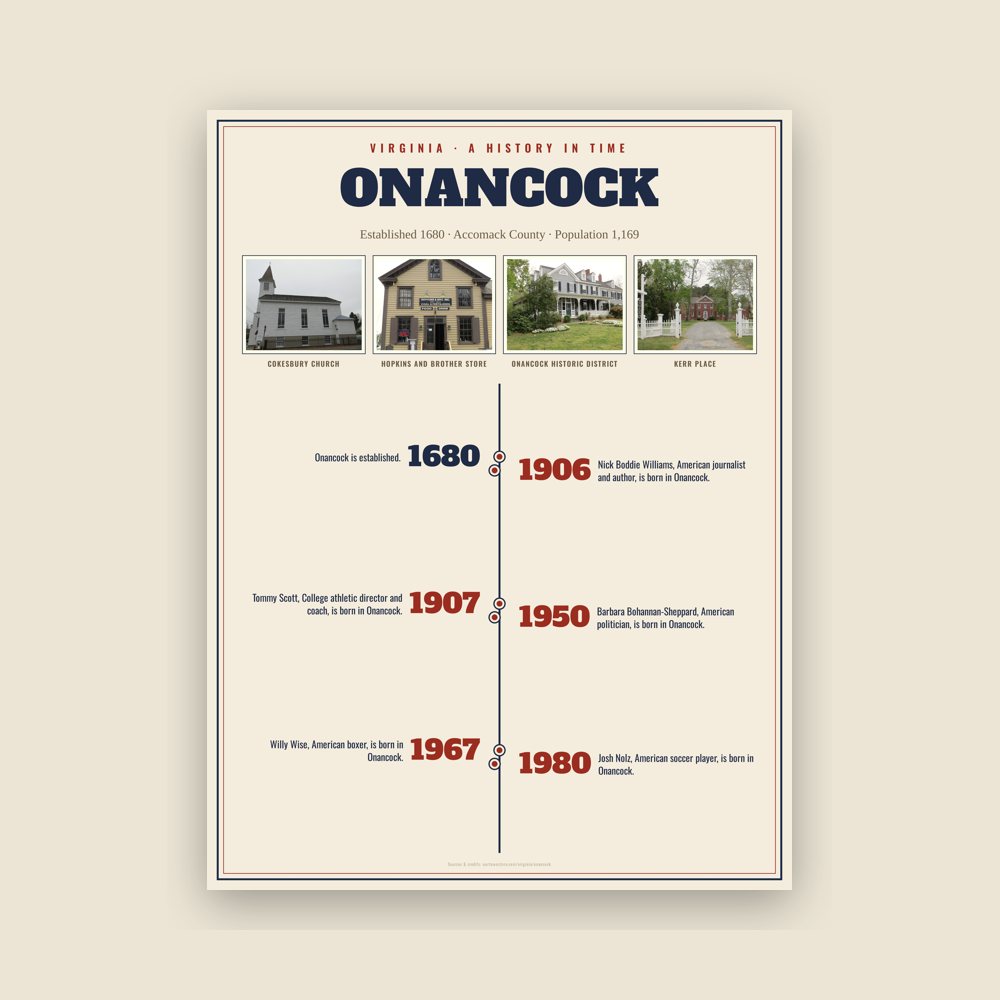












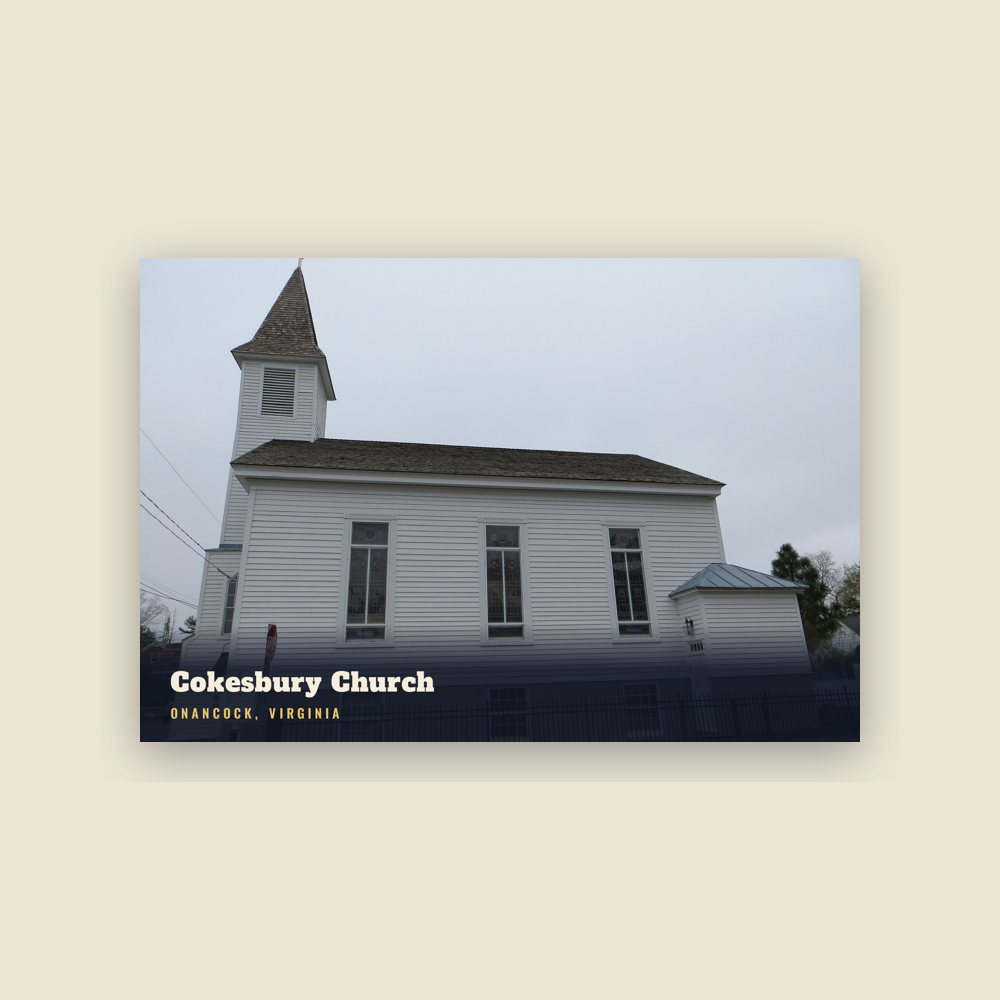

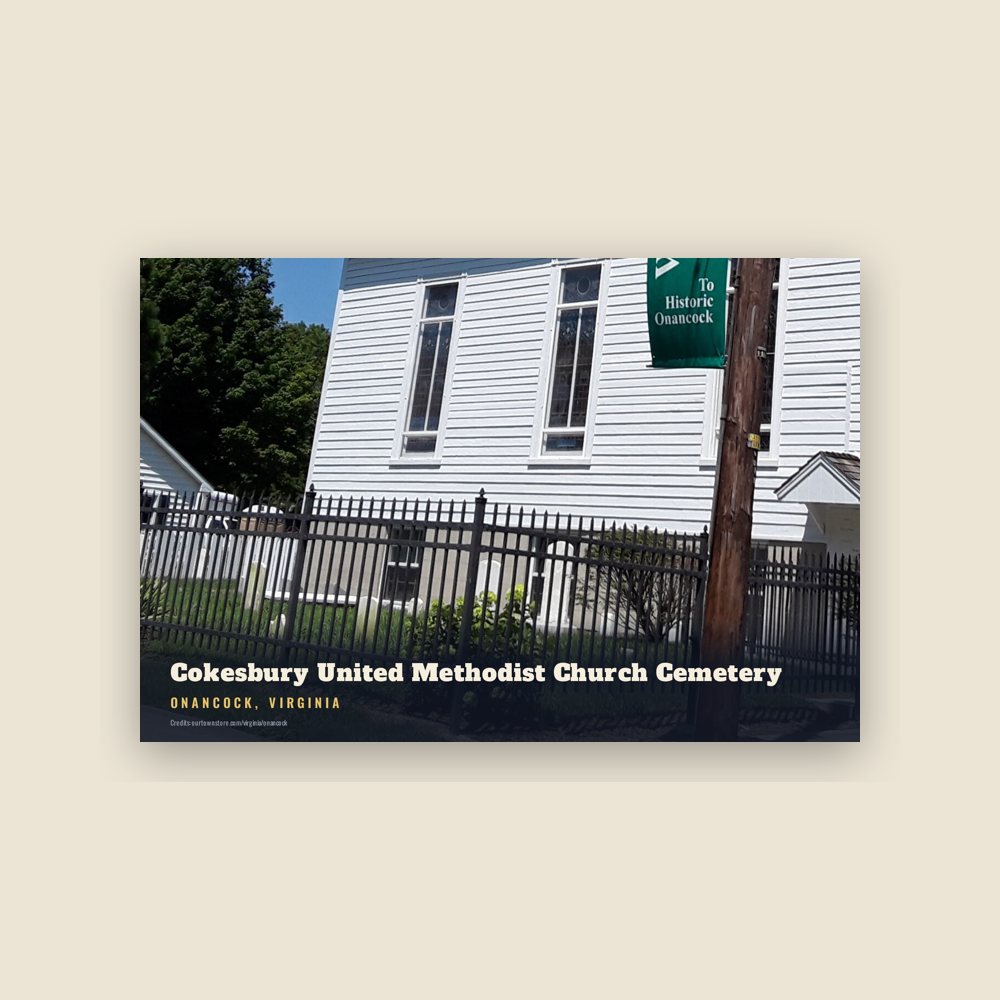
 Cokesbury Church
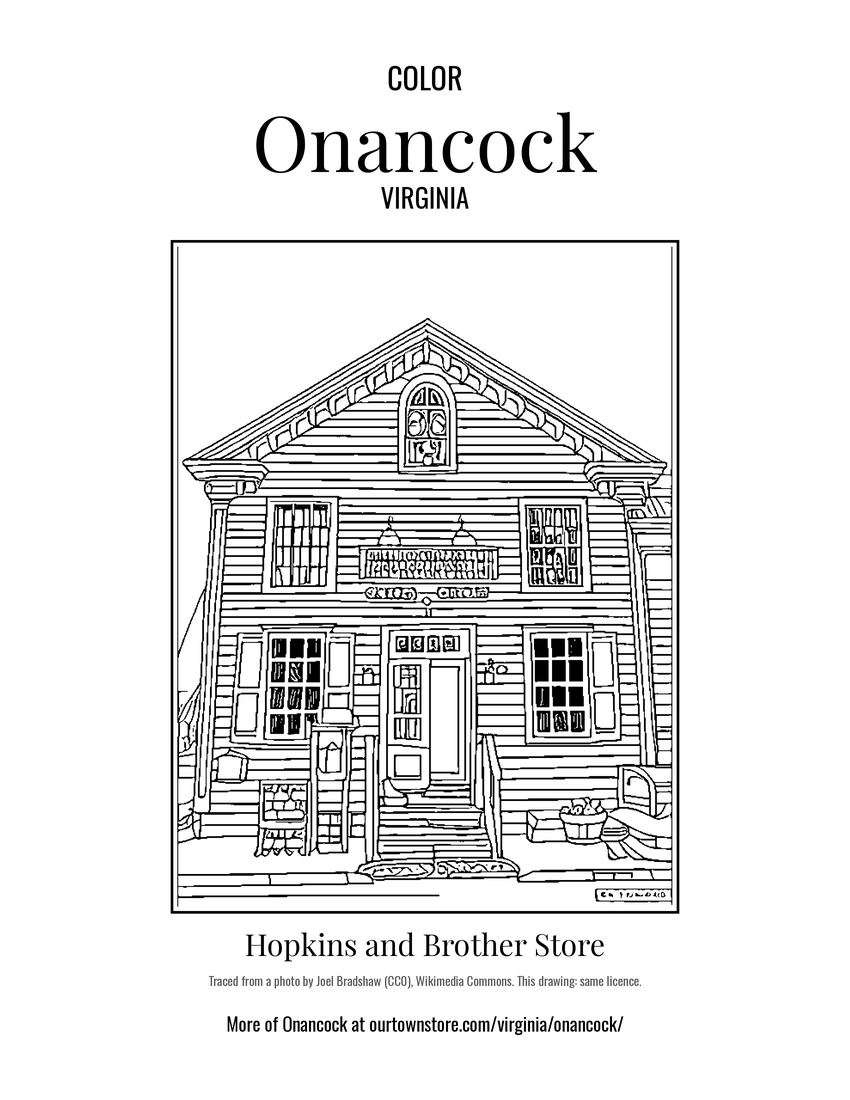 Hopkins and Brother Store
 Onancock Historic District
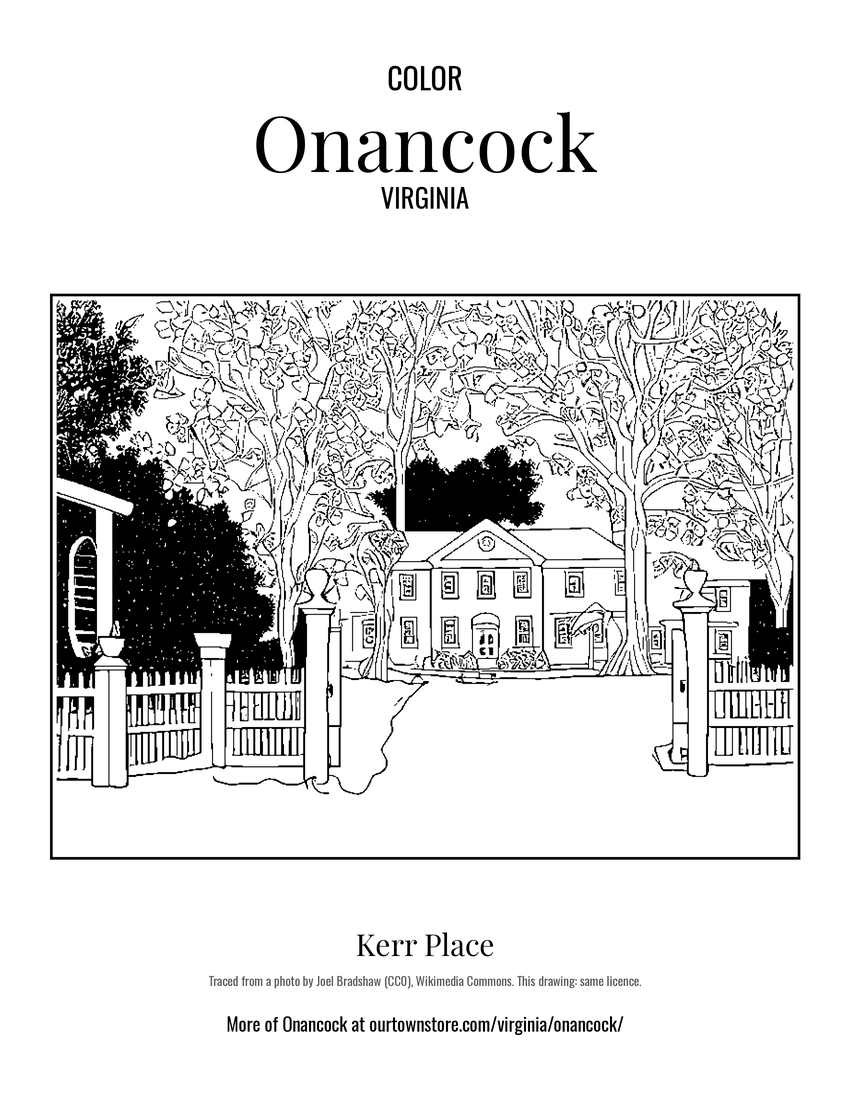 Kerr Place