A short history of Occoquan
Occoquan is derived from an Algonquian Doeg Indian word, meaning "at the end of the water". Located on the Occoquan River, Occoquan was long a site of indigenous peoples' habitation. Like the British colonists after them, they relied on the river for transportation and trade, as well as fish. Early in the 1600s Capt. John Smith sailed and explored the Occoquan River. In 1608, when the first European reached Northern Virginia, the Tauxenent tribe (also known by the English as the "Dogues") had its main village at the mouth of the Occoquan River. This tribe was more closely associated with neighbors such as the Piscataways (located across the Potomac River in what is now Maryland) than the other Algonquian-speaking tribes to the south. The local chief was called a Tayac, who was subservient to an "emperor" located in Prince George's County.
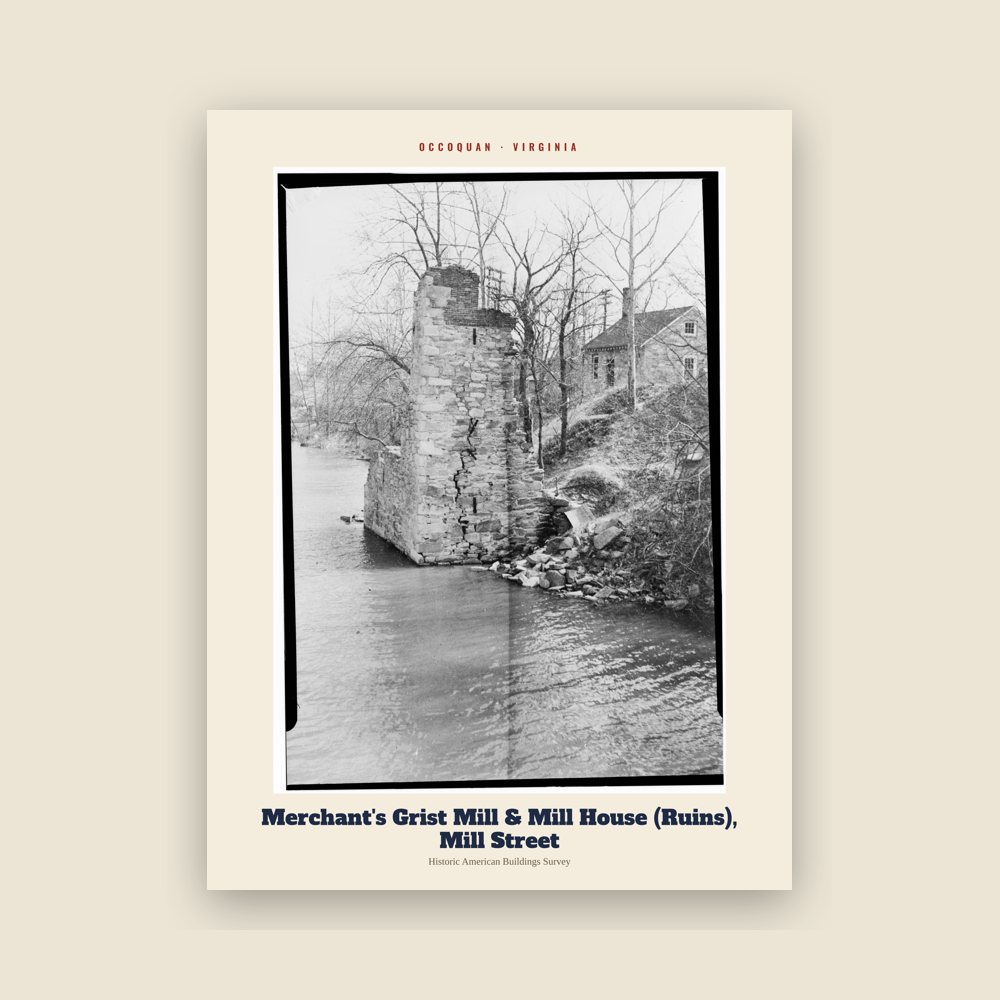
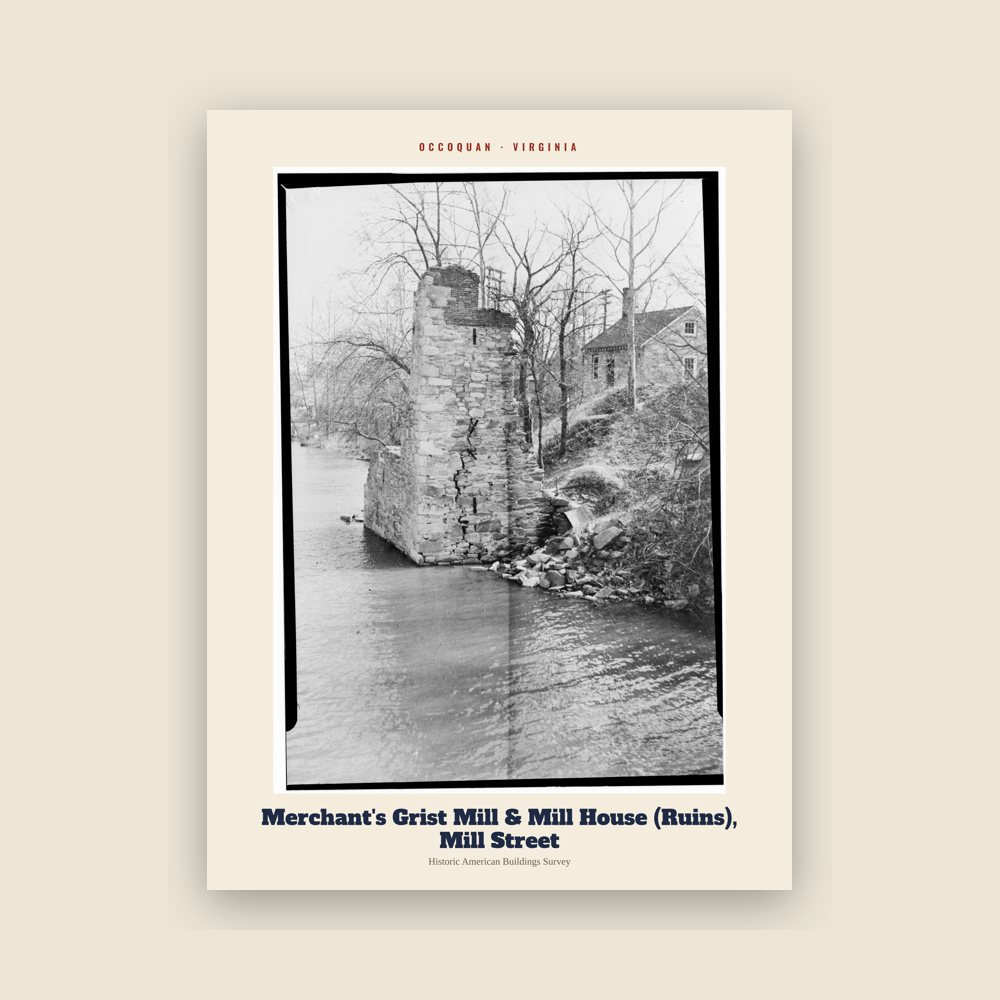
By 1765, Anglo-American colonists had established an industrial settlement at Occoquan, with grist mills and tobacco warehouses. The Merchants Mill established by Quaker Nathaniel Ellicot may have been the first automated grist mill in the nation. It operated for 175 years until destroyed by fire.
During the Civil War, the post office passed letters and packages between North and South. River silting reduced ship traffic to Occoquan and ended its days as a port, as did the shift in traffic to railroads.
Adapted (trimmed) from the Wikipedia article Occoquan, Virginia, revision 1374781847 by its contributors, licensed CC BY-SA 4.0.
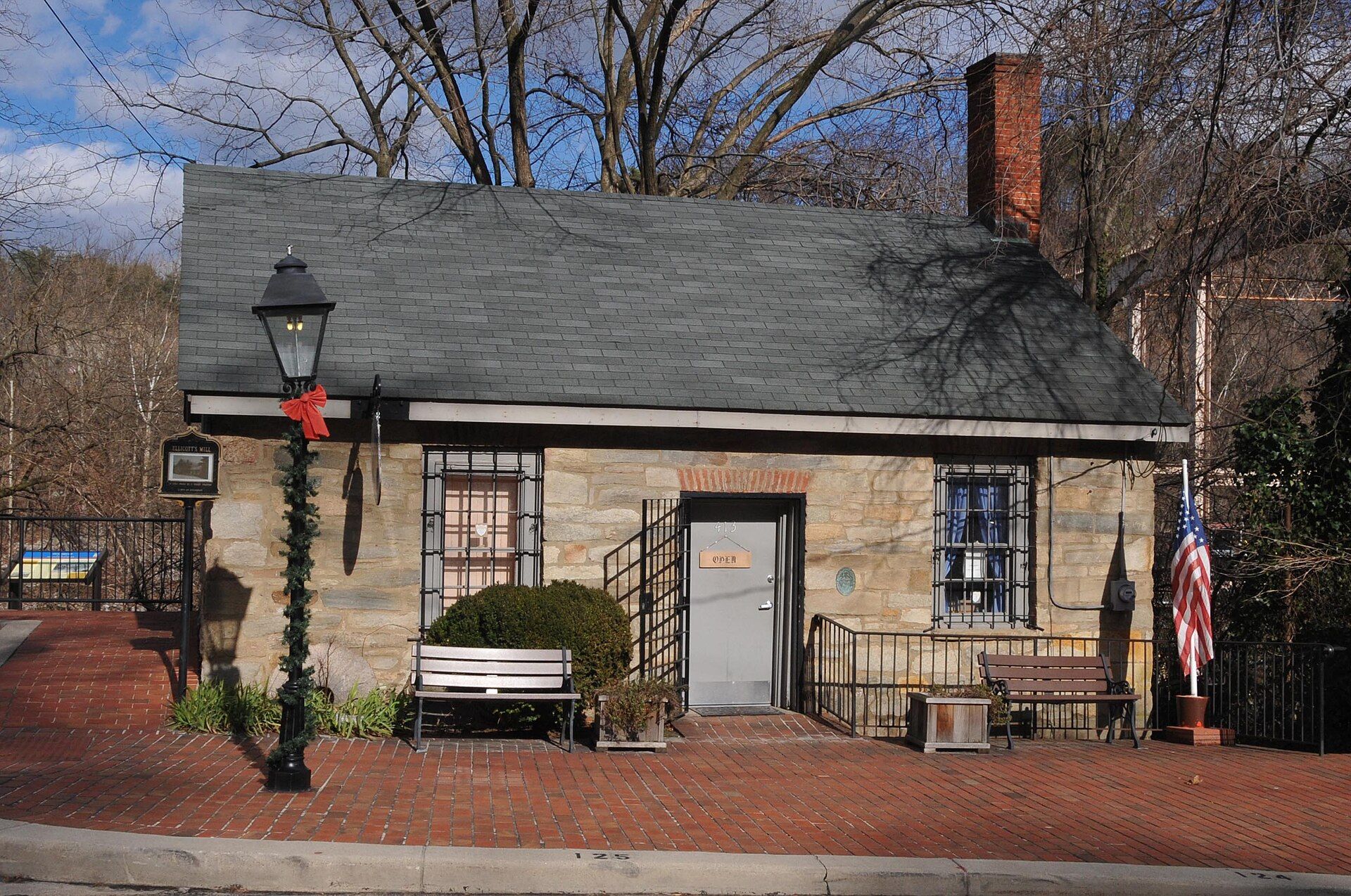
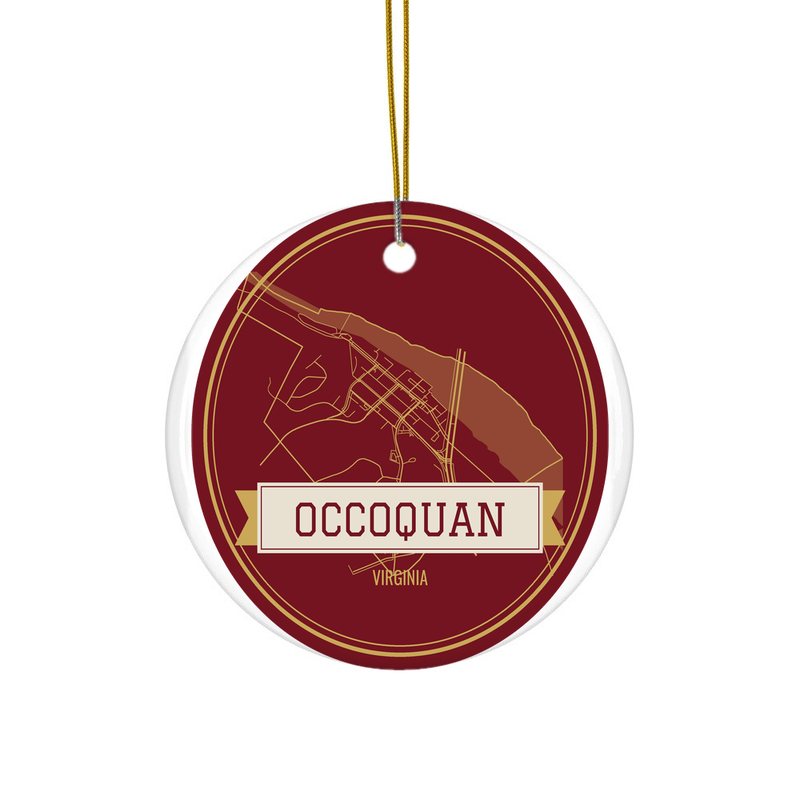
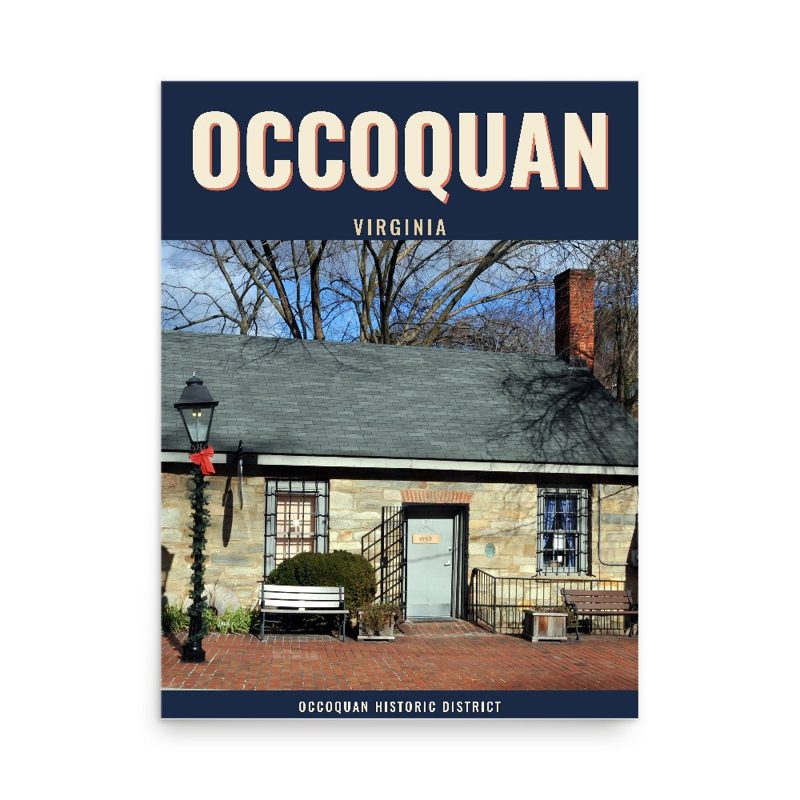
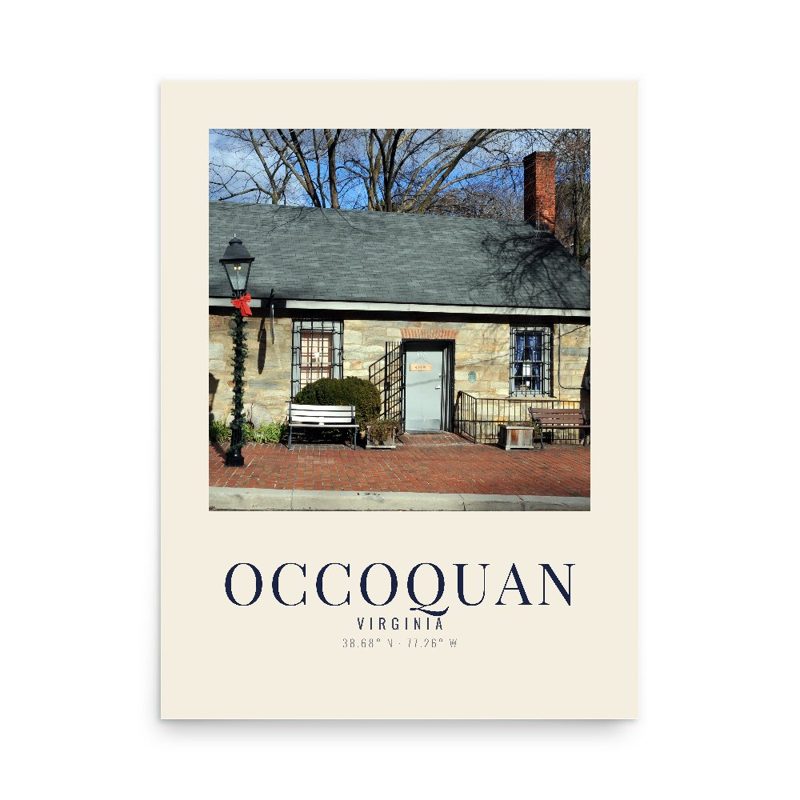
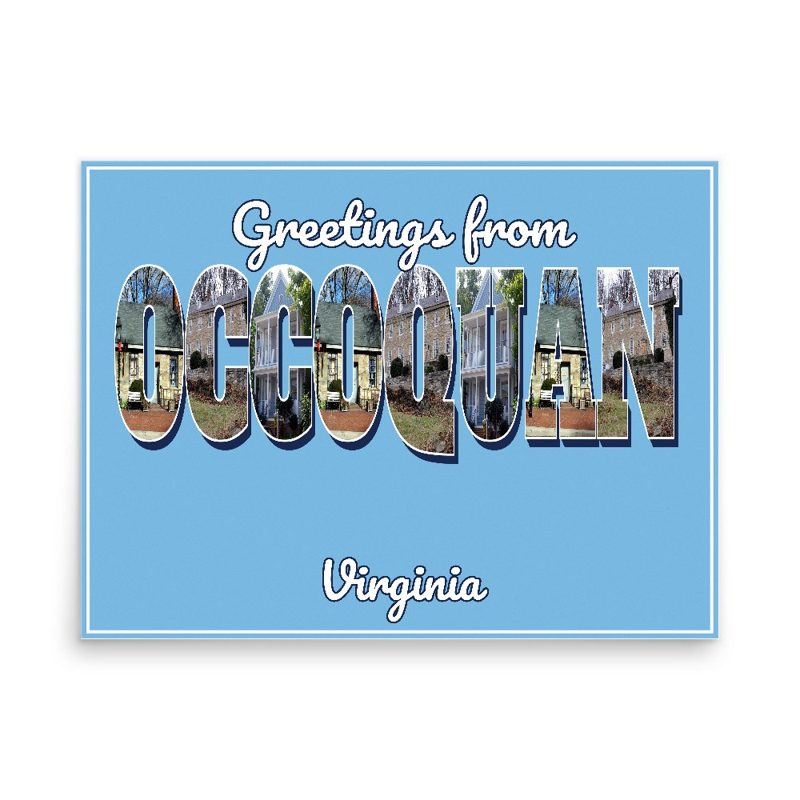
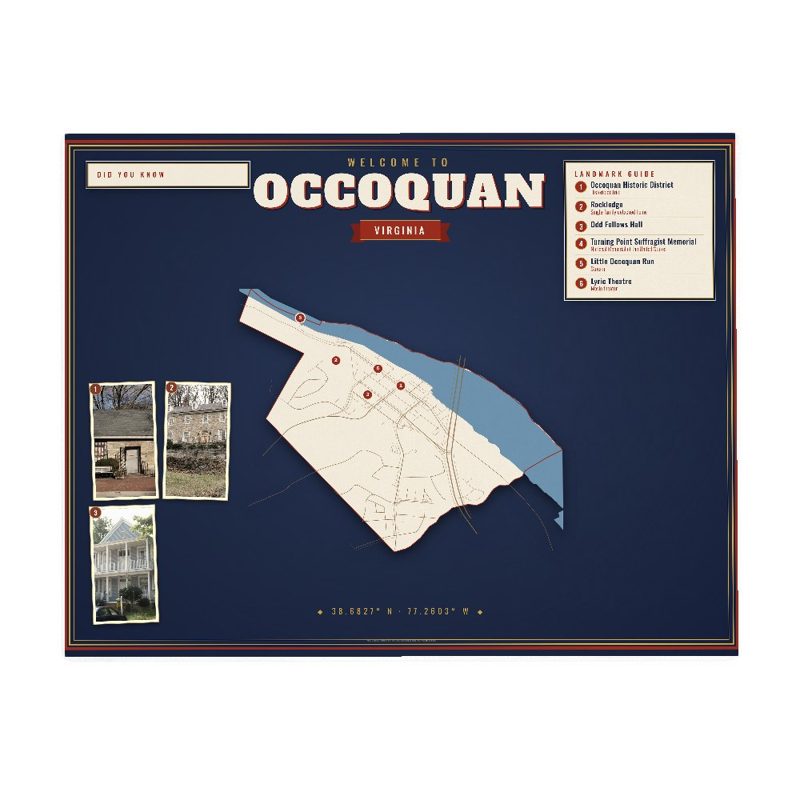
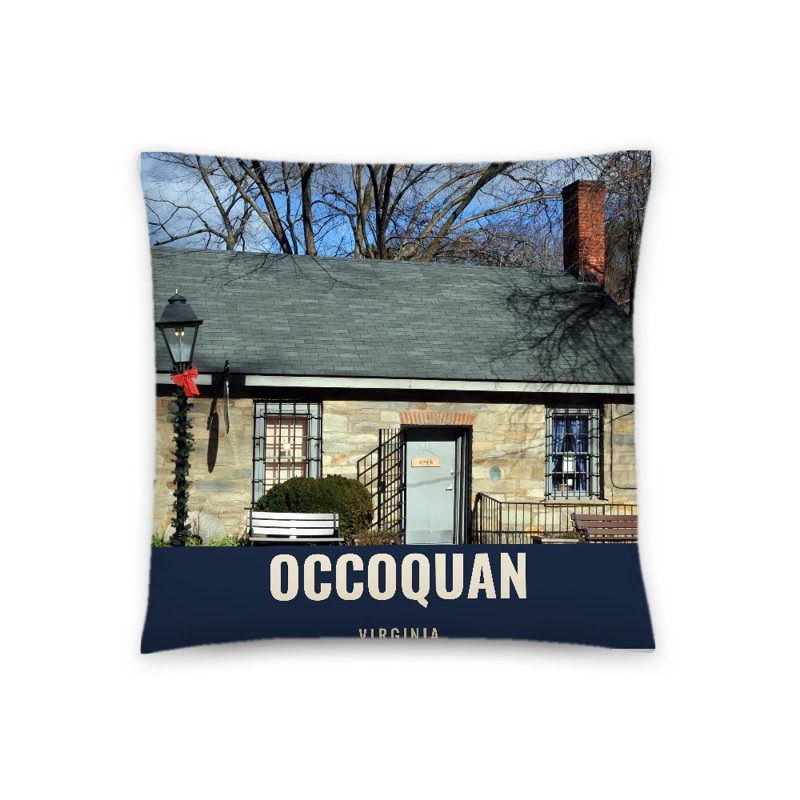


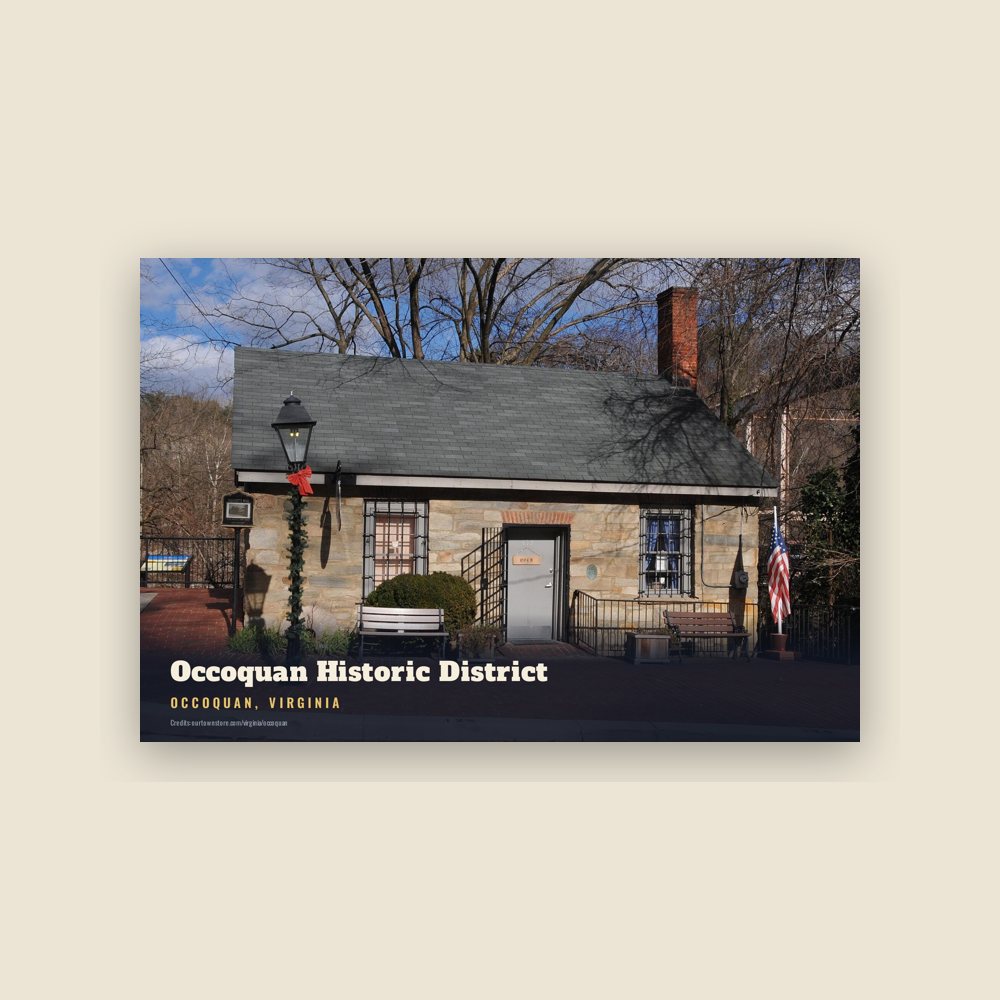
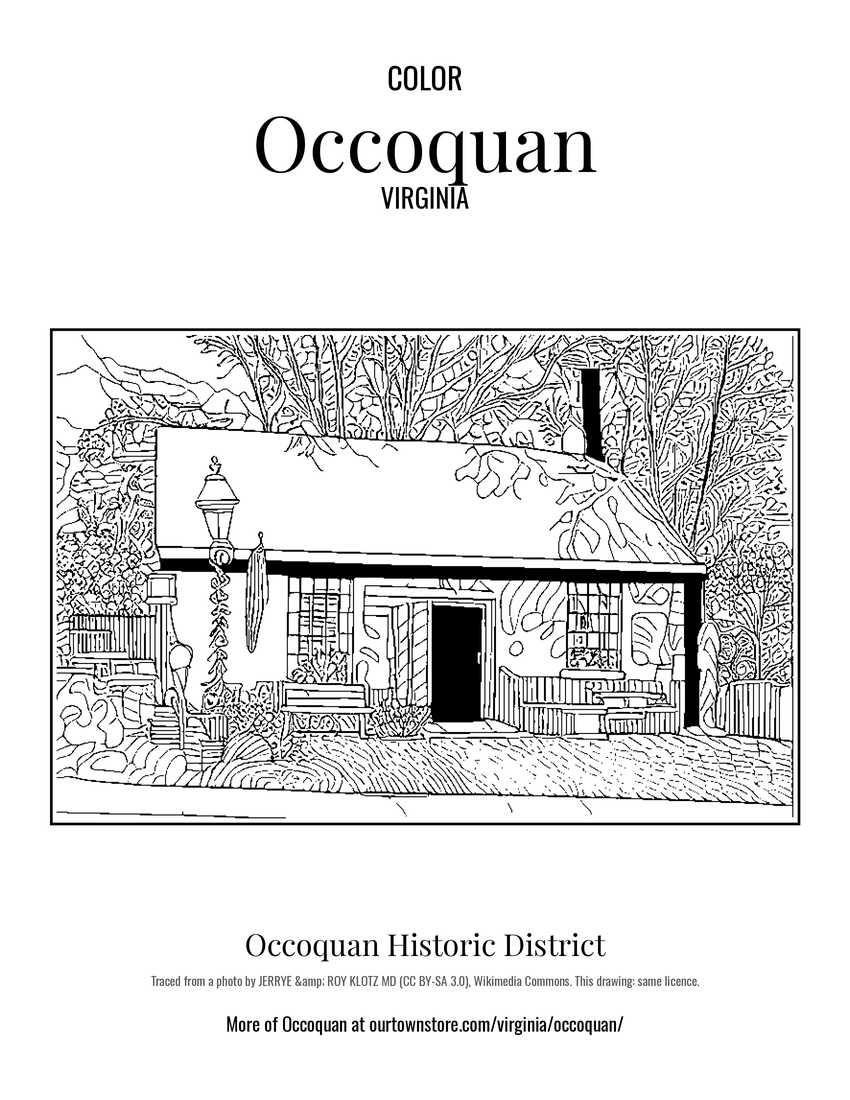 Occoquan Historic District
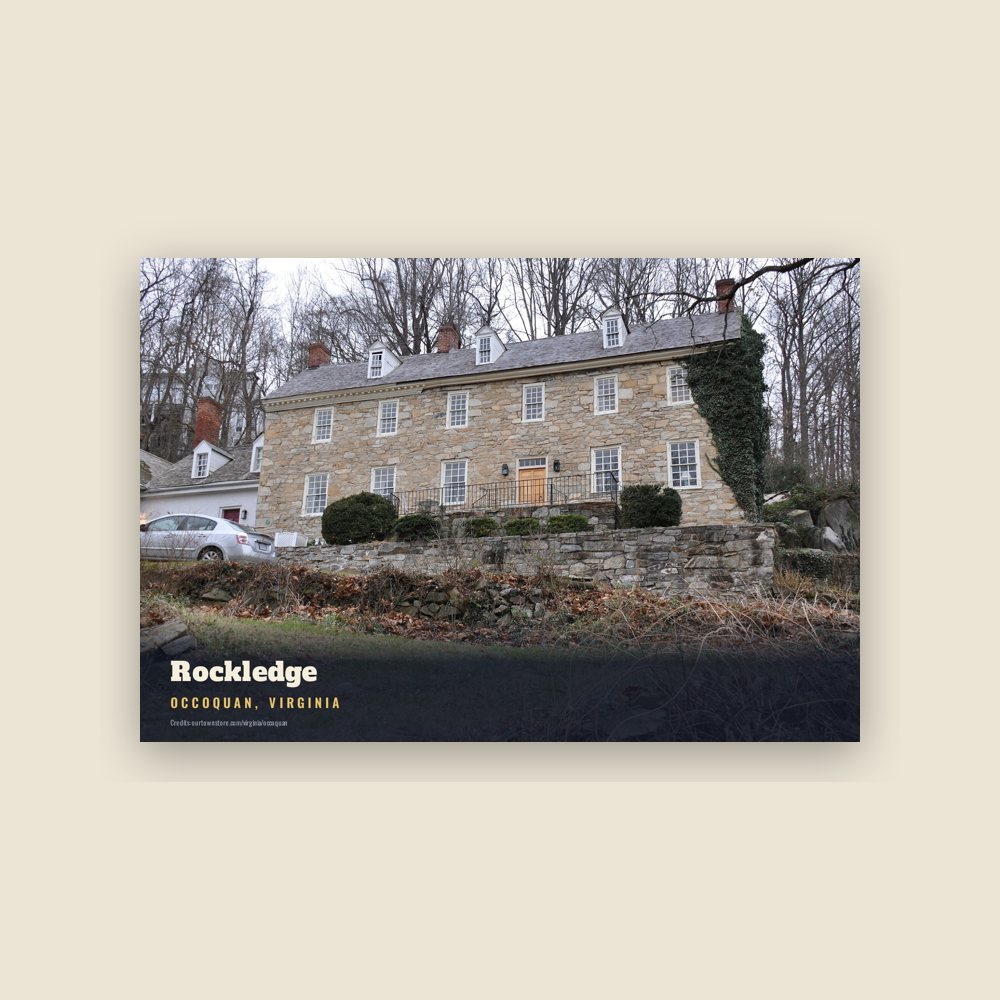
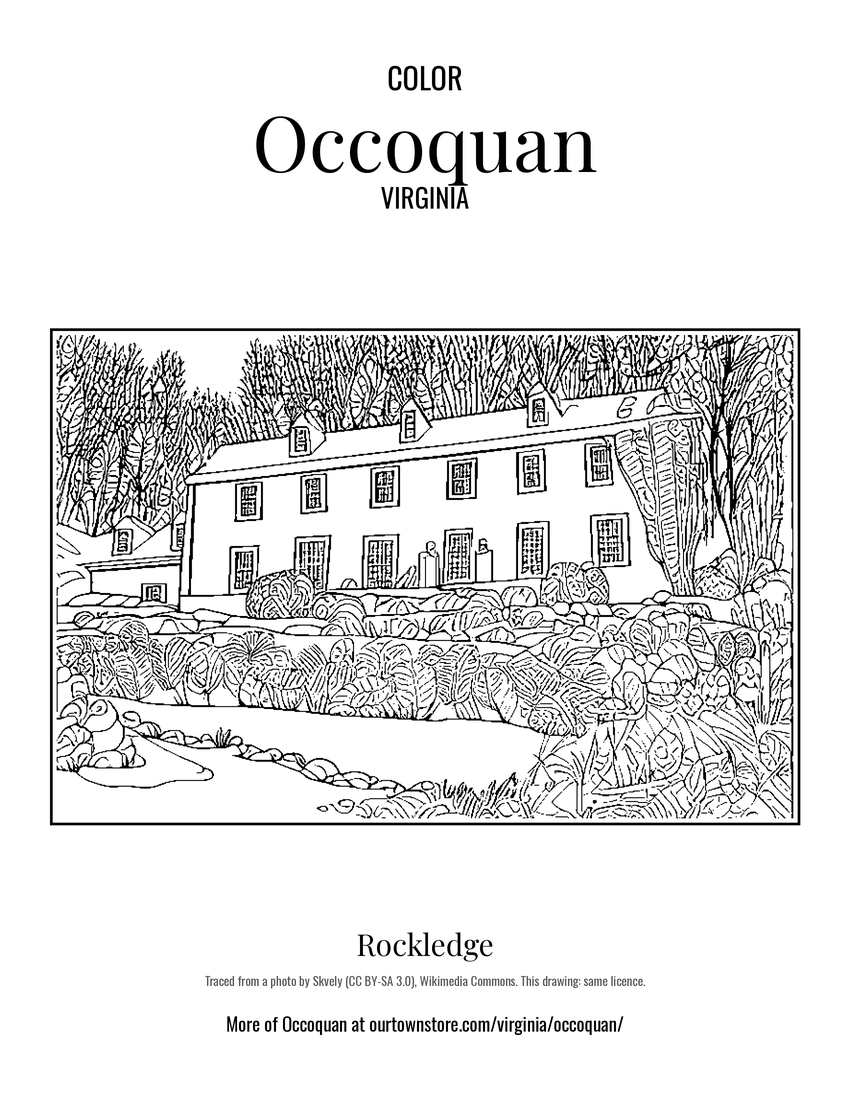 Rockledge
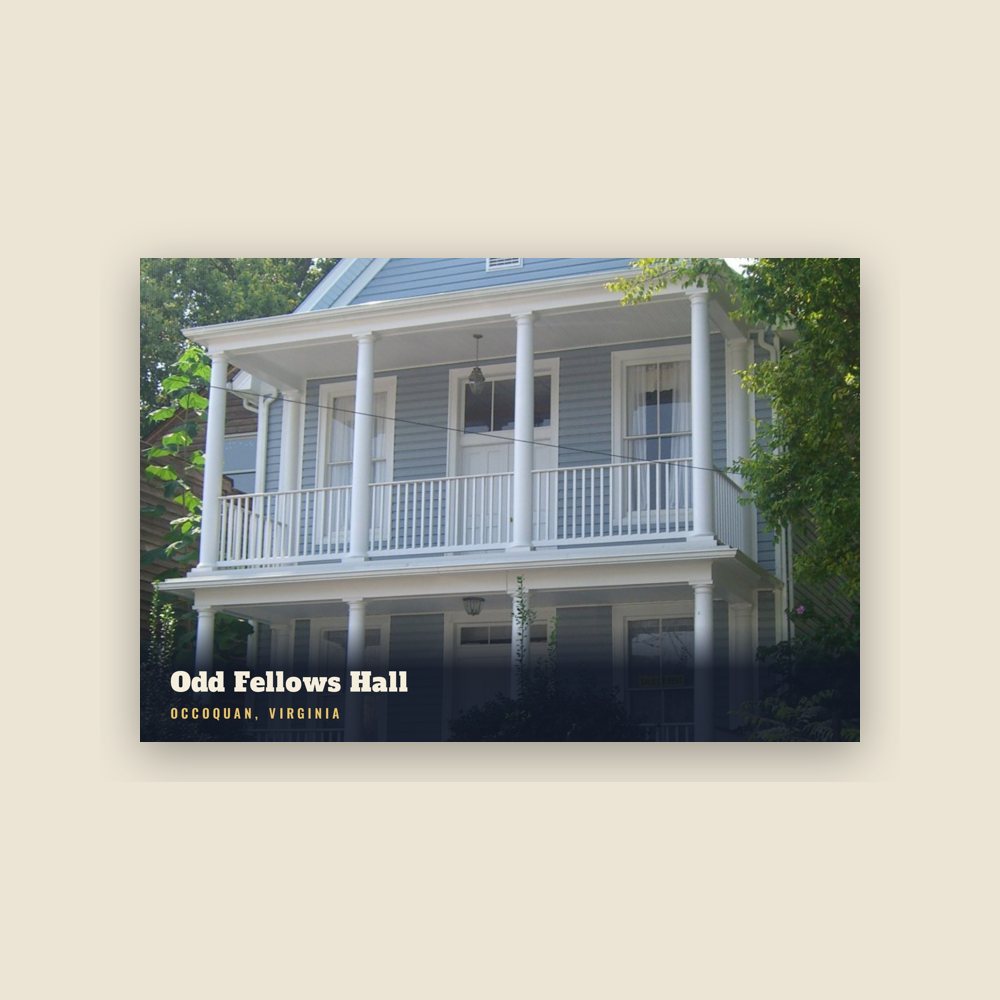
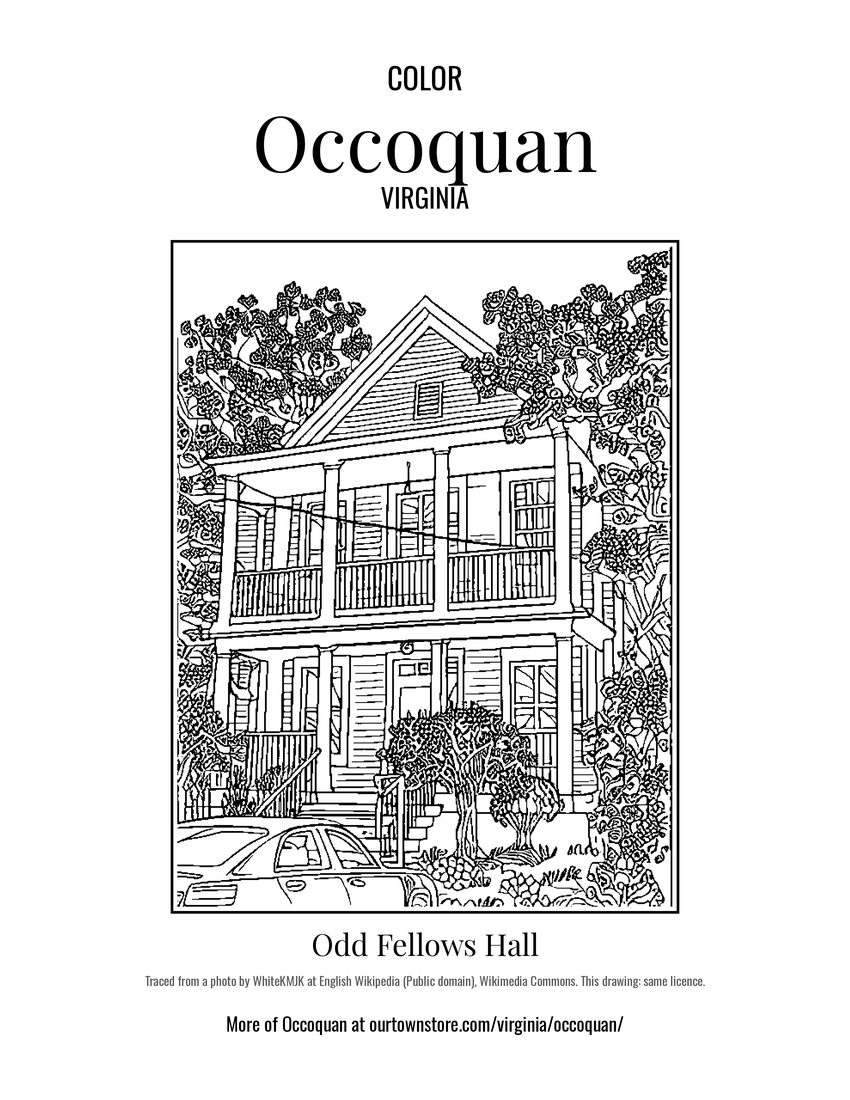 Odd Fellows Hall