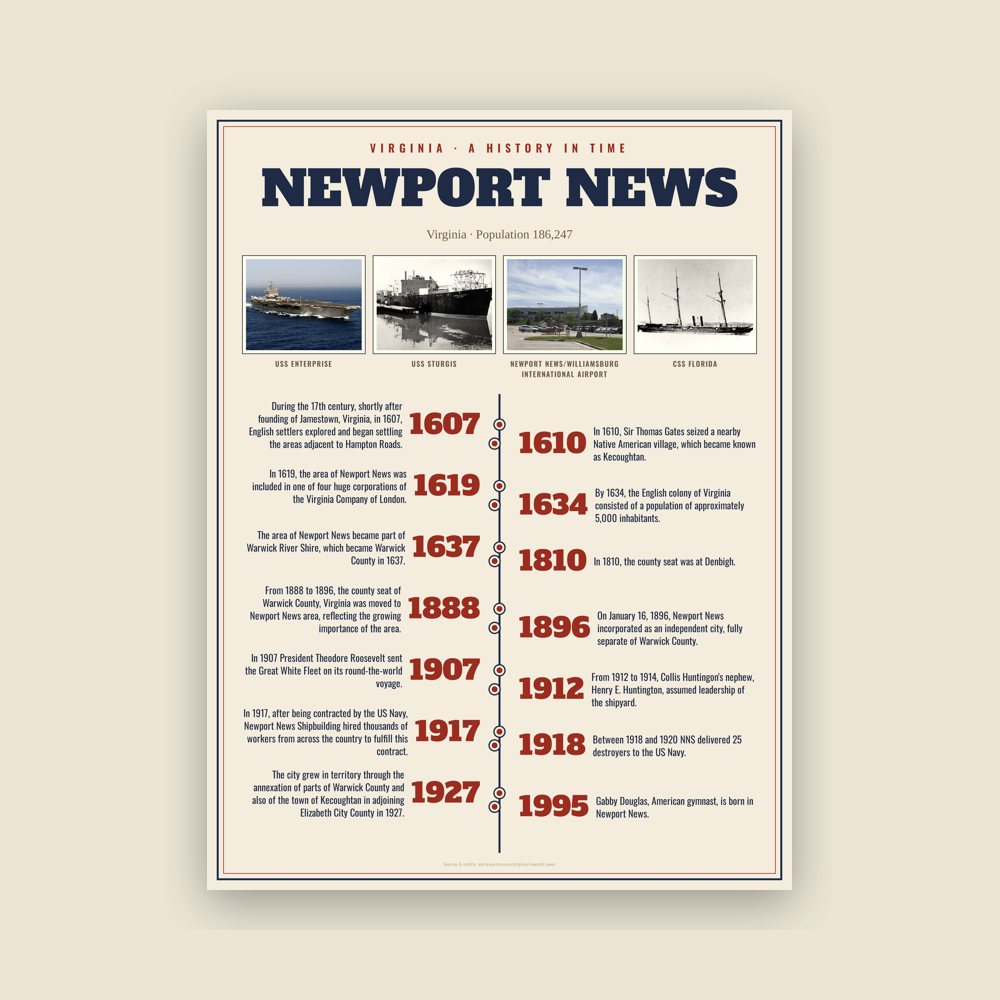
During the 17th century, shortly after founding of Jamestown, Virginia, in 1607, English settlers explored and began settling the areas adjacent to Hampton Roads. In 1610, Sir Thomas Gates seized a nearby Native American village, which became known as Kecoughtan. At that time, settlers began clearing land along the James River (the eastern most section of which was called Hampton Roads) for plantations, including the present area of Newport News.
In 1619, the area of Newport News was included in one of four huge corporations of the Virginia Company of London. It became known as Elizabeth Cittie and extended west all the way to Skiffe's Creek (currently the border between Newport News and James City County). Elizabeth Cittie included all of present-day South Hampton Roads.
By 1634, the English colony of Virginia consisted of a population of approximately 5,000 inhabitants. It was divided into eight shires of Virginia, which were renamed as counties shortly thereafter. The area of Newport News became part of Warwick River Shire, which became Warwick County in 1637. The first courthouse was located near the shores of the James River at Warwick Town near Denbigh Plantation. In 1810, the county seat was at Denbigh.
Read the full history
Build-up to Incorporation
Newport News was a rural area of plantations and a small fishing village until after the American Civil War. The area that formed the present-day southern end of Newport News had long been established as an unincorporated town. After Reconstruction (the period after the American Civil War) the new City of Newport News was essentially founded by California merchant Collis P. Huntington. Huntington, one of the Big Four associated with the Central Pacific Railroad, in California, formed the western part of the country's First transcontinental railroad. He was recruited by former Confederate General Williams Carter Wickham to become a major investor and guiding light for a southern railroad. He helped complete the Chesapeake and Ohio Railway to the Ohio River in 1873.
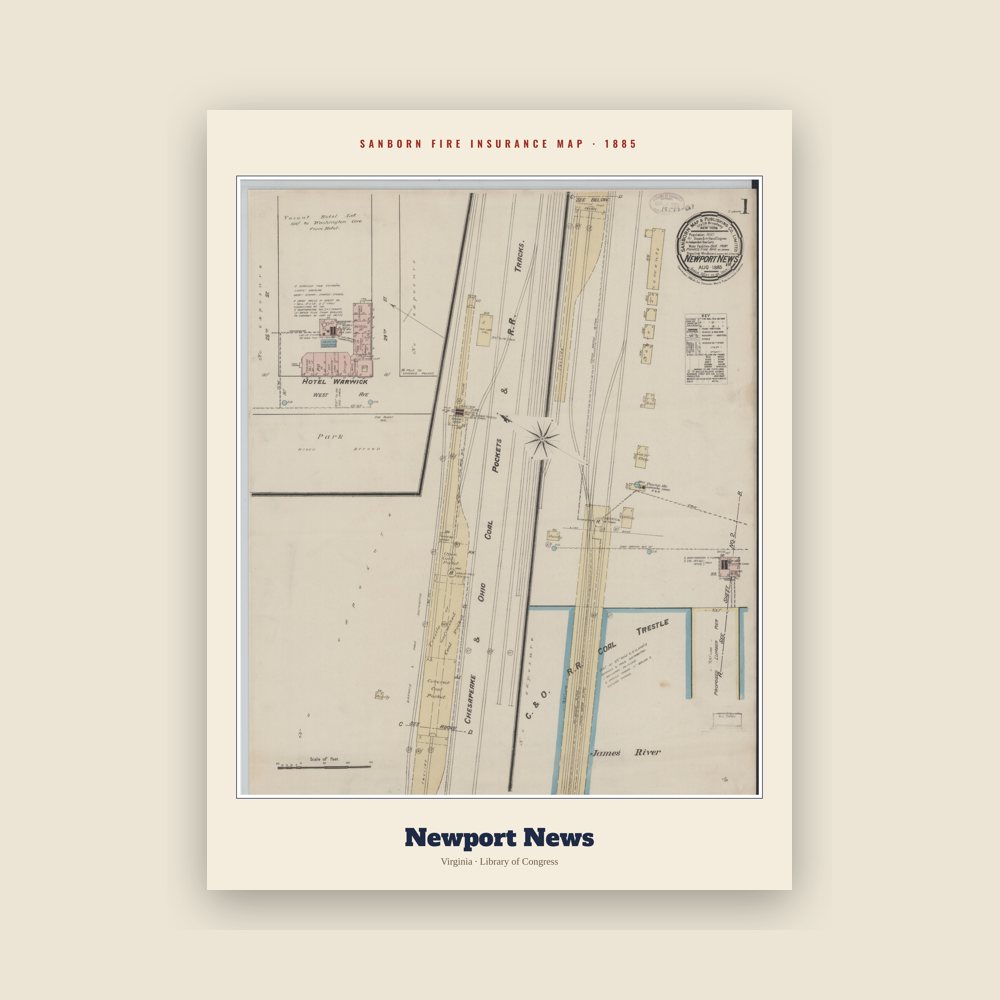
Huntington knew the railroad could transport coal eastbound from West Virginia's untapped natural resources. His agents began acquiring land in Warwick County in 1865. In the 1880s, he oversaw extension of the C&O's new Peninsula Subdivision, which extended from the Church Hill Tunnel in Richmond southeast down the peninsula through Williamsburg to Newport News, where the company developed coal piers on the harbor of Hampton Roads. On October 19, 1881, the first train to ever depart from Newport News left Lee Hall Depot on temporary tracks and arrived at Yorktown for the 'Cornwallis Surrender Centennial Celebration", a commemoration of the British defeat at the Battle of Yorktown.
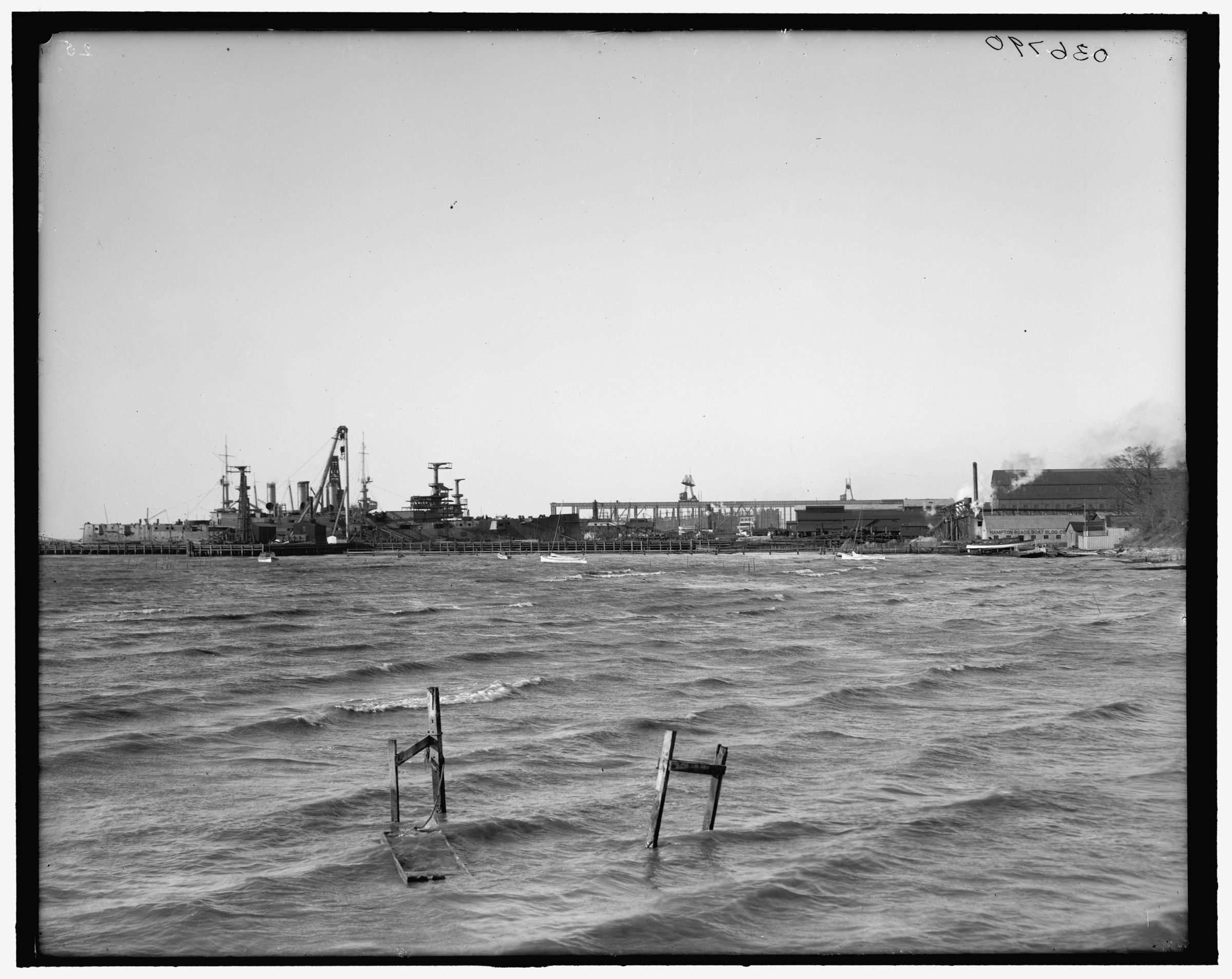
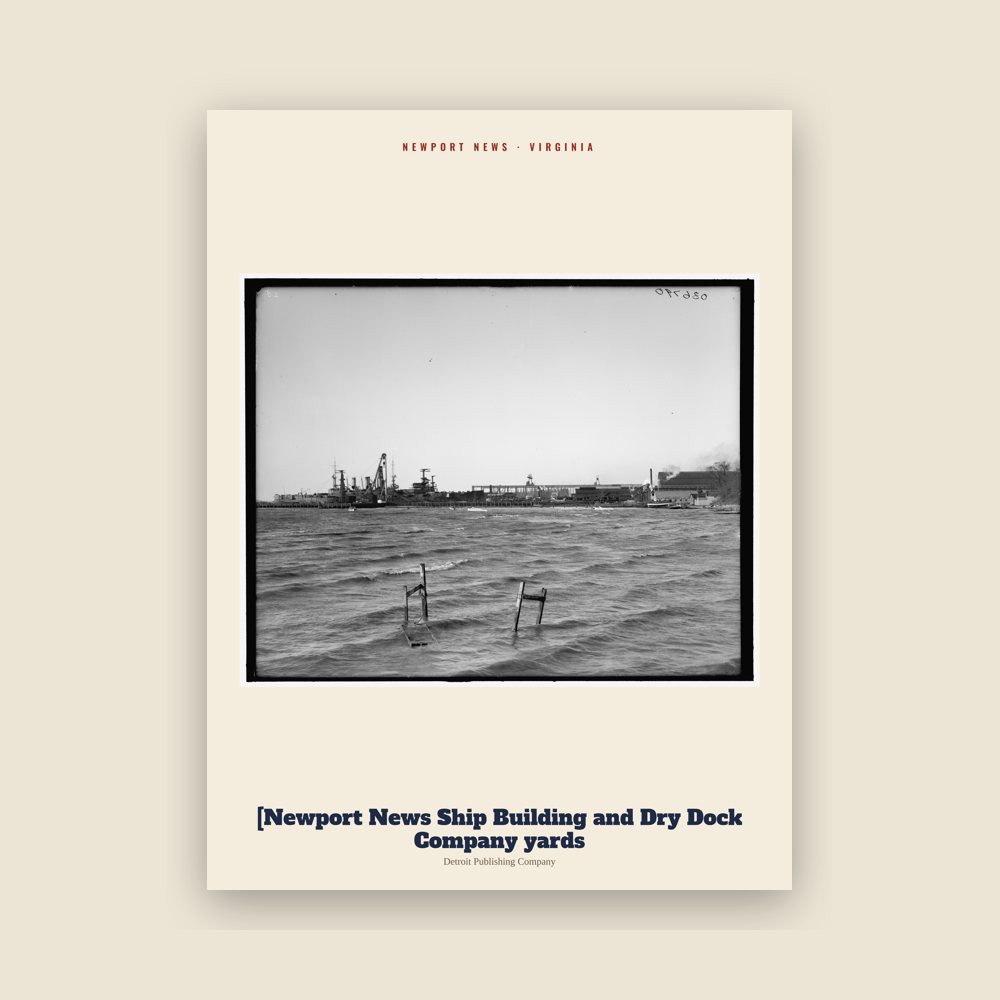
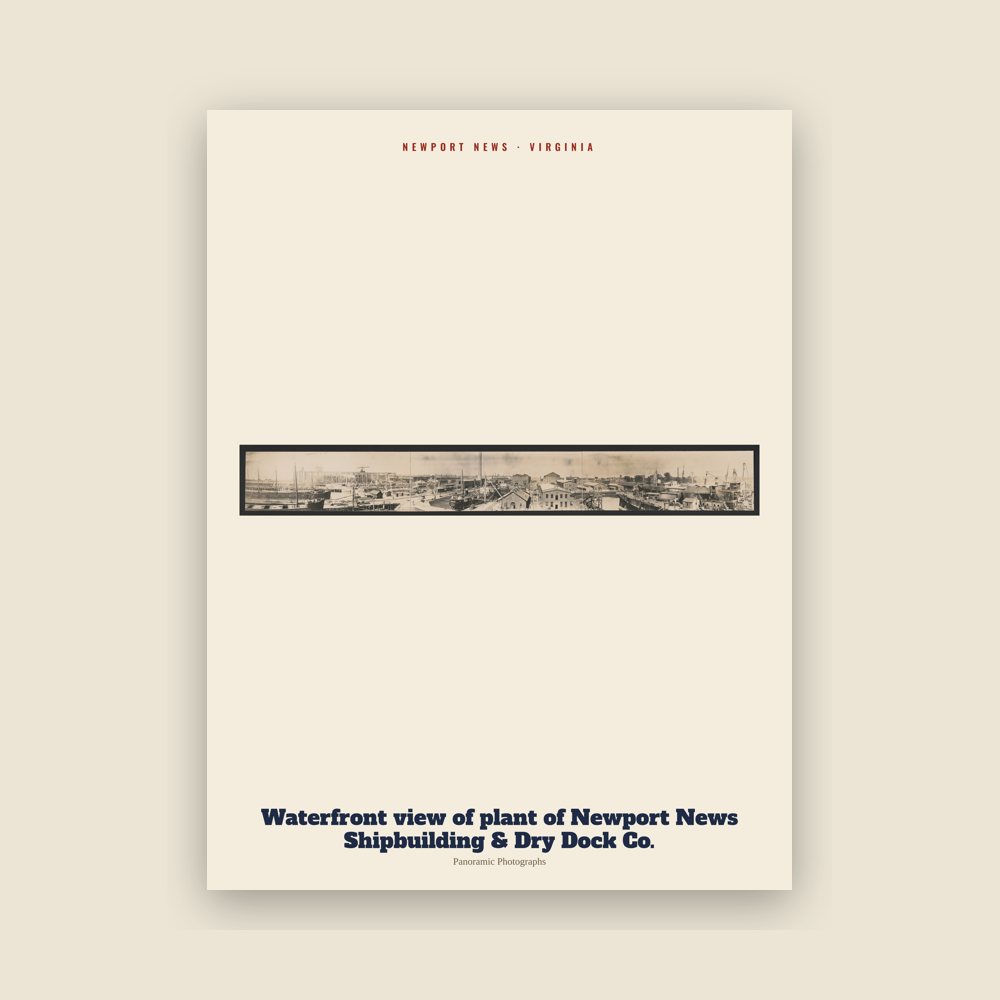
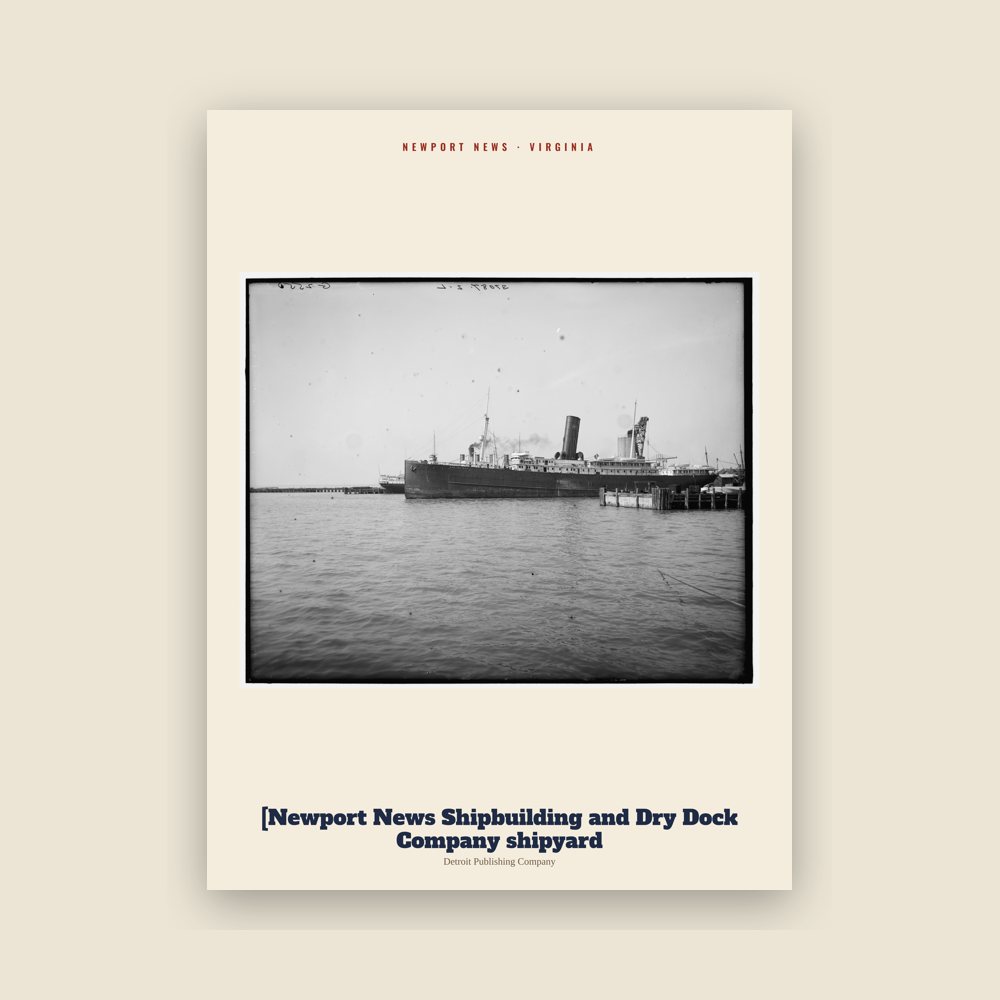
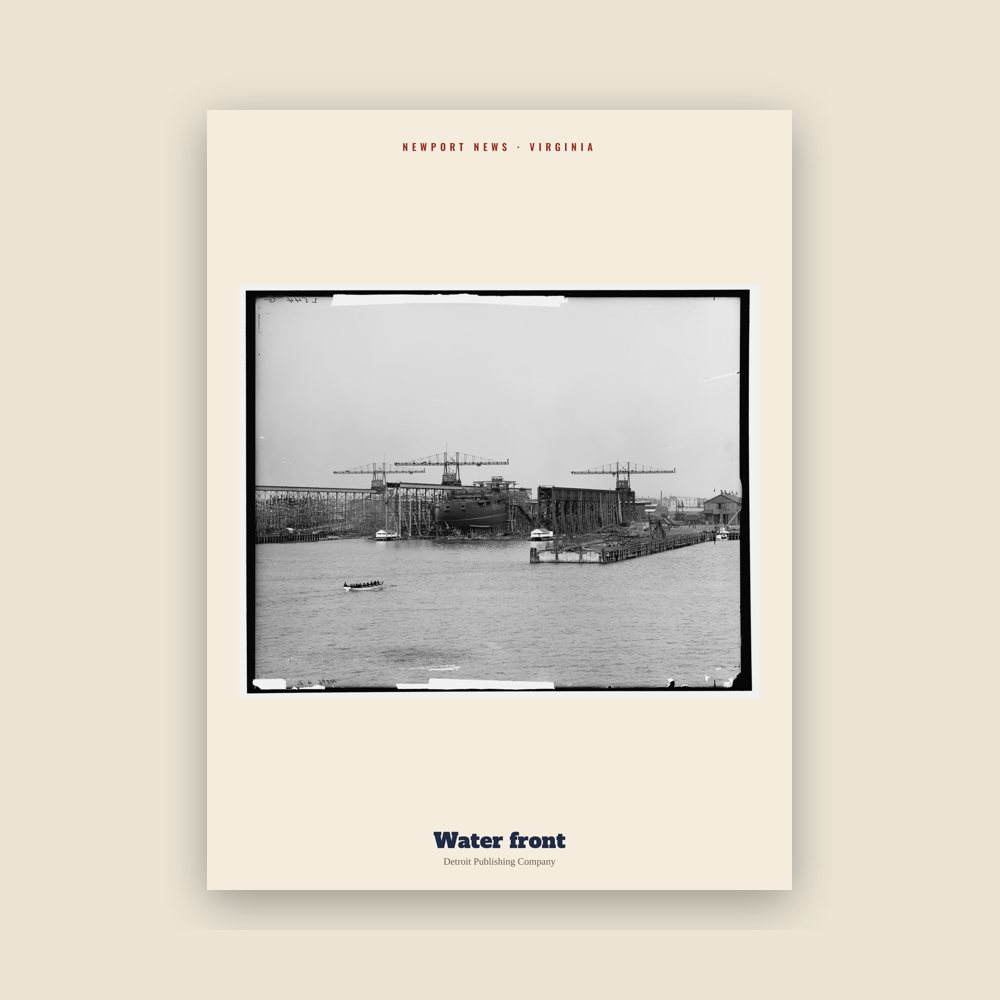
His next project was to develop Chesapeake Dry Dock & Construction Company, known from 1890 as the Newport News Shipbuilding & Dry Dock Co. The shipbuilding was originally intended to build boats to transition goods from the rails to the seas, but would quickly grow from additional work from the US Navy, including building the two Kearsarge class battleships and the USS Illinois (BB-7) by 1900. With time, it would become the world's largest shipyard.
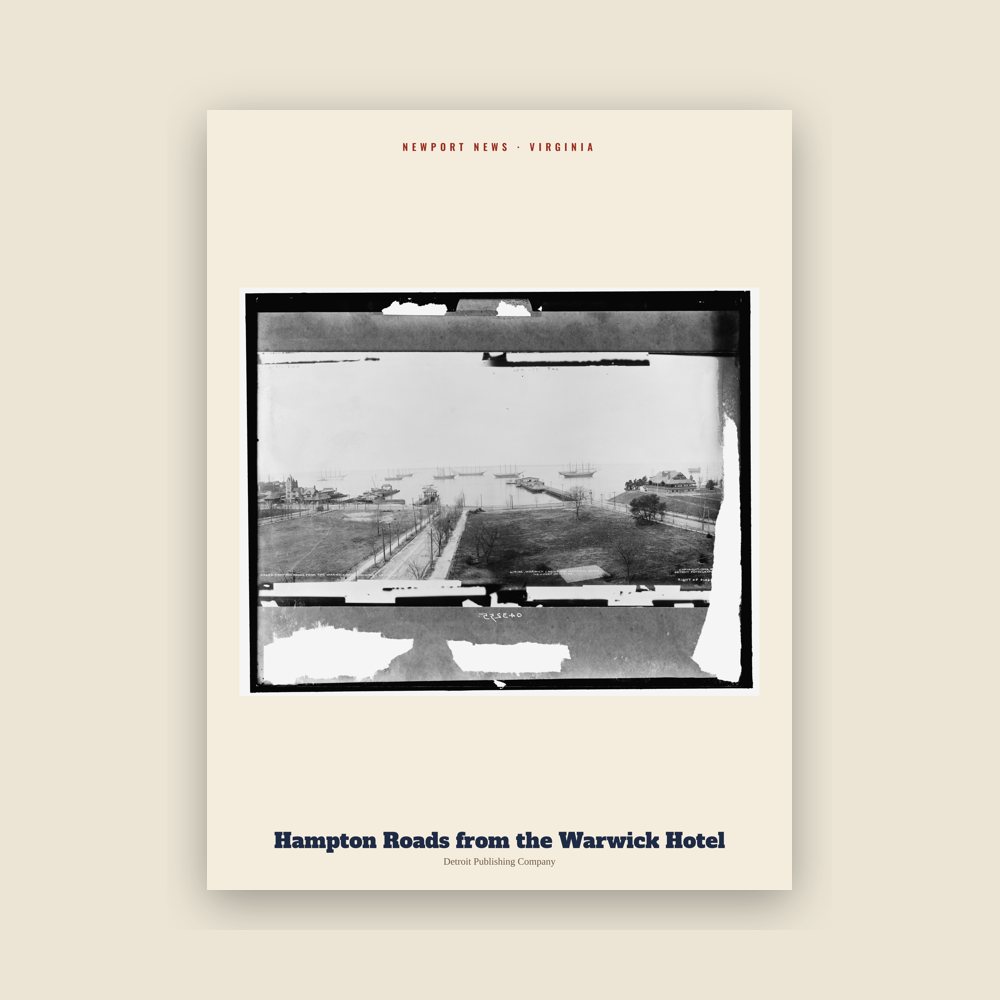
Construction of the railroad and establishment of the great shipyard brought thousands of workers and associated development. A rapid building boom occurred, including Hotel Warwick, churches, a newspaper, banks, and a courthouse. From 1888 to 1896, the county seat of Warwick County, Virginia was moved to Newport News area, reflecting the growing importance of the area. On January 16, 1896, Newport News incorporated as an independent city, fully separate of Warwick County. It was one of only a few cities in Virginia to be newly established without earlier incorporation as a town. (Virginia has had an independent city political subdivision since 1871.) Walter A. Post served as the city's first mayor.
1900s
In 1907 President Theodore Roosevelt sent the Great White Fleet on its round-the-world voyage. NNS had already built seven of that fleet's 16 battleships. In 1906 the revolutionary HMS Dreadnought launched a great additional naval buildup worldwide, and the Newport News would directly benefit from that work, leading all the way up to World War I.
From 1912 to 1914, Collis Huntingon's nephew, Henry E. Huntington, assumed leadership of the shipyard. Huntington Park, developed after World War I near the northern terminus of the James River Bridge, is named for him.
Albert Lloyd Hopkins, president of Newport News Shipbuilding at that time, was killed May 7, 1915 while traveling to England on shipyard business aboard RMS Lusitania, which was torpedoed by a German submarine. Homer L. Ferguson became president of the company, and would see it through both World Wars. During World War I, Newport News was headquarters to the Hampton Roads Port of Embarkation. Between 1918 and 1920 NNS delivered 25 destroyers to the US Navy.
In 1917, after being contracted by the US Navy, Newport News Shipbuilding hired thousands of workers from across the country to fulfill this contract. However, it was not long after this that the city of Newport News began to suffer a housing crisis. So as not to impede on the contract and the war effort as a whole, Congress funded the very first government-built planned community. This community, made up of 473 English-Village-Styled homes, would become the historic Hilton Village neighborhood.
The city grew in territory through the annexation of parts of Warwick County and also of the town of Kecoughtan in adjoining Elizabeth City County in 1927.
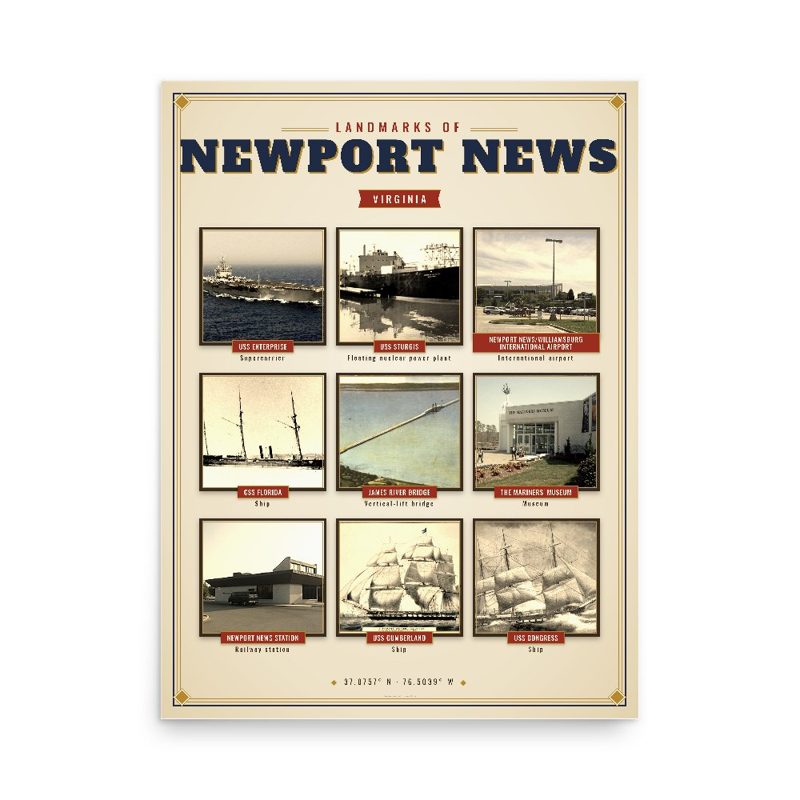
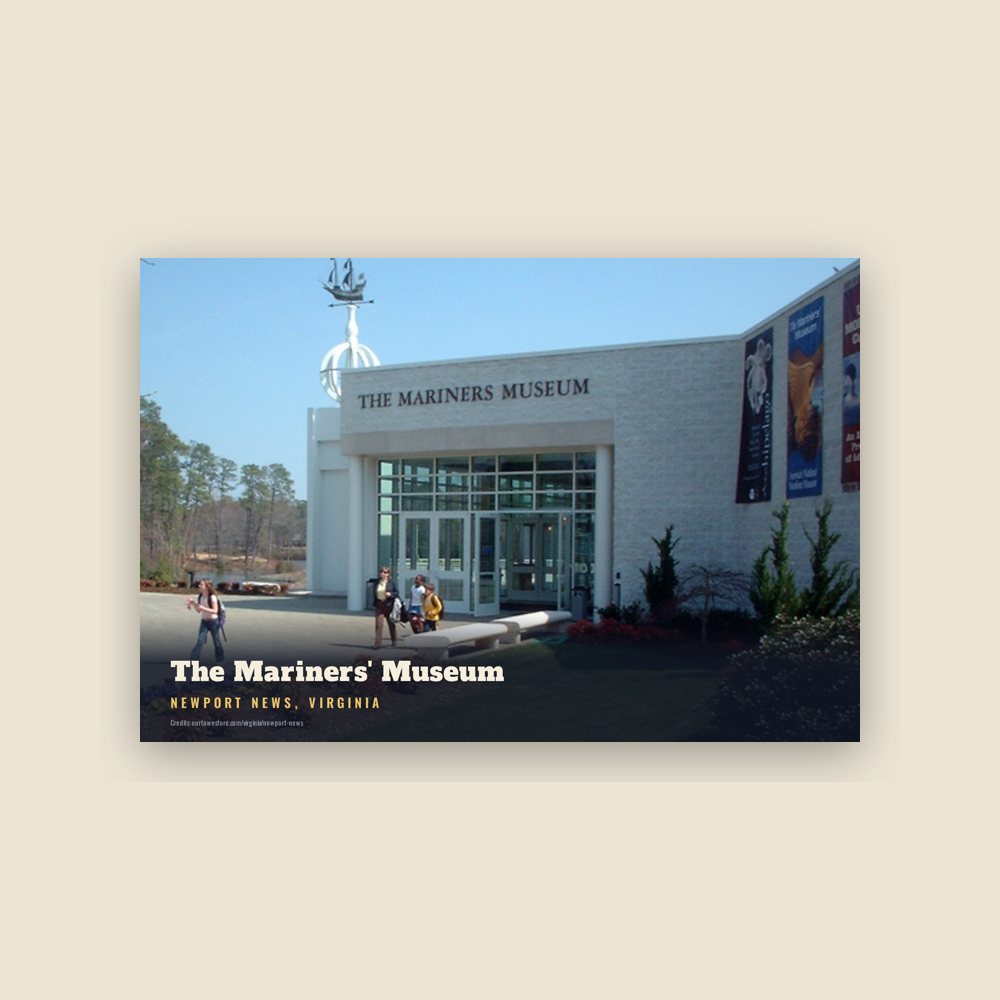
Collis Huntington's son, Archer M. Huntington and his wife, sculptor Anna Hyatt Huntington, developed the Mariners' Museum beginning in 1932. They created a natural park and the community's Mariners' Lake in the process. A major feature of Newport News, the Mariners' Museum has grown to become one of the largest and finest maritime museums in the world.
Although fashionable housing and businesses developed in downtown, the increase in industry and the development of new suburbs pushed and pulled retail and residential development to the west and north after World War II. Such suburban development was aided by national subsidization of highway construction and was part of a national trend to newer housing.
In 1958, the citizenry of the cities of Warwick and Newport News voted by referendum to consolidate the two cities, choosing to assume the better-known name of Newport News. The merger created the third largest city by population in Virginia, with a 65 square miles (168 km2) area. The boundaries of the City of Newport News today are essentially the boundaries of the original Warwick River Shire and the traditional one of Warwick County, with the exception of minor border adjustments with neighbors.
(First verse): Harbor of a thousand ships/Forger of a nation's fleet/Gateway to the New World/Where ocean and river meet(Chorus): Strength wrought from steel/And a people's fortitude/Such is the timeless legacy/Of a place called Newport News(Second verse): Nestled in a blessed land/Gifted with a special view/Forever home for ev'ry man/With a spirit proud and true(repeat chorus to fade)
2000s
Despite city efforts at large-scale revitalization, by the beginning of the 21st century, the downtown area consisted largely of the coal export facilities, the shipyard, and municipal offices. It is bordered by some harbor-related smaller businesses and lower income housing.
The city began to explore New Urbanism as a way to develop areas midtown. City Center at Oyster Point was developed out of a small portion of the Oyster Point Business Park. It opened in phases from 2003 through 2005. The city invested $82 million of public funding in the project. Closely following Oyster Point, Port Warwick opened as an urban residential community in the new midtown business district. Fifteen hundred people now reside in the Port Warwick area. It includes a 3-acre (1.2 ha) city square where festivals and events take place.
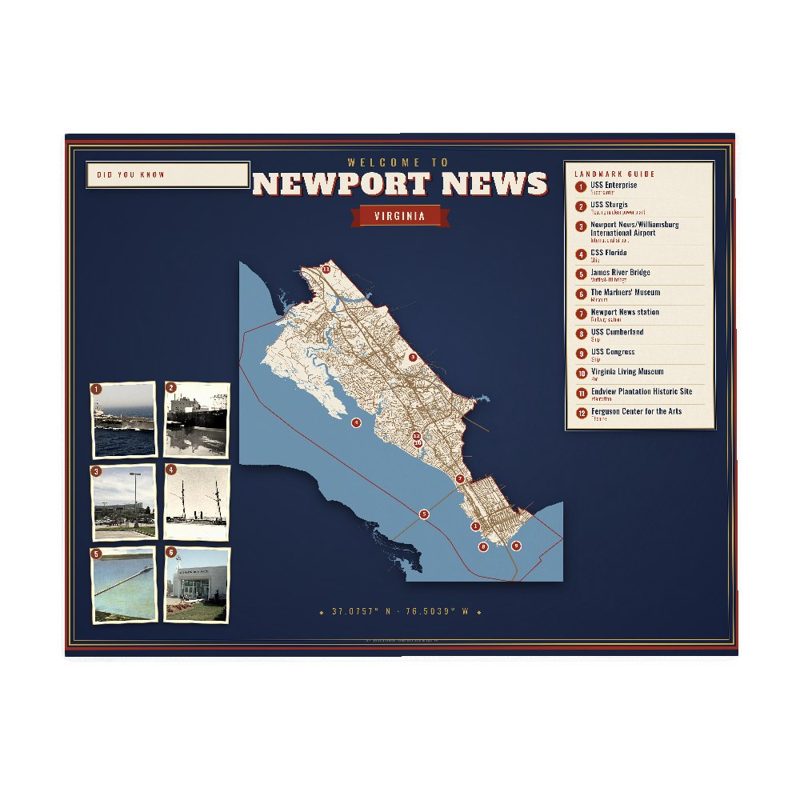



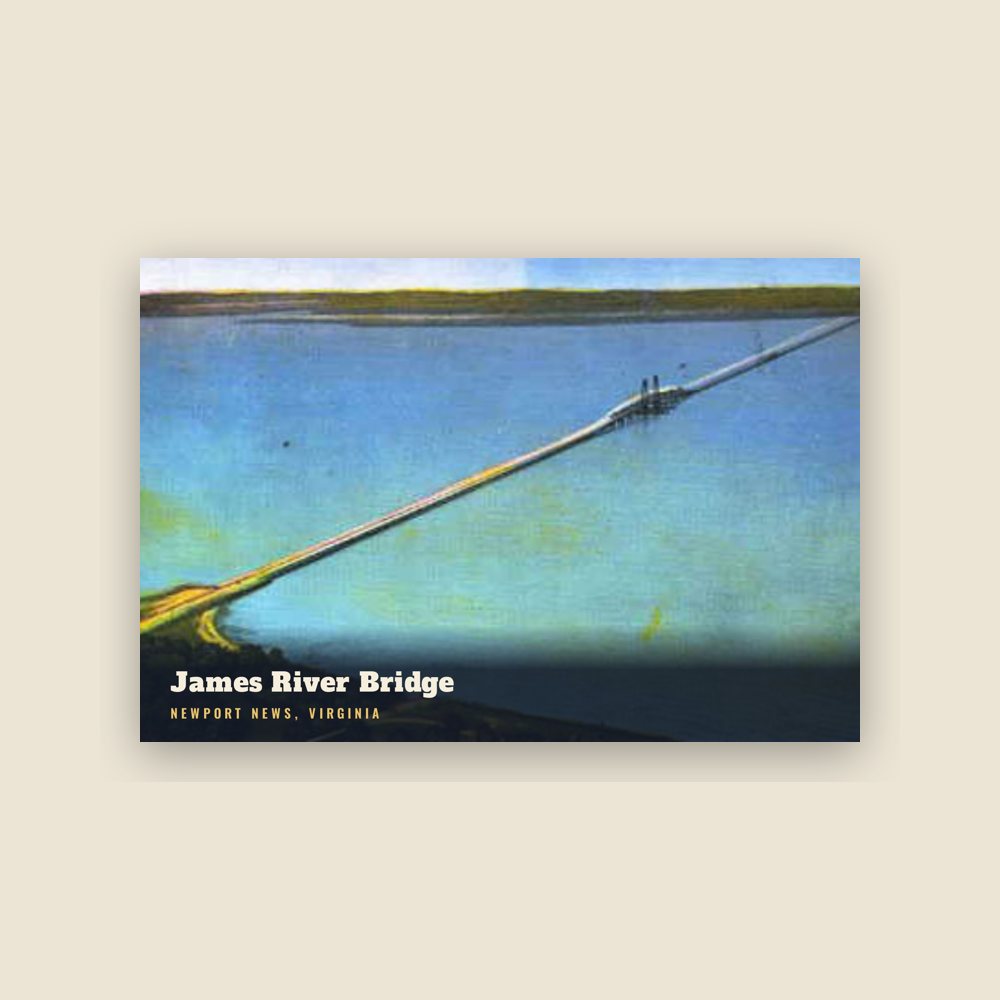
 James River Bridge
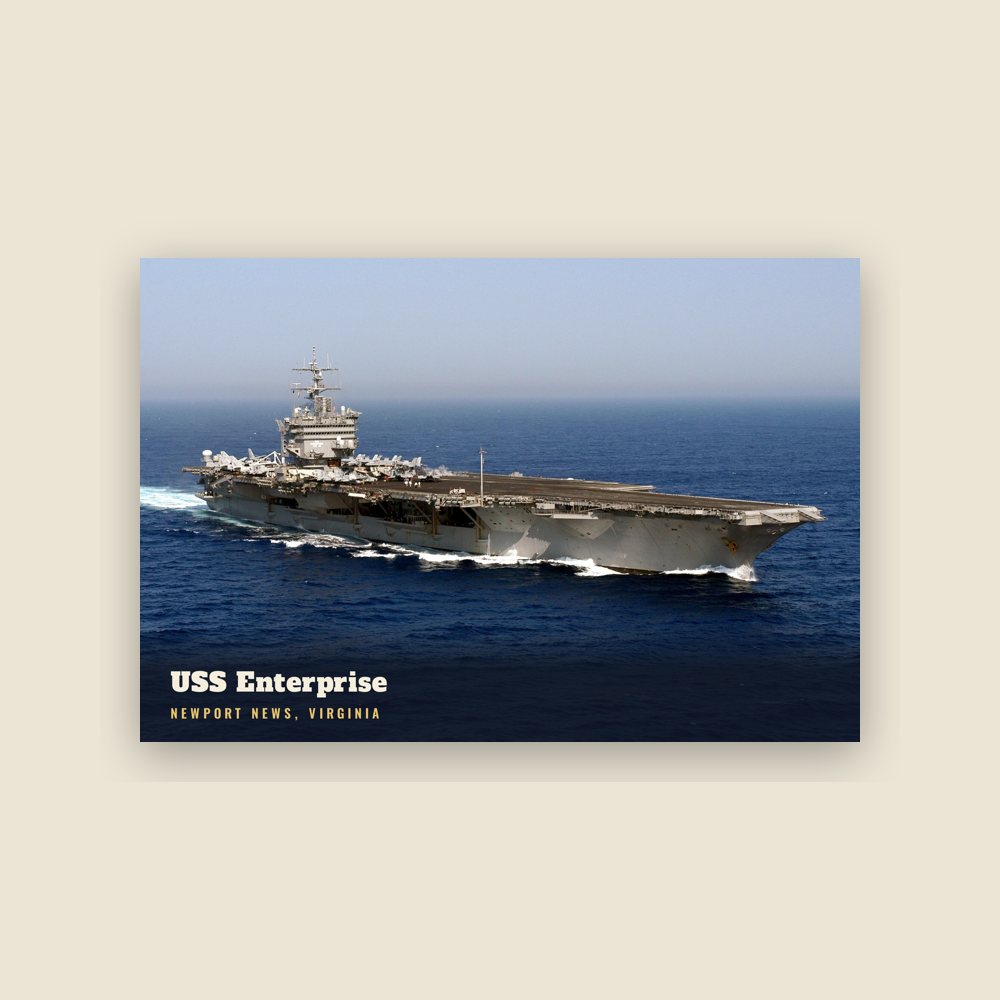
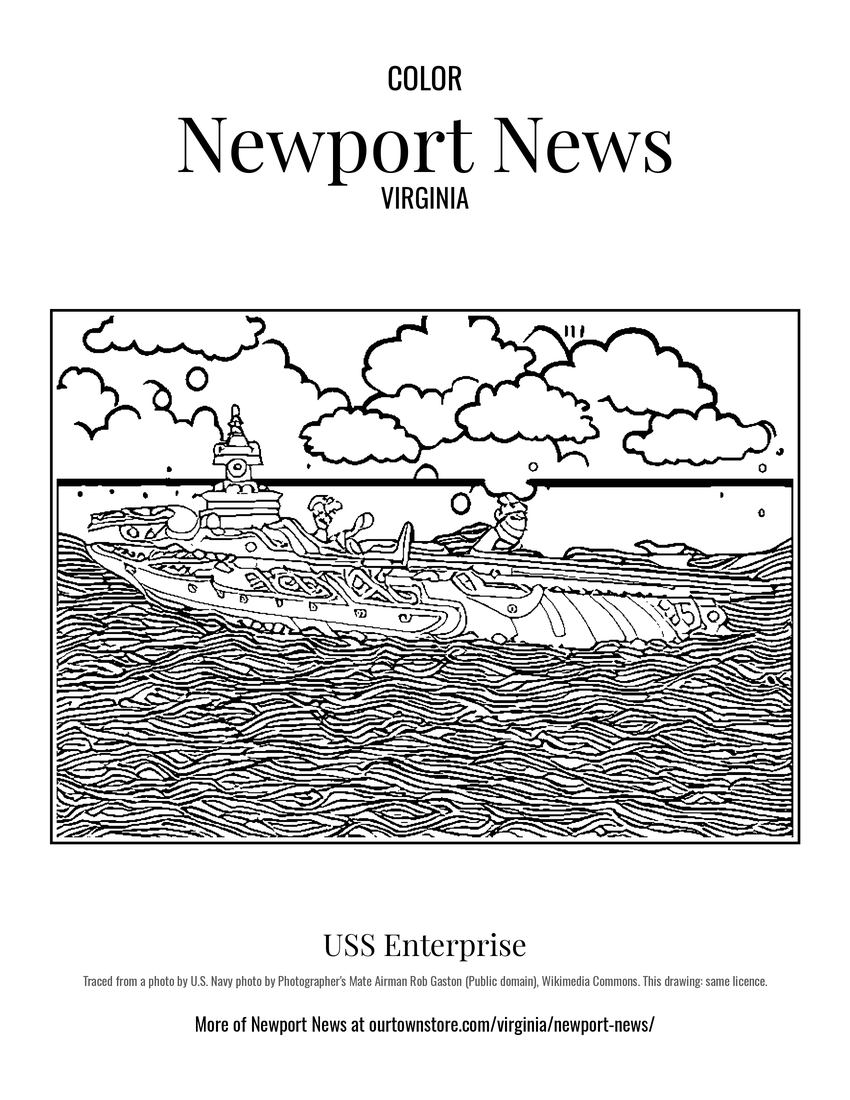 USS Enterprise
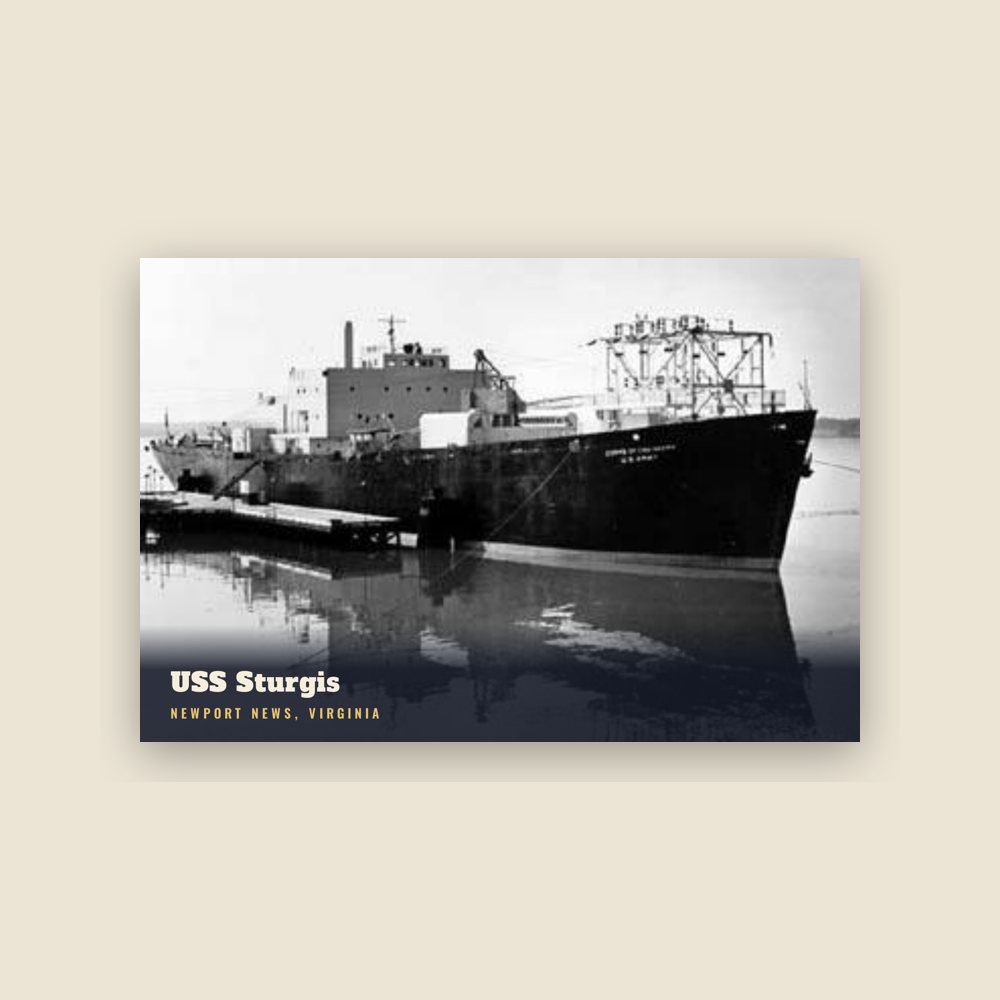
 USS Sturgis
 USS Sturgis