Claremont is an incorporated town in Surry County, Virginia, United States.
- CountySurry County
- Population305 (2020 U.S. Census)
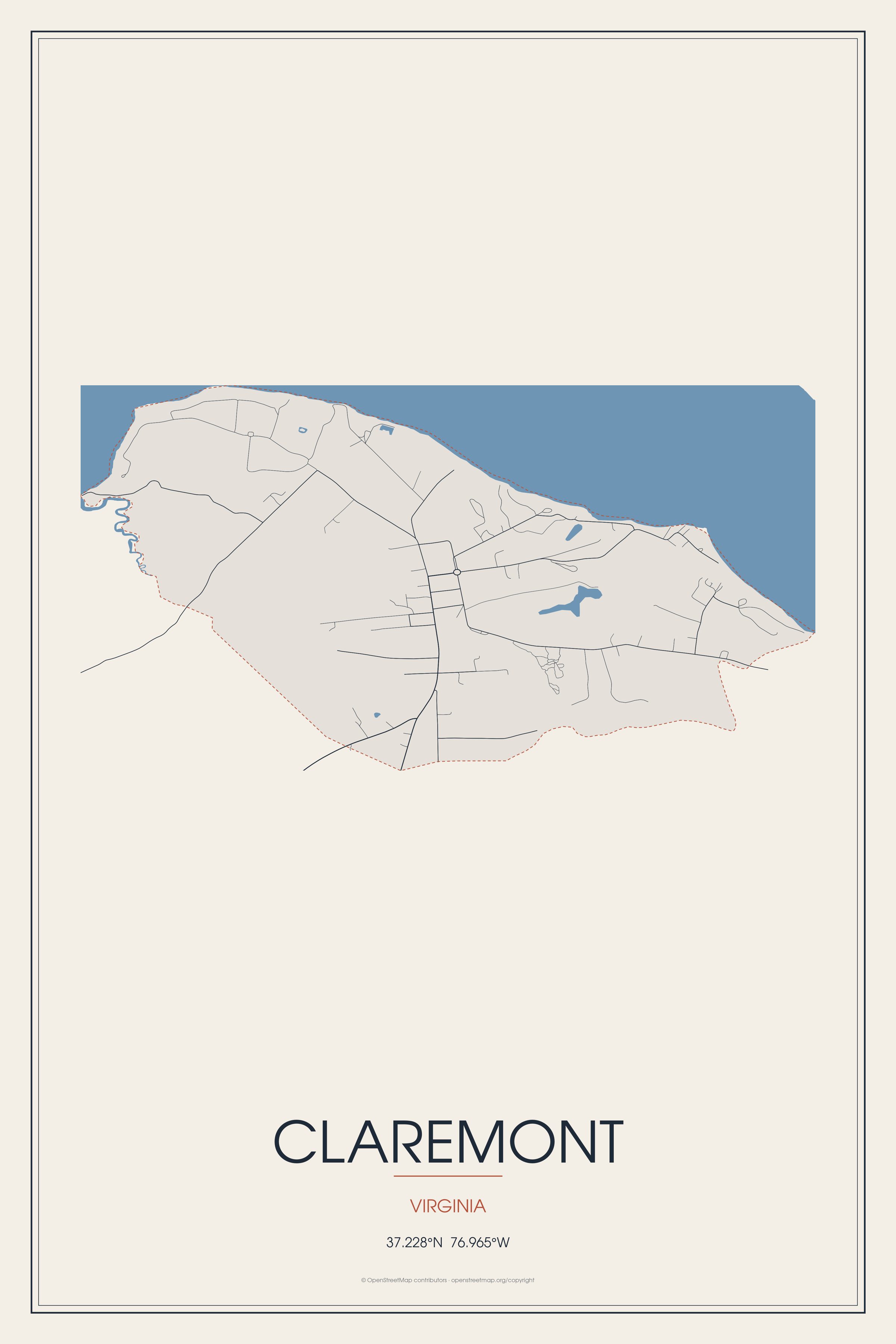
Claremont is an incorporated town in Surry County, Virginia, United States.
Claremont, Virginia gifts and souvenirs: 19 designs made from Claremont's own map, landmarks and history, from $16 to $95. Printed to order and shipped free in the USA.
| Popular | Price |
|---|---|
| Claremont Hometown Ornament | $23 |
| Claremont Varsity Crewneck | from $57 |
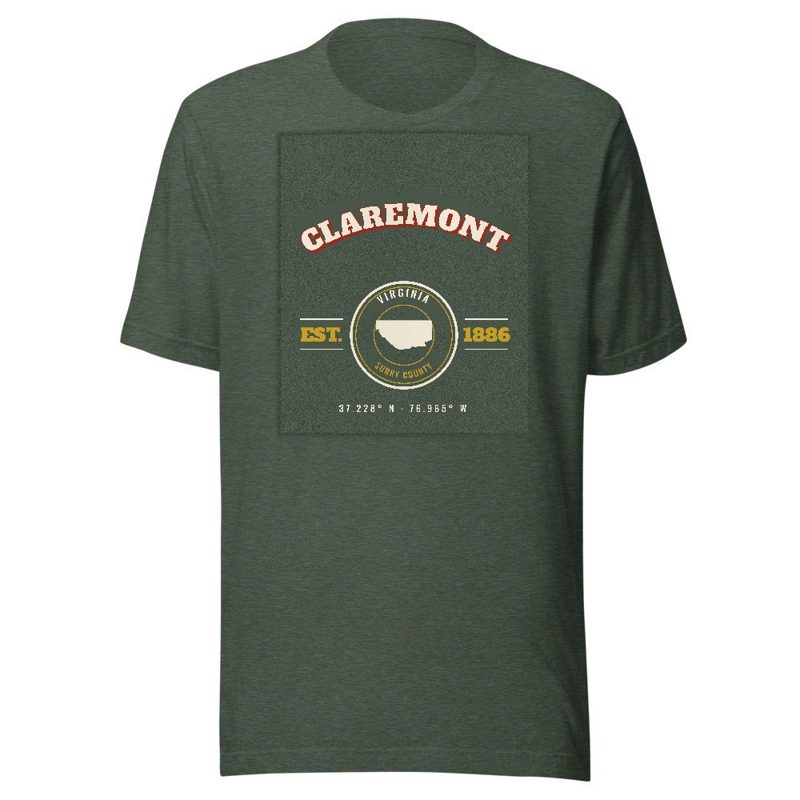
| Claremont Est. Tee | from $33 |
| Claremont Town Line Mug | from $26 |
| Claremont Market Tote | $37 |
Ceramic keepsake, gold ribbon, in 3 styles
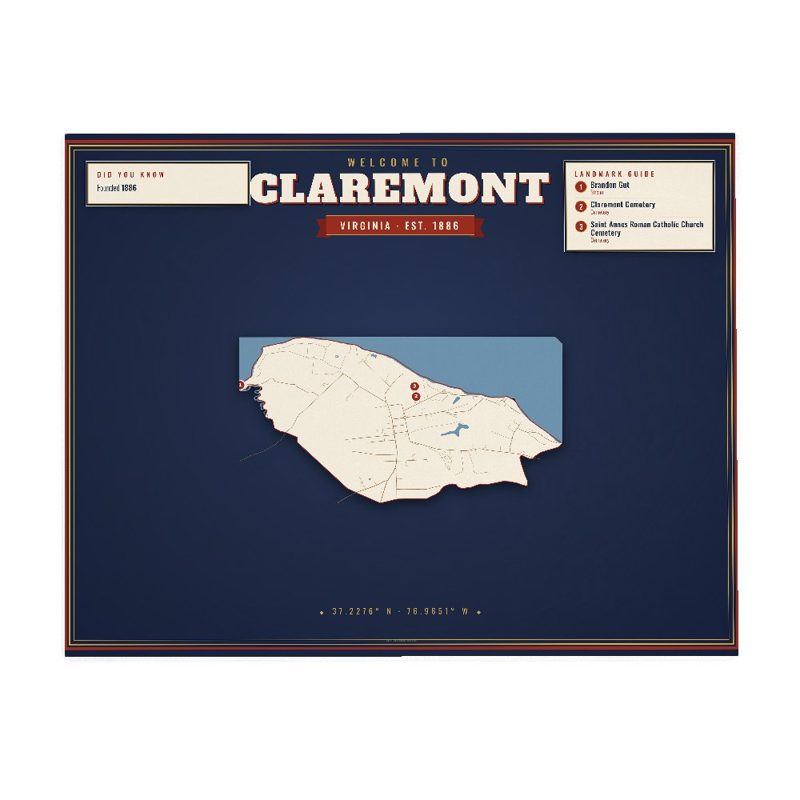
Map of local landmarks, washable fabric
Heavy-blend fleece, street map printed on the back
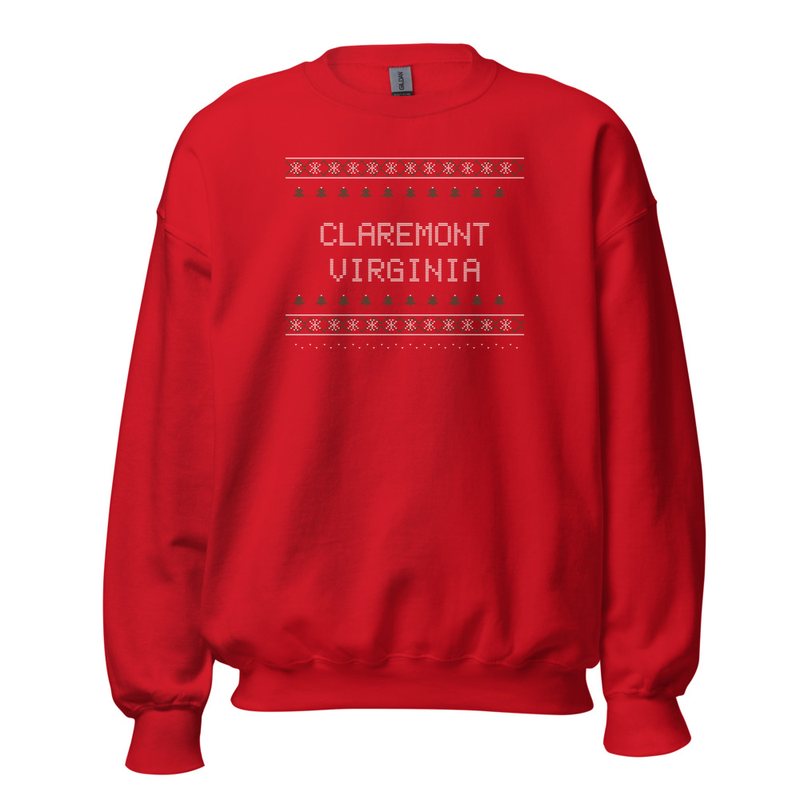
Red heavy-blend crewneck, knit-stitch town print
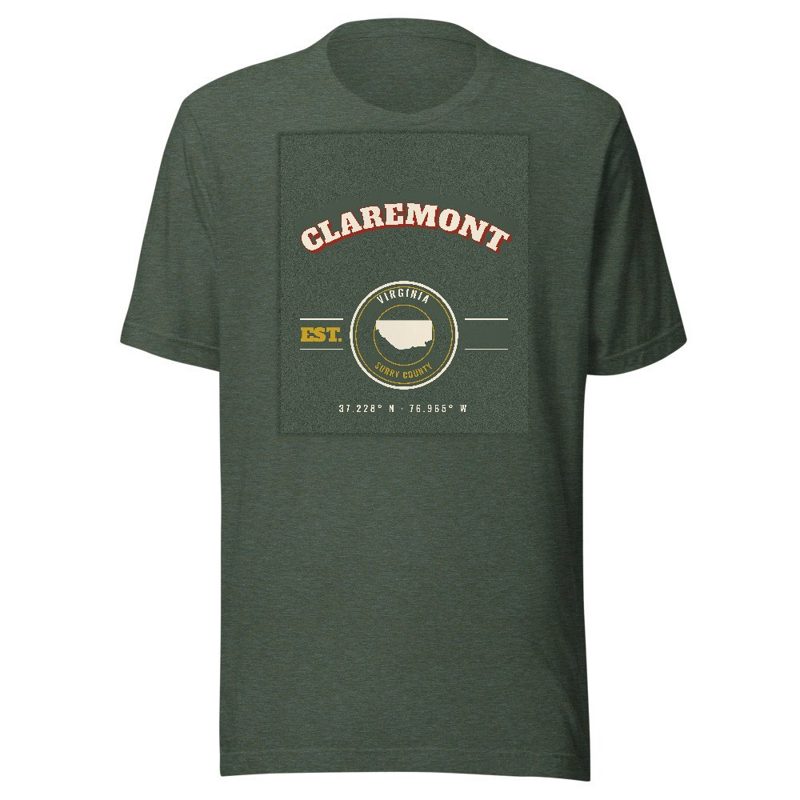
Soft Bella+Canvas jersey
Kids' Bella+Canvas jersey, youth sizes
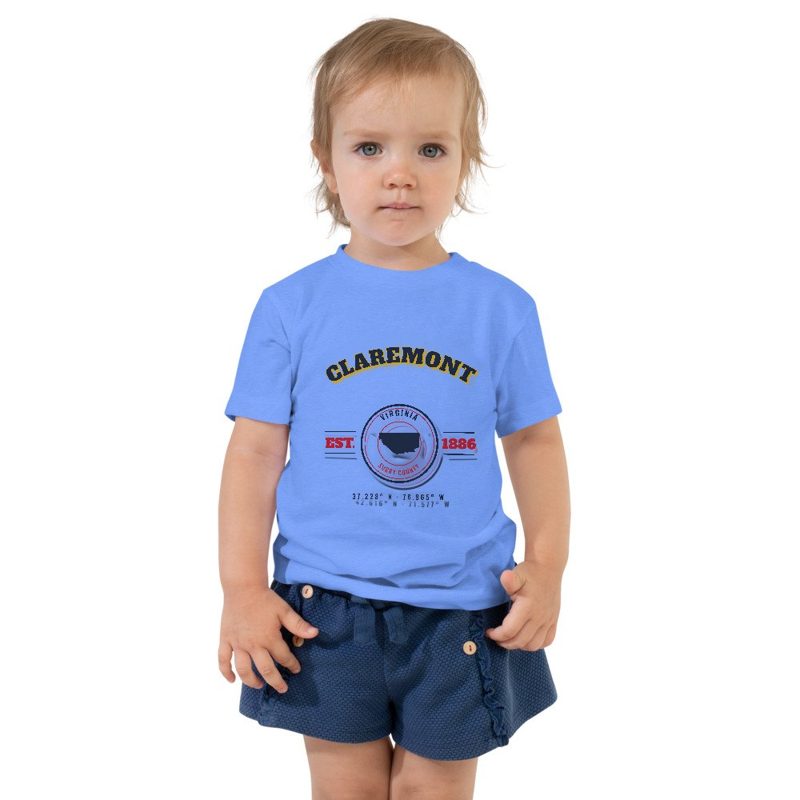
Bella+Canvas toddler jersey
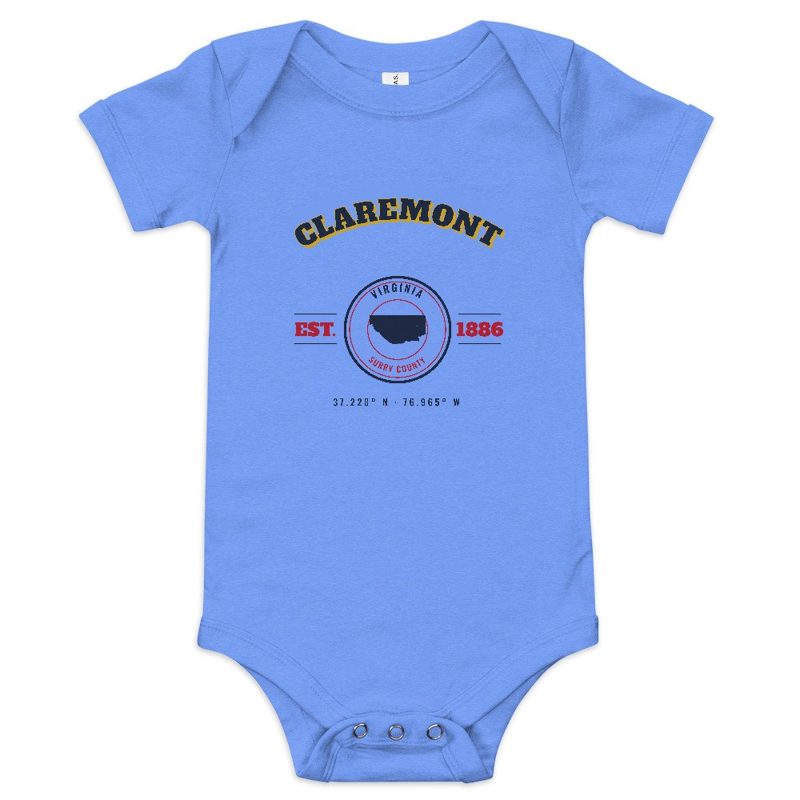
Bella+Canvas baby bodysuit
Glossy ceramic, dishwasher safe
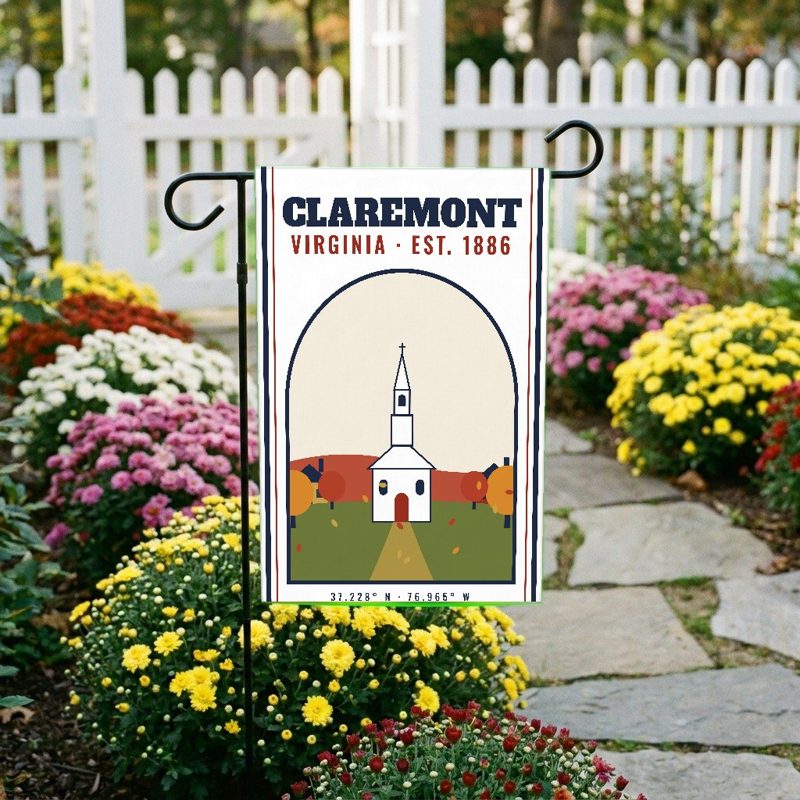
Weatherproof, for the front walk
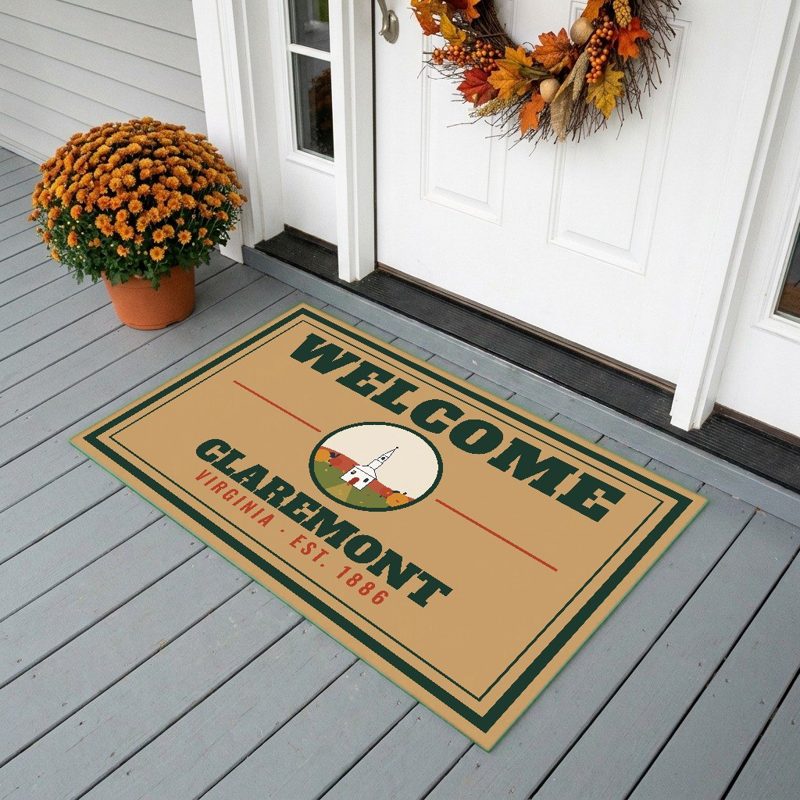
24″×16″, printed coir-look fibers, rubber back
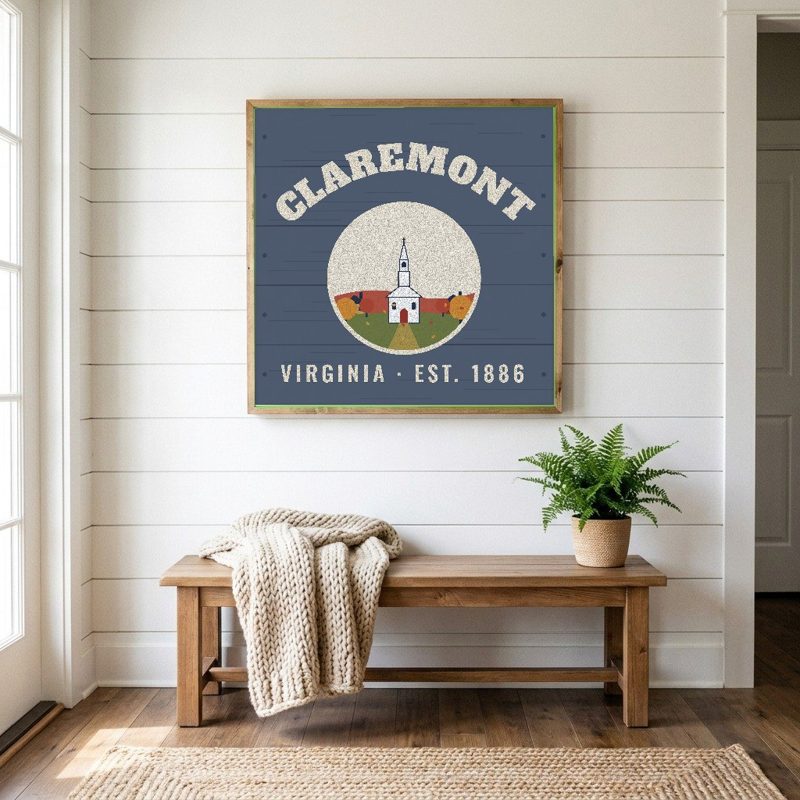
12″×12″ printed wood, ready to hang
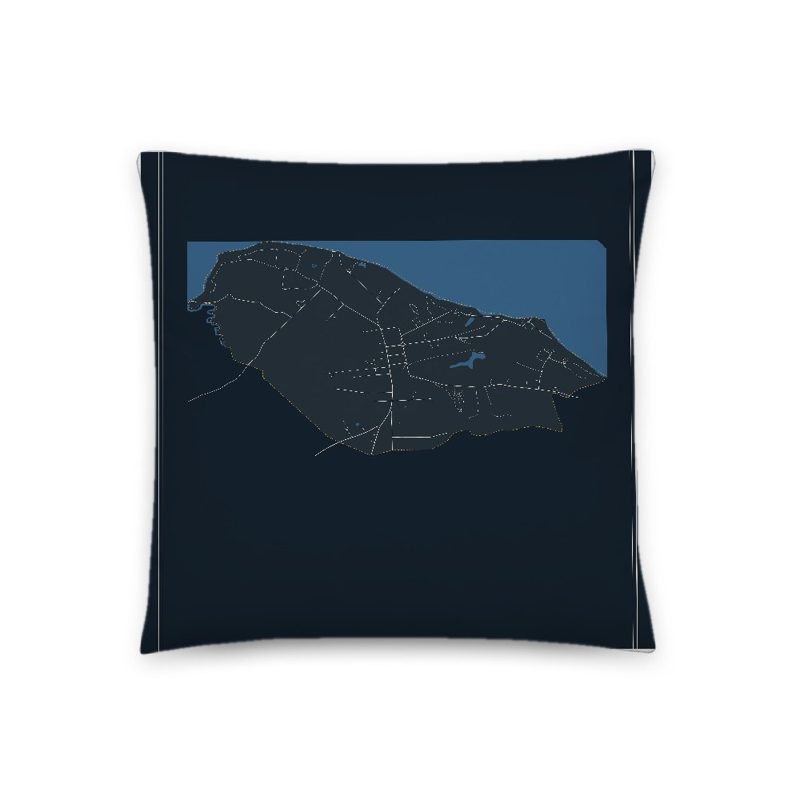
Soft-touch, zip cover
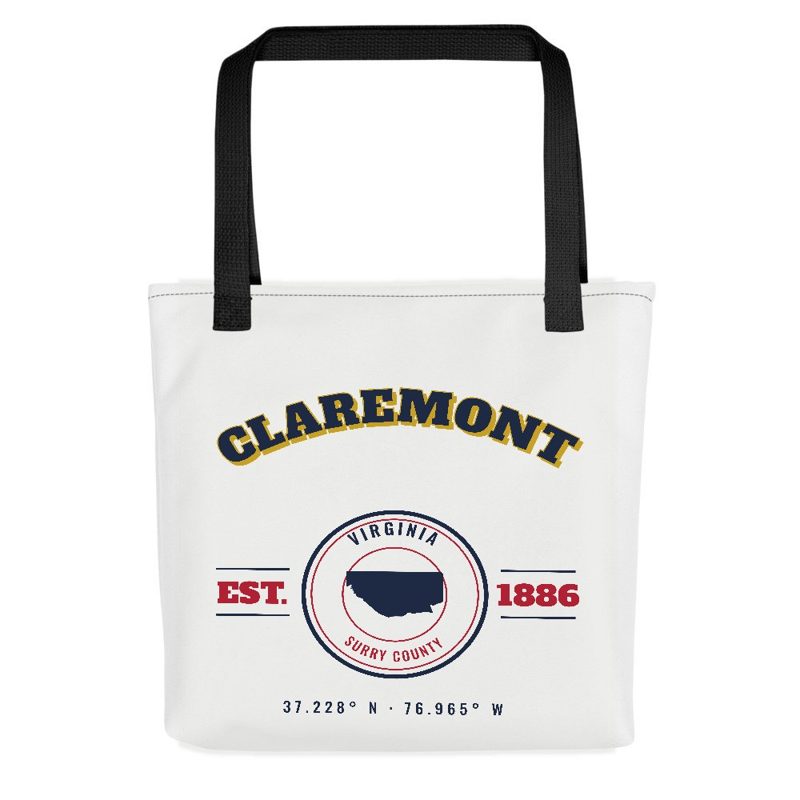
Sturdy all-over-print tote
Glossy top, cork back
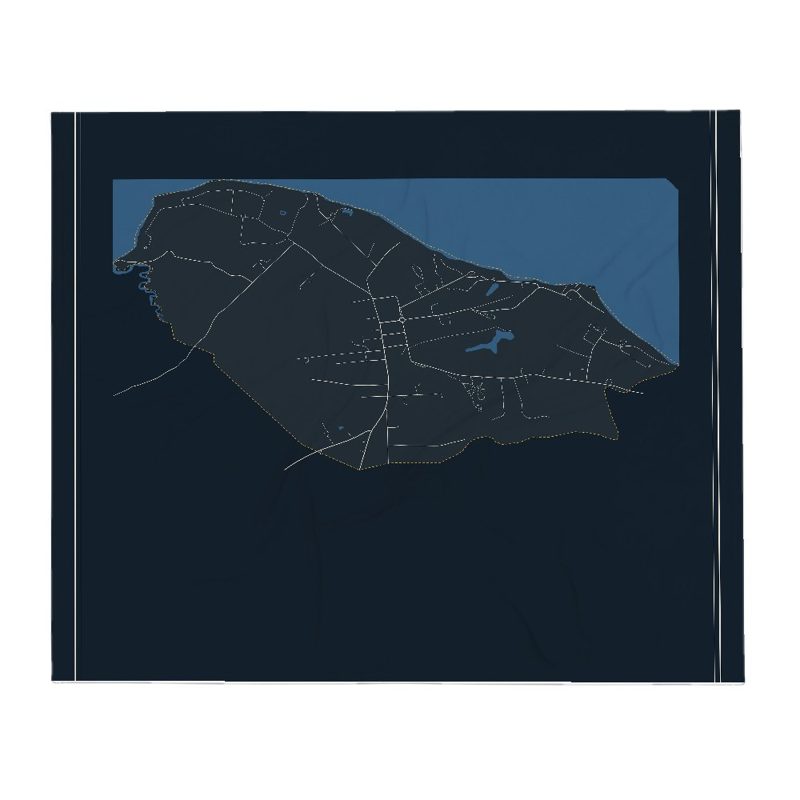
Soft fleece, 50″×60″

20 oz, double-wall stainless
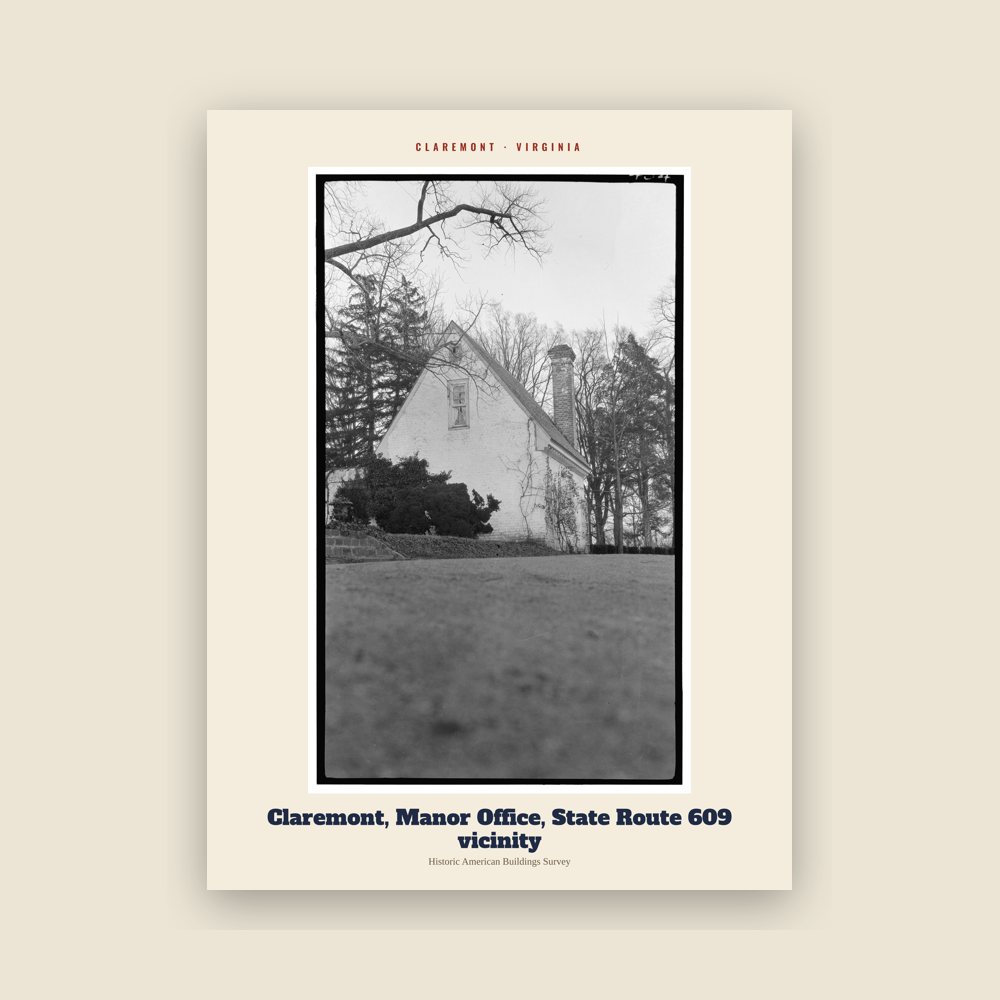
From the Library of Congress collections: a historic survey drawing or photograph of the town
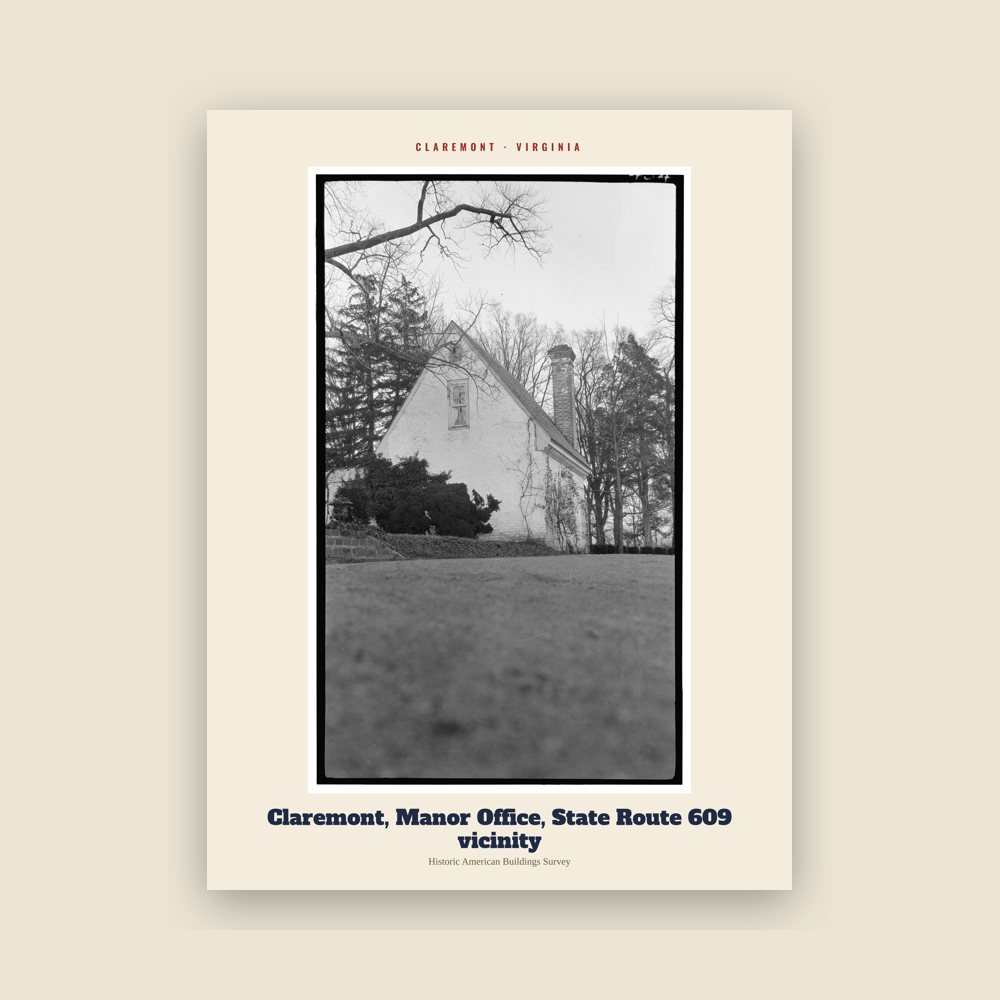
From the Library of Congress collections: a historic survey drawing or photograph of the town
A granite marker in a circle in the center of town commemorates the landing here on May 5, 1607, of English settlers, before the landing at Jamestown across the navigable portion of the James River. English and Scotch emigrants had settled there, near the principal native American village called Quioughcohanock (probably located on what later became known as "Wharf Bluff") by 1632. In 1649, Arthur Allen patented lands in Surry County and by 1655 built Allen's Brick House in the lower part of the county. His descendants owned this property until 1882. His son Arthur Allen II in addition to his agricultural and mercantile activities became Speaker of the House of Burgesses. By the late 17th and early 18th centuries, Claremont was a busy port town and shipped many goods, but especially hogsheads of tobacco. Colonel William Allen served in the American Revolutionary War. Speaker Allen's grandson John Allen lived at Claremont Manor House. He served in the Virginia House of Delegates and Virginia Ratifying Convention. His principal heir, Lt. Col. William Allen (1768–1831), also lived at Claremont and served many terms in the House of Delegates before the War of 1812 and supposedly became the largest land owner and enslaver in the Commonwealth of Virginia of his day. He never married and required his great-nephew and heir, William Griffin Orgain to change his surname to Allen to inherit. That William Allen became a lumber magnate, built a railroad, and in May 1861 became a Confederate officer and captain of the Jamestown Heavy Artillery (which he financed), Rails from his railroad were re-smelted to armor the Confederate ironclad Merrimac. However, Allen resigned his military commission in 1862.
After the Civil War, Claremont became a shipping port for railroad ties cut for the Prussian government and shipped to Hamburg. Willie Allen, who inherited Claremont Manor, moved to New York and sold the property. J. Frank Mancha, a Maryland or Delaware real estate developer, began developing and subdividing the property to build a new town there in 1879. Incorporated in 1886, the town of Claremont became the eastern terminus of the new Atlantic and Danville Railway (A&D), a narrow gauge railroad, which was completed to a point near Emporia called James River Junction, where it connected with a standard gauge track towards Danville. Unfortunately for Claremont, the A&D decided to link its western leg with a new eastern terminus in West Norfolk on the harbor of Hampton Roads, and the line to Claremont, which was never standard-gauged, went into semi-abandonment. After some use for lumber transport as the Surry, Sussex and Southampton Railway, the rails were removed in the late 1930s.
In the years since the area has remained a rural enclave, but some resort use has developed along the bluffs and beaches of the James River. Many homes along the riverfront were severely damaged, and Claremont's neighboring beach, Sunken Meadow, was destroyed in 2003 by Hurricane Isabel.
Adapted (trimmed) from the Wikipedia article Claremont, Virginia, revision 1378547222 by its contributors, licensed CC BY-SA 4.0.
We share a part of every Claremont sale with local partners, and we'd love to print from your collection. Old photographs, maps and postcards make the best keepsakes.
Partner with usA favorite landmark, your street, a school or team, an anniversary gift, a different product. Tell us and we'll get back to you by email.
Claremont's population was 305 in the 2020 U.S. Census, down from 343 in 2000.