A short history of Bowling Green
The town of Bowling Green was earlier known as New Hope. One of the earliest stage roads in the colony ran through the area from Richmond to the Potomac River, where a ferry crossing was operated to Charles County, Maryland. New Hope Tavern was built along the road in the 18th century and the area around it became known as New Hope.
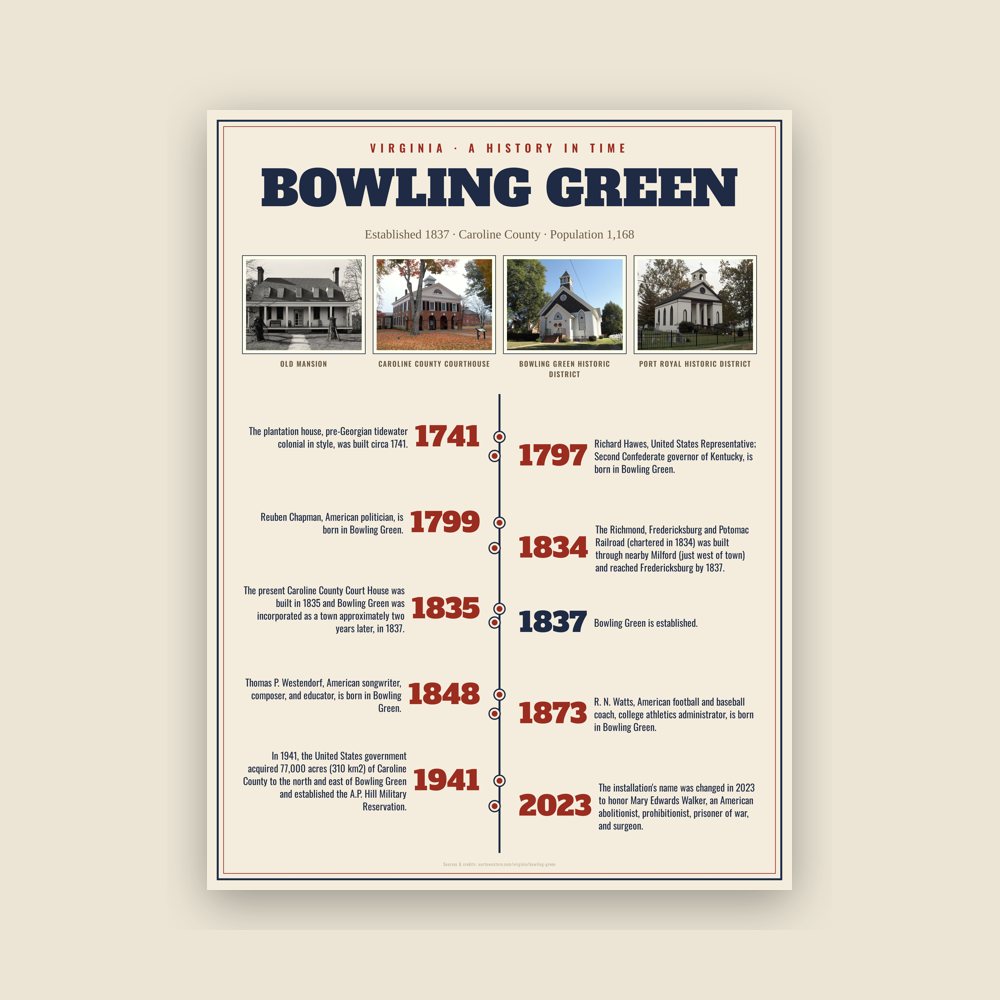
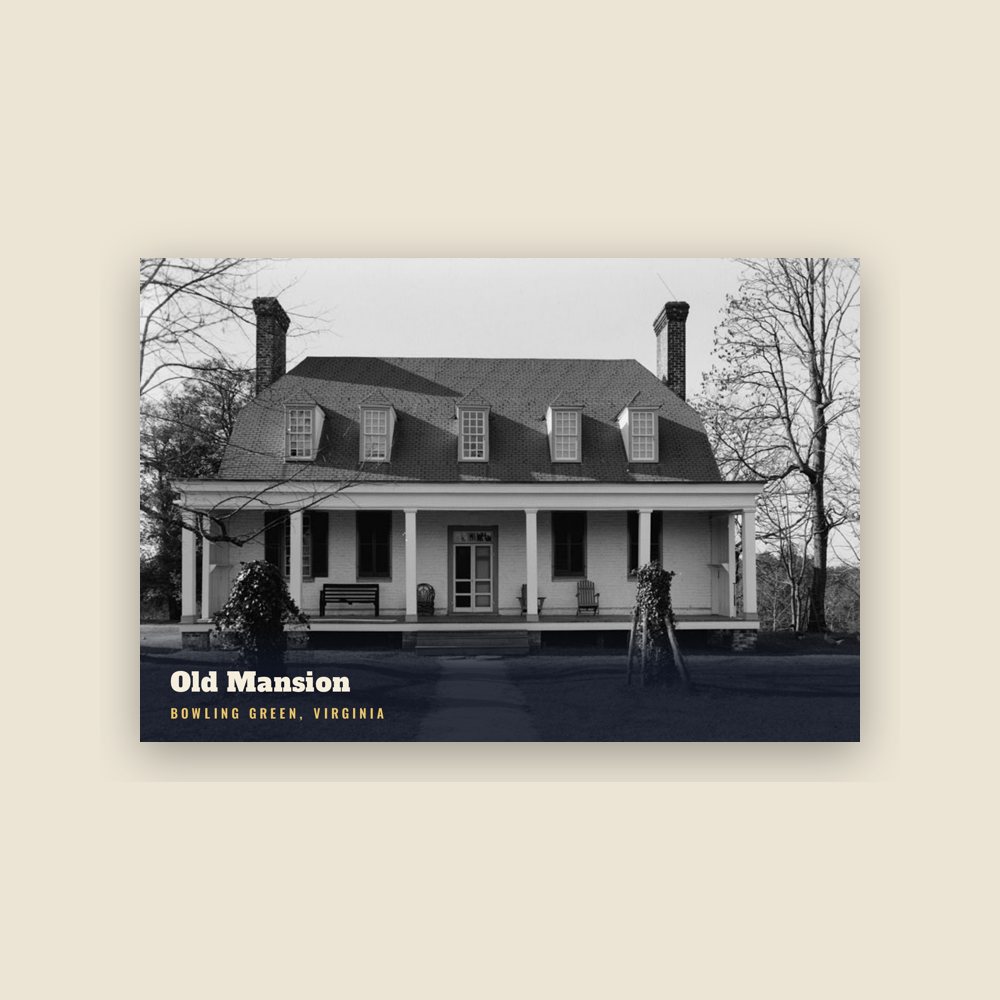
The town was renamed for "The Bowling Green" which was the plantation of town founder, Dache Carmine, who donated the land and funds for a new courthouse when the community became the county seat in 1803. The origin of the plantation's name is not definitive but may be based on the 2-acre (8,100 m2) greensward in front of the plantation house itself. The Bowling Green Estate was the site of one of the first tracks built to race horses in America. The plantation house, pre-Georgian tidewater colonial in style, was built circa 1741. A prominent colonial landmark, it is one of the oldest houses in original condition in Virginia and is listed on both the Virginia Landmarks Register and the National Register of Historic Places.
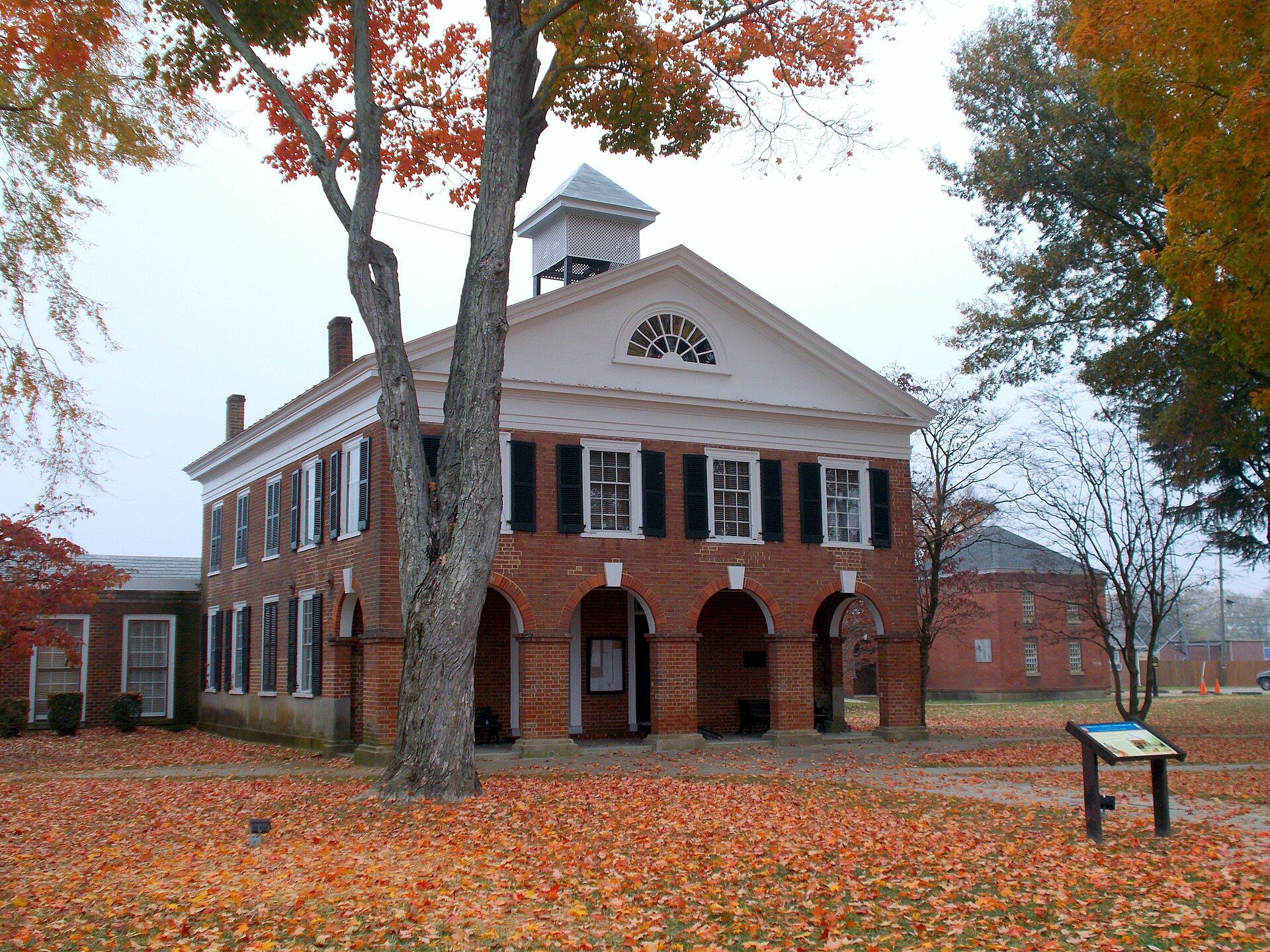
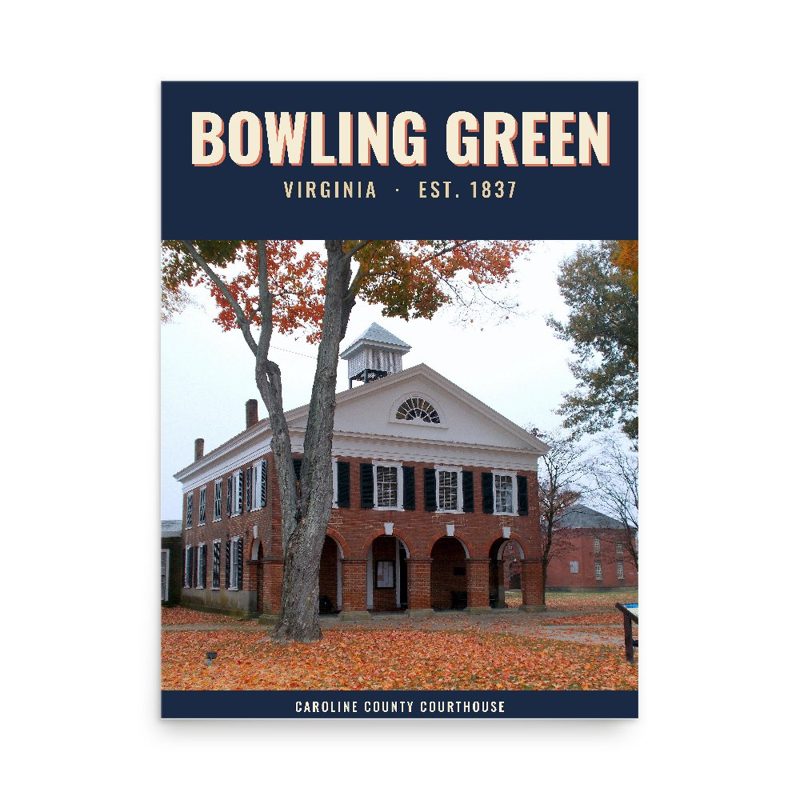
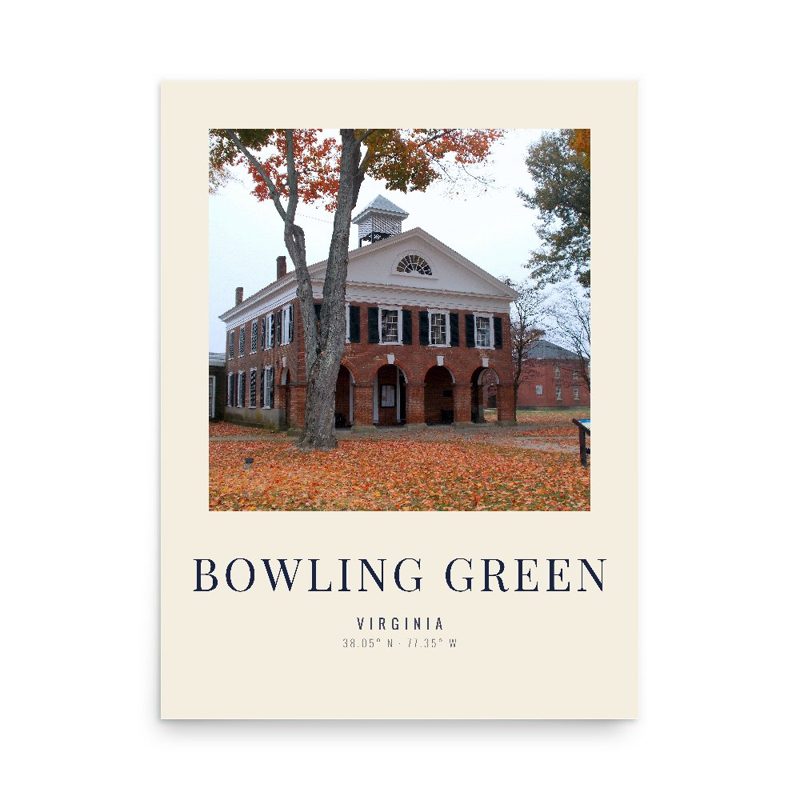
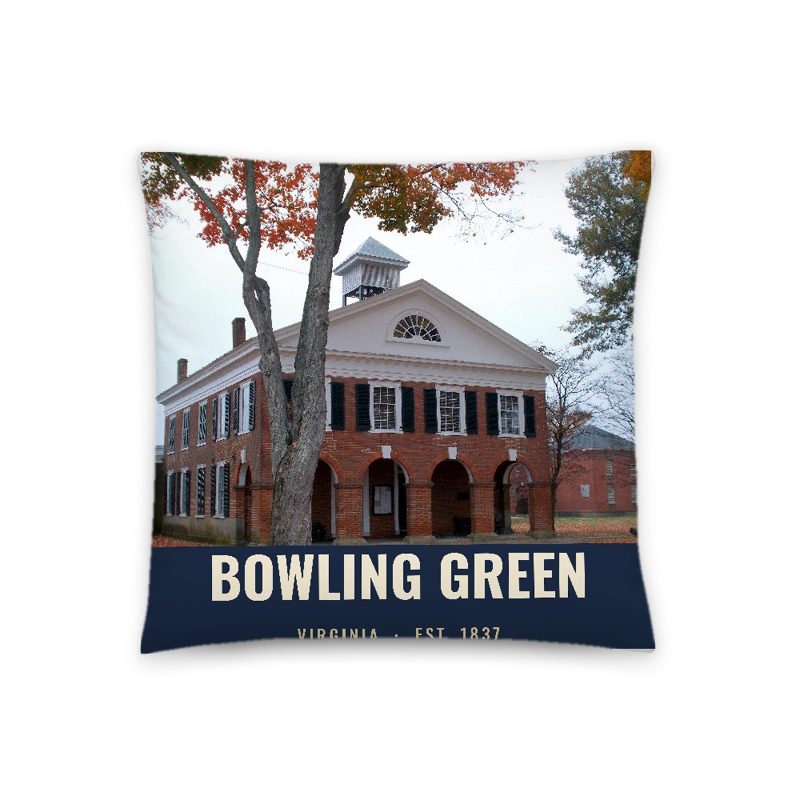
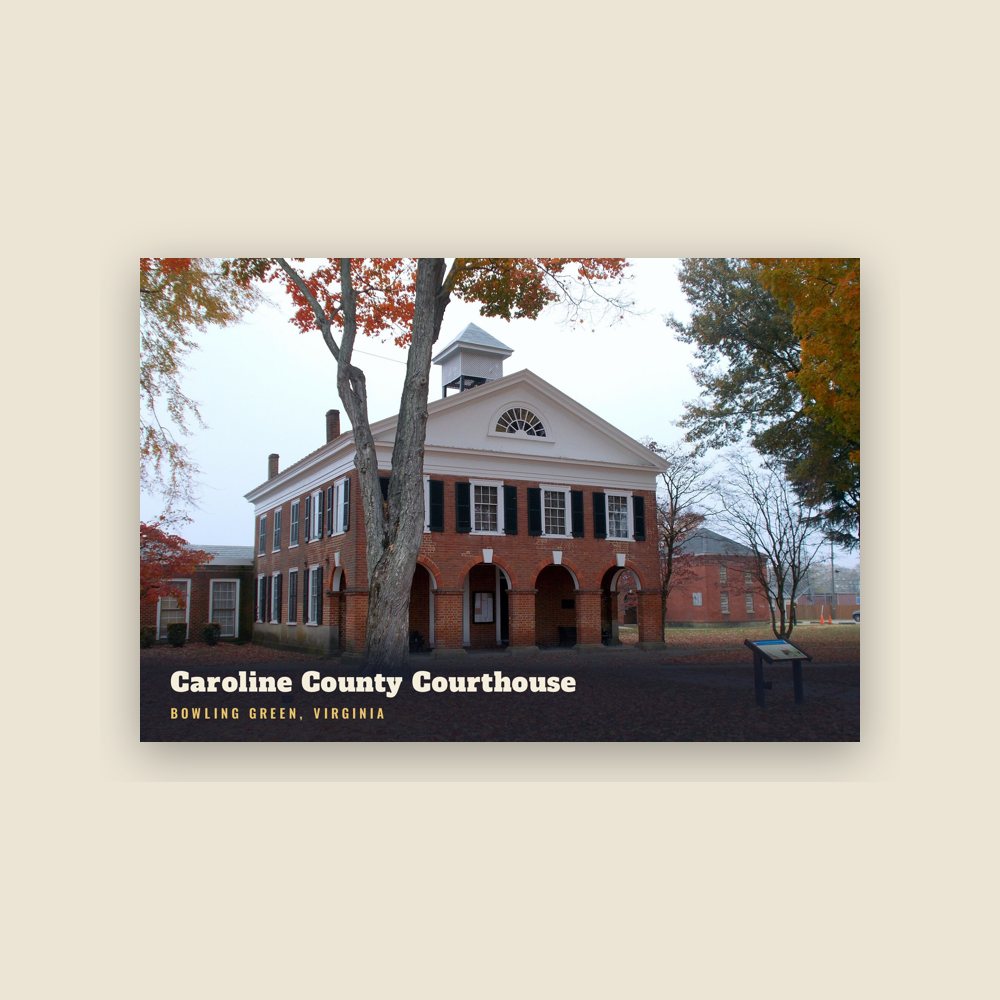
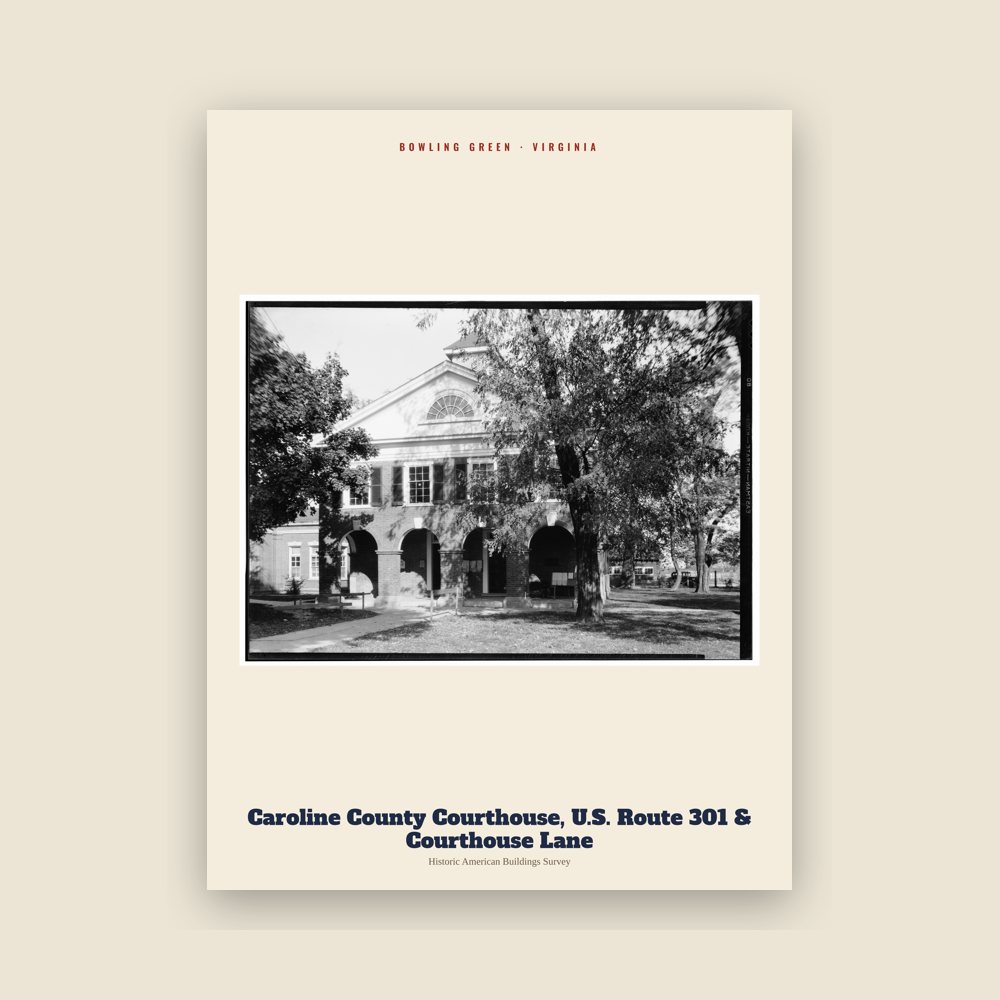
The present Caroline County Court House was built in 1835 and Bowling Green was incorporated as a town approximately two years later, in 1837. The town is home to a Masonic Lodge, Kilwinning Crosse, No. 2-237.
The Richmond, Fredericksburg and Potomac Railroad (chartered in 1834) was built through nearby Milford (just west of town) and reached Fredericksburg by 1837. This important rail link between several major northern railroads at Washington, DC and other major southern railroads at Richmond was long partially owned by the Commonwealth of Virginia, and became part of CSX Transportation in the 1990s. It is a major freight railroad line for north–south traffic and the corridor also hosts many Amtrak trains. The closest Virginia Railway Express (VRE) commuter passenger rail service to Northern Virginia is currently accessed at Fredericksburg.
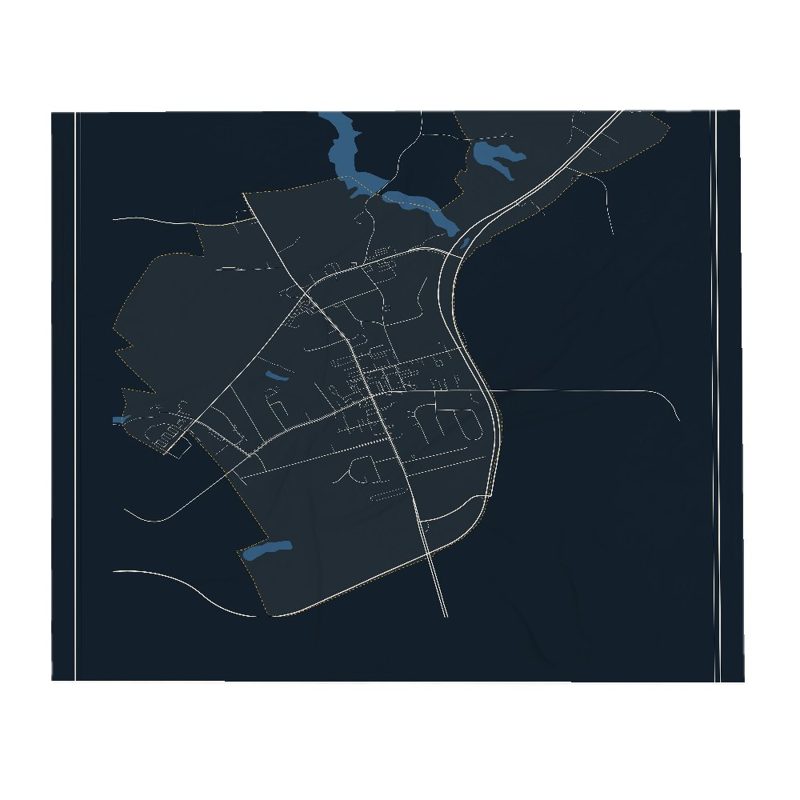
Today, Bowling Green is located along Virginia State Route 2, one of the two earlier highways between Richmond and Fredericksburg. In later years, U.S. Route 301 was built through the area, connecting Richmond with Baltimore, Maryland with what was effectively an eastern bypass of the Washington, DC area for north–south traffic along the U.S. east coast. A new road, Virginia State Route 207 was established from Bowling Green west to Carmel Church, where it intersects Interstate 95 and U.S. Route 1, major north–south highways.
In 1941, the United States government acquired 77,000 acres (310 km2) of Caroline County to the north and east of Bowling Green and established the A.P. Hill Military Reservation. Now known as Fort Walker, it was originally named for a Virginia military hero, U.S. Army and later Confederate General Ambrose Powell Hill, who was killed just prior to the end of the War in 1865. The installation's name was changed in 2023 to honor Mary Edwards Walker, an American abolitionist, prohibitionist, prisoner of war, and surgeon. She is the only woman to receive the Medal of Honor. Thousands of regular military and reserve troops undergo training each year at the installation. It has also been the site of National Jamboree gatherings of the Boy Scouts of America.
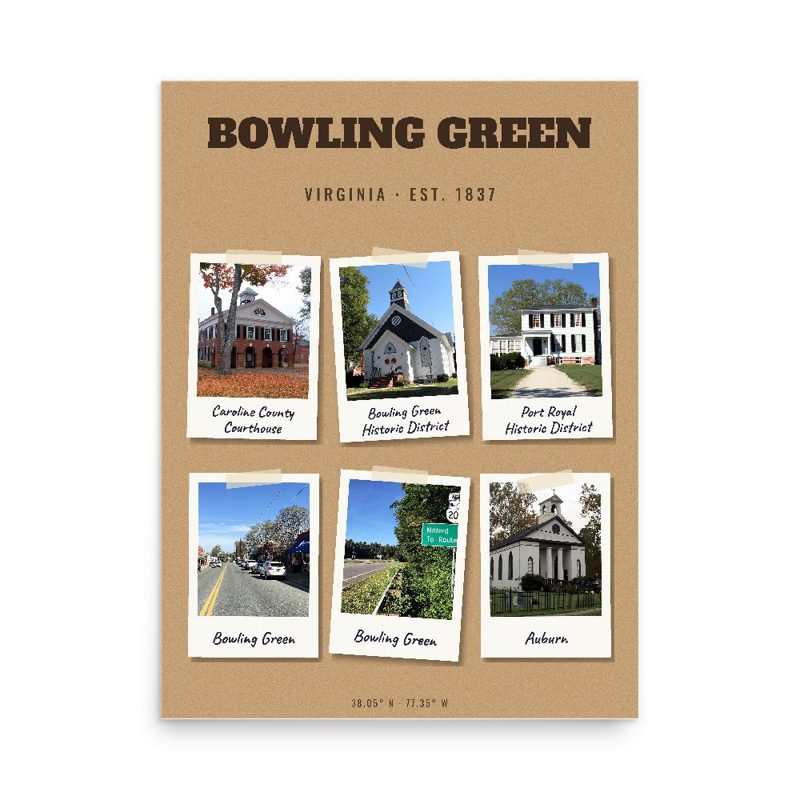
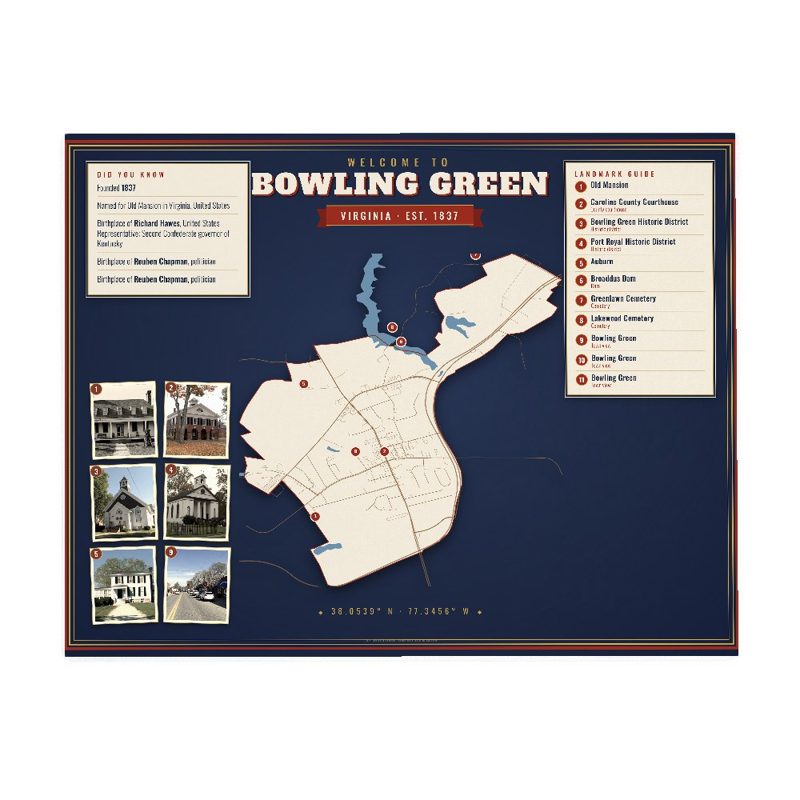
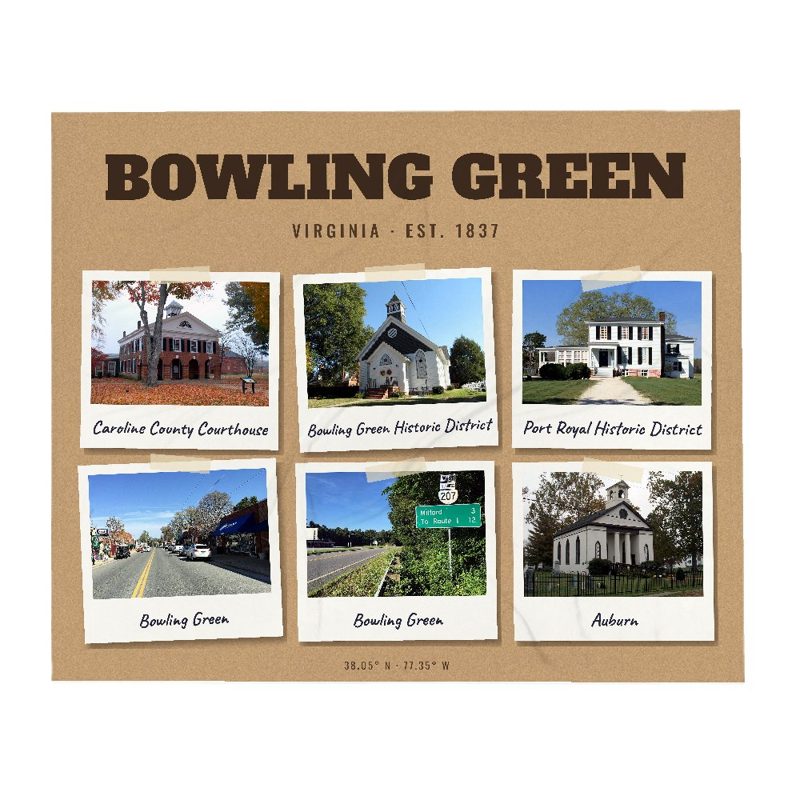
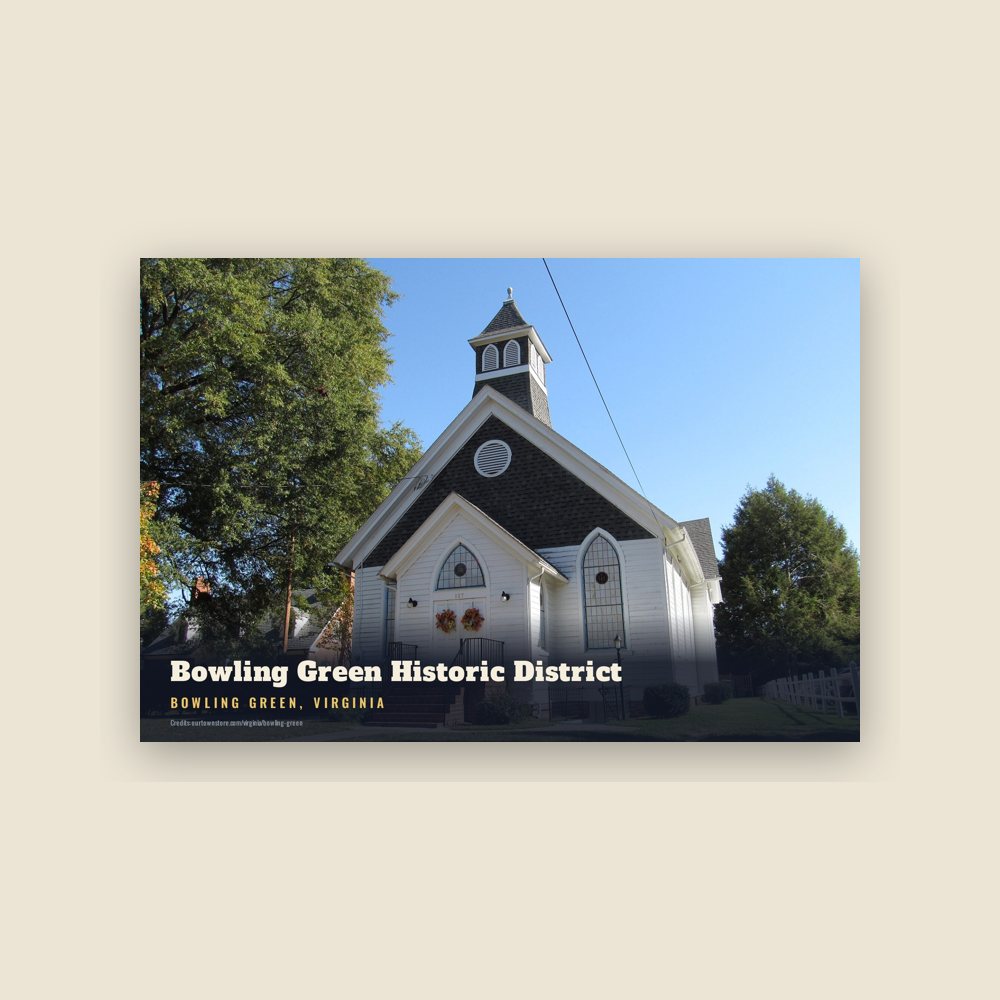
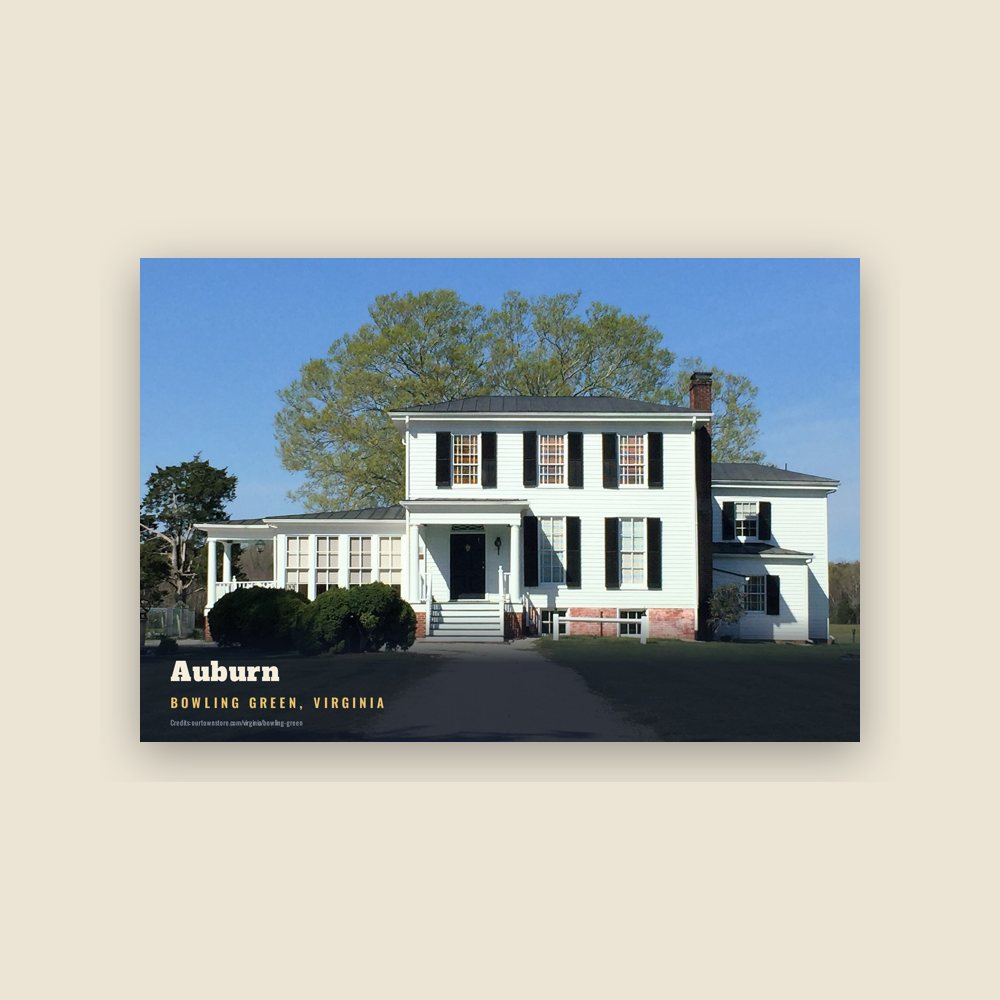
In addition to "The Bowling Green," Auburn, the Bowling Green Historic District, Caroline County Courthouse, and Green Falls are listed on the National Register of Historic Places.
Adapted (trimmed) from the Wikipedia article Bowling Green, Virginia, revision 1382595691 by its contributors, licensed CC BY-SA 4.0.
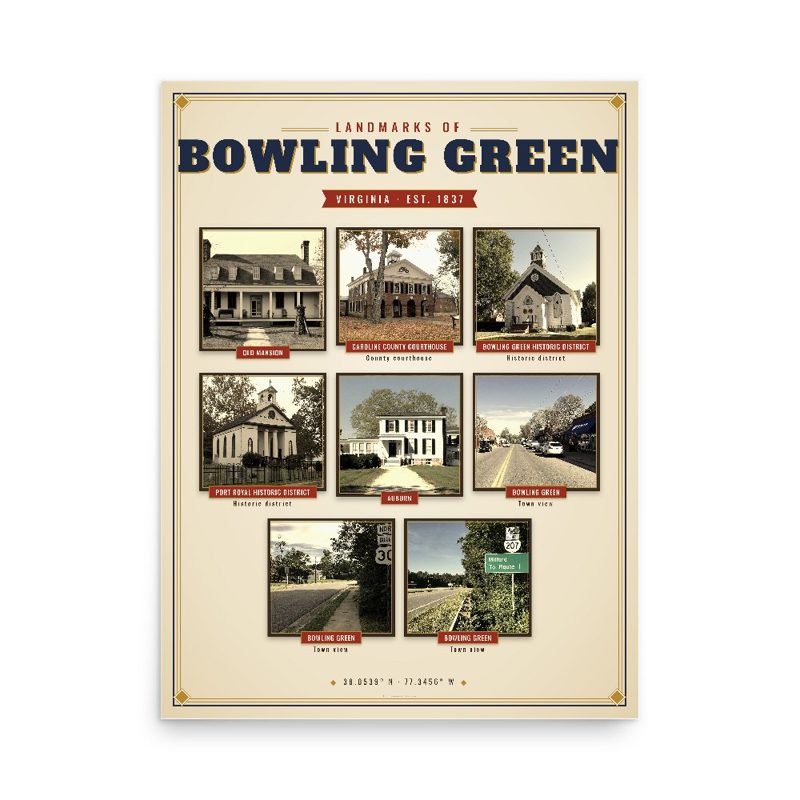






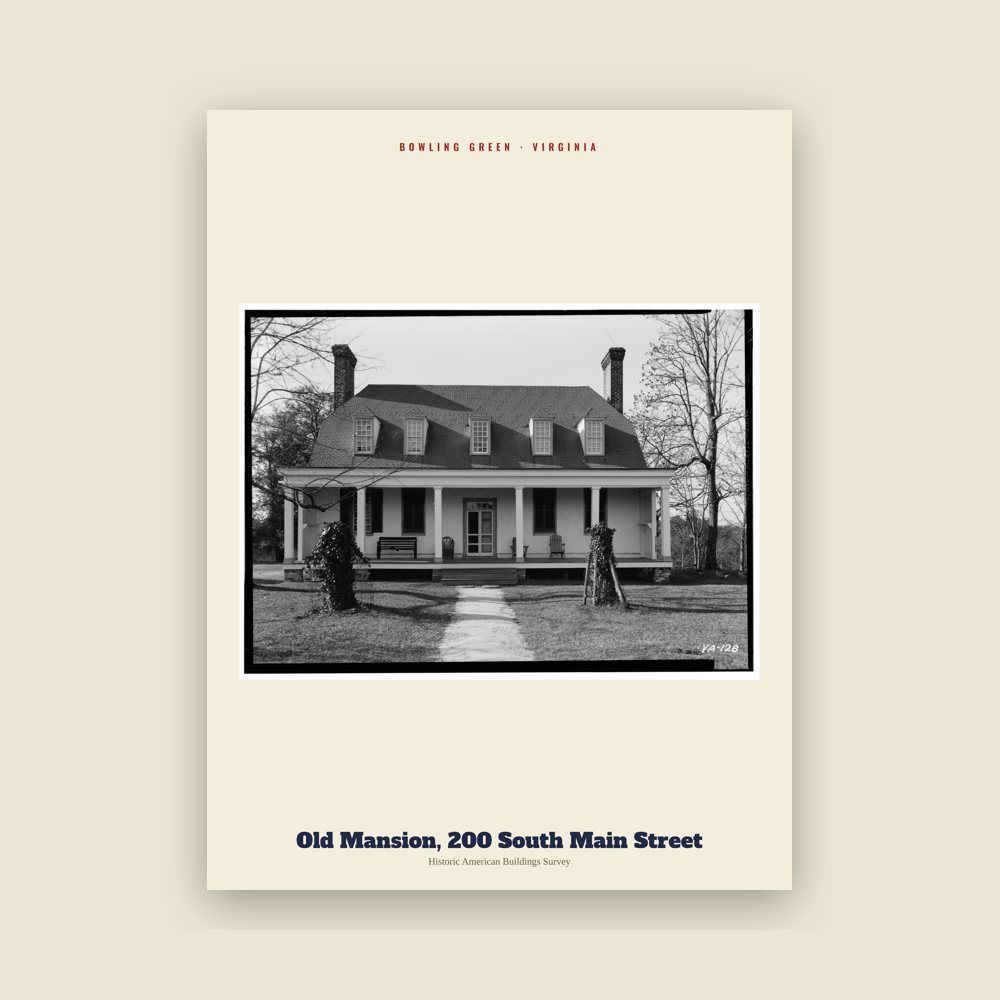
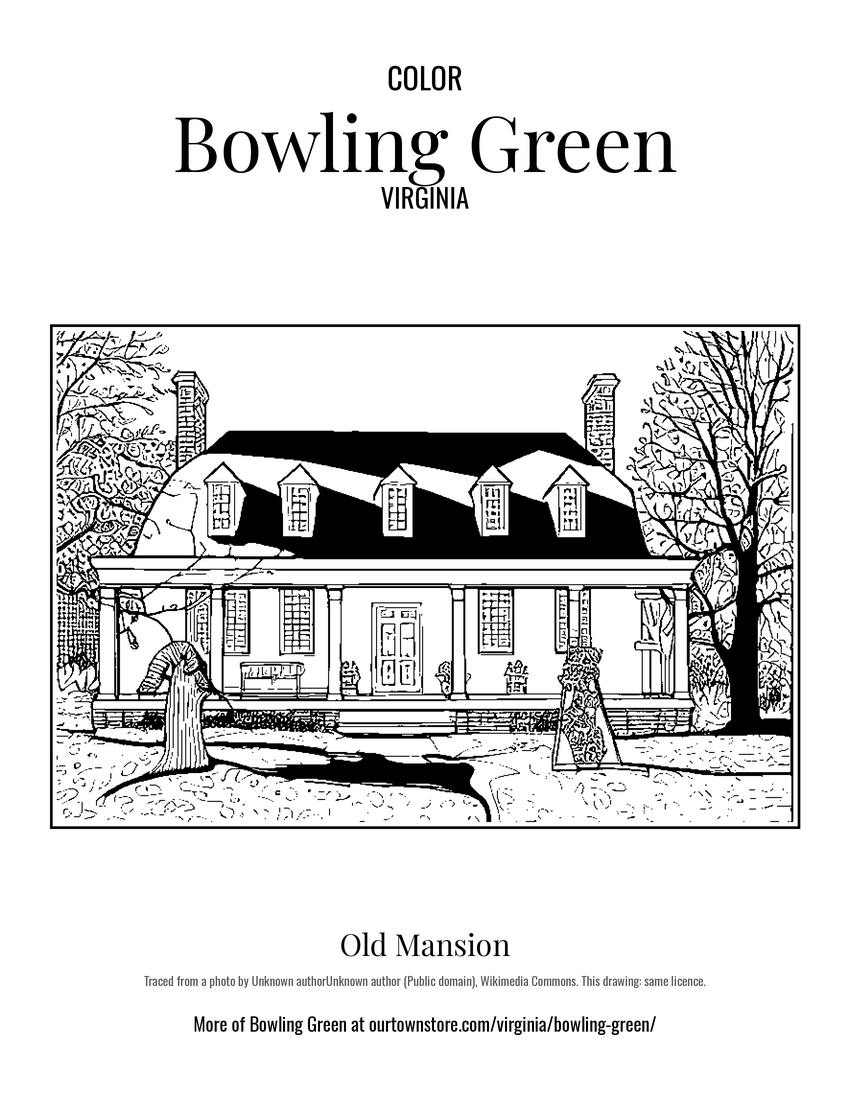 Old Mansion
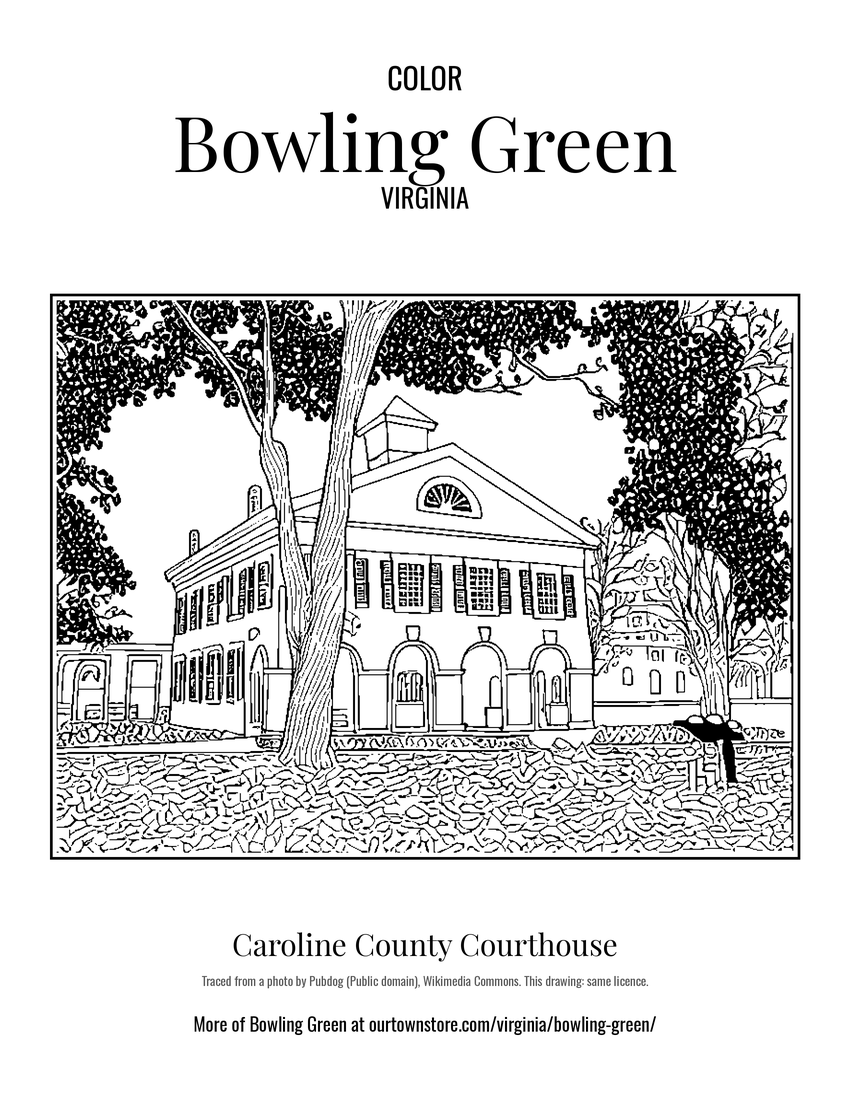 Caroline County Courthouse
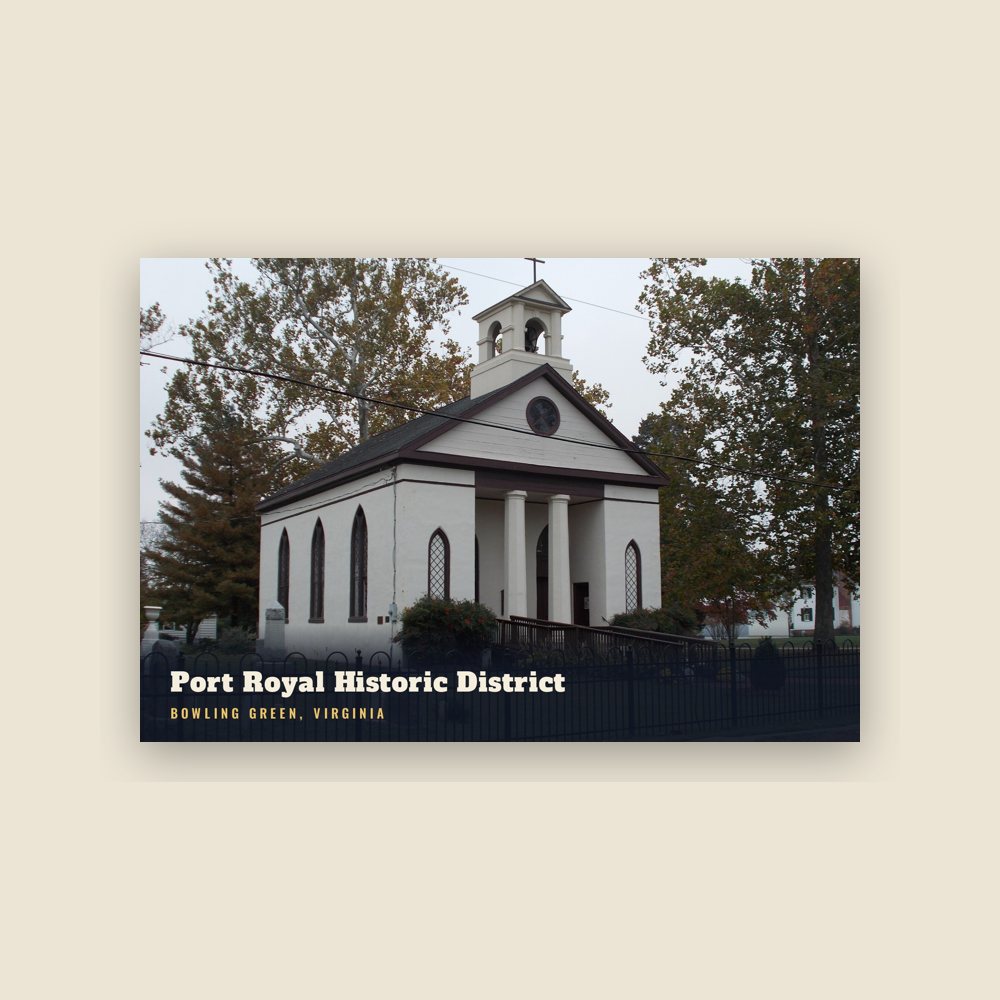
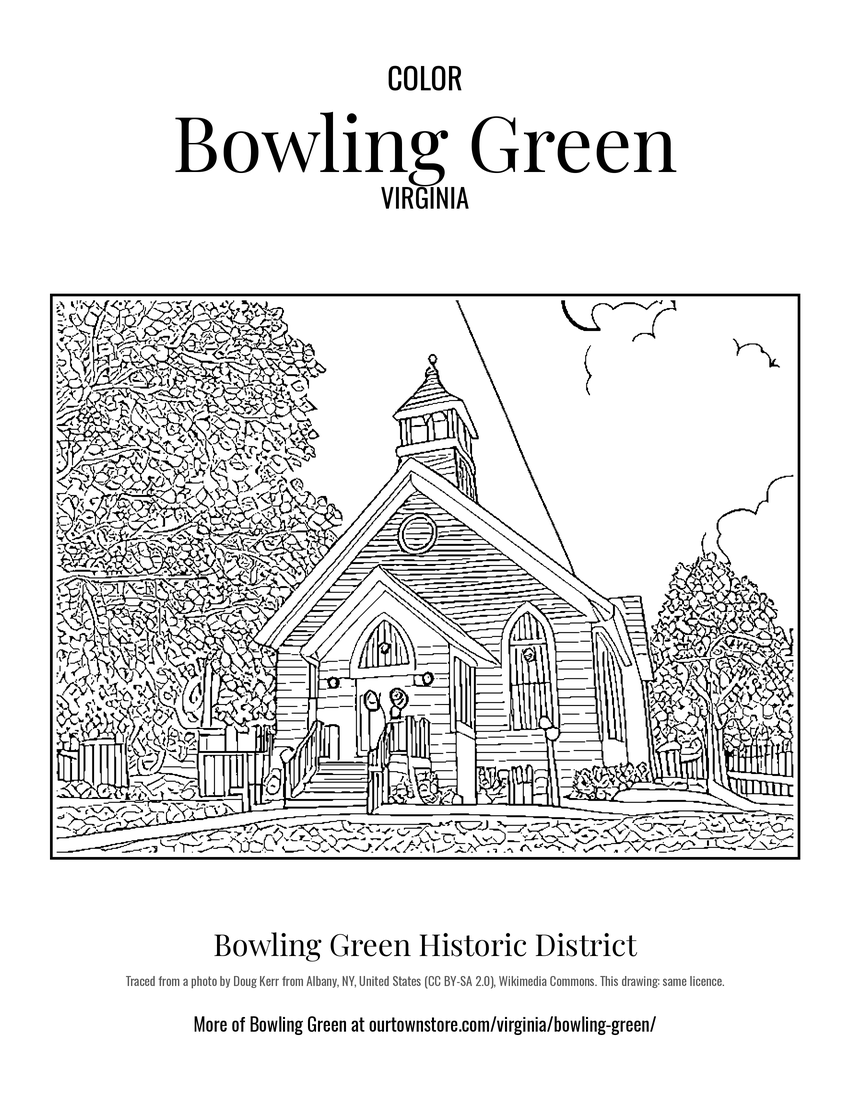 Bowling Green Historic District
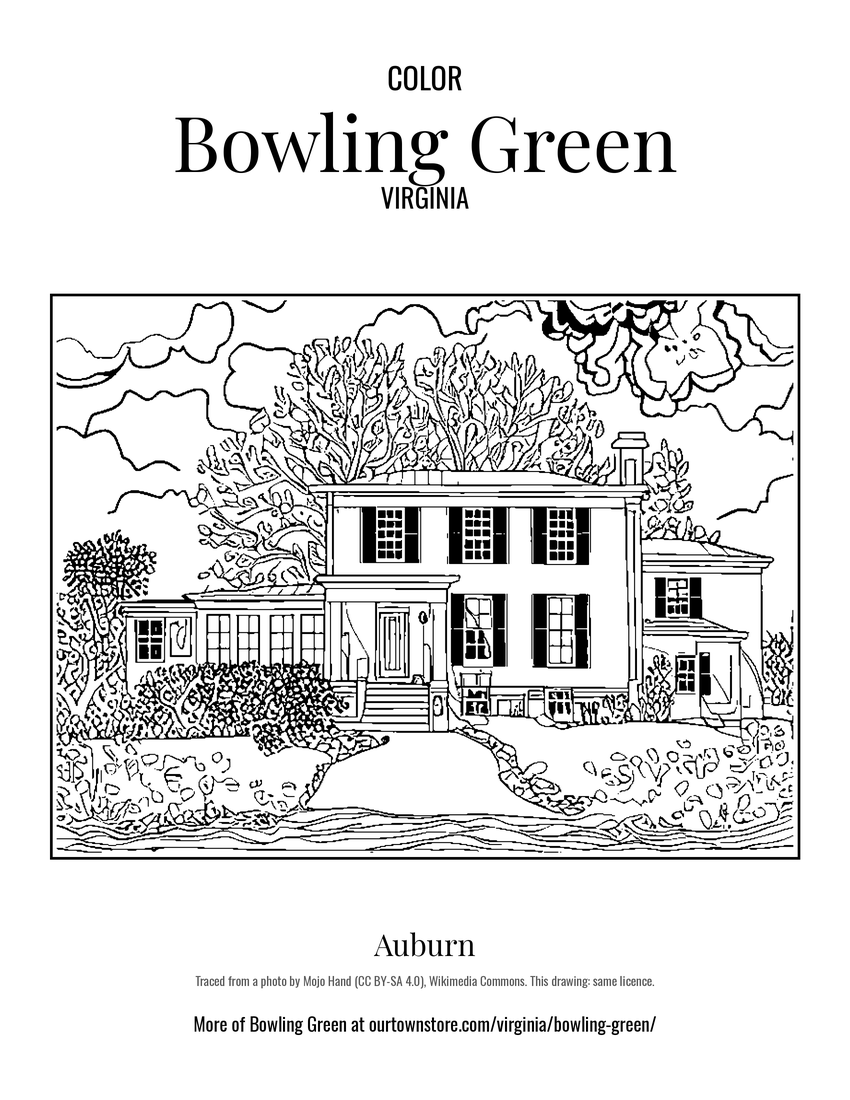 Auburn