A short history of Appomattox
The town is named for the Appomattox River, which was named after the Appomattoc Native American tribe, one of the Algonquian-speaking Powhatan Confederacy, historically based in the coastal area and encountered by the English before the tribes of the Piedmont. The Appamatuck historically lived somewhat to the east of the present town, around the area of present-day Petersburg. At the time of European encounter, the area of Appomattox County above the Fall Line was part of the territory of the Manahoac tribe, who spoke a Siouan language.
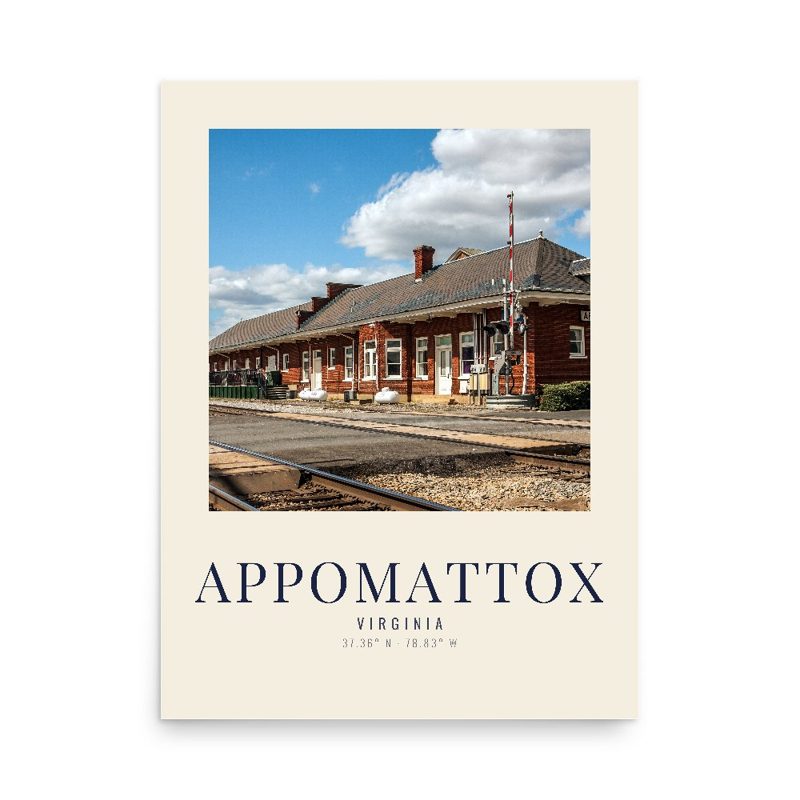
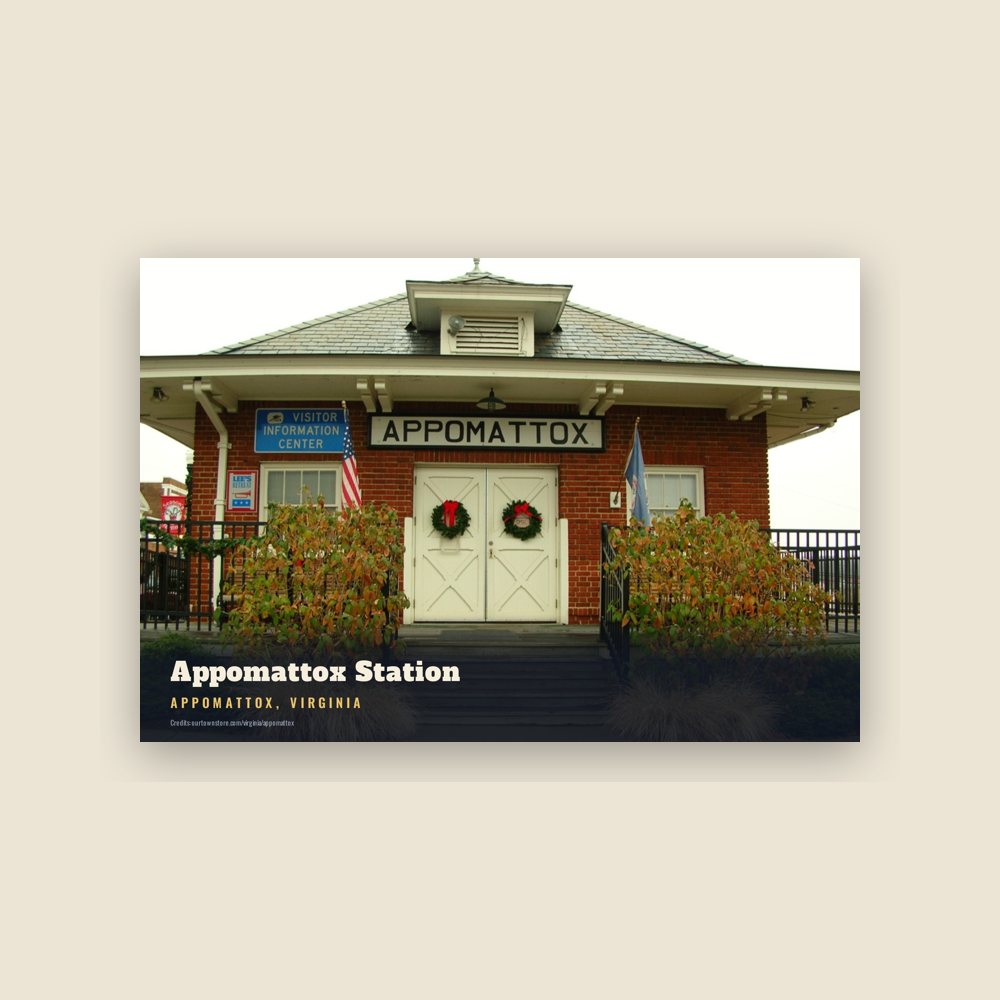
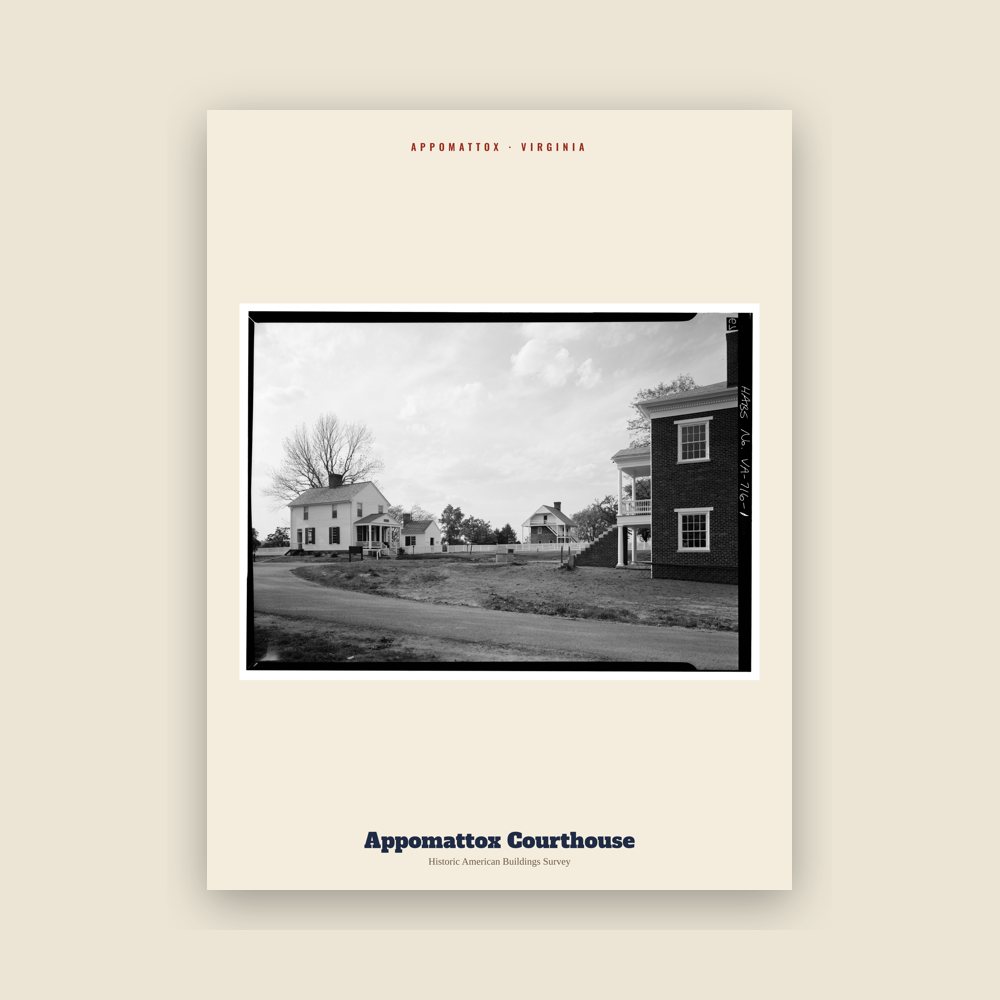
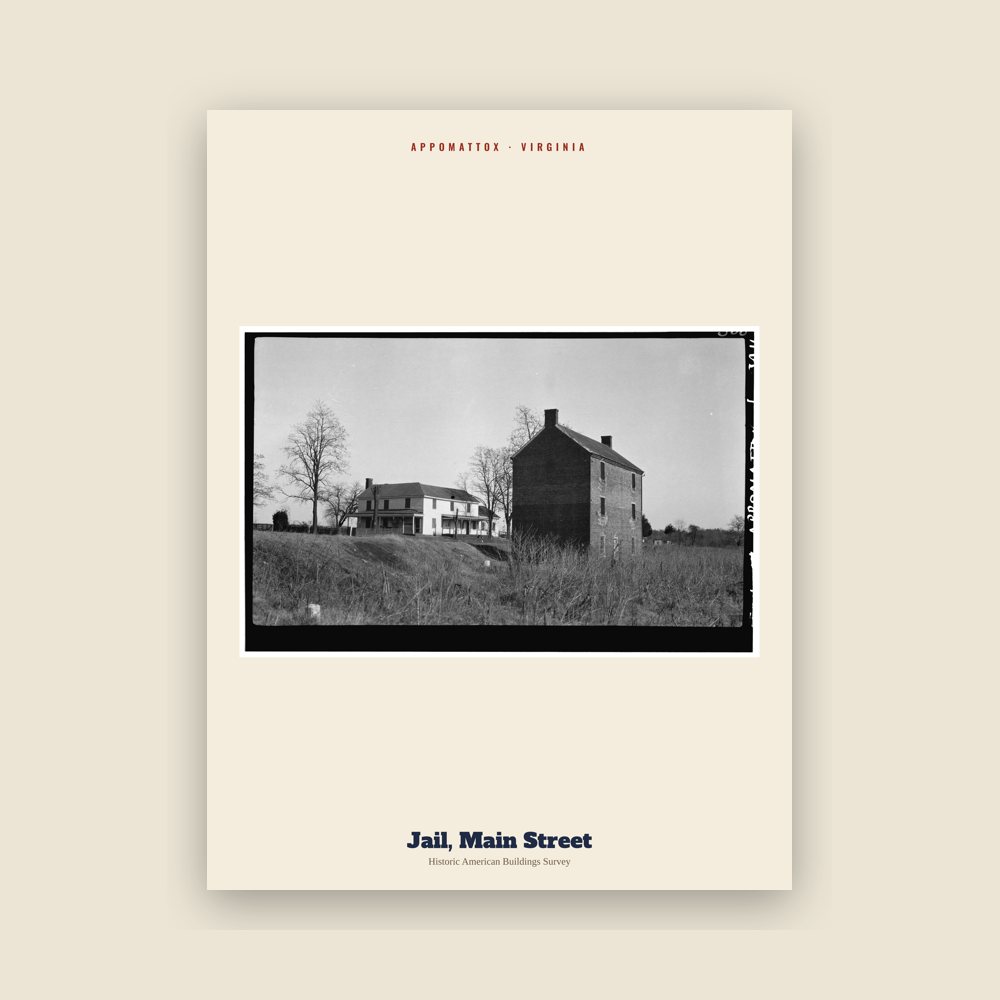
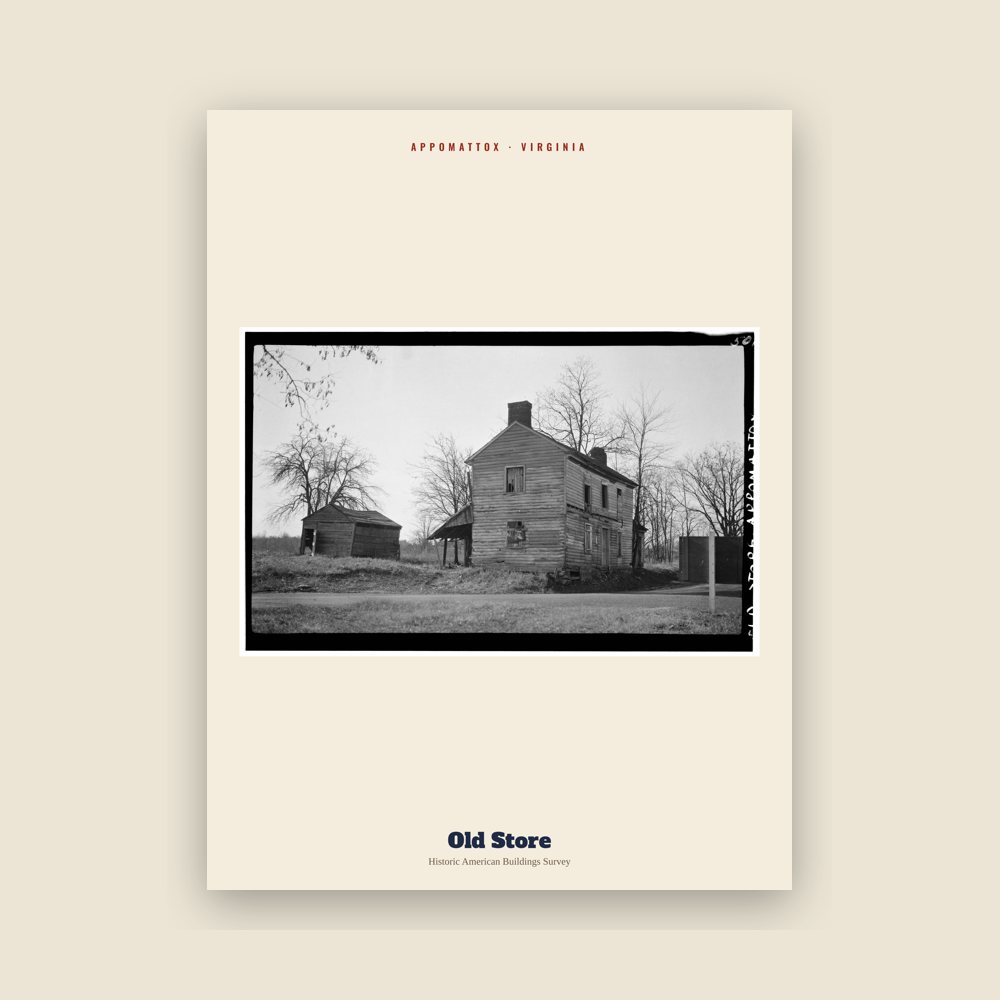
At the time of the Civil War, the present community of Appomattox was the site of a railroad depot, called Appomattox Station on the line between Petersburg and Lynchburg, a stop on the Southside Railroad. The station is three miles west of the restored historic village of Appomattox Court House, the site of Confederate General Robert E. Lee's surrender to Union General Ulysses S. Grant on April 9, 1865, which essentially ended the American Civil War. The area is preserved as Appomattox Court House National Historical Park and is administered by the National Park Service.
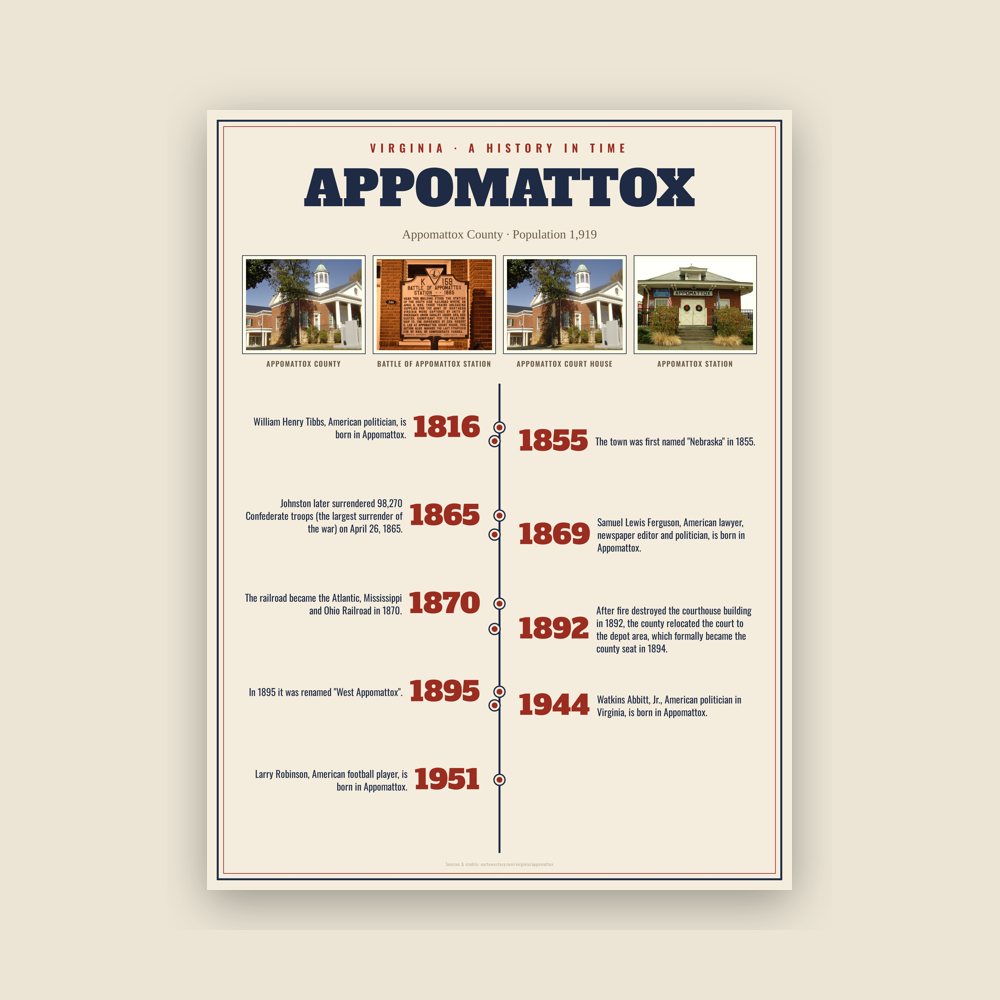
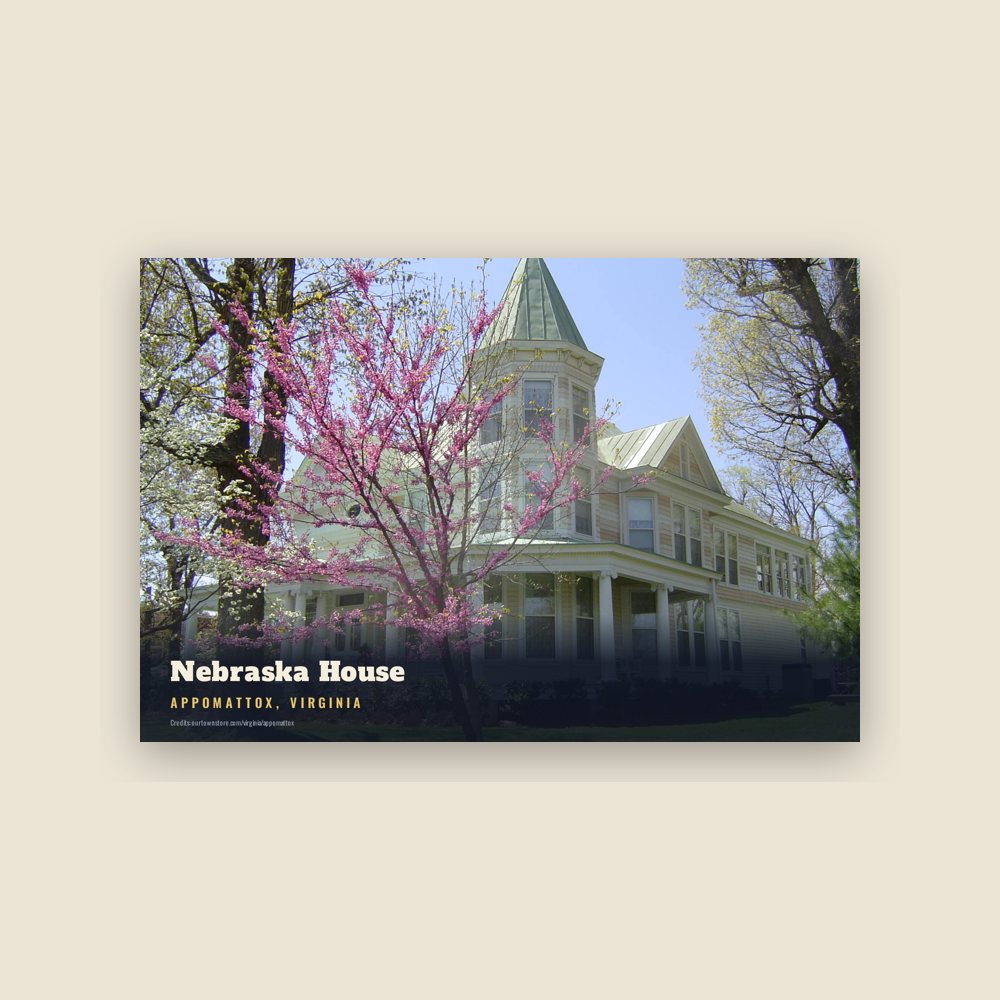
The town was first named "Nebraska" in 1855. In 1895 it was renamed "West Appomattox". The first postmaster of "Nebraska, Virginia", was Samuel D. McDearmon.
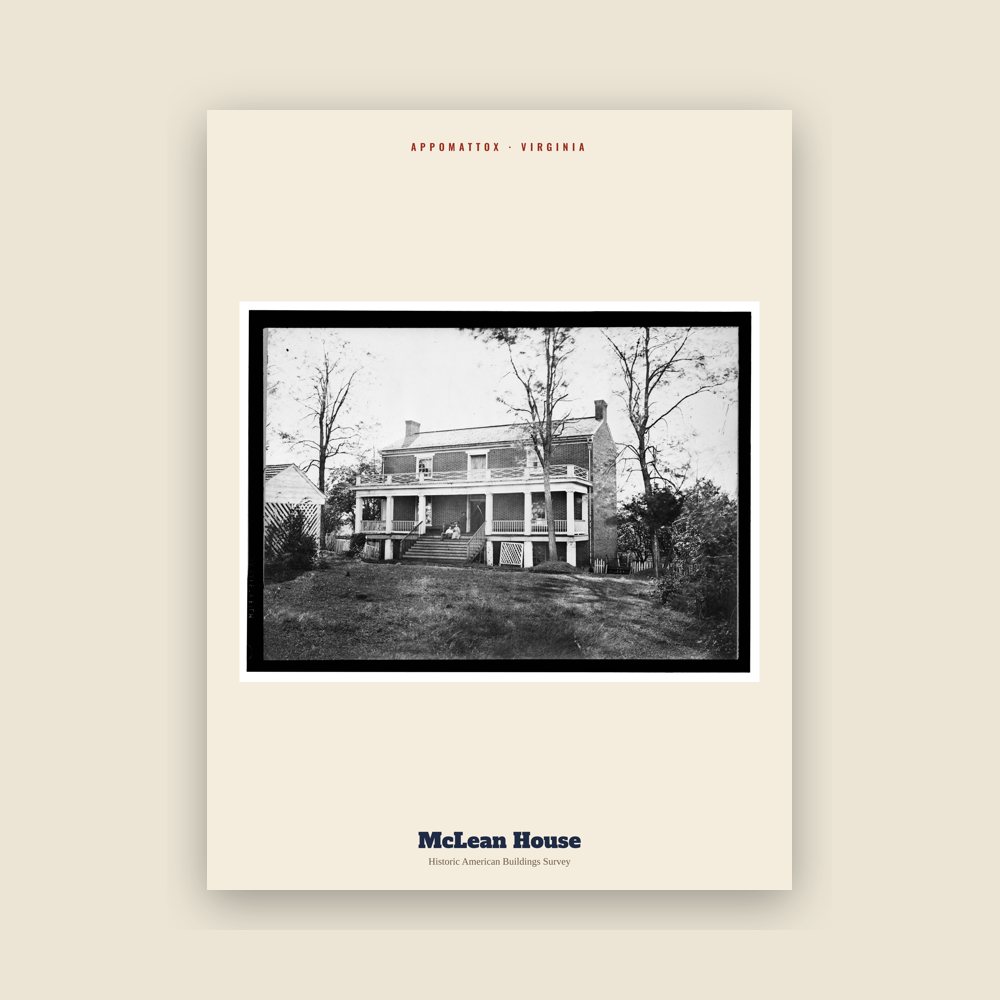
Near the end of the Civil War, Robert E. Lee made a last attempt to reach the depot, hoping to transport the Army of Northern Virginia south by railroad to meet Joseph E. Johnston's larger Army of Tennessee, then located in Greensboro, North Carolina. The arrival of Federal troops and their blocking Lee's army from the depot led to Lee's surrender in the home of Wilmer McLean, on April 9. Johnston later surrendered 98,270 Confederate troops (the largest surrender of the war) on April 26, 1865.
Today, each April, the Appomattox Court House National Historical Park commemorates this event with a luminary ceremony, wherein a lantern is lit for each of the 4,600 slaves freed in Appomattox County alone.
The railroad became the Atlantic, Mississippi and Ohio Railroad in 1870. The inconvenience of the railroad's location to the original Appomattox Court House in the village of Clover Hill led to the decline of the courthouse community. After fire destroyed the courthouse building in 1892, the county relocated the court to the depot area, which formally became the county seat in 1894. The railroad became a line in the Norfolk and Western Railway and then the Norfolk Southern Railway.
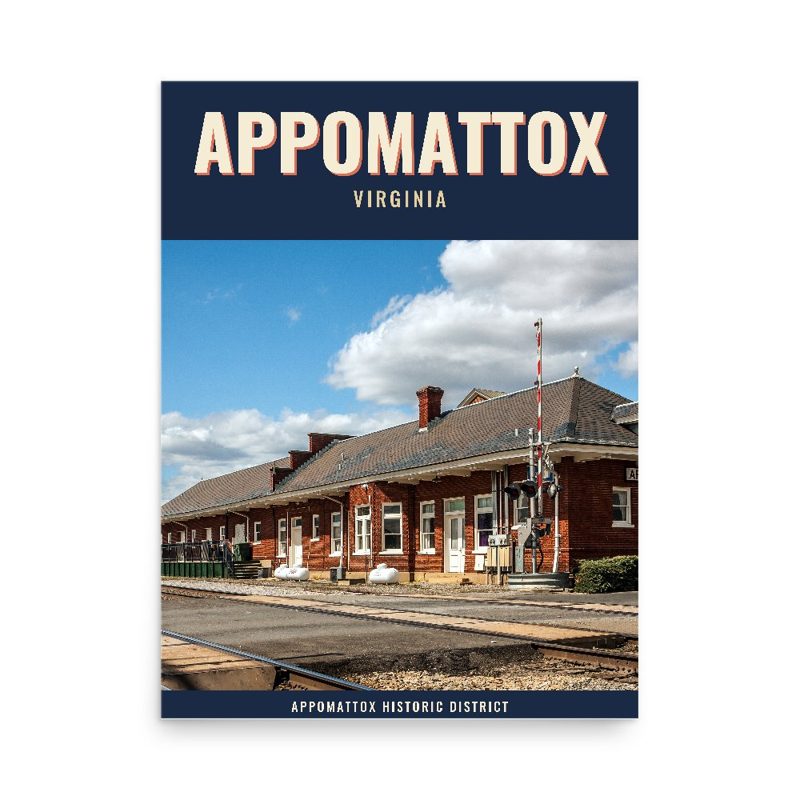
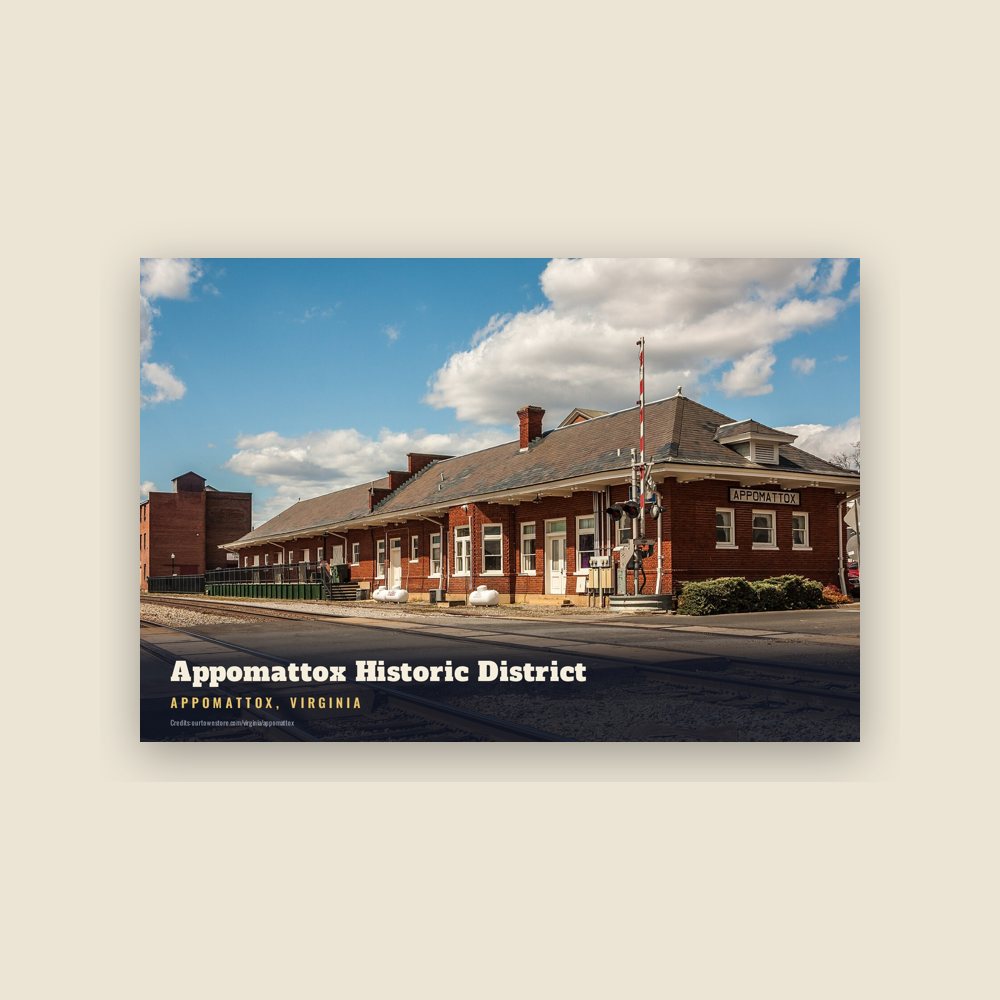
In addition to Appomattox Court House National Historical Park, the Appomattox River Bridge, Appomattox Historic District, Holiday Lake 4-H Educational Center, and Holliday Lake State Park are listed on the National Register of Historic Places.
Adapted (trimmed) from the Wikipedia article Appomattox, Virginia, revision 1378461116 by its contributors, licensed CC BY-SA 4.0.
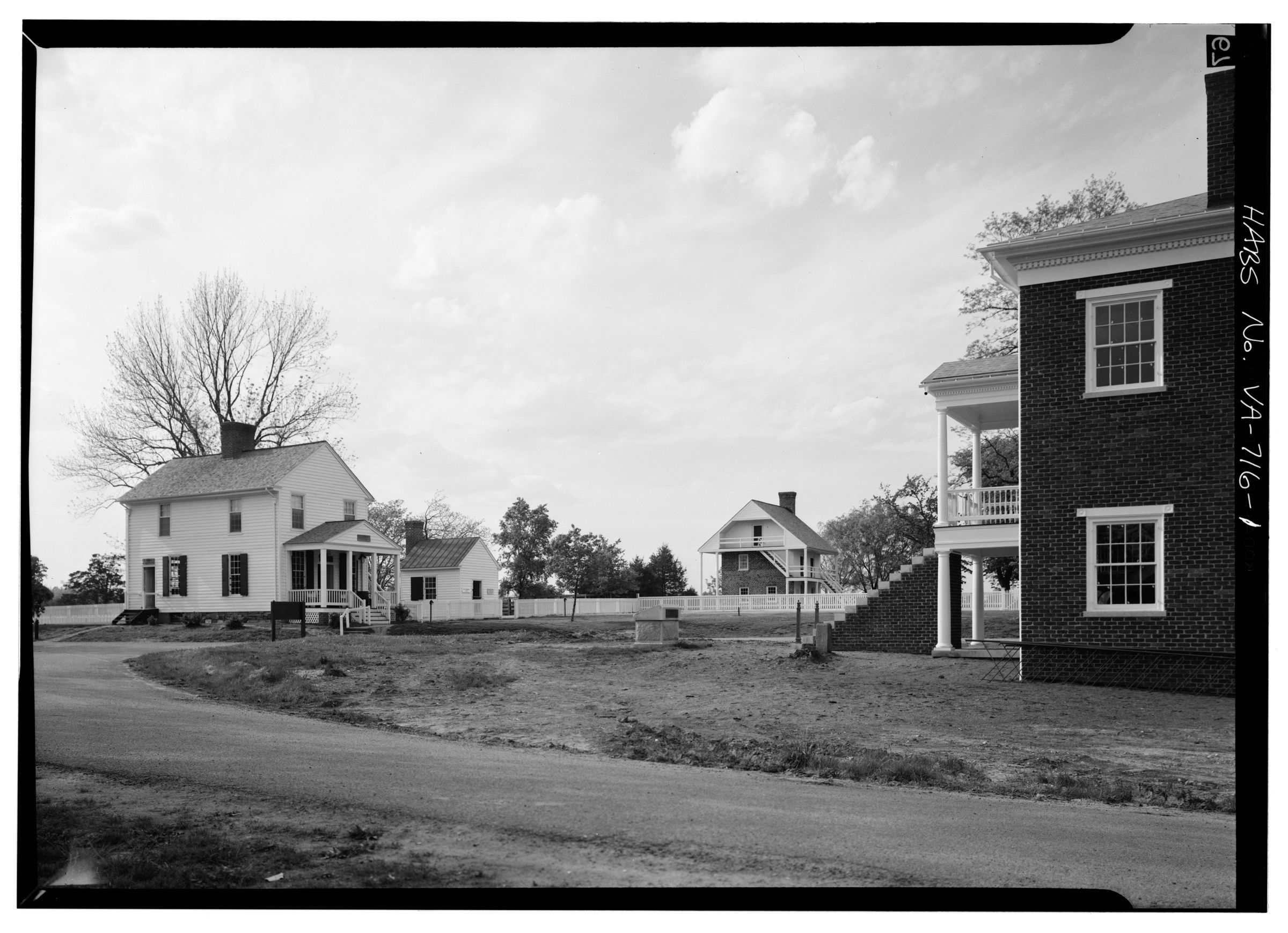
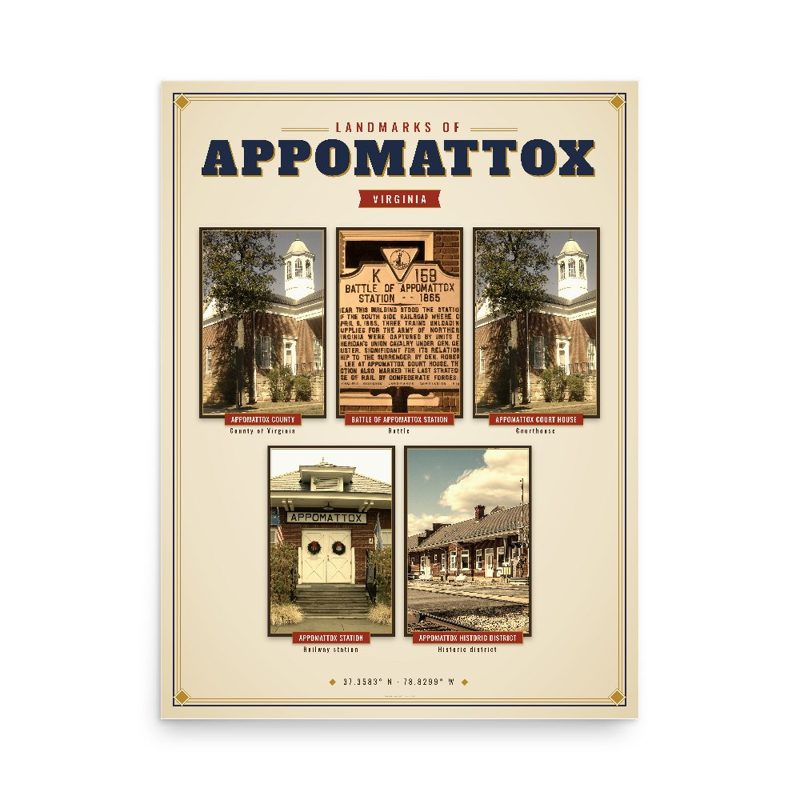


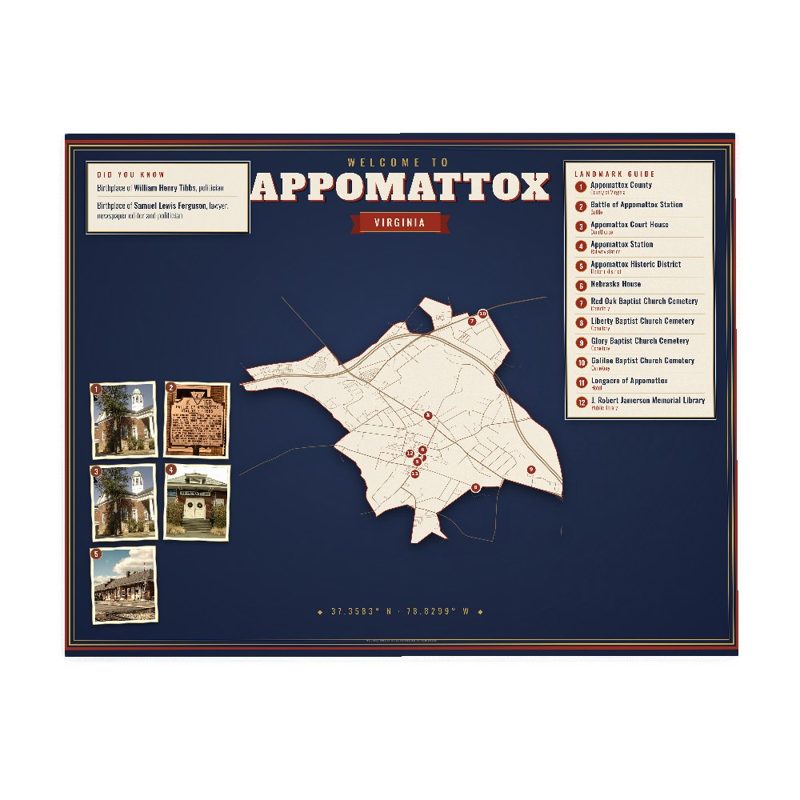

















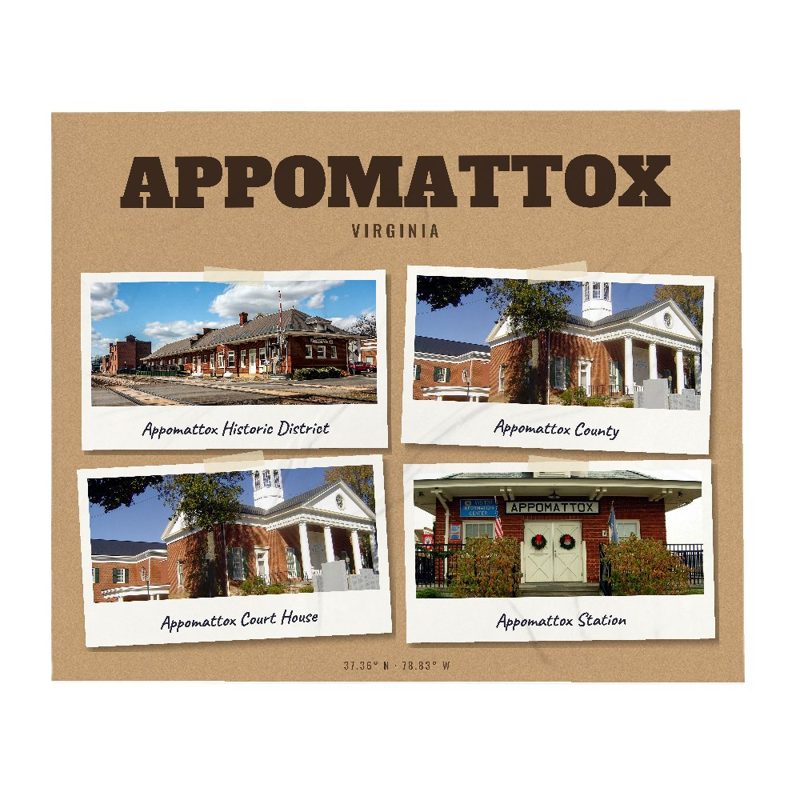

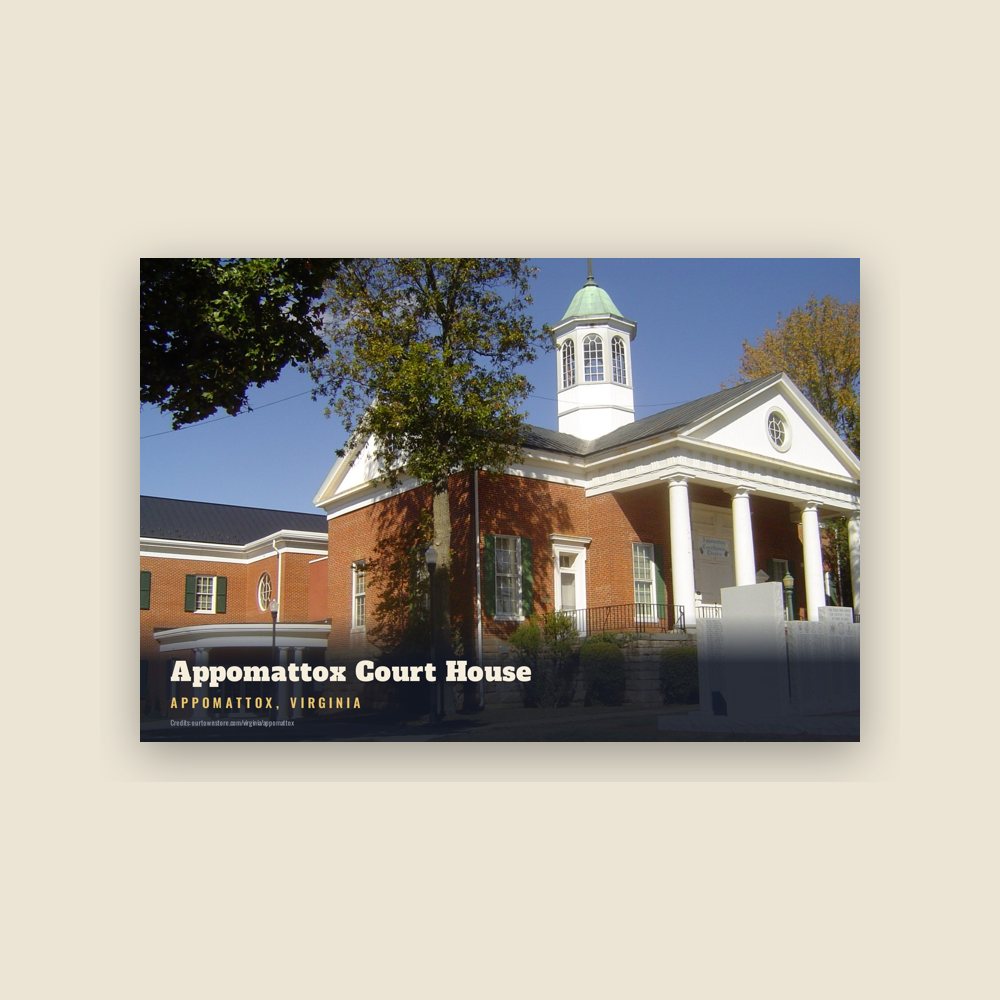


 Appomattox Court House
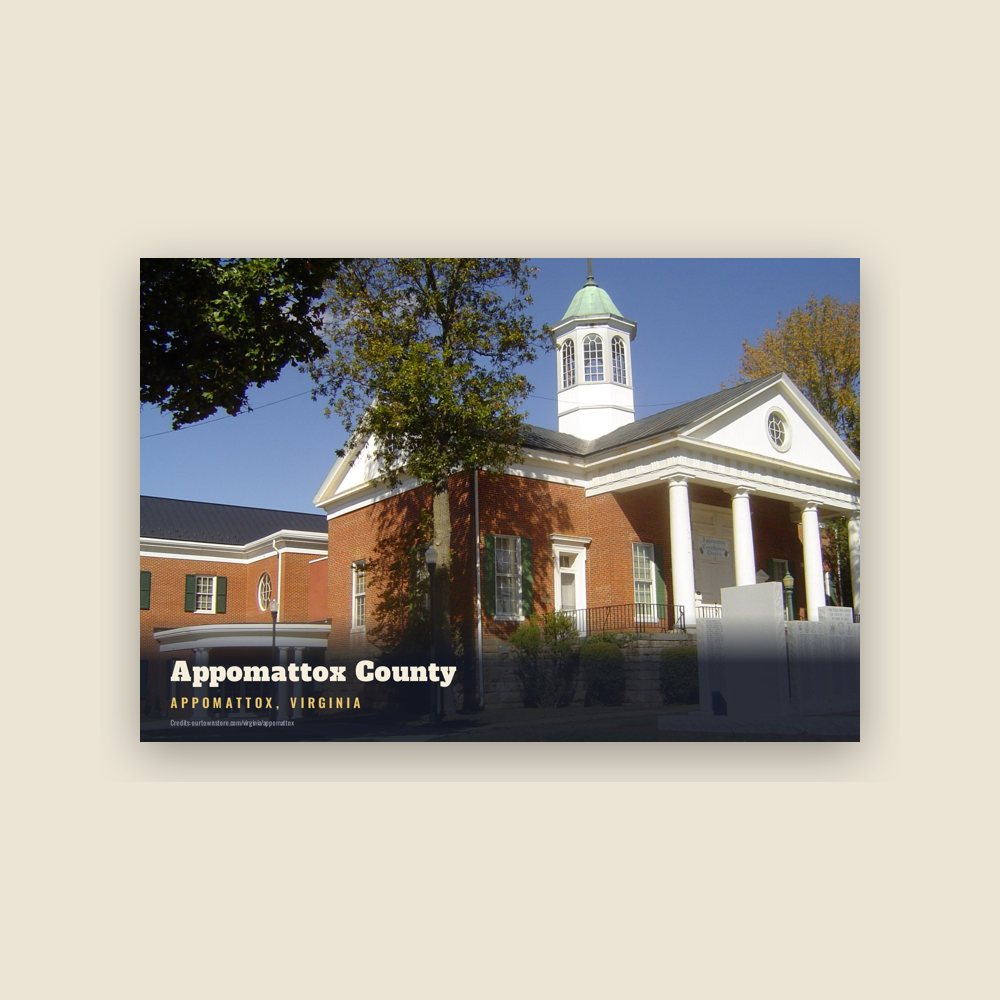
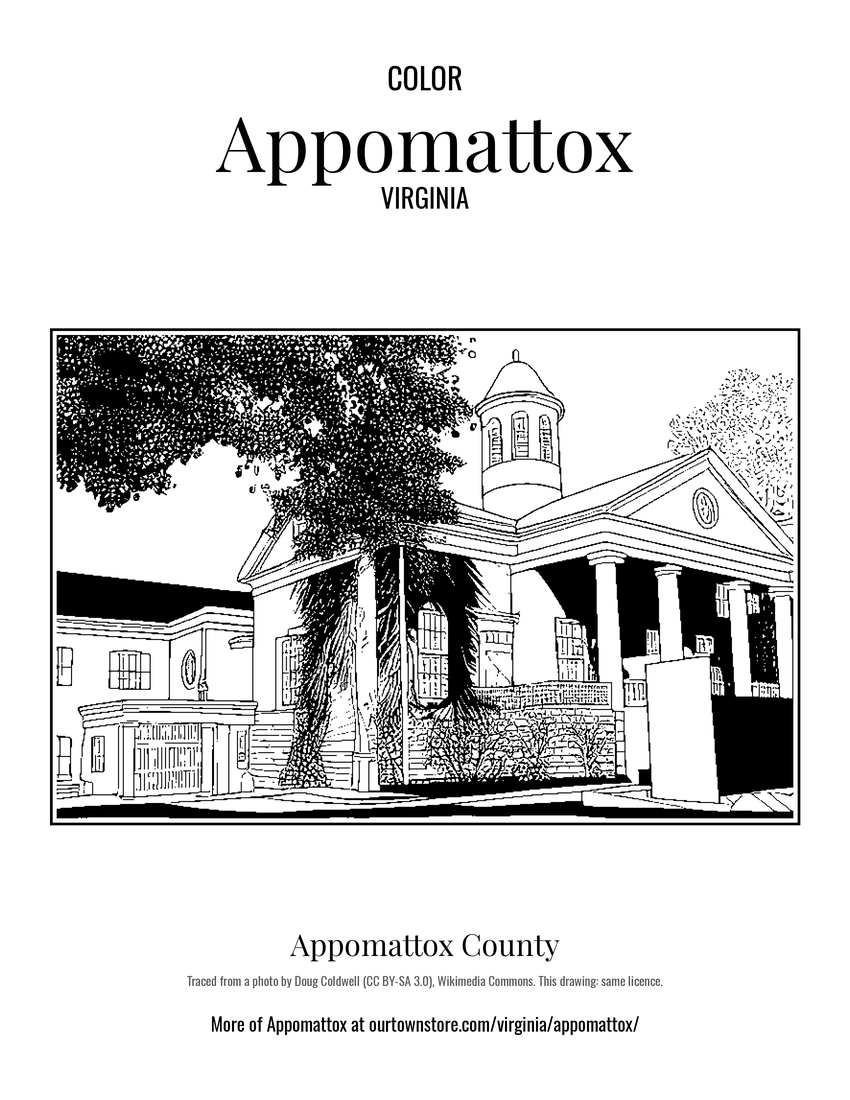 Appomattox County
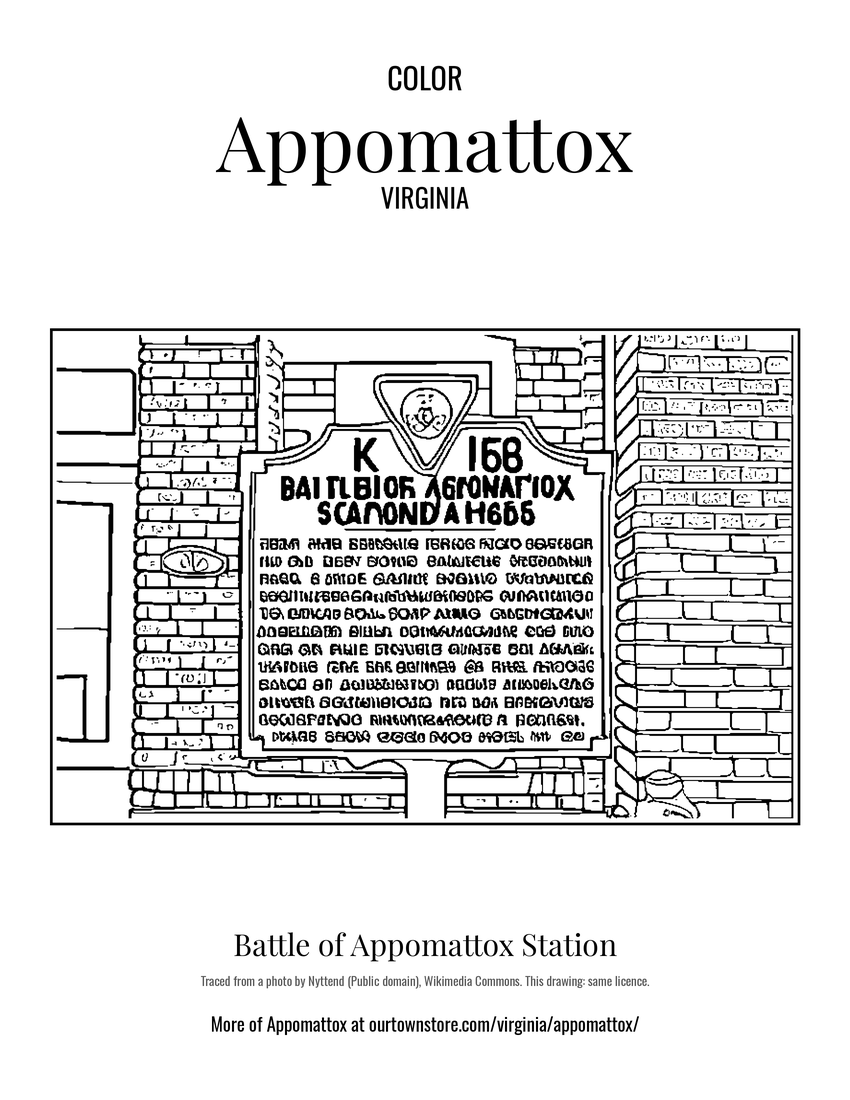 Battle of Appomattox Station
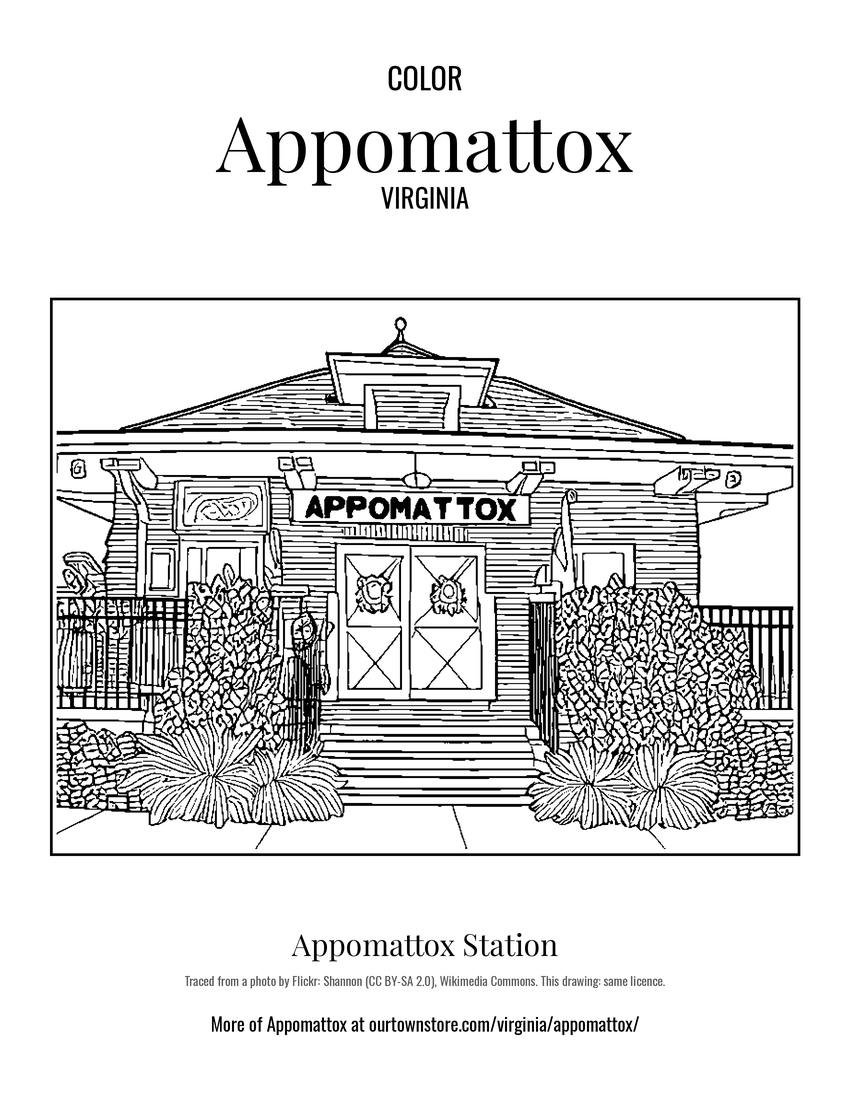 Appomattox Station