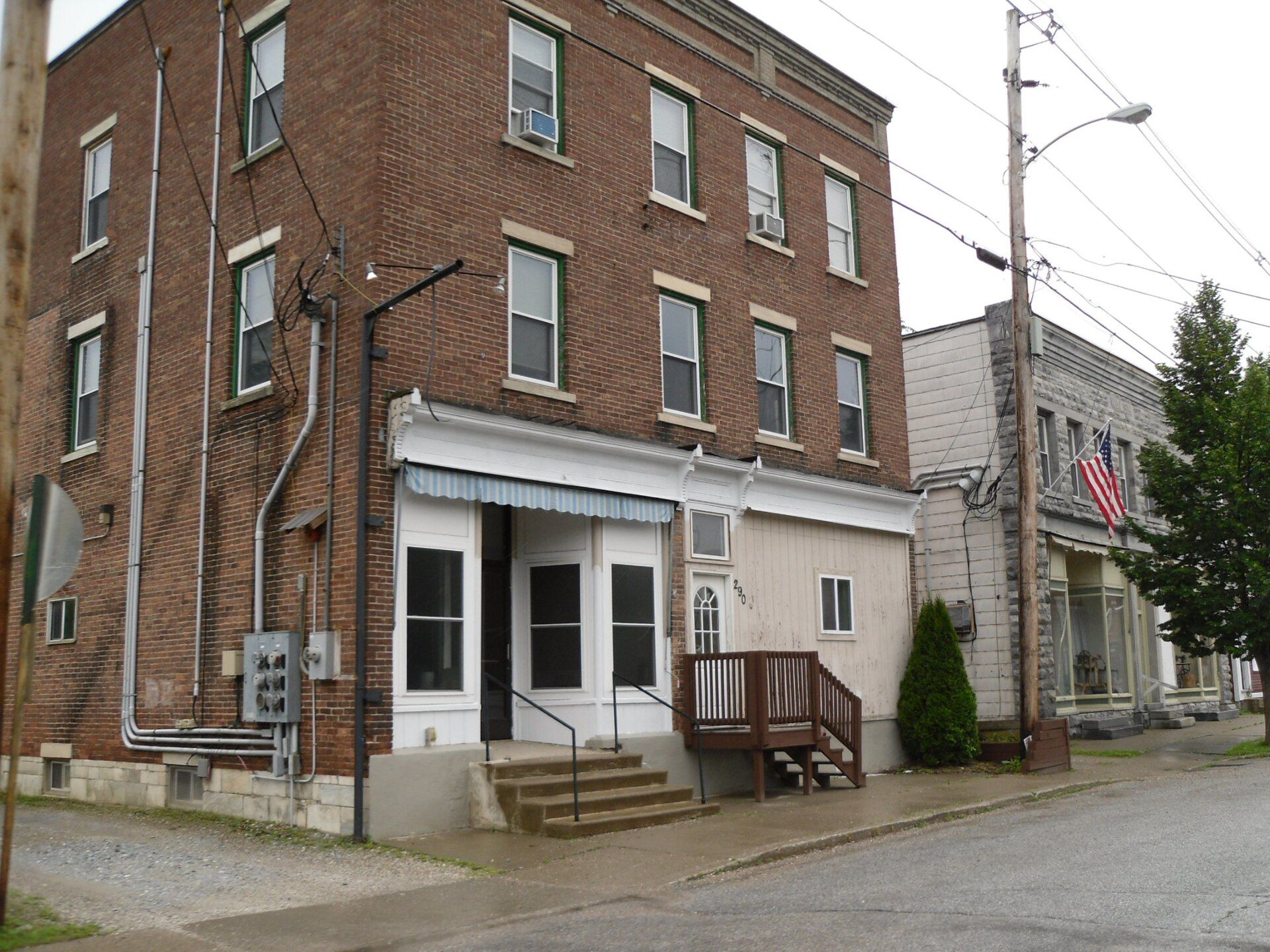
In the early 19th century, small high-quality marble deposits were discovered in Rutland, and in the 1830s a large deposit of nearly solid marble of high quality was found in what is now West Rutland. Landmarks include Rutland County, Marble Street Historic District and West Rutland Town Hall. West Rutland is the birthplace of Charles Manley Smith, politician.
Every piece is drawn from West Rutland's own map data and historic archives, then printed and shipped from the USA when you order. No two towns look alike.
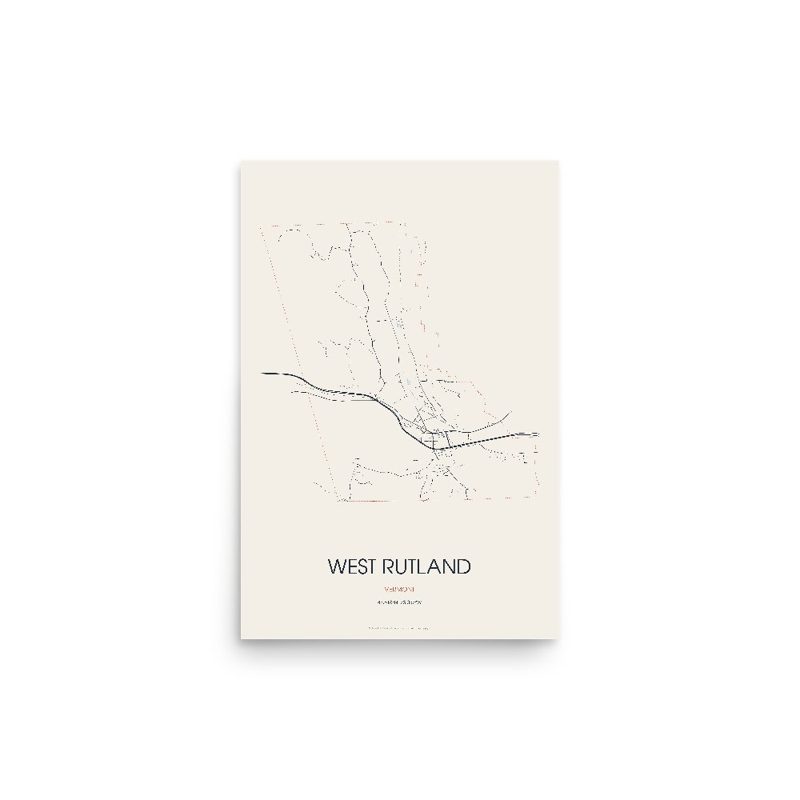
Every road in town, on archival matte paper
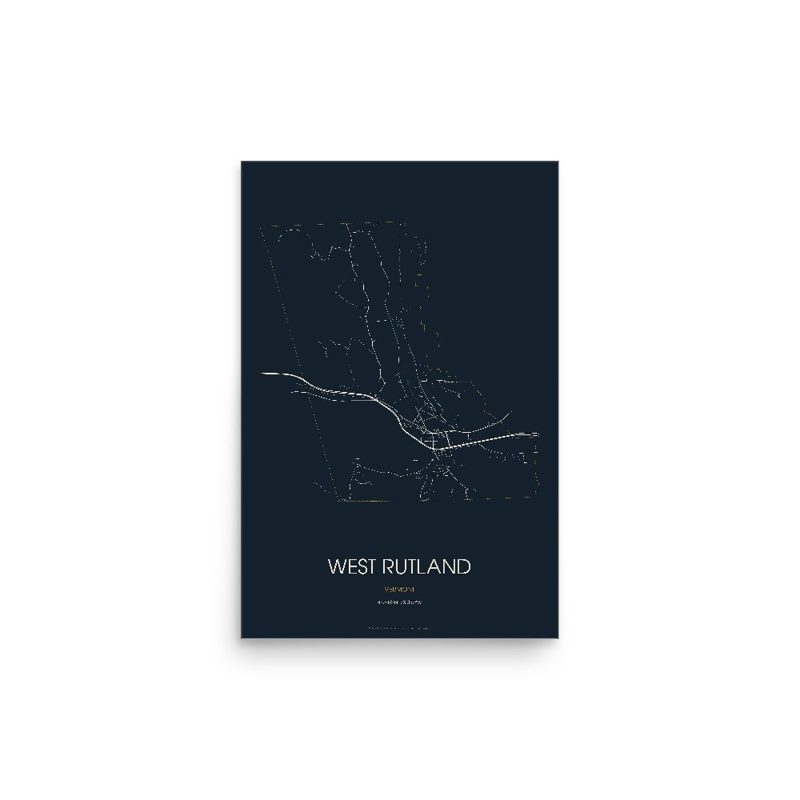
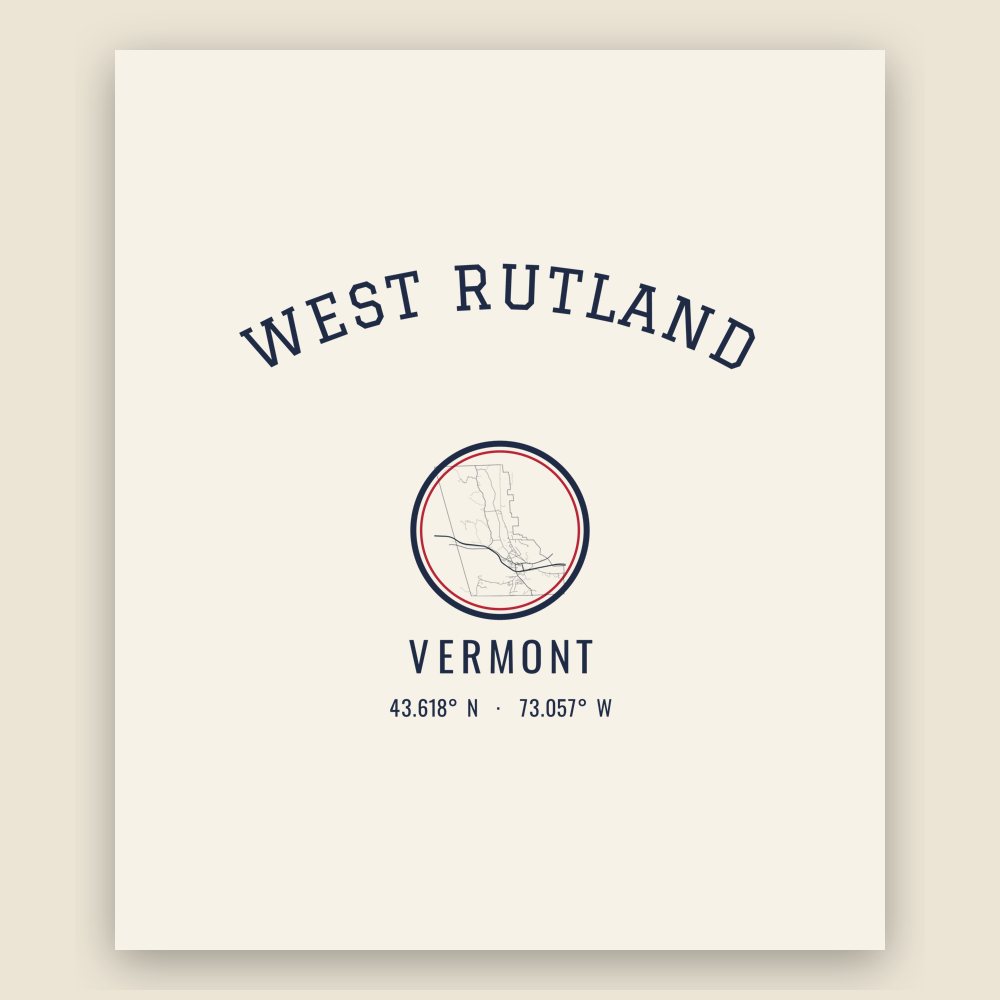
The same map, in navy and silver
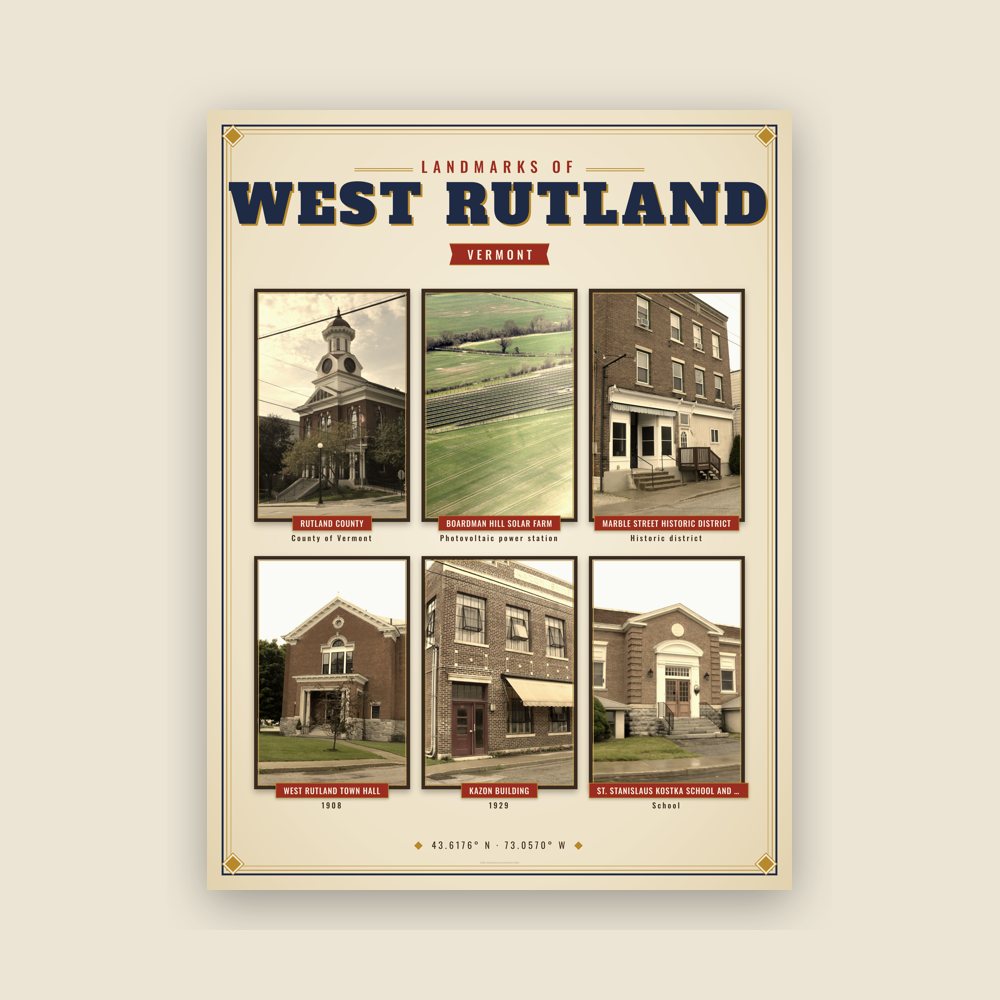
Nine local landmarks, archival matte
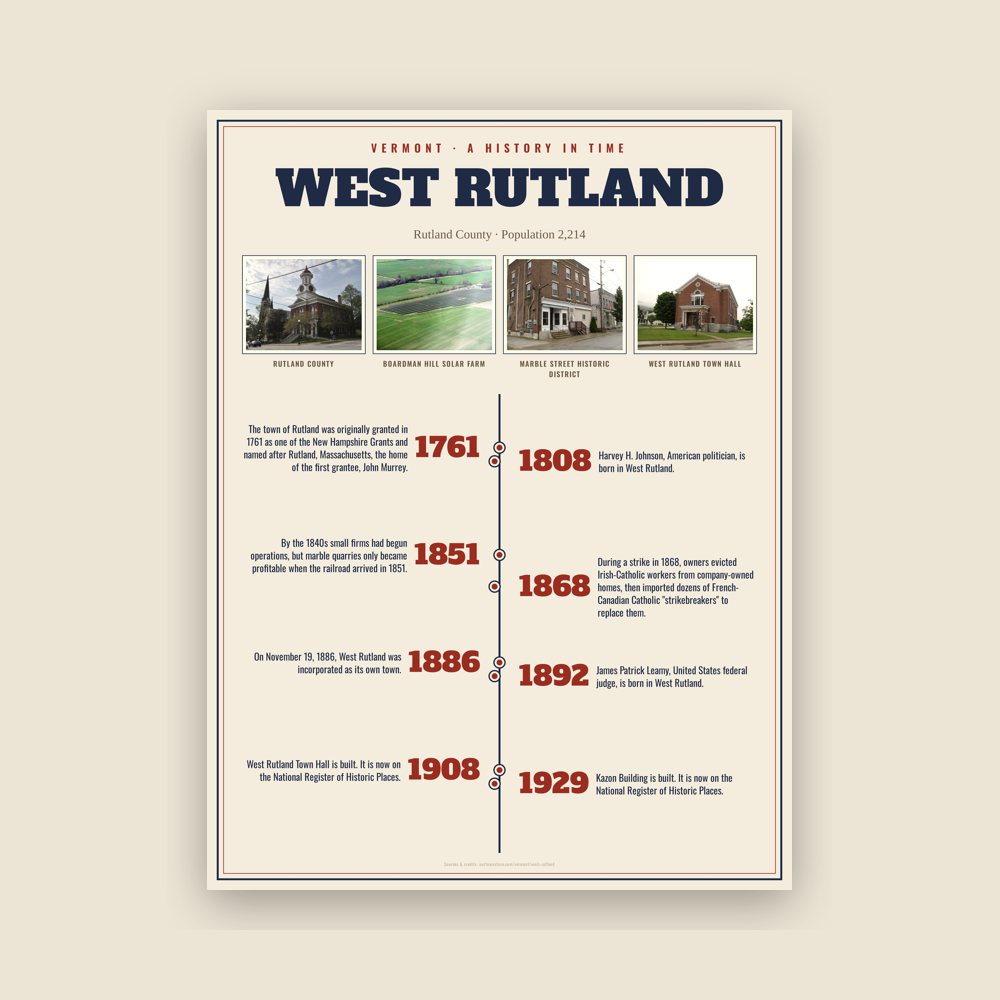
The town's story in dates, from its own records, for home or classroom
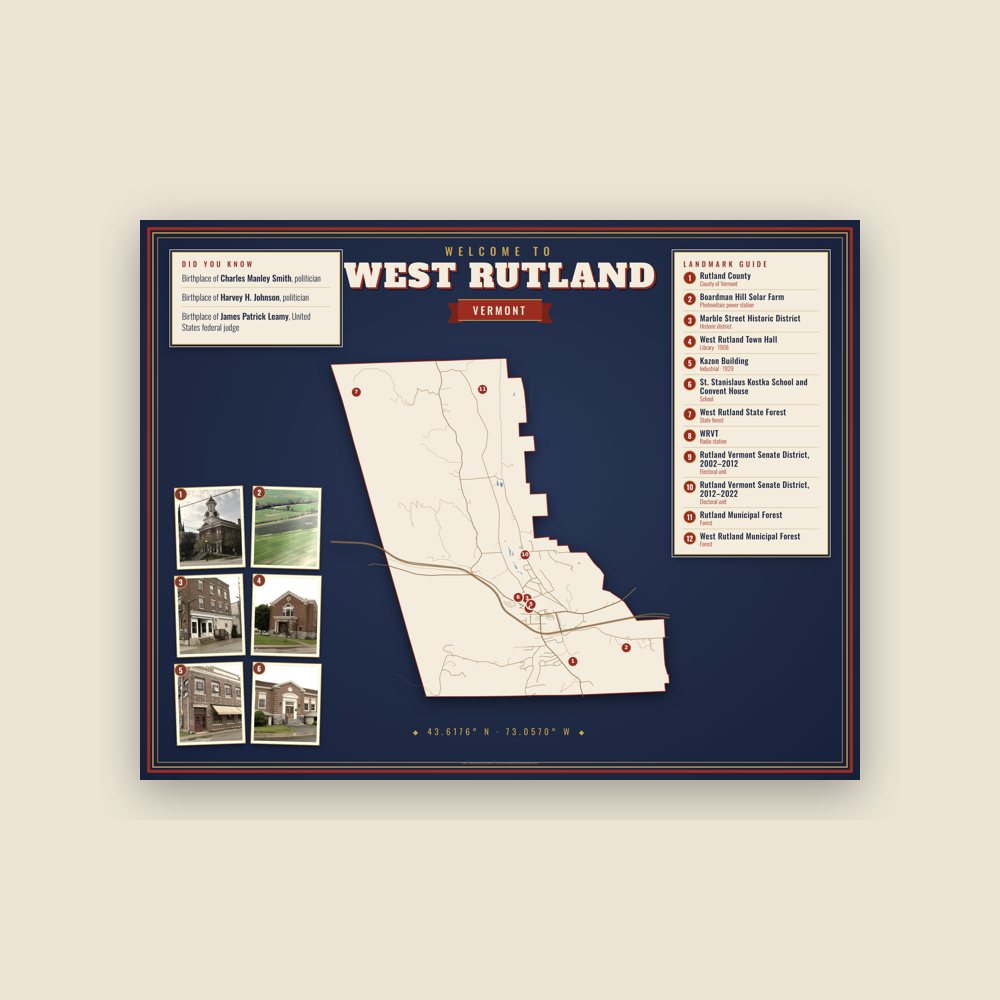
Map of local landmarks, washable fabric
Heavy-blend fleece, street map printed on the back
Soft Bella+Canvas jersey
Glossy ceramic, dishwasher safe
Ceramic keepsake, gold ribbon
Weatherproof, for the front walk
24″×16″, printed coir-look fibers, rubber back
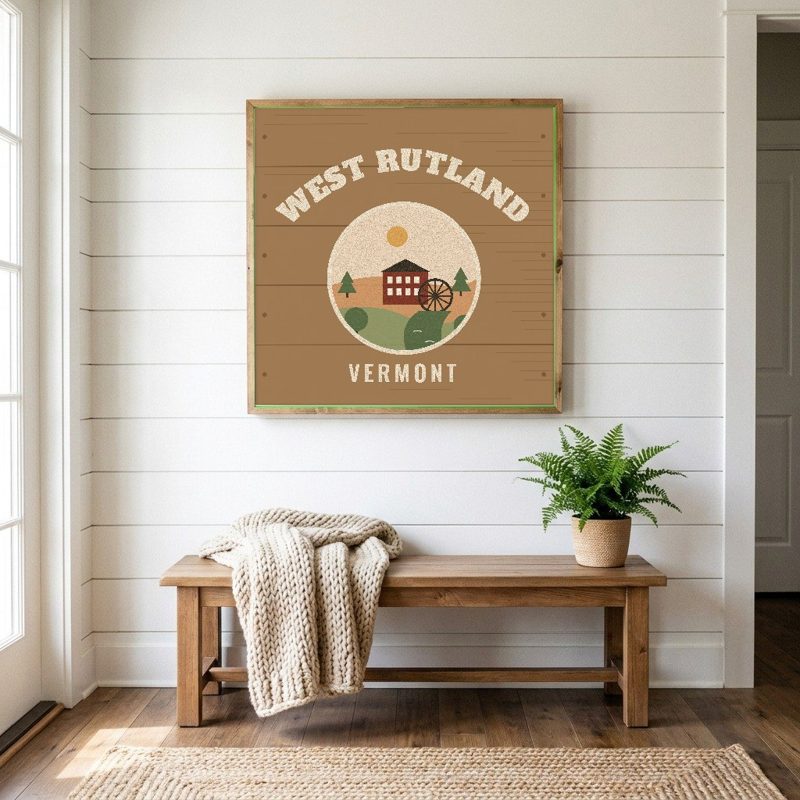
12″×12″ printed wood, ready to hang
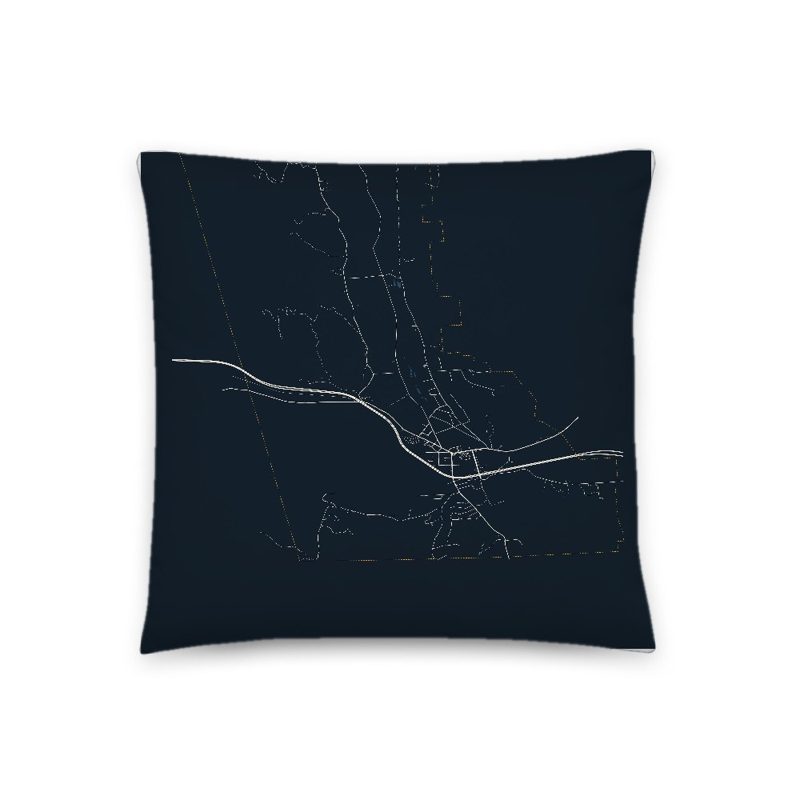
Soft-touch, zip cover
Sturdy all-over-print tote
Glossy top, cork back
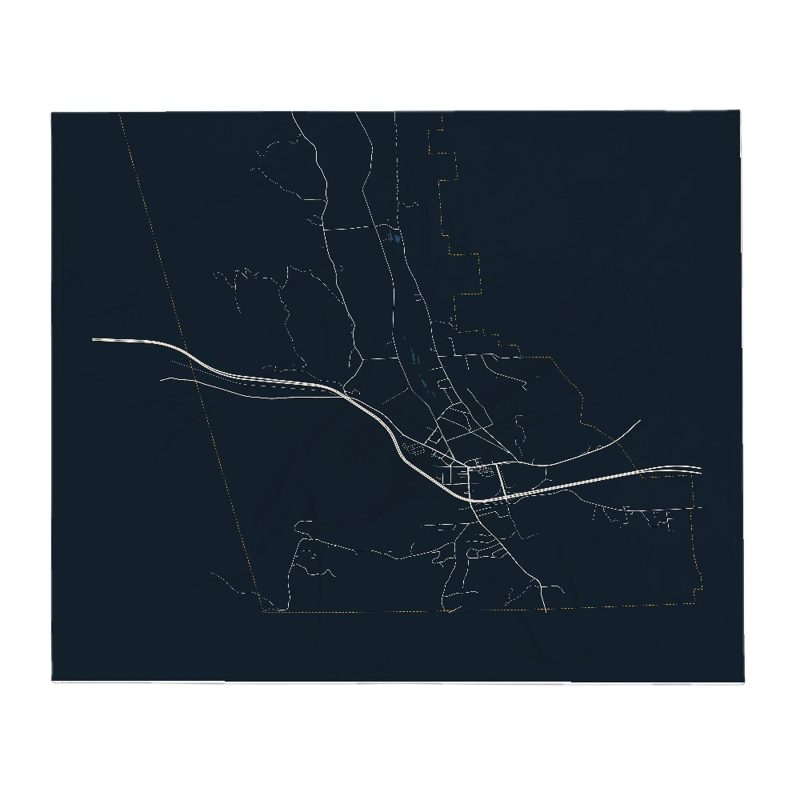
Soft fleece, 50″×60″
20 oz, double-wall stainless
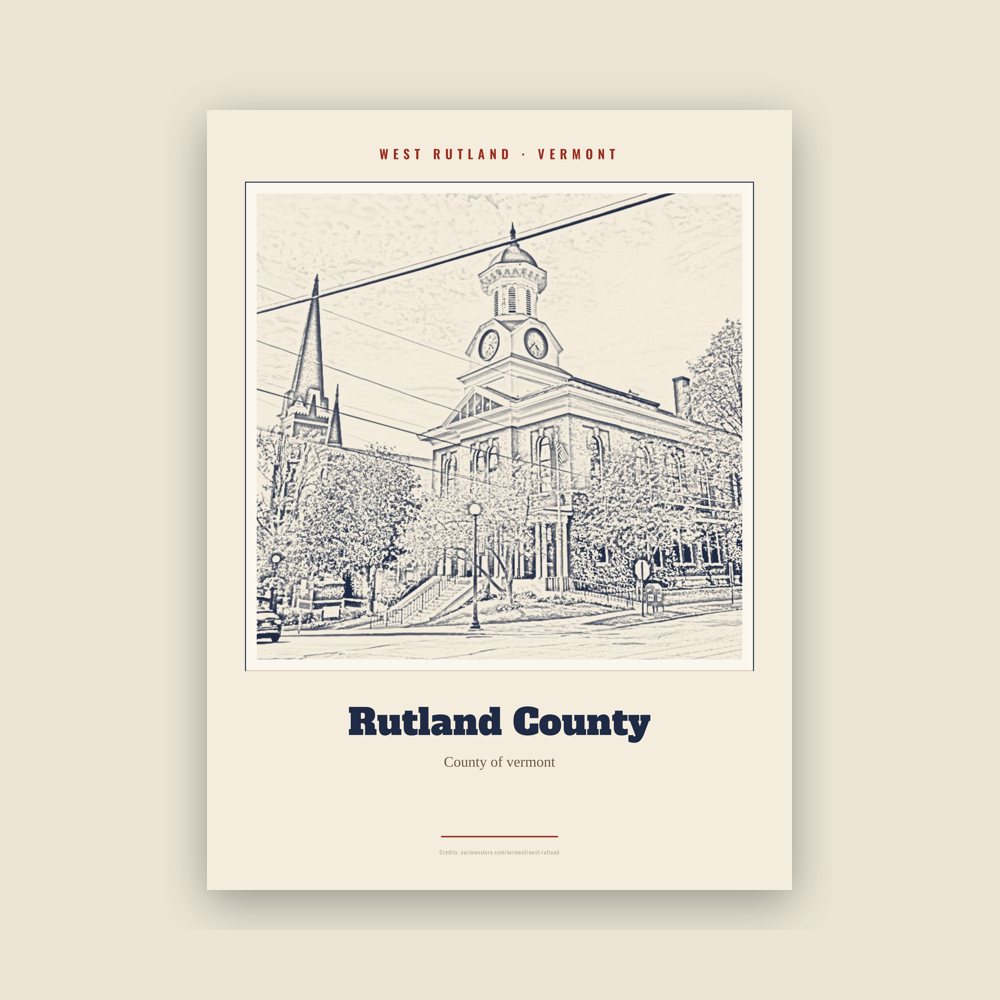
Archival matte print of a local landmark, credited to its photographer
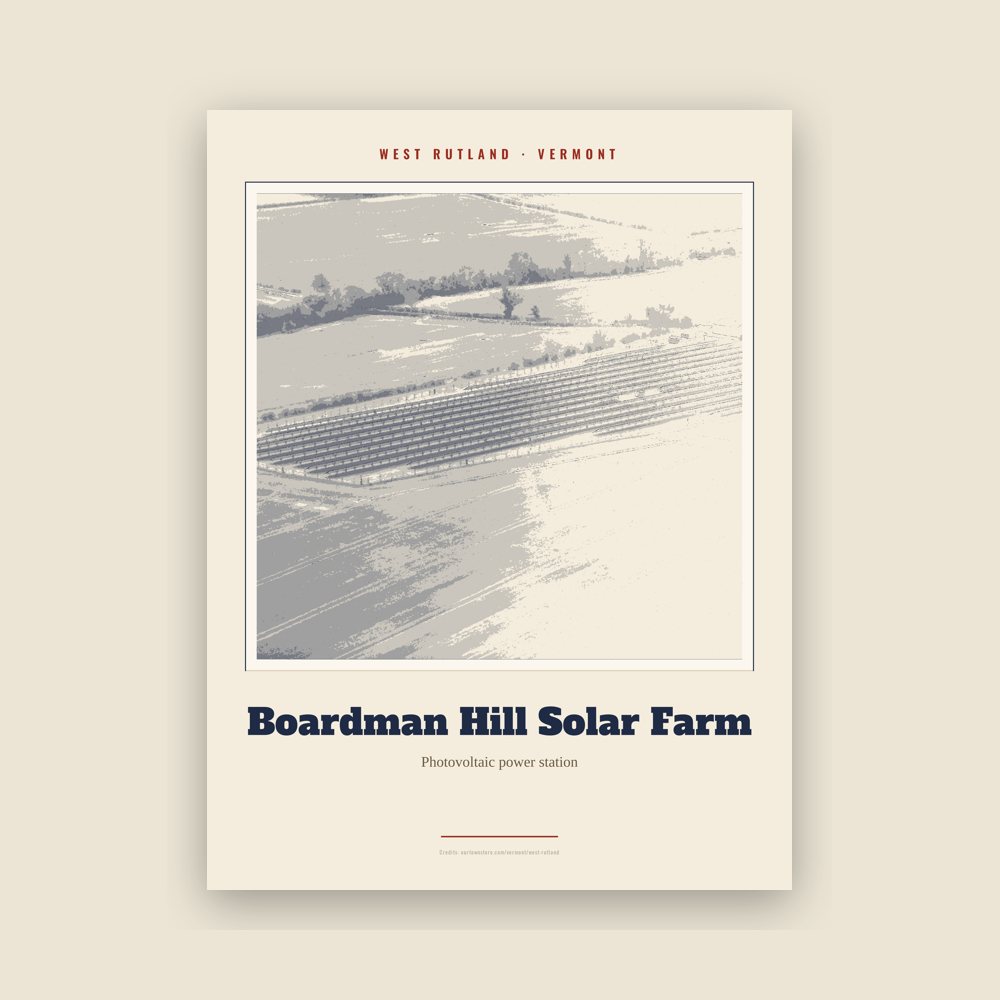
Archival matte print of a local landmark, credited to its photographer
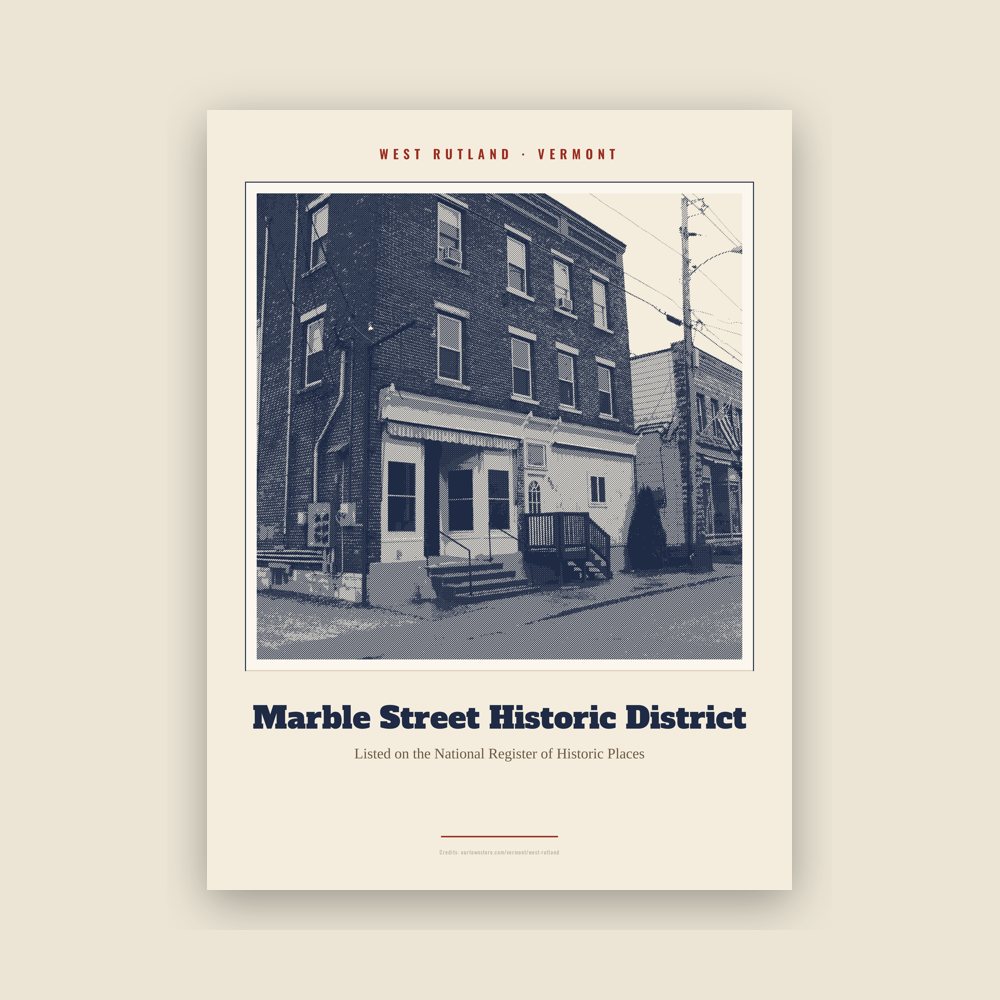
Archival matte print of a local landmark, credited to its photographer
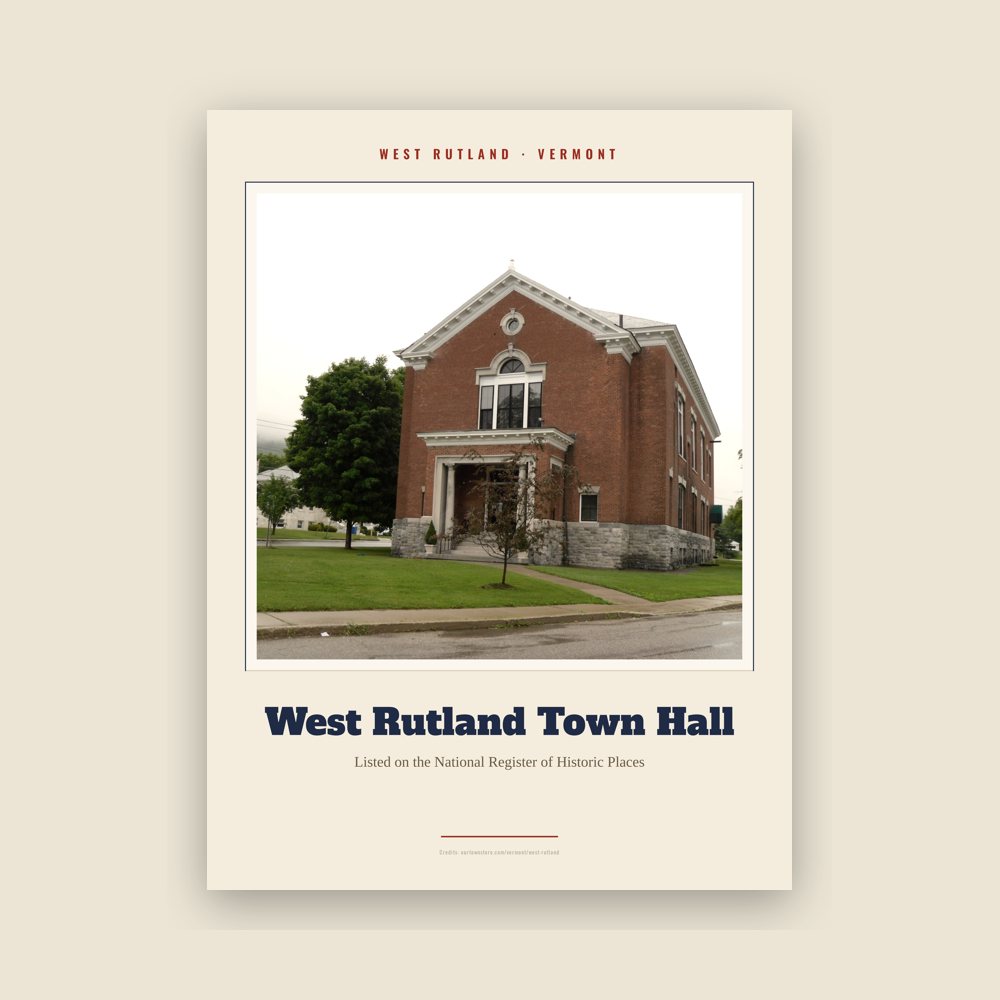
Archival matte print of a local landmark, credited to its photographer
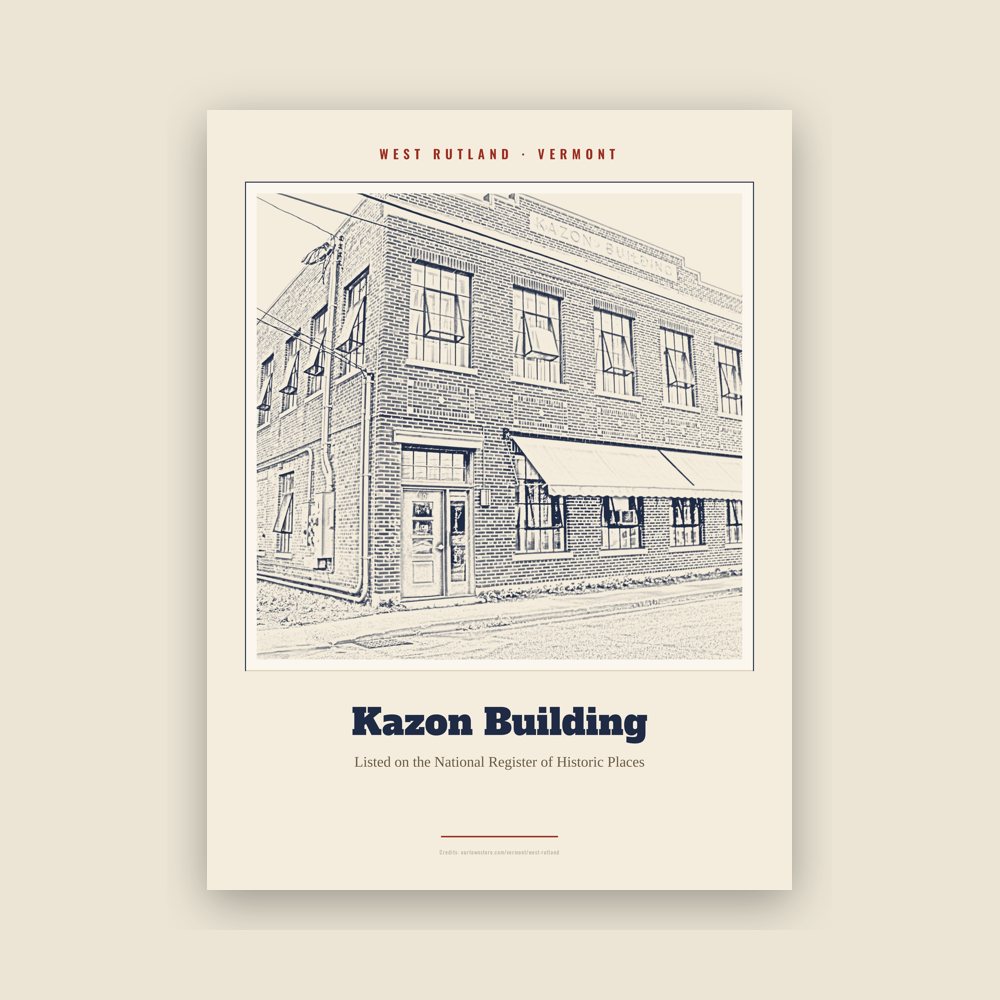
Archival matte print of a local landmark, credited to its photographer
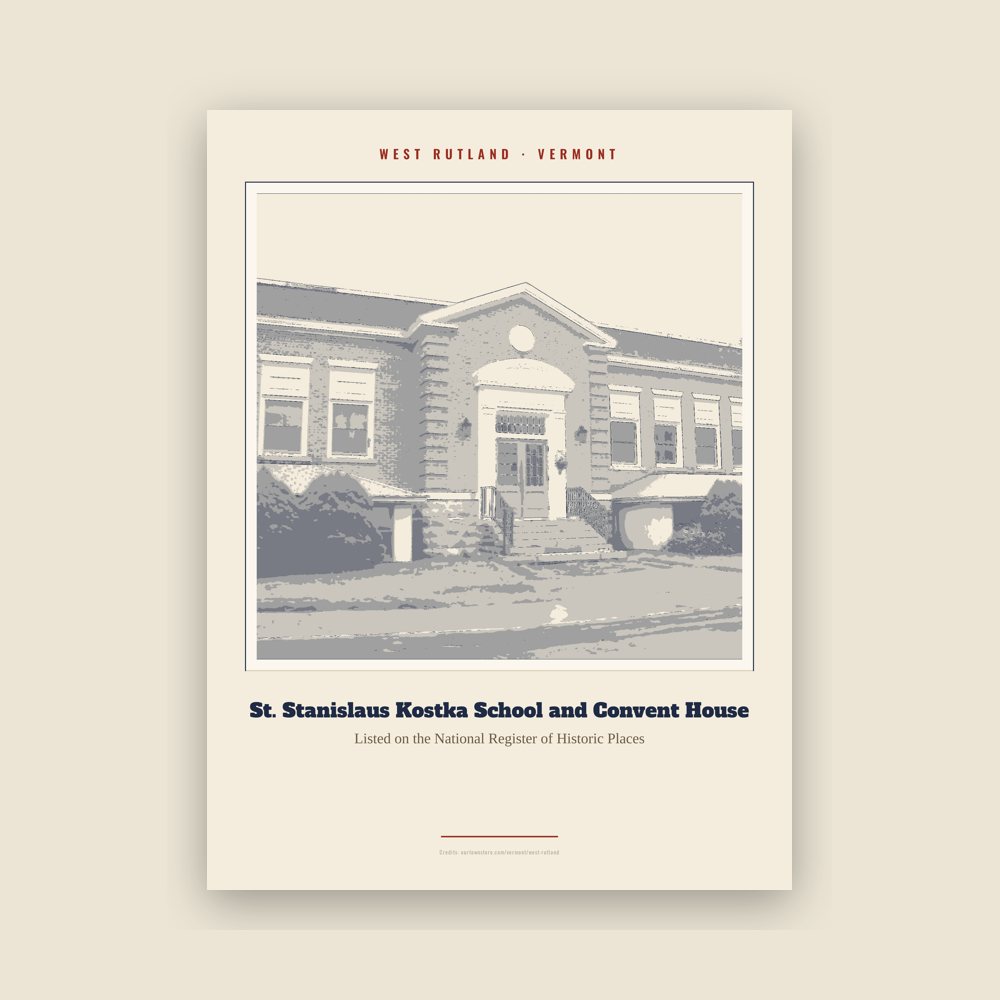
Archival matte print of a local landmark, credited to its photographer
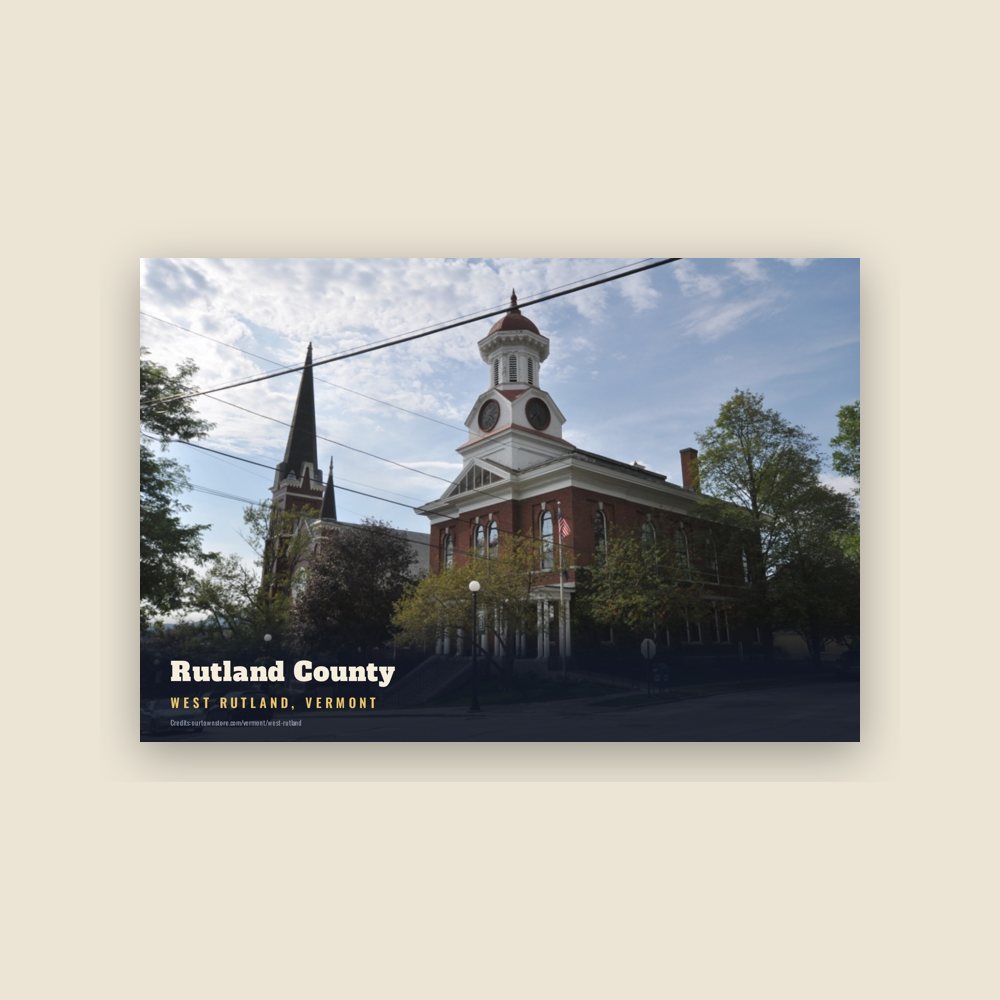
6″×4″ postcard, glossy front
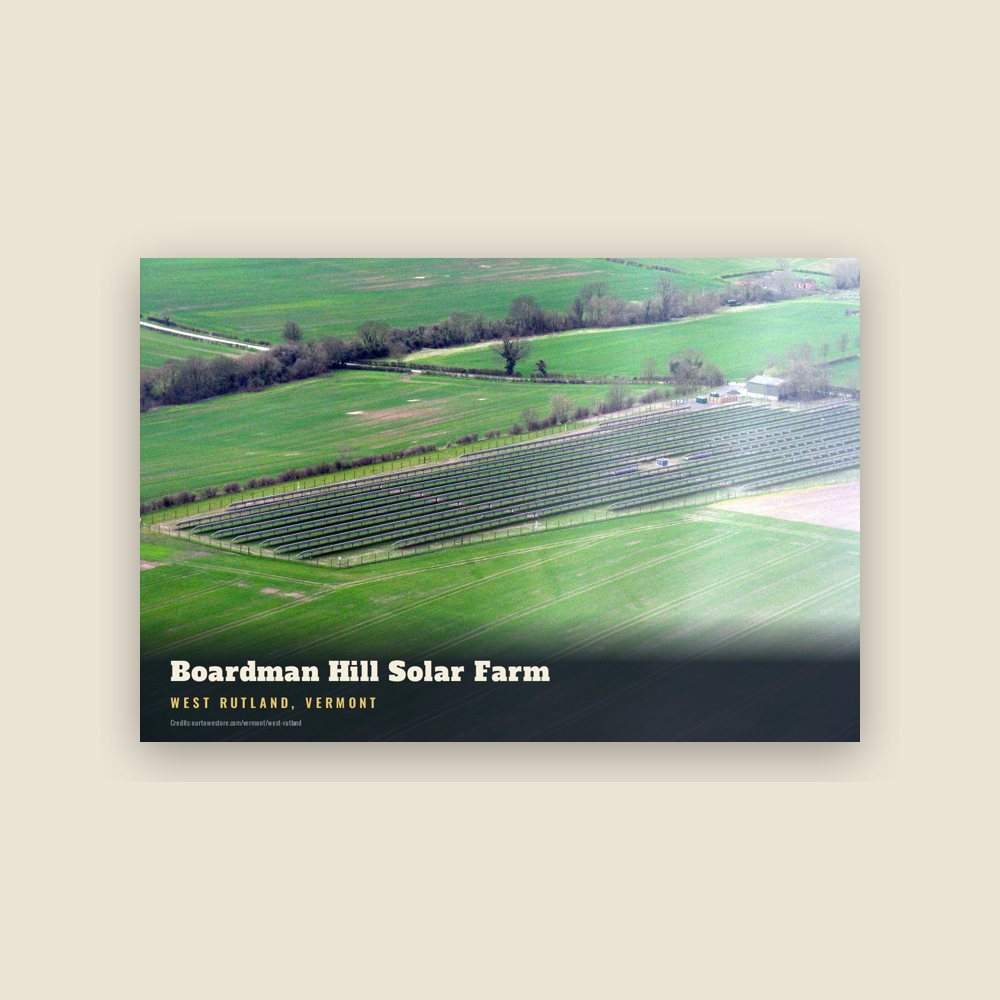
6″×4″ postcard, glossy front
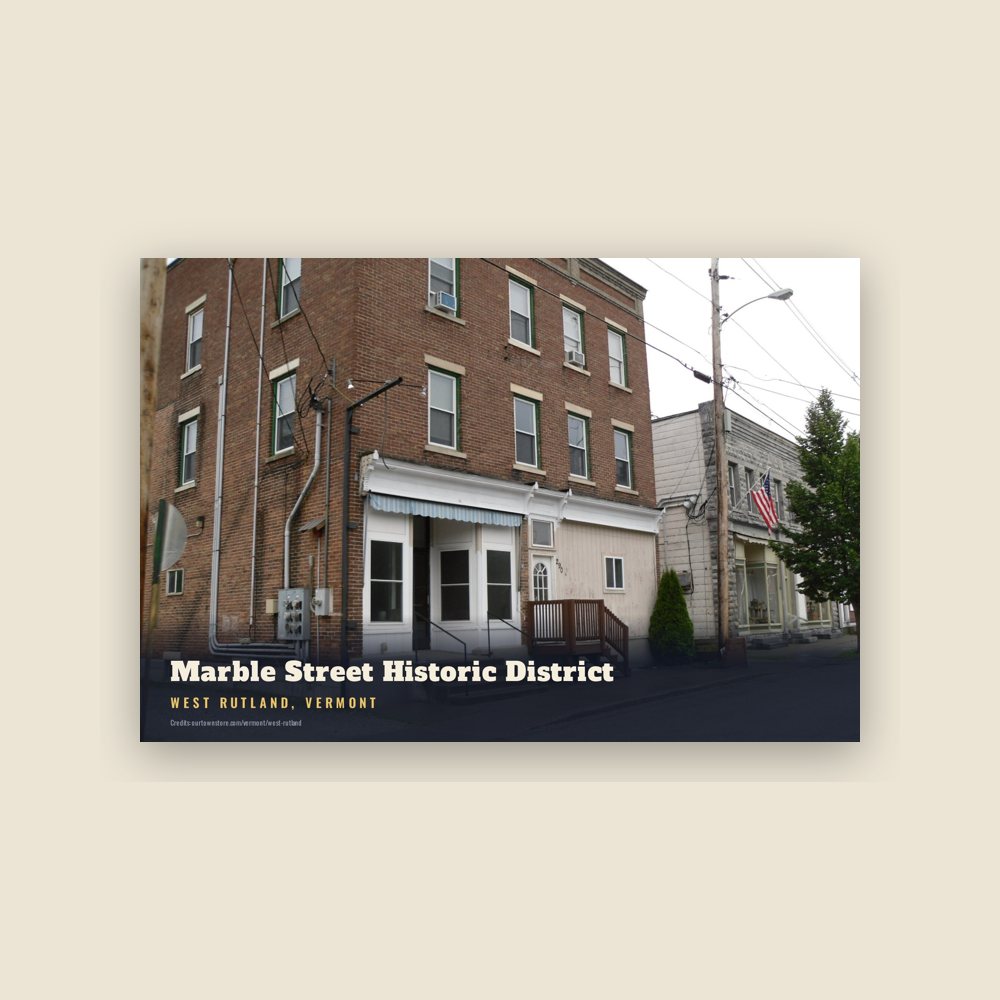
6″×4″ postcard, glossy front
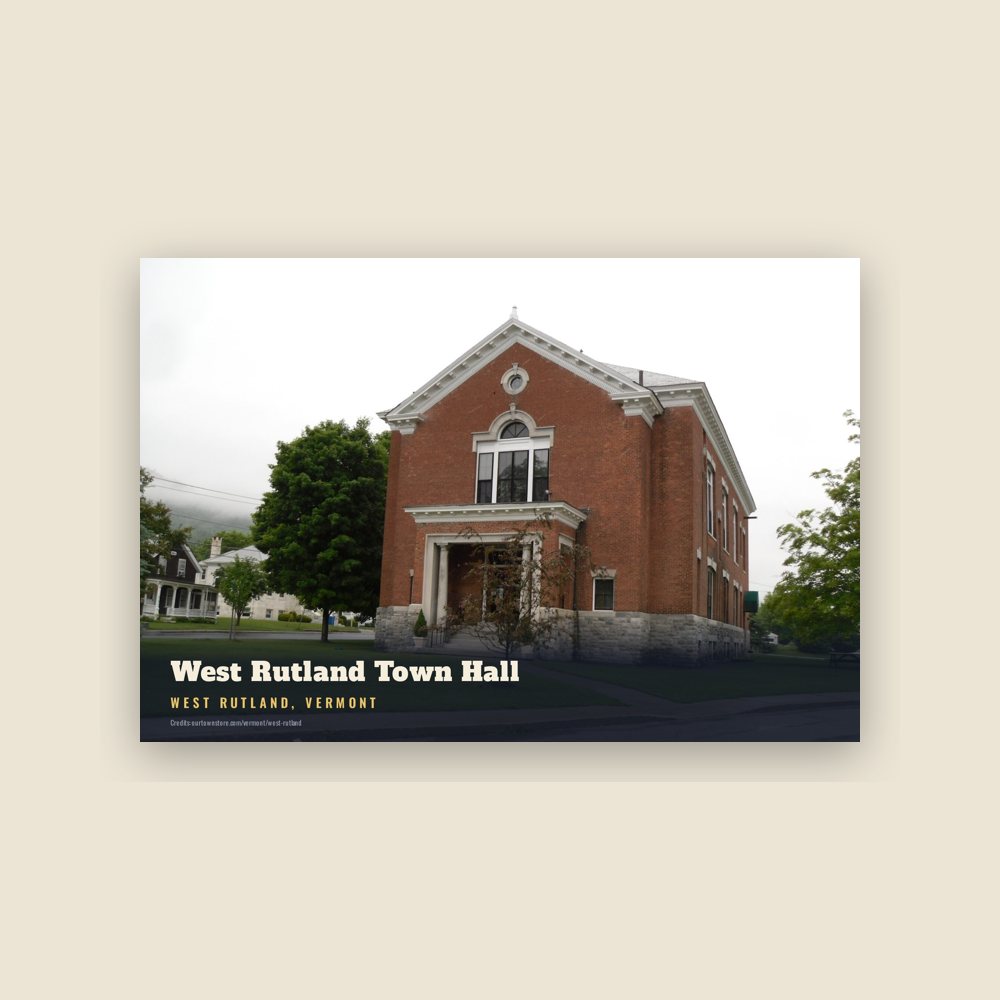
6″×4″ postcard, glossy front
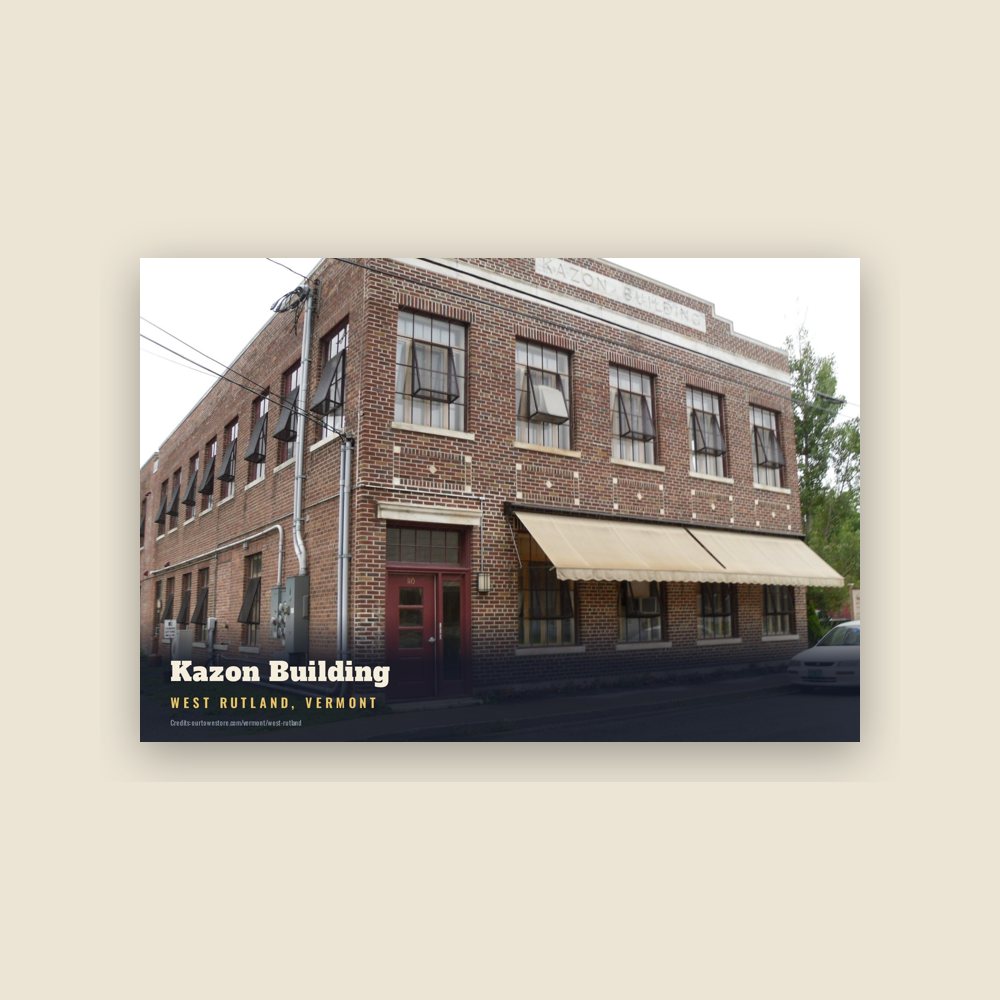
6″×4″ postcard, glossy front
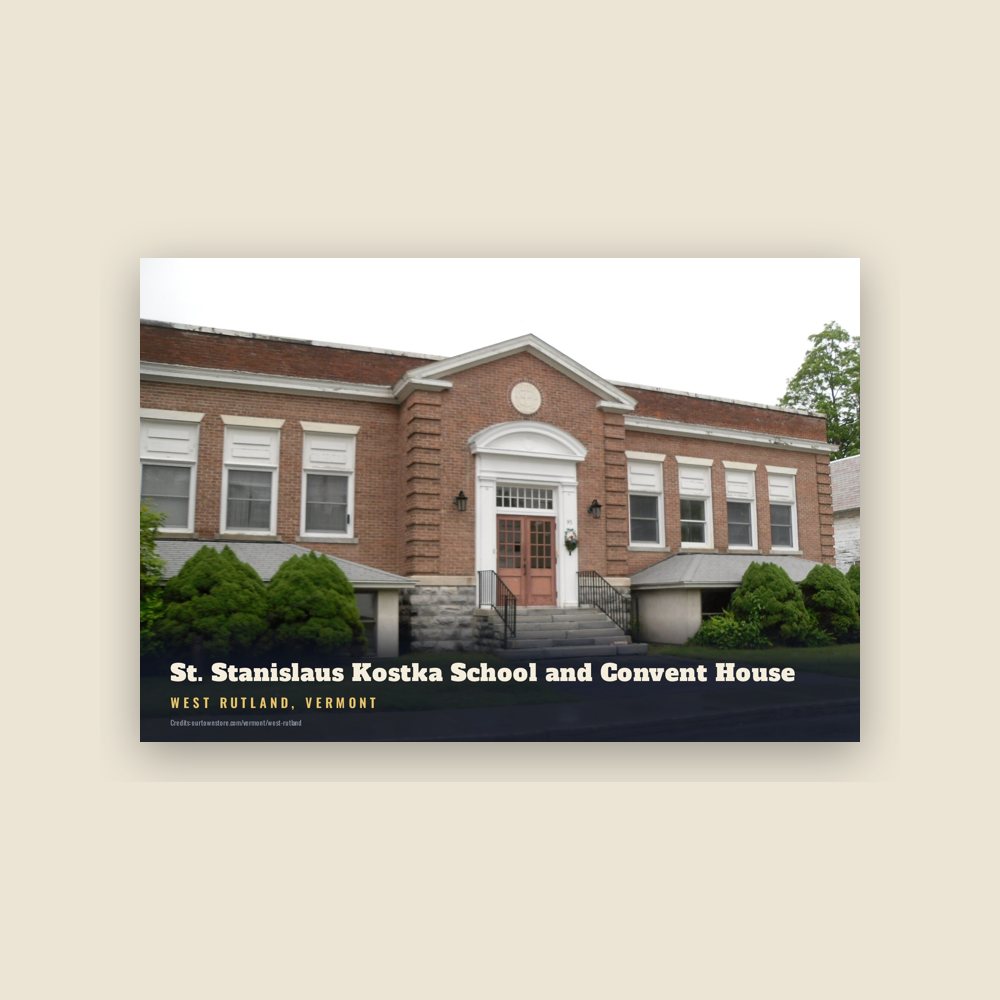
6″×4″ postcard, glossy front
Population 2010: 2,326 → 2020: 2,214
From Wikidata (CC0).
The town of Rutland was originally granted in 1761 as one of the New Hampshire Grants and named after Rutland, Massachusetts, the home of the first grantee, John Murrey. It was one of the most successful of those grants because of excellent farmland and gentle topography.
During a strike in 1868, owners evicted Irish-Catholic workers from company-owned homes, then imported dozens of French-Canadian Catholic "strikebreakers" to replace them.
West Rutland petitioned the Vermont legislature to separate from East Rutland. On November 19, 1886, West Rutland was incorporated as its own town.
In the early 19th century, small high-quality marble deposits were discovered in Rutland, and in the 1830s a large deposit of nearly solid marble of high quality was found in what is now West Rutland. By the 1840s small firms had begun operations, but marble quarries only became profitable when the railroad arrived in 1851. At the same time, the famous quarries of Carrara in Tuscany, Italy, became largely unworkable because of their extreme depth, and Rutland quickly became one of the leading producers of marble in the world.
This fueled enough growth and investment that in 1886 the marble companies saw to it that when the present Rutland City was incorporated, most of the remainder of the town was split off as West Rutland and Proctor.
Adapted (trimmed) from the Wikipedia article West Rutland, Vermont, revision 1376475874 by its contributors, licensed CC BY-SA 4.0.
We share a part of every West Rutland sale with local partners, and we'd love to print from your collection. Old photographs, maps and postcards make the best keepsakes.
Partner with us