A short history of Ferrisburgh
The site that would eventually become Ferrisburgh was originally called Varenbrug, or 'Fern Bridge' by Dutch explorers from the colony of New Amsterdam. The Dutch operated a trading post at the site, doing business with French voyageurs and Native American merchants until it was abandoned during the course of the Third Anglo-Dutch War in 1673. The English burned the old Dutch trading post, and did not settle the area, which eventually became a meeting site for diverse peoples. The Abenaki and Iroquois nations maintained friendly relations at the site in the absence of European power. The site would not be contested militarily again until the American Revolution, where it saw ancillary action leading up to the Battle of Hubbardton.
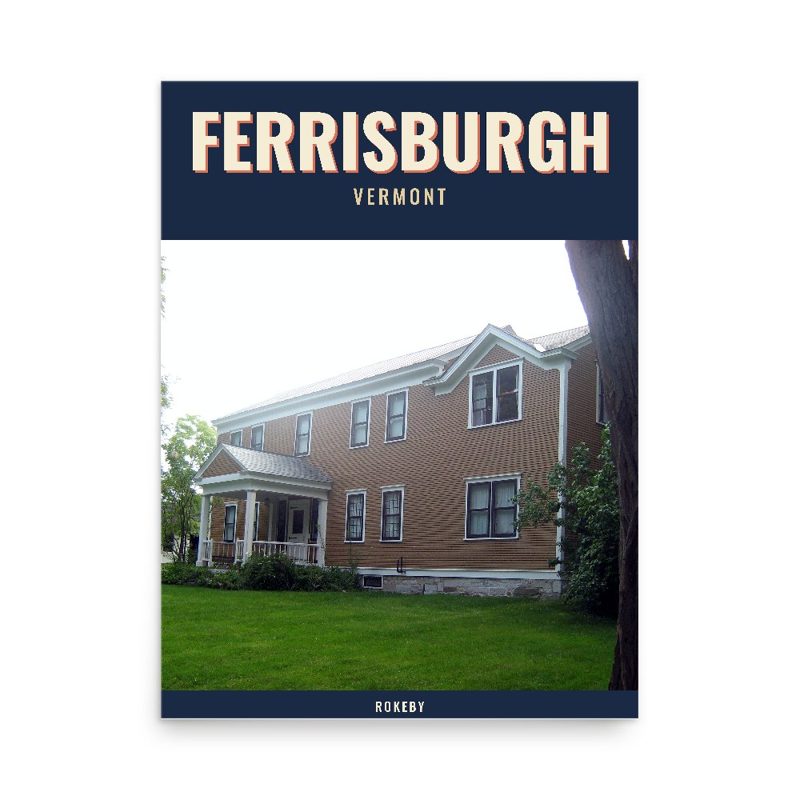
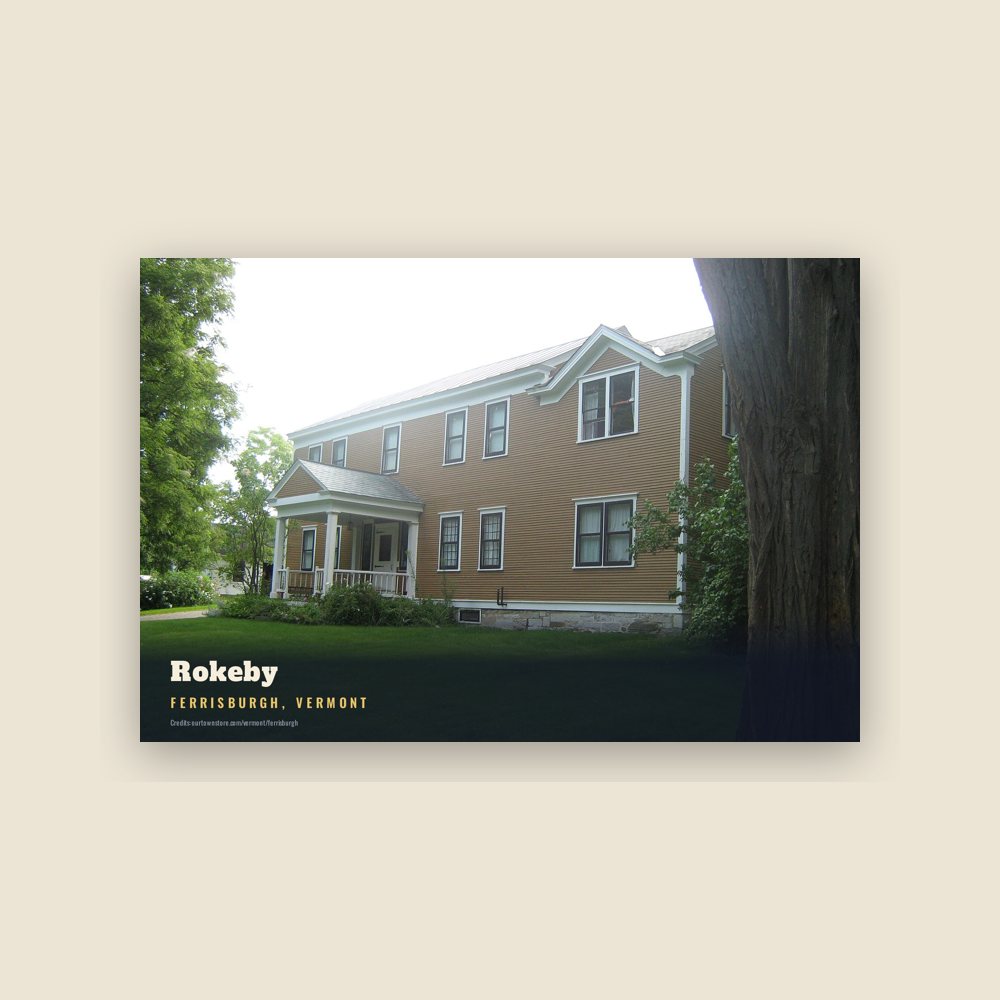
Although the Rokeby Museum tells the story of Ferrisburgh's long history in the abolitionist movement and the Underground Railroad, Ferrisburgh sent many of its sons off to war during the American Civil War. Ferrisburghers made up roughly 10% of the "Old Brigade." Many wives and sisters from Ferrisburgh joined their husbands and brothers on the front lines as camp followers. Ferrisburgh women found themselves involved in rear guard action during the Battle of Gettysburg, as Confederate soldiers stormed Big Round Top. As Confederate pickets fired upon Union positions, Vermont women from Ferrisburgh were in the line of fire. Laura Fitzgerald, an Irish immigrant to Ferrisburgh, fired a musket towards the Confederate lines, causing the snipers to scatter.
From 1917 to 1924, an art colony was formed in the town of Ferrisburgh, mostly consisting of dissident Middlebury College and University of Vermont faculty of arts members who disapproved of their respective administrations lack of funding for "degenerate arts," associated with dadaism including photography of sculpture-making, portraiture of nude sculptors, portraiture of photography of still life, and post-revisionist allegorical thoughtscapes. The art colony went by several lengthy and increasingly bizarre names, and is colloquially known as the Ferrisburgh Art Colony. Artists and provocateurs from around the greater New England region came to the colony to express appreciation for the more esoteric arts, as well as to hold more than one rally in support of radical politics.
Adapted (trimmed) from the Wikipedia article Ferrisburgh, Vermont, revision 1378782287 by its contributors, licensed CC BY-SA 4.0.
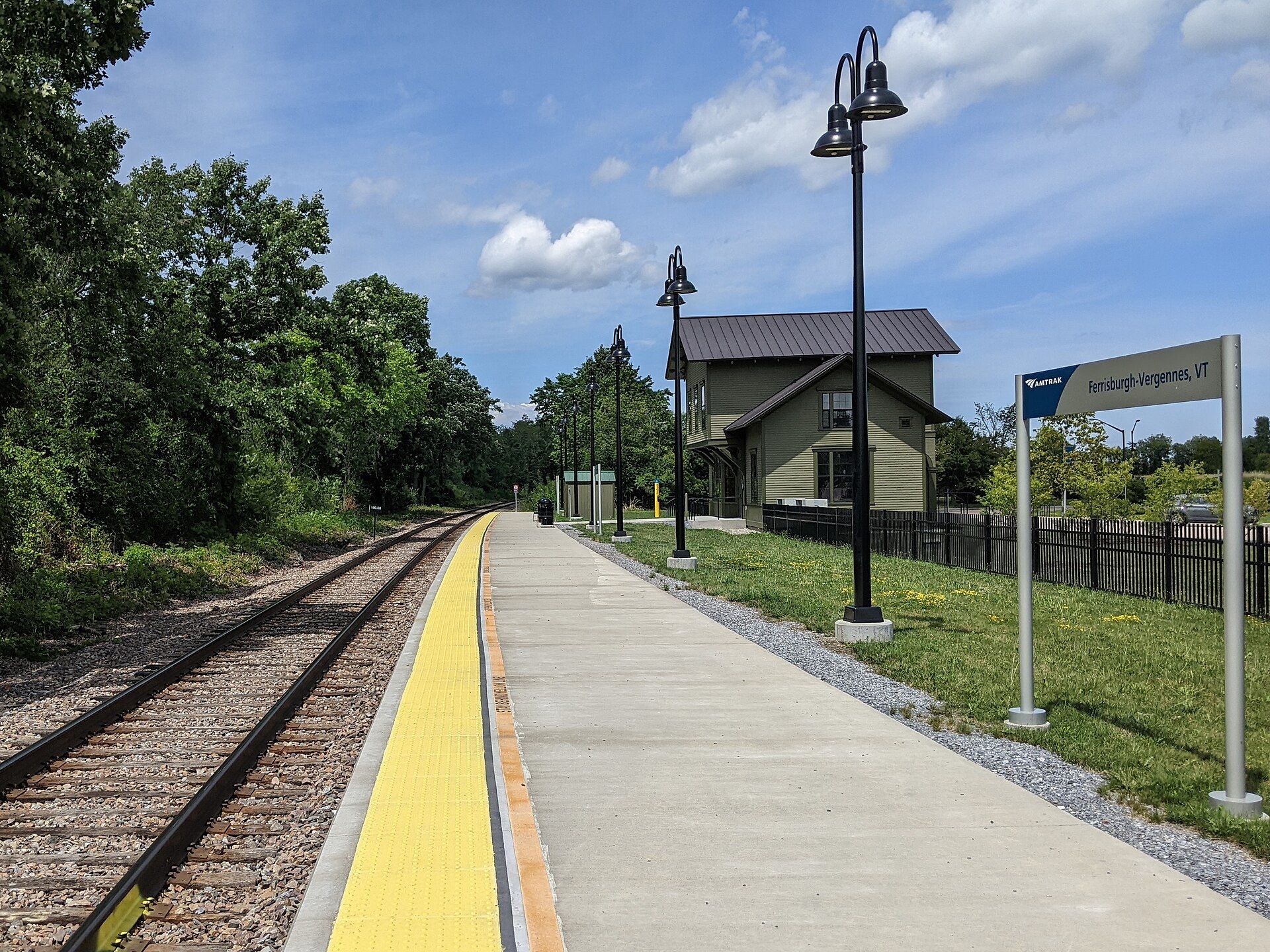
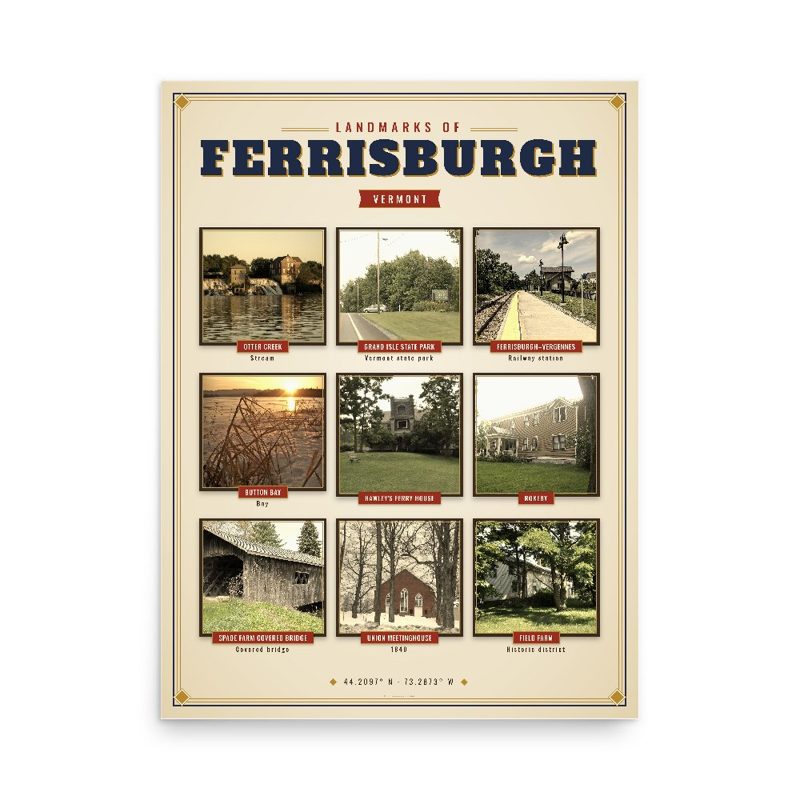
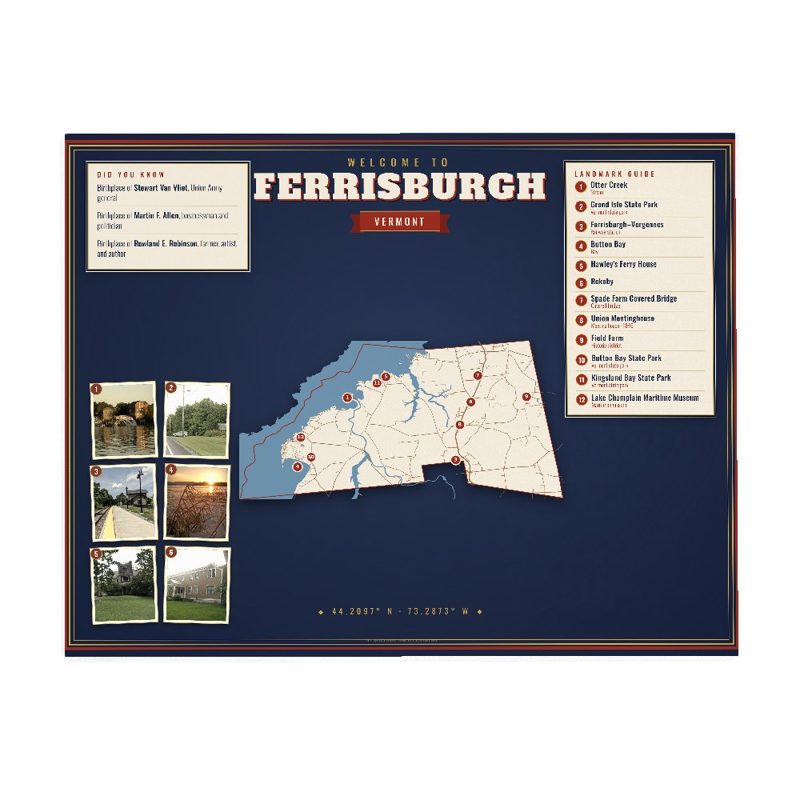
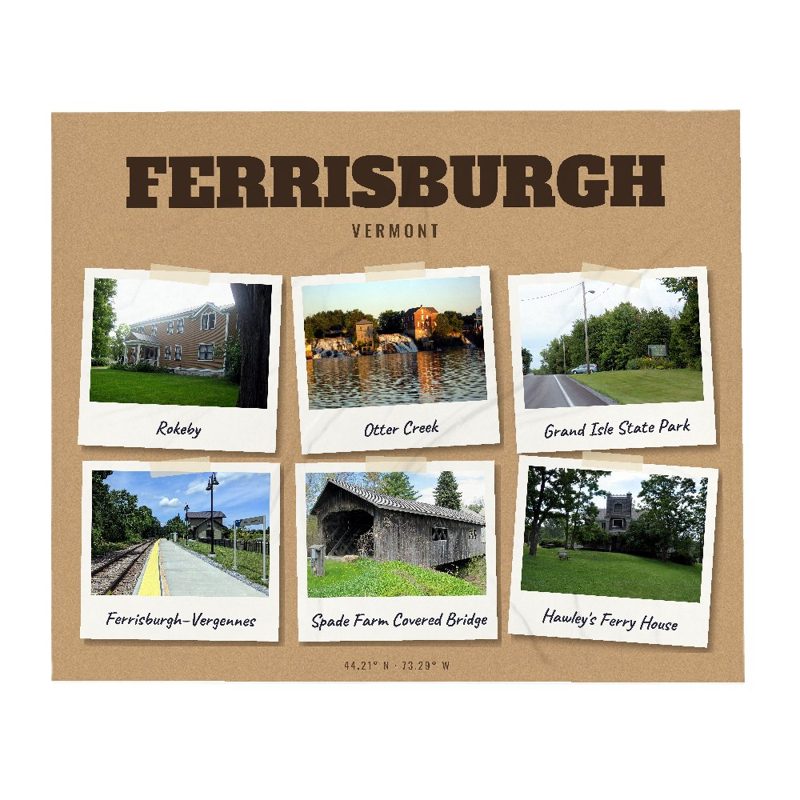
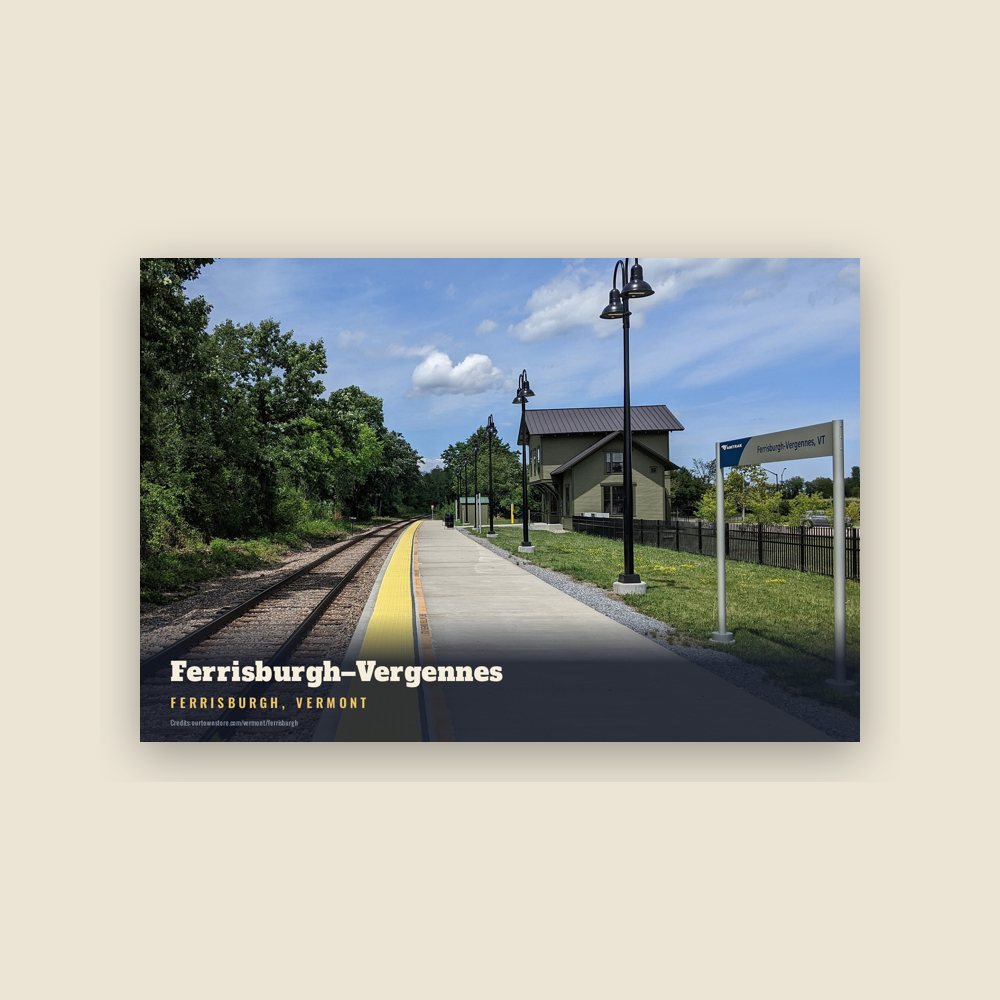
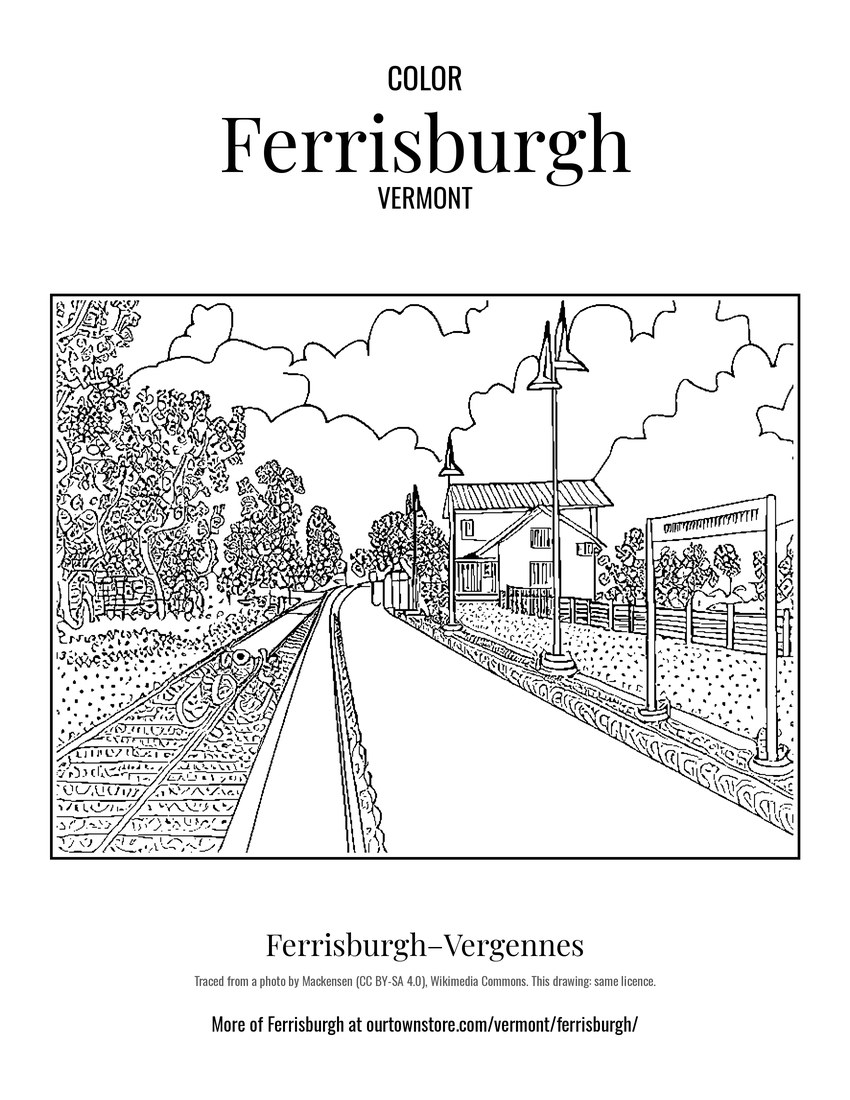 Ferrisburgh–Vergennes
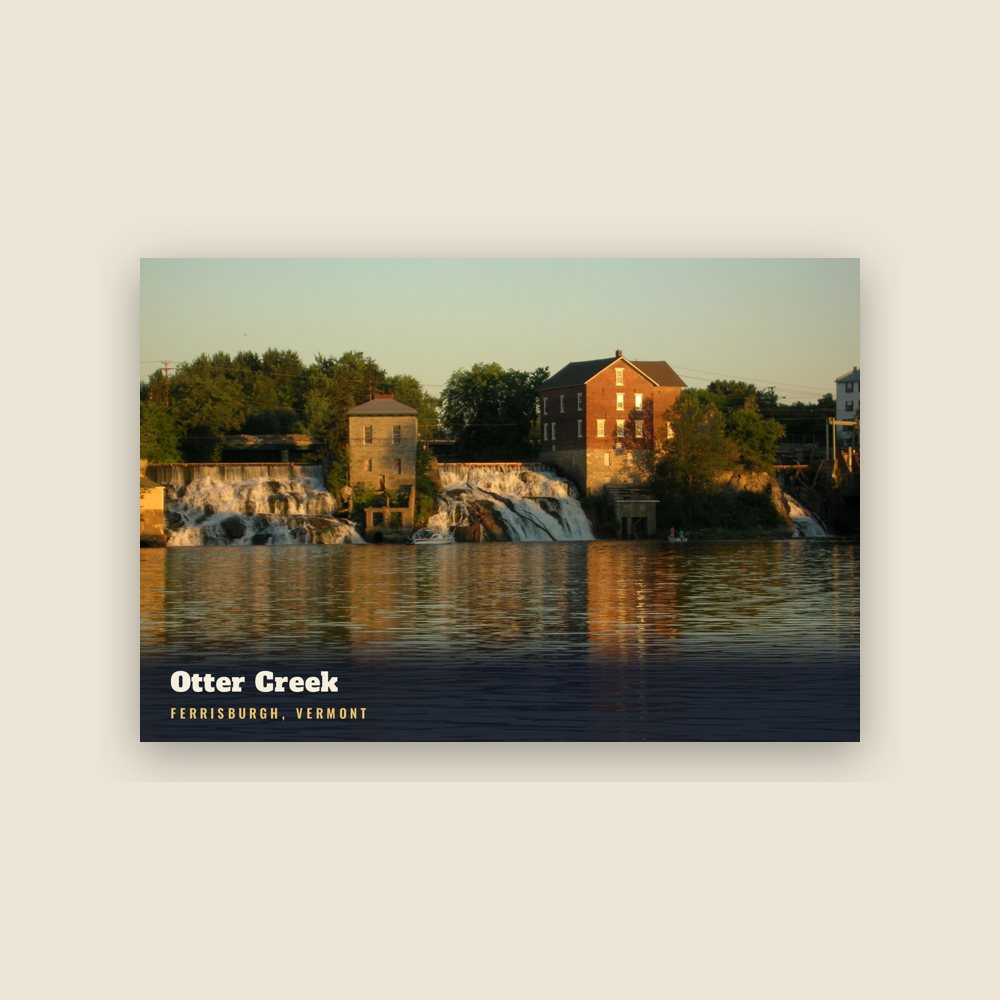
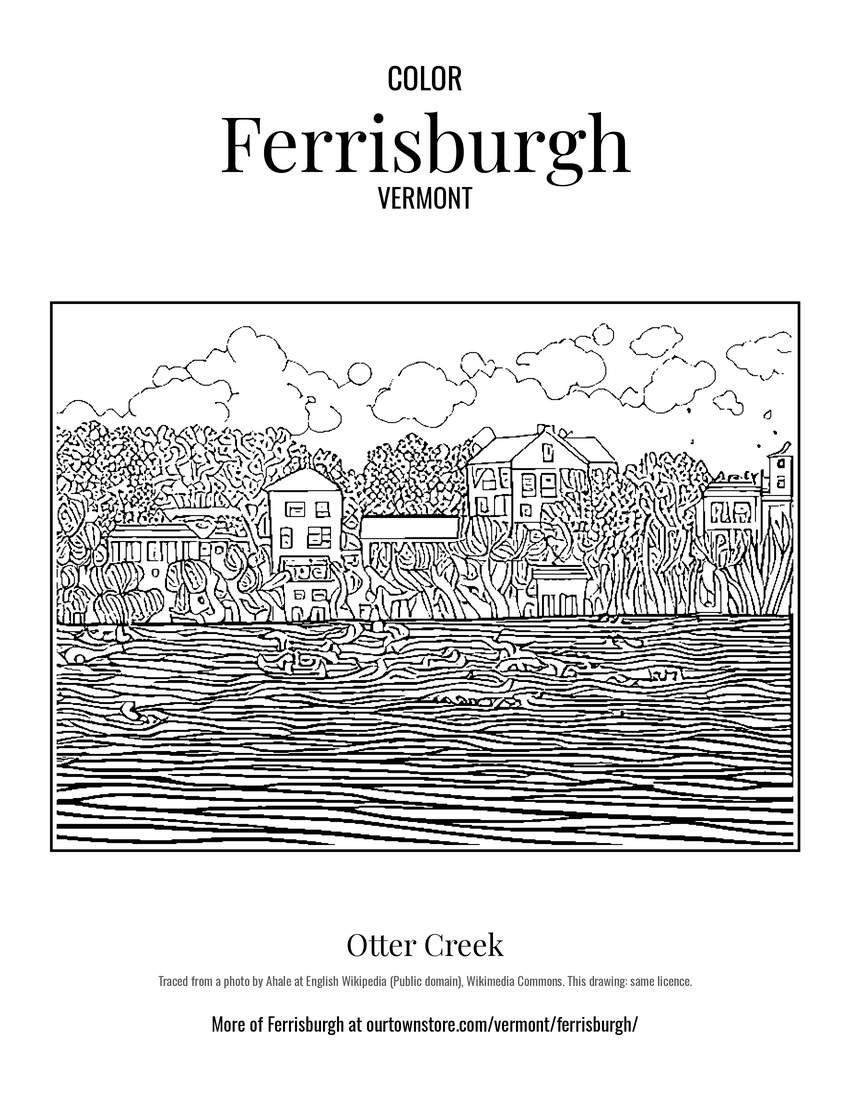 Otter Creek
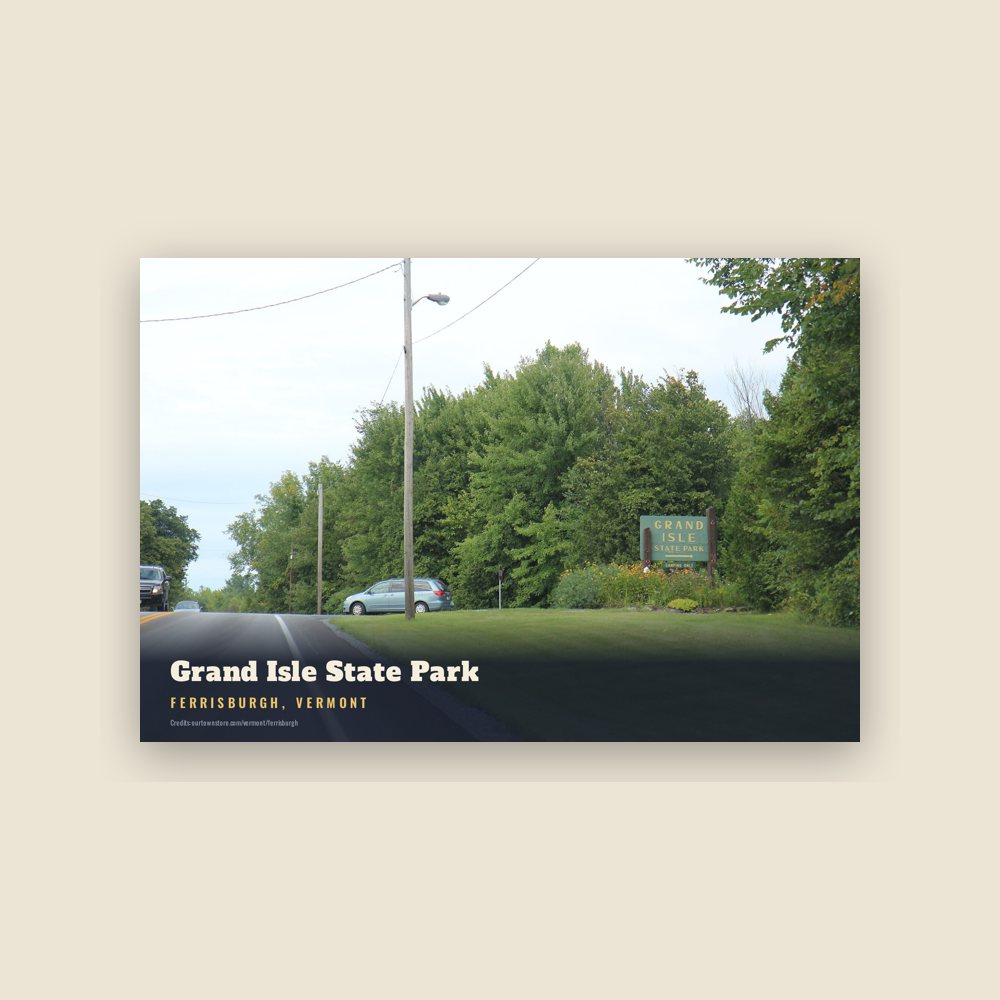
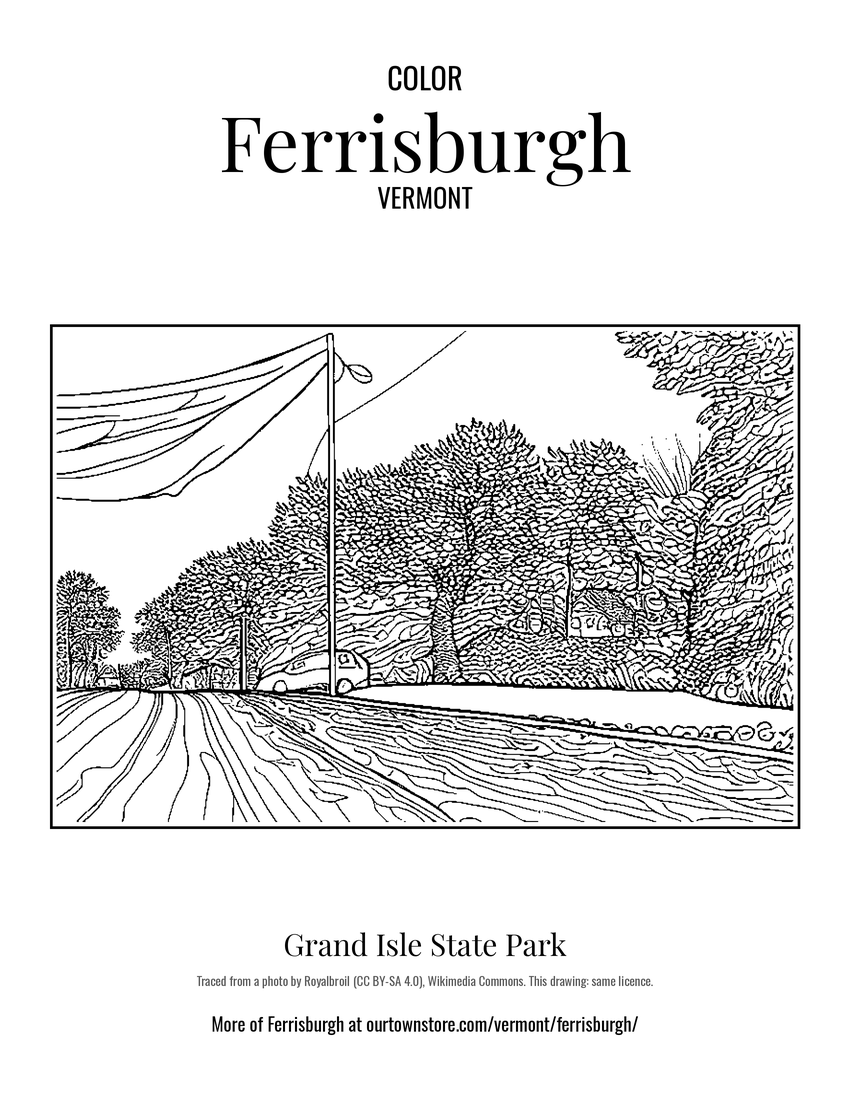 Grand Isle State Park
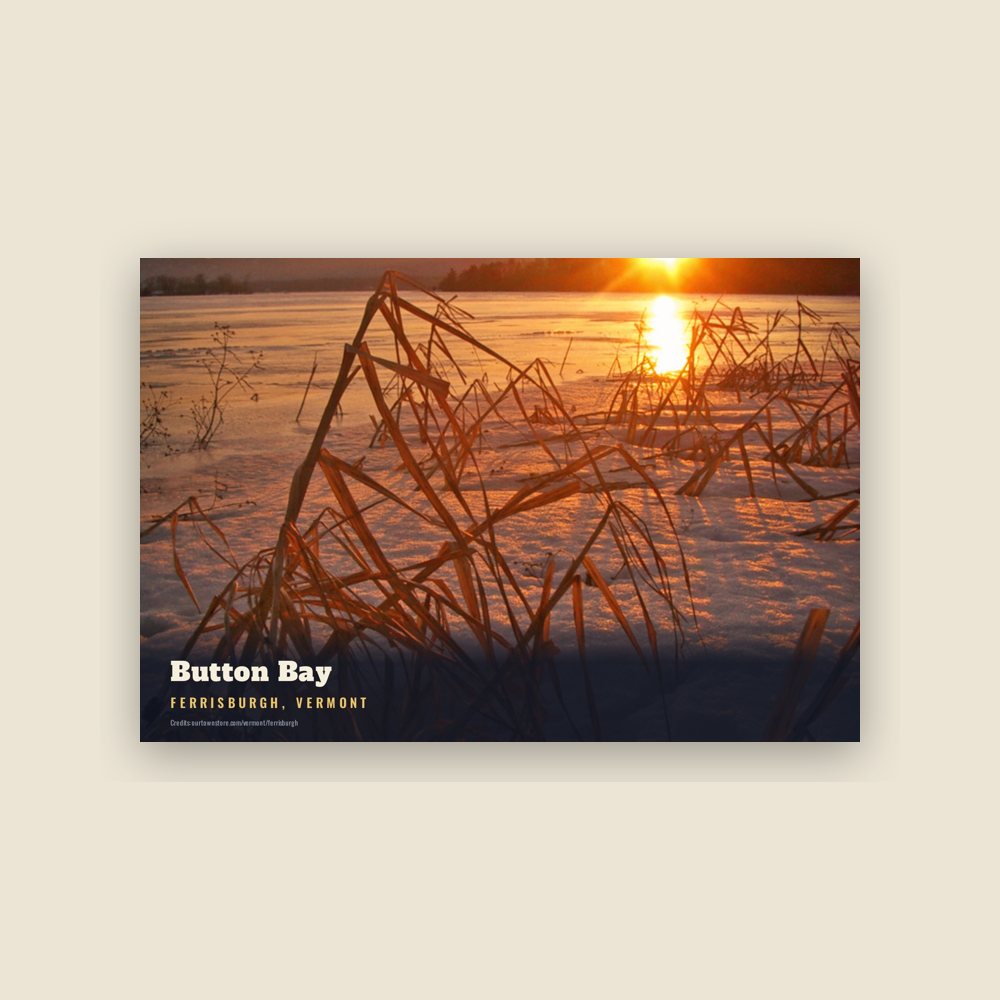
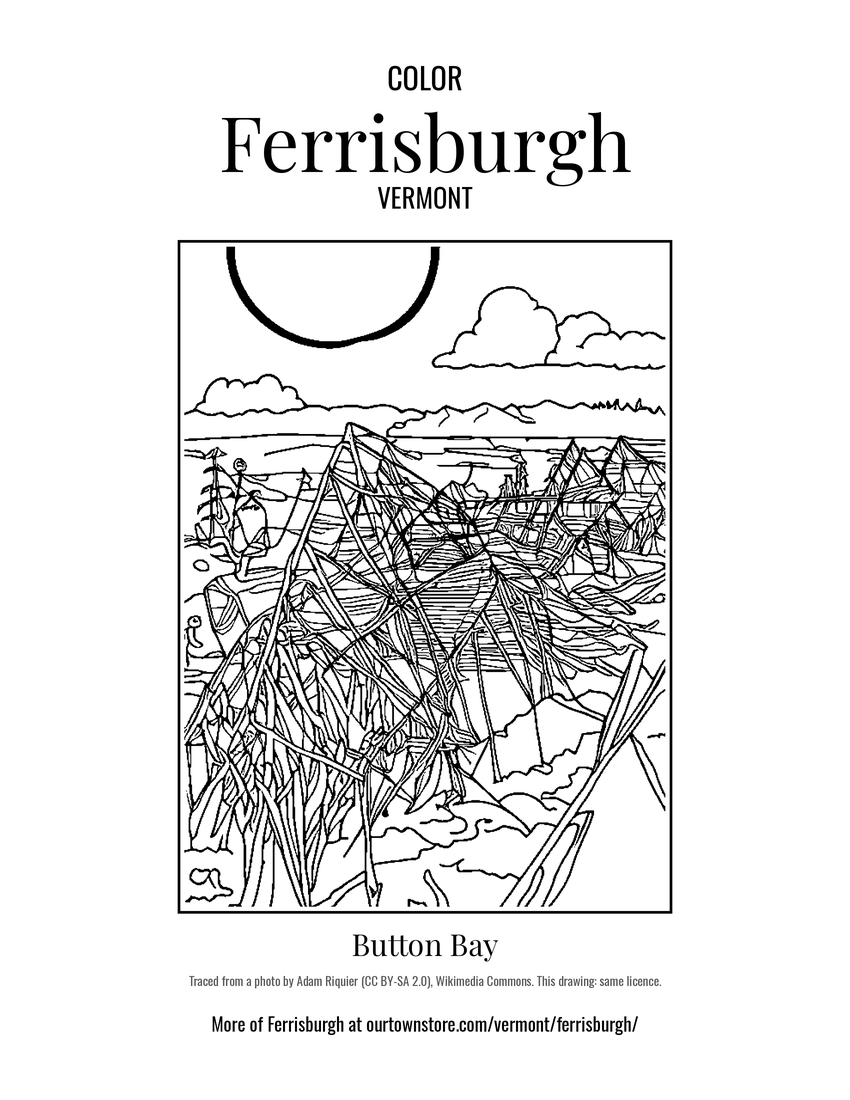 Button Bay