Essex County, Vermont
Street maps, historic prints and keepsakes for 16 Essex County towns.
The largest by population is Lunenburg (1,246).
| Town | Population |
|---|---|
| Averill | 21 |
| Bloomfield | 217 |
| Brighton | 1,157 |
| Brunswick | 88 |
| Canaan | 896 |
| Concord | 1,141 |
| East Haven | 270 |
| Ferdinand | 16 |
| Granby | 81 |
| Guildhall | 262 |
| Lemington | 87 |
| Lewis | 2 |
| Lunenburg | 1,246 |
| Maidstone | 211 |
| Norton | 153 |
| Victory | 70 |
About these towns
Averill: Averill was originally chartered in 1762 as part of the Province of New Hampshire on the behalf of Royal Governor Benning Wentworth.
Bloomfield: It is part of the Berlin, New Hampshire-Vermont Micropolitan Statistical Area.
Brighton: The town was named "Gilead" in its original grant in 1780. The town was sold to a group consisting primarily of soldiers commanded by Colonel Joseph Nightingale and subsequently named "Random".
Brunswick: The town was named after Prince Karl Wilhelm Ferdinand of Brunswick-Lunenburg. It is part of the Berlin, NH-VT Micropolitan Statistical Area. Brunswick is home to six mineral springs that made the town a popular resort destination in the 19th century.
Canaan: Canaan contains the village of Beecher Falls, located at the confluence of the Connecticut River and Halls Stream. It is part of the Berlin, NH-VT Micropolitan Statistical Area.
Concord: Concord was chartered on September 15, 1780, to Reuben Jones and others from Rockingham, Vermont. Concord was first settled by Simon Willard, a fur trader, and two other men.
East Haven: It is part of the Berlin, NH–VT Micropolitan Statistical Area.
Ferdinand: It was named after German Prince Karl Wilhelm Ferdinand of Brunswick-Lunenburg. Although laid out as a town, it was never formally organized since it never gained a sufficiently large permanent population.
Granby: The town was named for the Marquis of Granby. Granby is part of the Berlin, NH-VT Micropolitan Statistical Area. Along with the neighboring town of Victory, Granby was one of the last two towns in Vermont to be linked to the electric grid, in 1963.
Guildhall: Guildhall was chartered by New Hampshire's colonial governor, Benning Wentworth, in 1761. Its grantees and original settlers were from Lancaster and Lunenburg, Massachusetts, and they named towns on opposite sides of the Connecticut River in New Hampshire and Vermont for their Massachusetts hometowns.
Lemington: It is part of the Berlin, NH –VT Micropolitan Statistical Area.
Lewis: The town was named for landholders Nathan, Sevignior, and Timothy Lewis. Although incorporated by the state, the town was never formally organized, since it never gained a sufficiently large permanent population.
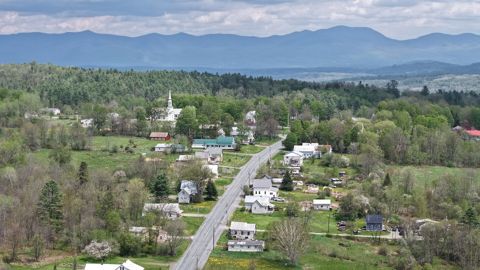
Lunenburg: Lunenburg was granted by Benning Wentworth, the royal governor of New Hampshire, on July 5, 1763, to David Page and 68 other people.
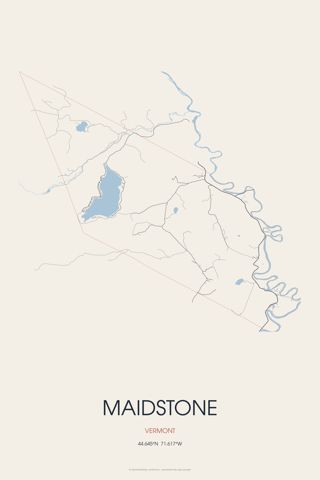
Maidstone: It is part of the Berlin, NH –VT Micropolitan Statistical Area.
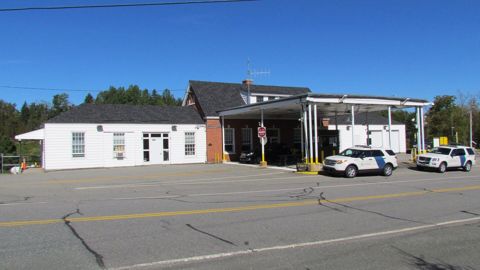
Norton: From 1970 until 1994, Norton was the location of the Earth Peoples Park, a "liberated" 592-acre (240 ha) piece of land that was open to anyone who wanted to live there, free of charge.
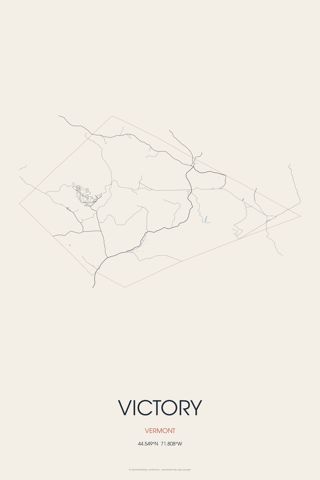
Victory: It is part of the Berlin, NH –VT Micropolitan Statistical Area. Victory was, along with neighboring Granby, one of the last two towns in Vermont to be linked to the electric grid, in 1963.
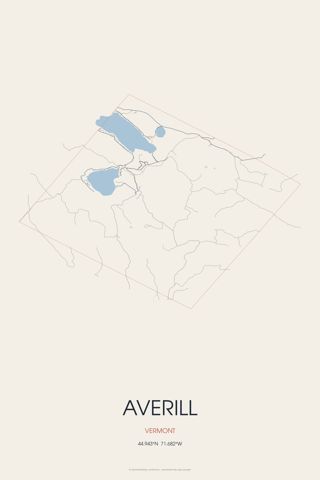 AverillVermont
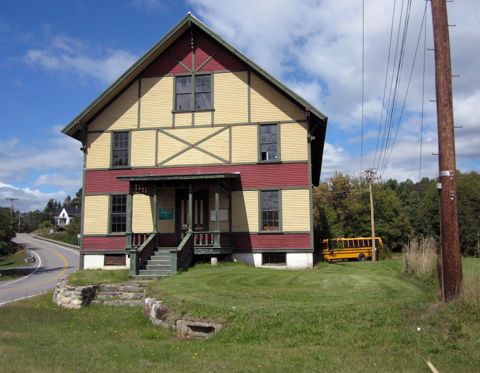 BloomfieldVermont
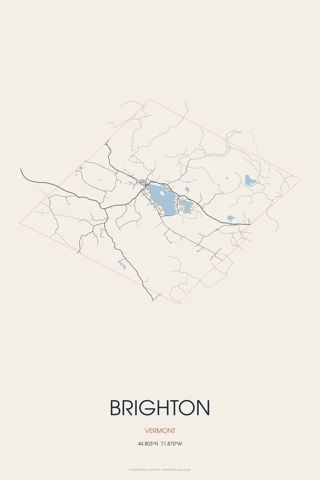 BrightonVermont
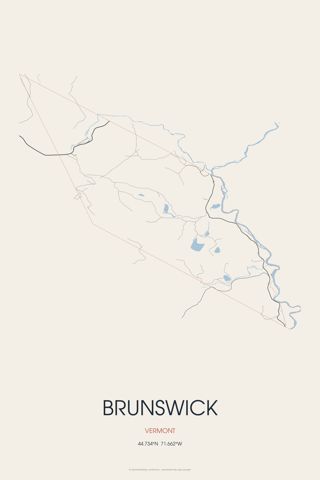 BrunswickVermont
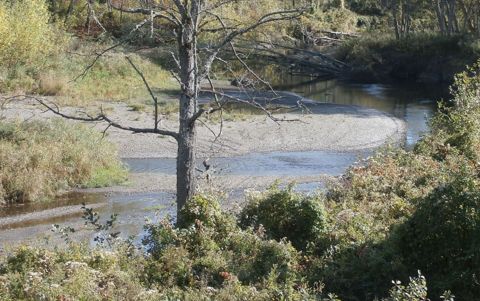 CanaanVermont
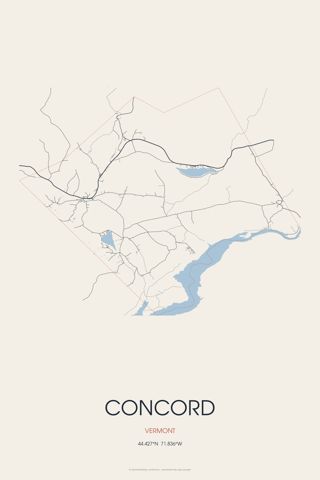 ConcordVermont
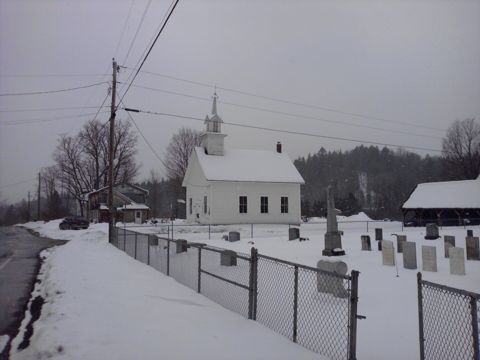 East HavenVermont
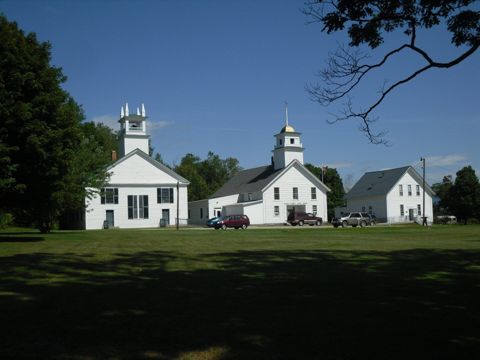 FerdinandVermont
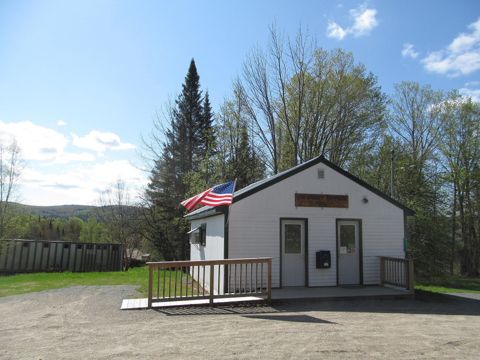 GranbyVermont
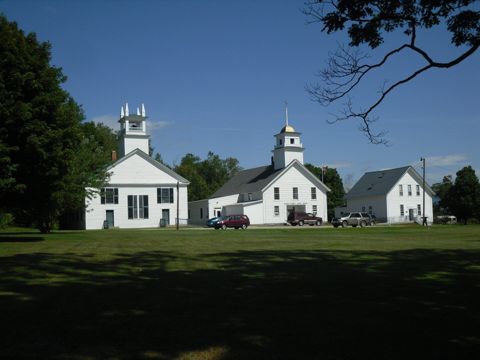 GuildhallVermont
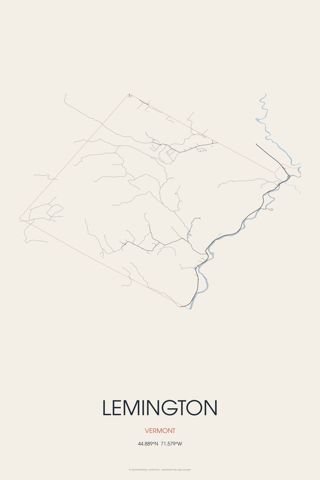 LemingtonVermont
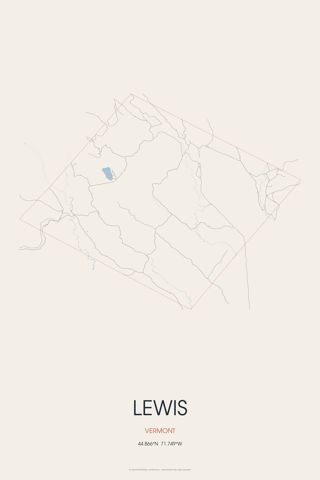 LewisVermont
 LunenburgVermont
 MaidstoneVermont
 NortonVermont
 VictoryVermont
Founding years, populations and town notes come from each town's Wikipedia and Wikidata entries. All Vermont towns.