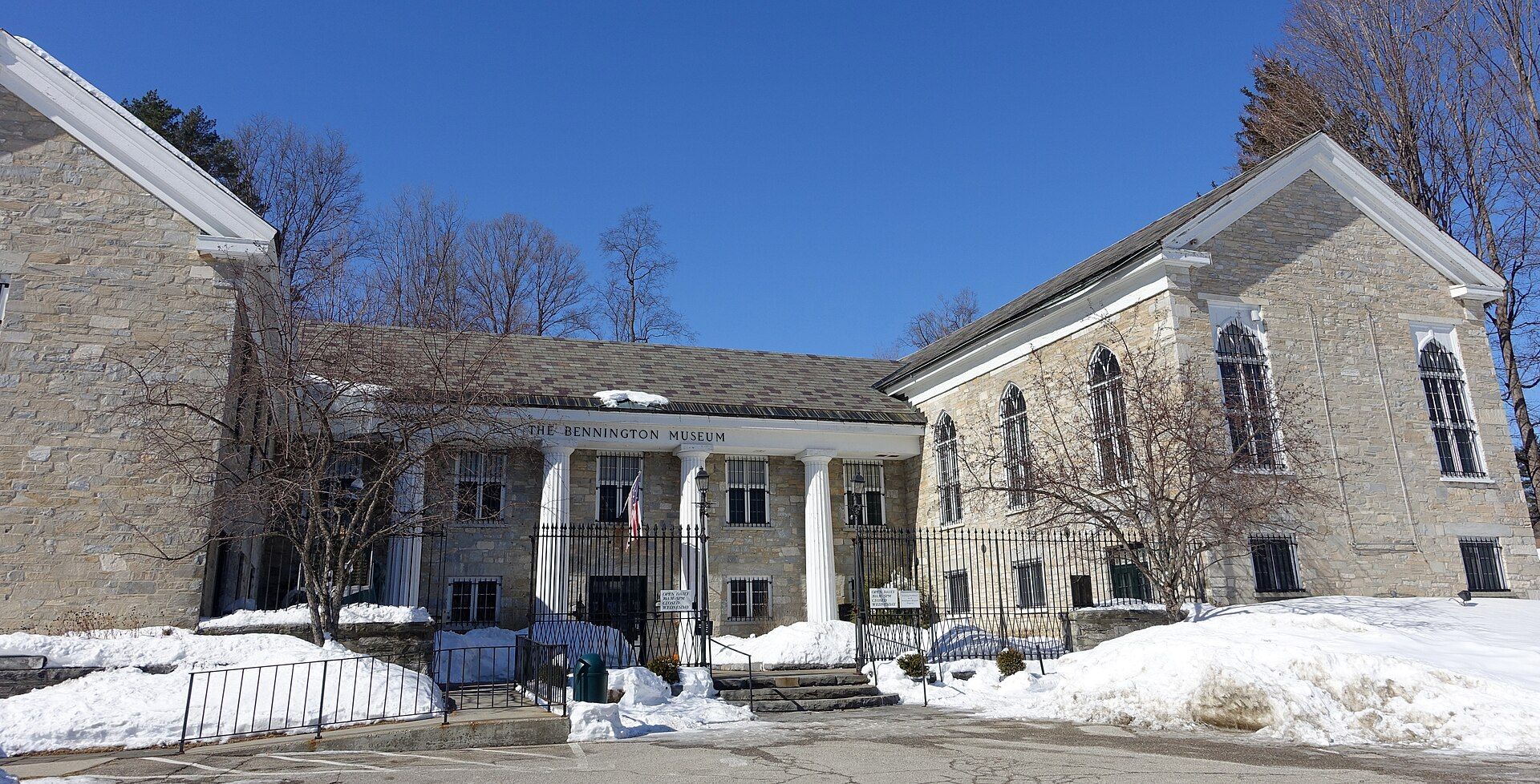
Bennington is the most populous town in southern Vermont, the second-largest town in Vermont and the fifth-largest municipality in the state. Landmarks include Bennington Museum, Bennington Battle Monument and First Congregational Church of Bennington. Bennington is the birthplace of Cynthia Gibb, actress, model.
Every piece is drawn from Bennington's own map data and historic archives, then printed and shipped from the USA when you order. No two towns look alike.
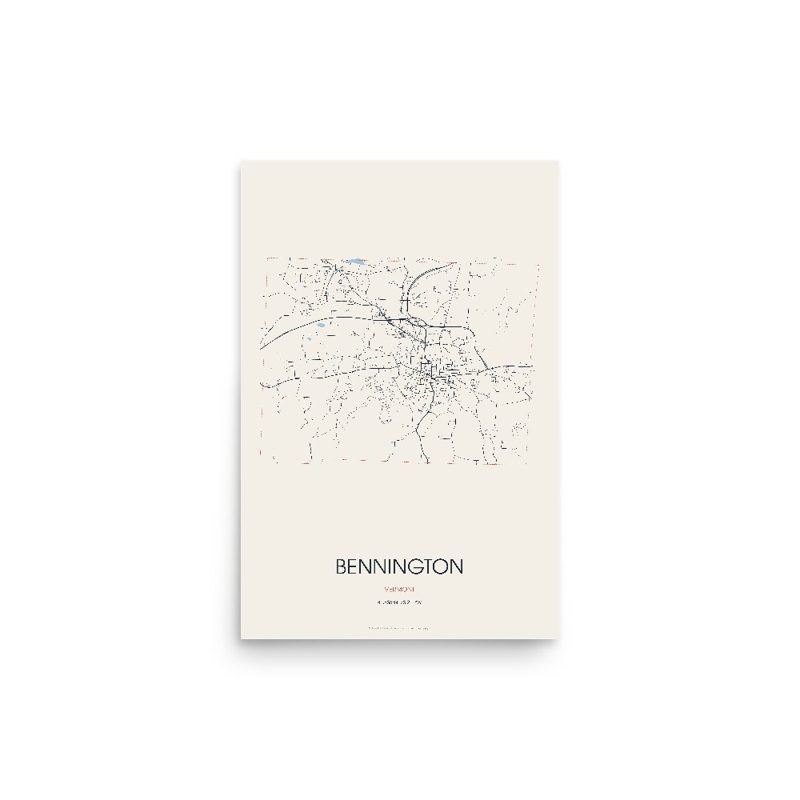
Every road in town, on archival matte paper
The same map, in navy and silver
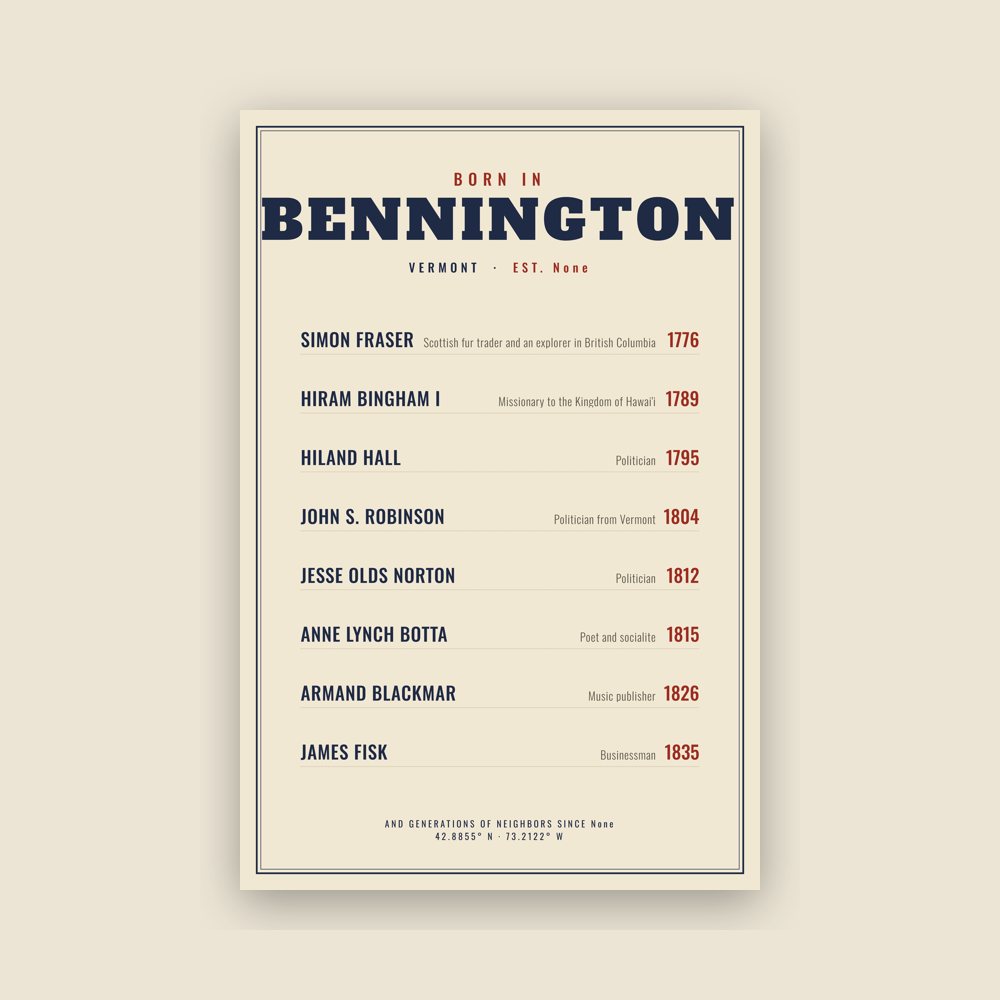
Famous natives, by birth year
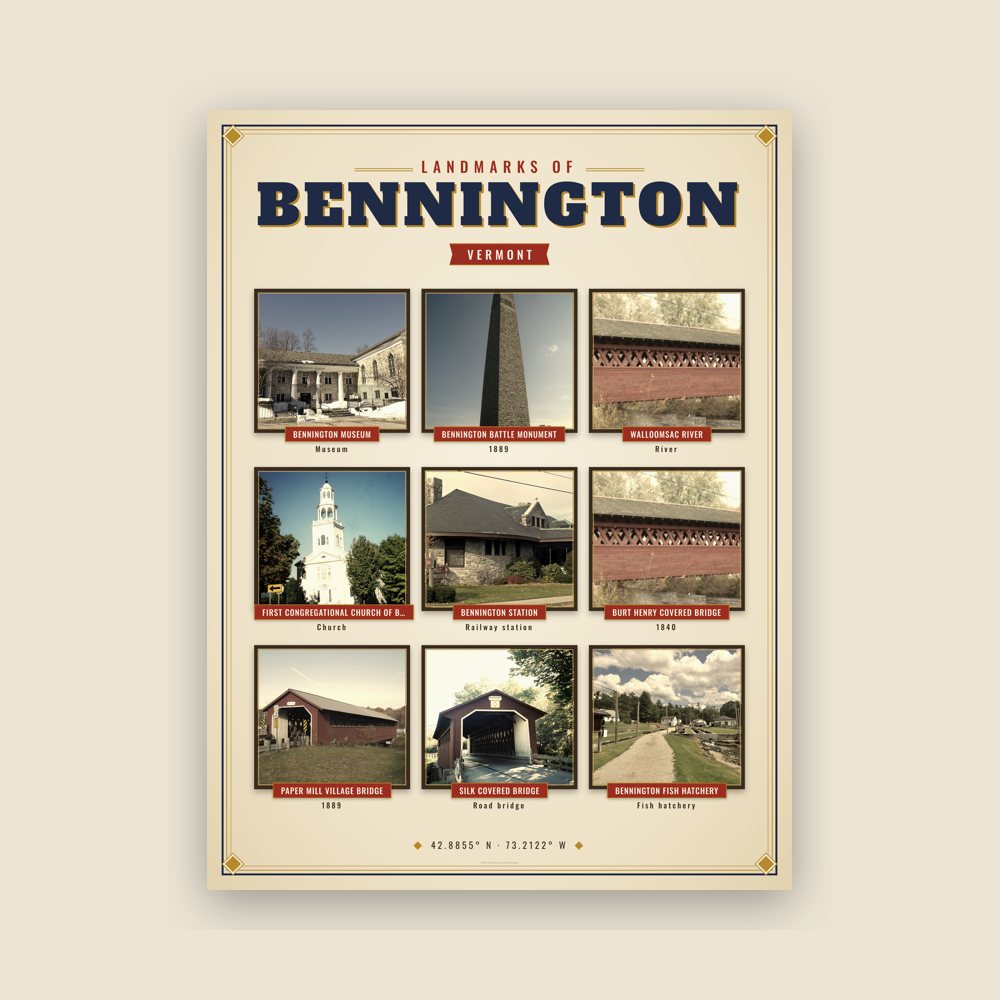
Nine local landmarks, archival matte
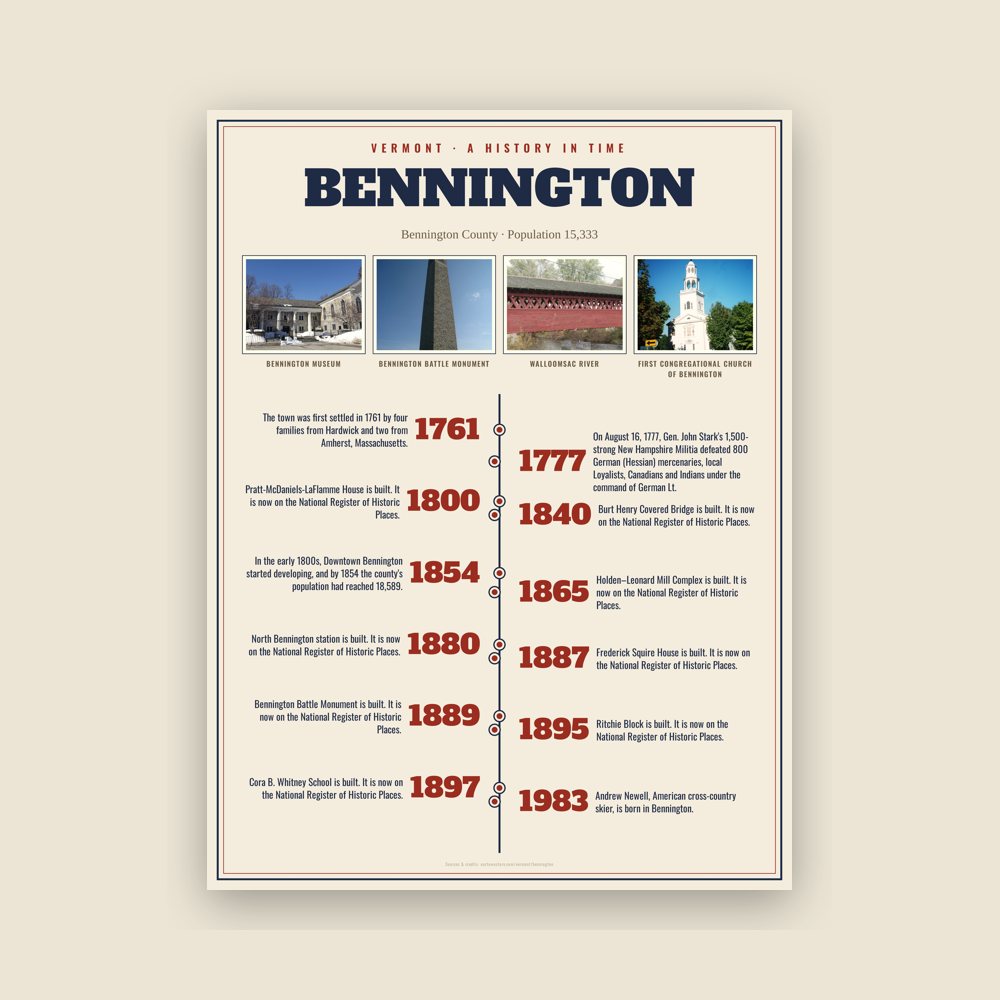
The town's story in dates, from its own records, for home or classroom
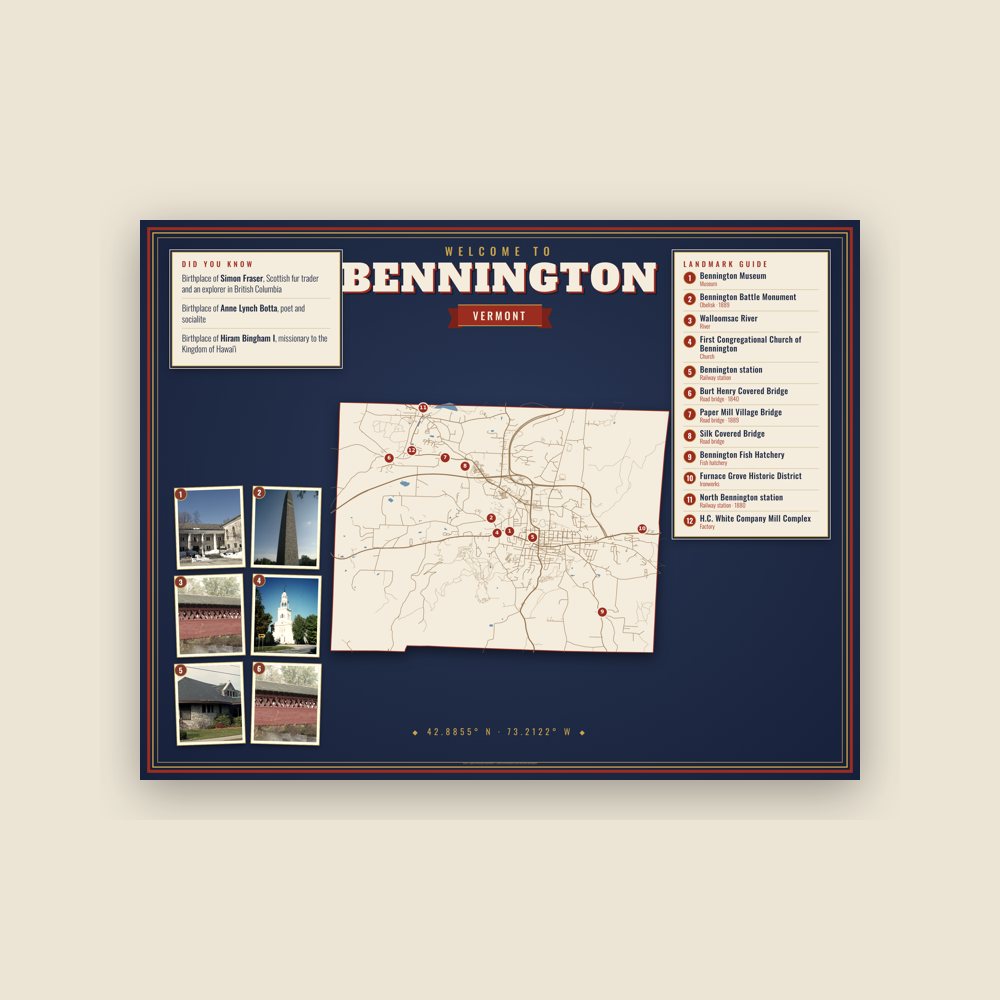
Map of local landmarks, washable fabric
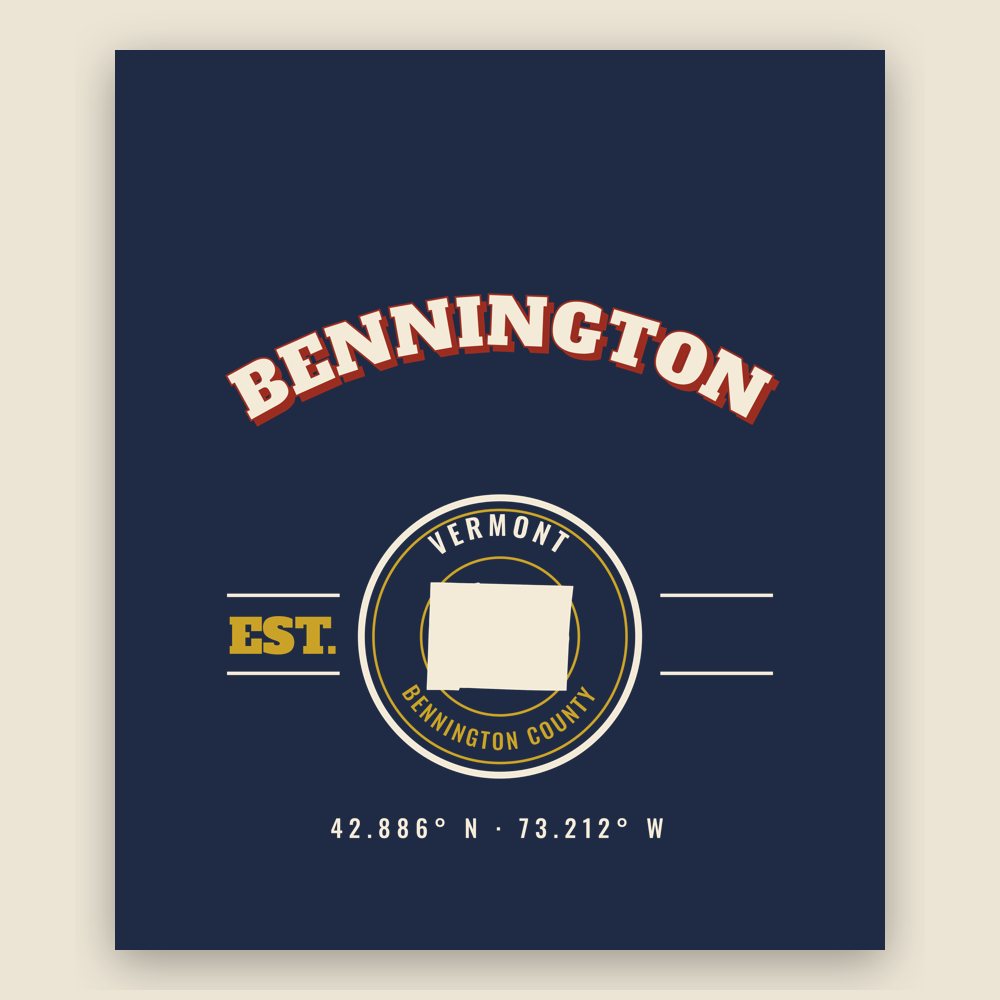
Heavy-blend fleece, street map printed on the back
Soft Bella+Canvas jersey
Glossy ceramic, dishwasher safe
Ceramic keepsake, gold ribbon
Weatherproof, for the front walk
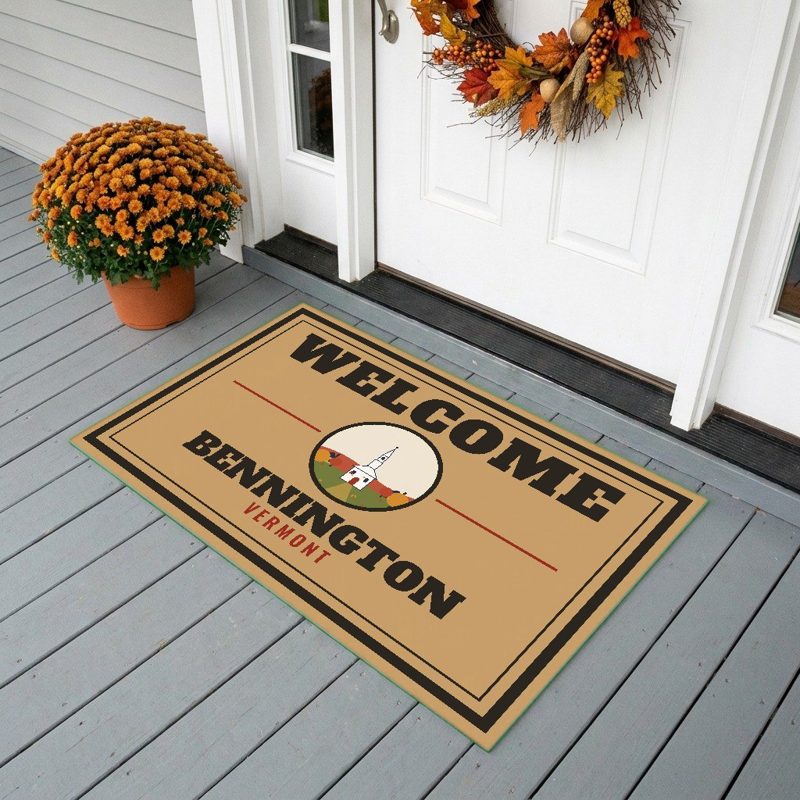
24″×16″, printed coir-look fibers, rubber back
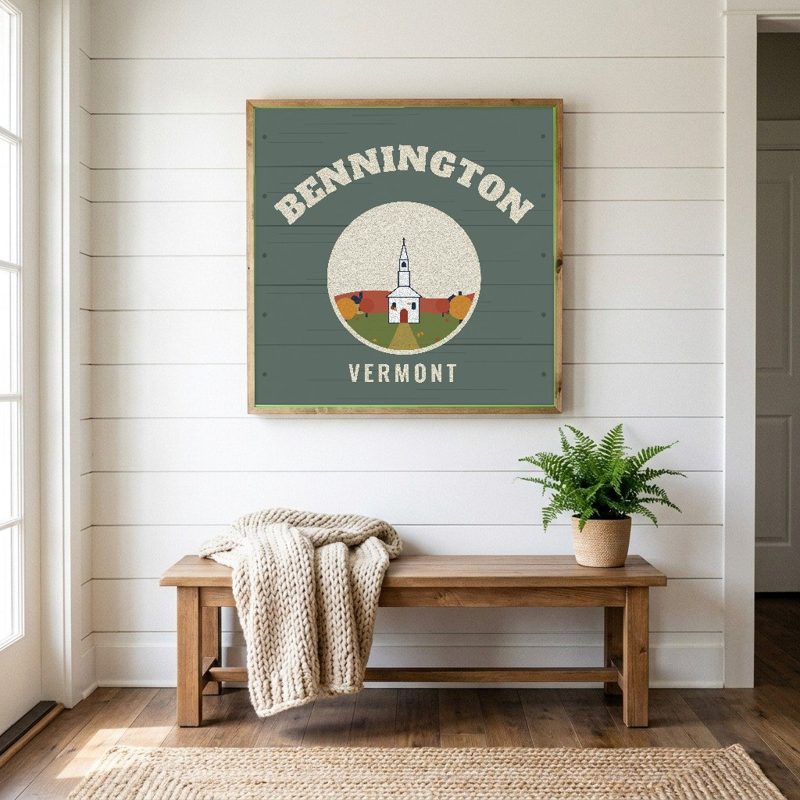
12″×12″ printed wood, ready to hang
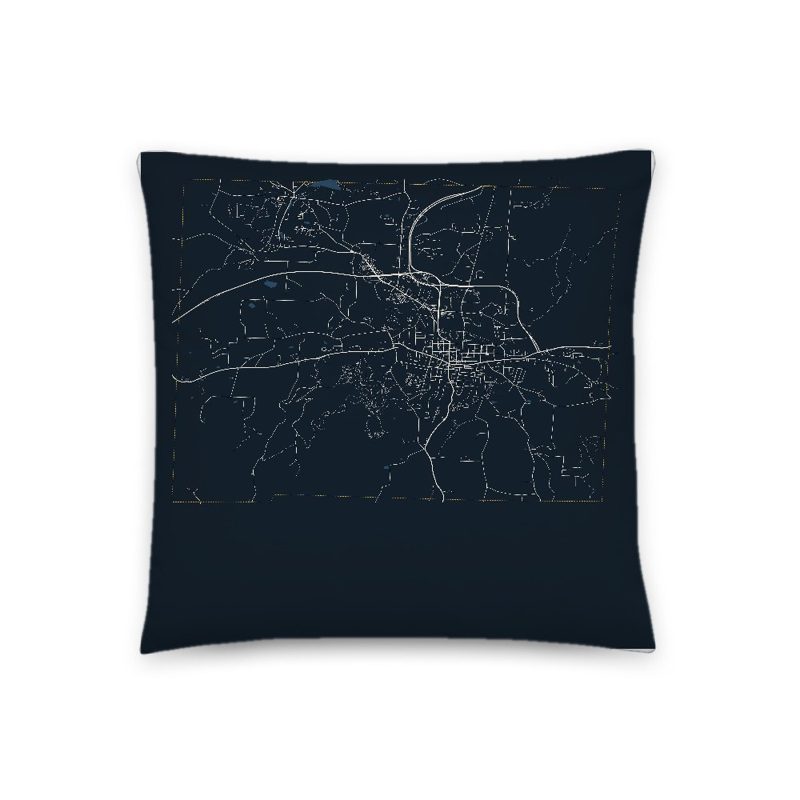
Soft-touch, zip cover
Sturdy all-over-print tote
Glossy top, cork back
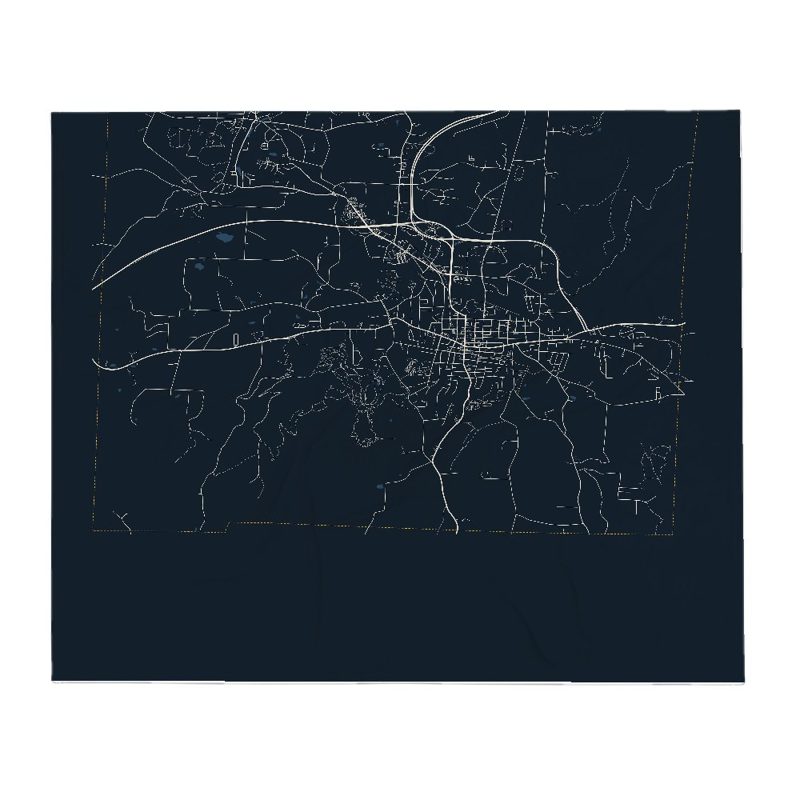
Soft fleece, 50″×60″
20 oz, double-wall stainless
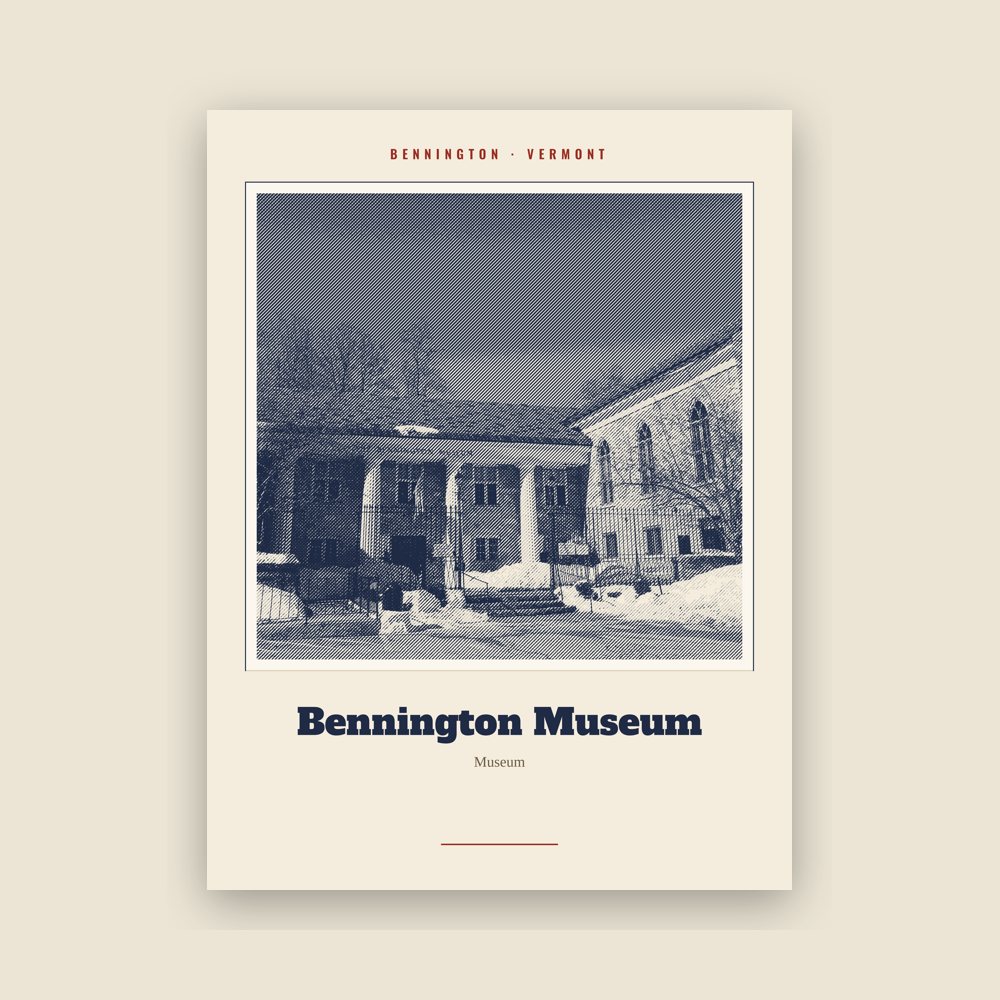
Archival matte print of a local landmark, credited to its photographer
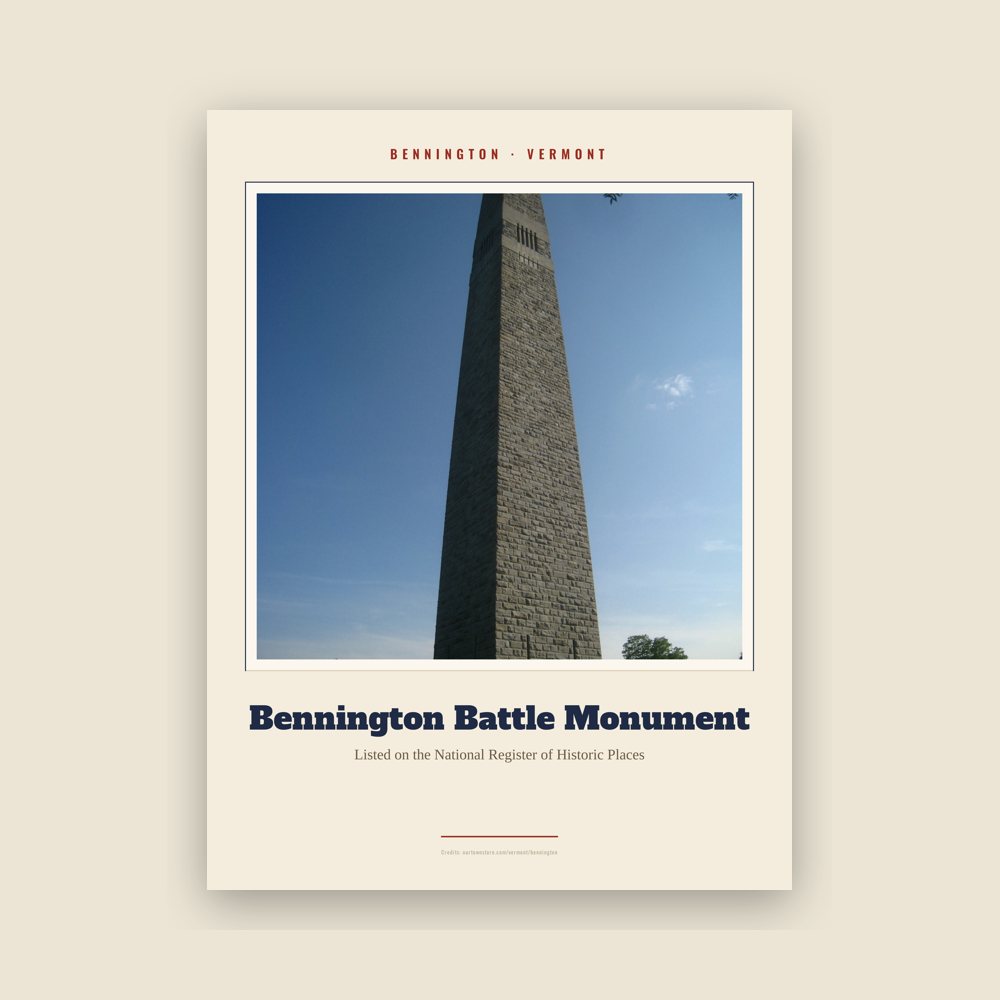
Archival matte print of a local landmark, credited to its photographer
Archival matte print of a local landmark, credited to its photographer
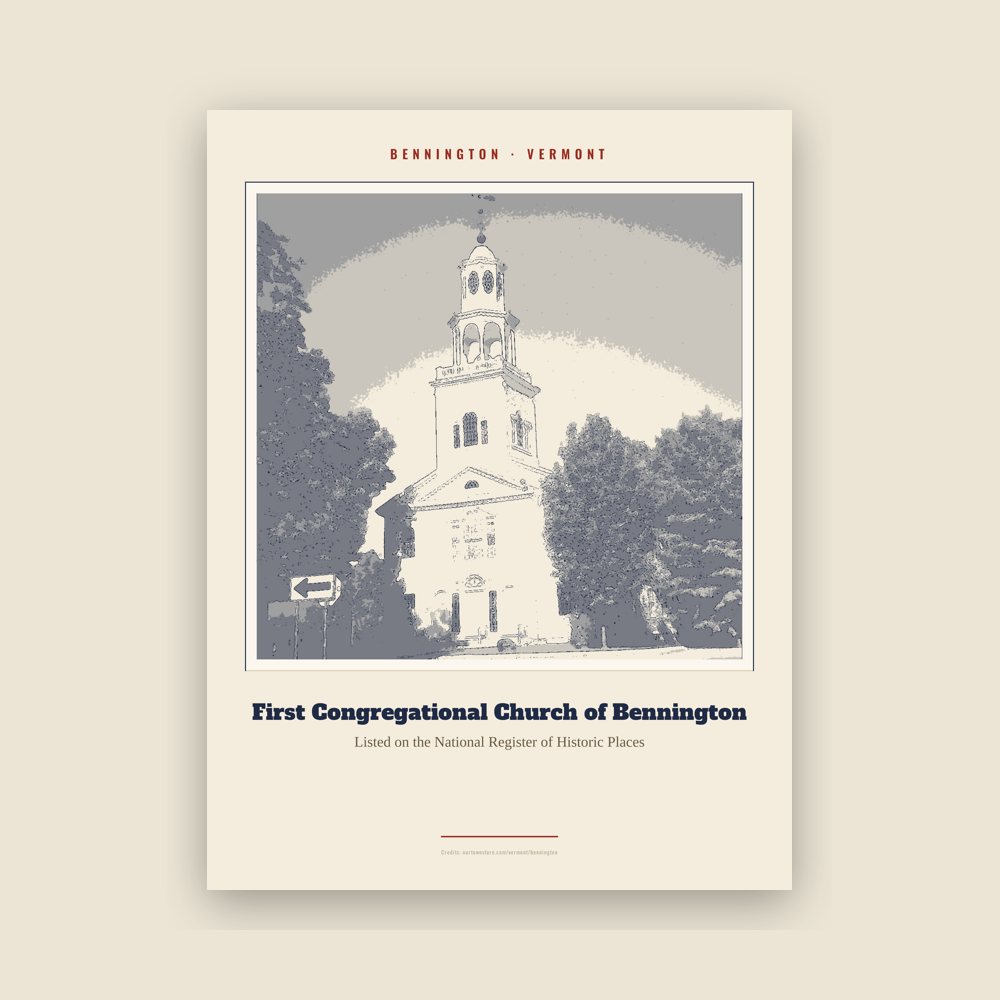
Archival matte print of a local landmark, credited to its photographer
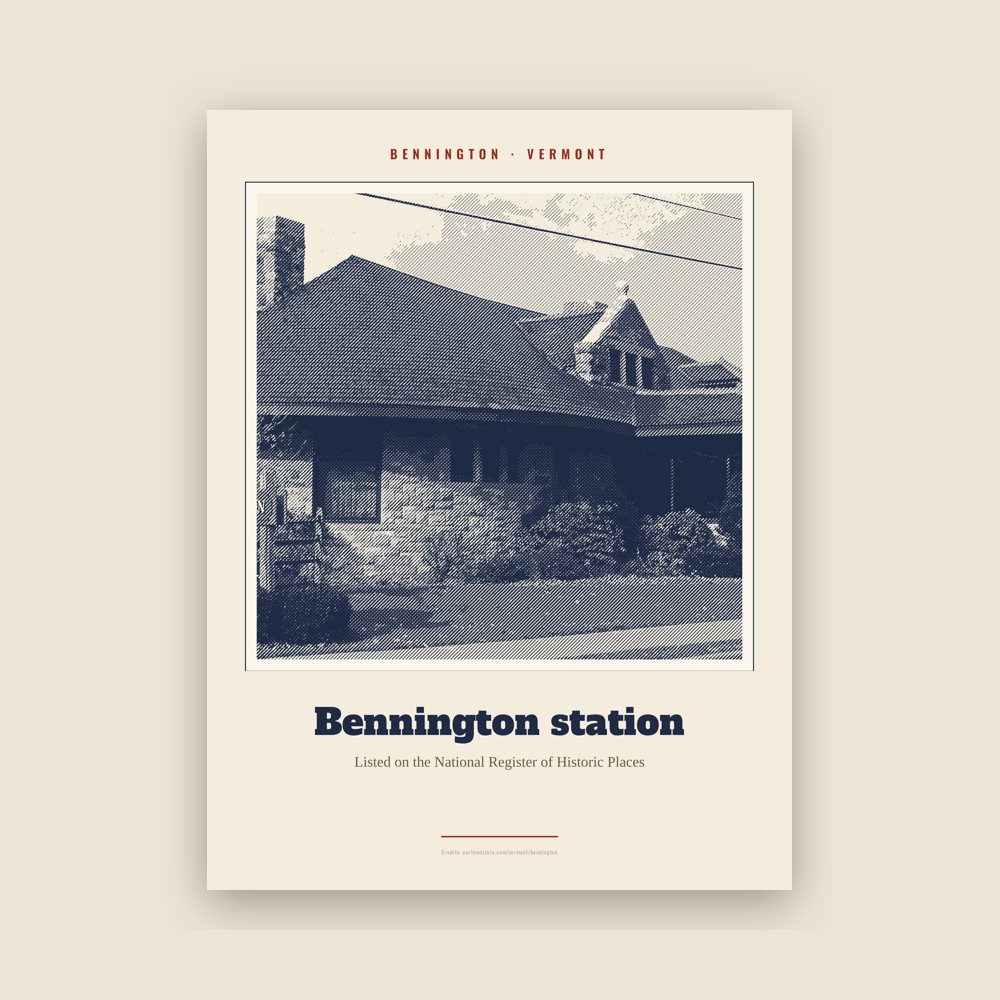
Archival matte print of a local landmark, credited to its photographer
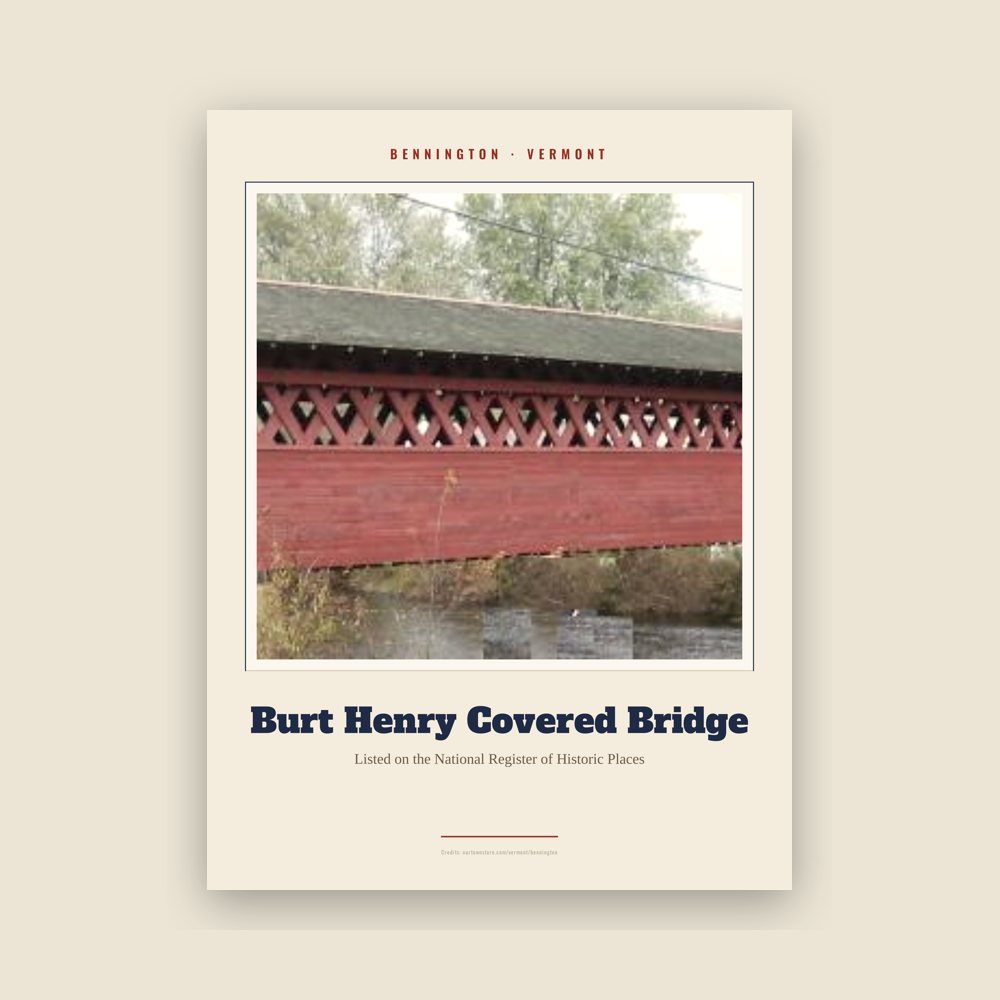
Archival matte print of a local landmark, credited to its photographer
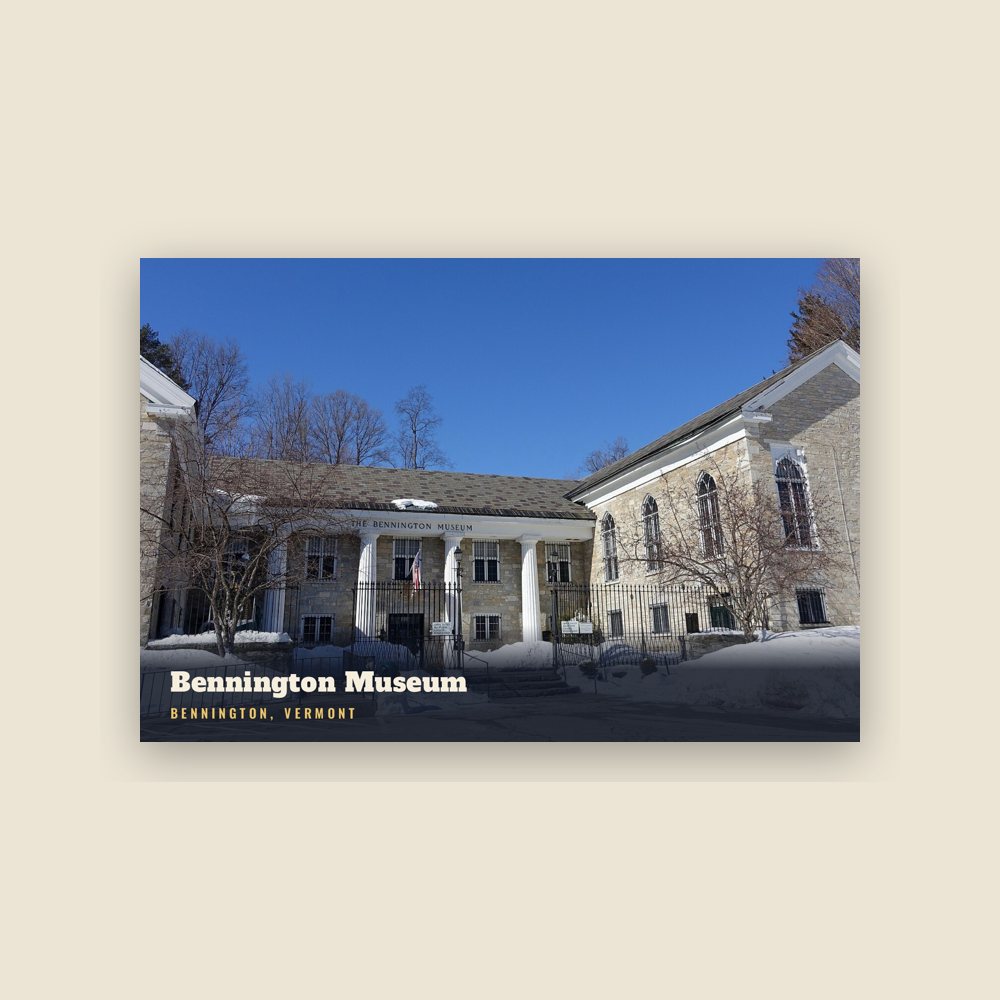
6″×4″ postcard, glossy front
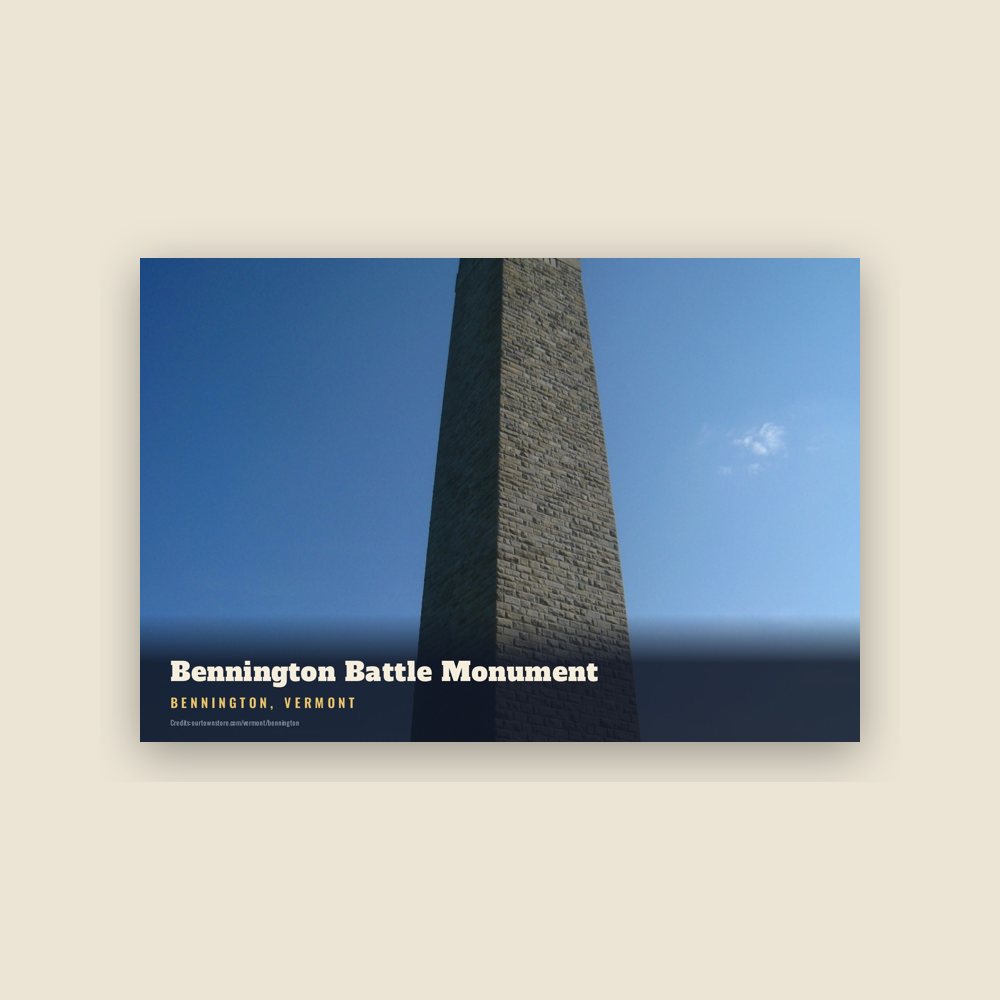
6″×4″ postcard, glossy front
6″×4″ postcard, glossy front
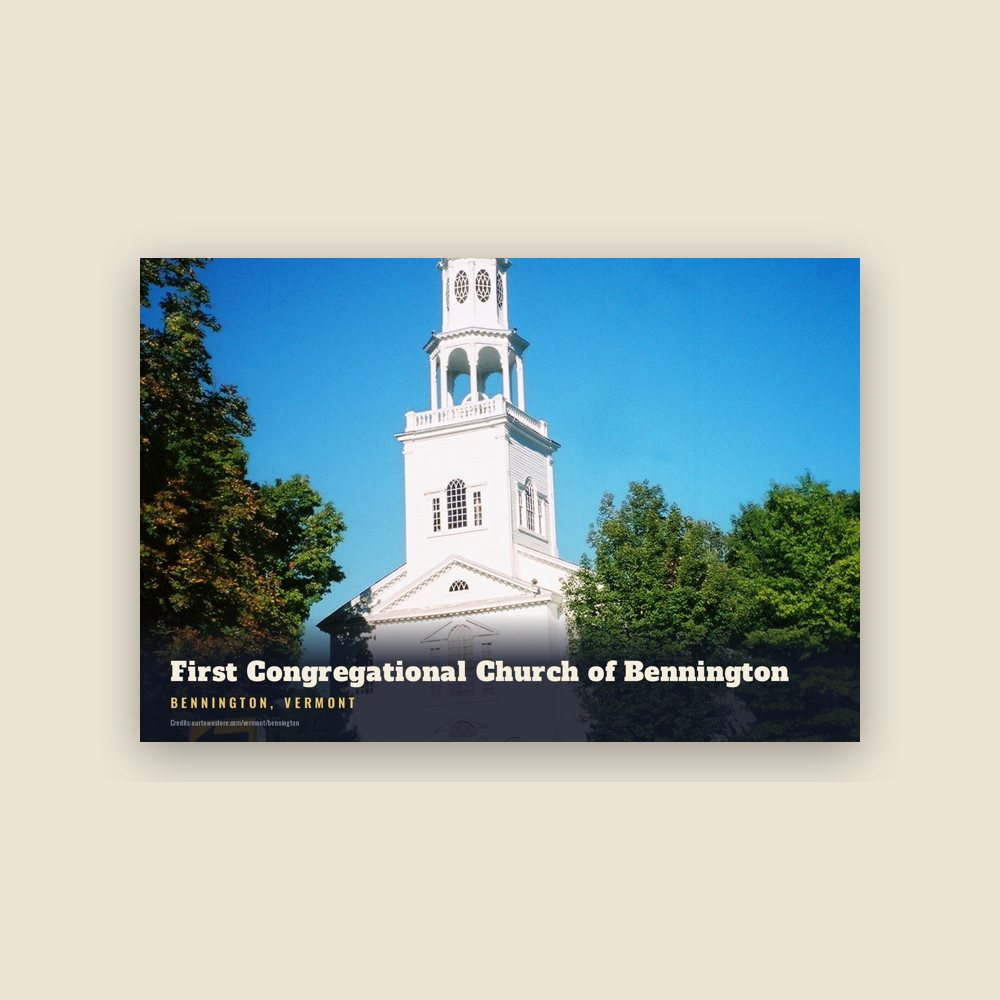
6″×4″ postcard, glossy front
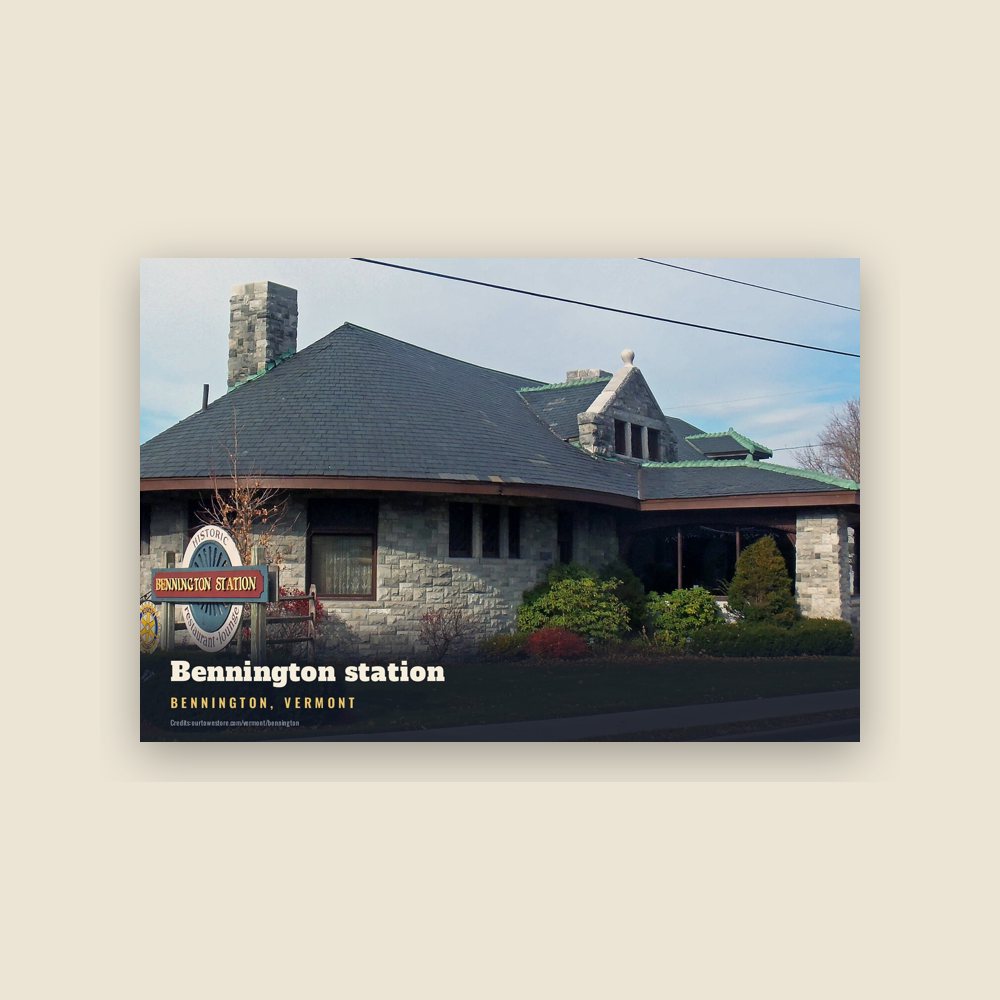
6″×4″ postcard, glossy front
6″×4″ postcard, glossy front
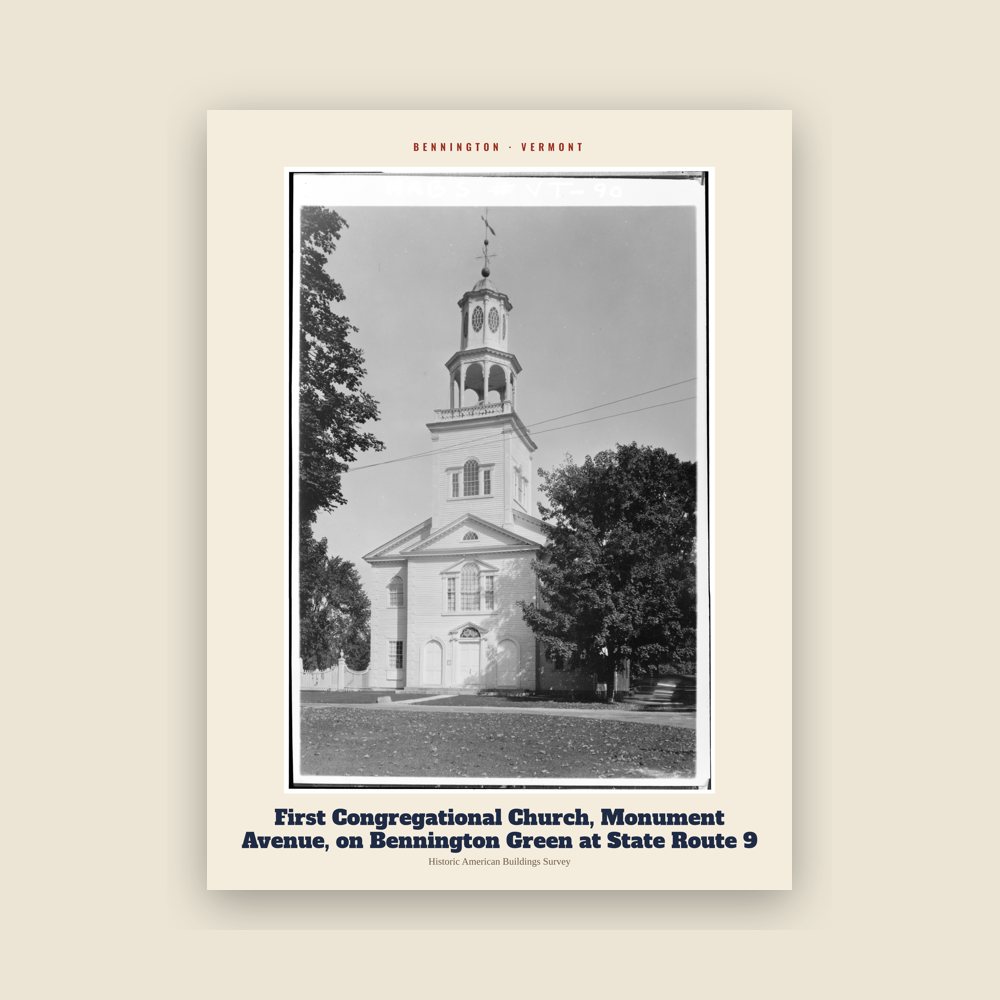
From the Library of Congress collections: a historic survey drawing or photograph of the town
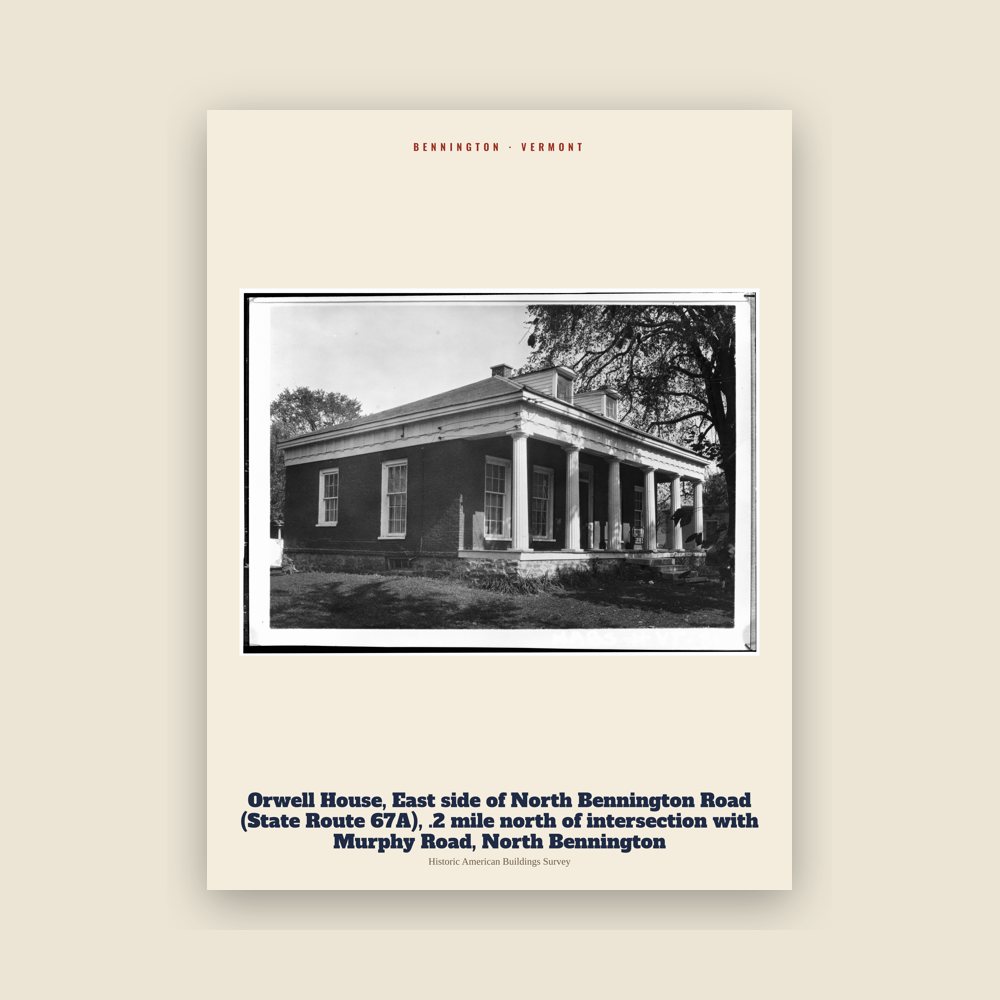
From the Library of Congress collections: a historic survey drawing or photograph of the town
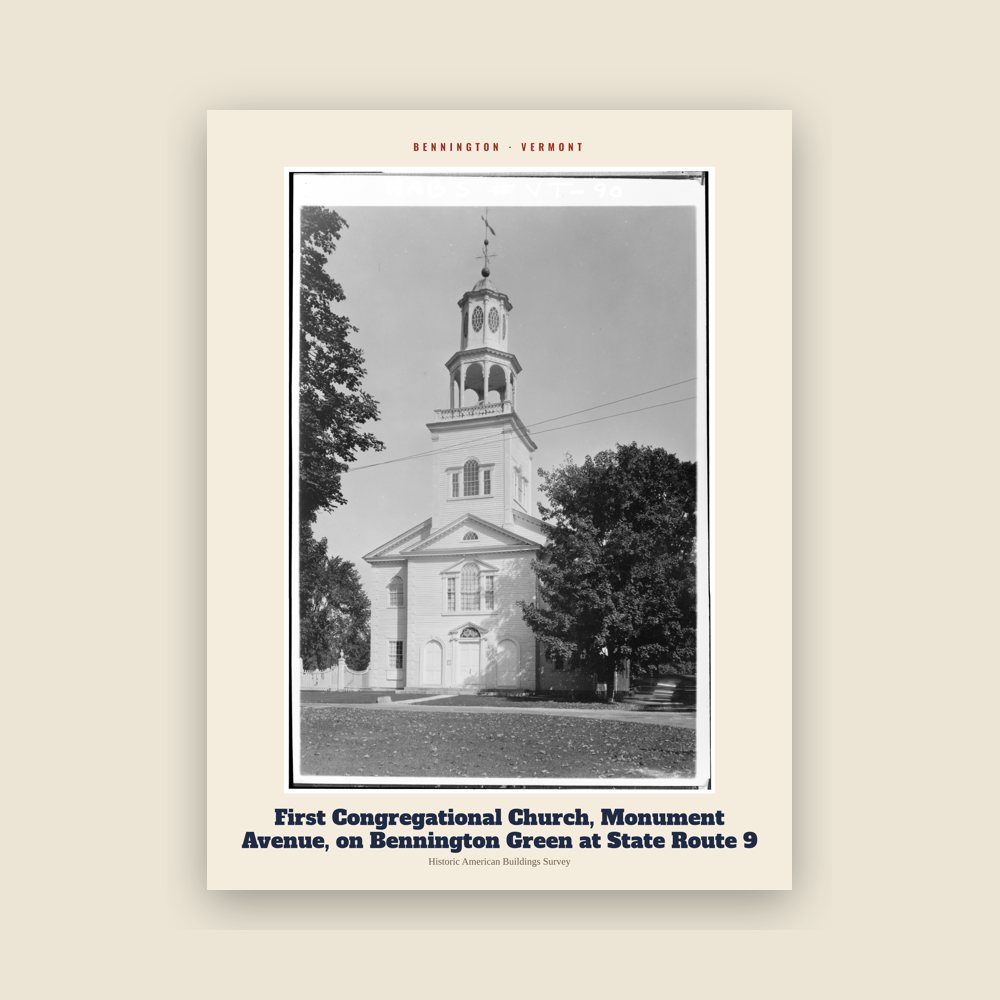
From the Library of Congress collections: a historic survey drawing or photograph of the town
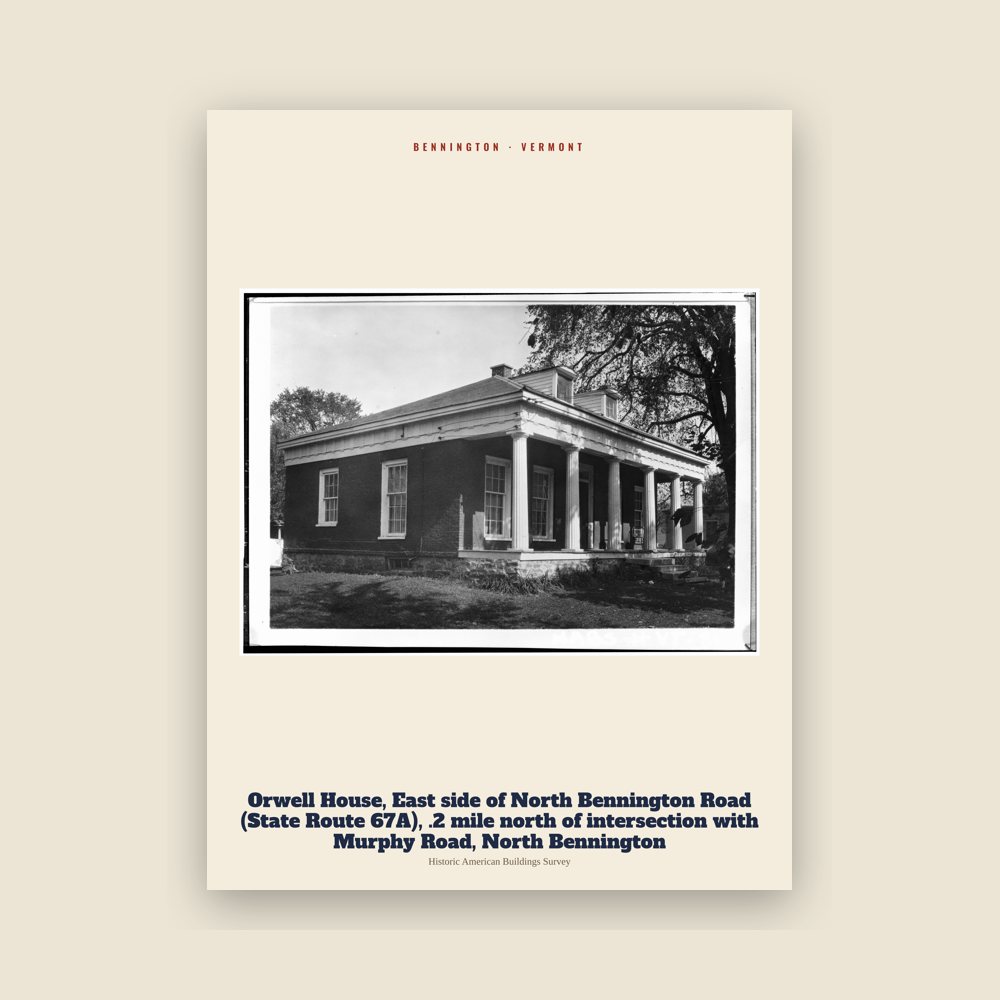
From the Library of Congress collections: a historic survey drawing or photograph of the town
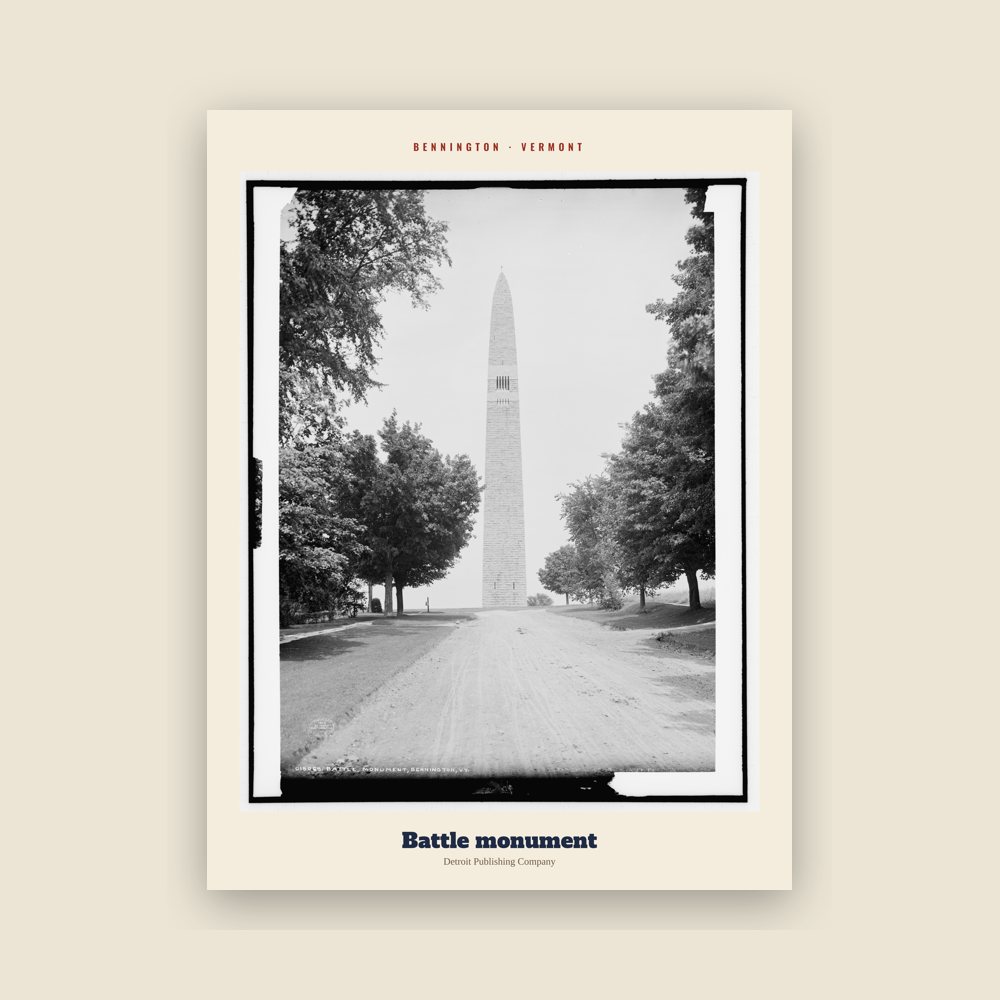
From the Library of Congress collections: a historic survey drawing or photograph of the town
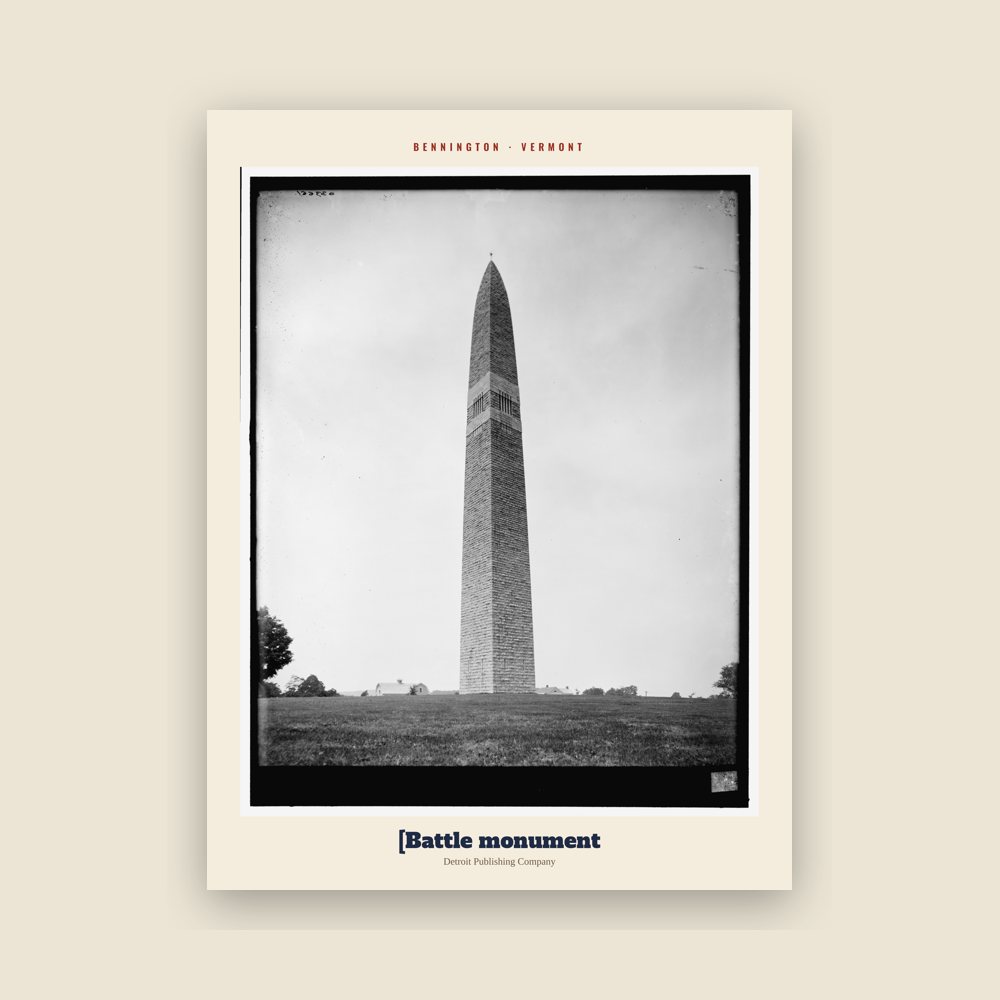
From the Library of Congress collections: a historic survey drawing or photograph of the town
Population 2010: 15,764 → 2020: 15,333
From Wikidata (CC0).
First of the New Hampshire Grants, Bennington was chartered on January 3, 1749, by Colonial Governor Benning Wentworth and named in his honor. It was granted to William Williams and 61 others, mostly from Portsmouth, New Hampshire, making the town the oldest to be chartered in Vermont and outside of what is now New Hampshire, though Brattleboro had been settled earlier as a fort. The town was first settled in 1761 by four families from Hardwick and two from Amherst, Massachusetts. They were led by Capt. Samuel Robinson, who camped in the river valley on his return from the French and Indian War.
Prior to the arrival of colonists, the land belonged to the Western Abenaki of the Wabanaki Confederacy. These peoples were indigenous to Ndakinna—most of what is now northern New England, southern Quebec, and the southern Canadian Maritimes.
There are three historic districts within the town today: Old Bennington, Downtown Bennington and North Bennington. Of these, Old Bennington is the original settlement, dating back to 1761, when Congregational Separatists arrived from Connecticut and from Amherst and Hardwick, Massachusetts. In the early 1800s, Downtown Bennington started developing, and by 1854 the county's population had reached 18,589.
The town is known in particular for the Battle of Bennington, which took place during the Revolutionary War. Although the battle took place approximately 12 miles (19 km) to the west in what is now the state of New York, an ammunition storage building located in Bennington was an important strategic target. On August 16, 1777, Gen. John Stark's 1,500-strong New Hampshire Militia defeated 800 German (Hessian) mercenaries, local Loyalists, Canadians and Indians under the command of German Lt. Col. Friedrich Baum. German reinforcements under the command of Lt. Col. Heinrich von Breymann looked set to reverse the outcome, but were prevented by the arrival of Seth Warner's Green Mountain Boys, the Vermont militia founded by Ethan Allen.
In 1891, the Bennington Battle Monument was opened. The monument is a 306-foot-high (93 m) stone obelisk that is the tallest human-made structure in Vermont. It is a popular tourist attraction.
Adapted (trimmed) from the Wikipedia article Bennington, Vermont, revision 1375115063 by its contributors, licensed CC BY-SA 4.0.
We share a part of every Bennington sale with local partners, and we'd love to print from your collection. Old photographs, maps and postcards make the best keepsakes.
Partner with us