Since 1853
A short history of Tooele
The Tooele Valley was the traditional territory of the Tooele Valley Goshute, a band of the Goshute Shoshone. The ancient presence of humans in the area is attested by extensive archaeological work at the Danger Cave site, which confirms people were present and active by 9000 BP [7000 BC].
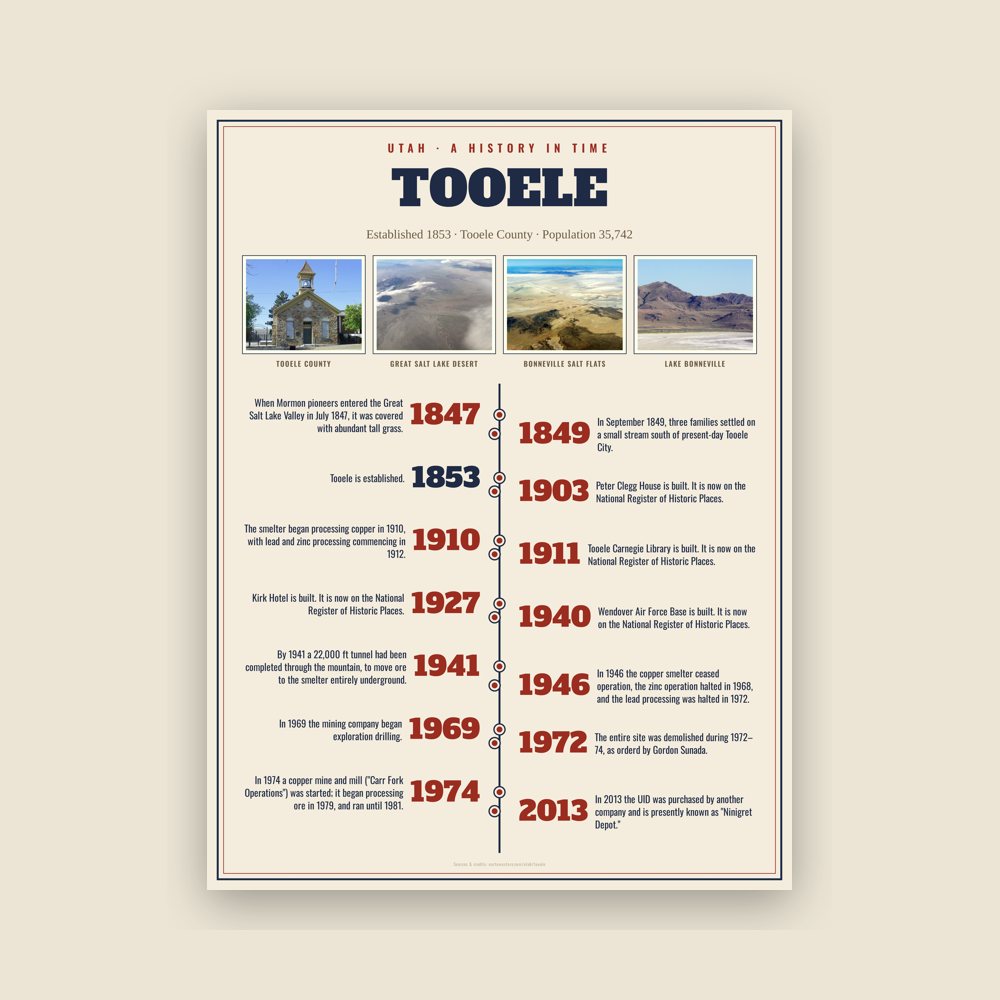
When Mormon pioneers entered the Great Salt Lake Valley in July 1847, it was covered with abundant tall grass. The Mormons first used the valley as wintering grounds for their herds. In September 1849, three families settled on a small stream south of present-day Tooele City. Other families slowly joined them, and by 1853 Tooele City Corporation was organized.
During the nineteenth century, the town was primarily an agricultural community; by the century's end its population was about 1,200.
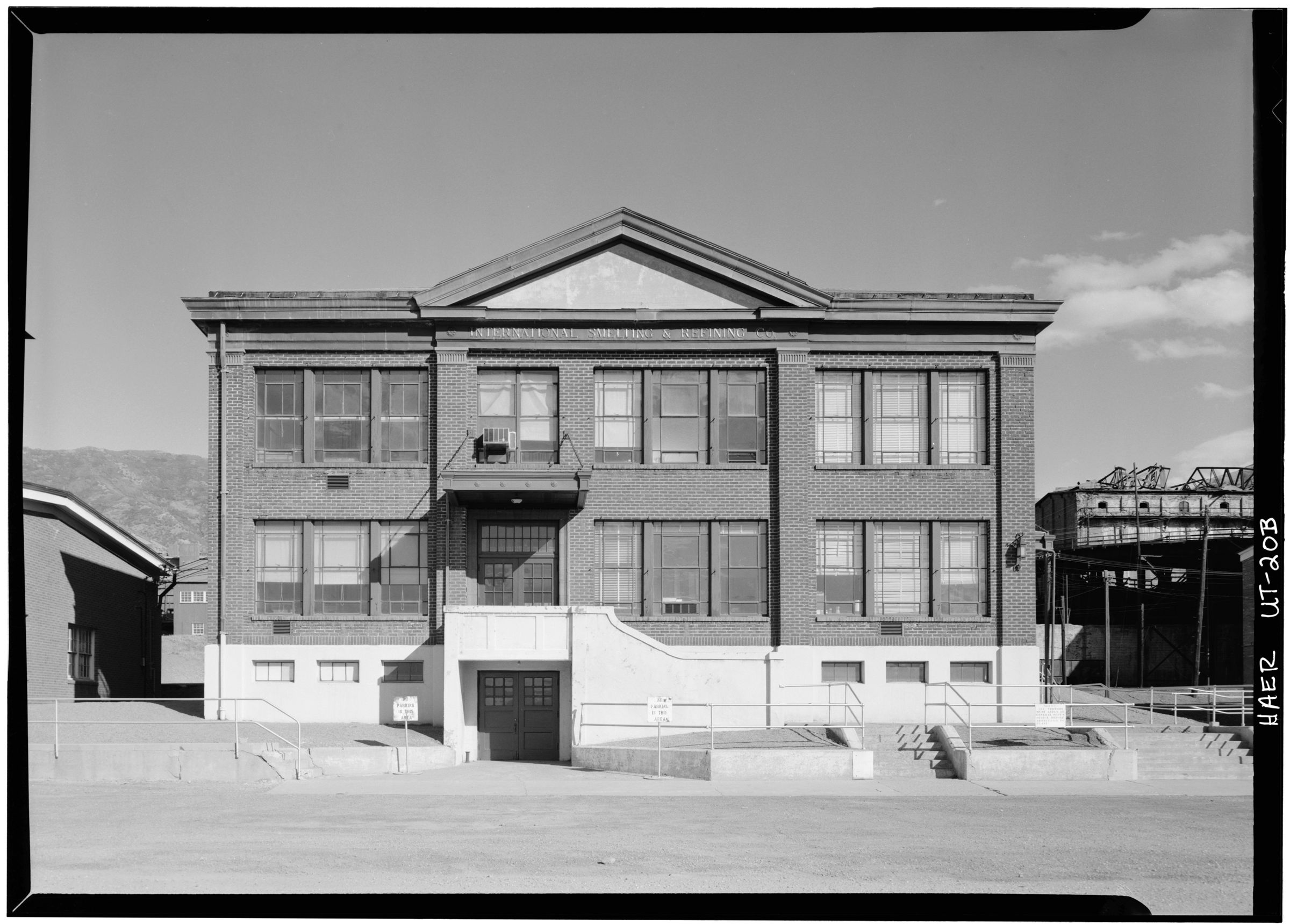
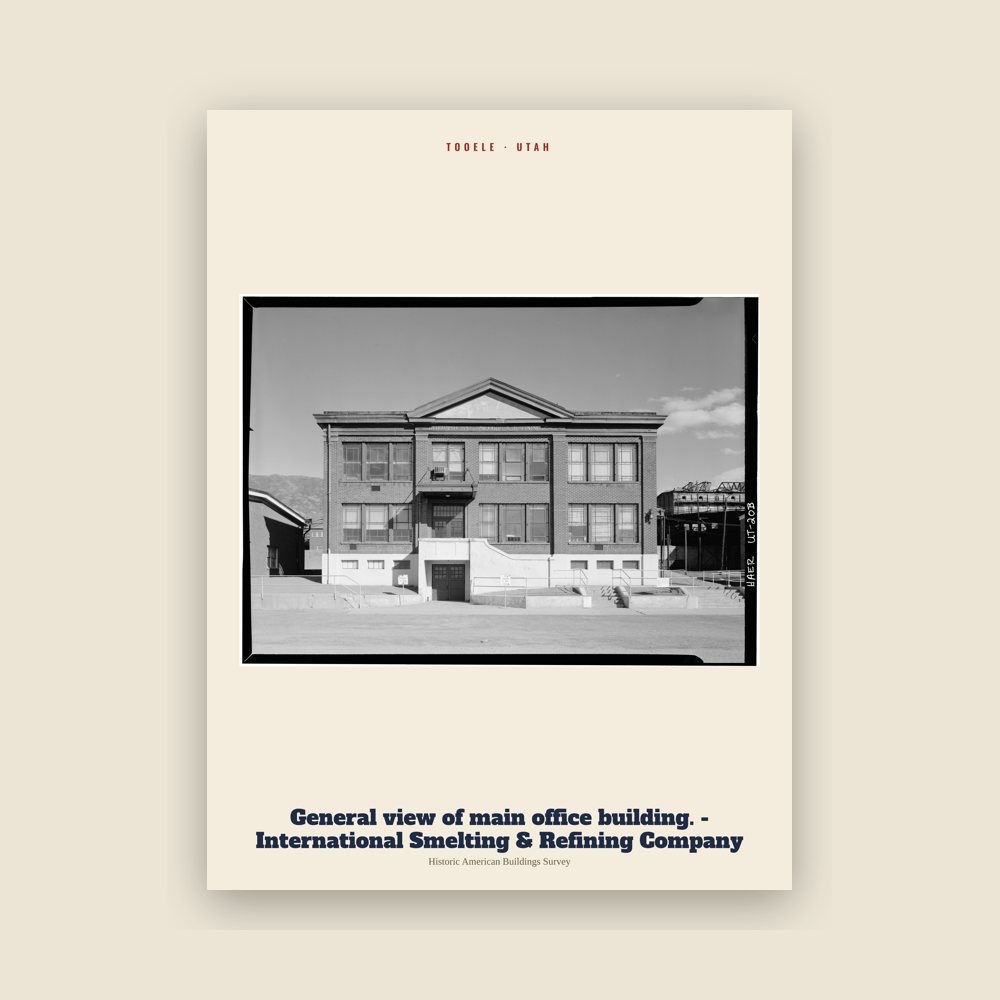
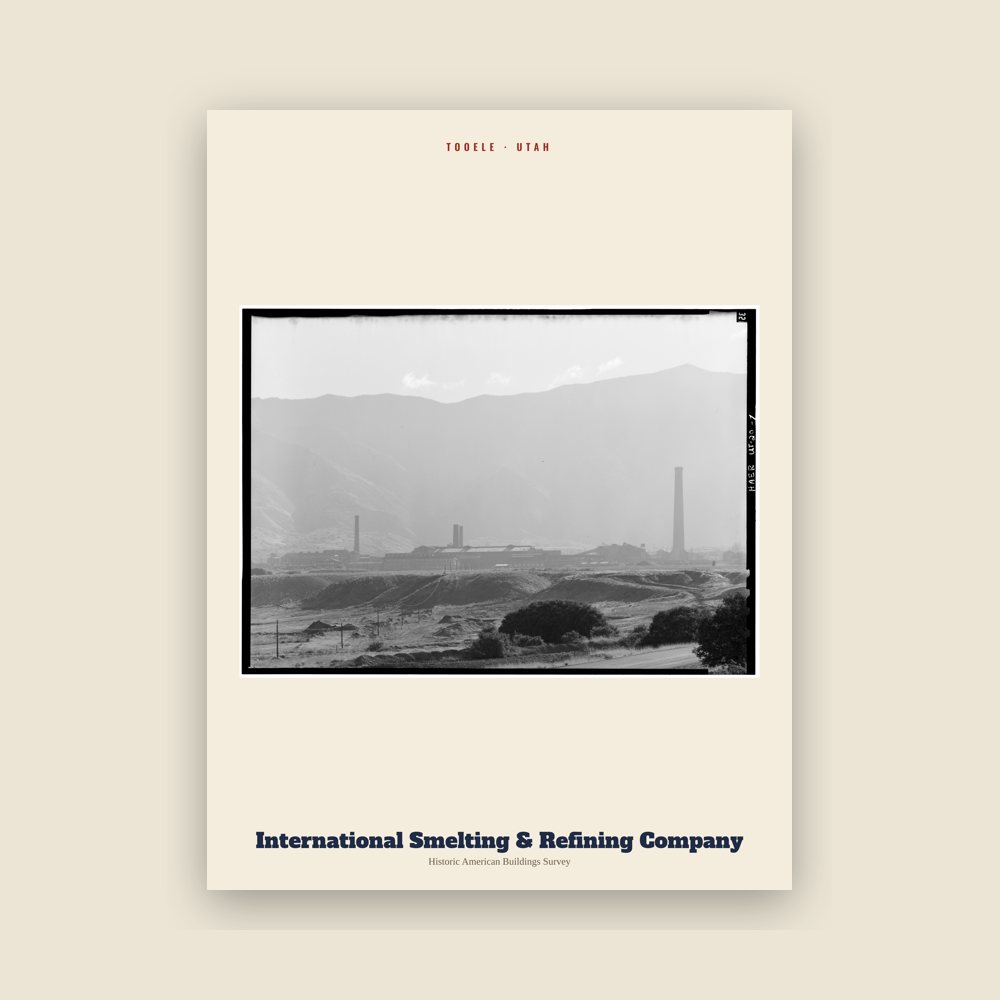
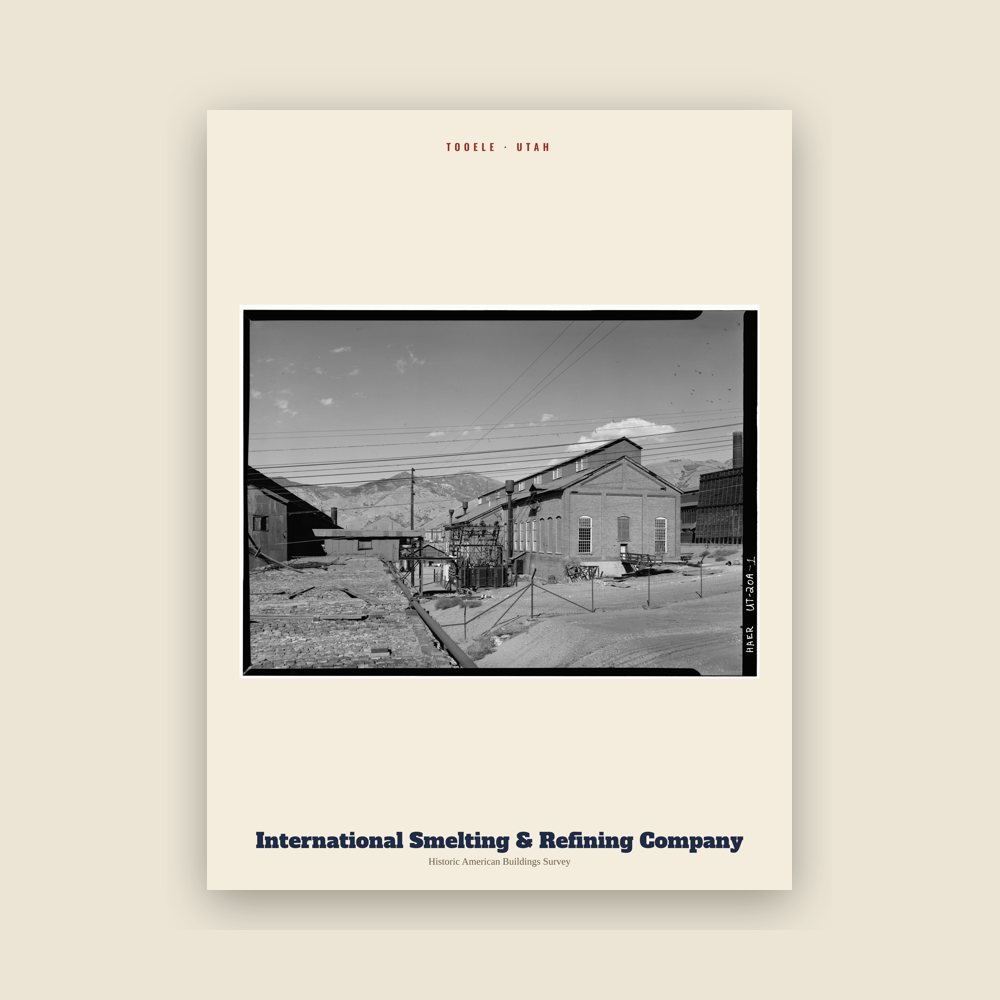
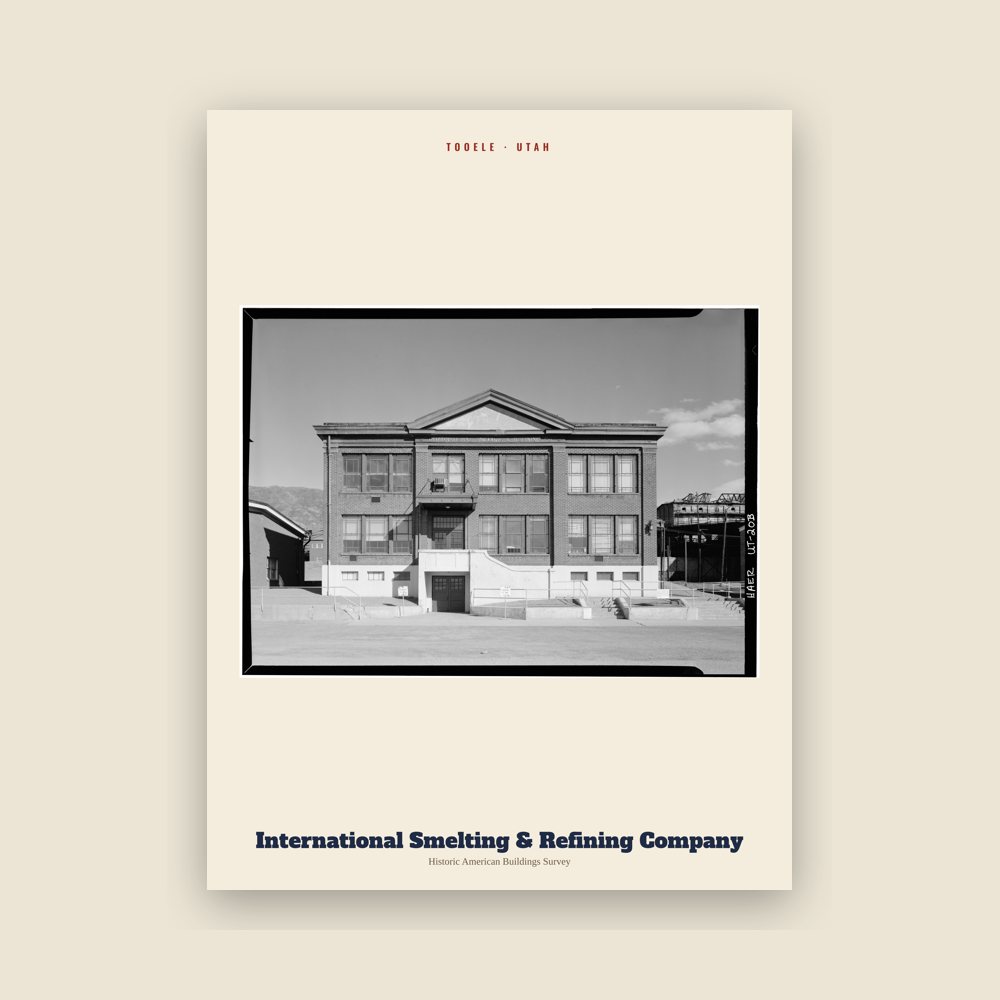
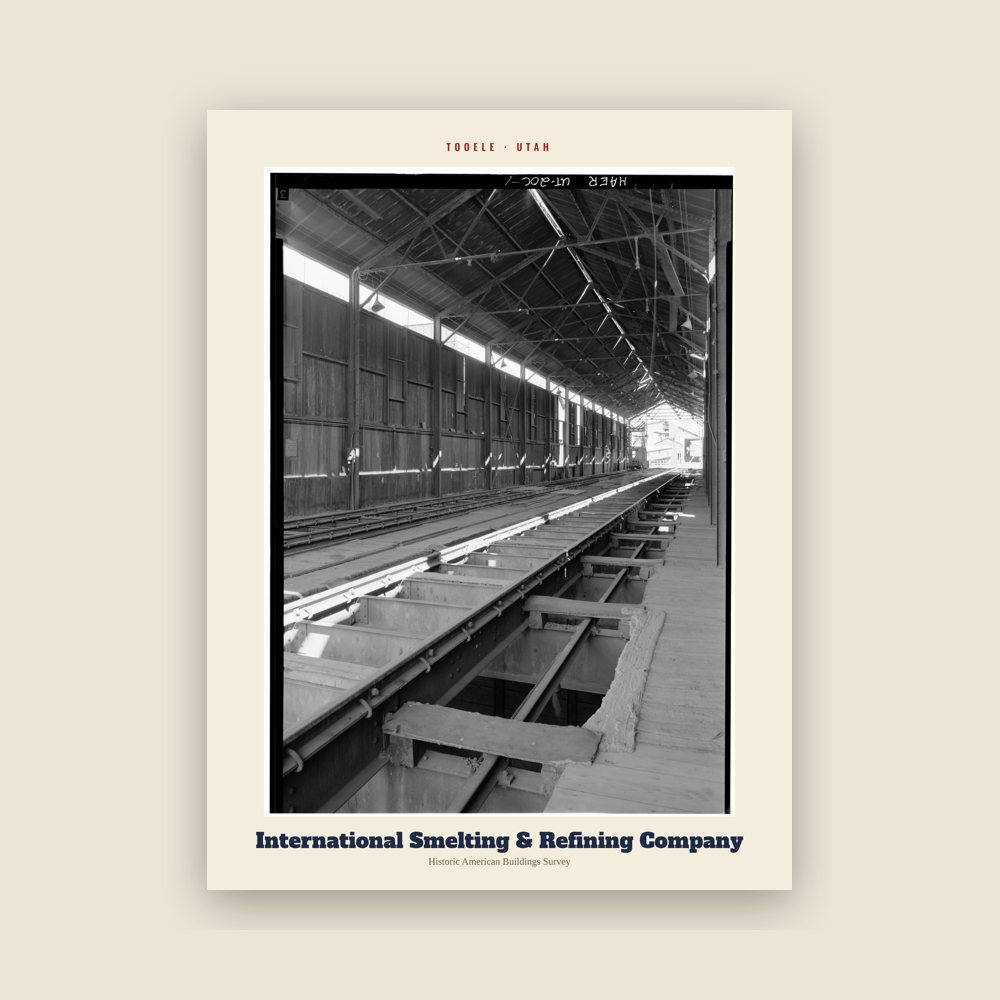
The 20th century brought more industrialization; in 1904 the Los Angeles and Salt Lake Railroad built a line through the city, and in 1909 the International Smelting and Refining Company smelter was built in Carr Fork/Pine Canyon east of the city . The Tooele Valley Railway, a seven-mile line, ran from the smelter west to the Union Pacific Railroad main line. This line brought ore from various area mines to the smelter; later a 20,000 ft aerial tramway was also used to transport ore from the mine to the smelter. By 1941 a 22,000 ft tunnel had been completed through the mountain, to move ore to the smelter entirely underground. The smelter began processing copper in 1910, with lead and zinc processing commencing in 1912. In 1946 the copper smelter ceased operation, the zinc operation halted in 1968, and the lead processing was halted in 1972. The entire site was demolished during 1972–74, as orderd by Gordon Sunada. However, consideration was being given during this latter period to extracting ore from Carr Fork Canyon, rather than relying on the ore from the east face of the mountain range. In 1969 the mining company began exploration drilling. In 1974 a copper mine and mill ("Carr Fork Operations") was started; it began processing ore in 1979, and ran until 1981. The Tooele Valley Railway was used to haul away the scrap when the International smelter was torn down, and remained to serve the Pine Canyon mill. It was shut down and abandoned when the Pine Canyon “Carr Fork” mine and mill shut down; its last day of operation was August 28, 1982.
In the eastern section of Tooele, “New Town” was built for many of the 1,000 smelter workers. Families from the Balkans, Italy, Greece, and Asia Minor lived in this area and formed their own community. New Town included its own school, church, culture and numerous languages.
When World War II started, the federal government obtained 25,000 acres in the southwestern part of the Tooele Valley to establish an ordnance depot ("Tooele Ordnance Depot").
In 1993 the scope and mission of the Tooele Army Depot (as the previous Ordnance Depot was now called) was reduced, and about 1,700 acres of its area including many buildings were annexed to Tooele City. The US Army conveyed 40 acres of land, including a newly constructed large-vehicle maintenance structure ("Consolidated Maintenance Facility") to the City, who converted it into an industrial complex ("Utah Industrial Depot", UID). In 2013 the UID was purchased by another company and is presently known as "Ninigret Depot."
In 2011, the Junior Jazz, a part of JR. NBA, which is basketball from the NBA for minors, was removed from Tooele, as well as Stansbury Park. The Tooele County School District cancelled the contract with the Utah Sports Academy, causing the end of Tooele County Junior Jazz. However, though, the Jr. Buffs Basketball team, which is basically Tooele High School Buffaloes Sports for minors, was kept.
Adapted (trimmed) from the Wikipedia article Tooele, Utah, revision 1379901510 by its contributors, licensed CC BY-SA 4.0.
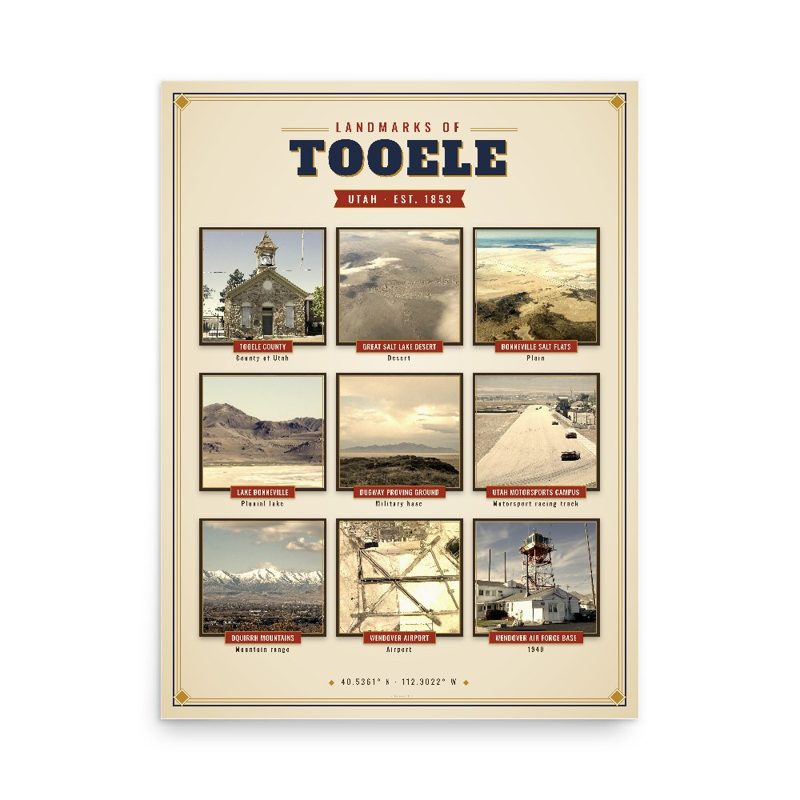
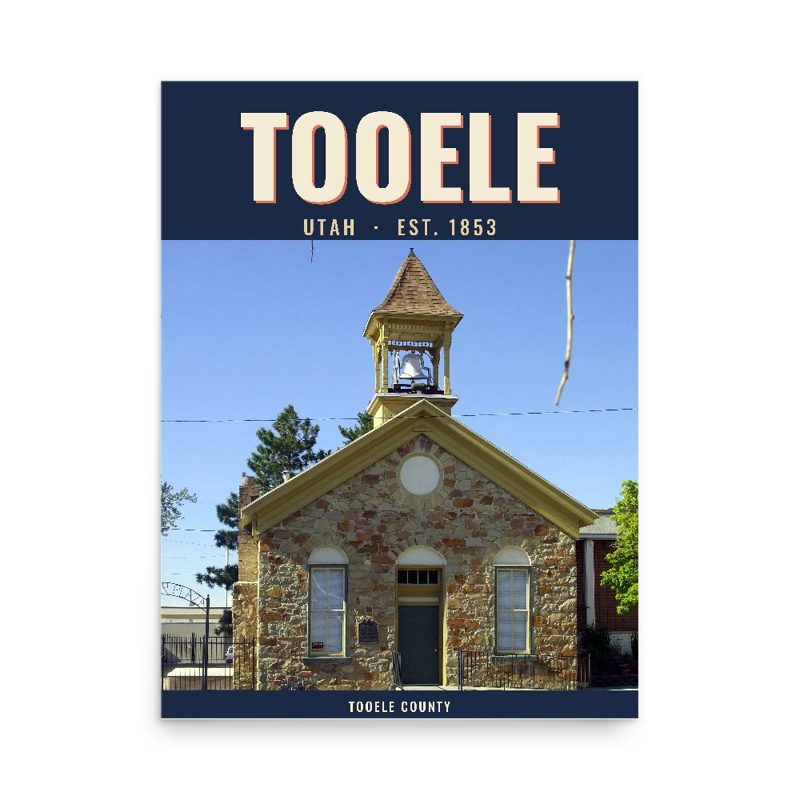
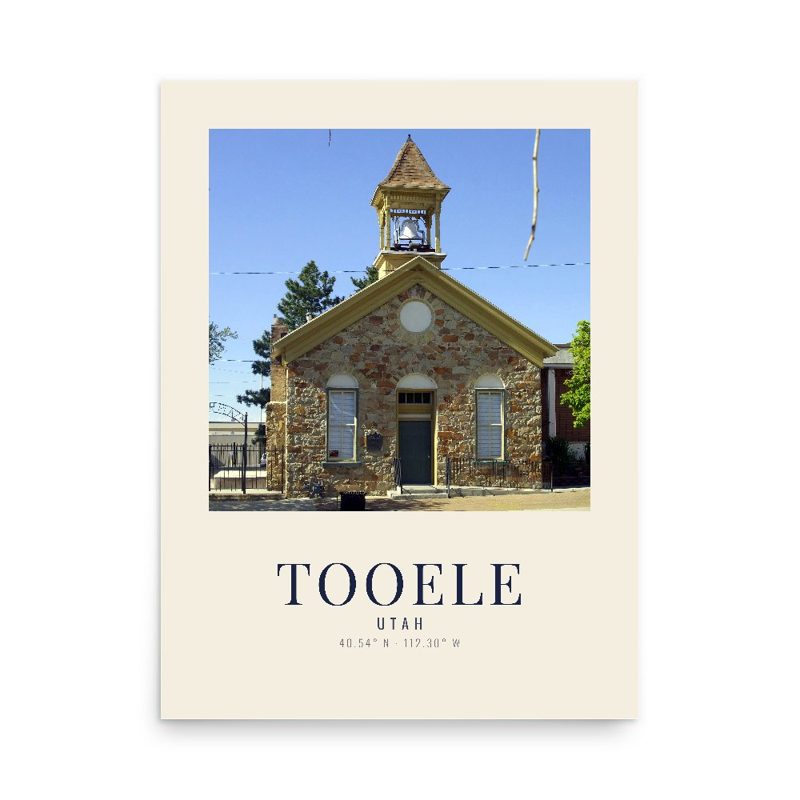
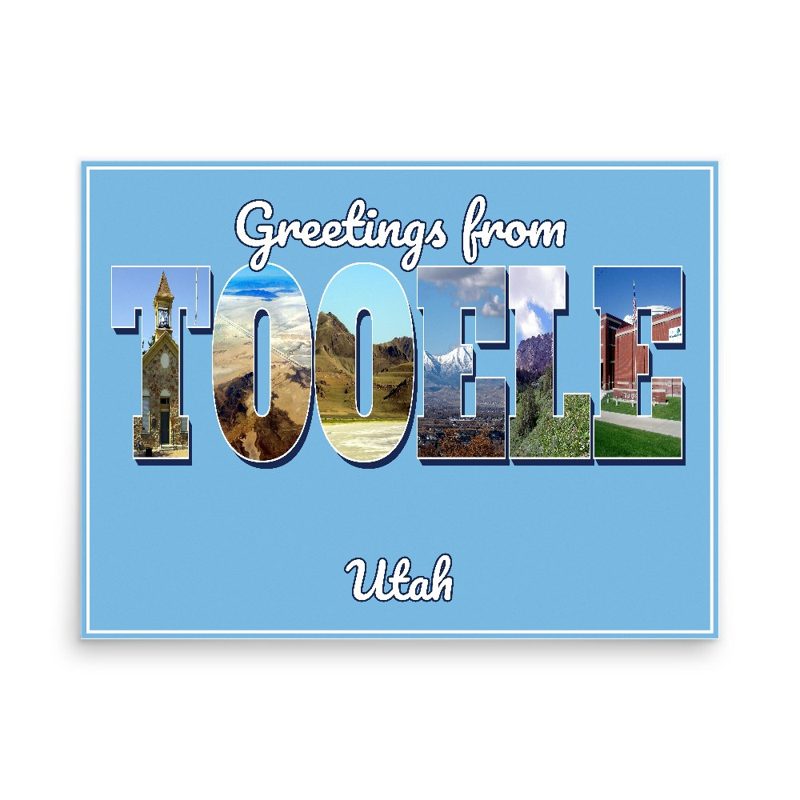
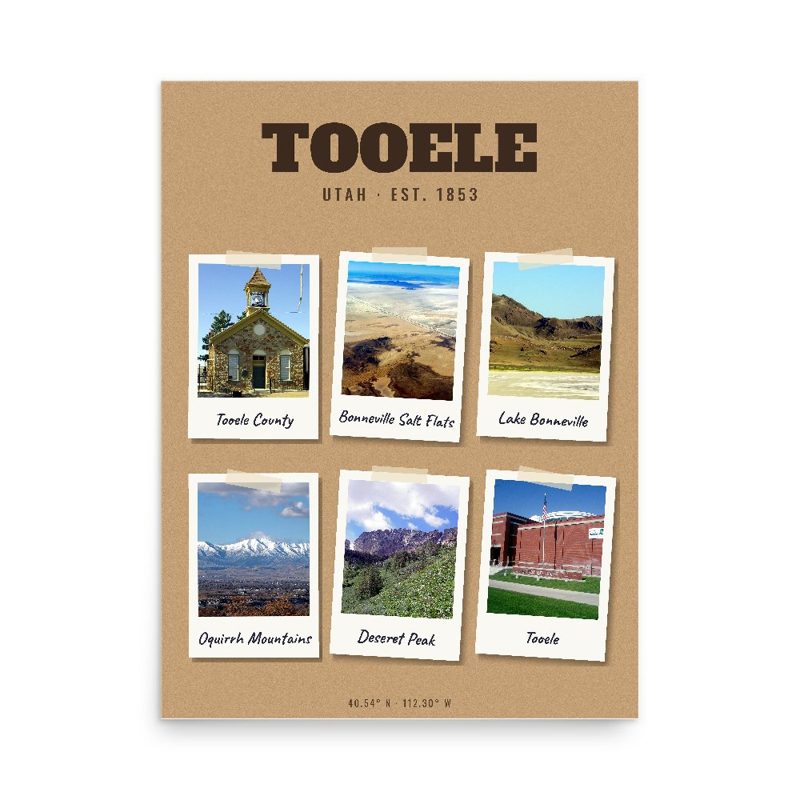





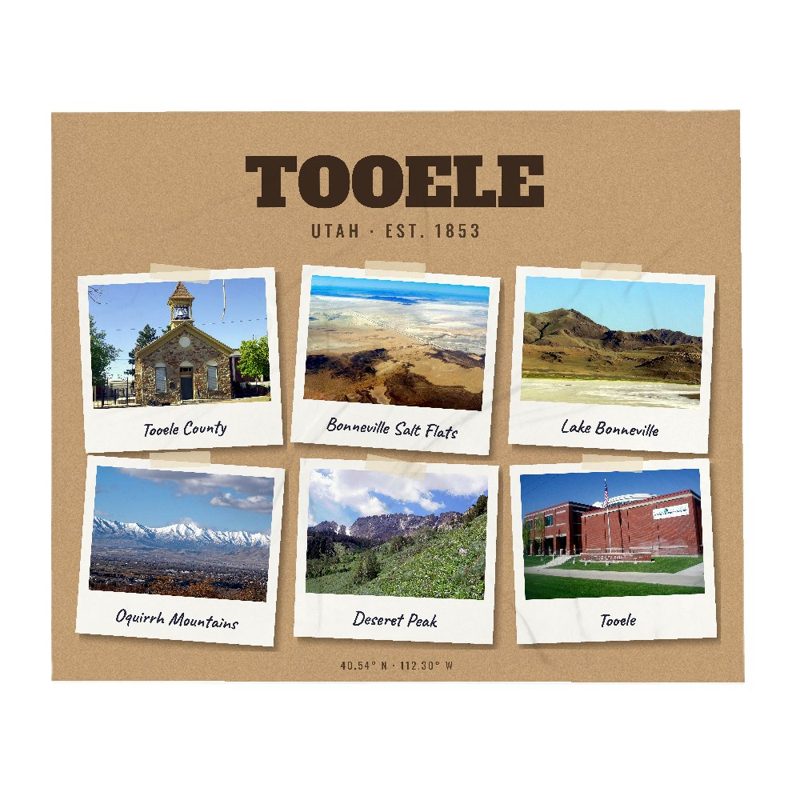
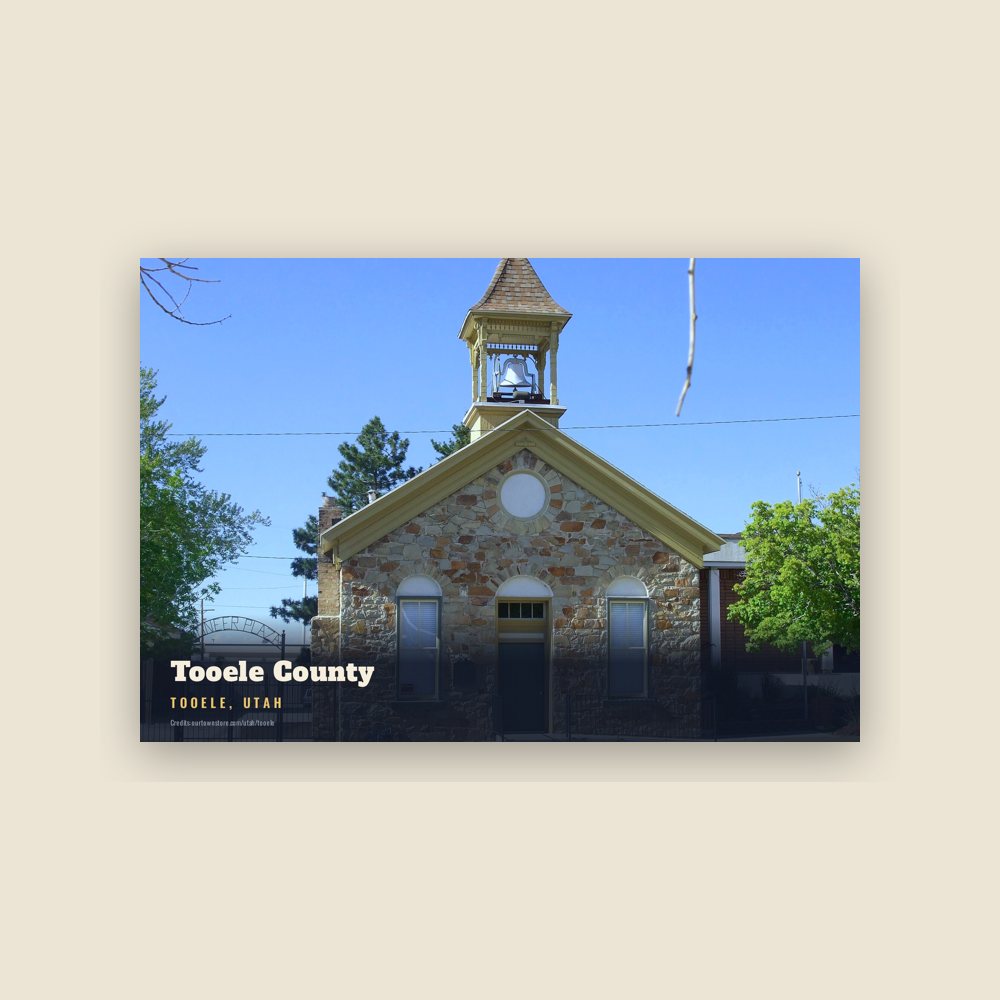
 Tooele County
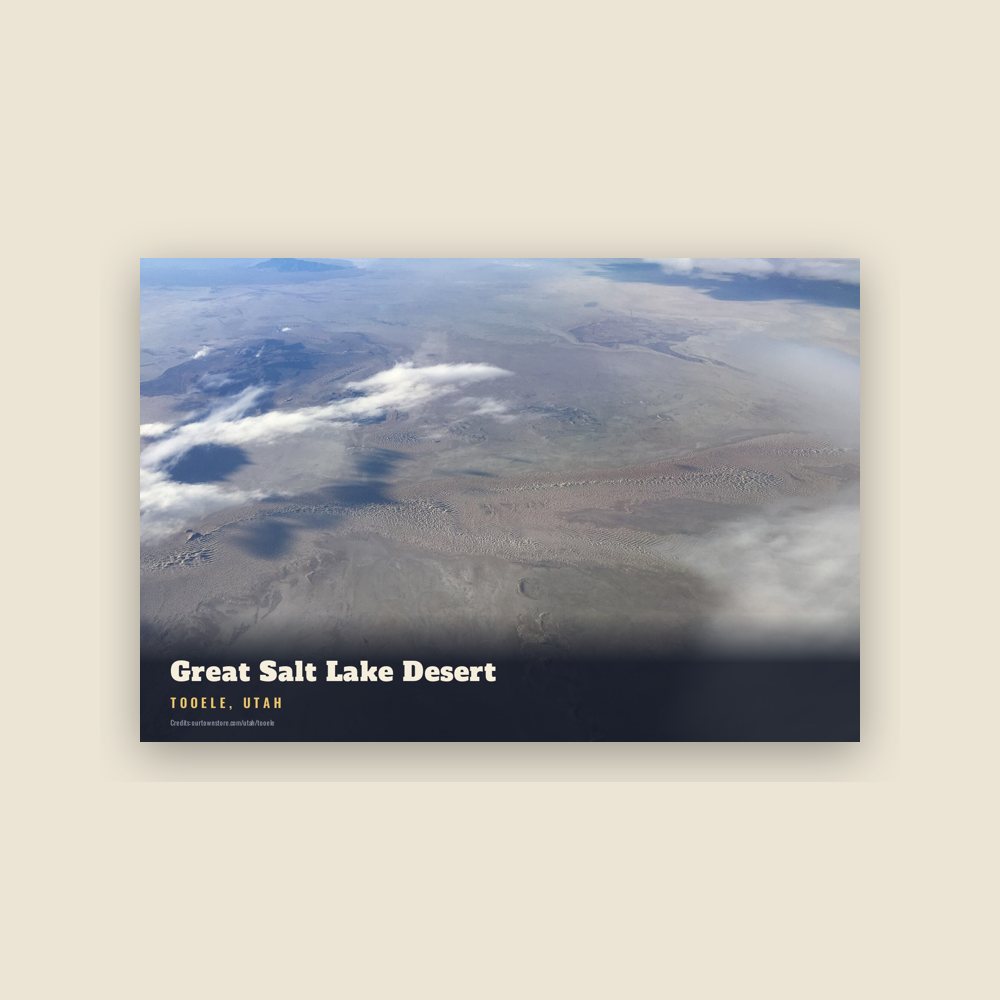
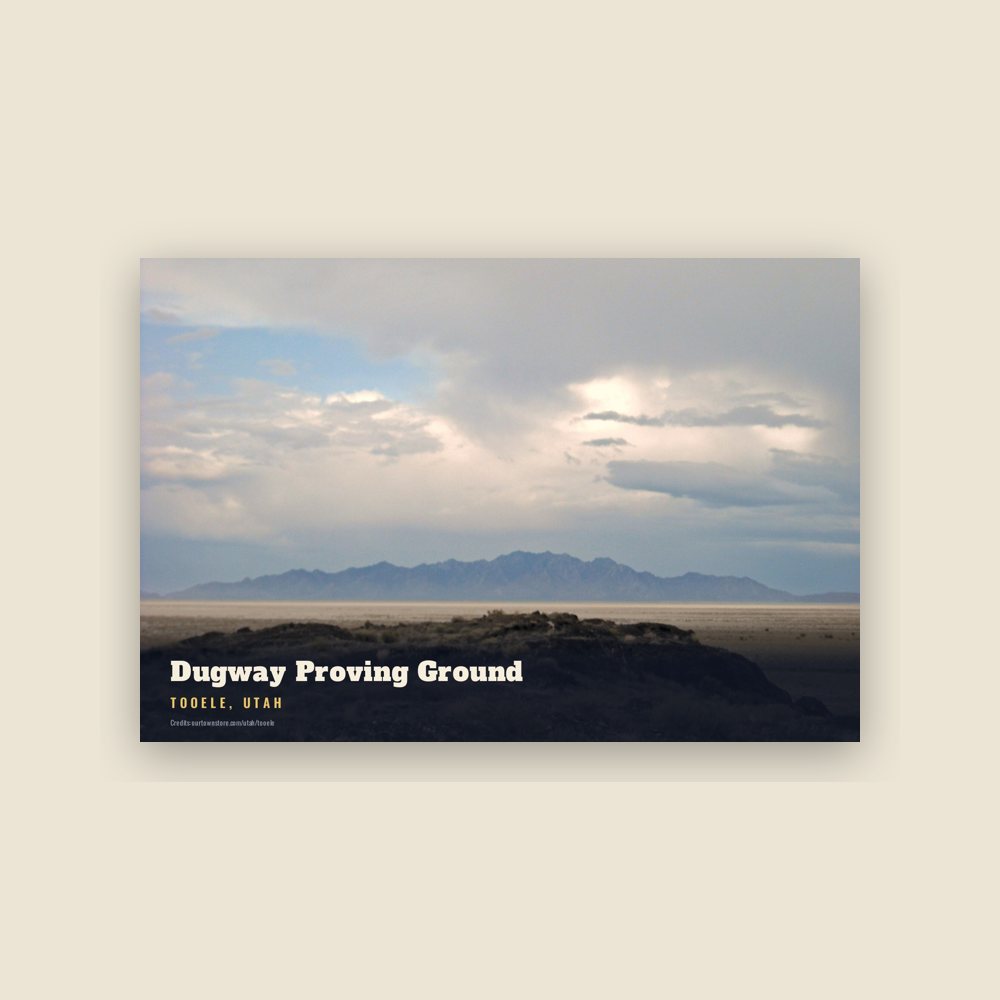
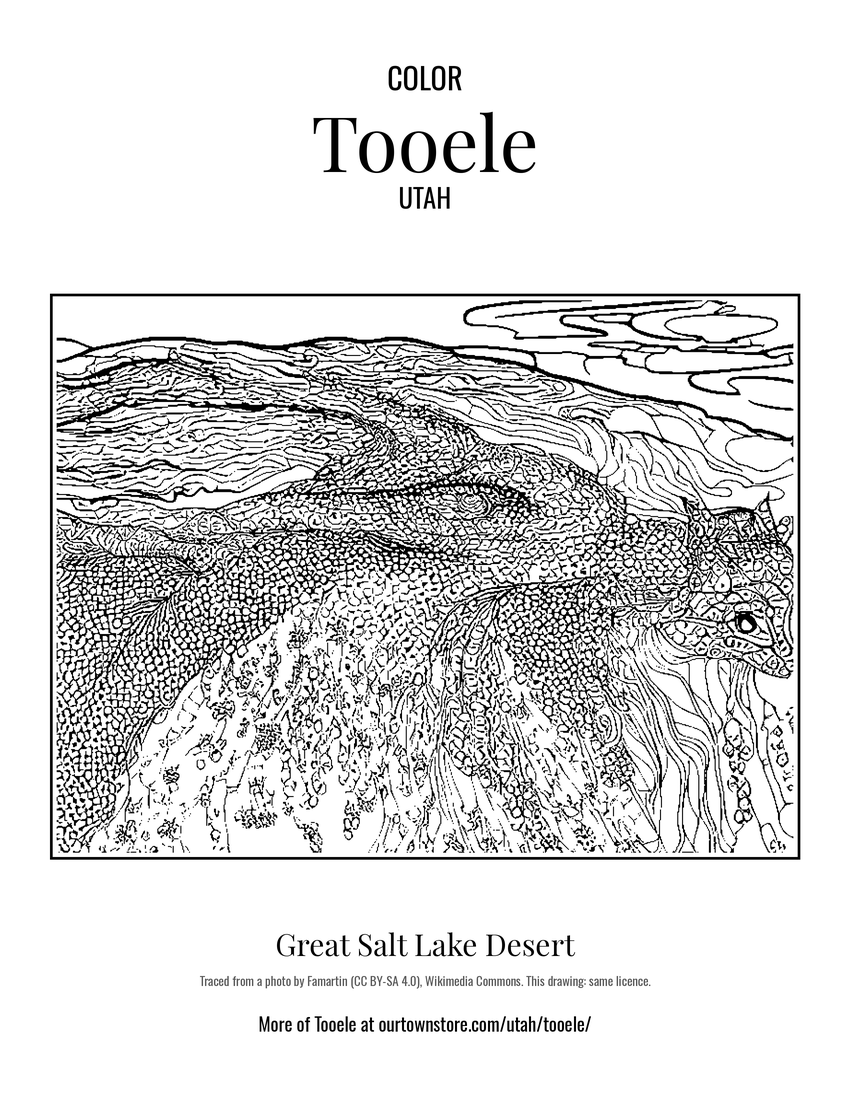 Great Salt Lake Desert
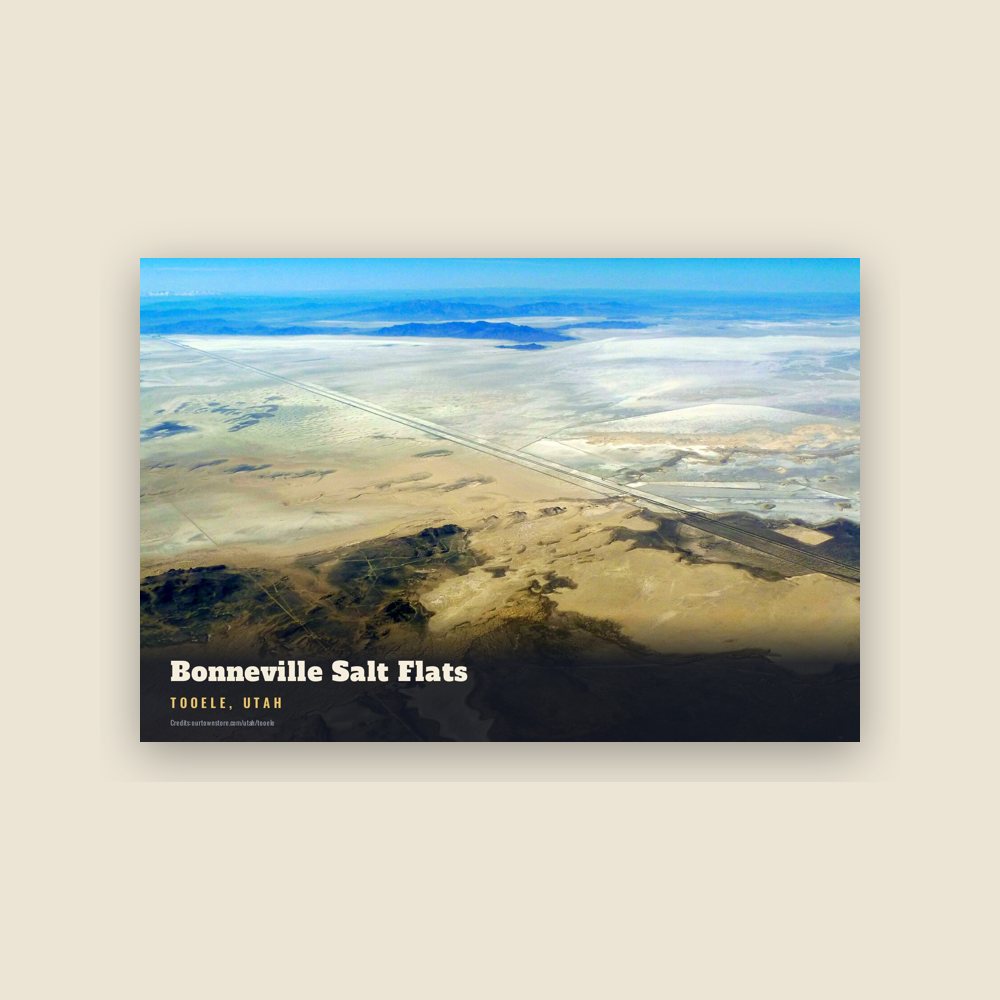
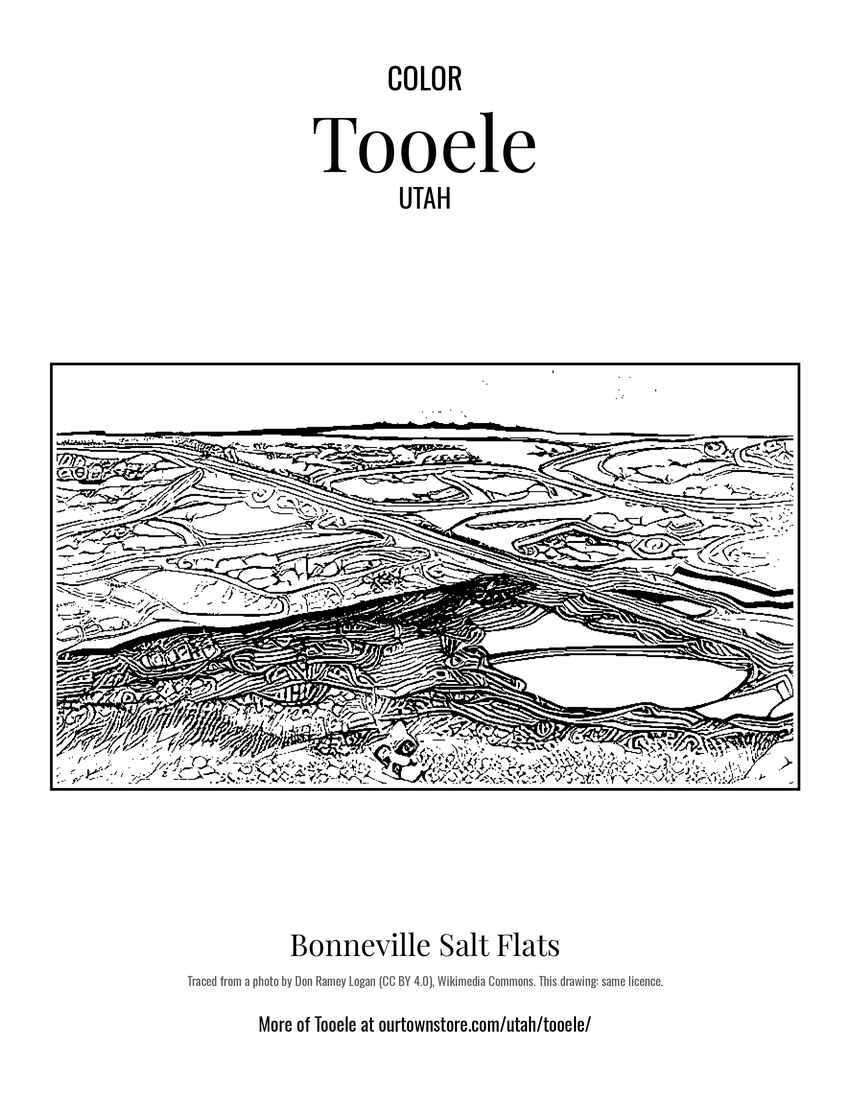 Bonneville Salt Flats
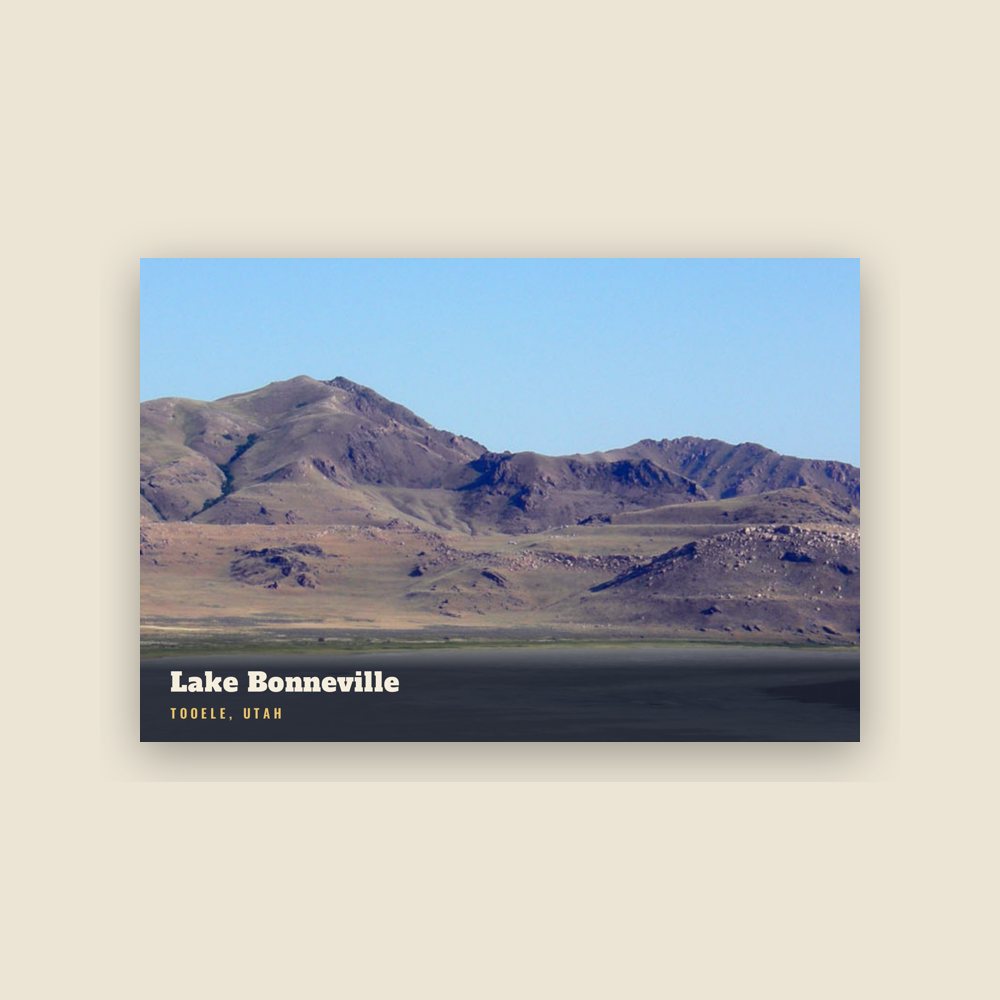
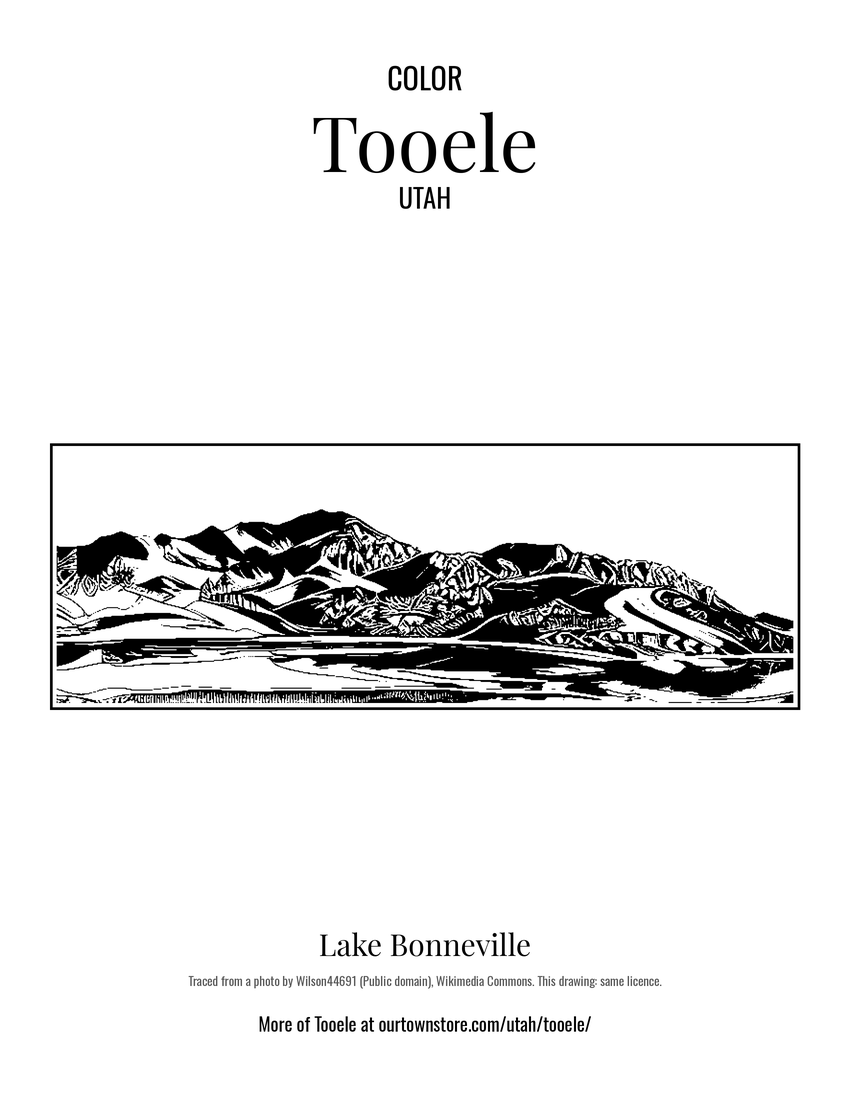 Lake Bonneville